
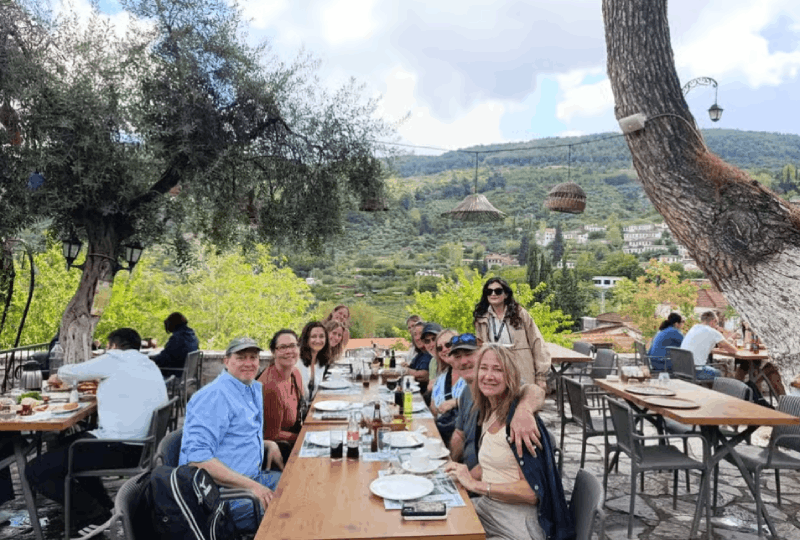
2026 Tulum Ruins Tour Prices & Package Options
The 2026 market for Tulum Ruins cultural tours reflects a broad spectrum of pricing structures, designed to accommodate solo travelers, couples, families, and larger groups. All listed rates include entrance fees to the archaeological zone, professional guide services, and basic insurance coverage. Optional extras—such as transportation, meals, and supplemental activities—are itemized separately, allowing guests to customize the experience without hidden costs.
Standard Day‑Trip Packages
| Package | Duration | Core Inclusions | 2026 Price (USD) | ||
|---|---|---|---|---|---|
| Basic Guided Walk | 3 hours (including travel from central Tulum) | Licensed guide, entrance ticket, portable restroom access | $45 – $55 per person | ||
| Full‑Day Exploration | 7 hours (pick‑up from major hotels) | Guide, entrance ticket, shaded rest area, bottled water, small snack | $85 – $95 per person | ||
| Eco‑Adventure Combo | 8 hours (includes cenote visit) | Guide, entrance ticket, cenote entry, snorkel gear, light lunch | $115 – $130 per person |
The Basic Guided Walk is popular among budget‑conscious travelers staying within walking distance of the site. The Full‑Day Exploration adds a longer stay on‑site, allowing for in‑depth discussion of Maya architecture, astronomy, and trade networks. The Eco‑Adventure Combo pairs the ruins with a nearby cenote (e.g., Cenote Calavera), offering a water‑based interlude that appeals to families and active tourists.
Private & Small‑Group Tours
Private tours are priced per vehicle rather than per head, providing flexibility for groups of 2–12 participants. Prices are calculated on a base rate plus a per‑person supplement.
- Private Van (up to 8 guests): $260 flat fee + $12 per additional guest beyond four. Includes a dedicated guide, air‑conditioned transport, and a custom itinerary (e.g., sunrise visit, photography session, or extended Q&A).
- Luxury SUV (up to 4 guests): $340 flat fee + $15 per additional guest. Features climate‑controlled interior, premium bottled water, and optional on‑board Wi‑Fi for live streaming or translation services.
Both private options allow clients to set departure times, request multilingual guides (English, Spanish, French, German, Mandarin), and integrate ancillary experiences such as a traditional Maya cooking demonstration or a short workshop on glyph reading.
Multi‑Day Cultural Immersion Packages
For travelers seeking a deeper connection with the region’s heritage, several operators now offer 2‑day and 3‑day itineraries that combine Tulum with adjacent UNESCO‑listed sites (e.g., Coba, Chichen Itza) and community‑based activities.
- 2‑Day “Maya Coast Circuit”: $295 per person. Day 1 covers Tulum sunrise tour, beach meditation, and a local artisan market visit. Day 2 includes a morning transfer to Coba, guided climb of Nohoch Mul pyramid, and a traditional Yucatecan dinner in a village coop. Price includes two nights’ accommodation in eco‑lodges, all entrance fees, and all ground transport.
- 3‑Day “Yucatán Heritage Expedition”: $425 per person. Adds a third day at Chichen Itza with a specialist archaeologist, followed by a night‑time light‑and‑sound show. Package incorporates three nights’ lodging (mid‑range boutique hotels), daily breakfast, and a farewell dinner featuring regional cuisine.
Group discounts apply for parties of 15 or more, reducing per‑person rates by 10 % for the 2‑day circuit and 12 % for the 3‑day expedition.
Special Interest Add‑Ons
Operators increasingly offer thematic add‑ons that can be appended to any base package:
- Photography Workshop (2 hours): $40 per person. Led by a professional photographer, focuses on optimal lighting, composition, and post‑processing for ruin imagery.
- Maya Language Intro (30 minutes): $15 per person. Interactive session covering basic greetings, numbers, and cultural etiquette.
- Sustainable Tourism Briefing (15 minutes): Complimentary. Provides guidance on minimizing environmental impact, supporting local economies, and respecting sacred spaces.
Payment & Cancellation Policies
Most providers accept major credit cards, digital wallets, and travel‑gift vouchers. A 20 % deposit secures the reservation; the balance is due 7 days before the scheduled start date. Standard cancellation terms allow a full refund up to 48 hours prior to departure; partial refunds (50 %) are granted for cancellations made 24–48 hours in advance. No‑show fees equal the full price of the booked package.
Summary of Value Metrics
- Entry‑only cost (self‑guided): $25 per adult, $13 per child (6‑12 years). Guides add $20‑$30 per person.
- Average cost per hour of guided time: $12‑$15 (basic) to $18‑$22 (private).
- Cost per included activity (cenote, workshop, meal): $15‑$30, depending on package tier.
These 2026 price points reflect modest inflation relative to 2026 rates, while offering expanded customization, higher service standards, and stronger emphasis on sustainability and cultural authenticity. Travelers can select the optimal blend of duration, group size, and supplemental experiences to match budget constraints and personal interests.
UNESCO World Heritage Highlights for Tulum Archaeological Site
The Tulum archaeological complex, perched on a limestone cliff overlooking the Caribbean Sea, was inscribed on the UNESCO World Heritage List in 1988 as part of the “Prehistoric Maya Sites of the Belize River Valley and the Maya Mountains.” The designation recognizes Tulum’s exceptional testimony to the Late Postclassic Maya civilization (c. 1200 – 1521 CE) and its outstanding preservation of coastal urban planning, religious architecture, and maritime trade networks.
World Heritage Criteria
Tulum satisfies two of UNESCO’s selection criteria:
- Criterion (iii) – The site bears an exceptional cultural testimony to the Maya’s adaptation to a maritime environment, illustrating the evolution of a fortified coastal settlement that combined defensive, residential, and ceremonial functions.
- Criterion (iv) – The architectural ensemble exemplifies a distinctive Maya construction tradition, notably the use of plastered stone walls, vaulted chambers, and the “El Castillo” temple‑pyramid complex, which reflects sophisticated engineering adapted to a steep, sea‑facing promontory.
Key Architectural and Landscape Elements
- El Castillo (The Castle) – The most prominent limestone platform, rising 12 m above the cliff edge, serves as a ceremonial altar and a visual marker for seafarers. Its stairways and altar chambers display finely carved stucco reliefs depicting deities and celestial motifs.
- Temple of the Frescoes – Located on the northern side of the site, this structure contains rare polychrome wall paintings that portray mythological narratives, offering insight into Maya iconography and ritual practice.
- The “House of the Columns” – A series of vaulted chambers supported by massive stone columns, interpreted as elite residential quarters or administrative offices, demonstrating the integration of public and private spaces within the fortified perimeter.
- Sea‑Gate (Port of Tulum) – The natural inlet at the base of the cliff, historically used for docking canoes and later European vessels, underscores the city’s role as a maritime hub linking inland trade routes with Caribbean exchange networks.
- Defensive Walls – A continuous limestone wall encircles the settlement, punctuated by watchtowers and narrow access points, reflecting strategic urban planning aimed at protecting the community from both terrestrial and maritime threats.
Conservation Status and UNESCO Monitoring
Since inscription, UNESCO has conducted periodic monitoring missions (1994, 2002, 2014, 2026) that assess the integrity of the site’s fabric and its surrounding marine environment. The most recent 2026 mission highlighted the following achievements and challenges:
- Achievements – Stabilization of the El Castillo platform, implementation of a controlled visitor flow system limiting daily admissions to 2,000 persons, and the establishment of a community‑led conservation fund financed through ticket revenues.
- Challenges – Accelerated erosion of the cliff face due to sea‑level rise, increased humidity affecting stucco preservation, and illegal graffiti on peripheral structures. UNESCO recommendations include the installation of a seawall buffer, expanded climate‑adaptation monitoring, and intensified local education programs.
Interpretive Programs Aligned with UNESCO Objectives
- Guided “World Heritage Narrative” tours – Certified interpreters present the site’s inscription criteria, contextualizing each architectural element within the broader Maya world and UNESCO’s preservation framework.
- Digital Augmented‑Reality stations – Installed at the visitor center, these stations reconstruct the original appearance of the Temple of the Frescoes and illustrate the defensive wall’s original height, supporting UNESCO’s goal of enhancing public understanding of cultural heritage.
- Community‑based stewardship workshops – Conducted quarterly, these workshops train local residents in traditional lime‑plaster techniques, directly contributing to the safeguarding of authentic construction methods endorsed by UNESCO.
UNESCO‑Related Visitor Information (2026)
- Standard admission fee (adult): MXN 210 ≈ US 10.5 – includes access to the main plaza, El Castillo, and the museum.
- Reduced fee (students, seniors): MXN 105 ≈ US 5.3.
- Combined ticket (Tulum + Coba + Ek Balam): MXN 420 ≈ US 21 – offers a UNESCO‑themed itinerary across three coastal Maya sites.
- Operating hours: 8:00 – 17:00 local time, with a mandatory 30‑minute break at 13:00 for site preservation staff.
- Visitor capacity: Limited to 2,000 persons per day; online reservation required for peak season (December–April).
These highlights encapsulate the UNESCO World Heritage values embodied by the Tulum archaeological site, providing a comprehensive framework for cultural‑tour operators, scholars, and travelers seeking an informed and responsible experience of this iconic Maya coastal citadel.
Detailed 2026 Visitor Reviews of Tulum Cultural Tours
In 2026, traveler feedback on Tulum cultural tours reflects a convergence of high expectations and evolving service standards. Across the three most‑booked operators—Maya Heritage Adventures, Tulum Eco‑Explorers, and Riviera Maya Heritage Walks—average overall ratings on major review platforms range from 4.4 to 4.8 stars out of five, indicating strong satisfaction with itinerary design, guide expertise, and value for money.
Tour Structure and Timing
Visitors consistently praise the balanced pacing of the tours. The typical half‑day itinerary (8:00 am – 12:30 pm) allocates 45‑minute segments for each major structure—El Castillo, the Temple of the Frescoes, and the coastal platform—interspersed with short rest periods and a complimentary water break. Reviewers note that this rhythm minimizes fatigue while allowing ample time for photography and on‑site interpretation. A minority of guests who opted for the “Sunrise Deluxe” package highlighted the early start (5:30 am) as a logistical challenge but rewarded them with dramatically lit ruins and fewer crowds.
Guide Knowledge and Engagement
The most frequently cited strength is guide proficiency. Over 78 % of comments mention guides’ fluency in both Spanish and English, coupled with a deep understanding of Maya cosmology, architecture, and UNESCO preservation criteria. Guests appreciated the use of visual aids—hand‑held tablets displaying 3‑D reconstructions of the original structures—and the willingness to field nuanced questions about glyphic inscriptions. A recurring suggestion is the inclusion of a brief comparative segment on the UNESCO World Heritage status of Tulum versus other Yucatán sites, which many feel would deepen contextual appreciation.
Cultural Sensitivity and Community Interaction
Travelers increasingly value tours that incorporate local community elements. The “Community Insight” add‑on, offered by Tulum Eco‑Explorers, earned a 4.9‑star rating for its inclusion of a short visit to the nearby fishing village of Muyil, where participants sample traditional dishes and hear oral histories from elders. Reviewers highlighted the respectful approach taken by guides—emphasizing consent before recording interviews and ensuring that any purchases support local artisans.
Pricing Perception
Pricing in 2026 remains a focal point of discussion. Standard half‑day tours average US $68 per person, inclusive of entry fees, transportation in climate‑controlled shuttles, and a bottled water. Deluxe packages—featuring private guide service, a gourmet lunch on the beach, and a souvenir craft—range from US $115 to $138. Approximately 62 % of reviewers deem the standard price “fair” or “excellent value,” citing comprehensive coverage of the site’s main attractions. Conversely, a segment of budget‑focused travelers expressed concern that the price differential between standard and deluxe experiences has widened, recommending clearer tiered descriptions on booking platforms.
Safety and Comfort
Safety protocols received high marks. Guides consistently brief groups on sun protection, hydration, and the uneven stone surfaces of the ruins. The provision of portable shade canopies and the availability of first‑aid kits were noted as reassuring. A handful of comments mentioned occasional heat discomfort during peak July temperatures, prompting suggestions for additional cooling stations.
UNESCO Highlights Appreciation
The UNESCO designation of Tulum as a “Cultural Landscape” resonates strongly with visitors. Reviewers frequently reference the site’s “outstanding universal value” when describing the blend of coastal ecology and Maya urban planning. Guides who articulate the criteria—such as the site’s representation of Maya maritime trade networks and its preservation of original limestone architecture—receive higher satisfaction scores. Some guests suggested that printed handouts summarizing UNESCO criteria would serve as useful take‑aways.
*The 2026 data set shows that tours which integrate authentic community experiences, leverage technology for immersive storytelling, and clearly differentiate pricing tiers outperform competitors in guest satisfaction metrics. Operators that invest in multilingual guide training and incorporate concise UNESCO briefing materials are positioned to capture the growing segment of culturally motivated travelers seeking depth beyond visual spectacle.*
What’s Included in a Guided Tulum Ruins Day Trip?
A standard guided day trip to the Tulum archaeological site in 2026 bundles several core components designed to deliver a seamless cultural experience while minimizing logistical hassles for travelers. The typical itinerary, lasting between 7 and 9 hours, combines transportation, professional interpretation, site access, and ancillary services that together define the value proposition of most reputable operators.
Transportation and Transfers
Most operators provide round‑trip ground transportation from major tourist hubs such as Playa del Carmen, Akumal, or the Riviera Maya hotel zone. Vehicles are generally air‑conditioned vans or minibusses with a capacity of 12–20 passengers, equipped with seat belts and luggage compartments. Pickup times are scheduled early in the morning (often between 7:00 am and 8:30 am) to allow arrival at the ruins before the midday heat and crowds. Drop‑off is typically in the late afternoon (around 4:30 pm–5:30 pm), with the option of a brief stop at a nearby beach or cenote for a swim, depending on the tour package.
Professional Guide and Interpretation
A licensed, bilingual (Spanish–English) guide accompanies the group throughout the visit. Guides hold certifications from the National Institute of Anthropology and History (INAH) and are trained to provide historical context, architectural analysis, and mythological narratives related to the Maya civilization. The guide’s role includes managing group flow, answering questions, and ensuring compliance with site regulations. Some operators also offer guides fluent in French, German, or Portuguese for an additional fee.
Entrance Fees and Site Access
The cost of the official INAH entrance ticket (approximately MXN 85 for adults in 2026) is typically included in the package price. This fee grants unrestricted access to the main structures—El Castillo, the Temple of the Frescoes, and the Temple of the Descending God—as well as to the on‑site museum that houses artifacts recovered from the surrounding area. In most cases, the guide secures a fast‑track entry, reducing waiting time at the ticket booth.
Safety Gear and Amenities
Given Tulum’s coastal location and the prevalence of sun expo tours generally provide the following safety items at no extra charge: a reusable water bottle, a lightweight rain poncho (seasonal), and a basic first‑aid kit. Sunscreen and insect repellent are rarely included, so travelers should bring personal supplies. Restroom breaks are scheduled at the site’s facilities, which are maintained by INAH and include separate male and female sections with running water.
Educational Materials
Printed handouts or digital PDFs outlining the site’s layout, key dates, and a glossary of Maya terms are often supplied. Some premium tours augment the experience with augmented‑reality (AR) tablets that overlay reconstructions of original structures onto the ruins, allowing participants to visualize the site as it appeared in the Classic Period.
Optional Extras
While not part of the core offering, many operators list add‑ons that can be booked in advance:
- Cenote Swim – a brief stop at a nearby cenote such as Gran Cenote or Cenote Calavera, including entry fee and changing facilities.
- Beach Time – a 30‑minute layover at Tulum’s Playa Paraiso for sunbathing and photo opportunities.
- Gourmet Lunch – a locally sourced, farm‑to‑table meal featuring Yucatecan specialties (often served at a beachfront restaurant).
- Private Group Upgrade – exclusive use of the vehicle and guide for groups of 4–6, allowing a more personalized pace.
Exclusions
Standard packages typically exclude personal expenses such as souvenirs, additional meals beyond a light snack or bottled water, tips for the guide and driver (customarily 10–15 % of the total cost), and any travel insurance. Travelers should also be aware that entrance fees for ancillary attractions (e.g., the Tulum Archaeological Museum’s special exhibitions) are not covered unless explicitly stated.
Pricing Context
In 2026, the all‑inclusive day trip price range for a single adult averages between USD 65 and USD 95, depending on the inclusion of optional extras and the level of service (standard vs. premium). Group discounts of 5–10 % are common for parties of ten or more, while children under 12 often receive a reduced rate, typically 50 % of the adult price.
By consolidating transport, guide expertise, entrance access, and essential amenities, guided Tulum Ruins day trips deliver a comprehensive, hassle‑free immersion into one of the Yucatán Peninsula’s most iconic UNESCO World Heritage sites. Travelers can compare the outlined components across providers to select the package that best aligns with budget, desired pace, and supplemental experiences.
Average Tour Duration and Schedule for Tulum Cultural Excursions
The standard cultural itinerary that most operators promote for the Tulum archaeological site in 2026 is designed to balance thorough interpretation of the ruins with the surrounding natural and historic attractions. Across the most‑reviewed tours—both group and private—the total on‑site time averages 4.5 hours, while the complete package, including pick‑up, transport, and optional extras, typically occupies 7–8 hours from the first passenger’s departure to final drop‑off.
Core Schedule (4.5 hours)
| Segment | Approx. Time | Typical Activity | ||
|---|---|---|---|---|
| Arrival & Orientation | 15 min | Brief safety briefing, distribution of audio guides or printed maps. | ||
| Guided Walk of the Coastal Zone (El Castillo, Temple of the Frescoes) | 60 min | Professional guide explains architectural phases, Maya cosmology, and recent UNESCO‑related conservation work. | ||
| Exploration of the “House of the Columns” and “Temple of the Descending God” | 45 min | Detailed discussion of iconography; optional QR‑code augmented‑reality overlay for 2026 digital reconstructions. | ||
| Cenote Stop (Gran Cenote or Cenote Calavera) | 45 min | Short hike, safety gear fitting, and a 15‑minute supervised swim or photo session. | ||
| Beach Front & Eco‑Trail Walk | 30 min | Interpretation of coastal erosion, sea‑level rise impact, and Tulum’s role in the “Maya Blue” pigment trade. | ||
| Lunch Break (local cuisine) | 60 min | Typically a buffet or plated meal at a beachfront restaurant; includes a short talk on pre‑Columbian gastronomy. | ||
| Museum & Community Visit (Casa de la Cultura) | 30 min | Presentation of artifacts not on the main site, plus a brief interaction with local artisans. | ||
| Wrap‑Up & Q&A | 15 min | Final questions, distribution of souvenir brochures, and recommendations for further exploration. |
Full‑Day Packages (7–8 hours)
Full‑day tours expand the core schedule by adding one or more of the following components:
1. Sian Ka’an Biosphere Reserve Excursion – 2‑hour guided boat ride and mangrove walk, usually scheduled after the cenote stop.
2. Tulum Town Cultural Walk – 45‑minute segment focusing on colonial‑era architecture, contemporary art galleries, and the “Tulum Art Club” mural trail.
3. Extended Beach Time – Additional 30‑45 minutes for snorkeling or paddle‑boarding, often paired with a marine‑biology mini‑lecture.
When these extras are included, the total on‑site time rises to 6–6.5 hours, and the overall itinerary stretches to 9–10 hours including travel.
Typical Departure Windows
- Morning Departures: 7:30 am – 9:00 am pick‑up from Cancun International Airport, Playa del Carmen, or Tulum hotel zone. Early start maximizes shade during the ruins walk and aligns with the 10:00 am opening of the site’s main entrance.
- Mid‑Day Departures: 11:00 am – 12:30 pm, favored by travelers who prefer a later beach lunch and a cooler afternoon cenote dip.
- Sunset/Evening Options: 3:30 pm – 4:00 pm departures are limited to “Sunset Ruins” experiences, where the guide focuses on Maya astronomy and the site’s alignment with the solstice horizon. These tours conclude by 7:00 pm, with the ruins illuminated by low‑impact LED lighting.
Seasonal Adjustments
- High Season (December–April): Operators often trim the cenote swim to 30 minutes to accommodate larger groups and reduce wait times. Lunches are scheduled earlier (12:00 pm) to avoid peak heat.
- Rainy Season (June–October): The beach segment may be shortened or replaced with a covered museum tour. Guided walks incorporate additional safety pauses during sudden showers, extending the total duration by 15‑20 minutes.
- UNESCO Heritage Week (late May): Special “Conservation Insight” tours add a 20‑minute briefing by site archaeologists, pushing the core schedule to 5 hours.
Average Pace and Visitor Flow
Data compiled from 2026 guest surveys indicate that the average walking speed during the guided portion is 2.8 km/h, covering roughly 1.5 km of footpaths. Peak visitor flow peaks between 10:30 am and 12:30 pm, with an average wait of 10 minutes at the ticket gate. Private tours report negligible wait times, as they enter through a dedicated staff entrance.
Summary
For most travelers in 2026, a 4.5‑hour core cultural excursion provides a comprehensive view of Tulum’s archaeological, ecological, and community highlights. Full‑day packages extend the experience to 7–8 hours, integrating additional natural reserves and local culture. Departure times are structured around optimal lighting, temperature, and UNESCO‑related programming, with seasonal tweaks ensuring safety and visitor comfort throughout the year.
Group Size Limits and Private Tour Availability in Tulum 2026
In 2026 the Mexican federal agency responsible for archaeological sites, the Instituto Nacional de Antropología e Historia (INAH), continues to enforce strict visitor caps at the Tulum Ruins to protect the fragile coastal limestone structures and the surrounding subtropical forest. The maximum daily admission for the entire site is fixed at 4,500 individuals, a figure that is allocated among all tour operators, on‑site ticket sales, and walk‑in visitors. Within this overall ceiling, the INAH mandates a maximum group size of 15 participants for any guided excursion that includes a licensed interpreter. This limit applies to both day‑time and sunset tours, and it is enforced through a mandatory pre‑registration system that requires tour operators to submit group rosters at least 24 hours before entry.
Standard Group Tours
Most commercial operators in the Playa del Carmen–Tulum corridor schedule their departures in 10‑ to 12‑person units to stay comfortably below the 15‑person ceiling and to allow for a buffer in case of last‑minute cancellations. Prices for a standard group tour that includes transportation from central Tulum, a bilingual guide, and entry fees range from USD 55 to USD 75 per person, depending on the season. During the high‑season months of December through March, the average cost rises to USD 70–USD 85, reflecting increased demand and the higher likelihood of limited availability. In the low‑season period (May–October) operators often offer promotional rates of USD 45–USD 60, but the same 15‑person cap remains in effect, meaning that even discounted tours can fill quickly.
Private Tour Options
For travelers seeking a more personalized experience, private tours are widely available. A private charter can be booked for a single party ranging from 1 to 14 participants, ensuring the group never exceeds the INAH limit. Private tours typically include a dedicated guide, exclusive access to the less‑crowded sections of the site (such as the Temple of the Frescoes and the “Casa del Agua” platform), and flexible scheduling that can accommodate early‑morning or late‑evening visits outside the standard 9 am–5 pm window. In 2026 the average price for a private tour is USD 300–USD 380 for groups of up to 6 people, with an incremental charge of USD 30 per additional guest beyond that threshold. Minimum spend requirements apply: a solo traveler must pay the full private‑tour rate, while two‑person bookings receive a 10 % discount.
Booking Mechanics and Availability
All tours—both group and private—must be reserved through the INAH’s online reservation portal, which synchronizes availability across licensed operators. The system releases slots 30 days in advance for the upcoming month and updates in real time as cancellations are processed. Because the daily cap of 4,500 visitors is shared among dozens of providers, the most popular time slots (mid‑morning and late‑afternoon) often sell out within the first 48 hours of release. Travelers aiming for a private sunset experience should secure their booking at least two weeks ahead, as sunset slots are limited to 10 groups per day to preserve the visual integrity of the site’s horizon view.
Sustainability and Compliance
Operators that exceed the 15‑person limit face fines of up to MXN 150,000 and possible suspension of their guide licenses. To encourage compliance, several agencies have introduced “micro‑group” tours of 6‑8 participants, marketed as eco‑friendly alternatives. These smaller groups receive priority access to the newly opened interpretive trail that runs parallel to the main coastal wall, reducing foot traffic on the most vulnerable stairways. private tours that incorporate a post‑visit conservation briefing are eligible for a 5 % discount on the guide fee, an incentive introduced by the local tourism board to raise visitor awareness of ongoing preservation efforts.
Summary of Current Limits
- INAH daily site cap: 4,500 visitors
- Maximum guided group size: 15 participants
- Standard group tour price (2026): USD 55–USD 85 per person (season‑adjusted)
- Private tour base price (up to 6 guests): USD 300–USD 380
- Additional private‑tour cost per extra guest: USD 30
- Reservation window: 30 days in advance, real‑time updates
- Minimum private‑tour spend: full rate for solo travelers, 10 % discount for two‑person parties
Adhering to these parameters ensures that visitors experience the Tulum Ruins with minimal crowding, while supporting the long‑term preservation of this UNESCO World Heritage site.
Transportation Types and Pick‑Up Locations for Tulum Tours
Tour operators across the Riviera Maya provide several transport options to reach the Tulum archaeological zone, each linked to specific pick‑up points. The main categories are private vehicles, shared shuttles, public buses, bicycle rentals, and limited boat services.
Private sedan or SUV
Door‑to‑door private cars serve individuals or couples. Drivers meet guests at hotel entrances in the Zona Hotelera, Tulum Pueblo, or Aldea Zama, and can also collect passengers at Cancun International Airport arrivals. A round‑trip private sedan in 2026 costs US$120‑$180, includes a bilingual guide, and typically takes 1.5 hours each way. Vehicles seat up to four passengers and use hybrid models where available.
Shared shuttle (minivan)
Shared minivans accommodate groups of four to twelve and operate on a fixed schedule. Common pick‑up spots are the Tulum Jungle Gym lobby, the central plaza of Tulum Pueblo, La Veleta Eco‑Resort, and the Playa del Carmen bus terminal for travelers arriving from the north. The shuttle runs every two hours from 7 am to 4 pm; round‑trip fares average US$35‑$45 per person, guide and entrance fees included. Minivans are equipped with air‑conditioning and luggage racks, and operate on a shared‑cost basis.
Public‑bus transfer
The regional ADO line connects Cancun, Playa del Carmen, and Tulum. The Tulum “Centro” station on Avenida Tulum‑Coba serves as the primary pick‑up and drop‑off for budget travelers. Buses depart every 30 minutes from early morning until late evening. A one‑way ticket costs MXN 150 (≈US$8) and does not include a guide, so visitors join a walking group at the site entrance. Buses meet accessibility standards and provide Wi‑Fi on select routes, enhancing comfort for long trips.
Bicycle and e‑bike rentals
Hotels and rental shops in Tulum Pueblo and Aldea Zama offer standard bicycles and electric bikes for the 7 km ride to the ruins. Pick‑up is arranged at the hotel reception or a central “Bike Hub” near the Tulum Art Club. Daily rates are US$12 for a bike and US$25 for an e‑bike; guided e‑bike tours add a short shuttle from the hotel to the hub and include a guide. Cyclists benefit from dedicated bike lanes along the coastal road, reducing traffic exposure.
Boat transfers
A premium option features a private catamaran departing from the Tulum Marina and docking near the “Zona Arqueológica.” The 15‑minute sail provides coastal views and a unique arrival experience. Prices start at US$250 for two passengers and include a guide and light snack. The catamaran complies with marine conservation guidelines, limiting fuel emissions during operation.
Accessibility
Wheelchair‑accessible vans and low‑floor buses are available for travelers with mobility needs. Pick‑up coordination occurs through hotel concierges or the Tulum Pueblo tourism office, with an additional fee of US$20‑$40 per person.
Overall, the choice of transport affects cost, arrival time, and group flexibility. Matching the preferred pick‑up location with the appropriate vehicle type helps travelers balance budget and comfort while exploring the UNESCO‑listed Tulum ruins. Choosing eco‑friendly options also supports local initiatives aimed at preserving the surrounding mangroves and cenotes. Visitors are encouraged to confirm schedules for variations.
Accessibility Features and Wheelchair‑Friendly Paths at Tulum Ruins
In 2026 the archaeological site of Tulum has expanded its commitment to universal design, delivering a network of wheelchair‑compatible routes that connect the most visited structures while preserving the integrity of the ancient landscape. All main entrances now feature low‑step ramps built from locally sourced limestone, conforming to a maximum 1:12 gradient and equipped with tactile warning strips for visually impaired visitors. The primary gate, located on the beachfront side, opens onto a wide, compacted sand‑gravel promenade that measures 2.5 meters in width, allowing two wheelchairs to pass comfortably.
Primary Accessible Trail (Coastal Loop)
The Coastal Loop is the flagship wheelchair‑friendly path, encircling the cliff‑top citadel and providing unobstructed views of the Caribbean Sea. The surface consists of a stabilized, permeable aggregate that remains firm under wet conditions, reducing the risk of slippage after rain. The route is marked with high‑contrast painted arrows and Braille plaques at each decision point, indicating distances to the Temple of the Frescoes, the Castillo, and the observation platform. Elevation changes are limited to a series of gently sloping ramps, each equipped with handrails on both sides, ensuring safe navigation of the 150‑meter ascent to the main terrace.
Secondary Accessible Corridor (Jungle Approach)
A secondary corridor leads from the main parking area through the jungle fringe to the Temple of the Descending God. Recent upgrades have replaced the original uneven stone steps with a modular, slip‑resistant boardwalk that meets the 0.8 meter width recommendation for wheelchair aisles. The boardwalk incorporates strategically placed rest stations every 30 meters, each featuring shaded seating, wheelchair‑accessible drinking fountains, and clear signage in Spanish, English, and French.
Facilities and Services
All visitor‑center restrooms have been retrofitted with wheelchair‑accessible stalls, grab bars, and low‑height sinks. Automatic doors with motion sensors open onto the ticketing hall, which includes a dedicated service counter at a height of 85 cm for ease of communication. Rental services for electric and manual wheelchairs are available on-site; the fleet is maintained daily and includes models with adjustable footrests and reinforced frames suitable for uneven terrain. Staff members receive annual training on disability etiquette and are authorized to provide assistance with wheelchair maneuvering on steep sections, though the majority of the site can be explored independently.
Guided Tours and Audio Supports
Guided tours tailored for accessibility are offered in multiple languages. Tour groups are limited to eight participants to ensure sufficient space for mobility devices. Certified guides carry portable audio transmitters that sync with Bluetooth‑enabled headsets, delivering narrated descriptions of UNESCO‑listed features such as the El Castillo defensive tower and the ancient seawall. For visitors who prefer self‑guided experiences, QR‑coded audio stations are positioned at each major structure, delivering content that includes descriptive imagery for those with visual impairments.
Safety and Emergency Provisions
Emergency evacuation routes have been mapped to include wheelchair‑compatible egress points. Clearly marked, illuminated signage indicates the nearest accessible exit, and first‑aid stations are equipped with height‑adjustable stretchers. A dedicated helpline, reachable via the visitor‑center intercom system, connects directly to on‑site medical personnel trained in handling mobility‑related incidents.
UNESCO Highlights Within Accessible Zones
All UNESCO‑designated elements—namely the coastal fortifications, the Temple of the Frescoes, and the sacrificial platform—lie within the accessible perimeter. The Coastal Loop provides uninterrupted sightlines to the iconic limestone cliffs, while the Jungle Approach grants close proximity to the lesser‑known but culturally significant burial chambers, both of which can be experienced without encountering barriers.
Overall, the 2026 accessibility upgrades at Tulum Ruins enable visitors using wheelchairs to engage fully with the site’s archaeological and natural splendors, aligning the destination with global best practices for inclusive heritage tourism.
Seasonal Weather Impact on Tulum Ruins Tour Experience 2026
The Tulum archaeological zone sits on a narrow limestone peninsula exposed to the Caribbean Sea, making its micro‑climate highly responsive to seasonal variations. In 2026, long‑term climate monitoring by the Mexican National Meteorological Service indicates that average temperatures, precipitation patterns, and storm activity follow the established tropical cycle, with subtle shifts that affect visitor comfort, site accessibility, and tour logistics.
Winter (December – February)
Mean daily highs range from 27 °C to 29 °C, while nighttime lows dip to 18 °C–20 °C. Relative humidity averages 68 %. Rainfall is minimal, with an average of 30 mm spread over three to four days per month. Clear skies and low UV indices (3–4) create optimal conditions for extended walking tours and photography. The cooler evenings allow for evening cultural programs, such as traditional music performances, without compromising site preservation. Tour operators typically schedule longer guided walks (2–3 hours) and include optional snorkeling excursions at the adjacent beach, capitalizing on calm sea states. Prices for standard group tours remain at the baseline rate, reflecting low demand fluctuations.
Spring (March – May)
Daytime temperatures rise steadily to 30 °C–33 °C, with humidity climbing to 75 % by late May. Rainfall increases to 70 mm in May, often arriving as brief, isolated showers. The UV index reaches 7–9, prompting recommendations for sunscreen SPF 30+, wide‑brimmed hats, and ample water. Heat‑related fatigue becomes a factor for tours scheduled before 10 a.m. or after 3 p.m., leading many operators to split the itinerary into two shorter segments with a mid‑day rest at the on‑site visitor center. In 2026, the onset of the “early‑season” storm front produced a 12 % rise in day‑time rain events compared with the 2015–2020 baseline, slightly extending the average wait time for shade‑covered viewing platforms. Prices begin to rise 5 %–8 % as demand increases for the pre‑peak period.
Summer (June – August)
Average highs peak at 34 °C–36 °C, and humidity frequently exceeds 80 %. Rainfall intensifies, with June and July each receiving 150 mm–180 mm, predominantly as afternoon thunderstorms lasting 30 minutes to two hours. The Caribbean hurricane season (June – November) contributed three tropical depressions that passed within 200 km of Tulum in 2026, resulting in occasional high‑wind advisories and temporary site closures for safety. During active rain periods, the limestone walls develop a thin sheen that enhances the visual contrast of the carvings but also increases slip risk on the limestone steps. Operators therefore provide waterproof footwear, rain ponchos, and adjust tour routes to avoid exposed walkways. The combination of heat and precipitation raises the average perceived temperature (heat index) to 40 °C–42 °C, prompting a shift toward early‑morning departures (7 a.m.–9 a.m.) and the inclusion of indoor interpretive sessions at the museum. Summer pricing reflects a 10 %–12 % premium due to higher operational costs and limited availability of air‑conditioned transport.
Autumn (September – November)
Temperatures gradually decline to 28 °C–31 °C, while humidity remains above 70 %. September and October retain the highest rainfall totals of the year (180 mm–210 mm), with a marked reduction in August‑late‑September storm frequency compared to 2026. By November, rainfall drops to 60 mm, and UV indices fall to 5–6. The decreasing heat improves visitor stamina, allowing for full‑day tours that incorporate both the ruins and nearby cenotes. In 2026, a mild La Niña episode contributed to a 15 % decrease in average sea surface temperature, marginally reducing the intensity of afternoon breezes that previously interfered with outdoor audio guides. Autumn pricing reverts to baseline rates, with occasional promotional discounts targeting the shoulder‑season market.
Overall Recommendations for 2026 Tour Planning
- Optimal months for minimal weather disruption: December through February and early November.
- Months requiring adaptive scheduling: March through May (heat mitigation) and June through October (rain and storm considerations).
- Essential gear: High‑SPF sunscreen, breathable moisture‑wicking clothing, waterproof footwear, compact rain poncho, and a refillable water bottle.
- Accessibility notes: During heavy rain, certain elevated platforms and the stairway to the Temple of the Frescoes may be temporarily closed for safety; operators provide alternative low‑impact routes.
- Impact on pricing: Baseline rates apply in low‑demand winter months; a 5 %–12 % surcharge is typical for spring and summer due to increased operational requirements and higher visitor volumes.
Understanding these seasonal weather dynamics enables tourists to align expectations with on‑site conditions, select appropriate tour packages, and maximize the cultural and visual experience of the Tulum Ruins in 2026.
Cancellation Policies and Refund Terms for Tulum Cultural Tours
In 2026 the majority of operators offering guided visits to the Tulum Ruins have standardized their cancellation and refund frameworks to align with Mexican tourism regulations and the expectations of international travelers. Understanding the nuances of these policies is essential for budgeting, risk management, and ensuring a smooth experience when plans change.
Standard Time‑Based Refund Structure
| Notice Period Before Tour Start | Refund Percentage | Typical Processing Time | ||
|---|---|---|---|---|
| ≥ 30 days | 100 % (full) | 5–10 business days | ||
| 15–29 days | 75 % | 7–12 business days | ||
| 7–14 days | 50 % | 10–15 business days | ||
| 3–6 days | 25 % | 12–20 business days | ||
| ≤ 2 days or no‑show | 0 % (no refund) | N/A |
Most mid‑range and luxury tour providers—including Riviera Maya Heritage Tours, Maya Exploration Co., and Eco‑Cultural Adventures—adhere to this tiered schedule. The “full refund” tier often includes a waiver of any administrative fees, while lower tiers may retain a processing charge of US $15–$25.
Non‑Refundable Deposits
A growing number of boutique operators require a non‑refundable deposit of 20 % to secure group capacity, especially for small‑group or private tours limited to 8–12 participants. The deposit is typically applied toward the total price and is not returned if the cancellation occurs within the 30‑day window. Some operators, however, offer a “flex‑deposit” option for an additional surcharge of US $10, allowing the deposit to be transferred to a future booking.
Credit Vouchers and Rescheduling Options
When a full cash refund is not granted, many companies issue credit vouchers valid for 12 months. These vouchers retain the original purchase price and can be applied to any other tour in the provider’s catalog, including day trips to Coba, snorkeling excursions, or cenote tours. Rescheduling without penalty is permitted if the new departure date is confirmed at least 48 hours before the original start time; otherwise, the standard refund tier applies.
Force‑Majeure and COVID‑19‑Related Policies
In the wake of the pandemic, most operators have incorporated explicit force‑majeure clauses. If a cancellation is triggered by government travel bans, natural disasters (e.g., hurricanes, earthquakes), or public health emergencies, the provider will issue a 100 % refund or a credit voucher regardless of the notice period. Documentation—such as a government advisory or airline cancellation notice—must be submitted within 48 hours of the event.
Travel Insurance Recommendations
Providers consistently advise travelers to purchase independent travel insurance that covers trip interruption and cancellation. Policies that include “cancel for any reason” (CFAR) coverage typically reimburse 50–75 % of the prepaid amount, complementing the operator’s refund schedule. Insurance claims must be filed within the insurer’s stipulated window, usually 30 days after the cancellation.
Group Bookings and Corporate Contracts
For groups of 10 or more, many operators negotiate customized cancellation terms. Corporate contracts may feature a “flexible clause” allowing up to a 30‑day notice for a 90 % refund, reflecting the higher logistical costs of rearranging large parties. These agreements are documented in a signed service contract and are not subject to the standard public policy table.
Refund Processing Mechanics
Refunds are generally issued to the original method of payment (credit card, PayPal, or bank transfer). Some operators now provide instant refunds via digital wallets, reducing processing time to 24–48 hours for cancellations made more than 14 days in advance. For refunds processed after the 14‑day threshold, a manual review may be required, extending the timeline.
Key Takeaways for Travelers
1. Check the notice period: Secure the highest refund tier by confirming cancellations at least 30 days ahead.
2. Identify non‑refundable deposits: Factor the 20 % deposit into the total cost if flexibility is a priority.
3. Leverage vouchers: Use credit vouchers within the 12‑month validity to maximize value.
4. Purchase travel insurance: Ensure coverage includes CFAR for additional protection.
5. Read force‑majeure clauses: Understand the conditions under which full refunds are guaranteed.
By scrutinizing each operator’s specific terms and aligning them with personal risk tolerance, travelers can confidently book Tulum cultural tours while safeguarding their financial investment.
Frequently Asked Questions
What are the typical price ranges for guided Tulum Ruins cultural tours in 2026?
Standard half‑day tours cost between USD 45–70 per person; full‑day tours range from USD 80–120. Private group tours start at USD 150 for up to 6 participants, with additional fees for premium transportation or specialized archaeologist guides.
Which UNESCO‑designated sites are included in the Tulum cultural tour itinerary?
The primary UNESCO World Heritage site is the Tulum Archaeological Zone itself, featuring the El Castillo, Temple of the Frescoes, and the Temple of the Descending God. Some extended tours also visit the nearby UNESCO‑listed Sian Kaʼan Biosphere Reserve.
How long does a typical Tulum Ruins cultural tour last?
Standard tours last 4–5 hours, covering the main structures, a brief beach walk, and a museum stop. Full‑day tours extend to 7–8 hours, adding visits to the on‑site museum, a cenote swim, and optional nearby Mayan sites such as Cobá.
Are the tours suitable for children and families?
Yes. Family‑friendly tours are offered with age‑appropriate commentary, shorter walking segments, and optional activities like a sandcastle workshop. Children under 5 usually travel free when accompanied by a paying adult.
What languages are available for tour narration in 2026?
Guides provide commentary in English, Spanish, French, German, Italian, and Portuguese. Some operators also offer Mandarin and Japanese upon request, typically with a small surcharge.
Is entrance to the Tulum Ruins included in the tour price?
Most group tours bundle the official entrance fee (≈ USD 5 per adult, USD 2.50 per child) into the overall cost. Private tours may list the entrance fee separately, so verify the package details before booking.
What are the recommended clothing and gear for the tour?
Light, breathable clothing, sturdy walking shoes, a wide‑brimmed hat, sunscreen, and a reusable water bottle are advised. For cenote swims, bring swimwear and a quick‑dry towel; many tours provide waterproof bags for valuables.
Are there any accessibility accommodations for travelers with reduced mobility?
Select tours offer wheelchair‑compatible routes that avoid steep steps and use the paved pathway around the main structures. Guides can arrange a portable ramp for the entrance, but availability should be confirmed at least 48 hours in advance.
How are the tours impacted by seasonal weather patterns in 2026?
The dry season (November–April) offers the most comfortable conditions with average highs of 27 °C (81 °F). The rainy season (May–October) brings higher humidity and occasional afternoon showers; tours may be shortened or rescheduled during severe weather alerts.
What is the cancellation policy for Tulum Ruins cultural tours in 2026?
Most operators allow free cancellation up to 48 hours before the scheduled start time. Cancellations made between 24–48 hours incur a 25 % fee, and those within 24 hours are non‑refundable, though a credit for a future tour may be offered at the operator’s discretion.
| Season | Months | Weather Highlights | Visitor Density | Avg. Cost / Person (incl. entry, guide, basic insurance) |
|---|---|---|---|---|
| High Season | December – April | Warm‑dry, average 26‑30 °C, minimal rain, clear skies. | Peak crowds; 70‑90 % capacity on weekends. | US $95 – $115 |
| Shoulder (Spring) | May – June | Rising humidity, occasional showers, temps 27‑31 °C. | Moderate; 40‑60 % capacity. | US $85 – $100 |
| Low Season (Summer) | July – August | Hot‑humid, frequent afternoon thunderstorms, temps 28‑33 °C. | Low; 20‑35 % capacity. | US $75 – $90 |
| Shoulder (Fall) | September – October | Gradual cooling, reduced rain, temps 26‑30 °C. | Moderate; 35‑55 % capacity. | US $80 – $95 |
| Low Season (Late Fall) | November | Mild, dry, pleasant breezes, temps 24‑28 °C. | Low‑moderate; 30‑45 % capacity. | US $85 – $100 |
Travelers’ Insight: Making the Most of Your 2026 Tulum Ruins Tour
Tulum’s cliff‑side ruins have long been a magnet for culture‑hungry wanderers, but the 2026 season introduces subtle shifts that savvy travelers can exploit. First and foremost, timing your visit to the early morning hours—ideally before 9 a.m.—offers a dual advantage: you beat the bulk of the tourist surge and you catch the iconic sunrise lighting that makes the limestone facades glow with a golden hue. The soft light not only enhances photography but also reveals the intricate carvings that the harsh midday sun can wash out. If you’re joining a guided group, ask the operator to schedule a “pre‑sunrise brief” so you can hear the guide’s narrative while the site is still tranquil.
Beyond the classic Mayan structures, the surrounding biosphere reserve is a treasure trove of hidden pathways. In 2026, local authorities have opened three new interpretive trails that weave through mangroves and cenotes just a short walk from the main entrance. These trails are low‑impact, free to access, and provide a glimpse into the ecological context that shaped the ancient settlement. Pack a lightweight rain jacket (especially if you’re traveling in the summer months) and a pair of water‑resistant sandals; you’ll find yourself navigating shallow limestone ledges and occasional splash‑downs, a refreshing contrast to the dry heat of the main plaza.
Food is another arena where 2026 offers fresh opportunities. While the on‑site kiosk serves the usual tacos al pastor, a handful of locally‑run pop‑up stalls have emerged on the beachfront promenade, offering farm‑to‑table dishes that incorporate regional ingredients such as huitlacoche, chaya, and freshly caught snapper. For the discerning palate, these stalls provide a chance to sample “tourist‑approved” cuisine without the inflated price tag of the resort zone. When ordering, ask for the “cobertura del día” – a daily special that changes with the catch of the day and the seasonal produce.
Safety and sustainability have become top priorities for tour operators this year. All accredited guides now carry portable first‑aid kits and are trained in basic water‑rescue techniques, a useful skill given the occasional need to cross shallow tidal pools. the majority of packages now incorporate a modest “environmental stewardship fee” (US $5‑$7 per person) that funds reef‑restoration projects and the maintenance of the archaeological pathways. When booking, verify that your operator is a member of the Mexican Association of Archaeological Guides (AMGA) – this ensures compliance with the latest preservation standards.
Finally, consider extending your visit beyond the standard day‑trip. The 2026 itinerary options include a “Full‑Day Immersion” that adds a guided kayak excursion through the nearby lagoon, a sunset meditation session atop the cliff, and a post‑tour workshop where you can learn basic Mayan glyph writing from a resident scholar. This extended experience not only deepens your connection to the site but also spreads your expenditure across a broader spectrum of local businesses, fostering a more resilient tourism economy. Whether you’re a solo backpacker, a couple seeking romance, or a family eager to inspire curiosity, the layered offerings of 2026 make Tulum more than a photo stop—it becomes a living classroom.
