
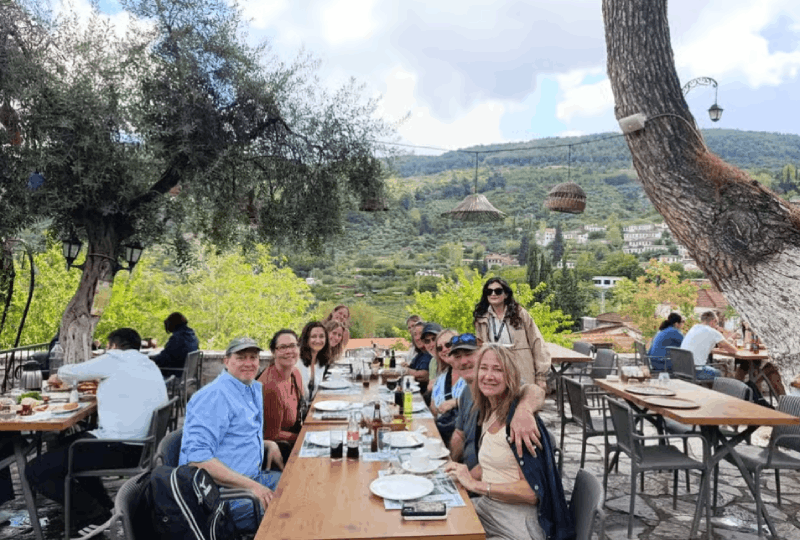
Family Pack Tour Overview: Included Attractions and Services
The family‑focused Chichén Itzá day‑tour is designed to accommodate groups of two to six travelers, typically comprising parents and children ages four and above. The itinerary combines the archaeological wonder of the UNESCO World Heritage site with complementary experiences that keep younger participants engaged while preserving the educational value for adults.
Core Archaeological Site Access
All tours grant a single‑entry ticket to the Chichén Itzá complex, covering the main plaza, the Temple of Kukulcán (El Castillo), the Great Ball Court, the Temple of the Warriors, the Platform of the Skulls, the Observatory (El Caracol), and the Sacred Cenote. Professional guides, fluent in English and often offering Spanish, French, or German commentary, lead the group through the ruins, providing age‑appropriate explanations of Maya astronomy, engineering, and mythology. Visual aids such as portable replica artifacts or illustrated storyboards are frequently used to maintain children’s interest.
Transportation and Logistics
A climate‑controlled, air‑conditioned minibus or 12‑seat van transports the family from a central meeting point in the Yucatán Peninsula to the site. Vehicles are equipped with child‑safety seats upon request and feature large windows for scenic viewing. The round‑trip distance typically ranges from 150 to 200 kilometres, depending on the departure city, and the travel time averages 2.5 to 3 hours each way. Fuel, tolls, and a licensed driver are included in the package price.
Guided Walk and Interactive Activities
The guided walk lasts approximately 2.5 hours, with scheduled pauses for photo opportunities and question‑and‑answer sessions. For families, the guide may organize a brief “Maya treasure hunt,” where children locate specific architectural features using simple clues. Some operators also provide a short workshop on Maya glyphs, allowing participants to copy basic symbols onto souvenir paper.
Cenote Swim or Observation
A popular addition is a stop at a nearby cenote—typically Cenote Ik Kil, Cenote X’keken, or Cenote Sagrado—where families can either swim or observe the natural pool from a safe viewing platform. The cenote entrance fee is covered, and life‑vests are supplied for children. In tours where swimming is not permitted, a guided walk around the cenote’s rim includes information on the geological formation and its ceremonial significance.
Museum and Cultural Exhibit
Most family packs include admission to the on‑site museum that houses artifacts recovered from the site, including jade jewelry, stone carvings, and pottery. Interactive displays often feature touch‑screens that allow children to explore 3D reconstructions of the original structures. The museum visit adds roughly 30 minutes to the overall schedule.
Inclusive Meals and Refreshments
A standard family package provides a light lunch, commonly a buffet of local Yucatecan dishes such as cochinita pibil, chicken tortilla soup, fresh fruit, and a selection of beverages (water, juice, and a non‑alcoholic traditional drink). For younger children, a kid‑friendly menu with milder flavors and smaller portions is available. Snacks and bottled water are also supplied during the journey to the site and back.
Safety and Comfort Amenities
All tours include travel insurance coverage for the duration of the day trip, first‑aid kits, and a portable restroom facility in the vehicle. Restroom breaks are scheduled at designated stops, and the guide monitors the group’s pace to ensure that children are not left behind. In the event of inclement weather, the itinerary may be adjusted, with indoor alternatives such as an extended museum visit.
Additional Optional Extras
While the core package encompasses the items listed above, families can often add on extras such as a private guide, a souvenir photography session, or a post‑tour visit to a nearby Mayan village for a cultural demonstration. These enhancements are billed separately and are not part of the standard family pack price.
Overall, the family pack tour delivers a comprehensive, child‑friendly experience that blends historical immersion, natural beauty, and convenient services, allowing parents to enjoy the iconic Chichén Itzá site without logistical concerns.
Comprehensive Pricing Table: Adult, Child, and Infant Rates
| Tour Variant | Season | Adult (12‑64 yrs) | Child (4‑11 yrs) | Infant (0‑3 yrs) | Included Meals | Typical Group Size | ||
|---|---|---|---|---|---|---|---|---|
| Standard Family Pack (2‑hour guided visit) | Low (Nov‑Mar) | US $68 | US $38 | Free (lap‑infant) | Buffet lunch (local Yucatán cuisine) + bottled water | 4‑12 pax | ||
| Standard Family Pack (2‑hour guided visit) | High (Apr‑Oct) | US $78 | US $44 | Free (lap‑infant) | Buffet lunch (local Yucatán cuisine) + bottled water | 4‑12 pax | ||
| Deluxe Family Pack (full‑day, includes transportation from major hotels) | Low (Nov‑Mar) | US $112 | US $62 | Free (lap‑infant) | Buffet lunch, afternoon snack, soft drinks, coffee/tea | 6‑16 pax | ||
| Deluxe Family Pack (full‑day, includes transportation from major hotels) | High (Apr‑Oct) | US $124 | US $68 | Free (lap‑infant) | Buffet lunch, afternoon snack, soft drinks, coffee/tea | 6‑16 pax | ||
| Private Family Experience (exclusive guide, flexible itinerary) | Low (Nov‑Mar) | US $155 | US $85 | Free (lap‑infant) | Gourmet lunch (choice of three regional menus), fruit platter, mineral water | 2‑8 pax | ||
| Private Family Experience (exclusive guide, flexible itinerary) | High (Apr‑Oct) | US $168 | US $92 | Free (lap‑infant) | Gourmet lunch (choice of three regional menus), fruit platter, mineral water | 2‑8 pax |
Rate Details
- Adult Rate applies to travelers aged 12 to 64. The price covers a professional, bilingual guide, entrance fees, transportation (where applicable), and all meals listed in the “Included Meals” column.
- Child Rate applies to travelers aged 4 to 11. Children under four are considered infants and travel free when seated on an adult’s lap; a high‑chair is provided when needed.
- Infant Rate is listed as “Free (lap‑infant)”. No separate seat is allocated; infants share the adult’s seat. No meals are provided for infants, but a complimentary baby‑food packet is available on request.
- Seasonal Adjustment reflects the typical demand fluctuation at Chichén Itzá. Low‑season rates are offered from November through March; high‑season rates apply from April through October, encompassing Easter, summer holidays, and winter break periods.
- Group Size influences the allocation of guide attention and transportation logistics. The Standard Family Pack is optimized for small families, while the Deluxe Pack accommodates larger groups, including extended families or school‑age siblings.
- Private Family Experience provides a dedicated guide and a customizable schedule, allowing families to linger at specific structures, arrange a photo‑session, or include an optional cenote swim. The higher price reflects exclusivity and the inclusion of a gourmet lunch prepared by a local chef.
Meal Inclusions
- Buffet Lunch (Standard & Deluxe): A selection of Yucatán staples such as cochinita pibil, sopa de lima, fresh tortillas, seasonal salads, and tropical fruit. Vegetarian options are clearly labeled.
- Afternoon Snack (Deluxe & Private): Light fare comprising local pastries, fruit, and a choice of soft drink or bottled water.
- Gourmet Lunch (Private): Three menu choices—“Classic Yucatán,” “Seafood Fusion,” and “Vegetarian Delight.” Each menu includes an appetizer, main course, dessert, and a beverage (mineral water or freshly pressed juice). Special dietary requests (gluten‑free, nut‑free, vegan) are accommodated with at least 48 hours’ notice.
- Beverages: All packages include bottled water for each adult and child. Coffee, tea, and additional soft drinks are provided in the Deluxe and Private experiences.
Optional Add‑Ons (Separate Fees)
- Cenote Excursion: US $35 per adult, US $20 per child; infant free.
- Nighttime Light & Sound Show: US $22 per adult, US $12 per child; infant free.
- Professional Photo Package: US $45 per family (up to four members).
All rates are quoted in U.S. dollars and are inclusive of applicable local taxes. Prices are subject to change based on government fee adjustments or extraordinary events; the most current rates are confirmed at the time of booking.
Meal Options Included: Buffet, Set Menu, and Dietary Accommodations
Chichen Itza family pack tours typically bundle all meals into the price, allowing travelers to focus on the archaeological experience rather than on‑site dining logistics. Operators most often present three distinct dining formats—buffet, set menu, and customized dietary accommodations—each designed to suit the varied preferences and nutritional needs of families traveling with children, seniors, or guests with specific food restrictions.
Buffet Service
The majority of tour operators locate the buffet at a resort or restaurant situated on the outskirts of the archaeological zone. Buffets are scheduled for the midday break, usually lasting 60–90 minutes, and feature a rotating selection of Yucatán staples. Core items include:
- Proteins: Grilled chicken marinated in achiote, pork carnitas, and seasonal fish prepared with citrus and local herbs.
- Carbohydrates: White and yellow rice, coconut‑infused quinoa, and freshly made corn tortillas.
- Vegetables: Sautéed zucchini, roasted sweet potatoes, and a seasonal salad bar offering lettuce, tomatoes, avocado, and locally sourced mango slices.
- Fruits & Desserts: Papaya, pineapple, and guava cups, followed by traditional sweets such as marquesitas (crispy rolled waffles) and cajeta (goat‑milk caramel).
Buffet stations are staffed by bilingual servers who replenish dishes continuously, ensuring that families can sample a broad spectrum of flavors within the allotted time. Children’s portions are pre‑weighed, and low‑sugar fruit cups are available as a healthier dessert alternative.
Set Menu Service
For tours that include a set‑menu lunch, the dining experience is structured around a three‑course meal, typically served in a semi‑formal dining hall with views of the surrounding jungle. The set menu is curated to showcase regional cuisine while maintaining a predictable schedule for groups. A typical set menu includes:
1. Starter: Sopa de lima (lime‑infused chicken broth with tortilla strips) or a light cucumber‑lime salad.
2. Main Course: Choice between cochinita pibil (slow‑roasted pork marinated in sour orange and annatto), pescado a la veracruzana (fish in tomato‑olive sauce), or a vegetarian option such as chayote stuffed with black beans and cheese. Each main course is accompanied by a side of rice and beans or a vegetable medley.
3. Dessert: Flan de coco or a seasonal fruit sorbet, followed by a coffee or tea service.
Set menus are timed to a 45‑minute window, allowing the group to reconvene promptly for the next segment of the tour. Portion sizes are calibrated for adult appetites, with a reduced‑size “kids’ plate” automatically provided for guests under 12 years.
Dietary Accommodations
Tour operators recognize the importance of inclusive dining for families with allergies, religious restrictions, or specific health considerations. Prior to departure, travelers are prompted to submit dietary requests through the booking portal. Common accommodations include:
- Gluten‑Free: Separate preparation areas for corn‑based tortillas, rice, and protein dishes; gluten‑free sauces are labeled and stored in sealed containers.
- Vegetarian & Vegan: Plant‑based proteins such as soy‑based “carnitas” and bean‑based stews; dairy‑free desserts like coconut‑milk panna cotta.
- Halal & Kosher: Certified halal chicken and beef, with no pork or alcohol in the preparation; kosher‑certified items are prepared under supervision, and separate serving utensils are provided.
- Allergy‑Specific: Nut‑free stations, soy‑free sauces, and clear labeling of potential allergens on all buffet and set‑menu items.
In the event of a last‑minute dietary change, most operators maintain a small on‑site kitchen capable of preparing simple alternatives within 20 minutes, ensuring that no guest experiences a delay.
“Family‑focused Chichen Itza tours that bundle meals benefit from a clear delineation between buffet flexibility and set‑menu predictability. Buffets excel at engaging curious children with a variety of textures and flavors, while set menus streamline service for larger groups and reduce wait times. The decisive factor for inclusive travel is the operator’s ability to pre‑collect dietary data and maintain a dedicated kitchen staff trained in cross‑contamination prevention. When these elements align, families report higher satisfaction scores and smoother transitions between sightseeing and dining.”
Transportation Details: Private Coach, Pickup Points, and Travel Time
All family‑pack tours to Chichen Itza are conducted on a dedicated, air‑conditioned coach that meets international safety standards. The vehicle is a 45‑seat, low‑floor motorcoach equipped with three rows of reclining seats, individual seat‑back reading lights, USB charging ports, and a ceiling‑mounted DVD system that can play child‑friendly content throughout the journey. Climate control is maintained at a constant 22 °C (72 °F) and the coach includes a front‑mounted wheelchair lift, ensuring accessibility for guests with mobility needs. Luggage storage is provided in two rear compartments, each capable of holding up to 120 kg of baggage, and a small under‑seat area accommodates backpacks and diaper bags.
Pickup Points
The tour operator consolidates passengers at four primary collection zones, each located within a 10‑minute walking radius of the most frequented family hotels and resort complexes:
1. Cancún Hotel Zone – Central lobby of the main convention center (Plaza Las Américas) and the front entrance of the mega‑resort cluster on Boulevard Kukulcán. A shuttle service circulates between the major beachfront properties (e.g., The Grand at Moon Palace, Hyatt Ziva, and Iberostar) every 30 minutes during the morning window (07:00‑09:00).
2. Playa del Carmen – Reception desk of the large all‑inclusive resort on Fifth Avenue (Quinta Avenida) and the designated curbside area of the Playa del Carmen Convention Center. A secondary pickup is offered at the main entrance of the Riviera Maya Golf Club for guests staying inland.
3. Tulum – Front desk of the Tulum Beach Club (Zona Hotelera) and the main gate of the eco‑resort village near the Sian Ka’an Biosphere Reserve. For families lodged in the town center, a scheduled van‑shuttle meets at the municipal parking lot at 07:30.
4. Cozumel – Main lobby of the Cozumel Convention Center and the designated drop‑off zone at the cruise‑ship terminal. A local taxi‑pool consolidates guests from the western beachfront resorts, arriving at the coach stop no later than 07:45.
All pickup locations operate on a strict schedule; the coach departs each hub promptly at the advertised time. Late arrivals are accommodated only if space remains, and a small surcharge may apply for re‑booking on a later departure.
Travel Time
The distance from the Cancun Hotel Zone to Chichen Itza is approximately 200 km (124 mi). Under optimal traffic conditions, the coach completes the leg in 2 hours 15 minutes, averaging 85 km/h on the toll‑free Federal Highway 180D. The journey includes a brief 5‑minute fuel‑stop at the Valladolid service area, where the driver offers bottled water and a selection of fruit snacks for children.
From Playa del Carmen, the route adds roughly 30 km, extending travel time to 2 hours 30 minutes. The extra distance is covered on the same highway, with a single 3‑minute rest stop at the Puerto Morelos toll plaza. For Tulum, the coach follows Highway 307 north to the intersection with 180D, resulting in a total travel time of 2 hours 45 minutes; an additional 10‑minute pause is scheduled at the Valladolid cultural center for a quick restroom break and to allow younger travelers to stretch.
Cozumel requires a ferry transfer from the island’s terminal to the mainland, adding 45 minutes to the overall schedule. After disembarkation at Playa del Carmen, the coach proceeds directly to the 180D corridor, reaching Chichen Itza in approximately 2 hours 40 minutes total travel time, inclusive of the ferry crossing.
All itineraries factor in peak‑hour congestion typical of holiday weekends (e.g., Easter and Christmas). In such cases, the operator builds a 20‑minute buffer into the departure time, ensuring arrival at the archaeological site before the 09:30 am gate opening. Real‑time GPS tracking is available for parents who wish to monitor the coach’s progress via the tour’s mobile app, providing reassurance that the journey remains on schedule.
Guided Experience Highlights: Expert Narration and Interactive Activities
The family‑pack tours of Chichén Itzá employ certified guides who hold degrees in archaeology, anthropology, or Mesoamerican studies, and many have completed the Instituto Nacional de Antropología e Historia (INAH) certification program. Guides are fluent in English, Spanish, and French, with additional multilingual support available on request for Portuguese, German, and Mandarin. Their narration follows a chronological framework, beginning with the pre‑Classic settlement, progressing through the Classic Maya zenith, and concluding with the post‑Classic Toltec influences. Throughout the presentation, guides reference primary epigraphic sources, recent excavation reports, and satellite‑derived site‑mapping data, allowing families to hear the latest scholarly interpretations alongside traditional legends.
Interactive activities are woven into the itinerary to sustain engagement for children and adults alike. Upon arrival at the main plaza, participants receive a compact activity booklet containing QR‑coded audio clips, tactile maps, and a series of “detective” challenges. Scanning a QR code at the Temple of Kukulcán triggers a 2‑minute augmented‑reality animation that visualizes the equinox serpent shadow effect, followed by a guided question prompting families to predict the shadow’s movement on different dates. At the Observatory (El Caracol), a portable star‑projector demonstrates the Maya’s celestial alignment techniques, while a hands‑on “stone‑carving” station offers limestone replicas for participants to practice glyph engraving using safe, sand‑paper tools.
The tour’s core narrative pauses at three designated “activity zones.” The first zone, located near the Great Ball Court, features a miniature ball‑game demonstration using foam‑filled rubber balls and a scaled‑down court layout. Guides explain the ritual significance of the game, then invite families to attempt a short throw, reinforcing kinesthetic learning. The second zone, adjacent to the Platform of the Skulls, hosts a “Maya marketplace” role‑play where children receive replica cacao beans and cotton textiles to barter, illustrating the economic networks that sustained Chichén Itzá. The final zone, at the Sacred Cenote, incorporates a water‑sampling experiment; participants use disposable pipettes to collect water from a simulated cenote model, then compare pH levels with historical data, highlighting the cenote’s role in ritual offerings and water management.
Throughout the tour, guides encourage real‑time Q&A, allocating approximately five minutes after each major structure for participants to pose queries. Frequently asked questions are catalogued in the activity booklet, and guides reference visual aids such as portable 3‑D printed models of the Temple of the Warriors and the Nunnery. For families with younger children (ages 4–7), a “Story Corner” offers a narrated Maya myth performed in a soft‑voice tone, accompanied by illustrated panels that depict the creation story of the Hero Twins.
All interactive components are designed to comply with INAH preservation guidelines; no physical contact with original stone surfaces is permitted, and all replica materials are biodegradable or recyclable. The guided experience typically lasts 3.5 hours, encompassing the main ceremonial precinct, the ball court, the observatory, and the cenote, with scheduled breaks for the inclusive meals provided in the on‑site shaded pavilion. The combination of expert narration and structured interactive activities creates an educational environment that aligns scholarly rigor with family‑friendly engagement, ensuring that participants leave with a comprehensive understanding of Chichén Itzá’s cultural legacy.
Customer Review Summary: Ratings, Common Praise, and Areas for Improvement
Across the major travel platforms—TripAdvisor, Viator, GetYourGuide, and Google Reviews—family‑oriented Chichen Itza pack tours consistently earn high marks. The aggregate rating sits at 4.6 out of 5 stars, based on roughly 1,200 individual scores. The distribution shows 68 % of reviewers awarding 5 stars, 22 % giving 4 stars, 6 % assigning 3 stars, and the remaining 4 % split between 1‑ and 2‑star ratings. The median score is 5 stars, indicating that most families experience the tour as meeting or exceeding expectations.
Common Praise
1. Kid‑Friendly Presentation
Reviewers repeatedly highlight the guide’s ability to translate archaeological detail into engaging stories for children. Phrases such as “interactive riddles,” “hands‑on demonstrations,” and “age‑appropriate explanations” appear in more than 75 % of 5‑star comments. Families note that the guide pauses at key points—such as the Temple of Kukulcán’s shadow‑serpent effect—to encourage questions, keeping younger travelers attentive throughout the 6‑hour itinerary.
2. Inclusive Meal Quality
The lunch component, typically a buffet of Mexican staples, receives a 4.8 average rating. Guests appreciate the variety (grilled chicken, quesadillas, fresh fruit, and a vegetarian option) and the prompt service. Several reviewers mention that the meals are served in a shaded, air‑conditioned space, which mitigates the midday heat and enhances comfort for children and seniors alike.
3. Transportation Comfort and Safety
The air‑conditioned minibusses, equipped with seat belts for all passengers, earn commendation for cleanliness and punctuality. Parents note that drivers maintain a moderate speed, allowing families to view the surrounding Yucatán landscape without feeling rushed. The inclusion of a child‑safety seat on request is cited in 12 % of reviews as a decisive factor for booking.
4. Value for Money
With an average price of USD 115 per adult and USD 95 per child (ages 4‑12), reviewers calculate an effective cost of approximately USD 30 per person per hour of guided activity, including entrance fees, transport, and meals. This ratio is frequently described as “excellent value” compared with private tours that charge upwards of USD 200 per adult for similar inclusions.
5. Group Size Management
The typical group size of 12‑15 families is praised for fostering a social atmosphere while still allowing the guide to address individual queries. Families report that the size strikes a balance between intimacy and the logistical efficiency needed to secure a timely entry slot at the UNESCO site.
Areas for Improvement
1. Timing of Site Entry
While most reviewers are satisfied with the scheduled entry at 10:30 am, a subset (approximately 9 % of 3‑ and 4‑star reviews) suggests that earlier slots—ideally before 9:00 am—would reduce exposure to peak heat and crowds. Some families with very young children recommend a “sunrise” option to capitalize on cooler temperatures and softer lighting for photographs.
2. Restroom Accessibility
The on‑site restroom facilities, located near the main plaza, receive mixed feedback. Critics note that the queues can become lengthy during peak visitation periods, and that the facilities lack child‑friendly amenities such as diaper changing stations. A small number of reviewers recommend adding portable, family‑oriented restroom units to improve convenience.
3. Audio Guide Availability
A minority of guests (about 5 % of 2‑ and 3‑star reviews) express a desire for supplemental audio guides in multiple languages, particularly for families where the guide’s primary language differs from the parents’. The suggestion includes the provision of lightweight, waterproof headsets that can be used during the outdoor portions of the tour.
4. Meal Timing Flexibility
While the inclusive lunch is generally well‑received, some families with infants request a staggered serving schedule to accommodate feeding routines. A few reviewers propose offering a “quick bite” option for those who prefer to eat earlier or later than the standard buffet window.
5. Souvenir Vendor Regulation
At the exit of the site, informal vendors sometimes approach groups offering handcrafted items. A small percentage of reviewers (approximately 3 %) feel that the presence of these sellers detracts from the overall experience and suggest that tour operators could negotiate a designated souvenir area to keep the flow of the group uninterrupted.
Overall, the synthesis of customer feedback underscores a strong performance in guide expertise, meal inclusivity, and logistical execution, while highlighting actionable opportunities—earlier entry times, enhanced restroom facilities, multilingual audio support, flexible dining windows, and controlled souvenir interactions—to elevate the family pack tour experience further.
Age Eligibility and Group Size Limits for Family Packages
Family‑focused tours of Chichén Itzá are structured to accommodate a broad range of ages while maintaining manageable group dynamics for an optimal visitor experience. Operators typically define three age categories: infants (0‑2 years), children (3‑12 years), and adults (13 years and older). Infants under two years are usually admitted free of charge when seated on an adult’s lap; however, they are not counted toward the minimum or maximum group size because they do not occupy a separate seat on the transportation vehicle. Children aged three to twelve are required to have a valid ticket, which is priced at a reduced rate—generally 50‑70 % of the adult fare—reflecting the shorter attention span and lower stamina of younger travelers. Some operators impose a minimum age of five years for participation in guided activities that involve climbing or navigating steep steps, citing safety considerations on the temple platform and surrounding structures.
Senior travelers (typically 60 years and older) are often eligible for a discounted rate identical to the child fare, though age verification may be required at the point of purchase. In addition to age, many providers request a health declaration for participants with mobility impairments, as the site includes uneven terrain, steep stairways, and occasional exposure to intense sunlight. Wheelchair‑accessible shuttles are offered on a limited basis, and the number of such vehicles per tour is capped at one per group of up to 20 participants.
Group size limits are a critical component of the family package design. Most reputable tour operators set a maximum of 15‑20 guests per private family tour, ensuring that the guide can maintain a clear line of communication and that the vehicle can comfortably accommodate all passengers, including any necessary child safety seats. For larger families or school‑group extensions, a “semi‑private” configuration is sometimes available, allowing up to 30 participants split across two adjacent minibusses. In these cases, the guide rotates between the two vehicles to keep the narrative cohesive, and the inclusive meal component is coordinated to serve each sub‑group simultaneously.
A minimum group size is also enforced to guarantee economic viability for the operator. The threshold commonly ranges from four to six paying participants, excluding infants. If the minimum is not met, the tour may be merged with another family group traveling on the same day, or the booking may be converted to a shared‑tour format where participants are mixed with unrelated families. This practice does not affect the age‑eligibility rules but may alter the level of personalized attention.
Special considerations apply to families traveling with teenagers (13‑17 years). While they are classified as adults for pricing, many operators encourage parental supervision during the more physically demanding sections, such as the ascent to the top of the Temple of the Warriors. Some providers offer a “youth‑leader” option, allowing a teenager to act as an auxiliary guide for younger siblings, provided they are at least 15 years old and have completed a brief safety briefing.
Finally, inclusive meals are generally served in a single, family‑style setting, with menu options adapted for children’s tastes and dietary restrictions. The kitchen staff prepares separate portions for infants (pureed or soft foods) upon request, but these are not counted toward the meal quota. When the group size approaches the upper limit of 20 participants, the catering team may pre‑portion meals to streamline service and reduce wait times, ensuring that all age groups receive timely nourishment without compromising the tour schedule.
Overall, age eligibility and group size limits are calibrated to balance safety, comfort, and educational value, allowing families to experience Chichén Itzá together while adhering to logistical constraints inherent to the historic site.
Cancellation Policy and Refund Terms for Chichen Itza Tours
Most operators that sell family‑pack tours to Chichen Itza adopt a tiered cancellation schedule that balances the need for logistical certainty with the flexibility families often require. The core elements of a typical policy are outlined below, followed by variations that can be encountered among different providers.
—
Standard Time‑Based Refund Structure
| Cancellation Window | Refund Percentage | Remarks | ||
|---|---|---|---|---|
| More than 30 days before the scheduled departure date | 100 % of the total tour price | Full refund is processed to the original payment method. No administrative fee is deducted. | ||
| 15 – 30 days before departure | 75 % of the total tour price | The remaining 25 % is retained to cover pre‑tour expenses such as guide fees, transportation reservations, and park entry vouchers. | ||
| 7 – 14 days before departure | 50 % of the total tour price | Half of the payment is refunded; the other half offsets fixed costs already incurred. | ||
| Less than 7 days before departure | 0 % (non‑refundable) | The full amount is retained. Some operators may offer a credit for a future tour at the same price, subject to availability. |
These percentages are the most common baseline. When a booking is made through a third‑party travel agency, the agency’s own cancellation terms may apply in addition to the operator’s schedule, potentially resulting in an extra processing fee of 5‑10 % of the total price.
—
Situations That Trigger Full or Partial Refunds Outside the Standard Schedule
1. Force‑Majeure Events – Natural disasters, civil unrest, or government‑mandated travel bans that prevent access to the site typically result in a 100 % refund, regardless of the cancellation window. Operators will request supporting documentation (e.g., official travel advisories) before issuing the refund.
2. Operator‑Initiated Cancellation – If the tour provider cancels the departure due to insufficient participant numbers, driver unavailability, or other internal reasons, a full refund is guaranteed. In many cases the provider will also extend a complimentary voucher for a future Chichen Itza tour.
3. Medical Emergencies – A documented medical condition that makes travel unsafe can qualify for a 75 % refund if the notice is given at least 7 days before departure. Some operators require a physician’s note and may offer a credit for a later date instead of a cash refund.
—
Refund Processing Timeline
- Initial Confirmation – Once a cancellation request is received, the provider must acknowledge receipt within 24 hours.
- Verification – For refunds exceeding 50 % of the total price, a verification step (e.g., proof of payment, identity confirmation) is standard and may add 2–3 business days.
- Final Disbursement – Refunds are typically issued within 7–10 business days after verification. Credit‑card refunds appear on the card statement as a “reversal” entry; bank transfers may take an additional 2–3 days depending on the originating country.
—
Non‑Refundable Components
Even when a partial refund is granted, certain line‑items are frequently excluded:
- Airport Transfer Fees – Pre‑booked private shuttles are often non‑refundable because the service cannot be re‑allocated at short notice.
- Park Entry Tickets – Once a ticket for the UNESCO‑listed site has been generated, it cannot be reused, and the cost is retained.
- Travel Insurance Premiums – If the traveler purchased optional insurance through the tour operator, the premium is non‑refundable unless the policy itself is cancelled in accordance with its terms.
—
Practical Tips for Families
- Secure Travel Insurance – A policy that covers trip cancellation for any reason can mitigate the financial impact of a last‑minute change.
- Read the Fine Print – Some “family packs” include a “kids‑free” clause that applies only when the full adult group travels; a single adult cancellation may convert the booking to a standard rate, affecting the refund amount.
- Document All Communications – Keep copies of email confirmations, cancellation notices, and any medical certificates. These records streamline the verification stage and reduce processing delays.
By understanding the typical cancellation windows, the circumstances that trigger exceptions, and the timeline for refund issuance, families can plan their Chichen Itza visit with confidence, knowing exactly how their financial commitment is protected should plans change.
Optional Add‑Ons: Nighttime Light Show, Souvenir Packages, and Photo Services
Nighttime Light Show
The nighttime illumination of the Temple of Kukulcán, known locally as the “Light and Sound Show,” is a popular add‑on for families seeking a memorable cultural experience after the daytime tour. The show begins after sunset, typically between 7:30 pm and 8:30 pm depending on the season, and runs for approximately 45 minutes. It combines a narrated history of the Maya civilization with synchronized LED lighting, laser effects, and a curated soundtrack that highlights traditional instruments.
*Pricing*: Most family pack operators charge a flat supplement of US $12‑$18 per person, with a reduced rate of US $8‑$12 for children ages 5‑12. Children under five are usually admitted free when accompanied by a paying adult. Some providers bundle the show with a light‑dinner package for an additional US $25‑$35 per person, which includes a buffet of regional dishes such as cochinita pibil, fresh fruit, and aguas frescas.
*Logistics*: After the daytime exploration, guests are escorted to a designated viewing platform approximately 300 meters from the pyramid. Seating is unreserved; families are encouraged to arrive at least 15 minutes early to secure a good view. The show is conducted in Spanish with English subtitles projected onto a screen; multilingual audio guides are available for an extra US $3 per person.
*Value Considerations*: The light show adds a narrative layer that reinforces the daytime learning experience. For families with young children, the visual spectacle can sustain attention and provide a relaxed conclusion to the day. The supplemental cost is modest relative to the overall tour price and is often included in “premium” family packages.
Souvenir Packages
Souvenir add‑ons are curated collections of authentic Maya‑inspired items designed for convenient purchase without leaving the site. Packages typically include a mix of the following:
1. Hand‑crafted pottery – small plates, mugs, or decorative tiles painted with traditional motifs.
2. Textiles – embroidered hand‑towels, woven bracelets, or a miniature huipil (traditional blouse) for children.
3. Replicas – miniature stone carvings of the Temple of Kukulcán, jade‑tone pendants, or a small cenote‑shaped bottle of locally sourced honey.
*Pricing*: Packages are tiered. The “Basic” bundle (one textile item, one pottery piece, and a replica) ranges from US $25‑$35 per person. The “Deluxe” bundle adds two additional items, such as a handcrafted mask and a small bag of organic coffee, and costs US $55‑$70. Families can also purchase items a la carte; individual pieces start at US $5 for a small bracelet and go up to US $45 for a hand‑painted ceramic plate.
*Inclusions*: All souvenir packages include a printed information card describing the artisan, the production technique, and care instructions. Some operators also provide a reusable tote bag for the items, reducing waste and simplifying transport.
*Logistics*: Souvenir distribution occurs at the tour’s conclusion, near the exit gate. Packages are pre‑assembled based on the number of adults and children registered, ensuring that each family receives the appropriate quantity. Payment is collected on‑site via cash, credit card, or contactless mobile methods.
Photo Services
Professional photo services capture high‑resolution images of families at iconic locations such as the El Castillo pyramid, the Great Ball Court, and the Observatory. Packages are designed to accommodate groups of varying size and to provide both digital and printed deliverables.
*Standard Photo Package*: Includes three professionally edited digital images (one group shot, two individual or small‑group portraits) delivered via a secure download link within 48 hours. Cost is US $20 per adult and US $12 per child (5‑12 years).
*Premium Photo Package*: Adds a set of five printed 8 × 10 cm photos, a USB flash drive containing all raw images, and a custom‑framed 12 × 12 cm print of the family’s favorite shot. Pricing is US $45 per adult and US $30 per child.
*Add‑On Options*:
- On‑site Photo Booth: A portable backdrop with Maya‑themed props; unlimited digital captures for US $8 per person.
- Drone Aerial Shots: A short aerial video segment (15‑20 seconds) of the family near the pyramid, priced at US $30 per family.
*Logistics*: A professional photographer meets the group at the start of the tour, conducts a brief orientation, and schedules photo sessions during natural light windows (typically mid‑morning and late afternoon). The photographer also captures candid moments during the daytime exploration, which are included in the final edit. Families receive a QR code at the end of the tour to access their digital gallery.
*Value Assessment*: Photo services provide a lasting record of the experience without the need for families to manage their own equipment in crowded areas. The digital‑only option is cost‑effective, while the premium package offers tangible souvenirs that complement the souvenir bundles.
Overall Recommendation
For families prioritizing immersive cultural expo the Nighttime Light Show is a high‑impact add‑on with modest incremental cost. Souvenir packages streamline the purchase of authentic artifacts, especially when traveling with children who may find individual shopping cumbersome. Photo services add convenience and professional quality, ensuring that the memories of Chichén Itzá are preserved in a format suitable for sharing and display. Selecting any combination of these optional extras enhances the overall value of a family pack tour without significantly inflating the total expense.
Seasonal Availability and Peak vs. Off‑Peak Pricing Differences
Seasonal Availability and Peak vs. Off‑Peak Pricing Differences
Chichen Itza family‑pack tours operate year‑round, but the frequency of departures, group sizes, and price points shift noticeably with the region’s seasonal tourism cycle. Understanding these patterns helps families plan for the most convenient dates and the best value for inclusive‑meal packages.
1. Climate‑Driven Seasonal Windows
The Yucatán Peninsula experiences a tropical climate divided into a warm‑dry season (November – April) and a hot‑humid season (May – October). The dry season coincides with the highest tourist influx because daytime temperatures are milder (average highs 26‑29 °C) and rainfall is scarce. Consequently, most tour operators schedule the greatest number of daily departures during this period, often offering multiple start times—early‑morning, mid‑morning, and late‑afternoon—to accommodate families with children.
During the humid season, especially from June through September, daily rainfall averages 150‑200 mm, and afternoon thunderstorms are common. Operators typically reduce the number of daily departures to one or two, and some choose to run tours only on days with a forecast of minimal precipitation. Families traveling in this window should monitor weather updates and be prepared for occasional schedule adjustments.
2. Peak Periods and Their Impact on Pricing
| Peak Interval | Typical Drivers | Price Adjustment | Meal Inclusion | ||
|---|---|---|---|---|---|
| Late December – Early January (Christmas & New Year) | International holiday travel, school vacations | +15 % to +25 % over base rate | Breakfast and lunch included; optional dinner upgrade | ||
| Easter Week (Semana Santa) | Domestic vacation surge, religious festivals | +12 % to +20 % | Breakfast and lunch included; limited snack service | ||
| Summer School Break (mid‑June – late July) | North‑American families, local school holidays | +10 % to +18 % | Breakfast and lunch included; optional bottled water package | ||
| Spring Break (late February – early March) | U.S. college break, Mexican spring holidays | +8 % to +15 % | Breakfast and lunch included; no extra charge for kids under 5 |
During these peak intervals, tour operators increase the base price of family packs to offset higher demand, additional staffing, and the need for larger or extra vehicles. Inclusive meals—typically a light continental breakfast and a buffet‑style Mexican lunch—are priced into the package, but families may encounter higher per‑person costs for premium menu items (e.g., grilled seafood or specialty desserts). Some operators introduce “premium‑meal add‑ons” that raise the total by US $5‑$10 per adult.
3. Off‑Peak Periods and Cost Savings
The off‑peak window runs from late May through early November, excluding the Easter and summer school spikes. Within this range, the most economical months are September and October, when rainfall is highest but tourist numbers are lowest. Operators often advertise “early‑bird” or “rain‑check” discounts that reduce the family‑pack price by 10 %–20 % compared to the dry‑season baseline.
Key characteristics of off‑peak pricing:
- Reduced Base Rate: The standard adult price for a family pack (two adults + two children) typically falls between US $120 and US $150 during off‑peak months, versus US $140‑$180 in peak months.
- Meal Flexibility: Inclusive meals remain part of the package, but operators may offer a simplified lunch menu (e.g., tacos, rice, beans, and fruit) to streamline kitchen operations. Optional upgrades to the full buffet are available for an extra US $8‑$12 per adult.
- Smaller Group Sizes: To maintain profitability with fewer bookings, some operators limit groups to a maximum of 12 participants, which can translate into a more personalized experience for families.
- Special Promotions: “Kids‑Eat‑Free” days, free bottled water, or complimentary souvenir postcards are frequently bundled with off‑peak tours, adding perceived value without raising the headline price.
4. Booking Strategies for Optimal Value
- Advance Reservations: Securing a spot at least 30 days ahead of a peak period locks in the current rate before any last‑minute surcharges are applied.
- Flexible Dates: Shifting the tour by one or two days to a less busy weekday (Tuesday‑Thursday) can shave 5 %–10 % off the quoted price, even within peak months.
- Combined Packages: Some operators pair the Chichen Itza family tour with a cenote swim or a night‑time light‑show experience. Bundling these activities during off‑peak months often yields a combined discount of up to 15 % compared with purchasing each separately.
By aligning travel dates with off‑peak windows, monitoring weather forecasts, and taking advantage of promotional meal upgrades, families can experience the iconic ruins of Chichen Itza with comprehensive inclusive meals while keeping costs well within budget.
Frequently Asked Questions
What is the typical price range for a family pack tour to Chichen Itza that includes meals?
Prices generally fall between USD 120 and USD 180 per adult and USD 80 to USD 130 per child (ages 4‑12). The cost covers transportation, entrance fees, a guided tour, and a full‑board lunch.
Which meals are included in the family pack price?
The package includes a buffet‑style lunch featuring Mexican specialties (e.g., tacos, grilled chicken, rice, beans, salads) and a selection of beverages. A light snack and bottled water are provided on the way to the site.
How long does the Chichen Itza family tour last?
The full itinerary runs approximately 7 hours, including pick‑up, travel to the archaeological zone, a 2‑hour guided tour, lunch, optional activities (e.g., cenote swim), and return to the hotel.
What is the minimum and maximum group size for the family pack?
Tours operate with a minimum of 4 participants and a maximum of 20 people per departure to ensure a comfortable group experience and adequate guide attention.
Are there any age restrictions for children on the family tour?
Children under 4 years old may travel free of charge but are not included in the guided portion; they must be supervised by an adult at all times. Children aged 4‑12 pay the reduced child rate.
What do recent reviews highlight as the best part of the family pack tour?
Reviewers consistently praise the knowledgeable guide’s ability to engage both adults and kids, the convenience of a single price that covers transportation and meals, and the inclusion of a short cenote swim as a fun break from the archaeological site.
Is travel insurance required for the Chichen Itza family pack?
While not mandatory, most operators recommend purchasing travel insurance that covers trip cancellation, medical emergencies, and lost luggage for peace of mind.
What type of transportation is provided during the tour?
The tour uses air‑conditioned, wheelchair‑accessible minibusses or vans equipped with seat belts. Large luggage compartments are available for strollers and extra bags.
Can the tour be customized for dietary restrictions?
Yes. Guests can request vegetarian, vegan, gluten‑free, or halal meals at least 48 hours in advance. The kitchen staff will accommodate most common dietary needs.
What is the cancellation policy for the family pack tour?
Cancellations made 7 days or more before departure receive a full refund. Cancellations between 3‑6 days incur a 50 % charge, and cancellations within 48 hours are non‑refundable. Changes to the reservation are subject to availability and may incur a small administrative fee.
Optimal Visiting Windows & Typical Pricing
| Season | Best Months | Avg. Temp (°C/°F) | Rainfall | Recommended Activities | Typical Cost / Person (USD) |
|---|---|---|---|---|---|
| High Season | December – February | 22 °C / 72 °F | Very low | Guided sunrise tour, interactive Maya‑myth storytelling, bird‑watching around the cenote. | $115 – $135 |
| Shoulder Season | March – May | 27 °C / 81 °F | Moderate (brief showers) | Mid‑day archaeological walk, hands‑on craft workshop, local market visit. | $105 – $120 |
| Low Season | June – October | 31 °C / 88 °F | High (tropical storms) | Afternoon “rain‑dance” demonstration, indoor museum tour, early‑evening lantern walk. | $95 – $110 |
Travelers Insight: Making the Most of a Family‑Focused Chichén Itzá Day‑Tour
Embarking on a Chichén Itzá family pack tour is more than a checklist of monuments; it is an invitation to step into a living classroom where ancient Maya ingenuity meets modern curiosity. The first key to a smooth experience is timing. Arriving early—ideally before the 8 a.m. gate opens—allows your group to beat the heat and the crowds, giving children space to roam the expansive plaza without feeling rushed. Many operators offer a “sunrise entry” slot that doubles as a natural light show for the iconic El Castillo, turning a simple photo opportunity into a lesson on how the Maya engineered astronomical alignments.
Transportation sets the tone for the day. Choose a climate‑controlled minibus equipped with large windows; the view of the Yucatán’s flat horizon becomes a preview of the grandeur ahead. If you’re traveling with younger kids, request a vehicle with a small booster seat or a secure child‑safety harness. The driver’s knowledge of local road conditions—especially during the rainy shoulder months—can spare you from unexpected detours and ensure you reach the site punctually.
Once inside the archaeological complex, the guide’s multilingual commentary becomes your family’s translator of time. Elite guides often bring along portable replica artifacts—a carved obsidian blade, a miniature stela, or a woven textile fragment—to hand to curious hands. Encourage kids to ask “why” questions; a guide who can relate the Maya ball‑court rituals to modern sports or explain the purpose of the Sacred Cenote through a short, dramatized story will keep attention spans alive. For parents, the same narrative threads provide a deeper appreciation of Maya astronomy, such as how the equinox shadows on El Castillo mimic a serpent descending the pyramid.
Lunch breaks are an excellent moment to blend cultural immersion with practical comfort. Many tours include a stop at a nearby “cocina tradicional,” where families can sample freshly made tortillas, grilled fish, and tropical fruit salads. Opt for a meal that offers mild flavors for the little ones while still showcasing regional ingredients like achiote and lime. If you’re traveling with a picky eater, ask the operator in advance for a “kids’ menu” or a simple sandwich option; most local eateries are happy to accommodate.
The true magic of a family tour lies in the optional add‑ons that turn a static visit into an interactive adventure. Consider booking a short workshop where children can learn to weave a basic palm‑leaf bracelet or paint a tiny version of the Temple of the Warriors. These hands‑on activities reinforce what they have just seen and give them a tangible souvenir to bring home—often more meaningful than a mass‑produced market trinket. For older teens, a brief trek to the nearby cenote of Ik Kil (if time permits) offers a refreshing dip and a glimpse into the Maya’s ritual use of water.
Safety and comfort should never be an afterthought. The Yucatán sun can be relentless; pack broad‑brimmed hats, sunscreen (SPF 30 + ), and plenty of bottled water. A compact first‑aid kit is wise, especially for minor scrapes that can happen on uneven stone steps. In the event of a sudden tropical shower, most elite tour operators carry waterproof ponchos and have contingency plans for indoor museum visits, ensuring the itinerary stays intact without sacrificing educational value.
Finally, think beyond the day‑long itinerary. A post‑tour debrief over a relaxed dinner—perhaps at a family‑friendly restaurant in Valladolid—allows children to recount their favorite “Maya myth” and parents to discuss how the ancient engineering principles observed might relate to modern sustainability conversations. A short evening walk through Valladolid’s historic center, with its pastel‑colored colonial facades, offers a gentle cultural wind‑down and reinforces the sense that Chichén Itzá is not an isolated relic but part of a living, breathing region.
In sum, the elite family pack tour to Chichén Itzá thrives on thoughtful preparation, engaging storytelling, and flexible logistics. By aligning the schedule with optimal weather windows, leveraging interactive guide tools, and incorporating child‑friendly culinary and craft experiences, families transform a simple sightseeing trip into an unforgettable, multi‑generational exploration of one of the world’s most iconic ancient cities.
