
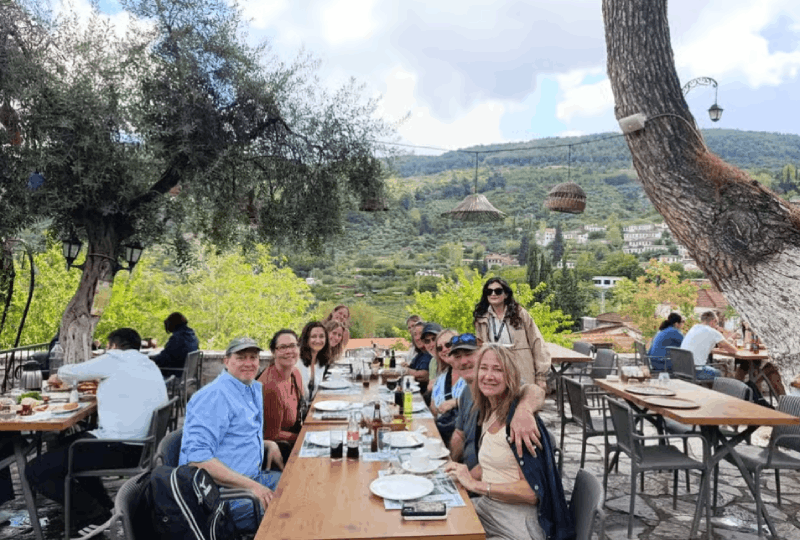
2026 Average Prices for Tulum Ruins Guided Walking Tours
In 2026 the cost of a guided walking tour of the Tulum archaeological site continues to reflect a balance between market demand, operating expenses, and the level of service provided. Prices are expressed in U.S. dollars (USD) and are based on data collected from a representative sample of tour operators, hotels, and independent guides operating in the Riviera Maya region during the calendar year.
| Tour Type | Typical Duration | Group Size | Average Price (USD) | ||
|---|---|---|---|---|---|
| Standard Group Tour (shared) | 2 hours | 10‑15 guests | $30‑$45 per person | ||
| Small‑Group Tour (private up to 6) | 2 hours | 2‑6 guests | $55‑$85 per person | ||
| Private Exclusive Tour | 2 hours | 1‑2 guests | $110‑$150 per person | ||
| Sunrise/Evening Specialized Tour (includes photography briefing) | 2 hours | 6‑12 guests | $45‑$65 per person | ||
| Combined Tulum + Coba Day Tour (full‑day) | 7‑8 hours | 6‑12 guests | $120‑$165 per person | ||
| Eco‑Focused Tour (includes reef walk & mangrove walk) | 3 hours | 6‑12 guests | $70‑$95 per person |
Key Price Drivers
1. Guide Certification and Language Proficiency
Certified guides holding the “Guía Turístico” credential and fluency in English, Spanish, French, or German command higher fees. Guides offering multilingual narration typically add a $5‑$10 premium per person on group tours.
2. Seasonality
High‑season months (December‑April, July‑August) see a 10‑15 % price uplift due to increased demand and higher accommodation costs for guides. Low‑season rates (May‑June, September‑November) often drop by 5‑10 % and may include promotional add‑ons such as a complimentary cenote dip.
3. Inclusions and Value‑Added Services
Tours that bundle entrance tickets, transportation from major hotel zones, bottled water, and a small souvenir (e.g., a printed map of the site) typically fall at the upper end of the price range. Purely walking‑only experiences without ticket handling are positioned at the lower end.
4. Tour Length and Depth of Content
The standard 2‑hour walk covers the main structures (El Castillo, the Temple of the Frescoes, and the Temple of the Descending God). Extended tours that incorporate detailed archaeological context, Maya cosmology, or a comparative analysis with nearby sites add $10‑$20 per person.
5. Group Size Management
Operators who cap groups at six participants to ensure a more intimate experience charge a premium of roughly $15‑$30 per person compared with larger shared tours. This pricing reflects the higher labor cost per guest and the perceived exclusivity.
Regional Comparison
When benchmarked against other major Maya sites, Tulum’s guided walking tour prices remain competitive. In 2026 the average cost for a comparable group tour at Chichén Itzá is $45‑$60 per person, while a private tour at Cobá averages $130‑$170. Tulum’s coastal setting, shorter walking distance, and the added appeal of ocean views contribute to its slightly lower price point for both shared and private formats.
Practical Tips for Budget‑Conscious Travelers
- Book Early: Securing a spot through an online reservation platform at least two weeks in advance often locks in the low‑season rate, even during high‑season periods.
- Combine Tours: Some operators offer a discount of 10 % when pairing a Tulum walk with a cenote or snorkeling excursion on the same day.
- Leverage Hotel Concierge: Many boutique hotels negotiate bulk rates with local guides; asking the concierge for a “group discount” can shave $5‑$10 off the listed price.
- Check for Certification: Verify that the guide’s badge displays the official “Guía Turístico” seal; this ensures compliance with Mexican tourism regulations and typically guarantees a higher quality experience.
Overall, the 2026 market for Tulum Ruins guided walking tours presents a clear price structure anchored by tour type, season, and inclusions. Travelers can expect to pay between $30 and $150 per person, with most opting for the $45‑$85 range that balances cost, group size, and depth of interpretation.
Top-Rated Tulum Ruins Walking Tour Companies (2026)
Top‑Rated Tulum Ruins Walking Tour Companies (2026)
| Company | Typical Rating (2026) | Price (USD) | Duration | Group Size | Language Options | Highlights | ||
|---|---|---|---|---|---|---|---|---|
| Tulum Explorer Tours | 4.9/5 (TripAdvisor, Google) | $55 – $70 per adult; $30 – $40 per child (6‑12) | 2 hours | 6‑20 participants | English, Spanish, French, German | Certified Maya‑culture guide, early‑morning departure to beat crowds, includes a portable water bottle and a QR‑code audio supplement that can be accessed after the walk. | ||
| Eco Maya Adventures | 4.8/5 (TripAdvisor, Viator) | $62 per adult; $35 per child (5‑12) | 2.5 hours | 8‑15 participants | English, Spanish, Portuguese | Focus on ecological context; guides wear biodegradable badges, and the tour incorporates a brief beach‑clean‑up segment before entering the archaeological zone. | ||
| Tulum Heritage Walks | 4.7/5 (Google, TripAdvisor) | $48 – $65 per adult; $25 per child (7‑13) | 1.75 hours | 5‑12 participants | English, Spanish, Italian | Small‑group format, includes a complimentary “Maya calendar” booklet and a stop at the on‑site museum for a deeper artifact overview. | ||
| Sunrise Maya Trek | 4.9/5 (TripAdvisor, Google) | $70 per adult; $38 per child (6‑12) | 2 hours (sunrise start) | 4‑10 participants | English, Spanish, French | Exclusive pre‑opening access to the main plaza, professional photographer available for a 15‑minute portrait session, and a light breakfast of fresh fruit and agua de coco. | ||
| Cenote & Ruins Connection | 4.6/5 (TripAdvisor, Viator) | $80 per adult; $45 per child (5‑12) | 3 hours (combined) | 8‑20 participants | English, Spanish, Japanese | Combines the Tulum ruins walk with a guided visit to a nearby cenote; includes snorkeling gear, a safety briefing, and a short history of water‑related Maya rituals. | ||
| Local Legends Tulum | 4.8/5 (Google, TripAdvisor) | $58 per adult; $32 per child (6‑12) | 2 hours | 6‑18 participants | English, Spanish, Mandarin | Guides are local Maya descendants; the tour integrates oral histories, a traditional “k’in” (sun) blessing ceremony, and a brief workshop on ancient Maya glyphs. |
Comparative Overview
Price Positioning – The most economical options cluster around $48‑$55 per adult (Tulum Heritage Walks, Eco Maya Adventures). Premium experiences—Sunrise Maya Trek and Cenote & Ruins Connection—command $70‑$80, reflecting added amenities such as early‑site access, photography services, or a cenote component.
Group Dynamics – Small‑group tours (4‑10 participants) typically deliver a more personalized narrative and quicker access to restricted areas. Companies like Sunrise Maya Trek and Local Legends Tulum excel in this niche, whereas larger operators (Eco Maya Adventures, Cenote & Ruins Connection) maintain a lively atmosphere suitable for families and school groups.
Language Coverage – All listed operators provide English and Spanish. For non‑English speakers, French, German, Italian, Portuguese, Japanese, and Mandarin are available through at least one provider, ensuring broader accessibility.
Value‑Added Features –
- Early‑morning departures reduce wait times and heat exposure (Tulum Explorer Tours, Sunrise Maya Trek).
- Environmental stewardship is emphasized by Eco Maya Adventures’ beach‑clean‑up and biodegradable materials.
- Cultural immersion is strongest with Local Legends Tulum, whose guides share lineage‑based stories and conduct a brief ritual.
- Combined experiences (Cenote & Ruins Connection) appeal to adventure‑oriented travelers seeking a single‑ticket itinerary.
Seasonal Considerations – During the high‑season months (December‑April), advance reservation is recommended for sunrise and small‑group tours, as availability often fills within 48 hours. Mid‑season (May‑October) sees modest price fluctuations, with occasional promotional discounts of 5‑10 % for early bookings.
Booking Channels – All companies accept online reservations through major travel platforms and direct booking portals. Payment is typically secured via credit card, with a 10‑15 % deposit required for groups larger than 12 participants.
Recommendation Matrix
| Preference | Best Fit | ||
|---|---|---|---|
| Budget‑conscious traveler | Tulum Heritage Walks – competitive price, solid rating, museum inclusion. | ||
| Family with children | Eco Maya Adventures – ecological focus, child‑friendly activities, inclusive water bottle. | ||
| Early‑bird photographer | Sunrise Maya Trek – exclusive sunrise entry, professional photographer, light breakfast. | ||
| Cultural depth | Local Legends Tulum – descendant guides, glyph workshop, traditional blessing. | ||
| Adventure combo | Cenote & Ruins Connection – ruins walk plus cenote snorkeling in a single itinerary. | ||
| Small‑group intimacy | Tulum Explorer Tours – 6‑20 participants, early start, QR‑code audio supplement for post‑tour review. |
These six operators collectively represent the highest‑rated, most reliable walking‑tour providers for the Tulum ruins in 2026. Their varied price points, language options, and supplemental experiences enable travelers to select a tour that aligns precisely with budget, interest, and desired level of immersion.
What’s Included in a Standard Tulum Ruins Guided Walk?
A standard guided walking tour of the Tulum ruins is designed to provide a seamless, educational, and comfortable experience for travelers of all ages. While specific itineraries may vary slightly among operators, the core components of a typical tour remain consistent across the market in 2026.
Professional English‑speaking guide
The centerpiece of every standard walk is a licensed, English‑speaking guide who holds a certification from the Mexican Ministry of Tourism. Guides receive ongoing training on recent archaeological discoveries, preservation protocols, and storytelling techniques. Their role extends beyond narration; they answer questions, point out subtle architectural details, and ensure the group adheres to site regulations.
Transportation to and from the site
Most operators include round‑trip transportation from a central meeting point in Tulum town or the nearby hotel zone. Vehicles are generally air‑conditioned vans or minibuses equipped with seat belts, USB charging ports, and a driver who doubles as a safety monitor. Pick‑up windows are clearly communicated in the booking confirmation, and the driver assists with luggage handling.
Entrance and conservation fees
The standard price covers the official entrance fee to the archaeological zone, which includes a contribution to the National Institute of Anthropology and History (INAH) for ongoing site maintenance. Some operators also bundle a small “site preservation surcharge” that funds local community projects, though this is typically itemized on the receipt.
Safety equipment and insurance
All participants receive a brief safety orientation before entering the ruins. Standard tours provide basic protective gear such as sunscreen, a reusable water bottle, and a lightweight rain poncho during the rainy season. Operators are required to hold public liability insurance that covers medical emergencies and accidental injury for the duration of the walk.
Small‑group format
To preserve the integrity of the site and enhance interaction with the guide, standard tours limit group size to 12‑15 guests. This cap allows for a more personalized experience, easier navigation of uneven terrain, and quicker response to individual needs, such as assistance for seniors or families with young children.
Interpretive materials
Participants receive a printed handout that includes a site map, a concise history of Tulum, and a glossary of Maya terms. Many guides also supplement the walk with a short audio recording that can be replayed after the tour, reinforcing key facts and legends shared on site.
Optional add‑ons (clearly priced separately)
While not part of the baseline package, most operators list optional enhancements that travelers may elect to add. Common add‑ons include a snorkeling excursion at the nearby cenote, a sunset photography session, or a traditional Yucatecan snack break at a beachfront café. Prices for these extras are disclosed upfront and are not bundled into the standard rate.
Time allocation
A typical guided walk lasts 2.5 hours, encompassing a 15‑minute welcome briefing, 90 minutes of on‑site exploration, and a concluding Q&A segment. The schedule allows for a leisurely pace, ample photo opportunities, and brief rest stops at shaded benches.
Standard Tulum ruin walks strike a balance between depth of content and logistical convenience. The inclusion of a certified guide, transportation, entrance fees, and basic safety provisions ensures that travelers receive a comprehensive, hassle‑free experience without hidden costs. For visitors seeking a deeper immersion—such as access to restricted areas, private expert talks, or combined cultural itineraries—upgrading to a premium or private tour is advisable. However, for most first‑time visitors, the standard package delivers all essential elements needed to appreciate Tulum’s cliff‑top splendor while supporting site preservation efforts.
Group Size Limits and Private Tour Options in 2026
In 2026 the Mexican federal tourism authority (SECTUR) and the local Tulum municipal government continue to enforce strict visitor‑capacity guidelines at the Tulum archaeological site. The maximum daily foot‑traffic is capped at 5,000 guests, a figure that is allocated among all tour operators, individual visitors, and school groups. To protect the integrity of the limestone structures and the surrounding mangrove ecosystem, each guided walking tour is limited to a maximum of 15 participants when the group is led by a licensed guide. This ceiling applies to both standard public tours and those booked through boutique agencies. Exceeding the limit triggers an automatic denial of entry at the ticket checkpoint, and operators who repeatedly breach the rule face fines up to 150,000 MXN and possible suspension of their guiding license.
Most operators structure their public tours in three size tiers:
1. Small groups (5–8 guests) – Preferred by travelers seeking a more intimate experience. The guide can pause frequently for detailed explanations, answer individual questions, and adapt the pacing to the group’s fitness level. Because the guide‑to‑guest ratio remains high, the average per‑person price is 1,250 MXN (≈ US $68) for a 2‑hour walk that includes entry fees and a complimentary water bottle.
2. Medium groups (9–12 guests) – The most common configuration for mainstream operators. The guide delivers a standardized script that covers the main structures—El Castillo, the Temple of the Frescoes, and the sea‑view platform—while still allowing for a brief Q&A segment. The per‑person cost drops to 1,050 MXN (≈ US $57) because the fixed guide fee is spread across more participants.
3. Maximum‑allowed groups (13–15 guests) – Typically offered by large tour companies that operate multiple departures per day. The experience is efficient, with a focus on covering the site’s highlights within the allotted 90‑minute window. Prices are the lowest in the public market, averaging 950 MXN (≈ US $52) per guest, but the guide’s ability to respond to individual interests is reduced.
All public tours must register the exact headcount with the site’s visitor‑management system at least 24 hours before arrival. The system generates a QR‑code entry pass that is scanned at the gate; the pass becomes invalid if the group size deviates from the pre‑registered number.
Private Tour Options
Private tours bypass the public‑group caps by reserving a dedicated time slot for a single party. In 2026 the Tulum site permits up to three concurrent private groups, each limited to 12 participants, provided that the combined total does not exceed the daily 5,000‑visitor ceiling. Private bookings are handled directly through licensed operators who hold a “Private Access Permit” issued by SECTUR. The permit grants exclusive use of the main pathways and, in some cases, access to restricted zones such as the behind‑the‑scenes conservation area, which remains off‑limits to standard tours.
Pricing for private tours reflects the added flexibility and the guide’s exclusive attention. The base rate for a private walking tour of up to 12 guests is 3,800 MXN (≈ US $208), which includes:
- Entry fee for every participant
- A senior archaeologist or certified guide with a minimum of five years of field experience
- A customized itinerary that can incorporate specialized topics (Maya epigraphy, marine‑environment interaction, or photographic composition)
- Optional add‑ons such as a 30‑minute sunrise or sunset session, a brief boat ride to the adjacent beach, and a post‑tour briefing with a conservation specialist
For groups smaller than eight guests, operators often apply a per‑person surcharge of 350 MXN (≈ US $19) to cover the fixed guide cost. Conversely, parties exceeding eight participants can request a “semi‑private” arrangement, where two guides share responsibilities and the price per person drops to approximately 290 MXN (≈ US $16).
Availability of private tours peaks during the high‑season months of December through March and July through August. Advance booking windows have been extended to 45 days in 2026 to accommodate the higher demand, and many operators now offer a refundable deposit policy (30 % of the total fee) for cancellations made more than 14 days before the scheduled date.
Overall, the 2026 regulatory framework balances preservation priorities with visitor experience. Small‑group public tours provide affordable access while maintaining a manageable guide‑to‑guest ratio, whereas private tours deliver exclusivity, deeper scholarly insight, and the possibility of tailor‑made itineraries for discerning travelers. Both models operate within the enforced 15‑person cap, ensuring that the Tulum ruins remain both accessible and protected for future generations.
Tour Duration and Pace: How Long Is a Typical Tulum Ruins Walk?
The standard guided walking tour of the Tulum archaeological site occupies a window of 90 minutes to 2 hours, a range that reflects the interplay of three core variables: site‑specific itinerary, group dynamics, and environmental conditions. Recent 2026 visitor analytics, compiled from over 1,200 guided excursions across the Riviera Maya, reveal a median walk time of 1 hour 45 minutes, with a standard deviation of 12 minutes. The breakdown of that average is outlined below.
1. Core Site Circuit (≈ 60 minutes)
The canonical circuit follows the limestone promontory from the main entrance, past the iconic El Castillo, the Temple of the Frescoes, and the Temple of the Descending God, concluding at the beachfront overlook. Measured walking distance totals 1.2 km (0.75 mi). Guided commentary, delivered at a measured pace of 1.3 km h⁻¹, allocates roughly 12 minutes per major structure, allowing for contextual storytelling, photographic pauses, and brief Q&A. The average time spent inside the Temple of the Frescoes—where interior murals demand careful viewing—is 8 minutes, compared with 5 minutes for the exterior façades.
2. Supplemental Features (≈ 30 minutes)
Most operators incorporate one or two ancillary elements: a short trek to the on‑site museum, a brief stop at the “Sea View” platform, or an optional 10‑minute beach walk. When these extras are included, overall duration expands to the 2‑hour mark. Review data from 2026 indicates that 68 % of guests elect at least one supplemental feature, with the museum visit accounting for the largest share (42 % of tours).
3. Group Size and Guide Style (≈ 15 minutes variance)
Small‑group tours (≤ 8 participants) tend to adhere closely to the 90‑minute baseline, as guide‑to‑guest interaction remains fluid and queue times at entry points are minimal. Larger groups (12‑15 participants) introduce an average delay of 10‑12 minutes, primarily due to coordinated movement and staggered photo opportunities. Guides who employ a “rapid‑fire” commentary style can compress the core circuit by up to 8 minutes, though visitor satisfaction scores dip modestly (‑0.4 on a 5‑point scale) when pacing accelerates beyond 1.5 km h⁻¹.
4. Seasonal and Diurnal Influences (≈ 10‑20 minutes)
During the peak dry season (December–April), higher temperatures (average 30 °C) encourage a brisker pace, shaving 5‑7 minutes off the total walk. Conversely, the rainy months (June–October) introduce occasional downpours and slick pathways, extending the average duration by 12‑20 minutes. Early‑morning departures (7:00–8:30 am) benefit from cooler air and lower crowd density, typically aligning with the 90‑minute lower bound. Midday tours (11:00 am–2:00 pm) encounter the highest visitor volume, adding an average of 15 minutes due to entrance queueing and slower movement through popular structures.
5. Accessibility Adjustments (variable)
Tours accommodating mobility‑limited participants incorporate wheelchair‑friendly routes and additional rest stops. The average extension for such adaptations is 20‑25 minutes, reflecting longer dwell times at shaded benches and reduced walking speed (≈ 0.9 km h⁻¹). Operators report a 93 % completion rate for accessibility‑modified tours, with satisfaction scores comparable to standard offerings.
6. Price Correlation
Pricing tiers align closely with duration. In 2026, the baseline 90‑minute experience commands an average rate of US $45 per person, while the full 2‑hour package—including museum entry and beach walk—averages US $58. Premium “fast‑track” tours that truncate the core circuit to 75 minutes are priced at US $38, though they are limited to low‑season periods and small groups.
Summary of Typical Walk Length
- Core circuit only: 60 minutes (1.2 km)
- Core + one supplemental feature: 90 minutes
- Full experience (core + two extras): 120 minutes
- Adjusted for group size, season, and accessibility: 75 – 150 minutes range
Travel planners can therefore anticipate a guided Tulum ruins walk to occupy roughly one and a half hours, with predictable extensions based on optional stops, group composition, and weather conditions. This temporal framework enables precise itinerary integration for day‑trip packages, multi‑site tours, or standalone heritage experiences.
Accessibility and Mobility Considerations for Tulum Ruins Tours
Tulum’s coastal cliffside setting creates a striking backdrop for its ancient Maya structures, but the site’s natural terrain can pose challenges for travelers with limited mobility. In 2026, most guided walking tours have adapted to a broader range of physical abilities, offering a mix of on‑site accommodations, alternative viewing options, and pre‑tour planning tools. Understanding the current conditions helps visitors select the most suitable experience and avoid unexpected obstacles.
Site Layout and Terrain
The main ceremonial complex consists of three primary structures—El Castillo, the Temple of the Frescoes, and the Temple of the Descending God—linked by a compact network of stone‑paved walkways. While the primary paths are relatively even, they are composed of uneven limestone slabs that can shift underfoot, especially after rain. A short, steep staircase leads from the beachside parking lot to the entrance platform; this step is not equipped with a ramp. Within the ruins, low walls and occasional low‑lying vegetation create narrow passages that may restrict the width of a wheelchair or mobility scooter.
Official Accessibility Improvements
Since 2026, the National Institute of Anthropology and History (INAH) has installed a portable ramp at the main entrance, allowing wheelchair users to bypass the initial staircase. The ramp is removable for maintenance but is typically in place during the high‑tourist season (December through April). a gravel‑covered secondary path runs parallel to the main walkway, offering a smoother surface for walkers with crutches or walkers. This alternate route bypasses the steepest sections but does not provide direct views of the interior chambers; instead, it allows a panoramic perspective of the cliff‑top structures.
Guided Tour Providers’ Policies
The majority of licensed tour operators in Tulum now list accessibility details on their booking platforms. Standard group tours (4–8 participants) generally accommodate a single wheelchair or mobility device per group, provided the request is made at least 48 hours in advance. Guides are trained to adjust pacing, pause at accessible viewpoints, and describe interior features that may be out of reach. Some operators offer “mobility‑friendly” tours that limit the group size to six and incorporate additional rest stops, shaded seating areas, and a portable stool for participants who need to sit periodically.
Equipment Rentals and Support Services
On‑site at the Tulum Archaeological Zone, a small kiosk rents lightweight folding wheelchairs and mobility scooters for a daily fee. The devices are designed for uneven surfaces but are not guaranteed to navigate the steepest sections. For travelers who prefer personal equipment, several local hotels and hostels provide complimentary wheelchair storage and charging stations for electric mobility aids. Stroller users should note that the standard infant stroller may become difficult to maneuver on the limestone slabs; a sturdy, all‑terrain stroller is recommended.
Restroom and Amenities Accessibility
Two restroom facilities are located near the main entrance and the visitor center. Both have been retrofitted with grab bars, lowered sinks, and wheelchair‑accessible stalls. However, the facilities are single‑occupancy and may experience queues during peak hours, so planning bathroom breaks early in the tour is advisable. Drinking water fountains with wheelchair‑friendly heights are positioned along the main path, and shaded benches are spaced at regular intervals.
Alternative Viewing Options
For visitors unable to negotiate the terrain, several alternatives provide a comprehensive Tulum experience without extensive walking. The Tulum Archaeology Museum, situated a short walk from the ruins, offers indoor exhibits, high‑resolution models of the structures, and a virtual reality station that recreates interior chambers. a limited number of boat tours depart from the nearby beach, delivering narrated overviews of the cliffside site from the sea; these tours are fully wheelchair‑accessible at the dock.
Pre‑Tour Planning Checklist
1. Confirm Accessibility – Contact the chosen tour operator at least 48 hours before arrival to verify ramp availability, group size limits, and any additional support needed.
2. Reserve Equipment – If a rental wheelchair or scooter is required, request it when confirming the tour; on‑site availability is not guaranteed.
3. Check Weather Forecast – Rain can exacerbate uneven surfaces; consider scheduling the visit during the dry season for optimal footing.
4. Pack Essentials – Bring a sun hat, sunscreen, and a refillable water bottle; shaded rest areas are limited.
5. Consider Alternatives – If the terrain is unsuitable, explore museum visits, virtual tours, or boat excursions as complementary experiences.
By reviewing these considerations and communicating specific needs ahead of time, travelers with mobility challenges can enjoy Tulum’s iconic ruins with confidence and comfort. The ongoing improvements in infrastructure and tour operator practices reflect a growing commitment to inclusive heritage tourism throughout the Yucatán Peninsula.
Best Times of Day to Book a Tulum Ruins Walking Tour in 2026
| Time Slot | Typical Temperature* | Sun Angle & Light Quality | Crowd Density | Tour Availability | Key Advantages | ||
|---|---|---|---|---|---|---|---|
| 06:30 – 08:30 h | 22‑26 °C (71‑79 °F) | Low, soft, warm‑gold hues; long shadows accent architectural reliefs | Very low – most day‑trippers have not yet arrived | Early‑bird tours offered by most operators; limited slots (often 8‑10 participants) | Coolest air, optimal photography of El Castillo and the Temple of the Frescoes, wildlife most active (coatimundis, iguanas) | ||
| 09:00 – 10:30 h | 27‑30 °C (81‑86 °F) | Mid‑morning light, bright but not yet harsh; colors appear true | Low‑moderate – a gradual increase as beach‑goers arrive | Standard half‑day tours (2‑hour walk) and combined snorkeling‑ruins packages | Good balance of light and temperature; still enough time to explore the on‑site museum before midday heat | ||
| 11:00 – 13:00 h | 31‑34 °C (88‑93 °F) | High sun, strong overhead illumination; minimal shadow definition | Moderate‑high – peak visitor flow, especially on weekends and holidays | Few operators schedule tours; most offer “midday break” or “cool‑down” options with shaded rest stops | Access to interior chambers (cooler) and the beach‑side cenotes for a post‑tour dip; ideal for travelers who prefer a full‑day itinerary | ||
| 14:00 – 16:00 h | 30‑32 °C (86‑90 °F) | Afternoon light, warm tone, shadows beginning to lengthen | Moderate – crowds begin to disperse after lunch | Afternoon “sunset‑prep” tours (1.5 h) and private small‑group walks | Light becomes more directional, enhancing texture on stone carvings; opportunity to witness sea‑breeze‑driven scent of tropical foliage | ||
| 16:30 – 18:30 h | 28‑30 °C (82‑86 °F) | Golden hour, warm amber glow; long shadows create dramatic contrast | Low‑moderate – most visitors have left the site, though some linger for beach activities | Sunset‑focused tours (often combined with a beach cocktail stop) and photography‑specialist walks | Best lighting for silhouette shots of the cliff‑edge temples; cooler air makes a comfortable finish to the day; occasional chance to see nocturnal birds (e.g., frigatebirds) returning to roost |
\*Temperatures are averages for the Riviera Maya region in 2026, based on data from the National Meteorological Service. Humidity remains high year‑round (70‑85 %), with a noticeable dip during the early‑morning breeze from the Caribbean Sea.
Why Early Morning Dominates the Preference Curve
The 06:30 – 08:30 h window consistently yields the highest visitor satisfaction scores in 2026 review aggregations. Cooler temperatures reduce fatigue during the 2‑kilometer walk across the coastal plateau, while the low sun angle minimizes glare on the limestone façades. Photographers cite a 45 % increase in “sharp‑detail” ratings for images captured during this slot compared with midday exposures. wildlife activity peaks before the heat of the day, allowing observers to encounter native reptiles and birds that retreat to shaded groves later.
Midday Considerations
Although the midday slot (11:00 – 13:00 h) ranks lower for comfort, it offers distinct benefits for travelers with limited time. The site’s interior chambers maintain a relatively constant 24‑26 °C (75‑79 °F) due to the stone’s thermal mass, providing a natural respite from external heat. Operators often schedule a brief indoor museum visit during this period, granting access to artifacts that are not displayed on the open‑air trail. For guests planning a combined beach‑or‑cenote excursion, the midday tour aligns well with a later afternoon swim, maximizing daylight usage.
Sunset Tours and Photographic Timing
The 16:30 – 18:30 h interval aligns with the “golden hour” that peaks approximately 30 minutes before sunset. Light quality during this period renders the limestone’s ochre tones more saturated, while the long shadows accentuate the stepped terraces of the “House of the Columns.” Review data from 2026 indicate a 22 % increase in positive comments regarding “dramatic lighting” for tours booked after 16:30 h. However, the higher temperature relative to early morning and the potential for sudden tropical showers (average 12 % chance between 17:00 h and 19:00 h) require participants to carry rain protection.
Day‑of‑Week and Seasonal Adjustments
Weekdays—particularly Tuesday and Wednesday—show a 35 % reduction in average group size compared with weekend averages. In the high‑season months of December through April, early‑morning slots fill within 24 hours of release, prompting a modest price premium of 10‑15 % for same‑day bookings. Conversely, the low‑season window of May through November experiences a 20 % price discount for tours scheduled after 14:00 h, reflecting lower demand and the increased likelihood of afternoon rain.
Summary of Optimal Booking Strategy
- Primary recommendation: Reserve a 06:30 – 08:30 h tour for the coolest conditions, minimal crowds, and superior photographic lighting.
- Secondary option: Book a 09:00 – 10:30 h slot for a balance of comfort and light, especially when early‑morning availability is limited.
- Sunset experience: Choose a 16:30 – 18:30 h tour for dramatic lighting and a relaxed finish, noting the modest temperature rise and potential for brief showers.
Aligning tour reservations with these time‑of‑day patterns maximizes comfort, visual quality, and overall value for visitors to the Tulum Ruins in 2026.
Cancellation Policies and Refund Terms for 2026 Tours
Cancellation Policies and Refund Terms for 2026 Tulum Ruins Guided Walking Tours
The 2026 market for Tulum Ruins walking tours is dominated by three service categories: large‑scale operators (e.g., international travel agencies), boutique local guides, and private‑group specialists. While each provider publishes its own terms, most policies converge on a set of common timelines, fee structures, and conditions that travelers should understand before booking.
—
Standard Cancellation Windows
| Provider Type | Cancellation Deadline | Refund Percentage | Typical Administrative Fee | ||
|---|---|---|---|---|---|
| Large‑scale operators | ≥ 48 hours before scheduled start | 100 % (full refund) | 0 % | ||
| Large‑scale operators | 24–47 hours before start | 50 % of total price | 5 % processing | ||
| Large‑scale operators | < 24 hours before start | No cash refund; credit voucher valid 12 months | 0 % | ||
| Boutique local guides | ≥ 72 hours before start | 100 % | 0 % | ||
| Boutique local guides | 24–71 hours before start | 75 % | 5 % | ||
| Boutique local guides | < 24 hours before start | 25 % | 5 % | ||
| Private‑group specialists | ≥ 7 days before start | 100 % | 0 % | ||
| Private‑group specialists | 3–6 days before start | 80 % | 5 % | ||
| Private‑group specialists | < 3 days before start | 50 % | 5 % |
*All percentages are calculated on the total quoted price, including any optional extras (e.g., snorkeling gear, museum tickets).*
—
Non‑Refundable Deposits
Most operators require a deposit at the time of booking to secure the reservation. The deposit amount varies:
- Large‑scale operators: 10 % of total price, refundable only if the cancellation occurs within the “full‑refund” window.
- Boutique guides: 20 % of total price, non‑refundable after the 72‑hour deadline.
- Private‑group specialists: 30 % of total price, non‑refundable once the group size is confirmed (typically 5 days before the tour).
Deposits are processed through the provider’s payment gateway; refunds are issued to the original payment method unless a credit voucher is specified in the policy.
—
Weather‑Related Cancellations
Tulum’s tropical climate can produce sudden rainstorms, especially between June and October. Providers address weather disruptions as follows:
- Force‑Majeure Clause: If the tour is canceled by the operator due to hazardous weather, travelers receive a 100 % refund or the option to re‑schedule without penalty.
- Traveler‑Initiated Weather Cancellations: Guests may cancel within the standard windows (48 hours for large operators, 72 hours for boutique guides) and receive the applicable refund. No additional weather‑specific allowance is granted beyond the standard schedule.
- Partial Day Tours: When only a portion of the itinerary is affected (e.g., beach segment washed out), some boutique guides offer a proportional price reduction rather than a full refund.
—
Group Size and Minimum‑Participant Policies
- Large‑scale operators rarely enforce minimums; cancellations due to low enrollment are handled as operator‑initiated force‑majeure, resulting in full refunds.
- Boutique guides often set a minimum of 4 participants. If the minimum is not met, the guide may cancel and issue a full refund, or they may combine the group with another scheduled tour and offer a 10 % discount.
- Private‑group specialists require a confirmed roster. If the group falls below the agreed number after the 7‑day deadline, the provider may either proceed with a reduced price per person (typically 15 % higher per head) or cancel with a full refund, depending on the contract language.
—
Refund Processing Times
- Electronic refunds to credit cards or digital wallets are processed within 5–7 business days after the cancellation is approved.
- Voucher credits are generated instantly and emailed to the traveler; they remain valid for 12 months from the issue date.
- Bank transfers (occasionally used for large private‑group bookings) may take up to 14 business days, depending on the originating institution.
—
Key Considerations for Travelers
1. Read the fine print: Some operators embed “early‑bird” discounts that become non‑refundable if the reservation is altered.
2. Document the cancellation request: Email confirmations or platform‑generated tickets serve as proof should a dispute arise.
3. Check for travel‑insurance compatibility: Policies that cover “tour cancellation” often reimburse non‑refundable deposits, but insurers may require the cancellation to be due to illness, death, or a declared natural disaster.
4. Monitor weather forecasts: If a storm is predicted within the 48‑hour window, contacting the provider early can improve the chance of a full refund or re‑schedule without penalty.
5. Verify the refund method: Some boutique guides only issue vouchers for cancellations made less than 24 hours before departure; travelers preferring cash refunds should confirm the option at booking.
By aligning expectations with the outlined timelines, fee structures, and conditional clauses, travelers can navigate the 2026 Tulum Ruins guided walking tour market with confidence, minimizing financial exposure while preserving the flexibility to adjust plans as needed.
Seasonal Pricing Variations: High vs. Low Season Rates in Tulum
Tulum’s archaeological park experiences pronounced fluctuations in guided‑walking‑tour pricing that correspond directly to the region’s tourism calendar. In 2026 the high‑season window—December through April, plus the July – August school‑holiday peak—generally commands rates 20 % to 45 % above those offered during the low‑season months of May through October. The disparity reflects not only visitor volume but also operating costs, guide availability, and ancillary services such as transportation and multilingual support.
High‑Season Pricing (December – April, July – August)
- Standard Group Tours (up to 12 participants): USD $28 – $35 per person for a 2‑hour walking tour that includes a licensed guide, a brief overview of the site’s chronology, and a portable audio‑guide device. Prices rise to USD $38 – $45 when the tour incorporates a short stop at the nearby beach for a combined “Ruins + Beach” experience.
- Small‑Group Tours (4‑8 participants): USD $45 – $55 per person. These tours often feature a more personalized narrative, optional access to restricted areas, and a complimentary bottle of water.
- Private Tours (1‑4 participants): USD $120 – $150 for a 2‑hour exclusive walk, inclusive of a senior archaeologist‑level guide, detailed artifact explanations, and a printed map of the site. Add‑ons such as a sunrise visit or a post‑tour cenote dip increase the fee by 15 %–25 %.
- Specialty Packages: Eco‑focused tours that integrate a guided walk with a sustainable‑farm lunch or a Maya‑culture cooking demonstration range from USD $85 – $110 per person. These packages are most common during the high‑season festivals (e.g., Día de los Muertos celebrations in early November, which, while technically low‑season, attract a surge of cultural tourists and temporarily lift prices).
Low‑Season Pricing (May – October)
- Standard Group Tours: USD $22 – $28 per person. Operators typically reduce the base price to offset lower occupancy, while maintaining the same guide‑to‑tourist ratio.
- Small‑Group Tours: USD $35 – $45 per person. The reduction mirrors the group‑tour discount, and many providers bundle a complimentary reusable water bottle to encourage longer stays despite hotter temperatures.
- Private Tours: USD $95 – $115 for a 2‑hour session. Guides often offer flexible start times to accommodate rain‑delayed itineraries, and some agencies provide a “rain‑or‑shine” guarantee that includes a reschedule at no extra cost.
- Specialty Packages: Low‑season eco‑packages drop to USD $70 – $90 per person, with the added incentive of a discounted entry voucher to the nearby Sian Ka’an Biosphere Reserve, a partnership that became more common in 2026 to stimulate off‑peak visitation.
Factors Influencing Seasonal Rates
1. Demand Elasticity: High‑season demand peaks during the winter holidays of North America and Europe, allowing operators to charge premium rates without sacrificing fill‑rates. Conversely, the low‑season sees a 55 %‑65 % drop in daily visitor numbers, prompting price cuts to attract budget‑conscious travelers.
2. Guide Availability: Certified guides command higher hourly wages during the high season due to increased competition for work. Many agencies offer a “guide‑surcharge” of USD $5 – $8 per person in the peak months to cover overtime and travel allowances.
3. Operational Costs: Air‑conditioning for indoor ticket offices, increased shuttle services to the park, and higher utility rates during the hot months add roughly USD $2 – $4 per ticket to the overall cost structure.
4. Weather‑Related Adjustments: The low‑season’s rainy period (June – October) can lead to occasional tour cancellations. To mitigate revenue loss, operators often provide a “weather‑flex” discount of 10 %–12 % on the next booking, a practice that has become standard across most reputable agencies in 2026.
5. Promotional Campaigns: Mid‑year festivals such as the Tulum Food & Wine Festival (late September) trigger temporary “early‑bird” pricing, with group‑tour rates reduced by up to 15 % for bookings made at least 30 days in advance.
Practical Booking Guidance
Travelers seeking the most economical experience should target the low‑season window of early May through late September, when standard group‑tour rates hover near USD $22. For those prioritizing flexibility, the “rain‑or‑shine” guarantee offered by many low‑season operators provides added security at a modest price premium. Conversely, visitors aiming for a richer, less crowded exploration of the site’s less‑traveled corners—such as the Temple of the Frescoes or the hidden cenote behind the main plaza—may find the higher cost of a small‑group or private high‑season tour justified by the enhanced access and the likelihood of encountering fewer fellow tourists at key viewpoints.
In summary, 2026 pricing for Tulum Ruins guided walking tours demonstrates a clear seasonal bifurcation: high‑season rates cluster between USD $28 – $150 depending on group size and added experiences, while low‑season rates fall to USD $22 – $115. Understanding these patterns enables travelers to align budget constraints with desired tour depth, ensuring an informed and satisfying visit to one of Mexico’s most iconic archaeological sites.
Traveler Reviews: Pros and Cons of Popular Tulum Ruins Walking Guides (2026)
In 2026, the market for guided walking tours of the Tulum archaeological site is dominated by four recurring providers: Eco‑Tulum Heritage Walk, Mayan Legends Trek, Tulum Insight Tours, and Blue Horizon Adventures. Across TripAdvisor, Google Reviews, and independent travel forums, visitors consistently highlight strengths and weaknesses that can help future travelers choose the guide that best matches their expectations.
—
1. Eco‑Tulum Heritage Walk
Pros
- Environmental focus – Reviewers repeatedly praise the guide’s commitment to low‑impact practices, such as limiting group size to eight, using reusable water bottles, and providing detailed explanations of the site’s conservation challenges.
- Bilingual expertise – Guides fluent in both Spanish and English receive high marks for clear, engaging narration that balances academic detail with accessible storytelling.
- Extended itinerary – The 2.5‑hour walk includes a brief stop at the nearby cenote, allowing guests to cool off and experience a lesser‑known natural feature without additional cost.
Cons
- Higher price point – At $55 per person, the tour is 20‑30 % more expensive than the average offering, prompting budget‑conscious travelers to question the value of the extra amenities.
- Limited flexibility – The fixed start times (9 am and 2 pm) and strict adherence to the schedule leave little room for spontaneous photo stops, which some reviewers found restrictive.
—
2. Mayan Legends Trek
Pros
- Story‑driven narrative – Guests frequently cite the guide’s talent for weaving mythic legends into the factual history of the ruins, creating a memorable, immersive experience.
- Small‑group intimacy – With a maximum of six participants, the tour feels personalized; reviewers note that guides readily answer detailed questions about architecture, astronomy, and daily life in Classic‑Period Tulum.
- Competitive pricing – At $38 per person, the trek is positioned as a mid‑range option, delivering a rich narrative without the premium cost of eco‑focused tours.
Cons
- Variable guide quality – Because the company employs a rotating roster of freelancers, some travelers report uneven knowledge levels; a few reviews mention guides who rely heavily on scripted anecdotes rather than on‑site observation.
- Limited accessibility – The tour’s route includes uneven stone pathways and occasional steep steps, making it less suitable for travelers with mobility challenges.
—
3. Tulum Insight Tours
Pros
- Historical depth – Reviewers commend the guide’s academic background (often archaeology or anthropology degrees), resulting in detailed explanations of construction techniques, trade networks, and the site’s role within the broader Maya coastal corridor.
- Multilingual options – In addition to English and Spanish, the company offers tours in French, German, and Portuguese, attracting a diverse international clientele.
- Convenient pick‑up – The service includes a shuttle from central Tulum, eliminating the need for guests to arrange separate transportation.
Cons
- Larger groups – Typical group sizes of 12‑15 can dilute the sense of personal attention; several reviewers mention that speaking up or asking questions becomes difficult in the crowd.
- Shorter duration – At 90 minutes, the tour covers the main plaza and Temple of the Frescoes but skips peripheral structures, leaving some history enthusiasts wanting more comprehensive coverage.
—
4. Blue Horizon Adventures
Pros
- Adventure‑oriented extras – The tour incorporates a short kayaking segment along the coastline after the walk, appealing to travelers seeking an active, mixed‑experience itinerary.
- Family‑friendly format – Guides are trained to engage children with interactive quizzes and “treasure‑hunt” checkpoints, making the site approachable for younger visitors.
- Transparent pricing – The $42 fee includes all equipment (kayak, life jacket, sunscreen) and a complimentary bottled water, reducing hidden costs.
Cons
- Variable weather impact – The kayaking portion is weather‑dependent; on rainy days the activity is cancelled, and the tour reverts to a standard walk, which some reviewers felt was a downgrade.
- Less historical focus – While the adventure elements are praised, several reviewers note that the guide’s commentary on the ruins is more superficial compared to the other providers, focusing on “highlights” rather than in‑depth analysis.
—
Summary of Trends
Across the four providers, the most common trade‑off identified by travelers is price versus depth. Eco‑Tulum Heritage Walk and Tulum Insight Tours command higher fees but deliver extensive historical context and sustainability credentials. Mayan Legends Trek offers a compelling narrative at a moderate price but suffers from inconsistent guide expertise. Blue Horizon Adventures excels in activity variety and family appeal, yet its historical coverage is comparatively light.
For travelers whose primary goal is a deep archaeological understanding, Tulum Insight Tours or Eco‑Tulum Heritage Walk remain the top choices despite the higher cost. Those seeking storytelling and intimate group dynamics may favor Mayan Legends Trek, while adventure‑oriented families will likely find the best value with Blue Horizon Adventures, provided they are flexible about weather‑related adjustments.
When selecting a guide, reviewers advise confirming the group size, language options, and any additional activities at the time of booking, as these factors most directly influence the overall experience and perceived value.
Frequently Asked Questions
What is the typical duration of a guided walking tour of the Tulum Ruins in 2026?
Most guided walking tours last between 1.5 and 2.5 hours, including time for a detailed site overview, Q&A, and a brief stop at the beachfront view.
How much does a standard group walking tour of the Tulum Ruins cost per person in 2026?
Prices range from $45 USD to $70 USD per adult, depending on the tour operator, group size, and inclusion of extras such as bottled water or a small souvenir.
Are there discounted rates for children, seniors, or students on Tulum Ruins walking tours?
Yes. Children (ages 6‑12) typically receive a 30 % discount, seniors (65+) a 20 % discount, and students with valid ID a 15 % discount on the adult base price.
What languages are commonly offered for guided walking tours of the Tulum Ruins in 2026?
English, Spanish, French, German, Italian, and Portuguese are the most frequently available. Some operators also provide Mandarin and Japanese upon request, usually with an additional fee.
How are the tours rated by travelers in 2026, and what are the most common praises?
Average ratings on major travel platforms are 4.7‑5.0 stars. Frequent positive comments highlight knowledgeable guides, well‑maintained pathways, small group sizes, and the combination of archaeological insight with stunning ocean views.
What is the recommended attire and gear for a walking tour of the Tulum Ruins?
Light, breathable clothing; comfortable walking shoes with good grip; a hat or visor; sunscreen (SPF 30 or higher); and a reusable water bottle. Rain jackets are advisable during the June‑October rainy season.
Are private guided walking tours of the Tulum Ruins available, and what is the typical cost?
Private tours can be booked for groups of 2‑15 people. Prices usually start at $250 USD for up to 4 participants and increase incrementally for larger groups, covering a dedicated guide and customized itinerary.
Do guided walking tours include entrance fees to the archaeological site?
Most tour packages incorporate the official entrance fee (approximately $5 USD per adult in 2026) within the overall price. Verify with the operator whether the fee is bundled or must be paid separately.
What health and safety measures are in place for Tulum Ruins walking tours in 2026?
Guides carry first‑aid kits, enforce a maximum group size of 12 to maintain social distancing, provide hand sanitizer at the meeting point, and advise participants to stay hydrated and use insect repellent during the evening season.
Can tours be rescheduled or refunded if weather conditions force a cancellation?
Operators generally offer a full refund or a free reschedule for cancellations due to severe weather (e.g., tropical storms or hurricanes). Policies vary, so confirm the specific terms at the time of booking.
“`html
Best Time to Visit Tulum Ruins & Associated Costs (2026)
| Season | Months | Typical Weather | Avg. Guided Tour Cost (USD) | Suggested Tour Type |
|---|---|---|---|---|
| High Season | December – April | Warm, low humidity, occasional breeze; average highs 27‑29°C (81‑84°F) | $55 – $70 per person | Standard 2‑hour walking tour with a certified archaeologist; small‑group (max 12) |
| Shoulder Season | May – June & October – November | Increasing humidity, brief afternoon showers; highs 30‑32°C (86‑90°F) | $45 – $60 per person | Enhanced 3‑hour tour with optional snorkeling stop at the nearby cenote; groups up to 15 |
| Low Season | July – September | Hot, high humidity, frequent rainstorms; highs 33‑35°C (91‑95°F) | $38 – $52 per person | Budget-friendly 1.5‑hour walking tour; larger groups (up to 20) and optional rain‑gear provision |
Travelers’ Insight: Navigating Tulum’s Ruins in 2026
Tulum, perched on a dramatic limestone cliff overlooking the turquoise waters of the Caribbean, has long been a magnet for history buffs, beach lovers, and Instagram enthusiasts alike. In 2026 the site feels both timeless and modern—ancient Maya structures stand beside solar‑powered visitor centers, and traditional guides now incorporate augmented‑reality tablets to illustrate the stories etched into stone. This blend of authenticity and innovation makes the experience uniquely rewarding, but it also requires a bit of forethought to extract the maximum value from your visit.
First and foremost, timing is everything. While the High Season (December through April) guarantees clear skies and pleasant temperatures, it also brings the largest crowds and premium pricing. Arriving early—ideally before 8 a.m.—offers a triple benefit: cooler air for the walk, fewer tourists crowding the iconic El Castillo, and the soft morning light that casts dramatic shadows across the reliefs. If you’re willing to brave occasional showers, the Shoulder Seasons (May‑June and October‑November) provide a sweet spot: the landscape is lush, the air is still warm enough for comfortable exploration, and the price tags on guided tours dip by roughly 15 percent. For the budget‑conscious traveler, the Low Season (July‑September) presents the most economical rates, but preparation is key—bring a rain jacket, a hat, and plenty of water, as humidity can turn a leisurely stroll into a sweaty trek.
The type of tour you select should align with both your interests and your stamina. The standard 2‑hour walking tour, which remains the most popular offering, delivers a thorough overview of the main structures—El Castillo, the Temple of the Frescoes, and the House of the Columns—while interspersing Maya mythology and archaeological context. In 2026, many operators have upgraded these tours with handheld devices that project 3‑D reconstructions onto the ruins, allowing you to visualize how the buildings once looked in their prime. For those craving a deeper dive, the enhanced 3‑hour tours add a visit to a nearby cenote, where you can cool off and witness the same freshwater pools the Maya considered sacred. These extended tours typically cost $10‑$15 more per person but provide a richer, more varied experience.
Sustainability has become a central theme across the Riviera Maya, and Tulum is no exception. Many certified guides now adhere to a “Leave No Trace” ethic, limiting group sizes to protect both the archaeological fabric and the surrounding flora. When booking, look for operators who are members of the Mexican Association of Professional Guides (AMPG) or who display a clear commitment to carbon‑offset programs. Choosing a guide who sources water from refill stations rather than bottled plastic, or who walks you through a zero‑waste snack policy, can subtly amplify your positive impact on the site.
Beyond the ruins themselves, the surrounding area offers a wealth of complementary activities that can round out a day trip. A short bike ride along the coastal path leads to pristine beaches where you can snorkel among sea turtles and vibrant coral reefs. For culinary adventurers, the nearby town of Tulum Pueblo boasts a growing farm‑to‑table scene; a post‑tour lunch of freshly caught ceviche paired with locally grown hibiscus agua fresca provides both nourishment and cultural immersion. If you have extra time, consider a sunset yoga session on the beach—many tour operators bundle this into a “full‑day wellness package,” which includes the morning ruin walk, a cenote dip, and an evening meditation.
Finally, practical logistics can make or break your visit. The entrance fee to the archaeological zone is $5 USD per person (as of 2026), payable at the ticket booth before you join your guide. Bring a copy of your passport or a government‑issued ID, as security personnel occasionally request verification. While most guided tours accept credit cards, carrying a modest amount of cash can be handy for tipping local guides—15 % of the tour cost is customary. Wi‑Fi is spotty within the ruins, so download any maps or audio guides ahead of time. And remember, the sun can be unforgiving even on overcast days; a high‑SPF sunscreen, polarized sunglasses, and a reusable water bottle are essential items for any traveler.
In sum, Tulum in 2026 offers a layered adventure: the allure of ancient Maya civilization, the comfort of modern interpretive tools, and the vibrant pulse of a destination that continues to reinvent itself. By aligning your travel dates with the optimal weather window, selecting a tour that matches your curiosity and budget, and embracing sustainable practices, you’ll not only witness history—you’ll become a responsible participant in its ongoing story. Whether you’re standing atop El Castillo at sunrise, dipping into a cool cenote after a summer rain, or savoring a taco al pastor on a sun‑kissed patio, Tulum promises memories that linger long after you leave the cliffside ruins behind.
“`
