Introduction: Beyond the Burj Khalifa – Discovering Dubai’s Creative Heart
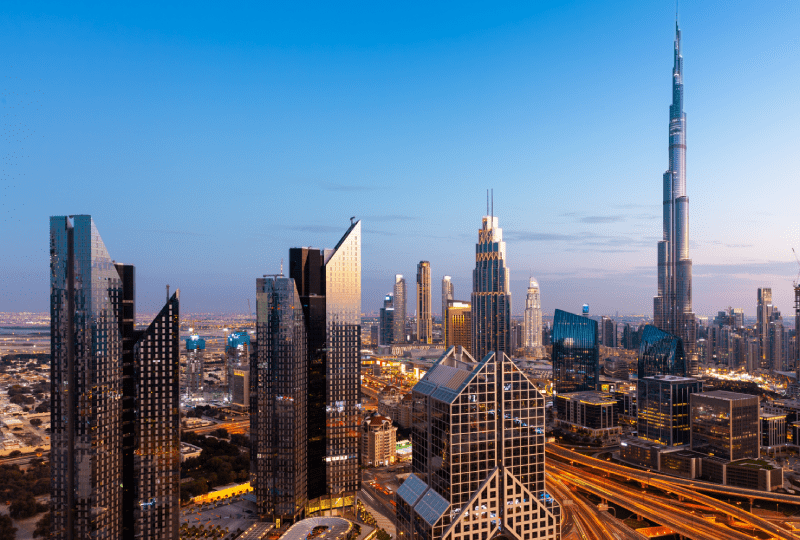
Dubai. The name conjures images of soaring skyscrapers, luxurious hotels, and a relentless pursuit of the new. Yet, beyond the glittering façade of the Burj Khalifa and the busy souks, lies a vibrant, burgeoning art scene, and its epicentre is Alserkal Avenue. This isn’t merely a district; it’s a sign of Dubai’s evolving identity – a conscious shift towards fostering creativity, innovation, and a deeper cultural landscape.
For years, Dubai was primarily known for commerce and tourism. Now, a new narrative is unfolding, driven by a passionate community of artists, designers, and entrepreneurs. Alserkal Avenue isn’t a curated, purpose-built art district; it *evolved* organically from a previously industrial area, lending it a uniquely authentic and raw energy. It’s a space where concrete warehouses have been transformed into cutting-edge galleries, concept stores, and inviting cafes, creating a powerful contrast that defines its character.
This guide will navigate you through this captivating hub, offering insights into its history, the art it showcases, and the experiences it offers. Prepare to shed preconceived notions of Dubai and spend time in a world of contemporary expression.
What is Alserkal Avenue? A Deep Explore the District
Alserkal Avenue is located in the Al Quoz industrial area, specifically between 17th and 18th streets. Once a functional, utilitarian zone, it’s now a thriving cultural ecosystem spanning over 70,000 square meters. The area is home to over 40 galleries, artist studios, and creative businesses.
It’s important to understand that Alserkal isn’t a single building, but a network of connected warehouses and spaces. This layout encourages exploration and discovery – you’ll stumble upon lesser-known spots around every corner. The district is intentionally designed to be walkable, though the Dubai heat can be intense, particularly during the summer months. Consider utilizing the internal golf cart service (available for a small fee of AED 20 per ride, or AED 80 for a day pass in 2026) to navigate longer distances.
Alserkal Avenue isn’t just about viewing art; it’s about engagement. It’s a place where you can meet artists, participate in workshops, and connect with a community passionate about creativity. The atmosphere is decidedly less formal than traditional art institutions, making it accessible and welcoming to all.
The Evolution of Alserkal Avenue: From Industrial Area to Arts Hub
The story of Alserkal Avenue began in the early 2000s with Abdulmonem Alserkal, a visionary Emirati businessman. Recognizing the potential of the underutilized industrial area, he began leasing space to artists and creative entrepreneurs. It wasn’t a top-down, government-led initiative, but a grassroots movement fueled by Alserkal’s belief in the power of art.
Initially, the area attracted a small group of artists seeking affordable studio space. Gradually, galleries began to emerge, drawn by the collaborative atmosphere and the growing artistic community. The opening of Concrete in 2015, the first dedicated contemporary art gallery in the district, marked a turning point. This signaled a commitment to showcasing high-quality art and attracting a wider audience.
Since then, Alserkal Avenue has experienced significant growth. In 2026, it’s a recognized international art destination, attracting collectors, curators, and art enthusiasts from around the globe. The area continues to evolve, with new spaces and initiatives constantly emerging. The recent addition of the Nadi Al Quoz pop-up space (launched in late 2026) showcases emerging talent and experimental projects, further solidifying Alserkal’s commitment to innovation.
What to Expect: A Sensory Journey Through Alserkal Avenue
Visiting Alserkal Avenue is a multi-sensory experience. Expect a striking contrast between the raw industrial aesthetic and the refined art within. The exterior of the warehouses remains largely unchanged, creating a unique juxtaposition.
The air hums with creativity. You’ll hear the sounds of artists at work, the murmur of conversations, and the occasional live music performance. The scent of coffee from the numerous cafes mingles with the aroma of paint and sculpture materials.
- Visually: Prepare for a diverse range of artistic styles, from traditional Islamic calligraphy to cutting-edge digital art.
- Audibly: Expect a dynamic soundscape, from gallery sound installations to live events.
- Olfactorily: The scent of art materials, coffee, and even the faint industrial aroma contribute to the unique atmosphere.
- Tactilely: Many galleries encourage interaction with the artwork, and the rough texture of the warehouses provides a contrasting tactile experience.
Most galleries are open from 10:00 AM to 7:00 PM, Saturday to Thursday, with reduced hours on Fridays (2:00 PM – 9:00 PM). However, it’s always best to check the individual gallery websites for specific opening times, particularly during Ramadan or public holidays.
Alserkal Avenue isn’t a quick walk-through. Allocate at least 3-4 hours to fully appreciate the district. Wear comfortable shoes, stay hydrated, and be open to unexpected discoveries.
What is Alserkal Avenue? A Deep Explore the District
Alserkal Avenue isn’t simply a street; it’s a concentrated pulse of Dubai’s burgeoning contemporary art scene. Born from a vision to cultivate a thriving creative ecosystem within the city, this industrial area in Al Quoz has undergone a remarkable transformation. What was once a collection of warehouses is now a globally recognized arts and culture destination, attracting artists, designers, and art enthusiasts from across the UAE and beyond.
This isn’t a sterile, white-cube gallery experience. Alserkal Avenue retains a distinct industrial aesthetic, a deliberate choice that imbues the art with a raw, authentic energy. The contrast between the concrete surroundings and the innovative artwork creates a unique and compelling atmosphere. It’s a place where art feels accessible, challenging, and deeply connected to the city’s evolving identity.
The Avenue’s story began in 2007, with the Alserkal family proactively inviting artists to occupy their warehouses. This pioneering spirit fostered a community-driven approach, prioritizing collaboration and experimentation. Today, Alserkal Avenue is managed by Alserkal, a cultural enterprise dedicated to supporting the arts. They don’t just provide space; they actively nurture talent and facilitate dialogue.
Located in Al Quoz 1, specifically between 17th and 18th Street, finding Alserkal Avenue is relatively straightforward, though a taxi or ride-sharing service is highly recommended due to limited public transportation directly serving the area. Expect a journey of approximately 20-30 minutes from Downtown Dubai, with fares ranging from AED 40-60. GPS coordinates are 25.2392° N, 55.2681° E. Parking is available, but can fill up quickly during peak times – particularly on evenings and weekends.
But what exactly *can* you expect to find here? Alserkal Avenue is a multifaceted destination, encompassing:
- Contemporary Art Galleries: Showcasing established and emerging artists from the region and internationally.
- Concept Spaces: Dedicated to design, performance, and interdisciplinary projects.
- Independent Cinemas: Screening art house films and hosting film festivals.
- Artisan Workshops: Offering hands-on experiences and showcasing traditional crafts.
- Specialty Cafes & Restaurants: Providing fuel for your artistic explorations.
It’s a district designed to be *experienced*, not just observed. The spaces are deliberately interconnected, encouraging visitors to wander, discover, and engage with the art on multiple levels. You’ll find yourself moving from a thought-provoking photography exhibition to a collaborative design workshop, then ending the day with a delicious meal at one of the Avenue’s stylish cafes.
In 2026, Alserkal Avenue continues to expand its offerings. Recent additions include the expansion of Concrete, a multi-disciplinary space dedicated to experimental art, and the launch of “The Foundry,” a new residency program supporting emerging UAE-based artists. The Foundry’s open studio days, typically held on the last Saturday of each month, are a fantastic opportunity to meet the artists and learn about their work. Entry is free.
Operating Hours: Most galleries are open Tuesday to Saturday, from 10:00 AM to 7:00 PM. However, it’s always best to check individual gallery websites for specific hours, especially during Ramadan or public holidays. Many galleries are closed on Sundays and Mondays.
Budgeting for your visit: While gallery entry is generally free, consider allocating funds for:
- Art Purchases: Prices vary drastically, from affordable prints (AED 200+) to significant investment pieces (AED 10,000+).
- Workshops: Expect to pay between AED 150-500 for a hands-on workshop, depending on the materials and duration.
- Café & Dining: A casual lunch can cost around AED 80-120, while a more upscale dinner might be AED 200+.
- Souvenirs: Unique art-inspired gifts are available at several boutiques, ranging from AED 50-300.
Accessibility: Alserkal Avenue is committed to inclusivity. Most galleries are wheelchair accessible, and staff are generally accommodating to visitors with disabilities. It’s advisable to contact galleries in advance to confirm specific accessibility features.
Beyond the visual arts, Alserkal Avenue hosts a vibrant program of events throughout the year. From art fairs and performances to film screenings and workshops, there’s always something happening. Check the official Alserkal Avenue website (https://www.alserkal.online/(https://www.alserkal.online/)) for a comprehensive calendar of events in 2026. Don’t miss the annual Alserkal Arts Festival, typically held in March, which transforms the entire Avenue into a dynamic hub of creativity.
Alserkal Avenue is more than just a destination; it’s a statement. It’s a sign of Dubai’s commitment to fostering a thriving cultural landscape and a beacon for artistic innovation in the region. It’s a place where the past meets the present, and where the future of art is being shaped.
The Evolution of Alserkal Avenue: From Industrial Area to Arts Hub
Alserkal Avenue’s transformation is nothing short of remarkable. What began in the early 2000s as a functional, largely unnoticed industrial zone on the fringes of Dubai, has blossomed into the city’s undisputed epicenter for contemporary art and creative enterprise. To understand the Avenue today, you must first appreciate its humble beginnings and the visionaries who dared to see potential beyond the warehouses and metal workshops.
Initially, the area housed a concentration of industrial businesses – auto repair shops, timber yards, and construction material suppliers. It was a practical, utilitarian space, far removed from the polished glamour typically associated with Dubai. However, in 2007, Abdulmonem Alserkal, a businessman with a passion for art and a keen eye for opportunity, began to lease warehouse spaces to artists. His initial goal wasn’t to create an “art district” *per se*, but to provide affordable studio space in a city increasingly priced out of reach for emerging creatives.
This initial spark ignited a slow but steady movement. Artists, attracted by the affordability and the raw, unpretentious atmosphere, began to establish studios and small galleries. The area’s inherent character – its industrial aesthetic, high ceilings, and spaciousness – proved surprisingly conducive to artistic expression. Word of mouth spread, and a small community began to coalesce.
The true turning point came around 2015-2016, when Alserkal Avenue began to actively curate its identity. A conscious effort was made to attract a wider range of creative businesses, not just visual artists, but also designers, performers, and culinary entrepreneurs. The addition of dedicated public spaces, such as the Concrete car park transformed into an event space, and the commissioning of public art installations, signaled a commitment to building a vibrant cultural destination. This shift wasn’t about gentrification, but about fostering a unique ecosystem where creativity could thrive.
Today, in 2026, Alserkal Avenue is a globally recognized arts hub. It’s a sign of the power of organic growth, visionary leadership, and a commitment to supporting the local art scene. The district now spans over 70,000 square meters and houses over 40 galleries, artist studios, and creative businesses. Importantly, the Avenue has managed to retain its distinctive industrial edge, creating a compelling juxtaposition between raw urban aesthetics and refined artistic expression.
What sets Alserkal Avenue apart from other art districts? It’s not merely a collection of galleries; it’s an integrated ecosystem. Businesses actively collaborate, fostering cross-disciplinary innovation. The atmosphere is decidedly unpretentious, welcoming to both seasoned art collectors and curious newcomers. It’s a place where you can stumble upon an impromptu performance, participate in a workshop, or simply enjoy a coffee while surrounded by creativity.
Practical Information for Your Visit:
- Location: Alserkal Avenue is located in the Al Quoz industrial area 1, Dubai. It’s easily accessible by car (ample parking available, though it can fill up during peak events) and taxi.
- Public Transportation: The nearest metro station is First Gulf Bank (Red Line), approximately a 20-minute taxi ride away. Bus routes F47 and F48 also service the area.
- Opening Hours: Gallery hours vary, but most are open Tuesday to Saturday, from 10:00 AM to 7:00 PM. It’s always best to check the individual gallery websites for the most up-to-date information.
- Cost: Access to Alserkal Avenue itself is free. Gallery entry is typically free, but special exhibitions or events may require tickets (prices vary). Expect to pay approximately AED 50-150 for workshops, and AED 100-300+ for performances.
- Accessibility: The Avenue is largely wheelchair accessible, with ramps and wide walkways. However, accessibility can vary within individual galleries, so it’s advisable to contact them in advance.
Looking Ahead (2026 and beyond):
Alserkal Avenue is not resting on its laurels. In 2026, the district announced a significant expansion plan, adding new spaces dedicated to digital art and immersive experiences. This expansion, slated for completion in late 2026, will further solidify Alserkal Avenue’s position as a leading force in the global art landscape. The focus remains on nurturing local talent and fostering a vibrant, inclusive creative community. The Avenue continues to champion emerging artists, providing platforms for their work and connecting them with international audiences. It’s a dynamic, evolving space – a true reflection of Dubai’s innovative spirit and its commitment to cultural enrichment.
What to Expect: A Sensory Journey Through Alserkal Avenue
Alserkal Avenue isn’t merely a destination; it’s an immersion. Stepping onto the avenue is a deliberate shift from Dubai’s polished, futuristic exterior into a district that breathes with creative energy. Forget the predictable glamour – here, the aesthetic is industrial chic, a purposeful embrace of the raw and the repurposed. Expect a captivating collision of concrete, steel, and vibrant artistic expression.
The experience begins with the visual. Warehouses, once dedicated to car parts and industrial supplies, have been transformed. Each gallery and creative space boasts a unique façade, often incorporating bold murals or striking installations that spill onto the street. Look closely – the architecture itself tells a story of transformation.
The air hums with a low, creative frequency. It’s a soundscape woven from snippets of conversation, the gentle thrum of music escaping open doorways, and the occasional clang of an artist at work. This isn’t a sterile, hushed museum environment. Alserkal encourages interaction, invites curiosity, and thrives on a sense of community.
But it’s more than just sights and sounds. Alserkal engages all the senses. The aroma of freshly brewed coffee wafts from the numerous cafes, mingling with the subtle scent of paint and resin emanating from the studios. Tactile experiences abound, from the smooth coolness of a polished sculpture to the rough texture of a reclaimed warehouse wall.
Navigating the Avenue: Alserkal Avenue is best explored on foot. It’s a relatively compact space – approximately 500 meters long – but allow at least 3-4 hours to truly soak it all in. Comfortable shoes are essential, as you’ll be doing a lot of walking between galleries and studios.
Practicalities to keep in mind:
- Opening Hours: While many galleries are open Saturday to Thursday from 10:00 AM to 7:00 PM, it’s *crucial* to check individual gallery websites for specific hours, particularly on Fridays, which often have reduced timings or are closed. Most galleries are closed on public holidays.
- Transportation: The easiest way to reach Alserkal Avenue is by taxi or ride-sharing services like Uber or Careem. The nearest metro station is Equiti Metro Station (Red Line), followed by a short taxi ride. Parking can be limited, especially during events, so consider public transport if possible.
- Budget: Gallery entry is generally free, although some special exhibitions or workshops may require pre-booking and a fee (ranging from AED 50 to AED 200, or approximately $14 – $55 USD). Cafe prices are comparable to other specialty coffee shops in Dubai – expect to pay around AED 30-50 ($8-14 USD) for a coffee and pastry.
- Accessibility: While efforts are being made to improve accessibility, some of the older warehouses may present challenges for visitors with mobility issues. Contact galleries in advance to inquire about accessibility features.
A Typical Journey:
Start your exploration at the heart of the Avenue, near A4 Space. This gallery frequently hosts groundbreaking contemporary art exhibitions. Expect to encounter challenging and thought-provoking works that push the boundaries of artistic expression. From there, wander south towards Concrete, a gallery known for its focus on emerging Emirati and regional artists.
Don’t miss Grey Noise, a multi-disciplinary space that blends art, design, and technology. They often showcase interactive installations and digital art – a fascinating glimpse into the future of creativity. In 2026, Grey Noise is hosting a major retrospective of digital artist Rana Khaled, running from November 15th to December 30th.
Beyond the established galleries, Alserkal is brimming with lesser-known spots. Keep an eye out for artist studios that occasionally open their doors to the public. Many artists offer workshops and demonstrations – a fantastic opportunity to learn a new skill and connect with the creative community. Check the Alserkal Avenue events calendar (available on their website) for scheduled workshops and performances.
The Cafe Culture as an Integral Part of the Experience:
Fuel your artistic exploration at one of the Avenue’s many cafes. Wild Jordan offers authentic Jordanian cuisine and coffee, a delightful change of pace. For specialty coffee lovers, Kaf is a worth visiting, renowned for its carefully sourced beans and expertly crafted brews. Expect to pay around AED 35 for a flat white and a date ma’amoul at Kaf. These cafes aren’t just places to grab a bite; they’re social hubs where artists, designers, and art enthusiasts gather to discuss ideas and collaborate.
Embrace the Unexpected:
Alserkal Avenue is a dynamic and ever-evolving space. New galleries and creative concepts are constantly emerging. Don’t be afraid to wander off the beaten path and explore the side streets. You might stumble upon a hidden studio, a pop-up exhibition, or a vibrant street art installation.
By 2026, the Alserkal Avenue Foundation has announced plans to expand the district with a new dedicated space for textile arts, scheduled to open in Spring. This will further solidify Alserkal’s position as a leading center for creative innovation in the region.
Alserkal Avenue is more than just a place to see art; it’s a place to *feel* art. It’s a sensory journey that will leave you inspired, challenged, and with a deeper appreciation for the vibrant creative spirit of Dubai.
Gallery Hopping: A Guide to Key Art Spaces (Detailed Profiles – 5-7 Galleries)
Alserkal Avenue isn’t merely a collection of galleries; it’s a curated ecosystem of artistic expression. Navigating its diverse landscape requires a little planning, but the rewards – encounters with groundbreaking art and emerging talent – are immeasurable. This section provides in-depth profiles of key galleries, equipping you to make the most of your visit in 2026.
Carbon 12, located in Unit 17, remains a cornerstone of the Avenue. Established in 2008, it champions both established and emerging artists from the region and beyond. Expect a rotating program of conceptually driven exhibitions, often focusing on themes of identity, displacement, and the complexities of the modern Middle East. In 2026, they’re showcasing the retrospective of Syrian artist, Nadia Al-Ali, running until March 15th. Admission is free, and the gallery is open Saturday-Thursday, 10am-6pm. Look for their artist talks, frequently scheduled on Tuesdays.
Next, venture to Akkawi Gallery (Unit 23). This gallery distinguishes itself by its dedication to modern and contemporary Arab art. They represent a roster of celebrated figures like Hussein Madi and Salwa Zeidan, alongside rising stars. Currently, they’re featuring a collection of digital art installations by Lebanese artist, Rima Najdi, exploring the intersection of calligraphy and AI – a truly captivating experience. Expect prices for artworks to range from AED 5,000 to AED 50,000+, depending on the artist and medium. Akkawi Gallery is open Sunday-Thursday 10am-7pm, Saturday 11am-7pm and closed on Fridays.
For a more experimental approach, Leila Heller Gallery (Unit 15) is essential. This New York-based gallery expanded to Alserkal Avenue in 2015, bringing a global perspective to the local art scene. They specialize in contemporary art from the Middle East, Asia, and Europe, often blurring the lines between painting, sculpture, and installation. Their 2026 spring exhibition features the vibrant, large-scale canvases of Iranian artist, Shirin Neshat, a must-see for lovers of figurative painting. They frequently host private viewings and artist receptions, so check their website for events.
Don’t miss In Situ (Unit 22), a unique space that transcends the traditional gallery model. It’s a platform for site-specific installations and performance art. They prioritize process and engagement, inviting artists to create work *within* the gallery space, responding to its unique architecture and history. In 2026, In Situ is running a long-term residency program with a collective of Emirati sound artists, culminating in a public soundscape installation in May. Visiting In Situ requires checking their online schedule, as exhibitions are often ephemeral.
Custodia Gallery (Unit 19) offers a refreshing change of pace. Specializing in photography and visual storytelling, Custodia presents compelling narratives through the lens. They focus on documentary photography, often shedding light on social and political issues within the region. Currently on display is a poignant series of portraits documenting the lives of migrant workers in the UAE, a powerful and moving exhibition. The gallery is open Saturday – Thursday, 11am – 7pm. They also offer photography workshops throughout the year.
For a more immersive experience, head to Jean Paul Najar Foundation (Unit 18). This isn’t just a gallery; it’s a meticulously curated museum dedicated to the art of the book. The Foundation houses a remarkable collection of rare books, manuscripts, and artist’s books, spanning centuries and cultures. The current exhibition, “Illuminated Futures,” explores the evolution of bookbinding and calligraphy, featuring exquisite examples of Islamic art and European craftsmanship. Admission is AED 30, and guided tours are available (reservations recommended). Open Tuesday-Sunday 10am-6pm.
Tips for Gallery Hopping:
- Plan your route: Alserkal Avenue is a long stretch. Prioritize the galleries that align with your interests.
- Check opening hours: Gallery schedules can vary, especially during Ramadan or public holidays. Always confirm before visiting.
- Wear comfortable shoes: You’ll be doing a lot of walking!
- Engage with the staff: Gallery assistants are knowledgeable and passionate about the art. Don’t hesitate to ask questions.
- Allow ample time: Rushing through the galleries will diminish the experience. Dedicate at least 3-4 hours to fully appreciate the art.
- Take advantage of free resources: Many galleries offer free catalogs, artist statements, and guided tours.
- Consider a guided tour: Several companies offer curated tours of Alserkal Avenue, providing valuable insights and context. Costs range from AED 150-300 per person.
Alserkal Avenue is more than just a destination; it’s a dynamic and evolving space that reflects the creative pulse of Dubai. By embracing its diversity and engaging with its artistic community, you’ll unlock a deeper understanding of the region’s cultural landscape and discover a world of artistic innovation.
Beyond the Galleries: Creative Concepts & Unique Spaces
Alserkal Avenue isn’t simply a collection of art galleries; it’s a dynamic ecosystem of creative concepts, design studios, and unconventional spaces. Stepping outside the white-cube walls reveals a district buzzing with innovation, a place where art intersects with functionality, and where the unexpected is commonplace. This section delves into the spaces that amplify the Avenue’s artistic energy, offering experiences beyond traditional art viewing.
Concrete, a multi-disciplinary space, consistently pushes boundaries. Originally conceived as a project space for emerging artists, it’s evolved into a hub for experimental design and cultural programming. In 2026, Concrete hosts regular film screenings (typically AED 40-60 per ticket), workshops on sustainable design practices, and pop-up exhibitions showcasing furniture, fashion, and interactive installations. Check their schedule online at https://concreteuae.com/(https://concreteuae.com/) for details.
Nearby, Nabbah, a beautifully curated concept store, is a treasure trove for design aficionados. They specialize in handmade objects, contemporary crafts, and limited-edition pieces from across the MENA region and beyond. Expect to find unique ceramics, textiles, jewellery, and home goods. Price points range widely, from AED 50 for small artisanal items to AED 5000+ for larger statement pieces.
Wild Yucca, a plant shop unlike any other, has become a surprising Alserkal Avenue staple. More than just a retail space, it’s a botanical sanctuary and workshop venue. Throughout 2026, they offer terrarium-building workshops (AED 250-350), macramé plant hanger classes (AED 180-220), and regular talks on plant care and propagation. It’s a breath of fresh air – literally – amidst the industrial surroundings.
For those interested in the intersection of art and technology, The Third Line’s sister space, the A.R.C. (Art & Research Centre), is essential. It’s dedicated to supporting artistic research and experimentation, often hosting residencies and collaborative projects. While not always open to the public, keep an eye out for open studio days and public lectures – these are advertised on both The Third Line and A.R.C.’s websites.
In5ive, a business incubator and co-working space operated by TECOM, is a fascinating contrast to the art spaces. Though primarily focused on supporting startups, In5ive frequently showcases the work of young designers and creatives through pop-up events and exhibitions. This fosters a unique cross-pollination of ideas and talents, making it a vibrant place to observe Dubai’s emerging entrepreneurial scene.
Beyond these established spaces, Alserkal Avenue is peppered with smaller, independent studios and workshops. Don’t be afraid to wander and peek inside. You might stumble upon a leatherworker crafting bespoke bags, a ceramicist shaping delicate pottery, or a furniture designer experimenting with innovative materials.
Here are a few more unique spaces to explore:
- Frame Collaborative: A creative agency offering design and branding services. They often host small exhibitions and workshops open to the public.
- Studio 24: A photography studio offering professional photoshoots and workshops for both amateur and professional photographers.
- XVA Boutique Hotel (adjacent to Alserkal Avenue): While technically just outside the Avenue’s boundaries, XVA is inextricably linked to the art scene. The hotel features a gallery showcasing contemporary art, a café, and a charming courtyard.
For a truly immersive experience, consider these activities:
- Attend a workshop: From pottery and painting to calligraphy and perfume-making, Alserkal Avenue offers a diverse range of workshops for all skill levels.
- Explore the hidden courtyards: Many of the warehouses conceal unexpected courtyards filled with plants, sculptures, and seating areas – perfect for a moment of respite.
- Participate in an artist talk: Galleries and creative spaces regularly host artist talks and panel discussions, providing insights into the creative process.
- Seek out the street art: While Alserkal Avenue isn’t known for large-scale murals, you’ll find subtle street art interventions scattered throughout the district.
Practical Tips for Navigating the Spaces:
- Check opening hours: Many of these spaces have limited or irregular opening hours, so it’s essential to check their websites or social media accounts before visiting.
- Wear comfortable shoes: Alserkal Avenue is a sprawling district, and you’ll be doing a lot of walking.
- Bring water: Dubai can get hot, even in the winter months. Stay hydrated by bringing a water bottle.
- Allow ample time: Don’t rush your exploration. Allocate at least half a day to fully experience the Avenue’s diverse offerings.
- Utilize the Alserkal Avenue app: Available for iOS and Android, the app provides a map, event listings, and information on all the galleries and spaces.
By venturing beyond the galleries, you’ll uncover the true heart of Alserkal Avenue – a vibrant, collaborative, and inspiring ecosystem of creativity that defines Dubai’s evolving art scene in 2026. It’s a place where innovation thrives, and where the boundaries between art, design, and life are constantly being redefined.
The Cafe Culture: Fueling Your Artistic Exploration
Alserkal Avenue isn’t just a visual feast; it’s a holistic sensory experience, and central to that is a burgeoning, sophisticated cafe culture. More than just places to grab a quick espresso, these spaces are extensions of the artistic ethos of the Avenue, offering environments designed for contemplation, connection, and creative fuel. They’ve evolved beyond simple refreshment stops, becoming integral hubs for artists, designers, and visitors alike.
The early days of Alserkal saw limited options, but in 2026, the district boasts a diverse range of cafes, each with a distinct personality. From minimalist, Japanese-inspired brew bars to vibrant, community-focused eateries, there’s a spot to suit every mood and palate. Expect to pay around AED 40-80 for a specialty coffee and pastry, with brunch options averaging AED 100-150.
Coffee aficionados will find paradise at Konjo Coffee Roasters. Situated within the Concrete building, Konjo (open daily 9am-6pm) isn’t just about serving excellent single-origin coffee – they roast it in-house, offering a truly bean-to-cup experience. Their meticulous brewing methods, paired with a minimalist, industrial-chic interior, create a calming atmosphere perfect for post-gallery reflection. They often host coffee tasting workshops, check their social media for the 2026 schedule.
For a more substantial meal, Wild Bloom (open daily 8am-10pm) is a worth visiting. This botanical garden-inspired cafe offers a beautifully curated menu of healthy, plant-based dishes. The space itself is a visual delight, overflowing with greenery and natural light, providing a serene escape from the busy gallery scene. Expect creative salads, vibrant bowls, and delicious vegan desserts, alongside a selection of organic teas and coffees.
Project Chai, a perennial favorite, continues to thrive. Their focus remains on exceptional chai, prepared with traditional methods and a variety of spices. Beyond chai, they offer a curated selection of pastries and light bites, and their outdoor seating provides a lovely vantage point for people-watching. Located near A4 Space, it’s a popular meeting point for artists and curators.
But the cafe scene isn’t solely about coffee and food. Several spaces actively blur the lines between cafe and creative hub. Frame Cafe (open Tue-Sun 10am-7pm) is a prime example. This unique space functions as a rotating exhibition space *and* a cafe.
- Expect to see emerging artists showcased on the walls.
- They host regular poetry slams and acoustic music nights.
- The menu features locally sourced ingredients and seasonal specials.
This commitment to showcasing local talent extends to other venues too. Twenty Third, a relatively new addition to the Avenue, is a dedicated co-working and cafe space. It’s designed for digital nomads and creatives, offering high-speed internet, comfortable workspaces, and a lively atmosphere. While primarily a co-working space, it’s open to the public for coffee and snacks, making it a great place to observe the creative energy of Alserkal. Membership options start from AED 800 per month in 2026.
Don’t overlook the smaller, more intimate options. The Molecule Cafe offers a cozy, almost hidden away experience. It’s a perfect spot to escape the crowds and enjoy a quiet moment with a book or sketchbook. Their selection of specialty teas is particularly impressive.
Here’s a quick guide to help you plan your cafe hopping:
- For the Coffee Purist: Konjo Coffee Roasters, Frame Cafe
- For the Plant-Based Eater: Wild Bloom
- For the Creative Co-Worker/Visitor: Twenty Third
- For a Cozy Escape: The Molecule Cafe
- For a Traditional Chai Experience: Project Chai
In 2026, many cafes also offer workshops – from latte art classes to calligraphy sessions. Check the Alserkal Avenue website (https://www.alserkal.online(https://www.alserkal.online) – *link accurate as of November 2026, confirm in 2026*) for a regularly updated events calendar.
Pro Tip: Alserkal Avenue can get busy, particularly on weekends. Consider visiting cafes during off-peak hours (mid-morning or mid-afternoon) for a more relaxed experience. Many cafes offer online ordering and takeaway options, allowing you to grab a quick bite and continue your exploration of the galleries.
The cafe culture on Alserkal Avenue is a vital part of the district’s appeal. It’s a place to recharge, reflect, connect, and be inspired – a crucial element of a truly immersive artistic experience. It’s no longer just about viewing art; it’s about *living* it.
Experiencing the Vibe: Events, Performances & Workshops
Alserkal Avenue isn’t simply a collection of galleries and cafes; it’s a dynamic ecosystem fueled by a constantly evolving calendar of events, performances, and hands-on workshops. This is where the creative pulse of Dubai truly beats, and immersing yourself in these experiences is essential to understanding the district’s unique character. Beyond viewing art, you’re invited to *participate* in its creation and dialogue.
The Avenue’s programming is remarkably diverse, catering to a wide range of interests and skill levels. Expect everything from intimate poetry slams to large-scale multimedia installations and masterclasses led by internationally renowned artists. Checking the official Alserkal Avenue website (alserkalavenue.com/events) is crucial before your visit, as the schedule changes frequently.
Regularly Scheduled Happenings:
Several events are almost constants on the Alserkal calendar. Concrete, the independent art space, hosts ‘First Thursdays’ on the first Thursday of each month. This isn’t just a gallery opening night; it’s a full-blown cultural happening. Expect live music, pop-up performances, and a vibrant atmosphere spilling out onto the avenue. Entry is typically free, but expect crowds and arrive early (around 6:00 PM) to make the most of it.
Another staple is the monthly film screening series curated by Cinema Akil. Located within the Aserkal Avenue complex, this independent cinema showcases a diverse selection of arthouse, documentary, and classic films. Tickets generally range from AED 45-65, and screenings often include Q&A sessions with filmmakers. Check their schedule on cinemaakil.com for the 2026 program.
Workshops: Unleash Your Inner Artist:
Alserkal is a fantastic place to try something new. The workshops offered are incredibly varied, moving beyond traditional painting classes.
- Calligraphy & Arabic Script: Several studios, including those associated with local artists like Nourhan El-Sayed, offer workshops focused on the art of Arabic calligraphy. A beginner’s course, lasting approximately 3 hours, costs around AED 250-350.
- Ceramics & Pottery: Mud Studio consistently hosts workshops for all skill levels. From hand-building basics to wheel-throwing sessions, you can create your own unique ceramic pieces. Expect to pay AED 200-400 for a 2-3 hour workshop, plus material costs.
- Digital Art & New Media: Reflecting Dubai’s forward-thinking ethos, Alserkal also features workshops exploring digital art forms. Warehouse 421 frequently hosts sessions on generative art, coding for creatives, and virtual reality experiences. Prices vary significantly based on the complexity of the workshop, ranging from AED 300 to AED 800+.
- Perfume Making: A unique experience, The Perfume Factory offers workshops where you can learn about the art of fragrance blending and create your own bespoke scent. Workshops are approximately 2 hours long and cost around AED 400-500.
Performance Art & Live Music (2026 Highlights):
In 2026, Alserkal is placing a strong emphasis on performance art and live music.
- The ‘Echoes of the Desert’ series, running throughout the spring (March-May), features contemporary dance performances inspired by Emirati folklore. Performances are held in the open courtyard of A4 Space and tickets are AED 80-120.
- ‘Rhythms of the Gulf’, a monthly concert series showcasing emerging musical talent from the region, takes place at Nadi Alserkal, the community space. Expect a mix of traditional and contemporary sounds. Tickets are typically AED 50-75.
- Pop-up theatre productions are becoming increasingly common. In June 2026, The Junction is hosting a site-specific performance piece exploring themes of urban alienation, with limited seating available. Tickets are AED 100 and require pre-booking.
Special Events & Festivals:
Beyond the regular programming, Alserkal Avenue hosts several larger-scale events throughout the year.
- Alserkal Arts Foundation’s annual residency exhibition (typically in November) showcases the work of artists who have participated in their residency program. This is a major event on the Dubai art calendar.
- Dubai Design Week (November) often features installations and events within Alserkal Avenue, extending the festival’s reach beyond the Dubai Design District.
- ‘Alserkal Avenue Nights’ (February/March) is a multi-day festival celebrating the district’s creative community with music, art, and food.
Practical Tips for Event Attendance:
- Book in advance: Popular workshops and performances often sell out quickly.
- Check the dress code: While Dubai is generally relaxed, some events may have specific dress requirements.
- Consider transportation: Parking can be limited, so using a taxi or ride-sharing service is recommended. The closest metro station is Equiti Metro Station (Red Line), requiring a 15-20 minute walk or short taxi ride.
- Stay hydrated: Dubai can be hot, even in the winter months. Carry water with you, especially if attending outdoor events.
- Download the Alserkal Avenue app: The app provides real-time updates on events, gallery hours, and cafe specials.
By actively engaging with the events, performances, and workshops, you’ll move beyond simply *seeing* Alserkal Avenue and truly *experiencing* its vibrant creative spirit. It’s a place where art comes alive, and where you can be a part of the story.
Best Time to Visit: Navigating Dubai’s Climate for Alserkal Avenue
Alserkal Avenue, while largely indoors, is intrinsically linked to Dubai’s rhythm. Understanding the city’s climate is crucial for maximizing your enjoyment of this vibrant arts district. While Dubai has become increasingly adept at climate control, the outdoor transitions between galleries and cafes, and attending events, are significantly impacted by the weather. Planning your visit strategically can transform a good experience into an exceptional one.
Dubai’s infamous summer heat, stretching from May to September, remains a considerable factor. Temperatures regularly soar above 40°C (104°F), with humidity adding to the discomfort. While Alserkal Avenue’s galleries are fully air-conditioned, the short walks between spaces can become oppressive. We strongly advise against extended outdoor exploration during these months. However, the summer months *do* offer advantages – significantly lower hotel rates and fewer crowds.
October to April represents the peak season, offering the most pleasant weather. Daytime temperatures average between 20°C (68°F) and 30°C (86°F), with lower humidity. This is the ideal time to fully spend time in Alserkal Avenue’s offerings, enjoying both the indoor and outdoor aspects without discomfort. Expect higher prices for accommodation and potential crowds, especially during major events and the Dubai Art Season in March.
Let’s break down the seasons in more detail, specifically relating to your Alserkal Avenue experience:
- October – November (20°C – 28°C / 68°F – 82°F): This is the sweet spot for visiting. The weather is warm and sunny, perfect for strolling between galleries and enjoying outdoor cafe seating. You’ll find a lively atmosphere as the art season begins to pick up. Expect a moderate influx of tourists.
- December – February (17°C – 25°C / 63°F – 77°F): Dubai experiences its coolest temperatures during these months. This is a hugely popular time to visit, with comfortable weather ideal for all activities. Book accommodations and event tickets well in advance, particularly around New Year’s Eve and the Dubai Shopping Festival. Alserkal Avenue hosts numerous pop-up exhibitions and performances during this period.
- March – April (23°C – 32°C / 73°F – 90°F): The weather begins to warm up, but remains largely pleasant. March is a key month for Dubai Art Season, with a packed schedule of events across the city, including significant happenings at Alserkal Avenue. Expect larger crowds and higher prices. The Foundry, for example, often hosts large-scale installations during this time, frequently free to the public.
- May – September (33°C – 45°C+ / 91°F – 113°F+): As mentioned, the summer months are extremely hot and humid. Focus your visit on indoor activities. Alserkal Avenue galleries offer a cool respite, and many cafes provide comfortable indoor seating. Consider visiting in the early morning or late evening to avoid the peak heat. Many galleries maintain slightly reduced hours during these months, typically 10:00 AM to 6:00 PM.
Practical Tips for Navigating the Climate:
- Hydration is Key: Carry a reusable water bottle and stay hydrated throughout the day. Water fountains are available in some public areas, but it’s best to be prepared.
- Dress Appropriately: Lightweight, breathable clothing is essential, even indoors. While Dubai is generally tolerant, it’s respectful to dress modestly, particularly when visiting religious sites.
- Sun Protection: Even during the cooler months, the sun can be strong. Wear sunscreen, a hat, and sunglasses when outdoors.
- Transportation: Utilize Dubai’s efficient public transportation system (metro, buses, taxis, and ride-sharing services) to minimize your time walking in the heat. Alserkal Avenue is accessible by bus (routes F41, F42) and taxi.
- Check the Forecast: Stay updated on the daily weather forecast via apps like The Weather Channel or AccuWeather.
- Indoor Focus During Summer: If visiting in the summer, prioritize indoor activities. Plan your gallery hopping strategically to minimize outdoor walking.
- Event Considerations: If attending an outdoor event, check if shade and cooling systems are provided. Many events scheduled for 2026 will incorporate mist fans and shaded seating areas.
Specific Alserkal Avenue Considerations:
- A4 Space: This gallery often hosts outdoor sculpture installations. While visually stunning, these are best viewed during the cooler months.
- Concrete: While primarily indoor, Concrete’s courtyard occasionally hosts events. Check their schedule for details and weather contingencies.
- Jean Paul Nadel Collection: The outdoor area surrounding the gallery is beautifully landscaped, offering a peaceful escape – best enjoyed in the milder temperatures.
- Cafe Milestones: While offering indoor and outdoor seating, the outdoor area becomes particularly appealing during the October-April months. Expect a surcharge for outdoor seating during peak season (approximately AED 20-30 per person).
By carefully considering Dubai’s climate and these practical tips, you can ensure a comfortable and enriching experience at Alserkal Avenue, regardless of the time of year. Your 2026 visit to Dubai’s creative heart will be unforgettable.
Seasonal Events & Exhibitions to Look Out For
Alserkal Avenue isn’t static; it’s a living, breathing ecosystem of creativity. While the galleries themselves offer a constant stream of compelling work, the seasonal events and exhibitions truly elevate the experience, transforming the industrial district into a vibrant hub of cultural activity. Planning your visit around these happenings will unlock a deeper, more immersive understanding of Dubai’s burgeoning art scene.
Spring/Early Summer (March – May): A Flourishing of New Talent
Spring sees Alserkal Avenue burst into life, mirroring the seasonal bloom. The Alserkal Avenue Arts Festival, typically held in late March, is a cornerstone event. In 2026, expect the festival to run from March 20th – 28th, showcasing emerging Emirati and international artists through pop-up exhibitions, performances, and interactive installations. Entry is free, though some workshops may require pre-booking and a small fee (around AED 75-150).
April often focuses on design and digital art. Look out for the Concrete x Alserkal collaboration, a showcase of contemporary furniture and object design, frequently hosted within the A.R.C. space. In 2026, they’re expanding to include a dedicated VR/AR art experience, offering visitors a chance to step *inside* the artwork.
May brings a focus on photography and visual storytelling. The Gulf Photo Plus workshops and exhibitions, now a firmly established part of the Alserkal calendar, will be running throughout the month. Expect masterclasses led by internationally renowned photographers (prices range from AED 800 to AED 2500 per workshop) and a captivating exhibition at Gallery 7, running May 10th – June 5th, 2026.
Summer (June – August): Indoor Escapes & Cooling Creativity
Dubai summers are intense, but Alserkal Avenue provides a welcome respite with its air-conditioned galleries and indoor events. The focus shifts towards longer-running exhibitions and workshops designed to beat the heat.
- Summer Art Labs: A series of weekly workshops geared towards families and children, covering everything from painting and sculpture to digital art and creative writing. These are held primarily at the Nadi Al Quoz space and cost approximately AED 100-150 per child.
- Late Night Art: Select galleries participate in “Late Night Art” evenings, typically on Thursdays during July and August, extending their opening hours until 10 pm. This offers a cooler, more relaxed atmosphere to explore the art. Check the Alserkal Avenue website for participating galleries and specific dates.
- Cinema Akil’s Summer Screenings: The independent cinema, a permanent fixture on the Avenue, curates a special summer program of art house films, documentaries, and classic cinema. Tickets are around AED 55-75 per screening.
Autumn/Winter (September – February): Peak Season & International Recognition
Autumn and winter represent the peak season for Alserkal Avenue, with a surge in international visitors and a packed calendar of events.
September sees the launch of the new exhibition season across all galleries. Expect major solo shows and group exhibitions, often coinciding with the start of Art Dubai’s preview events.
October is a particularly exciting month. The Alserkal Programming Season Launch (October 15th – 25th, 2026) is a district-wide celebration, featuring opening receptions, artist talks, and performances. This is the perfect time to get a comprehensive overview of the artistic landscape.
November and December are dominated by the build-up to the festive season and a series of themed events.
- Design Days Dubai (November): While no longer a standalone event, elements of Design Days Dubai are often integrated into the Alserkal Avenue programming, with pop-up design shops and installations throughout the district.
- Art Dubai’s Satellite Events: Alserkal Avenue frequently hosts satellite events and fringe exhibitions during Art Dubai (typically held in March, but with preview events in late February/early March).
- The Winter Collective: A curated pop-up shop featuring handmade crafts, jewelry, and design objects from local artisans. Held in December, it’s a great place to find unique gifts.
Ongoing & Pop-Up Events:
Beyond the major seasonal events, Alserkal Avenue is known for its spontaneous pop-up exhibitions, performances, and workshops.
- Check the Alserkal Avenue website (https://alserkal.online/(https://alserkal.online/)) regularly for the most up-to-date event listings.
- Follow Alserkal Avenue on social media (Instagram ) for real-time updates and behind-the-scenes glimpses.
- Sign up for the Alserkal Avenue newsletter to receive a monthly calendar of events directly to your inbox.
- Keep an eye out for announcements from individual galleries – they often host their own independent events.
Practical Tips:
- Book workshops and masterclasses in advance, especially during peak season.
- Check the opening hours of galleries before your visit, as they can vary.
- Wear comfortable shoes – you’ll be doing a lot of walking!
- Stay hydrated, especially during the summer months.
- Allow ample time to explore the entire district – there’s a lot to see and do.
By aligning your visit with these events, you’ll transform a simple gallery hop into a truly unforgettable cultural experience, witnessing firsthand the dynamic energy that defines Alserkal Avenue and Dubai’s thriving art scene in 2026.
Frequently Asked Questions (FAQ)
How much does it cost to visit Alserkal Avenue?
Visiting Alserkal Avenue itself is free – it’s a public space! However, entry fees vary for individual galleries and events; some are free, while others may charge between AED 20-100 depending on the exhibition or workshop. Budget for any art purchases, cafe visits, or participation in paid activities.
What are the opening hours of Alserkal Avenue galleries?
Most galleries are open Saturday to Thursday from 10 am to 7 pm, but this can vary significantly. It’s best to check the specific gallery’s website or social media before visiting to confirm their exact hours, as some have different timings or are closed on certain days. Weekends (Friday) often see special events with extended hours.
Do I need to book tickets in advance to visit Alserkal Avenue?
Generally, no, you don’t need to book to visit the avenue itself. However, for specific exhibitions, workshops, or events, pre-booking is *highly* recommended, especially during peak season or for popular events, to guarantee your spot. Check each gallery or event’s website for booking details.
Is Alserkal Avenue easily accessible by public transport?
Yes, the closest metro station is First Gulf Bank, on the Red Line, which is about a 20-minute walk. Alternatively, you can take a taxi or ride-sharing service like Uber or Careem directly to Alserkal Avenue; this is the most convenient option for many visitors. Buses also service the area, check RTA’s website for routes.
What should I bring with me when visiting Alserkal Avenue?
Comfortable shoes are essential as you’ll be doing a lot of walking! Bringing water is also a good idea, especially during warmer months, and a camera to capture the artwork. Consider a small bag to carry any purchases, and a notebook if you’re inspired to jot down thoughts.
Are there any cafes or restaurants inside Alserkal Avenue?
Yes, Alserkal Avenue boasts several trendy cafes and restaurants. Options include Concrete, a popular coffee spot, and several other eateries offering a range of cuisines from casual bites to more substantial meals. You’ll find choices to suit different budgets and tastes.
Is Alserkal Avenue suitable for families with children?
Alserkal Avenue can be family-friendly, but it depends on the age of your children and the specific galleries. Some galleries are more interactive and engaging for kids, while others are better suited for adults. Check for family-focused events or workshops beforehand.
Is photography allowed inside the galleries?
Photography policies vary between galleries. Some allow photography without flash, while others prohibit it altogether, especially for current exhibitions. Always check with the gallery staff before taking any photos to respect the artist’s and gallery’s wishes.
How long does it typically take to explore Alserkal Avenue?
You could spend anywhere from 2-6 hours exploring Alserkal Avenue, depending on your level of interest and how many galleries you visit. A quick walk-through could take 2 hours, but to really appreciate the art and atmosphere, allow at least 4-6 hours.
Is there parking available at Alserkal Avenue?
Yes, there is parking available at Alserkal Avenue, but it can get busy, especially during events. Parking is free, but it fills up quickly, so arriving early or during off-peak hours is recommended. There’s also some street parking available in the surrounding areas.
Is Alserkal Avenue air-conditioned?
While some galleries are fully air-conditioned, the outdoor areas of Alserkal Avenue are not always. The warehouses have been partially climate controlled, but be prepared for warmer temperatures, especially during the summer months. Staying hydrated and taking breaks indoors is advisable.
What kind of art can I expect to find at Alserkal Avenue?
Alserkal Avenue showcases a diverse range of contemporary art, including painting, sculpture, photography, digital art, and installations. You’ll find works by both established and emerging artists from the UAE, the wider Middle East, and internationally. It’s a hub for experimental and innovative art.
Are there any similar art spaces in Dubai?
Yes, Dubai has several other art spaces. Jameel Arts Centre is a major contemporary art museum, while Tashkeel is a creative space focusing on design and visual arts. Al Quoz also has a growing number of independent art studios and galleries.
Is there a dress code for visiting Alserkal Avenue?
There isn’t a strict dress code, but it’s best to dress respectfully, as it’s a cultural space. Smart casual attire is perfectly suitable. Avoid overly revealing clothing, and remember that some galleries may have temperature control that requires a light layer.
Is Alserkal Avenue wheelchair accessible?
Accessibility varies between galleries. While Alserkal Avenue is generally flat, some older warehouses may have limited accessibility. It’s best to contact individual galleries in advance to confirm their accessibility features if you have mobility concerns.
Are there any guided tours available at Alserkal Avenue?
Yes, Alserkal Avenue sometimes offers guided tours, particularly during special events or art fairs. Check their website or social media for scheduled tours. Private tours can also be arranged with some galleries upon request.
What is the best time of year to visit Alserkal Avenue?
The best time to visit is during the cooler months, from November to March. The weather is much more pleasant for walking around and enjoying the outdoor spaces. Avoid visiting during the peak of summer (June-August) when temperatures can be extremely high.
Are there any workshops or events held at Alserkal Avenue?
Yes, Alserkal Avenue frequently hosts workshops, talks, performances, and other events. These cover a wide range of creative disciplines, from painting and sculpture to photography and digital art. Check their events calendar on their website for upcoming activities.
Is Alserkal Avenue safe to visit?
Yes, Alserkal Avenue is generally a very safe area. However, as with any public space, it’s always wise to be aware of your surroundings and take precautions against petty theft. The area is well-lit and usually has security personnel present.
How far is Alserkal Avenue from Dubai Marina?
Alserkal Avenue is approximately a 20-30 minute drive from Dubai Marina, depending on traffic. You can take a taxi or ride-sharing service, which is the most convenient option. Public transport would take considerably longer, requiring a metro and bus combination.