Introduction: A Journey Back in Time on Dubai Creek
Dubai. The name conjures images of soaring skyscrapers, luxury shopping, and futuristic innovation. But beneath the gleaming façade of modern marvels lies a heart steeped in tradition – a vibrant pulse best experienced on the historic Dubai Creek. Our Dubai Abra Ride & Souk Exploration: A 2-Hour Cultural Immersion isn’t just a tour; it’s a deliberate step back in time, a sensory awakening, and a genuine connection with the soul of Old Dubai.
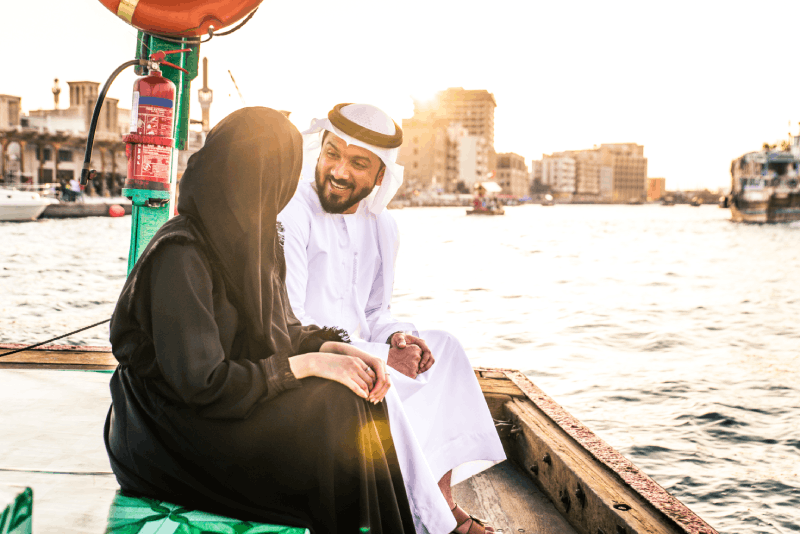
For centuries, this natural waterway served as the lifeblood of the emirate. It was a crucial trade route, connecting Dubai to the wider world and fostering a community of merchants, pearl divers, and fishermen. Today, the Creek remains a vital part of Dubai’s identity, and experiencing it via a traditional *abra* is the most authentic way to understand the city’s origins. Forget the air-conditioned comfort of modern transport for a few precious moments. Embrace the gentle sway of the water, the rhythmic splash of the oars (or the quiet hum of the engine on newer abras), and the captivating panorama of a Dubai largely unchanged for generations.
Why choose this particular experience? Because it’s more than just a boat ride. It’s a meticulously curated journey designed to unlock the secrets of the Al Fahidi Historical Neighbourhood and the busy souks. Many visitors rush to the modern attractions, missing the chance to truly *feel* Dubai’s heritage. Our Dubai Abra Ride & Souk Exploration fills that gap, offering a concentrated dose of culture and authenticity within a convenient two-hour timeframe.
Unveiling Old Dubai’s Charm
The journey begins at Bur Dubai Abra Station, easily accessible by Dubai Metro (Al Fahidi Station) or taxi. As you approach, the air thickens with the aromas of spices, incense, and the salty tang of the Creek. This isn’t a sanitized tourist attraction; it’s a working waterway, a daily commute for residents, and a busy hub of commerce.
The *abras* themselves are a fascinating sight. These traditional wooden boats, once powered solely by oarsmen, are now largely fitted with small, reliable Yamaha or Suzuki marine engines. The fare is a remarkably affordable 1 AED (approximately $0.27 USD as of late 2026), making it accessible to everyone. Don’t expect luxury; these are functional vessels, providing a basic but undeniably charming experience.
As your abra glides across the Creek, observe the traditional wind-tower architecture of the Al Fahidi Historical Neighbourhood. These ingenious structures were designed to provide natural ventilation before the advent of air conditioning, a sign of the ingenuity of early Emirati builders. The views of the Deira side, with its vibrant waterfront and busy souks, are equally captivating.
What to Expect: A Sensory Overload
Prepare for a sensory experience unlike any other. The Dubai Abra Ride & Souk Exploration isn’t about quiet contemplation; it’s about immersing yourself in the energy and vibrancy of Old Dubai.
- Sounds: The calls of vendors, the chatter of shoppers, the gentle lapping of water against the abra, and the distant hum of the city.
- Smells: A heady mix of exotic spices, fragrant perfumes, rich coffee, and the subtle scent of the Creek.
- Sights: A kaleidoscope of colors, from the glittering gold of the Gold Souk to the vibrant hues of the Textile Souk and the earthy tones of the Spice Souk.
- Textures: The rough-hewn wood of the abra, the smooth silk of fabrics, the granular texture of spices, and the cool metal of gold jewelry.
This is a place to engage all your senses, to truly *feel* the rhythm of life in Old Dubai.
The Abra Experience: A Detailed Look
The abra ride itself typically takes between 5-10 minutes, depending on the number of passengers and the current. Expect to share the abra with locals and fellow travelers, contributing to the authentic atmosphere. While safety is paramount, it’s a relatively basic operation. Life jackets are available, and abra operators are experienced and vigilant.
Upon disembarking on the Deira side, you’ll be immediately enveloped in the energy of the souks. Our 2-hour cultural immersion is designed to guide you through the highlights, providing insightful commentary and practical advice. We’ll begin with a brief orientation, explaining the history and culture of the souks, before leading you on a carefully curated exploration.
Navigating Dubai Creek
Understanding the layout is crucial. Dubai Creek isn’t a single, continuous waterway. It branches out into several smaller channels, creating a network of pathways through the souks.
- Bur Dubai Side: Primarily residential and home to the Al Fahidi Historical Neighbourhood.
- Deira Side: The heart of the souks, offering a concentrated shopping experience.
- Al Seef: A recently developed waterfront area blending traditional and modern elements, offering a pleasant contrast.
Our guide will ensure you navigate the souks with ease, avoiding the crowded areas and leading you to the most authentic and interesting shops.
Exploring the Spice Souk: Scents & Flavors
The Spice Souk is a fragrant wonderland, a feast for the senses. Mountains of colorful spices – saffron, turmeric, cardamom, and countless others – are piled high, creating a visually stunning display. Don’t be afraid to sample the spices and ask questions. Vendors are generally friendly and eager to share their knowledge.
You’ll find not only spices but also dried fruits, nuts, herbs, and traditional Arabic sweets. Prices are negotiable, so don’t hesitate to bargain respectfully. A small bag of high-quality saffron can cost anywhere from 20-50 AED (approximately $5.45 – $13.60 USD), depending on the grade.
Discovering the Gold Souk: Glitter & Bargains
The Gold Souk is a dazzling spectacle, a sign of Dubai’s enduring love affair with gold. Shop windows overflow with glittering jewelry, from traditional Arabic designs to modern creations. Dubai is renowned for its gold purity and competitive prices.
Remember to compare prices between different shops and always ask about the weight and karat of the gold. Bargaining is expected, and a little friendly negotiation can often result in a significant discount. You might even find unique pieces crafted by local artisans.
The Textile Souk: Colors & Fabrics
Finally, we’ll venture into the Textile Souk, a vibrant mix of colors and textures. Here, you’ll find a wide range of fabrics, from silk and cotton to brocade and embroidery. It’s a paradise for fashion designers, seamstresses, and anyone who appreciates beautiful textiles. Prices vary depending on the quality and material, but you can often find excellent bargains.
A Typical 2-Hour Immersion – What Does it Look Like?
- 0:00 – 0:15: Meet your guide at Bur Dubai Abra Station. Brief introduction to Old Dubai and the history of the Creek.
- 0:15 – 0:25: Abra ride across Dubai Creek to Deira.
- 0:25 – 0:55: Exploration of the Spice Souk, with sampling and expert guidance.
- 0:55 – 1:25: Journey through the Gold Souk, learning about gold purity and bargaining techniques.
- 1:25 – 1:55: Discovery of the Textile Souk, admiring the vibrant fabrics and learning about traditional crafts.
- 1:55 – 2:00: Return to Bur Dubai via abra, reflecting on your immersive experience.
The Dubai Abra Ride & Souk Exploration: A 2-Hour Cultural Immersion is more than just a sightseeing trip. It’s a chance to connect with the heart and soul of Dubai, to experience its history, culture, and vibrant energy firsthand. Book your journey back in time today.
Why Choose the Abra & Souks?
Beyond the glittering skyscrapers and futuristic visions of modern Dubai lies a heartbeat of tradition, a vibrant echo of the city’s pearl diving and trading past. Choosing the Dubai Abra Ride & Souk Exploration isn’t simply ticking off a tourist activity; it’s choosing to *connect* with the soul of Dubai. In 2026, as the city continues its rapid evolution, preserving this cultural heritage becomes increasingly vital, and this immersive experience offers a unique opportunity to witness it firsthand.
Many visitors are captivated by the iconic Burj Khalifa and the luxury shopping malls – and rightly so. However, these experiences, while impressive, often lack the authentic character that defines a place. The Dubai Abra & Souk Exploration offers something profoundly different: a genuine glimpse into the daily life and commercial traditions that have shaped Dubai for centuries. It’s a chance to step away from the polished surfaces and explore the raw, captivating energy of Old Dubai.
Forget the air-conditioned comfort of taxis and the predictability of modern transport. The Abra, a traditional wooden dhow, is the lifeblood of Dubai Creek. For a mere AED 1 per ride (a price that remarkably remains unchanged for years!), you’ll traverse the waterway, experiencing the city from the same perspective as traders and locals have for generations. This isn’t just transport; it’s a time capsule, a fleeting journey back to a simpler era.
But the Abra is merely the gateway. The true magic unfolds within the souks – the traditional markets – that line the Creek’s banks. These aren’t curated tourist traps; they are busy commercial hubs, overflowing with exotic sights, sounds, and smells. They represent a living, breathing tradition of commerce that continues to thrive in 2026.
Consider the alternatives: a generic city tour might offer a brief drive-by of the historical district. But it lacks the *immersion* of walking through the narrow alleyways, haggling with vendors, and breathing in the intoxicating aromas of the Spice Souk. The Dubai Abra Ride & Souk Exploration allows you to *participate* in the culture, not just observe it.
Here’s what sets this experience apart:
- Authenticity: Experience a genuine slice of Dubai’s heritage, untouched by modern commercialization.
- Affordability: At just AED 1 for an Abra ride and affordable goods in the souks, it’s an accessible experience for all budgets.
- Sensory Immersion: Engage all five senses with the vibrant colors, exotic scents, and lively sounds of the souks.
- Cultural Connection: Interact with local traders and gain insights into their traditions and way of life.
- Photographic Opportunities: Capture stunning images of traditional architecture, busy markets, and the iconic Dubai Creek.
Let’s talk specifics. The Spice Souk, or Souk Al-Deira, is a feast for the olfactory senses. Mountains of saffron, cardamom, turmeric, and countless other spices create a vibrant mix of color and fragrance. Don’t be afraid to sample! Many vendors offer tastes of their wares, and a small bag of high-quality saffron can be purchased for around AED 50-100, depending on the grade.
The Gold Souk, meanwhile, is a dazzling display of wealth and craftsmanship. Window after window showcases intricate gold jewelry, from traditional necklaces and bracelets to modern designs. While prices are generally competitive, haggling is expected – and often rewarded. A good starting point for negotiation is to offer 20-30% below the asking price. Remember, a friendly demeanor and respectful approach go a long way. In 2026, you can expect to find 24-karat gold retailing around AED 220-240 per gram, though this fluctuates with global market prices.
Finally, the Textile Souk offers a rainbow of fabrics, silks, cottons, and embroidery. It’s the perfect place to find unique souvenirs, tailor-made clothing, or materials for your own creative projects. Prices vary greatly, but you can find beautiful scarves for as little as AED 30-50.
A typical 2-hour Dubai Abra Ride & Souk Exploration might look like this:
1. 10:00 AM: Meet at the designated point near Dubai Creek (Bur Dubai side).
2. 10:15 AM – 10:45 AM: Abra ride across Dubai Creek (multiple crossings included).
3. 10:45 AM – 11:30 AM: Exploration of the Spice Souk, with opportunities for sampling and purchasing.
4. 11:30 AM – 12:00 PM: Spend time in the Gold Souk, practicing your bargaining skills.
5. 12:00 PM – 12:30 PM: Wander through the Textile Souk, admiring the vibrant colors and fabrics.
6. 12:30 PM: Conclude the tour, with recommendations for nearby cafes and restaurants.
The Dubai Abra Ride & Souk Exploration isn’t just about what you see; it’s about how you *feel*. It’s about experiencing the raw energy, the genuine hospitality, and the rich cultural heritage that makes Dubai so unique. In 2026, choose to go beyond the surface and discover the true heart of this remarkable city. This isn’t just a tour; it’s a memory waiting to be made.
Unveiling Old Dubai’s Charm
Step away from the gleaming skyscrapers and futuristic visions of modern Dubai. Prepare to be transported back in time with our Dubai Abra Ride & Souk Exploration: A 2-Hour Cultural Immersion. This isn’t simply a sightseeing trip; it’s a plunge into the heart and soul of the emirate’s heritage, a chance to witness a side of Dubai largely untouched by the rapid modernization. In 2026, while the city continues to innovate, the enduring traditions along Dubai Creek remain a powerful draw for discerning travelers.
Old Dubai, encompassing areas like Deira and Bur Dubai, offers a stark and beautiful contrast to the polished luxury elsewhere. It’s a district where the scent of spices hangs heavy in the air, the gleam of gold fills the shops, and the rhythmic chug of traditional abra boats provides the soundtrack to daily life. This is where Dubai’s story began, as a small pearling and fishing settlement, and its legacy is palpable in every narrow alleyway and busy marketplace.
The Dubai Abra Ride & Souk Exploration is designed to unlock this captivating world. We don’t just *show* you Old Dubai; we immerse you in it. This experience isn’t about ticking off landmarks, but about feeling the pulse of a culture that has thrived for centuries.
Why choose this particular immersion? Many tours offer a fleeting glimpse of the Creek. Ours prioritizes genuine cultural engagement. We focus on providing an authentic experience, guiding you through the souks with insights into local customs, trade practices, and the history of these vibrant commercial hubs. Forget sanitized tourist traps; this is the real deal.
The journey begins at Bur Dubai Abra Station, easily accessible by metro or taxi. From here, you’ll board a traditional abra – a wooden dhow – for a mere AED 1 (approximately $0.27 USD). It’s a remarkably affordable way to travel and a classic Dubai experience. These boats, powered by small Yamaha or Suzuki marine engines (typically 9.9 – 15 horsepower), have been the lifeblood of the Creek for decades, transporting people and goods across the water.
What can you expect during the Abra ride? The crossing takes about 5-8 minutes, offering stunning views of the Creek’s busy activity. You’ll see a fascinating mix of traditional dhows carrying everything from fresh produce to electronics, alongside modern speedboats and ferries. The air is filled with the calls of vendors, the chatter of locals, and the gentle lapping of water against the hull. Keep your camera ready – the photo opportunities are endless!
Upon disembarking in Deira, you’ll be immediately enveloped in the sensory richness of the souks. We’ll begin with the Spice Souk (Souk Al-Deira), a fragrant labyrinth of stalls overflowing with exotic spices, herbs, dried fruits, and traditional remedies. Imagine mountains of saffron, cardamom, turmeric, and frankincense, their aromas blending to create an intoxicating perfume.
- Bargaining is expected. Don’t be afraid to politely negotiate prices, starting with an offer around 30-50% lower than the initial asking price.
- Sample the dates and spices. Many vendors offer complimentary tastings, allowing you to experience the flavors before you buy.
- Look for unique blends. The Spice Souk is a great place to find traditional Arabic coffee blends, saffron-infused honey, and other specialty items.
Next, we’ll venture into the Gold Souk, a dazzling display of glittering jewelry. This isn’t just a market; it’s a spectacle. Shop after shop showcases intricate gold necklaces, bracelets, earrings, and rings, often displayed with impressive artistry. In 2026, gold prices remain competitive in Dubai, making this a popular destination for jewelry shoppers.
- Know your gold karat. Prices are based on weight and karat, so be sure to understand the quality of the gold you’re considering.
- Check for the Dubai Quality Seal. This seal guarantees the authenticity and quality of the gold.
- Window shopping is encouraged! Even if you’re not buying, the Gold Souk is a fascinating place to admire the craftsmanship.
Finally, we’ll explore the Textile Souk (Souk Al-Khaleej), a vibrant explosion of colors and fabrics. Here, you’ll find everything from silk and cotton to brocade and chiffon, perfect for creating custom clothing, home décor, or souvenirs.
The Dubai Abra Ride & Souk Exploration concludes near Al Fahidi Historical Neighbourhood, offering an opportunity to explore the traditional wind-tower architecture and art galleries if time permits. The entire 2-hour experience, typically starting at 10:00 AM or 3:00 PM, provides a captivating glimpse into a bygone era, offering a profound connection to Dubai’s rich cultural heritage. This isn’t just a tour; it’s a memory you’ll cherish long after you’ve left the shores of Dubai in 2026. It’s a truly immersive experience, offering a different perspective on this dynamic city.
What to Expect: A Sensory Overload
Prepare to be captivated. The Dubai Abra Ride & Souk Exploration isn’t just a tour; it’s a full immersion into the vibrant heart of Old Dubai. Stepping away from the futuristic skyline, you’ll be transported to a world where tradition thrives and the senses are delightfully overwhelmed. This isn’t a sterile, curated experience – it’s raw, authentic, and utterly unforgettable.
From the moment you arrive near Dubai Creek in 2026, the air itself will feel different. It’s a heady mix of fragrant spices, the sweet aroma of dates, and the subtle tang of the creek itself. This is a place where time seems to slow down, inviting you to truly *experience* Dubai, not just see it.
The initial impact is visual. Traditional dhows – the wooden sailing vessels that once plied these waters for pearl diving and trade – jostle for space alongside modern water taxis. The buildings lining the creek are a charming blend of architectural styles, hinting at the diverse history of this trading hub. Expect a kaleidoscope of colors, from the bright fabrics of the Textile Souk to the dazzling gold displays that define the Gold Souk.
But the visual feast is just the beginning. The Dubai Abra Ride & Souk Exploration is a full-body experience. The sounds are equally compelling: the rhythmic chug of the abra’s engine, the animated calls of vendors, the lively chatter of shoppers, and the melodic strains of traditional Arabic music drifting from nearby shops. This is a place alive with energy.
What will the abra ride itself feel like? It’s wonderfully simple. These traditional wooden boats, capable of carrying around 20 passengers, are the lifeblood of Deira. For a mere AED 1 (approximately $0.27 USD) per ride in 2026, you’ll glide across the creek, enjoying striking views of the busy waterfront. Be prepared for a close encounter with fellow passengers – it’s all part of the charm! The journey takes just a few minutes, but it’s a powerful introduction to the soul of Dubai.
Once you disembark, you’ll be immediately enveloped by the energy of the souks. Here’s a breakdown of what to expect in each:
- Spice Souk (Deira Spice Market): Imagine mountains of vibrant spices – saffron, turmeric, cardamom, and countless others – piled high in colorful displays. The scents are intoxicating, and vendors are eager to share their knowledge of traditional remedies and culinary uses. Don’t be afraid to ask questions and sample the goods! Expect to pay around AED 50-200 ($13.60 – $54.50 USD) depending on the quantity and type of spices you purchase.
- Gold Souk: Prepare to be dazzled. This isn’t just a market; it’s a glittering showcase of gold jewelry, from delicate chains to elaborate necklaces and bracelets. In 2026, the price of gold fluctuates, but you can expect to find competitive rates here. Bargaining is expected, and a friendly negotiation can often secure you a significant discount. Remember to check the karat weight and authenticity before making a purchase.
- Textile Souk (Bur Dubai): A riot of color and texture awaits you. Rolls of silk, cotton, and brocade line the narrow alleyways, offering an incredible selection of fabrics for clothing, home décor, and souvenirs. This is a perfect place to find unique gifts and support local artisans. Prices vary widely, but you can find beautiful fabrics starting around AED 30 per meter ($8.20 USD).
Practical Considerations:
- Dress Code: While Dubai is generally tolerant, it’s respectful to dress modestly when visiting Old Dubai. Shoulders and knees should be covered.
- Currency: The local currency is the UAE Dirham (AED). Credit cards are widely accepted, but it’s useful to have some cash for smaller purchases and bargaining.
- Bargaining: It’s an integral part of the souk experience. Be polite, friendly, and start with a lower offer than you’re willing to pay. A good rule of thumb is to aim for 25-50% off the initial asking price.
- Footwear: Wear comfortable shoes as you’ll be doing a lot of walking. The souks are often crowded, so closed-toe shoes are recommended.
- Timing: The souks are generally open from 10:00 AM to 10:00 PM, but they are most vibrant in the late afternoon and evening. Consider taking the Dubai Abra Ride & Souk Exploration in the late afternoon to experience the atmosphere at its peak.
- Photography: Photography is generally allowed, but always ask permission before taking pictures of people.
The Dubai Abra Ride & Souk Exploration is more than just ticking off a tourist attraction. It’s about connecting with the authentic spirit of Dubai, understanding its history, and appreciating its cultural heritage. It’s a journey that will stay with you long after you’ve returned home, a vibrant memory of scents, sounds, and sights that define the magic of Old Dubai. This 2-hour immersion will leave you with a deeper understanding and appreciation for this remarkable city. Don’t just visit Dubai; *experience* it with this unforgettable tour.
The Abra Experience: A Detailed Look
The heart of the Dubai Abra Ride & Souk Exploration isn’t just about crossing Dubai Creek; it’s about stepping into a living, breathing postcard. It’s a visceral connection to a Dubai that predates the soaring skyscrapers and luxury resorts, a glimpse into the city’s soul. This isn’t merely transportation; it’s a cultural immersion, a tangible link to the pearling and trading heritage that built this remarkable city.
For generations, the *abra* – a traditional wooden dhow – has been the lifeblood of commerce and community on the Creek. Today, in 2026, these vessels continue to ply the waters, offering a uniquely authentic experience that stands in stark contrast to the modern monorails and taxis. The experience is remarkably affordable, a mere AED 1 per person for a crossing. Consider this: for less than a single bottle of water, you’re transported not just across water, but across time.
But what exactly *is* the abra experience? These aren’t glamorous yachts. The abras are simple, open-air boats, traditionally powered by a single diesel engine (though many have been updated with more efficient models in recent years). Expect a functional, no-frills ride. Each abra can comfortably accommodate around 20 passengers, though it often feels more crowded, especially during peak hours – roughly between 4 PM and 8 PM, and on weekends. This adds to the charm, however, fostering a sense of shared experience amongst locals and tourists alike.
The Abra Stations: The main abra stations are conveniently located near the Spice Souk and the Gold Souk in Deira, and Bur Dubai near the Old Souk. These aren’t elaborate terminals; they’re simple wooden piers busy with activity. Don’t be surprised by a bit of jostling as passengers board and disembark. The abras operate from approximately 5:00 AM until midnight, offering a surprising amount of flexibility for incorporating the Dubai Abra Ride & Souk Exploration into your schedule.
What to Look For: Pay attention to the *Nokhada*, the traditional boat captain. Many are long-time residents, possessing an encyclopedic knowledge of the Creek’s history and the surrounding areas. While they may not always speak English fluently, a simple “Sabah al-khair” (good morning) or “Masaa al-khair” (good evening) is always appreciated. Observe the intricate woodwork of the abra itself, a sign of the skills of local boat builders.
Beyond the Ride: The true magic happens when you combine the abra ride with exploration of the adjacent souks. The Dubai Abra Ride & Souk Exploration is designed to maximize this synergy. Here’s what you can expect during the typical crossing:
- Panoramic Views: The abra provides unparalleled views of the busy Creek. You’ll see traditional dhows laden with goods, modern ferries, and the iconic Dubai skyline rising in the distance. It’s a photographer’s dream.
- Sensory Stimulation: The air is thick with the scents of spices, perfumes, and the salty breeze from the Creek. The sounds of bartering, boat engines, and the call to prayer create a vibrant soundscape.
- People-Watching Opportunities: The abra is a microcosm of Dubai’s diverse population. Observe the interactions between locals, tourists, and traders.
- A Unique Perspective: Seeing the souks from the water provides a fresh perspective on their scale and complexity.
Practical Tips for Your Abra Ride:
- Cash is King: The abras only accept cash (AED). Have small denominations readily available.
- Be Prepared for Crowds: Especially during peak hours, expect a crowded ride.
- Hold On: The abras move quickly, and the ride can be a bit bumpy.
- Respect Local Customs: Dress modestly, especially when visiting the souks.
- Negotiate (Politely): Bargaining is expected in the souks, but always do so with a smile and respect.
- Safety First: While generally safe, be mindful of your belongings.
Pricing & Timing – A Quick Reference (2026):
- Abra Ride: AED 1 per person, per crossing.
- Typical Crossing Time: 5-10 minutes.
- Operating Hours: 5:00 AM – Midnight, daily.
- Peak Hours: 4:00 PM – 8:00 PM, weekends.
The Dubai Abra Ride & Souk Exploration isn’t just a tour; it’s an experience that will stay with you long after you’ve left Dubai. It’s a chance to connect with the city’s history, culture, and people in a meaningful way. It’s a reminder that beneath the glitz and glamour lies a rich and vibrant heritage waiting to be discovered. Don’t just see Dubai; *experience* Dubai, starting with a ride on the iconic abra.
Navigating Dubai Creek
Dubai Creek isn’t merely a waterway; it’s the lifeblood of Old Dubai, a shimmering ribbon connecting the city’s past with its dazzling present. Understanding how to navigate this historic artery is fundamental to maximizing your Dubai Abra Ride & Souk Exploration, and truly immersing yourself in the authentic Emirati experience. This isn’t about efficient transportation, it’s about a journey through time, a sensory awakening, and a glimpse into a Dubai largely untouched by the modern metropolis.
The *abra*, a traditional wooden dhow, is the star of the show. These iconic boats have been ferrying passengers and goods across the Creek for decades, and remain the most affordable and culturally rich way to travel between Deira and Bur Dubai. Forget sleek ferries or modern water taxis – the abra offers something far more special. It’s a portal to a simpler time.
Understanding the Abra System: There are approximately 30 abras operating along several key routes. The most popular, and the one central to our 2-hour cultural immersion, connects Bur Dubai Abra Station near the Dubai Museum with Deira Abra Station, adjacent to the Spice Souk. This crossing is incredibly efficient, with abras departing every few minutes when full.
The cost? A mere 1 AED (approximately $0.27 USD as of 2026). Payment is cash only, handed directly to the abra operator. Keep small denominations handy! Expect a journey time of around 5-10 minutes, depending on passenger load and Creek traffic. Don’t be surprised if the abra operator skillfully maneuvers through other vessels – it’s all part of the experience.
But navigating the Creek extends beyond the abra itself. Consider the surrounding areas and potential routes. Several other, less frequented abra stations exist, serving local communities and offering a quieter experience. These include stations near Al Seef and Shindagha, though they are less directly integrated into the core souk experience of our Dubai Abra Ride & Souk Exploration.
Pro Tip: Peak times – particularly during the late afternoon and evening (between 4 PM and 9 PM), and on weekends – can get very crowded. If you prefer a more relaxed ride, consider traveling during off-peak hours, such as mid-morning (9 AM – 11 AM) or early afternoon (1 PM – 3 PM). The Dubai Abra Ride & Souk Exploration is designed to avoid the heaviest crowds whenever possible, but flexibility is always key.
Beyond the abra, consider the dhow cruises that operate on the Creek, particularly in the evenings. While these offer a more luxurious experience with dinner and entertainment, they lack the raw authenticity of the abra. They are a different experience entirely, geared towards tourists seeking a relaxed evening, and not the deep cultural dive offered by our tour.
Here’s a breakdown of key locations and what to expect when navigating the Creek during the tour:
- Bur Dubai Abra Station: This is your likely starting point. Expect a busy atmosphere, with locals and tourists alike queuing for the abra. It’s conveniently located near the Dubai Museum, allowing for a seamless transition between historical exploration.
- Deira Abra Station: Stepping off the abra here plunges you directly into the heart of the Spice Souk. The air is thick with fragrant aromas, and the vibrant colors are instantly captivating.
- Spice Souk Landing Area: Be prepared for a lively and potentially chaotic scene. Vendors will enthusiastically invite you to sample their wares.
- Gold Souk Access: A short walk from the Deira Abra Station brings you to the dazzling Gold Souk.
- Textile Souk Proximity: The Textile Souk is a slightly longer walk, but easily accessible from the Deira side of the Creek.
Safety Considerations: The abras are generally safe, but it’s essential to be mindful of your belongings. Keep valuables secure and be aware of your surroundings, especially during crowded times. While life jackets are available, they are not always used – it’s a sign of the skill of the abra operators and the calm nature of the Creek.
Negotiating with Abra Operators: While the standard fare is fixed at 1 AED, it’s customary to offer a small tip if you appreciate the service. A few extra dirhams are always welcomed, particularly if the operator has been helpful. Remember, this is a tradition rooted in hospitality.
The Dubai Abra Ride & Souk Exploration isn’t just a sightseeing trip; it’s an active participation in a living tradition. It’s about feeling the spray of the Creek on your face, hearing the rhythmic creak of the wooden hull, and witnessing the timeless dance of commerce and culture. By understanding how to navigate Dubai Creek, you’ll unlock a deeper appreciation for this remarkable city and create memories that will last a lifetime. In 2026, this authentic experience remains a cornerstone of Dubai’s cultural heritage, and we are proud to offer you an unparalleled opportunity to experience it firsthand. Don’t just *see* Dubai, *feel* it, with our meticulously curated Dubai Abra Ride & Souk Exploration.
Exploring the Spice Souk: Scents & Flavors
Stepping into the Spice Souk is like entering a vibrant, aromatic time capsule. It’s a core experience within our Dubai Abra Ride & Souk Exploration: A 2-Hour Cultural Immersion, and one that consistently leaves our guests breathless. Forget the sterile, packaged spices of supermarket shelves – here, the air itself is a heady blend of exotic aromas, a sign of centuries of trade connecting East and West. This isn’t merely shopping; it’s a full-sensory immersion into the heart of Old Dubai.
The Spice Souk, officially known as Deira Spice Market, isn’t a single, organized building. Rather, it’s a densely packed network of alleyways and shops bordering the Dubai Creek. Located in the Deira district, it’s easily accessible after your traditional Abra ride – a seamless transition from water transport to a world of fragrant delights. We begin this section of the Dubai Abra Ride & Souk Exploration immediately after disembarking, guiding you through the initial, most potent wave of scents.
A Kaleidoscope of Aromas & Ingredients.
Prepare to be overwhelmed – in the best possible way. Mountains of saffron, turmeric, cardamom, and frankincense rise before you, alongside more unusual offerings like dried rosebuds, henna, and various traditional Arabic medicines. The sheer variety is astonishing. Don’t hesitate to ask vendors about the origins and uses of specific spices. Many are happy to share their knowledge, offering insights into traditional recipes and remedies.
Consider these popular spices and their approximate 2026 prices (subject to slight variations):
- Saffron: The “red gold,” ranging from AED 300-800 per gram, depending on quality.
- Cardamom: Around AED 60-120 per 250g.
- Turmeric: A very affordable AED 20-40 per 250g.
- Dried Lemons (Loomi): Used extensively in Gulf cuisine, around AED 30-50 for a bag.
- Baharat (Spice Blend): A versatile blend for meat and vegetables, approximately AED 40-60 for 250g.
Beyond the Spices: Dates, Nuts & More.
The Spice Souk isn’t limited to spices alone. You’ll find stalls overflowing with dates of every variety imaginable – Medjool, Deglet Noor, Khadrawy – alongside an array of dried fruits, nuts, and herbal teas. This makes it a perfect place to pick up unique souvenirs or gifts. Many vendors offer free samples, so don’t be shy about trying before you buy. We’ve found the best dates are often found in the smaller, family-run shops tucked away from the main thoroughfares.
Haggling Like a Local: A Crucial Skill.
Bargaining is an integral part of the shopping experience in the Spice Souk. Don’t accept the first price offered. A polite but firm negotiation is expected and often appreciated. Start by offering around 50-70% of the initial asking price and be prepared to meet somewhere in the middle. Remember to be respectful and maintain a friendly demeanor. Our guides, as part of the Dubai Abra Ride & Souk Exploration, provide valuable tips and even practice scenarios to help you confidently navigate the art of haggling.
Understanding Quality & Authenticity.
With so much on offer, it’s important to be able to discern quality. Here are a few tips:
- Saffron: Look for deep red threads, not pale or yellow ones. A strong aroma is a good sign.
- Spices: Bright, vibrant colors usually indicate freshness. Avoid spices that look dull or dusty.
- Dried Fruits: Check for plumpness and a slightly chewy texture.
The Souk in 2026: Preserving Tradition.
While Dubai continues to modernize, the Spice Souk has remarkably retained its authenticity. In 2026, the Dubai Municipality has implemented initiatives to preserve the souk’s historical character, including maintaining the traditional architecture and supporting local businesses. This ensures that the experience remains genuine and enriching for visitors. This commitment to preservation is something we deeply value and showcase during our Dubai Abra Ride & Souk Exploration.
A Sensory Journey Within the Tour.
During our 2-hour immersion, we don’t just *walk* through the Spice Souk; we *experience* it. We’ll guide you to lesser-known spots, introduce you to local vendors, and help you identify the most authentic and high-quality products. We’ll also explain the cultural significance of various spices and their role in Emirati cuisine. A highlight is the opportunity to sample traditional Arabic coffee infused with cardamom and saffron, a true taste of the region.
Practical Information:
- Location: Deira Spice Market, Deira, Dubai.
- Best Time to Visit: Early morning (8:00 AM – 10:00 AM) to avoid crowds and the heat.
- Currency: AED (UAE Dirham).
- Dress Code: Respectful attire is recommended. Shoulders and knees should be covered.
- Duration (within the tour): Approximately 45-60 minutes.
The Spice Souk is more than just a market; it’s a living, breathing testament to Dubai’s rich trading history. It’s a place where aromas tell stories, flavors ignite the senses, and traditions are cherished. And it’s a cornerstone of the unforgettable experience offered by our Dubai Abra Ride & Souk Exploration: A 2-Hour Cultural Immersion. Don’t just visit Dubai – *feel* Dubai.
Discovering the Gold Souk: Glitter & Bargains
Stepping into the Gold Souk is like entering a realm of pure opulence. After your traditional Abra ride and initial exploration of the Spice Souk, the sheer concentration of wealth on display here is striking. This isn’t simply a market; it’s a dazzling spectacle, a sign of Dubai’s long-held status as a global trading hub, and a crucial component of our Dubai Abra Ride & Souk Exploration: A 2-Hour Cultural Immersion. Prepare to be mesmerized.
The Gold Souk, officially known as the Dubai Gold Souk, is one of the largest gold markets in the world. Located in Deira, it’s a relatively compact area, easily navigable on foot after disembarking from the Abra. But don’t let its size fool you – it’s packed with over 380 retailers showcasing an astonishing array of gold jewelry. Expect to see everything from delicate filigree earrings to elaborate 22-karat bridal sets.
A History of Sparkle: Dubai’s gold trade dates back to the 1890s, initially catering to Indian traders. Over the decades, it evolved into the powerhouse it is today. The modern Gold Souk, established in the 1970s, was designed to regulate and formalize this booming industry. This rich history is palpable as you wander through the covered walkways, a legacy woven into the very fabric of the Dubai Abra Ride & Souk Exploration.
What You’ll Find: Forget subtle displays. Here, gold is *everywhere*. Shop windows overflow with necklaces, bracelets, rings, and pendants. Beyond traditional yellow gold, you’ll find white gold, rose gold, and intricately designed pieces incorporating diamonds, precious stones, and pearls. In 2026, expect to see a growing trend towards ethically sourced gold and innovative designs blending traditional Arabic motifs with contemporary styles.
- 24-Karat Gold: The most common purity found here. It’s incredibly soft and malleable, ideal for traditional designs.
- 22-Karat Gold: A popular choice offering a good balance of purity and durability.
- 18-Karat Gold: Contains other metals, making it more robust for everyday wear.
- Customization: Many shops offer bespoke jewelry creation. You can bring your own designs or work with a jeweler to create something unique.
Understanding Pricing (as of late 2026): Gold prices are directly linked to the global market. Expect to see prices displayed per gram, based on the current 24-karat gold rate. In late 2026, the price hovers around AED 230-250 per gram (approximately $63-$68 USD), *plus* making charges.
Making charges are the fees for labor, design, and craftsmanship. These vary considerably, ranging from AED 20-50 per gram depending on the complexity of the piece. Don’t be afraid to ask for a breakdown of the costs. A simple chain might have lower making charges than an intricate necklace.
The Art of Bargaining: Negotiation is expected – and encouraged! It’s a vital part of the souk experience.
- Start low: Offer around 10-20% below the initial price.
- Politely decline: If the price isn’t right, politely walk away. Often, the vendor will call you back with a better offer.
- Compare prices: Visit multiple shops before making a purchase.
- Cash is king: Paying with cash often gives you more bargaining power.
- Be respectful: Maintain a friendly and courteous demeanor.
Don’t feel pressured to buy. The Dubai Abra Ride & Souk Exploration is about immersing yourself in the culture, even if that means simply admiring the craftsmanship. However, if you *do* decide to purchase, remember that Dubai is renowned for its gold purity. Every piece is officially hallmarked, guaranteeing its authenticity.
Beyond Gold: While gold dominates, you’ll also find shops selling diamonds, silver, platinum, and precious stones. Keep an eye out for unique Emirati designs, often featuring intricate patterns and symbolic motifs. The quality of diamonds is also carefully regulated, ensuring transparency and consumer protection.
Timing is Key: The Gold Souk is best visited in the late afternoon or evening. The atmosphere is more vibrant, and the shops are beautifully illuminated. This aligns perfectly with the schedule of our Dubai Abra Ride & Souk Exploration, allowing you to experience the souk at its most magical. Allow at least 45-60 minutes to truly soak in the atmosphere and explore the various shops.
Practical Tips:
- Dress modestly: While Dubai is relatively liberal, it’s respectful to dress modestly when visiting traditional areas.
- Stay hydrated: The souks can get crowded and warm. Carry water with you.
- Be aware of your surroundings: Keep a close eye on your belongings.
- Enjoy the experience! The Gold Souk is a feast for the senses, a unique and unforgettable part of Dubai’s cultural heritage.
The Dubai Abra Ride & Souk Exploration: A 2-Hour Cultural Immersion provides an unparalleled opportunity to explore the heart of Old Dubai, experiencing its history, traditions, and vibrant energy. The Gold Souk is a highlight, offering a dazzling spectacle and the chance to take home a piece of Dubai’s glittering legacy. This isn’t just shopping; it’s a cultural adventure.
The Textile Souk: Colors & Fabrics
Step into a vibrant kaleidoscope of color and texture at Dubai’s Textile Souk, a cornerstone of the Dubai Abra Ride & Souk Exploration: A 2-Hour Cultural Immersion. Unlike the more globally recognized Gold and Spice Souks, the Textile Souk offers a deeply local experience, a glimpse into the materials that have shaped Emirati traditions and continue to inspire contemporary fashion. It’s a feast for the senses, a place where silk whispers, cotton breathes, and the eye is overwhelmed with dazzling patterns.
Located on the Bur Dubai side of Dubai Creek, directly adjacent to the Spice Souk, the Textile Souk isn’t a single, defined structure. Instead, it’s a cluster of tightly packed shops spilling out onto the narrow alleyways. This creates an intimate, busy atmosphere – a far cry from the air-conditioned malls that define much of modern Dubai. The experience is raw, authentic, and utterly captivating, and a vital part of our 2-hour cultural immersion.
Here, you’ll find everything from traditional Emirati fabrics like Kandura cotton and Shayla silks to vibrant Indian brocades, intricate Persian carpets, and contemporary fashion materials. The sheer variety is astounding. Expect to see rolls of shimmering satin, delicate lace, embroidered cushions, and ready-made garments alongside the raw materials.
What can you expect to find, and at what price? In 2026, prices fluctuate with global textile markets, but here’s a general guide:
- Pashmina Shawls: Starting from AED 80 for a basic synthetic blend, rising to AED 500+ for genuine cashmere.
- Silk Fabrics (per meter): AED 150 – AED 400, depending on the quality and design.
- Embroidered Cushions: AED 50 – AED 200, depending on size and intricacy.
- Kandura Cotton (per meter): AED 60 – AED 120.
- Small Persian Carpets (50x70cm): AED 300 – AED 800.
Bargaining is expected – and encouraged! Don’t be afraid to politely negotiate. A good starting point is to offer around 30-50% of the initial asking price, especially for larger items like carpets. Remember to be respectful and friendly; a smile and a polite conversation can go a long way. The vendors are seasoned professionals, but they also appreciate a good-natured exchange.
Beyond the shopping, the Textile Souk is a fantastic place to observe local life. You’ll see Emirati women selecting fabrics for traditional dresses, tailors meticulously crafting garments, and shopkeepers engaging in lively banter. It’s a living, breathing testament to Dubai’s rich cultural heritage. During our Dubai Abra Ride & Souk Exploration, our guides will point out the nuances of traditional Emirati attire and explain the significance of different fabrics and patterns.
Look beyond the finished products. Observe the workshops where fabrics are being dyed and embroidered. Many shops still practice traditional techniques passed down through generations. You might even catch a glimpse of a loom in action, weaving intricate patterns into luxurious textiles.
Pro-Tip: If you’re looking for a unique souvenir, consider having a custom-made garment tailored. Many shops offer this service, and the prices are surprisingly affordable. You can choose your fabric, design, and measurements, and have a unique piece created within a few days. This adds a personal touch to your Dubai Abra & Souk Exploration.
Don’t miss the opportunity to photograph the vibrant displays. The Textile Souk is an Instagrammer’s dream, with its endless array of colors and textures. However, always ask for permission before taking pictures of people.
Timing is key. The Textile Souk is busiest in the late afternoon and evening, when the shops are fully stocked and the atmosphere is most lively. However, if you prefer a quieter experience, visit early in the morning (around 10:00 AM) before the crowds arrive. Our 2-hour tour is carefully scheduled to maximize your enjoyment, avoiding peak congestion while still allowing you to soak in the vibrant atmosphere.
Consider the fabrics’ uses. Beyond clothing, these textiles are often used for home décor, including curtains, upholstery, and wall hangings. Think about how you can incorporate these beautiful materials into your own life, creating a lasting reminder of your journey.
The Textile Souk is more than just a shopping destination; it’s a cultural immersion, a sensory experience, and a vital part of understanding Dubai’s past, present, and future. As part of the Dubai Abra Ride & Souk Exploration: A 2-Hour Cultural Immersion, you’ll gain a deeper appreciation for the artistry, craftsmanship, and traditions that make this souk so special. By 2026, we anticipate even more emphasis on sustainable and ethically sourced textiles, and our guides will be able to provide insights into these trends.
A Typical 2-Hour Immersion – What Does it Look Like?
Imagine stepping away from the futuristic skyline of modern Dubai and into a world seemingly untouched by time. That’s precisely what the Dubai Abra Ride & Souk Exploration: A 2-Hour Cultural Immersion offers – a concentrated dose of authentic Emirati life. This isn’t just sightseeing; it’s a sensory journey, a step back into the heart of Dubai’s trading history, and an unforgettable experience. Let’s paint a picture of what your two hours will hold, as of late 2026.
Your adventure begins near the Al Fahidi Historical Neighbourhood, a beautifully preserved district brimming with wind-tower architecture. From here, we’ll walk a short distance to one of the traditional abra stations along Dubai Creek. These stations, busy with activity, are the gateway to Old Dubai. The air is thick with the scent of spices, perfumes, and the gentle hum of conversation.
The Abra Ride: A Mere AED 1, A World Away. For just 1 Dirham – roughly 30 US cents – you’ll board a traditional abra, a wooden dhow that has plied these waters for decades. These aren’t luxurious vessels; they’re working boats, providing essential transport for residents and traders. The 5-minute crossing isn’t just about getting from point A to point B. It’s about absorbing the atmosphere, watching the dhows laden with goods glide past, and experiencing Dubai Creek from the same perspective as generations of merchants. The gentle rocking of the abra, the rhythmic splash of the oars (or the quiet hum of the small engine on newer boats), and the views of the busy souks create an immediate sense of immersion.
Upon disembarking on the Deira side, you’ll find yourself immediately enveloped in the vibrant chaos of the Spice Souk. This is where the Dubai Abra Ride & Souk Exploration truly comes alive. Forget sterile, air-conditioned malls – this is a full-on sensory assault in the best possible way. Heaps of fragrant spices – saffron, turmeric, cardamom, and countless others – overflow from sacks and baskets.
We’ll spend roughly 45 minutes navigating the narrow alleyways, learning about the origins and uses of the various spices. Our expert guides will help you identify genuine saffron (beware of imitations!), explain the medicinal properties of traditional herbs, and even share some Emirati recipes. Don’t hesitate to sample – many vendors are eager to let you experience the flavors firsthand. Expect to pay around AED 50-150 for a selection of high-quality spices, depending on quantity and type.
Next, we’ll transition into the dazzling world of the Gold Souk. Prepare to be mesmerized by the sheer volume of gold jewelry on display. Shop windows gleam with necklaces, bracelets, rings, and elaborate traditional designs. The Gold Souk isn’t just about extravagance; it’s a sign of Dubai’s long history as a trading hub for precious metals.
Bargaining is expected – and encouraged! A good starting point is to offer around 20-30% below the asking price. Our guides will provide tips on how to negotiate respectfully and effectively. While purchasing isn’t mandatory, simply browsing and admiring the craftsmanship is a fascinating experience. Gold prices in 2026 are averaging around AED 220-230 per gram, but this fluctuates with global markets.
Finally, our Dubai Abra Ride & Souk Exploration culminates in a visit to the Textile Souk, located near the Spice and Gold Souks. Here, you’ll find a kaleidoscope of colors and textures – silks, cottons, brocades, and intricate embroidery. This is the place to find fabrics for tailoring traditional Emirati clothing, creating vibrant home décor, or simply collecting unique souvenirs.
Expect to find fabrics ranging from AED 20 per meter for simple cotton to AED 200+ per meter for luxurious silk. The Textile Souk is less about aggressive bargaining and more about finding unique pieces and appreciating the artistry of the fabrics. We will spend about 30 minutes here, allowing you time to browse and appreciate the artistry.
Here’s a breakdown of what your 2-hour itinerary might look like:
- 0:00 – 0:15: Walk to Abra station, brief historical overview of Dubai Creek.
- 0:15 – 0:20: Abra ride across Dubai Creek (AED 1).
- 0:20 – 0:55: Spice Souk exploration, spice identification, and sampling.
- 0:55 – 1:30: Gold Souk browsing and potential bargaining.
- 1:30 – 2:00: Textile Souk exploration and souvenir shopping.
Important Considerations for 2026:
- Cash is King: While some vendors accept cards, it’s best to have Dirhams readily available, especially small denominations for the abra ride and smaller purchases.
- Dress Code: While Dubai is generally tolerant, it’s respectful to dress modestly when visiting the older parts of the city. Shoulders and knees should be covered.
- Photography: Always ask permission before photographing people.
- Hydration: Dubai can be hot, even in the cooler months. Carry water and stay hydrated.
- Peak Times: The souks are busiest in the evenings and on weekends. Consider visiting during weekday mornings for a more relaxed experience.
The Dubai Abra Ride & Souk Exploration: A 2-Hour Cultural Immersion isn’t just a tour; it’s a chance to connect with the soul of Dubai, to understand its history, and to create lasting memories. It’s a vivid, authentic experience that will stay with you long after you’ve returned to the modern world. Book your journey back in time today and discover the magic of Old Dubai.
Frequently Asked Questions (FAQ)
How much does the Dubai Abra ride and souk tour cost?
The tour typically costs between AED 75-150 per person, depending on the operator and inclusions like guided tours or refreshments. This price usually covers the Abra ride fare, and often a basic introduction to the souks, but doesn’t always include purchases within the souks themselves. Check specific tour provider details for exact pricing.
How long does the Abra ride actually take within the 2-hour tour?
The Abra ride itself is quite short, usually around 5-10 minutes each way across Dubai Creek. The 2-hour duration includes time for walking through the souks, potentially some time for tea/coffee, and the guide explaining the history and culture of the area.
Do I need to book the Abra ride and souk tour in advance, or can I just show up?
While you *can* ride the Abra without booking, securing a guided tour is highly recommended, and generally requires advance booking. This ensures a knowledgeable guide and avoids potential wait times, especially during peak season. Booking online is the easiest method.
What time of day is best to take this tour, and why?
Early morning (8-10 am) or late afternoon (4-6 pm) are ideal times to avoid the intense midday heat and crowds. These times also offer beautiful lighting for photos and a more pleasant experience exploring the souks.
What exactly do the souks include on this tour – which ones will I visit?
Most tours focus on the Spice Souk and the Gold Souk, as they are the most prominent and easily accessible from the Abra stations. Some tours may also briefly include the Textile Souk, depending on the operator and specific itinerary.
What should I wear for a cultural tour of the souks?
It’s best to dress modestly, covering your shoulders and knees out of respect for local culture. Lightweight, breathable clothing is recommended due to the heat, and comfortable walking shoes are essential for navigating the narrow souk pathways.
Is bargaining expected in the souks, and if so, how much?
Yes, bargaining is a customary and expected practice in the souks! You can often negotiate prices down by 20-50%, but always do so respectfully and with a friendly attitude. Don’t be afraid to walk away if you aren’t happy with the price.
What kind of payment methods are accepted on the Abra and in the souks?
The Abra typically accepts only cash (AED), usually a very small amount (around AED 1). In the souks, cash is still preferred, but many larger shops and some vendors now accept credit cards, though a small transaction fee may apply.
Is there a lot of walking involved, and is the tour suitable for people with mobility issues?
Yes, there is a considerable amount of walking involved, including navigating uneven pavements and crowded pathways in the souks. Unfortunately, the tour is not very accessible for people with significant mobility issues, as the areas are not wheelchair-friendly.
What should I bring with me on the Dubai Abra ride and souk tour?
Bring water to stay hydrated, sunscreen, a hat, sunglasses, comfortable walking shoes, and a small backpack to carry your purchases. A camera is also highly recommended to capture the sights and sounds of the souks.
Are there restrooms available during the tour?
Restrooms are available, but they are not always readily accessible and may require a small fee to use. Your guide will be able to point you in the direction of the nearest facilities, but it’s a good idea to use them before starting the tour.
Is this tour suitable for families with children?
Yes, the tour can be enjoyable for families, but it’s best suited for children who are able to walk comfortably and are interested in cultural experiences. Keep a close eye on children in the crowded souks and be mindful of the heat.
What if it rains on the day of my tour?
Most tour operators will offer a reschedule or refund if the weather is severe enough to make the tour unsafe or unenjoyable. Light rain is usually manageable, but heavy rain could affect the Abra ride and make walking through the souks unpleasant.
Is there a specific meeting point for the tour?
The meeting point varies depending on the tour operator, but is usually near the Dubai Creek Abra stations in Bur Dubai or Deira. Your booking confirmation will provide detailed instructions and a map to the meeting location.
Are there any alternative ways to cross Dubai Creek if I don’t want to take the Abra?
Yes, you can cross Dubai Creek using water taxis, traditional dhow cruises, or by taking a taxi over the Al Maktoum Bridge or Shindagha Tunnel. However, the Abra offers a unique and authentic cultural experience that these alternatives don’t provide.
Is there a dress code for visiting the souks, beyond modest clothing?
While modest clothing is the primary requirement, avoid wearing overly revealing clothing or clothing with offensive graphics. It’s also polite to avoid public displays of affection.
What language(s) are the tours usually conducted in?
Most tours are offered in English, and many operators also provide tours in Arabic, German, French, and other languages. Confirm the language options when booking your tour.
What is the cancellation policy if I need to cancel my tour?
Cancellation policies vary by operator, but generally, you can receive a full refund if you cancel at least 24-48 hours before the tour. Last-minute cancellations may be subject to a partial or full charge.
Will the guide assist with purchases in the souks, or is it just a sightseeing tour?
Guides generally provide information about the goods being sold and can offer advice, but they typically don’t directly assist with purchases or negotiate on your behalf. Their role is to enhance your cultural understanding, not to act as a personal shopper.
Are there any food or drink options included in the tour price?
Most standard tours do not include food or drinks, but some operators offer options to add a traditional Arabic breakfast or coffee/tea break to your experience. You can also find numerous cafes and food stalls in the souks to purchase refreshments independently.