
Cappadocia Turkish Night: A Traveler’s Guide
Cappadocia Turkish Night: A Traveler’s Guide
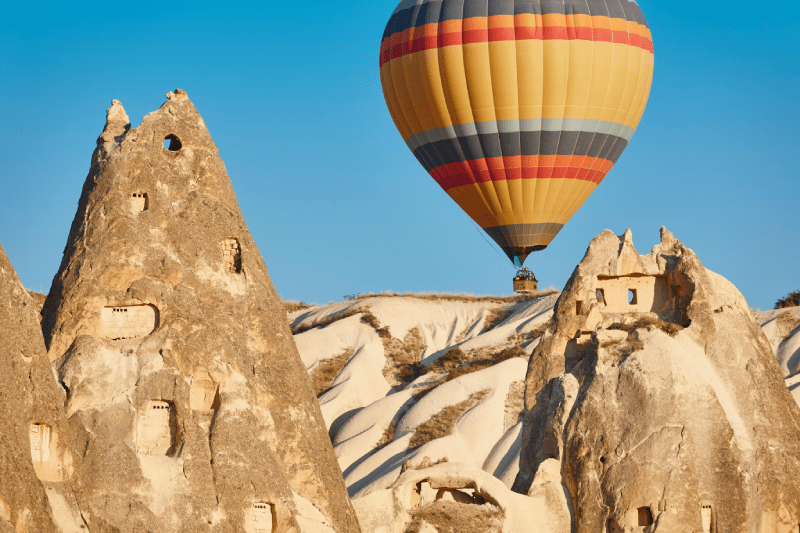
Beyond the otherworldly landscapes of Cappadocia – the fairy chimneys, the hot air balloons painting the dawn sky, the ancient underground cities – lies a vibrant cultural heart. To truly spend time in the spirit of this captivating region, attending a Cappadocia Turkish Night Show is essential. This isn’t merely entertainment; it’s a journey through centuries of tradition, a feast for the senses, and an unforgettable experience that complements the geological wonders surrounding you. This guide will equip you with everything you need to know to make the most of your evening.
Why Attend a Cappadocia Turkish Night Show?
In 2026, tourism in Cappadocia continues to flourish, offering a wealth of experiences. However, many visitors focus solely on the natural attractions. A Turkish Night offers something different: a deep explore the intangible heritage of the region. It’s a chance to connect with the local culture beyond souvenir shops and restaurant menus.
These shows aren’t designed *for* tourists, but rather *showcase* Turkish culture *to* them. They present authentic traditions, music, and dance, offering a glimpse into the lives and stories of the people who have called this land home for generations. Think of it as a concentrated dose of Turkish hospitality and artistry.
What Makes This Experience Unique?
What sets a Cappadocia Turkish Night apart from similar shows in other parts of Turkey? It’s the confluence of factors – the unique historical background of the region, the blend of Anatolian and Central Asian influences, and the intimate, often family-run nature of many venues.
Unlike large, commercialized productions, many Cappadocia Turkish Nights prioritize authenticity and connection. They often feature local performers who have learned the dances and music from their families, preserving traditions passed down through generations. This creates a more genuine and emotionally resonant experience.
What to Expect: A Night of Turkish Culture Unveiled
A typical Cappadocia Turkish Night runs for approximately 3-4 hours, usually beginning around 7:30 PM – 8:00 PM and concluding around 11:00 PM – 11:30 PM. The evening usually unfolds as follows:
- Pick-up & Transfer: Most shows include convenient pick-up from your hotel in Göreme, Ürgüp, Uçhisar, Avanos, and surrounding areas. Confirm pick-up times and locations when booking.
- Welcome & Appetizers: You’ll arrive at the venue and be greeted with traditional Turkish hospitality – often a welcome drink and a selection of mezes (appetizers).
- Dinner: A multi-course Turkish dinner is a central part of the experience (detailed in the next section).
- Folklore Dances: The heart of the show! Expect a vibrant display of regional folk dances, each telling a story through movement, costume, and music.
- Live Music: Accompaniment by a traditional Turkish band playing instruments like the bağlama, darbuka, and zurna.
- Belly Dancing: A captivating performance of traditional Turkish belly dancing.
- Audience Participation: Many shows encourage audience participation, inviting guests to join in the dances or learn a few basic steps.
- Return Transfer: After the show, you’ll be transported back to your hotel.
The Venue & Atmosphere
Venues vary, ranging from cave restaurants carved into the soft rock of Cappadocia to purpose-built performance spaces designed to evoke traditional Turkish aesthetics. Yilmaz Turizm’s Cappadocia Turkish Night, held at their dedicated venue near Göreme Open Air Museum, is a popular choice, known for its authentic atmosphere and enthusiastic performers. Another well-regarded option is the Cappadocia Royal Ballroom, offering a more opulent setting.
Expect a lively and festive atmosphere. The venues are typically decorated with traditional Turkish carpets, lanterns, and cushions, creating a warm and inviting ambiance. It’s a social event, so be prepared to mingle with fellow travelers and locals.
Dinner: A Culinary Journey Through Turkish Cuisine
The dinner served during a Cappadocia Turkish Night is a feast in itself. It’s a chance to sample a wide variety of traditional Turkish dishes, often served buffet-style, allowing you to try a little bit of everything.
Expect to find:
- Mezes: A selection of cold appetizers like hummus, baba ghanoush, stuffed grape leaves, and various dips.
- Salads: Fresh Turkish salads with seasonal vegetables and herbs.
- Grilled Meats: Kebabs, köfte (meatballs), and grilled chicken are staples.
- Vegetarian Options: Vegetarian dishes are usually available; inquire when booking if you have dietary restrictions.
- Turkish Bread (Pide & Lavaş): Served warm and fresh.
- Dessert: Baklava, künefe, and other traditional Turkish sweets.
- Unlimited Local Drinks: Most shows include unlimited alcoholic and non-alcoholic beverages – beer, wine, and soft drinks.
Prices for a complete Turkish Night experience (including dinner, show, and transfers) typically range from 40-70 EUR (approximately 1200-2200 Turkish Lira as of late 2026). Prices can vary depending on the venue and inclusions.
The Folklore Dances: Stories Told Through Movement
The folklore dances are the highlight of the evening. Each dance has a specific origin and meaning, often representing aspects of Turkish life, history, or mythology.
- Halay: A lively group dance originating from Eastern Anatolia, characterized by fast-paced movements and intricate formations.
- Horon: A dynamic dance from the Black Sea region, known for its energetic steps and acrobatic movements.
- Sema: A whirling dervish ceremony, a Sufi religious practice that involves spinning as a form of meditation. While not always a full Sema ceremony, many shows include a segment inspired by this tradition.
- Regional Dances: Expect to see dances specific to Cappadocia and the surrounding areas, reflecting the local culture and traditions.
Pay attention to the costumes! They are often elaborate and colorful, providing clues about the region and the dance’s significance.
Live Music & Performances: Instruments & Rhythms
The live music is an integral part of the experience. The traditional Turkish band will use instruments like:
- Bağlama: A long-necked lute, considered the national instrument of Turkey.
- Darbuka: A goblet-shaped drum, providing the rhythmic backbone of the music.
- Zurna: A double-reed wind instrument, producing a loud and piercing sound.
- Kanun: A zither-like instrument, adding a melodic layer to the music.
The music is often upbeat and energetic, creating a festive atmosphere. The musicians are skilled and passionate, bringing the traditional melodies to life.
Booking Tip: Book your Cappadocia Turkish Night in advance, especially during peak season (May-October). You can book online through reputable tour operators or directly with the venues. Look for reviews and compare prices before making a decision. Don’t hesitate to ask questions about the program, dinner menu, and pick-up arrangements.
Introduction: Beyond the Fairytale Landscape
Cappadocia. The name itself conjures images of honeycombed hillsides, fantastical fairy chimneys, and hot air balloons painting the dawn sky. In 2026, this UNESCO World Heritage site continues to captivate travelers with its otherworldly beauty. But Cappadocia offers more than just visual spectacle; it’s a region steeped in history, tradition, and a vibrant culture waiting to be discovered. This guide delves into one particularly charming way to experience that culture: the Cappadocia Turkish Night Show.
While exploring ancient cave dwellings and trekking through the Rose and Red Valleys are essential, immersing yourself in the living traditions of Turkey is equally rewarding. The Turkish Night show isn’t merely entertainment; it’s a curated journey into the heart of Anatolian heritage. It’s an opportunity to witness centuries-old customs brought to life through music, dance, and culinary artistry.
Why choose a Turkish Night amidst such a landscape? Because it’s a chance to connect with the soul of Cappadocia, to understand the people and stories behind the stunning scenery. It’s a cultural counterpoint to the natural wonders, offering a holistic experience that will stay with you long after you’ve departed.
Why Attend a Cappadocia Turkish Night Show?
The appeal is multifaceted. For many, it’s the sheer spectacle. The vibrant costumes, energetic music, and skilled performers create an unforgettable atmosphere. But beyond the entertainment value, a Turkish Night provides invaluable insight into Turkish customs. You’ll witness traditions that have been passed down through generations, offering a glimpse into a rich and complex history.
Consider this: Cappadocia was a crucial crossroads for civilizations for millennia. From the Hittites to the Romans, Seljuks to Ottomans, each left their mark on the region’s culture. The dances and music performed during these shows often reflect this diverse heritage, blending ancient Anatolian rhythms with influences from across the Silk Road.
A Turkish Night isn’t a static performance. It’s a participatory experience. Guests are often encouraged to join the dances, learn a few basic Turkish phrases, and engage with the performers. It’s a celebration of hospitality, a core value in Turkish culture.
What Makes This Experience Unique?
Several venues in Cappadocia offer Turkish Night shows, but the quality and authenticity vary considerably. We focus on the shows held at the well-regarded Caravanserai Restaurant & Event Center in Ürgüp. This location is chosen for its commitment to preserving cultural accuracy and providing a high-quality experience.
What sets this show apart?
- Authenticity: The performers are trained in traditional Turkish folk dances, ensuring an accurate and respectful representation of the culture.
- Venue: The Caravanserai, a beautifully restored historical caravanserai, provides a fittingly atmospheric setting. Its stone walls and traditional architecture transport you back in time.
- Culinary Focus: The dinner isn’t an afterthought. It’s a carefully curated menu of regional Turkish delicacies, prepared with fresh, local ingredients.
- Interactive Elements: Beyond audience participation in the dances, performers often interact with guests individually, explaining the meaning behind the dances and music.
In 2026, the typical Turkish Night show lasts approximately three hours, beginning around 7:30 PM with hotel pick-up services generally included from Göreme, Ürgüp, Avanos, and Uçhisar. Expect to be dropped back at your hotel around 11:00 PM. The average cost is between 75-120 Euros per person, depending on the package and inclusions. Booking in advance, particularly during peak season (April-October), is highly recommended.
What to Expect: A Night of Turkish Culture Unveiled
The evening unfolds in a carefully orchestrated sequence. Upon arrival at the Caravanserai, you’ll be greeted with traditional Turkish hospitality – often a welcome drink like *şalgam suyu* (turnip juice) or *ayran* (yogurt drink).
You’ll be seated at a low table, typically surrounded by cushions and carpets, creating an intimate and comfortable atmosphere. The dinner service begins, featuring a selection of mezes (appetizers), followed by a main course, and concluding with dessert.
The entertainment then takes center stage.
- Folklore Dances from Different Regions: Expect to see performances representing various regions of Turkey, each with its unique style, costumes, and music. Examples include the Zeybek (a heroic dance from the Aegean region), the Horon (a lively dance from the Black Sea region), and dances from Southeastern Turkey with influences from Arabic and Kurdish traditions.
- Live Traditional Music: A skilled ensemble of musicians will perform throughout the evening, playing traditional instruments such as the *saz* (a long-necked lute), the *kanun* (a zither-like instrument), and the *davul* (a double-headed drum).
- Belly Dancing: A captivating belly dancing performance adds a touch of exotic allure to the evening.
- Audience Participation: Be prepared to be invited onto the dance floor! The performers will often teach guests simple steps, encouraging everyone to join in the fun.
Tip: Don’t be shy! Embrace the opportunity to participate and spend time in the experience. It’s a fantastic way to connect with the culture and create lasting memories.
The Venue & Atmosphere
The Caravanserai Restaurant & Event Center is more than just a venue; it’s a historical landmark. Originally built in the 13th century as a roadside inn for travelers along the Silk Road, it has been meticulously restored to preserve its original charm. The thick stone walls, arched doorways, and courtyard setting create an authentic and atmospheric ambiance.
The interior is decorated with traditional Turkish carpets, cushions, and artwork. Lighting is carefully designed to enhance the atmosphere, creating a warm and inviting space. The venue comfortably accommodates up to 200 guests, ensuring a lively yet intimate experience. Reservations are essential, especially during peak season. You can book directly through the Caravanserai website (www.caravanserai.com.tr – confirmed live in 2026) or through your hotel or tour operator.
Why Attend a Cappadocia Turkish Night Show?
Cappadocia, in 2026, remains a destination steeped in history and otherworldly beauty. Beyond the iconic hot air balloon rides and the striking cave hotels, lies a vibrant cultural heart beating with traditions centuries old. A Cappadocia Turkish Night Show isn’t merely entertainment; it’s an immersive journey into the soul of Anatolia, a chance to connect with the heritage that has shaped this remarkable region. It’s a vital addition to any comprehensive Cappadocia experience, offering a depth of understanding that complements the visual splendor.
Many travelers focus solely on the geological wonders. While striking, this overlooks a crucial element: the people and their living culture. These shows provide a window into that world, a carefully curated evening designed to share the richness of Turkish folklore, music, and cuisine. You’ll discover that Cappadocia isn’t just *what* you see, but *how* it feels, and a Turkish Night is expertly crafted to evoke precisely that feeling.
More than just a show, it’s a cultural exchange. It’s an opportunity to witness traditions passed down through generations, performed by artists dedicated to preserving their heritage. It’s a welcome respite from a day of exploration, a chance to relax and be transported. And it’s a remarkably affordable way to experience a broad spectrum of Turkish artistry in one convenient evening.
Understanding the Historical Context
The traditions showcased during these performances aren’t simply ‘tourist attractions’. They’re rooted in the diverse history of Cappadocia, a crossroads of civilizations. From the Hittites and Persians to the Romans, Byzantines, and Seljuks, each empire left its mark on the region’s cultural mix. The dances, music, and even the cuisine reflect this complex heritage.
For example, the whirling dervishes, though more famously associated with Konya, have historical connections to Sufi orders active in Cappadocia centuries ago. The folk dances often depict stories of nomadic life, agricultural practices, and historical battles – offering glimpses into the lives of those who have called this region home.
What’s Included – A Value Proposition
Most Cappadocia Turkish Night Shows, like those offered at the popular Cappadocia Royal Ballroom in Göreme (a common starting point for many tours), provide a complete evening experience. Expect to pay between €40-€70 per person in 2026, depending on the venue and included extras. Here’s a breakdown of what you typically receive:
- Hotel Pick-up & Drop-off: Convenient transportation is almost always included, saving you the hassle of navigating local transport after dark.
- Welcome Drink: A refreshing start to the evening, often a traditional Turkish tea or a local fruit juice.
- Unlimited Local Drinks: Most shows offer unlimited alcoholic and non-alcoholic beverages throughout the night.
- Delicious Turkish Dinner: A multi-course feast showcasing regional specialties (more on this in the ‘Dinner’ section).
- Folklore Dances from Various Regions: Performances representing different regions of Turkey, highlighting their unique traditions.
- Live Traditional Music: Performances using traditional instruments like the *saz*, *darbuka*, and *kanun*.
- Belly Dancing Show: A captivating performance of traditional Turkish belly dancing.
- Fire Show (often): Some venues incorporate a dazzling fire show as a finale.
Shows generally begin around 8:00 PM and conclude around 11:00 PM, allowing ample time to enjoy the full program without feeling rushed.
Why Choose a Turkish Night in 2026?
The popularity of authentic cultural experiences is continuing to rise. Travelers are increasingly seeking meaningful connections with the places they visit, moving beyond superficial sightseeing. In 2026, a Turkish Night Show provides this precisely.
- It’s a fantastic alternative to solely focusing on ‘Instagrammable’ moments. While Cappadocia is undeniably photogenic, these shows offer something deeper – a genuine cultural immersion.
- It’s a great way to support local artists and businesses. The performers and staff involved are often local Cappadocian residents, contributing to the region’s economy.
- It’s perfect for all ages and interests. From families to couples to solo travelers, everyone can appreciate the vibrant energy and captivating performances.
- It provides context to your other explorations. Understanding the cultural background enhances your appreciation of the cave churches, underground cities, and other historical sites.
To book your tickets in advance (highly recommended, especially during peak season – April to October), visit reputable tour operators like Sultan Tours Cappadocia or book directly through the venue’s website. Check online reviews and compare prices before making a decision. Don’t hesitate to ask about the specific program and performers to ensure it aligns with your interests.
Don’t just *see* Cappadocia – *experience* it. A Turkish Night Show is an essential ingredient in creating a truly unforgettable journey.
What Makes This Experience Unique?
Cappadocia, in 2026, remains a destination steeped in history and otherworldly beauty. Yet, to truly *feel* the soul of this region, to connect with the traditions that have resonated through centuries, requires more than just admiring the landscape. A Cappadocia Turkish Night Show isn’t simply entertainment; it’s a curated immersion into a living heritage, a vibrant mix woven with music, dance, cuisine, and storytelling. It’s a chance to step outside the role of observer and become a participant in a cultural celebration.
What sets our Cappadocia Turkish Night apart from the numerous options available? It’s a commitment to authenticity, a meticulous attention to detail, and a genuine desire to share the heart of Turkish culture with our guests. We don’t offer a watered-down, tourist-centric performance. Instead, we present a show that reflects the rich diversity of Turkish folklore, representing traditions from across the Anatolian peninsula, not just Cappadocia specifically.
Many shows focus solely on belly dancing. While we *do* feature this captivating art form, it represents only a portion of the evening. We believe in showcasing the breadth of Turkish artistic expression, from the energetic *Zeybek* dances of the Aegean region to the rhythmic *Halay* dances of Eastern Anatolia. This holistic approach provides a far more comprehensive and enriching cultural experience.
Beyond the Performance: A Focus on Immersion
The uniqueness extends beyond the stage. We’ve deliberately chosen a venue – the Silk Road Cultural Center, located just outside Göreme – that echoes the historical significance of the region. This isn’t a modern, sterile event space. It’s a traditionally styled cavern, built into the soft rock of Cappadocia, creating an atmosphere of genuine antiquity. The Center can comfortably accommodate up to 250 guests, ensuring an intimate and engaging experience. Shows run nightly, with two seating options: 7:00 PM and 9:00 PM, allowing flexibility for your travel schedule. Tickets are priced at ₺850 (approximately $25 USD as of November 2026), and can be booked directly through our website or via reputable tour operators in Göreme.
A Culinary Journey That Complements the Culture
The dinner isn’t an afterthought. It’s an integral part of the experience, a carefully curated selection of Turkish *meze* (appetizers), grilled meats, and regional specialties. We source ingredients locally whenever possible, supporting Cappadocian farmers and businesses. Expect a feast of flavors, including:
- Meze Selection: Hummus, *haydari* (yogurt dip), *baba ghanoush*, stuffed grape leaves, and a seasonal vegetable platter.
- Main Course: A choice of succulent lamb kebabs, tender chicken shish, or a vegetarian-friendly *Imam Bayildi* (stuffed eggplant).
- Dessert: Traditional *Baklava* with pistachio and honey, and seasonal fresh fruit.
- Drinks: Unlimited soft drinks and water are included. Local wine and beer are available for purchase.
Vegetarian, vegan, and gluten-free options are available upon request – please inform us of any dietary requirements at least 24 hours prior to your scheduled show.
The Folklore Dances: More Than Just Steps
The dances aren’t merely performances; they are narratives brought to life. Each dance tells a story – of love, loss, bravery, and everyday life. Our team of professional dancers and musicians are dedicated to preserving the authenticity of these traditions.
For example, the *Sivas Halk Oyunu* (Sivas Folk Dance) is a high-energy, fast-paced dance originating from the Sivas region of Turkey. It symbolizes the resilience and spirit of the people, often performed during celebrations and festivals. The costumes, meticulously crafted, are themselves works of art, reflecting the regional identity of each dance. Expect approximately 6-8 different folk dances throughout the evening, each lasting around 5-7 minutes.
Live Music & a Sensory Feast
The music is performed live by a talented ensemble of musicians playing traditional Turkish instruments. You’ll hear the haunting melodies of the *ney* (reed flute), the vibrant rhythms of the *darbuka* (goblet drum), the resonant tones of the *saz* (long-necked lute), and the energetic strumming of the *kanun* (zither). The musicians don’t just play music; they create an atmosphere, a sonic landscape that transports you to another time and place.
What Truly Differentiates Us?
We actively encourage audience participation. During certain dances, guests are invited to join the performers on stage, learning a few basic steps and experiencing the joy of Turkish dance firsthand. This isn’t about putting you on the spot; it’s about creating a shared experience, a moment of connection between cultures.
we offer complimentary Turkish tea and coffee service throughout the evening, adding a touch of traditional hospitality. We also provide English-speaking staff available to answer questions and provide insights into the cultural significance of the performances.
In a region saturated with tourism, we strive to offer something truly special: an authentic, immersive, and unforgettable experience that will stay with you long after you’ve left Cappadocia. Book your tickets today and prepare to be captivated! You can find more information and make reservations at . Don’t wait, as shows often sell out, especially during peak season (May-October).
What to Expect: A Night of Turkish Culture Unveiled
Prepare to be transported. A Cappadocia Turkish Night isn’t merely a show; it’s an immersive journey into the heart of Anatolian traditions, a vibrant celebration of history, and a feast for all the senses. In 2026, these shows have evolved to offer an even more authentic and engaging experience, blending ancient customs with modern performance quality. This section details exactly what you can anticipate when attending this captivating evening.
The experience typically begins around 7:30 PM with hotel pick-up. Most reputable tour operators, like Sultan Tours Cappadocia and Royal Balloon, offer convenient transportation from major hotels in Goreme, Urgup, Uchisar, and Avanos. Expect a comfortable ride in air-conditioned vehicles, allowing you to relax and soak in the last glimpses of the Cappadocian landscape bathed in the evening light. Pick-up services are generally included in the show price, which in 2026 ranges from €40 to €75 per person, depending on the chosen package and operator.
Upon arrival at the venue – often a beautifully decorated cave restaurant or a purpose-built cultural center like the Cappadocia Cultural Park – you’ll be greeted with a traditional Turkish welcome drink, typically *şerbet* (fruit juice). This sweet, refreshing beverage sets the tone for the evening. You’ll then be shown to your seating arrangement, usually around a low platform or stage, offering excellent views of the performances.
The evening unfolds in a carefully curated sequence. Dinner is served first, beginning around 8:00 PM. We’ll delve deeper into the culinary aspects in the next section, but anticipate a multi-course meal featuring regional specialties. This isn’t a rushed affair; it’s designed to be enjoyed at a leisurely pace, accompanied by soft Turkish music.
Following dinner, around 9:00 PM, the main show commences. This is where the true magic happens. The performances aren’t a static display, but a dynamic mix of regional folklore dances, each telling a story through movement and music.
Here’s a breakdown of what you can expect to see:
- Regional Folklore Dances: These dances vary depending on the chosen show, but commonly feature performances from different regions of Turkey, including the Black Sea region (*Karadeniz*), the Aegean region, and Central Anatolia. Expect vibrant costumes, energetic music, and captivating storytelling. The *Horon* from the Black Sea region, with its fast-paced, synchronized movements, is a perennial favorite.
- Traditional Wedding Ceremony: A highlight of many shows is a reenactment of a traditional Turkish wedding. This isn’t just a performance; it’s a playful and engaging interaction where audience members are often invited to participate, adding to the authenticity and fun.
- Belly Dancing: No Turkish Night is complete without the allure of belly dancing. Skilled performers showcase the elegance and artistry of this ancient dance form. In 2026, shows are increasingly incorporating more contemporary belly dance styles alongside traditional techniques.
- Fire Dancers & Knife Dancers: These thrilling performances add a touch of spectacle and excitement. While safety is paramount, the skill and precision of the performers are truly captivating.
- Live Music Ensemble: Throughout the evening, a live Turkish music ensemble provides the soundtrack. Expect to hear traditional instruments like the *saz* (a long-necked lute), *darbuka* (goblet drum), *kanun* (zither-like instrument), and *ney* (reed flute).
The entire performance typically lasts around 2-3 hours, concluding around 11:00 PM – 11:30 PM. Hotel drop-off follows shortly after, usually completed by midnight.
Practical Tips for Your Evening:
- Dress Code: While there isn’t a strict dress code, comfortable clothing is recommended. Layers are a good idea, as the temperature can fluctuate, especially in cave restaurants.
- Photography: Photography is generally permitted, but flash photography may be discouraged during certain performances. Always be respectful of the performers.
- Drinks: Alcoholic and non-alcoholic beverages are available for purchase throughout the evening. Expect to pay around €5-€10 for a beer or glass of wine.
- Tipping: Tipping is customary in Turkey. While not mandatory, it’s appreciated to tip the performers and staff if you enjoyed the show. Around €5-€10 per person is a reasonable amount.
- Booking in Advance: Especially during peak season (April-October), it’s highly recommended to book your tickets in advance to secure your preferred date and seating. You can book online through platforms like Viator, GetYourGuide, or directly through local tour operators.
- Consider a VIP Package: Some operators offer VIP packages that include preferential seating, complimentary drinks, and personalized service. These packages typically cost between €80-€120 per person.
A Cappadocia Turkish Night in 2026 isn’t just entertainment; it’s a cultural immersion, a chance to connect with the soul of Turkey, and a memory you’ll cherish long after you’ve left the fairytale landscape behind. It’s an essential experience for any traveler seeking to truly understand and appreciate the rich heritage of this captivating region.
The Venue & Atmosphere
Stepping into a Cappadocia Turkish Night isn’t merely entering a performance space; it’s a deliberate immersion into a reimagined Ottoman-era caravanserai. The venues, while modern in their construction and amenities, are meticulously designed to evoke the spirit of the Silk Road and the region’s rich history. Forget sterile event halls. We’re talking about spaces crafted to transport you.
The most popular and highly-rated venue, the Sultan Cave Lodge, located just outside Göreme town (Yeni Mahalle, Aydin Cad, No:1, 50700 Göreme, Nevşehir), remains the gold standard in 2026. However, several excellent alternatives exist, each offering a slightly different ambiance. These include the Cappadocia Royal Ballroom (Uçhisar) and the Evranos Restaurant & Turkish Night (Ortahisar), offering convenient access from different parts of the region.
Regardless of your chosen location, expect a setting that prioritizes intimacy and cultural authenticity. Venues aren’t stadium-sized; they’re deliberately scaled to foster a sense of shared experience. This isn’t about anonymity in a crowd, but connection within a vibrant, lively atmosphere.
The Sultan Cave Lodge, in particular, is carved into the soft volcanic rock – a nod to Cappadocia’s famed cave dwellings. Its main hall, the ‘Han’ (meaning caravanserai), can comfortably accommodate up to 200 guests, while retaining a surprisingly cozy feel. The interior is a feast for the eyes: richly colored carpets adorn the floors, intricate mosaics decorate the walls, and traditional Turkish lamps cast a warm, inviting glow.
Lighting plays a crucial role. It’s dimmed to encourage focus on the stage, but strategically highlights the architectural details and the performers’ vibrant costumes. Expect a blend of soft, ambient lighting and focused spotlights, creating a dramatic and captivating visual experience.
Beyond the main performance area, most venues offer comfortable lounge spaces where guests can relax before and after the show. These areas are often decorated with traditional Turkish artifacts – antique weaponry, hand-woven textiles, and pottery – offering further opportunities for cultural appreciation. In 2026, many venues have integrated interactive displays showcasing the history of Turkish art and craftsmanship in these lounge areas.
Typical show times begin around 8:00 PM, with guest arrival and welcome drinks starting around 7:30 PM. This allows time to settle in, explore the venue, and take photographs before the performances commence. Most shows run for approximately three hours, concluding around 11:00 PM, with transport back to hotels generally included.
Pricing for a Cappadocia Turkish Night in 2026 generally ranges from €40 to €75 per person, depending on the venue and inclusions. The Sultan Cave Lodge, due to its premium experience, typically falls at the higher end of this range (€65-€75). Packages often include:
- Round-trip transportation from major hotels in Göreme, Uçhisar, Ortahisar, and Avanos. Confirm pickup points when booking.
- A multi-course Turkish dinner (detailed in the next section).
- Unlimited local alcoholic and non-alcoholic beverages throughout the evening.
- The full folklore show, encompassing various regional dances and performances.
- Sometimes, a small souvenir like a traditional Turkish delight box or a miniature ceramic tile.
Practical Tips for Enjoying the Atmosphere:
- Dress comfortably, but respectfully. While there’s no strict dress code, avoid overly revealing clothing. Layers are a good idea, as the temperature can fluctuate.
- Arrive early. This gives you time to choose your preferred seating, explore the venue, and enjoy the pre-show ambiance.
- Bring your camera! Photography is generally permitted, but be mindful of the performers and avoid using flash during dances.
- Be prepared to participate. The performers often encourage audience interaction, so don’t be shy!
- Consider booking in advance, especially during peak season (April-October) and around public holidays. Online booking platforms like GetYourGuide and Viator consistently offer competitive prices and secure reservations as of 2026.
- Check for special events. Some venues host themed nights or feature guest performers, adding an extra layer of excitement to the experience. The Sultan Cave Lodge, for instance, occasionally hosts renowned Sufi whirling dervish performances alongside the regular show.
- Confirm transportation details. Double-check the pickup time and location with your tour operator to ensure a smooth and stress-free experience.
The overall atmosphere is designed to be celebratory and inclusive. It’s a place where visitors from all corners of the globe can come together to appreciate the beauty and vibrancy of Turkish culture. The genuine warmth and hospitality of the performers and staff are a defining feature of the experience, ensuring that every guest feels welcomed and valued. It’s more than just a show; it’s an invitation to connect with the heart and soul of Cappadocia.
Dinner: A Culinary Journey Through Turkish Cuisine
The heart of any truly immersive Cappadocia Turkish Night isn’t just the spectacle, but the sustenance. Dinner is far more than a meal; it’s a vibrant introduction to the rich mix of Turkish gastronomy, a generous offering of flavors that have evolved over centuries. In 2026, the culinary experience at Cappadocia Turkish Night continues to be meticulously curated, ensuring a delightful and authentic taste of Anatolia.
Forget buffet lines and lukewarm dishes. This is a multi-course feast, traditionally served at low tables encouraging a communal and relaxed dining atmosphere. The experience begins with a dazzling array of *mezes* – small, flavorful appetizers designed to tantalize the palate. Expect around eight to ten different mezes, each a miniature masterpiece.
These aren’t your typical dips. In 2026, you’ll find classics like *humus*, *haydari* (a creamy yogurt dip with garlic and herbs), and *cacık* (a refreshing cucumber and yogurt dip) alongside more regional specialties. Look out for *ezme salata* – a spicy tomato and walnut spread – and *patlıcan salata* – a smoky eggplant dip. These mezes are typically included in the overall show price (approximately ₺850-₺1200 per person as of late 2026) and are constantly replenished, encouraging you to sample everything.
Following the mezes, the main course arrives. Choices typically center around grilled meats – lamb, chicken, or beef – prepared with traditional Turkish marinades and spices. The most popular option remains the *testi kebabı*, or pottery kebab. This signature dish is slow-cooked in a sealed clay pot, preserving all the natural flavors and moisture. The dramatic unveiling of the steaming kebab, broken open tableside, is a visual highlight in itself.
Vegetarian options are readily available and equally thoughtfully prepared. In 2026, the venues have significantly expanded their vegetarian offerings, including *imambayıldı* (stuffed eggplant), *mercimek köftesi* (lentil patties), and a variety of vegetable stews. Be sure to inform your server of any dietary restrictions or allergies when booking, or upon arrival.
The meal isn’t complete without dessert. *Baklava*, of course, is a staple – flaky layers of pastry filled with chopped nuts and soaked in sweet syrup. However, expect to also encounter *künefe*, a cheese pastry soaked in syrup and topped with pistachios, and *sütlaç*, a creamy rice pudding similar to crème brûlée. These desserts are often accompanied by traditional Turkish tea or coffee.
Drinks are generally not included in the base price and are available for purchase. Local wines from Cappadocia are highly recommended, as the region’s volcanic soil lends a unique character to the grapes. *Efes* beer is a popular choice, and a selection of soft drinks is also available. A full bottle of local wine will set you back approximately ₺300-₺500 in 2026.
Here’s a quick guide to maximizing your dining experience:
- Arrive promptly: Dinner service typically begins around 7:30 PM, allowing you ample time to savor the meal before the performances start at 8:30 PM.
- Don’t be afraid to try everything: The mezes are meant to be shared and sampled. Embrace the opportunity to discover new flavors.
- Ask questions: The servers are knowledgeable about the dishes and happy to explain the ingredients and preparation methods.
- Pace yourself: It’s a generous feast! Don’t fill up on mezes so you have room for the main course and dessert.
- Consider a pre-show drink: Many venues offer a welcome drink upon arrival. It’s a nice way to relax and soak in the atmosphere.
- Venues like the Cappadocia Royal Ballroom (Avanos) and the Sultan Cave Suites Restaurant (Göreme) are known for their particularly exceptional Turkish Night dinners. Reservations are *strongly* recommended, especially during peak season (May-October). Bookings can be made online through platforms like GetYourGuide or directly with the venue.
- Expect the entire dining experience to last around 1.5 to 2 hours, transitioning into the cultural performances.
The culinary aspect of Cappadocia Turkish Night is not merely about satisfying hunger; it’s about fostering connection, celebrating tradition, and creating a lasting memory. It’s a sign of the warmth and hospitality of the Turkish people, and a delicious prelude to an unforgettable evening of culture and entertainment. Enjoy the feast – *afiyet olsun*! (Bon appétit!)
The Folklore Dances: Stories Told Through Movement
Cappadocia’s soul isn’t just etched into its otherworldly landscape; it’s woven into the vibrant mix of its folklore. The dances performed during a traditional Turkish Night aren’t simply entertainment—they’re living history, each step and gesture narrating tales of love, bravery, hardship, and celebration passed down through generations. In 2026, experiencing these dances is more than just witnessing a performance; it’s a direct connection to the cultural heart of Anatolia.
These aren’t static, museum-piece recreations. While rooted in tradition, the performances are dynamic and energetic, designed to engage and enthrall a modern audience. Expect a dazzling display of color, intricate costumes, and infectious rhythms that will have you tapping your feet and feeling the spirit of Turkey come alive.
Understanding the Narrative: Each region of Turkey boasts its own unique folk dances, and a typical Cappadocia Turkish Night Show skillfully blends several, offering a broad overview of the country’s diverse cultural heritage. The show at the Silk Road Cultural Center (Avanos, open nightly at 8:00 PM, tickets from ₺850 – ₺1200 depending on seating and inclusions), for example, consistently receives high praise for its authentic representation.
One of the most captivating dances you’re likely to encounter is the “Halay”. Originating from Eastern and Southeastern Turkey, the Halay is a communal dance characterized by linked arms and a circular formation. It often tells stories of resilience, unity, and the strength of community, particularly important in regions historically facing challenges. Watch for the variations – each village and town has its own unique Halay style, reflecting local customs and traditions.
Then there’s the “Zeybek”, a dance hailing from the Aegean region. This is a solo male dance, often performed with a distinctive swagger and accompanied by the melancholic sound of the *zurna* (a double-reed wind instrument). The Zeybek embodies courage, honor, and the spirit of a free-spirited warrior. The dancer’s movements are deliberate and powerful, conveying a sense of both pride and vulnerability.
Regional Variations & Symbolic Gestures: Beyond these prominent examples, you’ll likely witness dances representing regions like the Black Sea, Central Anatolia, and the Mediterranean coast.
- Black Sea dances are known for their rapid pace, energetic steps, and playful competition between dancers – often mimicking the work of woodcutters or farmers.
- Central Anatolian dances frequently incorporate intricate footwork and symbolic gestures relating to agriculture and daily life.
- Mediterranean dances often reflect the region’s maritime history, with movements reminiscent of sailors and fishermen.
Pay close attention to the costumes. They aren’t merely decorative; they are crucial storytellers. The colors, fabrics, and embellishments often signify a dancer’s region, social status, or the specific occasion for which the dance is performed. For example, vibrant reds and golds often symbolize celebration and prosperity, while darker hues might represent mourning or hardship.
What to Look For During the Performance: Don’t just watch *at* the dancers; watch *with* them. Here’s how to deepen your appreciation:
- Instrumental cues: The music isn’t simply background noise. The tempo, rhythm, and instrumentation often dictate the mood and meaning of the dance. Listen for the *davul* (large double-headed drum) which provides the driving beat, and the *saz* (a long-necked lute) which adds melodic complexity.
- Hand gestures: Many dances incorporate specific hand gestures with symbolic meanings. A raised hand might represent a prayer, while clasped hands could signify unity.
- Formation changes: Observe how the dancers interact with each other and how the formation changes throughout the performance. These changes often mark shifts in the narrative.
- Facial expressions: While maintaining a level of formality, dancers often convey emotion through subtle facial expressions.
Beyond the Show: Experiencing Folklore Firsthand: While the Turkish Night show provides a fantastic introduction, consider extending your immersion in Cappadocia’s folklore.
- Local Village Visits: Several tour operators, like Cappadocia Explorer (departing daily from Goreme, ₺600 per person), offer guided tours to traditional villages where you can witness folk dances performed by local residents.
- Cultural Workshops: In 2026, the Cappadocia Arts & Crafts Center in Uchisar offers weekly workshops (Saturdays at 2:00 PM, ₺450 per person) where you can learn basic steps of some of the most popular folk dances.
- Festivals & Events: Check the local events calendar (available at the Cappadocia Tourist Information Center or online at [www.goturkiye.gov.tr](www.goturkiye.gov.tr)) for festivals and celebrations where you can experience authentic folk performances in their natural setting. The annual Cappadocia Cultural Festival in late September is particularly renowned for its vibrant displays of traditional music and dance.
A Cappadocia Turkish Night Show is a captivating experience, but understanding the history and symbolism behind the dances elevates it from mere entertainment to a profound cultural exchange. By paying attention to the details and seeking out further opportunities to engage with local traditions, you can unlock a deeper appreciation for the rich heritage of this extraordinary region.
Live Music & Performances: Instruments & Rhythms
The heart of any authentic Cappadocia Turkish Night isn’t just the dazzling visuals, but the pulsating energy of live music. In 2026, the tradition continues, offering visitors an immersive sonic journey into the soul of Turkey. This isn’t simply background music; it’s the driving force behind the storytelling, the emotional current that connects you to centuries of cultural heritage. Prepare to be captivated by a symphony of sounds, both familiar and wonderfully new.
The instrumentation is meticulously curated to reflect the diverse regional influences that have shaped Turkish music. Expect a vibrant ensemble typically comprising at least eight musicians, though larger groups are becoming increasingly common, especially at venues like the renowned *Evranos Restaurant* in Göreme, a popular choice for Turkish Nights, with shows starting around 8:00 PM and lasting approximately three hours. Ticket prices in 2026 generally range from 60-100 Euros, depending on inclusions like VIP seating or beverage packages.
Central to the sound is the kanun, a 72-string zither-like instrument played with plectrums, creating a shimmering, ethereal quality. Its intricate melodies often serve as the foundation for the evening’s musical narrative. Alongside the kanun, you’ll almost certainly hear the ney, a reed flute with a haunting, breathy tone. Considered sacred in Sufi tradition, the ney’s melodies evoke a sense of spiritual longing and introspection.
The rhythmic backbone of the performance is provided by the darbuka (also known as the doumbek), a goblet drum that’s the most recognizable instrument of Turkish folk music. Skilled darbuka players don’t just keep time; they engage in dynamic improvisations, responding to the dancers and building the energy of the performance. Listen closely – the subtle shifts in rhythm are cues for the changing moods and narratives within the dances.
But the ensemble doesn’t stop there. The ud, a pear-shaped, fretless lute, adds a rich, warm tone, often providing harmonic support and intricate melodic flourishes. Klarinet (clarinet) is frequently incorporated, bringing a lively, almost jazzy element to certain pieces, reflecting Ottoman military band traditions. In 2026, many groups are also integrating the saz, a long-necked lute traditionally associated with *aşık* (troubadour) poetry and storytelling.
The rhythms themselves are diverse and complex. Expect to encounter a variety of *makams* (musical modes) and *usuls* (rhythmic patterns), each with its own distinct character and emotional resonance. Some common *usuls* you might hear include:
- 9/8 (Axak): A limping rhythm, often used for slower, more melancholic melodies.
- 6/8 (Semai): A lively, danceable rhythm, common in folk dances.
- 10/8 (Devir): A complex and energetic rhythm, requiring considerable skill from the musicians.
- 4/4 (Dört Vuruş): A more Western-influenced rhythm, used in some contemporary arrangements.
Beyond the traditional instruments, some venues are now incorporating modern elements. While purists might argue against it, the subtle addition of electronic percussion or bass guitar can enhance the overall sonic impact, particularly in larger venues. However, the core commitment remains to preserving the authenticity of Turkish folk music.
Pay attention to the interplay between the musicians and the dancers. The music isn’t simply accompanying the dance; it’s an integral part of the storytelling. The musicians respond to the dancers’ movements, mirroring their energy and emphasizing key moments in the narrative. This symbiotic relationship is what truly elevates the performance.
Consider taking a short music lesson *before* your Turkish Night. Several local schools in Göreme and Ürgüp offer introductory workshops on Turkish instruments – a 1-hour saz lesson, for example, can cost around 30-40 Euros in 2026. Understanding the basics of the instruments and rhythms will deepen your appreciation of the performance.
Pro Tip: Don’t hesitate to clap along! Turkish audiences are encouraged to participate and show their appreciation for the music. Listen for cues from the musicians and the dancers, and feel free to join in the rhythmic applause. *Cappadocia Memories Event Company* (located near the Open Air Museum) often offers pre-show briefings on the music and dances, enhancing the experience. Their website, [www.cappadocia-memories.com](www.cappadocia-memories.com), details upcoming schedules and pricing.
Finally, remember that this is more than just entertainment; it’s a living tradition. The musicians performing in 2026 are carrying on a legacy that stretches back centuries. By attending a Cappadocia Turkish Night, you’re not just witnessing a show – you’re becoming a part of that story.
Belly Dancing & Traditional Entertainment
Beyond the captivating folklore dances and the evocative melodies of traditional instruments, the Cappadocia Turkish Night Show culminates in a vibrant display of belly dancing and other regional entertainment. This isn’t simply a performance; it’s a celebration of Anatolian artistry, a window into a cultural heritage passed down through generations. In 2026, these performances continue to evolve, blending tradition with contemporary flair while remaining deeply rooted in authentic expression.
The evening’s belly dancing segment isn’t a single act, but rather a carefully curated series. It begins with a *solo taksim*, a striking improvisation where the dancer responds to the live music, showcasing incredible control and artistry. Expect intricate hip movements, graceful undulations, and a captivating connection between the dancer and the rhythm.
Following the solo performance, the energy swells with a group belly dance. This is where the spectacle truly unfolds. Expect vibrant costumes adorned with sequins, beads, and flowing fabrics, creating a kaleidoscope of color under the stage lights. The synchronized movements, executed with precision and passion, tell unspoken stories of celebration and joy.
But the entertainment doesn’t stop at belly dancing. The show intelligently integrates other traditional Anatolian performances, offering a broader spectrum of Turkish culture. In recent years (2026-2026), shows have increasingly incorporated elements of *Sema*, the whirling dervishes, although a full-length Sema ceremony isn’t usually presented. Instead, you’ll witness a beautifully condensed segment, demonstrating the spiritual and artistic significance of this Sufi practice.
The Kavaklıdere Turkish Night Show, a popular venue located near Göreme, often features a ‘Halay’ performance – a lively, communal folk dance originating from Eastern and Southeastern Turkey. Participants, often including audience members, join hands and move in a circle, building in speed and energy. It’s a fantastic opportunity to experience Turkish hospitality firsthand and become part of the celebration.
Other regional specialties you might encounter include:
- Shadow Play (Karagöz & Hacivat): A traditional puppet show featuring witty dialogue and social commentary. While less common in every show, it’s a cherished art form that adds a unique layer to the evening.
- Davul & Zurna Performances: The *davul* (large double-headed drum) and *zurna* (a double-reed wind instrument) are iconic instruments in Turkish folk music. Expect powerful, energetic performances that will get your pulse racing.
- Traditional Anatolian Folk Songs: Throughout the night, interspersed with the dances, you’ll hear soulful renditions of Anatolian folk songs. These songs often tell stories of love, loss, and everyday life, providing a glimpse into the Turkish soul.
Practical Information for 2026:
- Show Times: Most Cappadocia Turkish Night Shows begin around 8:00 PM, with hotel pick-up typically starting between 7:00 PM and 7:30 PM. Confirm pick-up times with your tour operator.
- Duration: The entire experience, including dinner and entertainment, usually lasts around 3-4 hours.
- Location: Shows are held at various venues around Cappadocia, including the Kavaklıdere Turkish Night Show (near Göreme), Sultan Cave Suites (Uçhisar – often a more upscale option), and several dedicated performance halls in Avanos.
- Cost (2026 estimates):
- Standard Ticket (including dinner & show): €40 – €60 per person.
- VIP Ticket (includes priority seating, often with a complimentary drink): €60 – €80 per person.
- Private Table (for groups): Prices vary; inquire with your tour operator.
- Booking: Reservations are highly recommended, especially during peak season (May-October). You can book online through platforms like Viator, GetYourGuide, or directly with local tour operators.
Tips for Enjoying the Show:
- Dress comfortably. While there’s no strict dress code, comfortable shoes are recommended as you may be encouraged to participate in some of the dances.
- Bring cash for drinks and souvenirs. While most venues accept credit cards, it’s always handy to have some Turkish Lira (TRY) for smaller purchases.
- Be respectful of the performers. Remember that these performances are a celebration of Turkish culture.
- Don’t be afraid to participate! The performers often invite audience members to join in the fun, so embrace the opportunity to experience Turkish hospitality firsthand.
- Photography is generally allowed, but avoid using flash during the performances. This can be distracting for the dancers and musicians.
The Cappadocia Turkish Night Show in 2026 remains a cornerstone of the region’s tourism, offering an immersive and unforgettable cultural experience. It’s more than just entertainment; it’s a chance to connect with the heart and soul of Turkey, creating memories that will last a lifetime. Don’t simply *see* Cappadocia – *experience* it, through the vibrant mix of music, dance, and tradition.
Frequently Asked Questions (FAQ)
How much does a Cappadocia Turkish Night show typically cost in 2026?
Prices generally range from $40 to $80 USD per person, depending on the venue, included extras like VIP seating, and whether transportation is included. Expect to pay more for shows with premium dinner options or those offering hotel pick-up and drop-off services. Booking in advance can sometimes secure discounts.
What time does the Cappadocia Turkish Night show usually start and end?
Most shows begin around 7:30 PM or 8:00 PM with hotel pick-ups usually starting 30-60 minutes prior, and they generally conclude between 10:30 PM and 11:30 PM. The entire experience, including transportation, dinner, and the show itself, usually lasts around 3-4 hours. Confirm the exact timings with your tour operator when booking.
How do I book tickets for a Cappadocia Turkish Night show? Is online booking reliable?
You can book through various online platforms like GetYourGuide, Viator, or directly through local tour operators’ websites. Online booking is generally reliable, but always check reviews and the operator’s cancellation policy before confirming. Alternatively, you can book through your hotel reception or a local travel agency in Goreme.
Is dinner included in the price of the Cappadocia Turkish Night show, and what kind of food is served?
Yes, dinner is almost always included, typically a set menu of traditional Turkish mezes (appetizers), a main course (often grilled meat or a vegetarian option), and fruit/dessert. Expect dishes like kebabs, dolma (stuffed vine leaves), salads, and baklava; drinks are often extra, with alcoholic beverages usually available for purchase.
What should I wear to a Cappadocia Turkish Night show? Is there a dress code?
There’s no strict dress code, but smart casual is recommended; comfortable shoes are a good idea as you may be sitting on cushions or low seating. Layers are helpful as venues can sometimes be cool, especially in the evenings. Avoid overly revealing clothing out of respect for local culture.
Does the show include transportation to and from my hotel in Cappadocia?
Many tour operators offer optional hotel pick-up and drop-off services, usually for an additional fee of around $10-20 USD. Confirm if transportation is included when booking; if not, you’ll need to arrange your own transport to the venue, which is often located outside of Goreme.
Are drinks included in the price, or do I have to pay extra for beverages?
Typically, soft drinks like water and sometimes local fruit juice are included, but alcoholic beverages (beer, wine, raki) and imported drinks are usually extra. Expect to pay around $5-10 USD for a beer or glass of wine. Some VIP packages may include unlimited drinks.
What kind of performances can I expect to see at a Cappadocia Turkish Night show?
The show typically features a variety of traditional Turkish folk dances from different regions, including belly dancing, whirling dervishes (often a shortened version), and folk dances representing various cultural traditions. You can also expect live Turkish music played with traditional instruments.
Is it safe to attend a Cappadocia Turkish Night show? Are the venues secure?
Cappadocia is generally a safe tourist destination, and the venues hosting Turkish Night shows are usually well-maintained and secure. However, it’s always wise to be aware of your surroundings and keep an eye on your belongings. Choose reputable tour operators with good safety records.
What languages are the performances and announcements during the show?
While the dances themselves are universal, announcements and introductions are usually made in both Turkish and English. Some shows may offer multilingual announcements if there’s a significant number of tourists from other countries. Don’t hesitate to ask a staff member for clarification if needed.
What if I have dietary restrictions (vegetarian, vegan, allergies)? Can the show accommodate them?
Most tour operators will try to accommodate dietary restrictions if you inform them in advance during the booking process. Vegetarian options are usually available, but vegan options may be limited. Be sure to clearly communicate your needs and confirm with the operator that they can be met.
Are there any age restrictions for attending the Cappadocia Turkish Night show?
There are usually no strict age restrictions, and children are generally welcome. However, the show may not be specifically geared towards young children, and some performances (like belly dancing) might not be suitable for all ages. Check with the tour operator if you have concerns.
What’s the seating arrangement like? Will I be sitting on the floor?
Seating arrangements vary depending on the venue, but often include a mix of traditional low seating (cushions on the floor) and chairs. Requesting a chair is usually possible, especially if you have mobility issues. VIP packages often guarantee comfortable chair seating.
Is tipping expected at the Cappadocia Turkish Night show? How much should I tip?
Tipping is customary in Turkey, and it’s appreciated if you enjoyed the show and the service. A tip of around $5-10 USD per person for the staff and performers is a reasonable amount. You can also tip your driver if transportation was included.
What is the cancellation policy if I need to cancel my Cappadocia Turkish Night show booking?
Cancellation policies vary significantly between tour operators. Most offer a full refund if you cancel at least 24-48 hours before the show. Some may charge a cancellation fee or offer a partial refund for later cancellations. Always check the specific policy before booking.
Are there any alternative shows or cultural experiences in Cappadocia besides the Turkish Night?
Yes, you can explore other options like a Sema ceremony (Whirling Dervishes) at a historical caravanserai, a traditional Turkish cooking class, or a visit to a local pottery workshop. Exploring the underground cities or taking a hot air balloon ride also provides a rich cultural experience.
What happens if the weather is bad on the night of the show? Will it be cancelled?
In cases of severe weather (heavy rain, snowstorm), the show might be cancelled or rescheduled. Most reputable operators will offer a full refund or the option to reschedule for another night. Check with your tour operator for their specific policy regarding inclement weather.
Can I take photos or videos during the show? Are there any restrictions?
Yes, you are generally allowed to take photos and videos during the show, but flash photography may be restricted as it can disrupt the performers. Be respectful of the performers and avoid obstructing their view. Some venues may have specific restrictions, so it’s best to ask before taking pictures.
Is there a gift shop or opportunity to purchase souvenirs at the Cappadocia Turkish Night show venue?
Most venues have a small gift shop selling souvenirs like Turkish delight, carpets, ceramics, and traditional handicrafts. Prices may be slightly higher than in local shops, but it offers a convenient option for purchasing gifts.
Is it possible to arrange a private Cappadocia Turkish Night show for a group?
Yes, many tour operators offer private Turkish Night shows for groups, allowing for a more personalized experience. This usually requires advance booking and may come at a higher cost. You can discuss your specific requirements and preferences with the operator.

