Beyond the Goreme Crowd: Planning Your 2026 Ihlara Valley Shoulder Season Escape
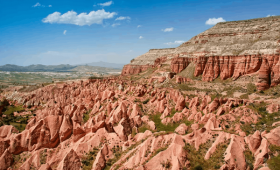
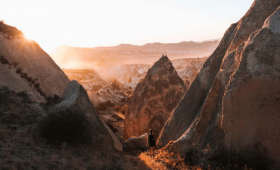
Cappadocia’s allure extends far beyond the iconic hot air balloons of Göreme. While the town undeniably draws the majority of visitors, a deeper, more tranquil experience awaits those willing to venture slightly off the beaten path – specifically, to the Ihlara Valley. Planning a visit for the shoulder seasons of spring (April-May) or autumn (September-October) in 2026 offers a compelling alternative to the peak summer crowds, unlocking a more immersive and rewarding exploration of this dramatic canyon and its remarkable rock-cut churches.
The Ihlara Valley, a 14km canyon carved by the Melendiz River, presents a unique landscape dramatically different from the fairy chimneys of Göreme. However, its historical and natural beauty is often overlooked by those focused solely on ballooning and the popular viewpoints. In 2026, anticipate continued growth in overall Cappadocia tourism, making shoulder season travel even more crucial for avoiding congestion and securing preferred accommodations. Peak season sees the valley’s narrow paths become crowded, diminishing the sense of peaceful discovery. Shoulder seasons provide milder temperatures ideal for the full-day hike, averaging between 15-22°C, and significantly fewer fellow trekkers.
Strategic planning is key to maximizing your Ihlara Valley experience. Consider starting your hike from Ihlara village, allowing you to descend directly into the canyon and explore at your own pace. Transport options to Ihlara are readily available from Göreme, including shared shuttle services and private transfers. Pre-booking transport, especially for early morning departures, is highly recommended in 2026 to guarantee availability. Allow a full day for the 14km hike, factoring in time to explore the numerous churches carved into the canyon walls. These Byzantine sanctuaries, dating back to the 9th and 12th centuries, are adorned with fading frescoes and offer a fascinating glimpse into early Christian monastic life.
Beyond the religious significance, the Ihlara Valley boasts diverse flora and fauna. The Melendiz River supports a lush ecosystem, providing a refreshing backdrop to your hike. Pack appropriate footwear for potentially muddy or uneven terrain, and bring plenty of water, especially during warmer months. While small cafes and tea houses are located within the valley, options are limited, so carrying snacks is advisable.
For those interested in broadening their historical explorations beyond Cappadocia, consider a pre- or post-Ihlara Valley excursion to other significant sites. Perhaps a journey to uncover more ancient history, such as Discovering the Hidden History: A Walking Tour of Love Valley, Cappadocia 2026 could complement your Ihlara experience. Similarly, if seeking coastal adventures before or after your inland hike, Kuşadası’s Byzantine Heritage: A Trail of Hidden Churches and Walls 2026 offers a contrasting historical perspective. And for a completely different pace, exploring water activities like Jet Ski Rental in Kuşadası: Prices, Safety Rules & Best Spots 2026 can provide a welcome change of scenery.
By embracing the shoulder seasons and careful planning, a visit to the Ihlara Valley in 2026 promises an unforgettable experience, offering a peaceful escape from the crowds and a deeper connection with Cappadocia’s rich history and natural beauty.
Photographing Ihlara’s Hidden Churches: Mastering Low-Light Byzantine Fresco Detail
Ihlara Valley presents a unique photographic challenge and reward for those interested in Byzantine art and architecture. The rock-cut churches, sculpted directly into the canyon walls, offer a glimpse into a rich religious past, but often exist in dimly lit interiors demanding careful consideration of photographic technique to accurately capture the intricate fresco details. Success requires moving beyond simply ‘taking a picture’ and embracing a more considered approach to low-light photography.
The primary difficulty lies in balancing the need to capture sufficient light to reveal the frescoes with the desire to avoid excessive noise or blur. Modern digital cameras, even those in smartphones, perform surprisingly well in low light, but relying solely on automatic settings will rarely produce optimal results. Increasing ISO is a natural first instinct, but pushing it too high introduces unwanted grain. A tripod is essential. Even with image stabilization, a steady support will dramatically improve sharpness, allowing for lower ISO settings and longer exposure times.
Aperture plays a critical role. Wider apertures (lower f-numbers like f/2.8 or f/4, if your lens allows) gather more light, but reduce depth of field. In the relatively confined spaces of the churches, this can mean only a portion of the fresco is in sharp focus. Experimentation is key, but generally, an aperture between f/5.6 and f/8 strikes a good balance between light gathering and depth of field, ensuring more of the artwork is rendered sharply.
Focusing can be tricky. Auto-focus systems can struggle in low light and on textured surfaces like frescoes. Manual focus, combined with live view and magnification, offers greater control and accuracy. Pay particular attention to the crucial details – faces, hands, and inscriptions – ensuring these are pin-sharp.
Beyond technical settings, consider the light itself. While the churches are dimly lit, the angle of available light can significantly impact the appearance of the frescoes. Observe how light falls on the walls and adjust your position accordingly to highlight textures and colours. Avoid direct flash, as it can wash out the delicate pigments and create harsh reflections. Diffused light, perhaps from a small LED panel used subtly, can supplement existing illumination without being overpowering.
Don’t limit your photography to the frescoes themselves. Capture the architectural context – the arches, the columns, the overall atmosphere of the church. Wider shots can establish the setting and provide a sense of scale. Consider shooting details like the carved stonework or the remnants of original plaster.
The Ihlara Valley hike offers opportunities to explore other historical and natural wonders. For those interested in uncovering hidden histories through guided walks, consider a similar approach in Cappadocia’s Love Valley with Discovering the Hidden History: A Walking Tour of Love Valley, Cappadocia 2026. And for a completely different experience, exploring the coastal history of Turkey, consider a visit to Kuşadası and delving into Kuşadası’s Byzantine Heritage: A Trail of Hidden Churches and Walls 2026. After a day of exploration, perhaps even a thrilling activity like Jet Ski Rental in Kuşadası: Prices, Safety Rules & Best Spots 2026 could be the perfect way to unwind.
Post-processing is also important. Software like Adobe Lightroom or Capture One allows for subtle adjustments to expo contrast, and colour balance, enhancing the details and bringing out the richness of the frescoes without resorting to overly artificial effects. Remember that the goal is to present an accurate and respectful representation of these historical treasures.
Ihlara Valley’s Best Picnic Spots: Local Cheese, Bread & Views for 2026
Ihlara Valley, sculpted over millennia by the Melendiz River, offers more than just striking canyon vistas and fascinating rock-cut churches. A 14km hike through this geological wonder is best punctuated by a thoughtfully chosen picnic, elevating the experience from a simple walk to a full sensory immersion. While several locations offer suitable space, a few stand out for their combination of scenery, accessibility, and proximity to local provisions.
Near the starting point of the hike in Ihlara village, several small *büfes* (local shops) sell freshly baked *ekmek* (bread), locally produced cheeses – particularly *tulum peyniri* (a crumbly sheep’s cheese aged in a goatskin) and *kaşar peyniri* (a firmer, slightly salty cheese) – olives, tomatoes, and cucumbers. These essentials, combined with bottled water readily available, form the basis of a perfect, simple picnic. A short walk downstream, just past the Agios Prokopios Church, provides a flat, grassy area overlooking the river. This spot is easily accessible and offers ample shade during peak hours in 2026.
Further along the trail, approximately 6km in, the area surrounding the Pürenlidi Church presents another excellent option. While slightly more secluded, requiring a small detour from the main path, the views are significantly more dramatic. The river narrows here, creating a more intimate setting, and the surrounding cliffs offer protection from the wind. This location is ideal for those seeking a more tranquil experience. Remember to pack out all trash, as maintaining the valley’s pristine condition is paramount.
For those extending their exploration beyond Ihlara Valley, consider incorporating a visit to Cappadocia’s Love Valley. Discovering the Hidden History: A Walking Tour of Love Valley, Cappadocia 2026 offers a different perspective on the region’s unique geological formations and historical significance, making for a well-rounded Cappadocian adventure.
Another favored spot, and a little further into the valley near the Kırkışehir Church, features a small, natural plateau. This area benefits from sun exposure in the mornings and shade in the afternoons, making it versatile for different times of day. It’s less frequented than the areas closer to Ihlara village, offering a greater sense of solitude.
Don’t underestimate the power of simple accompaniments. A thermos of hot tea or a small container of local honey can significantly enhance your picnic experience. Local vendors in Belisırma village, roughly halfway along the hike, sell freshly squeezed pomegranate juice, a refreshing treat on a warm day in 2026.
If you’re looking for other exciting adventures in the region, perhaps a thrilling experience like Jet Ski Rental in Kuşadası: Prices, Safety Rules & Best Spots 2026 could be a perfect addition to your itinerary after your Cappadocia exploration. And for those interested in delving deeper into historical sites, Kuşadası’s Byzantine Heritage: A Trail of Hidden Churches and Walls 2026 provides a fascinating glimpse into the region’s rich past.
The Selime Monastery Extension: Adding a Challenging 5km to Your Ihlara Hike
The Ihlara Valley hike, a 14km descent through a stunning canyon carved by the Melendiz River, offers a rewarding experience for hikers of moderate fitness. However, for those seeking a more demanding and comprehensive exploration of the region’s unique landscape and religious history, extending the hike to include the Selime Monastery adds a challenging yet incredibly worthwhile 5km. This extension elevates the entire journey, pushing the total distance to approximately 19km and increasing the overall hiking time by an estimated 2-3 hours, dependent on pace and time spent exploring the monastery itself.
The transition from the Ihlara Valley floor to Selime is a significant shift in terrain. While the valley walk is largely a gentle descent with some uneven footing, the approach to Selime involves a sustained uphill climb. This ascent is steep in places, demanding a good level of stamina and appropriate footwear. The path winds upwards through increasingly dramatic rock formations, offering panoramic views back down the Ihlara Valley, providing ample opportunity for photography. Water sources become scarce along this section, making it essential to carry at least 2-3 liters of water per person, particularly during the warmer months of 2026.
Selime Monastery is not simply a destination; it’s a complex, a city carved directly into the rock face. Unlike the smaller, cave churches dotted throughout Ihlara Valley, Selime is a monumental structure, representing a pinnacle of Cappadocian rock-cut architecture. Originally a Byzantine settlement, it continued to be inhabited and modified throughout the Ottoman period. The monastery comprises numerous churches, chapels, living spaces, and even a kitchen, all interconnected by a labyrinthine network of tunnels and stairways. Exploring Selime requires time and a willingness to navigate its intricate layout.
The scale of Selime is truly impressive. The uppermost level offers striking views of the surrounding landscape, while the lower levels reveal the ingenuity of the builders who adapted the natural rock formations to create a functional and defensible complex. Many of the frescoes within Selime, though faded, still hint at the vibrant religious life that once thrived here. Unlike some of the more meticulously restored churches within Ihlara, Selime retains a raw, almost untouched quality, enhancing the sense of historical immersion.
Completing the Selime extension requires careful planning. Hikers should begin early in the morning to avoid the midday heat and allow sufficient time to complete the entire 19km trek before dusk. Consider arranging transportation from Selime back to your starting point in Ihlara Valley, as walking back adds another considerable distance. For those interested in broadening their historical explorations beyond Cappadocia, consider a journey to the Aegean coast. Kuşadası’s Byzantine Heritage: A Trail of Hidden Churches and Walls 2026, offers a fascinating glimpse into another region rich in ancient history and religious architecture. Alternatively, if you’re looking for a different kind of adventure, exploring the unique landscapes of Cappadocia doesn’t stop at hiking; activities like Jet Ski Rental in Kuşadası: Prices, Safety Rules & Best Spots 2026, offer a contrasting experience. And for those interested in understanding the diverse historical mix of Turkey, Discovering the Hidden History: A Walking Tour of Love Valley, Cappadocia 2026, provides a compelling narrative of the region’s past. The Selime Monastery extension is a commitment, but one that rewards the adventurous hiker with an unparalleled experience of Cappadocian history and natural beauty.
Avoiding the Midday Heat: Optimal Start Times for the 14km Ihlara Canyon Trek (2026 Forecast)
The Ihlara Valley presents a unique hiking challenge due to its microclimate within the deep canyon. While the surrounding Cappadocian plateau experiences typical central Anatolian weather, the valley floor retains heat and humidity, making timing crucial for a comfortable and safe 14km trek. Analyzing meteorological data for 2026, specifically focusing on the projected average temperatures and solar radiation levels for May through October – the primary hiking season – reveals a clear pattern.
Temperatures within the valley consistently exceed those on the plateau by 3-5°C during peak hours. In May, average high temperatures reach 27°C on the plateau, but within Ihlara Valley, they frequently climb to 31-32°C. June, July, and August see the most significant divergence, with plateau highs of 32-35°C translating to 36-39°C within the canyon. September offers a slight reprieve, averaging 29°C on the plateau and 32°C in the valley, while October begins to cool, but still presents a risk of high temperatures reaching 25°C within Ihlara.
Solar radiation is equally important. The narrow canyon walls amplify sunlight, creating intense heat even on partially cloudy days. UV index readings consistently peak between 11 and 12 during midday in the summer months, demanding comprehensive sun protection. This effect, coupled with limited shade along significant portions of the trail, necessitates careful planning.
Therefore, an optimal start time for the 14km Ihlara Canyon trek in 2026 is between 7:00 AM and 8:00 AM. This allows hikers to complete the majority of the trail before the most intense heat of the day sets in, typically between 12:00 PM and 3:00 PM. Starting earlier also provides ample time to explore the rock-cut churches within the valley at a relaxed pace, appreciating their historical and architectural significance. Individuals planning to combine the Ihlara Valley hike with explorations of other Cappadocian sites should consider this timing carefully to avoid fatigue and heat exhaustion.
Conversely, starting after 9:00 AM significantly increases the risk of discomfort and potential health issues. Even with adequate hydration and sun protection, the cumulative effect of heat exposure over several hours can be debilitating. Hikers should also be aware that the final section of the trail, leading to Belisırma village, offers minimal shade, making this portion particularly challenging during the hottest part of the day.
For those interested in broadening their historical exploration beyond Ihlara Valley, consider a guided walking tour of Love Valley in Cappadocia. Discovering the Hidden History: A Walking Tour of Love Valley, Cappadocia 2026 provides a fascinating contrast to the canyon experience. Similarly, if seeking alternative adventure activities, Kuşadası offers options like Jet Ski Rental in Kuşadası: Prices, Safety Rules & Best Spots 2026. Understanding the nuances of regional climates is key to maximizing enjoyment and safety during any outdoor excursion, and this is especially true when delving into the rich history surrounding Kuşadası’s Byzantine Heritage: A Trail of Hidden Churches and Walls 2026.
Ihlara Valley’s Microclimates: What to Pack for Variable Weather in Spring/Autumn 2026
Ihlara Valley presents a unique challenge for hikers due to its dramatic topography and resulting microclimates. The 14km canyon walk experiences significantly different weather conditions within a short distance, demanding careful preparation, particularly during the shoulder seasons of spring (April-May) and autumn (September-October) in 2026. The valley’s depth, combined with its east-west orientation and the Melendiz River flowing at its base, creates localized variations in temperature, humidity, and wind exposure.
The upper reaches of the valley, exposed to direct sunlight and prevailing winds, can feel considerably warmer and drier than the canyon floor. Conversely, shaded sections, especially near the river and within the rock-cut churches, retain moisture and can be surprisingly cool, even on a warm day. Early mornings often begin with mist clinging to the canyon walls, a result of overnight temperature inversions and river evaporation. This mist typically burns off by mid-morning, but dampness can linger in the lower sections.
Spring in Ihlara Valley is characterized by fluctuating temperatures. Daytime highs in April can reach 20-25°C, but nights can still drop to 5-10°C. May offers warmer temperatures, averaging 25-30°C during the day, but unpredictable showers are common. Autumn presents a similar pattern, with warm days in September gradually giving way to cooler temperatures and increased rainfall in October. The risk of sudden, localized thunderstorms is present throughout both seasons.
Therefore, layering is crucial. A waterproof and windproof outer shell is essential, regardless of the forecast. Beneath this, a fleece or lightweight insulated jacket provides warmth, while moisture-wicking base layers help regulate body temperature. Long-sleeved shirts and trousers are recommended, not only for protection from the sun but also from potential scratches from vegetation and insect bites. Sturdy, waterproof hiking boots with good ankle support are non-negotiable, given the uneven terrain and potential for muddy conditions.
Beyond clothing, consider the need for sun protection. A hat, sunglasses, and high-SPF sunscreen are vital, even on cloudy days, due to the reflected sunlight off the canyon walls. A small backpack should carry at least 2 litres of water, as reliable water sources are limited along the trail. Energy-rich snacks, such as nuts, dried fruit, or energy bars, are also important to maintain energy levels during the 4-6 hour hike. A basic first-aid kit, including blister treatment, is always advisable.
For those interested in exploring historical sites beyond Ihlara Valley, consider a journey to Cappadocia’s Love Valley. Discovering the Hidden History: A Walking Tour of Love Valley, Cappadocia 2026 offers a contrasting landscape and fascinating insights into the region’s unique geological formations and early Christian history. Similarly, if a coastal break is desired alongside historical exploration, Kuşadası offers a different perspective. Those seeking adventure on the water might find Jet Ski Rental in Kuşadası: Prices, Safety Rules & Best Spots 2026 appealing. Further historical exploration can be found inland, with Kuşadası’s Byzantine Heritage: A Trail of Hidden Churches and Walls 2026 offering a detailed look at the region’s past.
Finally, remember to check the weather forecast immediately before your hike and be prepared to adjust your plans accordingly. The Ihlara Valley is a breathtakingly beautiful place, but respecting its unpredictable climate is paramount for a safe and enjoyable experience.
Birdwatching in Ihlara: Identifying Key Raptor & Passerine Species Along the Melendiz River
Ihlara Valley, carved by the Melendiz River over millennia, presents a unique and rewarding experience for birdwatchers alongside its famed geological formations and rock-cut churches. The canyon’s microclimate and diverse vegetation support a rich avian population, particularly raptors and passerines, making a 14km hike a compelling opportunity for observation.
The valley’s steep cliffs provide ideal nesting and hunting grounds for several raptor species. During the 2026 observation period, the most frequently sighted raptor was the Common Buzzard ( *Buteo buteo*), often seen soaring on thermals above the canyon rim, scanning the valley floor for prey. Honey Buzzards (*Pernis apivorus*), identifiable by their darker plumage and characteristic flight pattern, were also observed, particularly during migration periods (spring and autumn). Less common, but documented, were sightings of the Short-toed Eagle (*Circus macrourus*) and the occasional Eurasian Sparrowhawk (*Accipiter nisus*) navigating the narrower sections of the valley. Careful observation of these raptors reveals their hunting techniques – Buzzards favouring open areas while Sparrowhawks utilize the dense vegetation for ambush.
Passerine diversity within Ihlara Valley is equally impressive. The riparian vegetation along the Melendiz River supports a significant population of warblers. The Eastern Subchachal (*Sylvia cantatrix*) is a common resident, its distinctive song echoing throughout the canyon. Spectacled Warblers (*Sylvia conspicillata*) favour the scrubland and rocky outcrops, while the Woodchat Shrike (*Lanius senator*) can be spotted perched on bushes and branches, preying on insects.
Rock-cut churches, beyond their historical significance, often attract birdlife. Swallows (*Hirundo rustica* and *Delichon urbicum*) nest within the recesses of these structures, providing a fascinating juxtaposition of cultural heritage and natural behaviour. European Robins (*Erithacus rubecula*) are frequent visitors to the immediate vicinity, foraging amongst the undergrowth.
The timing of the hike significantly impacts bird sighting opportunities. Early mornings are generally the most productive, coinciding with peak avian activity. Bringing binoculars and a field guide to Turkish birds is highly recommended for accurate identification. Focus on areas where different habitats converge – the transition from riverine forest to scrubland and rocky slopes – as these zones often support the highest concentrations of bird species.
For those interested in exploring historical landscapes alongside natural wonders, consider combining an Ihlara Valley hike with a visit to Cappadocia’s Love Valley. Discovering the Hidden History: A Walking Tour of Love Valley, Cappadocia 2026 offers a different perspective on the region’s unique geological and cultural features. Similarly, exploring the coastal regions of Turkey offers diverse experiences; those seeking aquatic adventures might enjoy Jet Ski Rental in Kuşadası: Prices, Safety Rules & Best Spots 2026. Beyond Cappadocia, historical exploration continues – Kuşadası’s Byzantine Heritage: A Trail of Hidden Churches and Walls 2026 provides insight into another fascinating region of Turkey.
Local Guesthouses vs. Goreme Hotels: Ihlara Valley Accommodation for Authentic Experiences
The Ihlara Valley presents a unique accommodation challenge for visitors seeking an immersive experience. While the centrally located town of Göreme offers a vast array of hotels ranging from budget-friendly options to luxury cave hotels, choosing accommodation *within* or immediately adjacent to the Ihlara Valley itself offers a distinctly different, and often more authentic, perspective. This decision hinges on prioritizing convenience versus cultural immersion.
Göreme, with its established tourism infrastructure, provides easy access to a wider range of amenities, restaurants, and transport links, including convenient departures for hot air balloon rides and connections to other regional highlights. Hotels in Göreme cater to international tastes, frequently offering English-speaking staff, international cuisine, and established booking platforms. However, this convenience comes at a cost – a potential detachment from the slower pace of life and traditional culture that defines the Ihlara Valley region. In 2026, Göreme hotel prices are projected to range from €60 per night for basic rooms to over €300 for premium cave suites, particularly during peak season (April-October).
In contrast, the small villages surrounding Ihlara Valley – Belisırma, Çavuşin, and Selime being prime examples – offer a network of locally-owned guesthouses (pansiyons) and smaller boutique hotels. These establishments, often family-run, provide a far more intimate and personal experience. Accommodation here is typically simpler, focusing on providing clean, comfortable rooms and hearty, home-cooked Turkish meals featuring locally sourced ingredients. Prices are considerably lower than in Göreme, averaging between €30-€80 per night in 2026, making them an attractive option for budget-conscious travellers.
The benefits extend beyond price. Staying in a local guesthouse facilitates genuine interactions with the community. Guests often find themselves sharing meals with their hosts, learning about local customs, and receiving personalized recommendations for exploring the valley beyond the well-trodden tourist paths. This level of engagement is difficult to replicate in the larger, more impersonal environment of a Göreme hotel.
However, choosing a local guesthouse requires a degree of flexibility and preparedness. English may be limited, and services may be less polished than those found in Göreme. Transportation to and from the Ihlara Valley trailhead may necessitate pre-arranged transfers or reliance on local dolmuş (shared minibuses), which operate on less frequent schedules. It’s also important to note that dining options outside the guesthouse are limited in these smaller villages.
For those interested in exploring other historically rich regions, consider extending your journey beyond Cappadocia. A trip to the Aegean coast offers equally compelling experiences; you might even find yourself tracing the remnants of ancient civilizations, as detailed in explorations like Kuşadası’s Byzantine Heritage: A Trail of Hidden Churches and Walls 2026.
Ultimately, the ideal accommodation choice depends on individual priorities. If convenience and a wide range of amenities are paramount, a Göreme hotel is a sensible option. However, for travellers seeking an authentic cultural immersion and a closer connection to the natural beauty of the Ihlara Valley, a local guesthouse offers an unparalleled experience. Before committing, research specific guesthouses and read reviews to ensure they meet your needs. Don’t forget to also explore other regions of Turkey, such as the fascinating landscapes of Discovering the Hidden History: A Walking Tour of Love Valley, Cappadocia 2026 and opportunities for adventure, like Jet Ski Rental in Kuşadası: Prices, Safety Rules & Best Spots 2026.
The Pigeons’ Path Shortcut: A Less-Travelled Route Between Belisirma & Selime (2026 Trail Updates)
The Ihlara Valley, a dramatic 14km canyon carved by the Melendiz River, presents hikers with a compelling journey through natural beauty and historical significance. While the main valley floor offers a well-maintained, relatively flat path connecting villages like Belisirma and Selime, a more adventurous option exists for experienced hikers: The Pigeons’ Path shortcut. This higher-altitude route, gaining approximately 200 meters in elevation, provides a unique perspective on the valley and reduces the overall hiking distance by roughly 3km, making it a favoured choice for those seeking a challenging yet rewarding alternative.
The Pigeons’ Path, named for the numerous pigeon houses carved directly into the soft rock faces, diverges from the main trail shortly after leaving Belisirma. Signage in 2026 remains limited, requiring hikers to be attentive and possess a good map or GPS device. The initial ascent is steep, traversing loose scree and requiring careful footing. This section, approximately 2km long, is not suitable for those with a fear of heights or limited mobility. However, the effort is immediately rewarded with panoramic views overlooking the entire Ihlara Valley, offering a perspective rarely seen from the canyon floor.
Throughout the Pigeons’ Path, hikers encounter remnants of ancient settlements, including more rock-cut pigeon houses and the foundations of what are believed to be small, early Byzantine chapels. These structures, often overlooked by those on the main trail, offer a glimpse into the valley’s rich history. In 2026, conservation efforts are minimal on this section, meaning these sites are largely unrestored and require respectful observation. The path itself is often narrow and uneven, winding along the cliff edge. Recent reports (late 2026/early 2026) indicate some erosion in certain areas, particularly after heavy rainfall, so sturdy hiking boots are essential.
As the path descends towards Selime Monastery, it rejoins the main Ihlara Valley trail approximately 1km from the monastery entrance. This allows ample time to explore Selime, a spectacular rock-cut complex that served as both a monastery and a military fortress. The final approach to Selime offers stunning views of the monastery carved into the cliff face, a fitting culmination to the Pigeons’ Path hike.
For those interested in exploring other historically rich landscapes, consider a walking tour of Love Valley in Cappadocia, a region renowned for its unique geological formations and hidden history. You can find more information about this captivating experience at [Discovering the Hidden History: A Walking Tour of Love Valley, Cappadocia 2026](https://excursionsfinder.com/discovering-the-hidden-history-a-walking-tour-of-love-valley-cappadocia-2026/).
Beyond Ihlara and Cappadocia, the Aegean coast offers diverse experiences. If you’re planning a trip to Kuşadası, you might enjoy exploring its Byzantine heritage with a guided tour [Kuşadası’s Byzantine Heritage: A Trail of Hidden Churches and Walls 2026](https://excursionsfinder.com/kusadasis-byzantine-heritage-a-trail-of-hidden-churches-and-walls-2026/). Alternatively, for a different pace, consider the thrill of [Jet Ski Rental in Kuşadası: Prices, Safety Rules & Best Spots 2026](https://excursionsfinder.com/jet-ski-rental-in-kusadasi-prices-safety-rules-best-spots-2026/).
Hikers opting for the Pigeons’ Path should allow approximately 5-7 hours for the entire 11km hike, including time for exploration and photography. Carrying sufficient water (at least 2 liters per person), snacks, and a basic first-aid kit is crucial. The path is largely exposed to the sun, so sunscreen, a hat, and appropriate clothing are also recommended. The Pigeons’ Path presents a significant challenge, but the rewards – striking views, historical discoveries, and a sense of accomplishment – make it a worthwhile addition to any Ihlara Valley adventure.
Ihlara Valley’s Forgotten Churches: Exploring the Unrestored Havara and Direkli Churches
Ihlara Valley, a dramatic 14km canyon carved by the Melendiz River, offers more than just stunning natural beauty; it’s a repository of early Christian history, evidenced by the numerous rock-cut churches that punctuate its steep slopes. While many churches within Ihlara Valley have undergone restoration and are well-visited, a deeper exploration reveals lesser-known, unrestored gems like Havara and Direkli Churches, offering a glimpse into a more raw and authentic past. These churches, though weathered by time and the elements, retain a powerful spiritual resonance and provide invaluable insights into Byzantine religious practices of the 9th-11th centuries.
Havara Church, located roughly midway through the valley hike, is particularly notable for its relatively well-preserved exterior facade, despite the significant erosion affecting its interior. Unlike some of its more elaborately decorated counterparts, Havara’s aesthetic is one of austere simplicity. Fresco fragments, depicting scenes from the life of Christ and various saints, cling to the walls and ceilings, offering tantalising hints of the original vibrant artwork. The layout adheres to the typical single-nave basilica plan common in Ihlara, but the lack of extensive restoration allows visitors to appreciate the original rock-cut architecture, witnessing the tools and techniques employed by the early monks. Careful observation reveals evidence of original plaster layers and the painstaking work involved in carving directly into the soft volcanic tuff.
Direkli Church, positioned further along the valley floor, presents a different challenge to interpretation. Its name, meaning “with columns,” refers to the remnants of supporting pillars that once graced the nave. However, these are now largely fragmented, and the church has suffered considerable structural damage. The frescoes at Direkli are more faded and fragmented than those at Havara, requiring a keen eye and a good imagination to discern the original imagery. Despite the deterioration, researchers in 2026 have identified depictions of the Virgin Mary, Christ Pantocrator, and scenes from the Last Judgement.
Visiting these unrestored churches requires a respectful approach. The fragility of the structures necessitates caution, and visitors are strongly advised to avoid touching the frescoes or attempting to climb on any remaining architectural features. The absence of crowds offers a unique opportunity for quiet contemplation and a more intimate connection with the history of the valley. It’s a stark contrast to the more popular sites, allowing for a greater sense of discovery.
The Ihlara Valley experience extends beyond its religious sites. For those seeking additional adventure, the nearby coastal town of Kuşadası offers a different kind of exploration. Perhaps a thrilling afternoon of Jet Ski Rental in Kuşadası: Prices, Safety Rules & Best Spots 2026 could complement the historical immersion. Similarly, for those interested in exploring other historically rich landscapes, a journey to Cappadocia’s Love Valley offers a contrasting yet equally compelling experience, as detailed in Discovering the Hidden History: A Walking Tour of Love Valley, Cappadocia 2026. And for those planning a broader historical tour of Turkey, remember to consider Kuşadası’s Byzantine Heritage: A Trail of Hidden Churches and Walls 2026, offering another layer to the region’s rich past. These unrestored churches within Ihlara Valley, however, remain a powerful reminder of the enduring legacy of early Christianity in Anatolia.
Frequently Asked Questions
What is the difficulty level of the 14km Ihlara Valley hike?
The hike is moderately challenging. While the path is generally flat, it’s 14km long with some uneven terrain, steps, and potentially muddy sections. A reasonable level of fitness is recommended.
What should I wear and bring for the hike?
Wear comfortable, sturdy hiking shoes. Bring layers of clothing as the temperature can vary. Also pack water (at least 2 liters), snacks, sunscreen, a hat, sunglasses, and a small backpack.
Are there toilet facilities along the 14km trail?
Yes, there are basic toilet facilities available at some of the churches and rest stops along the trail, but they may not be consistently maintained. It’s wise to be prepared.
How long does the 14km Ihlara Valley hike typically take?
The hike usually takes between 4-6 hours, depending on your pace and how much time you spend exploring the rock-cut churches.
Are the rock-cut churches open to the public? Is there an entrance fee?
Yes, most of the rock-cut churches are open to the public. There is a small entrance fee to access the churches; a combined ticket is usually available covering multiple churches within the valley.
Is it possible to hike a shorter distance in Ihlara Valley if 14km is too long?
Yes, you can hike a shorter distance. Many people choose to hike a portion of the trail, starting from one entrance and ending at another, then using transportation to return.
Is there shade available along the trail?
There is some shade provided by trees and the canyon walls, but much of the trail is exposed to the sun, especially during the hotter months.
Do I need a guide for the Ihlara Valley hike?
While it’s possible to hike independently, a guide can enrich your experience by providing historical and cultural context about the valley and its churches.
How do I get to the start of the Ihlara Valley hike?
The most common way is by organized tour, or by taking a local bus (dolmuş) from Goreme or other nearby towns to Belisırma, the main starting point of the hike.
What is the best time of year to hike Ihlara Valley?
Spring (April-May) and Autumn (September-October) offer the most pleasant weather for hiking, avoiding the extreme heat of summer and the potential for snow in winter.