Uncovering Zelve’s Hidden Mill: A Photographer’s Guide to the Ruined Grain Processing
Zelve Open Air Museum presents a uniquely preserved glimpse into Cappadocian life, extending beyond the well-documented rock-cut churches and dwellings. While many visitors focus on the monastic architecture, a compelling, often overlooked element of Zelve is its ruined grain mill – a sign of the village’s agricultural past and a fascinating subject for photographers. This mill, partially carved into the soft rock formations, represents a crucial component of Zelve’s economic and social structure before its abandonment in 1953.
The mill’s location wasn’t accidental. Zelve’s positioning near arable land, though limited, necessitated efficient grain processing. While the entire region historically relied on agriculture, Zelve’s unique geography dictated the adaptation of traditional milling techniques to the available resources.
Photographers visiting in 2026 will find the mill’s ruins offer compelling compositional opportunities. The interplay of light and shadow within the carved spaces is particularly striking, especially during the golden hours. Utilizing a wide-angle lens can capture the scale of the structure and its integration with the surrounding landscape. Macro photography, however, reveals the intricate details of the stone work – the wear patterns on the grinding wheels, the remnants of mortar, and the subtle textures of the rock face. Consider focusing on the contrast between the organic forms of the cave dwellings and the deliberately engineered elements of the mill.
The mill’s architecture also demonstrates a clever adaptation to the available space. Sections are integrated into existing cave formations, minimizing construction effort and maximizing structural stability. This integration is a hallmark of Cappadocian ingenuity. Examining the remnants of the mill’s roof – largely collapsed, but still partially visible – reveals a combination of timber supports and carefully placed stones, designed to distribute weight and withstand the elements.
Beyond Zelve, understanding Cappadocia’s broader historical context enhances appreciation for sites like this. Exploring other historical areas, such as the unique landscapes of Love Valley, offers a wider perspective on the region’s cultural heritage – a walking tour can provide invaluable context. For those seeking diverse experiences, combining historical exploration with adventure activities is easily achievable. For example, after a day of archaeological discovery, visitors might consider the thrill of a Jet Ski Rental in Kuşadası, offering a different perspective on Turkey’s natural beauty. Similarly, a day trip Combining Ephesus + Şirince Village in One Day from Kuşadası provides a contrasting but equally enriching experience. The Zelve mill, though silent now, remains a powerful symbol of a community’s resourcefulness and a captivating subject for those who take the time to uncover its story.
Decoding the Symbolism in Zelve’s Three-Headed Church Frescoes (2026 Interpretation)
Zelve Open Air Museum presents a unique opportunity to explore the rich religious history of Cappadocia, and nowhere is this more evident than within the frescoes adorning the walls of the Three-Headed Church (Üç Başlı Kilise). Dating primarily to the late 11th and early 12th centuries, these depictions are not merely decorative; they are a complex visual language reflecting the theological concerns and artistic conventions of the period. Current scholarship, informed by 2026 restoration analysis and digital reconstruction, increasingly points to a deliberate layering of symbolism intended to convey nuanced messages to a largely illiterate populace.
The church’s name itself, “Three-Headed,” alludes to the most prominent feature – the depiction of three figures often interpreted as representing the Holy Trinity. However, the execution is far from straightforward. The central figure, commonly understood as Christ Pantocrator, differs significantly from standard Byzantine iconography. He exhibits a more dynamic pose, with a pronounced gesture of blessing and a gaze that seems to engage directly with the viewer. This suggests a conscious move away from the aloof, majestic representation typical of earlier periods, aiming for a more approachable and relatable divine figure.
Flanking Christ are figures identified as the Virgin Mary and John the Baptist. Their placement isn’t symmetrical; Mary is typically positioned to Christ’s right (our left), a common convention emphasizing her role as intercessor. John, however, often appears slightly smaller and more subdued, perhaps reflecting a developing theological understanding of his position relative to Christ and Mary.
Beyond the central triad, the frescoes depict a wealth of scenes from the life of Christ, including the Annunciation, the Nativity, and the Crucifixion. Analysis of the pigments and brushwork reveals that these scenes were not painted simultaneously, indicating phases of artistic embellishment and potential revisions reflecting evolving beliefs. Notably, the depiction of the Crucifixion lacks the extreme realism found in some Byzantine art. Instead, it presents a more stylized and symbolic representation of suffering, focusing on the spiritual significance of the event rather than the physical torment.
A fascinating aspect of the Zelve frescoes is the inclusion of seemingly unrelated motifs – geometric patterns, floral designs, and animal figures. While some are purely decorative, others likely held symbolic meaning. The frequent appearance of doves, for instance, universally represents the Holy Spirit. More subtly, the inclusion of specific plant species, identified through 2026 botanical analysis, may have been chosen for their allegorical associations with resurrection and eternal life.
The deteriorating condition of the frescoes necessitates ongoing conservation efforts. Digital imaging techniques are crucial in revealing faded details and reconstructing damaged sections, allowing researchers to gain a more complete understanding of the original artwork. This meticulous work is vital in preserving this significant piece of Cappadocian religious heritage. For those interested in exploring other historically rich regions of Turkey, consider a day trip combining the ancient city of Ephesus and the charming village of Şirince from Kuşadası; details can be found here: https://excursionsfinder.com/combining-ephesus-sirince-village-in-one-day-from-kusadasi-2026-tips/. Beyond historical sites, adventure awaits – options like Jet Ski Rental in Kuşadası: https://excursionsfinder.com/jet-ski-rental-in-kusadasi-prices-safety-rules-best-spots-2026/ offer a different perspective on the Turkish coastline. Similarly, venturing further inland, exploring the unique landscapes of Cappadocia, such as Love Valley, offers a different kind of historical and natural beauty: https://excursionsfinder.com/discovering-the-hidden-history-a-walking-tour-of-love-valley-cappadocia-2026/.
Beyond the Churches: Exploring Zelve’s Lost Civilian Cave Dwellings & Daily Life
Zelve Open Air Museum presents a compelling glimpse into Cappadocia’s past, often rightly focused on its rock-cut churches and monastic life. However, to truly understand Zelve’s history, one must venture beyond these religious structures and explore the remarkably preserved remnants of its civilian cave dwellings. Abandoned in 1953 due to security concerns and erosion, Zelve was once a thriving, multi-faith community, and its residential caves offer a unique window into the daily lives of its inhabitants.
Unlike the elaborately decorated churches intended for worship, the civilian dwellings prioritize functionality and adaptation to the challenging landscape. These aren’t grand monuments, but intimate spaces carved directly into the soft tuff rock. Examination reveals a sophisticated understanding of space utilization. Rooms were often interconnected, serving as kitchens, living areas, and storage. Notice the niches carved into the walls – these weren’t ornamental; they provided essential shelving for household goods, food preservation, and even livestock within the colder months.
Many dwellings exhibit evidence of ‘soba’ (traditional stove) flues, channeling smoke upwards and out of the cave. The positioning of these flues, and the presence of water cisterns carved into the rock, highlight the ingenuity employed to create comfortable, self-sufficient homes. The scale varies considerably, indicating a range of socio-economic statuses among the residents. Some caves were clearly single-family dwellings, while others appear to have been larger, communal spaces, perhaps housing extended families or serving as workshops.
The layout of Zelve itself reflects the community’s social structure. Dwellings belonging to different religious groups – Greeks, Turks, and Armenians – were often clustered together, demonstrating a degree of co-existence, although segregated areas are also discernible. This visible separation underscores the complex social dynamics of the time. Exploring these residential areas allows visitors to imagine the sounds of daily life – children playing, artisans crafting, families preparing meals – echoing through the valley.
Beyond the homes, remnants of daily life are scattered throughout the site. Look for the remnants of dovecotes carved into the cliffs, providing guano for fertilizer, and the foundations of what were once shops and workshops. The mill, though partially collapsed, still illustrates the importance of agriculture and grain processing in the local economy. Consider the logistical challenges of living in such a landscape – transporting water, farming on the slopes, and maintaining the cave structures.
For those interested in exploring Cappadocia’s diverse landscapes and historical sites, consider broadening your itinerary beyond Zelve. A journey to Love Valley offers a contrasting, yet equally fascinating, insight into the region’s geological wonders and history. Discovering the Hidden History: A Walking Tour of Love Valley, Cappadocia 2026 details the unique formations and hidden trails within this iconic valley. And for a different kind of adventure, Kuşadası, while geographically distant, offers exciting coastal activities like Jet Ski Rental in Kuşadası: Prices, Safety Rules & Best Spots 2026.
For a comprehensive guide to combining historical exploration with regional experiences, resources like Combining Ephesus + Şirince Village in One Day from Kuşadası: 2026 Tips can provide valuable planning assistance for a broader Turkish adventure.
Zelve’s Pasabag Connection: Tracing the Early Monk Migration Routes (2026 Archaeological Updates)
Zelve Open Air Museum stands as a poignant testament to the unique history of Cappadocia, not merely as an abandoned village, but as a crucial nexus in the spread of early Christian monasticism. Recent archaeological work, continuing into 2026, is illuminating the strong connections between Zelve and Pasabag (Monk’s Valley), revealing a complex pattern of monk migration and settlement that predates many of Cappadocia’s more famous cave churches.
For centuries, ascetics and monks sought solitude and spiritual refuge within Cappadocia’s otherworldly landscape. Initial settlement in the region focused heavily around Pasabag, drawn by the naturally formed fairy chimneys providing ideal conditions for carving out dwellings and churches. However, by the 9th and 10th centuries, increasing pressure from raids and a desire for greater seclusion prompted a phased migration. Zelve, strategically positioned within a more easily defensible valley and offering a wider area for expansion, became a primary destination.
The 2026 archaeological updates demonstrate a clear sequence. Early monastic cells and rudimentary churches within Zelve exhibit stylistic similarities to those found in Pasabag, particularly in the use of simple apse designs and cross-shaped carvings. However, Zelve quickly developed its own distinct architectural identity, embracing more elaborate facades and multi-level cave complexes. This evolution is attributed to a longer period of continuous habitation and the influx of monastic orders from diverse backgrounds.
Evidence suggests that monks didn’t simply *abandon* Pasabag for Zelve, but rather maintained a fluid relationship between the two sites. Archaeological finds within Zelve include pottery shards and tools originating from Pasabag workshops, indicating ongoing trade and communication. the discovery of a partially excavated tunnel network connecting the periphery of Zelve with a lesser-known section of Pasabag suggests a possible means of discreet travel and resource sharing – a critical consideration given the volatile political climate of the time.
The later development of larger, more communal monasteries within Zelve, such as the elaborate complex featuring multiple churches and living quarters, points to a consolidation of monastic life. This shift is believed to be linked to the increasing threat of external raids, necessitating a more fortified and organized community. The 2026 data reveals a sophisticated system of watchtowers and defensive positions integrated into the cave architecture of Zelve, demonstrating a proactive approach to security.
Understanding this connection between Zelve and Pasabag provides a richer context for appreciating Cappadocia’s monastic heritage. It’s a story not just of isolation, but of adaptation, community, and the enduring quest for spiritual fulfillment. For those interested in exploring further afield, consider the unique landscapes and history of other regions in Turkey. For example, the coastal town of Kuşadası offers a blend of ancient history and modern lei with opportunities for activities like Jet Ski Rental in Kuşadası: Prices, Safety Rules & Best Spots 2026 and day trips to historical sites. Similarly, exploring inland areas can reveal lesser-known spots; consider Discovering the Hidden History: A Walking Tour of Love Valley, Cappadocia 2026 for a more intimate experience of the region’s unique geological formations and cultural heritage. Planning a trip that combines Ephesus and Şirince Village with a departure from Kuşadası – as detailed in Combining Ephesus + Şirince Village in One Day from Kuşadası: 2026 Tips – offers a diverse Turkish experience.
Photographing Zelve at Golden Hour: Avoiding Crowds & Capturing the Best Light (2026 Drone Regulations)
Zelve Open Air Museum presents a unique photographic challenge and reward. The otherworldly landscape of fairy chimneys, carved dwellings, and cave churches is dramatically enhanced during the golden hour – the period shortly after sunrise and before sunset. However, maximizing photographic opportunities requires careful planning, particularly concerning timing and crowd avoidance. In 2026, Zelve continues to be a popular destination, meaning peak times see significant visitor traffic.
To capture the best light, arrive at Zelve no later than 7:00 AM in spring/summer or 8:00 AM in autumn/winter. This allows positioning before the bulk of tour groups arrive, typically between 9:00 AM and 11:00 AM. Conversely, returning between 4:00 PM and 5:30 PM offers a second chance at golden hour light with diminishing crowds. The western-facing cave openings and rock formations receive the most dramatic illumination during these periods. Consider the angle of the sun; low-angle light emphasizes texture and creates long shadows, enhancing the three-dimensional quality of the landscape.
Photographing within the cave churches presents specific challenges. Interiors are naturally dark, requiring a wide aperture lens (f/2.8 or lower) and potentially a tripod to maintain sharpness at slower shutter speeds. Be mindful of preserving the delicate frescoes; avoid using flash photography, as it can contribute to their degradation. Utilizing the available natural light streaming through openings is preferable, even if it means increasing ISO sensitivity.
Drone photography has become increasingly popular in Cappadocia, but strict regulations are in place in 2026, and Zelve is no exception. Flying drones within the Open Air Museum is generally prohibited without prior authorization from the local authorities and the museum management. Unauthorized drone operation carries significant fines. Even with permission, altitude restrictions apply, typically limited to 120 meters, and flying directly over the preserved structures is forbidden. It’s essential to check the latest regulations from the Turkish General Directorate of Civil Aviation (DGCA) before flying. Responsible drone operation prioritizes the preservation of this historical site and respects other visitors.
Beyond Zelve itself, the surrounding valleys offer elevated viewpoints for panoramic shots. The Pasabag (Monk’s Valley) and Devrent (Imagination Valley) areas, easily accessible by car or organized tour, provide alternative perspectives on the Zelve landscape, particularly effective during sunset. These locations also offer opportunities for capturing silhouettes against the vibrant sky.
Planning a wider exploration of the region can greatly enhance your photographic journey. For example, combining a visit to Zelve with a captivating experience like *Discovering the Hidden History: A Walking Tour of Love Valley, Cappadocia 2026*, allows for diverse imagery and a deeper understanding of the area’s geological and cultural heritage. Similarly, if you’re basing yourself near the coast, consider a day trip to Kuşadası, and perhaps even *Jet Ski Rental in Kuşadası: Prices, Safety Rules & Best Spots 2026*, before returning inland to capture Cappadocia’s unique beauty. Alternatively, a well-planned itinerary can easily *Combining Ephesus + Şirince Village in One Day from Kuşadası: 2026 Tips*, offering a contrast in landscapes and historical sites.
The Impact of Erosion on Zelve: Conservation Efforts & What Visitors Will See in 2026
Zelve Open Air Museum presents a uniquely poignant landscape, a sign of both human ingenuity and the relentless power of natural forces. The valley, carved from soft volcanic tuff, was continuously inhabited from the 9th to the 20th centuries, becoming a significant settlement for Christians seeking refuge. However, the very geological features that made Zelve habitable – the easily workable rock – also render it exceptionally vulnerable to erosion. By 2026, the impact of this erosion will be visibly more pronounced, necessitating ongoing and evolving conservation strategies.
The primary driver of deterioration is wind erosion, accelerated by infrequent but intense rainfall. The soft tuff, while allowing for the creation of elaborate cave dwellings and churches, offers little resistance to these elements. Over time, wind-driven sand and water have steadily worn away at the facades of buildings, rounded corners, and even caused partial collapses of structures. This process is not uniform; south-facing structures experience the most significant damage due to increased sun exposure and prevailing winds. Detailed monitoring conducted in 2026 and 2026 revealed an average erosion rate of 3-5mm per year across key facades, a figure expected to remain consistent through 2026.
Current conservation efforts are focused on stabilization rather than full restoration. Complete reconstruction is deemed impractical and potentially damaging, as it would alter the authentic historical fabric of the site. Instead, teams are employing techniques such as consolidation using compatible mortar mixtures to bind loose rock fragments and prevent further disintegration. Metal supports are strategically implemented in areas where structural integrity is compromised, but are designed to be minimally visible, preserving the aesthetic of the ruins. Drainage systems are being improved to divert rainwater away from vulnerable areas, mitigating water erosion.
Visitors in 2026 will observe a landscape visibly shaped by these forces. While the majority of the core structures – the churches, mosques, and homes – remain accessible, evidence of erosion will be readily apparent. Expect to see increased use of safety netting and temporary supports around particularly fragile areas. Some pathways may be altered or closed temporarily to protect visitors from falling debris and to facilitate ongoing conservation work. The ‘Mill Valley’ section, already heavily affected, will likely exhibit more pronounced deterioration, with some cave entrances partially obscured or inaccessible.
Despite the ongoing challenges, Zelve remains a profoundly moving experience. The stark beauty of the eroded landscape, coupled with the visible remnants of a once-thriving community, offers a unique window into the past. The conservation efforts are designed to ensure that future generations can also witness this remarkable site. For those seeking to explore other historically significant and geologically fascinating regions of Turkey, consider a journey to Cappadocia’s Love Valley, where a walking tour reveals hidden layers of history. Planning a broader Turkish adventure? Don’t overlook the coastal delights of Kuşadası, where options range from exploring ancient sites like Ephesus and the charming village of Şirince, as detailed in this guide on Combining Ephesus + Şirince Village in One Day from Kuşadası: 2026 Tips, to enjoying watersports like Jet Ski Rental in Kuşadası: Prices, Safety Rules & Best Spots 2026. The contrast between these landscapes highlights the diverse beauty and historical depth of Turkey.
Zelve’s Underground City Potential: Examining Unexcavated Cave Networks & Future Discoveries
Zelve Open Air Museum, beyond its readily visible rock-cut churches and dwellings, holds significant potential for revealing a more comprehensive understanding of Cappadocia’s underground city networks. While Kaymaklı and Derinkuyu are the most famous subterranean settlements, Zelve’s unique geological formation and historical occupation suggest a far more complex and interconnected system lies beneath the surface. Archaeological surveys conducted throughout 2026 and into early 2026 indicate that the existing excavated areas of Zelve represent only a fraction of the total cave networks present.
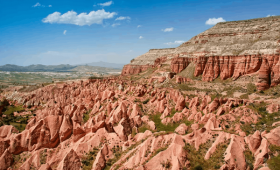
The village’s strategic location, set within the Rose Valley and close to other significant Cappadocian settlements, points to its role as a vital node in a regional defense and communication system. Initial geophysical surveys, utilizing ground-penetrating radar, have identified numerous anomalies suggesting the presence of unexcavated tunnels and chambers extending far beyond the current museum boundaries. These anomalies are not limited to simple storage spaces; preliminary data suggests the existence of multi-level complexes, potentially mirroring the sophistication of Kaymaklı, but adapted to Zelve’s specific terrain. Unlike the deeper, volcanic rock formations of Derinkuyu, Zelve’s softer tuff allows for easier excavation, yet also presents challenges in terms of preservation and structural stability, explaining the slower pace of exploration.
The nature of the unexcavated spaces differs from the primarily residential and religious structures currently open to the public. Evidence suggests a strong emphasis on agricultural storage and processing, with potential connections to irrigation systems utilizing underground water channels. analysis of pottery shards and other artifacts recovered from surface surveys hints at a thriving wine production industry, potentially with extensive underground cellars for storage and fermentation. This aligns with historical accounts detailing the region’s viticultural importance during the Byzantine and Seljuk periods.
The challenges of excavating Zelve are considerable. The fragility of the tuff, coupled with the risk of collapse, necessitates a cautious and meticulously planned approach. Funding for large-scale excavations remains a significant hurdle, though increased tourism interest in 2026, fueled by accessible information resources like those detailing experiences in other regions such as the walking tour of Love Valley, Cappadocia, is slowly changing the landscape. Current preservation efforts prioritize stabilization of existing structures over aggressive excavation, but the long-term goal remains to unlock the secrets hidden beneath Zelve.
Future research will focus on integrating the geophysical data with detailed mapping of the existing cave networks, allowing archaeologists to create a 3D model of the subterranean landscape. This will enable a more targeted approach to excavation, minimizing damage and maximizing the potential for significant discoveries. Understanding Zelve’s underground city potential is not simply about uncovering more tunnels and chambers; it’s about gaining a deeper insight into the lives of the people who once inhabited this extraordinary landscape and their ingenious adaptation to a challenging environment. For those seeking adventure on the coast, options like Jet Ski Rental in Kuşadası offer a contrasting, but equally exciting, experience, highlighting the diversity of Turkish tourism. Similarly, planning a day trip Combining Ephesus + Şirince Village in One Day from Kuşadası provides a different historical perspective.
Identifying & Interpreting the Pigeon Houses of Zelve: A Biodiversity & Historical Perspective
Zelve Open Air Museum presents a unique opportunity to study not only the rock-cut architecture of its abandoned village and cave monasteries, but also the intricate network of pigeon houses, or *güvercinlik*, carved into the soft Cappadocian tuff. These structures, seemingly simple at first glance, reveal a complex interplay of biodiversity, economic necessity, and historical practice stretching back centuries. Identifying and interpreting these pigeon houses provides a fascinating window into the lives of those who inhabited Zelve and the broader Cappadocian region.
The prevalence of pigeon houses in Zelve is striking. Unlike purely decorative or symbolic elements found in some historical sites, these were fundamentally functional structures. Pigeon guano, rich in nitrogen, phosphorus, and potassium, was highly valued as a natural fertilizer for vineyards, orchards, and vegetable gardens – crucial for sustaining the agricultural economy of Cappadocia. The sheer number of pigeon houses within Zelve suggests a significant reliance on this resource. Structures range from small, single-bird dwellings to elaborate complexes accommodating hundreds of pigeons.
Distinguishing a pigeon house from other rock-cut formations requires careful observation. While many cave dwellings share similar architectural features, pigeon houses are typically smaller, often featuring a narrow entrance hole specifically designed for avian access. The interior is usually devoid of elaborate carving or living space, focusing instead on providing a safe, sheltered environment for nesting. Look for the accumulation of guano around the entrance, though this is less reliable in areas subject to significant rainfall or tourism. The location is also key; pigeon houses are frequently found on cliff faces or in areas offering protection from predators and the elements.
The construction of pigeon houses wasn’t solely about resource extraction. Pigeons themselves were a food source, providing meat and eggs, though this secondary use was less significant than the guano. the practice of pigeon keeping fostered a unique symbiotic relationship between humans and wildlife, contributing to the biodiversity of the region. The presence of numerous pigeon houses indicates a deliberate effort to manage and cultivate a pigeon population, demonstrating an understanding of ecological principles.
Over time, the purpose and use of these pigeon houses evolved. With the advent of synthetic fertilizers in the 20th and 21st centuries, the demand for pigeon guano declined, and many pigeon houses were abandoned. However, they remain a significant part of the Cappadocian landscape, providing habitat for various bird species and offering valuable insights into past agricultural practices. Understanding their construction and distribution helps archaeologists and historians reconstruct the economic and social life of Zelve’s inhabitants.
Exploring Cappadocia offers a wealth of historical and natural wonders. Beyond Zelve, consider venturing to other regions like Love Valley, where a walking tour can reveal further layers of Cappadocian history. For coastal experiences, Kuşadası provides a different perspective, with options like Jet Ski Rental in Kuşadası offering adrenaline-fueled exploration of the Aegean Sea. Alternatively, a well-planned itinerary can efficiently combine cultural and natural attractions; for example, Combining Ephesus + Şirince Village in One Day from Kuşadası provides a detailed guide to maximizing your time in the area. The interconnectedness of these regions highlights the rich mix of Turkey’s heritage.
Zelve as a Filming Location: Recent Productions & Access Points for Cinematic Views (2026 Film Tourism)
Zelve Open Air Museum, beyond its historical and religious significance as one of Cappadocia’s first inhabited settlements, has increasingly become a favoured location for film and television production. The unique geological formations, coupled with the remnants of cave dwellings and churches carved directly into the soft volcanic rock, offer a naturally dramatic and otherworldly backdrop. While historically limited due to preservation concerns, access for filming has been cautiously managed and expanded in 2026, reflecting a growing understanding of the economic benefits of film tourism alongside the need for responsible heritage management.
Recent productions utilizing Zelve include a historical fantasy series, “Echoes of Anatolia,” which leveraged the cave churches for interior scenes depicting ancient rituals. The series’ production team collaborated closely with the local museum authority to ensure minimal impact on the fragile structures. a popular music video for Turkish artist Elif Kaya featured the panoramic vistas of the valley, showcasing the dramatic landscape in a visually striking manner. These projects have demonstrated the potential of Zelve as a versatile filming location, attracting interest from both domestic and international production companies.
Access points for cinematic views are now more clearly defined. The primary viewpoint, overlooking the entire valley from the higher plateau, remains a popular choice for establishing shots. However, new designated areas have been opened within the lower sections of the settlement, allowing for more intimate scenes and closer proximity to the cave dwellings. These areas are restricted to permit-holding film crews and are subject to strict environmental protocols. Drones are permitted, but require pre-approval and adherence to flight path limitations to avoid disturbing nesting birds and maintain the integrity of the landscape.
In 2026, the museum authority implemented a tiered permitting system, categorizing productions based on scale and potential impact. Smaller independent films and documentaries benefit from a streamlined application process, while larger-scale productions require comprehensive environmental impact assessments. This system aims to balance the demands of film tourism with the preservation of Zelve’s unique cultural heritage. The local municipality is also investing in infrastructure improvements, including reinforced pathways and designated parking areas, to accommodate film crews without disrupting the visitor experience.
Interestingly, the increasing focus on film tourism in Cappadocia isn’t limited to Zelve. Nearby, the otherworldly landscapes of Love Valley are also attracting production teams. A detailed walking tour exploring the history and geological features of Love Valley can be found online, offering potential location scouts valuable insight into the area’s unique characteristics: [Discovering the Hidden History: A Walking Tour of Love Valley, Cappadocia 2026](https://excursionsfinder.com/discovering-the-hidden-history-a-walking-tour-of-love-valley-cappadocia-2026/).
Beyond Cappadocia, Kuşadası, a popular coastal destination, also sees a rise in filming requests, particularly for action sequences. The availability of water sports and unique coastal scenery often necessitates careful logistical planning. For productions requiring water-based elements, information on Jet Ski rental and safety protocols in Kuşadası can be a valuable resource: [Jet Ski Rental in Kuşadası: Prices, Safety Rules & Best Spots 2026](https://excursionsfinder.com/jet-ski-rental-in-kusadasi-prices-safety-rules-best-spots-2026/). However, Zelve remains a standout location for projects requiring historical authenticity and a distinctly surreal aesthetic.
Combining Zelve with Avanos Pottery: A Curated Itinerary for Artisanal Exploration (2026 Sustainable Tourism)
Cappadocia’s Zelve Open Air Museum offers a compelling glimpse into the region’s unique history, showcasing a network of abandoned cave dwellings and rock-cut churches. However, to truly immerse oneself in the Cappadocian spirit, pairing a visit to Zelve with an exploration of Avanos, the pottery capital of Turkey, provides a deeply enriching experience. This curated itinerary focuses on combining historical discovery with artisanal appreciation, emphasizing sustainable tourism practices for 2026.
Zelve, once a busy settlement inhabited by Greeks and Turks alike until the 1950s, presents a fascinating contrast to the meticulously restored structures often found in other open-air museums. Its raw, unrestored state allows visitors to visualize life as it was, offering a more authentic connection to the past. Allow approximately two to three hours to thoroughly explore the complex, navigating the winding pathways and venturing into the cave churches adorned with fading frescoes. Consider the time of day; early morning or late afternoon visits avoid peak heat and crowds, enhancing the atmospheric experience.
Following Zelve, a short drive brings you to Avanos, situated on the banks of the Kızılırmak (Red River). This town is renowned for its centuries-old pottery tradition, utilizing the unique clay sourced directly from the riverbanks. Unlike mass-produced souvenirs, Avanos pottery is crafted using traditional methods passed down through generations. A visit isn’t complete without witnessing a pottery demonstration – many workshops offer live presentations showcasing the intricate process, from clay preparation to wheel throwing and firing.
Beyond observation, active participation is encouraged. Several workshops offer introductory pottery classes, providing visitors with the opportunity to create their own unique pieces under the guidance of skilled artisans. This hands-on experience fosters a deeper understanding and appreciation for the craft, directly supporting local artisans and promoting sustainable tourism.
To maximize your experience, dedicate at least half a day to Avanos. Explore the numerous pottery ateliers lining the streets, each showcasing distinct styles and techniques. Consider visiting the Avanos Archaeological Museum to contextualize the region’s pottery heritage. Lunch can be enjoyed at one of the riverside restaurants, offering traditional Turkish cuisine and views of the Kızılırmak.
For those seeking a broader regional perspective, extending the itinerary to include other cultural sites is easily achievable. While Cappadocia is famed for its unique landscapes, exploring beyond the well-trodden path reveals lesser-known spots. For example, those interested in further historical walks may enjoy researching options like Discovering the Hidden History: A Walking Tour of Love Valley, Cappadocia 2026.
For travelers arriving from Kuşadası, efficient planning is key to experiencing both the coastal delights and the inland wonders of Cappadocia. Before embarking on this journey, it’s worthwhile to research options for maximizing time, such as considering a combined Ephesus and Şirince Village excursion from Kuşadası, detailed in resources like Combining Ephesus + Şirince Village in One Day from Kuşadası: 2026 Tips. Alternatively, for those seeking adrenaline-fueled activities closer to the coast, Jet Ski Rental in Kuşadası: Prices, Safety Rules & Best Spots 2026 provides comprehensive information.
Sustainable tourism practices are paramount in Cappadocia. Support local businesses, respect the delicate environment, and be mindful of water conservation. Choosing locally owned accommodations and dining establishments further contributes to the economic well-being of the community. By prioritizing these principles, visitors can ensure the preservation of Cappadocia’s cultural and natural heritage for generations to come.
Frequently Asked Questions
What is Zelve Open Air Museum and why is it special?
Zelve is an abandoned cave village and open-air museum in Cappadocia, showcasing a unique blend of Byzantine and Ottoman-era settlements carved into the soft rock. It’s special because it was one of the last inhabited cave villages in Cappadocia, providing a glimpse into traditional life until the 1950s.
How much does it cost to enter Zelve Open Air Museum?
As of late 2026/early 2026, the entrance fee is approximately 60 Turkish Lira. Prices are subject to change, so it’s best to check the official museum website or a current guidebook for the most up-to-date information.
How long does it typically take to explore Zelve Open Air Museum?
Most visitors spend between 1.5 to 3 hours exploring Zelve, depending on their level of interest and how thoroughly they want to examine the caves and churches.
Is Zelve Open Air Museum suitable for people with mobility issues?
No, Zelve is not easily accessible for people with mobility issues. The terrain is uneven, with many steps, steep inclines, and rocky paths. Comfortable and sturdy shoes are essential.
Can I take photos inside the caves and churches?
Yes, photography is generally allowed, but flash photography is often discouraged to protect the frescoes and cave structures. Respect the historical site and avoid touching the artwork.
Is there shade available at Zelve Open Air Museum?
Shade is limited. It’s essential to bring a hat, sunscreen, and plenty of water, especially during the hotter months (summer). Some cave entrances provide temporary shade.
How do I get to Zelve Open Air Museum?
Zelve is located near Avanos. You can reach it by car, taxi, or as part of a guided Cappadocia tour. Public transportation options are limited.
Are there restrooms and food/drink facilities at Zelve?
There are restrooms available at the entrance. However, there are limited food and drink facilities inside the museum. It’s best to bring your own snacks and water. There are cafes and restaurants in nearby Avanos.
What is the best time of day to visit Zelve Open Air Museum?
The best times to visit are early morning or late afternoon to avoid the midday heat and crowds. The light is also better for photography during these times.
Can I combine a visit to Zelve with other attractions in Cappadocia?
Yes, Zelve is often combined with a visit to Pasabag (Monk’s Valley) and Devrent Valley (Imagination Valley) as they are all located relatively close to each other. It’s a popular route for tours.