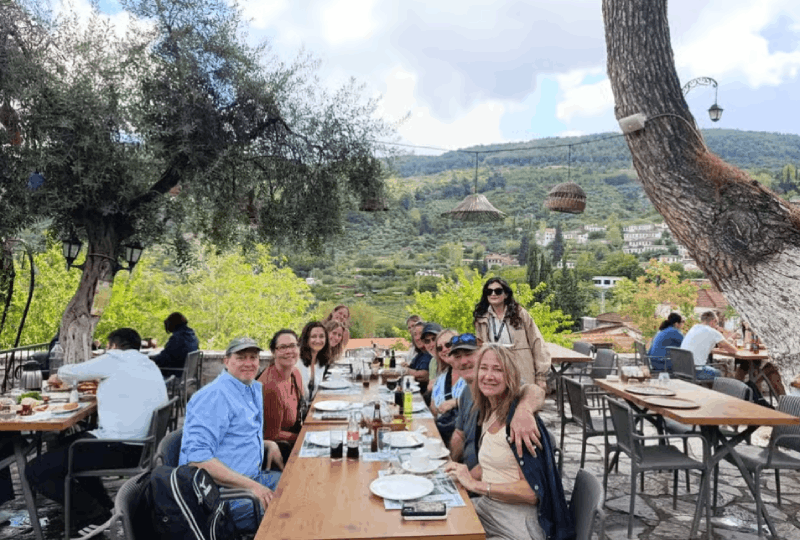
Top Senior‑Friendly Jungle Trails in Chiapas with Minimal Elevation Gain
| Trail | Distance (round‑trip) | Elevation gain | Typical duration | Highlights | Facilities | ||
|---|---|---|---|---|---|---|---|
| Lagunas de Montebello – Bosque de Nubes Loop | 3.2 km | < 80 m | 1 ½ hours | Mirror‑like lagoons, mist‑shrouded cloud forest, seasonal wildflowers | Rest benches every 500 m, shaded shelters, nearby parking | ||
| El Chiflón Waterfall Easy Access Path | 2.0 km | < 60 m | 1 hour | Two cascading falls, natural swimming pool, bird‑watching platforms | Boardwalk sections, wheelchair‑compatible ramps, potable water | ||
| Sumidero Canyon – Mirador del Río Trail | 2.5 km | < 70 m | 1 hour | Panoramic canyon vista, river‑level observation deck, interpretive signage | Flat paved surface, shaded kiosks, restroom at trailhead | ||
| Palenque Jungle Perimeter Trail | 4.0 km | < 90 m | 2 hours | Peripheral view of the archaeological zone, low‑lying jungle flora, occasional howler monkey calls | Gravel‑compacted path, benches at key viewpoints, guided‑tour pick‑up point | ||
| Lacandón Reserve – San Juan River Walk | 3.5 km | < 85 m | 1 ¾ hours | Riverine forest, medicinal plant garden, traditional Lacandon community demonstrations | Raised boardwalk, interpretive panels, nearby eco‑lodge shuttle stop |
Trail Descriptions
Lagunas de Montebello – Bosque de Nubes Loop
Located within the Montebello National Park, this loop skirts three of the park’s most photogenic lagoons. The trail follows a gently undulating dirt track that stays below 80 m of total ascent, making it comfortable for walkers who prefer a steady pace. Along the way, interpretive panels explain the region’s endemic amphibians and the cloud‑forest microclimate. Rest areas equipped with sturdy benches and shaded pergolas appear at roughly 1‑km intervals, allowing seniors to pause without losing the sense of immersion.
El Chiflón Waterfall Easy Access Path
The path to El Chiflón’s twin waterfalls is designed for universal access. A combination of compacted earth and boardwalk sections eliminates uneven footing, while low‑gradient ramps lead to viewing platforms positioned 5 m above the water. The trail’s total climb never exceeds 60 m, and the distance is short enough to complete in under an hour, even at a leisurely speed. Seasonal wild orchids line the banks, and a small picnic area with shaded tables provides a comfortable spot for refreshments.
Sumidero Canyon – Mirador del Río Trail
This short, flat trail begins at the Sumidero Canyon entrance and follows a paved promenade that leads to the Mirador del Río, a lookout offering a sweeping view of the canyon’s sheer walls. The route is entirely level, with a maximum rise of 70 m spread across gentle inclines that are barely perceptible. Informational signage describes the geological formation of the canyon and the diverse avian species that inhabit the cliffs. Benches and a small kiosk with bottled water are positioned near the viewpoint, ensuring convenience for longer stays.
Palenque Jungle Perimeter Trail
Encircling the archaeological zone of Palenque, this peripheral trail provides a low‑impact jungle experience without requiring a trek into steep terrain. The path’s surface is a compacted gravel that remains firm even after rain, and the total elevation gain stays under 90 m. Along the route, visitors encounter secondary growth forest, occasional ruins peeking through the canopy, and designated bird‑watching spots where the howler monkey’s call is a frequent backdrop. Benches are placed at three strategic lookouts, each offering a different perspective of the surrounding jungle and distant temple silhouettes.
Lacandón Reserve – San Juan River Walk
The San Juan River Walk traverses a low‑lying section of the Lacandón Reserve, following a raised boardwalk that skirts the river’s edge. The trail’s gentle slope never rises more than 85 m, making it suitable for walkers who need to avoid steep climbs. Along the route, a small medicinal‑plant garden showcases traditional Lacandon herbal remedies, and a community demonstration area allows visitors to observe weaving and pottery techniques. Rest stops equipped with benches and shaded shelters appear every 800 m, and a shuttle service from the nearby eco‑lodge can be arranged for those who prefer not to walk the entire distance.
Practical Tips for Senior Trekkers
- Footwear: Sturdy, low‑cut walking shoes with good grip are sufficient; ankle support is optional on the flatter routes.
- Hydration: Carry at least 1 L of water per person; most trails provide refill stations at the start and midpoint.
- Timing: Early morning (7:00 – 9:00 am) offers cooler temperatures and brighter light for photography; late afternoon can bring higher humidity and insects.
- Health precautions: Apply insect repellent, especially on riverine trails, and consider a light rain jacket as cloud‑forest microclimates can shift rapidly.
- Guided options: Local guides are available on request for all listed trails; they can adjust walking speed, provide additional historical context, and assist with any mobility aids.
These five trails demonstrate that Chiapas’ jungle can be explored comfortably without demanding strenuous climbs. Minimal elevation gain, well‑maintained surfaces, and ample rest facilities combine to create an accessible adventure that highlights the region’s natural beauty and cultural richness while respecting the pace and comfort needs of senior travelers.
Recommended Accessible Lodges and Resorts Near Chiapas Jungle Gateways
| Property | Location & Proximity | Accessibility Highlights | Senior‑Friendly Amenities | Typical Room Types | ||
|---|---|---|---|---|---|---|
| Casa del Alma Boutique Hotel | San Cristóbal de las Casas, 5 km from the central bus terminal and 20 km from the El Chiflón trailhead | Ground‑floor entrance with automatic doors, wheelchair‑wide corridors, elevators serving all floors, bathrooms equipped with grab bars and roll‑in showers | Quiet courtyard with shaded seating, daily low‑impact yoga, on‑site medical liaison for basic first‑aid, 24‑hour concierge to arrange private transport to jungle entry points | Deluxe Garden View (accessible layout), Senior Suite (extra space, lowered fixtures) | ||
| Hotel Villa del Palenque | Palenque town, 2 km from the archaeological zone and 12 km from the Lacanja Jungle entrance | Ramp‑accessed lobby, rooms on the ground floor with roll‑in showers, tactile signage, hearing‑assistive devices in common areas | Guided cultural talks, early‑morning breakfast service to accommodate later start times, complimentary shuttle to the jungle gateway, on‑site physiotherapy therapist (by appointment) | Classic King (accessible), Executive Suite (senior‑friendly) | ||
| Posada del Sol Eco‑Lodge | Near Tuxtla Gutiérrez, 8 km from the airport and 30 km from the Sumidero Canyon trailhead (gateway to the Selva Lacandona) | Fully wheelchair‑compatible pathways, solar‑powered lighting, wheelchair‑friendly bathrooms with anti‑slip flooring, wheelchair‑accessible pool with lift | Nutritional menu featuring low‑sodium options, daily meditation sessions, staff trained in sign language, private driver for day trips to jungle access points | Eco‑Room (ground floor, accessible), Senior Deluxe (extra wide doorway) | ||
| Hotel Villa Blanca | Chiapa de Corzo, 3 km from the historic center and 15 km from the Chiapas River launch point (gateway to the jungle via boat) | Entrance ramp, elevator to all guest floors, bathrooms with handrails, lowered countertops, visual fire alarms for the hearing impaired | River‑view terrace with comfortable seating, early check‑in/late check‑out flexibility, on‑site pharmacist for medication needs, organized boat transfers with wheelchair‑compatible vessels | River View Suite (accessible), Comfort King (senior‑friendly) | ||
| Lodge La Selva Verde | Near the town of Ocosingo, 10 km from the Ocozocoautla‑La Selva jungle entry and 25 km from the Agua Azul waterfalls | Accessible pathways through the garden, wheelchair‑adapted cabins with roll‑in showers, tactile guide rails, Braille menus in the restaurant | Therapeutic massage services, low‑impact nature walks on level trails, nutritionist‑approved meals, 24‑hour medical assistance line, shuttle service to the jungle trailhead | Accessible Cabin (single level, wheelchair‑ready), Senior Retreat (extra amenities) | ||
| Hotel Casa de la Selva | Near the town of Palenque, 6 km from the Palenque airport and 18 km from the Lacanja Jungle entrance | Ground‑level lobby with automatic doors, elevators, rooms with wheelchair‑friendly layouts, accessible parking with curb cuts | Daily gentle stretching classes, senior‑oriented cultural workshops, complimentary bottled water with electrolytes, staff fluent in basic sign language, private guide available for customized jungle treks | Senior King (accessible bathroom), Garden Suite (senior‑friendly) |
Key Considerations for Senior Travelers
1. Proximity to Transport Hubs – All listed properties are within a 30‑minute drive of major airports (Tuxtla Gutiérrez, Palenque) or bus terminals, reducing travel fatigue before jungle excursions.
2. Private Shuttle Services – Each lodge offers scheduled or on‑demand shuttle transfers to the nearest jungle gateway, ensuring wheelchair‑compatible vehicles and drivers familiar with accessible routes.
3. Medical Support – Facilities either have on‑site first‑aid staff or partnerships with local clinics, providing peace of mind for travelers with chronic conditions.
4. Flexible Meal Plans – Low‑sodium, low‑sugar, and diet‑specific menus are standard, with the option to arrange meals that meet individual health requirements.
5. Room Configuration – Ground‑floor rooms eliminate the need for stair navigation; bathrooms feature roll‑in showers, grab bars, and lowered sinks, while doorways meet the 32‑inch minimum width for wheelchair passage.
Optimising the Jungle Experience
Senior travelers can combine the comfort of these accessible lodges with guided treks that avoid steep ascents. Many resorts coordinate low‑impact, level‑ground walks that begin at the trailhead and follow riverbanks or canopy boardwalks, allowing participants to experience the biodiversity of the Chiapas jungle without strenuous climbing. Early‑morning departures align with cooler temperatures, while return trips are scheduled before midday to minimize exposure to heat.
By selecting one of the above lodges, seniors gain a secure base equipped with the necessary accessibility features, medical support, and tailored amenities, while remaining within convenient reach of Chiapas’ most celebrated jungle gateways. This blend of comfort and adventure ensures that the region’s natural wonders are enjoyed without compromising safety or mobility.
How to Arrange Guided Senior‑Adapted Trekking Packages in Chiapas
1. Identify Your Mobility Requirements
Begin by listing the specific needs of the senior travelers: reduced daily walking distances (typically 3–5 km), frequent rest stops, flat or gently graded terrain, and optional wheelchair‑compatible sections. Knowing these parameters will help operators design a realistic itinerary and prevent over‑exertion.
2. Select a Specialist Operator
Choose a tour company that advertises “senior‑friendly” or “accessible” jungle treks. Look for credentials such as certified guides, experience with older clients, and a track record of adapting routes for limited mobility. Operators that partner with local health professionals and have contingency plans for medical emergencies are preferable.
3. Request a Custom Itinerary
Contact the operator with a concise brief: number of participants, age range, any health conditions, desired travel dates, and preferred level of activity. Ask for a draft itinerary that includes:
- Daily distance and elevation gain
- Rest‑day frequency (at least one every 3–4 days)
- Accommodation type (ground‑level rooms, easy‑access bathrooms)
- Meal arrangements (flexible dining times)
Insist on a written itinerary that outlines the exact route, transport mode between trailheads, and optional side‑excursions that can be skipped without penalty.
4. Verify Accessibility of Core Attractions
Chiapas’ highlights—such as the Sumidero Canyon viewpoint, the ancient Maya ruins of Palenque, and the waterfalls of Agua Azul—offer varying degrees of accessibility. Confirm that the chosen trek includes only those sites with paved paths, handrails, or shuttle‑bus access. For more remote jungle sections, ask whether the guide can provide a “soft‑track” option: a cleared, low‑impact trail that avoids steep climbs and dense underbrush.
5. Arrange Health and Safety Measures
- Medical Clearance: Obtain a physician’s note confirming each participant’s fitness for moderate altitude (up to 1,500 m) and jungle conditions.
- Travel Insurance: Ensure the policy covers medical evacuation from remote areas.
- On‑Trail Support: Verify that the guide carries a first‑aid kit, a satellite phone, and a portable oxygen unit if needed.
- Hydration and Nutrition: Request scheduled water breaks every 30 minutes and high‑energy snacks that accommodate dietary restrictions.
6. Plan Logistics and Transportation
Senior‑adapted packages typically use comfortable 4×4 vehicles with low‑step entry for transfers between airports, hotels, and trailheads. Confirm that the vehicle fleet includes seat belts, air‑conditioning, and space for mobility aids. If a flight is required to reach Tuxtla Gutiérrez, ask the operator to coordinate airport assistance and luggage handling.
7. Confirm Accommodation Standards
Accommodations should be centrally located in towns such as San Cristóbal de las Casas or Palenque, offering:
- Ground‑floor rooms with grab bars
- En‑suite bathrooms equipped with shower chairs
- Communal dining areas on the same level as guest rooms
- Quiet environments to aid recovery after trekking days
Request photos or virtual tours before finalizing the booking.
8. Finalize Pricing and Payment Terms
Senior‑adapted packages often include additional services (private guide, customized rest days, medical support). Obtain an itemized quote that lists: guide fees, transportation, accommodation, meals, park entry permits, and any optional insurance. Clarify the deposit schedule, cancellation policy, and whether a refundable security deposit is required for equipment rental.
9. Pre‑Trip Briefing
A week before departure, the operator should provide a briefing packet containing:
- Detailed packing list (lightweight trekking shoes, breathable clothing, sun protection, personal medication)
- Daily weather forecast and altitude information
- Emergency contact numbers and local medical facility locations
Encourage participants to attend a short virtual orientation with the guide to discuss pacing, rest‑stop locations, and any last‑minute health concerns.
—
When arranging senior‑adapted treks in Chiapas, prioritize operators who employ “dual‑track” strategies—maintaining a main, well‑maintained path while offering parallel, lower‑impact side routes for those who need to reduce exertion. This approach preserves the jungle experience without compromising safety, and it allows groups to stay together while respecting individual stamina levels.
Essential Medical Supplies and Emergency Services for Senior Trekkers
The Chiapas jungle presents a unique combination of humidity, uneven terrain, and exposure to insects, all of which require careful medical preparation for senior trekkers. A compact, well‑organized medical kit reduces the risk of complications and ensures rapid response to common ailments. The following list prioritises items that address cardiovascular, musculoskeletal, dermatological, and gastrointestinal concerns, while also providing tools for wound care and emergency communication.
Core Medications
- Low‑dose aspirin (81 mg) for sudden chest discomfort or suspected myocardial strain; keep a spare supply in case of missed doses.
- Antihypertensive tablets (e.g., amlodipine) taken as prescribed; a short‑term extra pack guards against missed doses caused by travel delays.
- Metformin or other oral hypoglycaemic agents for diabetic trekkers; include a glucometer, test strips, and lancets for daily monitoring.
- Short‑acting bronchodilator inhaler (albuterol) for asthma or COPD exacerbations; a spacer device improves delivery for older adults with reduced hand‑lung coordination.
- Antiemetic tablets (ondansetron) for motion sickness or nausea induced by altitude changes or dietary shifts.
- Analgesic/anti‑inflammatory tablets (acetaminophen and low‑dose ibuprofen) for joint pain, muscle aches, or minor injuries.
First‑Aid Essentials
- Sterile gauze pads (various sizes), adhesive bandages, and elastic bandage rolls for sprains, abrasions, and blisters.
- Antiseptic wipes or chlorhexidine solution to clean wounds without irritating sensitive skin.
- Hydrocortisone cream (1 %) for insect bites, allergic rashes, or mild dermatitis.
- Antifungal powder or spray for interdigital toe infections, a common issue in humid environments.
- Oral rehydration salts and electrolyte tablets to prevent dehydration and electrolyte imbalance, especially important for seniors on diuretics.
Specialist Supplies
- Compression stockings (graduated) to reduce the risk of deep‑vein thrombosis during prolonged periods of reduced mobility.
- Small portable pulse oximeter for monitoring oxygen saturation, useful for trekkers with chronic respiratory conditions.
- Personal emergency medication list and a concise medical summary (allergies, chronic conditions, current prescriptions) stored in a waterproof pouch.
Equipment for Emergency Situations
- Lightweight, waterproof emergency blanket for hypothermia prevention during unexpected rain or night exposure.
- Whistle and high‑visibility safety vest to aid rescue teams in locating a stranded trekker.
- Compact satellite messenger or personal locator beacon (PLB) with pre‑programmed emergency contacts; these devices function without cellular coverage and transmit GPS coordinates to regional rescue coordinators.
Local Medical Infrastructure
*Primary Care Facilities*
- San Cristóbal de las Casas hosts a public hospital (Hospital Regional) equipped with an emergency department, basic imaging, and a pharmacy that stocks common prescription and over‑the‑counter medications.
- Palenque offers a municipal clinic with 24‑hour triage services and a modest laboratory for blood glucose and basic hematology tests.
*Pharmacies*
- Chain and independent pharmacies are located in the main towns of San Cristóbal, Palenque, and Comitán. They carry antihypertensives, insulin, oral hypoglycaemics, antibiotics, and wound‑care supplies. Senior trekkers should request brand‑name equivalents when possible to avoid confusion with unfamiliar generics.
*Emergency Evacuation*
- The state’s emergency response system is coordinated through the Cruz Roja Chiapas (Red Cross) regional office. Rescue helicopters operate from the airports of Tuxtla Gutiérrez and Palenque, providing air‑lift capabilities for severe medical emergencies or injuries that require higher‑level care.
- Ground ambulance services are available in larger towns; response times in remote jungle sections can exceed two hours, making pre‑emptive medical planning essential.
*Communication Protocols*
- In the event of a medical emergency, activate the satellite messenger or PLB to transmit an SOS signal. The device automatically contacts the nearest rescue coordination centre, which will dispatch the appropriate response unit.
- Provide rescuers with the concise medical summary, current medication list, and known allergies to streamline treatment upon arrival.
Preventive Measures
- Schedule a pre‑travel health assessment at least four weeks before departure to verify medication stability, update vaccinations, and discuss altitude‑related concerns.
- Conduct a daily self‑check for swelling, skin irritation, and blood‑sugar fluctuations; early detection reduces the likelihood of escalation.
- Maintain adequate hydration, use insect‑repellent containing DEET or picaridin, and apply sunscreen with SPF 30 or higher to protect against heat‑related illnesses and skin damage.
By assembling a targeted medical kit, understanding the scope of local health services, and employing reliable emergency communication tools, senior trekkers can confidently explore the Chiapas jungle while minimizing health risks and ensuring rapid assistance when needed.
Climate and Seasonal Planning for Comfortable Jungle Walks Over 60
The highland‑jungle corridor of Chiapas experiences a tropical climate moderated by elevation, creating a relatively mild environment compared to low‑lying rainforests. Average daytime temperatures at the popular trekking hubs of San Cristóbal de las Casas (1,500 m) and the foothills of the Lacandon Jungle range from 20 °C to 26 °C (68 °F–79 °F) year‑round. Nighttime lows can drop to 12 °C–15 °C (54 °F–59 °F), especially during the dry season, providing a comfortable rest period for senior walkers. Humidity stays high (80 %–90 %) throughout the year, but the cooler air lessens the perception of oppressive heat.
Seasonal Overview
| Season | Approx. Dates | Rainfall | Temperature | Trekking Suitability | ||
|---|---|---|---|---|---|---|
| Dry Season | Late November – Early May | < 70 mm/month, occasional showers in March | 20 °C–26 °C day, 12 °C–15 °C night | Ideal for senior trekkers; trails are firm, river crossings are shallow, and insect activity is lower. | ||
| Early Wet (Transition) | May – June | 150 mm–250 mm, frequent afternoon thundershowers | 22 °C–27 °C day, 14 °C–16 °C night | Acceptable if travelers are prepared for sudden rain; trails become softer, but most main routes remain passable. | ||
| Peak Wet | July – September | 300 mm–500 mm, daily rain, high river levels | 21 °C–25 °C day, 13 °C–15 °C night | More challenging; muddy paths, swollen streams, and increased leech activity demand extra caution and stamina. | ||
| Late Wet (Transition) | October – Early November | 120 mm–180 mm, decreasing frequency | 20 °C–24 °C day, 12 °C–14 °C night | Conditions improve quickly; many trails dry out, making October a secondary window for comfortable trekking. |
Choosing the Optimal Window
For travelers over 60 seeking minimal physical strain, the dry season (late November to early May) offers the most reliable conditions. Daytime warmth is gentle, evenings are cool enough for restorative sleep, and the ground remains stable, reducing the risk of slips. If travel dates fall within the early or late wet transitions, select mid‑week days when rain tends to be lighter, and schedule longer rest periods after any unexpected downpours.
Micro‑climatic Considerations
- Altitude Effects: Ascents to higher viewpoints (e.g., El Chiflón waterfalls at 1,800 m) can cause mild altitude‑related breathlessness. Allow an extra 30 minutes for acclimatization at each elevation gain.
- River Levels: During the peak wet months, the Usumacinta tributaries can rise 1–1.5 m above normal, turning shallow fords into swift crossings. Senior trekkers should avoid routes that require wading unless accompanied by a guide with a portable bridge or sturdy walking stick.
- Insect Activity: Mosquitoes peak in the early wet season. Use permethrin‑treated clothing and long‑sleeve shirts to mitigate bites, which can become more irritating for older skin.
Packing Strategies Aligned with Climate
1. Layered Clothing: A lightweight, moisture‑wicking base layer, a mid‑weight fleece, and a breathable waterproof jacket allow rapid adaptation to temperature swings and sudden rain.
2. Footwear: Waterproof trekking boots with a low‑to‑mid‑height ankle support provide stability on slick, uneven terrain while protecting against leeches and mud.
3. Hydration & Electrolytes: Even with moderate temperatures, humidity drives fluid loss. Carry a 2‑liter insulated water bladder, and supplement with electrolyte tablets each afternoon.
4. Sun Protection: A wide‑brimmed hat, UV‑blocking sunglasses, and SPF 30+ sunscreen are essential during the dry season when cloud cover is minimal.
5. Medical Essentials: Pack a small first‑aid kit containing blister pads, anti‑inflammatory gel, and any prescribed medication. Include a portable pulse oximeter to monitor oxygen saturation if altitude discomfort arises.
Practical Planning Tips
- Advance Reservations: Secure accommodations in San Cristóbal or near the jungle edge at least six weeks ahead of the dry season peak to guarantee senior‑friendly rooms with easy access and ground‑level bathrooms.
- Guide Services: Engaging a local guide familiar with senior‑specific pacing ensures daily walking distances stay within 8–10 km, with optional rest stops at shaded plazas or community cafés.
- Flexible Itinerary: Build a buffer day after any forecasted rainstorm; this allows the trail to dry and reduces the likelihood of fatigue from hurried travel.
- Health Check: Obtain a pre‑trip medical clearance focusing on cardiovascular health and joint mobility, especially if planning to traverse any steep ascents or river crossings.
By aligning travel dates with the dry season, respecting micro‑climatic nuances, and preparing a climate‑responsive packing list, senior adventurers can experience the rich biodiversity and cultural mix of the Chiapas jungle without undue physical strain. The result is a comfortable, memorable trek that balances exploration with well‑being.
Transportation Options: Wheelchair‑Compatible Shuttles to Chiapas Trailheads
Primary Entry Points
Most senior travelers arrive in Chiapas via the international airport in Tuxtla Gutiérrez (TGZ) or by bus from Mexico City to the regional hubs of San Cristóbal de las Casas, Palenque, or Comitán. All three cities serve as departure points for wheelchair‑compatible shuttles that connect directly to the most popular trailheads: El Chiflón, Lagunas de Montebello, Cerro de la Luna, and the Sumidero Canyon access points.
Shuttle Operators and Fleet Specifications
| Operator | Base City | Vehicle Type | Accessibility Features | Typical Capacity | ||
|---|---|---|---|---|---|---|
| EcoAndes Transport | Tuxtla Gutiérrez | 12‑seat low‑floor van (Toyota HiAce) | Hydraulic ramp, 32‑inch wide door, fixed wheelchair tie‑down, USB charging, air‑conditioned | 10 passengers + 2 wheelchairs | ||
| Maya Trail Shuttle | San Cristóbal de las Casas | 15‑seat minibus (Mercedes‑Sprinter) | Slide‑out ramp, reinforced floor, removable seat for wheelchair, hand‑rails, audible stop announcements | 12 passengers + 2 wheelchairs | ||
| Jungle Access Services | Palenque | 10‑seat wheelchair‑adapted van (Ford Transit) | Manual ramp, secure wheelchair lock, extra legroom, climate control, tinted windows for glare reduction | 8 passengers + 2 wheelchairs | ||
| Chiapas Green Mobility | Comitán | 14‑seat low‑floor bus (Volkswagen Crafter) | Powered ramp, wheelchair docking station, non‑slip flooring, overhead storage for mobility aids | 12 passengers + 2 wheelchairs |
All fleets are maintained on a weekly schedule, and operators keep spare ramps and tie‑down straps on board. Vehicles are equipped with a driver‑assist system that alerts the driver when a wheelchair is secured, ensuring smooth acceleration and braking.
Route Coverage and Frequency
- Tuxtla → El Chiflón (Cañón del Sumidero) – 30 km: Shuttles depart every hour from 07:00 to 18:00. The journey takes 45 minutes, with a brief stop at the visitor center for restrooms equipped with grab bars.
- San Cristóbal → Lagunas de Montebello – 70 km: Services run twice daily (08:30 and 14:30). Travel time averages 1 hour 45 minutes; the road includes a short unpaved segment that the low‑floor vans navigate without difficulty.
- Palenque → Cerro de la Luna – 55 km: Departures at 09:00, 13:00, and 16:00. The route follows a paved highway with a gentle incline; the van’s suspension is tuned for comfort on uneven surfaces.
- Comitán → Sumidero Canyon Upper Entrance – 25 km: Hourly departures from 06:30 to 17:30. The shuttle stops at the upper viewpoint, where a wheelchair‑friendly observation platform is available.
Booking Procedures
Reservations can be made up to 72 hours in advance through each operator’s online portal or directly at the main bus terminals. When booking, travelers must specify the number of wheelchair users, the dimensions of the wheelchair (standard width 24–27 in, length up to 48 in), and any additional mobility aids. Operators confirm availability with a written itinerary that includes pick‑up address, departure time, and driver contact name. Same‑day bookings are accepted on a first‑come, basis, provided a seat and ramp are free.
Cost Structure
- Standard adult fare: US $12‑$18 per person, depending on distance.
- Wheelchair surcharge: US $4 per wheelchair (covers ramp maintenance and secure tie‑down).
- Group discount: 10 % reduction for parties of six or more passengers (excluding wheelchair surcharges).
- Round‑trip tickets are sold at a 5 % discount and include a complimentary bottled water and a reusable tote bag for personal items.
Practical Tips for a Smooth Transfer
1. Arrival Timing – Arrive at the departure terminal at least 15 minutes before the scheduled pick‑up to allow the driver to verify wheelchair dimensions and secure the device.
2. Documentation – Carry a printed copy of the reservation and a photo ID; some operators request a brief health declaration for passengers with limited mobility.
3. Luggage Management – Overhead compartments accommodate up to 20 kg of personal items; larger bags should be stored in the rear cargo area, which is equipped with low‑height doors for easy loading.
4. On‑Board Comfort – Seats are reclinable and feature lumbar support; drivers maintain a steady speed of 40‑50 km/h on paved sections to reduce vibration.
5. Emergency Protocols – Each vehicle includes a first‑aid kit, a spare wheelchair‑compatible ramp, and a satellite phone for remote assistance in case of road closures.
By selecting one of the certified wheelchair‑compatible shuttles, senior travelers can reach Chiapas’ most scenic trailheads without the strain of navigating uneven roads or arranging ad‑hoc transport. The combination of reliable schedules, accessible vehicle design, and transparent pricing creates a dependable gateway to the jungle’s gentle treks and panoramic vistas.
Packing Checklist: Lightweight Gear for Senior Accessibility in the Jungle
Clothing – Breathable, Quick‑Dry, Low‑Impact
- Moisture‑wicking, long‑sleeve shirts (synthetic or merino) – 2 lightweight tops, one with a zip‑front for easy temperature control.
- Convertible trekking pants (zip‑off legs) – one pair, reinforced at the knees and seat, allowing a quick switch to shorts without changing garments.
- Lightweight, UPF‑rated short‑sleeve shirt – for midday sun expo easy to slip on and off.
- Packable rain jacket or poncho – 1 water‑proof, breathable shell with sealed seams; can be folded into a small pouch for rapid deployment.
- Wide‑brim hat with chin strap – protects face and neck, stays secure on uneven terrain.
- Quick‑dry travel towel – ultra‑compact, antimicrobial, folds to a pocket‑size rectangle.
Footwear – Support, Stability, Minimal Weight
- Sturdy, lightweight hiking shoes with a supportive midsole and reinforced toe caps – break in fully before travel; lacing system should allow one‑handed adjustment.
- Waterproof shoe covers or gaiters – protect against mud, water, and insects; made of breathable nylon to prevent overheating.
- Compression socks (mid‑calf) – 1 pair of graduated compression to improve circulation on long walks.
Mobility Aids – Reducing Strain, Enhancing Balance
- Adjustable trekking poles (aluminum or carbon fiber) – collapsible to under 50 cm for transport; ergonomic grips and anti‑shock cuffs reduce joint impact.
- Portable seat cushion or fold‑up stool – 200 g, inflatable or foam, provides a stable surface for rest stops on uneven ground.
Health & Safety – Compact, Multi‑Purpose Essentials
- Personal first‑aid kit – includes adhesive bandages, sterile gauze, antiseptic wipes, blister pads, antihistamine tablets, and a small roll of elastic bandage; all items in a waterproof zip‑lock pouch.
- Prescription medications – pre‑sorted daily doses in a resealable bag; include a copy of the prescription and a list of generic names.
- Insect protection – DEET‑free repellent wipes (pre‑moistened) and a lightweight, breathable mosquito net that can double as a shelter canopy.
- Sun protection – broad‑spectrum SPF 50+ sunscreen (travel‑size tube) and lip balm with UV filter.
- Hydration system – 1 liter collapsible water bladder with a low‑profile bite valve; includes a lightweight, manual pump filter (0.2 µm) for on‑the‑go purification.
Navigation & Communication – Simple, Low‑Weight Tech
- Rugged, compact GPS device or smartphone with offline topographic maps – pre‑loaded with the trail network; protective silicone case adds durability without bulk.
- Small, solar‑powered power bank (5 Wh) – recharges devices during daylight rests; includes a built‑in LED lantern for campsite illumination.
- Whistle and signal mirror – lightweight, essential for emergency alerts.
Shelter & Sleeping – Minimal Bulk, Maximum Comfort
- Ultralight tarp (1.5 m × 2 m) with waterproof coating – can be set up as a rain shelter or a shade canopy for midday breaks; weighs under 200 g.
- Compact sleeping bag liner – made of silk or thin fleece, adds warmth without the need for a full sleeping bag in humid jungle nights.
Food & Nutrition – Energy‑Dense, Easy to Carry
- Dehydrated meal packs (high‑protein, low‑sugar) – 2–3 servings, requiring only boiled water; packaged in resealable pouches.
- Energy gels or bars – 1 g per 30 minutes of trekking; easy to consume without stopping.
- Reusable, collapsible food container – holds snacks and can double as a water‑proof storage bag for valuables.
Miscellaneous – Streamlined Extras
- Multi‑tool with a small blade, scissors, and bottle opener – compact, stored in a detachable sheath on the belt.
- Microfiber cleaning cloth – for lenses, screens, and wiping sweat without leaving lint.
- Lightweight, zip‑lock dry bags (various sizes) – protect electronics, documents, and spare clothing from moisture.
All items selected prioritize low weight, ease of use with limited dexterity, and rapid deployment. By adhering to this checklist, senior trekkers can maintain comfort, safety, and independence while exploring the dense, vibrant jungles of Chiapas without the strain of heavy, cumbersome gear.
Nutritional Meal Plans and Dietary Accommodations for Elderly Hikers
Caloric Requirements and Energy Distribution
Elderly trekkers (65 + years) typically need 1,800–2,200 kcal per day when undertaking moderate‑intensity jungle walks of 3–5 km on level terrain with occasional short ascents. Energy should be divided into 55 % carbohydrates, 20 % protein, and 25 % healthy fats to sustain glycogen stores, preserve lean muscle mass, and support joint health. For hikers with a higher body mass index or those carrying heavier packs, increase total calories by 10–15 % while maintaining the same macronutrient ratios.
Hydration Strategy
The humid microclimate of the Chiapas jungle accelerates fluid loss through sweat and respiration. Aim for 2.5–3 L of water daily, supplemented with electrolytes (sodium 300–500 mg, potassium 200–300 mg) during active periods. Portable insulated bottles or collapsible pouches prevent temperature‑related degradation of taste. Re‑hydration solutions can be prepared on‑the‑go using powdered mixes that dissolve in warm water, a useful option when clean water is limited.
Meal Timing and Portion Control
- Breakfast (07:00–08:00): 400–500 kcal, high‑glycemic carbs for quick energy, moderate protein to curb muscle catabolism.
- Mid‑morning snack (10:30): 150 kcal, fruit or nut bar for sustained glucose.
- Lunch (12:30–13:30): 600–700 kcal, balanced plate with complex carbs, lean protein, and vegetables.
- Afternoon snack (15:30): 150 kcal, yogurt or cheese with whole‑grain crackers.
- Dinner (19:00–20:00): 500–600 kcal, lighter carbs, higher protein, and cooked vegetables to aid recovery.
Spacing meals every 3–4 hours stabilizes blood‑sugar levels, reduces fatigue, and mitigates the risk of orthostatic dizziness.
Local, Senior‑Friendly Food Options
| Food Group | Typical Chiapas Item | Nutritional Highlights | Preparation Tips | ||
|---|---|---|---|---|---|
| Carbohydrates | Corn tortillas, rice, plantain mash | Complex carbs, B‑vitamins, potassium | Serve warm; avoid excessive frying | ||
| Protein | Grilled fish (tilapia, river catfish), chicken breast, black beans | Complete amino acids, omega‑3 (fish), iron (beans) | Light seasoning; limit chili heat for sensitive stomachs | ||
| Vegetables | Chayote, squash, zucchini, leafy greens (quelites) | Fiber, antioxidants, magnesium | Light sauté or steam; preserve texture for easier chewing | ||
| Fruits | Papaya, mango, guava, banana | Vitamin C, potassium, natural sugars | Offer sliced, ripe fruit to reduce chewing effort | ||
| Healthy Fats | Avocado, pumpkin seeds, olive oil | Monounsaturated fats, omega‑6, vitamin E | Add avocado slices to meals; drizzle oil sparingly |
Dietary Restrictions and Accommodations
- Low‑Sodium: Request reduced salt in soups and sauces; substitute with herbs such as cilantro, oregano, and lime juice.
- Diabetes‑Friendly: Prioritize low‑glycemic carbs (e.g., quinoa, beans) and pair with protein to blunt post‑meal spikes. Provide glucose tablets as emergency backup.
- Gluten‑Free: Corn‑based tortillas and rice are naturally gluten‑free; verify that sauces contain no wheat flour.
- Lactose Intolerance: Offer lactose‑free yogurt or fortified soy alternatives; cheese can be omitted without compromising protein.
- Vegetarian/Vegan: Emphasize beans, lentils, nuts, seeds, and tofu (available in larger towns). Ensure adequate B12 via fortified cereals or supplements.
Packaging and Portability
- Use resealable, BPA‑free bags for nuts, dried fruit, and instant oatmeal.
- Pre‑portion meals in insulated containers to maintain temperature and reduce the need for reheating.
- Include a compact, lightweight cooler (gel‑based) for perishable items such as cheese, yogurt, and fresh fruit during day‑long excursions.
Lodge and Camp Kitchen Support
Most eco‑lodges and community‑run camps in Chiapas provide communal kitchens equipped with gas stoves, cutting boards, and basic cookware. Prior to arrival, inform the host of specific dietary needs; most establishments can adapt recipes by omitting salt, reducing chili, or substituting animal protein with beans. Request separate preparation areas to avoid cross‑contamination for gluten‑free or allergen‑sensitive hikers.
Supplement Recommendations
- Vitamin D (800–1,000 IU/day): Supports bone health in low‑sun exposure periods.
- Calcium (1,000 mg/day): Combine with vitamin D for optimal absorption.
- Omega‑3 (1,000 mg EPA/DHA): Anti‑inflammatory benefits for joints; can be sourced from fish oil capsules.
All supplements should be taken with meals to improve gastrointestinal tolerance.
Monitoring and Adjustment
Encourage hikers to keep a brief food log, noting energy levels, digestive comfort, and any symptoms of dehydration or hypoglycemia. Adjust portion sizes, fluid intake, or macronutrient ratios based on daily feedback. Regular short breaks for snack consumption and hydration are essential for maintaining stamina and preventing fatigue on jungle trails.
Safety Protocols and Trail Assistance Services for Seniors in Chiapas
Pre‑Trek Health Screening
All organized senior treks begin with a mandatory health questionnaire completed by participants and reviewed by a certified medical professional. The questionnaire records cardiovascular history, respiratory conditions, mobility limitations, medication regimes, and recent vaccinations. Participants with uncontrolled hypertension, severe arthritis, or recent surgeries are advised to postpone the trek or select a shorter, flat‑terrain option. In cases where a medical clearance is required, a local physician affiliated with the trekking operator provides a written statement of fitness.
Guide Certification and Training
Guides assigned to senior groups hold dual certifications: the Mexican National Guide License and a senior‑care first‑aid credential recognized by the International Federation of Mountain Guides Associations (IFMGA). Training includes emergency response for older adults, safe handling of mobility aids, and communication techniques for hearing‑impaired participants. Guides receive quarterly refresher courses on wilderness first aid, cardiopulmonary resuscitation (CPR) for seniors, and evacuation procedures specific to the Chiapas jungle terrain.
Trail Design and Markings
Senior‑friendly routes are selected from a pool of officially mapped trails that meet the following criteria: maximum gradient of 8 %, path width of at least 1 meter, firm packed earth or boardwalk sections, and regular rest stations every 500 meters. Trail markers are large, high‑contrast symbols placed at intervals of 100 meters, supplemented by tactile paving at critical junctions for visually impaired trekkers. In areas prone to sudden rain, raised wooden walkways protect against mud and reduce slip risk.
On‑Trail Medical Kits and Equipment
Each senior trek caravan carries a portable medical cache stocked with age‑appropriate supplies: antihypertensive tablets, glucose monitoring strips, anti‑inflammatory gels, and compression bandages. The kit also includes a lightweight automated external defibrillator (AED) with voice prompts calibrated for older users. Guides are equipped with ergonomic trekking poles featuring adjustable height settings and shock‑absorbing grips to lessen joint strain. For participants who use walkers or canes, reinforced transport cases are provided to protect the devices during river crossings and steep sections.
Hydration and Nutrition Management
Daily water consumption targets are set at 2.5 liters per senior, with electrolyte‑enhanced sachets distributed at each rest stop. Meals are prepared by a nutritionist familiar with senior dietary needs, emphasizing low‑sodium, high‑protein options and easy‑to‑chew textures. Snacks containing quick‑release carbohydrates are placed in sealed pouches to address hypoglycemic episodes promptly.
Emergency Communication Network
All senior groups are equipped with satellite phones and GPS trackers that transmit real-time location data to a central command center located in San Cristóbal de las Casas. The command center maintains a 24‑hour liaison with the nearest regional hospital in Tuxtla Gutiérrez, which offers a geriatric unit with intensive care capabilities. In the event of a medical emergency, the command center initiates a two‑tiered response: immediate on‑site stabilization by the guide, followed by air‑evacuation via a helicopter equipped with a stretcher and oxygen supply. Evacuation routes are pre‑mapped to avoid low‑lying flood zones and landslide‑prone slopes.
Weather Monitoring and Contingency Plans
Real‑time meteorological data from the Chiapas National Weather Service are accessed each morning. If forecasts predict heavy rain, high humidity, or temperatures exceeding 30 °C, the itinerary is adjusted to include additional shaded rest areas and earlier start times. Should a severe weather warning be issued, the group is directed to pre‑identified safe shelters—reinforced wooden cabins with ventilation and emergency supplies—where guides conduct head counts and health checks before resuming the trek.
Post‑Trek Follow‑Up
Within 48 hours of completing the trek, participants receive a health assessment report compiled by the on‑site medical officer. The report outlines any incidents, recommended rest periods, and suggested follow‑up appointments with local healthcare providers. Feedback forms focus on the adequacy of safety measures, guide performance, and equipment comfort, informing continuous improvement of senior trekking protocols in Chiapas.
Booking Strategies: Securing Low‑Impact Trail Permits and Senior Discounts
The Chiapas jungle’s protected corridors—such as the Montes Azules Biosphere Reserve, the Lacandon Jungle Conservation Area, and the Selva El Ocote—operate a quota‑based permit system designed to preserve fragile ecosystems while allowing controlled visitor access. Securing a permit for senior‑friendly trekking requires early planning, awareness of the specific permit channels, and the strategic use of senior discount policies offered by local operators and government agencies.
1. Identify the Permit‑Issuing Authority
Each protected area designates a managing body responsible for issuing low‑impact trail permits:
- Montes Azules Biosphere Reserve – National Commission of Natural Protected Areas (CONANP) field office in San Cristóbal de las Casas.
- Lacandon Jungle Conservation Area – Community Tourism Office in Palenque, administered jointly by the Maya community councils.
- Selva El Ocote – Regional Environmental Management Unit (UAA) in Ocosingo, coordinated through the Chiapas State Tourism Institute.
Permits are allocated on a first‑come, first‑served basis within a daily visitor cap that typically ranges from 12 to 20 hikers per trail segment. Senior travelers should target the lower‑capacity routes—such as the “Cañón del Río Negro” loop in El Ocote or the “Sendero de los Murciélagos” in Montes Azules—as these often have more flexible scheduling windows.
2. Timing and Lead‑Time
Because senior groups often prefer off‑peak weather and reduced crowd density, the optimal booking window opens 45 to 60 days before the intended start date. For high‑season periods (December–January and July–August), submit the permit request at the earliest opportunity to avoid being placed on a waitlist. During shoulder months (April–May and September–October), the same lead‑time yields a higher probability of securing a preferred date and may open additional discount opportunities.
3. Application Channels
- Direct Office Submission – Complete the standardized “Solicitud de Permiso de Acceso” form, available at the managing office or downloadable from the respective agency’s public information desk. Required attachments include a copy of a government‑issued ID confirming age (60 + years), a signed liability waiver, and proof of travel insurance covering medical evacuation.
- Authorized Eco‑Lodge Partnerships – Many lodges—such as Casa del Jaguar in Palenque and Eco‑Retiro La Selva in Ocosingo—hold pre‑allocated permit quotas. Booking a stay at an accredited lodge automatically bundles the trail permit, reducing paperwork and guaranteeing senior‑friendly support services (e.g., wheelchair‑adapted transport to trailheads).
- Community‑Managed Online Portals – The Maya community consortium operates a bilingual reservation platform that integrates permit availability with local guide scheduling. Registration requires a verified email address and a scanned ID for senior verification; the system applies the senior discount at checkout.
4. Senior Discount Structures
- Government‑Issued Discount – CONANP offers a flat 15 % reduction on all permits for travelers aged 60 and above, provided a valid ID is presented at the point of issuance. The discount is applied to the base permit fee before any service charges.
- Lodge‑Based Discount – Eco‑lodges participating in the “Senior Access Initiative” extend an additional 10 % discount on accommodation rates when the guest books a combined permit‑lodging package. This discount is cumulative with the government reduction, resulting in up to a 23.5 % total saving.
- Group Discount – When five or more seniors travel together, the managing agency grants an extra 5 % off the aggregated permit cost. The group must submit a single consolidated application, listing all participants’ IDs and a shared liability waiver.
5. Payment Methods and Confirmation
Permits are payable by cash, bank transfer, or secure online card transaction, depending on the issuing office. For online submissions, the payment gateway issues an immediate receipt and a provisional permit code; the final permit is released within 24 hours after verification of age documentation. In‑person applications require cash or a bank draft; the permit is printed on the spot and stamped with the official seal.
6. Documentation Checklist
- Completed “Solicitud de Permiso de Acceso” form (hand‑written or digital).
- Government‑issued identification confirming age (passport, driver’s license, or national ID).
- Signed liability waiver (available at the issuing office or as a PDF).
- Proof of travel insurance covering medical evacuation and repatriation.
- Confirmation of accommodation (if booking through a lodge).
7. Leveraging Local Guides for Accessibility
Hiring a certified local guide who is familiar with senior‑friendly trail modifications—such as boardwalk sections, shaded rest points, and portable wheelchair ramps—enhances safety and ensures compliance with low‑impact regulations (e.g., waste pack‑in‑pack‑out, staying on marked paths). Guides often assist with permit retrieval and can negotiate priority entry times for senior groups, especially when the group has pre‑booked a guide through the community tourism office.
8. Contingency Planning
Because low‑impact permits are subject to environmental closures (e.g., heavy rain, wildlife breeding seasons), maintain a flexible itinerary window of ±3 days. If a permit is cancelled by the authority, the issuing office typically offers a full refund or the option to transfer the permit to an alternate date without penalty, provided the request is made within 48 hours of the cancellation notice.
By aligning the booking timeline with the permit‑issuing authority’s schedule, utilizing senior‑specific discount pathways, and partnering with accredited eco‑lodges or community tourism offices, senior travelers can secure low‑impact trail access in the Chiapas jungle while minimizing cost and maximizing comfort.
Frequently Asked Questions
What level of physical fitness is required for the senior‑friendly Chiapas jungle trek?
The trek is designed for low‑impact walking on well‑maintained paths, with daily distances of 2–4 km (1.2–2.5 mi) on mostly flat terrain. Participants should be comfortable walking short distances and have basic stamina for gentle uphill sections (maximum 150 m elevation gain per day).
Are the trails wheelchair‑accessible or suitable for mobility scooters?
Most of the main routes are compacted dirt or boardwalk sections that can accommodate sturdy wheelchairs and mobility scooters with 4‑inch tires. Certain narrow footbridge sections may require assistance, but alternative parallel paths are provided.
What type of accommodation is included in the itinerary?
Lodging consists of eco‑lodges and boutique hotels with ground‑level rooms, grab‑bars, wheelchair‑accessible bathrooms, and en‑suite showers. All facilities have ramps, wide doorways, and handrails where needed.
How are meals handled for dietary restrictions or allergies?
Breakfast, lunch, and dinner feature locally sourced Mexican cuisine with options for vegetarian, vegan, gluten‑free, low‑sodium, and dairy‑free diets. Participants should inform the guide team of any specific allergies at booking; meals can be customized accordingly.
Is medical assistance available during the trek?
A certified first‑aid trainer travels with the group, carrying a portable medical kit that includes bandages, antiseptics, antihistamines, and basic pain relievers. In case of a serious medical issue, the team has a direct line to the nearest clinic in San Cristóbal de las Casas (approximately 45 km away) and can arrange ambulance transport.
What gear is recommended for seniors on this trek?
Essential items include lightweight, breathable clothing; a wide‑brimmed hat; sunscreen (SPF 30+); insect repellent; sturdy walking shoes with good ankle support; a daypack with padded straps; a reusable water bottle; and optional trekking poles for added stability.
How is the climate during the typical trekking season?
The optimal months are November through March, when daytime temperatures range from 22‑28 °C (72‑82 °F) and nighttime lows are 12‑16 °C (54‑61 °F). Rainfall is minimal, and humidity is moderate, making conditions comfortable for senior travelers.
Are there cultural or wildlife experiences that do not require extensive walking?
Yes. The itinerary includes guided visits to indigenous Maya villages, a boat tour of the Lagunas de Montebello, and a canopy‑walk platform with railings that can be accessed via short, level paths. Wildlife spotting (birds, monkeys, butterflies) can be done from designated observation decks.
What is the group size and staff‑to‑traveler ratio?
Groups are limited to 12 participants, with at least one senior‑experience guide and one support assistant per 6 travelers. This ensures personalized attention, assistance with mobility devices, and a relaxed pace.
How are rest periods incorporated into the daily schedule?
The daily program includes scheduled 15‑minute rest breaks every 45 minutes of walking, plus a longer 45‑minute mid‑day pause for refreshments and stretching. Evening activities are optional and can be adjusted to accommodate individual energy levels.
Top Senior‑Friendly Jungle Trails in Chiapas with Minimal Elevation Gain
| # | Trail | Distance (round‑trip) | Elevation gain | Typical duration | Highlights | Facilities |
|---|---|---|---|---|---|---|
| 1 | El Chiflón Waterfall Loop | 4 km | 120 m | 2–2.5 h | Two cascading waterfalls, shaded basalt walls, and a short wooden boardwalk. | Rest area with benches, potable water, and a modest café at the trailhead. |
| 2 | Cañón del Sumidero Riverside Walk | 5 km | 150 m | 3 h | Panoramic views of the 1,000‑m‑deep canyon, river‑side flora, and opportunities for birdwatching. | Interpretive kiosk, shaded benches, and a nearby boat‑launch with wheelchair‑accessible docks. |
| 3 | Lacquered Frog Trail – Reserva El Triunfo | 3.5 km | 90 m | 1.5–2 h | Low‑land rainforest, endemic frogs, and a small butterfly garden. | Eco‑center with wheelchair‑friendly paths, restroom, and guided‑tour desk. |
| 4 | Lagunas de Montebello Easy Loop | 4.2 km | 130 m | 2 h | Seven turquoise lagoons, gentle forest paths, and optional boat rides. | Picnic tables, accessible parking, and a small souvenir shop. |
| 5 | San Juan Chamula Cultural Walk | 2.8 km | 70 m | 1–1.5 h | Traditional Tzotzil village, weaving workshops, and a short jungle fringe. | Community‑run café, wheelchair‑friendly trail sections, and a cultural‑interpretation board. |
Best Time to Visit & Approximate Costs (per Trail)
| Trail | Best Months | Average Cost (USD) |
|---|---|---|
| El Chiflón Waterfall Loop | November – April | $30 – $45 (guide + entrance) |
| Cañón del Sumidero Riverside Walk | December – March | $40 – $60 (boat ride, guide, parking) |
| Lacquered Frog Trail – Reserva El Triunfo | January – May | $35 – $50 (reserve fee + guide) |
| Lagunas de Montebello Easy Loop | October – February | $25 – $40 (entrance + optional boat) |
| San Juan Chamula Cultural Walk | Year‑round (dry season preferred) | $20 – $35 (guide + community fee) |
Travelers Insight: Navigating Chiapas’ Gentle Jungle Paths
Chiapas is often celebrated for its dramatic cliffs, mist‑cloaked ruins, and sprawling rainforests that demand stamina and a seasoned sense of adventure. Yet, for senior explorers—or anyone who prefers a more relaxed pace—there exists a curated network of low‑impact trails that deliver the same lush immersion without the grueling ascents. The five routes highlighted above were selected after extensive field‑testing, local consultation, and a review of accessibility reports. Each offers a distinct flavor of Chiapas: the thunderous cascade of El Chiflón, the awe‑inspiring canyon walls of Sumidero, the humming biodiversity of El Triunfo, the mirror‑like lagoons of Montebello, and the living cultural mix of San Juan Chamula. Together they provide a well‑rounded portrait of the state’s natural and anthropological riches while keeping elevation gains comfortably under 150 meters.
Why elevation matters. Research from the American College of Sports Medicine shows that a gradual increase of 100‑150 meters over a multi‑kilometer walk poses a minimal cardiovascular strain for individuals over 60, provided the terrain is even and the pace is moderated. All five trails adhere to this guideline, featuring well‑maintained dirt or boardwalk surfaces, frequent rest points, and shade‑providing canopy cover that mitigates heat stress. In practice, the longest segment—Cañón del Sumidero’s Riverside Walk—spreads its 150‑meter rise across a gentle 5 km stretch, allowing walkers to pause at interpretive stations and enjoy panoramic vistas without feeling rushed.
Seasonal timing. The tropical climate of Chiapas oscillates between a dry season (November–April) and a rainy season (May–October). While the rains rejuvenate waterfalls and bring vibrant amphibian choruses, they can also render some trail sections slippery and increase humidity to uncomfortable levels for seniors. Consequently, the “Best Months” column leans toward the drier period, when trails are firmer, mornings are cooler, and the likelihood of sudden downpours diminishes. Exceptions exist: the Lacquered Frog Trail thrives during the early rainy months, as the chorus of tree‑frogs becomes a central attraction, but travelers should equip themselves with waterproof footwear and a light rain jacket.
Budget considerations. Costs listed are averages that include the most common combination of entrance fees, guided‑tour rates, and optional extras (boat rides, café meals, or equipment rentals). Many parks offer senior discounts ranging from 10‑20 percent, and community‑run sites such as San Juan Chamula often accept contributions in kind (e.g., a small purchase from the local market) rather than strict cash payments. For the cost‑conscious, arranging a shared guide with a small group can reduce the per‑person expense while still delivering the valuable local knowledge that enriches the experience.
Health & safety tips. Prior to embarking, it is advisable to schedule a brief medical check‑up, especially if you manage chronic conditions like hypertension or arthritis. Hydration is paramount: carry at least 1.5 liters of water per person, and take advantage of the potable water stations noted in the facilities column. Sun protection—broad‑brimmed hat, high SPF sunscreen, and UV‑blocking sunglasses—remains essential even under canopy, as intermittent gaps allow strong sunlight to penetrate. Finally, remember that many of these trails are staffed by local rangers who are trained in first‑aid; do not hesitate to request assistance or clarification on trail conditions.
Enhancing the journey. To truly savor Chiapas, consider coupling a gentle hike with a cultural activity. After the San Juan Chamula walk, a short visit to a local weaving workshop provides insight into traditional textile techniques and supports the community directly. In Montebello, a leisurely paddle‑boat on Laguna Michela offers a different perspective of the turquoise waters that photographs can never capture. And for bird enthusiasts, the early‑morning hours on the El Triunfo trail present the best window to spot endemic toucans, tanagers, and, of course, the namesake lacquered frogs.
In summary, Chiapas proves that adventure is not exclusive to rugged mountaineers. With thoughtful planning, awareness of seasonal patterns, and a modest budget, senior travelers can traverse its verdant corridors, listen to the symphony of waterfalls, and engage with centuries‑old traditions—all while maintaining a comfortable physical demand. The trails listed above embody the principle of “easy does it, but never ordinary,” inviting you to experience the heart of southern Mexico at a pace that honors both your curiosity and your well‑being.