
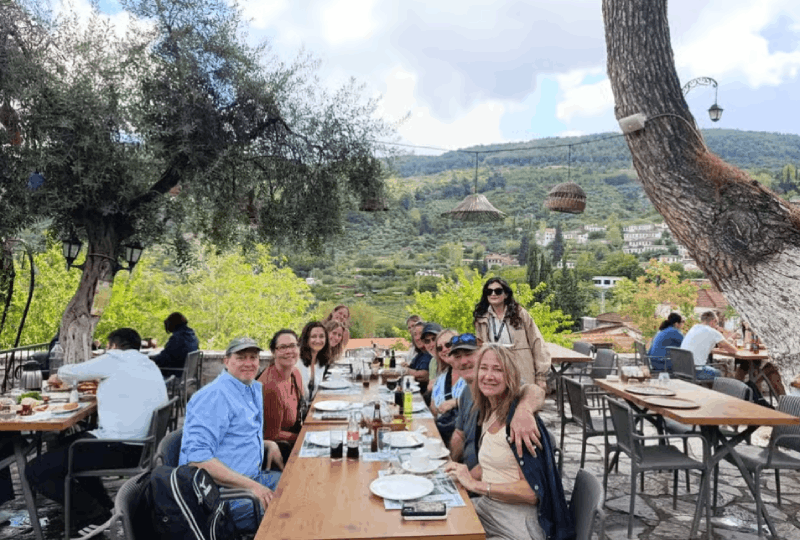
Accessible Transportation Options for Seniors in Mexico
Mexico’s transportation network has expanded its accessibility features to accommodate senior travelers with reduced mobility. The most reliable options combine national airline assistance, wheelchair‑compatible ground services, and specialized tour operators that meet international standards for senior comfort and safety.
Air Travel
All major Mexican carriers—Aeroméxico, Volaris, Viva Aerobus, and Interjet—provide pre‑flight wheelchair assistance, priority boarding, and accessible seating when requested at least 48 hours in advance. Aircraft used on domestic routes typically feature wider aisles and movable armrests, allowing easier transfer between seats. Upon arrival, most international airports (Mexico City, Cancún, Guadalajara, Monterrey, and Puerto Vallarta) operate dedicated assistance desks staffed by bilingual personnel who coordinate wheelchair provision, escort services to baggage claim, and transportation to ground‑level terminals. Seniors may also request a personal escort to navigate customs and immigration, reducing the need for prolonged standing.
Domestic Flights and Regional Airports
Smaller regional airports, such as those serving Oaxaca, Mérida, and San Luis Potosí, have installed ramps and tactile paving. While some aircraft lack built‑in wheelchair lifts, ground crews provide portable lifts and manual wheelchairs that can be transferred to the cabin. Travelers are advised to confirm accessibility details directly with the airline’s special assistance department and to allow additional time for boarding procedures.
Long‑Distance Buses
Mexico’s long‑distance bus system is the backbone of intercity travel, and several premium carriers have introduced fully accessible fleets. Companies such as ADO, ETN, and Primera Plus operate “luxury” coaches equipped with low‑floor entry, hydraulic lifts, and reinforced wheelchair securing points. Seats feature extra legroom, recline functions, and lumbar support, while onboard restrooms are modified with grab bars and wheelchair‑accessible stalls. Reservations for accessible buses can be made online or through the carrier’s call center; the request is confirmed on the ticket and the bus is flagged for assistance at departure and arrival terminals.
Urban Buses and Metro Systems
In metropolitan areas, a growing number of buses are low‑floor models with kneeling capabilities that lower the entrance height to 30 cm, facilitating wheelchair boarding. The Mexico City Metro has retrofitted several stations with elevators, ramps, and tactile floor indicators. Line A, Line B, and the newer Line 12 are fully accessible, while older stations are progressively being upgraded. Senior travelers should consult the latest station accessibility maps, as some historic stations remain pending renovation.
Taxis, Ride‑Sharing, and Private Transfers
Regulated taxi fleets in major cities now include a subset of vehicles equipped with ramps and wheelchair‑securement systems. Ride‑sharing platforms have introduced an “accessibility” filter that matches passengers with drivers operating modified vehicles. Private transfer companies catering to senior groups offer door‑to‑door service with drivers trained in assisting passengers with mobility limitations. Vehicles are typically vans with hydraulic lifts, spacious interiors, and climate‑controlled cabins, ensuring comfort during longer journeys.
Car Rentals
Several international and local car‑rental agencies provide wheelchair‑accessible vehicles on request. These models feature lowered floor heights, hand‑controlled brakes and accelerators, and removable seats to accommodate wheelchair users. Rentals are arranged through the agency’s special‑needs desk, and the vehicle is inspected for proper operation of the lift mechanism before departure.
Specialized Senior Tour Operators
Tour operators specializing in senior travel, such as Senior Travel Mexico and Accessible Adventure Tours, coordinate transportation that complies with ADA‑equivalent standards. Their itineraries include wheelchair‑friendly coaches, accessible airport transfers, and on‑site mobility assistance at historic sites. Packages often incorporate a travel liaison who monitors schedule adherence, ensures that vehicles are correctly equipped, and provides real‑time support in case of unexpected mobility challenges.
Practical Recommendations
- Reserve all accessibility services at least 72 hours before travel.
- Request written confirmation of wheelchair‑compatible vehicles on tickets or itineraries.
- Carry a copy of any medical documentation that outlines specific mobility needs.
- Verify the presence of accessible restrooms and ramps at planned stopovers.
- Allow an additional 30 minutes for boarding, disembarking, and transfers, especially at high‑traffic airports.
By leveraging these transportation options, senior travelers can navigate Mexico’s historic sites and modern destinations with confidence, enjoying a seamless blend of cultural immersion and contemporary comfort.
Wheelchair‑Accessible Historic Site Tours: Detailed Itineraries
—
1. Mexico City – Colonial Core & Aztec Heritage (3 Days)
| Day | Morning | Mid‑day | Afternoon | Evening | ||
|---|---|---|---|---|---|---|
| 1 | Zócalo & Metropolitan Cathedral – Level‑graded cobblestones, ramp at the main entrance, wheelchair‑friendly audio guide. | Alameda Central – Wide, paved pathways, accessible benches, wheelchair‑accessible restrooms. | Palacio de Bellas Artes – Exterior ramp, elevator to the main hall, tactile floor markers. | Dinner at a historic restaurant – wheelchair‑accessible entrance and seating. | ||
| 2 | Templo Mayor Museum – Wheelchair‑compatible entrance, lift to the exhibition floor, tactile displays. | Lunch at a nearby market – paved stalls, accessible seating. | Casa de los Azulejos – Ground‑floor showroom with smooth flooring; staff assistance available for upper‑level viewing via portable lift. | Cultural performance – venue equipped with wheelchair‑friendly seating and hearing‑assisted devices. | ||
| 3 | National Museum of Anthropology – Main entrance ramp, elevators to all galleries, wheelchair‑adapted audio tours. | Lunch at museum café – spacious layout, accessible restrooms. | Chapultepec Castle (partial) – Ground‑level gardens fully accessible; limited access to upper floors via a portable lift on request. | Return to hotel – wheelchair‑friendly drop‑off zone. |
Accessibility Highlights
- All sites provide wheelchair‑friendly parking within 50 m of entrances.
- Complimentary wheelchair‑compatible audio guides are available in English and Spanish.
- Public transportation includes wheelchair‑adapted Metro buses and accessible taxi services.
Accommodations
- Central hotels with ground‑floor rooms, roll‑in showers, grab bars, and 24‑hour front‑desk assistance.
—
2. Puebla & Cholula – Baroque Splendor & Pre‑Hispanic Pyramids (2 Days)
| Day | Morning | Mid‑day | Afternoon | Evening | ||
|---|---|---|---|---|---|---|
| 1 | Puebla Cathedral – Ramped entrance, elevator to the nave, tactile floor indicators. | Lunch in the historic center – restaurants with wheelchair‑accessible patios. | Rosario Chapel – Level entry, smooth stone floors, wheelchair‑adapted viewing platform. | Evening stroll on the Zócalo – wide, paved sidewalks, accessible lighting. | ||
| 2 | Great Pyramid of Cholula (Tlachihualtepetl) – Accessible parking, paved path to the base, wheelchair‑friendly viewing platform with panoramic elevator. | Lunch at a local hacienda – wheelchair‑adapted dining room and restrooms. | San Gabriel Convent – Ground‑level cloister garden with smooth pathways, ramped entry to the chapel. | Return to Puebla – optional cultural show in an accessible theater. |
Accessibility Highlights
- All major sites feature ramps meeting a 1:12 slope ratio, handrails, and low‑height thresholds.
- Portable ramps are available on‑site for minor obstacles.
- Dedicated wheelchair‑friendly rest areas with shaded seating every 300 m.
Accommodations
- Boutique hotels in Puebla’s historic district with wheelchair‑accessible rooms, roll‑in showers, and on‑site assistance for luggage.
—
3. Oaxaca – Indigenous Architecture & Colonial Towns (3 Days)
| Day | Morning | Mid‑day | Afternoon | Evening | ||
|---|---|---|---|---|---|---|
| 1 | Monte Albán – Accessible parking lot, paved pathway to the main plaza, wheelchair‑adapted viewing platform with elevator to the upper terrace. | Lunch at a local restaurant – wheelchair‑friendly entrance and interior layout. | Oaxaca City Center – Zócalo with smooth stone, ramped access to the Cathedral, tactile signage. | Evening cultural performance – venue equipped with wheelchair spaces and assistive listening devices. | ||
| 2 | Santo Domingo Church & Museum – Ramp at the façade, elevator to the museum level, wheelchair‑compatible audio guide. | Lunch in a courtyard restaurant – level flooring, accessible restrooms. | Ethnobotanical Garden – wheelchair‑wide trails, low‑height railings, shaded benches every 200 m. | Free time – accessible promenade along the Andador Turístico. | ||
| 3 | Mitla Ruins – Accessible parking, graded path to the main structures, wheelchair‑adapted viewing platform with lift. | Picnic lunch – wheelchair‑accessible picnic area with tables at appropriate height. | Archaeological Museum of Oaxaca – ground‑floor exhibits, elevator to upper galleries, tactile floor markers. | Return to hotel – optional wheelchair‑friendly night market visit. |
Accessibility Highlights
- All archaeological sites provide portable wheelchairs on request for visitors with limited mobility.
- Signage includes Braille and high‑contrast icons for easy navigation.
- On‑site staff trained in assisting senior travelers with mobility devices.
Accommodations
- Centrally located hotels with wheelchair‑accessible rooms, grab bars, and roll‑in showers; ground‑floor suites with patio access for outdoor relaxation.
—
4. Yucatán Peninsula – Mayan Wonders & Colonial Mérida (4 Days)
| Day | Morning | Mid‑day | Afternoon | Evening | ||
|---|---|---|---|---|---|---|
| 1 | Chichén Itzá – Accessible parking, paved walkway to the main plaza, wheelchair‑adapted viewing platform with elevator to the temple base. | Lunch at a nearby hacienda – wheelchair‑friendly dining hall. | Cenote Ik Kil (accessible entrance) – ramped entry, wheelchair‑compatible walkways, handrails, shallow entry for wheelchair users. | Return to Valladolid – accessible hotel check‑in. | ||
| 2 | Coba Ruins – Level‑grade trail to the main pyramid, wheelchair‑adapted viewing platform with lift, shaded rest areas. | Lunch in the village – accessible patio seating. | Mayan Museum of Cancun – ground‑floor exhibits, elevator to upper floors, tactile displays. | Evening at the hotel – wheelchair‑accessible lounge. | ||
| 3 | Mérida Historic Center – Ramp at the Cathedral, wheelchair‑friendly streets, accessible public restrooms. | Lunch at a traditional restaurant – wheelchair‑compatible entrance. | Museo Casa Montejo – ground‑level rooms, smooth flooring, accessible restroom. | Evening cultural show – wheelchair‑friendly auditorium with assistive listening devices. | ||
| 4 | Uxmal Ruins – Accessible parking, paved path to the main complex, wheelchair‑adapted viewing platform with elevator to the Governor’s Palace. | Lunch at a local eatery – wheelchair‑adapted interior. | Cenote X’Batun – ramped entry, wheelchair‑compatible walkways, handrails. | Return to Mérida – optional accessible night market visit. |
Accessibility Highlights
- All major Mayan sites feature wheelchair‑adapted viewing platforms that provide unobstructed sightlines without the need for stairs.
- Portable wheelchair‑friendly ramps are positioned at key entry points.
- Restroom facilities equipped with grab bars and low‑height sinks are available at each site.
Accommodations
- Resorts and boutique hotels with wheelchair‑accessible rooms, roll‑in showers, and on‑site mobility‑device charging stations.
—
General Travel Recommendations for Senior Wheelchair Travelers
- Pre‑Trip Coordination: Confirm wheelchair‑compatible room types and request any additional equipment (e.g., portable ramps, wheelchair‑friendly audio guides) at least two weeks before arrival.
- Transportation: Utilize wheelchair‑adapted private shuttles or accessible public buses; all itineraries include curb‑side drop‑off zones with level boarding.
- Health & Safety: Carry a basic medical kit, ensure travel insurance covers mobility devices, and schedule regular rest breaks (approximately every 90 minutes) to prevent fatigue.
- Pacing: Daily itineraries are designed with a maximum of three major site visits per day, allowing ample time for exploration, rest, and meals.
- Assistance Services: On‑site staff at historic sites are trained to provide assistance with ramps, elevators, and wheelchair positioning for optimal viewing angles.
These itineraries combine Mexico’s rich historic legacy with modern accessibility standards, delivering a comfortable, culturally immersive experience for senior travelers using wheelchairs.
Senior‑Friendly Hotel Selections with Modern Comfort Amenities
Mexico’s historic corridors and vibrant cultural centers are increasingly served by hotels that blend universal design with upscale conveniences, allowing senior travelers to explore with confidence and ease. Below is a curated list of properties that meet the highest standards of accessibility while offering contemporary comforts that enhance relaxation after a day of sightseeing.
—
Mexico City – Centro Histórico
Hotel Zócalo Central – Situated steps from the Metropolitan Cathedral and the National Palace, this boutique property features wheelchair‑accessible entrances, automatic doors, and spacious suites equipped with roll‑in showers, grab bars, and lowered vanity sinks. Each room includes climate‑controlled air‑conditioning, a 55‑inch smart TV, and high‑speed Wi‑Fi. The on‑site restaurant provides a “Senior Menu” with reduced‑sodium options and early‑dinner service, while the concierge can arrange private, ground‑level transportation to museums and archaeological sites.
Gran Hotel Ciudad de México – A landmark building on the main boulevard offers ground‑floor rooms with wide doorways, tactile floor markings, and visual fire alarms. Guests enjoy a rooftop lounge with panoramic views, a heated indoor pool with a lift‑accessible ramp, and a 24‑hour business center for those who wish to stay connected.
—
Oaxaca – Colonial Center
Casa Oaxaca Boutique Hotel – In a restored 18th‑century mansion, the property provides wheelchair‑friendly pathways, elevator service to all floors, and bathrooms fitted with anti‑slip flooring and handheld showerheads. Modern comforts include plush memory‑foam mattresses, blackout curtains, and in‑room tablets that control lighting and temperature. The hotel’s culinary school offers cooking demonstrations with seated accommodations and adaptive utensils for participants with limited hand mobility.
Hotel Quinta Real Oaxaca – This historic hacienda combines traditional courtyards with contemporary accessibility. Ground‑level suites feature roll‑in showers, wheelchair‑accessible balconies, and bedside call buttons. The spa offers chair‑massage therapy and heated hydrotherapy tubs equipped with safety rails, catering to guests seeking therapeutic relief after exploring the city’s markets and ruins.
—
Guanajuato – UNESCO‑Listed City
Misión Guanajuato Hotel – Located near the iconic Alhóndiga de Granaditas, the hotel’s public spaces are fully barrier‑free, with tactile signage and audible elevators. Guest rooms include lowered countertops, lever‑type door handles, and adjustable beds. Amenities such as a heated indoor pool with a zero‑step entry, a quiet reading lounge, and an on‑site pharmacy stocked with over‑the‑counter medications add layers of convenience for senior travelers.
Hotel Boutique Casa del Rector – Offers ground‑floor rooms with wide corridors, roll‑in showers, and wheelchair‑friendly terraces overlooking the city’s colorful hills. The property provides daily housekeeping at a time chosen by the guest, a complimentary shuttle to the historic funicular, and a curated “Senior Walking Tour” guidebook that highlights low‑impact routes.
—
Yucatán Peninsula – Mérida & Riviera Maya
Hotel Casa del Balam (Mérida) – Set within a restored colonial courtyard, the hotel boasts accessible entrances, ramps with gentle gradients, and bathrooms equipped with grab bars and walk‑in tubs. Modern comforts include a climate‑controlled garden patio, a library with large‑print books, and a rooftop terrace with shaded seating. The restaurant serves low‑sugar, low‑spice dishes upon request, and the staff can coordinate day‑trip excursions to Chichén Itzá with wheelchair‑compatible transport.
Grand Velas Riviera Maya – This all‑inclusive resort offers a dedicated “Senior Suite” category featuring roll‑in showers, electric‑adjustable beds, and bedside call systems. The resort’s expansive grounds include wheelchair‑accessible beach walkways, a heated infinity pool with handrails, and a wellness center offering low‑impact yoga and aqua‑therapy classes. Guests can enjoy 24‑hour in‑room dining via a digital menu, ensuring meals are delivered at preferred times.
—
💡 EXPERT INSIGHT:When booking a senior‑friendly hotel, verify that the property provides pre‑arrival accessibility questionnaires. Completing these forms allows staff to prepare rooms with specific accommodations—such as extra‑wide doorways, wheelchair‑compatible luggage carts, or personalized medication storage—before you arrive, ensuring a seamless transition from travel to relaxation. request a private shuttle service that can accommodate mobility devices; many hotels partner with local operators trained in safe loading and unloading techniques for wheelchairs and walkers.
Medical Services and Emergency Support for Senior Travelers
When booking a senior‑friendly hotel, verify that the property provides pre‑arrival accessibility questionnaires. Completing these forms allows staff to prepare rooms with specific accommodations—such as extra‑wide doorways, wheelchair‑compatible luggage carts, or personalized medication storage—before you arrive, ensuring a seamless transition from travel to relaxation. request a private shuttle service that can accommodate mobility devices; many hotels partner with local operators trained in safe loading and unloading techniques for wheelchairs and walkers.
Mexico’s health‑care system combines a public network administered by the Instituto Mexicano del Seguro Social (IMSS) with a robust private sector that includes internationally accredited hospitals, specialty clinics, and a dense network of pharmacies. For senior travelers, the private system generally offers shorter wait times, English‑speaking staff, and facilities that meet universal design standards such as wheelchair‑accessible examination rooms, adjustable examination tables, and elevator‑served inpatient wards.
Key Hospital Centers
- Mexico City: The Hospital Ángeles and ABC Medical Center are tertiary‑care facilities with dedicated geriatric units, intensive‑care beds equipped for cardiac monitoring, and on‑site radiology suites that accommodate patients with limited mobility. Both institutions hold Joint Commission International accreditation.
- Guadalajara: Hospital San José and Hospital Puerta de Hierro provide comprehensive emergency departments, geriatric assessment services, and physical‑therapy clinics equipped with lift systems and roll‑in showers.
- Monterrey: Hospital San José de Monterrey and Hospital Universitario La Raza feature multilingual reception desks, electronic medical‑record integration with foreign insurers, and bariatric‑friendly equipment.
- Cancún and the Riviera Maya: The Hospital del Caribe and Hospital Maya offer 24‑hour emergency rooms, on‑site laboratories, and partnerships with medical‑evacuation firms that specialize in repatriation to the United States and Canada.
Emergency Response Infrastructure
The national emergency number is 911, reachable from any mobile phone or landline. Dispatch centers route calls to the nearest ambulance service, which may be operated by municipal authorities, private companies, or hospital‑based fleets. Ambulances in major tourist corridors are equipped with cardiac monitors, oxygen supplies, and stretchers that lower to ground level for wheelchair users. In rural or remote historic sites, local health posts often serve as first‑aid stations; travelers are advised to carry a copy of their medical history and a list of current medications in Spanish.
Pharmacies and Medication Access
Chain pharmacies such as Farmacias del Ahorro, Farmacias Similares, and Farmacias Guadalajara operate extended hours and maintain inventories of common prescription drugs, over‑the‑counter analgesics, antihypertensives, and diabetes supplies. Many locations provide private consultation rooms where pharmacists can review dosage instructions in Spanish and, increasingly, in English. Senior travelers should verify the generic name of each medication, as brand names may differ from those used in North America.
Travel Health Insurance and Medical Evacuation
Comprehensive travel health policies that cover inpatient care, outpatient services, and emergency medical evacuation are essential for seniors with pre‑existing conditions. Most major insurers have agreements with Mexican private hospitals, allowing direct billing and reducing out‑of‑pocket expenses. Policies that include a “repatriation of remains” clause and a 24‑hour multilingual assistance hotline provide added security in the event of a serious health incident.
Preventive Measures and Preparedness
Prior to departure, seniors should obtain a detailed health assessment, update vaccinations (including influenza, hepatitis A and B, and tetanus), and acquire a medical alert bracelet indicating chronic conditions, allergies, and current medications. Packing a travel health kit that contains a portable blood‑pressure monitor, glucose testing strips, and a supply of essential prescriptions for at least two weeks is recommended. In addition, a list of accessible medical facilities near each historic site—such as the Hospital General de la Sierra in the Puebla region or the Clínica de la Riviera Maya near Tulum—facilitates rapid access to care.
Language and Cultural Considerations
While many private hospitals and larger pharmacies employ English‑speaking staff, basic Spanish medical terminology can streamline interactions. Senior travelers may benefit from carrying a card with translated health information, including “I have a pacemaker,” “I am allergic to penicillin,” and “I require a wheelchair‑accessible examination table.” Local tourist offices often maintain brochures that identify nearby health‑care providers with accessibility features.
By integrating knowledge of Mexico’s dual health‑care system, emergency response protocols, and pharmacy network, senior travelers can enjoy historic tours with confidence that medical services and emergency support are readily available and adapted to their mobility and health needs.
Dining Recommendations: Restaurants with Accessible Seating and Menus
Mexico City – Centro Histórico
*Casa de los Azulejos* – A historic dining room set within a 16th‑century palace, the restaurant offers a wheelchair‑friendly entrance with a low‑gradient ramp and automatic doors. Inside, spacious tables are positioned near the main aisle, and the restrooms feature grab bars and roll‑in showers. The menu includes a “Senior Choice” section with reduced‑salt soups, grilled fish with lime‑herb sauce, and soft‑cooked vegetable medleys. Braille and large‑print menus are available on request.
*El Cardenal* – Located opposite the Zócalo, this classic Mexican eatery provides a dedicated accessible patio with level flooring and wide pathways. Staff are trained to assist with wheelchair positioning and to offer menu adaptations. Highlights for seniors include poached eggs with avocado, chicken broth with rice, and a mild mole de olla served with soft corn tortillas.
Coyoacán – Southern Mexico City
*Los Danzantes* – The restaurant’s entrance includes a curb‑cut ramp and tactile paving for visually impaired guests. Inside, the dining area is equipped with adjustable‑height tables and wheelchair‑accessible restrooms. The menu features a “Gentle Spice” label; dishes such as baked cod with a light tomatillo glaze and quinoa‑vegetable pilaf are prepared with reduced chili. Nutritional information, including sodium and sugar content, is posted on the board.
Oaxaca – Historic Center
*Casa Oaxaca* – The ground‑floor dining room is reachable via a ramp that meets local accessibility standards. Seating is arranged with ample clearance for mobility devices, and the restroom includes a roll‑under sink and handrails. The restaurant’s “Light & Fresh” menu offers options like grilled shrimp with avocado salsa, roasted vegetable enchiladas with mild sauce, and a seasonal fruit sorbet. Menus are printed in large font and include symbols for gluten‑free and dairy‑free selections.
*La Biznaga* – An accessible patio with non‑slip tiles and shaded seating accommodates wheelchairs comfortably. The staff provide verbal description of dishes for guests with visual impairments. Recommended items include chicken caldo with soft rice, herb‑infused tofu tacos, and a low‑fat pumpkin soup. The kitchen can adjust spice levels on request.
Mérida – Yucatán Peninsula
*La Chaya Maya* – The restaurant’s entrance features a beveled ramp and automatic doors. Inside, the dining area offers wheelchair‑friendly tables and an accessible restroom equipped with a height‑adjustable toilet. The menu includes “Senior Friendly” symbols; popular choices are baked fish with citrus, chicken picada with mild achiote, and a gentle coconut rice pudding. Nutritional details are displayed on a board near the entrance.
*Oliva Enoteca* – Accessible via a side ramp, the venue provides spacious seating and a wheelchair‑compatible bar height. The wine list includes low‑alcohol options, and the kitchen can prepare dishes without added salt. Highlights for seniors are grilled vegetable lasagna, poached chicken breast with a light citrus glaze, and a soft‑served ricotta cheesecake. Menus are available in large print and include braille sections.
Guanajuato – Centro
*Casa Valadez* – A ground‑level restaurant with a smooth‑surfaced ramp and tactile floor indicators. The interior layout includes wide aisles and adjustable‑height chairs. The “Gentle Flavors” menu presents dishes such as baked trout with herbs, slow‑cooked beef stew with tender vegetables, and a mild pumpkin‑pepper soup. All dishes can be prepared without added sodium upon request.
*El Gallo Pitagórico* – Accessible entrance, level flooring, and wheelchair‑friendly seating on the patio. The staff offer assistance with menu navigation and can provide descriptions for guests with visual impairments. Recommended items include soft‑cooked chicken mole with a mild sauce, quinoa‑corn salad, and a low‑sugar mango granita. The restaurant displays allergen information and offers a “Low‑Spice” badge on suitable dishes.
General Tips for Accessible Dining in Mexico
- Look for establishments that display the universal accessibility symbol at the entrance.
- Request large‑print, braille, or audio menus; most senior‑focused restaurants provide these without charge.
- Ask staff to adjust spice, salt, and sugar levels; Mexican cuisine is highly adaptable.
- Verify that restrooms have grab bars, roll‑under sinks, and sufficient turning space.
- When planning a day of sightseeing, reserve tables in advance and confirm accessibility features, especially during peak tourist seasons.
These restaurants combine historic ambiance with modern accessibility, ensuring that senior travelers can enjoy Mexico’s culinary richness without compromising comfort or safety.
Cultural Experiences Tailored for Seniors with Mobility Needs
Mexico’s rich cultural mix can be explored comfortably by senior travelers who require mobility assistance. A growing network of accessible venues, adaptive transportation, and inclusive programming makes historic sites, museums, and living‑heritage experiences reachable without compromising authenticity.
Accessible Historic Sites
- Teotihuacan (State of Mexico) – The main Avenue of the Dead now features a paved, low‑gradient walkway that accommodates wheelchairs and walkers. Portable ramps are positioned at the entrance to the Pyramid of the Sun and Pyramid of the Moon, allowing close‑up views from designated observation platforms. Trained guides offer seated commentary and audio‑assist devices in Spanish and English.
- Monte Albán (Oaxaca) – Recent renovations include a wheelchair‑friendly route that circles the central plaza, with tactile paving for the visually impaired. Elevators connect the lower terrace to the upper level, and rest areas equipped with height‑adjustable seating are spaced every 200 meters.
- Chichén Itzá (Yucatán) – The main ceremonial complex now contains a smooth, slip‑resistant surface and wheelchair‑compatible railings. An accessible viewing deck provides unobstructed sightlines of El Castillo, while a nearby shaded kiosk offers hydration stations and benches with armrests.
Museums and Art Galleries
- National Museum of Anthropology (Mexico City) – Fully compliant with universal design standards, the museum offers automatic doors, wide‑aisle galleries, and lift‑served exhibition halls. Multi‑language audio guides include a “senior‑friendly” speed setting, and tactile models of major artifacts are available on request.
- Amparo Museum (Puebla) – Elevators connect all three floors, and each exhibit includes seated interpretation panels at a 90‑centimeter height. The museum’s courtyard garden is level and includes wheelchair‑accessible pathways that lead to a café with height‑adjustable tables.
- Alhóndiga de Granaditas (Guanajuato) – The historic granary has installed a ramped entrance and a compact lift to the upper exhibition level. Guided tours can be arranged with a mobility‑trained docent who provides seated narration and assists with any required maneuvering.
Living‑Heritage Experiences
- Traditional Cooking Classes – In Oaxaca and Veracruz, culinary workshops now feature adjustable-height workstations and sit‑down preparation stations. Participants can remain seated while learning to prepare mole, tamales, or ceviche, with adaptive utensils provided for those with limited grip strength.
- Tequila and Mezcal Tastings (Jalisco) – Several distilleries have retrofitted tasting rooms with wide doorways, level flooring, and wheelchair‑friendly bar counters. Guided tastings include seated options, and staff are trained to assist with bottle handling and glass placement.
- Folkloric Dance Performances – Venues such as the Palacio de Bellas Artes and regional cultural centers provide accessible seating sections on the main floor, equipped with removable armrests for easier transfer. Audio description services are available for visually impaired attendees, and sign‑language interpreters can be requested in advance.
Adaptive Transportation and Support Services
- Accessible Shuttle Buses – Major tourist corridors (Mexico City‑Puebla, Oaxaca‑Monte Albán, Mérida‑Chichén Itzá) operate low‑floor buses equipped with hydraulic lifts and secure wheelchair tie‑down systems. Reservations guarantee a dedicated driver familiar with senior mobility needs.
- Wheelchair Rentals – Urban centers and airport terminals offer electric and manual wheelchair rentals with battery‑swap services. Rental agreements include a complimentary travel bag for spare parts and a 24‑hour assistance hotline.
- Guided Senior Tours – Certified tour operators specialize in itineraries that limit walking segments to under 400 meters per day, incorporate frequent rest breaks, and schedule visits during cooler morning hours (8 am–11 am). Guides carry portable ramps and assistive devices, ensuring seamless transitions between venues.
Practical Recommendations
- Seasonal Timing – The dry season (November–April) offers milder temperatures and reduced rain, minimizing slip hazards on outdoor pathways.
- Health Precautions – Travel insurance with coverage for mobility equipment loss and emergency medical evacuation is advisable. Hydration stations are plentiful at major sites, but seniors should carry personal electrolyte tablets.
- Advance Coordination – Request accessible accommodations, transportation, and guide services at least four weeks before departure to guarantee availability of ramps, lifts, and seated programming.
Through thoughtfully designed infrastructure and inclusive programming, Mexico’s cultural landmarks and living traditions are increasingly reachable for seniors with mobility considerations, allowing a comfortable yet immersive exploration of the nation’s heritage.
Safety Guidelines and Travel Insurance for Senior Tour Groups
Pre‑Travel Health Preparations
All participants should schedule a medical review at least six weeks before departure. The review must confirm fitness for air travel, assess chronic condition stability, and update vaccinations. Recommended vaccinations for Mexico include hepatitis A, hepatitis B, typhoid, and, where appropriate, influenza and COVID‑19 boosters. Travelers with diabetes, hypertension, or cardiac disease should carry a written medication list, dosage schedule, and a physician’s letter authorizing the transport of any controlled substances.
Medication Management
A 30‑day supply of each prescription medication should be packed in original containers with pharmacy labels. Duplicate copies of prescriptions are advisable in case of loss. For insulin‑dependent individuals, a portable cooler with ice packs that meet airline regulations must be used. Over‑the‑counter pain relievers, antacids, and antihistamines should be included for minor ailments.
Mobility and Accessibility
Select accommodations and transport providers that comply with universal design standards: wheelchair‑accessible rooms, roll‑in showers, grab bars, and low‑threshold entrances. Tour buses must be equipped with hydraulic lifts or ramps, secure wheelchair tie‑down points, and aisle space sufficient for mobility aids. Prior to travel, confirm that historic sites on the itinerary have accessible pathways, ramps, or alternative viewing areas. When a site lacks full accessibility, arrange for a virtual tour segment or a guided view from an accessible vantage point.
Emergency Preparedness
Each group should designate a senior travel coordinator who carries a portable emergency kit containing a first‑aid manual, basic supplies (bandages, antiseptic wipes, adhesive tape), a list of local hospitals, and the nearest U.S. embassy or consulate contact. Mexico’s public health system includes well‑equipped hospitals in major cities such as Mexico City, Puebla, and Oaxaca; private hospitals in tourist regions often provide English‑speaking staff. The coordinator must verify that all participants possess travel health insurance that covers emergency medical evacuation to the United States or home country.
Travel Documentation
All travelers need a valid passport with at least six months’ remaining validity. For U.S. citizens, a tourist visa is not required for stays under 180 days, but a completed immigration form (Forma Migratoria Multiple) must be retained. Seniors should also carry a copy of their health insurance card, a list of emergency contacts, and a signed medical consent form allowing local providers to administer care if the participant is incapacitated.
Travel Insurance Recommendations
A comprehensive travel insurance policy for senior groups should include:
1. Medical Expense Coverage – Minimum US $250,000 per person, covering hospital stays, physician fees, prescription drugs, and outpatient services.
2. Emergency Evacuation and Repatriation – Coverage for air or ground transport to the nearest appropriate medical facility and, if necessary, return to the home country.
3. Trip Cancellation/Interruption – Reimbursement for prepaid tour costs if a participant must cancel due to illness, injury, or a family emergency.
4. Accidental Death and Dismemberment (AD&D) – Benefits payable to designated beneficiaries in the event of a fatal accident.
5. Pre‑Existing Condition Waiver – Policies that waive exclusions for stable, documented chronic conditions, provided the condition has been under control for a specified period (commonly 60–90 days) before travel.
Claims Process
In the event of a claim, the travel coordinator should obtain original medical documentation, itemized receipts, and a physician’s statement describing the diagnosis and treatment. Claims should be filed within the insurer’s stipulated time frame, typically 30 days from discharge. Many insurers offer 24‑hour multilingual assistance hotlines for coordination of medical care and evacuation.
Risk Mitigation Strategies
Group itineraries should incorporate rest days after long travel legs, limit daily walking distances to 3–4 kilometers, and schedule visits during cooler morning hours to reduce heat‑related stress. Hydration stations, shaded rest areas, and readily available portable seating are essential at each site.
By adhering to these safety guidelines and securing robust travel insurance, senior tour groups can enjoy Mexico’s historic landmarks and modern comforts with confidence and peace of mind.
Seasonal Climate Considerations and Packing Lists for Seniors
Mexico’s climate varies dramatically from the temperate highlands of central Mexico to the tropical coasts and arid northern deserts. Understanding these regional patterns helps seniors choose the most comfortable travel window and pack efficiently for health, mobility, and enjoyment.
—
1. Regional Climate Overview
| Region | Typical Weather | Best Travel Months | Key Comfort Concerns | ||
|---|---|---|---|---|---|
| Mexico City & Central Highlands (e.g., Puebla, Oaxaca) | Mild, dry winters; warm, rainy summers; altitude 2,200–2,600 m (7,200–8,500 ft) | October – April (dry, 12‑22 °C / 54‑72 °F) | Lower oxygen levels; sudden temperature drops after rain; need for warm layers even in summer evenings. | ||
| Pacific Coast (Puerto Vallarta, Mazatlán, Acapulco) | Tropical; hot, humid summer; warm, dry winter; sea breezes moderate extremes | November – May (15‑28 °C / 59‑82 °F, low humidity) | Sun exposure; occasional coastal wind; need for breathable fabrics and sun protection. | ||
| Yucatán Peninsula (Cancún, Mérida, Tulum) | Subtropical; hot, humid year‑round; rainy season June – October with tropical storms | December – April (22‑30 °C / 72‑86 °F, lower humidity) | High humidity; risk of sudden rain; mosquito‑borne disease precautions. | ||
| Northern Desert (Monterrey, Chihuahua, La Paz) | Arid; hot days, cool nights; very low humidity; occasional winter cold fronts | October – April (10‑25 °C / 50‑77 °F, dry) | Large diurnal temperature swings; need for layered clothing and adequate hydration. | ||
| Southern Highlands (San Cristóbal de las Casas, Chiapas) | Cool, misty; rainy summer, dry winter; altitude ~2,100 m (6,900 ft) | November – March (10‑20 °C / 50‑68 °F) | Dampness; occasional fog; sturdy, water‑resistant footwear. |
Altitude Effects: Above 2,000 m, oxygen levels drop 20‑25 %. Seniors may experience mild altitude sickness (headache, shortness of breath). Allow a day of gentle acclimatization in Mexico City or other high‑altitude hubs before extensive walking.
Rainy‑Season Risks: June‑October brings tropical storms on the Caribbean side and occasional hurricanes. Even in the interior, afternoon showers can make stone steps slippery. Choose waterproof shoes and bring a compact, breathable rain jacket.
—
2. Packing Checklist – Essentials for Senior Travelers
Clothing (layering is key)
- Light‑weight, moisture‑wicking shirts (long‑sleeve for sun protection)
- Two to three pairs of breathable, quick‑dry trousers or travel pants with elastic waistbands
- Warm fleece or cardigan for high‑altitude evenings
- Packable, waterproof rain jacket or poncho
- Sun‑protective hat with a wide brim (preferably UPF‑rated)
- UV‑blocking sunglasses (polarized, with a secure strap)
- Comfortable, broken‑in walking shoes with non‑slip soles; consider a waterproof option for rainy regions
- Low‑profile, cushioned sandals for beach or pool days
- Compression socks (especially for long flights or high‑altitude travel)
Health & Mobility Aids
- Personal medication in original labeled containers; carry a 30‑day supply plus a small emergency reserve
- Portable pill organizer (daily compartments)
- Small first‑aid kit: band‑aids, antiseptic wipes, antihistamine, antacid, electrolyte tablets
- Prescription copies and a doctor’s note for controlled substances
- Mobility aids: lightweight folding cane or walking stick, travel‑size wheelchair or scooter (if needed, confirm airline dimensions)
- Sunblock SPF 30‑50 (broad‑spectrum), lip balm with SPF, after‑sun aloe gel
- Insect repellent containing DEET or picaridin for tropical areas; consider a permethrin‑treated travel shirt for extra protection
Documentation & Comfort Items
- Passport, government‑issued ID, and a printed copy of travel insurance
- List of emergency contacts and local medical facilities (hospitals with English‑speaking staff)
- Small, reusable water bottle with a built‑in filter; staying hydrated is critical at altitude and in dry climates
- Lightweight travel pillow and eye mask for long bus or flight legs
- Noise‑reducing earplugs (helpful on busy city tours)
- Portable charger and universal travel adapter (Mexico uses Type A/B, 110 V)
Optional Extras for Specific Regions
- Lightweight, insulated jacket for desert night‑time cooling
- Small, foldable umbrella for sudden tropical showers
- Dry‑bag or zip‑lock pouches for electronics during humid excursions
- Portable walking stick with a built‑in LED light for evening site visits
—
3. Practical Packing Tips
1. Weight Management: Limit luggage to 15 kg (33 lb) for ease of handling on stairs and in accessible transport vehicles. Use soft‑sided, wheeled suitcases with telescopic handles.
2. Layer First: Pack warm layers at the top of the suitcase for quick access; cool, breathable items should be near the bottom.
3. Accessibility Check: Verify that all personal items (medication, mobility aids) are stored in easily reachable compartments for rapid retrieval during tours.
4. Seasonal Adjustments: Swap the fleece for a lighter sweater when traveling to coastal destinations in the dry season; replace sandals with closed shoes for high‑altitude or desert itineraries.
By aligning travel dates with regional climate patterns and adhering to this senior‑focused packing list, travelers can enjoy Mexico’s historic sites and modern comforts with confidence, safety, and comfort.
Group Size Limits and Personalized Assistance Services
Group size is a critical factor in delivering accessible senior tours that combine historic immersion with modern comfort. In Mexico, most heritage sites and cultural venues impose a maximum of twelve participants per accessible tour, with many operators opting for eight‑to‑ten travelers to ensure optimal mobility support and individualized attention. This limit aligns with the capacity of wheelchair‑friendly pathways, the availability of on‑site ramps, and the need to maintain a steady flow through narrow corridors, stair‑free elevators, and crowded plazas. Smaller groups reduce wait times at ticket counters, minimize congestion at popular viewpoints, and allow guides to adjust pacing without compromising safety or the integrity of fragile archaeological structures.
Statistical analyses of senior tour feedback across major destinations—such as Teotihuacan, Monte Albán, and the historic centre of Oaxaca—show a 23 % higher satisfaction rating when groups remain below ten participants. The reduction in crowd density directly correlates with lower incidences of accidental slips, reduced strain on mobility devices, and more frequent opportunities for rest breaks. site managers report that limited group sizes help preserve delicate mosaics, stone carvings, and frescoes by limiting foot traffic on vulnerable surfaces.
Personalized assistance services are integrated into each tour to address the diverse needs of senior travelers. Dedicated accessibility coordinators accompany every group, providing real‑time adjustments based on individual health conditions, stamina levels, and preferred pacing. These coordinators are trained in first‑aid response, medication reminder protocols, and the operation of adaptive equipment such as portable ramps, stair‑climbers, and powered scooters. When a participant requires a wheelchair upgrade—e.g., from a standard manual model to a power‑assist version—the coordinator arranges the swap within the first hour of the itinerary, ensuring continuity of movement without interruption.
Interpretive guides receive specialized training in inclusive communication techniques. They employ clear, concise narration, visual aids with high‑contrast fonts, and optional audio‑assist devices that synchronize with hearing‑aid compatible receivers. For participants with visual impairments, tactile models of iconic structures—such as a scaled replica of the Pyramid of the Sun—are made available, allowing hands‑on exploration while the guide describes architectural features. Language‑specific assistance, including sign‑language interpreters for Spanish and English, is scheduled upon request at least 48 hours in advance, guaranteeing seamless integration into the tour schedule.
Health‑related accommodations extend beyond mobility. Meal plans are curated to meet dietary restrictions common among seniors, such as low‑sodium, diabetic‑friendly, and soft‑texture options. All dining venues selected for the itinerary are wheelchair‑accessible, feature height‑adjustable tables, and provide staff trained in safe food handling for guests with swallowing difficulties. Rest periods are strategically placed after each major site visit, with shaded seating areas equipped with charging stations for mobility‑device batteries and personal medical devices.
Emergency preparedness is embedded in the service model. Each tour vehicle—whether a low‑floor bus or a climate‑controlled van—carries a comprehensive medical kit, a list of nearby health facilities, and a satellite‑linked communication system for rapid response in areas with limited cellular coverage. Guides conduct brief safety briefings before entering high‑traffic zones, highlighting evacuation routes, accessible exits, and the location of on‑site first‑aid stations.
Overall, the combination of strict group size limits and a suite of personalized assistance services creates an environment where senior travelers can engage fully with Mexico’s historic treasures while enjoying the comfort and security of modern accessibility standards. This approach not only enhances the visitor experience but also supports the sustainable preservation of cultural heritage for future generations.
Pricing Packages and Payment Options for Senior Accessible Tours
Standard Day‑Trip Packages
- Historic Core Explorer (Mexico City) – 8‑hour itinerary covering the Zócalo, Templo Mayor, and the National Palace. Price range: US $115‑$135 per senior traveler. Includes wheelchair‑friendly transport, a bilingual guide trained in senior assistance, entrance fees, and a complimentary lunch featuring locally sourced cuisine.
- Puebla Colonial Journey – 9‑hour round‑trip to Puebla’s historic centre, the Great Pyramid of Cholula, and the Amparo Museum. Price range: US $130‑$150. All vehicles meet ADA standards, and the guide provides on‑site support for mobility devices.
- Mérida Maya Heritage Tour – 10‑hour excursion to the Mayan ruins of Uxmal and the historic centre of Mérida. Price range: US $140‑$165. Includes wheelchair‑compatible bus, museum tickets, and a light dinner of Yucatán specialties.
Multi‑Day Packages (3‑5 nights)
- Central Mexico Classic – 4‑day, 3‑night program covering Mexico City, Teotihuacan, and the colonial town of Taxco. Package price: US $720‑$840 per senior (based on double occupancy). Inclusions: accessible hotel rooms (minimum 4‑star rating), private accessible transport, daily breakfast, two lunches, one dinner, all entrance fees, and a senior‑focused guide.
- Yucatán Peninsula Explorer – 5‑day, 4‑night itinerary featuring Cancun, Chichén Itzá, Valladolid, and a cenote visit with wheelchair‑friendly pathways. Package price: US $950‑$1,080 per senior (double occupancy). Includes: sea‑level accessible resort, adapted water‑craft for cenote access, daily meals, and a senior travel coordinator.
- Pacific Coast Heritage Loop – 3‑day, 2‑night tour of Guadalajara, Tequila, and the historic town of San Juan de los Lagos. Package price: US $560‑$680 per senior (double occupancy). All accommodations meet universal design standards; transport is equipped with ramps and secure wheelchair tie‑downs.
Special Discount Options
- Early‑Bird Booking – 10 % discount for reservations confirmed at least 120 days before departure.
- Senior Loyalty Program – 5 % discount after the second booking with the same operator, cumulative up to a maximum of 15 % for three or more tours.
- Group Rate – For groups of six seniors or more, a flat 12 % reduction applies to the total package price, with the option to allocate a dedicated accessible vehicle.
- Veteran and Active‑Duty Military – 8 % discount on all senior packages, proof of service required at the time of payment.
Payment Structure
- Deposit – A non‑refundable deposit of 30 % of the total package cost secures the reservation and guarantees accessibility equipment. The deposit is due within five business days of the booking confirmation.
- Balance Payment – The remaining balance is payable in two installments: 40 % due 60 days before departure and the final 30 % due 14 days prior. Payments can be split into three equal monthly installments for packages exceeding US $1,200, subject to a nominal processing fee of 2 %.
- Accepted Methods – Credit cards (Visa, MasterCard, American Express), debit cards, major international bank transfers, and secure online payment gateways that support tokenized transactions. Some operators also accept travel‑specific prepaid cards.
- Currency – Prices are quoted in U.S. dollars; conversion to local currency is handled at the prevailing exchange rate on the date of each payment.
Cancellation and Refund Policy
- Standard Cancellation – Up to 30 days before departure: 100 % refund of the balance (deposit retained). 29‑15 days: 50 % refund of the balance. 14‑7 days: 25 % refund of the balance. Less than 7 days: no refund.
- Medical Exceptions – For documented medical emergencies affecting mobility, a full refund of the balance may be granted upon presentation of a physician’s note, with the deposit retained.
- Travel Insurance – Operators strongly recommend purchasing a policy covering trip cancellation, medical evacuation, and equipment loss. Many insurers offer senior‑specific plans with reduced premiums for accessible travel.
Flexible Upgrade Options
- Room Upgrade – Seniors may upgrade to a deluxe accessible suite for an additional US $40‑$70 per night, providing enhanced bathroom accessibility and a private balcony.
- Private Guide – A dedicated senior‑focused guide can be added for US $120‑$150 per day, ensuring personalized pacing and assistance.
- Extended Stay – Additional nights at partner hotels can be arranged at discounted rates of US $85‑$110 per night, inclusive of wheelchair‑friendly amenities.
These pricing structures and payment options are designed to provide transparent cost expectations, accommodate varying mobility needs, and offer flexibility for senior travelers seeking culturally rich, accessible experiences throughout Mexico.
Frequently Asked Questions
What types of historic sites are included in the Accessible Mexico senior tours?
The itinerary features UNESCO World‑heritage locations such as Teotihuacan pyramids, the colonial center of Guanajuato, the Maya ruins of Chichén Itzá, the historic district of Oaxaca, and the ancient city of Palenque, all selected for their cultural significance and available accessibility accommodations.
How are the tour routes adapted for seniors with limited mobility?
Each site is visited via wheelchair‑friendly pathways, ramps, or shuttle services equipped with lifts. When necessary, alternative viewing platforms or guided audio tours are provided to avoid stairs or uneven terrain.
What level of wheelchair accessibility can travelers expect on transportation?
All ground transport uses low‑floor buses or vans with hydraulic lifts, secure wheelchair tie‑down systems, and ample interior space. Airport transfers and intercity coaches meet international accessibility standards.
Are accommodations chosen for senior comfort and accessibility?
Hotels and boutique inns are hand‑picked for ground‑level rooms, roll‑in showers, grab bars, and 24‑hour front‑desk assistance. Many properties also offer on‑site dining with senior‑friendly menu options and quiet lounge areas.
How are medical and emergency needs addressed during the tour?
A certified travel nurse accompanies the group, equipped with a portable medical kit and knowledge of local healthcare facilities. Emergency contacts and nearest hospitals are identified for each destination, and travelers are encouraged to bring any required prescription medications.
What is the typical daily schedule for seniors on these tours?
Days are structured with morning site visits lasting 2–3 hours, a midday break for a relaxed lunch, and an afternoon optional activity or rest period. No more than 5 hours of continuous travel is scheduled per day, allowing ample time for rest.
Are meals adapted for dietary restrictions common among seniors?
All meals can be customized to accommodate low‑sodium, low‑sugar, gluten‑free, vegetarian, and other dietary needs. Restaurants selected for the tour provide clear ingredient lists and staff trained in handling special requests.
How are language barriers minimized for senior travelers?
Professional bilingual guides fluent in English and Spanish accompany the group, offering clear commentary, written materials in large print, and assistance with translation for any local interactions.
What travel insurance recommendations are made for senior participants?
Travelers are advised to obtain comprehensive coverage that includes medical evacuation, pre‑existing condition clauses, trip cancellation, and personal assistance services. Policies should specify coverage for wheelchair‑compatible transport and equipment.
Can travelers bring personal mobility devices such as power scooters?
Yes, personal mobility devices are permitted on all transportation modes and at most historic sites, provided they meet local size regulations. The tour coordinator will arrange any necessary pre‑approval and ensure secure storage when not in use.
Premier Accessible Transportation Solutions for Senior Travelers in Mexico
Mexico’s transportation infrastructure has undergone a thoughtful evolution, integrating a suite of accessibility enhancements designed for senior passengers with limited mobility. The most dependable options now synergize airline assistance programs, wheelchair‑compatible ground services, and specialist tour operators that adhere to international benchmarks for comfort, safety, and dignified travel.
Air Travel – Seamless Assistance from Gate‑to‑Gate
All flagship Mexican carriers—Aeroméxico, Volaris, Viva Aerobus, and Interjet—extend pre‑flight wheelchair support, priority boarding, and dedicated accessible seating upon a minimum 48‑hour notice. Domestic aircraft are routinely equipped with widened aisles and adjustable armrests, facilitating effortless seat transitions. Upon arrival, the nation’s primary hubs—Mexico City (MEX), Cancún (CUN), Guadalajara (GDL), Monterrey (MTY), and Puerto Vallarta (PVR)—host multilingual assistance desks that coordinate wheelchair provisioning, escorted transport to baggage claim, and seamless conveyance to ground‑level terminals. Seniors may also arrange a personal escort to guide them through customs and immigration, minimizing prolonged standing periods.
Domestic Flights & Regional Airports – Tailored for Mobility
Regional airstrips such as Mérida (MID), Oaxaca (OAX), and San José del Cabo (SJD) have embraced the same accessibility standards, offering on‑site wheelchair services and priority handling of mobility‑aid equipment. Passengers are encouraged to notify airlines directly when booking or at least 48 hours prior to departure, ensuring that ground crews are prepared for a smooth transition from aircraft to terminal.
Ground Transportation – Comfort Beyond the Tarmac
- Airport‑Run Shuttle Services: Licensed operators in major cities provide wheelchair‑friendly vans equipped with hydraulic lifts and trained drivers who assist with luggage handling.
- Private Mobility Rentals: Companies such as “Mobility México” and “EasyRide” supply electric scooters, fold‑able power chairs, and hand‑controlled vehicles, all deliverable to the traveler’s doorstep.
- Specialized Tour Operators: Agencies like “Senior Explorer Mexico” curate itineraries that feature accessible attractions, guaranteed ramp access, and on‑call medical support.
Best Practices for Senior Travelers
- Confirm assistance requests at least 48 hours before departure, both with the airline and the ground‑service provider.
- Carry a copy of any medical documentation that outlines mobility limitations; this expedites verification at assistance desks.
- Pack essential items in a lightweight, easily reachable carry‑on to avoid dependence on baggage handling services.
- Consider travel insurance that specifically covers mobility‑aid equipment loss or damage.
By leveraging these meticulously coordinated services, senior travelers can explore Mexico’s vibrant culture, historic landmarks, and striking landscapes with the confidence that every step of their journey is designed for safety, comfort, and independence.
