Koh Samui Big Buddha Temple: History, Views & Dress Code – Table of Contents
Wat Phra Yai, more commonly known as the Koh Samui Big Buddha Temple, isn’t simply a landmark; it’s a profound spiritual experience and a visual feast. A visit to this iconic temple is the most popular activity on Koh Samui, and for good reason. This guide delves into the rich history, striking panoramas, and essential etiquette for a fulfilling journey to this sacred site in 2026. Prepare to be captivated by the golden majesty of the Buddha and the tranquility of the surrounding temple grounds.
The History of Wat Phra Yai: Legends & Lineage
The story of the Koh Samui Big Buddha Temple is interwoven with legend and local lore. Constructed in 1972, the temple’s origins are tied to a monk named Luang Pho Daeng, a highly respected figure known for his meditative prowess. Legend says he chose the location based on a dream, believing it to be an auspicious site for a grand Buddha image.
The 18-meter tall, golden Buddha statue itself was transported to Koh Samui by boat – a feat considered remarkable for the time. Initially, the statue wasn’t fully completed due to funding constraints. It was the generous donations of the local community and visiting devotees that allowed for its final gilding, transforming it into the radiant icon we see today. This continuous support underscores the temple’s enduring significance in the lives of Samui’s residents.
The Big Buddha Temple’s history is also linked to the island’s traditional beliefs. Before its construction, the area was considered a place of strong spiritual energy, attracting those seeking blessings and guidance. This heritage continues to resonate, making the temple a focal point for religious ceremonies and personal reflection.
The Majestic Big Buddha Statue: Symbolism & Significance
The golden statue isn’t just a beautiful object; it’s a powerful representation of Buddhist principles. Crafted from a blend of cement and adorned with shimmering gold leaf, the Buddha is depicted in the Mara Vijaya posture – a gesture symbolizing victory over evil and temptation.
This posture, with the right hand raised and palm facing outwards, is said to ward off negative energies and bestow blessings upon those who gaze upon it. Many visitors believe touching the feet of the Buddha brings good fortune. While this is permitted, remember to do so with reverence and respect.
The statue’s sheer size is intentionally striking. It’s designed to evoke a sense of humility and remind visitors of the Buddha’s boundless compassion and wisdom. The meticulous detailing of the statue, from the serene expression to the intricate folds of the robe, demonstrates the dedication and artistry of its creators. Experiencing the majestic Big Buddha statue is a truly humbling experience.
Exploring the Temple Grounds: Pagodas, Gardens & More
Beyond the iconic Buddha, the Koh Samui Big Buddha Temple complex offers a wealth of sights to explore. Wander through the beautifully landscaped gardens, adorned with vibrant tropical flowers and meticulously maintained shrubs. Several smaller temples and shrines dot the grounds, each with its own unique history and significance.
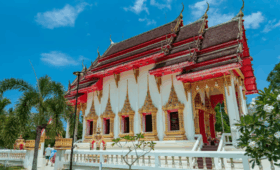
Don’t miss the opportunity to visit the various *chedis* (pagodas), housing relics and offering spaces for meditation. The red and gold pagodas create a striking contrast against the lush greenery, providing excellent photographic opportunities.
A small museum within the complex showcases artifacts related to the temple’s history and Buddhist teachings. It’s a fascinating glimpse into the cultural heritage of Koh Samui. Many visitors participate in the traditional practice of releasing caged birds, believing it to be an act of merit-making. However, ethical concerns surrounding this practice are increasing, so consider the implications before participating.
Panoramic Views: Capturing Samui’s Beauty
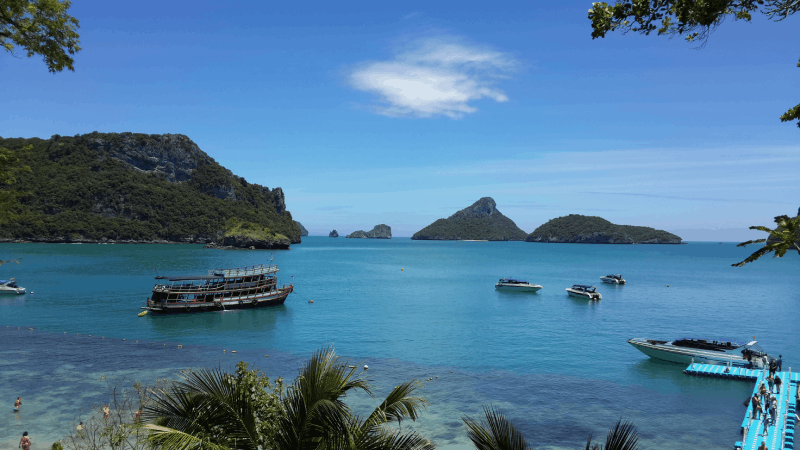
Perched on a small island connected to the mainland by a causeway, the Koh Samui Big Buddha Temple offers panoramic views that are simply unforgettable. From the elevated grounds, you can gaze out across the turquoise waters of the Gulf of Thailand, taking in the stunning coastline and neighboring islands.
The views are particularly spectacular at sunrise and sunset. The golden light illuminates the Buddha statue, creating a striking spectacle. This makes a visit to the Big Buddha Temple during these times a truly magical experience. The area provides ample space for photography, allowing you to capture stunning images of the statue, the surrounding landscape, and the vibrant atmosphere.
Best Time to Visit: Weather, Crowds & Festivals
The Koh Samui Big Buddha Temple is open daily from 8:00 AM to 6:00 PM. While accessible year-round, the best time to visit is during the dry season, from December to April. The weather is generally sunny and warm, with lower humidity.
However, this is also peak season, so expect larger crowds, especially between 10:00 AM and 2:00 PM. If you prefer a more tranquil experience, consider visiting early in the morning or late in the afternoon.
Several festivals are celebrated at the temple throughout the year, including Visakha Bucha in May and Loy Krathong in November. These events offer a unique opportunity to witness traditional Buddhist ceremonies and experience the local culture. In 2026, the temple is anticipating a significant increase in visitors during the Songkran festival in April, so plan accordingly.
Seasonal Considerations: Monsoons & Peak Season Impacts
While Koh Samui experiences monsoonal rainfall, it’s rarely torrential for extended periods. The heaviest rain typically occurs between September and November. Visiting during this time can mean fewer crowds and lower prices, but be prepared for occasional showers.
Peak season (December to February) sees higher prices for accommodation and transportation. Booking in advance is highly recommended. The Koh Samui Big Buddha Temple remains open during all seasons, but the grounds may be slightly muddy after rainfall.
A Suggested Itinerary: Morning Pilgrimage & Sunset Views
To make the most of your visit to the Koh Samui Big Buddha Temple, consider this suggested itinerary:
- 8:00 AM – 9:00 AM: Arrive early to avoid the crowds and enjoy a peaceful morning pilgrimage.
- 9:00 AM – 10:00 AM: Explore the main temple area, admire the Buddha statue, and participate in any ceremonies.
- 10:00 AM – 11:00 AM: Wander through the gardens and visit the smaller temples and pagodas.
- 11:00 AM – 12:00 PM: Browse the small shops selling souvenirs and religious items.
- Optional: Return in the late afternoon to witness the striking sunset views.
- Dress Code: Remember to adhere to the dress code (detailed below).
Essential Dress Code:
- Shoulders and knees must be covered. This applies to both men and women.
- Avoid wearing revealing clothing.
- Remove your shoes before entering the main temple building.
- Respectful attire is appreciated.
A visit to the Koh Samui Big Buddha Temple is more than just sightseeing; it’s an opportunity for cultural immersion, spiritual reflection, and striking beauty. Plan your visit today and experience the golden soul of Samui.
Introduction: A Golden Glimpse of Samui’s Soul
The Koh Samui Big Buddha Temple, officially known as Wat Phra Yai, isn’t merely a religious site; it’s a cornerstone of Samui’s identity, a beacon of serenity, and a journey into the heart of Thai Buddhist culture. For decades, this landmark has captivated visitors with its imposing golden statue and striking coastal vistas. In 2026, a pilgrimage to Wat Phra Yai remains an essential experience for anyone seeking to understand the spiritual and scenic beauty of Koh Samui.
This isn’t just about ticking off a landmark from a list. It’s about immersing yourself in an atmosphere of profound peace, witnessing centuries of history, and connecting with the deep-rooted traditions that shape this island paradise. Prepare to be moved by the sheer scale of the Big Buddha and the palpable reverence that permeates the temple grounds.
A First Encounter: What Awaits You
As you approach the Koh Samui Big Buddha Temple, the first thing that will strike you is the sheer grandeur of the 18-meter tall golden Buddha statue. This magnificent figure, visible from a distance, instantly communicates the spiritual importance of this location. But the experience extends far beyond a single statue.
Wat Phra Yai is a complex of beautifully maintained buildings, vibrant gardens, and intriguing structures, all designed to inspire contemplation and respect. It’s a place where the rhythmic chanting of monks blends with the gentle sea breeze, creating an unforgettable sensory experience. Expect to spend at least two to three hours fully exploring the entire complex, allowing ample time for quiet reflection and photographic opportunities.
More Than Just a Photo Opportunity: An Immersive Temple Experience
Don’t simply snap a picture and move on. The true magic of the Koh Samui Big Buddha Temple lies in allowing yourself to be fully present. Observe the intricate details of the temple architecture, the delicate carvings adorning the pagodas, and the vibrant colors of the floral offerings.
Consider these elements to enrich your visit:
- Witness a Blessing: Monks often offer blessings to visitors. A small donation is customary and considered a respectful gesture. Expect to pay around 100-200 THB for a personalized blessing and a sacred thread.
- Explore the Fortune Telling Shrine: A unique aspect of Wat Phra Yai is the small shrine where you can receive a fortune telling reading using wooden sticks. It’s a fun and intriguing way to engage with local traditions.
- Observe Local Devotion: Pay attention to the local people who come to pray and make offerings. Observing their rituals offers a fascinating insight into their faith and daily lives.
- Engage with the Nakamara (Spirit Houses): These miniature houses are offerings to spirits and are elaborately decorated. You’ll see offerings of food, drinks, and flowers – a sign of the enduring belief in ancestral spirits.
Delving into History: The Legends & Lineage of Wat Phra Yai
The history of Wat Phra Yai is intertwined with local legends and the evolution of Buddhism on Koh Samui. Originally, the golden Buddha wasn’t located here at all. It was situated on a small island just off the coast. Locals believed the statue brought good fortune and protected the island from evil spirits.
However, a fierce storm threatened to wash the statue away. Monks attempted to move it to the mainland, but the statue proved incredibly heavy. Legend says it took a collective effort from the entire community, aided by divine intervention, to finally bring the Buddha to its current location in 1972. The temple complex gradually expanded around the statue, becoming the prominent landmark we know today. Understanding this lineage adds a deeper layer of appreciation to your visit.
Symbolism and Significance: The Majestic Big Buddha Statue
The Majestic Big Buddha Statue isn’t simply a beautiful sculpture. It’s a powerful symbol of enlightenment, peace, and protection. The statue depicts Buddha in the Mara Vijaya posture – a gesture signifying his victory over the demon Mara, who attempted to tempt him and prevent him from achieving enlightenment.
This posture represents overcoming obstacles and achieving inner peace. The golden color symbolizes purity, wisdom, and the radiant light of the Buddha’s teachings. The statue serves as a constant reminder of the potential for spiritual growth and the importance of following the path to enlightenment.
Beyond the Buddha: Exploring the Temple Grounds
While the Big Buddha is the undeniable focal point, don’t overlook the other treasures within the temple grounds. Wander through the meticulously landscaped gardens, adorned with vibrant flowers and lush vegetation. Discover smaller pagodas, each housing relics and offering a unique glimpse into Buddhist iconography.
- The Bell Tower: Ringing the bell is believed to bring good luck and ward off negative energy.
- The Meditation Hall: A tranquil space for quiet contemplation and mindfulness.
- The Library: Housing ancient scriptures and Buddhist texts (access may be limited).
- The surrounding ponds: Often filled with colorful koi fish, adding to the serene atmosphere.
Capturing Samui’s Beauty: Panoramic Views from Wat Phra Yai
The Koh Samui Big Buddha Temple isn’t just a spiritual haven; it also offers panoramic views of the surrounding coastline. Perched on a small island connected to the mainland by a causeway, the temple provides an elevated vantage point.
From here, you can admire the turquoise waters of the Gulf of Thailand, the white sandy beaches of Bophut, and the lush green hills of Koh Samui. This is a particularly magical spot to visit during sunrise or sunset, when the sky is ablaze with color. Bring your camera to capture these striking moments!
Preparing for Your Visit: Dress Code and Etiquette
Respectful attire is crucial when visiting any temple in Thailand. The dress code for the Koh Samui Big Buddha Temple is strictly enforced.
- Shoulders and knees must be covered. Wear shirts with sleeves and long pants or skirts.
- Avoid wearing revealing clothing. Tank tops, shorts, and tight-fitting garments are not permitted.
- Remove your shoes before entering the main temple buildings. Shoe racks are provided.
- Speak softly and respectfully. Maintain a quiet and reverent atmosphere.
- Avoid pointing your feet at the Buddha statue or monks. This is considered disrespectful.
By following these guidelines, you’ll demonstrate your respect for the local culture and ensure a harmonious experience for everyone. Planning a visit to the Koh Samui Big Buddha Temple in 2026 is more than just sightseeing; it’s a soul-stirring journey into the heart of Samui’s rich heritage and spiritual landscape.
What to Expect: An Immersive Temple Experience
A visit to the Koh Samui Big Buddha Temple, or *Wat Phra Yai* as it’s known locally, is more than just ticking off a landmark. It’s a genuine immersion into the spiritual heart of Koh Samui, a chance to connect with Thai Buddhist culture, and to witness striking panoramic views. Preparing for your experience at this iconic temple will ensure a respectful and deeply rewarding journey. This section details everything you can anticipate during your exploration of the Koh Samui Big Buddha Temple, from navigating the grounds to understanding the nuances of temple etiquette.
The journey begins as you approach the temple complex. Situated on the northeast coast of Koh Samui, on a small island connected by a causeway, the sheer scale of the golden Big Buddha statue is immediately striking. Even from a distance, the 18-meter tall monument radiates serenity and power. As of 2026, the causeway sees consistent but manageable traffic, though arriving earlier in the day – before 9:00 AM – or later in the afternoon – after 4:00 PM – will help avoid peak congestion.
Upon crossing the causeway, you’ll find ample parking available (currently around 50 THB for cars and 20 THB for motorcycles). Be mindful of the heat, especially during the midday sun. Hydration is key, and vendors near the parking area offer chilled water and refreshing fruit shakes.
Respectful Attire is Paramount. Before even entering the sacred grounds, it’s crucial to adhere to the temple’s dress code. This isn’t merely a suggestion; it’s a sign of respect for the Buddhist faith and Thai culture.
- Shoulders must be covered. Sleeveless tops, tank tops, and revealing clothing are not permitted.
- Knees must be covered. Shorts and short skirts are not allowed.
- Footwear must be removed before entering the ordination hall (the main building housing the monks) and when approaching the Big Buddha statue itself. Shoe racks are provided.
- If you arrive unprepared, sarongs and wraps are available for rent at the entrance for a small fee (approximately 50-100 THB). However, bringing your own is always a thoughtful option.
Once inside the temple grounds, the atmosphere shifts. The air is filled with the gentle scent of incense and the soft murmur of prayers. The primary focus, of course, is the magnificent Big Buddha statue. Visitors often circumambulate the statue clockwise, a traditional Buddhist practice believed to accumulate merit.
Donations are welcomed but not expected. Many visitors offer incense sticks and make small monetary donations to support the temple’s upkeep. Donation boxes are strategically placed around the statue. Consider a small offering of lotus flowers, readily available from vendors near the entrance, for a beautiful and culturally appropriate gesture.
Beyond the Big Buddha, the Koh Samui Big Buddha Temple complex offers a surprising amount to explore. A series of smaller temples, ornate pagodas, and beautifully maintained gardens invite quiet contemplation. Don’t miss the opportunity to:
- Visit the Bell Tower: Ringing the bell is believed to bring good luck.
- Explore the Reclining Buddha: A smaller, but equally impressive, statue located within one of the temple buildings.
- Seek a Blessing from a Monk: While not guaranteed, respectfully requesting a blessing from one of the resident monks is a deeply moving experience. A small donation is customary if a monk offers a blessing.
- Discover the Fortune Telling Shrine: A unique aspect of Wat Phra Yai, offering visitors a chance to learn their fortune (small fee applies, around 20 THB).
Panoramic Views: A Photographer’s Paradise. One of the most captivating aspects of visiting the Koh Samui Big Buddha Temple is the striking panoramic view it offers. From the elevated position of the temple, you can see across the turquoise waters of the Gulf of Thailand, with views stretching to the neighboring islands of Koh Phangan and Koh Tao on a clear day. The best time to capture these views is during sunrise or sunset, when the light is particularly dramatic. Expect to see many photographers and avid Instagrammers taking advantage of the scenery.
Understanding Temple Etiquette. Remember that this is a place of worship. Maintain a respectful demeanor at all times.
- Speak softly. Avoid loud conversations or boisterous behavior.
- Avoid pointing your feet at the Buddha statues or monks – this is considered disrespectful.
- Refrain from public displays of affection.
- Turn off or silence your phone before entering the sacred areas.
The Koh Samui Big Buddha Temple experience typically lasts between 1-2 hours, allowing ample time to explore the grounds, take photographs, and soak in the spiritual atmosphere. While there aren’t formal guided tours offered *within* the temple, numerous local tour operators include the temple as part of broader Koh Samui sightseeing packages. These packages generally range from 800-1500 THB per person, depending on the duration and inclusions. However, self-guided exploration is easily achieved with this guide.
By understanding what to expect and preparing accordingly, your visit to the Koh Samui Big Buddha Temple will be an unforgettable experience, leaving you with a deeper appreciation for the beauty, spirituality, and culture of Koh Samui. Don’t just *see* the Big Buddha; *experience* it. Remember to consult our ‘Best Time to Visit’ section for optimal weather conditions and to plan your visit around local festivals for an even more vibrant experience in 2026.
The History of Wat Phra Yai: Legends & Lineage
Wat Phra Yai, more commonly known as the Big Buddha Temple, isn’t just a stunning landmark; it’s a repository of Koh Samui’s cultural heart. Understanding its history enriches your entire experience during a visit to this iconic temple. The story of Wat Phra Yai is a fascinating blend of local folklore, maritime misfortune, and devout Buddhist practice, culminating in the striking monument we see today in 2026.
The origins trace back to the 20th century, specifically the early 1970s. Unlike many ancient Thai temples built over centuries, Wat Phra Yai’s creation is relatively recent, yet deeply rooted in tradition. It began with a local fisherman named Khun Boonchuang. He was caught in a violent storm while at sea.
Legend states that Khun Boonchuang prayed to the guardian spirits of the sea for safe passage. He vowed to build a temple dedicated to the Buddha if he survived. Miraculously, the storm subsided, and he returned safely to shore. True to his word, he began construction on what would become Wat Phra Yai.
Initially, the plan was to build a smaller temple. However, resources and devotion grew, and the vision expanded. The crucial element arrived in 1972 – a massive 18-meter high, golden Buddha statue was transported to the island. This wasn’t a simple task. The statue had been intended for Bangkok, but due to its immense weight and size, transporting it proved too difficult by land.
It was decided to ship the statue to Koh Samui by sea. However, during the voyage, the barge carrying the Buddha encountered rough seas and nearly capsized. The crew, believing the statue was too heavy and causing the danger, refused to continue. It was only through the unwavering faith of Khun Boonchuang and a team of dedicated locals that the statue was finally brought ashore and installed. This event solidified the temple’s name – *Wat Phra Yai* literally translates to “Temple of the Big Buddha.”
The installation itself was a feat of engineering for the time. Locals used a combination of traditional methods and rudimentary machinery to carefully position the statue on the reinforced base. The temple complex gradually expanded around the statue, adding various buildings and features over the decades. In 2026, it remains a vibrant and active place of worship.
The lineage of monks presiding over Wat Phra Yai has also contributed to its unique character. Each abbot has brought their own interpretations and additions to the temple’s practices and aesthetics. Records show that the temple has seen a succession of respected and learned monks, dedicated to upholding Buddhist principles and serving the local community. While specific names and detailed biographies are preserved in the temple archives, the enduring spirit of devotion remains constant.
Beyond the legendary origins, understanding the symbolism inherent in the temple’s design adds another layer to your visit. The golden hue of the Big Buddha represents purity, enlightenment, and the radiant glow of wisdom. The statue’s posture – seated in the *Bhumisparsha Mudra* (touching the earth) – signifies the Buddha’s unwavering resolve and his witnessing of the Earth.
Visiting Wat Phra Yai is more than just a sightseeing trip. It’s an opportunity to connect with Koh Samui’s spiritual heritage. To enhance your experience during your exploration of the Koh Samui Big Buddha Temple, consider these points:
- Donations: While not mandatory, offering a small donation is a respectful gesture. Donation boxes are located throughout the temple grounds. Common amounts range from 20-100 Thai Baht.
- Merit-Making: Participate in traditional merit-making activities. Purchasing offerings like incense, flowers, or releasing birds (though ethically sourced options are encouraged) are popular ways to earn merit.
- Photography Etiquette: While photography is permitted, be mindful of monks and worshippers. Avoid taking photos directly in their faces or disrupting ceremonies.
- Respectful Behavior: Maintain a quiet and respectful demeanor within the temple grounds. Avoid loud conversations or boisterous behavior.
- Time Allocation: Allow at least 1-2 hours to fully explore the Big Buddha Temple and soak in its atmosphere. This allows ample time to ascend the stairs, admire the statue, and wander through the surrounding gardens.
The temple also hosts regular ceremonies and festivals throughout the year, especially during Visakha Bucha in May and Loy Krathong in November. In 2026, the temple is planning a special celebration commemorating the 50th anniversary of the Buddha statue’s installation. Details of these events are typically posted on local notice boards and at tourist information centers.
Your journey to the Koh Samui Big Buddha Temple will be significantly enriched by understanding its captivating history and the unwavering faith that brought it to life. It’s a landmark that continues to inspire and offer solace to both locals and visitors alike. Don’t just see the Big Buddha; *experience* the story behind it.
The Majestic Big Buddha Statue: Symbolism & Significance
Dominating the northeastern coastline of Koh Samui, the 18-meter tall golden Big Buddha statue at Wat Phra Yai isn’t merely a landmark; it’s a profound spiritual beacon and a captivating cultural experience. A visit to the Koh Samui Big Buddha Temple is a journey into the heart of Thai Buddhist beliefs, offering both serene contemplation and striking panoramic views. This isn’t just sightseeing; it’s an immersion into the island’s soul.
The statue, officially named Phra Phuttha Maha Thamma Patimakon, depicts the Buddha in the Mara Vichai posture – a moment of immense significance in Buddhist lore. This pose represents the Buddha’s triumph over Mara, the demon who attempted to tempt him and prevent him from attaining enlightenment. Understanding this symbolism enriches the experience of visiting the Koh Samui Big Buddha Temple immeasurably. You’re not simply admiring a golden figure; you’re witnessing a powerful representation of overcoming adversity and achieving inner peace.
Construction of the statue began in 1972, spearheaded by the revered monk Sompong Na Song. It took several years and a considerable amount of dedication – and funding from private donations – to bring this majestic vision to life. While the initial construction concluded in the early 80s, ongoing renovations and gilding continue to maintain its splendor. In 2026, the golden sheen is more radiant than ever, thanks to recent meticulous restoration work completed in late 2026.
Beyond the visual grandeur, the statue’s location is intentionally symbolic. Situated facing the sea, the Buddha is believed to offer protection to sailors and fishermen. For centuries, locals have sought blessings here for safe voyages and bountiful catches. Even today, you’ll observe many fishermen offering prayers and leaving small tokens of gratitude.
But the spiritual weight isn’t confined to the statue itself. The entire Koh Samui Big Buddha Temple complex fosters a sense of tranquility and reverence. This sacred space encourages introspection and mindful connection. Consider spending time simply *being* present, absorbing the atmosphere and observing the rituals of local worshippers.
What does the Big Buddha symbolize? Several key elements contribute to its significance:
- The Gold: Represents purity, enlightenment, and the radiant glow of inner wisdom. The gold leaf applied regularly isn’t merely decorative; it’s an act of devotion.
- The Right Hand: Raised in the *abhaya mudra* (fearlessness gesture), offering reassurance and protection.
- The Left Hand: Resting in the *varada mudra* (wish-fulfilling gesture), symbolizing compassion and generosity.
- The Posture: The Mara Vichai posture signifies the Buddha’s unwavering resolve in the face of temptation and negativity.
Visiting the statue involves more than just taking a photograph. It’s an opportunity to participate in traditional Buddhist practices. Many visitors purchase offerings – incense sticks, lotus flowers, and gold leaf – to present at the statue. You can also receive a blessing from one of the resident monks, often accompanied by a sprinkling of holy water and a chanted prayer. A small donation is customary for blessings, typically around 100-200 Thai Baht (approximately $3-$6 USD as of 2026).
To fully appreciate the Koh Samui Big Buddha Temple, allow at least 1-2 hours. This allows ample time to explore the entire complex, including the surrounding pagodas, gardens, and the nearby smaller Buddha statues. Don’t rush! The atmosphere is designed for peaceful contemplation.
Remember the dress code: Respectful attire is essential.
- Shoulders and knees must be covered. This applies to both men and women. Sarongs and shawls are available for rent at the entrance (around 50-100 THB), but it’s advisable to bring your own for comfort and convenience.
- Avoid wearing overly revealing clothing.
- Remove your shoes before entering the main temple buildings.
The Big Buddha statue is a highlight of any Koh Samui itinerary. Combine your visit with exploring the temple grounds, which feature several beautifully crafted pagodas housing relics and offering stunning views. The adjacent gardens provide a peaceful respite, perfect for quiet reflection. As you plan your day, consider that the best light for photography is typically in the morning or late afternoon.
From the elevated location of the Koh Samui Big Buddha Temple, you can capture some of the most iconic photographs of the island. Panoramic views stretch across the turquoise waters, neighboring islands, and lush coconut groves. The vista is particularly spectacular during sunrise and sunset. Don’t forget your camera! The visual splendor is as much a part of the experience as the spiritual significance.
A visit to the Koh Samui Big Buddha Temple is more than just a tourist stop; it’s a cultural immersion, a spiritual journey, and a feast for the senses. It’s a chance to connect with the heart and soul of Koh Samui, creating memories that will last a lifetime. Consider incorporating this experience into our suggested itinerary for a full-day exploration, beginning with a morning pilgrimage and culminating in striking sunset views.
Exploring the Temple Grounds: Pagodas, Gardens & More
Beyond the striking presence of the Majestic Big Buddha Statue, the Koh Samui Big Buddha Temple, or Wat Phra Yai, unfolds as a meticulously curated sanctuary. A visit to this revered site isn’t simply about witnessing a landmark; it’s about immersing yourself in a holistic spiritual and cultural experience. Allow ample time – at least two to three hours – to truly absorb the tranquility and beauty of the entire temple grounds. This exploration of the Koh Samui Big Buddha Temple will reveal lesser-known spots and enhance your understanding of Buddhist traditions.
The immediate area surrounding the Buddha is a vibrant hub of activity. Monks in saffron robes conduct ceremonies, and devotees offer prayers and merit-making donations. Observe respectfully, and consider participating in the traditional offering of incense and flowers, available from vendors near the entrance for around 50-100 baht.
However, the true serenity lies as you venture further into the temple complex. Several ornate pagodas, each dedicated to different aspects of Buddhist belief, dot the landscape. These aren’t merely architectural marvels; they house relics and sacred objects, making them focal points for quiet contemplation. Spend time circling each pagoda, observing the intricate carvings and the devotion expressed through the offerings left by pilgrims.
The temple’s gardens are a sign of the Thai appreciation for natural beauty. Lush tropical foliage, meticulously manicured lawns, and vibrant flowering plants create a peaceful atmosphere. Look closely, and you’ll discover hidden statues of mythical creatures and enlightened beings set amongst the greenery. These sculpted figures add layers of symbolism to the already rich mix of the Koh Samui Big Buddha Temple grounds.
A unique feature is the series of small, bell-shaped chedis, each containing the ashes of deceased monks. These structures, often overlooked, offer a poignant glimpse into the cycle of life and death central to Buddhist philosophy. Taking a moment to reflect near these chedis can be profoundly moving.
Don’t miss the Hall of Reclining Buddha. While smaller than the main attraction, this hall houses a beautiful reclining Buddha statue, depicting the Buddha in his final moments before entering Parinirvana. It’s a quieter space, perfect for meditation and personal reflection. Entry is free, but donations are always appreciated.
For those seeking a deeper connection with the temple’s spiritual energy, consider participating in a guided meditation session. Several monks offer informal guidance to visitors, typically in the late afternoon. While not a formal class, a small donation of 200-300 baht is customary for their time and wisdom.
Beyond the religious structures, the Koh Samui Big Buddha Temple also offers opportunities for cultural immersion.
- Fortune Telling: Several fortune tellers practice within the grounds, offering readings based on traditional Thai astrology. Prices vary, typically between 100-500 baht depending on the complexity of the reading.
- Coconut Carving: Witness skilled artisans carving intricate designs into coconuts. These make unique and affordable souvenirs, ranging from 150-300 baht depending on the size and detail.
- Local Handicrafts: Small stalls sell a variety of Buddhist amulets, prayer beads, and other religious items. Be mindful of authenticity and negotiate respectfully.
The temple has undergone significant improvements in 2026 and 2026, including the addition of improved walkways and shaded rest areas. This makes exploring the Koh Samui Big Buddha Temple more accessible and comfortable for all visitors, particularly during the hotter months.
Practical Tips for Exploring:
- Footwear: Remove your shoes before entering any of the temple buildings. Socks are acceptable.
- Photography: Photography is permitted, but be respectful and avoid taking pictures of monks without their permission.
- Donations: While not mandatory, making a small donation to the temple is a thoughtful gesture.
- Time Allocation: Plan to spend at least 2-3 hours to fully explore the grounds.
- Dress Code: Remember the strict dress code (detailed in the dedicated section) – shoulders and knees must be covered. Sarongs and wraps are available for rent at the entrance (approximately 50 baht).
- Restrooms: Clean and well-maintained restroom facilities are available near the entrance.
As you conclude your journey through the Koh Samui Big Buddha Temple, take a moment to appreciate the harmonious blend of spirituality, artistry, and natural beauty. It’s a place where ancient traditions come alive, offering a profound and unforgettable experience. This isn’t just a sightseeing trip; it’s a pilgrimage for the soul, a chance to connect with the heart of Samui and carry a piece of its golden spirit with you long after you leave. Consider pairing your visit with a sunrise or sunset viewing from the nearby hills for a truly spectacular experience. The panoramic views alone are worth the trip.
Panoramic Views: Capturing Samui’s Beauty
The Koh Samui Big Buddha Temple, or Wat Phra Yai, isn’t just a spiritual sanctuary; it’s a vantage point offering some of the most striking panoramic views on the entire island. More than just a photo opportunity, experiencing these vistas is an integral part of the immersive temple experience. From the elevated grounds surrounding the majestic golden Buddha, your gaze sweeps across the turquoise expanse of the Gulf of Thailand, the verdant coconut groves that define Samui’s landscape, and the distant, hazy outlines of neighboring islands.
The strategic location of Wat Phra Yai, perched on a small, rocky islet connected to the mainland by a causeway, amplifies this effect. It feels as though you’re suspended between heaven and earth, witnessing a scene painted with the vibrant hues of tropical paradise. This isn’t simply *looking* at Samui; it’s *feeling* its essence.
The best spots for capturing these views are plentiful. Immediately surrounding the Big Buddha statue itself offer classic perspectives, framing the golden figure against the sea and sky. However, don’t limit yourself to these iconic locations. Explore the temple grounds; the raised platforms near the various *chedi* (pagodas) and meditation areas provide unique, less crowded vantage points.
Consider the time of day. While the views are spectacular at any hour, the golden hour – the hour after sunrise and the hour before sunset – transforms the landscape into something truly magical. In 2026, sunrise typically falls around 6:15 AM and sunset around 6:30 PM, providing ample opportunity to witness these striking displays. The soft, warm light bathes the coconut trees in a golden glow and paints the ocean with shimmering reflections.
For photography enthusiasts, the Koh Samui Big Buddha Temple presents a wealth of opportunities. Bring a wide-angle lens to capture the expansive views and a zoom lens to focus on the details of the surrounding landscape. Don’t forget a polarizing filter to reduce glare and enhance the colors of the sky and sea.
But the views aren’t just about stunning photographs. They offer a moment for quiet contemplation and reflection. Many visitors find themselves lost in the serenity of the scene, feeling a deep connection to the natural beauty of Samui. This sense of peace is heightened by the spiritual atmosphere of the temple itself. It’s a place where you can truly disconnect from the everyday and reconnect with yourself.
Beyond the immediate temple area, the views extend to include nearby landmarks. On a clear day, you can often spot:
- Koh Phangan: Famous for its Full Moon Parties, the island appears as a distant, green silhouette on the horizon.
- Koh Tao: A haven for scuba divers, Koh Tao is a smaller, more rugged island visible to the south.
- Ang Thong Marine Park: While further away, the archipelago’s dramatic limestone islands are sometimes visible as faint shapes in the distance.
The panoramic views from the Koh Samui Big Buddha Temple are particularly impressive during the dry season (December to April). The clear skies and calm seas provide optimal visibility. However, even during the monsoon season (May to November), the views can be dramatic, with storm clouds gathering over the ocean and creating a moody, atmospheric landscape.
Practical Tips for Maximizing Your Viewing Experience:
- Allow at least 1-2 hours to fully explore the temple grounds and appreciate the views from different perspectives.
- Wear comfortable shoes as there is some walking involved, and the terrain can be uneven in places.
- Bring water to stay hydrated, especially if visiting during the hotter months.
- Consider visiting early in the morning or late in the afternoon to avoid the midday heat and crowds.
- Be mindful of your surroundings and respectful of the temple’s sacred atmosphere.
- A small donation to the temple is always appreciated, contributing to its upkeep and preservation. A typical offering might be 20-50 Thai Baht.
Don’t just *see* the views from the Koh Samui Big Buddha Temple; *experience* them. Allow yourself to be captivated by the beauty of Samui, and let the panoramic vistas leave a lasting impression on your soul. This is more than just sightseeing; it’s a moment of connection with the spirit of the island. Remember to dedicate time during your visit in 2026 to truly soak in the majesty of the landscape. The memories – and the photos – will be cherished for years to come. Following your exploration of the temple grounds and the incredible views, be sure to review our ‘A Suggested Itinerary: Morning Pilgrimage & Sunset Views’ section for optimal planning.
Best Time to Visit: Weather, Crowds & Festivals
Planning your visit to the Koh Samui Big Buddha Temple, or *Wat Phra Yai*, requires a little consideration to ensure you experience this spiritual landmark at its most rewarding. While Samui enjoys a relatively warm climate year-round, understanding the nuances of the weather patterns, potential crowds, and vibrant cultural festivals will elevate your journey. This section details the optimal times to explore the temple, maximizing both comfort and cultural immersion during your Big Buddha Temple visit.
Understanding Samui’s Climate & Seasonal Shifts
Koh Samui boasts a tropical monsoon climate, but unlike many destinations, it experiences slightly different rainfall patterns than the rest of Thailand. This means drier periods often fall outside the typical high season. Generally, the island experiences three main seasons: hot, rainy, and cool.
- Hot Season (February – April): Expect scorching temperatures reaching up to 35°C (95°F) and high humidity. This is a popular time for sunbathers, but exploring the Koh Samui Big Buddha Temple can be intense during midday. Early mornings (before 9:00 AM) or late afternoons (after 4:00 PM) offer a more comfortable experience.
- Rainy Season (September – December): This period sees the most rainfall, with short, heavy downpours common. Don’t let this deter you! The landscape is lush and vibrant, and the temple grounds take on a particularly serene quality. Plus, fewer crowds mean a more intimate Big Buddha Temple experience. Showers are usually brief, and often followed by sunshine.
- Cool/Shoulder Season (January – August): This offers the best balance of pleasant weather and manageable crowds. The temperatures are warm (around 28-32°C / 82-90°F) and rainfall is less frequent. This is the ideal time for your Wat Phra Yai visit.
Navigating the Crowds: Peak Season & Off-Peak Perks
The peak tourist season in Koh Samui runs from December to February, coinciding with the European winter. Expect higher prices for accommodation and transportation, and larger crowds at popular attractions like the Big Buddha Temple. While the atmosphere is lively, it can detract from the temple’s peaceful ambiance.
- December – February (Peak): Be prepared for significant crowds, particularly around major holidays like Christmas and New Year’s. Arrive at the Koh Samui Big Buddha Temple as early as possible (ideally before 8:00 AM) to beat the rush.
- March – May (Shoulder): Crowd levels begin to decrease, and the weather remains warm and sunny. This is a sweet spot for a more relaxed exploration of Wat Phra Yai.
- June – August (Low/Shoulder): While rainfall is slightly higher, crowds are minimal. You’ll have ample space to wander the temple grounds, take photos, and soak in the spiritual atmosphere. This is a fantastic time for a contemplative Big Buddha Temple tour.
- September – November (Low): This is the quietest time of year, with the lowest prices and the fewest tourists. Be prepared for more frequent rain showers, but also for a truly authentic and peaceful experience at the temple.
Festivals & Cultural Events in 2026
Experiencing a local festival during your Koh Samui Big Buddha Temple visit adds another layer of richness to your journey. Several significant events take place throughout the year:
- Makha Bucha Day (February 24th, 2026): This important Buddhist festival commemorates the gathering of 1,250 disciples of the Buddha. Expect special ceremonies and offerings at *Wat Phra Yai*, attracting many local devotees.
- Songkran (April 13th – 15th, 2026): The Thai New Year is celebrated with water fights and festive processions. While the main celebrations take place in Chaweng and Lamai, you may encounter smaller, localized Songkran festivities near the Big Buddha Temple.
- Visakha Bucha Day (May/June – Date varies, May 31st, 2026): This celebrates the birth, enlightenment, and death of the Buddha. Expect elaborate ceremonies and a serene atmosphere at the temple.
- Loi Krathong (November 21st, 2026): The Festival of Lights sees beautifully decorated *krathongs* (floating baskets) released onto waterways. While not directly at the temple, many locals will participate in nearby ceremonies, creating a magical atmosphere.
Practical Tips for Planning Your Visit
- Time of Day: The golden hours – early morning (6:00 AM – 9:00 AM) and late afternoon (4:00 PM – 6:00 PM) – offer the best light for photography and more comfortable temperatures.
- Duration: Allow at least 1-2 hours to fully explore the Koh Samui Big Buddha Temple grounds and enjoy the panoramic views.
- Transportation: Taxis, songthaews (red trucks), and rental scooters are readily available. A taxi from Chaweng Beach will cost approximately 300-400 THB.
- Dress Code: Remember to dress respectfully (covered shoulders and knees). Sarongs and wraps are often available for rent at the entrance if needed. (Refer to the ‘Dress Code’ section for detailed guidelines).
By considering these factors, you can ensure your Big Buddha Temple visit is a truly memorable and enriching experience, allowing you to connect with the spiritual heart of Koh Samui. Don’t just see the temple; *feel* it.
Seasonal Considerations: Monsoons & Peak Season Impacts
Planning a visit to the Koh Samui Big Buddha Temple (Wat Phra Yai) requires a mindful consideration of Samui’s distinct seasons. While the island enjoys a generally tropical climate, understanding the nuances of the monsoon and peak seasons will significantly enhance your experience at this sacred site. This isn’t just about avoiding rain; it’s about experiencing the temple in its most vibrant – or peacefully contemplative – state.
The Monsoon Season (September – December): A Different Kind of Beauty
Samui’s monsoon season typically runs from September through December, bringing increased rainfall and humidity. Don’t let this deter you, however. The Koh Samui Big Buddha Temple possesses a unique allure during these months. The landscape transforms into a lush, vibrant green, and the air feels cleansed and fresh.
While heavy downpours are possible, they are often short-lived, usually occurring in the afternoons. Mornings frequently offer clear skies, ideal for a serene visit to the temple. The dramatic skies provide a stunning backdrop for photographs of the Majestic Big Buddha Statue, creating a more atmospheric and more powerful visual experience.
- Rainy Day Advantages: Fewer crowds mean a more intimate and meditative experience at the temple. The cooler temperatures offer respite from the usual tropical heat. Photography opportunities are enhanced by the dramatic cloud formations.
- Potential Challenges: Transportation can be affected by flooded roads, though this is less common closer to Chaweng and Bophut where the temple is located. Be prepared for potential delays.
- Practical Tips: Pack a lightweight, quick-drying rain jacket or poncho. Consider waterproof bags for your electronics. Check the local weather forecast daily via reliable sources (local news channels are best). Expect to pay slightly less for accommodation and tours during this period.
The Transition Months (April – June & January – August): The Sweet Spot
These months represent the shoulder seasons, offering a balance between pleasant weather and manageable crowds. Visiting the Koh Samui Big Buddha Temple during April, May, June, January, or February presents ideal conditions. The humidity is lower than during the peak season, and rainfall is less frequent.
This is a fantastic time to explore the entire temple grounds, including the pagodas and gardens, without feeling overwhelmed. The golden statue of the Big Buddha truly shines under the clear skies, and the panoramic views of Samui are striking.
Peak Season (December – March): Expect Crowds, Embrace the Festivities
December to March marks Samui’s peak season, driven by cooler temperatures and drier conditions. This is when the island is at its busiest, and the Koh Samui Big Buddha Temple receives the highest number of visitors.
While crowds are inevitable, particularly around midday, the atmosphere is lively and festive. Many locals and tourists alike visit to pay their respects and seek blessings. Special ceremonies and events often take place at the temple during this time, particularly around Buddhist holidays. In 2026, be sure to check for celebrations surrounding Makha Bucha Day (February 24th) and Visakha Bucha Day (May 26th), as these will draw even larger crowds.
- Crowd Management: Arrive early in the morning (before 9:00 AM) or later in the afternoon (after 3:00 PM) to avoid the peak rush. Consider a weekday visit, as weekends tend to be busier.
- Pricing: Expect higher prices for accommodation, tours, and transportation during peak season. Booking in advance is highly recommended, especially for popular activities.
- Festive Atmosphere: Embrace the vibrant energy and participate in local traditions. Be respectful of religious customs and dress appropriately (see the ‘Dress Code’ section for details).
Impact on Views & Photography:
Regardless of the season, the panoramic views from the Koh Samui Big Buddha Temple are consistently stunning. However, visibility can be reduced during heavy rain or hazy conditions. The best light for photography is typically early morning or late afternoon. During the monsoon season, the dramatic clouds can add a unique dimension to your photos, while the peak season offers bright, clear skies.
A Note on Sea Conditions:
While this guide focuses on the temple itself, remember that monsoon season can also affect sea conditions. If you’re planning a combined trip involving boat excursions, be aware that trips to nearby islands may be cancelled or rescheduled due to rough seas.
Planning Your Visit in 2026:
No matter when you choose to experience the Koh Samui Big Buddha Temple, remember that preparation is key. By understanding the seasonal impacts, you can maximize your enjoyment of this iconic landmark and create lasting memories. Whether you’re seeking peaceful contemplation during the monsoon or vibrant festivities during peak season, the Koh Samui Big Buddha Temple offers a truly unforgettable experience. Don’t just visit – spend time in the spiritual heart of Samui.
A Suggested Itinerary: Morning Pilgrimage & Sunset Views
Planning your visit to Wat Phra Yai, home of the iconic Big Buddha, doesn’t have to be a logistical puzzle. We’ve crafted a suggested itinerary – a “Morning Pilgrimage & Sunset Views” experience – designed to immerse you in the temple’s serenity and capture the striking beauty of Koh Samui. This isn’t just about *seeing* the Big Buddha; it’s about *feeling* its spiritual energy and witnessing Samui transform under the golden light.
Early Start: The Morning Pilgrimage (8:00 AM – 11:00 AM)
Begin your day with a peaceful arrival between 8:00 AM and 9:00 AM. This timeframe allows you to avoid the bulk of the midday heat and the largest tourist groups. Arriving early is particularly rewarding, as you’ll find a quieter, more contemplative atmosphere for your morning pilgrimage to the Big Buddha.
Consider arranging transport via taxi or songthaew (shared red truck). A taxi from Chaweng Beach will typically cost around 300-400 THB, while a songthaew ride is a more economical option, approximately 150-200 THB per person. Negotiate the price *before* starting your journey – a common practice in Thailand.
Upon arrival, take your time to explore the temple grounds. Start by respectfully circumambulating the Majestic Big Buddha Statue, observing the intricate details and absorbing the peaceful ambiance. Many visitors participate in the traditional practice of offering incense and making a small donation for good fortune. Incense sticks are readily available near the entrance for around 20-50 THB per bundle.
After paying your respects to the Buddha, dedicate some time to exploring the surrounding pagodas and gardens. The temple complex is filled with smaller shrines, statues, and meticulously maintained greenery. Don’t miss the opportunity to observe local devotees engaged in prayer and offerings – it’s a beautiful insight into Thai Buddhist culture.
Consider participating in a merit-making ceremony. Often, monks will be accepting alms or offering blessings. A small donation is customary, and it’s a deeply meaningful way to connect with the spiritual heart of the temple. Remember to dress respectfully – shoulders and knees covered (refer to the ‘Dress Code’ section for detailed guidelines).
Midday Respite & Local Flavors (11:00 AM – 2:00 PM)
After your morning exploration, take a break for lunch. Several small restaurants and cafes are located near the temple. These establishments offer a range of authentic Thai dishes at reasonable prices. A typical meal, such as Pad Thai or Green Curry, will cost between 150-300 THB.
Alternatively, venture a short distance to Bophut Beach (Fisherman’s Village), a charming coastal area known for its traditional wooden houses and fresh seafood restaurants. It’s a 15-20 minute taxi ride and offers a delightful change of scenery. This allows you to combine your temple visit with a taste of local Samui life.
Sunset Spectacle: Capturing Samui’s Beauty (5:00 PM – 7:00 PM)
The true magic of Wat Phra Yai reveals itself as the sun begins to set. Returning for the sunset views is an essential part of the “Morning Pilgrimage & Sunset Views” experience. The elevated location of the temple provides panoramic vistas of the coastline, the turquoise waters, and the surrounding islands.
Between 5:00 PM and 6:00 PM, the light transforms, casting a golden glow over the Big Buddha and the landscape. This is the perfect time for photography. Bring your camera to capture the stunning scenery and the spiritual atmosphere. The contrast between the golden statue and the vibrant sunset sky is truly unforgettable.
As the sun dips below the horizon, a sense of tranquility descends upon the temple. It’s a moment of quiet reflection and peaceful contemplation. Many visitors find this to be the most rewarding part of their visit.
Practical Tips for Your Visit in 2026:
- Transportation: Pre-booking a taxi or arranging a driver for the entire day can provide convenience and peace of mind. Expect rates to be slightly higher in peak season (December – February).
- Photography Etiquette: Be mindful of monks and other worshippers when taking photographs. Avoid using flash photography inside the temple buildings.
- Donations: While not mandatory, donations are appreciated and contribute to the maintenance of the temple.
- Hydration: Koh Samui can be hot and humid. Bring plenty of water to stay hydrated throughout the day.
- Respectful Behavior: Remember that Wat Phra Yai is a sacred site. Maintain a respectful demeanor and avoid loud conversations or disruptive behavior.
- Festival Considerations (2026): Keep an eye on the local event calendar. If your visit coincides with a Buddhist festival, such as Visakha Bucha (expected around May 23rd, 2026), expect larger crowds and special ceremonies.
- Budget: Allow approximately 800-1500 THB per person for transportation, food, donations, and incidentals.
By following this suggested itinerary for your “Morning Pilgrimage & Sunset Views,” you’ll create a memorable and enriching experience at Koh Samui’s Big Buddha Temple. It’s more than just a sightseeing trip; it’s a journey into the heart of Samui’s spiritual and cultural heritage. Don’t simply visit the Big Buddha – *experience* it.
Frequently Asked Questions (FAQ)
How much does it cost to visit the Big Buddha Temple in Koh Samui?
Entry to Wat Phra Yai (Big Buddha Temple) is free, making it a very accessible attraction! However, you’ll need to factor in transportation costs – a taxi or songthaew (shared red truck) will be your main expense, typically around 300-600 THB for a round trip depending on your starting location. Consider negotiating the price with the driver beforehand.
What’s the best time of day to visit the Big Buddha to avoid crowds?
Early morning, between 8:00 AM and 10:00 AM, is the best time to visit to avoid the largest crowds, especially during peak season. Alternatively, late afternoon around 4:00 PM – 5:00 PM can be quieter, and the golden light provides beautiful photo opportunities. Avoid midday when tour buses frequently arrive.
Do I need to book tickets in advance for the Big Buddha Temple?
No, you do not need to book tickets in advance for the Big Buddha Temple; it’s a walk-in attraction. However, if you’re planning on taking a guided tour that includes the temple, booking that tour in advance is recommended, especially during high season, to guarantee availability.
What is the dress code for visiting the Big Buddha Temple?
The Big Buddha Temple is a sacred site, so respectful clothing is required; shoulders and knees must be covered. Avoid wearing shorts, tank tops, sleeveless shirts, or revealing clothing. Sarongs and wraps are often available for rent at the entrance if you forget, but it’s best to be prepared.
Is there a fee to take photos with the Big Buddha statue?
There is no fee to take photos with the Big Buddha statue itself, but donations are appreciated to help with the temple’s upkeep. Be mindful of other visitors and avoid blocking access or being disruptive while taking photos. Some locals may offer to take photos for a small tip.
How long does it typically take to visit the Big Buddha Temple?
Most visitors spend between 30 minutes to 1 hour exploring the Big Buddha Temple, including taking photos and walking around the grounds. If you want to participate in a blessing ceremony or explore the surrounding area more thoroughly, allow for at least 1.5 to 2 hours.
Can I climb to the top of the Big Buddha statue?
No, you cannot climb to the top of the Big Buddha statue. It is a solid structure and access to the interior or top is not permitted for safety and preservation reasons. You can only view the statue from the base and surrounding platforms.
What should I bring with me when visiting the Big Buddha Temple?
Bring comfortable shoes as you’ll be doing some walking, and respectful clothing to cover your shoulders and knees. Sunscreen, a hat, and water are also recommended, especially during the hotter months. A small donation for the temple is also a thoughtful gesture.
Are there any restaurants or shops near the Big Buddha Temple?
Yes, there are several restaurants, souvenir shops, and small stalls located near the Big Buddha Temple. You can find a variety of Thai food, drinks, and local handicrafts. Prices may be slightly higher than in other parts of Koh Samui due to the tourist location.
Is there parking available at the Big Buddha Temple?
Yes, there is parking available at the Big Buddha Temple, but it can get crowded, especially during peak season. Parking is generally free, but a small donation may be requested by someone overseeing the area. Expect limited spaces during busy times.
How can I get to the Big Buddha Temple from Chaweng Beach?
The easiest way to get to the Big Buddha Temple from Chaweng Beach is by taxi or songthaew. A taxi will cost around 400-600 THB, while a songthaew will be cheaper (around 150-200 THB per person if shared). The journey takes approximately 20-30 minutes, depending on traffic.
Is the Big Buddha Temple accessible for people with mobility issues?
While the main area around the Big Buddha statue is relatively flat, the temple grounds do have some steps and uneven surfaces. Accessibility is limited for those with significant mobility issues, but assistance is often available from temple staff.
Are there restrooms available at the Big Buddha Temple?
Yes, there are restrooms available at the Big Buddha Temple, though they may not be the cleanest. A small fee (around 20-30 THB) is usually charged for using the restrooms. It’s advisable to carry your own tissues and hand sanitizer.
What other temples or attractions are nearby that I can visit on the same day?
Nearby attractions include Wat Plai Laem, a vibrant and colourful temple, and the Hin Ta & Hin Yai rocks (Grandfather and Grandmother Rocks). These are all within a short taxi or songthaew ride from the Big Buddha Temple, making it easy to combine visits.
Is it safe to visit the Big Buddha Temple alone?
Yes, the Big Buddha Temple is generally a safe place to visit, even alone. However, it’s always wise to be aware of your surroundings and take normal precautions against petty theft. Keep your valuables secure and avoid displaying large amounts of cash.
Can I participate in a blessing ceremony at the Big Buddha Temple?
Yes, you can participate in a blessing ceremony at the Big Buddha Temple. Monks are often available to offer blessings for a donation. The process usually involves kneeling before the monk, receiving a sacred thread bracelet, and having water sprinkled over you.
What is the history of the Big Buddha Temple?
Wat Phra Yai, or the Big Buddha Temple, was built in 1972 and is one of Koh Samui’s most important landmarks. The 18-meter tall golden Buddha statue was erected to honor and protect the island. It quickly became a major pilgrimage site and tourist attraction.
Are there any lesser-known spots or lesser-known areas within the Big Buddha Temple complex?
Explore the smaller shrines and meditation areas surrounding the main Big Buddha statue; these often offer a more peaceful and authentic experience. There’s also a small museum showcasing religious artifacts, often overlooked by visitors.
What’s the difference between the Big Buddha Temple and other temples on Koh Samui?
The Big Buddha Temple is unique due to its massive golden Buddha statue and its location on a small island connected to the mainland by a causeway. While other temples on Koh Samui are beautiful and culturally significant, the Big Buddha is the most iconic and visually striking.
Is it okay to take selfies with the Big Buddha statue, and are there any etiquette rules?
Taking selfies is generally okay, but be respectful and avoid posing in a way that could be considered disrespectful, such as turning your back to the statue or climbing on it. Be mindful of other visitors and avoid blocking their views or access. Always maintain a respectful demeanor.