Introduction: Unveiling Phuket’s Secret Shores
Phuket, in 2026, remains a siren song for travellers. Yet, beyond the busy energy of Patong and Karon, a different Phuket awaits – a realm of tranquil beauty, hidden coves, and the gentle rhythm of the Andaman Sea. This guide isn’t about following the crowds; it’s about discovering the secluded swimming experiences that define a truly unforgettable escape. We’re focusing on the art of finding your own slice of paradise, venturing beyond the well-trodden path to uncover the best hidden coves in Phuket.
For decades, Phuket has been synonymous with vibrant nightlife and expansive beaches. But the island’s coastline is a complex mix of peninsulas, headlands, and offshore islands, concealing pockets of pristine beauty. These aren’t simply beaches; they are sanctuaries. Places where the turquoise water meets powdery sand, offering a respite from the world and a chance to reconnect with nature. We’ll guide you to three exceptional locations, each offering a unique flavour of secluded bliss.
Why Seek Seclusion? The Allure of Hidden Coves
The desire for solitude is growing. In 2026, travellers increasingly prioritize authentic experiences over mass tourism. Finding a hidden cove in Phuket isn’t just about avoiding crowds; it’s about immersing yourself in the island’s natural splendour without distraction. It’s about hearing the waves, feeling the sun on your skin, and enjoying the simple pleasure of swimming in crystal-clear water, undisturbed.
These coves offer more than just privacy. They often boast superior water quality, vibrant marine life, and a sense of untouched wilderness. They’re perfect for snorkelling, sunbathing, or simply losing yourself in the moment. The journey *to* these locations is often part of the adventure, adding to the overall sense of discovery.
Beyond Patong: A Different Side of Phuket
Patong, while undeniably energetic, represents only a fraction of what Phuket has to offer. To truly understand the island, you must venture beyond its most famous beach. This requires a willingness to explore, to ask locals for recommendations, and perhaps, to embrace a slightly more adventurous spirit.
The south of Phuket, in particular, is a treasure trove of lesser-known spots. The rugged coastline, punctuated by granite headlands and lush vegetation, creates the ideal conditions for secluded coves to flourish. These areas often require a longtail boat ride or a short hike, adding to their exclusivity. This guide focuses on locations accessible with reasonable effort, rewarding you with unparalleled tranquility.
What to Expect: The Landscape of Secluded Beaches
Phuket’s secluded beaches aren’t typically the expansive stretches of sand found in Patong. They are often smaller, more intimate, and framed by dramatic rock formations. Expect a mix of fine white sand, coarse coral sand, and even pebble beaches.
The landscape is often dominated by:
- Lush vegetation: Expect dense tropical foliage clinging to the hillsides, providing shade and a sense of seclusion.
- Granite boulders: These iconic formations create natural barriers, sheltering the coves from wind and waves.
- Clear turquoise water: The Andaman Sea is renowned for its clarity, and these coves offer some of the best visibility for snorkelling and swimming.
- Coral reefs: Many coves are home to vibrant coral reefs, attracting a diverse array of marine life.
Understanding Phuket’s Cove Geography
Phuket’s coves are largely formed by the erosion of limestone and granite cliffs over millennia. These geological processes have created sheltered bays and inlets, perfect for swimming and relaxation. Many coves are only accessible by boat, especially during high tide.
Knowing the tide times is crucial. A cove that is spacious at low tide might disappear entirely at high tide, making planning your visit essential. Local longtail boat operators are your best resource for tide information and safe passage. Expect to pay around 800-1200 THB for a private longtail boat for a half-day trip (as of 2026 pricing), negotiable depending on distance and duration. Shared boat tours are also available, typically costing around 300-500 THB per person.
Water Conditions & Marine Life
The water conditions in Phuket’s coves are generally calm and clear, making them ideal for swimming and snorkelling. However, currents can be present, especially near the mouths of the coves. Always exercise caution and be aware of your surroundings.
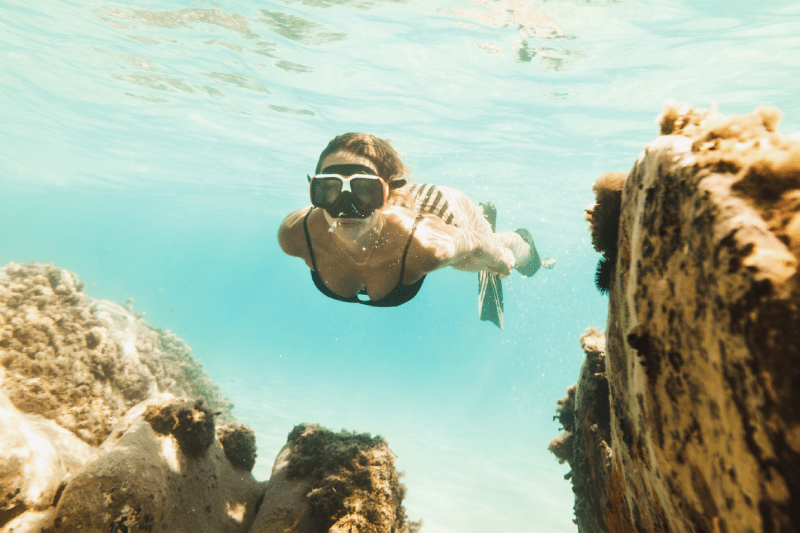
Snorkelling is a highlight of visiting these secluded coves. Expect to see a variety of colourful fish, coral, and other marine life. Bring your own snorkel gear to save on rental costs (around 150-200 THB per day). Keep an eye out for:
- Parrotfish: These brightly coloured fish are common in shallow reefs.
- Butterflyfish: Known for their intricate patterns and graceful movements.
- Sea urchins: Exercise caution and avoid touching them.
- Small reef sharks: Though rare, they have been spotted in some areas.
The Vibe: Peace, Privacy & Natural Beauty
The overall vibe of these hidden coves in Phuket is one of peace, privacy, and natural beauty. You won’t find rows of sun loungers or beach vendors here. Instead, expect a tranquil atmosphere, the sound of the waves, and the opportunity to truly escape the hustle and bustle of modern life.
Bring everything you need for a day of relaxation: a towel, sunscreen, water, snacks, and a good book. Remember to pack out all your trash and leave the beach as you found it. Respecting the environment is paramount to preserving these pristine havens for future generations.
Now, let’s explore the three best hidden coves in Phuket for secluded swimming: Kata Noi, Paradise Beach, and Freedom Beach. Each offers a unique experience, catering to different preferences and levels of adventure.
Why Seek Seclusion? The Allure of Hidden Coves
Phuket, in 2026, continues to draw millions seeking sun-drenched beaches and vibrant nightlife. But beyond the busy resorts and popular stretches of sand lies a quieter, more intimate Phuket – a Phuket of hidden coves, where the turquoise Andaman Sea whispers secrets to those willing to seek them. This isn’t about *avoiding* the energy of Patong; it’s about balancing it with moments of profound tranquility. It’s about discovering the Phuket that existed before mass tourism, a Phuket still accessible, but increasingly precious.
The desire for secluded swimming spots isn’t merely a trend; it’s a response to our increasingly connected world. We crave disconnection, a chance to truly immerse ourselves in nature, to hear the rhythm of the waves without the throb of a beach club. The three best hidden coves in Phuket – Kata Noi, Paradise Beach, and Freedom Beach – offer precisely this. They represent an escape, a sanctuary where you can reconnect with yourself and the natural world.
But what defines a ‘hidden cove’ in a destination as developed as Phuket? It’s not simply a beach off the beaten path. It’s a confluence of factors: limited access, natural shielding, and a prevailing atmosphere of peace. These coves aren’t necessarily *secret* in the strictest sense – locals know them, and savvy travelers have begun to discover them – but they require a little more effort to reach, a willingness to venture beyond the obvious. This added effort is rewarded with unparalleled privacy and unspoiled beauty.
Consider the logistics. Reaching these secluded havens often involves a combination of transportation. Longtail boats are the traditional and most charming option, ranging from 800-1500 THB for a half-day private charter in 2026, depending on distance and negotiation. These brightly painted vessels, powered by reliable diesel engines (typically 6-10 horsepower), offer a classic Phuket experience. Alternatively, scooters or taxis can get you close, followed by a short walk, sometimes involving a slightly challenging descent.
The landscape of these coves contributes significantly to their secluded feel. Expect dramatic limestone cliffs, lush vegetation cascading down to the shore, and crystalline waters perfect for snorkeling. Unlike the long, sweeping bays of the west coast, these coves are typically smaller, more intimate, and sheltered from strong winds. This creates calmer waters, ideal for swimming and paddling.
Let’s talk about what you might encounter when seeking secluded swimming in Phuket’s hidden coves. Beyond the visual splendor, these locations offer a unique marine environment. While not boasting the coral reefs of the Similan Islands, you can still expect to see colorful fish, playful crabs, and occasionally, even baby blacktip reef sharks in the shallows. Remember to bring your own snorkel gear – though some beachside vendors at Paradise Beach offer rentals for around 150-200 THB per day.
Here’s a breakdown of what to expect, and what to prepare for when planning your excursion to Phuket’s best hidden coves:
- Accessibility: Varies significantly. Freedom Beach requires a moderate hike, while Kata Noi is relatively easy to access. Paradise Beach has improved road access but still feels removed.
- Facilities: Limited. Don’t expect rows of sunbeds and busy beach bars. Paradise Beach is the exception, offering a more developed (but still relaxed) vibe. Pack your own towel, water, and snacks.
- Crowds: Significantly lower than Patong or Karon. However, even these coves can get busy during peak season (November to April) and around midday. Early mornings (before 9:00 AM) and late afternoons (after 4:00 PM) offer the best chance of solitude.
- Cost: Beyond transportation, budget for food and drinks. Simple Thai meals at small beachside restaurants can cost around 150-300 THB.
- What to bring: Sunscreen (reef-safe is highly recommended!), a hat, sunglasses, a waterproof bag for valuables, and sturdy footwear if you plan on hiking.
The ‘vibe’ of these coves is undeniably different. It’s a palpable sense of peace and privacy, a connection to nature that’s increasingly rare. Imagine yourself swimming in turquoise waters, surrounded by lush greenery, with only the sound of the waves and the calls of tropical birds. It’s a far cry from the crowded beaches where you struggle to find space to lay your towel.
Specifically, when planning your trip to experience the best hidden coves in Phuket, consider this:
- Kata Noi: Ideal for families and those seeking a relaxed atmosphere. The water is calm and shallow, perfect for children.
- Paradise Beach: Offers a blend of seclusion and convenience. It has a beach club with sunbeds, umbrellas, and a restaurant, but still retains a relatively peaceful vibe.
- Freedom Beach: The most rugged and remote of the three. It requires a hike to reach, but the reward is a pristine beach and a sense of complete isolation.
Choosing to explore these secluded swimming spots in Phuket isn’t just about finding a beautiful beach; it’s about choosing a different kind of travel experience. It’s about prioritizing peace, privacy, and connection with nature. In 2026, that’s a luxury worth seeking out. It’s a chance to discover the authentic soul of Phuket, a soul that still whispers in the hidden coves along its stunning coastline.
Beyond Patong: A Different Side of Phuket
Phuket, in 2026, continues to draw visitors with its vibrant energy and world-renowned beaches. However, beyond the busy shores of Patong and Karon lies a Phuket few tourists truly discover – a landscape of intimate coves, hidden beaches, and tranquil waters. This isn’t about *avoiding* the popular spots, but enriching your experience with moments of genuine seclusion. This guide focuses on revealing those pockets of paradise, specifically detailing three best hidden coves in Phuket for secluded swimming, offering a respite from the crowds and a deeper connection with the island’s natural beauty.
For those seeking something beyond the typical beach holiday, the allure is clear. It’s about trading the thrum of jet skis for the gentle lapping of waves, the hawkers’ calls for the songs of cicadas, and the packed sun loungers for soft sand all to yourself. These hidden coves aren’t simply beaches; they are experiences—opportunities to reconnect with nature and find a personal sanctuary.
Understanding Phuket’s Cove Geography
Phuket’s coastline is a fascinating mix of geological formations. The island’s western side, particularly south of Patong, is characterized by granite headlands and limestone cliffs. These formations have, over millennia, sculpted a series of sheltered bays and hidden coves, often accessible only by boat or a short trek. The eastern coast, while less dramatic, offers calmer waters and mangrove-fringed inlets – a different kind of seclusion, geared towards kayaking and gentle exploration.
These coves are often microclimates, influenced by the prevailing winds and the surrounding topography. This can mean calmer waters even when the open beaches experience moderate waves. This makes them ideal for swimming, snorkeling, and simply relaxing in peace.
What to Expect: The Landscape of Secluded Beaches
Don’t expect sprawling stretches of white sand at these secluded swimming coves. More often, you’ll encounter smaller, more intimate beaches, ranging from powdery sand to pebble shores. Vegetation typically fringes the beach, offering natural shade and a sense of enclosure.
The water clarity is generally exceptional, often turquoise or emerald green, thanks to the sheltered location and minimal runoff. You’ll likely find interesting rock formations, both above and below the water, providing habitats for colorful marine life. Expect a more natural, less manicured environment – a welcome change for those seeking authenticity.
Kata Noi: A Jewel Tucked Away
Kata Noi, while becoming *slightly* more well-known, still retains a sense of exclusivity, especially if you venture to its southern end. This isn’t a completely ‘secret’ beach, but it’s far less crowded than Kata or Karon. Reaching the most secluded sections requires a short walk over some rocks – sturdy footwear is recommended.
- Accessibility: Easily reached by scooter or taxi (approx. 300-400 THB from Patong).
- Amenities: A couple of small restaurants offer food and drinks, but options are limited. Pack your own water and snacks if you prefer.
- Swimming Conditions: Generally calm waters, ideal for swimming and snorkeling.
- Best Time to Visit: Early mornings (before 9 am) or late afternoons (after 4 pm) to avoid the midday heat and potential crowds.
- Cost: Free entry. Restaurant meals average 200-350 THB.
- Highlight: The southern end boasts a stunning backdrop of lush hills and a small, secluded bay perfect for enjoying one of the best hidden coves in Phuket for secluded swimming.
Paradise Beach: More Than Just a Name
Don’t be fooled by the name; Paradise Beach isn’t a sprawling resort destination. It’s a small, sheltered cove between Patong and Karon, accessible via a steep, winding road – or, more adventurously, by longtail boat.
Longtail boats are a classic part of the Phuket experience. Expect to pay around 1,500-2,000 THB for a round trip from Patong, negotiating directly with the boat operator. Longtail boat prices are always negotiable, especially during the shoulder seasons (April-May and September-October). Engines are typically Isuzu or Yanmar diesel, offering reliable power.
- Accessibility: Road access is challenging; longtail boat is the most convenient option.
- Amenities: A beach club offers food, drinks, and sun loungers (rental fees apply).
- Swimming Conditions: Calm, clear waters protected by headlands.
- Best Time to Visit: Weekdays are less crowded than weekends.
- Cost: Beach club access varies; boat trip 1,500-2,000 THB.
- Highlight: The cove’s sheltered location and vibrant underwater life make it a fantastic spot for snorkeling, truly delivering on the promise of secluded swimming in Phuket.
Freedom Beach: Rugged Beauty & Accessibility
Freedom Beach, located south of Patong, presents a unique blend of rugged beauty and relative accessibility. It’s not entirely ‘hidden’ – it’s visible from the road above – but reaching it requires a somewhat challenging descent down a steep, unpaved path. This natural barrier keeps the crowds at bay.
- Accessibility: Accessed via a steep, rocky trail (approx. 15-20 minute walk). Wear appropriate footwear.
- Amenities: Limited. There’s a small stall selling drinks and snacks, but it’s not always open.
- Swimming Conditions: Can be wavy, but generally swimmable. Exercise caution, especially during monsoon season (May-October).
- Best Time to Visit: Dry season (November-April) offers the calmest waters.
- Cost: Free entry.
- Highlight: The dramatic cliffs, lush vegetation, and unspoiled beauty make Freedom Beach a truly special destination, embodying the spirit of finding the best hidden coves in Phuket for secluded swimming. It’s a place to disconnect, breathe deeply, and appreciate the raw beauty of the island.
By venturing beyond the well-trodden path, you’ll unlock a side of Phuket that most tourists miss. These three best hidden coves in Phuket for secluded swimming offer more than just a beach experience; they provide a sanctuary for the soul, a chance to reconnect with nature, and a memory that will last long after you’ve left the island.
What to Expect: The Landscape of Secluded Beaches
Phuket, in 2026, still holds secrets. Beyond the busy resorts and vibrant nightlife, a different Phuket awaits – one of intimate coves, hidden beaches, and the soothing rhythm of the Andaman Sea. This isn’t about finding a patch of sand; it’s about discovering a feeling. It’s about escaping the crowds and immersing yourself in a pristine environment. This section details what you can realistically expect when seeking out these secluded havens, focusing on the landscapes surrounding our featured 3 best hidden coves in Phuket for secluded swimming: Kata Noi, Paradise Beach, and Freedom Beach.
The topography of Phuket is dramatically sculpted limestone karsts rising from emerald waters. These formations create natural barriers, sheltering pockets of coastline and giving birth to the coves we explore. Expect a visual feast of sheer cliffs draped in lush vegetation, contrasting sharply with the white and golden sands below. Access isn’t always straightforward, adding to the feeling of discovery.
These aren’t the broad, sweeping beaches of Patong. Instead, picture smaller, more intimate bays. Kata Noi, for example, is between headlands, offering a crescent of fine sand backed by coconut palms and the Kata Noi Bay Resort. The landscape here is gently sloping, making it ideal for families and those who prefer a relaxed experience. Expect to pay around 800-1200 THB for a longtail boat ride to Kata Noi from Rawai Beach, a journey of roughly 20-30 minutes.
Paradise Beach, despite its name, requires a little more effort to reach. While now more developed than in previous years, it still maintains a secluded feel thanks to its position tucked away between rocky outcrops. The approach often involves a short, slightly uneven path, adding to the sense of adventure. Expect a more vibrant, although still relaxed, atmosphere here with beach clubs offering daybeds and refreshments – prices for daybeds typically range from 1500-3000 THB.
Freedom Beach is the most rugged and untamed of the three. It’s accessible primarily by longtail boat or a challenging (and sometimes overgrown) jungle path from Patong. This lends itself to a truly secluded experience, but also means less infrastructure. The landscape is dominated by dramatic cliffs and dense foliage, creating a sense of being truly removed from civilization. A longtail boat from Patong will cost approximately 600-1000 THB, depending on negotiation and time of day.
Understanding Phuket’s Cove Geography
The formation of these coves dictates the type of experience you’ll have. Limestone erosion has created unique features:
- Pocket Beaches: Small, sheltered beaches often bordered by steep cliffs. These are common along the southern coastline and provide maximum privacy.
- Rocky Bays: Coves with a mix of sand and rock formations. These offer excellent snorkeling opportunities and a more natural, less manicured feel.
- Hidden Lagoons: Rare finds, accessible only by boat or kayak, offering complete seclusion and pristine waters. While not directly featured in our 3 best hidden coves in Phuket for secluded swimming, exploring by kayak can reveal these gems.
The orientation of the cove also plays a role. South-facing beaches, like parts of Kata Noi, receive more sun and are generally calmer. West-facing beaches offer stunning sunset views but can be more exposed to waves, particularly during the monsoon season (May-October).
Water Conditions & Marine Life
The water clarity in these secluded coves is typically exceptional. The sheltered nature of the bays protects them from strong currents and sediment, resulting in turquoise waters perfect for swimming and snorkeling. Visibility can exceed 15 meters on a clear day in 2026.
Expect to encounter a variety of marine life. Small reef fish are common around the rocky outcrops, while larger species like parrotfish and angelfish can be seen further offshore. Remember to bring your own snorkeling gear, although many longtail boat operators offer rentals. Responsible tourism is vital – avoid touching coral or disturbing marine life.
The Vibe: Peace, Privacy & Natural Beauty
What truly sets these coves apart is the atmosphere. It’s a world away from the hustle and bustle of Phuket’s more popular beaches. Expect a sense of tranquility, a chance to reconnect with nature, and the feeling of having discovered a secret paradise.
These 3 best hidden coves in Phuket for secluded swimming each offer a unique vibe:
- Kata Noi: Relaxed and family-friendly, with a touch of luxury.
- Paradise Beach: Lively yet secluded, with a bohemian atmosphere.
- Freedom Beach: Rugged and wild, for those seeking complete escape.
Practical Considerations for 2026:
- Peak Season (November-April): Expect higher prices and more competition for space, even in secluded coves. Book longtail boat trips in advance.
- Monsoon Season (May-October): Seas can be rougher, and some coves may be inaccessible due to weather conditions.
- Respect Local Customs: Dress modestly when venturing away from the beach and be mindful of local traditions.
- Pack Essentials: Sunscreen, a hat, sunglasses, a towel, water, and insect repellent are essential.
- Longtail Boat Negotiation: Don’t be afraid to negotiate the price with longtail boat operators. A reasonable price for a round trip should be agreed upon *before* departing.
By understanding the landscape, geography, and conditions, you can maximize your experience and truly appreciate the beauty of these lesser-known spots. The 3 best hidden coves in Phuket for secluded swimming offer a refreshing alternative to the crowded tourist hotspots, promising an unforgettable escape in 2026.
Understanding Phuket’s Cove Geography
Phuket, in 2026, remains a destination that beautifully balances vibrant energy with pockets of untouched serenity. While famed for beaches like Patong, the true magic lies in discovering its hidden coves – secluded havens sculpted by millennia of geological activity and the relentless embrace of the Andaman Sea. To truly appreciate the 3 Best Hidden Coves in Phuket for Secluded Swimming, it’s crucial to understand *how* these geological wonders formed and *where* to find them.
Phuket’s coastline isn’t a continuous stretch of sand. It’s a complex mix woven from granite headlands, limestone karsts, and pockets of alluvial deposits. These geological formations are the direct result of ancient volcanic activity and subsequent erosion. The island’s western coast, particularly around the areas where we’ll be exploring the hidden coves, is characterized by these dramatic rock formations.
These formations aren’t merely scenic; they actively *create* the coves. Over time, wave action has carved out inlets and bays, sheltering them from larger swells and creating the calm, clear waters perfect for secluded swimming. The orientation of these coves is key. Those facing southwest or west receive the most dramatic sunsets, enhancing the already ethereal experience of a private beach escape.
But it’s not just about the rock. Coral reefs play a vital role in protecting these coves, further reducing wave energy and providing a habitat for a dazzling array of marine life. This is particularly true around Kata Noi and Paradise Beach, two of the coves we’ll be detailing. The reefs act as natural breakwaters, ensuring consistently calm conditions.
Navigating the Landscape: Types of Coves
Phuket’s hidden coves aren’t all created equal. Recognizing the different types will help you choose the best experience. We’ve categorized them for clarity:
- Pocket Beaches: These are the smallest, most intimate coves – often only accessible by longtail boat or a short, challenging hike. They offer ultimate privacy but limited space. Expect to share with only a handful of other visitors, if any.
- Horseshoe Coves: Characterized by their curved shape, these coves offer excellent protection from wind and waves. They often boast softer sand and gentler slopes, making them ideal for families.
- Rocky Inlet Coves: These coves feature more dramatic rock formations and may require some careful navigation. They are often home to tide pools and offer excellent opportunities for snorkeling and exploring marine life. These are typical of the access routes to Freedom Beach.
Accessing the Seclusion: Transport Options in 2026
Getting to these 3 Best Hidden Coves in Phuket for Secluded Swimming requires a little planning. While some are reachable by road (followed by a walk), the most common and often most enjoyable method is by longtail boat.
In 2026, expect to pay around 800-1500 Thai Baht for a private longtail boat for a half-day (4-5 hours). This price is negotiable, especially during the shoulder seasons (April-May and September-October). Longtail boats are readily available at most major beaches, including Kata, Karon, and Rawai.
Here’s a breakdown of longtail boat considerations:
- Engine Type: Most longtail boats use a single diesel engine, providing a distinctive (and sometimes loud!) sound. Newer models are incorporating quieter, more fuel-efficient engines.
- Negotiation: Don’t be afraid to bargain! Establish the route and duration *before* agreeing on a price.
- Safety: Ensure the boat has life jackets and that the driver appears experienced and responsible.
- Shared Trips: While a private charter offers flexibility, shared longtail boat trips are available for a lower cost (around 300-500 Thai Baht per person). However, you’ll have less control over the itinerary.
For Freedom Beach, a slightly more rugged approach is necessary. While accessible by longtail boat (expect a slightly higher price due to the distance and potential wave conditions), a 15-20 minute hike through the jungle is also an option. Wear sturdy shoes!
Timing is Everything: Best Times to Visit
The dry season (November to April) offers the most predictable weather and calmest seas, making it the ideal time to explore the 3 Best Hidden Coves in Phuket for Secluded Swimming. However, this is also the busiest period.
- Early Morning (8:00 AM – 11:00 AM): Beat the crowds and enjoy the coves in near-total solitude. The light is also beautiful for photography.
- Late Afternoon (3:00 PM – 6:00 PM): Witness striking sunsets and enjoy a more relaxed atmosphere.
- Shoulder Season (April-May & September-October): Enjoy pleasant weather, fewer crowds, and potentially lower prices. Be aware of occasional showers.
By understanding the geological origins of these coves, the different access options available, and the best times to visit, you’ll be well-prepared to experience the unparalleled tranquility of Phuket’s 3 Best Hidden Coves for Secluded Swimming. The promise of pristine waters, untouched beauty, and a genuine escape awaits. Continue reading to discover the specific charms of Kata Noi, Paradise Beach, and Freedom Beach, and begin planning your unforgettable journey.
Water Conditions & Marine Life
Phuket’s hidden coves aren’t just about escaping the crowds; they offer a uniquely pristine underwater world. The clarity and vibrancy of the water within these secluded bays, like those explored on our 3 Best Hidden Coves in Phuket for Secluded Swimming tour, are significantly higher than in the more heavily trafficked areas. This is due to a combination of factors, including reduced boat traffic, limited runoff, and the natural protection afforded by the surrounding headlands.
Understanding these conditions is key to maximizing your experience. The Andaman Sea around Phuket experiences a distinct monsoon season, impacting visibility and wave action. From May to October, expect southwest monsoons bringing heavier rainfall and potentially choppier seas. However, even during this period, the coves we feature offer relative shelter. From November to April, the seas are calmer, and visibility often exceeds 15 meters – perfect for snorkeling and simply appreciating the underwater panorama.
The specific water conditions vary between each of the 3 Best Hidden Coves in Phuket for Secluded Swimming. Kata Noi, sheltered by its curved bay, generally boasts the calmest waters, ideal for families and less experienced swimmers. Paradise Beach, while exposed to a bit more swell, benefits from a consistent current that keeps the water remarkably clear. Freedom Beach, due to its more open location, can experience stronger waves, but its unique reef structure creates pockets of serene water.
Beyond visibility, the marine life within these coves is a significant draw. While not boasting the coral density of the Similan or Surin Islands, these bays support a surprisingly diverse ecosystem. Expect to encounter schools of butterflyfish, angelfish, and damselfish flitting around the rocky outcrops.
- Common Sightings: Look out for vibrant parrotfish grazing on algae, playful clownfish darting in and out of anemones, and the occasional sea turtle gracefully gliding through the water.
- Seasonal Visitors: Between January and April, you might be lucky enough to spot blacktip reef sharks patrolling the deeper waters – harmless to humans and a truly spectacular sight.
- Invertebrate Life: Keep an eye out for colorful nudibranchs, sea urchins, and a variety of crabs and starfish clinging to the rocks.
The coral itself, while not extensive, is largely healthy. Ongoing conservation efforts, including responsible tourism practices promoted during the 3 Best Hidden Coves in Phuket for Secluded Swimming excursion, are helping to preserve these delicate ecosystems. You’ll find a mix of hard and soft corals, providing habitat for a wide range of marine species.
For those interested in a more in-depth underwater exploration, snorkeling gear is readily available for rent in Phuket Town. Expect to pay around 200-300 THB for a full day rental of a mask, snorkel, and fins as of 2026. However, our 3 Best Hidden Coves in Phuket for Secluded Swimming tour includes high-quality snorkeling equipment, ensuring a comfortable and enjoyable experience.
Longtail boats are the primary mode of transport to these secluded beaches. These traditional Thai vessels, powered by diesel engines, offer a unique and authentic way to explore the coastline. A typical private longtail boat charter for a half-day (around 4-5 hours) to visit multiple coves will cost between 2,000-3,500 THB in 2026, depending on the size of the boat and the operator. Negotiating the price is common practice, especially during the shoulder seasons.
We strongly advise against attempting to reach these coves by kayak, particularly during the monsoon season. Currents can be unpredictable, and the distances involved are considerable. The 3 Best Hidden Coves in Phuket for Secluded Swimming tour prioritizes safety and comfort, utilizing well-maintained longtail boats operated by experienced and licensed captains.
Water temperature remains consistently warm throughout the year, averaging around 28-30°C (82-86°F). This makes it ideal for prolonged swimming and snorkeling. However, it’s always advisable to wear a rash guard or t-shirt to protect your skin from the sun, even on cloudy days.
Before entering the water, always check for any warning flags indicating strong currents or jellyfish presence. While jellyfish stings are rare, they can occur, particularly during certain times of the year. Our guides on the 3 Best Hidden Coves in Phuket for Secluded Swimming tour are trained to identify potential hazards and ensure your safety.
Finally, remember to practice responsible tourism. Avoid touching or disturbing the coral, and refrain from using sunscreen containing oxybenzone or octinoxate, as these chemicals can harm marine life. By respecting the environment, we can help preserve the beauty of these hidden coves for future generations. This commitment to sustainability is a core value of the 3 Best Hidden Coves in Phuket for Secluded Swimming experience.
The Vibe: Peace, Privacy & Natural Beauty
Phuket, in 2026, still holds secrets. While the island’s popularity continues to grow, a discerning traveller can still discover pockets of paradise untouched by the larger tourist throngs. These aren’t the busy beaches lined with sunbeds and jet skis. Instead, we’re talking about intimate coves – havens where the only sounds are the gentle lapping of turquoise water and the rustle of palm leaves. This section delves into the very *feeling* of experiencing these hidden coves in Phuket, what sets them apart, and why seeking out this seclusion is a defining part of a truly memorable Phuket escape.
The allure isn’t just about escaping the crowds, though that’s a significant draw. It’s about reconnecting with nature on a more intimate level. It’s about the sensation of having a slice of the Andaman Sea almost entirely to yourself. Imagine pristine sands warming beneath your feet, the water crystal clear, and the air thick with the scent of tropical flowers. That’s the essence of our featured secluded swimming spots in Phuket.
These coves offer a different rhythm to Phuket. Forget the insistent calls of vendors. Forget the constant hum of activity. Here, time slows down. You can lose yourself in a book, snorkel amongst vibrant coral reefs, or simply bask in the sun, completely undisturbed. This is where you rediscover the simple joys – the warmth of the sun, the coolness of the water, the beauty of the natural world.
But finding these havens requires a little more effort. Accessing these hidden coves in Phuket often means foregoing the convenience of direct road access. This is where the traditional longtail boat truly shines. Expect to pay around 1200-2000 THB for a half-day private charter (4-5 hours) in 2026, depending on the distance and your negotiation skills. Remember, a friendly smile and polite bargaining are always appreciated! These colourful boats, powered by their distinctive diesel engines, are the lifeblood of coastal transport, offering a charming and authentic way to explore.
Beyond longtail boats, some coves are accessible via short jungle trails. These paths, while adding a touch of adventure, require sturdy footwear and a moderate level of fitness. Be sure to check weather conditions before embarking on any hike, as trails can become slippery after rain. This added effort is a small price to pay for the reward of pristine isolation.
Let’s talk about what you can realistically expect. These aren’t expansive beaches. These secluded coves are often small, sheltered pockets of sand, sometimes only 50-100 meters long. They may not have amenities like restaurants or restrooms, so pack accordingly – water, snacks, sunscreen, a towel, and a dry bag for valuables are essential. Responsible tourism is key; please take all your trash with you to preserve the pristine environment.
The landscape itself plays a vital role in creating this sense of peace. Towering limestone cliffs often embrace the coves, providing dramatic backdrops and shielding them from strong winds. Lush vegetation spills down the hillsides, creating a vibrant mix of green. The water, typically calm and clear, is perfect for swimming, snorkeling, and kayaking. The clarity is exceptional, often exceeding 15 meters visibility, making it a diver’s and snorkeler’s dream.
Marine life thrives in these protected environments. Expect to see colourful reef fish, playful schools of smaller species, and perhaps even a sea turtle or two. Remember to observe from a respectful distance and avoid touching or disturbing the coral. These ecosystems are fragile and deserve our protection.
To truly appreciate the experience, consider these practical tips:
- Timing is everything. Arrive early in the morning (before 9:00 AM) or later in the afternoon (after 3:00 PM) to avoid potential crowds, even at these secluded locations.
- Pack light but smart. Essentials include sunscreen, a hat, sunglasses, a towel, water shoes, and plenty of water.
- Bring a waterproof camera. You’ll want to capture the beauty of these lesser-known spots.
- Respect the environment. Leave no trace of your visit.
- Consider a guided tour. Local guides can provide valuable insights into the area’s history, geology, and marine life. They can also ensure your safety and help you navigate the terrain.
- Learn a few basic Thai phrases. A simple “Sawasdee” (hello) and “Khop Khun” (thank you) go a long way.
The best hidden coves in Phuket for secluded swimming aren’t just about finding a beautiful beach. They’re about finding a sanctuary – a place to escape the everyday, reconnect with nature, and create lasting memories. They represent a different side of Phuket, a side that rewards those willing to venture off the beaten path. Exploring these lesser-known spots is a sign of the island’s enduring beauty and its ability to surprise and delight, even in 2026. Don’t just visit Phuket; *experience* its secret shores.
Kata Noi: A Jewel Tucked Away
Kata Noi, meaning “Little Kata,” lives up to its name in the best possible way. It’s a pocket-sized paradise, a secluded cove that consistently ranks as a favorite amongst those in the know. While Kata Yai attracts a larger crowd, its smaller sibling offers a distinctly more intimate experience – perfect for those seeking secluded swimming and a respite from the busier west coast beaches. This isn’t a beach you stumble upon; reaching this lesser-known spot is part of the allure, and a key reason it retains its tranquil atmosphere.
Located at the southern end of Kata Beach, Kata Noi isn’t entirely *hidden* in the strictest sense. However, its geographical positioning, between rocky headlands and requiring a slight detour, effectively filters the masses. In 2026, despite increased tourism to Phuket, Kata Noi continues to maintain a feeling of unspoiled beauty, a sign of its protected nature and the local efforts to preserve its charm.
The beach itself is approximately 250-300 meters long, fringed with mature casuarina and palm trees offering generous shade. The sand is soft, golden, and gently slopes into the turquoise Andaman Sea. Unlike some of Phuket’s more exposed beaches, Kata Noi is well-sheltered, resulting in calmer waters ideal for swimming, snorkeling, and simply floating. This makes it particularly appealing for families with young children, or anyone preferring a gentler wave action.
Getting to Kata Noi presents a few options. You can access it via a narrow road branching off from Kata Beach Road, though parking is limited and can fill up quickly, especially during peak season (November to April). A more rewarding – and often quicker – method is to utilize a local *songthaew* (red truck taxi). A short ride from Kata Beach will cost around 150-200 THB per person, depending on negotiation and distance. For those truly embracing the spirit of discovery, consider a longtail boat excursion directly to Kata Noi.
Longtail boats are a Phuket institution. These traditional vessels, powered by a relatively simple diesel engine (typically around 18-20 horsepower), offer a scenic and direct route. Expect to pay approximately 800-1200 THB for a round trip from Kata Yai, negotiable based on duration and group size. Be sure to discuss the pickup time and return with the boat operator beforehand. This is the classic way to experience Kata Noi secluded swimming, arriving as if you’ve discovered your own private cove.
Beyond swimming, Kata Noi offers opportunities for gentle snorkeling. The rocky outcrops at either end of the beach create pockets of marine life, attracting colorful fish and coral. While not a dedicated dive site, the visibility is generally good, making it a pleasant experience for beginners. You can rent snorkeling gear from several small vendors directly on the beach for around 150-200 THB per day.
Food and beverage options are present, but thankfully, remain understated. Several small beachside restaurants and bars offer a range of Thai and international cuisine. Expect to pay around 200-400 THB for a typical lunch or dinner. Don’t miss the opportunity to try fresh seafood grilled right on the beach – a truly authentic Phuket experience. For a more upscale dining experience, consider Mom Tri’s Kitchen, located just above the beach, offering stunning views and refined Thai cuisine. Reservations are recommended, especially during the high season.
What to expect in terms of the vibe? Kata Noi is all about relaxation and tranquility. It’s a place to disconnect, unwind, and soak up the natural beauty. The atmosphere is decidedly more laid-back than the busy beaches of Patong or Karon. You won’t find jet skis or parasailing here – just the gentle sound of the waves and the rustling of palm leaves.
For the ultimate experience of Kata Noi secluded swimming, consider visiting during the shoulder seasons (May-June or September-October). The weather is still pleasant, the crowds are thinner, and prices are generally lower. Early mornings (before 9 am) and late afternoons (after 4 pm) also offer a greater sense of privacy.
- Best for: Families, couples, solo travelers seeking peace and quiet.
- Water conditions: Calm, clear, and suitable for swimming and snorkeling.
- Facilities: Limited but adequate – restaurants, bars, sunbeds, and snorkeling gear rental.
- Accessibility: Moderate – requires a short detour or longtail boat ride.
- Budget: Moderate – expect to spend around 800-2000 THB for a day trip, including transport, food, and activities.
Don’t just visit Phuket; *discover* it. Embrace the opportunity to explore these hidden coves, like Kata Noi, and experience a side of the island that few tourists ever see. The reward? Unforgettable moments of peace, privacy, and natural beauty. This isn’t just a beach; it’s a sanctuary. And in 2026, that sanctuary remains remarkably preserved.
Paradise Beach: More Than Just a Name
Paradise Beach, set on the southwestern coast of Phuket, isn’t simply a scenic stretch of sand – it’s an *experience*. While increasingly known, it retains a delightful sense of seclusion, particularly when approached strategically. Forget the crowded sunbeds and insistent vendors of Patong. This cove, easily accessible yet cleverly hidden, offers a taste of authentic Phuket tranquility. In 2026, it remains a favorite for those seeking a respite from the mainstream tourist trail, and a prime example of the hidden coves in Phuket for secluded swimming we’ve been exploring.
The beach itself is a crescent of soft, golden sand, framed by lush, emerald hills. The water is consistently clear, making it ideal for swimming and snorkeling. Unlike some of Phuket’s more exposed beaches, Paradise Beach is sheltered, offering calmer conditions even when the Andaman Sea is experiencing moderate waves. This protection makes it particularly suitable for families and less confident swimmers.
But getting to true paradise requires a little planning. There are two primary access points. The first, and most common, involves a short, slightly steep walk down a dirt path from a parking area near the Supermarket Plus Kamala. Expect to pay a small parking fee – around 50-100 THB in 2026. This path can be slippery after rain, so sturdy footwear is recommended.
The second, and significantly more rewarding, option is by longtail boat. Several operators in Kamala Beach offer direct transfers. This is where understanding local pricing is crucial. In 2026, expect to pay approximately 1,200-1,800 THB for a round trip in a private longtail boat, depending on the duration and negotiation skills. Shared boats are available for around 600-800 THB per person, but they offer less flexibility and privacy. Negotiate firmly, but respectfully, and confirm the pick-up time and location beforehand. Longtail boats use typically a 4-stroke diesel engine, offering improved fuel efficiency and reduced noise pollution compared to older models.
Upon arrival, you’ll notice a subtly curated beach club. Don’t be deterred; it’s tastefully done and adds a level of convenience. Sunbeds and umbrellas are available for rent (around 200-300 THB for the day in 2026), and a restaurant serves a range of Thai and international cuisine. However, ample space remains for those who prefer to lay their towel directly on the sand.
What truly sets Paradise Beach apart is its atmosphere. It’s a haven for those who appreciate a more relaxed vibe. You won’t find jet skis or parasailing here. Instead, expect gentle waves, the rustling of palm trees, and the distant murmur of conversation. The water is excellent for snorkeling; bring your own mask and snorkel, or rent one from the beach club for around 150-200 THB. Look for colorful reef fish and, if you’re lucky, even a sea turtle.
For those seeking ultimate seclusion, walk towards the northern end of the beach. This section is less developed and offers more privacy. You’ll find natural rock formations providing shade and creating small, intimate coves perfect for escaping the midday sun. Remember to bring plenty of water and snacks, as options are limited beyond the beach club.
Here’s a quick guide to maximizing your Paradise Beach experience:
- Best Time to Visit: Between November and April, during the dry season.
- Getting There: Longtail boat is recommended for a more scenic and secluded arrival.
- Cost: Expect to spend approximately 800-2,500 THB per person, depending on transport and amenities.
- What to Bring: Sunscreen, towel, snorkeling gear, water, snacks, and cash.
- Consider a Sunset Visit: The western facing location makes Paradise Beach ideal for watching the sunset.
Beyond the immediate beach, the surrounding landscape offers opportunities for exploration. A short hike through the nearby hills reveals stunning panoramic views of the coastline. Be prepared for a challenging climb, and wear appropriate footwear.
Paradise Beach isn’t about ticking off a sightseeing list. It’s about slowing down, reconnecting with nature, and savoring the simple pleasures of life. It’s a reminder that even in a popular destination like Phuket, pockets of tranquility still exist. When searching for the best hidden coves in Phuket for secluded swimming, Paradise Beach consistently delivers. This makes it a cornerstone of experiencing a different side of Phuket – one characterized by peace, privacy, and natural beauty. And in 2026, that experience is more valuable than ever.
Freedom Beach: Rugged Beauty & Accessibility
Freedom Beach, a name that conjures images of untamed paradise, lives up to its promise. While not *entirely* unknown – it’s become a well-kept secret amongst savvy travellers and those seeking a respite from the busy west coast – Freedom Beach offers a compelling balance between seclusion and relative ease of access. It’s a prime example of the hidden coves Phuket still holds, even in 2026, catering to those who desire a more natural beach experience. Forget perfectly manicured sands and rows of sun loungers; Freedom Beach is a celebration of raw, tropical beauty.
Located south of Patong, between the headlands of the Promthep Cape area, Freedom Beach isn’t directly accessible by road. This deliberate lack of road access is precisely what preserves its charm. Reaching this idyllic spot is part of the adventure, adding to the feeling of discovery. You have two primary options: a thrilling longtail boat ride or a moderately challenging hike.
The Longtail Experience: This is the most popular, and frankly, the most enjoyable way to arrive at Freedom Beach. Expect to pay around 800-1200 THB (approximately $22-$34 USD) for a return trip from Patong in 2026, depending on your negotiation skills and the boat’s size. Prices are generally fixed during peak season (November to April), but always politely inquire. The journey itself is spectacular. You’ll glide past dramatic limestone cliffs, observe local fishermen tending their nets, and potentially spot vibrant marine life along the way. The duration is roughly 15-20 minutes. Be sure to clarify the pick-up time with your boat operator – they are generally flexible but communication is key.
The Jungle Trek: For the more adventurous, a 20-30 minute hike through dense jungle is an option. The trailhead isn’t clearly marked, requiring some local knowledge or a reliable navigation app. It’s a steep descent in places, so sturdy footwear is *essential*. While rewarding, this path isn’t recommended after rain, as the trail becomes slippery and treacherous. This option allows you to truly earn your slice of paradise, but be prepared for a workout!
Once you arrive, you’ll be greeted by a crescent of golden sand fringed by swaying palm trees and lush vegetation. The water at Freedom Beach is typically crystal clear, though conditions can vary depending on the tide and recent weather. It’s generally calm enough for swimming and snorkeling, although the coral reef isn’t as extensive as at some other Phuket coves. Pack your own snorkeling gear, as rentals aren’t usually available.
The beach itself is around 300 meters long and offers ample space to spread out and relax. Unlike some of Phuket’s more developed beaches, Freedom Beach maintains a refreshingly undeveloped atmosphere. There’s a small, seasonal beach bar offering basic refreshments and light snacks – expect to pay slightly inflated prices due to the logistical challenges of supplying the location. In 2026, expect a coconut to cost around 150-200 THB ($4-$6 USD).
What to Expect in Terms of Facilities: Don’t expect luxury. There are no restrooms or changing facilities directly on the beach. Most visitors change into their swimwear before arriving. Bring a waterproof bag to protect your valuables, as theft, while rare, can occur. Consider bringing your own beach towel and shade, as natural shade is limited during peak hours.
Freedom Beach is particularly appealing to those seeking a more active experience. Beyond swimming and sunbathing, you can explore the surrounding jungle trails, try your hand at stand-up paddleboarding (bring your own), or simply enjoy the tranquility of nature. The western end of the beach is rockier, offering opportunities for scrambling and exploring tide pools.
Here’s a quick checklist for your Freedom Beach adventure:
- Sunscreen (reef-safe is preferred!) – The tropical sun is intense.
- Water shoes – Useful for navigating rocky areas and the jungle trail.
- Insect repellent – Especially important if hiking through the jungle.
- Snorkeling gear – To explore the underwater world.
- Cash – For the longtail boat and beach bar purchases.
- Waterproof bag – To protect your electronics and valuables.
- Towel & Shade – Limited natural shade is available.
Planning Your Visit: The best time to visit Freedom Beach is during the dry season (November to April). During the monsoon season (May to October), the sea can be rough, and the jungle trail may be impassable. Arrive early (before 10:00 AM) to secure a good spot and avoid the midday crowds, even though it remains a relatively secluded cove.
To truly appreciate the allure of Phuket’s hidden coves, including the captivating Freedom Beach, consider spending a full day exploring. Combine a morning visit with a longtail boat excursion to nearby smaller islands or a late afternoon session enjoying the sunset over the Andaman Sea. This is more than just a beach trip; it’s an immersion into the natural beauty and authentic spirit of Phuket. If you are looking for secluded swimming, a day spent at Freedom Beach is a memory you won’t soon forget. This secluded haven is a highlight for those seeking a unique Phuket experience in 2026.
Frequently Asked Questions (FAQ)
How much does it typically cost to get to Freedom Bay, one of the hidden coves, including transport from Patong?
Getting to Freedom Bay usually involves a longtail boat trip, costing around 1500-2500 THB for a private boat for the day, depending on negotiation and duration; transport *to* the pier from Patong will be an additional 300-600 THB by taxi or tuk-tuk, making the total roughly 1800-3100 THB. Shared boat tours are available for around 600-1000 THB per person, but offer less flexibility and privacy.
Is Ya Nui Beach really as small as it looks in pictures, and does it get crowded even though it’s supposed to be secluded?
Yes, Ya Nui is quite small – it’s more of a scenic cove than a sprawling beach, only about 200 meters long. While generally less crowded than Patong, it *can* get busy with day-trippers and photographers, especially during peak season (November-April), so arriving early is crucial.
What’s the best time of day to visit these coves (Freedom Bay, Ya Nui, and Banana Cove) to avoid crowds and have the best swimming conditions?
The best time is early morning (8:00 AM – 11:00 AM) or late afternoon (3:00 PM – 6:00 PM) to beat the tour groups and enjoy calmer waters. Midday can be very hot and crowded, and the sun’s glare can make snorkeling less enjoyable; also be mindful of tide times, as low tide can significantly reduce swimming space.
Are there any restaurants or shops directly on Banana Cove, or do I need to bring everything with me?
Banana Cove is incredibly secluded – there are no restaurants, shops, or facilities directly on the beach itself. You’ll need to bring your own food, drinks, towels, and any other essentials you might require for the day, making it perfect for a self-sufficient beach trip.
Can I rent snorkeling gear at Freedom Bay or Ya Nui Beach, or should I bring my own?
Snorkeling gear isn’t typically available *at* either Freedom Bay or Ya Nui Beach; you’ll need to rent it in Patong, Karon, or Phuket Town beforehand, costing around 150-300 THB per day. Bringing your own ensures a proper fit and hygiene, and you’re not reliant on availability.
Is it possible to get to these coves by scooter, and are the roads in good condition?
Yes, you can reach the areas *near* these coves by scooter, but the final stretch often involves bumpy dirt roads and steep inclines – especially for Freedom Bay and Banana Cove. Be a confident scooter driver, wear a helmet, and consider the road conditions before attempting, as accidents are common.
Are there lifeguards on duty at any of these hidden coves?
No, these coves are generally unsupervised and do *not* have lifeguards on duty. Swimming is at your own risk, so be mindful of currents, waves, and your swimming ability, and avoid swimming alone.
What should I wear to these coves? Are shoes necessary?
Swimwear is essential, of course, and light, breathable clothing is recommended. While you can enjoy the sand barefoot, we recommend wearing water shoes or sandals, especially at Ya Nui and Banana Cove, as the rocks can be sharp.
What’s the sea like at these coves – is it usually calm enough for swimming and snorkeling?
Generally, the sea at these coves is calmer than on the west coast, providing good conditions for swimming and snorkeling, but it depends on the season. During the monsoon season (May-October), waves can be larger and currents stronger, so check the weather forecast before you go.
Are there any toilets or changing facilities available at these beaches?
Facilities are limited; Ya Nui has a basic toilet block (often not very clean) but no changing rooms. Freedom Bay and Banana Cove have *no* facilities whatsoever, so be prepared to change in your car or behind a towel.
If the weather is bad and I can’t visit the coves, what are some alternative secluded beaches in Phuket?
Kata Noi is a good alternative, offering a similar secluded vibe with slightly better facilities. Paradise Beach (requires a small entry fee) is another option, and while popular, it’s still less crowded than the main beaches.
How do I book a longtail boat to Freedom Bay or Banana Cove? Can I book online?
You can book a longtail boat directly at Rawai Beach pier, or through local tour operators in Phuket Town or Patong. While some operators offer online booking, it’s often easier and cheaper to negotiate a price in person at the pier.
Is there any shade available at these coves, or should I bring an umbrella or sun shelter?
Shade is limited, particularly at Banana Cove and Freedom Bay. It’s highly recommended to bring a beach umbrella, a sun shelter, or plenty of sunscreen to protect yourself from the strong sun.
What kind of marine life can I expect to see while snorkeling at Ya Nui Beach?
Ya Nui is known for its colorful coral reefs and diverse marine life, including small reef fish, parrotfish, and occasionally sea turtles. The visibility is usually good, but it can be affected by weather conditions.
Is there a cost to access Ya Nui Beach itself, or is it free?
Ya Nui Beach is free to access, however, there is a small parking fee of around 50-100 THB for cars or scooters. Some areas of the beach are also privately owned, and you may be asked to purchase a drink or snack if you sit near their sun loungers.
Are these coves suitable for families with young children?
Ya Nui Beach is the most suitable for families, as the water is generally calm and shallow near the shore. However, Freedom Bay and Banana Cove are less ideal due to the rocky terrain and lack of facilities; constant supervision is crucial for all children.
What’s the best way to get to Ya Nui from Kata Beach?
The easiest way to get to Ya Nui from Kata Beach is by tuk-tuk or taxi, costing around 200-300 THB and taking about 10-15 minutes. You can also walk, but it’s a steep uphill climb of about 2 kilometers.
Are there any jellyfish or other dangerous marine creatures in the waters around these coves?
While not common, jellyfish can occasionally be present, especially during the rainy season. It’s always a good idea to be aware of your surroundings and check with locals about recent sightings before swimming.
Can I bring my drone to film or take pictures at these beaches?
Drone use is becoming increasingly regulated in Thailand. While not strictly prohibited at these coves, you should check local regulations and obtain any necessary permits before flying a drone, and always respect the privacy of other beachgoers.
What’s the difference between Freedom Bay and Banana Cove – which one is more secluded?
Banana Cove is significantly more secluded and harder to reach, requiring a more adventurous journey. Freedom Bay is a bit more accessible and can get slightly busier, but still offers a good level of privacy compared to the main Phuket beaches.