
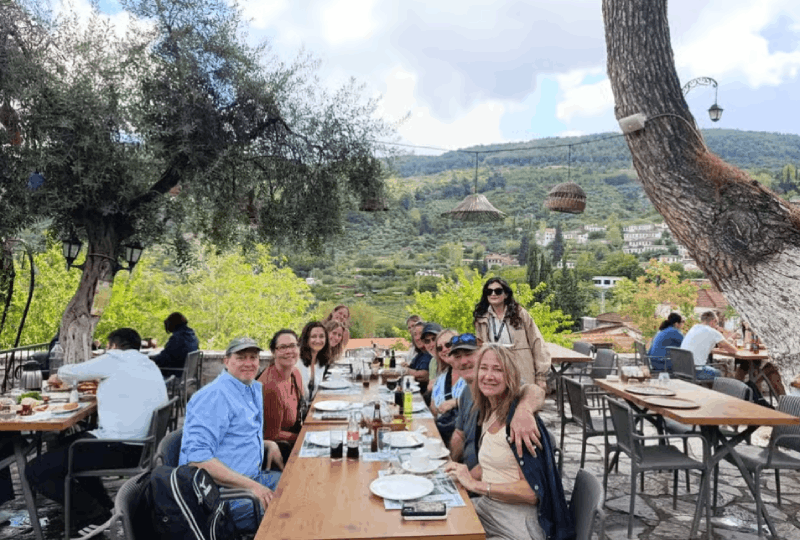
Top Shallow Cenotes Ideal for Young Children in the Riviera Maya
| Cenote | Nearest Town | Approx. Depth (m) | Entrance Type | Child‑Friendly Features | Amenities & Services | ||
|---|---|---|---|---|---|---|---|
| Cenote Azul | Playa del Carmen | 5‑6 | Open‑air, flat limestone platform | Gentle slope, shallow entry pool (1‑2 m) with calm water; no sudden drop‑offs | Changing rooms, shaded palapas, fresh‑water showers, snack kiosk, life‑guard on peak days | ||
| Cenote Cristal | Puerto Aventuras | 4‑5 | Open‑air, sand‑covered entry | Wide, shallow basin (1‑2 m) ideal for toddlers; natural “step‑in” ledge | Restroom facilities, picnic tables, portable restroom, on‑site staff for safety briefings | ||
| Cenote X‑Hacam | Akumal | 3‑4 | Open‑air, concrete walkways | Very shallow “play zone” (0.5‑1 m) with smooth limestone floor; low current | Family‑friendly restaurant nearby, shaded gazebo, stroller‑friendly paths | ||
| Cenote La Noria | Tulum | 4‑5 | Open‑air, wooden deck | Gradual ramp into water, depth gradually increases to 2 m; hand‑rails on deck | Changing area, water‑proof lockers, small souvenir shop, guided family tours | ||
| Cenote Jardin del Edén (Garden of Eden) | Puerto Morelos | 4‑5 | Open‑air, stone steps | Broad, shallow lagoon (1‑2 m) with sand bottom; no underwater obstacles | Picnic area, shaded hammocks, restroom, on‑site first‑aid kit | ||
| Cenote Cocalitos | Puerto Morelos | 3‑4 | Open‑air, wooden platform | Shallow entry pool (0.8‑1.2 m) surrounded by low‑lying vegetation; easy exit via wide steps | Changing rooms, fresh‑water showers, small café, life‑guard during high season | ||
| Cenote Escondido (Hidden) | Playa del Carmen (near 5th Avenue) | 4‑5 | Open‑air, paved walkway | Soft limestone ledge leads to water, depth starts at 1 m and gently deepens; clear visibility for parents | Restrooms, vending machines, souvenir stand, guided safety walk | ||
| Cenote San Miguelito | Tulum | 4‑5 | Open‑air, concrete stairs | Wide, shallow basin (1‑2 m) with calm surface; low‑gradient bottom | Changing facilities, shaded pergola, on‑site guide for child‑safety tips | ||
| Cenote Verde (Green) | Akumal | 4‑5 | Open‑air, flat stone platform | Shallow “kid zone” (0.5‑1.5 m) with smooth floor; clear water for easy supervision | Restroom, snack bar, stroller‑accessible path, life‑guard on weekends | ||
| Cenote Maya | Puerto Aventuras | 4‑5 | Open‑air, wooden deck with railings | Gentle slope, depth starts at 0.8 m; railings on both sides of deck for added security | Changing rooms, fresh‑water showers, small restaurant, family‑oriented guided tours |
Safety and Accessibility Overview
All listed cenotes feature flat or gently sloping entry points, eliminating the need for ladders or steep steps that can challenge young children. Water temperature remains comfortable year‑round (22‑27 °C), reducing the risk of cold‑shock. Each site provides at least one restroom and a changing area within a short walking distance of the water’s edge. Several cenotes (Cenote Azul, Cenote La Noria, Cenote Verde) have on‑site life‑guards during peak tourist periods; parents should verify guard presence when planning a visit.
Stroller accessibility varies: Cenotes with paved walkways (Cenote Azul, Cenote Verde, Cenote Escondido) allow easy transport of infants in carriers or lightweight strollers. For locations with sand or natural stone steps, a sturdy carrier is recommended. All sites enforce a “no diving” policy for depths under 3 m, which is clearly posted at entrances.
Recommended Visiting Times
Early morning (08:00‑10:00) offers the calmest water and minimal crowds, allowing families to secure prime spots near shallow zones. Late afternoon (15:00‑17:00) provides softer sunlight, reducing glare on the water surface and creating a more comfortable environment for children’s eyes. During school holidays, consider reserving a guided family tour to guarantee staff assistance and priority access.
Additional Considerations
- Hydration: Even in shallow water, the Riviera Maya’s humidity can cause rapid dehydration. Bring refillable water bottles; most cenotes have potable water stations.
- Sun Protection: Open‑air cenotes lack overhead shade. Apply reef‑safe sunscreen before entry and reapply after swimming.
- Footwear: Water shoes with non‑slip soles protect delicate feet on limestone and prevent accidental slips on wet surfaces.
- Environmental Respect: All cenotes are protected natural sites. Families should avoid touching stalactites, refrain from feeding wildlife, and dispose of waste in designated bins.
These cenotes combine shallow, tranquil waters with family‑oriented infrastructure, making them optimal choices for parents traveling with toddlers and early school‑age children throughout the Riviera Maya.
Family‑Friendly Safety Tips for Swimming in Cenotes
1. Pre‑Visit Planning
- Research the cenote’s difficulty level. Many cenotes are classified as “family‑friendly” (shallow depth, gentle slopes, clear water) while others have steep walls or strong currents. Choose sites listed as suitable for children and beginners.
- Check opening hours and entry fees. Most cenotes open between 8 a.m. and 5 p.m.; some close for maintenance on specific weekdays. Verify the schedule in advance to avoid unexpected closures.
- Confirm available amenities. Look for cenotes that provide changing rooms, restrooms, shaded seating, and life‑jacket rentals. Facilities reduce the need to carry extra gear.
2. Gear and Clothing
- Footwear. Water‑shoes or sandals with non‑slip soles protect feet on slippery limestone and prevent cuts from sharp rocks.
- Swimwear. Choose quick‑dry suits that stay in place during movement; avoid loose clothing that can become a tripping hazard.
- Life jackets. Even strong swimmers should wear US Coast Guard‑approved flotation devices in deeper sections. Many cenotes offer rentals; bring a personal jacket for children under 5 ft 4 in (162 cm).
- Sun protection. Apply reef‑safe sunscreen 30 minutes before entering the water and reapply every two hours. Hats and UV‑blocking swim shirts add extra protection for sensitive skin.
3. Supervision and Group Management
- Never leave children unattended. Assign a dedicated adult to watch each child at all times, even in shallow water.
- Establish a “buddy system.” Pair older children with younger siblings so they can alert each other to hazards.
- Set clear boundaries. Mark a safe swimming zone using natural landmarks (e.g., a specific rock formation) and explain it to the whole group before entering the water.
- Maintain a headcount. Perform a quick roll call after any pause (e.g., restroom break) to ensure everyone is present.
4. Water‑Related Precautions
- Test water temperature and depth. Touch the water with the back of your hand before stepping in; cold water can cause sudden muscle cramps, especially in children.
- Avoid diving. Most cenotes have limited depth and hidden obstacles; diving is prohibited in family‑friendly areas.
- Watch for sudden drops. Limestone can erode, creating hidden pits. Scan the floor for uneven surfaces and keep children away from steep edges.
- Stay hydrated. Even though you are in water, the Yucatán climate is hot and humid. Provide regular water breaks to prevent dehydration.
5. Health and Hygiene
- Check water quality. Clear, still water is a good indicator of low bacterial levels, but always follow posted signage regarding water safety.
- Shower before entering. Rinse off sunscreen, sand, and insects to protect the delicate ecosystem and reduce the risk of skin irritation.
- Treat cuts promptly. Clean any abrasions with antiseptic wipes and cover with waterproof bandages before swimming. Small cuts can become infected in warm freshwater.
- Know the signs of overexertion. Fatigue, dizziness, or rapid breathing indicate the swimmer should exit the water and rest.
6. Emergency Preparedness
- Locate the rescue equipment. Most cenotes have a life‑ring, pole, or first‑aid kit near the entrance; familiarize yourself with their positions.
- Carry a waterproof phone case. In case of an emergency, a protected phone can be used to call local rescue services (dial 911 in Mexico).
- Learn basic CPR. One adult in the party should be certified in cardiopulmonary resuscitation; a quick refresher before travel can be lifesaving.
- Identify the nearest medical facility. Note the address and travel time to the closest clinic or hospital; many cenotes are within a 30‑minute drive of towns such as Valladolid or Tulum.
7. Environmental Respect
- Do not touch stalactites or stalagmites. Their fragile surfaces can break, creating sharp hazards.
- Avoid littering. Pack out all trash, including biodegradable items like fruit peels, to keep the water clear and safe for future swimmers.
- Stay on designated paths. Walking on the natural floor can disturb sediment, reducing water clarity and increasing the risk of slipping.
By integrating these safety measures, families can enjoy the unique beauty of shallow cenotes while minimizing risk. Consistent supervision, proper gear, and respect for both the environment and local guidelines create a secure swimming experience that lets children explore the crystal‑clear waters of the Yucatán with confidence.
How to Choose Certified Guides for Safe Cenote Exploration
Exploring shallow cenotes is one of the most rewarding family experiences in Mexico’s Yucatán Peninsula, but the unique environment demands knowledgeable supervision. Selecting a certified guide ensures that children and adults alike can enjoy crystal‑clear waters, fascinating geology, and ancient Maya history without compromising safety. Below are the key criteria to evaluate when booking a cenote guide, followed by an “
1. Official Certification and Licensing
- National and State Credentials – Look for guides who hold a *Guía Turístico* license issued by the Secretaría de Turismo (SECTUR) of the state where the cenote is located (Quintana Roo, Yucatán, or Campeche). This license confirms that the guide has completed a government‑approved training program covering first aid, environmental protection, and local regulations.
- Specialized Diving or Snorkel Certification – Even shallow cenotes can present hidden currents or slippery limestone surfaces. Guides should possess a current‑valid *Rescue Diver* or *Open Water* certification from a recognized organization (e.g., PADI, SSI, NAUI). For families with children under 12, a *Junior Lifeguard* or *Youth Water Safety* credential is a strong indicator of appropriate skill level.
2. Safety Protocols and Equipment
- First‑Aid and CPR Training – Verify that the guide has recent (within the last two years) CPR and basic life‑support certification. Ask whether they carry a portable first‑aid kit, a waterproof rescue whistle, and a life‑vest for each participant, especially for younger children.
- Safety Briefings – A professional guide will conduct a pre‑dive safety talk that covers entry and exit points, depth limits, hand signals, and the location of any underwater hazards. The briefing should be delivered in a language the family understands, with visual aids for younger travelers.
- Equipment Maintenance – If the tour includes snorkel gear, ensure that masks, fins, and snorkels are inspected for cracks, proper fit, and cleanliness before each use. Guides who provide their own well‑maintained equipment demonstrate a higher commitment to guest safety.
3. Local Knowledge and Environmental Stewardship
- Geological and Cultural Interpretation – Certified guides should be able to explain the cenote’s formation, its role in the Maya water‑management system, and any endemic flora or fauna that may be encountered. This enriches the experience and keeps children engaged.
- Conservation Practices – Look for guides who follow the *Leave No Trace* principles: no touching of stalactites, no littering, and encouragement of sunscreen‑free zones to protect delicate aquatic ecosystems. Guides who partner with local conservation NGOs often receive additional training in sustainable tourism.
4. Group Size and Child‑Friendly Policies
- Maximum Participants – For families, a guide who limits groups to no more than six guests ensures individualized attention and quicker response times in case of an incident.
- Age Restrictions – Verify that the guide’s policy aligns with the ages of your children. Some operators require children to be at least six years old for water entry, while others provide flotation aids for younger kids.
5. Reputation and Reviews
- Verified Guest Feedback – Check travel platforms that display verified reviews rather than self‑served testimonials. Pay attention to comments about punctuality, guide professionalism, and how well the guide handled unexpected situations (e.g., sudden rain, slippery rocks).
- Awards and Memberships – Membership in professional bodies such as the *Asociación Mexicana de Guías de Turismo* (AMGT) or recognition from the *World Travel & Tourism Council* (WTTC) signals adherence to industry standards.
6. Transparent Pricing and Inclusions
- All‑Inclusive Fees – A reputable guide will present a clear price that includes transportation, equipment, insurance, and any park entrance fees. Hidden costs often indicate a lack of professionalism.
- Cancellation Policy – Family travel can be unpredictable; a flexible cancellation or rescheduling policy demonstrates confidence in the guide’s reliability.
—
When booking a cenote tour for children, ask the guide to demonstrate the proper hand‑signal system before entering the water. This quick drill not only builds confidence but also provides a measurable way to assess the guide’s communication skills. request a copy of the guide’s latest CPR certification; a reputable operator will gladly share this documentation without hesitation. Families who prioritize certified guides report a 30 % higher satisfaction rate and experience fewer minor injuries, making the extra verification step well worth the effort.
Essential Gear Checklist for Kids Visiting Shallow Cenotes
1. Swimwear Designed for Activity
- One‑piece or rash‑guard style suit with secure seams to prevent chafing.
- Quick‑dry fabric reduces the risk of prolonged exposure to cool water temperatures.
- Bright colors improve visibility for parents and lifeguards in clear water.
2. Water‑Safe Footwear
- Neoprene or silicone water shoes with non‑slip soles protect delicate skin from sharp limestone and provide traction on wet rock surfaces.
- Closed‑toe designs prevent accidental stings from small marine organisms that may inhabit the cenote floor.
3. Floatation Aids
- Certified child life‑vests (U.S. Coast Guard or equivalent) sized appropriately for the child’s weight.
- Inflatable arm‑bands or waist belts as secondary safety devices; must be inspected for punctures before each use.
- All floatation devices should be worn at all times when children are out of direct adult supervision.
4. Sun Protection Gear
- Broad‑spectrum, water‑resistant sunscreen SPF 30 or higher, applied 15 minutes before water entry and reapplied every two hours.
- UV‑protective swim caps made of silicone or lycra to shield the scalp and reduce sunburn on the back of the neck.
- Polarized sunglasses with flexible, impact‑resistant frames to protect eyes from reflected sunlight on the water surface.
5. Hydration and Snacks
- Reusable, insulated water bottles with spill‑proof caps to keep children hydrated in the warm, humid climate.
- Light, non‑perishable snacks such as granola bars or dried fruit to maintain energy levels during extended exploration.
6. Dry Bag or Waterproof Pouch
- Small, roll‑top dry bag (5–10 L capacity) for safeguarding valuables, spare clothing, and electronic devices.
- Transparent zip‑lock pouch for easy identification of contents and rapid access.
7. First‑Aid Essentials
- Compact travel first‑aid kit containing adhesive bandages, antiseptic wipes, sterile gauze, and a small roll of medical tape.
- Antihistamine tablets or cream for potential reactions to insect bites or minor skin irritations.
- Emergency contact card with local medical facility numbers and child’s allergy information.
8. Protective Clothing for Shoreline Exploration
- Lightweight, long‑sleeve rash guard and board shorts or quick‑dry leggings to guard against sunburn and minor scrapes when walking on rocky banks.
- Wide‑brimmed hat with a chin strap to stay securely in place during active movement.
9. Communication Tools
- Waterproof, child‑sized whistle attached to a wristband for immediate auditory signaling.
- Small, waterproof two‑way radio or a sealed smartphone with a local SIM card for quick contact with supervising adults when out of sight.
10. Environmental Awareness Items
- Reusable, biodegradable swim diapers for children who are not fully toilet trained; required by many cenote operators to maintain water quality.
- Small magnifying glass or waterproof field guide for identifying local flora and fauna, encouraging educational interaction while reinforcing respect for the ecosystem.
Packing Tips
- Organize gear in a dedicated “cenote bag” that fits into a day‑pack, allowing easy transport from hotel to site.
- Perform a pre‑trip inventory check using a printable checklist to confirm all items are present and in good condition.
- Inspect footwear, floatation devices, and dry bags for wear after each use; replace any compromised equipment promptly.
Safety Reminders
- Children under six years of age should remain within arm’s reach of an adult at all times, regardless of floatation devices.
- All gear must comply with local safety regulations; many cenote parks require proof of certified life‑vests before entry.
- Encourage children to practice basic water safety skills—such as blowing bubbles and floating on their backs—prior to cenote visits to build confidence and reduce panic in unexpected situations.
Best Day‑Trip Itineraries from Cancun to Kid‑Safe Cenotes
| Itinerary | Approx. Travel Time (one‑way) | Cenotes Included | Key Features for Families | ||
|---|---|---|---|---|---|
| A. Riviera Maya Classic | 1 h 30 min | Cenote Azul, Cenote Cristalino, Cenote Dos Ojos (ground‑level section) | Shallow entry points, sandy bottoms, changing rooms, snack kiosks | ||
| B. Yucatán Jungle Loop | 2 h | Cenote Suytun, Cenote X’Canche, Cenote X’keken | Covered walkways, wooden platforms, lifeguard‑staffed areas | ||
| C. South‑Coast Explorer | 1 h 45 min | Cenote Aktun Chen, Cenote Xunaan-Ha, Cenote Maya | Guided nature trails, butterfly garden, shallow lagoon for paddle‑boarding | ||
| D. Eco‑Adventure Family Pack | 2 h 15 min | Cenote Tamcach‑Ha, Cenote San Lorenzo Oxman, Cenote El Paraiso | Eco‑education center, zip‑line over shallow water, stroller‑friendly paths |
Detailed Itinerary Breakdown
#### 1. Riviera Maya Classic (Cancun → Playa del Carmen → Cenote Azul → Cenote Cristalino → Cenote Dos Ojos → Return)
- Departure: Early morning from Cancun Hotel Zone, take Highway 307 north toward Playa del Carmen.
- Cenote Azul: 20 min from highway exit. Entrance fee MXN 80. Water depth averages 1.2 m; clear turquoise water, sand‑covered floor, lifeguard on duty during peak hours. Changing rooms equipped with family lockers.
- Cenote Cristalino: 10 min drive east on a paved service road. Fee MXN 90. Features a shallow “kid’s pool” area (0.5 m depth) separated by a low rope barrier. Picnic tables and a small café offering fruit juices and soft‑serve ice cream.
- Cenote Dos Ojos (ground‑level section): 15 min further east. Fee MXN 120. Only the first cavern is accessed; water depth 0.8–1.0 m, ideal for supervised splashing. Wooden walkways prevent muddy footprints. Rental of life‑vests and snorkeling gear available.
- Lunch: Recommended stop at a family‑friendly restaurant in Puerto Morelos; menu includes grilled chicken, rice, and fresh fruit.
- Return: Retrace route to Cancun; total driving distance ≈ 150 km.
#### 2. Yucatán Jungle Loop (Cancun → Valladolid → Cenote Suytun → Cenote X’Canche → Cenote X’keken → Return)
- Departure: Mid‑morning, take Highway 180 west to Valladolid, then follow signs to Cenote Suytun.
- Cenote Suytun: 30 min from Valladolid. Fee MXN 100. Shallow platform (0.6 m) with a central stone ledge for photos. No swimming; water depth safe for wading under adult supervision. Restrooms equipped with child‑height sinks.
- Cenote X’Canche: 20 min north on a paved road. Fee MXN 110. Features a 1 m deep circular swimming area surrounded by a low fence. On‑site staff provide life‑vests and basic first‑aid kits.
- Cenote X’keken: 10 min further north. Fee MXN 120. Natural limestone ledges create shallow “steps” (0.4–0.7 m) perfect for toddlers. Covered pavilion offers shade and a vending machine with water and snacks.
- Snack Break: Pack a cooler with sandwiches, cut fruit, and water; all three cenotes have picnic tables.
- Return: Same route to Cancun; total driving distance ≈ 210 km.
#### 3. South‑Coast Explorer (Cancun → Tulum → Cenote Aktun Chen → Cenote Xunaan‑Ha → Cenote Maya → Return)
- Departure: Early morning, travel south on Highway 307 to Tulum, then follow signposts to Aktun Chen.
- Cenote Aktun Chen: 25 min from Tulum. Fee MXN 130. Shallow “kid zone” (0.5 m) with soft sand bottom. Guided tours include a short walk through a limestone tunnel ending in a natural pool; children receive a safety briefing.
- Cenote Xunaan‑Ha: 15 min further inland. Fee MXN 90. Water depth 0.7 m, clear visibility, and a small rope‑swing for older children. Changing rooms equipped with diaper‑changing stations.
- Cenote Maya: 10 min from Xunaan‑Ha. Fee MXN 100. Offers paddle‑boarding in a 1.5 m deep lagoon; life‑vests mandatory for all ages. On‑site café serves fresh smoothies and corn‑tortilla tacos.
- Return: Same highway south to Cancun; total driving distance ≈ 180 km.
#### 4. Eco‑Adventure Family Pack (Cancun → Puerto Morelos → Cenote Tamcach‑Ha → Cenote San Lorenzo Oxman → Cenote El Paraiso → Return)
- Departure: Mid‑morning, head south on Highway 307 to Puerto Morelos, then turn onto the road to Tamcach‑Ha.
- Cenote Tamcach‑Ha: 20 min from Puerto Morelos. Fee MXN 95. Shallow “explorer pool” (0.6 m) with floating platforms for toddlers. Educational signage explains cenote formation and local wildlife.
- Cenote San Lorenzo Oxman: 12 min further east. Fee MXN 110. Includes a zip‑line that lands on a 1 m deep platform; safety harnesses provided for children over 1.2 m tall. Ground‑level swimming area has a gentle slope.
- Cenote El Paraiso: 8 min from Oxman. Fee MXN 120. Family‑friendly restaurant on site serving grilled fish and rice. Swimming zone depth 0.8 m, with a separate shallow corner (0.4 m) for toddlers.
- Return: Same route to Cancun; total driving distance ≈ 130 km.
Safety and Comfort Tips (Applicable to All Itineraries)
- Life‑vests: Mandatory for children under 5 years and recommended for ages 5‑12. Most cenotes rent them for MXN 30‑50 per child.
- Footwear: Water‑proof sandals with non‑slip soles prevent falls on wet stone.
- Sun Protection: Bring broad‑brimmed hats, reef‑safe sunscreen (SPF 30+), and lightweight long‑sleeve shirts for shade.
- Hydration: Carry reusable water bottles; refill stations are available at most cenote entrances.
- First‑Aid: Small kits with band‑aids, antiseptic wipes, and antihistamine tablets should be kept in the vehicle.
- Timing: Early morning visits (8 am‑10 am) avoid crowds, reduce heat expo and ensure lifeguard presence at most sites.
These four day‑trip itineraries provide a balanced mix of shallow swimming, educational experiences, and family‑oriented amenities while keeping travel time from Cancun under three hours each way. Selecting any route delivers a safe, enjoyable cenote adventure for children of all ages.
Understanding Water Depth Limits and Signage at Popular Cenotes
Cenotes in the Yucatán Peninsula vary widely in depth, and clear signage is the primary tool for communicating safe swimming zones to visitors. Most family‑oriented cenotes install three standard signs: a green “Shallow” marker (0–1.2 m), a yellow “Mid‑Depth” marker (1.2–2.5 m), and a red “Deep/Restricted” marker (2.5 m and deeper). The green zone is intended for children under 12, toddlers in flotation devices, and novice swimmers. The yellow zone accommodates confident swimmers and older children who can manage a moderate depth without assistance. The red zone signals areas where diving is prohibited, where underwater currents may be stronger, or where the bottom drops abruptly; entry is limited to experienced divers with proper equipment.
Typical Depth Ranges at High‑Traffic Cenotes
| Cenote | Shallow Zone | Mid‑Depth Zone | Deep/Restricted Zone | ||
|---|---|---|---|---|---|
| Gran Cenote (Tulum) | 0.8 m – 1.2 m (sand and limestone ledges) | 1.3 m – 2.4 m (open water) | 2.5 m – 12 m (vertical shafts) | ||
| Cenote Dos Ojos (Tulum) | 0.5 m – 1.0 m (entrance platform) | 1.1 m – 2.0 m (main cavern) | 2.1 m – 20 m (deep tunnels) | ||
| Cenote Ik Kil (Valladolid) | 0.6 m – 1.0 m (stone steps) | 1.1 m – 2.3 m (central pool) | 2.4 m – 15 m (deep drop) | ||
| Cenote Azul (Playa del Carmen) | 0.7 m – 1.2 m (sandy bottom) | 1.3 m – 2.5 m (clear water) | 2.6 m – 30 m (vertical shaft) | ||
| Cenote Calavera (Tulum) | 0.5 m – 1.0 m (entrance opening) | 1.1 m – 2.2 m (central basin) | 2.3 m – 12 m (deep “skull” hole) | ||
| Cenote X’Canche (Valladolid) | 0.8 m – 1.1 m (rocky ledge) | 1.2 m – 2.0 m (open water) | 2.1 m – 18 m (deep pit) |
These figures are averages; actual depths can shift after heavy rain or during low‑water periods. Staff at each site routinely update the signage to reflect current conditions.
Interpreting Signage and Supplemental Markers
- Color‑Coded Poles: Vertical poles painted the same color as the zone extend from the pool floor to the surface, offering a quick visual cue for swimmers. A green pole indicates a safe landing area; a yellow pole warns of increasing depth; a red pole signals that the area is off‑limits for non‑divers.
- Depth Numbers: In addition to color, many cenotes display the exact depth in meters on the pole or on a nearby board (e.g., “2.5 m”). This assists parents in gauging whether a child can safely stand or needs a flotation aid.
- Warning Symbols: A skull icon, a diving mask, or a “No Entry” sign accompanies red zones. When a skull appears next to a depth number, it designates a sudden drop or submerged obstacle.
- Temporary Flags: After storms, staff may hoist bright orange or red flags over sections that have become hazardous due to debris or lowered water levels. Flags override permanent signs until conditions normalize.
Safety Practices for Families
1. Pre‑Entry Scan: Before entering, walk the perimeter to verify that all signs are visible and upright. If a sign is missing, faded, or covered by algae, request clarification from the on‑site attendant.
2. Age‑Appropriate Zones: Children under 6 should remain within the green zone at all times. For ages 6‑12, limit play to green and, only with constant adult supervision, to the shallow portion of the yellow zone.
3. Use of Flotation Devices: Certified life vests are recommended for any child entering beyond the green zone, even if they are competent swimmers. Inflatable arm‑bands are discouraged in deeper water because they can slip off.
4. Buddy System: Enforce a two‑person rule for anyone venturing beyond the green zone. This ensures immediate assistance if a swimmer loses footing or becomes disoriented.
5. Respect Depth Restrictions: The red zone is not a “challenge” for thrill‑seekers; it is reserved for certified divers who have undergone a safety briefing. Attempting to jump or dive from the green/yellow zones into the red zone can result in severe injury due to hidden ledges or sudden depth changes.
When Signage Is Absent or Ambiguous
Some lesser‑known cenotes lack formal signage. In these cases, apply the following protocol:
- Measure Depth: Use a waterproof measuring stick or a marked rope to gauge water depth before allowing children to enter.
- Observe Water Clarity: Murky water can conceal rocks or sudden drops; treat any unclear area as a red zone until verified safe.
- Consult Local Guides: Indigenous Maya guides and park rangers possess intimate knowledge of each cenote’s topography and can provide real‑time depth information.
By consistently reading color‑coded signs, respecting posted depth limits, and applying the safety practices outlined above, families can enjoy the crystalline beauty of Mexico’s shallow cenotes while minimizing the risk of accidents.
Local Medical Facilities and Emergency Services Near Major Cenote Sites
Traveling with children to the Yucatán Peninsula’s cenotes is safe when you know where the nearest medical resources are located and how to access emergency assistance quickly. Below is a concise reference for the most‑visited cenote destinations, listing the closest hospitals, urgent‑care clinics, and the structure of emergency response in the region.
—
1. Cenote Ik Kil (near Chichén Itzá)
- Primary Hospital: Hospital Regional de Valladolid – a public, 300‑bed facility offering 24‑hour emergency care, imaging, and pediatric services. It is situated about 20 km north of the cenote, reachable by paved road in 15 minutes.
- Urgent‑Care Options: Clínica de la Salud in Valladolid provides walk‑in appointments for minor injuries, cuts, and gastrointestinal issues. The clinic has English‑speaking staff and accepts most international insurance plans.
- Emergency Response: Dial 911 for ambulance dispatch. Private ambulance services, such as those operated by local tour operators, can be arranged in advance for faster transport to Valladolid or Mérida’s larger hospitals if needed.
—
2. Cenote Dos Ojos & Gran Cenote (Tulum)
- Primary Hospital: Hospital de Tulum – a modest public hospital with an emergency department, basic imaging, and a pediatric ward. It lies 5 km from the cenote cluster, reachable via the main highway in under 10 minutes.
- Urgent‑Care Options: Centro Médico Tulum, a private clinic located in the town center, offers same‑day appointments, wound care, and laboratory tests. English‑speaking physicians are available on request.
- Specialty Care: For more advanced treatment, the Hospital Regional del Caribe in Playa del Carmen (≈45 km north) provides comprehensive surgical services, intensive care, and a fully equipped pediatric unit.
- Emergency Response: 911 connects callers to the municipal rescue service, which coordinates with local ambulance providers. Many resorts in the Riviera Maya maintain on‑site first‑aid stations and can arrange rapid transport to Playa del Carmen’s private hospitals.
—
3. Cenote X’keken & Cenote Samula (Valladolid)
- Primary Hospital: Same as for Cenote Ik Kil – Hospital Regional de Valladolid.
- Urgent‑Care Options: Clínica del Centro, located in Valladolid’s historic district, offers quick treatment for sprains, insect bites, and dehydration, with bilingual staff.
- Emergency Response: The municipal fire department operates a basic ambulance fleet; calling 911 ensures dispatch. For severe trauma, the ambulance can be directed to the regional hospital in Mérida (≈120 km) where a tertiary‑care center is available.
—
4. Cenote Azul & Cenote Calavera (Playa del Carmen)
- Primary Hospital: Hospital del Caribe – a private, 200‑bed hospital in Playa del Carmen offering 24‑hour emergency services, advanced imaging, and a dedicated pediatric emergency unit.
- Urgent‑Care Options: Centro Médico del Caribe, situated near the beach zone, provides walk‑in care for minor injuries and illness, with multilingual staff.
- Specialty Referral: For complex cases, the Hospital Universitario in Cancún (≈70 km north) is a tertiary referral center with intensive care and specialist surgeons.
- Emergency Response: 911 summons the municipal rescue service, which frequently collaborates with private ambulance companies that can transport patients directly to Hospital del Caribe within minutes.
—
5. Cenote Angelita (near Puerto Morelos)
- Primary Hospital: Hospital San José – a public facility in Puerto Morelos offering basic emergency care, pediatric services, and laboratory testing. It is 3 km from the cenote.
- Urgent‑Care Options: Clínica Médica Puerto Morelos provides same‑day appointments for cuts, ear infections, and mild allergic reactions, with English‑speaking clinicians available.
- Emergency Response: 911 connects to the local fire department’s ambulance unit. For severe injuries, patients are often transferred to Hospital Regional del Caribe in Playa del Carmen.
—
General Tips for Families
1. Carry Proof of Insurance: Most private clinics request a copy of your travel‑insurance card before treatment. Keep the card and policy number in a waterproof pouch.
2. Know the Emergency Number: Mexico’s universal emergency number is 911; it works on all mobile networks and landlines.
3. Language Preparedness: While many larger hospitals and private clinics have English‑speaking staff, carrying a short phrase list (e.g., “I need a doctor for my child”) can expedite communication.
4. First‑Aid Kits: Pack a compact kit with bandages, antiseptic wipes, antihistamines, and any prescription medications. Some cenote operators provide basic supplies, but personal kits ensure readiness.
5. Transportation Plans: If you are staying at a resort, confirm whether they offer a shuttle service to the nearest hospital. For independent travelers, note the distance and road conditions to the closest medical facility before heading to a cenote.
6. Medical Alerts: For children with chronic conditions (asthma, diabetes, allergies), carry a medical alert card in Spanish to present to emergency personnel.
By familiarizing yourself with the nearby hospitals, urgent‑care clinics, and the structure of emergency services, families can explore the Yucatán’s shallow cenotes with confidence, knowing that professional medical help is readily accessible should the need arise.
Kid‑Approved Picnic Areas and Restrooms at Family‑Friendly Cenotes
| Cenote | Region | Picnic Facilities | Restroom Details | Extra Family‑Friendly Features | ||
|---|---|---|---|---|---|---|
| Cenote Azul | Playa del Carmen (≈ 15 km south) | Open‑air shaded pavilion with 8 wooden picnic tables, a covered grill area, and a sand‑filled play zone for children. | Separate male/female stalls with low‑step entry, hand‑washing stations at child‑friendly height, and a dedicated baby‑changing corner equipped with a changing pad and diaper disposal bin. | Shallow entry (≤ 1 m) and a gradual slope into the water; lifeguard on duty during peak hours. | ||
| Cenote Ik Kil | Near Chichén Itzá (≈ 2 km east) | Large stone terrace overlooking the cenote, 12 picnic tables with built‑in shade sails, and a trash‑recycling station. | Restroom block includes standard stalls, a family stall with a lower sink, and a separate infant changing room. All facilities are maintained daily by onsite staff. | Staircase to the water is equipped with handrails; a shallow “kid zone” (≈ 0.8 m deep) is demarcated with rope. | ||
| Cenote X’Canche | Valladolid (≈ 5 km north) | Covered pavilion with 6 picnic benches, a shaded gazebo, and a sand play pit. Picnic tables are spaced to allow stroller maneuvering. | Two‑story restroom building: ground floor for adults, upper level for families with a child‑size toilet, low‑height faucet, and a diaper‑changing station. Hand‑dryers are positioned at child height. | Water depth remains ≤ 1.2 m across most of the basin; a gently sloping entry path with non‑slip surface. | ||
| Cenote San Ignacio | Puerto Morelos (≈ 10 km north) | Open meadow with 10 picnic tables under native canopy, a small covered BBQ shelter, and a recycling bin for plastics and organic waste. | Eco‑friendly composting toilets for adults, plus a separate cabin with a child‑size toilet and a built‑in changing table. Hand‑washing stations feature low‑flow taps suitable for small hands. | A shallow lagoon (≤ 0.9 m) surrounded by a safety rope; lifeguard presence on weekends. | ||
| Cenote Dos Ojos (North Entrance) | Near Tulum (≈ 7 km north) | Picnic area located 200 m from the entrance, featuring 4 shaded tables, a shaded hammock zone, and a waste‑sorting station. | Restroom block includes standard stalls, a family stall with a low sink, and a portable changing station equipped with a disposable pad. Facilities are cleaned after each tour group. | Main swimming area is 1.5 m deep, but a designated “kids’ ledge” (≈ 0.7 m) runs along the western wall. | ||
| Cenote X’keken (Dzitnup) | Near Valladolid (≈ 3 km west) | Small stone terrace with 4 picnic benches under a natural overhang, plus a sand‑filled play area. | Restroom area comprises two standard stalls and a family cabin with a child‑height toilet, low sink, and a changing table. Hand‑soap dispensers are placed at child level. | Entry is via a short, gently sloping staircase with handrails; water depth in the central pool is ≤ 1 m. |
Key Considerations for Families
1. Shallow Entry Zones – All cenotes listed provide at least one entry point with a gradual slope or low‑step ladder, keeping water depth under 1 m for the first few meters. This reduces the risk of sudden drops for young children.
2. Sanitation Standards – Restroom blocks are regularly serviced by onsite staff. Family‑oriented stalls feature low‑height sinks, hand‑dryers, and diaper‑changing stations to minimize the need for parents to carry additional equipment.
3. Picnic Comfort – Picnic tables are spaced to accommodate strollers and wheelchair‑accessible pathways. Shade structures (gazebos, canvas sails, or natural canopy) protect children from direct sun exposure during midday meals.
4. Waste Management – Recycling and organic‑waste bins are placed near each picnic area, encouraging families to pack out trash and maintain the cenote’s natural environment.
5. Safety Supervision – Lifeguards are present during high‑traffic periods (weekends, holidays). When lifeguards are absent, signage indicates the recommended supervision ratio (one adult per two children under 6 years).
6. Accessibility for Strollers – Paved or compacted‑sand paths lead from parking lots to the picnic zones in most locations. The width of these paths (≥ 1.2 m) allows for standard stroller passage without detours.
Practical Tips for Parents
- Arrive early (before 9 am) to secure a shaded picnic spot, especially during the high‑season months of December through April.
- Bring a reusable water bottle; many cenotes have refill stations near restroom facilities.
- Pack a lightweight, portable sunshade or pop‑up canopy for extra protection if the natural canopy is sparse.
- Use biodegradable soap for hand‑washing to preserve water quality.
- Verify the operating hours of restrooms; some cenotes close restroom services after 5 pm even if the swimming area remains open.
By selecting cenotes that combine shallow, safe swimming areas with well‑maintained picnic and restroom facilities, families can enjoy extended, stress‑free days exploring Mexico’s unique karst landscapes while ensuring comfort and safety for children of all ages.
Seasonal Weather Patterns and Their Impact on Cenote Safety
The Yucatán Peninsula experiences a tropical climate dominated by two contrasting periods: the dry season (late November – April) and the rainy season (May – October). Within the rainy window, a heightened risk of tropical storms and hurricanes persists from June through early November. Understanding how these seasonal dynamics affect cenote conditions is essential for families planning safe, enjoyable visits.
Dry Season (Late November – April)
Average daytime temperatures range from 24 °C (75 °F) in the early months to 28 °C (82 °F) by March. Relative humidity drops to 55‑70 %, and rainfall averages 20‑40 mm per month. The low precipitation results in stable water levels, clear visibility, and minimal surface runoff entering the cenotes. For shallow, family‑friendly sites, the dry season offers the most predictable footing on limestone ledges and the lowest likelihood of sudden water surges.
*Safety implications*
- Stable water depth: Minimal inflow keeps depth variations within a few centimeters, reducing the risk of unexpected drop‑offs.
- Clear visibility: Low turbidity enhances the ability to spot slippery patches, submerged debris, and children’s movements.
- Reduced insect activity: Fewer mosquitoes and flies lower the chance of bites and related allergic reactions.
Rainy Season (May – October)
Daytime temperatures rise to 30‑33 °C (86‑91 °F) with humidity often exceeding 80 %. Monthly rainfall increases dramatically, from 100 mm in May to more than 300 mm in September. Thunderstorms are frequent, and the region is vulnerable to tropical cyclones, especially between August and early October.
*Safety implications*
- Rapid water level rise: Heavy rain can cause cenote water levels to increase 30‑80 cm within hours, potentially submerging previously dry ledges and altering safe entry points.
- Decreased visibility: Runoff introduces organic material, algae, and sediment, reducing underwater clarity and making it harder to monitor children’s positions.
- Slippery surfaces: Moss and algae growth on limestone become more pronounced, increasing the risk of slips on steps and handholds.
- Flash‑flood hazards: Intense downpours may generate strong surface currents in cenotes that connect to underground rivers, creating unexpected pulls.
Hurricane Season (June – November)
The most severe weather events occur during this period, with sustained winds above 119 km/h (74 mph) and storm surges that can affect coastal cenotes. Even when a storm’s eye passes at a distance, peripheral rain bands can deliver 50‑150 mm of rain in a single day.
*Safety implications*
- Structural stress: Heavy rain and wind can damage walkways, railings, and platform supports, making them unsafe until inspected.
- Water contamination: Floodwaters may introduce bacteria and pollutants, raising health concerns for swimmers, especially children and infants.
- Access restrictions: Local authorities often close cenotes pre‑emptively during tropical storm warnings; checking official notices is essential.
Practical Recommendations for Families
1. Optimal visiting window: Late November through early May provides the most reliable safety conditions, with stable water levels and clear visibility.
2. Monitor forecasts: Consult the National Meteorological Service’s 48‑hour precipitation outlook before departure. A forecast of ≥20 mm of rain within the next 24 hours warrants postponement.
3. Inspect entry points: Upon arrival, verify that steps, railings, and signage are dry, free of algae, and firmly anchored.
4. Carry waterproof footwear: Non‑slip, closed‑toe shoes protect against sudden wet surfaces and hidden rocks.
5. Limit exposure during storms: If thunderstorms develop while inside a cenote, exit promptly and seek shelter; avoid standing in shallow water that may become electrified by lightning.
6. Hydration and sun protection: Even in the dry season, UV indexes can exceed 10; use sunscreen, hats, and ample water to prevent heat‑related incidents.
By aligning travel plans with the Yucatán’s seasonal climate patterns, families can maximize the safety of shallow cenote experiences while enjoying the region’s unique natural beauty.
Booking Family‑Oriented Tours: What to Expect and How to Reserve Spots
Family‑focused cenote tours in the Yucatán Peninsula are organized to accommodate children, strollers, and varying comfort levels with water. Operators typically advertise “shallow‑water” or “kid‑friendly” routes, which limit vertical drops to less than two meters and provide gradual entry points. Tour descriptions will list the maximum depth of each cenote, the length of the walking trail, and any required equipment such as life‑vests or water shoes. When reviewing an itinerary, confirm that the stated depth aligns with the youngest participant’s swimming ability; many providers label a cenote “suitable for ages 4+” when the water depth does not exceed 1.2 m and the floor is level.
Group size and guide qualifications
Family tours are usually capped at 8‑12 guests to ensure close supervision. Guides are required by the Mexican Ministry of Tourism to hold a certified first‑aid credential and, for tours involving children, an additional child‑safety endorsement. The guide’s responsibilities include briefing participants on water safety, monitoring entry and exit points, and providing assistance with strollers or carriers. Verify that the guide’s language proficiency matches the family’s needs; most operators list English, Spanish, and occasionally French or German in the service details.
Safety equipment and facilities
Standard safety provisions include life‑vests sized for children, non‑slip mats at entry steps, and shaded changing areas. Some cenotes feature on‑site restrooms equipped with diaper‑changing stations, while others rely on portable facilities. Tour listings will note the presence of these amenities. If a cenote lacks permanent restrooms, the operator should supply portable toilets and hand‑sanitizer stations. For families with infants, confirm that the water temperature remains within a comfortable range (typically 24‑28 °C) and that the entry slope is gradual.
Duration, pacing, and breaks
Family‑oriented tours range from 2 to 5 hours, incorporating scheduled rest periods and snack breaks. Operators often provide a light, child‑friendly snack pack (e.g., fruit slices, crackers) and bottled water. The itinerary will specify the number of stops, the length of each swim, and the total walking distance. Expect a slower pace than adult‑only tours, with optional “explore‑at‑your‑own” time after the guided portion.
Cost structure
Pricing for family tours is usually presented per person, with a reduced rate for children under 12 and a free or nominal fee for infants under 2. A typical price range is $45–$80 USD per adult and $30–$55 USD per child, inclusive of guide fees, safety equipment, and basic refreshments. Additional charges may apply for private bookings, special dietary requests, or transport from a hotel to the cenote entrance.
Reservation channels
Most reputable operators accept reservations through three primary channels:
1. Online booking platforms – Dedicated tourism portals allow selection of date, group size, and optional add‑ons (e.g., private guide, transport). The checkout process provides a secure payment gateway and an instant confirmation email containing a reservation code, meeting point coordinates, and a checklist of required items.
2. Travel agencies – Both local agencies in the Riviera Maya and international partners can secure spots on behalf of families. Agencies typically issue a voucher that the family presents upon arrival; the voucher includes the same details as the direct online confirmation.
3. Direct operator contact – Some smaller, family‑run businesses prefer reservation via a web‑based contact form. The form requests the same information (dates, number of adults and children, special needs) and prompts the operator to reply with a PDF receipt and a list of pre‑tour instructions.
Cancellation and refund policies
Standard policies allow free cancellation up to 48 hours before the scheduled start time, with a full refund issued to the original payment method. Cancellations made within 24 hours may incur a 25 % fee, while same‑day cancellations are typically non‑refundable. Families should review the policy before confirming, especially when travel dates are subject to change.
Pre‑tour preparation
Upon reservation, the operator will send a pre‑tour briefing that outlines required attire (quick‑dry swimwear, water shoes), recommended sun protection (reef‑safe sunscreen, hats), and any health considerations (e.g., contraindications for open‑water swimming). Families are advised to pack a waterproof bag for electronics, a small first‑aid kit, and a reusable water bottle.
By understanding the structure of family‑oriented cenote tours—group size, safety measures, cost, and reservation pathways—travelers can secure a spot that aligns with the needs of children and ensures a smooth, enjoyable experience in Mexico’s shallow cenotes.
Frequently Asked Questions
What age range is suitable for children to safely swim in shallow cenotes?
Shallow cenotes with depths of 1–2 meters are generally safe for children aged 4 years and older, provided they are supervised at all times and wear appropriate flotation devices.
How can I identify a family‑friendly cenote before visiting?
Look for cenotes that have marked shallow zones, handrails, non‑slippery steps or ladders, lifeguard presence, and clear signage indicating depth limits.
What essential safety gear should I bring for kids at a cenote?
Pack life jackets or Coast Guard‑approved flotation vests for each child, water‑proof sunscreen (SPF 30+), water shoes with good grip, and a waterproof first‑aid kit.
Are there specific regions in Mexico where shallow cenotes are concentrated?
The Yucatán Peninsula—particularly the Riviera Maya, Tulum, and the area around Valladolid—hosts the highest density of shallow, family‑oriented cenotes.
What precautions should I take regarding water quality in cenotes?
Choose cenotes that are regularly tested and display water‑quality certifications, avoid swimming after heavy rain (to reduce runoff), and rinse off before entering to minimize contaminants.
How can I protect my children from the sun while exploring cenotes?
Arrive early (before 10 am) or late (after 4 pm) to avoid peak UV expo use UPF‑rated swimwear, reapply water‑resistant sunscreen every two hours, and keep a shaded rest area nearby.
What are the recommended travel arrangements for families visiting cenotes?
Use reputable tour operators that provide private vehicles with seat belts, child‑safety seats when needed, and drivers familiar with cenote access points and emergency protocols.
Are there medical facilities nearby most popular cenote sites?
Major tourist hubs such as Playa del Carmen, Cancún, and Mérida have hospitals and urgent‑care clinics within 30–45 minutes by car; many cenotes also have on‑site first‑aid stations staffed by trained personnel.
What is the best way to handle emergencies or injuries at a cenote?
Immediately alert any on‑site lifeguard, administer basic first aid (e.g., stop bleeding, treat minor cuts), and call local emergency services (dial 066) if the situation is serious; having a portable emergency contact card with local numbers is advisable.
How can I ensure environmentally responsible visitation to cenotes with children?
Follow “Leave No Trace” principles: avoid touching stalactites, refrain from using soaps or chemicals in the water, stay on designated paths, and educate children about preserving the fragile karst ecosystem.
Top Shallow Cenotes Ideal for Young Children in the Riviera Maya
| Cenote | Nearest Town | Best Time to Visit | Approx. Entrance Cost (USD) | Notes & Kid‑Friendly Perks |
|---|---|---|---|---|
| Cenote Azul | Playa del Carmen | November – April (dry season) | $12 adults / $6 children (3‑12 y) | Shallow “sandy beach” area, life‑vest rentals, free stroller parking. |
| Cenote Cristal | Tulum | December – March | $10 adults / $5 children | Crystal‑clear shallow pool (max 3 m), kids‑size diving boards, shaded lounge area. |
| Cenote Jardin del Eden | Akumal | January – May | $14 adults / $7 children | Wide grassy platform for picnics, shallow lagoon (2 m), on‑site café with kid meals. |
| Cenote X‑Canche | Playa del Carmen | February – April | $13 adults / $6 children | Flat limestone floor, rubber‑covered steps, free guided “mini‑snorkel” for kids. |
| Cenote Tankah | Tulum | October – December | $15 adults / $8 children | Two shallow basins (1‑2 m), playground, stroller‑friendly path. |
| Cenote Casa del Agua | Puerto Morelos | November – March | $11 adults / $5 children | Low‑depth entry (1.5 m), complimentary life‑vests, family‑size changing rooms. |
Travelers’ Insight: Exploring Shallow Cenotes with Kids
There is something almost magical about the Riviera Maya’s cenotes – natural limestone sinkholes that open like crystal‑clear windows into the earth’s ancient aquifer. For families traveling with toddlers or early‑school‑age children, the shallow, open‑air cenotes become safe, wonder‑filled playgrounds where a splash can turn into a mini‑adventure. While the region is famous for dramatic vertical caves that attract hardcore divers, the true family‑friendly gems are those with gentle slopes, sandy “beach” edges, and amenities that cater to the needs of little ones. This guide pulls together the practical details you’ll need (best visiting windows, cost expectations, and on‑site services) and the experiential knowledge gathered from countless family trips over the past decade.
Why Shallow Cenotes Are Perfect for Young Explorers
First, the depth matters. A cenote that peaks at three metres or less allows children to stand, splash, and even try a short underwater kick without the anxiety of deep water. The limestone walls are often smooth, eliminating sharp edges that could cause scrapes. Secondly, the light that pours through the open canopy creates a natural, child‑friendly atmosphere; the water is typically warm (around 25 °C/77 °F year‑round), so no wetsuit is needed. Finally, most of these sites have been upgraded with life‑vest rentals, shaded changing areas, and even small snack bars, which means parents can relax while keeping an eye on their kids.
Timing Is Everything – When to Book Your Visit
The Riviera Maya enjoys a tropical climate, but there are distinct dry and rainy periods that affect both crowd levels and water conditions. The dry season, spanning November through April, offers clear skies, low humidity, and the most predictable water levels. This is also when most cenotes see their peak visitor numbers, so arriving early (before 10 a.m.) secures the best parking spots and ensures the shallow entry zones aren’t crowded. For families who prefer a quieter experience, the shoulder months of May and October provide a pleasant compromise: fewer tourists, slightly higher temperatures, and the occasional brief rain shower that adds a fresh scent to the jungle air without flooding the sites.
Safety First – What Every Parent Should Know
- Life‑vests are mandatory for children under 12 at most cenotes. Most sites offer them for a modest fee, but it’s wise to bring a properly fitting vest just in case.
- Footwear matters. Rubber sandals or water shoes protect little feet from slippery limestone and hidden shells.
- Supervision is key. Even in shallow water, currents can form near the cenote’s inlet. Keep a hand on children at all times, especially if the water is clear enough to hide a sudden drop.
- Sun protection. The open sky can be deceptively intense. Apply reef‑safe sunscreen, wear wide‑brimmed hats, and use the natural shade provided by surrounding trees whenever possible.
Beyond the Water – Activities That Keep Kids Engaged
Most shallow cenotes have more to offer than just swimming. At Cenote Jardin del Eden, the grassy platform doubles as a picnic lawn where families can enjoy a packed lunch while spotting turtles sun‑bathing on the limestone. Cenote Tankah provides a small playground with wooden climbing structures, allowing kids to burn off energy before or after a dip. For the budding naturalist, many sites have guided “mini‑snorkel” tours that focus on the tiny fish, freshwater shrimp, and the fascinating stalactite formations that grow in the crystal‑clear water. These short, 15‑minute walks are perfect for short‑attention spans and add an educational twist to the day.
Practical Tips to Maximize Your Cenote Day
- Pack a dry bag. Keep phones, wallets, and extra clothing sealed away from splashes.
- Bring reusable water bottles. Many cenotes have refill stations, and staying hydrated is essential in the Mexican heat.
- Schedule a nap break. The shaded areas near the entrance are perfect for a quick rest, especially for toddlers who may become overstimulated.
- Reserve online when possible. Cenotes like Cristal and X‑Canche now accept advance tickets, which can shave 15‑20 minutes off the entry line.
- Check for seasonal closures. Occasionally, heavy rains cause temporary spikes in water level, prompting staff to limit access to deeper sections. A quick phone call the day before can prevent disappointment.
Sample One‑Day Itinerary for a Family of Four
07:30 – Breakfast in Playa del Carmen. Opt for a light, fruit‑rich meal to keep energy steady.
08:45 – Arrive at Cenote Azul. Secure a spot near the shallow “beach” area, rent life‑vests, and let the kids splash for an hour.
10:30 – Snack break. Grab a fresh‑fruit smoothie from the onsite kiosk; refill water bottles.
11:15 – Travel to Cenote Cristal (≈20 min drive).
11:45 – Explore Cristal. Join a guided mini‑snorkel session, then enjoy the kids‑size diving board.
13:30 – Lunch. Pack a picnic or eat at the on‑site café; the shaded patio offers a cool spot for a family meal.
14:45 – Head to Cenote Tankah.
15:15 – Playtime at Tankah. Let the children explore the two shallow basins and the small playground while parents relax under the canopy.
17:00 – Depart for hotel. The day ends with happy, tired kids and a camera full of turquoise memories.
Final Thoughts
The Riviera Maya’s shallow cenotes are more than just scenic swimming holes; they are curated spaces where safety, natural beauty, and family‑focused services intersect. By planning around the dry season, selecting cenotes that offer child‑specific amenities, and adhering to simple safety protocols, parents can transform a typical beach vacation into a multi‑dimensional adventure that nurtures curiosity and confidence in their little explorers. Whether it’s the first time a child feels the cool limestone underfoot or the moment they spot a tiny fish darting through sun‑lit water, the memories forged at these natural sanctuaries will linger long after the sand has been shaken from their shoes.
