
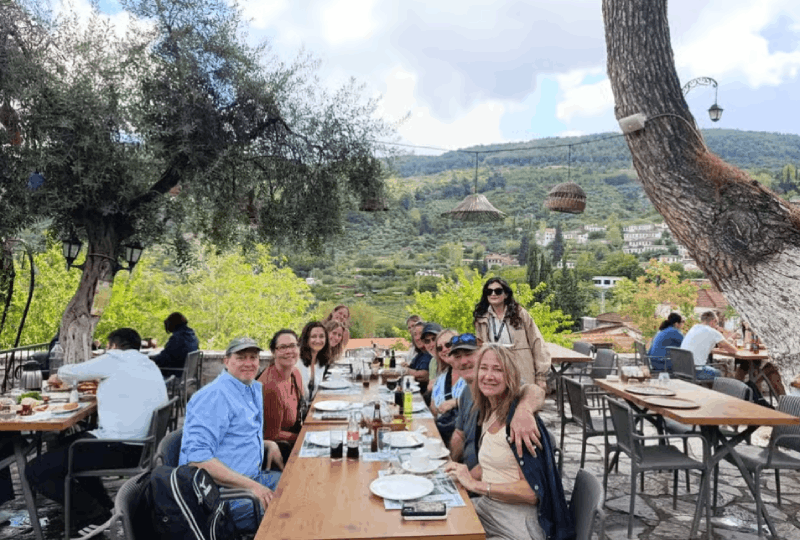
Average Cost of Budget Backpacker Tours to Chichen Itza
Average Cost of Budget Backpacker Tours to Chichen Itaza
Budget backpackers looking to experience the iconic ruins of Chichen Itza can expect a wide range of prices, largely dictated by the tour format, group size, transportation mode, and included extras. Across the most common offerings—day‑trip shuttles, shared minibus tours, and multi‑day adventure packages—the average per‑person cost falls between US $30 and $85. Below is a detailed breakdown of the typical price components that shape this range.
—
1. Core Price Structure
| Tour Type | Typical Duration | Group Size | Base Price (USD) | ||
|---|---|---|---|---|---|
| Shared minibus day trip (pick‑up from major hostels in Playa del Carmen, Tulum, or Valladolid) | 6–8 hours (including travel, guide, entrance) | 10‑20 pax | $30‑$45 | ||
| Organized group day tour (departure from Cancun Airport or central bus terminal) | 7–9 hours | 15‑30 pax | $35‑$55 | ||
| Overnight backpacker package (includes budget accommodation near the site, meals, and a guided sunrise visit) | 2 days/1 night | 8‑12 pax | $70‑$85 |
The base price generally covers:
- Round‑trip ground transportation (air‑conditioned minibus or shared van)
- Official entrance fee to Chichen Itza (approximately $25 for foreign visitors; many tours negotiate a bulk rate)
- English‑language guide (licensed, with a focus on archaeological highlights)
- Basic insurance for the day’s activities (often included in the operator’s liability coverage)
—
2. Factors Influencing Price Variability
1. Departure Point
Tours leaving from Cancun International Airport or downtown Cancun command a premium of $5‑$10 due to longer mileage. Hostels in Playa del Carmen, Tulum, or Valladolid can secure lower rates because of proximity (30‑45 km vs. 200 km).
2. Seasonality
High‑season months (December–April, Easter week) see a 10‑15 % price uplift. Low‑season (May–October) often brings discounts, especially for group bookings of 12 or more.
3. Group Size
Operators typically lower the per‑person cost when the group exceeds 15 participants, sometimes offering a “pay‑what‑you‑can” slot for solo travelers willing to share a seat.
4. Additional Services
- Bicycle or e‑bike rentals for a self‑guided exploration of the surrounding cenotes add $8‑$12.
- Snacks or bottled water are often optional, ranging from $2‑$5.
- Professional photography packages (digital download) can add $10‑$15.
5. Currency Fluctuations
The Mexican peso’s exchange rate against the US dollar can cause minor week‑to‑week adjustments, typically within a $1‑$2 margin.
—
3. Cost‑Saving Strategies for Backpackers
- Book Directly with Hostels: Many hostels negotiate a “hostel‑rate” with local tour operators, passing a discount of $5‑$8 per person to guests.
- Travel in Small Groups: Forming a group of 4‑6 travelers allows you to split a private minivan hire, bringing the cost down to $20‑$25 per person (excluding entrance fee).
- Utilize Public Transportation: ADO bus tickets from Playa del Carmen to Valladolid cost $5‑$7 each way. From Valladolid, colectivos or shared taxis to Chichen Itza are $2‑$3. Adding a self‑guided guidebook or audio app (≈$3) yields a total of $30‑$35 for the day.
- Combine with Nearby Sites: Some operators bundle a visit to the cenote Ik Kil or the colonial town of Valladolid for an extra $10‑$12, delivering better value than booking separate excursions.
—
4. Sample Budget Itinerary (Day‑Trip)
1. 06:30 am – Pickup at hostel lobby (minibus, air‑conditioned).
2. 08:15 am – Arrival at Chichen Itza; entry ticket included.
3. 08:30 am‑12:30 pm – Guided tour covering the Pyramid of Kukulcán, the Great Ball Court, and the Observatory.
4. 12:45 pm – Optional cenote dip (Ik Kil) – additional $8.
5. 02:00 pm – Return to departure point; free time for snacks (self‑purchase).
6. 04:00 pm – Drop‑off at hostel.
Total cost for the itinerary, including transport, guide, and entrance, averages $38 per person. Adjusting the departure city to Cancun raises the total to approximately $45.
—
5. Bottom Line
For backpackers, the most economical way to see Chichen Itza lies in shared minibus day trips departing from nearby hostels, with prices clustering around $30‑$45. Travelers willing to coordinate their own transport or join a small private group can push the cost below $30, while those seeking a more immersive experience with overnight lodging should budget $70‑$85. Understanding the breakdown of transportation, entrance fees, and guide services enables informed decisions and maximizes the value of each peso spent on this world‑renowned archaeological wonder.
Top-Rated Budget Tour Operators for Chichen Itza
Top‑Rated Budget Tour Operators for Chichén Itzá
| Operator | Typical Price (USD) | Duration | Inclusions | Highlights | Backpacker Rating (1‑5) | ||
|---|---|---|---|---|---|---|---|
| Maya Explorer | 38 – 45 (per person) | 5‑hour day trip | Round‑trip transport from Playa del Carmen or Tulum, English‑language guide, entrance fee, bottled water, small snack | Small‑group size (max 12), flexible departure times, optional cenote stop for an extra $8 | 4.6 | ||
| Eco‑Trail Adventures | 42 (per person) | 6 hours | Shared minivan, bilingual guide, entrance ticket, reusable water bottle, basic lunch (tortilla, beans, fruit) | Emphasis on sustainable practices, carbon‑offset contribution, stops at a local market for a brief cultural immersion | 4.5 | ||
| Backpackers’ Yucatán | 35 (per person) | 4‑hour half‑day | Transport from Valladolid, Spanish‑language guide, entrance fee, bottled water | Cheapest option for travelers staying in Valladolid, quick‑visit format leaves time for afternoon beach or cenote | 4.2 | ||
| Chichén Budget Tours | 48 (per person) | 7 hours | Air‑conditioned van, English guide, entrance fee, lunch (sandwich, chips, fruit), souvenir discount voucher | Includes a guided walk through the nearby Sacred Cenote, optional bike rental for an extra $5 | 4.4 | ||
| Yucatán Wanderers | 40 – 46 (per person) | 5‑hour | Shared 4‑seat van, bilingual guide, entrance ticket, bottled water, fruit snack | Focus on photography tips, early‑morning departure to avoid crowds, free Wi‑Fi on board | 4.3 | ||
| Nomad Maya Tours | 44 (per person) | 5‑hour | Private minibus (up to 6 travelers), English guide, entrance fee, reusable water bottle, light snack | Ideal for small groups seeking a semi‑private experience, includes a short stop at a nearby archaeological site (Ek’ Balam) for an additional $10 | 4.5 |
Key Considerations When Choosing a Budget Operator
1. Group Size – Smaller groups (8‑12 people) generally provide more interaction with the guide and faster movement through the site. Operators such as Maya Explorer and Eco‑Trail Adventures keep groups at this size, while Backpackers’ Yucatán runs larger shared shuttles that can feel more crowded.
2. Departure Location – Travelers staying in the Riviera Maya (Playa del Carmen, Tulum) benefit from operators that pick up directly from hostels or central meeting points. Those based in Valladolid or Cancún should verify the pickup point to avoid extra transport costs.
3. Language of Guide – English‑speaking guides are standard on most budget tours, but a bilingual (Spanish/English) guide can add depth for travelers interested in local terminology and folklore. Eco‑Trail Adventures and Yucatán Wanderers excel in this area.
4. Meal Options – Most budget tours include a light snack and bottled water. If a full lunch is required, Chichén Budget Tours offers a sandwich‑style meal for the same price, while Maya Explorer allows a cheap add‑on for a local cenote lunch.
5. Sustainability Practices – Eco‑Trail Adventures incorporates carbon‑offset contributions and uses reusable water bottles for all participants. Backpackers interested in low‑impact travel should prioritize operators with clear environmental policies.
6. Extra Stops – Some operators bundle additional experiences, such as a visit to the Sacred Cenote (Chichén Budget Tours) or a brief market tour (Eco‑Trail Adventures). These add‑ons usually cost $5‑$10 and can enrich the itinerary without significantly raising the overall budget.
Typical Booking Process
- Online reservation – Most operators require a minimum of 24‑hour notice. Payment is usually collected via credit card or PayPal; a small cancellation fee (often 20 %) applies if cancelled within 12 hours of departure.
- Hostel desk assistance – In major backpacker hubs, hostel staff often hold a daily quota of seats for each tour. Confirming in person can guarantee a spot and sometimes yields a modest discount.
- Group formation – If a tour is not full, operators may combine travelers from nearby hostels to meet the minimum passenger count. This practice keeps prices low but may slightly delay departure times.
Value Assessment
For a budget traveler, the most cost‑effective choice balances price, group size, and inclusions. Maya Explorer and Eco‑Trail Adventures consistently deliver a comprehensive experience—including entrance fees, guide expertise, and a cultural add‑on—within the $38‑$45 range, making them the top recommendations for backpackers seeking depth without overspending. Backpackers’ Yucatán remains the cheapest entry point, ideal for those with limited time in Valladolid, while Chichén Budget Tours offers the most inclusive package for a modest premium. Selecting the appropriate operator depends on the traveler’s base city, desired group intimacy, and interest in supplemental activities.
What to Expect on a Day Trip to Chichen Itza
What to Expect on a Day Trip to Chichén Itzá
A typical budget‑backpacker day trip to the UNESCO‑listed ruins of Chichén Itzá departs early from the Yucatán Peninsula’s major hostels and budget hotels, most often from Playa del Carmen, Tulum, or Cancún. Operators schedule a pickup between 5:30 am and 6:30 am, allowing the group to cross the 2‑hour highway before the site opens to the public at 8:00 am. Buses are usually air‑conditioned mini‑coaches with a maximum of 20‑30 passengers, providing a comfortable ride in the region’s warm, humid climate.
Arrival and Entry
Upon arrival, the guide—typically a bilingual (Spanish/English) local historian—will meet the group at the main entrance, where a single‑ticket price (approximately US $23 for foreigners, US $5 for Mexican citizens) is included in the tour fee. The guide’s fee, often bundled into the overall cost of US $45‑$60 per person, covers entrance, transportation, and a brief commentary throughout the circuit. Some operators add a small contribution for a park‑maintained “conservation fund,” which appears as a line item on the receipt.
Guided Walkthrough
The itinerary follows a clockwise loop that can be completed in 2½‑3 hours, allowing time for photos, restroom breaks, and a short rest under the shade of the on‑site café. Key structures highlighted by the guide include:
- El Castillo (Temple of Kukulcán) – The iconic stepped pyramid where the equinox “serpent shadow” effect can be observed. The guide explains the astronomical alignment and the significance of the 365 steps representing the solar calendar.
- Great Ball Court – The largest Mesoamerican ballcourt, where the guide describes the ritualistic nature of the ancient sport and the acoustic “echo” phenomenon.
- Temple of the Warriors – Noted for its carved columns and the “Jaguar Throne” relief; the guide often points out the blend of Maya and Toltec artistic influences.
- The Observatory (El Caracol) – A circular tower thought to function as an early astronomical instrument; the guide may demonstrate how the structure aligns with Venus’ rise and set.
- The Sacred Cenote – A natural sinkhole used for offerings; the guide recounts the archaeological findings of gold, jade, and human remains.
Pacing and Physical Demands
The walk involves uneven stone steps, occasional steep climbs, and open‑air exposure. While the terrain is manageable for most backpackers, a moderate level of fitness is advisable. The guide will suggest a slower pace for those with limited mobility and may arrange a brief rest period near the on‑site restroom facilities.
Amenities and Breaks
A modest cafeteria near the entrance sells bottled water, fruit, tortillas, and inexpensive snacks (average cost US $2‑$4). Backpackers are encouraged to bring a reusable water bottle, as refill stations are scarce. Restroom facilities are basic but functional; a small fee (US $0.50) is sometimes required for use.
Timing and Return
Most tours schedule a departure from the site at 11:30 am, allowing the group to be back in Playa del Carmen, Tulum, or Cancún by 2:00 pm. This timing leaves ample afternoon for beach activities or additional budget excursions, such as a cenote swim or a visit to a local market.
*“For budget travelers, the greatest value comes from joining a small‑group tour that includes a knowledgeable guide and a pre‑paid entrance ticket. Arriving early not only avoids the midday heat but also reduces wait times at the ticket booths. Pack a lightweight rain jacket—Yucatán showers can appear suddenly—and a pair of breathable walking shoes. If you’re interested in the equinox shadow effect, verify the exact date with the operator, as many tours run year‑round but only the March and September equinoxes produce the full serpentine illusion.”*
Essential Packing List for Chichen Itza Backpackers
Essential Packing List for Chichén Itza Backpackers
Clothing
- Moisture‑wicking T‑shirts (2–3) – Quick‑dry fabrics keep you comfortable in the humid Yucatán climate and allow easy laundering on the road.
- Lightweight long‑sleeve shirt (1) – Provides sun protection for the shoulders and a modest layer for early‑morning visits when temperatures dip.
- Convertible travel pants (1–2) – Zip‑off legs convert to shorts, offering versatility for jungle walks, temple tours, and evening bus rides.
- Quick‑dry shorts (1–2) – Ideal for hot midday excursions and for layering under a rain jacket if needed.
- Packable rain poncho or thin waterproof jacket (1) – Sudden showers are common, especially during the rainy season (June‑October). A compact poncho adds protection without bulk.
- Swimwear (1) – Many budget hostels have shared pools; a quick dip after a day of exploring can be refreshing.
- Underwear and socks (5–7 each) – Synthetic or merino blends reduce odor and dry fast.
- Sun‑protective hat or cap (1) – A wide‑brimmed hat shields the face and neck from intense UV rays.
Footwear
- Sturdy, broken‑in hiking sandals or trail shoes (1 pair) – Good grip on uneven stone steps and jungle paths, plus ventilation for hot days.
- Lightweight flip‑flops or sandals (1 pair) – Useful for hostel showers and beach stops on the way to or from Chichén Itza.
Accessories
- Reusable water bottle (0.5–1 L) – Staying hydrated is critical; many sites have refill stations.
- Microfiber travel towel (1) – Compact, fast‑dry, and handy for impromptu swims or wiping sweat.
- Sunglasses with UV protection (1) – Reduces glare on the limestone structures and protects eyes.
- Bandana or buff (1) – Multipurpose: dust mask, sweat absorber, or neck cooler.
- Travel‑size daypack (20–30 L) – Holds water, snacks, camera, and rain cover; choose one with a padded back and breathable mesh.
Health & Safety
- Broad‑spectrum sunscreen (SPF 30–50, 100 ml) – Reapply every two hours, especially after sweating.
- Insect repellent containing DEET or picaridin (30 ml) – Essential for evenings in nearby jungle areas where mosquitoes are active.
- Basic first‑aid kit – Include adhesive bandages, antiseptic wipes, blister pads, pain relievers, and any personal prescription medication.
- Hand sanitizer (30 ml) – Keeps hands clean before meals, especially when local food stalls lack running water.
Technology
- Smartphone with offline map apps – Download “Google Maps” offline for the Chichén Itza area and surrounding bus routes.
- Portable power bank (10,000 mAh) – Guarantees charge for navigation and communication during long bus rides.
- Universal travel adapter (Type A/B) – Mexican outlets use 110 V, 60 Hz; an adapter covers most hostels and cafés.
- Compact camera or action cam (optional) – For high‑resolution shots of the Pyramid of Kukulcán and surrounding jungle.
Documents & Money
- Passport (original and photocopy) – Keep the copy in a separate compartment for emergencies.
- Travel insurance card or digital proof – Required for medical assistance in case of injury.
- Mexican pesos (small denominations) – Needed for entrance fees, tips, and market purchases where cards are not accepted.
- Secure money belt or hidden pouch – Protects cash and documents from pickpocketing.
Optional Extras
- Lightweight sleeping bag liner – Adds hygiene when staying in shared dorms.
- Travel journal and pen – Document daily impressions of the Mayan ruins and surrounding cenotes.
- Small lock (cable or combination) – Secures belongings in hostel lockers.
Packing Tips
- Roll clothing instead of folding to maximize space and reduce wrinkles.
- Use zip‑lock bags for electronics and toiletries to protect against humidity.
- Keep the rain poncho and sunscreen in the outer pocket of the daypack for quick access during sudden showers or midday sun.
By adhering to this list, budget backpackers can travel light, stay comfortable, and fully enjoy the archaeological marvels and natural beauty surrounding Chichén Itza without unnecessary weight or expense.
Transportation Options: Getting to Chichen Itza on a Budget
Transportation Options: Getting to Chichén Itzá on a Budget
1. ADO Intercity Buses
ADO is the main long‑distance carrier in the Yucatán Peninsula and offers the most reliable, low‑cost service for backpackers.
- From Cancún: Depart from the ADO terminal on Avenida Tulum (Terminal de Autobuses Cancún). Direct “Playa del Carmen‑Chichén Itzá” routes run twice daily, departing around 07:00 h and 14:30 h. The journey takes 2 h 30 min and costs MXN 180–220 (≈ US 9–11).
- From Playa del Carmen: Buses leave from the central terminal (Terminal de Autobuses Playa del Carmen) every 3–4 h. Tickets are MXN 140–170 (US 7–8). Travel time is roughly 2 h.
- From Tulum: The same service departs from the Tulum bus station; fares are MXN 150–180 (US 7.5–9) and the trip lasts about 2 h 15 min.
- From Mérida: Direct ADO routes run twice daily, leaving at 06:30 h and 13:00 h. The fare is MXN 250–300 (US 12–15) and the travel time is 2 h 45 min.
Tickets can be purchased at the terminal, via the ADO app, or at small kiosks in hostels. Bring exact change for the on‑board conductor, who will issue a receipt.
2. Colectivos (Shared Minibuses)
Colectivos are informal minibuses that operate on fixed routes but with flexible departure times, making them the cheapest option for spontaneous travel.
- Routes: The most common colectivo line runs from Valladolid to Chichén Itzá, stopping at the archaeological site’s entrance. From Valladolid, colectivos also connect to Cancún, Playa del Carmen, and Mérida.
- Cost: From Valladolid, a single ride costs MXN 30–40 (US 1.5–2). The trip from Valladolid to the ruins is 45 min. From Cancún, a colectivo can be caught in the city centre (Plaza de la Cultura) and will drop passengers in Valladolid for MXN 120–150 (US 6–7); from there, switch to the local colectivo.
- Frequency: Colectivos leave when the vehicle is full, typically every 30–45 min during peak tourist season.
3. Shared Tourist Shuttles
Several local operators in the Riviera Maya and the Yucatán interior run daily shuttle services that bundle transportation with a brief guide at the site.
- Pricing: A round‑trip shuttle from Cancún or Playa del Carmen costs MXN 250–300 (US 12–15), which includes a short audio guide.
- Booking: Reservations can be made at hostel reception desks or at small travel agencies in the city centre.
- Advantages: Shuttles often depart early (06:00 h) to beat the crowds and return by mid‑afternoon, allowing a full day of exploration elsewhere.
4. Rental Bicycles and E‑Bikes
For the adventurous backpacker staying in Valladolid, renting a bike offers a zero‑fuel, low‑cost way to reach Chichén Itzá.
- Rates: Standard bicycles are MXN 80–120 per day (US 4–6); electric-assist bikes are MXN 180–220 per day (US 9–11).
- Distance: The paved road from Valladolid to the site is 43 km; a fit rider can cover the distance in 2 h 30 min on a standard bike, while an e‑bike reduces travel time to about 1 h 30 min.
- Safety: Use the main highway (Carretera Federal 180) and wear a helmet; traffic is light but occasional trucks pass at high speed.
5. Car‑Sharing and Ride‑Pooling Apps
In larger cities such as Cancún and Mérida, ride‑pooling platforms occasionally list trips to Chichén Itzá.
- Cost: Prices range from MXN 300–350 (US 15–17) for a shared ride, split among 2–3 passengers.
- Availability: Listings appear most frequently on weekends and holidays; bookings must be made at least 24 h in advance.
6. Budget Tips for All Modes
- Combine Transport: Use a low‑cost ADO bus to Valladolid, then switch to a colectivo or bike for the final leg. This hybrid approach often reduces total expense by 20 % compared with a single direct bus.
- Travel Off‑Peak: Early‑morning departures (05:30–07:00 h) are cheaper on ADO and experience less crowding at the site.
- Buy Return Tickets: ADO offers a 10 % discount on round‑trip purchases made at the terminal.
- Carry Small Change: Conductors on colectivos and ADO buses require exact cash for fare and any optional “tourist tax” (MXN 5).
- Stay Near Valladolid: Hostels in Valladolid are typically 5–10 minutes’ walk from the main colectivo stop, eliminating the need for additional transport to the city centre.
By selecting the appropriate combination of ADO buses, colectivos, or bike rentals, backpackers can reach Chichén Itzá for under MXN 200 (US 10) one‑way, preserving budget for entrance fees, meals, and additional excursions.
Included Amenities and Exclusions in Budget Tours
Budget backpacker tours to Chichén Itzá are designed to keep costs low while still delivering a functional, safe, and informative experience. Understanding what is typically bundled into the base price—and what falls outside the package—helps travelers avoid surprise fees and plan their daily budget more accurately.
Core Inclusions
1. Round‑Trip Transportation
Most budget operators provide a shared minibus or 12‑seat van that departs from a central meeting point in Valladolid, Mérida, or Cancun. The vehicle is air‑conditioned, equipped with a roof rack for luggage, and includes a driver who also serves as the tour coordinator. Fuel, tolls, and basic insurance for the vehicle are covered.
2. Professional Guide Services
A licensed Spanish‑speaking guide (often bilingual in English) accompanies the group for the entire visit. The guide offers a chronological narrative of the site, explains the astronomical significance of the El Castillo pyramid, and points out lesser‑known features such as the Juego de Pelota court and the Temple of the Warriors. Guide fees are included in the advertised price.
3. Entrance Ticket
The standard entry fee for the archaeological zone (approximately MXN 480 for foreign adults) is typically bundled. This fee grants access to all public areas, the on‑site museum, and the audio‑visual presentation at the entrance plaza.
4. Water and Light Snacks
To address basic hydration needs, operators usually supply two bottles of bottled water (500 ml each) and a small snack such as a granola bar or fruit slice. This provision is intended for short breaks and does not constitute a full meal.
5. Basic Safety Gear
For tours that include the optional climb to the top of El Castillo (allowed on certain days), a safety harness and a brief safety briefing are provided at no extra charge. The harness is returned to the guide at the end of the climb.
6. Travel Insurance (Limited Coverage)
Some budget operators include a minimal travel insurance component that covers medical evacuation for accidents occurring during the tour. The coverage limit is modest (typically up to USD 5,000) and is intended as a safety net rather than comprehensive protection.
Common Exclusions
1. Tips and Gratuities
Gratuities for the guide, driver, and any support staff are not included. While tipping is discretionary, a standard recommendation is USD 5–10 per person for the guide and USD 3–5 for the driver.
2. Meals and Beverages Beyond the Provided Water
Lunch, dinner, and any additional snacks are the responsibility of the traveler. Budget tours often schedule a stop at a local eatery, but the cost of the meal is not covered. Travelers should budget MXN 150–250 per person for a basic restaurant meal.
3. Personal Expenses and Souvenirs
Purchases from the on‑site gift shop, local artisan stalls, or optional photo packages are excluded. Prices for replica artifacts, textiles, and handcrafted jewelry vary widely.
4. Optional Activities
Extras such as a cenote swim, horseback riding, or a night‑time light show at the site are not part of the core itinerary. If offered, these activities are billed separately and must be booked in advance.
5. Additional Insurance
Comprehensive travel insurance covering trip cancellation, lost luggage, or pre‑existing medical conditions is not included. Backpackers are advised to secure an independent policy that matches their risk profile.
6. Special Equipment
Items such as sunscreen, insect repellent, hats, and sturdy walking shoes are personal necessities and are not provided. Some operators may rent binoculars or a portable fan for an extra fee.
Variations Across Operators
While the above list reflects the most common structure, individual budget companies may adjust inclusions to differentiate themselves. For example, a few operators bundle a simple lunch (tortas or tacos) into the price, while others may replace the bottled water with a refillable water station to reduce waste. Conversely, some tours exclude the safety harness for the El Castillo climb, charging a nominal fee only for participants who opt to ascend.
Travelers should review the detailed itinerary and “what’s included” section on the operator’s brochure or booking page. Clarifying any ambiguous items—such as whether the entrance fee covers the optional “Chichén Itzá at Night” experience—prevents misunderstandings on the day of the tour.
Bottom‑Line Budget Planning
A typical budget backpacker package ranges from USD 30 to USD 45 per person, inclusive of transport, guide, entrance ticket, water, and a light snack. Adding gratuities (USD 8–15), a modest meal (USD 5–8), and optional extras (USD 10–20) brings the total daily cost to roughly USD 55–80. By accounting for the explicit exclusions listed above, travelers can allocate funds accurately, avoid unexpected out‑of‑pocket expenses, and focus on enjoying the archaeological marvels of Chichén Itzá without compromising safety or comfort.
Visitor Reviews: Pros and Cons of Popular Chichen Itza Tours
Visitor Reviews: Pros and Cons of Popular Chichén Itzá Tours
Backpackers looking for an affordable way to see Chichén Itzá can choose from a range of day‑trip formats that dominate the market: large group buses departing from Cancun, Playa del Carmen, or Tulum; small‑group minivan tours; private hires; sunrise bike excursions; and combo packages that add a cenote swim or a visit to the nearby town of Valladolid. Online rating platforms and travel forums reveal recurring themes that help travelers weigh the strengths and weaknesses of each option.
Large Group Bus Tours (Cancun, Playa del Carmen, Tulum)
*Typical price:* US $45‑$60 per person, includes round‑trip transport, English‑speaking guide, and entry ticket.
*Pros*
- Cost efficiency: The shared‑fare model keeps the price among the lowest for a fully guided experience.
- Convenient scheduling: Tours leave early in the morning (often 7 am) and return by late afternoon, fitting easily into a backpacker’s itinerary.
- English‑language guide: Most operators provide a knowledgeable guide who covers the main architectural highlights, legends, and archaeological context.
- Included entry fee: The ticket price is bundled, eliminating the need for separate purchase at the site.
*Cons*
- Crowded transport: Buses often seat 30‑40 passengers, limiting personal space and making luggage handling cumbersome.
- Fixed itinerary: Stops are limited to Chichén Itzá and a quick lunch stop; optional add‑ons (cenotes, Valladolid) require a separate booking.
- Limited interaction: Large groups reduce opportunities for personalized questions, and the guide’s attention is divided among many travelers.
- Tourist peak times: Departures are timed to avoid the midday heat, but the site can still be busy, especially during the “El Castillo” light‑and‑sound show.
Small‑Group Minivan Tours (10‑15 people)
*Typical price:* US $55‑$70 per person, includes transport, guide, entry ticket, and a light snack.
*Pros*
- More intimate setting: Fewer passengers create a relaxed atmosphere and allow the guide to tailor commentary to group interests.
- Flexibility for stops: Operators often include a brief cenote dip or a photo stop in Valladolid without a major price increase.
- Better climate control: Minivans usually have air‑conditioning, which is a noticeable comfort advantage in the Yucatán heat.
*Cons*
- Higher price point: The per‑person cost rises compared to large buses, which can strain a tight backpacker budget.
- Variable quality of guides: Smaller operators may not vet guides as rigorously, leading to occasional inconsistencies in historical depth.
- Limited luggage space: Minivans have tighter storage, so travelers must travel light or risk leaving gear behind.
Private Tours (1‑4 travelers)
*Typical price:* US $120‑$180 per person, inclusive of a private driver, guide, entry ticket, and optional stops.
*Pros*
- Full control of schedule: Departure times, duration at the site, and additional attractions are customizable.
- Personalized narration: Guides can adjust the depth of information, answer specific questions, and accommodate language preferences (e.g., Spanish‑only or bilingual).
- Comfort and privacy: A private vehicle offers ample space for backpacks and the ability to stop at scenic viewpoints on the way back.
*Cons*
- Significant cost increase: Even when split among four travelers, the price remains above the average budget range.
- Potential for over‑planning: Some travelers report feeling rushed if they try to cram too many extra stops into a single day.
- Finding reputable providers: The market includes informal operators; without platform reviews, quality assurance can be uncertain.
Sunrise Bike Tours (Playa del Carmen, Tulum)
*Typical price:* US $70‑$85 per person, includes bike rental, guide, entry ticket, and a light breakfast.
*Pros*
- Unique experience: Riding to the site before sunrise offers cooler temperatures, fewer crowds, and dramatic lighting for photography.
- Active travel style: Appeals to backpackers who prefer low‑impact, eco‑friendly transport.
- All‑inclusive package: Breakfast and entry fee are bundled, reducing the need for extra purchases.
*Cons*
- Physical demand: Early‑morning cycling over 30‑40 km can be challenging for travelers with limited fitness or heavy packs.
- Limited luggage capacity: Bikes have small pannier space; larger backpacks must be left at the hotel or carried on the bike, which can be uncomfortable.
- Weather dependency: Rain or extreme heat may lead to cancellations or a switch to a bus alternative, affecting the itinerary.
Combo Packages (Chichén Itzá + Cenote + Valladolid)
*Typical price:* US $80‑$100 per person, includes transport, guide, entry ticket, cenote entrance, and a traditional Yucatán lunch.
*Pros*
- Value for money: Combining three attractions in one price often saves 15‑20 % compared with booking each separately.
- Cultural immersion: The Valladolid stop adds a colonial‑town perspective, while the cenote offers a refreshing swim and a chance to experience natural limestone formations.
- Efficient time use: Tours are designed to minimize backtracking, allowing a full day’s worth of experiences without extra travel costs.
*Cons*
- Tight schedule: The itinerary can feel rushed, especially if the group spends extra time at the cenote or in Valladolid.
- Variable quality of cenotes: Some operators partner with commercialized cenotes that have high entrance fees and crowded facilities, which may not match backpacker expectations for a “off‑the‑beaten‑path” experience.
- Potential language mismatch: Guides may focus heavily on the archaeological site, providing limited commentary for the cenote or town, leaving non‑English speakers at a disadvantage.
Overall Assessment
Backpackers consistently rate tours that balance low cost, reliable English narration, and a modest level of flexibility as the best value. Large group buses win on price but lose on comfort and personalization, while small‑group minivans and combo packages strike a middle ground. Private tours and sunrise bike rides cater to niche preferences—privacy and adventure—yet demand a higher budget and greater physical readiness. When selecting a Chichén Itzá tour, travelers should prioritize the factors most aligned with their itinerary constraints, fitness level, and desire for cultural depth versus pure cost savings.
Tips for Saving Money on Entrance Fees and Guides
1. Purchase Tickets Online in Advance
Buying the entrance ticket through the official Mexican tourism portal or reputable ticket‑aggregator sites often includes a modest discount (typically 5–10 %). Advance purchase also guarantees entry on the desired day, avoiding the higher “same‑day” price that some vendors charge to tourists arriving without a reservation.
2. Take Advantage of Early‑Bird and Off‑Season Rates
During the low‑tourist months (May‑October, excluding the spring‑break period) the Federal Archaeological Institute sometimes reduces the standard fee by up to 15 %. Early‑morning slots (before 8 am) are also cheaper and provide a quieter site experience.
3. Use the “INAP” Tourist Card
The Instituto Nacional de Antropología e Historia (INAP) issues a multi‑site card that grants access to several major archaeological zones, including Chichén Itzá, for a single price. For backpackers planning to visit additional sites such as Ek Balam or Uxmal, the card can cut overall costs by 30 % compared with buying separate tickets.
4. Student, Youth, and Senior Discounts
Present a valid ID (student, youth under 26, or senior over 60) at the ticket booth to receive a 50 % reduction on the entrance fee. Some hostels and travel agencies also keep a stock of discounted tickets; ask the front desk for the most recent discount codes.
5. Group Tours vs. Private Guides
- Group Tours: Joining a shared‑bus or minibus tour organized by a local agency typically includes the entrance fee and a guide for a fixed price. Per‑person costs range from US 10–15, which is significantly lower than hiring a private guide.
- Private Guides: If a personalized experience is essential, negotiate directly with licensed guides at the site entrance. Many offer a “per‑hour” rate (approximately US 20) and are willing to lower the fee for groups of three or more. Confirm the guide’s credentials (INAH badge) before agreeing.
6. Self‑Guided Options
Download a reputable audio guide app or obtain a printed guidebook before arrival. The official Chichén Itzá app provides multilingual commentary synced to GPS coordinates and is free after ticket purchase. This eliminates the need for a paid guide while still delivering detailed historical context.
7. Combine Entrance with Transportation
Some ADO bus routes (e.g., Valladolid → Chichén Itzá) sell combined tickets that include both the bus fare and site entry. This bundled option can shave up to US 3 off the total cost compared with buying each component separately.
8. Look for “Free‑Entry” Days
The Mexican government occasionally designates national holidays (e.g., Día de la Independencia, 16 September) as free‑entry days for citizens. While foreigners are still charged, the reduced administrative fees on these dates can lower the overall price by a few dollars.
9. Avoid “Tourist‑Trap” Vendors
At the entrance, unofficial vendors may offer “fast‑track” tickets at inflated prices (up to 2‑3 times the official rate). Stick to the official ticket windows or pre‑book online to guarantee the correct price.
10. Stay in Nearby Hostels Offering Package Deals
Several budget hostels in Valladolid and the town of Chichén Itzá provide “hostel‑plus‑ticket” packages. These typically bundle a night’s accommodation, breakfast, and a discounted entrance fee, delivering savings of US 5–8 per traveler.
By planning ahead, leveraging discounts, and choosing the most cost‑effective guide option, backpackers can experience the majesty of Chichén Itzá without straining a limited budget.
Weather Considerations and Recommended Gear for Chichen Itza
Weather Considerations and Recommended Gear for Chichén Itzá
The climate at the archaeological zone of Chichén Itzá is typical of the Yucatán Peninsula: hot, humid, and subject to a pronounced wet season. Understanding the seasonal patterns is essential for selecting appropriate gear and ensuring comfort while exploring the site on a budget‑friendly backpacking tour.
Seasonal Overview
- Dry Season (November – April): Daytime highs range from 27 °C to 32 °C (81 °F – 90 °F). Relative humidity averages 55 %–70 %, making the heat feel less oppressive. Nighttime temperatures drop to 15 °C – 20 °C (59 °F – 68 °F). Rainfall is scarce, with less than 30 mm per month, providing clear skies and optimal visibility for photography.
- Wet Season (May – October): Temperatures rise to 30 °C – 35 °C (86 °F – 95 °F). Humidity frequently exceeds 80 %, intensifying the perceived heat. Monthly precipitation peaks in September, reaching 200 mm – 250 mm, and thunderstorms often occur in the late afternoon. Flooding can temporarily restrict access to peripheral structures, though the main temple complex remains open.
Micro‑climatic Factors
The stone platforms retain heat after sunset, so early morning visits can feel cooler than midday. The surrounding jungle canopy creates pockets of shade, but the open plaza is exposed to direct sunlight for most of the day. Wind is generally light; occasional breezes from the Gulf of Mexico provide brief relief during the dry season.
Gear Recommendations
1. Lightweight, Breathable Clothing
- Pack moisture‑wicking shirts and trousers made of polyester or nylon blends.
- A long‑sleeve option protects against sunburn and insect bites while still allowing airflow.
- For the dry season, a thin, packable rain jacket is advisable for unexpected showers; during the wet season, a full‑length, waterproof shell with sealed seams is recommended.
2. Footwear
- Sturdy, closed‑toe hiking shoes with good traction are essential for uneven stone steps and occasional mud.
- Waterproof breathable membranes (e.g., Gore‑Tex) prevent feet from soaking during sudden rain.
- An extra pair of lightweight sandals can be useful for camp or hostel use, but should not replace primary hiking shoes on site.
3. Sun Protection
- A wide‑brimmed hat (minimum 7 cm brim) shields the face, neck, and ears.
- UV‑blocking sunglasses with polarized lenses reduce glare from the stone surfaces.
- Broad‑spectrum sunscreen (SPF 30 or higher) applied at least 15 minutes before exposure and reapplied every two hours.
4. Hydration and Cooling
- Carry a reusable water bottle or hydration bladder with a minimum capacity of 1 liter.
- A compact, insulated sleeve helps keep water cool in the midday heat.
- A small, foldable cooling towel can be wetted and draped around the neck during peak temperatures.
5. Rain Gear and Waterproofing
- A packable poncho or rain jacket with a hood protects both the body and backpack.
- Use zip‑lock bags or dry sacks for electronics, documents, and spare clothing.
- Apply a silicone‑based spray to the exterior of the backpack for added water resistance.
6. Insect Protection
- A DEET‑based or plant‑based repellent applied to exposed skin deters mosquitoes, especially during the wet season evenings.
- Clothing treated with permethrin provides an additional barrier without reapplication.
7. Navigation and Light
- A compact, waterproof map of the site and a small compass are useful for orienting within the extensive complex.
- A headlamp with extra batteries assists with early‑morning or late‑afternoon visits when shadows are long.
8. Health and Safety Extras
- A basic first‑aid kit containing band‑aids, antiseptic wipes, and electrolyte tablets addresses minor injuries and dehydration.
- A portable hand sanitizer helps maintain hygiene when restroom facilities are limited.
Packing Strategy for Budget Backpackers
Prioritize multi‑use items to keep weight low. A single waterproof jacket can serve as rain protection, wind barrier, and extra insulation for cooler evenings. Layering with a lightweight fleece or long‑sleeve shirt allows temperature regulation without adding bulk. Compress clothing in zip‑lock bags to maximize space in a 30‑40 L backpack, which is the typical size for a short‑duration Chichén Itzá tour.
By aligning gear choices with the seasonal climate and micro‑environment of Chichén Itzá, budget backpackers can maintain comfort, protect equipment, and fully experience the ancient site regardless of weather conditions.
Safety Guidelines and Health Precautions for Backpackers at Chichen Itza
Safety Guidelines and Health Precautions for Backpackers at Chichén Itzá
General Safety
- Purchase travel‑insurance that covers medical emergencies, evacuation, and trip interruption. Keep a digital copy of the policy and the insurer’s 24‑hour hotline on your phone.
- Use a reputable, licensed guide or join an organized day‑tour. Guides are required to stay on marked pathways, enforce site rules, and provide assistance in case of injury or sudden illness.
- Arrive early (opening hour, 8 am) to avoid the midday heat and large crowds. Early visits also reduce the risk of pickpocketing, which tends to increase during peak tourist periods.
- Keep valuables (passport, cash, credit cards) in a hidden travel‑wallet or money belt worn under clothing. Carry only the amount of cash needed for the day.
- Do not climb or sit on the pyramids, stone benches, or balustrades. All structures are fragile; climbing is prohibited and may result in fines or injury.
- Respect the “no‑food‑or‑drink” rule inside the archaeological zone. Eating or drinking while walking can attract insects and increase the chance of spills on ancient stone.
- Follow the posted “exit‑only” signage in case of an emergency evacuation. Emergency services in the Yucatán use the national 911 number; most responders speak Spanish and basic English.
Health Precautions
- Vaccinations: Routine immunizations (MMR, DTaP, polio) should be up to date. Hepatitis A and Typhoid vaccines are recommended for travelers who may eat street food outside the protected site. No malaria prophylaxis is required in the Chichén Itzá region.
- Hydration: Carry at least 2 L of bottled water per day. The heat and humidity can cause rapid dehydration; symptoms include dizziness, headache, and muscle cramps. Refill only from sealed bottles or trusted vendors.
- Sun Protection: UV index frequently exceeds 10. Apply broad‑spectrum SPF 30+ sunscreen every two hours, reapplying after sweating. Wear a wide‑brimmed hat, UV‑blocking sunglasses, and lightweight long‑sleeve shirts to minimize sunburn.
- Insect Bite Prevention: Aedes mosquitoes are present year‑round and can transmit dengue, Zika, and chikungunya. Use EPA‑registered repellent containing DEET 30 % or picaridin, and treat clothing with permethrin. Wear long pants and sleeves during early morning and late afternoon when mosquitoes are most active.
- Food Safety: Consume only sealed, commercially packaged foods or items prepared in front of you. Avoid raw salads, unpeeled fruit, and ice made from untreated water. Carry a small bottle of hand sanitizer (≥ 60 % alcohol) for use before meals.
- Medical Facilities: The nearest hospital is in Valladolid (≈ 45 km). For minor injuries, first‑aid stations are available at the park entrance. Carry a basic first‑aid kit with band‑aids, antiseptic wipes, adhesive tape, and any personal prescription medications. Include a short course of oral rehydration salts for severe dehydration.
- Altitude and Respiratory Concerns: Chichén Itzá sits at ~70 m above sea level; altitude sickness is not a concern. However, the tropical climate can exacerbate asthma or allergies. Bring inhalers or antihistamines as needed.
Emergency Preparedness
- Memorize the local emergency number (911) and the contact information for your embassy or consulate in Mérida.
- Store a photocopy of your passport, insurance card, and emergency contacts in a waterproof pouch separate from the originals.
- Share your daily itinerary and expected return time with a trusted friend or family member.
Packing Items Related to Safety and Health
- Refillable, BPA‑free water bottle (1 L capacity)
- SPF 30+ sunscreen (travel‑size tube)
- Wide‑brimmed hat and UV‑blocking sunglasses
- Lightweight, breathable long‑sleeve shirt and quick‑dry trousers
- Insect repellent (DEET 30 % or picaridin) and permethrin‑treated clothing (optional)
- Compact first‑aid kit (band‑aids, antiseptic wipes, adhesive tape, oral rehydration salts)
- Personal prescription meds with a copy of the prescription
- Hand sanitizer (≥ 60 % alcohol)
- Waterproof document pouch for passport, insurance, and emergency contacts
Adhering to these guidelines helps backpackers enjoy Chichén Itzá’s archaeological marvels while minimizing health risks and ensuring a safe, responsible travel experience.
Frequently Asked Questions
What is the typical cost of a budget backpacker day tour to Chichen Itza from Cancun?
Prices generally range from $35 to $55 USD per person, covering transportation, entrance fee, and a guide.
Are group tours cheaper than private tours for backpackers?
Yes; shared group tours often cost $5‑$10 less per person than private hires because expenses are split among participants.
Which season offers the lowest prices for Chichen Itza tours?
The low season (May to October, excluding holidays) usually sees discounts of 10‑15% on tour rates.
What do most backpacker reviews highlight as the best value feature of these tours?
Reviewers consistently praise the inclusion of a knowledgeable guide and the convenience of a door‑to‑door pickup from hostels.
How long does a typical budget day trip to Chichen Itza last?
Tours last approximately 7‑8 hours, including travel time, the site visit, and a brief lunch stop.
What essential items should be on a backpacker’s packing list for Chichen Itza?
Comfortable walking shoes, lightweight breathable clothing, a hat, sunscreen, reusable water bottle, insect repellent, a small rain poncho, and a portable charger.
Is a lunch break included in most budget tours?
Many operators provide a quick snack or sandwich; however, some tours require travelers to bring their own food.
Can backpackers join tours without pre‑booking, and are there same‑day slots?
Yes; most hostels and local agencies accept walk‑ins for same‑day departures, though space may be limited during peak hours.
What safety tips do backpacker reviews recommend for visiting Chichen Itza?
Stay hydrated, apply sunscreen frequently, keep valuables secured in a zippered pouch, and follow the guide’s instructions on restricted areas.
Are there any additional fees that backpackers should anticipate?
The entrance fee is typically included, but optional extras such as a professional photo package or a longer guided walk may incur an extra $5‑$10 USD.
| Month | Typical Weather | Visitor Volume | Average Cost (USD) * |
|---|---|---|---|
| Nov – Feb | Cool‑dry (22‑28 °C), low humidity | Medium – festivals attract locals | $45‑$70 (entry $25 + guided tour $20‑$30) |
| Mar – May | Warm‑dry (25‑32 °C), very sunny | Low – ideal for backpackers | $40‑$65 (entry $25 + shared minibus $15‑$20) |
| Jun – Oct | Hot‑humid, frequent afternoon showers | High – rainy season crowds dip but comfort drops | $35‑$60 (entry $25 + budget shuttle $10‑$15) |
| * Costs include entrance fee, standard guide (English), and typical transportation for a solo backpacker. Prices vary by provider and season. | |||
Travelers Insight
Chichén Itzá isn’t just a photo‑stop; it’s a living classroom of Maya engineering, astronomy, and mythology that rewards the curious traveler with layers of discovery. For the budget‑conscious backpacker, the site’s grandeur can be enjoyed without splurging on luxury tours—just a solid plan and a dash of flexibility. Arriving early (preferably before 8 am) not only guarantees cooler temperatures but also gives you a front‑row view of the sunrise over El Kukulcán, a moment that even seasoned travelers describe as “otherworldly.” While the iconic pyramid is the star, carving a few minutes for the lesser‑known structures—such as the Temple of the Warriors and the Observatory—provides a richer narrative of the city’s multifaceted role as a political, ceremonial, and astronomical hub.
Ticketing is straightforward: a single‑entry fee of US $25 (or MXN $480) covers the entire archaeological zone. The fee is the same for locals and foreigners, which helps keep the cost predictable. If you’re comfortable navigating the site on your own, the basic ticket suffices, but a short‑duration (45‑minute) English‑language guide can be hired at the entrance for roughly $15‑$20. These guides are usually certified local students who add context to the carvings and can point out hidden details—like the echo phenomenon at the Great Ball Court—that you’d otherwise miss. For a more structured experience, shared minibus tours departing from Valladolid or Playa del Carmen range from $30‑$45 and typically include a guide, transportation, and a brief lunch break.
Getting to Chichén Itzá on a shoestring is easier than you might think. The ADO bus network runs daily from major hubs such as Cancún, Mérida, and Valladolid; a one‑way ticket from Valladolid costs about $5‑$7 and drops you at the site’s main entrance. If you prefer a door‑to‑door experience, colectivos (shared vans) leave from downtown Valladolid every hour for roughly $2‑$3 per person. For those who value speed over frugality, a private shuttle can be booked for $12‑$15 per traveler when you join a group of 4‑6. Whichever option you choose, always keep an eye on the departure schedule—buses tend to leave on the hour, and missing one can add an unexpected $10‑$15 to your day.
Respectful behavior goes a long way in preserving the sanctity of this UNESCO World Heritage site. Shoes must be removed before entering the inner sanctum of the Temple of the Warriors, and climbing on any structure is strictly prohibited. Photography is allowed, but flash and tripod usage are banned to protect the limestone from erosion. When you’re wandering the plaza, remember that the site is still an active place of worship for local Maya communities; modest attire (shoulders and knees covered) is appreciated, especially during the early morning and late afternoon when ceremonies are more likely to occur. A small tip (around $2‑$3) for any local guide you encounter can also foster goodwill and support community‑based tourism.
Food and refreshment options near the entrance are limited but functional—think tacos, aguas frescas, and basic snacks priced between $2‑$5. For a more authentic taste, hop back into Valladolid for a quick lunch; the town’s market stalls serve cochinita pibil, relleno negro, and fresh ceviche at under $10. If you have extra time, combine your visit with nearby attractions: the cenote Ik Kil (entry $10) offers a refreshing dip after a hot day of walking, while the colonial town of Valladolid itself is worth a brief stroll for its pastel‑colored streets and the striking San Gervasio Cathedral. Pairing these experiences creates a full‑day itinerary that feels both adventurous and culturally immersive without breaking the bank.
Finally, keep a modest contingency fund for hidden costs: bottled water ($0.50), sunscreen ($1‑$2), and occasional entrance fees to ancillary sites (e.g., the nearby Ek Balam, $20). Travel insurance is advisable, especially if you plan on swimming in cenotes or renting bicycles for a night‑time exploration of the ruins (a growing trend among backpackers). Safety-wise, Chichén Itzá is well‑patrolled, but petty theft can occur in crowded areas, so a money belt or hidden pouch is a smart precaution. By budgeting roughly $60‑$80 per day—including transport, food, entrance, and a guide—you’ll experience the magic of the Maya world while keeping your wallet as light as your backpack. Happy exploring!
