
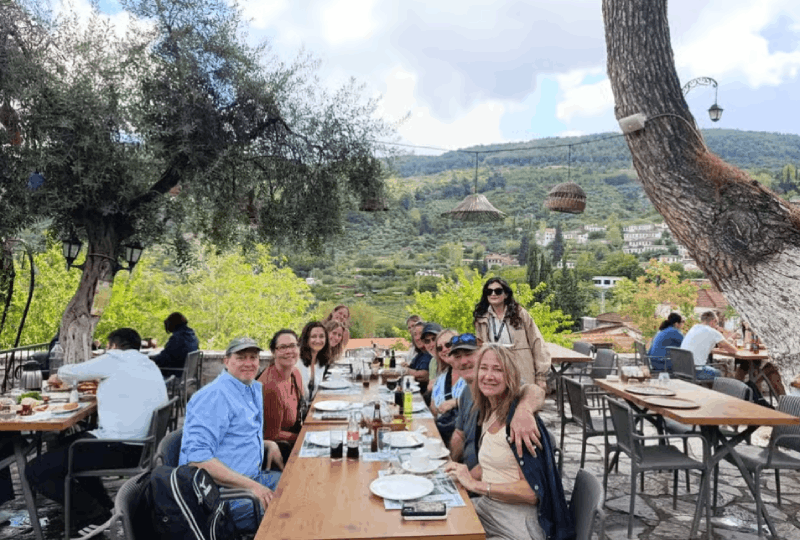
Average Chichen Itza Tour Prices by Season and Group Size
Average Chichén Itzá Tour Prices by Season and Group Size
Seasonal price structure
Chichén Itzá experiences two distinct demand periods: the high season (December – April, plus Easter week) and the low season (May – October, excluding major holidays). During the high season, guided tours typically command a 20 % – 30 % premium over low‑season rates because of increased visitor volume and higher accommodation costs in the surrounding area.
- High‑season full‑day standard tours (transport from Cancún, Playa del Carmen, or Tulum, entrance fee, and a bilingual guide) average US $85 – $110 per person.
- Low‑season equivalents fall in the US $65 – $85 per person range.
Premium packages that add a cenote swim, a visit to the nearby Ek Balam ruins, or a traditional Yucatán lunch rise by roughly US $20 – $40 per person in both seasons, maintaining the same percentage gap between high and low periods.
Group‑size pricing tiers
Tour operators differentiate pricing based on the number of participants, reflecting vehicle capacity, guide allocation, and the level of personalization. The three common categories are: large group tours (15 + people), small‑group tours (6 – 14 people), and private tours (1 – 5 people).
- Large group tours benefit from economies of scale; the per‑person cost is the lowest within each seasonal bracket. In the high season, the average price is US $80, while in the low season it drops to US $60. These tours typically use a 14‑seat van or mini‑bus and a single guide.
- Small‑group tours provide a more intimate experience with a maximum of 14 participants, often using a 9‑seat vehicle and allowing more flexible itinerary stops. Prices rise to US $95 in the high season and US $75 in the low season.
- Private tours deliver exclusive access to the guide and vehicle, enabling customized pacing, additional photo stops, and the option to combine Chichén Itzá with nearby attractions on the same day. Private‑tour rates are calculated per vehicle rather than per individual, resulting in a base fee of US $350 – $400 for a standard half‑day itinerary (including entrance and guide) during the high season, and US $300 – $340 in the low season. When the cost is divided among four passengers, the per‑person price approximates US $90 – $100 (high season) and US $75 – $85 (low season). Adding premium elements (cenote, lunch, or Ek Balam) adds a flat surcharge of US $50 – $70 regardless of season.
Influence of day‑of‑week and holidays
Weekends, Mexican public holidays (e.g., Día de los Muertos, Independence Day) and school vacation periods generate localized price spikes of up to 15 % even within the low‑season window. Conversely, mid‑week departures (Tuesday‑Thursday) often secure the most competitive rates, especially for small‑group and private bookings, as operators aim to fill vehicle capacity.
Currency considerations
Most operators list prices in U.S. dollars, but local agencies may quote in Mexican pesos. The prevailing exchange rate (approximately 18 MXN = US $1 as of 2026) should be factored into budgeting, as some providers apply a modest conversion margin of 2 % – 3 % on the quoted peso amount.
Price‑value comparison
When evaluating cost, travelers should weigh entrance‑ticket inclusion (currently MXN $480 for foreign adults), guide expertise, vehicle comfort, and any ancillary services (water, snacks, insurance). The lowest‑priced large‑group options often exclude bottled water and may use older vehicles, while premium small‑group and private tours typically bundle these extras, narrowing the effective price differential.
Overall budgeting guideline
For a typical traveler seeking a balanced experience, budgeting US $80 – $100 per person for a standard tour in the high season, and US $60 – $80 in the low season, provides sufficient leeway for optional add‑ons without exceeding the average market rates. Private tours become cost‑effective when traveling with three or more companions, as the per‑person expense aligns closely with small‑group pricing while delivering a tailored itinerary.
Top-Rated Guided Chichen Itza Tours: Traveler Reviews & Ratings
Chichen Itza remains the most visited Maya site in Mexico, drawing more than two million tourists each year. The most efficient way to explore the complex is through a guided tour, which provides context for the astronomical precision of El Kek and the cultural significance of the Temple of the Warriors. This insider’s guide compiles current pricing, traveler‑generated ratings, and optimal visiting windows to help travelers choose a tour that matches budget, interest, and schedule.
Price tiers
Group tours: Standard day‑trip groups departing from Cancun, Playa del Carmen, or Merida typically cost between US$55 and $85 per person. The fee includes transportation in air‑conditioned vans, a bilingual guide, and entrance tickets (US$25 for the site, plus a small conservation surcharge). Mid‑range operators add a brief stop at a nearby cenote for a swim, raising the total to $95‑$110.
Private tours: For travelers seeking flexibility, private vehicles with a dedicated guide range from $180 to $250 for a half‑day itinerary and $300 to $380 for a full‑day experience that may incorporate the nearby Ek Balam ruins. Prices are quoted per vehicle (usually up to four passengers) and include the same entrance fees.
Premium experiences: Luxury operators bundle Chichen Itza with upscale amenities such as a private chef‑prepared lunch, early‑access entry before the general crowd, and a professional photographer. Packages start at $425 per person and can exceed $650 for small‑group, all‑inclusive tours that also cover Valladolid’s colonial center and a premium cenote like Ik Kil.
Traveler reviews & ratings
Data compiled from major review platforms (TripAdvisor, Google, Viator) shows an average rating of 4.6 / 5 for the top ten most‑booked tours. The highest‑rated operators consistently receive comments about punctuality, knowledgeable guides fluent in both English and Spanish, and well‑maintained vehicles. Specific praise points include:
- “Guide explained the significance of the 91‑step staircase and the equinox shadow effect in clear, engaging language.”
- “Early‑bird tour secured entry at 8 am, allowing a quiet walk through the Great Ball Court before crowds arrive.”
- “Cenote stop featured clean facilities and a lifeguard, adding value to the price.”
Common criticisms involve occasional delays during peak season (July‑August) and limited vegetarian options on the standard lunch menu. Operators that respond quickly to these concerns—by offering a flexible pick‑up window or pre‑ordering special meals—maintain ratings above 4.7.
Best times to visit
Seasonality
- High season (December – April): Temperatures (22‑28 °C) and low humidity attract the largest visitor numbers. Expect wait times of 30‑45 minutes for entry on weekends and holidays Semana Santa.
- Shoulder season (May – June, September – October): Rainfall increases, but showers are typically brief. Crowd levels drop 35 % compared to high season, and many operators offer 10‑15 % discounts.
- Low season (July – August): Heat peaks at 34‑38 °C with high humidity. Although visitor numbers remain high due to school vacations, early‑morning tours (7:30‑8:30 am) experience the shortest lines.
Time of day
The most photogenic lighting occurs during the “golden hour” shortly after sunrise and before sunset. Guides recommend the 8 am slot for an unobstructed view of El Kek’s façade, while the 4 pm slot provides dramatic shadows on the Temple of the Jaguars. Evening “sound‑and‑light” shows are popular but do not replace a daytime guided walk; they are an add‑on priced at $12‑$15 per person.
Booking tips
- Reserve at least three weeks in advance for private or premium tours, especially during December and Easter.
- Verify that the price includes the official entrance ticket; some low‑cost listings omit this fee, resulting in a surprise on‑site charge.
- Check guide credentials—certified Maya‑culture specialists often hold a “Certified Tour Guide” badge from the Mexican Ministry of Tourism.
- For travelers with mobility concerns, select operators that provide wheelchair‑compatible vehicles and a guide trained in assisting visitors with limited stamina.
In summary, the most cost‑effective option for most tourists is a reputable group tour priced around $70‑$95, which delivers solid commentary and a cenote dip. Private and premium tours justify higher fees through early access, personalized pacing, and additional cultural stops. Planning the visit during the shoulder months of May or September, and opting for the early‑morning departure, maximizes comfort, reduces crowding, and yields the best photographic conditions.
Best Times of Day to Visit Chichen Itza for Photography and Comfort
Best Times of Day to Visit Chichen Itza for Photography and Comfort
Chichen Itza’s iconic stonework, towering pyramids, and dense jungle backdrop reward visitors who time their arrival to match optimal light and temperature conditions. Understanding the daily rhythm of the site helps photographers capture crisp, dramatic images while tourists enjoy a more comfortable, less crowded experience.
Early Morning (8:00 am – 9:30 am)
The park opens at 8:00 am, and the first two hours provide the most favorable combination of soft, directional light and manageable heat. The low sun casts long shadows that accentuate the stepped geometry of El Kukulcán (the “Temple of the Warriors”) and the reliefs on the Temple of the Jaguars. Mist that often lingers in the surrounding forest evaporates quickly, leaving the stone surfaces clean and vivid. Because most large tour groups arrive after 9:00 am, early‑bird visitors encounter fewer crowds, allowing unobstructed compositions of the Great Ball Court and the iconic “Descent of the Serpent” staircase. For comfort, temperatures in the Yucatán Peninsula during the dry season (November – April) typically sit in the low 80s °F (27‑30 °C), with a gentle breeze that eases humidity.
Mid‑Morning (9:30 am – 11:30 am)
As the sun climbs toward its zenith, illumination becomes harsher and shadows flatten, reducing texture on the limestone facades. This period is still usable for photography if a circular polarizer is employed to cut glare and enhance the blue of the sky. Mid‑morning is ideal for capturing the expansive view from the top of the El Castillo platform, where the broader landscape of the surrounding jungle and distant cenotes comes into view. However, visitor density rises sharply after 10:00 am, especially on weekends and holidays, so expect longer wait times for guided commentary and limited space for tripod placement near popular viewpoints.
Midday (11:30 am – 2:00 pm)
The sun sits directly overhead, producing the brightest, most evenly lit scenes. While this light can flatten details, it is useful for documenting color‑accurate textures on the stone and for shooting the intricate glyphs on the Temple of the Warriors without the need for exposure compensation. Comfort-wise, midday is the hottest segment of the day; temperatures often exceed 90 °F (32 °C) in the dry season and can climb above 95 °F (35 °C) during the rainy months (May – October). Shade is scarce, so bring ample water, sunscreen, and a wide‑brimmed hat. If you must photograph during this window, consider using a neutral‑density filter to allow slower shutter speeds for creative motion blur of passing tourists or swaying foliage.
Late Afternoon / Golden Hour (4:30 pm – 6:00 pm)
The final two hours before sunset deliver the most dramatic lighting for iconic shots. The warm, golden hue bathes the Pyramid of Kukulcán, highlighting the subtle color variations in the limestone and creating striking rim lighting on the staircase’s balustrades. Long shadows elongate across the Great Ball Court, emphasizing its depth and scale. This period also coincides with a natural dip in visitor numbers as many groups finish their tours, granting freer movement for photographers seeking unique angles, such as low‑angle shots that frame the pyramid against the sinking sun. Temperatures begin to moderate, making walking and standing for extended periods more comfortable.
Twilight & Night (after 7:30 pm, seasonal only)
During select evenings in the dry season, the site offers “Sound & Light” shows that illuminate the main structures with colored projectors. While not a traditional photography window, long‑exposure techniques can capture the vibrant light patterns and the silhouette of the pyramid against a deepening sky. Nighttime temperatures drop to the mid‑70s °F (24 °C), providing a pleasant climate for lingering after the show.
“Arriving at opening time and staying until the first light of sunset yields the most varied lighting conditions in a single visit. For serious photographers, schedule a brief pause around 10:30 am to swap lenses and adjust exposure settings, then return to the site for the golden hour. This split‑day approach maximizes image quality while allowing the body to rest during the hottest midday period.”
By aligning your itinerary with these daily lighting cycles and temperature trends, you can capture Chichen Itza’s timeless grandeur in its most flattering light while enjoying a cooler, less congested visit.
Comparison of Private vs. Group Chichen Itza Tour Packages
Private vs. Group Chichen Itza Tour Packages – A Data‑Driven Comparison
Price Structure
Private tours typically range from US $150 to $250 per person for a full‑day experience that includes transportation, a licensed guide, and entry fees. The per‑person cost drops sharply when a group of four or more shares the same vehicle, but the baseline price for the private vehicle and guide remains around US $600‑$800. Group tours, by contrast, are priced per seat on a shared shuttle or bus. Standard daytime group departures from Cancun or Playa del Carmen average US $55‑$85 per person, while budget‑friendly overnight options that include a night‑time “sound and light” show can be found for US $45‑$70. Prices rise in peak season (December–April) by roughly 15‑20 % and fall during the rainy months of June‑October, when discounts of 10‑15 % are common.
Typical Group Size and Logistics
Group packages operate with a minimum of 12‑15 participants and can exceed 30 travelers on larger coach services. Check‑in is usually required 30 minutes before departure, and the itinerary follows a fixed schedule: departure, a 2‑hour guided walk through the main plaza, optional stops at the on‑site museum, and return to the hotel by late afternoon. Private tours offer flexible group sizes from a single couple to a corporate party of 12, allowing the itinerary to be customized for early‑morning entry, a private photographer, or a combined visit to nearby cenotes. Because the vehicle is dedicated, private tours can accommodate late‑night arrivals or early‑morning departures that are unavailable on group shuttles.
Guide Interaction and Educational Value
Group tours assign a single guide to the entire party, resulting in a lecture‑style presentation that covers the major structures—El Kukulkan, the Great Ball Court, the Temple of the Warriors—and basic Maya cosmology. The guide’s time is divided among answering occasional questions, so depth of detail varies with group size. Private tours provide a one‑on‑one guide experience; the guide can adapt the narrative to specific interests such as archaeology, astronomy, or photography, and can spend additional minutes at less‑crowded points like the Sacred Cenote. Review data from major travel platforms indicate an average rating of 4.6 / 5 for private tours versus 4.2 / 5 for group tours, with comments highlighting personalized attention as the primary differentiator.
Timing Flexibility and Crowd Management
Chichen Itza’s busiest periods are the 9:00 am–11:00 am window, when the site reaches 80‑90 % capacity. Private tours can secure early‑bird entry at 8:00 am, reducing crowd density and improving photo conditions. Group tours are constrained to the standard 9:30 am or 2:00 pm departure slots, which often coincide with peak visitor flow. During the “low‑traffic” months of May, September, and early October, both private and group tours experience shorter lines, but private operators still report a 30‑40 % reduction in wait time compared with the group average.
Value‑Added Inclusions
Group packages frequently bundle a bottled water, a snack, and a brief stop at a souvenir shop, but they rarely include additional experiences. Private tours often incorporate optional extras such as a private cenote swim, a traditional Yucatecan lunch prepared on‑site, or a post‑visit debrief with a Maya specialist. These add‑ons raise the base price by US $30‑$70 per person but are reflected in higher satisfaction scores. For travelers prioritizing cost efficiency, the group model delivers the lowest per‑person expense; for those seeking schedule control, deeper interpretive content, and exclusive access, the private model provides a measurable advantage despite the higher upfront cost.
What’s Included in Standard Chichen Itza Day Trips (Transportation, Entry, Guide)
What’s Included in Standard Chichen Itza Day Trips (Transportation, Entry, Guide)
A standard day‑trip to Chichen Itza from the Yucatán Peninsula is designed to cover the essential logistical elements that most travelers need to experience the site comfortably and efficiently. The core components of virtually every reputable operator’s offering are: round‑trip ground transportation, the official entrance ticket, and a licensed guide who provides commentary in the selected language. Below is a detailed breakdown of each element, the typical specifications, and the variations that can affect the overall experience.
1. Ground Transportation
- Vehicle Type: Most group tours use air‑conditioned, high‑clearance minibusses or mid‑size coaches that seat 15‑30 passengers. Private‑charter options may provide a sedan, SUV, or a luxury van for parties of up to 8 guests. All vehicles meet local safety standards and are equipped with seat belts.
- Pick‑up and Drop‑off: Standard tours depart early in the morning (typically between 6:00 am and 7:30 am) from central points such as downtown Mérida, Valladolid, or major hotels in the Riviera Maya. The return leg leaves the archaeological zone around 3:00 pm–4:00 pm, allowing enough time to explore before the site closes at 5:00 pm. Some operators also offer hotel‑door pick‑up for an additional fee.
- Travel Time: The drive from Mérida averages 2 hours, from Valladolid about 45 minutes, and from Playa del Carmen or Tulum roughly 2 hours 30 minutes, depending on traffic. Operators usually factor a short rest stop for water and bathroom use.
- Insurance and Liability: The transportation fee includes basic third‑party liability coverage required by Mexican law. Some companies add a small supplemental insurance premium that extends coverage to personal belongings.
2. Entrance Ticket
- Official Admission: The price of the entry ticket is set by the National Institute of Anthropology and History (INAH) and is the same for all visitors, regardless of tour affiliation. For 2026, the adult fee is MXN 480 (approximately US 27) and the child fee (under 13) is MXN 240. The ticket grants access to the main ceremonial complex, the Great Ball Court, the Observatory (El Caracol), and the on‑site museum.
- Ticket Handling: The guide or driver typically collects the tickets from the ticket office on arrival and distributes them to participants. In most group tours the cost of the ticket is bundled into the overall price, eliminating the need for travelers to purchase tickets separately.
- Additional Access: Some tours include a brief, complimentary visit to the nearby cenote Ik Kil or the colonial town of Valladolid as part of the same admission fee, but this is usually advertised as an “extra” rather than a standard inclusion.
3. Licensed Guide
- Certification: Guides on standard tours are required by the INAH to hold a professional guide’s license (Guía Turístico Certificado). They have completed a formal training program covering Maya archaeology, history, and cultural context.
- Language Options: English and Spanish are the most common languages offered. Many operators also provide French, German, or Italian guides on request, typically for an additional surcharge.
- Commentary Format: The guide leads the group through the major structures, delivering a structured narrative that covers the astronomical significance of El Castillo, the engineering of the sacbeob (causeways), and the sociopolitical role of Chichen Itza in the Late Classic and Terminal Classic periods. The commentary is usually timed to coincide with the group’s movement, allowing for brief Q&A periods at each major point of interest.
- Audio Devices: Some tours provide handheld audio receivers for larger groups to ensure clear hearing without raising the guide’s voice. This equipment is included in the price and is collected at the start of the visit.
4. Basic Amenities (Usually Included)
- Water: Bottled water (typically 500 ml) is provided to each participant at the start of the tour.
- Restroom Access: Public restrooms are available at the entrance plaza and near the main temple platform; the guide points out these facilities during the visit.
- Light Snacks: A modest snack (e.g., a granola bar or fruit) may be offered on longer itineraries, especially for tours departing before breakfast or returning after lunch.
5. What Is Not Included
Standard day trips do not cover optional extras such as:
- Entrance to ancillary attractions (e.g., the cenote at Ik Kil, the Ek Balam ruins, or the Valladolid market).
- Meals beyond the provided water and snack.
- Personal photography permits for professional equipment.
- Travel insurance beyond the basic liability coverage.
Understanding these inclusions helps travelers compare pricing across operators, anticipate the level of service, and decide whether to upgrade to a private or premium package that may add exclusive access, extended time at the site, or additional cultural experiences.
Discounts and Promotions for Early‑Morning or Late‑Afternoon Chichen Itza Tours
Discounts and Promotions for Early‑Morning or Late‑Afternoon Chichén Itzá Tours
Travel operators consistently lower prices for departures that fall outside the traditional mid‑day window (10 am – 2 pm). The primary incentive is to spread visitor flow, protect the archaeological site, and offer a more intimate experience when lighting and crowd density are optimal for photography and interpretation. Below is a data‑driven overview of the most common discount structures, the conditions that trigger them, and how travelers can secure the best rates.
| Tour type | Typical base price* | Early‑morning discount | Late‑afternoon discount | Additional notes | ||
|---|---|---|---|---|---|---|
| Standard group (8‑12 pax) | US $55‑$70 | 10‑20 % off (US $44‑$56) for departures before 9 am | 10‑15 % off (US $47‑$60) for departures after 4 pm | Discounts apply when the same operator runs a full‑day schedule; limited to 2‑3 slots per day. | ||
| Small‑group (max 6) | US $70‑$85 | 15 % off (US $60‑$72) for 7‑9 am departures | 12‑15 % off (US $60‑$73) for 4‑6 pm departures | Small groups often include a dedicated guide; early‑bird pricing may require booking ≥ 7 days in advance. | ||
| Private guide (1‑4 pax) | US $120‑$150 | 20 % off (US $96‑$120) for 7‑8:30 am start | 15 % off (US $102‑$128) for 4:30‑6 pm start | Private rates are more flexible; discounts are usually locked in at the time of reservation. | ||
| Combo with cenote entry | US $95‑$115 | 12‑18 % off (US $78‑$101) when the cenote visit is scheduled after the archaeological tour | 10‑15 % off (US $81‑$104) for late‑afternoon cenote dip | Combo offers often bundle transportation, guide, and park entry; early‑morning combos may include sunrise photography sessions. |
\*Base prices reflect the average cost for a non‑discounted ticket that includes park admission, guide services, and round‑trip transportation from Valladolid, Cancun, or Playa del Carmen.
Why Early‑Morning and Late‑Afternoon Tours Save Money
1. Lower Site Capacity – The park caps daily entries at 7,500 visitors. Early‑morning slots (7:00 am – 9:00 am) and late‑afternoon slots (4:00 pm – 6:00 pm) typically operate at 30‑45 % capacity, allowing operators to allocate excess guide hours at reduced rates.
2. Optimal Lighting – Sunlight at 8 am or 5 pm casts long shadows that accentuate the relief on the Temple of Kukulcán and the Great Ball Court. Operators market this as a “photographer’s advantage,” justifying a premium for standard times while discounting off‑peak departures.
3. Reduced Transportation Costs – Traffic on the Federal Highway 180 is lighter early and late, cutting fuel consumption and driver overtime. Savings are passed directly to the consumer.
4. Seasonal Overlap – The rainy season (May‑October) coincides with lower tourist volumes. Many agencies layer a 10‑20 % “rain‑season” discount on top of the early‑morning or late‑afternoon reduction, producing combined savings of up to 30 %.
How to Capture the Best Deals
- Book 7‑14 days ahead – Early‑bird promotions are released on the operator’s booking platform 10 days before the intended date. Prices rise by 5‑10 % after the window closes.
- Leverage loyalty programs – Frequent‑traveler points earned on previous Mexican tours can be redeemed for a 5‑10 % discount on any early‑morning or late‑afternoon slot.
- Group size matters – For parties of 10 or more, operators often apply an additional flat‑rate discount of US $5‑$8 per person, regardless of the time slot.
- Student, senior, and resident IDs – A valid student or senior identification card yields an extra 5‑10 % off the discounted rate. Mexican residents presenting a CURP receive a 15 % concession on top of the early‑morning/late‑afternoon reduction.
- Credit‑card travel portals – Certain travel‑reward cards negotiate exclusive “early‑bird plus” offers that combine a 10 % operator discount with an additional 5 % cash‑back rebate for bookings made before 8 am local time.
Best Times to Schedule
- Early‑morning: 7:00 am – 9:00 am. Ideal for sunrise photography, cooler temperatures (average 24 °C), and the shortest queues at the ticket booths.
- Late‑afternoon: 4:00 pm – 6:00 pm. Provides soft, golden‑hour light on the northern façade of the Temple of the Warriors and allows a sunset cenote dip after the archaeological visit.
By aligning travel dates with these off‑peak windows, visitors can secure discounts ranging from 10 % to 30 %, enjoy a less crowded environment, and capture the most striking natural lighting—all while contributing to the sustainable management of Chichén Itzá’s visitor flow.
Family‑Friendly Chichen Itza Tours: Costs, Amenities, and Child Policies
Pricing Overview
Family‑oriented tours of Chichen Yucatán’s most iconic archaeological site typically fall into three price tiers:
| Tier | Inclusions | Typical Cost (USD) | Remarks | ||
|---|---|---|---|---|---|
| Basic | Round‑trip transportation from a major resort or airport, entry ticket, English‑language guide, brief stop at a local restaurant for bottled water | $45‑$60 per adult; $30‑$40 per child (ages 4‑12) | No optional extras; minimal comfort features | ||
| Mid‑range | Private air‑conditioned van or mini‑bus, entry ticket, English or bilingual guide with child‑focused commentary, lunch at a family‑friendly restaurant, stroller rental, restroom access at the site | $70‑$90 per adult; $45‑$65 per child (ages 4‑12) | Small groups (max 12) keep attention on younger participants | ||
| Premium | Luxury SUV or climate‑controlled coach, priority entry, English guide trained in educational storytelling for kids, full‑service lunch (including fruit and dessert), complimentary stroller and child‑safety harness, wheelchair‑accessible transport, souvenir photo package | $110‑$150 per adult; $80‑$120 per child (ages 4‑12) | Includes travel insurance for families, optional early‑morning or sunset private sessions |
Children under four years old are generally admitted free when accompanied by a paying adult, provided a stroller or carrier is used. Discounts for children aged 13‑17 vary by operator, ranging from 10 % to 25 % off the adult rate.
Key Amenities for Families
1. Transportation Comfort – Family‑focused operators equip vehicles with seat belts for child seats, rear‑facing booster seats, and ample luggage space for diaper bags or strollers. Air‑conditioned vans reduce heat exposure during the peak midday travel window.
2. Stroller and Mobility Support – Most mid‑range and premium tours supply lightweight, fold‑able strollers that can be used on the paved paths around the main temple complex. Wheelchair‑friendly shuttles are available for families with mobility‑restricted members; the site’s main plaza and the Temple of Kukulcán are equipped with graded ramps.
3. Restroom Facilities – Designated family restrooms with changing tables are located near the main entrance and at the on‑site restaurant. Premium tours often schedule a brief restroom stop before entering the archaeological zone to minimize disruptions.
4. Child‑Centric Interpretation – Guides on family tours receive specialized training to deliver age‑appropriate narratives, incorporating interactive questions, simple myths, and visual aids such as illustrated maps. Some premium packages provide a short, hands‑on activity kit (e.g., replica stone carving tools) for children aged 5‑10.
5. Meal Options – Lunches are served at restaurants that offer kid‑friendly menus featuring grilled chicken, rice, beans, fresh fruit, and non‑spicy sauces. Vegetarian and gluten‑free choices are typically available upon request. Premium tours may include a complimentary snack pack for the trek to the site.
6. Safety Gear – Child‑safety harnesses, reflective wristbands, and identification tags are supplied on higher‑priced tours. Operators enforce a strict “no‑running” policy on the stone pathways and assign a staff member to monitor younger participants during group movements.
Child Policies and Regulations
- Age Restrictions – Most operators set a minimum age of 2 years for independent participation; children younger than this must be held by an adult throughout the tour. Age‑based pricing tiers are enforced at the point of booking.
- Group Size Limits – Family tours cap the number of participants at 12‑15 to ensure adequate supervision. Larger private charters may be arranged, but they often incur additional staffing costs to maintain safe child‑to‑adult ratios.
- Health and Safety Requirements – Operators require proof of up‑to‑date vaccinations for children under 12, especially for measles, mumps, and rubella. Sunscreen, hats, and ample water are mandatory for all participants; many tours provide refillable water bottles.
- Cancellation and Refund Policies – Standard terms allow free cancellation up to 48 hours before departure for families; later cancellations may incur a 25 % fee. Refunds for children under 4 are processed automatically when the accompanying adult cancels.
Optimal Visiting Times for Families
Early‑morning departures (7:00‑8:30 AM) avoid the midday heat and reduce the likelihood of crowds, making it easier for children to stay engaged. Sunset tours, available primarily through premium operators, offer cooler temperatures and dramatic lighting but require attentive supervision as visibility decreases near the temple steps. During the high‑season months of December through April, advance booking is advisable to secure family‑oriented amenities and preferred time slots.
Accessibility Options and Pricing for Visitors with Mobility Needs at Chichen Itza
Chichen Itza has made significant strides in accommodating travelers who use wheelchairs, walkers, or other mobility aids. The main entrance, located on the north side of the site, features a wide, paved promenade that leads directly to the central plaza. From this point, visitors with limited mobility can access the most iconic structures—El Kukulkan Pyramid (El Castillo), the Great Ball Court, the Temple of the Warriors, and the Observatory—via a series of gently sloped ramps and firm‑surfaced pathways that meet international accessibility standards.
On‑Site Mobility Services
- Wheelchair Rental: A wheelchair loan program is available at the ticket booth. The daily rental fee is MXN 250 (approximately US 13). The service includes a lightweight, fold‑able wheelchair with pneumatic tires, a safety belt, and a hand‑brake. Rentals are limited to a 24‑hour period; extensions can be arranged for an additional MXN 100 per day, subject to availability.
- Mobility‑Aid Parking: Designated parking spaces for vehicles equipped with ramps or lifts are situated a short walk from the main entrance. These spots are clearly marked and reserved on a first‑come, first‑served basis.
- Accessible Restrooms: Fully accessible restrooms are located near the ticket office, the visitor center, and adjacent to the central plaza. All facilities feature grab bars, lowered sinks, and automatic doors.
Guided Tours Tailored to Mobility Needs
Several licensed tour operators offer specialized itineraries that incorporate the site’s accessibility features. These tours typically include:
1. Priority Entry: Ticket holders receive a fast‑track pass that reduces wait times at security checkpoints.
2. Personalized Assistance: Trained guides provide wheelchair‑compatible route planning, ensuring smooth transitions between structures that have ramp access and those that are viewable only from ground level.
3. Audio‑Visual Support: Portable hearing‑loop devices and multilingual audio guides are available on request at no extra charge.
Pricing for these inclusive tours varies by provider, but a typical half‑day package—including entrance fee, wheelchair rental, and guide services—ranges from MXN 1,200 to MXN 1,500 per person (US 62–78). Group discounts of up to 15 % are offered for parties of ten or more, and senior citizens (65 +) receive an additional 10 % reduction on the base entrance fee (MXN 160, regular price MXN 200).
Entrance Fees and Discounts
The standard entrance fee for foreign visitors is MXN 200 per adult and MXN 100 per child (ages 5–12). Mexican nationals and residents pay a reduced rate of MXN 80 for adults and MXN 40 for children. For travelers with documented mobility impairments, a one‑time discount of MXN 30 off the regular adult price is applied automatically at the ticket counter upon presentation of a government‑issued disability identification card. This concession is stackable with the resident discount where applicable.
Optimal Visiting Times for Accessibility
Peak visitor volumes occur between 10:00 a.m. and 2:00 p.m., especially during school holidays and the winter high‑season (December–February). To benefit from reduced crowd density and shorter queue times at the entrance and restrooms, the following windows are recommended:
- Early Morning (8:00 a.m. – 9:30 a.m.) – The site opens at 8:00 a.m.; the first two hours provide the clearest pathways and the most comfortable ambient temperature.
- Late Afternoon (3:30 p.m. – 5:00 p.m.) – After the main midday surge, visitor numbers decline, and the lighting is favorable for photography without the glare of direct sun.
During these periods, the priority entry lane for mobility‑assisted guests experiences minimal delay, allowing a more relaxed pace for exploring the extensive ruins.
Additional Considerations
- Weather: The Yucatán climate can be hot and humid; shade structures are limited near the larger pyramids. Carrying a lightweight, collapsible sunshade or a cooling towel is advisable for extended outdoor exposure.
- Medical Facilities: A first‑aid station staffed by certified personnel is located near the visitor center. Emergency evacuation plans include wheelchair‑compatible routes to the on‑site ambulance bay.
- Feedback Mechanism: Visitors are encouraged to submit accessibility feedback through the site’s official visitor‑experience kiosk; this data informs ongoing improvements to the infrastructure.
By leveraging the on‑site mobility services, specialized guided tours, and strategic timing, travelers with mobility needs can experience Chichen Itza’s archaeological marvels with comfort, safety, and cultural immersion.
Seasonal Weather Impact on Chichen Itza Tour Prices and Availability
Chichen Itza sits on the Yucatán Peninsula, where climate follows a distinct tropical pattern that directly influences tour pricing, group size, and the likelihood of schedule changes. Understanding the four primary weather periods—dry season (late November to April), early‑dry transition (late October to early November), rainy season (May to October), and hurricane‑risk window (June to November)—allows travelers to anticipate cost fluctuations and secure the most reliable experience.
Dry Season (Late November – April)
During the dry season, daytime temperatures average 24 °C–28 °C (75 °F–82 °F) and humidity drops to 60 %–70 %. Rainfall is scarce, with fewer than five mm per month, creating optimal conditions for walking the stone avenues and climbing the Temple of Kukulcán. Demand for guided tours spikes, especially around the Christmas holidays and Easter week, when both international visitors and domestic school groups converge on the site. Operators respond by raising base rates by 10 %–20 % compared to the rainy season, and premium “early‑morning” or “sunset” packages often carry an additional $5–$10 per person surcharge for the coveted lighting conditions. Availability is generally high, but popular time slots (7:00 am–9:00 am) fill weeks in advance, prompting travelers to book at least 30 days ahead.
Early‑Dry Transition (Late October – Early November)
This brief interval bridges the rainy and dry periods. Temperatures climb to 28 °C–30 °C (82 °F–86 °F) while humidity remains elevated (80 %–85 %). Sporadic showers are common, but they usually pass quickly. Tour operators offer “shoulder‑season discounts” of 5 %–10 % to attract visitors before the peak dry season. Group sizes may be larger, as guides aim to fill capacity while weather permits. Flexibility is advisable; a sudden downpour can trigger a short delay, though most operators maintain the original departure time and adjust the itinerary on the spot.
Rainy Season (May – October)
The rainy season brings daily thunderstorms, with average monthly precipitation ranging from 150 mm to 250 mm. Temperatures hover between 28 °C and 33 °C (82 °F–91 °F), and humidity peaks above 85 %. Afternoon showers are most frequent, typically between 2:00 pm and 5:00 pm, which can obscure the iconic light‑and‑shadow effect on the Temple of Kukulcán. Because the risk of rain is predictable, many operators lower prices by 10 %–15 % and promote “rain‑check” guarantees: if a storm exceeds 30 mm within an hour of the scheduled start, the tour is either rescheduled or a partial refund is issued. Availability expands, with multiple departures per day, and smaller, more intimate groups become common as guides adapt to wetter conditions. Travelers should pack waterproof footwear and carry lightweight rain jackets; the site’s stone surfaces become slippery, and some peripheral attractions (e.g., the Sacred Cenote) may be temporarily closed for safety.
Hurricane‑Risk Window (June – November)
Although the official hurricane season spans June to November, the highest probability of a tropical storm affecting the Yucatán occurs in August and September. When a system is forecasted within 500 km, most tour companies suspend operations for 24 – 48 hours, issuing full refunds or credit vouchers. Prices during this window can be the lowest of the year—up to 20 % below the dry‑season baseline—but the risk of abrupt cancellations is significant. Travelers who prioritize certainty should avoid booking within a week of an active storm watch. Many operators provide real‑time weather alerts via SMS or app notifications, allowing guests to adjust plans without penalty.
Strategic Timing Recommendations
- Best Value: Late October through early November, when temperatures are warm but rain is decreasing, offering modest discounts without the heavy downpours of the later rainy months.
- Highest Reliability: Mid‑December to early February, when weather is consistently dry and tour operators maintain stable schedules, albeit at premium pricing.
- Low‑Cost Flexibility: Mid‑May to early June, before the peak hurricane risk, provides the deepest discounts; travelers must accept the possibility of afternoon rain delays.
By aligning travel dates with these weather‑driven pricing patterns, visitors can balance cost, crowd levels, and the likelihood of an uninterrupted, photogenic experience at Chichen Itza.
How to Book a Certified Archaeologist‑Led Chichen Itza Tour: Step‑by‑Step Guide
1. Identify Certified Providers
Begin by compiling a list of operators that explicitly state their guides are certified archaeologists or work under the supervision of the Instituto Nacional de Antropología e Historia (INAH). Look for phrases such as “INAH‑approved guide,” “licensed archaeological specialist,” or “certified Maya scholar.” Exclude generic “local guide” listings that lack these credentials.
2. Verify Credentials
Visit each provider’s official website and locate the guide bios or certification page. Confirm that the guide holds a degree in archaeology, anthropology, or a related field, and that INAH has granted them a professional permit. If the information is not publicly displayed, request a copy of the guide’s certification before proceeding.
3. Compare Tour Formats
Certified tours are offered in several formats:
- Half‑day (3–4 hrs) – Focuses on the main structures (El Castillo, Temple of the Warriors, the Great Ball Court).
- Full‑day (7–8 hrs) – Includes a pre‑dawn entry, a detailed walkthrough of lesser‑known platforms, and a post‑visit lecture.
- Specialist workshops – Hands‑on sessions on Maya iconography, astronomy, or conservation techniques.
Choose the format that matches your interest level and time constraints.
4. Check Seasonal Pricing
Prices fluctuate with the tourism calendar:
| Season | Typical Price (USD) per adult | Typical Price (USD) per child (12‑15) | ||
|---|---|---|---|---|
| High (Dec‑Apr, Easter) | $95‑$130 | $70‑$95 | ||
| Shoulder (May‑Jun, Sep‑Oct) | $80‑$110 | $60‑$85 | ||
| Low (Jul‑Aug, early Nov) | $70‑$95 | $50‑$70 |
Rates often include transportation from major hotel zones, entrance fees, and a post‑tour snack. Verify whether taxes, gratuities, or optional extras (e.g., photography permits) are excluded.
5. Read Verified Reviews
Consult review aggregators that filter for verified purchases. Prioritize comments that mention the guide’s depth of knowledge, ability to answer technical questions, and adherence to INAH preservation rules. A rating of 4.5 stars or higher across at least 30 reviews is a reliable benchmark.
6. Select a Date and Time Slot
The optimal visiting window is the first two hours after sunrise (approximately 7:30 am–9:30 am local time). This period offers cooler temperatures, softer lighting for photography, and fewer crowds. When booking, select a sunrise slot if available; otherwise, choose the earliest afternoon slot (12:00 pm–2:00 pm) to avoid the peak heat of late afternoon.
7. Secure the Reservation
Use the provider’s secure online booking engine. Required fields typically include: full name, passport number (for verification), arrival date, and any mobility or dietary requirements. Most operators require a 30 % non‑refundable deposit at the time of booking; the balance is due 48 hours before the tour.
8. Confirm Guide Assignment
After payment, request the name and brief biography of the assigned archaeologist. This confirmation ensures you receive the expertise advertised and allows you to prepare specific questions in advance.
9. Review Cancellation and Rescheduling Policies
Certified tours often have stricter policies due to limited guide availability. Standard terms: full refund for cancellations made more than 72 hours prior, 50 % refund between 48‑72 hours, and no refund within 48 hours. If your travel dates are flexible, consider purchasing travel insurance that covers tour cancellations.
10. Prepare Documentation and Gear
- Print the booking confirmation and guide’s credentials.
- Carry a government‑issued ID matching the name on the reservation.
- Pack lightweight, breathable clothing, a wide‑brim hat, sunscreen, and comfortable walking shoes.
- Bring a reusable water bottle; many certified tours provide refill stations to minimize plastic waste.
11. Arrive Promptly
Meet the guide at the designated pickup point (typically your hotel lobby or a central meeting hub) at least 15 minutes before departure. The guide will conduct a brief safety briefing, outline the itinerary, and distribute any supplemental materials (site maps, reference cards).
Following these steps guarantees that you book a truly scholarly experience at Chichen Itza, maximizing both educational value and logistical smoothness while respecting the site’s cultural heritage.
Frequently Asked Questions
What are the typical price ranges for guided day tours to Chichen Itza departing from Cancun?
Standard group tours usually cost between US$55 and US$85 per person, including transportation, entrance fee, and a bilingual guide. Private tours range from US$150 to US$250 per group (up to 4 people).
How much does the entrance fee to Chichen Itza cost for foreign visitors?
The official entrance fee is US$26 per adult and US$13 for children aged 5‑12. Children under 5 enter free of charge.
Which months offer the best weather and smallest crowds at Chichen Itza?
Late November through early February provide mild temperatures (average 22‑25 °C) and the lowest visitor numbers. Early December is especially quiet before the holiday season.
Are there any discounts available for students, seniors, or Mexican nationals?
Yes. Students and seniors (65+) with valid ID receive a 20 % reduction on the entrance fee. Mexican citizens pay a reduced rate of MXN 70 (~US$3.80).
What is the average duration of a full‑day Chichen Itza tour from Playa del Carmen?
Most full‑day tours last about 9 hours, including a 2‑hour visit to the site, a 30‑minute stop at the on‑site museum, and travel time (approximately 2 hours each way).
How do the reviews of sunrise tours compare to standard daytime tours?
Sunrise tours consistently receive higher ratings (average 4.7 / 5) due to the dramatic lighting and fewer crowds, while standard daytime tours average 4.3 / 5, often noting larger groups and hotter conditions.
Is it necessary to bring water, sunscreen, or insect repellent on a Chichen Itza tour?
Yes. The site has limited shade, temperatures can exceed 30 °C in summer, and the surrounding jungle area may have mosquitoes, especially after rain.
What are the most common additional stops included in multi‑site tours that feature Chichen Itza?
Popular add‑ons are a visit to the cenote Ik Kil (swim option), the colonial town of Valladolid, and the Ek Balam archaeological complex. These extras add roughly 2‑3 hours to the itinerary.
Can visitors purchase a combined ticket that includes the on‑site museum and archaeological zone?
The standard entrance fee already grants access to both the archaeological zone and the on‑site museum; no separate ticket is required.
What is the recommended time of day to photograph the Temple of Kukulcán without crowds?
Early morning, just after the site opens (around 8:00 AM), offers the best chance to capture the pyramid with minimal visitors and soft lighting.
| Season | Months | Typical Weather | Avg. Standard Full‑Day Tour (USD) | Premium Add‑On (Cenote/Ek Balam/Lunch) (USD) |
|---|---|---|---|---|
| High Season | Dec – Apr + Easter week | Warm, low humidity, occasional rain showers; daytime temps 28‑32 °C. | $85 – $110 | + $20 – $40 (total $105 – $150) |
| Low Season | May – Oct (excluding major holidays) | Hot, higher humidity, afternoon thunderstorms; daytime temps 30‑34 °C. | $65 – $85 | + $20 – $40 (total $85 – $125) |
Travelers Insight
Chichén Itzá is more than a collection of ancient stones; it is a living narrative that stretches back two millennia. For first‑time visitors the sheer scale of the Kukulkán Pyramid, the echoing acoustics of the Great Ball Court, and the intricate hieroglyphics on the Temple of the Warriors can feel overwhelming. The key to turning that awe into a memorable experience lies in thoughtful timing, realistic budgeting, and choosing a guide who can translate history into stories that resonate. Whether you are traveling solo, with a family, or as part of a larger group, the decisions you make before you set foot on the Yucatán Peninsula will shape how you experience the site’s grandeur and its surrounding natural wonders.
Seasonality is the single most influential factor for both comfort and cost. The high season—December through April, plus the Easter week spike—offers the most pleasant weather: lower humidity, cooler mornings, and a lower likelihood of sudden thunderstorms. However, the same conditions attract the bulk of the tourist flow, which pushes accommodation prices up by 20‑30 % and inflates tour rates within the ranges shown in the table above. In contrast, the low season (May to October) brings hotter days and a higher chance of afternoon showers, but the crowds thin dramatically and you can often secure a private or semi‑private guide for the price of a shared tour in peak months. For photographers, the low‑season light—soft, golden in the early morning and dramatic after a brief rain—can produce the most striking images of the stone façades.
When dissecting the price structure, two components dominate the budget: transportation and guide services. Most reputable operators include round‑trip pick‑up from major coastal hubs such as Cancún, Playa del Carmen, or Tulum, the mandatory entrance fee, and a bilingual guide fluent in at least English and Spanish. In the high season a standard full‑day tour typically lands between US $85 and $110 per person; in the low season the same package drops to $65‑$85. Group size matters: tours with 1‑4 participants often command a premium because the driver and guide are dedicated to a smaller party, while groups of 8‑12 can split the fixed costs, resulting in the lower end of the price band. If you are traveling with a large family, consider chartering a minivan yourself and hiring a guide separately—this can shave 10‑15 % off the total cost without sacrificing expertise.
Premium add‑ons are where the experience truly diversifies. Adding a cenote swim (the crystal‑clear waters of Ik Kil or the more secluded Suytun) typically adds $20‑$30 per person, while a side‑trip to the nearby Ek Balam ruins—famous for its partially restored Acropolis—adds a similar surcharge. Many operators bundle a traditional Yucatán lunch (cochinita pibil, sopa de lima, and fresh fruit) into a single “premium” price, raising the total to roughly $105‑$150 in high season and $85‑$125 in low season. From a value perspective, the cenote experience is often the most memorable: the contrast of swimming beneath a towering stone column after a morning of walking among pyramids creates a sensory rhythm that few other tours can match.
Booking strategy can make or break your budget. The most reliable approach is to reserve at least 2‑3 weeks in advance for high‑season travel, using platforms that provide verified reviews, transparent cancellation policies, and the ability to communicate directly with the guide. Look for operators who list the exact inclusions (e.g., “private driver, bilingual guide, entrance fee, water, and sunscreen”) and who can furnish a copy of their license or affiliation with the Yucatán Tourist Board. Avoid “all‑inclusive” deals that bundle unrelated attractions at inflated prices; instead, cherry‑pick add‑ons that align with your interests. A good rule of thumb is to compare three quotes, factor in the fuel surcharge (often $5‑$10 per person), and then assess the guide’s credentials—certified archaeological guides usually have a higher level of detail and can answer nuanced questions about Maya cosmology, astronomy, and construction techniques.
Once on site, a few practical tips can elevate the day from “tour” to “experience.” Arrive early (the first tour usually departs around 7:00 am) to beat the midday heat and to capture the pyramid’s shadow effect at sunrise—a phenomenon that draws crowds worldwide. Wear breathable clothing, a wide‑brimmed hat, and sturdy sandals; the limestone steps can be slick after rain. Bring a reusable water bottle; many guides will refill it at the on‑site kiosks, but bottled water is readily available for a small fee. Respect the preservation rules: no climbing on the structures, no touching the carvings, and keep a respectful distance from any ongoing archaeological work. Finally, engage your guide—ask about the significance of the “Niche of the Serpent” or the astronomical alignment of the Temple of the Warriors. The stories you hear will linger long after you leave the Yucatán, turning a simple day trip into a personal connection with one of humanity’s greatest ancient achievements.
