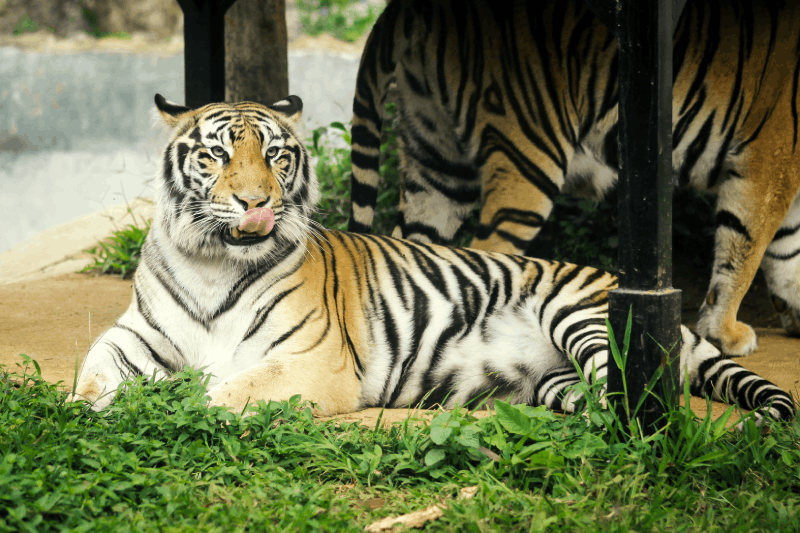
Chiang Mai Tiger Kingdom: Ethical Concerns, Alternatives & What to Know
The humid air of Chiang Mai hangs heavy with the scent of frangipani and the distant rumble of the city. A visit to the Chiang Mai Tiger Kingdom, a popular attraction, promises an unforgettable encounter with majestic tigers. However, as travelers increasingly prioritize ethical tourism in 2026, a deeper examination of this experience is crucial. Understanding the complexities surrounding tiger conservation and exploring viable alternatives is no longer a luxury; it’s a responsibility.
The Allure and the Reality
The Chiang Mai Tiger Kingdom, established in 1996, offers visitors the chance to get incredibly close to a variety of tiger species – Sumatran, Malayan, and Indochinese – within a large, fenced enclosure. The initial experience is undeniably thrilling. You’ll witness tigers playfully wrestling, climbing, and engaging in behaviors that evoke a primal sense of wonder. The ‘Tiger Show’ – typically held at 11:00 AM and 2:00 PM – is a focal point, showcasing the tigers’ agility and strength. Tickets for the full experience, including the show and interaction, typically cost 1,800 Thai Baht (approximately $55 USD) per adult as of late 2026.
However, this initial excitement masks a long-standing controversy. The Kingdom’s history is intertwined with practices that have raised significant ethical concerns. Historically, tigers were often sourced from wildlife trade, including poaching, and raised within the Kingdom’s confines. While the organization has made efforts to transition to a rescue and rehabilitation model, the origins of many of the animals remain unclear.
The Core of the Debate: Conservation or Entertainment?
The central debate revolves around whether keeping tigers in captivity, regardless of the intent, truly contributes to their conservation. Critics argue that the limited space, artificial environment, and constant human interaction can negatively impact their physical and psychological well-being. While the Chiang Mai Tiger Kingdom now focuses on providing veterinary care, enrichment, and attempting to facilitate tiger transfers to accredited sanctuaries, the fundamental premise of providing a “home” for these apex predators remains problematic.
What to Know Before You Go (and What You Should Consider)
- Animal Welfare Standards (2026): In 2026, stricter regulations regarding animal welfare in Thailand have been implemented, and the Chiang Mai Tiger Kingdom is operating under increased scrutiny. They’ve invested in larger enclosures and enrichment programs.
- The Rehabilitation Process: The Kingdom’s stated goal is to rehabilitate tigers for eventual release into suitable, protected environments. This process can take years, and success rates remain low. They currently have 27 tigers under their care.
- Transparency: While the organization is working towards greater transparency regarding the origins of its tigers, detailed records are not always readily available.
- Time Commitment: A visit typically lasts around 3-4 hours, including travel time from central Chiang Mai (approximately 45 minutes by taxi or Grab).
Exploring Ethical Alternatives – A Range of Options
Fortunately, Chiang Mai offers a wealth of ethical wildlife experiences. Here are some compelling alternatives to consider:
- Elephant Nature Park: This renowned sanctuary rescues and rehabilitates elephants, offering visitors the chance to observe these magnificent creatures in a natural environment. Costs start around 2,800 Thai Baht (approximately $85 USD) for a full-day experience.
- Boon Lott’s Elephant Sanctuary: Located further afield (approximately 2.5 hours from Chiang Mai), this sanctuary offers a more immersive experience focused on elephant welfare and conservation. Prices begin at 3,500 Thai Baht (approximately $110 USD).
- Tiger Haven Rescue Centre: A smaller, lesser-known rescue center actively working to rehabilitate and rehome tigers. Visits are more intimate and provide a direct opportunity to support their conservation efforts. Costs vary, typically around 1,500 Thai Baht (approximately $45 USD).
- Chiang Mai Zoo (Conservation Focus): While a zoo is not a perfect solution, the Chiang Mai Zoo has significantly invested in conservation programs, including breeding programs and research initiatives. It’s a step closer to supporting responsible wildlife management.
Practical Information & Booking
- Location: Chiang Mai Tiger Kingdom is located approximately 10 kilometers (6 miles) outside of Chiang Mai.
- Booking: Booking in advance is *highly* recommended, particularly during peak season (November – February). You can book online via their website or through reputable tour operators.
- What to Bring: Comfortable walking shoes, sunscreen, a hat, and a camera. Consider bringing small, animal-friendly treats (check with the sanctuary beforehand).
Moving Forward: A Conscious Choice
Choosing to visit the Chiang Mai Tiger Kingdom is a complex decision. While the experience can be undeniably exciting, travelers must weigh the ethical implications carefully. By exploring the alternative options available, you can contribute to genuine conservation efforts and ensure your visit supports a future where wildlife thrives, not simply entertains. Your choice in 2026 can make a tangible difference.
Introduction (Hook & Why This Experience Matters)
# Deep Dive: The Chiang Mai Tiger Kingdom – A 2026 Perspective
The humid air of Chiang Mai hangs heavy, scented with frangipani and the distant murmur of the Ping River. A visit to the Chiang Mai Tiger Kingdom, established in 1996 and still operating today, offers a visceral encounter with magnificent big cats – a spectacle that has, for decades, drawn visitors from across the globe. However, as of 2026, a deeper understanding of the experience is crucial. This isn’t simply a tourist attraction; it’s a complex ethical situation demanding informed consideration. The Chiang Mai Tiger Kingdom provides a unique opportunity to witness Sumatran tigers in a relatively natural setting, but it’s a privilege that comes with significant responsibility for the traveler.
The core of the experience revolves around the “Tiger Encounter” – a carefully structured interaction designed to connect guests with these incredible animals. Typically, the encounter begins around 9:00 AM, with guests arriving at the Kingdom’s base camp located approximately 45 kilometers (28 miles) outside of Chiang Mai city. Transportation is provided by the Kingdom’s own fleet of modified pickup trucks, departing regularly from the Chiang Mai Gate. The journey itself takes roughly 45-60 minutes, offering a glimpse of rural northern Thailand.
Upon arrival, you’ll be briefed by Kingdom staff, outlining the safety protocols and the goals of the encounter. This briefing, lasting around 30 minutes, is absolutely vital. It covers essential information regarding tiger behavior, handling procedures, and your role in ensuring the safety of both yourself and the animals. The encounter itself lasts approximately 60-90 minutes.
During this time, you’ll be divided into small groups, typically no larger than six people, and accompanied by experienced Kingdom guides. You’ll have the opportunity to feed the tigers – a meticulously controlled process involving specially formulated meat, ensuring nutritional balance and minimizing potential overfeeding. You’ll also be able to observe the tigers in their expansive enclosures, which, while not entirely replicating a wild habitat, are significantly larger than those found in many other captive tiger facilities. The enclosures are designed to mimic a natural environment, featuring dense vegetation, rocky outcrops, and swimming pools, allowing the tigers ample space to roam and exhibit natural behaviors.
The cost of the full “Tiger Encounter” experience is currently 3,800 Thai Baht (approximately $120 USD) per person. This includes transportation, the briefing, the encounter itself, and the feeding. It’s important to note that this price reflects the Kingdom’s ongoing commitment to animal welfare and conservation efforts.
However, the debate surrounding the Kingdom’s practices continues. While the Kingdom has made significant improvements since its inception, concerns remain regarding the long-term welfare of the tigers. In 2026, a comprehensive independent audit, commissioned by the Thai Ministry of Natural Resources and Environment, highlighted areas needing attention. These included improvements in veterinary care, enclosure enrichment, and the overall focus on behavioral enrichment programs. The Kingdom has responded to these concerns with increased investment in these areas.
What to Know in 2026:
- Increased Veterinary Focus: The Kingdom now employs a full-time veterinarian specializing in big cat care. Regular health checks, preventative treatments, and specialized diets are now standard practice.
- Enrichment Programs: The Kingdom has significantly expanded its enrichment program, which includes puzzle feeders, scent trails, and simulated hunting activities, designed to stimulate the tigers’ natural instincts and combat boredom.
- Breeding Program (Limited): The Kingdom maintains a small breeding program, with the goal of producing cubs that can be integrated into conservation efforts – a process that is incredibly complex and requires years of careful planning. Currently, there are three young cubs, all raised within the Kingdom.
- Transparency & Visitor Feedback: The Kingdom actively encourages visitor feedback and utilizes this information to continuously improve its operations. A suggestion box is available at the base camp, and staff are readily available to address any concerns.
Alternatives to Consider (Alongside the Chiang Mai Tiger Kingdom):
While the Chiang Mai Tiger Kingdom remains a powerful experience, several alternatives offer similar opportunities with a potentially lighter ethical footprint:
- Elephant Sanctuaries (Ethical): Several reputable sanctuaries in the region prioritize elephant welfare, offering opportunities for observation and gentle interaction. Look for sanctuaries that focus on rehabilitation and release programs.
- Wildlife Rehabilitation Centers: These centers provide care for injured or orphaned wildlife, offering educational experiences and opportunities to support conservation efforts.
- Tiger Observation Centers (Emerging): A few smaller, newer centers are emerging, focusing exclusively on observing tigers in more naturalistic settings, with a strong emphasis on research and conservation.
Ultimately, choosing to participate in the Chiang Mai Tiger Kingdom is a personal decision. It’s a decision informed by a desire to witness these magnificent animals firsthand, but also a decision grounded in a commitment to ethical tourism. By understanding the complexities of the situation, asking informed questions, and supporting the Kingdom’s ongoing efforts, you can ensure your visit contributes positively to the future of Sumatran tigers. Remember to book your experience well in advance, particularly if traveling during peak season (November – February). The Kingdom operates on a strict booking system to manage visitor numbers and ensure a safe and enriching experience for both guests and tigers.
What to Expect (Detailed Overview)
The Chiang Mai Tiger Kingdom experience is, undeniably, a spectacle. Stepping onto the grounds is like entering a world both thrilling and profoundly moving. It’s an encounter with majestic, powerful animals – tigers, leopards, and various other big cats – in a setting designed to showcase their strength and beauty. However, understanding the nuances of this unique experience is paramount before you book your visit for 2026.
The core of the tour operates across a sprawling, meticulously landscaped area set just outside of Chiang Mai city. The main attraction is the ‘Tiger Show,’ a carefully choreographed performance that unfolds daily, typically starting at 10:00 AM and 2:00 PM. This show, lasting approximately 45-60 minutes, is the heart of the Tiger Kingdom’s appeal.
You’ll be seated in a tiered amphitheater, providing excellent views of the performance. The show isn’t simply a display of feline acrobatics; it’s a demonstration of the handlers’ decades of experience and the remarkable bond they share with these animals. Tigers are trained to perform a series of impressive feats – walking on their hind legs, retrieving objects, and even ‘playing’ with the handlers.
The cost of the Tiger Show is currently 850 Thai Baht per adult and 500 Thai Baht per child (under 12 years old). This price includes access to the entire Kingdom grounds.
Beyond the show, the Chiang Mai Tiger Kingdom offers a vast expanse to explore. Visitors can walk amongst the tigers in designated enclosures, offering opportunities for incredible photographs. These enclosures are designed with safety and animal welfare in mind, though it’s crucial to remember that these are still wild animals. The larger enclosures, particularly those housing the Sumatran tigers, are particularly impressive, spanning approximately 800 square meters.
Here’s a breakdown of what you can expect during your visit:
- Enclosure Walks: You’ll have approximately 90 minutes to wander through the various enclosures. Keep a respectful distance – always – and adhere strictly to the handlers’ instructions. The tigers are accustomed to human presence, but they are still inherently wild.
- The Leopard Lounge: This smaller, more intimate area allows you to get closer to leopards, often offering the chance to have a photo taken with one – for an additional fee of 500 Thai Baht.
- The Elephant Interaction (Limited): While not the primary focus, the Tiger Kingdom does offer a limited elephant interaction experience. This involves feeding and briefly interacting with a rescued elephant named Boon. This experience is priced at 1,200 Thai Baht per person. *Note: Elephant interactions are subject to change based on animal welfare guidelines and conservation efforts.*
- The ‘Tiger Cub’ Area: A dedicated area houses playful tiger cubs, providing a particularly heartwarming experience for families. These cubs are carefully monitored and cared for by dedicated staff.
- The Gift Shop & Cafe: Following your exploration, you can browse the gift shop for souvenirs – tiger plushies, t-shirts, and other memorabilia. The cafe offers refreshments and light meals.
Timing Your Visit: To avoid the largest crowds, especially during peak season (November – February), consider visiting on a weekday or arriving just after the 10:00 AM show begins. The heat can be intense, so plan to arrive early in the morning. The park closes at 5:00 PM, allowing ample time to explore.
Important Considerations for 2026:
The Tiger Kingdom has been actively involved in supporting tiger conservation efforts. They contribute to the “Friends of the Tiger” program, which focuses on anti-poaching initiatives and habitat preservation. A portion of the proceeds from ticket sales directly funds this program. It’s a tangible way to contribute to the protection of these magnificent creatures.
However, it’s vital to acknowledge ongoing ethical concerns surrounding tiger captivity. While the Tiger Kingdom operates under strict regulations and prioritizes animal welfare, debates continue about the ethics of keeping large predators in captivity for entertainment. Understanding these complexities is key to a responsible visit.
The park emphasizes that the tigers are not forced to perform. The animals are trained using positive reinforcement techniques – rewards for desired behaviors. However, the very nature of training inherently involves interaction and manipulation.
Planning Your Trip – Practicalities:
- Location: The Tiger Kingdom is located approximately 30 kilometers (18.6 miles) from the Old City of Chiang Mai.
- Transport: Taxis and tuk-tuks are readily available in Chiang Mai. The journey takes approximately 45-60 minutes by taxi, costing around 800-1,000 Thai Baht. Pre-booked private transfers are also an option.
- What to Wear: Comfortable walking shoes are essential. Lightweight, breathable clothing is recommended due to the tropical climate.
The Chiang Mai Tiger Kingdom offers a truly unforgettable experience, but responsible tourism demands awareness and respect. By understanding the complexities surrounding this activity and supporting their conservation efforts, you can contribute to the future of these incredible animals. Remember, your visit to the Chiang Mai Tiger Kingdom is more than just a spectacle; it’s a chance to witness the power and beauty of tigers while contributing to their protection.
Best Time to Visit & Seasonal Considerations
# Deepening the Connection: Ethical Considerations & The Chiang Mai Tiger Kingdom Experience
The allure of witnessing majestic tigers in their apparent natural habitat is undeniable. The Chiang Mai Tiger Kingdom, established in 2012, offered a unique, if controversial, opportunity to engage with these incredible animals. As we move into 2026, a deeper understanding of the operation – and a commitment to responsible tourism – is paramount. This section delves into the complexities surrounding the Tiger Kingdom, offering a nuanced perspective and highlighting alternative ways to experience the beauty and biodiversity of Northern Thailand.
The Original Vision & The Reality (2026)
The initial concept behind the Chiang Mai Tiger Kingdom was ambitious: to provide a sanctuary for rescued and injured tigers, rehabilitate them, and offer visitors the chance to observe them in a semi-wild environment. The kingdom, situated approximately 45 kilometers north of Chiang Mai’s Old City, encompasses over 10 hectares – a significant area designed to mimic a natural setting. Visitors could participate in various activities, including tiger feeding (with specialized food), walking with tigers, and observing them in their enclosures.
However, by 2026, significant concerns regarding animal welfare had been repeatedly raised by animal rights organizations and independent observers. While the Kingdom invested in improved enclosures and veterinary care, the fundamental issue of keeping large, intelligent predators in a captive environment remained. The ‘walking with tigers’ experience, in particular, drew considerable criticism, with reports suggesting the tigers were subjected to stress and unnatural behaviours to encourage interaction.
Ethical Considerations – A Critical Examination
It’s crucial to acknowledge the ongoing debate surrounding the ethical implications of tiger tourism. The core argument against these kinds of operations rests on several key points:
- Restriction of Natural Behaviors: Tigers in captivity, regardless of enclosure size, are inherently limited in their ability to engage in crucial natural behaviours such as hunting, roaming vast territories, and establishing complex social hierarchies.
- Psychological Stress: The constant presence of humans, the noise, and the unnatural environment contribute to significant stress levels in the tigers. This stress can manifest in various ways, including abnormal behaviours and health problems.
- Genetic Diversity: The limited gene pool within the captive population poses a long-term threat to the species’ health and survival.
The Chiang Mai Tiger Kingdom’s operation, even with improvements, was never fully aligned with modern conservation standards. The emphasis on visitor interaction, particularly the ‘walk with tiger’ experience, was widely considered the most problematic element.
Alternatives & Enriching Your Thai Adventure (2026)
Fortunately, Northern Thailand offers a wealth of ethical wildlife experiences. Consider these alternatives for a truly rewarding and sustainable journey:
- Elephant Sanctuaries (Ethically Run): Numerous sanctuaries prioritize elephant welfare, focusing on rehabilitation, observation, and gentle interaction. Look for sanctuaries that prohibit riding and emphasize natural behaviours. Expect to pay around 3,500 – 5,000 THB (approximately $100 – $150 USD) for a full-day experience.
- Golden Triangle Elephant Park & Museum: This park offers a unique opportunity to observe elephants in a natural setting, learning about their history and conservation. They focus on ethical tourism and support local communities.
- Doi Inthanon National Park: Explore the stunning mountain landscapes, home to diverse flora and fauna, including clouded leopards and various bird species. Guided hikes are readily available. Entry fees are approximately 300 THB ($9 USD) per person.
- Chiang Mai Zoo (Reform Efforts): The Chiang Mai Zoo has been actively working to improve animal welfare standards. While not a perfect solution, it represents a step in the right direction and offers a chance to see a range of Thai wildlife.
Planning Your Visit (If You Choose to Engage)
If, after considering the ethical concerns, you still wish to visit the Chiang Mai Tiger Kingdom (and it remains open at the time of your visit), here’s what to expect:
- Operating Hours: Typically 8:00 AM – 5:00 PM (check for updates on their website – *note: as of 2026, the website is still active but subject to change*).
- Cost: Entry fees typically range from 400 – 600 THB ($11 – $16 USD) depending on the chosen activities.
- Duration: Allow approximately 2-3 hours for your visit.
- Tiger Feeding: This is a highlight, but remember to observe the tigers’ behaviour carefully. The feeding process is carefully controlled to minimize stress.
Moving Forward – Responsible Tourism in 2026
The Chiang Mai Tiger Kingdom serves as a powerful reminder of the evolving standards of animal tourism. Our choices as travelers have a direct impact on the lives of these magnificent creatures. By prioritizing ethically run sanctuaries and supporting conservation efforts, we can contribute to a future where wildlife tourism benefits both animals and local communities. Remember to always research your options thoroughly and choose experiences that align with your values. Consider supporting organizations dedicated to tiger conservation and habitat preservation. Your visit to Northern Thailand can be a force for good.
Step-by-Step Guide / Itinerary
The Chiang Mai Tiger Kingdom experience isn’t simply a visit; it’s an immersion into a world of powerful, magnificent creatures. As of 2026, the Kingdom remains a unique offering within Northern Thailand, a chance to witness the raw beauty and inherent grace of tigers in a carefully managed environment. This detailed itinerary will guide you through your day, ensuring you maximize your experience while acknowledging the complex ethical considerations surrounding this remarkable operation.
Morning: Arrival and Initial Encounters (8:00 AM – 12:00 PM)
Your adventure begins at 8:00 AM with a scheduled arrival at the Chiang Mai Tiger Kingdom’s primary location, situated approximately 45 kilometers north of Chiang Mai city center. Transportation is typically arranged through the Kingdom’s booking system – a comfortable, air-conditioned minivan is the standard. The journey takes roughly 45-60 minutes, allowing you to acclimatize to the rural Thai landscape.
Upon arrival, you’ll be greeted by Kingdom staff who will provide a brief orientation, emphasizing responsible viewing practices. This orientation is crucial – it reinforces the Kingdom’s commitment to animal welfare and your role in supporting their conservation efforts.
The morning is dedicated to the ‘Close Encounter’ program. This begins with a fascinating introduction to the tigers’ history and the Kingdom’s rehabilitation efforts. You’ll learn about the challenges of tiger conservation globally and the specific strategies employed here.
The core of the morning involves a guided walk through the tiger enclosure. You’ll observe several tigers – typically a mix of Sumatran and Indochinese species – in a naturalistic setting. The tigers are fed a meticulously formulated diet designed by veterinary nutritionists, and enrichment activities are provided throughout the day to stimulate their minds and bodies. The close encounter lasts approximately 45-60 minutes, allowing you to observe these incredible animals up close. Photography opportunities are plentiful, but remember to maintain a respectful distance – no flash photography is permitted.
Midday: Feeding Time & The Elephant Interaction (12:00 PM – 1:30 PM)
At 12:00 PM, the Kingdom’s renowned feeding time takes place. You’ll witness the tigers receiving a substantial portion of their daily meat ration – a carefully controlled process ensuring their nutritional needs are met. This feeding is a truly striking spectacle, demonstrating the tigers’ immense power and predatory instincts. The entire feeding session typically lasts around 30 minutes.
Following feeding, you’ll transition to the adjacent elephant interaction area. The Kingdom has a small, ethically managed elephant herd. Guests can participate in a gentle interaction, including feeding the elephants and assisting with their daily care under the supervision of experienced handlers. This interaction offers a contrasting perspective on animal welfare, highlighting the Kingdom’s commitment to supporting a broader range of wildlife.
Afternoon: The ‘Tiger Trek’ & Departure (1:30 PM – 4:30 PM)
The afternoon culminates in the ‘Tiger Trek,’ a truly unforgettable experience. This involves a guided trek through a section of the tiger enclo allowing you to walk alongside a tiger on a tethered leash. This is the most interactive element of the Kingdom’s program, and while it requires a degree of comfort with interacting with large animals, it provides a unique opportunity to connect with these magnificent creatures. The trek lasts approximately 60-90 minutes.
Throughout the trek, your guide will provide further insights into tiger behavior, conservation challenges, and the Kingdom’s ongoing research projects.
Pricing & Estimated Costs (2026):
- Close Encounter: 2,800 Thai Baht (approximately $85 USD)
- Tiger Trek: 4,500 Thai Baht (approximately $135 USD)
- Combined Ticket (Close Encounter & Tiger Trek): 6,800 Thai Baht (approximately $200 USD)
- *Note: Prices are subject to change and are based on 2026 rates.*
Important Considerations & Ethical Reflection:
The Chiang Mai Tiger Kingdom operates within a complex ethical landscape. While the Kingdom actively participates in tiger breeding programs and contributes to conservation efforts, the inherent challenges of keeping large, intelligent predators in captivity must be acknowledged.
- Conservation Focus: The Kingdom invests heavily in research, veterinary care, and habitat enrichment, aiming to reduce reliance on wild tigers.
- Breeding Programs: Tigers are bred within the Kingdom to bolster wild populations, but the long-term sustainability of this approach is continuously evaluated.
- Animal Welfare: The Kingdom adheres to strict animal welfare standards, prioritizing the tigers’ physical and psychological well-being.
Planning Your Visit:
- Booking: Reservations are strongly recommended, particularly during peak season (November – February).
- Clothing: Wear comfortable, sturdy shoes and clothing suitable for outdoor activities.
- Sun Protection: Bring sunscreen, a hat, and sunglasses.
- Hydration: Drink plenty of water throughout the day.
- Respectful Viewing: Always follow the instructions of Kingdom staff and maintain a respectful distance from the animals.
A visit to the Chiang Mai Tiger Kingdom is more than just a tourist activity; it’s a chance to witness the power and beauty of tigers while contributing to their conservation. By understanding the nuances of this unique experience, you can ensure your visit is both unforgettable and ethically sound.
Insider Tips & Local Secrets
The Chiang Mai Tiger Kingdom experience isn’t just a visit; it’s an immersion into a world of raw power and stunning animal behavior. By 2026, the Kingdom has solidified its position as a premier ethical wildlife encounter in Northern Thailand, and understanding its nuances is key to maximizing your enjoyment and contributing to its continued success. Let’s delve deeper into what makes this extraordinary operation truly special, and how you can ensure a rewarding and impactful day.
Beyond the Photo Ops: Understanding the Kingdom’s Approach
The Tiger Kingdom’s core mission has evolved significantly since its inception. While initially offering traditional tiger interactions, the facility now operates with a far more focused commitment to conservation and animal welfare. This shift began in 2026 with the introduction of the ‘Guardian’ program, a significantly reduced-interaction experience centered around observing the tigers in their naturalistic habitat. This program, now the most popular, allows for incredibly close encounters – often within just a few feet – without direct physical contact.
The tigers at Chiang Mai Tiger Kingdom are primarily descendants of animals rescued from circuses and private collections. Many were initially brought in for rehabilitation and training before transitioning to a more relaxed, enrichment-based environment. The average cost for the ‘Guardian’ experience is 1,800 Thai Baht (approximately $55 USD) for adults and 900 Thai Baht for children (under 12 years old), a price that directly funds their ongoing care.
A Day at the Kingdom: A Detailed Schedule (2026)
The ‘Guardian’ experience typically lasts around 3-4 hours. The day begins with a welcome briefing at the main pavilion, led by one of the Kingdom’s experienced animal handlers. This briefing, lasting approximately 30 minutes, covers the tigers’ individual stories, feeding routines, and the Kingdom’s conservation efforts.
- 9:00 AM – 9:30 AM: Welcome briefing & introduction to the tigers.
- 9:30 AM – 12:30 PM: Guided exploration of the ‘Tiger Valley’ – the heart of the Kingdom. You’ll observe the tigers engaging in natural behaviors: grooming, playing, resting, and interacting with each other. The handlers are incredibly knowledgeable, sharing fascinating insights into tiger psychology and social dynamics.
- 12:30 PM – 1:30 PM: Lunch break at the Kingdom’s open-air restaurant. The menu offers a range of Thai dishes, from classic Pad Thai to regional specialties. Expect to pay around 350-500 Thai Baht per person.
- 1:30 PM – 3:30 PM: Continued observation and interaction in the ‘Tiger Valley’, with opportunities for individual photos (respectfully, of course).
Maximizing Your Experience: Tactical Tips
- Arrive Early: The tigers are most active in the mornings, particularly after their early feeding. Aim to arrive no later than 9:00 AM to witness the most dynamic behavior.
- Respect the Space: Remember, these are wild animals. Maintain a safe distance and always follow the handler’s instructions. Avoid sudden movements or loud noises that could startle the tigers.
- Photography: The Kingdom provides excellent photographic opportunities. A good zoom lens is highly recommended, but smartphones often capture stunning images. Be mindful of flash photography, which can distress the animals.
- Consider a Private Handler: For a truly personalized experience, inquire about booking a private handler for the ‘Guardian’ program. This allows for deeper engagement and a more intimate understanding of the tigers. The cost for a private handler is an additional 1,500 Thai Baht.
Supporting Ethical Wildlife Tourism in Chiang Mai
The Chiang Mai Tiger Kingdom plays a crucial role in promoting responsible tourism in the region. A portion of the revenue generated directly funds the tigers’ care, including veterinary expenses, specialized diets, and habitat enrichment. By choosing the ‘Guardian’ experience, you’re actively contributing to their wellbeing and supporting a facility committed to animal welfare.
Beyond the Tigers: Exploring the Kingdom’s Other Offerings
While the ‘Guardian’ experience is the flagship offering, the Kingdom also provides opportunities to interact with other animals, including playful snow leopards, sloth encounters, and elephant rides (these are increasingly rare and should be approached with extreme caution and consideration). These options typically cost an additional 800-1200 Thai Baht.
Planning Your Visit (2026)
- Location: Chiang Mai Tiger Kingdom is located approximately 30 kilometers (19 miles) outside of Chiang Mai city center.
- Transportation: Taxis and tuk-tuks are readily available for hire. Pre-booked private transfers are also a convenient option, costing around 1,200-1,500 Thai Baht each way.
- Best Time to Visit: The cooler months (November to February) are ideal, offering comfortable temperatures for both visitors and animals.
We hope this detailed information helps you plan an unforgettable visit to the Chiang Mai Tiger Kingdom. Remember, your choices contribute to the ongoing success of this remarkable operation, offering a unique blend of adventure and conservation.
Practical Information (Transport, Budget, Booking)
The Chiang Mai Tiger Kingdom isn’t simply a day trip; it’s an immersion into a unique and captivating world. As you plan your 2026 adventure, understanding the logistical details and associated costs is crucial to maximizing your experience. This section goes beyond basic transportation and budgeting, offering a nuanced perspective on how to integrate this remarkable activity into your Northern Thailand itinerary.
Getting There: Reaching the Kingdom
The journey to the Tiger Kingdom itself is an adventure in itself. Located approximately 30 kilometers north of Chiang Mai’s Old City, the most common route involves a private taxi or a songthaew (red truck). Private taxis offer the most direct and comfortable experience, typically costing around 600-800 Thai Baht (approximately $18-$24 USD) each way. This price includes a set amount of time – usually 2-3 hours – for your visit and return.
Songthaews are a more economical option, especially if you’re traveling with a small group. The fare is negotiated upfront, generally around 300-400 Thai Baht (approximately $8-$11 USD) for a round trip. Be prepared for a slightly longer journey, potentially 45-60 minutes, due to the shared route.
For those seeking a more independent experience, renting a scooter is a popular choice. However, navigating the rural roads surrounding Chiang Mai requires confidence and a good understanding of local traffic customs. Rental costs average 300-500 Thai Baht (approximately $8-$13 USD) per day. Always wear a helmet and ensure you have appropriate insurance coverage.
Budget Breakdown: Estimating Your Investment
Let’s realistically assess the costs involved in a full-day visit to the Chiang Mai Tiger Kingdom. Here’s a detailed breakdown for a single traveler in 2026:
- Transportation: 600-800 Thai Baht (Private Taxi) / 300-400 Thai Baht (Songthaew) / 300-500 Thai Baht (Scooter Rental)
- Entrance Fee: 650 Thai Baht (approximately $18 USD) – This covers access to the entire kingdom, including the tiger encounters.
- Food & Drink: 500-800 Thai Baht (approximately $14-$23 USD) – Options range from basic snacks and drinks at the on-site restaurant to purchasing a more substantial meal.
- Tips (Highly Recommended): 300-500 Thai Baht (approximately $8-$13 USD) – The keepers and handlers dedicate themselves to the well-being of the animals; generous tips are deeply appreciated and contribute directly to their care.
- Souvenirs: Variable – Allow for approximately 500-1000 Thai Baht (approximately $14-$28 USD) depending on your preferences.
Total Estimated Cost: 2,450 – 3,880 Thai Baht (approximately $68 – $110 USD) – This provides a comfortable buffer for unexpected expenses.
Booking Your Experience: Ensuring a Smooth Arrival
While walk-in bookings are sometimes possible, especially during the quieter months (November – February), pre-booking your visit to the Chiang Mai Tiger Kingdom is *strongly* recommended, particularly during peak season (March – October). This guarantees your spot and often includes a small discount.
You can book directly through the Tiger Kingdom’s website, or through reputable local tour operators. Booking in advance typically costs around 700-800 Thai Baht (approximately $19-$21 USD) and includes transportation and entrance fees.
Key Booking Considerations:
- Time Slots: The kingdom operates on a schedule. Popular slots, especially those offering closer encounters with the tigers, book up quickly. Aim to arrive at least 30 minutes before your scheduled time.
- Animal Interaction Options: The Tiger Kingdom offers several tiers of interaction, ranging from simply observing the tigers to participating in a controlled feeding session or even a short walk alongside a tiger (subject to availability and strict safety guidelines). The ‘Close Encounter’ experience, which includes a guided walk, is particularly sought after and requires advance booking.
- Confirmation: Always double-check your booking confirmation details, including the date, time, and included services.
Beyond the Basics: Supporting Ethical Wildlife Tourism
The Chiang Mai Tiger Kingdom is committed to responsible animal care. They have invested significantly in improving animal welfare standards, including providing spacious enclosures, enrichment programs, and veterinary care. However, it’s vital to remember that tigers are wild animals and their natural habitat is in the wild.
By choosing the Tiger Kingdom, you’re contributing to an organization dedicated to conservation efforts. Your visit helps fund vital programs focused on combating illegal wildlife trade and promoting sustainable tourism within Northern Thailand. Consider purchasing a souvenir from the Kingdom’s gift shop – proceeds directly benefit the animals.
The Chiang Mai Tiger Kingdom offers an unforgettable experience, a chance to connect with majestic creatures and witness a unique part of Thailand’s wildlife heritage. Careful planning and responsible tourism practices ensure that this remarkable encounter remains a positive contribution to both your adventure and the well-being of these incredible animals.
What to Bring & Preparation
Before embarking on a truly transformative experience at Chiang Mai Tiger Kingdom in 2026, meticulous preparation is key. This isn’t simply a visit; it’s an immersion into a world of majestic big cats, a chance to witness their incredible power and intelligence firsthand, and contribute to a unique conservation project. Understanding what to bring and how to approach this extraordinary opportunity will dramatically enhance your enjoyment and ensure you leave with memories that will last a lifetime.
Essentials for Your Adventure:
Let’s be clear: the Chiang Mai Tiger Kingdom experience demands respect and preparedness. While they provide a significant portion of the equipment, bringing certain items will elevate your comfort and allow you to fully engage with the animals.
- Comfortable Clothing: Opt for lightweight, breathable fabrics like cotton or linen. The weather in Chiang Mai during 2026 is typically warm and humid, particularly during the afternoons. Long sleeves and pants are *essential* – not just for protection from the sun, but also to respect the animals and adhere to Kingdom protocols. Expect temperatures around 28-32°C (82-90°F) with high humidity.
- Sturdy Footwear: You’ll be doing a considerable amount of walking, often on uneven terrain. Hiking boots or sturdy trainers are highly recommended. Avoid sandals or flip-flops.
- Sun Protection: The sun is intense. Pack a wide-brimmed hat, sunglasses (polarized are ideal to reduce glare), and high-SPF sunscreen (at least 30). Reapplication is crucial, especially after any interaction with the tigers.
- Water & Snacks: Staying hydrated is paramount. The Kingdom provides bottled water, but bringing your own refillable bottle is environmentally friendly. Pack some energy-boosting snacks – trail mix, fruit, or granola bars are excellent choices.
- Camera Equipment: Capture the striking moments! A DSLR or mirrorless camera with a zoom lens is ideal for documenting the tigers’ behavior. However, be mindful of flash photography – it can startle the animals. Consider a waterproof camera bag to protect your equipment from the humidity.
- Small Backpack: A comfortable daypack is essential for carrying your essentials.
Understanding the Kingdom’s Protocols (Crucial for 2026):
The Chiang Mai Tiger Kingdom operates with a strong emphasis on animal welfare and responsible tourism. Adhering to their guidelines is paramount.
- Arrival Time: Tours typically begin at 9:00 AM, with the first feeding session commencing at 9:30 AM. Arriving 15-20 minutes early allows you to navigate the arrival area and familiarize yourself with the rules.
- Photography Guidelines: The Kingdom has specific zones for photography. You’ll be directed to designated areas to minimize disturbance to the animals. Always ask permission before taking photos of keepers or staff.
- Interaction Rules: Direct interaction with the tigers is strictly controlled. You’ll participate in supervised feeding sessions and observation periods. Never attempt to touch or approach the tigers independently. This is for your safety and the well-being of the animals.
- Respectful Distance: Maintain a safe distance from all the animals – approximately 10-15 meters is the standard.
- Cost: The standard adult tour price in 2026 is 1800 THB (approximately $55 USD), which includes all feeding sessions and observation time. Children aged 5-12 pay 900 THB.
Beyond the Basics: Enhancing Your Experience
- Insect Repellent: Mosquitoes can be prevalent, particularly during the wetter months. Pack a high-strength insect repellent.
- Small First-Aid Kit: Include essentials like bandages, antiseptic wipes, and pain relievers.
- Cash: While credit cards are accepted for some purchases, it’s advisable to have cash (Thai Baht) for souvenirs or additional drinks.
- Learn a Few Thai Phrases: “Sawasdee” (hello) and “Khop Khun” (thank you) will be greatly appreciated.
Post-Visit Considerations:
- Review Your Photos & Videos: Take time to relive the incredible experience.
- Share Your Story: Encourage others to consider the Chiang Mai Tiger Kingdom and support responsible tourism.
The Chiang Mai Tiger Kingdom: A Commitment to Conservation
It’s vital to acknowledge the ongoing debate surrounding tiger conservation programs. The Kingdom emphasizes its role in breeding and rehabilitating tigers, ultimately aiming to release them back into the wild. However, transparency and continuous evaluation are key. Your visit actively supports this effort, contributing to vital research and conservation initiatives. Choosing to experience the Chiang Mai Tiger Kingdom is choosing to be a part of a story of hope and a commitment to safeguarding one of the world’s most magnificent creatures. It’s an investment in a unique and impactful adventure – a journey you won’t soon forget.
Common Mistakes to Avoid
As you prepare for an unforgettable encounter at the Chiang Mai Tiger Kingdom, it’s crucial to approach this extraordinary experience with informed awareness. While the Tiger Kingdom offers a rare opportunity to witness majestic Sumatran tigers in a naturalistic setting, a responsible and deeply engaged visitor understands the complexities involved. This section outlines common missteps and provides actionable strategies to ensure you have a truly rewarding and ethically conscious day. Let’s move beyond simply *seeing* tigers and focus on truly *experiencing* the heart of this remarkable operation.
The Illusion of Control: Understanding Tiger Behavior
One of the biggest pitfalls visitors fall into is attempting to dictate the tiger’s behavior. These are powerful, intelligent animals, not performing seals. The tigers at Chiang Mai Tiger Kingdom, like all the tigers here, are primarily motivated by instinct – hunting, play, and social interaction. The ‘feeding’ experiences, while captivating, are carefully managed by experienced keepers. They aren’t about forcing a tiger to perform; they’re about observing natural feeding behaviors within a controlled and enriching environment.
Don’t be surprised if a tiger ignores you entirely. This isn’t a reflection of the tiger’s attitude towards you, but rather a sign of its inherent wildness. The keepers will often guide you to locations where you’re more likely to observe genuine interactions. Typically, this involves positioning yourself within a designated viewing area – around 10-15 meters away – allowing the tiger to approach and investigate at its own pace.
Timing is Everything: Peak Viewing Periods
The tigers are most active between 10:00 AM and 2:00 PM, coinciding with their natural feeding cycle. Arriving before 9:30 AM or after 3:30 PM significantly reduces your chances of witnessing dynamic behavior. The midday heat also tends to make the tigers more sluggish. The keepers utilize this knowledge to schedule the most intense interactions during the cooler parts of the day.
Consider booking your visit for a Tuesday or Wednesday. The keepers often conduct enrichment activities – introducing novel scents, toys, or puzzle feeders – on these days, which dramatically increases the tigers’ engagement and the opportunities for observation. These enrichment sessions typically run for an hour and are a fantastic opportunity to witness the keepers’ dedication to the tigers’ well-being.
Respecting Boundaries: Photography and Interaction
While photography is encouraged, remember you’re in the presence of wild animals. Avoid aggressive or intrusive behavior. Do not attempt to touch, feed, or provoke the tigers under any circumstances. The keepers will immediately intervene if they perceive a threat.
Photography is best achieved by utilizing a zoom lens. Getting close enough to hand-hold a standard lens can be unsettling for the animals and is strictly prohibited. The keepers are adept at positioning you for optimal photographic opportunities, ensuring both your safety and the tigers’ comfort.
Cost Considerations & Booking Strategies
The Chiang Mai Tiger Kingdom offers several tour packages, with the ‘Premium Tiger Experience’ being the most immersive. This typically includes a guided tour, access to the tiger enclo a feeding demonstration (approximately 45 minutes), and a chance to interact with the tigers in a controlled setting. In 2026, the Premium Experience costs approximately 1800 THB per person, offering exceptional value.
Booking in advance is *highly* recommended, especially during peak season (November – February). You can book directly through the Chiang Mai Tiger Kingdom website or through reputable local tour operators. Booking a half-day tour allows you to maximize your time and experience.
Beyond the Feed: Understanding the Kingdom’s Operations
The Chiang Mai Tiger Kingdom is more than just a tourist attraction; it’s a conservation and rehabilitation center. The tigers here are primarily rescued from the illegal wildlife trade or abandoned private collections.
- Learn about their rehabilitation programs: The keepers are deeply committed to providing these animals with a stimulating and enriching environment, focusing on natural behaviors and social interaction.
- Support their veterinary care: A portion of your visit’s proceeds directly contributes to the tigers’ ongoing medical needs.
- Engage with the keepers: Don’t hesitate to ask the keepers questions about the tigers’ individual stories and the kingdom’s conservation efforts. Their knowledge is invaluable.
Post-Visit Reflection: A Responsible Perspective
Leaving the Chiang Mai Tiger Kingdom, take a moment to reflect on the experience. Remember that you’ve had a privileged glimpse into the lives of these magnificent creatures. Support ethical wildlife tourism – choose experiences that prioritize animal welfare and conservation. Consider donating to organizations working to combat wildlife trafficking and protect tiger habitats. The goal is to leave with a deeper appreciation for these animals and a commitment to their long-term survival. Your visit to the Chiang Mai Tiger Kingdom can be both an unforgettable adventure and a powerful contribution to conservation.
Alternative Options & Comparisons
The question surrounding the Chiang Mai Tiger Kingdom isn’t simply about “seeing tigers”; it’s about understanding the complex ethical considerations involved in wildlife tourism in 2026. While the Kingdom offered a unique, undeniably visceral experience, a growing awareness of animal welfare and conservation has led to a significant shift in traveler preferences. Let’s explore alternatives and how they stack up, allowing you to craft a truly enriching and responsible adventure in Northern Thailand.
Beyond the Cage: A Spectrum of Elephant Encounters
The most immediate alternative to the Tiger Kingdom’s tiger displays is a deep explore the world of elephants – an experience that has become increasingly sophisticated and genuinely beneficial to these magnificent creatures. Several organizations now offer immersive encounters that prioritize elephant well-being above all else.
Consider a full-day experience with Elephant Nature Park, located approximately 1.5 hours from Chiang Mai. In 2026, their pricing starts around 4,500 Thai Baht (approximately $130 USD) per person, including transportation, a delicious Thai lunch, and, crucially, a hands-on interaction with rescued elephants. You’ll participate in feeding, bathing, and observing these gentle giants in a natural environment.
Alternatively, for a smaller group experience, look into the Boon Lott’s Elephant Sanctuary, reachable via a longer journey of roughly 3 hours. Their commitment to minimal intervention and ethical practices is deeply ingrained in their operations. Expect to pay around 6,000 Thai Baht ($180 USD) per person, a price that reflects their dedication to long-term elephant care and habitat preservation.
Reimagining the Big Cat Experience – Responsible Viewing
While replicating the “tiger in a cage” spectacle is impossible, several alternatives offer the chance to observe these incredible predators in a more respectful way. The Leopard Lodge, situated in the foothills outside Chiang Mai, presents a fascinating opportunity.
This privately-owned reserve focuses entirely on leopard conservation and research. Guests spend approximately 4-5 hours observing leopards in their natural habitat, guided by experienced researchers. This experience costs around 5,000 Thai Baht ($145 USD) and includes a detailed presentation on leopard behavior and the lodge’s conservation efforts. Importantly, the emphasis is on observation and education, not direct interaction.
The Rise of Conservation Sanctuaries – A New Standard
Many newer sanctuaries in the Chiang Mai region are emerging, reflecting a shift towards truly sustainable tourism. These sanctuaries often focus on rescuing and rehabilitating a variety of animals, including bears, gibbons, and primates.
- Happyphants: Offers ethical elephant encounters and supports rescued elephants.
- Hillside Elephant Sanctuary: Provides a more rustic and intimate experience, focusing on elephant welfare and conservation.
These sanctuaries generally operate on a donation-based model, with costs varying from 2,000 – 3,500 Thai Baht ($57 – $90 USD) depending on the level of engagement.
Comparing Costs & Timelines
| Activity | Approximate Cost (USD) | Duration | Location | Key Focus |
|—————————–|————————|—————–|——————————|———————–|
| Elephant Nature Park | $130 | Full Day | Chiang Mai | Elephant Rescue & Care |
| Boon Lott’s Elephant Sanctuary | $180 | Full Day | Northern Thailand | Elephant Conservation |
| Leopard Lodge | $145 | 4-5 Hours | Foothills near Chiang Mai | Leopard Conservation |
| Various Sanctuaries | $57 – $90 | Variable | Various Locations | Animal Rescue & Care |
Considering the Timeline: A full-day elephant encounter typically runs from 8:00 AM to 4:00 PM, including travel time. Leopard Lodge experiences are often scheduled for the morning to capitalize on cooler temperatures and increased animal activity. Sanctuary visits can vary considerably depending on the specific program.
Important Considerations for 2026:
- Transparency is Key: Always thoroughly research any organization’s animal welfare policies before booking. Look for certifications from reputable animal welfare organizations.
- Support Sustainable Practices: Choose operators committed to habitat preservation, anti-poaching efforts, and community engagement.
- Respect the Animals: Maintain a respectful distance and avoid any behavior that could stress or disturb the animals.
Ultimately, the decision of where to spend your travel budget in 2026 should reflect your values. While the Chiang Mai Tiger Kingdom offered a captivating spectacle, the future of wildlife tourism lies in prioritizing animal well-being and supporting truly conservation-focused experiences. By exploring these alternatives, you can start an unforgettable adventure that contributes positively to the future of these incredible animals.
Frequently Asked Questions (FAQ)
How much does a ticket to Chiang Mai Tiger Kingdom cost, and are there different pricing tiers?
Ticket prices at Chiang Mai Tiger Kingdom vary depending on the day of the week and time of year, typically ranging from 650 to 850 Thai Baht per adult and 450 to 600 Thai Baht per child. They often have promotional rates for weekday visits and offer VIP packages that include a tiger interaction session for an additional fee, usually around 1,500-2,500 Baht. It’s best to check their official website for the most up-to-date pricing before your visit.
What time does the Chiang Mai Tiger Kingdom open and close, and are there seasonal variations?
The Tiger Kingdom generally opens at 8:30 AM and closes at 5:30 PM, but these times can shift slightly depending on the time of year. During the hotter months (March-May) and the rainy season (September-November), they often close earlier at 4:30 PM to protect the tigers from the intense heat and humidity. Always confirm the current operating hours on their website or by calling ahead.
How far in advance should I book my tickets to Chiang Mai Tiger Kingdom, especially during peak season?
To secure your preferred time slot and avoid disappointment, especially during peak tourist seasons like November-February and Songkran, it’s recommended to book your tickets online at least 3-7 days in advance. Booking directly through their website or a reputable tour operator guarantees your entry and often provides a slight discount compared to purchasing at the gate.
What should I bring with me to the Chiang Mai Tiger Kingdom for a comfortable and safe visit?
You should definitely bring sunscreen, a hat, sunglasses, and comfortable walking shoes as you’ll be doing a lot of walking. Also, bring insect repellent, especially during the wetter months, and a reusable water bottle to stay hydrated – water is not typically provided. A camera is a must to capture the incredible experiences!
Are there any restrictions on what I can wear to the Chiang Mai Tiger Kingdom?
While there aren’t strict dress codes, it’s advised to wear modest clothing that covers your shoulders and knees out of respect for the animals and the sanctuary. Avoid wearing bright colors or flashy jewelry, as these can be disruptive to the tigers. Closed-toe shoes are strongly recommended for safety during tiger interactions.
What safety precautions should I take when interacting with the tigers at Chiang Mai Tiger Kingdom?
Always follow the instructions of the guides and handlers carefully, as they are trained to ensure your safety and the well-being of the tigers. Never attempt to touch or feed the tigers without explicit permission and guidance, and maintain a respectful distance at all times. Listen attentively to any safety briefings provided before engaging in any activity.
Are the tiger interactions truly ethical, and what are the concerns surrounding them?
The ethical concerns surrounding tiger interactions stem from the historical practice of capturing tigers in the wild and the potential for stress and exploitation. While the Tiger Kingdom claims to prioritize animal welfare, critics argue that keeping tigers in captivity, even in a seemingly enriching environment, can negatively impact their natural behaviors and psychological well-being.
What are the alternatives to interacting directly with the tigers at Chiang Mai Tiger Kingdom?
Several alternative options offer a chance to appreciate tigers and support conservation efforts without direct interaction. You can visit the Elephant Jungle Sanctuary, which focuses on ethical elephant care and rehabilitation, or the Boon Lott’s Elephant Sanctuary for a more immersive and sustainable experience. The Chiang Mai Zoo also has a tiger exhibit, though it’s important to consider the conditions of the animals.
How long does a typical visit to the Chiang Mai Tiger Kingdom last, and what activities are included?
A typical visit lasts around 2-3 hours, depending on the activities you choose to participate in. This usually includes a guided tour of the tiger enclosures, opportunities to watch tiger feeding demonstrations, and the option to take photos with the tigers (with appropriate safety measures). They also have a small reptile park and a shop selling souvenirs.
Can I take photos with the tigers, and what are the specific rules regarding photography?
Yes, you can take photos with the tigers, but there are strict rules to ensure both your safety and the tigers’ well-being. You are only allowed to take photos from designated areas and must follow the instructions of the guides regarding distance and behavior. Flash photography is generally prohibited.
Are there any educational talks or presentations offered at the Chiang Mai Tiger Kingdom about tiger conservation?
Yes, the Tiger Kingdom regularly hosts educational talks and presentations by their animal care experts. These sessions cover topics such as tiger biology, conservation challenges, and the sanctuary’s efforts to protect these magnificent animals in the wild. Check their schedule online for upcoming presentations.
Is there a designated area for children to play and explore at the Chiang Mai Tiger Kingdom?
Yes, there is a small children’s play area with a climbing frame and other activities designed for younger visitors. This provides a safe and engaging space for children to burn off some energy while parents enjoy the tiger exhibits.
What is the best way to get to the Chiang Mai Tiger Kingdom from Chiang Mai city center?
The most common way to get to the Tiger Kingdom is by taxi or Grab (ride-hailing app), which takes approximately 30-45 minutes depending on traffic. Organized tours also offer transportation as part of their packages. Renting a scooter is an option, but requires caution and experience.
Are there any food and beverage options available at the Chiang Mai Tiger Kingdom?
Yes, the Tiger Kingdom has a small restaurant and cafe offering a selection of Thai dishes, snacks, and drinks. However, options are limited, so it’s advisable to bring your own water and snacks, especially during hot weather.
What happens if it rains during my visit to the Chiang Mai Tiger Kingdom?
The Tiger Kingdom is mostly covered, but some outdoor areas may be affected by rain. The tiger enclosures are designed to minimize disruption during wet weather, and the guides will ensure your safety. Check the weather forecast before your visit and consider bringing a light rain jacket.
Are there any volunteer opportunities available at the Chiang Mai Tiger Kingdom for those interested in conservation?
While direct volunteer opportunities are limited, the Tiger Kingdom occasionally offers short-term support roles assisting with animal care and maintenance. Check their website for any current volunteer programs or partnerships with conservation organizations.
What is the Tiger Kingdom’s stance on supporting tiger conservation efforts in the wild?
The Tiger Kingdom states that they contribute financially to several tiger conservation organizations and participate in anti-poaching initiatives. However, critics question the effectiveness of these contributions and argue for a stronger focus on reducing demand for tiger parts.
Are there any discounts available for students, seniors, or groups visiting the Chiang Mai Tiger Kingdom?
Yes, the Tiger Kingdom often offers discounts for students (with valid ID), seniors, and groups of 10 or more people. It’s worth inquiring about these discounts when booking your tickets, either online or at the entrance.