
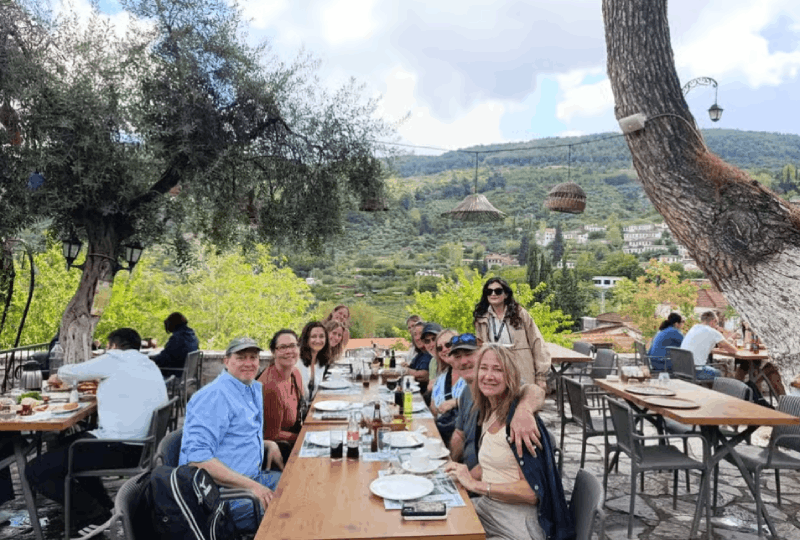
Accessible Culinary Tour Overview for Seniors with Mobility Aids
The Oaxaca culinary circuit designed for seniors who use wheelchairs, walkers, or other mobility aids combines the region’s most celebrated flavors with fully accessible infrastructure. Each itinerary is built around a single‑day, no‑walk format that eliminates uneven terrain, steep gradients, and narrow passageways while preserving authentic food experiences. The tours operate year‑round, with peak comfort during the dry season (November – April) when streets are free of rain‑induced slickness and crowds are moderate.
Transportation and Mobility Support
All transfers are provided in low‑floor, air‑conditioned minibuses equipped with hydraulic ramps and secure wheelchair tie‑down systems. Vehicles meet national accessibility standards, offering ample interior width (minimum 1.2 m) for side‑by‑side seating and space for companion caregivers. Drivers receive specialized training in assisting passengers with mobility devices, including safe boarding, securing, and disembarking at each stop. A trained guide accompanies the group, offering verbal descriptions of surroundings and assisting with any additional mobility needs.
Route Structure
1. Morning Market Exploration (8:30 – 10:30) – The tour begins at the Mercado 20 de Noviembre, whose main aisles have been widened to 1.5 m and feature smooth, non‑slip flooring. Vendors with designated accessible stalls display fresh Oaxacan staples such as chapulines, local cheese, and heirloom corn varieties. Portable, wheelchair‑friendly tasting stations are set up at a central, level pavilion, allowing participants to sample tamales, mole, and freshly squeezed aguas frescas without navigating cramped stalls.
2. Cooking Demonstration at an Accessible Kitchen (11:00 – 13:00) – The group proceeds to a modern culinary studio located in the historic center, renovated to include an ADA‑compliant entrance, ramps, and an elevator to the main kitchen floor. The kitchen features lowered countertops (80 cm height), roll‑under sinks, and adjustable stovetops. A local chef conducts a hands‑on demonstration of Oaxacan mole negro, guiding participants through each step while providing adaptive tools such as grip‑enhanced utensils and a seated prep station. All ingredients are pre‑measured and placed within easy reach, allowing seniors to engage fully without excessive bending or stretching.
3. Accessible Lunch at a Traditional Casa (13:30 – 15:00) – Lunch is served in a restored colonial house that has undergone comprehensive accessibility upgrades. The dining room offers wheelchair‑friendly tables (75 cm clearance) and barrier‑free access to restrooms equipped with grab bars, height‑adjusted sinks, and emergency call buttons. The menu showcases regional specialties—tlayudas, mezcal‑infused sauces, and locally sourced mezcal—prepared with consideration for dietary restrictions common among seniors, such as low‑sodium and soft‑texture options.
4. Afternoon Sweet Treat and Cultural Talk (15:30 – 16:30) – The final stop is a boutique bakery that complies with accessibility guidelines, featuring a ramped entrance and a seating area with wheelchair‑compatible tables. Participants enjoy a tasting of sweet corn empanadas and chocolate de Oaxaca while a cultural historian delivers a concise, seated presentation on the significance of food in Zapotec traditions. All presentation materials are provided in large print and audio formats.
Support Services and Amenities
- Restroom Accessibility: Every venue includes at least one wheelchair‑accessible restroom with automatic doors, sufficient turning radius (1.5 m), and height‑adjusted fixtures.
- Medical Preparedness: A certified first‑aid responder travels with the group, carrying basic medical supplies and a portable defibrillator.
- Pacing and Breaks: The itinerary incorporates scheduled 15‑minute rest periods between each segment, allowing participants to hydrate, adjust seating, or use restroom facilities without time pressure.
- Companion Policy: One caregiver per senior is permitted to travel in the same vehicle and share seating at each venue, ensuring continuous personal assistance.
Customization Options
Tours can be tailored to specific mobility requirements, such as providing electric‑powered scooters for participants with limited upper‑body strength or adjusting the cooking demonstration to a seated, observation‑only format for those who prefer not to handle ingredients. Dietary preferences—including vegetarian, gluten‑free, and low‑sugar meals—are accommodated through advance notice.
This fully accessible, no‑walk culinary itinerary delivers an immersive Oaxacan food experience while respecting the physical comfort and safety needs of senior travelers using mobility aids.
Wheelchair‑Friendly Transportation and Transfer Details
1. Airport Arrival and Initial Transfer
The primary entry point for international travelers is Xoxocotlán International Airport (OAX). Ground‑handling services include a dedicated wheelchair‑accessible shuttle that operates on a 30‑minute schedule from the arrivals hall to the main hotel district of Oaxaca City. The shuttle is a low‑floor minibus equipped with a hydraulic ramp, fixed‑width doors (minimum 32 inches), and a secured wheelchair tie‑down system. Passengers are required to notify the airline or the airport assistance desk at least 48 hours in advance so that a vehicle can be pre‑positioned. The shuttle journey to central Oaxaca averages 20 minutes, depending on traffic, and the driver assists with luggage and wheelchair placement.
2. Hotel Pick‑Up and Drop‑Off Services
Most mid‑range and upscale hotels in the historic center provide complimentary wheelchair‑compatible transport to and from the airport. Vehicles typically include a Mercedes‑Sprinter or similar model with a side‑loading ramp, a wheelchair‑securement strap, and an interior height clearance of at least 78 cm. Reservations should be confirmed at the time of booking, specifying the dimensions of the wheelchair (overall width, length, and any attached accessories) to ensure appropriate vehicle allocation. Transfer times range from 15 to 25 minutes, with drivers trained to navigate the cobblestone streets of the Centro Histórico while maintaining a smooth ride.
3. In‑City Mobility for Culinary Tours
The curated culinary itinerary relies on a fleet of three vehicle types, each selected for specific route demands:
- Urban Minivan (4‑passenger capacity) – Used for short hops between markets, bakeries, and restaurants located within the city core. Features include a rear‑door hydraulic lift, a 32‑inch wide doorway, and a low‑step entry (≤10 cm). The vehicle’s suspension is tuned for uneven stone pavements, reducing jarring motions.
- Mid‑Size Accessible Van (6‑passenger capacity) – Deployed for destinations that require travel on paved arterial roads, such as the Monte Albán archaeological site and the surrounding mezcal distilleries. The van is equipped with a side‑hinged ramp (capacity 250 kg), a reinforced floor, and an automatic wheelchair docking station that locks the chair in place during motion.
- High‑Clearance Accessible SUV (4‑passenger capacity) – Utilized for routes that involve occasional unpaved segments, for example, trips to rural cooking schools in the valleys of the Sierra Norte. The SUV offers a raised ground clearance (≥210 mm), all‑terrain tires, and a manually operated lift gate with a weight limit of 200 kg.
All vehicles are air‑conditioned, feature padded seating for accompanying companions, and provide storage compartments for personal items and culinary sampling bags. Drivers are bilingual (Spanish/English) and receive a brief on wheelchair handling techniques, including safe loading, securing, and unloading procedures.
4. Transfer Timing and Buffer Periods
The culinary tour schedule incorporates a 15‑minute buffer at each transfer point to accommodate wheelchair positioning and any unforeseen mobility challenges. For longer journeys, such as the 90‑minute drive to the mezcal region, a 30‑minute buffer is built in to allow for rest stops and bathroom breaks. The itinerary explicitly notes that wheelchair users may request additional stop time without extra charge, provided the request is made at least 24 hours before the tour date.
5. Accessibility of Public Transportation (Supplementary Option)
While the primary tour relies on private, wheelchair‑adapted vehicles, travelers may occasionally need to use public transit. Oaxaca City’s main bus terminal (Terminal de Autobuses de Oaxaca) operates a fleet of low‑floor buses with automatic ramps and audible stop announcements. However, service frequency on routes serving peripheral culinary sites is limited, and boarding can be challenging on steep inclines. For this reason, the tour package recommends the private transfer fleet as the most reliable and comfortable option for seniors with mobility aids.
6. Booking and Documentation Requirements
To secure wheelchair‑friendly transportation, travelers must submit the following at least 72 hours prior to arrival:
- A copy of the wheelchair’s specifications (overall dimensions, weight, and any detachable components).
- Confirmation of any additional assistive devices (e.g., walkers, portable ramps).
- A signed waiver acknowledging the driver’s assistance responsibilities and the passenger’s responsibility for securing the wheelchair.
The tour operator retains all documentation and coordinates directly with hotel and airport staff to ensure a seamless handoff at each transfer point.
7. Contingency Measures
In the unlikely event of vehicle malfunction, a standby accessible van is positioned at the central hotel hub, capable of reaching any tour site within 10 minutes. The driver carries a portable ramp and a set of extra tie‑down straps to guarantee uninterrupted service. Emergency contact numbers for local medical facilities that are wheelchair‑accessible are also provided in the tour briefing packet.
Ramp‑Accessible Market Stops and Vendor Highlights
Oaxaca’s busy markets are culinary epicenters where the region’s rich flavors converge, and many have been upgraded with ramp‑grade entrances, wide aisles, and level flooring to accommodate seniors using walkers, canes, or wheelchairs. The following stops provide seamless navigation, tactile signage, and a curated selection of vendors whose specialties showcase the state’s most celebrated dishes.
1. Mercado 20 de Noviembre – Central Hall
The main entrance features a concrete ramp with hand‑rail support that meets the 1:12 slope requirement. Inside, the central hall is organized into three wide corridors, each at least 1.5 m in width, allowing easy side‑by‑side passage.
*Vendor Highlights*
- Casa de la Tlayuda – Serves the iconic tlayuda, a 30‑cm‑diameter toasted tortilla topped with refried beans, Oaxacan cheese, shredded cabbage, avocado, and a choice of chorizo or grilled chicken. The vendor offers a seated service window at waist height, eliminating the need to stand.
- El Sazón de la Abuela – Specializes in mole negro, prepared with 30 ingredients including chocolate, chilhuacle peppers, and toasted nuts. Portions are pre‑plated in disposable containers for easy transport.
- Frutas y Nubes – Offers fresh tropical fruit cups (mango, papaya, pineapple) drizzled with honey and lime. The stall includes a low‑height counter and a shaded seating area with reinforced tables.
2. Mercado de la Merced – Accessible Atrium
Renovated in 2026, the market’s atrium entrance includes a gently sloping ramp with tactile paving. The floor is polished stone, reducing trip hazards, and all vendor kiosks are positioned at a minimum of 90 cm from the wall to accommodate wheelchair turning circles.
*Vendor Highlights*
- Tamales de la Sierra – Provides a rotating selection of tamales wrapped in banana leaves, featuring fillings such as mole verde, pork with pineapple, and sweet corn. The vendor pre‑packs each tamal in a biodegradable wrapper, allowing seniors to enjoy the dish without handling hot steam.
- Quesería Artesanal – Showcases Oaxacan cheese varieties (quesillo, cotija, and fresh goat cheese). Samples are offered on a low counter, and the shopkeeper can slice cheese to the desired thickness upon request.
- Café de la Cañada – Serves traditional café de olla brewed with cinnamon and piloncillo. The coffee station includes a wheelchair‑accessible height and a spill‑proof dispenser.
3. Mercado de Abastos – Level‑Ground Annex
Located on the city’s eastern side, this market’s annex was designed with a level‑ground floor, eliminating steps entirely. Wide, non‑slippery tiles and automatic doors ensure independent entry.
*Vendor Highlights*
- Mariscos del Pacífico – Offers grilled shrimp, octopus, and fish tacos with a choice of salsa verde or roja. The vendor prepares each order at a standing‑height grill but transfers the finished plates to a low serving table for easy reach.
- Salsas y Chimichurri – Features an array of salsas ranging from smoky pasilla to bright tomatillo. Bottles are displayed on a rolling cart that can be positioned at wheelchair height.
- Postres de la Abuela – Specializes in traditional sweets such as buñuelos, empanadas de leche, and chocolate de árbol. Desserts are pre‑wrapped in parchment, allowing seniors to enjoy a treat without handling hot oil.
“Market tours in Oaxaca are most rewarding when the itinerary prioritizes ramp‑grade access and vendor flexibility. The three stops listed above combine compliant infrastructure with authentic culinary experiences, ensuring seniors with mobility aids can sample the region’s signature dishes without compromising comfort or safety. When arranging a no‑walk tour, schedule brief rest periods at each vendor’s seated service area to maintain energy levels and enhance enjoyment.”
Adaptive Cooking Demonstrations with Local Chefs
Oaxaca’s culinary heritage is celebrated through hands‑on cooking experiences that have been redesigned for seniors who use walkers, canes, wheelchairs, or other mobility aids. The following overview outlines the key components of an adaptive cooking demonstration, including venue accessibility, chef expertise, menu highlights, pacing, and logistical support.
—
1. Venue Selection and Physical Access
| Feature | Standard Requirement | Adaptive Provision | ||
|---|---|---|---|---|
| Entrance | Ramp or level threshold ≤ 6 inches | Automatic doors with motion sensors; ramp slope ≤ 1:12; tactile paving for orientation | ||
| Kitchen Layout | Open‑plan workstations | Adjustable‑height work tables (30 in–38 in) with removable legs; removable side‑bars to widen aisle to 48 in | ||
| Seating | Fixed stools | Swivel stools with pneumatic lift, height range 18–24 in; portable sturdy chairs with armrests | ||
| Flooring | Tile or stone | Slip‑resistant vinyl over existing floor; removable floor mats for wheelchair stability | ||
| Restrooms | Standard fixtures | Grab bars beside toilet; lowered sink with lever handles; wheelchair‑accessible stall (60 in × 60 in) | ||
| Lighting | Ambient | Adjustable LED task lighting (400–600 lux) at each workstation; glare‑free fixtures |
Most adaptive demonstrations are held in community kitchens attached to cultural centers in the historic center of Oaxaca de Juárez, in the nearby town of San Martín Tilcajete, or in purpose‑built culinary studios in the Valle de Etla. All venues comply with Mexican accessibility standards (NOM‑001‑SSA2‑2012) and have been inspected by local disability‑rights organizations.
—
2. Chef Profiles and Teaching Style
- Chef María del Rosario Gutiérrez – A third‑generation mole maker who incorporates tactile cues into instruction, such as “feel the thickness of the sauce with the back of your hand.” She uses a low‑profile stove with front‑facing controls, allowing easy reach from a seated position.
- Chef Alejandro “Taco” Hernández – Specializes in Oaxacan street foods. Demonstrates tortilla‑making on a height‑adjustable comal that can be set to 28 in for wheelchair users. Provides pre‑measured ingredient packets in clear, large‑print bags.
- Chef Luisa Martínez – Focuses on plant‑based dishes using native ingredients (e.g., huitlacoche, nopal). Offers a “hands‑free” chopping station with a motorized food processor that can be operated with a single button press.
All chefs have completed a brief accessibility‑training module provided by the Oaxaca Tourism Board, covering wheelchair navigation, communication of visual cues, and emergency response.
—
3. Menu Highlights and Adaptive Techniques
| Dish | Traditional Elements | Adaptive Modification | ||
|---|---|---|---|---|
| Mole negro | Over 30 ingredients, long simmer | Ingredients pre‑measured in labeled containers; simmering pot equipped with a side‑mounted temperature probe readable from seated height | ||
| Tlayudas | Large, toasted tortilla topped with cheese, chorizo, and salsa | Pre‑toasted tortillas supplied; topping stations positioned at waist height; salsa dispensed from squeeze bottles with ergonomic grips | ||
| Chapulines al ajillo | Fried grasshoppers with garlic | Grasshoppers pre‑cooked; final seasoning added with a shaker that can be operated with one hand | ||
| Ensalada de nopal | Cactus strips, tomatoes, onion, lime dressing | Cactus strips pre‑cut; dressing mixed in a shaker bottle; salad tossed using a large spoon with a wide handle |
Each demonstration lasts 90 minutes, including a 15‑minute orientation, 60‑minute cooking segment, and 15‑minute tasting and Q&A. The pacing allows participants to rest between steps, and all utensils have enlarged, non‑slip handles.
—
4. Transportation and Mobility Support
- Door‑to‑door shuttle – Low‑floor minibuses (12‑seat) equipped with wheelchair ramps and secure tie‑down points. Drivers are trained in safe boarding techniques and provide assistance with luggage and mobility devices.
- Route planning – Shuttles travel from senior‑friendly hotels in the city center (e.g., Hotel Casa de la Noria, Hotel Quinta Real) to the demonstration venue, avoiding steep inclines and cobblestone streets. Estimated travel time: 15 minutes.
- On‑site assistance – A mobility aide accompanies each group, helping with wheelchair positioning, transferring between seats, and handling any spills or equipment adjustments.
—
5. Safety, Health, and Comfort
- Allergy management – Ingredient lists are provided in large print and Braille at least 24 hours before the session. Chefs can substitute common allergens (e.g., dairy, nuts) upon request.
- Fire safety – Portable fire extinguishers with visual and auditory alerts are mounted at each workstation. Staff conduct a brief fire‑response drill at the start of each class.
- Climate control – Kitchens are equipped with air‑conditioning set to 72 °F (22 °C) to maintain comfort for seniors with limited thermoregulation.
- Hydration – Refillable water stations with easy‑to‑press levers are placed at each table; flavored water options are offered in spill‑proof cups.
—
6. Booking and Group Size
- Maximum participants per session – 8 individuals, ensuring a 1:1 ratio of participants to mobility aides.
- Advance notice – Minimum 48 hours required for dietary restrictions and mobility‑device specifications.
- Pricing – Inclusive of transportation, adaptive equipment, ingredient kits, and a take‑home recipe booklet printed in large type.
These adaptive cooking demonstrations provide seniors with a tactile, inclusive immersion into Oaxaca’s gastronomic culture while respecting mobility limitations and ensuring a safe, enjoyable experience.
Dining Locations with Accessible Entrances and Seating
Oaxaca’s culinary scene blends historic flavors with modern hospitality, and an increasing number of establishments have incorporated universal‑design principles to accommodate seniors who use walkers, canes, or wheelchairs. The following venues are recognized for providing level or ramped entrances, wide doorways, and interior layouts that allow easy navigation to seating areas.
Casa Oaxaca – Plaza del Mercado
Located on a cobblestone side street just off the central market, Casa Oaxaca offers a gently sloped ramp that meets the sidewalk at the main entrance. The automatic doors open onto a spacious lobby where the floor is tiled with low‑contrast, non‑slip material. Inside, the dining room is arranged with tables spaced at least 1.2 meters apart, allowing wheelchair users to pass comfortably. Seating includes high‑back chairs with firm armrests and a few tables equipped with removable side rails for added stability. The restroom nearest the dining area features grab bars, a raised sink, and a wheelchair‑accessible stall.
Los Danzantes – Jalatlaco
Set in the historic Jalatlaco neighborhood, Los Danzantes has renovated its façade to include a discreet, hand‑rail‑supported ramp that complies with a maximum 8% gradient. The entrance door is a sliding glass unit, eliminating the need for a swing clearance zone. Within the restaurant, the main floor is free of steps; the layout incorporates a central aisle that runs the length of the space, with tables positioned on either side. Several of the tables are adjustable‑height, allowing diners to raise or lower the surface to suit a wheelchair or mobility aid. The venue also provides a dedicated wheelchair‑friendly booth with removable armrests for easy transfer.
La Biznaga – Centro Histórico
La Biznaga’s central location makes it a convenient stop on any culinary itinerary. The establishment installed a low‑rise ramp at the front entrance, complemented by tactile paving for visually impaired guests. The double‑door entry opens onto a vestibule that leads directly to the dining hall, eliminating obstacles. Seating is arranged in a “grid” pattern, ensuring clear pathways of at least 1 meter width. The restaurant offers a selection of high‑back, cushioned chairs with sturdy armrests, and a few tables are equipped with removable side supports for wheelchair users who require additional assistance. The adjacent patio is also level and features wide‑spaced tables under a shaded pergola.
El Secreto de la Tlayuda – Xochimilco
Specializing in the iconic tlayuda, this eatery has embraced accessibility without compromising its rustic charm. A concrete ramp with handrails leads to a glass‑fronted entrance, and the threshold is flush with the interior floor. Inside, the open‑plan layout provides ample turning radius for wheelchairs, and the seating includes sturdy, height‑adjustable stools and chairs with reinforced frames. The restaurant’s staff have been trained to assist with positioning mobility aids, and the kitchen pass‑through is positioned at a height that accommodates seated diners who wish to observe food preparation.
Pitiona – Santo Domingo
Pitiona, located near the Santo Domingo Church, features a ramp that conforms to a 6% slope and is equipped with side rails. The entrance door is a wide, automatic sliding panel that eliminates the need for manual operation. The dining area is a single‑level space with a clear sight line from the entrance to the back of the room, reducing visual clutter. Seating includes a mix of standard chairs with firm, supportive backs and a few “accessible” tables that have removable side panels, allowing a wheelchair to slide directly under the tabletop. The restroom adjacent to the dining room includes a lowered sink, a lever‑type faucet, and a spacious, grab‑bar‑equipped stall.
General Recommendations for Accessible Dining in Oaxaca
When planning a no‑walk culinary tour, it is advisable to confirm the current status of ramps and seating arrangements, as seasonal renovations may temporarily affect accessibility. Many of the venues listed provide staff assistance upon request, and most are located within a short, flat walk from major plazas or public transportation hubs, minimizing the need for additional mobility challenges. By selecting restaurants that prioritize level entrances, wide doorways, and adaptable seating, seniors with mobility aids can experience Oaxaca’s rich gastronomic heritage comfortably and safely.
Daily Itinerary and Tour Segment Timing
| 07:30 – 08:00 | Hotel Pick‑up & Accessible Transfer |
|---|
A wheelchair‑friendly minibus equipped with a hydraulic lift departs the senior‑friendly hotel in the historic centre. The vehicle complies with ADA‑type standards, providing secure wheelchair restraints and ample space for mobility walkers. The driver follows a pre‑planned route that avoids steep gradients and uneven cobblestones, ensuring a smooth ride to the first stop.
| 08:00 – 08:20 | Arrival at Mercado 20 de Noviembre (Accessible Entrance) |
|---|
The market’s main entrance features a ramp with a 1:12 slope and tactile paving. A short, flat, paved pathway leads to the designated tasting zone where vendors have pre‑arranged wheelchair‑accessible stalls. A local culinary guide greets the group and distributes a printed itinerary with large‑print icons indicating each segment.
| 08:20 – 08:45 | Guided Tasting – Oaxacan Staples |
|---|
Participants sample tamales de mole, tlayudas, and fresh fruit juices. Each tasting station is set at a height of 900 mm to accommodate seated guests. The guide offers brief, seated‑friendly explanations of ingredients, cooking methods, and cultural significance. A 5‑minute rest break is built into the tasting, allowing guests to hydrate and adjust.
| 08:45 – 09:00 | Transition to Café de la Tradición |
|---|
A short, 15‑minute wheelchair‑accessible shuttle ride transports the group to a historic café located on a level street. The vehicle’s doors open automatically, and a low‑step ramp eliminates any threshold obstacles.
| 09:00 – 09:30 | Coffee Ceremony & Pastry Pairing |
|---|
The café’s patio is fully paved and equipped with handrails. Guests enjoy a traditional Oaxacan coffee ceremony, followed by a tasting of sweet empanadas and pan de yema. Seating is provided at tables with adjustable height, and a 10‑minute seated pause allows for digestion and conversation.
| 09:30 – 10:00 | Cultural Stop – Museo de la Fotografía (Accessible Gallery) |
|---|
The museum offers an elevator and wheelchair‑friendly galleries. A brief audio‑guided tour, presented on a handheld device with volume control, highlights historic photographs of Oaxaca’s culinary heritage. The visit is limited to 30 minutes to prevent fatigue.
| 10:00 – 10:15 | Transfer to Cooking Studio |
|---|
A climate‑controlled, low‑floor vehicle transports guests to a fully accessible cooking studio. The route avoids uneven sidewalks and includes a brief stop for restroom use in a facility equipped with grab bars and a wheelchair‑accessible sink.
| 10:15 – 11:45 | Hands‑On Cooking Class – Mole Preparation |
|---|
The studio’s workstations are set at 750 mm height, allowing participants to work while seated. A professional chef demonstrates each step of mole preparation, using large‑print recipe cards. Participants engage in a 90‑minute, paced cooking session with a 10‑minute seated break halfway through. All equipment is positioned to allow easy wheelchair maneuverability.
| 11:45 – 12:00 | Lunch & Review |
|---|
The freshly prepared mole is served alongside a selection of local sides. Tables are spaced to accommodate wheelchairs, and staff provide assistance with plate handling if needed. A brief group discussion recaps the day’s experiences and gathers feedback.
| 12:00 – 12:30 | Return to Hotel |
|---|
The accessible minibus departs the studio, following the same low‑gradient route back to the hotel. Estimated arrival time is 12:30, allowing guests ample time to settle before the afternoon.
Timing Summary
- Total travel time: 45 minutes (split across three transfers)
- Structured activity time: 3 hours 30 minutes
- Built‑in rest periods: 30 minutes (distributed across tasting, coffee, and cooking segments)
- Total itinerary duration: 5 hours
The schedule balances immersive culinary exposure with frequent, accessible rest points, ensuring a comfortable, engaging experience for seniors using mobility aids.
Inclusive Pricing Structure and Payment Options
The no‑walk culinary tours in Oaxaca are designed to accommodate seniors who use mobility aids, offering transparent pricing that reflects the full range of accessible services. All tour packages are presented in Mexican pesos (MXN) with an approximate conversion to U.S. dollars (USD) for reference; exchange‑rate fluctuations are accounted for in the final invoice.
Base Package Price
The standard 8‑hour culinary itinerary, which includes transportation in a wheelchair‑compatible vehicle, a guided market visit, three seated cooking demonstrations, and a seated tasting session at a local restaurant, is priced at MXN 3,200 per participant. This fee covers:
- Door‑to‑door pick‑up and drop‑off at the senior’s accommodation, using a vehicle equipped with a ramp and secure wheelchair tie‑down points.
- A bilingual guide trained in accessibility protocols, who assists with navigation of all venues.
- All meals and beverages served during the cooking demonstrations and tasting, prepared with locally sourced ingredients.
- Adaptive kitchen equipment, such as lowered workstations and sturdy, height‑adjustable tables.
- Complimentary bottled water and a small souvenir of regional spices.
Optional Add‑Ons
| Add‑On | Description | Additional Cost (MXN) | ||
|---|---|---|---|---|
| Private Vehicle Upgrade | Dedicated vehicle for a single party, ensuring immediate availability of a ramp and a driver experienced with mobility‑aid users. | 800 | ||
| Extended Tasting Session | Additional 30‑minute seated tasting at a second restaurant, featuring a separate menu of regional specialties. | 450 | ||
| Souvenir Package | Hand‑crafted pottery, a set of traditional molcajete tools, and a recipe booklet in large print. | 350 | ||
| Post‑Tour Accessibility Consultation | One‑hour virtual meeting with a local accessibility specialist to plan future visits. | 600 |
All add‑ons are optional and can be selected at the time of booking or added up to 24 hours before the tour start date.
Discounts and Concessions
- Senior Group Discount – Groups of three or more seniors receive a 10 % reduction on the base price. The discount is applied before any optional add‑ons are calculated.
- Early‑Bird Rate – Reservations confirmed at least 30 days in advance qualify for a flat MXN 250 reduction per participant.
- Mobility‑Aid Equipment Rental – For guests who require a powered wheelchair or scooter during the tour, a rental fee of MXN 400 per device is included in the final price; the equipment is delivered and collected by the tour operator.
- Veteran and Active‑Duty Military – A 15 % discount is offered upon presentation of valid identification at the time of booking.
Discounts are cumulative only where explicitly permitted (e.g., early‑bird and senior group discounts may be combined). All reduced rates are reflected on the itemized invoice.
Payment Methods
The tour operator accepts the following payment channels, each processed through secure, PCI‑compliant gateways:
- Credit/Debit Cards – Visa, MasterCard, American Express, and Discover. Card payments are authorized in full at the time of booking; a 3 % processing surcharge is applied to cover transaction fees.
- Bank Transfers – Direct transfer to the operator’s Mexican bank account (CLABE). The booking is confirmed once the transfer is verified; a confirmation reference number must be provided.
- Digital Wallets – Apple Pay, Google Pay, and major regional e‑wallets. These are treated as card transactions with the same surcharge.
- Travel‑Agency Credit – For bookings made through accredited senior‑travel agencies, a pre‑approved credit line may be used, subject to agency terms.
A 20 % deposit is required to secure the reservation; the balance is due 7 days before the tour date. For groups larger than ten participants, the operator may negotiate a customized payment schedule.
Refund and Cancellation Policy
- Cancellations made more than 14 days prior to the tour receive a full refund of the deposit.
- Cancellations between 7 and 14 days incur a 50 % charge of the total booking amount.
- Cancellations within 7 days are non‑refundable, but the operator may offer a credit voucher valid for six months, provided the request is documented with a medical certificate or mobility‑aid malfunction report.
- In the unlikely event of a tour cancellation by the operator, a full refund is issued, and the client is offered priority placement on the next available date at no additional cost.
All refunds are processed using the original payment method and are subject to the processing times of the respective financial institution. The operator maintains a transparent ledger of all transactions, available upon request for audit or personal record‑keeping.
Safety Measures, On‑Tour Assistance, and Emergency Support
Pre‑Tour Risk Assessment
All no‑walk culinary tours for seniors with mobility aids begin with a formal risk assessment. Operators verify the condition of wheelchairs, walkers, or mobility scooters, confirming that brakes, tires, and battery levels meet safety standards. Participants complete a health questionnaire that records chronic conditions, medication schedules, and any recent surgeries. The questionnaire is reviewed by a certified first‑aid trainer who flags any contraindications, such as severe vertigo that could be aggravated by uneven cobblestones in historic districts.
Vehicle Modifications and Accessibility
Tour vehicles are equipped with low‑floor entry, hydraulic lifts, and reinforced securing points for wheelchairs and scooters. Seats feature adjustable lumbar support and seat belts that accommodate assistive devices. Interior lighting follows a 400‑lux minimum to reduce tripping hazards, while handrails are positioned at 90 cm height to aid transfers. All vehicles undergo quarterly inspections by a licensed mechanic and an accessibility auditor to ensure compliance with national standards for persons with reduced mobility.
Route Planning and Terrain Control
Routes are selected based on surface integrity, gradient, and width. Streets with steep inclines greater than 5 % are avoided; where unavoidable, portable ramps and anti‑slip mats are deployed. Market stalls and cooking venues are pre‑inspected for wheelchair clearance, with a minimum clearance width of 90 cm and removable barriers. In cases where a venue’s floor is tiled, operators lay temporary non‑slip overlays to mitigate the risk of falls on wet or polished surfaces.
Personal Protective Equipment (PPE) and Hygiene
Participants receive disposable gloves, antimicrobial hand wipes, and face masks that are compatible with hearing aids. PPE is stored in sealed, labeled pouches on each seat. Food‑handling demonstrations follow local health‑department guidelines, and all cooking stations are equipped with ergonomic tools—e.g., lightweight wooden spoons and short‑handled whisks—to reduce strain on the upper limbs.
On‑Tour Assistance Protocols
Each tour includes a certified accessibility guide and a trained first‑aid practitioner. Guides are fluent in Spanish and English, and they carry portable communication devices that can broadcast pre‑recorded safety instructions in multiple languages. Assistance staff maintain a 1:2 staff‑to‑participant ratio, ensuring that a second set of hands is available for transfers, wheelchair positioning, and navigation through crowded market aisles.
Real‑Time Monitoring and Communication
All participants wear lightweight, waterproof RFID bracelets linked to a central monitoring hub. The bracelets transmit location data every 30 seconds, allowing the guide to track movement and detect prolonged inactivity that could indicate a fall. In addition, the bracelets feature an emergency button that instantly alerts the guide, the first‑aid practitioner, and the vehicle driver.
Emergency Response Framework
Should a medical incident occur, the first‑aid practitioner initiates the Oaxaca Emergency Medical Services (EMS) protocol. The response plan includes:
1. Immediate on‑site assessment using the ABC (Airway, Breathing, Circulation) method.
2. Administration of pre‑authorized medication, such as antihistamines for allergic reactions, stored in a locked, temperature‑controlled kit.
3. Activation of a pre‑arranged partnership with a nearby private clinic that offers wheelchair‑accessible examination rooms and a geriatric specialist on call.
4. Coordination with local EMS to dispatch an ambulance equipped with a stretcher lift and a paramedic trained in senior care.
All incident reports are documented in a digital log, which is uploaded to a secure cloud server within 24 hours for review by the tour operator’s safety committee.
Post‑Tour Follow‑Up
After the tour, participants receive a written summary of any health events, recommendations for follow‑up care, and a feedback form that assesses perceived safety, assistance quality, and emergency preparedness. The operator uses aggregated data to refine risk assessments, adjust route selections, and update staff training modules on an annual basis.
These integrated safety measures, on‑tour assistance protocols, and emergency support structures create a reliable environment for seniors with mobility aids to experience Oaxaca’s culinary heritage without the physical demands of walking, while maintaining the highest standards of health and accessibility.
Packing Checklist: Mobility Aids, Comfort Items, and Essentials
—
1. Mobility Aids
| Item | Why It’s Needed | Packing Tips | ||
|---|---|---|---|---|
| Lightweight Folding Walker or Rollator | Provides stability on uneven cobblestones, market stalls, and restaurant entrances. Look for models with a compact fold and a removable seat for occasional rests. | Disassemble if possible; wrap the frame in a padded travel sleeve to protect against dents. | ||
| Portable Wheelchair (Manual or Power‑Assist) | Guarantees independence on longer distances, especially when navigating the historic center where curb cuts may be limited. Choose a model with a detachable battery and quick‑release wheels for easy transport. | Place in a dedicated wheelchair bag; include a spare tire, pump, and basic tools. | ||
| Travel Cane with Adjustable Height | Offers a low‑profile option for short trips between tasting venues and for use on public transportation. | Collapse to the smallest length; store in a protective case to avoid scratching luggage. | ||
| Seat Cushion or Gel Pad | Reduces pressure on the hips and tailbone during extended sitting in traditional restaurants with hard benches. | Compress the cushion and secure with a zip‑lock bag to keep it clean and dry. | ||
| Portable Ramp or Threshold Bridge | Useful for stepping over low curbs or uneven thresholds at older homes‑turned‑eateries. | Foldable aluminum ramps fold to a size that fits in a carry‑on; attach with Velcro straps for quick deployment. | ||
| Battery Packs / Power Banks (for electric aids) | Ensures devices remain functional throughout the day, especially when outlets are scarce. | Carry at least two high‑capacity packs (10,000 mAh or greater); keep them in a waterproof pouch. |
—
2. Comfort Items
| Item | Purpose | Packing Guidance | ||
|---|---|---|---|---|
| Compression Socks | Improves circulation during long periods of standing or sitting, reducing swelling in the lower legs. | Pack three pairs; roll them tightly to save space. | ||
| Sun Hat with Wide Brim | Shields the face and neck from Oaxaca’s high altitude sun, preventing heat‑related discomfort. | Choose a lightweight, foldable design; store in a mesh bag to keep it breathable. | ||
| UV‑Protection Sunglasses | Reduces glare while walking through open markets and protects eyes from UV exposure. | Use a hard case to prevent scratches; keep the case in the day‑pack. | ||
| Lightweight Rain Jacket or Poncho | Provides protection against sudden summer showers without adding bulk. | Opt for a breathable, waterproof material that can be folded into a small pouch. | ||
| Reusable Water Bottle with Insulation | Maintains hydration and keeps water cool, essential for seniors in a warm climate. | Fill after security screening; carry a spare bottle for emergencies. | ||
| Medication Organizer (Daily Pill Box) | Keeps prescribed medicines sorted by time of day, preventing missed doses while traveling. | Label each compartment clearly; store in an easy‑to‑reach compartment of the main bag. | ||
| Travel‑Size Hand Sanitizer & Antibacterial Wipes | Maintains hand hygiene before tasting dishes and after handling cash or public surfaces. | Keep a small bottle (≤ 100 ml) in a zip‑top pocket for quick access. | ||
| Earplugs or Noise‑Cancelling Earbuds | Reduces auditory overload in busy markets and busy kitchens, aiding concentration and comfort. | Store in a soft pouch to protect the ear tips. | ||
| Light Blanket or Shawl | Provides warmth in air‑conditioned interiors and can be used as a modesty cover in traditional eateries. | Choose a compact, fleece material that folds into a small square. |
—
3. Essentials for Culinary Tours
| Item | Reason | Packing Note | ||
|---|---|---|---|---|
| Allergy Cards (Spanish Translation) | Communicates dietary restrictions clearly to chefs and market vendors. | Print on sturdy cardstock; keep one in the day‑pack and one in the luggage. | ||
| Small Notebook & Pen | Records flavor notes, recipes, and contact information for local chefs. | Use a waterproof cover to protect against spills. | ||
| Portable Power Adapter (Type A/B) | Ensures charging of electronic devices, including mobility‑aid batteries, in Mexican outlets. | Pack a surge‑protected unit with a built‑in USB port. | ||
| Travel Insurance Documents | Covers medical emergencies, equipment loss, and trip cancellations. | Keep a printed copy in a waterproof sleeve inside the main bag. | ||
| Copy of Prescription (Spanish if possible) | Facilitates pharmacy visits if refills are needed during the stay. | Store a photocopy separate from the original prescription. | ||
| Lightweight Backpack with Wheels | Allows easy transport of daily items while reducing strain on the back and shoulders. | Choose a bag with a telescopic handle and reinforced wheels; ensure it has a dedicated compartment for mobility‑aid accessories. | ||
| Reusable Shopping Bag | Useful for carrying market purchases without needing to hold heavy bags. | Fold into a small pouch; select a sturdy, washable fabric. | ||
| Travel‑Size First‑Aid Kit | Addresses minor cuts, blisters, or skin irritations that can occur while sampling street foods. | Include band‑aids, antiseptic wipes, and an anti‑inflammatory gel. |
—
Packing Strategy
1. Pre‑Trip Inventory – List each item and mark it off as it is placed in luggage.
2. Layered Packing – Place heavier mobility‑aid components (wheelchair bag, battery packs) at the bottom of the suitcase; layer softer comfort items on top.
3. Day‑Pack Preparation – Pack the day‑pack with items needed for each culinary stop: water bottle, allergy card, notebook, and a small portion of the mobility‑aid accessories (e.g., cane, cushion).
4. Redundancy Planning – Include a spare walking aid (e.g., a second cane) in case of loss or damage.
5. Weather Contingency – Pack a compact rain jacket and a lightweight blanket regardless of season, as Oaxaca’s climate can shift quickly between sun and showers.
Following this checklist ensures seniors traveling with mobility aids can enjoy Oaxaca’s culinary delights comfortably, safely, and with minimal disruption.
Reservation Process, Confirmation Steps, and Cancellation Policy
Reservation Process
1. Eligibility Verification – Prior to booking, travelers must indicate the type of mobility aid used (wheelchair, walker, rollator, or mobility scooter). The tour operator requires a brief description of the aid’s dimensions and any special handling needs to ensure that all vehicles, restaurant entrances, and kitchen workstations are compatible.
2. Selection of Tour Date and Group Size – The calendar of available dates is organized by week, with a maximum of eight participants per tour to maintain a comfortable pace and guarantee sufficient staff assistance. Seniors may travel alone or in a party of up to three companions, provided the total number of mobility aids does not exceed the vehicle’s capacity (typically two wheelchairs per van).
3. Submission of Personal Information – The booking form collects full name, date of birth, nationality, and any dietary restrictions (e.g., low‑sodium, gluten‑free, diabetic). A health disclaimer asks travelers to confirm that they are medically cleared for moderate seated travel and that they possess the necessary insurance coverage for their mobility equipment.
4. Payment Authorization – A secure online payment gateway processes a 30 % non‑refundable deposit at the time of reservation. The remaining balance is due 14 days before the scheduled departure. Payment can be made with major credit cards; no cash or check is accepted for the deposit.
5. Accessibility Confirmation – Once the deposit is received, the operations team cross‑checks the requested mobility aids against the fleet’s specifications. If a mismatch is identified (e.g., a powered scooter exceeding weight limits), the team contacts the traveler to propose an alternative vehicle or to suggest a different tour date that can accommodate the equipment.
Confirmation Steps
1. Immediate Booking Acknowledgment – Within five minutes of successful payment, the system generates an electronic receipt that includes the reservation number, tour title, date, and a summary of the services (transport, restaurant visits, guided tastings, and on‑site assistance).
2. Detailed Itinerary Dispatch – Forty‑eight hours after the booking acknowledgment, a comprehensive itinerary is emailed to the traveler. The document outlines departure time, pick‑up location, vehicle model, wheelchair‑friendly entrance routes for each restaurant, and the names of the culinary specialists who will lead the tastings.
3. Pre‑Departure Accessibility Checklist – Seven days before the tour, a reminder is sent requesting final confirmation of mobility‑aid dimensions, any last‑minute health updates, and confirmation of dietary needs. Travelers are asked to reply within 48 hours; failure to respond may result in the reservation being placed on hold.
4. Final Confirmation – Twenty‑four hours before departure, a final confirmation message is issued. This message reiterates the meeting point, required identification (passport or government‑issued ID), and the exact time the vehicle will depart. It also includes a brief reminder that the remaining balance must be cleared, otherwise the reservation will be automatically canceled.
Cancellation Policy
- Standard Cancellation (More than 14 Days Prior) – Travelers may cancel without penalty up to 14 days before the scheduled departure. The 30 % deposit is retained, and the remaining balance is fully refunded.
- Mid‑Term Cancellation (7–14 Days Prior) – Cancellations made between 7 and 14 days before the tour incur a 50 % charge of the total price. The remaining 50 % is refunded to the original payment method.
- Late Cancellation (Less than 7 Days Prior) – Any cancellation within 7 days of the departure date results in a 100 % charge of the total price. No refunds are issued, and the reservation is considered forfeited.
- No‑Show – Failure to appear at the designated pick‑up location at the scheduled time is treated as a late cancellation; the full amount is charged.
- Force‑Majeure – In the event of extraordinary circumstances (e.g., natural disaster, civil unrest, pandemic‑related travel bans), the operator may offer a full refund or a credit for a future tour, at its discretion. Documentation of the event must be provided.
- Refund Processing – Approved refunds are processed within 10 business days. The amount is returned via the same payment method used for the original transaction.
Adhering to these procedures ensures a seamless, accessible culinary experience for seniors traveling with mobility aids, while providing clear expectations for payment, confirmation, and cancellation.
Frequently Asked Questions
What types of mobility aids are accommodated on the No‑Walk Culinary Tours in Oaxaca?
The tours are designed for wheelchairs (manual and powered), scooters, walkers, and canes. All vehicles and venues have ramps, widened aisles, and secure wheelchair tie‑down points.
How are the culinary venues selected for accessibility?
Each restaurant, market stall, and cooking studio is pre‑screened for wheelchair‑friendly entrances, level flooring, accessible restrooms, and staff trained to assist guests with mobility aids.
Are the tour vehicles wheelchair‑accessible?
Yes. The fleet includes low‑floor minibusses and vans equipped with hydraulic lifts or ramps, removable seats, and ample interior space for maneuvering and securing a wheelchair.
What is the typical duration of a No‑Walk Culinary Tour?
Tours run between 5 and 7 hours, including scheduled rest breaks, a lunch or dinner service, and optional short excursions to nearby accessible attractions.
Can participants with limited stamina join the full‑day tour?
The itinerary includes multiple seated tasting stations, frequent rest periods, and the option to skip optional activities without missing core culinary experiences.
Are dietary restrictions and food allergies accommodated?
Yes. Prior to the tour, guests can specify vegetarian, vegan, gluten‑free, low‑sodium, or allergy requirements, and the culinary partners will prepare suitable dishes.
What assistance is provided for boarding and disembarking at venues?
Trained guides assist with ramp operation, door opening, and wheelchair positioning. Staff also ensure that tables and cooking stations are within comfortable reach.
Is there on‑site medical support during the tour?
A certified first‑aid responder travels with the group and carries basic medical supplies. Emergency contact protocols are established with local hospitals that have accessible facilities.
How far are the culinary stops from each other, and is any walking required?
All stops are within a 2‑kilometer radius of the central meeting point. Transportation between locations is provided; no walking is required unless the guest chooses to explore independently.
What is the recommended packing list for seniors using mobility aids?
Pack lightweight, breathable clothing, a hat or sunshade, sunscreen, any personal medication, a portable charger, and a compact rain jacket. Bring any spare wheelchair parts or battery chargers if needed.
| Season / Month | Typical Weather | Visitor Density | Recommended Activities | Approx. Cost per Person (USD) |
|---|---|---|---|---|
| November – December (Early Dry) | Cool evenings (12‑16 °C), mild days (22‑26 °C), virtually no rain. | Low‑moderate – perfect for those who prefer quieter streets. | Market tours, mezcal tasting, traditional mole workshops. | $210‑$260 (incl. transport, guide, meals, entrance fees). |
| January – February (Peak Dry) | Sunny, dry, temperatures 20‑28 °C; ideal for outdoor dining. | Moderate – festivals increase foot traffic. | Festival food tours, hillside restaurant lunches, accessible handicraft village visits. | $220‑$275 (peak season surcharge). |
| March – April (Late Dry) | Warm days (24‑30 °C), occasional breezes; very little rain. | Moderate‑high – spring break influx. | Garden-to-table experiences, coffee plantation visits, adaptive cooking classes. | $225‑$280 (incl. optional coffee tasting add‑on). |
| May – October (Rainy Season) | Frequent showers, humidity 75‑85 %, temperatures 22‑27 °C. | Low‑moderate – fewer crowds but slick surfaces. | Indoor market tours, museum gastronomy exhibits, adaptive restaurant hops. | $190‑$240 (discounted due to lower demand). |
Travelers Insight
When you step onto the sun‑kissed streets of Oaxaca with a wheelchair, walker, or any mobility aid, the first thing you’ll notice is how thoughtfully the city has adapted its most beloved culinary experiences for accessibility. The historic center, a UNESCO‑listed district, boasts wide, cobblestone‑free avenues that have been resurfaced with smooth, anti‑slip stone, allowing a comfortable glide between the iconic zócalo and the busy Mercado 20 de Noviembre. Most of the celebrated eateries—whether a family‑run tlayuda stall or a high‑end mezcal bar—have installed removable ramps and lowered service counters, so you can fully engage with the aromas, textures, and stories that define Oaxacan cuisine without feeling rushed or excluded.
One of the most rewarding aspects of this tour is the seamless blend of gourmet indulgence and cultural immersion. Imagine joining a master mole maker in a fully wheelchair‑accessible kitchen, where you’ll watch the slow‑cooked chocolate, chilies, and spices swirl together, then have the chance to taste the final product right from a height‑adjustable tasting station. The same level of care extends to mezcal tastings: the tasting rooms are equipped with wide doors, wheelchair‑friendly bar heights, and staff trained to describe the nuanced flavors for those who may also have visual impairments. Because the itinerary is deliberately single‑day and “no‑walk,” you can savor each bite and sip without the fatigue that often accompanies multi‑day treks.
Health considerations are a priority on this circuit. The low‑floor, air‑conditioned minibuses are not only fitted with hydraulic ramps but also carry a small medical kit and a driver certified in basic first‑aid. Throughout the day, the guide monitors hydration, especially during the hotter months, and offers frequent rest stops at shaded plazas where portable ramps provide easy access to nearby cafés. Should you need a companion caregiver, the vehicle interior has a dedicated side seat with a reinforced anchor point for additional safety. all restaurants participating in the tour adhere to the same sanitation standards, offering clearly labeled allergen information—a crucial detail for seniors with dietary sensitivities.
Beyond the practicalities, the journey offers subtle, enriching moments that often go unnoticed on standard tours. The rhythm of the city’s daily market—vendors shouting “¡Mole! ¡Mole!” in perfect unison—creates a soundtrack that is both lively and comforting. As you glide past vibrant stalls of fresh nopales, ripe mangoes, and hand‑crafted chocolate, the guide shares anecdotes about the lineage of each dish, linking it to ancient Zapotec rituals and contemporary family traditions. These stories deepen the culinary experience, turning each bite into a narrative bridge between past and present. For seniors who cherish storytelling, the tour becomes a living anthology of Oaxaca’s gastronomic heritage, told at a pace that respects both curiosity and comfort.
Finally, consider the long‑term value of choosing an accessibility‑focused itinerary. Not only does it eliminate the stress of navigating uneven sidewalks or cramped eateries, but it also opens doors to experiences that many travel guides overlook. From adaptive cooking workshops where you can knead dough on a height‑adjustable table, to river‑front restaurants with wheelchair‑friendly patios and unobstructed views of the sunset over the Sierra Madre, the tour demonstrates that age and mobility need never be barriers to culinary adventure. As you depart, you’ll carry home more than just recipes—you’ll have a renewed confidence that the world’s flavors are within reach, and a collection of memories that taste as vibrant as the dishes that inspired them.
