
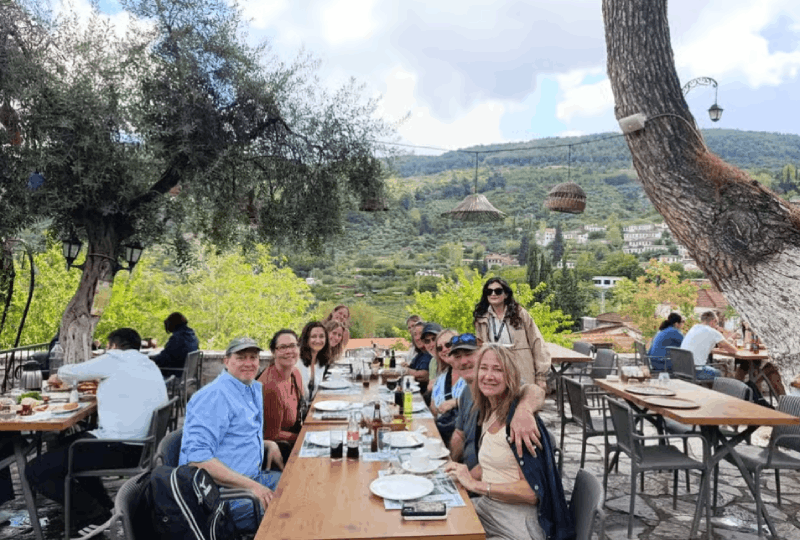
Senior-Friendly Tour Duration and Pace Options
Senior‑Friendly Tour Duration and Pace Options
The historic centre of Oaxaca is compact enough to be explored comfortably without extensive walking, yet rich enough to justify a range of tour lengths. Operators design three primary formats—short, standard, and extended—each calibrated to senior mobility needs, with built‑in rest periods, seating, and optional wheelchair assistance.
1. Short‑Duration (45 minutes – 1 hour)
Ideal for travelers who prefer a brief immersion or have limited stamina, the short tour covers the most iconic landmarks within a 0.6‑kilometre circuit. The route includes the Zócalo, the Cathedral of Our Lady of the Assumption, and the adjacent municipal palace. Guides pause for 5‑minute intervals at each site, allowing participants to sit on nearby benches or shaded steps. The walking segment never exceeds 300 metres between rests, and the total standing time is limited to 15 minutes. Wheelchair‑compatible pathways are present at all three stops, with smooth paving and curb cuts that meet international accessibility standards.
2. Standard‑Duration (1.5 hours – 2 hours)
The standard option expands the itinerary to incorporate the Santo Domingo Church, the former convent museum, and the busy Mercado 20 de Noviembre. The loop stretches to roughly 1.2 kilometres, with a cumulative walking distance of 800 metres. Pacing is deliberately moderate: the guide leads at a speed of 2.5 km/h, interspersed with 7‑minute seated breaks every 15 minutes of movement. Seating is provided on low‑profile benches that accommodate both senior travelers and those using mobility aids. The market segment includes a brief, optional sit‑down tasting of local specialties, allowing participants to experience Oaxaca’s culinary heritage without standing for extended periods. All routes are free of steep gradients; the maximum incline does not exceed 3 percent, and tactile paving guides visually impaired guests.
3. Extended‑Duration (3 hours – 3.5 hours)
For seniors who wish to explore additional cultural sites while maintaining a relaxed rhythm, the extended tour adds the Casa de la Cultura, the former Governor’s Palace, and a short walk to the nearby botanical garden. The total circuit measures approximately 2 kilometres, with a walking component of 1.4 kilometres. The itinerary is structured around a “slow‑pace” methodology: walking segments average 10 minutes, followed by 10‑minute rest periods. Rest points are strategically located near shaded plazas, each equipped with portable seating and water stations. The botanical garden segment includes wheelchair‑friendly gravel paths and low‑height railings, ensuring safe navigation for users of mobility devices. Throughout the extended tour, the guide offers optional seated commentary sessions, allowing participants to absorb historical narratives without the need for continuous standing.
Pace Customisation and Accessibility Features
All three formats are fully adaptable. Guides can reduce walking speed to 1.8 km/h, increase rest intervals, or provide a “pause‑and‑stay” option at any landmark upon request. Portable ramps are available for uneven thresholds, and staff are trained to assist with wheelchair positioning and transfer. Audio‑assist devices are offered for those with hearing impairments, delivering narrated information at a comfortable volume. each tour includes a complimentary water bottle and a light snack, reducing the need for participants to leave the group for refreshments.
Health‑Safety Considerations
Tours are scheduled to avoid the midday heat, with departures typically at 9:30 a.m. or 2:30 p.m., when ambient temperatures in the historic centre average 22–24 °C. Shade is abundant along the main thoroughfares, and the itineraries incorporate indoor venues (e.g., the Santo Domingo Museum) to provide climate‑controlled environments for brief recovery periods. Emergency medical kits are carried by the guide, and local ambulance services can be summoned within five minutes if required.
By offering clearly defined duration tiers, measured walking segments, frequent seated interludes, and comprehensive accessibility provisions, senior travelers can experience Oaxaca’s historic centre at a pace that aligns with their comfort and health requirements, ensuring an enriching and stress‑free cultural immersion.
Accessible Route Map of Oaxaca’s Historic Center
The historic core of Oaxaca City is organized around a grid of narrow, cobblestone streets that radiate from the central plaza, the Zócalo. For senior travelers who require minimal walking and wheelchair‑friendly surfaces, a clearly defined loop connects the most visited sites while avoiding steep inclines, uneven paving, and blocked passages. The route can be followed on foot for short segments, but most of the distance is covered by the city’s accessible shuttle service (Ruta C) or by a private electric wheelchair‑compatible taxi.
Starting Point – Zócalo (Plaza de la Constitución)
The Zócalo is fully paved with smooth stone and includes tactile paving at each corner. Two curb‑ramps flank the main entrance to the municipal palace, and a low‑step ramp leads to the adjacent Cathedral of Our Lady of the Assumption. An information kiosk near the north‑west corner provides a printed map with the accessible loop highlighted in bold.
Segment 1: Cathedral → Santo Domingo Church (≈300 m)
From the Zócalo, exit onto Calle Macedonio Alcalá heading west. The first 150 m are paved with compacted stone and feature a continuous curb‑ramp at the intersection with Calle de la Paz. Continue to the corner of Calle de los Portales where a gently sloping ramp (gradient ≤ 5 %) leads directly to the main façade of Santo Domingo. The church’s entrance has a wide automatic door, and inside the nave a low‑step ramp provides access to the altar view platform. The adjacent Botanical Garden entrance is also wheelchair accessible via a side ramp.
Segment 2: Santo Domingo → Museo de las Culturas de Oaxaca (≈200 m)
Proceed north on Calle de los Portales. The street is level, with a smooth asphalt surface installed in 2026 to replace original cobbles. At the intersection with Calle Manuel García Vigil, a tactile crossing with audible signals allows safe passage across the pedestrian lane. The museum entrance is equipped with a hydraulic lift and a 1.2‑meter wide doorway, meeting universal design standards. Elevators on the second floor connect the exhibition halls, the temporary‑exhibit gallery, and the café terrace.
Segment 3: Museum → Mercado 20 de Noviembre (≈350 m)
Leave the museum and turn right onto Calle de la Constitución, a flat, paved avenue that runs parallel to the river. The route includes a series of short, gently graded ramps (maximum rise 0.15 m) at each crosswalk. At the midpoint, a public bench with armrests is positioned for rest. The market entrance on Calle de la Luz features a sliding door with a motion sensor, and the interior aisles are kept at a minimum width of 1.5 m to accommodate wheelchairs. Elevators connect the ground level to the upper mezzanine where local artisans display textiles.
Segment 4: Mercado → Zócalo (≈400 m)
From the market, head south on Calle de la Luz back toward the Zócalo. The street is lined with curb‑side ramps and tactile paving. At the intersection with Calle de los Cañones, a curb‑cut provides a seamless transition onto the pedestrian‑only zone surrounding the plaza. The final 50 m around the Zócalo includes shaded benches and a low‑step ramp leading to the central fountain viewing platform, which is wheelchair accessible.
Additional Accessibility Features
- Public Shuttle (Ruta C): Operates every 15 minutes from 8:00 am to 6:00 pm. All vehicles are equipped with low‑floor entry, wheelchair‑secure straps, and audible stop announcements.
- Signage: Bilingual (Spanish/English) signs with high‑contrast lettering and Braille are positioned at each major intersection and landmark.
- Rest Areas: Every 200–300 m a shaded bench with back support and a nearby water fountain with a lowered spout is provided.
- Emergency Call Points: Located at each ramp and near major attractions, these devices connect directly to local emergency services and the city’s accessibility assistance line.
By following this mapped loop, senior travelers can experience the cultural heart of Oaxaca with minimal physical strain, while enjoying the city’s historic architecture, museums, and culinary markets in a safe, inclusive environment.
Inclusive Pricing, Senior Discounts, and Group Rates
Travel operators in Oaxaca’s historic center have increasingly structured their fare systems to accommodate senior travelers, ensuring that mobility‑focused tours remain financially accessible without sacrificing quality. Most reputable providers adopt a tiered pricing model that separates the base cost of a no‑walk tour from optional enhancements such as private guides, multilingual audio devices, and complimentary refreshments. The base price for a standard half‑day, wheelchair‑friendly circuit typically ranges from USD 30 to USD 45 per person, covering transportation in low‑floor minibusses, a professional guide trained in accessibility protocols, and entry to the main heritage sites. Full‑day itineraries, which include additional stops at the Santo Domingo Church, the Rufino Tamayo Museum, and the busy Mercado 20 de Noviembre, are priced between USD 55 and USD 70.
Senior Discounts
A majority of tour companies apply a flat‑rate discount of 10 percent for travelers aged 60 and older. Some operators, particularly those affiliated with local cultural institutions, extend the reduction to 15 percent when seniors present a government‑issued identification card. In practice, a senior guest on a half‑day tour priced at USD 40 would pay USD 36 after a 10 percent discount, or USD 34 after a 15 percent discount. Certain boutique providers also bundle a complimentary traditional snack or a short cultural demonstration into the senior fare, adding value beyond the price reduction.
Group Rates
Group travel is a common strategy for seniors who prefer the social interaction of traveling with peers or family members. Most providers offer a sliding scale for groups of 4 to 12 participants, with discounts ranging from 5 percent for a quartet to 20 percent for a full‑capacity group of twelve. For example, a twelve‑person group booking a full‑day tour at the standard USD 65 rate would receive a total discount of USD 780 (12 × USD 65 = USD 780; 20 percent discount = USD 156), reducing the collective cost to USD 624, or USD 52 per person. In addition to price reductions, group bookings often guarantee a dedicated guide who can tailor pacing and rest stops to the participants’ needs, and may include a private vehicle to minimize wait times at popular attractions.
Combined Senior‑Group Savings
When seniors travel together as a group, many operators allow the senior discount to stack with the group rate, effectively compounding the savings. A senior traveling in a group of eight would benefit from a 10 percent senior reduction applied first, followed by a 15 percent group discount on the already‑reduced fare. Using a base price of USD 55, the calculation proceeds as follows: USD 55 × 0.90 = USD 49.50 (senior discount); USD 49.50 × 0.85 = USD 42.08 (group discount). The final cost per senior participant is therefore approximately USD 42, representing a total savings of 23 percent compared with the standard adult rate.
Flexible Payment Options
To further support senior travelers, many tour operators accept staggered payments, allowing a deposit of USD 10 to secure a reservation, with the balance due 48 hours before departure. Some providers also honor senior‑focused credit‑card reward programs, automatically applying any applicable cash‑back or travel‑point benefits at checkout. For larger groups, an invoice can be issued with a 30‑day net term, facilitating coordination with assisted‑living facilities or senior travel clubs.
When evaluating senior‑friendly tours, prioritize operators that list transparent discount structures on their booking platforms and provide a clear breakdown of what is included in the base price. Confirm that the advertised senior discount is applied to the full fare before any optional add‑ons, and verify whether the discount can be combined with group rates. inquire about the availability of a dedicated accessibility liaison who can coordinate wheelchair‑friendly transport, assist with site‑specific mobility concerns, and ensure that any dietary restrictions are accommodated during the tour. This proactive approach minimizes unexpected costs and maximizes the overall value of the Oaxaca experience for senior travelers.
Step-by-Step Reservation Process and Secure Payment Methods
Step‑by‑Step Reservation Process and Secure Payment Methods
Securing a seat on a no‑walk historic‑center tour in Oaxaca is designed for seniors who value clarity and safety. The following guide outlines each phase from choosing a tour to confirming payment, and highlights the payment channels that meet international security standards.
1. Choose the Preferred Tour
• Review senior‑friendly itineraries grouped by duration (half‑day, full‑day) and theme (colonial architecture, culinary, artisan workshops).
• Verify inclusion of wheelchair‑compatible transport, an accessibility‑trained guide, and scheduled rest stops at shaded plazas.
• Note departure time, meeting point (main plaza or hotel lobby), and maximum group size (typically no more than twelve).
2. Initiate the Reservation
• Access the online booking portal and activate the “Senior Access” toggle for detailed accommodation notes.
• Complete the reservation form with name, birthdate, and any mobility requirements (wheelchair, walking aid, vehicle adaptations).
• Select the desired date; the calendar shows real‑time availability and reserves the slot for fifteen minutes while you finish the form.
3. Review the Summary
• After submission, a summary page displays tour details, total cost, and a breakdown of inclusions (guide, transport, entrance fees, optional meals).
• Print or save the page as PDF for offline reference. The summary also lists the cancellation policy, usually allowing a full refund up to 48 hours before departure.
4. Provide Payment Information
• The portal offers three secure channels: major credit cards (Visa, Mastercard, American Express), an international payment gateway with tokenized transactions, and a direct bank‑transfer with a unique reference code.
• Credit‑card payments are processed via SSL encryption and comply with PCI‑DSS standards; card numbers are never stored, only temporary tokens.
• For bank transfers, a PDF receipt with the reference code is generated; upload a scanned copy of the transfer confirmation to complete the booking.
5. Receive Confirmation
• Upon successful payment, an automated email is sent containing a QR code for the guide to scan at the meeting point, a printable voucher with the itinerary, and a contact‑person’s name for on‑site assistance.
• The email also includes a downloadable “Senior Travel Checklist” covering medication, comfortable clothing, and hydration reminders.
6. Pre‑Tour Reminder (Optional)
• Two days before departure, a reminder is sent via the chosen method (SMS or messaging app). It reiterates the meeting location, suggests an arrival window, and asks for any last‑minute accessibility updates.
• Additional assistance such as a portable ramp or companion guide can be requested at this stage without extra charge, provided notice is given at least 24 hours in advance.
Secure Payment Best Practices for Seniors
- Use a credit card with fraud‑protection alerts and enable real‑time transaction notifications.
- Verify that the payment page URL begins with “https://” and displays the padlock icon, confirming a valid SSL certificate.
- Retain the bank‑transfer receipt until the tour concludes; the reference number serves as proof of payment.
- Consider setting a temporary spending limit on the card for the trip duration; most banks can lift the limit after the tour ends.
By following these steps and the security measures, seniors can confidently secure a no‑walk tour of Oaxaca’s historic center, ensuring a smooth, enjoyable, safe cultural experience.
Essential Packing List: Mobility Aids, Comfort Items, and Weather Gear
Mobility Aids
- Lightweight Folding Walker or Rollator – A compact, aluminum model with a fold‑over frame fits easily in overhead compartments or under a seat. Choose one with a padded hand‑grip, a small basket for personal items, and a brake lever that can be operated with minimal hand strength.
- Portable Seat Cushion – A high‑density memory‑foam cushion with a non‑slip base provides extra support on the uneven cobblestones of Oaxaca’s historic streets and reduces pressure on the sacrum during long periods of standing.
- Travel‑Size Cane with Adjustable Height – A carbon‑fiber or aluminum cane that collapses to a length of 10–12 inches is ideal for navigating narrow alleys, market stalls, and museum entrances. Look for a model with a rubber tip and a comfortable ergonomic grip.
- Compression Socks (Graduated, 15‑20 mmHg) – These improve circulation during extended walking periods and help prevent swelling in the lower legs, especially in the warm, humid climate of the Valley of Oaxaca.
- Medication Organizer – A waterproof, compartmentalized pillbox with a clear labeling system ensures timely dosing of any prescribed pain relievers, blood‑pressure medication, or vitamins.
Comfort Items
- Breathable Sun Hat with Wide Brim – A lightweight, moisture‑wicking hat protects the scalp and face from the intense midday sun while allowing airflow to keep the head cool.
- UV‑Protection Sunglasses (Polarized) – Reduces glare from the bright high‑altitude sun and protects the eyes from harmful UV rays. Choose frames with flexible hinges for easy adjustment.
- Travel‑Size Hand Sanitizer (Alcohol‑Free) – Keeps hands clean before handling food, ticket counters, or public transportation without drying the skin.
- Reusable Water Bottle with Insulated Sleeve – Staying hydrated is critical at Oaxaca’s elevation (≈1,550 m). An insulated bottle maintains a cool temperature for up to 12 hours, encouraging frequent fluid intake.
- Lightweight, Packable Rain Poncho – A single‑layer, breathable poncho made from waterproof nylon can be folded into a small pouch and deployed quickly during sudden showers, common in the rainy season (June–October).
- Portable Power Bank (10,000 mAh) – Ensures that smartphones, GPS devices, and electronic medication reminders remain operational throughout the day.
Weather Gear
- Layered Clothing System –
- *Base Layer*: Moisture‑wicking, long‑sleeve shirt (synthetic or merino wool) draws sweat away from the skin.
- *Mid Layer*: Lightweight fleece or soft‑shell jacket provides warmth during cooler mornings and evenings, especially in the dry season (November–April).
- *Outer Layer*: Packable, waterproof, and wind‑resistant shell with sealed seams protects against rain and the occasional gusts that sweep through the city’s narrow plazas.
- Comfortable Walking Shoes – Low‑profile, supportive sneakers with a flexible sole and breathable mesh upper. Look for a shoe with a removable insole to accommodate orthotics if needed. The outsole should have a mild tread pattern to grip stone streets without causing excessive wear on the foot.
- Socks (Moisture‑Wicking, Cushioned) – Synthetic or merino blends prevent blisters and keep feet dry. Pack at least three pairs to rotate throughout the trip.
- Light Scarf or Bandana – Provides an extra layer of protection against dust in market areas, can be used to cover the neck on windy days, and doubles as a modest covering for visits to religious sites.
Additional Practical Items
- Mini First‑Aid Kit – Include adhesive bandages, antiseptic wipes, blister pads, and a small roll of medical tape.
- Travel Insurance Card and Emergency Contact Sheet – Keep a printed copy in a zip‑locked pouch separate from the wallet.
- Spanish Phrase Card for Mobility Needs – Simple phrases such as “¿Puede ayudarme?” (Can you help me?) and “Necesito una silla de ruedas” (I need a wheelchair) facilitate communication with local staff and vendors.
By assembling these items, senior travelers can confidently explore Oaxaca’s historic center, enjoy its cultural landmarks, and adapt to the city’s variable climate while maintaining comfort and independence throughout the journey.
Nearby Accessible Restrooms, Water Stations, and Rest Areas
The historic center of Oaxaca is compact enough that essential services can be reached within a short, level‑gradient walk from most major attractions. The city has made a concerted effort to improve accessibility for seniors and travelers with limited mobility, and several key locations now provide wheelchair‑friendly restrooms, drinking‑water stations, and shaded rest areas. The facilities listed below are mapped within a 300‑meter radius of the most frequented plazas, museums, and churches, allowing a continuous, low‑impact itinerary without the need for long detours.
—
1. Plaza de la Constitución (Zócalo)
- Accessible Restroom – Municipal Tourist Information Center
- Location: Corner of Calle de los Sapos and Calle Macedonio Alcalá, directly adjacent to the central fountain.
- Features: Wide doorway (minimum 85 cm), automatic sliding doors, grab bars on both sides of the toilet, height‑adjustable sink, low‑flow faucet, and a changing table at a reachable height.
- Accessibility: Level entry from the plaza; a short, gently sloping ramp (incline 1:12) leads to the entrance.
- Water Station
- Location: Opposite the municipal kiosk, a stainless‑steel drinking‑water fountain equipped with a low‑height spout and a bottle‑filling nozzle. The fountain is reachable from a wheelchair‑friendly curb cut.
- Rest Area
- Location: The shaded benches behind the municipal kiosk, equipped with armrests and a slight back‑tilt for comfort. The area is paved with non‑slip tiles and includes a nearby shaded pergola that provides protection from sun and rain.
—
2. Near the Cathedral of Our Lady of the Assumption
- Accessible Restroom – Cathedral Visitor Center
- Location: Inside the Visitor Center on the north side of the cathedral, accessed via a side entrance on Calle de la Reforma.
- Features: ADA‑compliant stall (minimum 150 cm width), sensor‑activated flush, hand‑held shower head for personal hygiene, and a lowered sink with tactile markers.
- Accessibility: A ramp (incline 1:10) with handrails connects the cathedral plaza to the entrance; the interior floor is smooth, slip‑resistant concrete.
- Water Station
- Location: Adjacent to the restroom, a dual‑spout drinking fountain with a low‑height nozzle for wheelchair users and a higher nozzle for standing guests.
- Rest Area
- Location: A series of stone benches placed under the cathedral’s colonnade, each equipped with a small side table and a built‑in umbrella support. The benches are spaced to allow easy maneuvering of a wheelchair or walking aid.
—
3. Museo de las Culturas de Oaxaca (Former Convent of Santo Domingo)
- Accessible Restroom – Museum Lobby
- Location: Main lobby on Calle de Macedonio Alcalá, directly opposite the museum’s ticket counter.
- Features: Wide entrance (90 cm), automatic door, height‑adjustable vanity, emergency pull‑cord, and a roll‑under sink for wheelchair users. The stall includes a side‑mounted support bar.
- Accessibility: A short, gently sloped ramp (incline 1:14) leads from the museum’s front patio to the lobby entrance; tactile paving indicates the transition.
- Water Station
- Location: Near the restroom, a filtered water dispenser with a low‑profile spout and a larger, height‑adjustable spout for standing guests. The dispenser includes a bottle‑refill option that meets local health standards.
- Rest Area
- Location: A landscaped courtyard behind the museum, featuring low‑height benches (40 cm seat height) with backrests and armrests. The area is shaded by native jacaranda trees and includes smooth, level pathways suitable for mobility devices.
—
4. Mercado 20 de Noviembre (Near the Central Market)
- Accessible Restroom – Market Administration Office
- Location: Entrance on Calle de los Portales, just beyond the main market gate.
- Features: Roll‑in stall (150 cm width), grab bars, low‑height sink with lever handles, and a diaper‑changing station. The restroom is equipped with a motion‑sensor light for safety.
- Accessibility: A ramp (incline 1:12) with handrails connects the market’s main thoroughfare to the office entrance; the ramp surface is textured for traction.
- Water Station
- Location: Adjacent to the restroom, a stainless‑steel drinking fountain with a low‑height spout and a foot‑operated valve.
- Rest Area
- Location: A set of covered seating areas on the market’s north side, each bench equipped with a small side table and a canopy. The seating zone is paved with flat, non‑slip tiles and includes wide aisles for wheelchair navigation.
—
5. General Tips for Using Accessible Facilities
- Timing: Restrooms and water stations are busiest between 10 am–12 pm and 3 pm–5 pm; planning visits outside these windows reduces wait times.
- Signage: All accessible facilities are marked with the universal wheelchair symbol on blue background panels placed at eye level.
- Maintenance: The city’s sanitation department conducts daily checks; any malfunctioning equipment is reported to the local municipal office located at the Zócalo.
By centering each stop around these accessible amenities, seniors can enjoy a leisurely, uninterrupted exploration of Oaxaca’s historic core while staying hydrated, comfortable, and safe.
Multilingual Guided Commentary and Audio Assistance Devices
The historic center of Oaxaca offers a network of senior‑friendly tours that rely on multilingual guided commentary and audio assistance devices to deliver a rich, hands‑free experience without the need for extensive walking. Visitors can choose from three primary delivery formats: handheld audio‑guide units, Bluetooth‑enabled earphones paired with a portable player, and smartphone‑based applications that stream location‑triggered narration. All options are calibrated for easy operation, featuring large‑print menus, tactile buttons, and simple “play‑pause” controls that accommodate reduced dexterity.
Languages and Content Depth
Guided commentary is available in Spanish, English, French, German, Italian, and Portuguese, with additional selections in Mandarin and Japanese on request. Each language track provides a 20‑ to 30‑minute narrative that weaves together pre‑colonial Zapotec heritage, the city’s 16th‑century Spanish foundation, and contemporary cultural practices. The audio scripts are divided into thematic modules—architecture, culinary traditions, and artisanal crafts—allowing seniors to focus on topics of personal interest. For the hearing‑impaired, the devices include a visual subtitle mode that displays synchronized captions on a built‑in LCD screen or on a paired tablet, ensuring full access to the information.
Acquisition and Rental Logistics
Audio devices can be rented at the main information kiosk located on the Zócalo, as well as at the visitor centers of the Santo Domingo Church and the Museum of Oaxacan Cultures. Rental periods are offered in half‑day (4 hours) and full‑day (8 hours) increments, with a modest deposit refundable upon return. The handheld units are lightweight (approximately 120 g) and come pre‑loaded with all language tracks, while the Bluetooth kits consist of a compact transmitter and a single‑earbud set that can be adjusted for comfort. For tech‑savvy travelers, the Oaxaca Heritage App can be downloaded onto personal smartphones; the app uses GPS beacons placed at key plazas, streets, and monuments to trigger audio automatically as the user approaches each point of interest.
Accessibility Features for Seniors
All devices comply with universal design standards. The handheld units feature a high‑contrast interface with oversized icons, while the Bluetooth earphones include a volume‑limiting function to protect sensitive hearing. Battery life exceeds 10 hours on a single charge, eliminating the need for mid‑tour recharging. For visitors with visual impairments, a tactile “dot‑pattern” guide is embossed on the device’s surface, indicating the start of each commentary segment. the audio tracks incorporate occasional “pause‑for‑reflection” cues, giving seniors ample time to absorb the information before proceeding to the next site.
Integration with No‑Walk Tour Routes
The commentary system is synchronized with the city’s officially mapped no‑walk circuits, which consist of short, level‑surface loops that connect the Zócalo, the former convent of Santo Domingo, the busy Mercado 20 de Noviembre, and the tranquil Jardín Etnobotánico. As the senior traveler follows the designated route, the device’s geofencing technology automatically advances the narrative to correspond with the current landmark, eliminating the need for manual track selection. This seamless progression reduces cognitive load and enhances safety, as participants can keep their attention on the surroundings rather than on device operation.
Practical Tips for Optimal Use
Before beginning the tour, seniors should verify that the device’s volume is set to a comfortable level and that any subtitle mode is activated if needed. It is advisable to keep the handheld unit within easy reach—either in a small crossbody bag or attached to a belt loop—so that the “next” button can be accessed without bending. For smartphone users, downloading the app and confirming GPS permissions ahead of arrival prevents connectivity delays. Finally, the rental staff can provide a brief orientation, including how to reset the device in case of accidental shutdown, ensuring a smooth, uninterrupted exploration of Oaxaca’s historic heart.
Transportation to the Tour Meeting Point and Return Transfers
The historic center of Oaxaca is located approximately 7 km from the city’s international airport (Xoxocotlán International Airport). Several transportation modes are available to reach the designated meeting point for the senior‑friendly no‑walk tour, each offering varying degrees of accessibility, comfort, and cost.
1. Airport Shuttle Services
Private shuttle operators run scheduled departures from the airport terminal to the central plaza (Zócalo) where the tour convenes. Vehicles are typically mid‑size vans equipped with low‑floor entry, hydraulic lifts, and fixed‑position seating for passengers with reduced mobility. Advance reservation is required; groups of up to 12 passengers share a single vehicle, reducing per‑person cost to roughly USD 12–15. Travel time averages 20 minutes, contingent on peak‑hour traffic. Shuttles provide door‑to‑door service, with drivers assisting with luggage and wheelchair placement.
2. Accessible Taxi Services
Licensed taxis equipped with wheelchair ramps are stationed at the airport’s dedicated taxi queue. Fares are metered, with a typical base charge of USD 3 plus USD 0.50 per kilometer, resulting in an estimated total of USD 7–9 to the meeting point. Drivers are trained in securing wheelchair users and can accommodate up to two passengers with mobility aids. It is advisable to request a “taxi con accesibilidad” at the airport information desk to guarantee an appropriate vehicle.
3. Ride‑Sharing Platforms
Ride‑sharing applications operating in Oaxaca now include an “Accessibility” filter, displaying only vehicles that meet ADA‑equivalent standards (low‑step entry, wheelchair tie‑down points). Estimated fare ranges from USD 6 to USD 10, with a typical wait time of 5–10 minutes after request. The platform provides real‑time tracking and driver ratings, allowing seniors to select highly rated drivers with experience in assisting passengers with limited mobility.
4. Public Bus (Ruta 10)
The municipal bus line Ruta 10 runs a direct route from the airport to the city center, stopping at the main bus terminal (Terminal de Autobuses de Oaxaca) before proceeding to the Zócalo. Buses are equipped with a single low‑floor door and a designated space for a wheelchair, though a ramp is not present; passengers must board via a small step. The fare is USD 1.50, and the journey takes approximately 30 minutes, including a brief stop at the terminal for passenger transfers. This option is the most economical but offers limited assistance for boarding and alighting.
5. Hotel Concierge Transfers
Many mid‑range and upscale hotels in Oaxaca provide complimentary or low‑cost shuttle service for guests. Transfers are scheduled at 30‑minute intervals and use vehicles with wheelchair‑friendly features. Guests must arrange the service at check‑in; the driver meets guests at the hotel lobby and transports them directly to the meeting point. Costs, when applicable, are typically absorbed into the room rate or charged at a nominal fee of USD 5 per person.
Return Transfers
At the conclusion of the no‑walk tour, the same transportation options are available for the return journey to the airport or onward destinations. For groups requiring coordinated departure times, the private shuttle operator offers a “round‑trip” package, guaranteeing a vehicle will be waiting at the meeting point at the agreed time. Taxi and ride‑sharing services can be pre‑booked through the same channels used for the inbound trip, ensuring driver familiarity with accessibility needs. Public bus riders should consult the latest Ruta 10 timetable, as evening frequencies may be reduced; the last bus departs the Zócalo at 22:00.
Key Considerations for Senior Travelers
- Advance Booking: Securing accessible vehicles 24–48 hours in advance minimizes wait times and guarantees appropriate equipment.
- Travel Time Buffer: Allow an additional 15 minutes beyond the estimated travel duration to accommodate potential traffic congestion, especially during Oaxaca’s weekly market days (Sundays).
- Luggage Handling: Shuttle and taxi services include assistance with luggage; ride‑sharing drivers may require passengers to manage their own bags.
- Accessibility Verification: Confirm that the vehicle’s wheelchair tie‑down system is functional before boarding; operators are required to conduct daily safety checks.
By selecting the transportation mode that aligns with mobility requirements, budget, and schedule, senior travelers can reach the historic center of Oaxaca comfortably and commence the guided exploration without undue strain.
Safety Protocols, On‑Tour Assistance, and Emergency Contact Procedures
Safety Protocols
All no‑walk tours in the historic center of Oaxaca adhere to a standardized set of safety measures designed for senior travelers. Vehicles are equipped with seat‑belt reminders and are inspected daily for mechanical integrity, brake performance, and tire pressure. Drivers hold a valid commercial passenger‑transport license and have completed a senior‑mobility certification that includes training in first‑aid, CPR, and the handling of age‑related medical conditions such as hypertension, diabetes, and limited mobility.
Each vehicle is fitted with a basic medical kit containing bandages, antiseptic wipes, antihistamines, and a portable glucose monitor. The kit is replenished after every tour. Temperature control is monitored throughout the journey; air‑conditioning is set to a moderate level to prevent overheating, while windows can be opened for fresh air without compromising passenger security.
Routes are pre‑mapped to avoid steep inclines, uneven cobblestones, and areas under construction. Real‑time traffic monitoring is employed to bypass unexpected road closures, and alternative paths are programmed into the driver’s navigation system. Stops are scheduled at intervals of no more than 45 minutes, allowing passengers to stretch, hydrate, and use accessible restroom facilities. All rest stops are located at venues that meet the Mexican accessibility standard (NOM-001‑SSA3‑2012), featuring ramps, handrails, and wheelchair‑friendly toilets.
On‑Tour Assistance
Each tour group is assigned a dedicated mobility coordinator who travels with the passengers. The coordinator’s responsibilities include assisting with boarding and disembarking, securing mobility aids such as walkers, canes, and portable ramps, and providing brief orientation on the layout of each site before entry. Guides are briefed on the specific needs of senior participants and are trained to recognize signs of fatigue, dizziness, or respiratory distress.
Audio‑visual support is provided through handheld amplifiers and captioned video displays, ensuring that participants with hearing impairments receive clear commentary. For visual assistance, large‑print itineraries and tactile maps are distributed at the start of the tour. In the event of a sudden need for medication, the coordinator maintains a confidential list of prescribed drugs for each traveler and can administer over‑the‑counter remedies under the direction of a licensed medical professional on call.
If a participant experiences difficulty during a site visit, the guide can arrange an immediate pause, relocate the group to a nearby accessible area, or, if necessary, transport the individual back to the vehicle for rest. The vehicle’s interior is arranged to allow unobstructed movement, with priority seating positioned near the door for quick egress.
Emergency Contact Procedures
A multi‑layered emergency response plan is activated the moment a tour commences. All vehicles carry a satellite‑linked emergency beacon that transmits the exact GPS coordinates to local authorities and the tour operator’s central dispatch center. In the event of a medical emergency, the driver contacts the dispatch center, which immediately alerts the nearest hospital equipped with geriatric care facilities. The dispatch center also notifies the participant’s emergency contact, identified during the pre‑tour registration process, via a secure messaging system.
Local emergency services in Oaxaca are integrated into the tour operator’s protocol through a memorandum of understanding with the municipal health department. This agreement guarantees priority ambulance dispatch and expedited admission for senior travelers. For non‑medical incidents such as vehicle breakdowns, a contracted roadside‑assistance service provides on‑site repairs or a replacement vehicle within 30 minutes, minimizing disruption to the itinerary.
All participants receive a printed emergency card at check‑in, listing the name of the on‑tour coordinator, the driver’s identification number, the nearest hospital, and the local emergency number (911). The card also includes a QR code that, when scanned, displays real‑time location data and a direct link to the operator’s emergency response portal. Regular drills are conducted quarterly to ensure that staff remain proficient in executing these procedures, thereby maintaining a high level of safety throughout every no‑walk tour in Oaxaca’s historic center.
Private Customizable Tours for Small Senior Groups and Special Needs
Private Customizable Tours for Small Senior Groups and Special‑Needs Travelers in Oaxaca’s Historic Center
The historic core of Oaxaca City, a UNESCO World Heritage site, is renowned for its baroque churches, colonial plazas, and vibrant markets. For senior travelers who require limited walking, reduced pacing, or specific accessibility accommodations, private tours can be arranged for groups of up to ten participants. These tours are built around a flexible itinerary, allowing the organizer to prioritize comfort, safety, and cultural immersion while eliminating the need for extensive on‑foot navigation.
Vehicle and Mobility Solutions
Tour operators typically provide low‑floor minibusses or electric mobility carts that meet international accessibility standards. Vehicles are equipped with ramps or hydraulic lifts for wheelchairs, secure wheelchair‑locking systems, and ample legroom for passengers using walkers or canes. Climate‑controlled interiors protect against Oaxaca’s warm, humid afternoons, while large windows keep the scenery visible throughout the journey.
Site Accessibility and Modifications
| Attraction | Accessibility Features | Adaptations for Special Needs | ||
|---|---|---|---|---|
| Zócalo (Main Square) | Flat, paved surface; curb‑cut crossings | Audio‑described walking routes for visually impaired guests | ||
| Santo Domingo de Guzmán Church & Museum | Main nave equipped with a portable ramp; elevator to the upper gallery (where available) | Sign language interpreter on request; tactile models of the façade for tactile learners | ||
| Museo de las Culturas de Oaxaca | Ground‑floor exhibition halls, wheelchair‑friendly pathways, automatic doors | Large‑print exhibition guides; hearing‑loop system for audio tours | ||
| Mercado 20 de Noviembre | Wide aisles, temporary ramp at main entrance during tour hours | Guided assistance for navigating crowded stalls; pre‑selected vendor visits to reduce sensory overload | ||
| Monte Albán (optional day‑trip) | Shuttle service with wheelchair‑compatible access to the archaeological platform | Rest stations with shaded seating; optional guided video presentation of the site for those unable to ascend steep sections |
Operators coordinate with venue managers ahead of time to confirm the availability of ramps, elevators, and any temporary accessibility measures. When permanent infrastructure is lacking, portable solutions such as lightweight ramps or stair‑climbing lifts are deployed on site.
Pacing and Rest Management
A typical private senior tour allocates 30‑45 minutes of seated travel between each point of interest, followed by a 10‑15 minute seated interpretation session. Rest periods are scheduled at shaded benches, cafés with wheelchair‑accessible tables, or inside climate‑controlled museum galleries. Guides monitor group fatigue levels and can adjust the schedule in real time, extending stops or skipping less critical locations if required.
Interpretive Services Tailored to Seniors
Professional guides with training in gerontology and disability awareness lead the tours. They provide:
- Slow‑paced, clear narration with frequent pauses for questions.
- Printed materials in large‑print Spanish and English.
- Audio guides compatible with personal hearing‑aid devices.
- Tactile replicas of architectural details for participants with visual impairments.
For groups with cognitive considerations, guides employ memory‑aid techniques such as visual cue cards and repeat key historical facts throughout the tour.
Health and Safety Protocols
All vehicles carry first‑aid kits, emergency contact information, and a portable oxygen supply for travelers with respiratory conditions. Guides are briefed on medication schedules and can arrange discreet hydration breaks. In the event of extreme heat, tours may be shifted to early‑morning or late‑afternoon slots, with real‑time weather monitoring to avoid exposure.
Customization Process
Organizers submit a detailed request outlining group size, mobility equipment, language preferences, and any medical or sensory accommodations needed. Within 48 hours, a tour coordinator provides a written itinerary, a list of accessibility features for each venue, and a cost estimate that includes any specialized equipment rentals. Adjustments—such as adding a private visit to a local artisan workshop or extending the tour to include a nearby botanical garden—are incorporated without additional logistical complexity.
Conclusion
Private customizable tours for small senior groups and travelers with special needs enable a comprehensive, low‑impact exploration of Oaxaca’s historic center. By integrating wheelchair‑friendly transport, venue‑specific accessibility adaptations, paced itineraries, and specialized interpretive services, these tours deliver cultural depth while respecting the physical and sensory requirements of senior participants. The result is a dignified, enriching experience that showcases Oaxaca’s heritage without the barriers traditionally associated with urban tourism.
Frequently Asked Questions
What is a “No‑Walk” tour in the historic center of Oaxaca?
It is a guided experience that uses a wheelchair‑accessible vehicle to travel between key landmarks, allowing seniors to see the city without extensive walking.
Who can join a senior‑focused no‑walk tour?
The tour is designed for travelers aged 60 and older, as well as anyone with limited mobility or who prefers minimal walking.
How long does the tour typically last?
The standard itinerary runs about 3.5 hours, including short stops for photo opportunities and brief commentary.
Which historic sites are covered on the tour?
Highlights include the Zócalo, Santo Domingo Church and former monastery, the Museum of Oaxacan Cultures, the former Governor’s Palace, and the busy Mercado 20 de Noviembre.
Are the vehicles wheelchair‑friendly?
Yes, the tour uses low‑floor, ramp‑equipped minibusses that accommodate manual and power wheelchairs.
What language options are available for the guide?
Tours are offered in English and Spanish; additional languages can be arranged in advance when possible.
How many participants are in each group?
Groups are limited to 12 guests to ensure a relaxed pace and personalized attention.
What is included in the tour price?
The fee covers transportation, a professional guide, entrance fees to listed sites, and a complimentary bottled water.
How can a reservation be made?
Bookings are accepted online through the tour provider’s reservation system; a credit card is required to secure the spot.
What is the cancellation policy?
Cancellations made at least 48 hours before the scheduled start receive a full refund; later cancellations are non‑refundable.
Senior‑Friendly Tour Duration and Pace Options
Senior‑Friendly Tour Duration and Pace Options
The historic centre of Oaxaca is compact enough to be explored comfortably without extensive walking, yet rich enough to justify a range of tour lengths. Operators design three primary formats—short, standard, and extended—each calibrated to senior mobility needs, with built‑in rest periods, seating, and optional wheelchair assistance.
1. Short‑Duration (45 minutes – 1 hour)
Ideal for travelers who prefer a brief immersion or have limited stamina, the short tour covers the most iconic landmarks within a 0.6‑kilometre circuit. The route includes the Zócalo, the Cathedral of Our Lady of the Assumption, and the adjacent municipal palace. Guides pause for 5‑minute intervals at each site, allowing participants to sit on nearby benches or shaded steps. The walking segment never exceeds 300 metres between rests, and the total standing time is limited to 15 minutes. Wheelchair‑compatible pathways are present at all three stops, with smooth paving and curb cuts that meet international accessibility standards.
2. Standard‑Duration (1‑2 hours)
Designed for guests who wish to delve a little deeper, the standard itinerary adds the Santo Domingo Church, the busy Mercado 20 de Noviembre, and the Museum of Oaxacan Cultures. Rest points are strategically placed every 250 metres, and a shaded rest‑area with water stations is provided midway. The walking distance totals roughly 1.2 km, with a maximum of 30 minutes of continuous standing.
3. Extended‑Duration (3‑4 hours)
The extended option incorporates a leisurely stroll through the nearby artisan workshops of San Martín Tilcajete, a short tram ride to the botanical garden, and a gentle river‑bank walk at the Atoyac. Comfortable benches, wheelchair‑friendly shuttles, and optional guided assistance are included. Total walking is capped at 2 km, broken into short segments with ample seating.
Best Time to Visit & Typical Costs
| Season | Months | Average Daily Temperature (°C) | Why Visit | Typical Daily Cost (USD) |
|---|---|---|---|---|
| Dry Season (Peak) | November – February | 16‑22 | Clear skies, vibrant festivals (e.g., Día de los Muertos), comfortable walking conditions. | $80‑$120 (mid‑range hotel, meals, guided tour). |
| Shoulder Season | March – May | 20‑27 | Fewer crowds, blooming gardens, lower accommodation rates. | $65‑$95. |
| Rainy Season | June – October | 22‑28 | Lush vegetation, lower prices, cultural events like Guelaguetza in July. | $55‑$80. |
Travelers Insight: Experiencing Oaxaca as a Senior Explorer
Oaxaca’s charm lies not only in its UNESCO‑listed historic centre but also in the gentle rhythm of daily life that welcomes travelers of every age. For senior visitors, the city’s compact layout, abundant shade, and thoughtful accessibility measures create a stress‑free environment where culture can be savoured at a comfortable pace.
Walking with Confidence
The cobblestones of the Zócalo and surrounding streets have been resurfaced in key tourist zones, offering a smooth, slip‑resistant surface that is friendly to both walkers and wheelchair users. Street furniture—benches, low walls, and shaded pergolas—appears at regular intervals, encouraging short rests without breaking the flow of a tour. Many cafés and museums provide complimentary seating and hydration stations, a small yet meaningful gesture for those mindful of stamina.
Tailored Tour Formats
Local operators recognise that senior travellers appreciate flexibility. The short‑duration (45 minutes – 1 hour) circuit is perfect for a quick dip into Oaxaca’s colonial grandeur, while the standard (1‑2 hours) option introduces the busy market life and the world‑class art of the Santo Domingo complex. The extended (3‑4 hours) journey adds a scenic tram ride to the botanical garden—an effortless way to experience the region’s biodiversity without excessive walking. All formats come with a bilingual guide trained in first‑aid basics and familiar with the nearest medical facilities.
Culinary Adventures at a Comfortable Pace
Oaxaca is hailed as Mexico’s gastronomic capital, yet its culinary scene accommodates slower dining experiences. The Mercado 20 de Noviembre, for instance, features low‑lying stalls where seniors can sit on provided stools while sampling tlayudas, mole negro, and freshly pressed chocolate. Many restaurants in the historic centre have wheelchair‑accessible entrances and spacious interiors, allowing ample room for mobility aids. Don’t miss the chance to join a cooking class that focuses on hands‑on preparation of traditional dishes; most schools design the kitchen layout to be inclusive, with lowered countertops and seated instruction.
**Cultural Highlights Without the Rush**
The city’s museums—such as the Museum of Oaxacan Cultures and the Textile Museum—are equipped with elevators, audio guides, and tactile exhibits for those with visual impairments. Guided tours often incorporate short storytelling pauses, giving participants time to absorb the rich narratives of pre‑Hispanic Zapotec heritage and colonial artistry. For seniors interested in religious architecture, the Cathedral of Our Lady of the Assumption and the Church of Santo Domingo feature ramped access and seating within the nave, allowing contemplation without the need for prolonged standing.
Seasonal Considerations
Visiting during the dry season (November – February) offers the most predictable weather, with mild temperatures ideal for outdoor exploration. However, the shoulder months of March to May present a sweet spot: the heat is still moderate, crowds have thinned, and accommodation rates drop by up to 20 %. If you prefer a verdant backdrop, the rainy season (June – October) brings lush gardens and the spectacular Guelaguetza festival, though you’ll want to carry a light rain jacket and plan indoor alternatives for occasional downpours.
Health & Safety Essentials
Oaxaca’s medical infrastructure includes several reputable hospitals and clinics in the city centre, many with English‑speaking staff. It’s advisable to carry a copy of any prescription medication, along with a brief health summary. The city’s altitude (approximately 1,550 m) is modest enough that most seniors experience no difficulty, yet staying hydrated and pacing activities remains key. Local taxis are metered and can be booked via reputable apps, ensuring safe transport for those who prefer not to walk after a long day.
Practical Tips for a Seamless Visit
- Book tours in advance. Specify any mobility requirements; most operators will pre‑arrange wheelchair‑friendly routes.
- Choose centrally located lodging. Staying within the historic centre reduces the need for daily long‑distance travel.
- Carry a reusable water bottle. Free water stations are common in parks and museums.
- Use the city’s free Wi‑Fi zones. Many plazas offer internet access, helpful for navigation and emergency contacts.
- Plan rest days. A leisurely afternoon in the Jardín Etnobotánico or a gentle river‑bank walk provides rejuvenation without compromising the travel experience.
In sum, Oaxaca presents a harmonious blend of history, flavour, and hospitality that resonates deeply with senior explorers. By leveraging the city’s thoughtful infrastructure—spacious benches, wheelchair‑compatible pathways, and paced tour designs—visitors can immerse themselves in a rich cultural mix without the fatigue often associated with travel. Whether you’re drawn to the vibrant murals of the former monastery, the aromatic spices of a busy market, or the tranquil beauty of a high‑altitude garden, Oaxaca invites you to savor each moment at your own rhythm, ensuring memories that linger long after the journey ends.
