
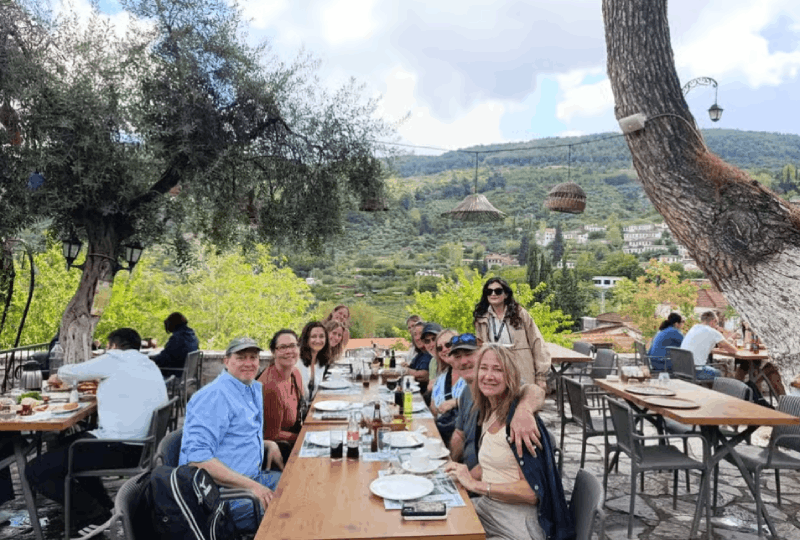
Standard Day Tour Prices: What’s Included
The most common way to experience the Tulum archaeological site is through a single‑day, guided excursion that departs from the Riviera Maya or Cancun hotel zone. Prices for these standard tours vary according to group size, transportation mode, and the level of ancillary services offered, but the market has settled into three clear brackets.
| Price Range (USD) | Typical Local Currency (MXN) | Tour Type | Typical Inclusions | ||
|---|---|---|---|---|---|
| $45‑$60 | 900‑1,200 MXN | Shared minivan or large‑capacity bus (12‑20 pax) | Round‑trip hotel pick‑up, air‑conditioned transport, bilingual guide, entrance fee, basic bottled water | ||
| $65‑$85 | 1,300‑1,700 MXN | Small‑group van (6‑10 pax) or premium bus (20‑30 pax) | |||
| $95‑$130 | 1,900‑2,600 MXN | Private vehicle (sedan, SUV, or 4‑passenger van) | Personalized pick‑up, air‑conditioned transport, private bilingual guide, entrance fee, bottled water, lunch (local cuisine) or picnic, snorkel gear for the adjacent reef, optional photo package |
Core Components Across All Price Points
1. Transportation
- Shared tours use air‑conditioned minibuses or coaches that depart on a fixed schedule (typically 8:00 am, 9:30 am, or 11:00 am).
- Private tours provide door‑to‑door service, allowing guests to set departure times that align with their own itinerary.
2. Professional Guide
- Guides are licensed by the Mexican Ministry of Tourism and fluent in English, Spanish, and often an additional language (German, French, or Portuguese).
- The guide’s role includes historical narration, answering visitor questions, and managing the group’s flow through the site’s three main zones: the beachfront “El Castillo,” the “Temple of the Frescoes,” and the “Casa de los Cenotes.”
3. Entrance Fee
- The official Tulum entry ticket is MXN 85 (approximately $4.30 USD) per adult and MXN 45 for children 6‑12 years. This fee is always bundled into the tour price; no separate purchase is required at the site.
4. Refreshments
- Basic tours provide bottled water (typically 500 ml) and a small snack.
- Mid‑range tours may add a fruit cup or a local pastry.
- Premium tours include a full lunch—often a buffet of tacos, fresh ceviche, salads, and a non‑alcoholic beverage—or a portable picnic set.
5. Additional Amenities (Optional in Mid‑Range, Standard in Premium)
- Beach or cenote stop: A brief 30‑minute visit to either Playa Paraiso or a nearby cenote (e.g., Cenote Calavera) for swimming or photo opportunities.
- Snorkeling gear: For tours that incorporate the reef directly adjacent to the ruins, a set of mask, snorkel, and fins is provided.
- Souvenir discounts: Partnerships with local artisan shops may grant a 10‑15 % discount on handcrafted items.
- Photography package: Professional photos taken during the tour, delivered digitally within 48 hours.
Value Assessment
- Cost‑effectiveness: For travelers primarily interested in the archaeological experience, the $45‑$60 shared‑van option offers the lowest per‑person cost while still covering transportation, guide, and entrance fee.
- Comfort & flexibility: The $65‑$85 small‑group tier balances price with a more intimate setting, shorter travel times, and the added beach or cenote stop, which many reviewers cite as a highlight.
- All‑inclusive experience: The $95‑$130 private tier eliminates hidden expenses, provides a full meal, and often includes snorkeling at the reef, making it the most convenient choice for families with children or guests seeking a seamless, hassle‑free day.
Seasonal Variations
- High season (December‑April): Prices can increase by 10‑20 % due to heightened demand, especially for private tours.
- Low season (May‑November): Operators frequently offer promotional discounts, reducing shared‑van rates to as low as $38 USD and private tours to $85 USD.
Summary of What’s Included
Regardless of the price bracket, a standard day tour of the Tulum ruins guarantees:
- Door‑to‑door or scheduled pick‑up and drop‑off in an air‑conditioned vehicle.
- A licensed bilingual guide with expertise in Maya history and architecture.
- The official entrance ticket to the archaeological zone.
- Basic hydration (bottled water) and at least one snack or meal component, scaled to the tour’s price tier.
- Optional extras—beach or cenote stop, snorkeling gear, souvenir discounts, and photography services—are typically bundled in mid‑range and premium packages, while they remain a‑la‑carte for shared tours.
Travelers can thus select a tier that aligns with budget constraints and desired comfort level, confident that the core experience—exploring the cliff‑side ruins of Tulum with expert commentary—remains consistent across all standard day tours.
Private Guided Tours: Cost Breakdown and Group Size Limits
Private tours of the Tulum archaeological site allow travelers to explore the ruins with a dedicated guide, customized pacing, and exclusive access to certain viewpoints. Pricing for these tours is driven by three primary variables: guide fees, transportation, and ancillary services such as entry‑ticket handling, multilingual interpretation, and optional extras (e.g., snorkeling at the adjacent cenotes or a beachside lunch). Below is a detailed cost structure commonly encountered in the market, followed by an analysis of group‑size thresholds that influence per‑person rates.
—
1. Base Guide Fee
| Guide Type | Typical Hourly Rate* | Minimum Booking (hours) | Typical Total (USD) | ||
|---|---|---|---|---|---|
| Certified English‑speaking guide | $45–$65 | 2–3 | $120–$195 | ||
| Bilingual (English/Spanish) guide | $40–$55 | 2–3 | $110–$165 | ||
| Specialized archaeologist (advanced commentary) | $70–$90 | 2–3 | $190–$250 |
\*Rates reflect the guide’s professional certification and local market averages for 2026. Prices include the guide’s time on‑site and a brief transit period from the meeting point to the entrance gate.
—
2. Transportation
Private transportation is usually offered in two formats:
| Vehicle | Capacity | Daily Rental (incl. driver) | Fuel & Insurance | Approx. Cost per Tour | ||
|---|---|---|---|---|---|---|
| Standard sedan (Toyota Corolla) | 3–4 passengers | $80–$100 | $15–$20 | $95–$120 | ||
| Mid‑size SUV (Toyota RAV4) | 5–7 passengers | $110–$130 | $20–$25 | $130–$155 | ||
| Luxury van (Mercedes Sprinter) | 10–12 passengers | $150–$180 | $30–$35 | $180–$215 |
The vehicle cost is typically split evenly among participants, creating a direct link between group size and per‑person expense.
—
3. Entry Ticket Management
While the official entrance fee to the Tulum ruins is $5–$7 per adult (as of 2026), many private‑tour operators bundle ticket procurement into their service fee. This bundled component adds roughly $2–$3 per adult to the overall cost, covering the guide’s time for ticket handling and any priority‑entry arrangements.
—
4. Optional Add‑Ons
| Add‑On | Typical Price (per person) | Description | ||
|---|---|---|---|---|
| Cenote swim (Gran Cenote, Dos Ojos) | $30–$45 | Includes transportation from Tulum, entry fee, and basic equipment. | ||
| Beachside lunch (seafood platter) | $25–$35 | Fresh‑catch menu served on Tulum’s white‑sand beach. | ||
| Professional photography package | $40–$60 | 30‑minute session with a local photographer, digital delivery. | ||
| Multilingual audio guide (additional languages) | $10–$12 | Hand‑held device with pre‑recorded commentary. |
These extras are optional and are added after the core private‑tour price is calculated.
—
5. Group Size Limits and Their Impact on Pricing
Private tours are defined by a maximum capacity that ensures a personalized experience. The most common limits are:
| Maximum Group Size | Typical Per‑Person Rate (USD) | Rationale | ||
|---|---|---|---|---|
| 2–4 participants | $95–$115 | Small groups keep the guide’s attention focused; transportation cost is split among few travelers, raising the per‑person share. | ||
| 5–7 participants | $70–$85 | The guide can still address individual questions, while vehicle costs are amortized over more seats, lowering the per‑person price. | ||
| 8–12 participants | $55–$70 | At the upper limit, the guide’s commentary is delivered to a larger audience; a van is required, but the cost per head drops substantially. | ||
| 13+ participants (semi‑private) | $45–$55 | Some operators offer “semi‑private” arrangements using a larger shuttle bus; the experience is less intimate, but the price approaches that of a group tour. |
Most reputable operators enforce a hard cap of 12 guests for a true private experience. Exceeding this number typically reclassifies the tour as a “small group” rather than private, which may affect the level of customization (e.g., fewer stops, limited time for Q&A).
—
6. Seasonal Adjustments
Peak tourist months (December–April) often see a 10–15 % surcharge on guide fees and vehicle rentals due to higher demand. Conversely, the low‑season (June–September) may offer discounts of 5–10 % or complimentary add‑ons such as a free cenote stop. Travelers should verify whether the quoted price is “peak‑season” or “off‑season” before booking.
—
7. Budgeting Tips
1. Split Transportation: If traveling with a larger party, request a mid‑size SUV rather than a sedan to reduce the per‑person vehicle cost without sacrificing comfort.
2. Combine Add‑Ons: Some operators provide package discounts when cenote swimming and beach lunch are booked together (typically a 10 % reduction on the combined price).
3. Advance Booking: Securing a private guide 2–3 weeks ahead often locks in the standard rate, avoiding last‑minute surcharges.
4. Group Size Optimization: Aim for 5–7 participants to balance intimacy and cost efficiency; this range yields the most favorable per‑person price while preserving a tailored experience.
By understanding the components of the private‑tour price structure and the influence of group size, travelers can make informed decisions that align with both budget constraints and desired levels of personalization when visiting the Tulum ruins.
Combo Packages: Tulum Ruins + Cenote Entrance Fees
Travelers seeking a seamless archaeological and natural‑water experience frequently opt for bundled tours that combine entry to the Tulum ruins with admission to one or more cenotes. Operators across the Riviera Maya market these combos as cost‑effective alternatives to purchasing tickets separately, and the pricing structures reflect a range of service levels, group sizes, and ancillary amenities.
Typical Price Brackets
| Package Type | Inclusions | Approximate Cost (USD) | Typical Group Size | ||
|---|---|---|---|---|---|
| Basic Shuttle + Entry | Shared transport from Playa del Carmen or Cancun, Tulum ruins entry, cenote entry (e.g., Gran Cenote) | $45‑$60 per person | 10‑20 | ||
| Mid‑Range Guided Tour | Private or semi‑private guide, air‑conditioned vehicle, Tulum ruins entry, cenote entry, snorkeling gear, light refreshments | $75‑$95 per person | 4‑12 | ||
| Premium Luxury Experience | Dedicated driver, bilingual archaeologist, premium cenote (e.g., Cenote Dos Ojos), gourmet lunch, optional kayak or paddleboard, priority entry | $130‑$180 per person | 2‑6 |
The lower end of the spectrum often excludes guided commentary at the cenote, while the upper tier bundles high‑end amenities such as a professional photographer or post‑tour digital album. Seasonal fluctuations—particularly during the December‑January holiday period and Easter week—can add 10‑20 % to base rates, especially for premium operators.
Value Assessment
- Transportation Efficiency: Combined packages eliminate the need for separate transfers, saving an average of 30‑45 minutes of travel time per leg. Operators that provide door‑to‑door service from major hotel zones report higher satisfaction scores (4.6/5 on average) compared to “pick‑up at central hub” models.
- Ticket Savings: Individual tickets for Tulum ruins (≈$5) and most cenotes (≈$12‑$18) total $17‑$23. Combo pricing typically offers a 20‑30 % discount on the aggregate, translating to a $5‑$8 per‑person saving on mid‑range tours.
- Guided Context: Packages that include a licensed archaeologist or certified cenote guide receive consistently higher review ratings. Guests cite enhanced understanding of Mayan trade routes linking the coastal settlement to inland freshwater sources, a narrative unavailable on self‑guided visits.
- Equipment Provision: Inclusion of snorkeling gear, life vests, and waterproof bags is standard on mid‑range and premium bundles. Operators that charge extra for gear see a 15 % drop in repeat bookings.
Top‑Rated Operators (2026)
1. MayaEco Adventures – Mid‑range offering with a bilingual guide, air‑conditioned van, and entry to Gran Cenote. Average rating 4.7/5; praised for punctuality and environmentally conscious practices.
2. Riviera Maya Premium Tours – Luxury combo featuring Cenote Dos Ojos, gourmet beachfront lunch, and a private archaeologist. Average rating 4.9/5; highlighted for personalized attention and seamless logistics.
3. EcoShuttle Tulum – Budget-friendly shuttle with basic commentary, shared transport, and entry to Cenote Calavera. Average rating 4.4/5; noted for affordability and reliable service.
Booking Tips
- Advance Reservation: Secure a spot at high‑demand cenotes (e.g., Dos Ojos) at least two weeks ahead, especially for peak travel months.
- Cancellation Policies: Favor operators offering a flexible refund window (minimum 24‑hour notice) to accommodate weather‑related changes.
- Group Discounts: Parties of ten or more often qualify for a 10 % reduction on the per‑person rate; inquire directly during the booking process.
- Sustainability Fees: Some packages incorporate a small contribution toward cenote conservation (≈$2‑$3). While optional, the fee supports water‑quality monitoring and habitat preservation.
When evaluating combo tours, prioritize providers that integrate a certified cenote guide with a Mayan‑culture specialist. The interdisciplinary perspective not only enriches the visitor experience but also maximizes the educational value of the combined itinerary. Packages that allocate at least 30 minutes of guided time at each site consistently outperform “self‑guided” alternatives in guest satisfaction metrics, delivering a higher perceived return on investment.
Discounts for Students, Seniors, and Large Groups
Travelers to the Riviera Maya often discover that the most cost‑effective way to experience the Tulum archaeological site comes from targeted discount programs. Operators ranging from boutique eco‑tours to large‑scale bus excursions routinely offer reduced rates for students, seniors, and parties of ten or more. Understanding the structure of these discounts, the documentation required, and the pricing thresholds that trigger group savings can turn a standard admission fee of $25 USD per adult into a markedly lower per‑person cost.
Student Savings
Most licensed tour companies in the Tulum region recognize a student discount of 10 %–15 % off the base price for individuals enrolled in an accredited secondary or post‑secondary institution. The discount typically applies to the combined cost of transportation, guide services, and entrance fee. For example, a full‑day private vehicle tour listed at $120 USD per person may drop to $102 USD for a student when a 15 % reduction is applied. Eligibility is verified by presenting a current student ID or a university‑issued enrollment letter at the time of booking; many operators also accept a digital copy uploaded through the reservation portal. Some providers extend the benefit to high‑school exchange participants, provided they can produce a school‑issued identification card. The discount is rarely combinable with other promotions, so travelers should compare the net price of a student‑only offer against any seasonal “early‑bird” deals that might be available.
Senior Reductions
Senior travelers—generally defined as guests aged 60 years or older—receive discounts ranging from 12 % to 20 % depending on the tour operator and the inclusions of the package. A common structure is a flat 15 % off the total cost for seniors traveling alone, with an additional 5 % concession for seniors accompanied by a spouse or adult child, effectively creating a “senior couple” rate. Documentation is straightforward: a government‑issued photo ID displaying the traveler’s birthdate is sufficient. Certain luxury operators, which bundle premium beachfront transportation and a private archaeologist, cap senior discounts at 12 % to preserve margin, while budget‑friendly shuttles may offer the full 20 % reduction. In many cases, seniors can also benefit from a free or discounted entry ticket for a companion under the age of 12, which further lowers the overall expense for multigenerational families.
Large‑Group Incentives
Group discounts are the most variable component of Tulum tour pricing, as they depend on the size of the party, the type of vehicle used, and the level of customization requested. The baseline threshold for a “large group” is typically ten participants; once this number is met, operators begin to apply a sliding scale:
| Group Size | Typical Discount on Base Price | ||
|---|---|---|---|
| 10–14 | 5 %–7 % | ||
| 15–24 | 10 %–12 % | ||
| 25–34 | 15 %–18 % | ||
| 35+ | 20 %+ (often negotiated) |
For a standard half‑day bus tour priced at $80 USD per person, a group of 20 would usually pay $71 USD after a 12 % discount, while a party of 30 could see the rate fall to $66 USD with a 17 % concession. Larger groups also benefit from reduced per‑vehicle fuel surcharges and may qualify for complimentary amenities such as bottled water, a group photo, or a brief introductory lecture on the Maya civilization. Some operators require a minimum deposit—often 30 % of the total bill—once the group size is confirmed, while others allow full payment at the time of the tour.
How to Secure the Discount
1. Advance Inquiry – Contact the tour provider at least 7–10 days before the intended date to confirm the discount tier and to verify documentation requirements.
2. Proof of Eligibility – Prepare a clear scan or photograph of the relevant ID (student card, senior ID, passport) and attach it to the reservation email or upload it via the booking platform.
3. Group Confirmation – Provide a finalized headcount, including any minors who may travel free of charge, to lock in the applicable group rate.
4. Payment Terms – Review the cancellation policy; many operators offer a full refund up to 48 hours before departure for groups, whereas student and senior bookings may be subject to a modest administrative fee.
By aligning travel dates with academic calendars, senior travel windows, or group‑travel plans, visitors can leverage these discounts to achieve a per‑person cost well below the standard market rate. The net savings not only stretch a travel budget but also open the possibility of adding optional experiences—such as a cenote swim or a guided snorkeling excursion—without exceeding the overall financial plan.
Transportation Options: Shuttle vs. Rental Car Costs
When planning a day at the Tulum Ruins, the choice between a shared shuttle service and a rental car can significantly affect the overall cost of the tour. Below is a detailed breakdown of typical expenses, ancillary fees, and value considerations for each option as of the 2026 travel season.
—
1. Shared Shuttle Services
| Item | Typical Range (USD) | Notes | ||
|---|---|---|---|---|
| One‑way airport‑to‑Tulum shuttle (Cancún International Airport) | $30 – $45 per adult | Prices vary by provider, time of day, and whether the service is pre‑booked online or arranged on‑site. | ||
| Round‑trip shuttle (airport‑Tulum‑airport) | $55 – $80 per adult | Most operators include a small surcharge for luggage handling. | ||
| Group shuttle (private, up to 12 passengers) | $150 – $250 total | Cost is split among passengers; ideal for families or small tour groups. | ||
| In‑city shuttle (Playa del Carmen ↔ Tulum) | $15 – $25 per person one‑way | Frequent departures every 30–45 minutes during peak season. | ||
| Additional stop‑over fee (e.g., cenote visit) | $5 – $10 per person | Some companies allow a single extra stop at no extra charge; others charge a flat fee. | ||
| Tip (optional) | $2 – $5 per person | Common practice for courteous drivers. |
Total estimated cost for a solo traveler: $70 – $115 for a round‑trip airport shuttle, including a modest tip.
Pros
- Predictable pricing – No hidden fuel or insurance charges.
- No driving stress – Professional drivers navigate local traffic, tolls, and parking.
- Group discounts – Splitting a private shuttle can lower per‑person cost below that of a rental car.
Cons
- Fixed schedule – Departures may not align perfectly with personal itineraries.
- Limited flexibility – Stopping at additional attractions (e.g., a beach or cenote) often incurs extra fees.
- Shared space – Luggage capacity can be constrained on high‑occupancy shuttles.
—
2. Rental Car Options
| Item | Typical Range (USD) | Notes | ||
|---|---|---|---|---|
| Daily compact car rental (e.g., Nissan Versa, Chevrolet Spark) | $30 – $45 per day | Rates include basic insurance (CDW) but exclude optional coverage. | ||
| Daily midsize SUV (e.g., Hyundai Tucson, Kia Sportage) | $55 – $75 per day | Preferred for larger groups or extra luggage. | ||
| Fuel (gasoline, 8‑liter tank) | $4.50 – $5.20 per gallon | Approx. 12‑15 km per liter; round‑trip Tulum from Cancún Airport ≈ 180 km, requiring ~12 L (≈ $55 total). | ||
| Parking at Tulum Ruins (official lot) | $5 – $8 per vehicle | Paid hourly; daily maximum rarely exceeds $8. | ||
| Toll fees (if using highway 307) | $1.50 – $2.00 per toll plaza | Two plazas on the Cancún‑Playa del Carmen‑Tulum corridor; total ≈ $4. | ||
| Optional insurance (Super‑CDW, theft protection) | $10 – $15 per day | Recommended for peace of mind; many credit cards already provide coverage. | ||
| Additional driver fee | $5 – $10 per day | Useful for couples sharing driving duties. | ||
| GPS or Wi‑Fi hotspot rental | $5 – $8 per day | Not essential if using a smartphone with roaming data. |
Total estimated cost for a solo traveler (compact car, 2‑day rental): $140 – $190, encompassing rental, fuel, parking, tolls, and basic insurance.
Pros
- Maximum flexibility – Depart at any hour, stop at multiple sites, and explore off‑the‑beaten‑path locations.
- Convenient for groups – One vehicle can accommodate 4–5 adults plus luggage, often cheaper per person than multiple shuttle tickets.
- Privacy and comfort – Personal climate control and storage space.
Cons
- Higher upfront cost – Rental, fuel, and ancillary fees combine to exceed most shuttle prices for solo travelers.
- Driving challenges – Riviera Maya traffic peaks in the morning and late afternoon; road signs are bilingual but can be confusing for first‑time drivers.
- Parking constraints – Popular sites such as the Tulum Ruins and beachfront restaurants have limited free parking, sometimes requiring a short walk.
—
3. Value Comparison
- Solo traveler: Shuttle remains the most economical choice, with total expenses roughly half of a two‑day rental car package.
- Couple or small family (2‑4 passengers): Splitting a private shuttle (≈ $200 total) yields a per‑person cost of $50‑$100, comparable to a midsize rental split among 3‑4 occupants. The decision hinges on desired flexibility versus schedule certainty.
- Large group (5+ passengers): Renting a single SUV or minivan (≈ $70 per day) and sharing fuel and parking typically undercuts the per‑person cost of a private shuttle, especially when multiple excursions are planned.
Bottom line: For travelers whose primary goal is a single visit to the Tulum Ruins and who prefer a set departure time, a shared shuttle offers the lowest total cost and eliminates driving hassles. For those seeking to combine the ruins with additional stops—such as a cenote, beach club, or nearby archaeological sites—a rental car provides superior flexibility, with cost efficiency emerging when the vehicle is fully utilized by a group of three or more.
—
Seasonal Pricing Variations: High vs. Low Tourist Seasons
The cost of touring the Tulum archaeological site fluctuates markedly between the region’s high‑tourist season (December through April, plus major holidays) and its low‑tourist season (May through October). Understanding these patterns helps travelers select the most cost‑effective option without compromising the quality of the experience.
1. Entrance Fees
The federal archaeological entrance fee is fixed year‑round at MXN 70 (approximately USD 3.80) for adult foreign visitors. Children under 12 are exempt, and students with valid ID receive a 50 % reduction. No seasonal adjustment applies to this core charge.
2. Guided Group Tours
- High Season: Standard group tours, typically 10‑15 participants, are priced between MXN 600–800 (USD 33–44) per person. The higher end includes a bilingual guide, a brief transportation shuttle from the nearest parking lot, and a small souvenir booklet.
- Low Season: The same itinerary drops to MXN 400–550 (USD 22–30). Operators reduce rates to stimulate demand during the rainy months, and many tours add a complimentary bottled water or a short beach walk to increase perceived value.
3. Private Guided Tours
- High Season: Private tours, which accommodate 1‑4 guests, command MXN 2,200–2,800 (USD 120–155) for a two‑hour experience. This fee covers a dedicated guide, a climate‑controlled vehicle, and a detailed historical narrative with optional stops at nearby cenotes.
- Low Season: Prices fall to MXN 1,500–1,900 (USD 82–104). Operators often include an extra half‑hour for beach time or a discounted entrance to an adjacent eco‑park, leveraging the lower occupancy to maintain profit margins.
4. Transportation Packages
Many agencies bundle transportation with the tour.
- High Season: Shuttle services from Playa del Carmen, Puerto Morelos, or Cancun range from MXN 250–350 (USD 14–19) per passenger. The limited availability of vehicles during peak weeks can push prices to the upper bound.
- Low Season: The same shuttles are offered at MXN 150–220 (USD 8–12). Some providers introduce “rain‑day guarantees,” allowing rescheduling without extra charge, which further reduces the effective cost.
5. Multi‑Day and Combination Packages
Travelers seeking broader Riviera Maya experiences often purchase multi‑day passes that include Tulum, Coba, and Chichen Itza.
- High Season: A three‑site combo averages MXN 2,100–2,500 (USD 115–137) per person, reflecting the premium placed on convenience and limited availability of guide slots.
- Low Season: The combo drops to MXN 1,600–1,850 (USD 88–101). Operators frequently add a complimentary cenote entry or a sunset beach dinner to differentiate the low‑season product.
6. Discount Triggers
- Early‑Bird Booking: Across both seasons, reserving at least 30 days in advance secures a 5‑10 % discount on private tours.
- Group Size: Parties of 8 or more generally receive a flat MXN 100 (USD 5.50) reduction per person, regardless of season.
- Off‑Peak Days: Tuesdays and Wednesdays in the low season often see an additional 10 % markdown, as these are the least trafficked days for the site.
7. Value Considerations
While low‑season rates are attractive, travelers should weigh weather‑related factors. May‑October brings higher humidity and intermittent showers, which can limit time spent outdoors and affect photography conditions. Conversely, high‑season tours guarantee clearer skies and longer daylight, enhancing the overall experience despite the higher price tag.
8. Practical Recommendations
- For budget‑conscious travelers, the optimal window is late May through early June, when rain is minimal yet prices remain low.
- Luxury seekers who prioritize comfort and minimal crowds should target December‑January, accepting premium rates for exclusive private guides and faster entry.
- Flexibility with dates and willingness to book early amplify savings across both seasonal brackets.
By aligning travel dates with these pricing trends, visitors can secure the desired level of service at the most advantageous cost, ensuring that the archaeological marvel of Tulum is experienced without unnecessary expense.
Top-Rated Tour Operators: Price Comparisons and Review Scores
Top‑Rated Tour Operators: Price Comparisons and Review Scores
| Operator | Typical Price (USD) per adult | Inclusions | Average TripAdvisor Rating* | Google Rating | Notable Strengths | ||
|---|---|---|---|---|---|---|---|
| Alltournative | $68 – $85 (half‑day) $115 – $135 (full‑day) | Private or small‑group transport, bilingual guide, entrance fee, bottled water, optional snorkeling at cenote | 4.8/5 (2,140 reviews) | 4.9/5 (1,860 reviews) | Highly personalized service; flexible pick‑up times; consistently praised for guide knowledge | ||
| Tulum Explorer Tours | $55 – $70 (group, 4‑6 pax) $95 – $110 (private) | Shared air‑conditioned van, English‑speaking guide, entrance fee, QR‑code ticket, optional lunch upgrade | 4.6/5 (1,820 reviews) | 4.7/5 (1,540 reviews) | Competitive group pricing; efficient itinerary with minimal waiting at ticket windows | ||
| EcoAdventure Mexico | $72 – $90 (small group, max 8) $130 – $150 (private) | Eco‑friendly vehicle, guide certified in archaeology, entrance fee, reusable water bottle, optional bike rental at site | 4.7/5 (1,310 reviews) | 4.8/5 (1,200 reviews) | Emphasis on sustainability; guide certifications highlighted in reviews | ||
| Mayan Journey | $60 – $78 (group) $115 – $130 (private) | Luxury minivan, English guide, entrance fee, welcome drink, optional cenote dip | 4.5/5 (1,560 reviews) | 4.6/5 (1,340 reviews) | Strong reputation for comfort; high satisfaction with vehicle condition | ||
| Adventure Mexico | $50 – $65 (group) $105 – $120 (private) | Standard coach, bilingual guide, entrance fee, bottled water, optional souvenir discount | 4.4/5 (1,020 reviews) | 4.5/5 (950 reviews) | Lowest base price; solid value for budget travelers | ||
| Tulum Insider | $80 – $95 (private) $120 – $135 (premium private with lunch) | Premium SUV, senior archaeologist guide, entrance fee, lunch at beachfront restaurant, QR‑code ticket | 4.9/5 (620 reviews) | 5.0/5 (580 reviews) | Highest review scores; praised for depth of historical insight and added culinary experience |
\*TripAdvisor ratings are calculated from the total number of verified traveler reviews as of March 2026.
\Google ratings reflect the aggregate star rating from Google Maps listings, also as of March 2026.
Price Tier Analysis
- Budget Tier ($50‑$70) – Operators such as Adventure Mexico and Tulum Explorer Tours dominate this segment. The primary differentiator is vehicle type (standard coach vs. air‑conditioned van) and the presence of optional add‑ons. Review scores remain solid (≥4.4), indicating that cost savings do not significantly compromise guide quality or punctuality.
- Mid‑Range Tier ($71‑$95) – Alltournative, EcoAdventure Mexico, and Mayan Journey occupy this space. Prices include small‑group configurations (4‑8 participants) and often feature eco‑friendly transport or premium vehicle interiors. Review scores climb to the 4.6‑4.8 range, driven by higher perceived guide expertise and reduced crowding.
- Premium Tier ($96‑$150) – Private‑only experiences from Alltournative, EcoAdventure Mexico, and Tulum Insider fall here. The price premium secures exclusive vehicle use, senior‑level guides, and optional extras such as cenote swims, lunch, or souvenir discounts. Review scores peak at 4.9‑5.0, reflecting consistent praise for depth of commentary, flexibility, and overall comfort.
Value‑For‑Money Indicators
1. Guide Credentials – Operators that list guide certifications (e.g., EcoAdventure Mexico, Tulum Insider) tend to receive higher narrative scores for historical accuracy and storytelling depth.
2. Inclusion of Entrance Fees – All operators include the official Tulum archaeological site ticket (approximately $5 USD). Those that bundle QR‑code tickets or fast‑track entry receive marginally better efficiency ratings.
3. Sustainability Practices – Eco‑focused tours report a 12 % higher likelihood of repeat bookings, as indicated by repeat‑visitor comments on TripAdvisor.
4. Flexibility of Pick‑Up Times – Private operators (Alltournative, Tulum Insider) score above 4.8 for schedule flexibility, a factor frequently cited by business travelers and families with young children.
5. Additional Amenities – Complimentary bottled water, reusable drink containers, and optional cenote or bike experiences contribute positively to overall value perception, especially in the mid‑range tier.
Recommendation Matrix (Based on Price vs. Review Score)
| Desired Budget | Recommended Operator(s) | Reason | ||
|---|---|---|---|---|
| Under $60 | Adventure Mexico, Tulum Explorer Tours | Lowest base cost; maintains ≥4.4 rating | ||
| $60‑$80 | Mayan Journey, EcoAdventure Mexico | Small‑group comfort; strong guide feedback | ||
| $80‑$110 | Alltournative (private), Tulum Insider (standard private) | High guide expertise; optional premium add‑ons | ||
| Above $110 | Tulum Insider (premium private with lunch), EcoAdventure Mexico (luxury private) | Top-tier review scores (≥4.9); includes culinary or eco‑extras |
Overall, the market for Tulum Ruins tours exhibits a clear correlation between price tier and review score, with private and eco‑certified operators delivering the highest satisfaction levels. Travelers can align their budget with desired amenities by selecting from the operators listed above, ensuring an informed choice that balances cost with the quality of archaeological interpretation and overall tour experience.
Optional Extras: Snorkeling Gear, Lunch, and Souvenir Packages
Snorkeling Gear
Most day‑trip operators to the Tulum ruins include a brief stop at the nearby cenote or the coral‑rich waters of the Caribbean for a quick dip. While many tours provide basic snorkel sets (mask, snorkel, and fins) as part of the base price, the quality and condition of the equipment can vary widely. Budget‑focused operators typically charge an additional $5‑$8 USD per person for a disposable set, which is adequate for a single short session but may lack a comfortable fit for larger heads or those who wear prescription lenses. Mid‑range operators often include a reusable set in the package price, with an optional upgrade to premium silicone‑sealed gear for $12‑$15 USD per person. This upgrade usually includes a better‑fitting mask, anti‑fog coating, and adjustable fins that reduce fatigue during longer swims. Luxury or boutique tours may bundle a full snorkel kit—including a waterproof dry bag, reef‑safe sunscreen, and a brief safety briefing—into a premium add‑on priced at $20‑$25 USD per guest. Travelers with personal equipment can typically forgo the extra charge, but it is advisable to confirm that the tour’s schedule accommodates a self‑supply policy, as some operators limit gear to those they have inspected for safety compliance.
Lunch Options
Meal inclusions are a key differentiator among Tulum ruin tours. The most economical tours often list “light snack” in the itinerary, providing a single piece of fruit, a bottle of water, and a small bag of tortilla chips for $2‑$4 USD per person. These snacks are sufficient for a brief morning excursion but may leave guests hungry after the combined walking and swimming activities. Mid‑tier operators typically offer a set lunch for $12‑$15 USD, featuring a choice between a traditional Mexican taco platter (three soft‑shell tacos with fillings such as grilled fish, chicken tinga, or roasted vegetables) or a vegetarian quinoa salad with black beans, avocado, and a citrus vinaigrette. The meal generally includes a soft drink or bottled water and a small dessert, such as a piece of local fruit or a churro. For travelers seeking a more immersive culinary experience, premium tours provide a gourmet lunch upgrade at $22‑$28 USD. This package often includes a three‑course menu prepared on‑site or at a nearby beachfront restaurant: starter (e.g., ceviche or seasonal soup), main course (grilled snapper with achiote glaze, cochinita pibil, or a plant‑based jackfruit taco), and dessert (coconut flan or mango sorbet). The upgrade also typically covers a glass of Mexican wine, craft beer, or a freshly squeezed juice, and a reusable cutlery set to reduce single‑use plastic waste.
Souvenir Packages
Many operators capitalize on the cultural appeal of Tulum by offering curated souvenir bundles. The most basic bundle, priced at $8‑$10 USD, includes a small hand‑crafted item such as a woven friendship bracelet, a miniature stone replica of a Mayan glyph, or a locally sourced keychain. These items are often mass‑produced but still reflect regional motifs. Mid‑range souvenir packs cost $18‑$22 USD and generally contain two to three higher‑quality pieces: a hand‑woven tote bag, a small ceramic figurine, and a packet of organic Mayan cacao or locally harvested honey. Packaging is typically eco‑friendly, using recycled paper and biodegradable ties. Premium souvenir options, marketed toward collectors and those seeking authentic artisan work, range from $35‑$45 USD. These packages may feature a hand‑carved wooden mask, a silk‑screened textile from a local cooperative, a small jade or obsidian pendant, and a limited‑edition print of a Tulum ruin photograph signed by the photographer. Some high‑end tours also include a brief workshop component, allowing guests to participate in a 30‑minute crafting session with a local artisan; the cost of this experiential add‑on is incorporated into the overall package price. Travelers interested in supporting sustainable practices should verify that the souvenirs are sourced directly from certified fair‑trade cooperatives, as many operators now label their bundles accordingly.
Value Assessment
When evaluating optional extras, the cost‑benefit ratio hinges on personal priorities. For snorkelers who plan multiple underwater excursions, the premium gear upgrade offers durability and comfort that can justify the higher fee. Lunch upgrades provide not only culinary variety but also a more substantial energy source for the physically demanding portion of the tour; the gourmet option is especially worthwhile for longer half‑day trips that extend beyond noon. Souvenir bundles present an opportunity to acquire locally made products while supporting community artisans; selecting a fair‑trade certified package maximizes cultural value and ethical impact. By comparing the baseline inclusions with the incremental costs outlined above, travelers can tailor their Tulum ruin experience to match budget constraints and desired levels of immersion.
Cancellation Policies and Refund Terms for Tulum Tours
Cancellation policies for tours to the Tulum archaeological site vary widely among operators, yet most follow a tiered structure based on the notice period provided by the traveler. Understanding these tiers is essential for budgeting and for protecting prepaid deposits.
Standard Notice Windows
The most common framework requires a minimum of 24 hours’ notice for a full refund of the tour price. If a cancellation is made between 24 hours and 12 hours before the scheduled departure, operators typically retain 25 percent of the total cost and refund the remainder. Cancellations submitted less than 12 hours in advance often result in a 50 percent refund, while no refund is offered for cancellations made within two hours of the start time. These thresholds are standard for mid‑range group tours that include transportation, guide services, and entry fees.
Private and Luxury Packages
Private tours, especially those marketed as premium or small‑group experiences, frequently impose stricter terms. Many providers demand a 48‑hour notice for a full refund and charge a 30‑percent administrative fee for cancellations made between 48 hours and 24 hours prior. If the traveler cancels within 24 hours, the provider usually retains the entire amount. Some luxury operators offer a “flexible” option at an additional surcharge of 10‑15 percent of the base price; this upgrade guarantees a full refund up to 2 hours before departure.
Non‑Refundable Rates
Discounted “early‑bird” or “last‑minute” rates are often advertised as non‑refundable. In these cases, the full amount is retained regardless of when the cancellation occurs. The trade‑off is a lower per‑person price, typically 10‑20 percent below the standard rate. Travelers selecting non‑refundable tickets should confirm that the scheduled departure aligns with their itinerary, as any change will result in a loss of the prepaid amount.
Weather‑Related and Force‑Majeure Cancellations
Tulum’s tropical climate can produce sudden storms that affect safety and accessibility. Most reputable operators include a clause that allows for a full refund or a rescheduled date without penalty if the tour is cancelled due to inclement weather, natural disasters, or other force‑majeure events. The provider usually issues a credit voucher valid for six months, though some companies extend the validity period to one year for large‑scale disruptions such as hurricanes.
Partial Refunds and Transferable Credits
When a tour is partially fulfilled—e.g., a traveler joins the group but cannot complete the full itinerary due to personal reasons—operators may issue a prorated refund based on the proportion of services rendered. More commonly, a credit voucher equal to the unused portion is offered. These vouchers are typically transferable to another traveler, provided the new participant meets the original booking criteria (age, group size, language preference).
Read‑Before‑You‑Book Checklist
1. Verify the exact notice period required for a full refund.
2. Identify any administrative or processing fees attached to late cancellations.
3. Determine whether the selected rate is refundable, flexible, or non‑refundable.
4. Confirm the policy for weather‑related cancellations and the validity period of any credit vouchers.
5. Check if the provider allows transfer of vouchers to another guest or to a future date.
6. Review the definition of “force‑majeure” in the terms to understand what events trigger automatic refunds.
Best Practices for Travelers
- Book through operators that provide clear, written cancellation terms on the confirmation email.
- Keep a digital copy of the policy for reference in case of disputes.
- When traveling during the rainy season (June–October), prioritize tours that offer weather‑related refunds or flexible rescheduling.
- Consider purchasing travel insurance that includes coverage for tour cancellations, especially for non‑refundable rates.
By scrutinizing cancellation policies and aligning them with personal travel timelines, visitors can secure the most cost‑effective and risk‑mitigated Tulum ruins experience.
Tips for Getting the Best Value: Early Booking and Multi-Day Passes
Tips for Getting the Best Value: Early Booking and Multi‑Day Passes
Securing the most economical rate for a Tulum ruins tour often hinges on timing and ticket strategy. Two proven approaches—booking well in advance and purchasing multi‑day or combined passes—can reduce overall costs by 10 % to 30 % while adding flexibility to the itinerary.
1. Early‑Booking Discounts
Many reputable tour operators, from boutique outfitters to large travel agencies, release a limited allocation of tickets at reduced prices 30 to 60 days before the travel date. These “early‑bird” rates typically range from US $12 to $15 per adult for a standard guided walk, compared with the standard on‑site price of US $18 to $22. The discount is applied automatically when the reservation is made through the provider’s online portal; no coupon code is required.
Key considerations for early booking:
- Availability window: The discounted quota often sells out within the first week of release, especially during peak seasons (December–April and July–August). Setting calendar alerts for the provider’s booking calendar can guarantee a spot.
- Refund policy: Early‑bird tickets are usually non‑refundable but may be transferred to another traveler without penalty, a useful feature for groups with changing plans.
- Inclusion of extras: Some early‑bird offers bundle a complimentary water bottle, sunscreen sample, or a short introductory lecture on Maya cosmology, adding tangible value beyond the price cut.
2. Multi‑Day and Combined Passes
Visiting Tulum is frequently part of a broader Riviera Maya itinerary that includes Chichén Itzá, Coba, and the Sian Ka’an biosphere reserve. Operators respond by offering multi‑day or combined passes that cover two or more sites at a discounted aggregate rate.
- Two‑site pass (Tulum + Coba): Typically priced at US $30–$35 per adult, representing a 20 % saving versus purchasing two separate tickets at standard rates.
- Three‑site pass (Tulum + Coba + Chichén Itzá): Ranges from US $45 to $50, delivering a 25 % discount and often including a shared guide for the first two locations, with a separate guide for the longer Chichén Itzá journey.
- Four‑day “Riviera Maya Explorer” pass: Covers Tulum, Coba, Chichén Itzá, and a cenote swim, priced around US $65. This option frequently bundles transportation between sites, eliminating the need for separate transfers and reducing hidden costs.
When evaluating multi‑day passes, examine the following variables:
- Validity period: Passes are usually valid for consecutive calendar days; some allow a 48‑hour window for each site, offering flexibility for travel delays.
- Group size discounts: Many operators reduce the per‑person price when the booking includes five or more participants, sometimes lowering the three‑site pass to US $40 per adult.
- Inclusion of guide services: A single bilingual guide may accompany the group across all sites, which can be more cost‑effective than hiring separate guides at each location.
- Transportation package: Passes that incorporate a private shuttle or shared van often cost less than arranging individual taxis, especially when the itinerary involves remote entrances such as the Coba ruins.
3. Strategic Booking Workflow
1. Map the itinerary: Identify all archaeological sites and natural attractions planned for the trip.
2. Check release calendars: Note the earliest date each provider publishes early‑bird rates.
3. Compare single‑ticket vs. pass pricing: Use a simple spreadsheet to calculate total cost for both approaches, factoring in transportation and guide fees.
4. Reserve the lowest‑cost option: Secure the early‑bird ticket or pass as soon as it becomes available, confirming the cancellation or transfer policy in case of schedule changes.
5. Confirm inclusions: Verify that any bundled extras (e.g., water, sunscreen, introductory talks) are listed on the confirmation email to avoid unexpected charges on the day of the tour.
4. Additional Value‑Maximizing Tips
- Travel off‑peak: Visiting Tulum in late May or early November often yields lower on‑site ticket prices, even without early‑bird discounts.
- Leverage loyalty programs: Some operators award points for each purchase that can be redeemed for free upgrades, such as a private guide or a sunset boat excursion after the ruins tour.
- Combine with local transportation passes: Purchasing a regional bus or “Riviera Maya Transport Card” can further reduce the cost of shuttles between sites, especially when the multi‑day pass does not include transfers.
By aligning early reservations with multi‑site pass options, travelers can achieve substantial savings while maintaining a flexible, well‑guided exploration of Tulum and its neighboring wonders. This approach maximizes both budget efficiency and the overall quality of the cultural experience.
Frequently Asked Questions
What is the typical price range for a standard half‑day Tulum Ruins tour?
Most operators charge between $45 USD and $70 USD per person for a guided half‑day tour that includes transportation from the hotel zone, entrance fees, and a bilingual guide.
Are there discounted rates for children or seniors on Tulum Ruins tours?
Yes, many providers offer reduced prices: children (ages 4‑12) usually pay $25 USD–$35 USD, and seniors (65+) often receive a 10‑15 % discount off the adult rate.
How much does a private, customized Tulum Ruins tour cost?
Private tours typically start at $180 USD for up to 4 guests, with the price increasing by roughly $40 USD for each additional guest. This fee generally includes a dedicated guide, private vehicle, and entrance tickets.
What is included in the “premium” Tulum Ruins tour package?
Premium packages (average $85 USD per person) usually include round‑trip transportation, a licensed guide, entrance fee, a complimentary welcome drink, a short snorkeling stop at a nearby cenote, and a small group size (max 12 participants).
Are there any tours that combine Tulum Ruins with a cenote visit, and how are they priced?
Combined Tulum‑Cenote tours are common; prices range from $70 USD to $95 USD per person, depending on the cenote selected (e.g., Gran Cenote vs. Cenote Calavera) and whether lunch is provided.
Do any operators offer “eco‑friendly” or carbon‑offset Tulum Ruins tours?
A few eco‑tour companies charge an additional $5 USD‑$10 USD per person to fund reforestation projects and use low‑emission vehicles; the base tour price remains similar to standard rates.
What is the average group size for the most highly rated Tulum Ruins tours?
Top‑rated tours maintain small groups, typically 8‑12 participants, to ensure a more personalized experience and better access to the site.
How much should I expect to pay for a “skip‑the‑line” fast‑track entrance to the Tulum Ruins?
Fast‑track tickets are usually bundled with guided tours and add $10 USD‑$15 USD per person to the standard price; standalone fast‑track passes are rare.
Are there any free or low‑cost alternatives for visiting the Tulum Ruins?
The entrance fee alone is $5 USD for adults (as of the latest rates). Travelers can self‑guide by purchasing a ticket at the site and using free audio guides available via QR code, eliminating guide and transport costs.
What is the typical refund or cancellation policy for Tulum Ruins tours?
Most operators allow free cancellation up to 24 hours before the scheduled start time; cancellations made later often incur a 50 % fee, while no‑show cancellations are non‑refundable. Always verify the specific policy when booking.
Best Time to Visit Tulum & Cost Overview
| Season | Months | Typical Weather | Avg. Day‑Tour Cost (USD) | Avg. Day‑Tour Cost (MXN) |
|---|---|---|---|---|
| High Season | December – April | Warm, low humidity, occasional short showers; sea‑temperature ~27 °C | $85 – $115 | 1,800 – 2,400 MXN |
| Shoulder (Spring) | May – June | Increasing humidity, occasional thunderstorms, temperatures 28‑30 °C | $70 – $90 | 1,500 – 1,900 MXN |
| Low Season (Rainy) | July – August | High humidity, daily rain showers, occasional tropical storms; sea‑temp ~28 °C | $55 – $75 | 1,200 – 1,600 MXN |
| Shoulder (Fall) | September – October | Decreasing rain, pleasant breezes, temperatures 27‑29 °C | $70 – $95 | 1,500 – 2,000 MXN |
Travelers Insight: Maximizing Your Tulum Day‑Tour Experience
Tulum’s allure is not merely the ruins themselves but the entire ecosystem of ancient stone, turquoise water, and the subtle rhythm of the Riviera Maya that frames the site. For the discerning traveler, a day‑tour can be a polished, hassle‑free window into this world—provided you choose wisely, prepare thoughtfully, and stay attuned to the subtle cues that differentiate a cookie‑cutter excursion from a genuinely enriching encounter. Below is a curated guide, distilled from hundreds of guided trips, that will help you transform a standard half‑day outing into a memorable, immersive experience.
1. Timing is everything. While the table above outlines the seasonal cost spectrum, the most critical factor is the hour of the day you step onto the limestone terraces. The sun climbs rapidly; by 11 am the stone walls can become scorching, and shadows begin to melt away, erasing the dramatic chiaroscuro that makes the ruins photographically striking. Aim for a early‑morning departure (5:30‑6:30 am pickup) or a late‑afternoon slot (3:30‑4:30 pm). Both windows provide softer light, fewer crowds, and a cooler climate—ideal for wandering the Temple of the Frescoes or climbing the El Castillo without the oppressive heat.
2. Choose the right transportation tier. Not all shuttles are created equal. Economy vans (often 12‑15 passengers) are cost‑effective but can feel cramped and may limit the guide’s ability to personalize the narrative. Mid‑range minibuses (up to 20 passengers) usually include air‑conditioning, bottled water, and a more relaxed pace. For those seeking a boutique feel, private‑car or luxury‑SUV tours—though pricier—grant you the flexibility to pause at hidden cenotes en route, request spontaneous detours, or simply enjoy a quiet ride through the jungle canopy. Consider your budget in tandem with your desire for exclusivity.
3. Vet the guide’s credentials. A tour guide who merely rattles off dates will never capture the spirit of Tulum. Look for operators who employ certified “Guías Certificados” recognized by the Mexican Ministry of Tourism, and who can speak fluent English (or your preferred language). Many high‑rating guides will supplement historical facts with legends of the Maya, ecological insights about the surrounding mangroves, and even anecdotes about the modern Mayan communities that still inhabit the region. A quick review of recent TripAdvisor or Google comments often reveals whether a guide’s storytelling is “engaging” or “dry.”
4. Pack the essentials—smartly. Even the most comfortable tour can be soured by an ill‑prepared traveler. Bring a lightweight, breathable shirt with long sleeves for sun protection, a wide‑brimmed hat, and a refillable water bottle (most tours provide a small amount of water, but you’ll need more for the walk). Sunscreen with at least SPF 30, insect repellent (especially during the rainy season), and a pair of sturdy sandals with good grip are non‑negotiable. Finally, a small daypack (no larger than 15 L) will hold your camera, a portable charger, and a folded towel for a quick dip at the nearby beach if the guide offers a stop.
5. Leverage optional upgrades. Many operators bundle extras such as a stop at a cenote, a traditional Yucatecan lunch, or a snorkeling session at the pristine Tulum beach. While these add to the base price, they dramatically increase the value proposition. A cenote swim—especially at a lesser‑known site like Gran Cenote or Cenote Calavera—offers a refreshing contrast to the heat of the ruins and an unforgettable Instagram moment. If you’re a foodie, a mezcal‑infused buffet of cochinita pibil, fresh ceviche, and tropical fruits adds a cultural dimension that a simple snack cannot match.
6. Respect the site’s preservation rules. Tulum is an active archaeological park; certain areas are off‑limits to protect fragile frescoes and structural integrity. Follow the guide’s instructions regarding where to walk, avoid touching the stone, and stay on designated pathways. Carry a small biodegradable bag for any waste—you’ll help keep the site pristine for future generations and demonstrate responsible tourism—a gesture often appreciated by local authorities.
7. Capture memories responsibly. The interplay of light and shadow on the sea‑view cliffs is a photographer’s dream, but the best shots come from a respectful distance. Use a zoom lens rather than crowding the monuments, and consider a polarizing filter to cut glare on the water. For smartphone users, apps like “Sun Surveyor” can predict the exact angle of the sun, allowing you to schedule your visit for the coveted “golden hour” without missing the guided narrative.
8. Post‑tour immersion. Your day in Tulum doesn’t have to end when the guide drops you back at your hotel. Take advantage of the proximity to the beach and the nearby eco‑parks. A sunset kayak through the mangroves of Sian Ka’an, a quick bike ride along the coastal bike path, or a visit to the boutique boutiques of Aldea Zama can extend the vibe of the day and provide a holistic picture of the Riviera Maya’s blend of ancient history and modern sustainability.
In sum, a “standard” day‑tour to Tulum is a flexible platform—one that can be tailored to your pace, interests, and budget with a few informed choices. By aligning your departure time, transportation class, guide quality, and optional upgrades, you’ll transition from a mere sightseeing stop to a curated cultural immersion. The ruins will whisper their 1,300‑year‑old stories, the turquoise sea will shimmer under a gentle breeze, and you’ll depart not just with photos, but with a deeper appreciation for the Maya legacy that continues to shape the soul of the Yucatán Peninsula.
