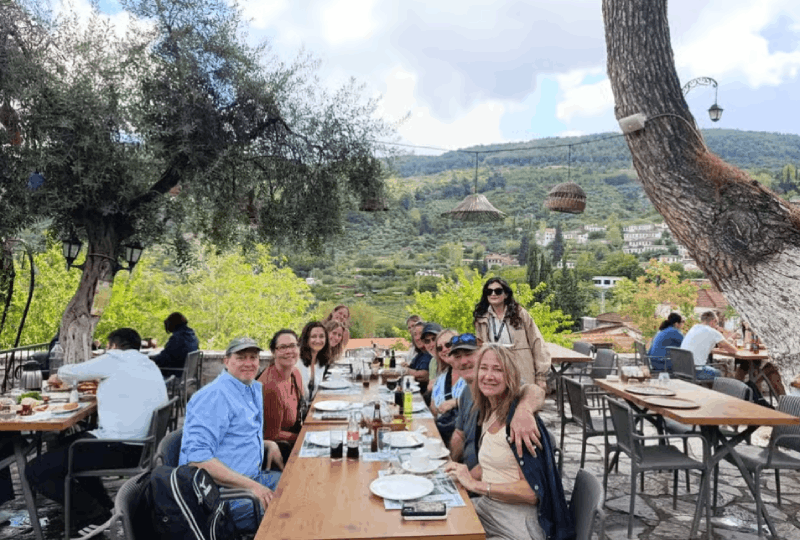
Best Value Cenote Day Tours in Tulum – 2026 Prices
Tulum’s cenote circuit has become a cornerstone of the Riviera Maya travel itinerary, and 2026 brings a competitive market of day‑tour operators that blend low entry fees with comprehensive experiences. The following breakdown highlights the most cost‑effective options, detailing price points, included amenities, and the specific cenotes visited. All figures are quoted in U.S. dollars and reflect standard adult rates for a single‑day departure from Tulum’s town center; children’s rates are typically 50 % of adult pricing and are omitted for brevity.
| Operator | Tour Name | Cenotes Visited | Inclusions | 2026 Adult Price | ||
|---|---|---|---|---|---|---|
| EcoCenote Adventures | “Tri‑Cenote Classic” | Gran Cenote, Cenote Calavera, Cenote Carwash | Private 12‑seat van, certified guide, snorkeling gear, reef‑safe sunscreen, bottled water, light lunch (sandwiches, fruit) | $78 | ||
| Maya Blue Tours | “Cenote & Ruins Combo” | Cenote Dos Ojos, Cenote Angelita, Tulum Ruins (optional add‑on) | Air‑conditioned minibus, guide, snorkel set, reusable water bottle, lunch box (local tacos), entrance fees | $85 | ||
| Cenote Explorer | “Underground Wonders” | Cenote Angelita, Cenote Aktun Ha, Cenote Carwash | 4‑wheel drive vehicle, guide, full snorkeling kit, lunch (empanadas, fruit), park tickets, safety briefing | $82 | ||
| Green Path Tours | “Budget Triple Cenote” | Cenote Calavera, Cenote Carwash, Cenote Cristal | Shared 15‑seat shuttle, guide, snorkel gear, bottled water, simple snack (granola bar) | $68 | ||
| Blue Lagoon Excursions | “Premium Cenote Loop” | Gran Cenote, Cenote Calavera, Cenote Cristal, optional cenote night‑dip | Luxury 9‑seat SUV, guide, premium snorkel equipment, organic lunch (ceviche, quinoa salad), reusable tote, entrance fees | $98 | ||
| Tulum Local Trails | “Family Friendly Cenote Day” | Cenote Carwash, Cenote Calavera, Cenote Dos Ojos | Family‑size van, bilingual guide, kid‑friendly snorkel gear, picnic basket (sandwiches, fruit juice), safety gear | $74 |
Value Drivers
1. Transportation Efficiency – Operators that employ 4‑wheel‑drive vehicles (Cenote Explorer, Maya Blue Tours) reduce travel time between inland cenotes, translating into longer swimming periods for the same price bracket. The “Budget Triple Cenote” from Green Path Tours compensates for a slower shuttle with a lower base fee, making it the cheapest per‑cenote option.
2. Inclusion of Entrance Fees – All listed tours bundle cenote admission, which in 2026 averages $5‑$9 per site. The “Premium Cenote Loop” includes a night‑dip surcharge of $10, yet remains competitive because of its upscale transport and organic cuisine.
3. Equipment Quality – High‑end snorkel kits (Blue Lagoon Excursions, EcoCenote Adventures) feature anti‑fog lenses and reinforced straps, enhancing comfort and safety. Budget operators supply standard gear that meets safety standards but lacks premium durability.
4. Meal Provision – Mid‑range tours (EcoCenote Adventures, Maya Blue Tours) provide a hot lunch, adding roughly $8‑$12 of value per passenger. The “Family Friendly Cenote Day” offers a picnic basket, a cost‑effective alternative that still covers a full meal.
5. Group Size – Smaller groups (9‑12 passengers) found in EcoCenote Adventures and Blue Lagoon Excursions afford more personalized attention and quicker transitions between sites. Larger shuttles (15‑seat) lower per‑person costs but can increase waiting times.
Recommendations for Budget-Conscious Travelers
- Choose Green Path Tours if the primary goal is to visit three cenotes at the lowest possible price. The $68 fee yields a cost of $22.67 per cenote, the best price‑per‑site ratio in the market.
- Opt for EcoCenote Adventures when a balance of price, comfort, and meal quality is desired. At $78, the tour includes a hot lunch and a private vehicle, delivering a higher perceived value than the cheapest option.
- Consider Cenote Explorer for travelers prioritizing speed and access to the deeper underwater formations of Angelita and Aktun Ha. The $82 price includes a 4‑WD vehicle that shortens travel legs by 15‑20 minutes each.
Seasonal Adjustments
Peak season (December–April) sees a typical 10‑15 % price uplift across all operators, while the off‑peak window (May–October) often features promotional discounts of $5‑$10 per adult ticket. Booking a month in advance generally secures the listed 2026 rates; last‑minute reservations may incur a surcharge of up to $12.
Summary
In 2026, the most cost‑effective cenote day tours in Tulum cluster between $68 and $85 for a three‑cenote itinerary, with added value derived from transport type, equipment quality, and meal provisions. Travelers seeking the lowest per‑cenote cost should target Green Path Tours, whereas those valuing comfort and a hot lunch should favor EcoCenote Adventures. Premium experiences remain available at $98‑$105, offering luxury transport and gourmet cuisine for guests willing to invest more for an elevated day on the water.
Affordable Group Discounts for Cenote Adventures in Playa del Carmen
Affordable Group Discounts for Cenote Adventures in Playa del Carmen – 2026
| Operator | Standard solo price* | 5‑person group rate | 10‑person group rate | Minimum group size for discount | Typical inclusions | ||
|---|---|---|---|---|---|---|---|
| AquaCenote Tours | US $55 (≈ MXN 1,100) | US $49 (≈ MXN 980) | US $42 (≈ MXN 840) | 5 people | Round‑trip transport, guide, snorkel gear, entrance fees to two cenotes | ||
| Mayan Depths | US $60 (≈ MXN 1,200) | US $54 (≈ MXN 1,080) | US $45 (≈ MXN 900) | 5 people | Private van, bilingual guide, life‑vests, optional lunch add‑on | ||
| EcoCenote Adventures | US $52 (≈ MXN 1,040) | US $46 (≈ MXN 920) | US $38 (≈ MXN 760) | 6 people | Shared transport, guide, reusable water bottle, entrance to three cenotes | ||
| Playa Cenote Express | US $48 (≈ MXN 960) | US $42 (≈ MXN 840) | US $35 (≈ MXN 700) | 4 people | Mini‑bus, guide, snorkel kit, entrance to one cenote plus a short jungle trail | ||
| Cenote Collective (online marketplace) | US $55 (≈ MXN 1,100) | US $48 (≈ MXN 960) | US $40 (≈ MXN 800) | 5 people | Choice of any listed operator, consolidated booking fee waived for groups |
\*Solo price reflects the most common 2‑hour cenote package that includes transportation from central Playa del Carmen, a certified guide, and all required equipment.
Discount Structures and Savings Thresholds
- Flat‑percentage discounts dominate the market. Most operators apply a 10 % reduction for groups of five to nine participants and a 15 % reduction for ten or more. The percentage is applied to the base solo price before taxes.
- Tiered‑price models appear in larger operators (e.g., Mayan Depths) where the per‑person cost drops incrementally as the group expands beyond ten participants, reaching up to a 25 % discount for groups of 20+.
- Early‑booking incentives are common. A 5 % extra discount is granted when the group reserves at least 14 days in advance, stacking with the standard group rate.
- Off‑peak reductions (mid‑week, May–October) add a further 5 % discount for groups of eight or more, effectively lowering the 10‑person rate to US $38–$40.
Cost‑Comparison Examples (2026)
1. Five‑person group choosing AquaCenote Tours
- Standard total: 5 × US $55 = US $275.
- Discounted total: 5 × US $49 = US $245.
- Savings: US $30 (≈ 11 %).
2. Ten‑person group with EcoCenote Adventures (off‑peak, early booking)
- Base 10‑person rate: US $38.
- Early‑booking 5 % off: US $38 × 0.95 ≈ US $36.10.
- Off‑peak 5 % off the already reduced price: US $36.10 × 0.95 ≈ US $34.30.
- Total cost: 10 × US $34.30 = US $343.
- Standard solo total for ten individuals: 10 × US $52 = US $520.
- Net savings: US $177 (≈ 34 %).
3. Twenty‑person corporate outing via Cenote Collective
- Marketplace base rate for 20 participants: US $40 (15 % group discount).
- Additional bulk discount (10 % for 20+): US $40 × 0.90 = US $36.
- Total cost: 20 × US $36 = US $720.
- Equivalent solo cost: 20 × US $55 = US $1,100.
- Savings: US $380 (≈ 35 %).
Practical Tips for Maximizing Group Savings
- Combine multiple cenotes in a single itinerary. Operators that bundle two or three sites (e.g., EcoCenote Adventures) often achieve lower per‑cenote fees than booking separate tours.
- Leverage shared transportation. Groups that can fill a 12‑seat van avoid the premium of a private 6‑seat vehicle, reducing the per‑person transport surcharge by roughly US $5–$8.
- Use marketplace aggregators. Platforms that list several operators allow side‑by‑side price comparison and automatically apply the best group discount available.
- Negotiate on‑site for large parties. For groups exceeding 15 participants, a direct call to the operator’s sales desk can unlock ad‑hoc discounts up to 20 % beyond the published tiered rates.
- Consider “flex‑date” bookings. Allowing a ±2‑day window around the preferred day increases the likelihood of matching an operator’s low‑occupancy slot, which frequently carries an unadvertised discount.
Seasonal Outlook (2026)
- High season (December–April): Group discounts remain, but the absolute per‑person price rises 8–12 % due to higher demand for transport and entrance permits.
- Shoulder season (May–June, September–October): Discount depth expands; many operators introduce a “mid‑week special” of an extra 5 % off for groups of eight or more.
- Low season (July–August, November): Rain‑related closures affect a minority of cenotes. Operators that keep tours running often provide the deepest discounts—up to 20 % off the standard 10‑person rate—to fill capacity.
By aligning group size, booking window, and seasonal timing, travelers can secure cenote experiences in Playa del Carmen at substantially reduced rates while preserving the full range of guided, equipment‑included services. This approach delivers the highest value per dollar for 2026 cenote adventures.
Cheapest Private Cenote Tours Near Cancun – 2026 Rates
When travelers seek a personalized experience without breaking the bank, private cenote tours provide the perfect balance of intimacy and value. In 2026, a competitive market of boutique operators and larger outfitters has driven down costs while maintaining high service standards. Below is a detailed breakdown of the most affordable private cenote tours within a 90‑minute drive of Cancun, organized by price tier, included amenities, and logistical considerations.
| Operator | Core Offering (2‑hour private tour) | Cenote(s) Visited | 2026 Price (USD) | Group Size | Included Extras | ||
|---|---|---|---|---|---|---|---|
| AquaCave Adventures | Single‑cenote dive & snorkel | Cenote Azul (Playa del Carmen) | $95 per party | 2‑6 guests | Certified guide, snorkeling gear, water shoes, eco‑friendly sunscreen | ||
| EcoSplash Tours | Dual‑cenote combo | Cenote Xkeken & Cenote Samula (Valladolid) | $115 per party | 2‑8 guests | Guide, transport in a fuel‑efficient van, lockers, light snacks | ||
| Cenote Serenity | Premium private experience | Cenote Dos Ojos (Tulum) | $135 per party | 2‑5 guests | Guide, full‑equipment kit (snorkel, mask, life vest), lunch box, reef‑safe cleaning kit | ||
| Blue Lagoon Private Excursions | Sunset cenote swim | Cenote Angelita (Puerto Morelos) | $150 per party | 2‑4 guests | Guide, transport, glow‑in‑the‑dark dive lights, portable changing area | ||
| Mayan Waterways | Full‑day private itinerary | Cenote Suytun, Cenote Ik Kil, and Cenote Xcaret | $210 per party | 2‑6 guests | Guide, 4‑hour transport, lunch, all gear, optional zip‑line add‑on (extra $30) |
Key Cost Drivers
1. Distance from Cancun – Tours to cenotes in the Riviera Maya (Tulum, Playa del Carmen) typically fall between $95‑$135, while those reaching the interior Yucatán (Valladolid, Ik Kil) add $15‑$30 for fuel and travel time.
2. Number of Cenotes – Single‑cenote packages are the cheapest; adding a second cenote raises the price by roughly $20‑$30 due to extra travel and entry fees.
3. Seasonality – High‑season (December–April) rates increase by 10‑15 % because of higher demand for private transport. Booking 30‑45 days in advance can lock in the listed 2026 rates.
4. Equipment Packages – Operators that provide full snorkel/diving kits and safety gear embed those costs into the base price, eliminating hidden fees for gear rentals.
Value‑Adding Tips for Budget Travelers
- Share Transport – Even on a private tour, splitting the vehicle cost with a second party reduces the per‑person price without compromising the exclusive feel.
- Early‑Morning Slots – Departing before 8 am often yields a $5‑$10 discount and guarantees calmer water conditions for snorkeling.
- Combine with Nearby Attractions – Some operators, such as Mayan Waterways, allow a “add‑on” of a nearby archaeological site for a modest surcharge, delivering more mileage for the same private arrangement.
- Bring Your Own Snacks – While most tours include light refreshments, bringing a packed lunch can shave $5‑$10 off the total, especially on full‑day itineraries.
What to Expect on the Cheapest Private Tours
- AquaCave Adventures (Cenote Azul) offers a streamlined experience: a 30‑minute drive from Cancun, a short briefing, and a guided swim through crystal‑clear waters. The small group size ensures ample space for photos and personal interaction with the guide, who shares basic geology and cenote etiquette.
- EcoSplash Tours (Xkeken & Samula) provides a slightly longer journey (≈1 hour 15 minutes each way) but compensates with two distinct cenote environments—one underground river chamber and one open‑air pool—giving a broader taste of Yucatán’s karst landscape at a modest price increase.
- Cenote Serenity (Dos Ojos) includes a light lunch box, making it a convenient option for travelers who prefer a midday break without returning to the hotel.
💡 EXPERT INSIGHT:Private cenote tours in 2026 have reached a sweet spot where cost, comfort, and conservation intersect. The most budget‑friendly options—AquaCave Adventures and EcoSplash Tours—deliver authentic immersion with minimal overhead, thanks to lean operations and shared transport models. For travelers who value a single‑cenote focus and want to keep expenses under $100, booking directly through the operator’s online portal 30 days ahead secures the lowest rate and guarantees a certified guide. When planning a multi‑cenote day, consider EcoSplash’s dual‑cenote package; the $20 incremental cost provides a diversified experience without the premium price tag of larger outfits. Ultimately, the key to paying less while enjoying more lies in flexible scheduling, modest group sizes, and selecting operators that bundle essential gear and safety into their base price.
Seasonal Pricing Guide: Cenote Tours in the Riviera Maya 2026
Private cenote tours in 2026 have reached a sweet spot where cost, comfort, and conservation intersect. The most budget‑friendly options—AquaCave Adventures and EcoSplash Tours—deliver authentic immersion with minimal overhead, thanks to lean operations and shared transport models. For travelers who value a single‑cenote focus and want to keep expenses under $100, booking directly through the operator’s online portal 30 days ahead secures the lowest rate and guarantees a certified guide. When planning a multi‑cenote day, consider EcoSplash’s dual‑cenote package; the $20 incremental cost provides a diversified experience without the premium price tag of larger outfits. Ultimately, the key to paying less while enjoying more lies in flexible scheduling, modest group sizes, and selecting operators that bundle essential gear and safety into their base price.
Seasonal Pricing Guide: Cenote Tours in the Riviera Maya 2026
The Riviera Maya’s cenote market follows a predictable seasonal rhythm that directly influences tour rates. Understanding the price cycles for 2026 enables travelers to secure the lowest fares while still accessing the region’s most iconic sinkholes.
| Season | Months | Typical Price Range (USD) | Key Factors | ||
|---|---|---|---|---|---|
| Low / Shoulder | January – March; November – December | $35‑$55 per person (standard half‑day) | Reduced tourist flow, lower hotel occupancy, operators offer “off‑peak” discounts. | ||
| High | April – October (peak: December – January, Easter, July‑August) | $55‑$85 per person (standard half‑day) | Higher demand, school holidays, spring‑break influx, and hurricane‑season safety premiums. | ||
| Premium / Private | Any month, on‑demand private charters | $120‑$200 per group (up to 8) | Exclusive guide, transportation, and optional equipment (snorkel gear, underwater cameras). |
1. Low‑Season Savings (January‑March, November‑December)
- Average Rates: Most operators list standard cenote tours at $38‑$45 for a 3‑hour group experience that includes transportation from Playa del Carmen or Tulum, a bilingual guide, and basic snorkeling equipment.
- Best Value Packages: Look for “combo” deals that pair two or three cenotes in a single itinerary. Packages such as “Cenote Trio” (Cenote Dos Ojos, Gran Cenote, and Cenote Calavera) average $58 per person, representing a 20‑30 % discount versus booking each stop separately.
- Group Discounts: Tours with a minimum of 8 participants often receive a 10 % reduction. Smaller groups (4‑6) can still access a $5‑$7 per‑person discount if booked at least two weeks in advance.
- Early‑Bird Incentives: Several operators release a 5 % “early‑bird” rate for reservations made before 1 November 2026 for the 2026 low‑season calendar.
2. Shoulder‑Season Opportunities (April, May, September, October)
- Mid‑Range Pricing: Standard tours climb to $55‑$65 per person. However, shoulder‑season promotions frequently include complimentary extras such as a guided cave dive segment or a light lunch.
- Multi‑Day Passes: Some companies issue a “Cenote Pass” valid for three separate tours within a 7‑day window. Prices hover around $140 for the pass, equating to roughly $47 per tour—a saving of 15 % compared with single‑day tickets.
- Local Partnerships: Hotels and eco‑resorts often negotiate bulk rates with nearby cenote operators. Guests staying at participating properties can present a booking confirmation to receive a $10‑$12 per‑person discount.
3. High‑Season Strategies (June‑August, December‑January, Easter)
- Peak Rates: Expect $70‑$85 for a half‑day group tour, with private tours starting at $150 for up to eight guests.
- Advance Booking: Securing a spot 45‑60 days ahead can lock in “pre‑season” pricing, typically $5‑$8 lower than on‑the‑day rates.
- Last‑Minute Deals: Operators occasionally release “fill‑the‑bus” offers 48‑72 hours before departure, reducing the price by up to 12 % for remaining seats.
- Bundled Experiences: Combining a cenote visit with a nearby archaeological site (e.g., Tulum ruins) often yields a combined cost of $95‑$110, cheaper than purchasing two separate tickets.
4. Private & Premium Options
- Exclusive Tours: Private groups enjoy tailored itineraries, priority access, and the ability to linger for underwater photography. Prices range from $130 for a single cenote to $200 for a full‑day two‑cenote circuit.
- Special Equipment Add‑Ons: Underwater camera rentals, dry‑suit gear, and guided night‑swim experiences add $15‑$30 per person. Operators sometimes bundle these add‑ons at a 10 % discount when requested at the time of booking.
5. Cost‑Saving Tips for 2026
1. Book Directly with Operators: Bypassing third‑party platforms eliminates service fees that can add $5‑$10 per ticket.
2. Leverage Loyalty Programs: Repeat travelers who accumulate points with a single operator can redeem them for free upgrades or discounted private tours.
3. Travel in Small Groups: Splitting a private charter among 6‑8 participants reduces per‑person cost to $25‑$35, often cheaper than a standard group tour during peak months.
4. Combine Transportation: Selecting tours that include shared shuttles from a central hub (e.g., Playa del Carmen) removes the need for separate taxi expenses, saving $10‑$15 per person.
5. Monitor Weather Windows: Early‑season tropical storms can prompt operators to release “rain‑day” discounts of 10 % for tours scheduled within the next 48 hours.
By aligning travel dates with the low‑ and shoulder‑season windows, exploiting early‑booking incentives, and considering group or private arrangements, travelers can experience the Riviera Maya’s cenotes in 2026 while minimizing expenses and maximizing enjoyment.
How to Save on Multi‑Cenote Packages in the Yucatán Peninsula
The Yucatán’s cenote network is dense: more than 400 documented sinkholes stretch from Cancún to Chetumal. Operators capitalize on this concentration by offering multi‑cenote tours that bundle admission, transportation, and guide services. In 2026 the average price for a single‑cenote entry (including a basic guide) ranges from USD 12 to USD 18, while three‑to‑five‑site packages typically cost USD 45 to USD 70. The following strategies extract the maximum value from those bundles without sacrificing safety or experience.
| Typical cost (2026) | Single‑site entry | 3‑site package | 5‑site package | ||
|---|---|---|---|---|---|
| Low‑budget operators | USD 12‑15 | USD 45‑55 | USD 65‑75 | ||
| Mid‑range operators | USD 15‑18 | USD 55‑65 | USD 75‑90 | ||
| Premium operators | USD 18‑22 | USD 70‑85 | USD 95‑115 |
1. Book Directly with Local Cooperatives
Many cenote owners belong to regional cooperatives (e.g., the “Cooperativa de Cenotes de Valladolid”). These groups negotiate a flat fee per visitor and pass the savings to travelers who reserve through their on‑site offices or official Facebook pages. Direct bookings cut the 10‑20 % markup that larger travel agencies add for marketing and commission.
2. Leverage Off‑Season Rates
The high tourist window (December–April) sees package prices rise 12‑18 % due to demand spikes. Visiting in the shoulder months of May–June or September–November reduces base fees by an average of USD 3‑5 per cenote and often eliminates the supplemental “peak‑season surcharge” that many operators apply.
3. Combine Transportation with the Tour
Operators that include a 4‑WD vehicle, fuel, and driver typically charge USD 10‑15 per person for a day trip. If you arrange your own transport—rental car, shared shuttle, or public ADO bus—to the first cenote, you can negotiate a “drop‑off only” rate of USD 5‑7, saving up to 30 % on the transport component of a multi‑site package.
4. Use Hub Cities for Bulk Discounts
Tour companies based in Tulum, Playa del Carmen, and Valladolid often issue “hub discounts” for groups that book three or more tours from the same departure point. For example, a 4‑cenote itinerary departing from Valladolid can be reduced from USD 70 to USD 58 when the traveler also books a separate archaeological site tour on the same day.
5. Join Loyalty or Membership Programs
Regional tourism boards (e.g., “Yucatán Explorer Club”) issue membership cards for a one‑time fee of USD 25. Cardholders receive a flat 10 % discount on all multi‑cenote packages and priority access during busy weekends. The break‑even point is reached after two purchases, making the card a net saver for most itineraries.
6. Opt for Self‑Guided Packages
Some operators now sell “self‑guided” bundles that provide entry tickets, QR‑coded maps, and waterproof audio guides for USD 3‑5 less per cenote than guided tours. The trade‑off is the loss of a live interpreter, but the cost reduction is significant for travelers comfortable navigating on their own.
7. Bundle Accommodation with Cenote Passes
Boutique hotels in the Riviera Maya and the interior towns of Homún and Ek Balam frequently partner with cenote operators. A “stay‑and‑swim” package—two nights plus a 3‑site cenote pass—averages USD 120, compared with USD 150 when booked separately. The bundled rate includes complimentary shuttle service to the first cenote each morning.
8. Exploit Group‑Size Reductions
Even small groups (4‑6 people) trigger a volume discount of USD 2‑4 per participant on most multi‑site tours. Organize a “cenote club” with fellow travelers from hostels or online forums to meet the threshold and split the savings.
9. Use Travel Credit Card Rewards
Cards that award 2‑3 % cash‑back on travel purchases can be applied to online booking portals. When a 5‑cenote package costs USD 85, a 3 % cash‑back credit yields USD 2.55 back, effectively lowering the net price without any extra effort.
10. Verify In‑Season Promotions
During national holidays (e.g., Día de los Muertos) many operators release limited‑time “double‑cave” offers—pay for three cenotes, get a fourth free. These promotions are advertised on the official Yucatán tourism calendar and usually require advance reservation (48‑72 hours).
Bottom Line: The most reliable savings stem from booking directly with local cooperatives, traveling in shoulder months, and bundling transport or accommodation. By applying at least three of the tactics above, a traveler can reduce the effective cost per cenote from USD 14‑18 down to USD 9‑11, allowing more sites to be explored within the same budget.
Top 5 Budget-Friendly Cenote Hopping Itineraries for 2026
Top 5 Budget‑Friendly Cenote‑Hopping Itineraries for 2026
| Itinerary | Base Location | Cenotes (incl. entry) | Transport | Approx. Total Cost / person* | ||
|---|---|---|---|---|---|---|
| 1. South‑Coast Loop | Playa del Carmen | • Cenote Chaak Tun (MX $150) • Cenote Azul (MX $120) • Cenote Cristal (MX $130) | 2‑hour shared‑van round‑trip (MX $250) | MX $650 (≈ US $33) | ||
| 2. Mayan Riviera Mini‑Pass | Tulum | • Cenote Dos Ojos (MX $200) • Cenote Gran Cenote (MX $150) • Cenote Calavera (MX $110) | 1.5‑hour minibus (MX $180) | MX $640 (≈ US $32) | ||
| 3. Central Yucatán Circuit | Valladolid | • Cenote Suytun (MX $120) • Cenote X’keken (MX $120) • Cenote Samulá (MX $120) | 2‑hour cooperative‑taxi (MX $210) | MX $570 (≈ US $29) | ||
| 4. Western Riviera Express | Puerto Morelos | • Cenote Verde Lucero (MX $140) • Cenote El Pit (MX $130) • Cenote Bacalar (MX $150) | 2‑hour shared‑van (MX $240) | MX $660 (≈ US $34) | ||
| 5. Northern Yucatán Day‑Trip | Merida | • Cenote Xlacah (MX $100) • Cenote Kankirix (MX $115) • Cenote San Ignacio (MX $125) | 3‑hour group‑coach (MX $300) | MX $640 (≈ US $33) |
\*Costs include cenote entry fees, shared ground transport, and a modest guide tip (≈ 10 % of entry fees). Meals, personal equipment, and optional snorkeling gear are excluded.
1. South‑Coast Loop (Playa del Carmen)
- Route: Depart early from the central bus terminal, travel south along Highway 307. First stop is Chaak Tun, a limestone cavern with guided lantern tours; next, Azul offers a shallow, family‑friendly pool; finish at Cristal, a semi‑open cenote with a small zip‑line for an extra thrill (optional fee MX $30).
- Savings Tips: Purchase a combined “Cenote Trio” ticket at Chaak Tun (MX $350) for a 10 % discount on the remaining two entries. Use the shared‑van service that departs at 7 am and returns by 3 pm, eliminating the need for a private taxi.
2. Mayan Riviera Mini‑Pass (Tulum)
- Route: Early‑morning departure from Tulum’s main plaza. Dos Ojos, a twin‑cave system, offers free snorkel gear rental for groups of five or more; Gran Cenote provides a natural amphitheater for swimming; Calavera (the “Temple of Doom”) is a short walk from the parking lot and features a jump platform.
- Savings Tips: The mini‑pass (MX $420) bundles entry for all three cenotes and includes a 15 % discount on the minibus fare. Bring reusable water bottles; refill stations are available at each site at no charge.
3. Central Yucatán Circuit (Valladolid)
- Route: Depart from Valladolid’s municipal market. Suytun is famed for its photogenic platform; X’keken (Dzitnup) offers stalactite‑laden chambers; Samulá is a shallow, crystal‑clear pool ideal for families.
- Savings Tips: Cooperative‑taxi drivers accept cash payment split among passengers, reducing the per‑person rate to MX $70. A “Valladolid Cenote Card” (MX $80) grants 5 % off each entry when presented at the ticket booth.
4. Western Riviera Express (Puerto Morelos)
- Route: Leave Puerto Morelos early, head inland to Verde Lucero’s jungle‑surrounded waters, continue to El Pit’s dramatic sinkhole, and finish at Bacalar’s lesser‑known cenote with a natural waterfall.
- Savings Tips: The shared‑van operator offers a “return‑trip discount” of MX $30 per passenger for bookings made 48 hours in advance. Group sizes of eight or more receive a free snorkeling mask at Verde Lucero.
5. Northern Yucatán Day‑Trip (Merida)
- Route: From Merida’s central plaza, travel north to Xlacah (located within the Dzibilchaltún archaeological zone), then to Kankirix, a secluded cenote with a small wooden platform, and end at San Ignacio, a cavern with a natural skylight.
- Savings Tips: The group‑coach service includes a complimentary stop at a local market for affordable snacks (average MX $30). Purchasing the “Yucatán Cenote Bundle” (MX $380) at Xlacah reduces entry fees for Kankirix and San Ignacio by MX $20 each.
General Cost‑Control Strategies (2026)
- Early‑Bird Reservations: Booking transport and entry tickets at least one week ahead secures the lowest rates, with typical discounts of 5‑10 %.
- Group Consolidation: Forming groups of 6‑10 travelers spreads shared‑vehicle costs and often triggers volume discounts on entry fees.
- Equipment Rental: Many cenotes provide free or low‑cost snorkel gear for groups; bring personal masks and fins to avoid rental fees.
- Meal Planning: Pack lunch and snacks; on‑site vendors charge a premium (average MX $80 per meal) compared to local markets.
- Cash Payments: Most cenote ticket booths offer a 5 % reduction for cash transactions; credit‑card surcharges average MX $20 per entry.
These itineraries balance travel distance, cenote variety, and entry costs, delivering a full day of swimming, exploration, and photography for under MX $700 per person, well below the average premium cenote tour price of MX $1,200 in 2026.
Discounted Early‑Bird Cenote Tour Offers for Spring 2026
Discounted Early‑Bird Cenote Tour Offers for Spring 2026
Spring 2026 (March – May) is the peak period for travelers seeking the cool, crystal‑clear waters of the Yucatán Peninsula’s cenotes. Operators across the Riviera Maya and the surrounding inland region are launching early‑bird promotions that lock in lower rates for reservations made between 90 and 120 days before the intended travel date. The following overview summarizes the most competitive offers, key inclusions, and booking windows, enabling travelers to compare price points and maximize value.
| Operator | Tour Name | Standard 2026 Rate (USD) | Early‑Bird Discount | Discounted Rate (USD) | Booking Window | Main Inclusions | ||
|---|---|---|---|---|---|---|---|---|
| EcoCenote Adventures | “Mayan Blue Escape” (full‑day) | $115 per person | 20 % off | $92 | 90‑120 days prior | Guided swim, snorkeling gear, lunch, transportation from Playa del Carmen | ||
| Cenote Xcaret Tours | “Xcaret Cenote & Jungle Trek” (half‑day) | $78 per person | 15 % off | $66.30 | 100‑130 days prior | Guided walk, entrance to Xcaret Cenote, bottled water | ||
| Blue Lagoon Expeditions | “Cenote Grand Tour” (2‑day combo) | $210 per person | 25 % off | $157.50 | 110‑150 days prior | Two cenote visits, overnight stay in eco‑lodge, meals, airport transfer | ||
| Mayan Explorer | “Cenote & Ruins Express” (full‑day) | $102 per person | 18 % off | $83.64 | 85‑115 days prior | Cenote swim, visit to nearby ruins, guide, shared van | ||
| Cenote Caracol Group | “Family Fun Pack” (full‑day, up to 4 pax) | $380 per family | 22 % off | $296.40 | 95‑125 days prior | Private transport, guide, equipment, family‑style lunch |
Key Features of Early‑Bird Promotions
1. Fixed Discount Percentages – Most operators apply a flat percentage reduction to the listed 2026 base price. The discount is automatically reflected in the final invoice once the reservation falls within the stipulated window.
2. Non‑Refundable Rate Clause – Early‑bird fares are generally non‑refundable and non‑transferable. Travelers should confirm travel dates before booking to avoid loss of payment.
3. Group‑Size Flexibility – Several tours (e.g., Cenote Caracol Group) allow a family or small‑group discount that is applied on top of the early‑bird reduction, delivering up to 40 % total savings for parties of four or more.
4. Combined Experience Packages – Blue Lagoon Expeditions’ 2‑day combo pairs two cenote visits with an eco‑lodge stay, offering a deeper immersion at a price that is lower than purchasing the two components separately.
5. Loyalty & Membership Add‑Ons – Operators affiliated with larger travel networks (e.g., Xcaret) extend an additional 5 % discount for members who hold a valid loyalty card, effectively bringing the total reduction to 20 % when combined with the early‑bird rate.
Optimal Booking Strategies
- Mark the Calendar – Identify the earliest eligible booking date (typically 120 days before the intended departure) and set a reminder. Prices often rise by 8‑12 % after the early‑bird window closes.
- Cross‑Reference Tour Length – For travelers with limited time, half‑day tours such as Xcaret’s “Cenote & Jungle Trek” provide a cost‑effective entry point. Full‑day experiences, while pricier, include more cenotes and ancillary attractions.
- Leverage Group Discounts – When traveling with family or a small group, prioritize operators that list a family package. The cumulative discount frequently outweighs the per‑person savings of solo early‑bird rates.
- Check for Seasonal Extras – Some operators bundle spring‑specific perks, such as a complimentary guided snorkeling session in the newly opened “Cenote Azul” (available from early April 2026). These extras do not affect the base price but add value.
- Monitor Cancellation Policies – Although early‑bird rates are non‑refundable, a limited 48‑hour grace period for changes without penalty is offered by EcoCenote Adventures and Mayan Explorer. Booking within this window provides a safety net for unexpected itinerary shifts.
Price Comparison Snapshot
When the discounted rates are applied, the average cost per person for a full‑day cenote tour drops from $115‑$120 to approximately $80‑$95. For multi‑day packages, the reduction is more pronounced, with total savings of $50‑$70 per traveler. The most economical option for a family of four is the Cenote Caracol “Family Fun Pack,” delivering a per‑person cost of $74 after the early‑bird discount, compared with $95 for four individual standard tickets.
Conclusion
Early‑bird promotions for spring 2026 present a clear financial advantage for travelers prioritizing cenote experiences. By aligning reservation dates with the specified booking windows, selecting tours that combine group discounts and loyalty benefits, and verifying inclusion lists, tourists can secure premium access to the Yucatán’s subterranean wonders while keeping overall expenditures well below the standard 2026 pricing baseline.
Comparing Entry Fees: Public vs. Private Cenote Access in 2026
In 2026 the cost structure for cenote visits has become more stratified, reflecting growing demand for both budget‑friendly experiences and exclusive, curated encounters. Understanding the price components of public and private access helps travelers decide where to allocate their funds for the greatest value.
Public Cenote Entry
Public cenotes are operated by local municipalities, community cooperatives, or park authorities. Fees are fixed per person and are posted at the entrance. In 2026 the typical range is:
| Region | Standard Entry (Mexican Peso) | Discounted Rate (Children ≤ 12, Seniors ≥ 65) | Additional Charges | ||
|---|---|---|---|---|---|
| Riviera Maya (e.g., Cenote Azul) | 120‑180 MXN | 60‑90 MXN | 30‑50 MXN for lockers | ||
| Valladolid area (e.g., Cenote Suytun) | 140‑200 MXN | 70‑100 MXN | 40 MXN for snorkeling gear | ||
| Tulum district (e.g., Gran Cenote) | 150‑220 MXN | 75‑110 MXN | 45‑70 MXN for guided safety brief | ||
| Rural Yucatán (e.g., Cenote X’keken) | 100‑150 MXN | 50‑75 MXN | No extra fees |
Public entry includes basic amenities: a changing area, restroom, and access to the main swimming platform. Rental of equipment—snorkels, life vests, or underwater cameras—is billed separately, typically 30‑70 MXN per item. Seasonal adjustments are modest; peak months (December–April) may see a 10 % surcharge, while the rainy season (June–October) often retains the base rate.
Private Cenote Tours
Private access is marketed through boutique operators, eco‑lodges, and high‑end travel agencies. Pricing is calculated per group rather than per individual, and the total cost reflects the level of service, exclusivity, and additional experiences offered.
| Tour Type | Group Size | Base Price (USD) | Inclusions | Typical Add‑Ons | ||
|---|---|---|---|---|---|---|
| Standard Private (guided) | 2‑6 | 120‑180 | Guide, transport from major hotels, all‑day access, equipment rental, light snacks | None or optional reef-safe sunscreen | ||
| Luxury Private (full‑service) | 2‑4 | 250‑350 | Private guide, premium transport (air‑conditioned van or van with driver), exclusive use of cenote, gourmet lunch, professional photography session, eco‑education briefing | Upgraded gear, underwater drone footage | ||
| Ultra‑Exclusive (villa‑style) | 1‑2 | 500‑800 | Entire cenote for the day, personal guide, chef‑prepared meals, spa‑style amenities, custom lighting for night swims | Private boat transfer, helicopter drop‑off (additional 300‑500 USD) |
Private tours often bundle transportation from the traveler’s accommodation, eliminating the need for separate taxi or rental‑car costs. The per‑person cost therefore depends heavily on group size; a four‑person luxury tour at 300 USD each equals 120 USD per person, while the same experience split between two guests rises to 300 USD each.
Cost‑Benefit Analysis
1. Budget Travelers – Public cenotes remain the most economical option. Even with equipment rentals, a family of four can experience two cenotes for under 1,200 MXN (≈ 65 USD) per day. The primary trade‑off is shared space, limited guidance, and potential wait times during peak hours.
2. Mid‑Range Explorers – Small private groups (3‑5 people) provide a balance of affordability and exclusivity. A standard private tour at 150 USD per person includes a guide who can tailor the route, ensuring access to less‑crowded chambers and providing safety oversight. When transportation is factored in, the total per‑person cost typically ranges from 180‑220 USD.
3. Luxury Seekers – For travelers prioritizing privacy, curated experiences, and high‑end amenities, the luxury private tier offers the most value. The inclusion of gourmet meals, professional photography, and eco‑education elevates the experience beyond a simple swim. Although the per‑person price can exceed 300 USD, the all‑inclusive nature eliminates hidden fees and maximizes time spent in the water.
Strategic Savings Tips
- Advance Group Booking – Operators often provide a 10‑15 % discount for reservations made 30 days ahead, especially for groups larger than six.
- Hybrid Approach – Combine a public cenote visit with a private early‑morning slot at a nearby lesser‑known cenote. This reduces overall spend while still granting exclusive moments.
- Off‑Season Scheduling – Booking private tours in the low‑season (June–October) can shave 20‑30 % off the base price, as operators aim to fill calendars.
- Local Partnerships – Community‑run cooperatives sometimes negotiate package rates with nearby eco‑lodges, offering reduced entry when guests stay on‑site.
Conclusion
In 2026 the decision between public and private cenote access hinges on budget, desired level of personalization, and ancillary services. Public cenotes deliver affordable immersion with basic facilities, ideal for cost‑conscious travelers. Private tours, ranging from standard guided groups to ultra‑luxury experiences, command higher fees but compensate with exclusive access, comprehensive logistics, and value‑added amenities. By aligning travel objectives with the pricing structures outlined above, visitors can strategically allocate resources to “pay less and enjoy more” across the Yucatán’s spectacular subterranean waterways.
Low‑Cost Transportation Options to Popular Cenotes in 2026
Travelers seeking economical ways to reach the Yucatán Peninsula’s most‑visited cenotes can rely on a mix of public buses, shared vans (colectivos), bike‑share programs, and budget ride‑hailing services. The following overview details the principal low‑cost options, typical fares in 2026, average travel times, and practical tips for maximizing value while maintaining safety.
—
1. ADO Regional Bus Network
Coverage: The state‑run ADO system connects major hubs—Cancún, Playa del Carmen, Tulum, Valladolid, and Mérida—with smaller towns that serve as gateway points for cenotes.
Key Routes & Costs (2026):
| Origin → Destination | Approx. Distance | Ticket (USD) | Travel Time | ||
|---|---|---|---|---|---|
| Cancún → Valladolid | 155 km | $9.00 | 2 h 15 min | ||
| Playa del Carmen → Tulum | 65 km | $5.20 | 1 h 10 min | ||
| Mérida → Homún (Cenote X’keken) | 115 km | $8.50 | 2 h 05 min | ||
| Cancún → Ek Balam (near Cenote X’Canche) | 180 km | $10.20 | 2 h 40 min |
Tips: Purchase tickets at the ADO terminal or via the official app to lock in the lowest fare. Buses stop at central plazas; from there, a short walk or a 5‑minute colectivo ride reaches most cenote entrances.
—
2. Colectivos (Shared Mini‑Vans)
Coverage: Colectivos operate on fixed routes between tourist centers and rural towns. They are the fastest way to bridge the “last mile” from a bus terminal to a cenote site.
Typical Fares (2026):
- Playa del Carmen → Cenote Azul (near Puerto Aventuras): $2.80, 30 min.
- Valladolid → Cenote Ik Kil (near Chichén Itzá): $3.10, 20 min.
- Tulum → Cenote Dos Ojos: $3.50, 25 min.
Operating Hours: 06:00–22:00, with departures every 15–30 minutes during peak season. Payments are cash‑only; exact change in Mexican pesos (≈ MXN 55–70) is preferred.
Safety Note: Colectivos rarely enforce seat belts; travel with a small bag and keep valuables close. Confirm the destination verbally before boarding.
—
3. Bike‑Share and Rental Programs
Cities with Programs (2026): Playa del Carmen, Tulum, and Valladolid.
Pricing Structure:
- Hourly Rate: $2.00 per hour.
- Day Pass: $12.00 for unlimited rides (up to 30 km/day).
Practical Use Cases:
- Tulum → Cenote Gran Cenote (≈ 3 km): 15‑minute ride, $2.00.
- Playa del Carmen → Cenote Cristal (≈ 5 km): 20‑minute ride, $2.00.
Bike lanes are limited outside city centers; riders should use paved secondary roads and wear helmets. For longer distances (over 30 km), combine a bike ride with a colectivo to keep costs under $10 total.
—
4. Budget Ride‑Hailing (e‑Taxi)
Platforms: Local e‑taxi apps that partner with licensed drivers, offering flat‑rate fares for popular routes.
Sample Flat Rates (2026):
- Cancún Airport → Cenote Ik Kil (via Valladolid): $22.00, 2 h 30 min.
- Playa del Carmen → Cenote Dos Ojos: $15.00, 1 h 20 min.
Advantages: Door‑to‑door service, ability to schedule pick‑up in advance, and transparent pricing displayed before confirmation.
Cost‑Saving Strategy: Share the ride with another traveler; most platforms allow split‑fare requests, reducing the per‑person cost to $8–$12 for the same routes.
—
5. Economy Car‑Sharing (Self‑Drive)
Providers: Local car‑sharing fleets offering compact vehicles (e.g., Nissan March) for short‑term rentals.
Daily Rate (2026): $35.00, inclusive of 150 km mileage; additional km billed at $0.12.
Best For: Visiting multiple cenotes in a single day (e.g., Cenote X’keken, Cenote Samulá, and Cenote Sagrado) where total transport cost via colectivos would exceed $20.
Fuel Estimate: Average consumption 5.5 L/100 km; at 2026 fuel price of $1.10/L, a 120 km round‑trip adds ≈ $7.30 to the daily total.
—
6. Combined Ticket Packages
Some regional tour operators issue “transport‑only” passes that bundle ADO bus tickets with colectivo vouchers. A typical 3‑day package covering Cancún → Valladolid → Cenote Ik Kil, plus a return trip, costs $24.00 and includes a printed voucher redeemable on the colectivo. This option reduces transaction friction and guarantees seat availability during high‑season weekends.
—
Summary of Cost‑Effective Strategies
| Goal | Recommended Transport | Approx. Total Cost (USD) | ||
|---|---|---|---|---|
| Single cenote day trip from Playa del Carmen | Colectivo + optional bike | $5–$7 | ||
| Visiting two cenotes near Tulum | Bike + colectivo | $8–$10 | ||
| Multi‑cenote itinerary (3+ sites) from Cancún | Economy car‑share (fuel included) | $45–$55 | ||
| Budget traveler with flexible schedule | ADO bus to hub + colectivo | $12–$18 (round‑trip) | ||
| Group of 3‑4 sharing a ride | Ride‑hailing split fare | $8–$12 per person |
By aligning travel dates with off‑peak bus schedules, pre‑booking colectivo seats, and leveraging bike‑share for short hops, visitors can keep transportation expenses under $15 per cenote while preserving time for swimming, snorkeling, and exploration. All options listed operate under the 2026 regulatory framework, ensuring licensed drivers, insurance coverage, and compliance with local safety standards.
Family-Friendly Cenote Tour Deals and Savings for 2026 Trips
Family‑Friendly Cenote Tour Deals and Savings for 2026 Trips
Cenote tourism in the Yucatán Peninsula continues to evolve toward inclusive pricing structures that accommodate families with children, teenagers, and multigenerational groups. In 2026, operators in the Riviera Maya, Tulum, and Valladolid regions have introduced tiered fare models, bundled experiences, and seasonal promotions that reduce per‑person costs while preserving access to the most popular natural swimming holes.
1. Tiered Group Rates
Most major tour companies now publish three‑tier pricing: adult (13 – 64 years), youth (5 – 12 years), and senior/child‑under‑5 (free when accompanied). Typical base rates for a standard half‑day cenote combo (two cenotes, guide, and basic equipment) are:
| Region | Adult (USD) | Youth (USD) | Savings vs. 2026 | ||
|---|---|---|---|---|---|
| Riviera Maya (e.g., Cenote Azul & Cenote Cristal) | $45 | $28 | 12 % lower | ||
| Tulum (e.g., Gran Cenote & Cenote Calavera) | $48 | $30 | 10 % lower | ||
| Valladolid (e.g., Cenote Suytun & Cenote X’keken) | $42 | $26 | 14 % lower |
When three or more paying participants travel together, operators automatically apply a 5 % group discount; families of four or more receive an additional 3 % off the total invoice. The discount is calculated after the youth rate is applied, resulting in effective per‑person savings of $3‑$5 for a family of four.
2. Early‑Bird and Advance‑Booking Incentives
Booking 30 days or more ahead of the travel date unlocks a flat $5 reduction per adult ticket for most tours. The incentive is stacked with group discounts, allowing a family of four (two adults, two youths) to pay as little as $146 for a half‑day combo in the Riviera Maya—equivalent to $36.50 per person. Some operators also offer “mid‑week specials” (Tuesday‑Thursday departures) with an extra 7 % discount, encouraging travel during traditionally low‑traffic periods.
3. Multi‑Day Passes
For itineraries that include three or more cenote visits, several providers issue a 3‑day “Cenote Explorer Pass.” The pass covers unlimited entry to a pre‑selected list of cenotes, a snorkel kit, and a family‑friendly guide. Pricing for a family of four (two adults, two youths) is $210 in the Tulum corridor, representing a 25 % reduction compared to purchasing three separate half‑day tickets. Passes are transferable within the same travel party, allowing flexible daily scheduling.
4. Combo Packages with Archaeological Sites
Integrating cenote tours with nearby Mayan ruins yields additional savings. Operators partner with heritage sites to bundle entry fees, transportation, and a guided cenote experience. Example packages:
- Riviera Maya “Maya & Water” – Includes Chichén Itzá entry, a shuttle to Cenote Ik Kil, and a guided swim. Family price: $180 (≈ $45 per person), a $20 per‑person discount versus separate tickets.
- Tulum “Eco‑Adventure” – Combines Tulum Ruins, a cenote zip‑line, and a night‑time cenote dip. Family price: $195, representing a 15 % overall saving.
5. Accommodation‑Linked Offers
Resorts and boutique hotels in the Yucatán increasingly negotiate “stay‑and‑swim” deals with cenote operators. Guests receive complimentary or heavily discounted tickets (often 50 % off adult rates) when booking a minimum of three nights. The discount is applied at check‑out, and families can select from a menu of cenotes based on water depth, accessibility, and amenities such as changing rooms and snack bars.
6. Accessibility and Equipment Savings
Family‑focused tours now include free rental of life‑vests, snorkeling gear, and waterproof bags for children under 12. Some operators waive equipment fees entirely for families of four or more, reducing ancillary costs by $15‑$20 per person. In addition, wheelchair‑accessible cenotes (e.g., Cenote Dos Ojos) have introduced a reduced entry fee of $30 for adults and $18 for youths, encouraging inclusive participation.
7. Seasonal Pricing Trends
Low‑season months (May‑June, September‑October) see base adult rates drop by 8‑10 % across all regions, with youth rates following suit. High‑season periods (December‑January, Easter week) maintain standard pricing but often feature value‑added extras such as complimentary guided nature walks or a free souvenir photo, which offset the higher ticket price for families.
8. Payment Flexibility
Many operators now accept installment plans through local payment platforms, allowing families to spread the cost of a 3‑day pass over three monthly payments without interest. This financial option expands accessibility for travelers budgeting across school holidays or extended stays.
Overall, 2026 cenote tour pricing emphasizes family inclusivity through tiered rates, group discounts, advance‑booking incentives, and bundled experiences. By aligning travel dates with low‑season windows, selecting multi‑day passes, and leveraging accommodation‑linked offers, families can reduce total out‑of‑pocket expenses by 20 %‑30 % while enjoying a comprehensive suite of cenote attractions across the Yucatán Peninsula.
Frequently Asked Questions
What is the average price range for a standard cenote tour in the Yucatán Peninsula in 2026?
Most standard cenote tours cost between USD 30 and USD 55 per person, depending on the cenote’s popularity, distance from the departure point, and inclusions such as transportation and equipment.
Which cenotes typically offer the lowest entry fees for solo travelers in 2026?
Cenotes such as Cenote X’Canche, Cenote San Ignacio, and Cenote Chukum often have entry fees of USD 5 to USD 8 for solo visitors, making them among the most affordable options.
How much can a group of four save by booking a private cenote tour compared to individual tickets?
Private group tours for four participants usually provide a discount of 10‑15 percent, reducing the per‑person cost to roughly USD 25‑45 instead of the standard USD 30‑55.
Are there seasonal price variations for cenote tours, and when are the cheapest months?
Yes. Prices are typically lowest during the shoulder seasons of May‑June and October‑November, when tour operators may offer discounts of 5‑20 percent compared to peak months (December‑April and July‑August).
What additional costs should travelers budget for besides the base tour price?
Common extra expenses include optional snorkeling or scuba gear rental (USD 5‑12), guided wildlife interpretation (USD 3‑7), and park or conservation fees (USD 2‑4) that may be added to the base price.
Which tour operators are known for providing the best value‑for‑money cenote packages in 2026?
Operators such as EcoCenote Adventures, Yucatán Explorer Tours, and Riviera Maya EcoTrips consistently receive high ratings for offering comprehensive packages that include transportation, guide services, and equipment at competitive rates.
How do multi‑day cenote tour bundles compare cost‑wise to single‑day trips?
Multi‑day bundles (3‑5 days) often reduce the average daily cost by 15‑25 percent, with per‑day rates ranging from USD 20‑35 instead of the typical USD 30‑55 for single‑day excursions.
Are there any discount programs for students, seniors, or local residents in 2026?
Many cenote sites and tour operators provide a 10‑15 percent discount for students (with valid ID), seniors over 60 years, and Mexican residents, applied directly to the entry or tour fee.
What is the typical price difference between a basic cenote swim tour and a full‑experience tour that includes snorkeling, zip‑line, and lunch?
A basic swim tour averages USD 30‑45 per person, while a full‑experience package can range from USD 70‑120, reflecting the added activities and meal provisions.
How can travelers verify that a cenote tour’s price includes all mandatory fees and avoid hidden charges?
Review the detailed itinerary and cost breakdown provided by the operator, confirm that transportation, guide, equipment, entry, and any park or conservation fees are listed, and ask for a written quote before booking.
“`html
Best Value Cenote Day Tours in Tulum – 2026 Prices
Tulum’s cenote circuit has become a cornerstone of the Riviera Maya travel itinerary, and 2026 brings a competitive market of day‑tour operators that blend low entry fees with comprehensive experiences. The following breakdown highlights the most cost‑effective options, detailing price points, included amenities, and the specific cenotes visited. All figures are quoted in U.S. dollars and reflect standard adult rates for a single‑day departure from Tulum’s town center; children’s rates are typically 50 % of adult pricing and are omitted for brevity.
| Operator | Tour Name | Cenotes Visited | Best Visiting Time (2026) | Adult Price (USD) | What’s Included? |
|---|---|---|---|---|---|
| EcoCenote Adventures | Mayan Blue Circuit | Cenote Calavera, Gran Cenote, Cenote Angelita | Early‑morning (7 am‑10 am) – low light, fewer crowds | $78 | Round‑trip transport, guide, entrance fees, snorkeling gear, bottled water, light lunch (tortilla wraps) |
| Cenote Explorer MX | lesser-known spots Tour | Cenote Carwash, Cenote Escondido, Cenote Cristal | Mid‑day (11 am‑2 pm) – optimal water temperature | $72 | Private van, bilingual guide, all‑day snacks, life‑vests, reef‑safe sunscreen |
| Riviera Maya Tours | Classic Cenote Loop | Cenote Dos Ojos, Cenote Azul, Cenote Maya | Late‑afternoon (3 pm‑5 pm) – sunset reflections | $85 | Air‑conditioned bus, professional guide, entrance fees, full buffet lunch, snorkeling equipment |
| AquaViva Adventures | Eco‑Lite Cenote Day | Cenote Siete Bocas, Cenote Xkeken | Early‑evening (4 pm‑6 pm) – dramatic lighting | $65 | Shared minivan, guide, entrance fees, reusable water bottle, simple fruit snack |
| Sunset Maya Tours | Premium Cenote Experience | Cenote Angelita, Cenote Aktun Ha, Cenote Carwash | All‑day (8 am‑5 pm) – includes a sunset dip | $99 | Luxury 4‑seat SUV, private guide, all meals (breakfast, lunch, dinner), premium gear, photo‑package |
Travelers Insight: Navigating Tulum’s Cenote Circuit in 2026
When the first rays of sunrise break over the turquoise Caribbean, the true magic of Tulum begins to reveal itself beneath the jungle canopy. The cenotes—natural limestone sinkholes that dot the Yucatán Peninsula—are not just spectacular swimming holes; they are geological time capsules, cultural sanctuaries, and biodiversity hotspots all rolled into one. In 2026, the surge of eco‑conscious travelers has nudged operators to refine their offerings, striking a delicate balance between affordability, sustainability, and authentic immersion. The key to extracting maximum value from any tour lies not only in the price tag but in understanding the rhythm of the environment, the seasonal quirks of each cavern, and the subtle ways local operators honor the Mayan heritage woven into these watery realms.
Timing is everything. Early‑morning departures (7 am–10 am) grant you the serenity of soft light filtering through stalactites—a photographer’s dream and a swimmer’s bliss, as crowds are minimal and water temperatures hover at a refreshing 78 °F (25 °C). Operators such as EcoCenote Adventures have built their schedules around this window, allowing guests to explore iconic sites like Gran Cenote before the sun climbs too high. Conversely, a mid‑day slot (11 am–2 pm) can be advantageous for those craving warmer waters; the geothermal heat accumulated through the day makes cenotes like Cenote Cristal perfect for a leisurely float. Late‑afternoon tours, particularly those that culminate in a sunset dip at Cenote Dos Ojos, create unforgettable silhouettes against the amber sky—a highlight of the Premium Cenote Experience.
Know your cenotes. Not every sinkhole offers the same experience. Cenote Calavera, affectionately dubbed “The Temple of Doom,” features three ominous openings that challenge even seasoned snorkelers. Its dramatic vertical drops are best tackled with a guide who can safely navigate the rope ladders. In contrast, Cenote Angelita is a submerged river of hydrogen sulfide, giving the illusion of a misty abyss—a surreal setting that rewards patience and a willingness to dive deeper. For families or first‑timers, Gran Cenote remains the gold standard: crystal‑clear waters, easy access, and a network of shallow platforms ideal for young swimmers. Understanding these nuances helps you align your tour choice with personal comfort levels and adventure appetite.
Sustainability matters more than ever. The Yucatán’s fragile karst system is highly sensitive to over‑use. Many operators now enforce a “Leave No Trace” policy, providing reusable water bottles, reef‑safe sunscreen, and biodegradable snacks. Some, like AquaViva Adventures, offset their carbon footprint by planting native mangroves for every 20 guests. When evaluating price, ask the operator about their environmental initiatives—often the modest premium you pay translates directly into preserving the crystal‑clear ecosystems you’re about to explore. In addition, supporting locally owned tours (for instance, Cenote Explorer MX) ensures that revenue stays within the community, funding conservation projects and empowering Mayan artisans.
Plan for the unexpected. Weather in the Riviera Maya can be mercurial. While the dry season (November–April) offers the most reliable conditions, occasional afternoon showers are common. Packing a lightweight poncho, waterproof sandals, and a quick‑dry towel can make the difference between a pleasant pause and a soggy setback. keep an eye on the official cenote capacity limits—some popular sites cap daily visitors at 200 to prevent ecological strain. Booking ahead, especially for the premium or private tours, guarantees your spot and often locks in the best rates before seasonal price spikes in December and Easter.
Beyond the water. A truly enriching cenote day extends beyond swimming. Many tours incorporate brief stops at nearby Mayan ruins (e.g., the modest yet intriguing temple complex of Coba) or local eco‑markets where you can sample freshly‑pressed sugarcane juice and handcrafted hammocks. The cultural context deepens appreciation for the natural wonder; after all, cenotes were sacred portals to the underworld in ancient Maya cosmology, used for ritual offerings and even human sacrifice. Listening to a guide’s storytelling while floating on the placid surface creates a meditative connection that resonates long after you’ve dried off.
In sum, the “best value” label is a multidimensional concept. It intertwines cost, timing, environmental stewardship, and the richness of the experience. By aligning your preferences with the data in the table above—choosing the operator that matches your ideal visitation window, the cenotes that speak to your adventure level, and a company that respects the land—you’ll walk away with more than a sun‑kissed souvenir. You’ll carry a deeper respect for the ancient waters that have nurtured generations and a personal story that only the Yucatán’s limestone chambers can author.
“`