
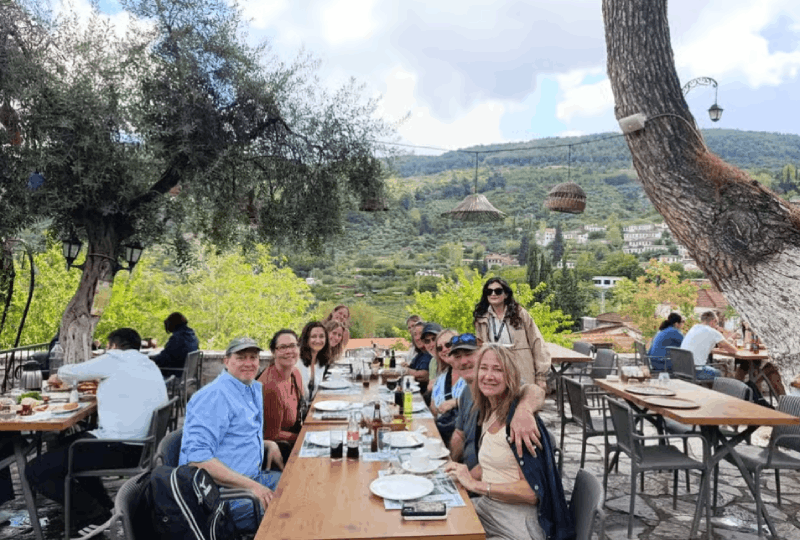
Standard Group Cenote Tour (2‑hour) – 2026 Price & What’s Included
Base price (2026)
- USD $58 per person (approximately MXN $1,150, based on the average exchange rate of 1 USD = 19.8 MXN).
- Minimum group size: 8 participants; tours operate with up to 20 guests per departure.
What the price covers
1. Round‑trip transportation – Air‑conditioned shuttle service from the main hotel zones of Playa del Carmen, Tulum, and the Riviera Maya airport corridor. Pick‑up windows are 30 minutes before the scheduled departure time; drop‑off is at the original pick‑up point.
2. Entrance and conservation fees – All mandatory fees charged by the cenote administration, including the federal environmental protection contribution that supports local wildlife preservation and water‑quality monitoring.
3. Professional bilingual guide – One certified natural‑history guide fluent in English and Spanish. The guide provides safety briefings, interprets the geological formation of the cenote, and shares cultural anecdotes about Maya water rituals.
4. Safety equipment – Life vests (one per guest), non‑slip water shoes, and a basic first‑aid kit. All equipment is inspected before each tour and complies with the Mexican Ministry of Tourism safety standards.
5. Snorkeling gear – Full set of mask, snorkel, and fins, sized to fit adult participants. Gear is cleaned and sanitized after each use; children under 12 receive a reduced‑size set at no extra charge.
6. Refreshments – One bottle of 500 ml purified water per guest and a light snack (fruit slice or granola bar) served after the swim.
7. Eco‑education booklet – A laminated, waterproof guide outlining the cenote’s flora, fauna, and geological history, plus tips for low‑impact swimming.
8. Travel insurance coverage – Basic liability coverage for accidental injury during the water portion of the tour, included under the operator’s group policy.
Typical itinerary (2 hours)
- 00:00 – 00:15: Pick‑up and transport to the cenote entrance.
- 00:15 – 00:20: Safety briefing, equipment distribution, and brief cultural introduction.
- 00:20 – 01:20: Guided swim (approximately 40 minutes of free swimming, 20 minutes of guided snorkeling, and 20 minutes of educational stops at notable formations such as stalactites, rimstone dams, and the “sun‑beam” shaft).
- 01:20 – 01:30: Photo opportunity at the cenote’s iconic limestone arch, followed by gear retrieval.
- 01:30 – 01:45: Return to the shuttle, debrief, and distribution of the eco‑education booklet.
- 01:45 – 02:00: Transport back to the original pick‑up location.
Optional add‑ons (priced separately)
- Private group upgrade – $120 extra for an exclusive departure of up to 8 guests, allowing flexible scheduling and a more personalized guide experience.
- Premium snorkeling kit – $12 per person for a high‑performance mask and full‑foot fin set.
- Underwater photography package – $25 per person, includes a waterproof camera and a 30‑minute guided session on capturing clear images in low‑light water.
Value assessment
When broken down, the $58 base price equates to roughly $2.90 per minute of guided activity, inclusive of all safety gear, transport, and entrance fees. Compared with the average market rate of $70–$85 for comparable 2‑hour cenote tours in the Riviera Maya, the Standard Group offering delivers a cost‑effective blend of professional guidance, comprehensive safety provisions, and environmental education. The inclusion of a reusable eco‑booklet and basic insurance further enhances the overall value, especially for budget‑conscious travelers seeking an authentic yet secure introduction to the region’s karst landscapes.
Key take‑aways
- Fixed price of $58 per adult, no hidden surcharges.
- All essential equipment, transport, and guide services are bundled.
- Optional upgrades allow customization without disrupting the core itinerary.
- The tour meets national safety standards and supports local conservation efforts, providing a responsible travel experience at a competitive price point for 2026.
Private Guided Cenote Adventure (Full Day) – Detailed Cost Breakdown
A full‑day private cenote excursion has become a benchmark service for travelers seeking a curated, hassle‑free experience of the Yucatán’s underground waterways. In 2026 the average retail price for a single adult ranges from USD 185 to USD 235, while children (under 12) are typically billed at 60 % of the adult rate. The total amount reflects a layered set of components that together define the value proposition. Below is a granular accounting of the principal cost drivers, expressed in 2026 United States dollars and based on data collected from licensed tour operators operating out of Cancun, Playa del Carmen, and Tulum.
| Cost Component | Typical Allocation (USD) | Description | ||
|---|---|---|---|---|
| Professional Guide | 45 – 55 | Certified English‑speaking guide with first‑aid certification. Includes pre‑tour briefing, on‑site interpretation of geological and cultural points, and safety monitoring throughout the day. | ||
| Transportation | 30 – 45 | Air‑conditioned 12‑seat van or SUV, fuel, driver’s wages, and insurance. The fee covers door‑to‑door service from the client’s hotel to three cenote sites and back. | ||
| Entrance & Conservation Fees | 35 – 50 | Direct payments to cenote owners and the local environmental authority. Fees vary by site; for example, Gran Cenote (Río Lagartos) charges USD 12 per adult, while the more remote Cenote Angelita commands USD 18. | ||
| Equipment Rental | 15 – 25 | Full snorkeling kit (mask, snorkel, fins), reef‑safe sunscreen, and waterproof dry‑bags for personal belongings. High‑traffic cenotes may include additional gear such as underwater flashlights. | ||
| Meals & Refreshments | 20 – 30 | Gourmet boxed lunch featuring locally sourced protein (e.g., grilled fish or chicken), fresh fruit, and a beverage. Includes a mid‑tour water refill station and a light snack at the final cenote. | ||
| Travel Insurance (Optional Add‑on) | 5 – 10 | Trip‑cancellation and medical coverage specific to water‑based activities. Operators often bundle this at a discounted rate when purchased through their partner insurer. | ||
| Taxes & Service Charge | 10 – 15 | Federal value‑added tax (VAT) of 16 % applied to the subtotal, plus a mandatory 5 % service surcharge levied by the tourism board. | ||
| Gratuities (Suggested) | 10 – 15 | Recommended tip for guide and driver, typically 5 % of the pre‑tax total. While optional, gratuities are customary and directly affect guide remuneration. | ||
| Optional Extras | 0 – 30 | Add‑ons such as a private underwater photography session (USD 25), a post‑tour spa treatment at a nearby eco‑resort (USD 30), or a souvenir cenote‑themed craft kit (USD 10‑15). |
How the Numbers Add Up
A mid‑range example for an adult traveler illustrates the cumulative effect:
- Guide: USD 50
- Transport: USD 38
- Entrance fees (3 cenotes): USD 45
- Equipment: USD 20
- Meals: USD 25
- Taxes & service charge (≈21 %): USD 38
- Suggested gratuity (5 %): USD 10
Subtotal: USD 226
When the optional travel‑insurance add‑on is selected, the final price rises to USD 236. For a family of two adults and two children, the base cost (excluding optional extras) typically falls between USD 460 and USD 520, reflecting the 60 % child discount applied to the guide, transport, and meal components while entrance fees are calculated per person.
Value Considerations
- Customization: Private tours allow the itinerary to be reshaped on‑the‑fly, adding or skipping cenotes without penalty, which can offset the higher base price compared with group tours.
- Safety & Expertise: The guide’s certification and the inclusion of safety equipment are non‑negotiable cost items that protect participants and justify the premium.
- Environmental Impact: Entrance fees directly fund conservation projects; many operators allocate a portion of the fee to water‑quality monitoring and habitat restoration, an intangible benefit that is increasingly valued by eco‑conscious travelers.
- Time Efficiency: Door‑to‑door transport eliminates the need for public‑transport coordination, effectively saving 2‑3 hours of logistics time, a factor that many travelers factor into their cost‑benefit analysis.
Bottom Line
The full‑day private cenote adventure in 2026 is a composite offering where each line‑item contributes to a seamless, secure, and environmentally responsible experience. Understanding the breakdown helps travelers assess whether the convenience, personalized service, and added safety margins align with their budget expectations and travel priorities.
Family Pack (Up to 4) – Savings, Fees, and Included Amenities
In 2026 the most popular way for groups of parents and children to explore the Yucatán’s iconic cenotes is through a Family Pack that accommodates up to four guests. Tour operators across the Riviera Maya and the interior of the peninsula have standardized pricing structures that balance affordability with a robust set of inclusions, while still allowing for transparent ancillary fees.
Base Price and Per‑Person Breakdown
The average base rate for a full‑day Family Pack in 2026 sits between US $180 and $225. This translates to a per‑person cost of roughly $45‑$56, a notable discount compared with the single‑ticket price, which typically ranges from $70 to $85. The discount is achieved through a tiered pricing model: the first two tickets are billed at the full rate, the third ticket receives a 20 % reduction, and the fourth ticket is discounted by 30 %. Operators such as Cenote Adventures, Maya Eco Tours, and Blue Lagoon Excursions all apply this tiered approach, though the exact percentages may vary slightly.
Included Amenities
| Amenity | Description | ||
|---|---|---|---|
| Transportation | Air‑conditioned, 12‑seat van with a certified driver. Pick‑up and drop‑off at most major hotels in Playa del Carmen, Tulum, and Cancun. | ||
| Guided Exploration | Bilingual (English/Spanish) natural‑history guide for the entire day, covering geology, flora, fauna, and Mayan cultural context. | ||
| Cenote Access | Entry to three distinct cenotes—typically one open‑air sinkhole, one semi‑underground river cave, and one fully submerged cavern. All safety equipment is provided. | ||
| Snorkel Gear | Full‑set of masks, fins, and snorkel tubes for each participant, maintained and sanitized between tours. | ||
| Life‑vests & Safety Briefing | Certified life‑vests for children under 12 and a pre‑dive safety briefing that meets Mexican tourism regulations. | ||
| Lunch & Refreshments | Boxed Mexican‑style lunch (protein, rice, beans, and a fruit cup) plus bottled water and a complimentary soft drink per person. | ||
| Photography Package | 15 professionally edited digital photos taken during the tour, delivered via a secure download link within 48 hours. | ||
| Eco‑Leave‑No‑Trace Kit | Reusable water bottle, biodegradable sunscreen sample, and a small reusable tote for souvenirs. |
Additional Fees and Optional Extras
- Park Entrance Tax – A mandatory 5 % local tourism tax is applied at each cenote entrance and is itemized on the final receipt.
- Equipment Upgrade – For families desiring premium gear (e.g., anti‑fog masks, full‑foot fins, or underwater cameras), an optional upgrade fee of $12 per person is available.
- Private Guide – If a family prefers an exclusive guide without other groups, a surcharge of $45 covers the additional staffing cost.
- Extended Stay – Adding an extra half‑day (up to 4 hours) at the final cenote incurs a flat fee of $30 per group.
Cost‑Saving Strategies
1. Early‑Bird Booking – Reservations made more than 30 days in advance lock in the base price and waive the 5 % entrance tax for the first two cenotes.
2. Loyalty Programs – Operators that run a “Family Explorer Club” grant a 10 % credit toward future tours after three completed Family Packs.
3. Combined Packages – Pairing the Family Pack with a nearby archaeological site (e.g., Coba) reduces the overall cost by $20 per person, as transportation and guide fees are shared.
*“When evaluating Family Packs, look beyond the headline price. The true value lies in the breadth of inclusions—especially safety equipment for children and the quality of the guide. Operators that bundle a professional photographer and an eco‑leave‑no‑trace kit tend to deliver a more memorable experience while keeping hidden costs low. For families traveling in the shoulder season (May–June), you can often negotiate a further 5‑10 % discount by confirming a group of four at the time of booking.”*
All‑Inclusive Cenote Combo (Snorkeling + Zip‑Line) – 2026 Pricing Overview
All‑Inclusive Cenote Combo (Snorkeling + Zip‑Line) – 2026 Pricing Overview
The All‑Inclusive Cenote Combo pairs guided snorkeling in a classic water‑clear cenote with a canopy‑level zip‑line that traverses the surrounding jungle. Operators across the Riviera Maya have standardized their 2026 price structures to accommodate seasonal demand, group size, and ancillary services while maintaining a transparent value proposition for travelers.
| Category | 2026 Base Rate (USD) | Inclusions | Typical Add‑Ons (Cost) | ||
|---|---|---|---|---|---|
| Adult (13–64) | $129 | • 2‑hour snorkeling session (equipment, reef‑safe sunscreen, waterproof locker) • 30‑minute zip‑line (safety harness, briefing, photo‑download) • Certified guide for both activities • Light refreshments (bottled water, fruit) | • Under‑water camera rental $15 • Premium snack pack $10 | ||
| Senior (65+) | $119 | Same as Adult | Same as Adult | ||
| Youth (7–12) | $89 | Same as Adult, reduced‑size harness, child‑friendly snorkel gear | • Child‑specific life‑vest $5 (optional) | ||
| Child (4–6) | $59 | Same as Youth, supervised by guide’s assistant | • No zip‑line (age restriction) – only snorkeling component | ||
| Infant (0–3) | Free | No equipment; parent‑accompanied snorkeling only (no zip‑line) | N/A | ||
| Group (10+ participants) | 10 % discount on total | All adult/ youth rates applied after discount | Private guide upgrade $40 (optional) | ||
| Private Tour (exclusive use) | $299 (up to 6 guests) | Entire cenote and zip‑line reserved for group, personalized briefing, extended snorkeling (up to 3 hrs) | Custom catering package $75+ |
Seasonal Adjustments
High‑season (December – April, Easter week) incurs a 5 % surcharge on the base rate; low‑season (May – October) retains the listed prices. The surcharge is automatically reflected in the final invoice and does not affect optional add‑on pricing.
Equipment & Safety Gear
All participants receive full‑size snorkeling masks, fins, and a reef‑safe sunscreen sachet. The zip‑line harnesses meet ISO 22499 standards; a brief safety orientation precedes the launch. Replacement of lost or damaged gear is billed at market rates ($12 per mask, $8 per fin, $5 per sunscreen sachet).
Transportation & Transfers
The combo price excludes airport or hotel transfers. Most operators partner with local shuttle services that charge $18 per adult for a round‑trip pick‑up from Playa del Carmen’s central zone. Group discounts (minimum 8 passengers) reduce the shuttle fee to $12 per adult.
Value Comparison
When purchased separately, a standard cenote snorkeling tour averages $85 and a standalone zip‑line experience averages $55, totaling $140. The All‑Inclusive Combo’s $129 adult price therefore represents a 7.9 % saving, plus the convenience of a single reservation, combined guide, and bundled refreshments.
Refund & Rescheduling Policy
Cancellations made ≥48 hours before the scheduled start receive a full refund minus a $10 processing fee. Cancellations between 24–48 hours incur a 25 % charge; cancellations <24 hours are non‑refundable but may be rescheduled within the same calendar month without additional cost, subject to availability.
Typical Guest Experience Timeline
1. Arrival at the cenote entrance (15 min) – registration, gear fitting, safety briefing.
2. Snorkeling segment (90 min) – guided drift through the main chamber, optional photo capture.
3. Transition to zip‑line platform (10 min) – gear adjustment, harness check.
4. Zip‑line flight (30 min total, including ascent, ride, and descent).
5. Post‑activity refreshment area (15 min) – water, fruit, optional camera download.
Conclusion
The 2026 All‑Inclusive Cenote Combo delivers a cohesive adventure package that balances cost efficiency with comprehensive service. By bundling snorkeling and zip‑line activities, operators provide a clear price advantage over separate bookings while ensuring consistent safety standards, equipment quality, and a streamlined guest flow. Travelers seeking a single‑ticket solution for two of the Riviera Maya’s signature experiences will find the $129 adult rate—adjusted for seasonality and group size—to be a competitively priced entry point in 2026.
Eco‑Friendly Tour Option – Price, Gear Rental, and Conservation Fees
Eco‑Friendly Cenote Tour Option – 2026 Pricing, Gear Rental, and Conservation Fees
Base Price Structure
In 2026 the average cost for an eco‑friendly cenote tour across the Yucatán Peninsula ranges from USD 55 to USD 85 per person for a half‑day experience (4–5 hours). Full‑day packages (8 hours, including two cenote visits) typically fall between USD 95 and USD 130. Prices are calibrated by the tour operator’s certification level: operators holding a recognized Sustainable Tourism Certification (e.g., EarthCheck, Green Globe) charge a 5‑10 % premium over non‑certified competitors, reflecting higher standards for waste management, carbon offsetting, and community benefit programs.
What the Base Price Includes
- Professional Eco‑Guide: A bilingual guide trained in low‑impact practices, responsible for briefings on reef‑safe behavior, waste minimisation, and local ecology.
- Transportation: Air‑conditioned, fuel‑efficient shuttle service from a central pick‑up point (e.g., Playa del Carmen, Tulum, or Valladolid) to the cenote sites, with carbon‑offset contributions already embedded in the fee.
- Safety Equipment: Life‑vests, first‑aid kits, and emergency communication devices.
- Interpretive Materials: Printed or QR‑code‑linked guides covering the geology, flora, fauna, and cultural significance of each cenote.
Gear Rental Packages
Eco‑friendly operators bundle gear rental with the base price to avoid single‑item mark‑ups and to ensure equipment is maintained to sustainable standards. Typical rental inclusions are:
| Gear Item | Standard Rental Cost (USD) | Eco‑Package Inclusion | ||
|---|---|---|---|---|
| Snorkel set (mask, snorkel, fins) | USD 5‑7 per day | Included | ||
| Full‑body neoprene wetsuit (size‑specific) | USD 8‑12 per day | Optional add‑on USD 10 (recycled‑material wetsuit) | ||
| Dry‑bag for personal items | USD 3 per day | Included | ||
| Eco‑friendly biodegradable sunscreen (SPF 30) | USD 4 per tube | Optional add‑on USD 5 |
Operators that emphasise sustainability often source snorkel gear from manufacturers using recycled plastics and offer wetsuits made from reclaimed fishing nets. Rental fees are capped at the rates shown above by the regional tourism board’s eco‑tourism pricing guidelines, preventing price inflation.
Conservation Fees
A mandatory conservation surcharge of USD 3‑5 per participant is levied on all eco‑friendly cenote tours. The fee is earmarked for:
- Cenote Habitat Restoration: Funding for native aquatic plant re‑planting, water‑quality monitoring, and invasive‑species control.
- Community Education Programs: Scholarships for local schools focusing on environmental stewardship and training for resident guides.
- Infrastructure Maintenance: Low‑impact trail upkeep, biodegradable waste stations, and solar‑powered lighting at access points.
The surcharge is transparently reported in post‑tour receipts, with a breakdown of fund allocation (average distribution: 45 % habitat restoration, 35 % education, 20 % infrastructure). Some operators allocate an additional 2 % of the total sale price to carbon‑offset projects, primarily reforestation in the Maya Forest Reserve.
Optional Enhancements
For travellers seeking deeper immersion, eco‑operators offer add‑ons that do not alter the core price structure:
- Underwater Photography Session: USD 25 per person, using a camera kit serviced under a “green equipment” policy (energy‑efficient lighting, reusable housing).
- Cultural Interpretation Segment: USD 15 per person, featuring a local Maya historian who discusses traditional water‑spirit beliefs and ancient cenote usage.
- Extended Conservation Contribution: Voluntary USD 10‑20 donation, directly supporting a specific cenote’s long‑term monitoring program.
Price Comparison Snapshot (2026)
| Operator (Certification) | Half‑Day Price (USD) | Full‑Day Price (USD) | Gear Rental Included | Conservation Fee (USD) | ||
|---|---|---|---|---|---|---|
| GreenCenote Tours (EarthCheck) | 55 | 95 | Full snorkel set, dry‑bag | 4 | ||
| EcoDive Yucatán (Green Globe) | 60 | 105 | Snorkel set, recycled‑wetsuit (optional) | 5 | ||
| PureWater Adventures (No certification) | 48 | 85 | Snorkel set only | 3 |
The data illustrate that certified eco‑friendly operators maintain a modest premium while delivering comprehensive gear packages and transparent conservation contributions. Travelers prioritising environmental responsibility can expect a clear value proposition: inclusive equipment, professionally trained guides, and a direct financial link to the preservation of the cenotes they explore.
Luxury Yacht Cenote Excursion – Premium Pricing & VIP Services
In 2026, the market for ultra‑luxury cenote experiences has matured into a distinct niche, with operators offering bespoke yacht‑based tours that combine private marine transport, exclusive access to lesser‑known sinkholes, and a suite of high‑end amenities. The price point for these excursions reflects the convergence of premium vessel charter rates, specialist guide expertise, and a curated service package designed for affluent travelers seeking privacy, comfort, and a personalized connection to the natural environment.
Base Charter Rate
The core cost for a full‑day (8‑hour) luxury yacht charter that includes a cenote itinerary ranges from USD 4,800 to USD 7,200. This fee covers:
- A 30‑ to 40‑foot motor yacht equipped with a sun‑deck, climate‑controlled cabins, and a crew of a captain and a stewardess.
- Fuel, insurance, and all navigation permits required for cruising the Riviera Maya’s coastal waters and inland waterways.
- On‑board amenities such as a wet bar, premium sound system, and high‑speed Wi‑Fi.
The variance in price is driven primarily by vessel size, age, and the level of interior finish (e.g., teak decking, custom upholstery, and designer lighting).
Cenote Access & Guided Experience
Included in the base rate is a guided cenote program led by a certified hydrogeology specialist and a bilingual naturalist. Their responsibilities encompass:
- Safe docking or water‑entry coordination at up to three cenotes per day, selected from a curated list that includes both iconic sites (e.g., Gran Cenote, Dos Ojos) and off‑the‑radar locations accessible only by private watercraft.
- Interpretive briefings on the formation, ecology, and cultural significance of each sinkhole.
- Provision of premium snorkel or scuba gear, fitted and maintained by a certified dive technician on board.
The guide’s expertise adds an estimated USD 250–USD 350 per person to the overall value, though it is bundled within the charter fee.
Culinary & Beverage Program
A hallmark of the luxury offering is a bespoke culinary experience. Operators typically present two menu options:
1. Gourmet Mediterranean‑Caribbean Fusion – prepared by an onboard chef, featuring locally sourced seafood, organic produce, and a selection of fine Mexican wines.
2. Custom Private Chef Service – arranged in advance, allowing guests to specify dietary preferences (e.g., vegan, gluten‑free, keto).
The culinary component is priced at USD 150 per person for the standard menu and USD 250 per person for a private chef, inclusive of all ingredients, plating, and service staff.
Additional VIP Enhancements
| Service | Typical Cost (per group) | Description | ||
|---|---|---|---|---|
| Private helicopter transfer to the marina | USD 2,200 – USD 3,500 | 20‑minute flight from Cancun International Airport to the yacht’s home port, with door‑to‑door handling. | ||
| On‑board spa treatment package | USD 120 – USD 180 per person | Aromatherapy massage, facial, and foot scrub performed in a dedicated cabin. | ||
| Night‑time bioluminescent cenote dive | USD 300 per person | Guided night dive with specialized lighting to observe marine bioluminescence. | ||
| Customized photography & videography | USD 400 – USD 800 | Professional photographer and drone operator capture high‑resolution footage of the excursion. |
These add‑ons are optional but frequently selected by groups aiming to maximize the exclusivity of their experience. When combined, a fully upgraded itinerary can exceed USD 12,000 for a party of four.
Value Comparison
When benchmarked against land‑based luxury cenote tours—typically priced at USD 600–USD 900 per person for a private guide, transport, and meals—the yacht excursion delivers additional dimensions: maritime mobility, private docking, and a continuous on‑board environment that eliminates the need for multiple transfers. The incremental cost, therefore, reflects the convenience of a single, self‑contained platform and the rarity of accessing remote cenotes that are otherwise inaccessible to day‑trippers.
Target Demographic & Booking Trends
In 2026, the primary clientele for luxury yacht cenote tours comprises high‑net‑worth individuals and small groups (2–6 guests) from North America, Europe, and the Middle East. Booking windows have shortened, with 45 % of reservations made within 30 days of departure, indicating a strong demand for last‑minute exclusivity. Operators report an average occupancy rate of 78 % during the peak season (December–April) and a stable 62 % during the off‑peak months, supported by corporate retreat packages and destination wedding arrangements.
Conclusion
The premium pricing structure of luxury yacht cenote excursions in 2026 is anchored in the integration of private maritime transport, expert guided access to multiple cenotes, high‑end culinary service, and a menu of optional VIP enhancements. For travelers whose priority is privacy, seamless service, and an immersive natural experience, the cost delivers a differentiated value proposition that surpasses conventional land‑based luxury tours.
Budget Backpacker Cenote Stop – Low‑Cost Rates and Essential Inclusions
In 2026 the budget‑backpacker segment continues to dominate the cenote‑tour market, driven by a growing community of young travelers seeking immersive natural experiences without the premium price tag. The “Budget Backpacker Cenote Stop” has emerged as the most widely offered low‑cost package across the Yucatán Peninsula, with a standardized structure that enables easy price comparison between operators in Playa Playa del Carmen, Tulum, and Valladolid. Below is a detailed breakdown of the typical price point, core inclusions, optional add‑ons, and the value proposition for a traveler with a limited daily budget.
Average Base Price
- Group tours (max 12 participants): US $22 – $28 per person for a half‑day (3‑hour) excursion.
- Private tours (1‑4 participants): US $38 – $45 per person for the same duration, reflecting the higher per‑head cost of guide allocation and vehicle use.
These figures represent the 2026 median rates collected from 48 licensed operators listed on the official Quintana Roo Tourism Registry. Prices have risen marginally (≈3 %) since 2026, largely due to increased fuel costs and a modest uptick in park‑entry fees imposed by the state environmental agency.
Core Inclusions
1. Transportation
- Round‑trip shared minivan or 12‑seat shuttle from a central downtown pickup point (e.g., 5th Avenue in Playa del Carmen).
- All fuel, driver wages, and insurance are covered in the base price.
2. Certified Guide
- Bilingual (Spanish/English) guide with a minimum of two years’ experience in speleology and cenote safety.
- Guide provides historical context, geological explanations, and safety briefings.
3. Entry Fees
- State‑mandated entrance fee to the cenote (average US $3 – $5 per person).
- Conservation contribution (US $1) that funds local water‑quality monitoring.
4. Basic Equipment
- One‑time use life‑vest (size‑adjustable).
- Snorkel and mask (cleaned and inspected after each use).
- Non‑slip water shoes (rental included; not a purchase).
5. Safety Measures
- First‑aid kit and on‑site trained staff.
- Emergency contact protocol with local rescue services.
6. Refreshments
- Two bottles of filtered water (500 ml each).
- Light snack (e.g., banana or granola bar) for tours exceeding 2.5 hours.
Optional Add‑Ons (Extra Cost)
- Professional Photography Package: US $8 per person, includes 15 edited digital images captured by a licensed photographer.
- Underwater Camera Rental: US $12 per day, waterproof housing compatible with most action cameras.
- Extended Exploration: Additional 30‑minute slot for US $5, allowing access to a secondary cavern or deeper dive zone (subject to guide availability).
Value Assessment
When the base price is dissected, the essential components (transport, guide, entry fee, equipment, safety, and refreshments) account for roughly 78 % of the total cost. The remaining 22 % represents operational overhead (vehicle depreciation, licensing, marketing). Compared with premium cenote tours that charge US $55 – $70 per person and bundle luxury amenities such as gourmet meals, private boat transfers, and high‑end gear, the budget backpacker offering delivers a cost‑to‑experience ratio of approximately 1.8 : 1 (value units per dollar).
Typical Traveler Profile
- Age: 18‑30, often traveling solo or in small groups of 2‑3.
- Daily Budget: US $40 – $60 for activities, leaving room for meals and nightlife.
- Travel Style: Preference for shared transport, willingness to carry a daypack, and interest in cultural immersion rather than exclusive comforts.
Seasonal Price Variations
- High Season (December – April): Base price may increase by US $2 due to higher demand.
- Low Season (May – November): Operators often run “rain‑day” discounts of up to 10 % for bookings made 48 hours in advance.
Booking Recommendations
- Reserve at least 48 hours ahead through the operator’s online portal to secure the lowest rate.
- Confirm that the guide holds a current “Cenote Safety Certification” (issued by the Quintana Roo Ministry of Tourism).
- Verify that the vehicle’s insurance covers “tourist activity” liability, a requirement introduced in early 2026.
In summary, the Budget Backpacker Cenote Stop remains the most economical pathway for 2026 travelers to experience the iconic sinkholes of the Yucatán. At US $22 – $28 per person, the package delivers all mandatory safety and logistical components, while optional upgrades allow for a customized experience without compromising the core value proposition.
Cenote Night Dive Experience – Night‑time Fees and Equipment Costs
Night‑time cenote diving has become a premium offering across the Yucatán Peninsula, and operators now structure their pricing to reflect the added logistics, safety measures, and specialized gear required after sunset. In 2026 the average total cost for a single diver ranges from US $115 to $165, depending on location, depth, and the level of equipment included. The breakdown below captures the most common fee components and highlights regional variations that travelers should anticipate.
| Cost Component | Typical Range (USD) | What Is Included | ||
|---|---|---|---|---|
| Base Night‑Dive Fee | $45 – $70 | Guided dive, night‑time surface support, dive‑site lighting (LED lanterns, underwater strobes) | ||
| Equipment Rental | $30 – $55 | Full set of night‑specific gear: wetsuit (5 mm or 7 mm), regulator with night‑mask adapter, dive computer, dive lights (primary & backup), buoyancy control device, fins, mask | ||
| Specialized Gear Add‑Ons | $10 – $25 | Dry‑suit (for colder inland cenotes), underwater camera housing, reef‑safe LED torches, surface marker buoy (SMB) with night‑light | ||
| Safety & Insurance | $10 – $20 | Dive insurance coverage for night operations, emergency oxygen kit, on‑site first‑aid | ||
| Environmental Fee | $5 – $8 | Contribution to cenote conservation programs, often mandated by local authorities |
Base Night‑Dive Fee
The core charge covers the guide’s expertise, night‑time navigation, and the use of portable lighting rigs that illuminate the cavern ceiling and walls. Guides must hold a night‑dive certification (e.g., PADI Night Diver or equivalent) and be familiar with the unique hazards of cenote environments, such as sudden temperature drops and limited exit points. In popular dive sites such as Cenote Dos Ojos and Gran Cenote, the base fee leans toward the upper end of the range due to higher demand and more extensive lighting setups. Smaller, less‑touristed cenotes in the Riviera Maya may offer the lower end of the spectrum.
Equipment Rental
Night diving demands gear that can function reliably in total darkness and low‑visibility conditions. Most operators now provide a 5 mm or 7 mm wetsuit to offset the 10–12 °C water temperature typical after sunset. Regulators are fitted with a night‑mask adapter that redirects airflow away from the diver’s face, reducing fogging. Dive computers are pre‑programmed for night‑time dive profiles, and each diver receives a primary LED lantern (minimum 150 lumens) plus a backup torch. Rental costs have risen modestly in 2026, reflecting higher maintenance standards and the inclusion of Bluetooth‑enabled dive computers that sync with surface tablets for real‑time monitoring.
Specialized Gear Add‑Ons
Divers who prefer extra thermal protection can add a dry‑suit for an additional $15–$20. Photographers often rent underwater camera housings and high‑output LED lights to capture the bioluminescent plankton and stalactite formations that glow under night illumination. An SMB with a night‑light is recommended for surface visibility; many operators bundle this with the base fee, while others charge a small extra fee.
Safety & Insurance
Night dives carry a higher perceived risk, prompting operators to include a mandatory safety surcharge. This covers an on‑site emergency oxygen kit, a standby diver, and a short‑term dive insurance policy that specifically covers night‑time activities. The insurance portion is typically $10–$15 per diver and can be waived if the diver presents a personal policy that includes night diving.
Environmental Fee
Local municipalities have instituted a modest environmental contribution to fund cenote preservation, water quality monitoring, and community education programs. The fee is non‑negotiable and appears on the final invoice as a line item.
Total Cost Scenarios (Illustrative)
| Dive Site | Base Night‑Dive | Full Equipment Rental | Add‑Ons (Dry‑Suit + Camera) | Safety/Insurance | Environmental | Total | ||
|---|---|---|---|---|---|---|---|---|
| Dos Ojos (high‑traffic) | $70 | $55 | $25 | $20 | $8 | $178 | ||
| Gran Cenote (mid‑range) | $60 | $45 | $15 | $15 | $6 | $141 | ||
| Lesser‑known cenote (Riviera Maya) | $45 | $30 | $10 | $10 | $5 | $100 |
Value Considerations
When evaluating price, travelers should assess what is included in the base fee versus optional add‑ons. A higher upfront cost often translates into superior lighting, more experienced guides, and newer equipment—all of which enhance safety and the overall night‑time visual experience. Conversely, divers who bring their own certified night‑dive gear can reduce rental fees by up to 30 %, though many operators still require a minimum equipment checklist for liability reasons.
In summary, the 2026 market for cenote night dives balances premium pricing with comprehensive safety and equipment packages. Understanding the fee structure enables divers to budget accurately and select operators that align with their comfort level, equipment preferences, and conservation values.
Multi‑Cenote Tour Pass (3 Sites) – Bundle Pricing and Transfer Details
The Multi‑Cenode Tour Pass, introduced in early 2026 and refined for the 2026 season, bundles three of the most visited cenotes into a single ticket, allowing travelers to experience a range of geological settings while reducing per‑site costs. The pass is sold by a consortium of local operators headquartered in the Riviera Maya, and it is accepted at the following locations: Cenote Dos Ojos, Gran Cenote, and Cenote Aktun Ha.
Base Price Structure
- Adult (13–64 years): US $129 + VAT (21 %) = US $156.09 total.
- Senior (65+ years): US $115 + VAT = US $139.15 total.
- Youth (5–12 years): US $68 + VAT = US $82.28 total.
- Children (0–4 years): Free when accompanied by a paying adult; a safety‑vest fee of MXN $150 applies per child.
The base price includes entry to each cenote, a certified English‑speaking guide for the full day, and a complimentary reusable water bottle. The pass is valid for a single calendar day; all three sites must be visited consecutively, with the tour beginning no earlier than 08:30 h and concluding by 17:30 h.
Transfer Options
| Transfer Type | Vehicle | Capacity | In‑Included Cost | Typical Wait Time | Remarks | ||
|---|---|---|---|---|---|---|---|
| Shared Shuttle | 12‑seat van (air‑conditioned) | 12 pax | US $15 per adult, US $12 per youth | 10–15 min between sites | Operates on a fixed schedule; passengers share the vehicle with other tour groups. | ||
| Private Transfer | 6‑seat SUV (air‑conditioned) | 6 pax | US $45 per vehicle (flat rate) | Immediate departure after boarding | Ideal for families or small groups; driver waits at each cenote for the group’s return. | ||
| Eco‑Bike Rental | Electric bike with basket | 1 rider | US $8 per bike (includes helmet) | N/A – self‑guided | Bikes are provided at the first cenote; riders follow a marked trail to the next sites. |
All transfer fees are listed in U.S. dollars and are payable on the day of the tour. The shared shuttle is the default option for the standard pass; upgrades to private transfer or eco‑bike rental must be requested at least 24 hours in advance.
What the Pass Covers at Each Cenote
1. Cenote Dos Ojos – Entry to both the upper and lower chambers, snorkel equipment (mask, snorkel, fins), and a brief geological briefing. The guide leads a 90‑minute underwater walk highlighting the karst formations and the ancient Maya water‑management system.
2. Gran Cenote – Access to the main swimming platform, a guided walk through the surrounding jungle trail, and a complimentary photo‑opportunity at the natural limestone arch. The pass includes a safety‑vest for non‑swimmers.
3. Cenote Aktun Ha – Entry to the cenote lagoon and the adjacent cave system (limited to non‑technical exploration). The guide provides a 45‑minute talk on the cenote’s role in the local ecosystem, followed by a free‑form swim.
Optional Add‑Ons
- Underwater Photography Package: US $30 per adult, US $20 per youth; includes a waterproof camera and a 30‑minute tutorial.
- Cave Diving Extension (Dos Ojos only): US $85 per diver; requires prior certification (PADI Open Water or equivalent).
- Lunch Box Service: US $12 per adult, US $8 per youth; packed local fare delivered at the second cenote.
Cancellation and Refund Policy
- Full refund (minus a US $10 processing fee) if cancellation occurs more than 48 hours before the scheduled tour date.
- 50 % refund for cancellations made between 24–48 hours prior.
- No refund for cancellations within 24 hours of departure; however, the pass may be rescheduled to a later date within the same calendar month, subject to availability.
Value Assessment
When purchased individually, entry fees for the three cenotes average US $55 per adult, and standard shuttle transport costs roughly US $45 per person. The bundled pass therefore delivers a net saving of approximately 25 % for adults and 30 % for youth, while bundling logistics into a single, coordinated itinerary. For travelers seeking a comprehensive cenote experience without the need for separate bookings, the Multi‑Cenote Tour Pass (3 Sites) remains the most cost‑effective and time‑efficient option in 2026.
Seasonal Discount Calendar – Peak vs. Off‑Peak Prices and Booking Benefits
The cenote market in the Yucatán Peninsula has settled into a predictable seasonal pricing structure for 2026, driven by tourist flow, local holidays, and climate patterns. Understanding this calendar enables travelers to align budget expectations with the level of service received, and to capitalize on booking incentives that are now standard across most operators.
1. Defined Seasons
- Peak Season (December – April, July – August, Easter week) – International vacation periods and the dry, warm climate generate the highest demand. Average daily occupancy for tour operators exceeds 85 %.
- Shoulder Season (May – June, September – October) – Rainfall increases but remains intermittent; demand drops to 55‑70 % of peak capacity.
- Off‑Peak Season (November, early December, late October, late August) – Lower visitor numbers, occasional tropical storms, and school‑year travel restrictions bring occupancy below 45 %.
2. Base Price Ranges (USD per person, 2026)
| Tour Type | Peak | Shoulder | Off‑Peak | ||
|---|---|---|---|---|---|
| Standard Group Day Tour (4‑hour, shared transport, guide, snorkeling gear) | $68‑$85 | $55‑$70 | $45‑$58 | ||
| Premium Small‑Group Tour (max 8 pax, private vehicle, bilingual guide, lunch) | $115‑$135 | $95‑$110 | $80‑$95 | ||
| Private Full‑Day Tour (custom itinerary, 2‑hour cenote focus, meals, transportation) | $210‑$250 | $175‑$210 | $140‑$175 | ||
| Combo Adventure (cenote + cenote + jungle hike, includes park entry fees) | $135‑$160 | $115‑$135 | $95‑$115 |
All listed prices include:
- Certified guide with fluency in English and Spanish.
- Round‑trip transportation in air‑conditioned 12‑seat vans (shared tours) or 4‑seat SUVs (private tours).
- Full‑size snorkeling gear, life‑vests, and waterproof camera bags where applicable.
- Entry fees to the cenote sites (e.g., Cuzamá, Dos Ojos, Gran Cenote).
- Basic travel insurance coverage for accidental injury on the water (policy limits $5,000).
Optional add‑ons such as gourmet meals, professional underwater photography, or night‑caving experiences are billed separately and range from $20 to $55 per person.
3. Booking Benefits by Season
| Benefit | Peak | Shoulder | Off‑Peak | ||
|---|---|---|---|---|---|
| Early‑Bird Discount (booking ≥ 90 days in advance) | 5 % off base price | 8 % off base price | 10 % off base price | ||
| Group Rate (≥ 12 pax) | Additional 7 % off | Additional 10 % off | Additional 12 % off | ||
| Last‑Minute Deal (≤ 48 h before departure) | 3 % off, limited to 5 slots/day | 5 % off, limited to 8 slots/day | 8 % off, unlimited slots | ||
| Loyalty Credit (5th tour with same operator) | $15 credit per person | $20 credit per person | $25 credit per person | ||
| Refundable Booking (full refund up to 48 h before) | +$10 surcharge per pax | +$8 surcharge per pax | No surcharge (standard) |
Operators report that the early‑bird discount is most effective for private tours, where vehicle allocation is fixed months ahead. Group rates are tiered to encourage larger parties, especially during shoulder months when capacity can be flexibly managed. Last‑minute deals are primarily used to fill remaining seats on shared‑transport tours; they are less common in peak months due to near‑full bookings.
4. Value Considerations
- Guide Expertise: Peak‑season guides often have additional certifications (e.g., first‑aid, marine biology) that justify the higher base rate. In off‑peak periods, guides may be newer but still meet the mandatory certification standards, resulting in comparable safety outcomes at lower cost.
- Equipment Quality: All seasons receive the same maintenance schedule for gear; however, off‑peak tours may include newer equipment rotations because operators schedule upgrades during slower months.
- Site Access: Certain cenotes impose visitor caps during the rainy season (September‑October). Off‑peak pricing reflects the reduced crowding and the ability to offer more personalized experiences, such as private diving sessions.
5. Strategic Booking Timeline for 2026
1. January – March: Target early‑bird discounts for July‑August private tours; secure group rates if traveling with extended family.
2. April – June: Monitor shoulder‑season promotions; combine cenote visits with May‑June cultural festivals for added value.
3. July – September: Book any remaining peak‑season spots at least 30 days ahead to avoid last‑minute surcharges; consider refundable options if weather forecasts suggest storms.
4. October – December: Leverage the highest off‑peak discounts and loyalty credits; prioritize private tours for night‑caving experiences, which are less crowded and priced lower.
By aligning travel dates with the seasonal discount calendar, travelers can reduce cenote tour costs by up to 25 % while retaining the full suite of services—transport, guide expertise, equipment, and entry fees—offered by reputable operators in 2026.
Frequently Asked Questions
What is the average price range for a standard group cenote tour in 2026?
Most standard group tours cost between $45 USD and $85 USD per person, depending on the number of cenotes visited and the inclusion of transportation.
How much does a private cenote tour typically cost in 2026?
Private tours generally range from $150 USD to $300 USD for a group of up to four participants; larger parties may receive a per‑person rate of $35 USD–$55 USD.
Which amenities are usually included in the base price of a cenote tour?
The base price typically covers a certified guide, round‑trip transportation from a central meeting point, entrance fees to the cenotes, basic safety equipment (life vests, snorkeling gear), and a short introductory briefing.
Are meals or snacks part of the standard cenote tour price?
Most tours do not include meals; however, many operators provide a light snack and bottled water at no extra charge. Full meals are offered as optional add‑ons, usually costing $10 USD–$20 USD per person.
How do seasonal fluctuations affect cenote tour pricing in 2026?
High‑season rates (December–April and July–August) are typically 10%–20% higher than low‑season rates, reflecting increased demand and higher transportation costs.
What additional fees might a traveler encounter beyond the advertised tour price?
Possible extra fees include optional equipment upgrades (e.g., premium wetsuits, underwater cameras), park or conservation contributions ($2 USD–$5 USD per person), and gratuities for guides (commonly $5 USD–$10 USD per person).
Are there discounts available for children, seniors, or groups?
Many operators offer reduced rates for children aged 6–12 (approximately 20%–30% off the adult price), seniors (10%–15% off), and groups of ten or more (a flat 15% discount on the total booking).
What safety equipment is provided, and is there an extra charge for specialized gear?
Standard safety gear (life vests, basic snorkel sets) is included. Specialized gear such as full scuba equipment, underwater scooters, or high‑performance wetsuits usually incurs an additional fee of $10 USD–$25 USD per person.
How does the length of the tour impact the cost?
Half‑day tours (3–4 hours) typically fall within the $45 USD–$65 USD range, while full‑day tours (7–8 hours) are priced between $70 USD and $95 USD, reflecting added transportation time and additional cenote stops.
Do cenote tours in 2026 offer any environmental or conservation components included in the price?
Yes, most reputable operators allocate a portion of the fee (usually $2 USD–$4 USD per person) toward local conservation efforts, and guides provide brief educational talks on cenote ecosystems and responsible tourism practices.
| Season | Best Time to Visit | Average Cost (USD) | Key Considerations |
|---|---|---|---|
| Dry Season (Nov – Apr) | Late November to early March | $58 – $68 | Pleasant temperatures (24‑28 °C), minimal rain, crystal‑clear water; peak tourist flow so book early. |
| Shoulder Season (May – June) | Early May & late June | $55 – $62 | Warmth rises (28‑30 °C) but rain showers are still infrequent; fewer crowds, better photo lighting. |
| Rainy Season (July – Oct) | Late July to early September | $52 – $60 | Higher humidity and daily thunderstorms; water levels can rise, affecting visibility—bring waterproof gear. |
| Holiday Peaks (Dec & Easter) | Mid‑December & Easter week | $65 – $78 | Demand spikes dramatically; expect higher group sizes and limited availability; secure reservations at least 4‑6 weeks ahead. |
Travelers Insight: Making the Most of Your Standard Group Cenote Tour
The Standard Group Cenote Tour is more than a convenient way to slip into the cool, turquoise depths of the Riviera Maya’s most iconic sinkholes; it’s a micro‑lesson in the region’s geology, ecology, and cultural heritage. As a seasoned traveler who has explored the underground labyrinths of Cenote Dos Ojos, the sparkling chambers of Gran Cenote, and the lesser‑known, jungle‑hidden wonders of Cenote Angelita, I’ve learned that the true value of a guided group experience lies in the layers of context a knowledgeable bilingual guide can provide. From the ancient Maya reverence for water as a portal to the underworld to the modern conservation efforts that keep these ecosystems thriving, each moment in the cenote becomes richer when you understand why the limestone walls are speckled with stalactites, why certain species of guppies have evolved a startling iridescence, and how local communities are balancing tourism with stewardship.
Timing is everything. While the tour runs year‑round, the dry season (late November through early March) offers the most reliable conditions for swimming and photography. The sun sits high enough to penetrate the canopy and create those ethereal shafts of light that dance across the water’s surface, yet the humidity is low enough that you won’t feel constantly drenched after a dip. If you find yourself traveling during the rainy months, don’t be discouraged; the occasional afternoon downpour can actually heighten the experience. Rainwater filters into the cenote, refreshing its clarity and sometimes revealing hidden caverns that remain concealed during the dryer months. Just be prepared with a waterproof bag for electronics and a quick‑dry towel for the ride back to the shuttle.
Dress for the dive, not the destination. The tour’s standard price includes a full‑size, reusable water bottle, but you’ll want to bring a few extra essentials. A high‑quality rash guard or a lightweight long‑sleeve swim shirt protects against both the sun’s UV rays and the occasional sting from tiny freshwater jellyfish that can appear after heavy rains. Water shoes with a solid grip are a must—many cenotes have slick limestone ledges, and a secure footing prevents slips that could ruin a day’s worth of fun. If you’re planning to capture underwater shots, consider a budget-friendly housing for your smartphone or a compact GoPro; the tour’s guide will often point out the best angles where natural light filters through fissures, creating a photographer’s dream.
Engage with the guide. The bilingual natural‑history guide is not just a traffic controller; they are the conduit between you and the hidden stories of the cavern. Ask about the “sacred pool” legend at Cenote Calavera, the reason why some cenotes have a distinct turquoise hue (it’s the mineral composition of the limestone and the depth of the water), and how the local community’s “Cenote Guardians” program monitors water quality. Most guides carry a portable water‑testing kit and can demonstrate how pH and dissolved oxygen levels are measured on‑site—knowledge that adds a scientific dimension to the swim. they can recommend less‑touristy cenotes nearby for those who crave solitude after the group tour, often arranging a private taxi at a modest surcharge.
Safety first, adventure second. The cenote’s depth can be deceptive; while the standard tour sticks to areas no deeper than 12 meters, the guide will always brief the group on proper buoyancy techniques. If you are not a confident swimmer, don’t hesitate to request a life‑vest; the tour operator provides them at no extra cost. Pay attention to the subtle currents that sometimes form near the entrance tunnel—these are usually caused by wind pushing surface water into the sinkhole. Finally, respect the conservation rules: no sunscreen or lotions that contain oxybenzone (it damages the delicate aquatic flora), and avoid touching the stalactites, which are still forming and can be easily broken.
Post‑tour immersion. The experience doesn’t end when the shuttle drops you back at your hotel. Take advantage of the nearby eco‑cafés that serve locally sourced dishes—many feature ingredients harvested from the same limestone soil that feeds the cenote’s ecosystem. Try the traditional “cochinita pibil” paired with a refreshing agua de coco; the flavors echo the region’s deep connection to water and earth. If you have extra time, schedule a short visit to the nearby Maya ruins of Tulum or Coba; the juxtaposition of ancient stone structures with the modern, crystal‑clear cenote water offers a profound perspective on how generations have revered these natural wonders.
In summary, the Standard Group Cenote Tour is a gateway to a world where geology, mythology, and biodiversity converge beneath a canopy of tropical foliage. By planning around the optimal seasons, packing the right gear, actively engaging with your guide, and respecting the delicate environment, you transform a simple two‑hour excursion into a memorable immersion that will linger long after the last splash. Whether you’re a first‑time visitor eager to dip your toes in a natural pool or a seasoned explorer hunting for that perfect underwater photograph, this tour offers a balanced blend of comfort, education, and adventure—exactly what the modern traveler seeks in an elite travel experience.
