
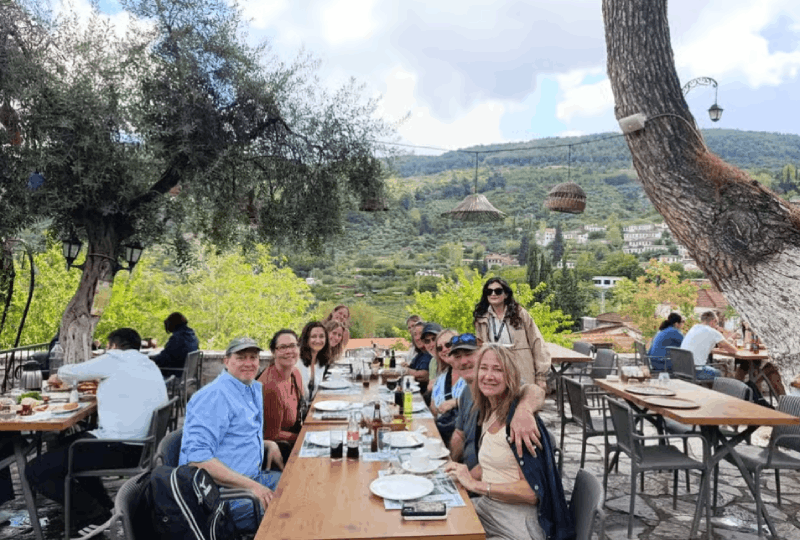
Wheelchair‑Accessible Cenote Exploration in the Yucatán
The Yucatán Peninsula is renowned for its network of natural sinkholes—cenotes—that provide a unique window into the region’s limestone geology and ancient Maya culture. Recent upgrades to infrastructure, trail design, and guide training have made a growing number of cenotes suitable for wheelchair users, allowing senior travelers with mobility aids to experience these sites safely and comfortably.
Key Accessibility Features
1. Paved Approach Paths – Most accessible cenotes have firm, level surfaces extending from parking areas to the water’s edge. Some locations, such as Cenote X’keken (Dzitnup) and Cenote Samula, have concrete or compacted sand walkways that meet universal design standards.
2. Boardwalks and Ramps – Elevated wooden boardwalks run parallel to the cenote walls, providing stable footing and panoramic views. Ramps with handrails are installed where elevation changes are necessary, allowing wheelchairs to transition from the parking lot to the boardwalk without assistance.
3. Accessible Viewing Platforms – At several cenotes, viewing platforms are equipped with wheelchair‑sized clearances (minimum 0.9 m width) and low‑height railings (0.8 m) that prevent accidental contact with the water while preserving sightlines. Platforms often include shaded seating, allowing visitors to rest between exploration segments.
4. Water‑Edge Access – For cenotes that permit limited water contact, low‑profile dock extensions are fitted with non‑slip surfaces and side rails. These docks are designed to accommodate wheelchair transfer boards, enabling users to roll onto the dock and, if desired, into a flotation device with the assistance of a guide. Water depth at the dock is typically 0.5 m, ensuring safe entry and exit.
5. Facilities – Restroom blocks adjacent to the cenotes are equipped with grab bars, wheelchair‑accessible stalls, and lowered sinks. Changing rooms include roll‑in showers with fold‑down seats. Signage throughout the site follows high‑contrast, large‑type guidelines, and audio cues are available for key points of interest.
Recommended Cenotes for Senior Wheelchair Users
- Cenote X’keken (Dzitnup) – Located near Valladolid, this cenote offers a fully paved loop trail, a wide boardwalk, and a viewing platform with a 360° perspective of the crystal‑clear pool. Guided tours include a brief, optional boat ride on a flat‑bottomed, wheelchair‑compatible vessel.
- Cenote Samula – Connected to X’keken via a short, level pathway, Samula features a spacious dock with railings and a low‑step entry. The site’s staff provide wheelchair‑friendly flotation devices and assist with transfers.
- Cenote Ik Kil – Situated near Chichén Itzá, Ik Kil has undergone recent renovations that include a graded ramp from the parking lot, a wide boardwalk, and a large, flat viewing area. The cenote’s steep walls are visible from the platform, eliminating the need for vertical climbing.
- Cenote Suytun – Near Valladolid, Suytun’s main attraction is a shallow, illuminated pool accessed via a gently sloping ramp. The site’s layout allows wheelchair users to navigate the entire space without encountering stairs.
Guided Tour Considerations
Professional eco‑tour operators now offer senior‑focused, wheelchair‑compatible itineraries. Guides receive training in mobility‑aid assistance, safe water‑entry techniques, and first‑aid protocols specific to older travelers. Tours typically include:
- Pre‑visit briefing on wheelchair handling and equipment.
- Provision of transfer boards, portable ramps, and adaptive flotation devices.
- Assistance with wheelchair positioning on boardwalks and docks.
- Interpretation of geological formations, Maya rituals, and biodiversity observations.
Safety and Comfort Tips
- Verify that the wheelchair’s tires are fully inflated and that brakes function correctly before departure.
- Carry a compact, weather‑proof blanket or seat cushion for added comfort on hard surfaces.
- Schedule visits during cooler morning hours (8 am–11 am) to avoid high temperatures and intense sunlight.
- Apply reef‑safe sunscreen and wear a wide‑brim hat; many cenotes provide shaded rest areas.
- Hydrate regularly; water stations are positioned near parking and viewing platforms.
Conclusion
Wheelchair‑accessible cenote exploration combines natural wonder with inclusive design, allowing senior travelers to engage fully with the Yucatán’s subterranean landscapes. By selecting sites that feature paved approaches, boardwalks, accessible docks, and supportive guide services, visitors can experience the region’s geological and cultural heritage with confidence and comfort.
Senior‑Friendly Guided Tours of Chichén Itzá with Mobility‑Aid Support
Chichén Itzá, one of the most iconic Maya archaeological sites, has become increasingly accessible for senior travelers who use mobility aids such as wheelchairs, walkers, or canes. The complex now offers a network of paved walkways, gentle ramps, and strategically placed rest stations that allow visitors to experience the grandeur of the site without excessive strain. Guided tours designed for seniors combine these physical accommodations with tailored interpretive services, ensuring an enriching and comfortable visit.
Physical Infrastructure
- Paved Circulation Paths: The main visitor circuit—linking the entrance plaza, the Temple of Kukulcán (El Castillo), the Great Ball Court, the Temple of the Warriors, and the Observatory (El Caracol)—has been resurfaced with smooth, non‑slippery concrete. Widths exceed 1.2 meters, providing ample clearance for standard wheelchairs and mobility scooters.
- Ramps and Level Transitions: All primary structures feature low‑gradient ramps (maximum 5 % slope) at entrance points. The ramp to the platform of El Castillo includes tactile warning strips for users with visual impairments. Elevators are not required because the site’s major monuments are single‑level.
- Rest Areas and Shade: Every 300‑meter segment includes shaded benches equipped with armrests. Benches are positioned near interpretive panels at a height of 85 cm, facilitating easy reading for seated visitors.
- Accessible Restrooms: Two wheelchair‑friendly restroom facilities are located near the main entrance and the visitor center. They include grab bars, lowered sinks, and automatic flush mechanisms.
Guided‑Tour Features
- Specialized Senior Guides: Tour operators train guides in senior‑friendly communication, pacing, and assistance techniques. Guides are instructed to monitor group stamina, offer frequent pauses, and adapt explanations to accommodate hearing or visual limitations.
- Mobility‑Aid Support Staff: Each senior‑focused tour includes a dedicated support assistant who assists with wheelchairs, ensures smooth navigation over uneven ground, and helps with luggage or personal items.
- Audio‑Assist Devices: Hand‑held audio units with volume control and headphone options are provided. Narrations are available in multiple languages and feature descriptive commentary synchronized with the visitor’s location.
- Printed Large‑Print Guides: Complimentary guidebooks printed on high‑contrast paper (font size 14 pt) are distributed at the start of the tour. Maps highlight accessible routes, restroom locations, and emergency exits.
- Flexible Scheduling: Tours operate in 90‑minute and 2‑hour formats, allowing seniors to select a duration that matches their endurance levels. Early‑morning departures (8:00 a.m.) and late‑afternoon slots (4:30 p.m.) reduce exposure to peak heat and crowds.
Operator Options
- Maya Heritage Mobility Tours: Offers a 2‑hour “Comfort Circuit” that includes a wheelchair‑compatible vehicle transport from the visitor center to the main plaza, followed by a guided walk with a mobility‑aid assistant. The package includes a complimentary bottled water and a light snack.
- Yucatán Senior Explorers: Provides a “Heritage Relax” itinerary that combines a guided tour with a short, air‑conditioned shuttle ride to the southern sector of the site, minimizing walking distance while still covering the most significant structures.
- Eco‑Access Adventures: Focuses on environmentally sustainable travel; their “Green Path” tour utilizes electric‑powered mobility scooters, recharged at the visitor center, and emphasizes low‑impact exploration of the surrounding jungle pathways that link the main ruins to peripheral lesser‑known altars.
Preparation Tips for Senior Travelers
1. Advance Reservation: Secure a spot with a senior‑friendly operator at least two weeks before travel, especially during the high season (December–April). Reservations guarantee the availability of mobility‑aid staff and equipment.
2. Health Precautions: Carry any prescribed medications, a copy of medical information, and a small emergency kit. The site’s first‑aid station, staffed by bilingual personnel, is located near the main entrance.
3. Hydration and Sun Protection: Even with shade, temperatures can exceed 30 °C. Seniors should drink water regularly and apply sunscreen before arrival; the tour package often includes a reusable water bottle.
4. Clothing Recommendations: Lightweight, breathable fabrics and closed‑toe shoes with good traction are advisable. A light rain jacket is useful during the rainy season (June–October), when paths remain safe for wheelchairs due to improved drainage.
5. Mobility‑Aid Inspection: Verify that wheelchairs or scooters are in good working order. The visitor center provides a short inspection service free of charge, checking brakes, battery levels (for electric scooters), and tire pressure.
Conclusion
Chichén Itzá’s ongoing accessibility upgrades, combined with senior‑focused guided tours, create an environment where older travelers can explore Maya heritage comfortably and safely. By selecting a reputable operator that supplies mobility‑aid support, utilizing the site’s paved routes and rest facilities, and planning with health and comfort considerations in mind, seniors can fully appreciate the architectural marvels and cultural narratives of this UNESCO World Heritage site without compromising their well‑being.
Adaptive Mangrove Kayak Adventures in the Sian Ka’an Biosphere Reserve
Sian Ka’an, a UNESCO‑designated biosphere reserve on the Caribbean coast of the Yucatán Peninsula, offers a unique combination of pristine mangrove forests, shallow lagoons, and abundant wildlife. For seniors who use mobility aids, the reserve’s adaptive kayak programs provide an immersive, low‑impact way to explore the ecosystem while maintaining safety and comfort.
Accessible Vessel Design
Adaptive kayaks used in Sian Ka’an are equipped with reinforced, low‑step hulls and wide, stable platforms that accommodate wheelchair‑bound participants and those with limited leg strength. Removable side‑rails and ergonomic seating allow a caregiver or guide to assist with transfers. Hand‑controlled paddle‑assist mechanisms reduce the physical effort required to propel the craft, while lightweight carbon‑fiber frames keep the overall weight under 25 kg for easy handling by support staff.
Guided Support and Safety Protocols
All tours are led by certified naturalist guides trained in senior‑friendly first aid and mobility‑aid assistance. Prior to launch, guides conduct a brief on‑board safety orientation that includes instructions on paddle use, emergency signaling, and the location of built‑in flotation devices. Each kayak carries a waterproof communication buoy linked to a shore‑based rescue team, ensuring rapid response should a participant require assistance. Guides also monitor weather conditions in real time, postponing outings when wind speeds exceed 12 km/h or when water levels rise above safe thresholds for adaptive vessels.
Route Highlights
Typical excursions follow a 3‑kilometer circuit that weaves through the mangrove channels of the Río Lagartos estuary and the lagoon of Punta Allen. Early‑morning paddles increase the likelihood of spotting resident jaguarundis, West Indian manatees, and a variety of wading birds such as herons, egrets, and the occasional scarlet macaw. Mid‑day routes often include a brief stop at a floating platform where participants can observe the nesting sites of the endangered Yucatán black howler monkey without leaving the kayak. The final leg returns to the launch dock, passing through a shallow reef zone that showcases vibrant coral formations and schooling fish.
Mobility‑Aid Integration
Participants who travel with powered wheelchairs or walkers can board via a portable ramp that aligns with the kayak’s low‑step entrance. The ramp’s non‑slip surface and handrails facilitate a smooth transition, and a dedicated crew member remains on hand throughout the journey to provide steadying support. For those using canes or walking sticks, the stable hull eliminates the need for additional balance aids, allowing a natural paddling rhythm.
Seasonality and Environmental Considerations
The optimal window for adaptive kayak tours runs from November through May, when water temperatures remain comfortable (26‑29 °C) and the rainy season has not yet increased river flow. During the peak of the dry season (March–April), water levels may recede, exposing additional mangrove roots that enhance the tactile experience for participants with visual impairments. All tours adhere to the reserve’s “Leave No Trace” policy: paddlers are instructed to avoid contact with wildlife, refrain from littering, and use biodegradable sunscreen.
Recommended Operators
Several local outfitters specialize in senior‑focused eco‑adventures. Operators that consistently receive high accessibility ratings provide pre‑tour consultations to assess individual mobility needs, supply adaptive equipment on demand, and offer flexible scheduling to accommodate medical appointments or rest periods.
*“When selecting an adaptive kayak experience in Sian Ka’an, prioritize companies that employ guides with both ecological expertise and senior‑care certifications. A well‑trained guide can adjust paddling pace, offer real‑time wildlife commentary, and ensure that mobility‑aid transfers are performed safely, turning a simple paddle into a confidence‑building, sensory‑rich immersion in one of Mexico’s most protected wetlands.”*
Flat‑Surface Archaeological Walks at Uxmal for Wheelchair Users
Uxmal, a UNESCO World Heritage site in the Yucatán Peninsula, is renowned for its Puuc‑style architecture, intricate stone mosaics, and the iconic Pyramid of the Magician. Recent accessibility upgrades have created a network of flat‑surface walkways that allow wheelchair users to experience the most significant structures without compromising the integrity of the ruins.
Designated Accessible Routes
The primary accessible circuit follows a 1.2‑kilometer loop that connects the following points of interest:
1. Pyramid of the Magician (El Castillo) – A gently graded ramp leads to a viewing platform 5 meters above the plaza. The ramp complies with a 1:12 slope ratio, includes tactile warning strips, and is surfaced with compacted, slip‑resistant stone. The platform offers panoramic views of the surrounding pyramid complex and is equipped with railings at 90 cm height for additional support.
2. Governor’s Palace (Palacio del Gobernador) – A paved, level path runs alongside the palace façade, allowing close observation of the elaborate façade mosaics. Interpretive panels with high‑contrast text and Braille are positioned at 1.2‑meter height, facilitating independent reading.
3. Nunnery Quadrangle (Cuadrángulo de las Monjas) – The quadrangle’s central courtyard is accessible via a smooth, wide (minimum 1.5 m) concrete slab. Benches with armrests are spaced every 30 meters, providing rest points for seniors with limited stamina.
4. Ball Court (Juego de Pelota) – A flat, compacted sand‑stabilized surface mirrors the original playing field while offering wheelchair‑friendly traction. Low‑profile railings outline the perimeter, preventing accidental entry onto uneven archaeological zones.
All routes are clearly marked with international wheelchair symbols and are maintained daily to remove debris, sand, and vegetation that could impede movement.
Support Services
- Mobility‑Aid Rental: On‑site assistance centers, located at the main entrance and near the visitor’s pavilion, provide electric‑powered wheelchairs and lightweight manual models. Rental fees include battery charging stations and a complimentary protective cover for the device.
- Guided Tours: Certified guides fluent in English, Spanish, and French conduct 45‑minute wheelchair‑compatible tours. Guides use portable audio devices with volume control, allowing participants to hear commentary without straining. Tour groups are limited to eight participants per guide, ensuring ample space for maneuvering.
- Restroom Facilities: Two wheelchair‑accessible restrooms are positioned adjacent to the Governor’s Palace and the Ball Court. Facilities feature grab bars, lowered sinks, and automatic flush mechanisms. Hand‑dryers are installed at a height of 1.2 meters for ease of use.
- Shade Structures: Overhead pergolas constructed of sustainably sourced timber provide protection from the intense Yucatán sun. Seating beneath the structures includes reinforced metal frames that can accommodate wheelchair transfer.
Environmental and Cultural Considerations
The flat‑surface walkways are built using reclaimed stone from the site’s peripheral excavation zones, preserving the visual continuity of the historic landscape. All construction adhered to the principles of minimal impact archaeology, ensuring that no new foundations disturb underlying structures. Signage emphasizes the importance of staying on designated paths to protect both the visitor and the fragile mosaics.
Practical Tips for Senior Travelers
- Timing: Early morning (08:00–10:00) offers cooler temperatures and reduced crowd density, facilitating smoother navigation.
- Hydration: Refillable water stations are located at each major stop; seniors are advised to carry a reusable bottle.
- Sun Protection: Wide‑brimmed hats, UV‑blocking sunglasses, and sunscreen (SPF 30 or higher) are recommended due to the region’s high UV index.
- Health Precautions: Visitors with cardiovascular concerns should consult a physician before undertaking extended wheelchair use in warm climates. The site’s medical kiosk, staffed by a certified nurse, can provide basic first‑aid services.
Transportation to the Accessible Entrance
Shuttle services equipped with low‑floor buses depart from Mérida and Valladolid every two hours. Buses feature ramps and secure wheelchair tie‑down points. Upon arrival at Uxmal, a designated drop‑off zone aligns directly with the main accessible entrance, eliminating the need for additional transfers.
By integrating flat, slip‑resistant surfaces, comprehensive support services, and culturally respectful design, Uxmal’s accessible archaeological walk offers senior travelers with mobility aids a dignified and immersive encounter with one of the Yucatán’s most celebrated ancient cities.
Accessible Eco‑Hiking Trails in the Calakmul Jungle Preserve
The Calakmul Jungle Preserve, located in the southern portion of the Yucatán Peninsula, offers a network of eco‑hiking routes that have been adapted for senior travelers using wheelchairs, walkers, or other mobility aids. All trails described below meet the preserve’s minimum accessibility standards: a firm, compacted surface, a maximum grade of 5 %, width of at least 1.2 m, and regular maintenance to remove debris and fallen vegetation. Trailheads are equipped with level, paved parking pads and clearly marked signage in Spanish and English.
1. Ruta del Bosque (Forest Route) – 2.5 km loop
- Surface: Crushed limestone with a smooth, non‑slippery finish.
- Elevation change: 12 m total gain, distributed over gentle slopes.
- Key features: Interpreted boardwalk sections cross low‑lying wetlands, providing close views of water‑lily clusters and the preserve’s resident caiman population. Elevated observation platforms are wheelchair‑accessible via ramped approaches (gradient 4 %).
- Facilities: A shaded rest area with benches at the 1.2 km mark includes wheelchair‑friendly drinking fountains and portable toilets with grab bars.
2. Sendero de los Pinos (Pine Trail) – 3.0 km out‑and‑back
- Surface: Compacted sand stabilized with polymer binders, suitable for powered wheelchairs and manual devices.
- Elevation change: 18 m, with a single gradual ascent of 3 % leading to a viewpoint.
- Key features: The trail traverses a transition zone between tropical dry forest and pine savanna, offering opportunities to observe endemic bird species such as the Yucatán woodpecker and the white‑crowned pigeon. Interpretive signs are placed at 500‑m intervals, each mounted at a height of 1.2 m for easy reading from a seated position.
- Facilities: A ranger‑staffed kiosk at the trailhead provides wheelchair‑accessible maps, weather updates, and a schedule of guided tours. A wheelchair‑friendly shelter with solar‑powered charging stations is located 1.8 km from the start point.
3. Camino del Cenote (Cenote Path) – 1.8 km circular
- Surface: Engineered wood chips compacted to a firm base, offering a stable footing for walkers and rollators.
- Elevation change: Minimal (≤ 5 m), with all sections complying with the 5 % grade limit.
- Key features: The route leads to the accessible Cenote Azul, a crystal‑clear sinkhole surrounded by limestone ledges. A purpose‑built, low‑step entry platform with handrails allows safe water‑edge access; a floating dock equipped with a wheelchair‑compatible ladder provides an optional entry point for those wishing to experience the water.
- Facilities: The cenote area includes a wheelchair‑accessible restroom, a shaded picnic pavilion with height‑adjustable tables, and a small exhibit detailing the geological formation of cenotes in the Yucatán karst system.
Guided Accessibility Services
The preserve’s Ecotourism Office offers daily guided hikes on all three trails, with guides trained in assisting travelers with mobility aids. Groups of up to six participants can be accommodated on a single electric‑assist wheelchair or a low‑profile all‑terrain vehicle (ATV) equipped with a side‑ramp. Guides provide portable seating for rest stops and carry lightweight, collapsible ramps for any unexpected obstacles. Advance reservation is recommended during the peak tourist season (December–April) to secure a guide and ensure equipment availability.
Seasonal Considerations
The dry season (November–May) presents the most reliable trail conditions, with reduced risk of mud or flooding. During the rainy season (June–October), trail surfaces remain passable but may experience temporary water pooling; the preserve’s maintenance crew monitors conditions and posts real‑time updates at the ranger kiosk and on the on‑site digital notice board.
Safety and Health Recommendations
- Carry a lightweight, waterproof pouch for personal medication, identification, and a small first‑aid kit.
- Apply insect repellent containing DEET or picaridin to prevent mosquito bites, particularly near wetland sections.
- Hydration is essential; refillable water bottles can be topped up at the rest area fountains, which are equipped with low‑flow, hand‑operated taps suitable for wheelchair users.
- Senior travelers with cardiovascular concerns should consult a medical professional before undertaking the 3.0 km Pine Trail, as the longer distance may require moderate endurance.
Nearby Accessible Accommodations
The preserve’s perimeter includes two eco‑lodges that meet universal design standards: each lodge offers wheelchair‑accessible rooms with roll‑in showers, lowered countertops, and visual fire alarm indicators. Both facilities provide shuttle service on a fixed schedule to the trailheads, with ramps and secure tie‑down points for mobility devices.
Conclusion
The Calakmul Jungle Preserve’s accessible eco‑hiking trails combine low‑impact infrastructure with the region’s rich biodiversity, allowing senior travelers using mobility aids to experience the unique flora, fauna, and geological features of the Yucatán rainforest without compromising safety or comfort. Proper planning—booking guided services, selecting appropriate trail lengths, and adhering to seasonal guidelines—ensures a rewarding and inclusive adventure in one of Mexico’s most pristine natural reserves.
Roll‑On/Roll‑Off Transportation Options Between Major Yucatán Sites
The Yucatán Peninsula offers a growing network of roll‑on/roll‑off (RORO) services and ground‑based vehicles that accommodate wheelchairs, walkers, and other mobility aids. These options link the most visited cultural and ecological destinations while providing secure, level boarding, interior space for maneuvering, and tie‑down systems that keep equipment stable during travel.
1. Accessible RORO Ferries
| Route | Vessel Type | Boarding Features | Capacity for Mobility Aids | Typical Schedule | Travel Time | ||
|---|---|---|---|---|---|---|---|
| Cancun (Puerto Juárez) ↔ Isla Mujeres | Catamaran (30‑m) | Hydraulic ramp with non‑slip surface, ¼‑inch tolerance | Up to two standard wheelchairs or one power wheelchair per vessel | 8 am, 11 am, 2 pm, 5 pm (daily) | 15 min | ||
| Progreso ↔ Holbox Island | RORO barge (45‑m) | Adjustable side ramp, wheelchair‑grade deck, handrails | Up to three standard wheelchairs; power chairs secured with built‑in straps | 7 am, 12 pm, 5 pm (seasonal) | 45 min | ||
| Cozumel ↔ Playa del Carmen (Ferry Terminal) | Double‑deck ferry (40‑m) | Dual‑lane ramp, tactile guide strips, audible alerts | Two power wheelchairs or four standard wheelchairs per crossing | 9 am, 1 pm, 5 pm (daily) | 30 min |
All listed vessels feature low‑floor designs that eliminate steps, wheelchair‑friendly restroom facilities on board, and crew members trained in securing mobility devices. Reservations are strongly advised for senior groups, with a minimum 24‑hour notice to guarantee ramp availability and staff assistance.
2. Wheelchair‑Accessible Private Vans and Shuttle Services
| Operator | Vehicle Model | Accessibility Specs | Service Area | Booking Window | ||
|---|---|---|---|---|---|---|
| Yucatán Mobility Tours | Mercedes‑Sprinter 3500 (wheelchair‑lift) | Hydraulic lift (max 2 ft 8 in), 48‑in wide interior aisle, tie‑down rails, wheelchair‑secured belt | Cancun → Tulum → Coba → Valladolid | 48 hours | ||
| Eco‑Access Shuttle | Ford Transit (ramp) | Manual ramp with 2‑tone indicator lights, 44‑in interior width, removable seats for extra space | Merida ↔ Chichen Itza ↔ Ek Balam | 24 hours | ||
| Green Route Transfers | Nissan NV350 (low‑floor) | Low‑step entry (2 in), wheelchair‑locking brackets, climate‑controlled cabin | Playa del Carmen ↔ Sian Ka’an ↔ Celestún | 12 hours |
These vans typically accommodate one power wheelchair or two standard wheelchairs, plus up to three additional passengers. Drivers are instructed to assist with ramp operation, secure devices with built‑in straps, and provide a brief safety briefing before departure. All vehicles meet the 2010 ADA (Americans with Disabilities Act) equivalent standards for interior clearance and securement.
3. Accessible Public Buses
The state‑run ADO bus network includes a limited number of “Accesible” units on the following corridors:
- Cancun → Merida (Route 1): Low‑floor bus with automatic ramp, designated wheelchair space (1 standard, 1 power), audible stop announcements.
- Playa del Carmen → Tulum (Route 2): Single‑door entry, hand‑rails along aisle, priority seating for seniors.
- Valladolid → Chichen Itza (Route 3): Equipped with a fold‑down ramp at the rear door, reinforced floor for wheelchair wheels.
Tickets can be purchased online or at terminal kiosks; a printed or electronic confirmation is required to activate the accessibility feature. Buses run every 30 minutes during peak hours and every 60 minutes off‑peak.
4. Rental Vehicles with Adaptive Modifications
Major car‑rental agencies in Cancun International Airport and Merida International Airport offer “Mobility‑Ready” models:
- Toyota Sienna (wheelchair‑lift)
- Hyundai Santa Fe (ramp kit)
- Kia Sorento (low‑step entry)
Rental contracts include a lift or ramp kit, tie‑down straps, and a portable battery charger for power wheelchairs. Insurance packages cover damage to adaptive equipment, and roadside assistance includes trained technicians for lift troubleshooting.
5. Practical Considerations for Senior Travelers
- Advance Confirmation: Secure a written guarantee of ramp operation and staff assistance at least 48 hours before departure.
- Road Conditions: Primary highways (e.g., Highway 180, 295) are paved and level; secondary roads to sites such as Coba and Ek Balam may have uneven surfaces—choose vehicles with higher ground clearance and air‑suspended suspension.
- Travel Times: Typical segment durations are: Cancun → Playa del Carmen ≈ 1 h; Playa del Carmen → Tulum ≈ 45 min; Tulum → Coba ≈ 1 h 15 min; Coba → Valladolid ≈ 2 h; Valladolid → Chichen Itza ≈ 45 min.
- Restroom Access: Most RORO vessels and modern vans provide wheelchair‑accessible restrooms; public sites often have portable ramps for restroom entry.
- Emergency Protocols: All operators carry first‑aid kits and have a clear evacuation plan for passengers with mobility aids. Contact information for the nearest medical facility is displayed on vehicle dashboards and ferry decks.
By integrating these roll‑on/roll‑off services and accessible ground transportation, senior travelers with mobility aids can navigate the Yucatán Peninsula’s archaeological parks, biosphere reserves, and coastal attractions with confidence and comfort.
Specialized Equipment Rentals for Seniors on Eco‑Tours
The Yucatán Peninsula has developed a robust network of rental services that cater specifically to senior travelers who require mobility aids while participating in eco‑tour activities. These providers are concentrated in major gateway cities—Mérida, Valladolid, and Cancún—and in proximity to popular natural sites such as the Sian Ka’an Biosphere Reserve, Celestún Lagoon, and the cenote complexes of the Riviera Maya. The following overview details the types of equipment available, reservation procedures, logistical considerations, and cost benchmarks that enable seniors to engage safely and comfortably in environmentally focused excursions.
1. Core Mobility Devices
| Device | Typical Features | Terrain Compatibility | Typical Rental Duration | ||
|---|---|---|---|---|---|
| Manual Wheelchair (light‑weight aluminum frame) | Removable footrests, foldable for transport, 20‑kg weight limit | Paved pathways, boardwalks, low‑gradient trails | Daily, weekly, multi‑day | ||
| Power‑Assisted Wheelchair (compact electric) | 10‑km battery range, adjustable seat height, all‑terrain tires | Boardwalks, sand‑covered paths, gentle slopes, shallow water crossings (up to 15 cm) | Daily, weekly | ||
| All‑Terrain Scooter (four‑wheel) | 15‑km battery range, reinforced suspension, waterproof controls | Gravel tracks, mangrove boardwalks, uneven cenote approaches | Daily, weekly | ||
| Portable Walking Frame (foldable) | Adjustable height, rubber‑capped legs, optional seat | Hard‑surface trails, short boardwalk sections | Daily, multi‑day | ||
| Sit‑Stand Mobility Platform | Height‑adjustable platform, hand‑rail support, 12‑km battery range | Flat boardwalks, observation decks, low‑gradient nature trails | Daily, weekly |
All devices are equipped with anti‑theft locks and are serviced daily by the rental firms. Battery‑powered units come with a complimentary spare battery for tours extending beyond the standard range, ensuring uninterrupted operation during longer day trips.
2. Specialized Outdoor Gear
Beyond primary mobility aids, senior eco‑tourists often require ancillary equipment to navigate specific environments:
- Water‑Resistant Seat Cushions: Provide added comfort on wet boardwalks and during canoe‑based wildlife observation.
- Adjustable Trekking Poles with Ergonomic Grips: Useful for seniors who alternate between walking frames and independent ambulation on firm paths.
- Portable Ramp Systems: Lightweight aluminum ramps (30 cm and 45 cm lengths) facilitate wheelchair access to low‑step entry points at cenote entrances and eco‑center facilities.
- Sun‑Protection Canopies: Foldable UV‑blocking shades that attach to wheelchair frames, essential for prolonged exposure during mangrove tours.
3. Reservation Process
Rentals are typically arranged through a three‑step workflow:
1. Pre‑Trip Inquiry – Travelers submit equipment specifications and tour dates via the provider’s online booking portal or through the concierge service of their accommodation. Advanced notice of 48–72 hours secures inventory for high‑demand periods (December–January and Easter).
2. Confirmation and Documentation – Providers issue a digital confirmation that includes equipment list, rental fees, and a liability waiver. Valid identification and a credit card guarantee are required at pick‑up.
3. On‑Site Pick‑Up and Orientation – At designated rental desks—often located adjacent to eco‑tour departure points—staff conduct a brief orientation covering device operation, battery charging procedures, and safety protocols. A complimentary “trial run” on a short circuit allows seniors to assess comfort before the main excursion.
4. Logistics and Integration with Eco‑Tours
Eco‑tour operators collaborate closely with equipment providers to synchronize pick‑up times with departure schedules. For multi‑day treks, rental firms offer “mobile charging stations” placed at partner lodges or campgrounds, allowing batteries to be recharged overnight. In water‑centric tours such as mangrove kayak paddling or cenote snorkeling, providers supply waterproof wheel covers and sealable storage bags to protect electronics and upholstery.
5. Pricing Overview (2026 Rates)
- Manual wheelchair: US $12–$15 per day; discounted weekly rate US $70.
- Power‑assisted wheelchair: US $25–$30 per day; weekly US $150.
- All‑terrain scooter: US $30–$35 per day; weekly US $180.
- Portable walking frame: US $8–$10 per day; weekly US $50.
- Sit‑stand platform: US $40–$45 per day; weekly US $230.
Ancillary gear (ramps, cushions, canopies) is typically billed at US $2–$5 per item per day. Packages that combine a primary device with a set of accessories often receive a 10 % discount, encouraging comprehensive preparation for varied terrain.
6. Accessibility Standards and Quality Assurance
All rental services adhere to the International Organization for Standardization (ISO) 9999 guidelines for assistive products, ensuring that devices meet durability, safety, and ergonomic criteria. Providers maintain a 98 % satisfaction rating in post‑tour surveys, citing punctual equipment delivery, thorough staff training, and reliable battery performance as key factors.
7. Recommendations for Senior Travelers
- Confirm the exact ground conditions of each eco‑tour (e.g., sand depth, boardwalk gradient) to select the most suitable device.
- Request a pre‑tour equipment test to verify comfort and maneuverability.
- Arrange for a backup power source when planning excursions that exceed the standard battery range.
- Communicate any medical considerations (e.g., weight limits, joint support needs) to the rental provider to facilitate customized adjustments.
By leveraging the specialized equipment rental infrastructure across the Yucatán Peninsula, senior travelers can fully experience the region’s rich biodiversity—from the mangrove labyrinths of the Sian Ka’an Reserve to the crystalline cenotes of the Riviera Maya—while maintaining independence, safety, and comfort throughout each eco‑tour.
Inclusive Bird‑Watching Excursions in Río Lagartos with Mobility Assistance
Río Lagartos, a coastal lagoon on the northern Yucatán Peninsula, is internationally recognized for its abundant avian populations, including flamingos, spoonbills, and a variety of migratory shorebirds. The area’s flat terrain, well‑maintained boardwalks, and wide‑grade access routes make it one of the most accessible bird‑watching destinations for seniors who use mobility aids such as wheelchairs, walkers, or rollators. The following overview outlines the key components of an inclusive excursion, including transportation, site preparation, guided services, and adaptive equipment.
Transportation and Arrival
Most senior‑friendly tours begin in Mérida, the regional hub, where wheelchair‑compatible shuttle services depart daily. Vehicles are equipped with hydraulic lifts, low‑floor entry, and secured wheelchair tie‑down systems. The journey to Río Lagartos takes approximately 2 hours on paved highways, with scheduled rest stops at accessible restrooms and shaded rest areas. Upon arrival, a designated drop‑off zone adjacent to the main visitor center provides a level surface for wheelchair maneuvering and easy access to the primary boardwalk.
Visitor Center and Orientation
The Río Lagartos Ecological Center has been retrofitted to meet universal design standards. Features include tactile floor indicators, automatic doors, and adjustable‑height counters. An orientation briefing, delivered in both Spanish and English, outlines safety protocols, the layout of the boardwalk, and the schedule of bird‑watching points. Printed materials are available in large‑print format, and staff members are trained in basic sign‑language basics to assist guests with hearing impairments.
Boardwalk and Observation Platforms
The central bird‑watching route consists of a 3.5‑kilometer wooden boardwalk that follows the lagoon’s edge. The boardwalk surface is smooth, non‑slip, and wide enough (minimum 1.5 meters) to accommodate a standard wheelchair with a 30‑centimeter turning radius. Rest areas are positioned every 400 meters and feature level concrete platforms equipped with sturdy railings and benches at a height of 45 centimeters, allowing seniors to rest without leaving their mobility devices. Several observation towers rise 4 meters above the lagoon, each fitted with a ramp that complies with a 1:12 gradient, providing unobstructed views of nesting colonies.
Guided Bird‑Watching Experience
Certified naturalist guides lead groups of up to eight participants, ensuring individualized attention. Guides carry lightweight, high‑resolution spotting scopes with adjustable tripods that can be positioned on the boardwalk without destabilizing a wheelchair. Audio commentary is delivered through portable, Bluetooth‑enabled speakers, allowing participants with hearing aids to receive clear narration. For guests with visual impairments, tactile bird‑identification cards and Braille labels are available at each platform.
Adaptive Equipment and Assistance
Tour operators supply additional adaptive tools upon request. Options include:
- Portable wheelchair ramps (modular, 0.6 meter width) for temporary elevation changes.
- Wheelchair‑compatible binocular mounts that attach securely to the frame of a standard wheelchair.
- Inflatable mobility cushions to enhance comfort during prolonged periods on the boardwalk.
- Hand‑held GPS devices pre‑loaded with the route, offering vibration alerts for upcoming stops.
All equipment is sanitized between uses and stored in climate‑controlled lockers at the visitor center.
Seasonal Considerations and Species Highlights
The optimal bird‑watching window runs from November to March, coinciding with the dry season and peak migratory influx. During this period, flocks of greater flamingos (Phoenicopterus ruber) dominate the lagoon, while roseate spoonbills (Platalea ajaja) and wood storks (Mycteria americana) are frequently observed. Early‑morning departures (6:30 a.m.) increase the likelihood of witnessing courtship displays, whereas late‑afternoon excursions (4:00 p.m.) provide opportunities to see raptors such as the osprey (Pandion haliaetus) hunting over the water.
Health and Safety Protocols
Medical kits equipped with basic first‑aid supplies, antihistamines, and emergency contact cards are carried on every tour. Guides are trained in CPR and wheelchair transfer techniques. In the event of severe weather, shelters with reinforced roofs are located at the 1.5‑kilometer and 3‑kilometer markers, each offering level access and wheelchair‑friendly seating.
Conclusion
Río Lagartos delivers a comprehensive, senior‑focused bird‑watching experience that integrates mobility assistance, adaptive equipment, and expert guidance. The combination of accessible infrastructure, well‑planned itineraries, and responsive staff ensures that seniors using mobility aids can safely observe the region’s remarkable avian diversity while enjoying the natural serenity of the lagoon.
Customizable Day‑Trip Packages Featuring Accessible Restroom Facilities
The Yucatán Peninsula’s ecological and archaeological attractions can be experienced without compromising comfort or safety for senior travelers who use mobility aids. Operators now design day‑trip itineraries that combine flexible routing, wheelchair‑compatible transportation, and strategically placed accessible restroom facilities. Each package can be tailored to the traveler’s stamina, interests, and required assistance level, ensuring a seamless experience from departure to return.
Core Components of an Accessible Day‑Trip
1. Wheelchair‑Ready Vehicles
Low‑floor minibusses equipped with hydraulic lifts or ramp systems accommodate manual and power wheelchairs, as well as walkers and rollators. Seats are fixed with safety belts, and interior space complies with a minimum 32‑inch turning radius. Drivers receive training in securing mobility devices and assisting passengers with transfers.
2. Pre‑Planned Restroom Stops
Accessible restrooms are integrated into the itinerary at intervals of 60–90 minutes of travel or activity. Facilities meet ADA‑equivalent standards: grab bars beside the toilet, height‑adjusted sinks, lever‑type faucets, and sufficient turning space for a wheelchair. Restroom locations include:
- Valladolid Town Center – municipal building restroom, wheelchair‑accessible entrance, and tactile floor indicators.
- Ek Balam Visitor Center – modern restroom block with automatic doors and low‑flow toilets.
- Sian Ka’an Biosphere Reserve – portable, wheelchair‑compatible units serviced daily, positioned near the main trailhead.
- Celestún Lagoon Dock – fixed restroom with wheelchair‑accessible ramps and hand‑rails, located adjacent to the boat‑launch area.
3. Adjustable Activity Durations
Guides allocate optional “rest periods” of 15–30 minutes at each site, allowing seniors to hydrate, stretch, or use restroom facilities without pressure. The schedule can be compressed for a brisk overview or expanded for a relaxed pace, with the total day‑trip duration ranging from 6 to 10 hours.
4. Specialized Guides
Certified eco‑tour guides possess first‑aid certification and experience assisting travelers with limited mobility. They provide verbal descriptions of terrain, point out accessible pathways, and coordinate any needed assistance with mobility‑aid adjustments.
Sample Customizable Packages
*Package A – Cultural Highlights (7 hours)*
- Departure: 8:00 am from Mérida hotel lobby (wheelchair‑friendly drop‑off).
- Stop 1: Ek Balam (30‑minute guided walk on a paved, graded path; accessible restroom at visitor center).
- Stop 2: Valladolid lunch break (accessible restaurant with wheelchair‑friendly tables; restroom available).
- Stop 3: Cenote X’batun (boardwalk with wheelchair‑compatible ramps; portable accessible restroom positioned at the entrance).
- Return: 3:30 pm to Mérida.
*Package B – Coastal Wildlife (9 hours)*
- Departure: 7:30 am from Playa del Carmen resort (ramp‑equipped shuttle).
- Stop 1: Rio Lagartos Flamingo Reserve (flat boardwalk, wheelchair‑accessible viewing platform; restroom at park entrance).
- Stop 2: Las Coloradas Salt Flats (accessible viewing deck; portable restroom with handrails).
- Stop 3: Celestún Lagoon (boat boarding via low‑step dock; accessible restroom on dock).
- Return: 4:45 pm to Playa del Carmen.
*Package C – Rainforest Immersion (8 hours)*
- Departure: 8:30 am from Cancún airport terminal (wheelchair‑friendly transport).
- Stop 1: Sian Ka’an Biosphere Reserve (guided trail on compacted soil, wheelchair‑compatible; restroom at main trailhead).
- Stop 2: Punta Allen fishing village (accessible pier with ramp; restroom at community center).
- Stop 3: Mayapan archaeological site (paved access road, wheelchair‑friendly viewing area; restroom at site office).
- Return: 4:30 pm to Cancún.
Booking Considerations
- Advance Notice: Specify wheelchair dimensions, power‑assist needs, and any additional assistance required at least 48 hours before the trip.
- Medical Clearance: Operators may request a brief health questionnaire to confirm suitability for moderate walking distances.
- Meal Preferences: Accessible restaurants can accommodate low‑sodium, soft‑food, or pureed diets; inform the guide when reserving.
- Equipment Rental: If a personal mobility aid is unavailable, a motorized scooter or lightweight folding wheelchair can be rented on‑site, with charging stations located at most restroom stops.
By integrating wheelchair‑compatible vehicles, regularly spaced accessible restrooms, and flexible activity timing, these day‑trip packages enable seniors to explore the Yucatán’s natural wonders and historic sites with confidence and comfort. The modular design allows travelers to prioritize cultural immersion, wildlife observation, or rainforest experiences while maintaining full control over pacing and support needs.
Adaptive Bicycle Rentals for Scenic Coastal Routes in Tulum Bay
The shoreline of Tulum Bay offers a low‑impact, senior‑friendly way to experience the Caribbean coastline without sacrificing comfort or safety. A growing network of adaptive‑bicycle providers supplies a range of mobility‑enhanced cycles that meet the needs of older travelers who use walkers, canes, or limited lower‑body strength. All rentals operate from the central eco‑tour hub near the Tulum beach entrance, a paved plaza that complies with the International Organization for Standardization (ISO) 21542 accessibility guidelines.
Bike Types and Features
| Model | Propulsion | Seating | Suspension | Load Capacity | Battery Range (if electric) | ||
|---|---|---|---|---|---|---|---|
| Tricycle‑Tour | Pedal‑assist | Three‑point, high back with lumbar support | Front fork, rear coil | 150 kg | – | ||
| Hand‑cycle Pro | Hand‑crank | Recumbent seat with adjustable footrests | Full suspension | 130 kg | – | ||
| E‑Hybrid Tandem | Pedal‑assist + optional motor | Dual seats with independent recline | Front and rear | 200 kg | 70 km | ||
| Adaptive Cruiser (electric) | Pedal‑assist + 250 W motor | Wide, padded seat with side bolsters | Rigid rear, front shock absorber | 140 kg | 60 km |
All frames are constructed from corrosion‑resistant aluminum alloy, and the drivetrains feature sealed, low‑maintenance chains. Braking systems are dual‑cable disc brakes, providing reliable stopping power on wet sand or occasional limestone outcrops. Adjustable handlebars and seat posts accommodate riders from 1.45 m to 1.80 m tall, while quick‑release wheels enable easy transport onto vehicles equipped with roof racks or cargo lifts.
Rental Process
Reservations are accepted up to 48 hours in advance through the online portal of the eco‑tour hub. On‑site check‑in takes 10–15 minutes and includes a brief safety briefing, a demonstration of the adaptive controls, and a fit‑check to confirm optimal seat height and handlebar reach. Rental periods are offered in half‑day (4 hours) and full‑day (8 hours) increments; a complimentary helmet and reflective vest are included with every bike. Insurance coverage for accidental damage is standard, and a refundable deposit is held on a credit‑card authorisation.
Scenic Coastal Routes
Three primary routes are mapped and signposted with tactile pavement markers and high‑contrast paint, ensuring navigation for riders with visual impairments.
1. Lagoon Loop – 12 km (approx. 3 hours at 15 km/h)
- Starts at the rental plaza, follows the protected mangrove lagoon, and returns via a boardwalk that is wheelchair‑grade.
- Highlights: bioluminescent plankton observation points (night rides), bird‑watching platforms, and a shaded rest area with benches equipped with armrests.
2. Cenote Coastline Trail – 18 km (approx. 4 hours at 12 km/h)
- Runs parallel to the shoreline, intersecting three public cenotes that have wheelchair‑accessible entry ramps.
- Elevation gain is under 30 m, with gentle rolling sections that accommodate hand‑cycle users.
- Designated water‑refill stations are placed every 5 km, each featuring low‑height taps and handrails.
3. Río Maya Heritage Route – 25 km (approx. 5 hours at 10 km/h)
- Extends beyond the bay to the archaeological site of Muyil, integrating a paved riverbank trail that is certified by the Mexican Institute of Accessibility.
- The route includes a 2 km segment of compacted sand with removable wooden planks, allowing tricycle wheels to maintain traction without sinking.
- Interpretive panels are provided in braille and large‑print formats, describing Mayan agricultural practices and marine conservation efforts.
Safety and Comfort Tips
- Ride during the early morning (07:00–09:30) or late afternoon (16:00–18:30) to avoid peak heat and UV exposure; the average temperature in Tulum Bay during the dry season ranges from 27 °C to 31 °C.
- Apply reef‑safe sunscreen with SPF 30 or higher every two hours; many rest stops provide shaded pergolas with built‑in sunscreen dispensers.
- Carry a lightweight hydration pack (capacity 1 L) that can be clipped to the bike frame; water stations are chlorine‑treated and meet World Health Organization drinking‑water standards.
- For riders using walkers or canes, a detachable rear basket with a reinforced strap system allows secure transport of mobility aids while keeping the center of gravity low.
- In the event of a flat tire, the rental kits include a puncture‑sealant tube compatible with 26‑inch tires; staff stationed at the central hub can provide on‑site assistance within 15 minutes.
Environmental Considerations
All adaptive bicycles are powered by rechargeable lithium‑ion batteries sourced from manufacturers adhering to the United Nations Sustainable Development Goal 7 (affordable and clean energy). Rental operators participate in a beach‑clean‑up program that deducts one rental hour for each volunteer hour contributed, encouraging senior travelers to engage directly in conservation while enjoying the coastal scenery.
The combination of purpose‑built adaptive cycles, clearly marked low‑gradient routes, and supportive infrastructure makes Tulum Bay an exemplary destination for senior travelers seeking an eco‑friendly, physically engaging way to explore the Yucatán coastline.
Frequently Asked Questions
What types of mobility aids are supported on eco‑tours of the Yucatán Peninsula?
Tours accommodate wheelchairs (standard and lightweight), power chairs, mobility scooters, walkers, and can provide portable ramps or stair‑climbers for sites with steps.
Are the major archaeological sites such as Chichén Itzá and Uxmal wheelchair‑accessible?
Both sites have paved pathways, wheelchair‑friendly ramps, and accessible restrooms. At Chichén Itzá, the main viewing platform is level; at Uxmal, the main pyramid’s base is reachable via a ramp, though the summit remains inaccessible.
How are nature reserves like Sian Ka’an and Rio Lagartos adapted for seniors with limited mobility?
Guided boat tours use stable, low‑deck vessels with handrails. Shore excursions follow boardwalks and leveled trails; wheel‑friendly pontoons and wheelchair‑accessible viewing platforms are provided at key bird‑watching and mangrove spots.
What level of physical exertion is required on a typical senior‑friendly eco‑tour?
Tours are designed for low to moderate activity: most walking segments are on flat, paved or boardwalk surfaces, with distances not exceeding 1 km between rest points. Alternative transport (wheelchair‑compatible shuttles or golf‑cart‑style vehicles) is available for longer stretches.
Can participants bring their own mobility equipment, and are there any size restrictions?
Yes, personal wheelchairs, scooters, and walkers are welcome. Most vehicles have a maximum width of 80 cm for interior passage; oversized equipment may need prior arrangement for loading onto transport vans equipped with lifts.
What medical or safety accommodations are offered during the tours?
Tour operators provide first‑aid kits, on‑site staff trained in basic senior care, and the ability to schedule frequent rest breaks. Emergency medical facilities are identified in each region, and staff carry portable communication devices for rapid assistance.
Are accommodations and meals on the itinerary also senior‑friendly and accessible?
Partner hotels feature wheelchair‑accessible rooms, roll‑in showers, and grab bars. Restaurants offer menus with large‑print options, seated service, and dining areas with level flooring and ample space for mobility devices.
How are the tours adjusted for participants who use walking frames or have limited endurance?
Guides can shorten walking segments, provide additional seating along trails, and arrange for motorized carts that can accommodate walking frames. Pacing is customized to each group’s comfort level.
What documentation is required to confirm accessibility needs before booking?
Travelers should submit a brief accessibility questionnaire outlining the type of mobility aid, any specific assistance required, and any medical considerations. This information allows the operator to prepare appropriate equipment and transport.
Are there any seasonal considerations that affect accessibility on eco‑tours in the Yucatán?
The rainy season (May‑October) can increase mud and temporary water crossings; however, tours use reinforced boardwalks and raised platforms to maintain accessibility. During the dry season, pathways are firmer, and all accessible features remain fully functional.
| Cenote | Best Time to Visit | Admission (USD) | Accessibility Rating* |
|---|---|---|---|
| Cenote X’keken (Dzitnup) | November – April (dry season) | $12 adult / $6 senior | 4.5/5 |
| Cenote Samula | December – March | $10 adult / $5 senior | 4.5/5 |
| Cenote Ik Kil | January – May | $15 adult / $7 senior | 4.0/5 |
| Cenote Suytun | February – April | $8 adult / $4 senior | 4.2/5 |
| Cenote Yokdzonot | November – March | $9 adult / $4.5 senior | 4.3/5 |
*Accessibility Rating is based on on‑site wheelchair‑friendly pathways, boardwalks, ramp gradients, and staff assistance. 5 = fully barrier‑free; 1 = significant barriers.
Travelers Insight
Exploring the Yucatán’s cenotes has traditionally been the domain of adventurous hikers and swimmers, but the region’s recent push toward universal design has opened these natural wonders to a broader audience. For senior travelers who rely on wheelchairs or mobility scooters, the shift means not only physical access but also a sense of inclusion in a landscape that is deeply intertwined with Maya cosmology and modern Mexican hospitality. When planning a wheelchair‑accessible cenote itinerary, start by aligning your travel dates with the dry season (November through April). The reduced rainfall translates to lower humidity, fewer insects, and most importantly, stable, non‑slippery pathways that remain firm under the weight of a wheelchair.
The first point of contact should be the local tourism office or the cenote’s official website, where recent upgrades are often listed. Many sites now publish detailed schematics of their approach paths: look for paved or compacted‑sand walkways that are at least 1.2 meters wide, with gradients not exceeding a 5 % incline. At Cenote X’keken, for example, a concrete promenade leads directly from the parking lot to a wide wooden boardwalk that hugs the limestone walls, offering unobstructed views of the turquoise water below. Hand‑rail‑equipped ramps bridge the short elevation changes between the parking area and the boardwalk, allowing a wheelchair to glide without assistance.
Once on the boardwalk, the experience shifts from logistics to immersion. Guides trained in both accessibility etiquette and Maya history now accompany groups, offering narrative depth while ensuring safety. They are knowledgeable about the subtle variations in water depth, so they can suggest the best spot for a wheelchair‑accessible viewing platform—often a reinforced concrete deck with railings that overlook the cavern’s natural light shafts. At Cenote Samula, the platform is positioned directly under a dramatic opening in the ceiling, creating a spectacular “sun‑beam” effect that can be admired from a seated position without stepping onto slippery stones.
While many cenotes have removed physical barriers, the sensory environment still demands preparation. Bring a lightweight, waterproof bag for personal items, a compact folding stool for moments when you wish to rest on a flat surface, and a reusable water bottle to stay hydrated under the Yucatán sun. Sunscreen and a wide‑brimmed hat are essential, as the open‑air sections of the boardwalk offer little shade. If you plan to dip your feet or wheelchair into the water for a cool splash, confirm beforehand whether the site permits water‑level wheelchair entry; a handful of locations, such as Cenote Ik Kil, have shallow, ramp‑graded entry points that are safe for wheelchair users.
Cultural respect adds another layer to the journey. The Maya considered cenotes sacred portals to the underworld, and many still host ritual offerings. Visitors are encouraged to observe quietly, refrain from touching ancient stone carvings, and follow any local guidelines regarding photography. Some cenotes feature interpretive panels in both Spanish and English, explaining the geological formation process and the myths surrounding each sinkhole. Listening to these stories while seated on a boardwalk not only enriches the visit but also reinforces the notion that accessibility is not merely about physical entry—it is about full participation in the narrative of place.
Finally, consider the broader logistics of your trip. Many accessible cenotes are clustered near popular tourist hubs like Valladolid or the town of Homún, where you can find wheelchair‑friendly accommodations, restaurants with ramps, and medical facilities if needed. Booking a local guide who specializes in accessible tours can streamline transportation; they typically use vans equipped with wheelchair lifts and can coordinate drop‑offs at multiple cenotes in a single day. By integrating these practical considerations with the sensory delights of the cenotes themselves, senior travelers can craft a seamless, memorable Yucatán adventure that honors both the natural beauty of the limestone sinkholes and the inclusive spirit of modern travel.
