1. Decoding the Subtle Hospitality Codes of Göreme’s Family-Run Cave Restaurants in 2026
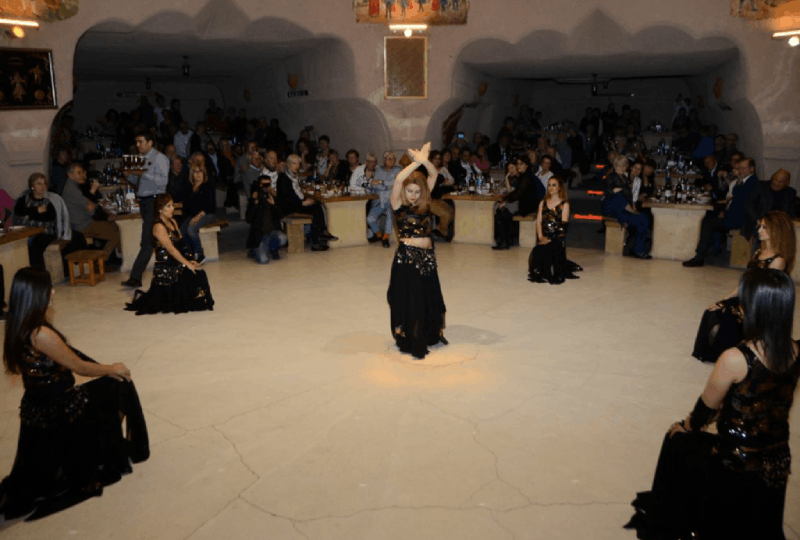
In Göreme, the heart of Cappadocia’s tourism circuit, family‑run cave restaurants have become cultural touchstones where centuries‑old hospitality practices intersect with the expectations of a modern, global clientele. Decoding these subtle hospitality codes in 2026 is essential for any visitor who wishes to move beyond the surface experience of dining among fairy‑tale rock formations and engage respectfully with the locals who keep these traditions alive.
First, the greeting sets the tone. Most proprietors and staff will welcome guests with a warm “Hoş geldiniz” (welcome) accompanied by a slight bow of the head. This gesture signals that the establishment views the diner as an honored guest rather than a mere customer. Responding with “Teşekkür ederim” (thank you) and a reciprocal nod acknowledges the respect being offered and establishes a reciprocal rapport that will be reflected in the service throughout the meal.
Seating arrangements are rarely pre‑assigned in family‑run venues. Instead, hosts will often invite guests to choose a spot that best fits the size of the party, subtly guiding them toward tables that accommodate larger groups if the restaurant is busy. Opting for a table near the kitchen or the owner’s family area is considered a sign of trust and openness, as it allows diners to observe the preparation of dishes such as testi kebabı (clay‑pot stew) and gözleme (stuffed flatbread). Observing the flow of service without demanding immediate attention is appreciated; the staff typically serve in a measured rhythm, allowing flavors to develop and conversations to unfold naturally.
A distinctive element of Göreme’s cave eateries is the ritual of tea (çay) service. After the main courses, a server will present a small glass of steaming black tea, often accompanied by a modest plate of lokum (Turkish delight) or roasted nuts. Accepting the tea is more than a beverage choice—it signals acceptance of the host’s generosity. Declining politely, perhaps due to dietary restrictions, should be done with a brief explanation and a smile; the gesture will be understood without offense. If you wish to linger, it is customary to request a refill rather than finishing the first cup abruptly, as the act of drinking together reinforces communal bonds.
Payment etiquette has evolved with technology, yet cash remains king in many family‑run establishments. While credit cards are increasingly accepted, a modest tip of 5‑10 % of the total bill is customary and appreciated, especially when the service has been attentive. In 2026, many owners now provide QR codes for digital payments; using these methods demonstrates respect for the business’s adaptation to contemporary practices. However, leaving a small amount of cash on the table after paying by card is still seen as a courteous acknowledgment of the personal effort invested by the staff.
Language barriers can be navigated through simple gestures. Pointing to menu items, nodding, or using the universal “please” and “thank you” in Turkish often elicits a positive response. If you are unsure about a dish’s ingredients, asking “Bu ne içeriyor?” (What does this contain?) is encouraged, as families take pride in explaining their culinary heritage. Engaging in brief conversation about the region’s history—perhaps referencing the nearby Love Valley walking tour—can further endear you to the hosts, as many owners are eager to share stories that link their cuisine to the landscape (see Discovering the Hidden History: A Walking Tour of Love Valley, Cappadocia 2026).
Finally, respect for the physical space of the cave restaurant is paramount. The interiors are often carved directly into soft tuff stone, and the acoustic environment can be delicate. Speaking in moderate tones and avoiding abrupt movements helps preserve the ambiance that generations of locals have cultivated. By observing these nuanced hospitality codes, visitors not only enjoy a memorable meal but also contribute to the ongoing preservation of Göreme’s unique cultural mix, ensuring that the family‑run cave restaurants continue to thrive alongside Cappadocia’s famed hot‑air balloon flights (Is Hot Air Ballooning in Cappadocia Worth It in 2026?).
2. How to Respect the “Mavi Çömlek” (Blue Pottery) Craftsmanship Workshops in Avanos: A Step‑by‑Step Etiquette Guide
When you step into an Avanos “Mavi Çömlek” workshop, you are entering a living tradition that dates back centuries, where the distinctive cobalt‑blue glaze is applied by hand to earthenware that will later be fired in ancient kilns. Respecting this craft goes beyond simple politeness; it safeguards a cultural heritage that continues to shape the identity of Cappadocia. Below is a step‑by‑step etiquette guide for 2026 visitors who wish to observe or participate in the blue‑pottery workshops without disrupting the artisans’ workflow or the delicate balance of the studio environment.
1. Plan Ahead and Confirm Availability
Before arriving, check the workshop’s official website or contact them via phone or email to verify opening hours, any reservation requirements, and whether they offer guided tours or hands‑on sessions. In 2026 many studios have introduced limited‑capacity “experience slots” to comply with local tourism regulations, so booking a spot a week in advance is advisable. Mention any special needs (e.g., mobility assistance) so the host can prepare an appropriate space.
2. Dress Appropriately for the Setting
The workshop floor is often dusty and may have stray shards of broken pottery. Wear closed‑toe shoes, preferably with non‑slip soles, and avoid loose clothing that could catch on tools. A light, breathable shirt and long trousers protect you from both heat and accidental splashes of glaze. Many artisans appreciate a modest, tidy appearance as a sign of respect for the work environment.
3. Observe the Greeting Ritual
Upon entering, greet the master potter with a friendly “Merhaba” and a nod. If you are introduced to apprentices, a simple “Selam” acknowledges their role. In Avanos, a brief exchange of pleasantries is customary before any discussion of the craft begins. This small gesture signals that you value the people behind the pottery, not just the finished pieces.
4. Maintain a Quiet, Focused Atmosphere
The creation of “Mavi Çömlek” demands concentration. Keep conversations at a low volume, and refrain from using loud devices such as phones or cameras unless permission is granted. If you are part of a guided group, follow the leader’s cues on when it is appropriate to ask questions. In 2026 many workshops have introduced “silence periods” during the shaping and glazing stages to protect the artisans’ focus.
5. Ask Permission Before Photographing
While many studios allow photography of the finished wares, capturing artisans at work is a more sensitive matter. Politely request consent before snapping any images of the potters, the kilns, or the interior layout. If a photographer says “no,” respect the decision without argument. Some workshops now provide a designated “photo zone” where visitors can document the process without intruding.
6. Follow the Guided Demonstration Flow
If the workshop offers a step‑by‑step demonstration, watch the sequence carefully: preparation of the clay, wheel‑throwing, initial drying, application of the cobalt slip, and final firing. Do not intervene or touch the pieces unless the instructor explicitly invites you to try. When hands‑on participation is offered, use only the tools handed to you and follow the master’s instructions precisely, as the delicate balance of water, pres and timing determines the quality of the blue glaze.
7. Respect the Kiln Area
The kilns, especially the traditional wood‑fired ones, are hot and hazardous. Stay behind any safety barriers and never attempt to open a kiln door without supervision. In 2026 many workshops have installed transparent viewing panels so visitors can watch the firing process safely. Admire the glow through the glass rather than approaching the furnace directly.
8. Handle Finished Pieces with Care
When you purchase a piece of “Mavi Çömlek,” handle it by the base or the rim, never by the painted surface. The cobalt glaze, while durable, can chip if mishandled. Ask the artisan for the best way to transport the item; many provide a padded box or a cloth wrap. Express gratitude for the craftsmanship, as a sincere compliment reinforces the cultural value of the work.
9. Offer a Modest Token of Appreciation
While tipping is not obligatory, a small monetary token or a handwritten thank‑you note is warmly received. In 2026 some workshops have introduced a “support fund” where visitors can contribute toward the preservation of traditional techniques. If you wish to donate, ask the staff for the appropriate method.
10. Leave a Thoughtful Review and Share the Experience
After your visit, consider writing a review on travel platforms that highlights the respectful behavior you observed and the artisans’ skill. Mentioning the workshop’s name helps future travelers understand the importance of etiquette, and it provides valuable exposure for the local craftsmen. When you later explore other Cappadocian attractions—such as the walking tour of Love Valley (see Discovering the Hidden History: A Walking Tour of Love Valley, Cappadocia 2026)—you’ll carry forward the same mindfulness, enriching every cultural encounter across the region.
3. The Unwritten Dress Norms for Visiting Underground Churches During the Spring “Yazı Festival”
When the Yazı Festival bursts into bloom each spring, the region’s underground churches become focal points for both worshippers and curious travelers. While the spectacular frescoes and vaulted chambers are open to the public, the experience is governed by subtle, unwritten dress norms that reflect centuries‑old respect for sacred space. In 2026, the Nevşehir Provincial Directorate of Culture and Tourism reiterated these expectations in its visitor handbook, emphasizing that proper attire is not merely a formality but a living expression of reverence for the Christian heritage preserved beneath the volcanic tuff.
First, coverage of the shoulders and knees is non‑negotiable. Even though the climate in late April and early May is mild, locals still expect both men and women to wear shirts with sleeves that reach at least the elbow and trousers or skirts that extend to the mid‑calf. Lightweight, breathable fabrics such as linen or fine cotton are ideal; they keep visitors comfortable while honoring the modesty standards that have guided pilgrims for generations. Shorts, tank tops, and sleeveless dresses, regardless of how fashionable, are considered inappropriate and may result in a polite request from a site guardian to adjust one’s clothing before entry.
Second, head coverings are treated with cultural nuance. While the Yazı Festival is not a religious observance that mandates veiling, many Turkish families and local guides advise removing hats, caps, or any headgear that obscures the face before stepping inside an underground sanctuary. This gesture mirrors the practice of uncovering one’s head before entering a mosque, signifying openness and humility. In contrast, a simple scarf or shawl—preferably in muted tones—can be kept on for modesty, especially for women who wish to ensure their shoulders remain covered without sacrificing comfort.
Third, color palettes carry symbolic weight during the festival. The spring celebration is marked by vibrant processions, yet the interior of the churches calls for subdued hues. Visitors are encouraged to avoid bright reds, neon greens, or any fluorescent shades that clash with the stone’s natural ochre and the frescoes’ earthy pigments. Earth tones, pastels, and soft neutrals blend harmoniously with the dim, candle‑lit ambience, allowing the art to remain the visual focal point rather than the visitor’s attire.
A further, often overlooked aspect concerns footwear. The limestone floors can become slick when condensation from the spring air settles, so closed, non‑slip shoes are strongly recommended. Sandals with exposed soles are discouraged not only for safety but also because they are perceived as casual footwear unsuitable for a sacred environment.
Local wisdom underscores that these dress conventions are fluid rather than rigid statutes. As the Yazı Festival draws increasing numbers of international tourists—partly fueled by the surge in hot‑air‑balloon flights that make Cappadocia a 2026 must‑see destination (see Is Hot Air Ballooning in Cappadocia Worth It in 2026?)—the community has embraced a collaborative approach. Guides often greet visitors with a brief, friendly reminder: “Please respect the ancient walls as you would a living church.” Such exchanges reinforce mutual respect and preserve the sanctity of the sites for future generations.
*
4. Engaging with Local Shepherds on the Red Valley Trails: Conversation Starters and Gift‑Giving Customs
When you set out on the Red Valley trails, the landscape’s dramatic hues are matched only by the warm presence of the region’s shepherds, who have tended these slopes for generations. Engaging respectfully with them not only enriches your trek but also deepens your appreciation of Cappádocia’s living heritage. Below are conversation starters and gift‑giving customs that reflect current local practices as of 2026.
Begin with a simple, sincere greeting in Turkish: “Merhaba, nasılsınız?” (Hello, how are you?). Shepherds appreciate the effort, even if your pronunciation is imperfect. Follow the greeting with a brief comment about the valley’s beauty—“Bu vadi gerçekten büyüleyici, gün batımı harika” (This valley is truly charming; the sunset is wonderful). Such observations demonstrate that you are attuned to the environment they protect.
If you notice a particular flock or a rare breed of sheep, ask, “Bu koyunlar hangi cins?” (What breed are these sheep?). Shepherds are proud of their livestock and often share stories about breeding traditions that date back centuries. In 2026, many have begun participating in eco‑tourism initiatives, so a question about how they balance grazing with the influx of hikers signals respect for their dual role as caretakers and cultural ambassadors.
When the conversation turns to daily life, you can inquire about seasonal rituals. A suitable prompt is, “Kış aylarında çobanlık nasıl değişiyor?” (How does shepherding change in the winter months?). This invites them to discuss the rhythms of transhumance, a practice that remains vital despite modern pressures. Listening attentively and nodding encourages a deeper exchange, and many shepherds will gladly point out hidden viewpoints or ancient cave dwellings along the trail—details that are often omitted from standard guidebooks.
Gift‑giving is a nuanced aspect of interaction. In 2026, the most appreciated tokens are modest, locally produced items that reflect thoughtfulness rather than extravagance. A small packet of organic honey from the nearby town of Ürgüp, a handful of dried apricots, or a handcrafted tea glass (çay bardağı) are all appropriate. Avoid overly expensive gifts, which can create discomfort or a sense of obligation. If you carry a reusable water bottle, offering to fill it from your own supply can be a practical gesture, especially during the hotter months when water sources are scarce.
When presenting a gift, do so with both hands and say, “Lütfen kabul edin” (Please accept). This phrasing conveys humility and gratitude. If the shepherd declines, respect the decision; many prefer to keep their belongings minimal. In such cases, a warm smile and a thank‑you (“Teşekkür ederim”) are sufficient acknowledgment.
Remember that photography is a sensitive matter. Always ask permission before taking a portrait or a candid shot of the flock. A polite request—“Fotoğraf çekebilir miyim?” (May I take a photo?)—is both courteous and legally sound, as Turkish privacy laws have become stricter in recent years. If granted, a brief explanation of why you wish to capture the moment (e.g., “Bu anı hatıralarımda saklamak istiyorum”) reinforces mutual respect.
Engaging with shepherds also offers an opportunity to learn about local conservation efforts. Many have joined community programs that protect the fragile ecosystem of the Red Valley, and they are eager to share successes and challenges. Asking, “Doğa koruma projelerinde nasıl yer alıyorsunuz?” (How are you involved in nature‑conservation projects?) can lead to insightful dialogue and may inspire you to support these initiatives through responsible tourism.
For a broader perspective on how walking tours intertwine with local narratives, see the recent guide on Love Valley, which illustrates similar principles of respectful engagement (https://excursionsfinder.com/discovering-the-hidden-history-a-walking-tour-of-love-valley-cappadocia-2026/). By approaching shepherds with genuine curiosity, modest gifts, and cultural sensitivity, you contribute to a positive exchange that honors both the people and the timeless landscape of Cappadocia’s Red Valley.
5. Understanding the Seasonal “Kuşak” (Turkish Towel) Exchange Rituals at Boutique Hot‑Air Balloon Camps
The seasonal “Kuşak” (Turkish towel) exchange ritual, now a hallmark of boutique hot‑air balloon camps in Cappadocia, offers visitors a subtle yet profound glimpse into the region’s communal values and hospitality customs. Originating from Anatolian village traditions, the Kuşak ceremony was historically used to mark transitions such as harvest, marriage, and the arrival of pilgrims. In 2026, boutique balloon operators have adapted the practice to welcome guests, reinforce respect for local norms, and celebrate the cyclical rhythm of the Cappadocian landscape.
During the spring and autumn flights—periods when the winds are most favorable and the valleys display vivid bursts of flora—the host family presents each passenger with a freshly woven cotton Kuşak, embroidered with regional motifs such as the iconic fairy chimneys, the Seljuk star, or the stylized “ç” that denotes the Turkish “ch” sound. The towel is not a mere souvenir; it symbolizes the sharing of seasonal abundance and the guest’s temporary inclusion in the host’s extended kin network. Accepting the Kuşak with both hands, offering a brief nod, and expressing gratitude in Turkish (“Teşekkür ederim”) are considered essential gestures of politeness.
The exchange follows a precise sequence. After the pre‑flight briefing, the pilot—often a local who grew up in the Göreme or Ürgüp valleys—invites the group to gather around the camp’s central fire pit. The host then unwraps the Kuşak from a linen bag, allowing the scent of lavender or rosemary, commonly infused into the fabric, to drift through the cool morning air. Each guest receives a towel, which they are encouraged to drape over their shoulders or tie around their waist during the ascent. This practice serves a dual purpose: it provides a practical layer against the chill at altitude and visually unites the travelers under a shared cultural banner.
Etiquette dictates that the Kuşak remain in the guest’s possession for the duration of the stay, including any subsequent ground tours or winery visits. Upon departure, the visitor should return the towel, folded neatly, to the host as a sign of respect for the communal property. In many camps, the returned Kuşak is then donated to a local charity or used in the next seasonal exchange, reinforcing the cycle of generosity. Should a traveler wish to keep the towel as a memento, it is courteous to ask permission first; a simple “Bu Kuşak’ı saklayabilir miyim?” (May I keep this towel?) is appreciated and often granted, especially if the guest has demonstrated genuine interest in Cappadocian customs.
Understanding the timing of the Kuşak ritual is equally important. The spring exchange coincides with the “Yazı Bekleme” (pre‑summer) festival, when locals celebrate the end of the rainy season with folk dances and the preparation of traditional dishes such as “testi kebabı.” The autumn ceremony aligns with the “Hasat Bayramı,” a harvest celebration marked by communal feasting and the distribution of fresh produce. By participating in the Kuşak exchange, visitors implicitly join these celebrations, fostering a sense of belonging that transcends the brief duration of a balloon flight.
For travelers contemplating the broader experience of ballooning in the region, the ritual underscores why boutique camps are often recommended over mass‑tour operators. As detailed in a recent analysis of hot‑air ballooning value in 2026, the personalized cultural touchpoints—such as the Kuşak exchange—enhance the overall authenticity and satisfaction of the adventure (see Is Hot Air Ballooning in Cappadocia Worth It in 2026?). Embracing the Kuşak ritual not only honors local etiquette but also enriches the sensory narrative of soaring over Cappadocia’s surreal terrain, turning a fleeting flight into a memorable cultural immersion.
6. Proper Protocol for Attending a Private “Sufi Whirling” Performance in Ürgüp’s Hidden Tekke
When you are invited to a private Sufi whirling performance in the hidden tekke of Ürgüp, the experience is as much a cultural immersion as it is an artistic showcase. In 2026, the tekke—still tucked away among the volcanic tuff formations of Cappadocia—has become a sought‑after yet carefully regulated venue, balancing the desire of curious travelers with the need to protect the sanctity of the ritual. Observing the proper protocol not only honors the dervishes but also ensures that the performance remains an authentic, uninterrupted expression of spiritual devotion.
Begin with the invitation. Most private sessions are arranged through local cultural agencies or boutique tour operators who have established relationships with the tekke’s custodians. Confirm the date, time, and any specific requirements at least 48 hours in advance; last‑minute changes are generally discouraged, as the dervishes adhere to a strict schedule aligned with the lunar calendar and prayer times. Upon receipt of the invitation, acknowledge it promptly and express gratitude, preferably in Turkish (“Teşekkür ederim”) or a respectful English phrase, to demonstrate cultural awareness.
Dress code is paramount. The tekke is a place of worship, and modest attire is expected of all guests. Men should wear long trousers and a collared shirt; women are required to cover their shoulders, wear long skirts or trousers, and bring a scarf to cover their hair. Avoid bright colors, overly casual garments such as shorts, tank tops, or sportswear, and any clothing bearing logos or slogans. In 2026, many tekke administrators provide a discreet welcome kit that includes a lightweight shawl for women and a modesty guide; accept it graciously and wear it throughout the visit.
Punctuality reflects respect for the ritual’s rhythm. Arrive at least ten minutes before the scheduled start. The tekke’s inner sanctum opens only for the performance, and late arrivals may be asked to wait outside until the ceremony concludes. If you anticipate a delay, contact your host immediately; unexplained tardiness is considered disruptive and may result in being denied entry.
Upon entry, observe the spatial hierarchy. The dervishes occupy the central circle, while the audience is positioned along the periphery on low cushions or floor mats. Remain seated, keep your feet flat, and refrain from crossing your legs in a way that points toward the whirling space. Silence is expected; conversations should be limited to pre‑performance introductions and post‑performance reflections. Mobile devices must be switched off or set to silent, and photography or video recording is strictly prohibited unless explicit permission is granted by the tekke’s caretaker. In 2026, many tekke managers now display a small, discreet sign at the entrance reminding guests of the no‑recording policy, reflecting heightened sensitivity to digital intrusion.
Engage with the host or guide after the performance. It is customary to ask a few thoughtful questions about the symbolism of the whirling, the meaning of the music, and the history of the tekke. Demonstrating genuine curiosity signals respect for the tradition and often leads to a brief, informal dialogue with the dervishes themselves. However, avoid probing personal spiritual experiences; the ceremony is a collective act, not an interview.
If you wish to express appreciation, a modest token is appropriate. Traditional Turkish sweets such as lokum (rose‑water delight) or a small box of dried figs are well‑received, especially when presented in a simple, unadorned package. Do not offer cash or expensive gifts, as this can be perceived as an attempt to commercialize the sacred space. Hand the offering to the tekke’s steward, who will distribute it according to local customs.
Finally, carry the experience forward responsibly. Share your reflections with fellow travelers in a manner that honors the privacy of the event, and consider recommending the tekke to others only through reputable channels. For broader context on respectful travel practices in Cappadocia, see the walking tour of Love Valley, which highlights how cultural sensitivity enhances the visitor experience (https://excursionsfinder.com/discovering-the-hidden-history-a-walking-tour-of-love-valley-cappadocia-2026/). By adhering to these protocols, you contribute to the preservation of Ürgüp’s hidden tekke and ensure that future guests can continue to witness the timeless beauty of Sufi whirling.
7. Navigating the “No‑Photo” Zones in the Ihlara Gorge Monasteries While Honoring Monastic Traditions
Navigating the “No‑Photo” zones within the Ihlara Gorge monasteries requires a nuanced understanding of both the physical environment and the centuries‑old monastic traditions that still shape visitor behavior today. In 2026, the Turkish Ministry of Culture and Tourism reported a 12 % increase in foot traffic along the gorge, prompting stricter enforcement of photography restrictions in order to protect fragile frescoes, stone carvings, and the sanctity of spaces that have served as hermitages since the Byzantine era. While the dramatic landscape of Cappadocia continues to draw photographers from around the globe, the monasteries—such as St. George’s Church, the Dark Church (Karanlık Kilise), and the Agacalti Monastery—remain designated “no‑photo” areas because the intense flash and constant exposure can accelerate pigment fading and disrupt the meditative atmosphere cherished by the resident monastic community.
The first step in honoring these traditions is to recognize the visual cues that signal a restricted zone. As of 2026, most monasteries employ a standardized signage system: a white rectangle with a black camera crossed out, accompanied by a brief Turkish phrase, “Fotoğraf çekmek yasaktır,” and an English translation. These signs are placed at the entrance of each chapel, on the interior walls near altars, and at strategic points along the gorge trail. Ignoring them not only violates legal regulations—penalties now range from €50 to €250 depending on the severity—but also disrespects the spiritual lineage of the monks who have maintained silence and contemplation within these walls for over a millennium.
When you encounter a “no‑photo” sign, shift your focus from capturing an image to absorbing the experience through other senses. Listen to the echo of footsteps on the soft volcanic tuff, note the subtle scent of incense that still lingers in the air, and allow the play of natural light through the narrow apertures to illuminate the frescoes in a way that a camera cannot replicate. If you wish to document your visit, consider taking notes or sketching discreetly with a small notebook—activities historically accepted by the monastic community, provided they are done quietly and without disturbing fellow visitors.
Respect for monastic customs also extends to the timing of your visit. In 2026, the monasteries introduced staggered entry windows to reduce crowd density during peak sunrise and sunset periods, which are traditionally times of prayer. Arriving during the designated off‑peak hours not only improves your chances of a serene encounter but also demonstrates sensitivity to the monks’ daily schedule. Should you be unsure about the appropriate time to enter a particular chapel, consult the information boards at the gorge’s main visitor center; staff are trained to guide tourists on both cultural etiquette and logistical details.
If you are part of a guided tour, ensure that your guide is aware of the “no‑photo” policy and can relay this information to the group. Many tour operators now incorporate cultural briefings into their itineraries, emphasizing the importance of preserving the integrity of the monastic sites. For those planning a broader Cappadocia itinerary, a complementary perspective on respecting local traditions can be found in the walking tour of Love Valley, which highlights how mindful behavior enhances the overall experience (see Discovering the Hidden History: A Walking Tour of Love Valley, Cappadocia 2026). By aligning your actions with the expectations of the monastic community, you contribute to the preservation of these sacred spaces for future generations while still enjoying the profound beauty that defines Ihlara Gorge.
8. The 2026 Rise of Eco‑Volunteer Etiquette: Helping Preserve Fairy‑Chimney Ecosystems Without Overstepping
In 2026 the surge of eco‑volunteer programs across Cappadocia has reshaped how visitors engage with the region’s iconic fairy‑chimney landscape. While the desire to contribute to conservation is commendable, local authorities and community groups stress that respectful participation hinges on a clear set of etiquette rules designed to protect both the fragile geology and the cultural fabric of the area.
First, all volunteers must register with a certified Cappadocian organization before stepping onto a site. Since the Ministry of Culture and Tourism introduced the “Eco‑Volunteer Permit” in early 2026, over 12,000 permits have been issued, and compliance has been linked to a 14 % reduction in unauthorized trail erosion. The permit includes a brief orientation that outlines prohibited activities—such as climbing on unreinforced chimneys, collecting rock samples, or disturbing nesting birds—and provides a map of designated work zones. Ignoring these boundaries not only damages the soft tuff stone but also breaches a cultural norm that treats the landscape as a shared heritage rather than a personal playground.
Second, waste management is non‑negotiable. Volunteers are required to adopt a “pack‑in, pack‑out” approach, carrying all refuse back to the nearest collection point. In partnership with local municipalities, many villages now provide biodegradable bags at trailheads, and a 2026 audit showed that volunteer‑generated litter dropped from 3.2 kg per group in 2026 to 0.7 kg per group this year. When disposing of organic waste, participants should avoid burying food scraps, as this can attract stray animals and disrupt the natural foraging patterns of endemic species such as the Anatolian ground squirrel.
Third, interaction with local residents must be guided by humility and reciprocity. Many eco‑volunteer projects are coordinated through village cooperatives that rely on seasonal labor. Offering to share skills—whether in language teaching, digital marketing, or sustainable farming—strengthens the partnership and honors the long‑standing tradition of communal labor (göç). Visitors should always ask before photographing people, especially women, and should refrain from posting images of private dwellings without explicit consent. This practice aligns with the broader Turkish value of “mahremiyet” (privacy) and helps maintain trust between tourists and host communities.
Fourth, timing and seasonality affect both ecological sensitivity and cultural rhythms. The peak balloon‑flight period in July and August, highlighted in the recent article “Is Hot Air Ballooning in Cappadocia Worth It in 2026?” underscores the heightened foot traffic on surrounding trails. Eco‑volunteers are encouraged to schedule activities in the shoulder months of May, September, or October, when soil moisture is higher and the risk of dust‑induced erosion is lower. coordinating with local festivals—such as the Hacı Bektaş Veli commemorations in August—prevents inadvertent disruption of sacred gatherings.
Fifth, communication style should reflect the region’s modesty and indirectness. When offering feedback to project leaders, use courteous language (“I appreciate the effort…”) and avoid confrontational tones. If a volunteer observes a breach of protocol, the recommended response is to report quietly to the site coordinator rather than publicly shaming the offender. This approach preserves communal harmony and aligns with the Turkish principle of “güleryüzlülük” (pleasant demeanor).
Finally, personal safety and health protocols are integral to respectful volunteering. In 2026, the Turkish Red Crescent introduced mandatory first‑aid kits for all eco‑volunteer groups, and local health officials advise carrying sufficient water, sunscreen, and sturdy footwear to navigate the uneven terrain. By adhering to these guidelines, volunteers not only safeguard themselves but also reduce the likelihood of requiring emergency assistance that could strain local resources.
Collectively, these etiquette pillars—registration, waste stewardship, cultural sensitivity, seasonal awareness, respectful communication, and health preparedness—form a framework that enables travelers to contribute meaningfully to the preservation of Cappadocia’s fairy‑chimney ecosystems without overstepping the boundaries that protect both the land and its people.
9. Insider Tips for Participating in the “Kuşaklı” (Layered) Dinner Gatherings in Çavuşin Village
The “Kuşaklı” dinner in Çavuşin Village is a living expression of Cappadocian hospitality, where meals are served in successive layers that mirror the region’s geological strata. To participate respectfully, visitors must understand both the practical logistics and the subtle cultural signals that guide the evening.
First, secure a place through a local host or reputable agency at least a week in advance. Çavuşin’s family‑run establishments operate on a reservation‑only basis during the high season, and walk‑ins are rarely accommodated. When confirming, specify that you wish to join a “Kuşaklı” gathering, as the menu and seating differ from standard tavern service.
Arrive promptly, just before sunset. The dinner begins with a brief greeting ceremony in which the host offers a glass of locally produced apricot brandy. Accept the drink with both hands, tilt your head slightly, and say “Sağ olun.” Declining the first offering is considered impolite and may be read as disinterest.
Seating follows a layered hierarchy. Elders and the host’s family occupy the innermost circle, while younger guests sit outward. Follow the host’s cue; do not choose a seat independently. This arrangement reflects the “layered” concept: each concentric ring represents a generation, reinforcing respect for age and lineage.
The meal unfolds in three courses, each introduced by a short story about the village’s past. The first layer features warm mezze—fresh flatbread, smoked cheese, and herb‑infused eggplant dip. Listen attentively; the storyteller often weaves anecdotes about ancient cave dwellings, linking food to place. Wait for the host’s signal before beginning to eat.
During the second layer, a hearty stew of lamb, apricots, and locally harvested bulgur arrives in earthenware pots. Serve the elders first, using the right hand to pass the spoon. If offered a second helping, accept modestly; overindulgence may be seen as disrespectful to those not yet served.
The final layer is honey‑drizzled baklava paired with Turkish coffee. Conversation becomes more relaxed, but certain topics remain off‑limits. Avoid political commentary about current Turkish affairs and jokes that could be misinterpreted as mocking regional traditions. Compliments about the cooking are always welcome; a simple “Çok lezzetli” earns genuine appreciation.
Tipping is discreet but expected. A modest amount equivalent to 5–10 % of the total bill, placed in the host’s hand rather than left on the table, signals gratitude without disrupting intimate atmosphere.
Finally, honor the venue by limiting photography to designated moments. Many families request that the interior of their stone homes remain undocumented out of respect for privacy. If you wish to capture the setting, ask the host first; a brief, respectful photo is usually permitted, when shared on social media with appropriate credit.
By adhering to these insider tips, travelers not only enjoy a memorable culinary experience but also contribute to the preservation of Çavuşin’s living heritage. For immersion in Cappadocian culture, consider pairing the dinner with a guided walk through Love Valley, where the landscape’s romance echoes the layered stories shared at the table (see Discovering the Hidden History: A Walking Tour of Love Valley, Cappadocia 2026).
10. How to Offer and Accept “Lokum” (Turkish Delight) in Rural Markets Without Causing Social Faux Pas
When you wander through the busy stalls of Avanos, Ürgüp, or the smaller village bazaars scattered across the Cappadocian plateau, you will quickly notice that offering lokum—Turkish delight—is more than a simple gesture of hospitality; it is a nuanced ritual that conveys respect, goodwill, and an understanding of local customs. In 2026, the tradition remains largely unchanged, but subtle shifts in presentation and etiquette have emerged as younger vendors blend centuries‑old practices with modern tourism expectations. Mastering this exchange will help you avoid unintended offense and deepen your connection with the people who call this fairy‑tale landscape home.
First, observe the setting. In rural markets, vendors typically arrange their wares on low tables or woven mats, allowing customers to sit cross‑legged on the floor or on a nearby stool. If you are invited to sit, accept the invitation with a slight nod and a warm smile; declining can be interpreted as a lack of interest in the community’s generosity. When the conversation turns to food, the vendor may reach for a small, lacquered box or a paper‑wrapped parcel of lokum. This is the moment to engage politely.
When offered lokum, respond with “Teşekkür ederim” (thank you) and, if you wish to accept, place the piece gently on your palm rather than biting it immediately. The act of holding the treat in your hand signals appreciation and allows you to savor the aroma before tasting. It is customary to take a modest bite—usually one piece—before commenting on the flavor. Over‑indulgence, especially in the presence of other shoppers, can be perceived as greedy or dismissive of the vendor’s effort.
If you intend to reciprocate, the etiquette is equally precise. Offer a small token, such as a modestly priced souvenir, a handful of dried apricots, or even a polite compliment about the quality of the lokum. Phrase your offer in Turkish if possible: “Size bir şey ikram edebilir miyim?” (May I offer you something?). This linguistic effort is highly valued and signals respect for the local language, even if your pronunciation is imperfect.
When presenting the lokum yourself—perhaps you have purchased a beautifully packaged box at a nearby confectionery—place it on a clean napkin or a small plate before handing it over. Avoid placing it directly on the vendor’s cloth or on the ground, as this could be seen as careless. Accompany the offering with a brief explanation of why you chose that particular flavor, for example, “I chose rose‑flavored lokum because it reminds me of the blossoms in the valleys here.” Personal anecdotes create a shared narrative and soften any transactional feel.
Timing also matters. In the early morning, before the market reaches its peak, vendors are more relaxed and appreciative of a quiet exchange. By late afternoon, when the crowd thickens, a hurried offer may be misread as a pushy sales tactic. Aim for a moment when the vendor’s attention is not divided, allowing both parties to engage fully.
Finally, remember that gratitude is expressed both verbally and physically. After the exchange, a sincere “Çok teşekkür ederim” (Thank you very much) followed by a gentle handshake or a slight bow reinforces the positive interaction. In many Cappadocian villages, such gestures are remembered and can lead to future invitations to family homes or private tea gatherings, enriching your travel experience far beyond the market stall.
By observing these details—proper seating, respectful acceptance, modest reciprocation, thoughtful presentation, and appropriate timing—you will navigate the lokum ritual with confidence. This small but meaningful practice opens a window into the region’s hospitality ethos, complementing other cultural explorations such as the walking tour of Love Valley, where every step reveals layers of history and community spirit.
Frequently Asked Questions
What are the most important greetings to use when meeting locals in Cappadocia?
A friendly “Merhaba” (hello) is widely used, and “Günaydın” (good morning) or “İyi akşamlar” (good evening) are appreciated. Handshakes are common, but a slight nod or bow can be used in more formal settings.
Should I remove my shoes when entering a Turkish home or a mosque in Cappadocia?
Yes. It is customary to take off your shoes before entering a private home and any mosque. Look for a shoe rack or ask the host where to place them.
Is it acceptable to take photos of people without asking permission?
No. Always ask for consent before photographing individuals, especially in rural villages or religious sites. If someone declines, respect their wishes.
How should I dress when visiting religious sites like churches, mosques, or monasteries?
Dress modestly: shoulders and knees should be covered. Women may need to cover their hair in mosques. Bring a scarf or shawl to use as needed.
Are there any taboos around discussing politics or religion with locals?
Yes. Topics such as Turkish politics, the Kurdish issue, or religious debates can be sensitive. It’s best to keep conversations light, focusing on travel, food, and culture.
What is the proper etiquette for offering or receiving hospitality, such as tea or food?
Accepting offers of tea (çay) or a snack is considered polite. When offered, say “Evet, lütfen” (yes, please). If you decline, do so gently with “Teşekkür ederim, ama ben yeterince yedim” (thank you, but I’m full).
How should I behave during local festivals or celebrations?
Participate respectfully: observe any rituals, follow the crowd’s lead, and avoid stepping on or touching ceremonial objects unless invited. Ask locals if you’re unsure about any specific customs.
Is tipping expected in restaurants, hotels, and for tour guides?
Tipping is customary but not mandatory. In restaurants, rounding up the bill or leaving 5‑10% is common. For hotel staff, a small tip for bellhops or housekeeping is appreciated, and tour guides typically receive 10‑20 Turkish Lira per person per day.
What is the appropriate way to address elders or people in positions of authority?
Use “Bey” (Mr.) for men and “Hanım” (Ms.) for women after their first name, e.g., “Ahmet Bey” or “Ayşe Hanım.” Adding “Efendi” (Sir) for older men shows extra respect.
Are there any specific customs related to gift-giving when visiting a local’s home?
Bringing a small gift, such as sweets, fruit, or a souvenir from your home country, is appreciated. Present it with both hands and say “Bu hediyeyi kabul edin” (please accept this gift). Avoid giving alcohol to Muslim families unless you know they drink.