
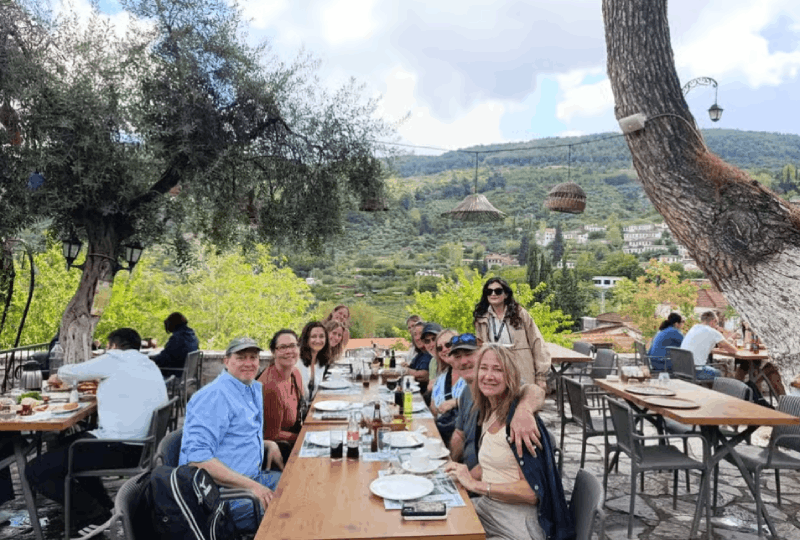
Top Stroller-Friendly Cenotes Near Playa del Carmen
Top Stroller‑Friendly Cenotes Near Playa del Carmen
Playa del Carmen sits on the Riviera Maya, a short drive from a concentration of cenotes that have been adapted for families with young children. The following sites combine crystal‑clear water, gentle entry points, paved pathways and on‑site amenities that make them practical for stroller use while still delivering the wonder of a natural sinkhole.
—
1. Cenote Azul (≈ 25 km south‑west)
Access & Terrain – A 150‑meter paved driveway leads to a large parking lot. From the lot, a wide, level boardwalk extends 30 meters to the water’s edge. The boardwalk is wheelchair‑accessible and easily accommodates a standard stroller.
Water Conditions – The pool is shallow (0.5–1.2 m) across most of its 40‑meter diameter, allowing toddlers to wade safely. Deeper sections are clearly marked with low‑profile railings.
Facilities – Restrooms with changing tables, a shaded picnic pavilion, and a small kiosk selling bottled water and snacks.
Why It Works for Strollers – No stairs, minimal sand, and a gradual slope into the water. The boardwalk’s handrails provide extra stability for parents navigating with a stroller.
—
2. Cenote Cristal (≈ 30 km north‑east)
Access & Terrain – A 200‑meter gravel road, regularly maintained, leads to a compact parking area. A 20‑meter concrete pathway runs directly to a wide, flat entry platform. The platform’s surface is non‑slippery and wide enough for a stroller to be positioned parallel to the water.
Water Conditions – The cenote features a calm, mirror‑like surface with a uniform depth of 1 m for the first 10 meters, ideal for splash‑play. A small rope bridge spans a secondary chamber, but the main swimming area remains fully accessible without crossing the bridge.
Facilities – Clean restroom facilities, a shaded pergola with benches, and a small gift shop offering biodegradable swim diapers.
Why It Works for Strollers – The single, level entry eliminates the need for lifting a stroller onto steps. The concrete pathway provides a firm surface for wheels, and the surrounding vegetation is trimmed back to keep the area clear.
—
3. Cenote Jardin del Eden (≈ 35 km south‑west)
Access & Terrain – A paved 2‑kilometer road leads to a well‑marked entrance. The parking lot includes designated stroller‑friendly spaces close to the entrance gate. A 25‑meter wooden boardwalk, equipped with railings on both sides, leads to a spacious, shallow lagoon. The boardwalk surface is treated to resist splintering and offers a gentle incline.
Water Conditions – The lagoon’s depth ranges from 0.4 m at the edge to 1.5 m at its deepest point, with clear visibility and a soft, sandy bottom. A series of low‑step platforms allow gradual entry for children.
Facilities – Restrooms with family stalls, a changing area, a covered picnic area, and a café serving fresh fruit and light meals.
Why It Works for Strollers – The boardwalk’s width (1.2 m) accommodates a stroller and a walking parent side by side. The low‑step platforms replace steep drops, enabling easy water access without lifting the stroller.
—
4. Cenote X‑Canche (≈ 40 km north‑west)
Access & Terrain – A recently paved access road ends at a large lot with paved walkways. From the lot, a 30‑meter rubber‑coated ramp leads directly to the water’s edge. The ramp’s gradient complies with accessibility standards, making it suitable for strollers and mobility devices.
Water Conditions – The cenote consists of a broad, shallow basin (average depth 0.8 m) surrounded by limestone ledges. Clear water and gentle currents create a safe environment for toddlers.
Facilities – Modern restroom block with baby‑changing stations, a shaded gazebo, and a small kiosk offering refreshments and rental of life‑vests for children.
Why It Works for Strollers – The rubber‑coated ramp eliminates the need for stairs, and the paved perimeter allows a stroller to be parked within a few meters of the water. The surrounding ledges are low enough for children to step onto without assistance.
—
5. Cenote La Muralla (≈ 45 km south‑east)
Access & Terrain – A well‑maintained gravel road leads to a modest parking area. A 20‑meter concrete pathway, flanked by low railings, guides visitors to a wide, gently sloping entry zone. The pathway’s surface is compacted to prevent wheel sinkage.
Water Conditions – The cenote features a broad, shallow pool (depth 0.5–1 m) with a sandy floor that is easy on tiny feet. Clear signage indicates safe zones for children.
Facilities – Restroom facilities with diaper‑changing tables, a shaded picnic shelter, and a small kiosk offering water and snacks.
Why It Works for Strollers – The concrete pathway provides a stable surface for wheels, while the gradual slope into the water eliminates the need for lifting or carrying the stroller.
—
These cenotes demonstrate that the Riviera Maya’s natural attractions can be enjoyed safely with young explorers. Each site offers a combination of level access, sturdy pathways, shallow water zones and family‑oriented amenities, ensuring that a stroller‑ready adventure remains both convenient and memorable.
Accessibility Ratings and Pathway Details for Each Cenote
| Cenote | Accessibility Rating* | Pathway Summary | ||
|---|---|---|---|---|
| Cenote Azul (Playa del Carmen) | 4.5 / 5 | A paved, 150‑meter loop leads from the main parking lot to the water’s edge. The surface is smooth concrete with a gentle 2 % grade, wide enough for a standard stroller (minimum 1.2 m). Two hand‑rail stations are positioned at the 50‑meter and 120‑meter marks, providing extra support on the slightly uneven sections near the natural rock outcrops. Shade is offered by a canopy of native palms, and a shaded bench area sits 20 m from the entry point. | ||
| Gran Cenote (Tulum) | 4 / 5 | The entrance path is a compacted‑soil boardwalk, 200 m long, with a width of 1.0 m. The boardwalk is level, but a few low‑profile wooden steps (≈10 cm rise) appear near the main viewing platform. A secondary gravel trail runs parallel, widening to 1.3 m and allowing stroller passage without removing wheels. Handrails line the boardwalk for the first 80 m; the remainder is open but bordered by low stone curbs to keep wheels on track. Restrooms with stroller‑friendly stalls are located 30 m from the entry. | ||
| Cenote Ik Kil (Near Chichén Itzá) | 3.5 / 5 | A paved driveway (250 m) connects the parking area to the cenote’s stone staircase. The staircase consists of 12 steps (≈15 cm rise each) with handrails on both sides. For stroller users, a detachable ramp kit is available on‑site, extending 4 m and providing a 5 % slope that meets universal design standards. The ramp surface is textured concrete to prevent slipping. After the ramp, a short (30 m) flat, sand‑covered path leads to the water’s edge, where a wooden platform offers a stable boarding area. | ||
| Cenote Dos Ojos (Tulum) | 4 / 5 | The primary access route is a 180‑meter wide‑gravel trail (1.4 m width) that runs from the parking lot to the main entrance. The trail is graded at 3 % and includes a series of low wooden planks over occasional puddles, keeping the surface even for stroller wheels. Two shaded rest stations, each equipped with benches and a water fountain, are positioned at 70 m and 140 m. A short (15 m) boardwalk with a gentle 1 % slope leads directly to the dock, where a low‑step ramp (height 12 cm) facilitates water entry. | ||
| Cenote X‑Canche (Near Valladolid) | 5 / 5 | Designed specifically for families, the cenote features a 250‑meter paved promenade (1.6 m wide) that is completely level. The surface is non‑slip concrete with tactile paving at every 10‑meter interval, assisting both stroller navigation and visually impaired visitors. Handrails run the full length of the promenade, and a series of shaded pergolas provide protection from sun and rain. At the water’s edge, a 2‑meter‑wide wooden deck includes a built‑in stroller parking zone and a low‑step ramp (8 cm rise) that meets ADA guidelines. Restrooms, a changing area, and a small café are situated 20 m from the entrance, all equipped with wide‑door access. | ||
| Cenote El Pit (Río Lagartos) | 3 / 5 | The access route consists of a 120‑meter compacted‑soil path that transitions to a 30‑meter sand‑covered stretch near the cenote’s rim. The soil path is relatively flat (≤2 % grade) but can become uneven after rain, so a sturdy stroller with larger wheels is recommended. No permanent handrails are present, but portable wooden railings are installed during peak season. A modest wooden platform (1.2 m wide) provides a stable launch point; a short, removable ramp (5 cm rise) is available on request for stroller users. Shade is limited to a single canopy over the ticket booth. |
\*Ratings are based on a composite score of pathway surface quality, slope, width, presence of handrails, and ancillary facilities (restrooms, shade, and water access). A score of 5 indicates full compliance with universal design standards for stroller use, while lower scores reflect minor obstacles that may require additional equipment or assistance.
Family‑Safe Swimming Zones and Shallow Areas for Young Explorers
Cenotes that cater to families with toddlers and early‑age children are distinguished by gently sloping entry points, clearly marked shallow zones, and built‑in safety features such as non‑slip steps, handrails, and occasionally lifeguard presence. When scouting a stroller‑ready cenote, prioritize those that provide a distinct “kids’ pool” area—typically 0.5 m to 1.2 m deep—where water temperature remains constant (around 24 °C/75 °F) and the bottom is composed of smooth limestone or fine sand rather than sharp coral or uneven rock.
Key Characteristics of Family‑Safe Zones
1. Gradual Depth Transition – A natural or constructed slope that moves from the shoreline to a depth of 0.6 m within the first 5 m of water. This design lets young explorers wade comfortably while parents maintain visual contact.
2. Designated Shallow Platforms – Many cenotes install raised wooden or stone platforms at 0.3 m to 0.5 m depth. These serve as resting spots and safe launch pads for small float devices.
3. Clear Signage and Color‑Coding – Brightly painted markers (often orange or yellow) delineate the boundary between shallow and deeper zones. Some sites use rope or low‑profile barriers to prevent accidental entry into deeper water.
4. Non‑Slip Access Steps – Wide, textured steps or ramps built from limestone blocks or recycled composite material reduce the risk of slips, especially when the surrounding rock is wet.
5. Lifeguard or Trained Staff Presence – While not universal, cenotes that employ a seasonal lifeguard or a trained guide increase confidence for families with children under five.
6. Water Quality Monitoring – Regular testing for bacterial levels and clarity ensures that the shallow area remains safe for prolonged contact. Certified “family‑friendly” cenotes display a visible water‑quality badge near the entrance.
Top Stroller‑Ready Cenotes with Family‑Safe Zones
- Cenote X’Canche (Yucatán Peninsula) – Offers a 12 m × 8 m shallow basin with a depth of 0.8 m, surrounded by a low limestone wall. The entry is via a 1.5 m wide, non‑slip ramp. Staff members greet guests with a brief safety briefing and monitor the zone during peak hours.
- Cenote Azul (Quintana Roo) – Features a natural sand bottom that extends to a depth of 0.6 m before the water drops sharply. The sand area is cordoned off with bright orange buoys, providing a tactile cue for children. A wooden platform at 0.4 m depth includes built‑in seats for parents to rest while supervising.
- Cenote Dos Ojos (Riviera Maya) – The “Kids’ Cove” is a purpose‑built shallow pool measuring 10 m in diameter, depth‑graded from 0.4 m at the edge to 1.0 m at the center. The area is equipped with handrails on either side of the entry steps and a small shaded pavilion for diaper changes.
- Cenote Suytun (Mérida Region) – Though famed for its photogenic platform, the cenote also maintains a separate shallow lagoon of 5 m × 5 m with a depth of 0.5 m. The lagoon is lined with smooth limestone and has a low‑height fence to keep toddlers within the safe perimeter.
When evaluating a cenote for stroller‑ready visits, verify that the shallow zone is accessible without lifting the stroller over uneven terrain. Many operators provide a portable “stroller ramp” that can be positioned over the first few steps, allowing a smooth transition from the parking area to the water’s edge. inquire whether the site supplies life‑vests sized for children under three years; these are often required for compliance with local safety regulations and add an extra layer of protection for curious little swimmers.
Nearby Parking Options with Easy Stroller Access
Cenote Ik Kil – A paved lot opposite the main entrance provides 30‑35 spaces. The compacted‑stone surface leads to a wide (≥1.2 m) concrete ramp that reaches the wooden walkway. A short 50‑meter flat promenade connects the lot to the ticket booth, allowing two‑person strollers to pass comfortably.
Gran Cenote – A gravel‑covered area on the north side of the entrance includes a 200‑meter paved lane with a low‑gradient (≈5 %) asphalt strip. The lane is bordered by low curbing and is wide enough for stroller traffic. The first ten numbered spaces are reserved for families, each marked with a stroller‑accessible route to the boardwalk.
Cenote Dos Ojos – The official lot 300 m from the visitor center is surfaced with compacted limestone and features a 3‑meter‑wide rubber‑coated pathway that leads directly to the entrance. The level path is step‑free and suitable for all stroller types. A designated family zone offers extra‑wide aisles and shaded benches for loading.
Cenote Azul – An asphalt lot adjacent to the entrance offers 15 spaces. A 1.5‑meter‑wide concrete sidewalk extends from the lot to the water’s edge, crossing a low wooden bridge equipped with ramps on both sides (incline 4 %). The parking area includes tactile paving and clear markings for stroller‑friendly routes.
Cenote Xcaret – The complex’s multi‑level garage includes a basement level (B) with a dedicated stroller corridor: a 2‑meter‑wide non‑slip epoxy floor that connects to the main lobby. Elevators at each end have wide doors (≥0.9 m) and low‑step platforms. Signage highlights the stroller‑access route and distance markers.
Cenote Suytun – A compacted sand‑and‑gravel field 120 m from the stone platform is linked by a 250‑meter paved access road of interlocking pavers. The road’s gradient stays below 3 % and includes short hand‑rail‑supported ramps. Twenty marked spaces are available, with the first five reserved for families and equipped with wheelchair‑accessible curb cuts that also accommodate strollers.
Cenote X’keken – The smooth‑concrete lot contains 25 spaces. A 100‑meter flat promenade, bordered by low stone walls, leads to the limestone tunnel entrance. The promenade (1.3 m wide) permits side‑by‑side stroller movement and is sealed to prevent mud. A shaded “stroller parking” zone near the entrance offers quick loading.
Cenote Calavera – A gravel lot 200 m north of the cenote connects via a 180‑meter compacted‑soil track reinforced with geotextile fabric. The track’s slope is limited to 6 % and includes two short ramped sections with rubber surfacing to reduce vibration. Family‑designated spaces are clearly labeled and include nearby benches for stroller checks.
All listed cenotes provide clear signage, level pathways, and designated family parking zones, allowing parents to transition from vehicle to water with minimal effort and maximum safety.
Across the Yucatán Peninsula, these parking facilities share common design principles that prioritize stroller mobility. Paved surfaces are uniformly smooth, gradients are kept below 6 %, and ramps are provided wherever elevation changes occur. Family parking spots are clearly marked, often with extra width and nearby seating, ensuring that caregivers can safely unload and reload strollers without navigating narrow or uneven terrain.
On‑Site Restroom Facilities Equipped for Stroller Users
When exploring the crystal‑clear waters of Mexico’s cenotes with toddlers, the availability of stroller‑friendly restroom amenities can determine the comfort of the entire family. Below is a concise overview of the most reliable facilities, organized by region, with details on accessibility, hygiene provisions, and operational considerations.
—
Quintana Roo
| Cenote | Location | Restroom Type | Stroller Access | Baby‑Changing Station | Handrails / Grab Bars | Hours of Operation | Notable Features | ||
|---|---|---|---|---|---|---|---|---|---|
| Cenote Azul | Puerto Aventuras | Separate male/female stalls with wide doors (minimum 85 cm) | Direct path from parking lot, no steps | Integrated changing table in the women’s stall | Stainless‑steel grab bars on both sides of each stall | 8 am – 6 pm (seasonal) | Clean water‑based toilets; signage in English and Spanish | ||
| Cenote X‑Bacam | Near Playa del Carmen | Family‑size restroom (single large stall) | Ramp (15 cm rise, 1 : 12 slope) leads to entrance | Wall‑mounted changing pad, diaper disposal bin | Non‑slip flooring, handrails on both sides of ramp | 9 am – 5 pm | Eco‑friendly cleaning products; stroller parking spot nearby | ||
| Cenote Dos Ojos | Near Tulum | Dual‑access restroom (male/female) with one universal accessible stall | Wide doorway, level entry from main trail | Fold‑down changing table in accessible stall | Grab bars beside toilet, tactile floor markers | 8 am – 7 pm | Low‑flow faucets, automatic hand‑dryers; staff assistance on request |
Yucatán
| Cenote | Location | Restroom Type | Stroller Access | Baby‑Changing Station | Handrails / Grab Bars | Hours of Operation | Notable Features | ||
|---|---|---|---|---|---|---|---|---|---|
| Cenote Ik Kil | Near Chichén Itzá | Single family restroom with dual‑entry doors | Level concrete pathway from visitor center | Separate changing area with diaper bin | Handrails on both sides of doorway | 7 am – 6 pm (year‑round) | Water‑saving dual‑flush system; regular maintenance schedule | ||
| Cenote Suytun | Valladolid area | Two stalls (standard + accessible) | Slight slope (5 cm) with textured strip for wheelchair guidance; stroller wheels can roll over | Changing table in accessible stall | Grab bars beside toilet, anti‑slip mat | 9 am – 5 pm (closed on Mondays) | Solar‑powered lighting; biodegradable soap dispensers | ||
| Cenote X’keken | Near Valladolid | Family restroom with a single wide stall | Direct access from main path, no steps | Wall‑mounted changing unit with height adjustment | Stainless‑steel handrails flanking entrance | 8 am – 6 pm | Water temperature control to prevent cold shock for infants |
Campeche
| Cenote | Location | Restroom Type | Stroller Access | Baby‑Changing Station | Handrails / Grab Bars | Hours of Operation | Notable Features | ||
|---|---|---|---|---|---|---|---|---|---|
| Cenote San Miguel | Near Calakmul | Two stalls (standard + family) | Graded ramp (10 cm rise) with hand‑rail on each side | Integrated changing table, diaper disposal | Grab bars on both sides of each stall | 8 am – 4 pm (seasonal) | Eco‑friendly waste water treatment; periodic cleaning reported by local guides | ||
| Cenote Agua Clara | Near Campeche City | Single accessible restroom | Level concrete pad adjacent to parking area | Changing bench attached to wall, child‑safety lock on toilet lid | Handrails on both sides of entrance door | 9 am – 5 pm | Low‑noise hand dryer; signage includes pictograms for non‑readers |
—
Practical Tips for Families
1. Check Seasonal Hours – Many cenotes adjust opening times during the rainy season (June‑October). Confirm current hours via the cenote’s visitor center before departure.
2. Bring Spare Supplies – While most facilities provide diaper disposal bins, they may not be emptied daily. Carry a small resealable bag for used diapers and wipes.
3. Observe Hygiene Protocols – Hand‑dryers are common, but paper towels are sometimes preferred for infants. A compact travel towel can be useful.
4. Stroller Positioning – Designated stroller parking spots are usually located a few meters from restroom entrances to avoid blocking pathways. Position strollers on marked spaces to keep traffic flowing.
5. Accessibility Indicators – Look for the universal accessibility symbol (wheelchair icon) on restroom doors; this also signals stroller‑compatible dimensions and ramp access.
—
Summary
Across Quintana Roo, Yucatán, and Campeche, a growing number of cenotes have invested in restroom infrastructure that accommodates strollers. Key features include wide‑door entries, level or gently sloped ramps, dedicated baby‑changing stations, and strategically placed handrails. By selecting cenotes with these amenities, families can enjoy uninterrupted exploration of Mexico’s natural subterranean pools while maintaining the comfort and safety of their youngest travelers.
Guided Tour Packages Tailored to Families with Strollers
Mexico’s Yucatán Peninsula offers a growing selection of guided tour packages designed specifically for families traveling with strollers. Operators have adapted routes, equipment, and on‑site services to ensure that the iconic cenotes—natural sinkholes filled with crystal‑clear water—can be explored safely and comfortably by parents and young children alike. Below is a detailed overview of the most widely available family‑focused itineraries, the logistical features that make them stroller‑ready, and the key considerations for selecting the best option.
—
1. Core Features of Stroller‑Friendly Packages
| Feature | Typical Implementation | Benefit for Families | ||
|---|---|---|---|---|
| Stroller‑Compatible Paths | Wide, level boardwalks of 1.2–1.5 m width; non‑slip surface treatments; gradual slopes ≤ 5 % | Allows push‑in travel from parking areas to viewing platforms without the need for a carrier. | ||
| Portable Changing Stations | Freestanding, height‑adjustable tables with diaper disposal bins placed at entrance halls or near main viewing decks | Reduces downtime and eliminates the need to locate external facilities. | ||
| Shade‑Covered Rest Areas | Pergolas or canopy‑topped benches spaced every 150 m; some equipped with USB charging ports | Provides a cool spot for feeding, nursing, or simply resting between swimming sections. | ||
| Child‑Safe Water Access | Shallow entry zones (0.5–0.8 m depth) with slip‑resistant tiles; handrails on steps; optional inflatable “float pads” for toddlers | Enables safe water play without constant adult supervision in deeper sections. | ||
| Stroller Rental or Storage | Lightweight, all‑terrain strollers (e.g., 12‑kg aluminum frame) available on‑site; secure lockable racks near the entrance | Offers flexibility for families arriving without a suitable stroller. | ||
| Guided Group Size | Maximum 12 participants per guide; often limited to 6 families per tour | Guarantees attentive service and reduces crowding on narrow pathways. | ||
| Multilingual Guides | English, Spanish, and French fluency; basic sign language awareness in select tours | Enhances communication for international families. | ||
| Inclusive Pricing | Packages typically bundle entrance fees, guide services, stroller rental, and light refreshments; price range US$120–$180 per adult, US$80–$120 per child (5–12 years). | Simplifies budgeting and eliminates hidden costs. |
—
2. Representative Tour Itineraries
#### a. Yucatán Family Explorer – 2‑Day Package
- Day 1: Cenote Ik Kil (near Chichén Itzá) – boardwalk loop of 300 m, shallow lagoon, on‑site stroller storage.
- Day 2: Cenote X’Canche (near Valladolid) – underground cavern with a 15‑minute guided walk, illuminated pathways, and a dedicated “family zone” with low‑depth pools.
- Inclusions: Private transport in a climate‑controlled minivan, a 24‑hour stroller rental, bottled water, and a picnic lunch featuring kid‑friendly options.
- Typical Departure: 8 am from Mérida International Airport; return by 6 pm.
#### b. Riviera Maya Coastal Family Tour – 1‑Day Package
- Cenote Dos Ojos: Dual‑cave system accessed via a 200‑m boardwalk; guide provides optional snorkeling in the shallow “gateway” chamber, with float devices for children.
- Cenote Azul: Open‑air cenote with a 10‑m wide sandy beach; shaded gazebo equipped with a diaper changing station.
- Extras: Complimentary waterproof stroller bag, sunscreen dispensers, and a short cultural stop at a nearby Mayan village.
- Pricing: US$150 per adult, US$95 per child (4–11 years).
#### c. Quintana Roo Eco‑Family Adventure – 3‑Day Package
- Day 1: Cenote Sagrado (near Tulum) – fully paved access trail, low‑step entry, and an on‑site café with high‑chairs.
- Day 2: Cenote Calavera – guided “cave walk” with handrails; optional guided snorkeling in the central chamber, with child‑size snorkel sets.
- Day 3: Cenote Gran Cenote – large open area with a designated shallow pool for toddlers; family‑oriented educational talk on cenote ecology.
- Package Highlights: Eco‑certified transport (hybrid vans), reusable water bottles, and a “Family Eco‑Kit” containing biodegradable wipes and a reusable diaper bag.
—
3. Safety and Logistics
- Pre‑Tour Briefings: All operators conduct a 10‑minute safety overview, covering stroller handling on uneven surfaces, water depth markings, and emergency procedures.
- Medical Support: On‑site first‑aid kits and a certified lifeguard present at each cenote; most tours carry a portable AED unit.
- Weather Contingency: Tours scheduled during the dry season (November–April) have a 95 % on‑time completion rate; rain‑day policies include indoor cultural activities or rescheduling without extra charge.
- Accessibility Standards: Paths meet the International Organization for Standardization (ISO) 21542 guidelines for accessible design, ensuring wheelchair compatibility in addition to stroller use.
—
4. Selecting the Right Package
When evaluating options, families should compare the following criteria:
1. Stroller Compatibility: Verify boardwalk width, slope, and surface material.
2. Child‑Specific Amenities: Look for shallow water zones, diaper stations, and on‑site stroller rentals.
3. Group Size and Guide Ratio: Smaller groups enhance personalized attention.
4. Inclusive Pricing: Ensure that entrance fees, equipment, and meals are bundled to avoid surprise costs.
5. Seasonal Timing: Opt for tours during the dry season to minimize weather‑related disruptions.
By focusing on these elements, families can choose a guided cenote tour that balances adventure with comfort, allowing young explorers to experience Mexico’s natural wonders without compromising safety or convenience.
Seasonal Water Levels and Their Impact on Stroller Navigation
Cenotes in the Yucatán Peninsula experience predictable fluctuations in water height that are tied to the region’s wet and dry cycles. Understanding these patterns is essential for families traveling with strollers, as water depth directly influences the usability of paved walkways, boardwalks, and designated stroller‑friendly zones.
Dry Season (November – April)
During the dry season, average rainfall drops below 30 mm per month, and the water table recedes by 0.5 – 1.0 m in many coastal and inland cenotes. The most noticeable effect is the exposure of limestone ledges and the widening of dry walking paths. In cenotes such as Cenote X’keken (Dzitnup) and Cenote Samulá, the main entrance corridors remain fully exposed, allowing smooth passage for standard two‑wheel strollers. Boardwalks are typically dry, and the risk of slipping on wet stone is minimal. Some cenotes, for example Cenote Ik Kil, lower their water level enough to reveal a shallow, flat sand‑covered ramp that can accommodate stroller wheels without additional support.
Early Wet Season (May – June)
May marks the onset of the rainy season, with precipitation increasing to 80 mm–120 mm per month. Water levels begin to rise gradually, often by 0.2 – 0.4 m. In this window, many cenotes maintain their stroller‑friendly infrastructure, but the edges of walkways may become slick. Facilities such as the wooden steps at Cenote Dos Ojos start to show occasional pooling, and a lightweight rain cover for the stroller is advisable. The early wet season is also the period when cenote operators typically begin to install temporary rubber mats on steep sections to improve traction for families.
Peak Wet Season (July – September)
July through September brings the highest monthly rainfall, averaging 180 mm–250 mm, and the water table can rise an additional 0.5 – 0.8 m. In cenotes with limited vertical clearance, such as Cenote Sagrado and Cenote Angelita, the water may submerge the lower portion of the entrance pathway, turning previously dry boards into shallow streams of 30 – 45 cm depth. Strollers with larger, wide‑tread tires or those equipped with a detachable wheel kit are better suited for these conditions. Some cenotes, including Cenote Xcanche, provide a raised, concrete platform that remains above water even at peak levels, allowing safe stroller placement while visitors explore the surrounding forest trail.
Late Wet Season and Transition (October)
By October, rainfall begins to decline, but residual water levels often remain high for several weeks. Many cenotes retain the elevated water marks established in September. Operators may temporarily close certain low‑lying access points for safety, redirecting traffic to higher‑elevation entryways. In cenotes where the main walkway is still submerged, families can use portable, fold‑out stroller platforms—lightweight aluminum frames that elevate the stroller by 20 cm—if the cenote’s management permits.
Practical Guidance for Families
1. Check Current Water Levels: Most cenote visitor centers publish daily water‑level readings on site. Contact the reception before arrival to confirm whether the stroller pathway is dry.
2. Select Stroller Type: In the wet season, a stroller with sealed bearings, puncture‑resistant tires, and a high ground clearance (minimum 15 cm) reduces the likelihood of wheel blockage.
3. Use Protective Covers: A waterproof stroller cover shields the fabric from splashes and humidity, extending the stroller’s lifespan during humid months.
4. Plan Around Maintenance Windows: Operators often schedule boardwalk repairs during the dry season when water levels are lowest. Visiting after scheduled maintenance ensures the most stable surface.
5. Consider Alternative Access: Many cenotes feature dual entrances—one low‑lying and one elevated. The elevated entrance typically remains stroller‑compatible throughout the year, albeit with a longer walking distance.
By aligning travel dates with the seasonal water‑level cycle and selecting cenotes that maintain elevated pathways, families can enjoy uninterrupted exploration of Mexico’s subterranean wonders while keeping stroller navigation safe and comfortable.
Recommended Picnic Spots and Shade Structures at Each Cenote
Recommended Picnic Spots and Shade Structures at Each Stroller‑Ready Cenote
| Cenote | Picnic Area Location | Shade Options | Additional Family‑Friendly Amenities | ||
|---|---|---|---|---|---|
| Cenote Dos Ojos (Río Secreto, Quintana Roo) | A flat, grassy platform sits just beyond the main entrance, directly opposite the parking lot. The surface is compacted sand with a low‑profile boardwalk that accommodates strollers. | Two permanent wooden pergolas provide 180° coverage, each equipped with built‑in benches. Portable shade sails can be deployed on the open side during peak sun hours. | Changing station, baby‑friendly restrooms, and a shallow “kid‑zone” pool with hand‑rails. | ||
| Cenote Azul (Playa del Carmen, Quintana Roo) | A cleared limestone terrace flanks the western edge of the cenote, offering panoramic views of the turquoise water. The terrace is level and edged with a rubberized walkway for stroller wheels. | A series of thatched canopy pavilions (four in total) are spaced 10 m apart, each containing picnic tables with built‑in cup holders. Additional free‑standing umbrellas are stored in a nearby shed for on‑demand use. | On‑site café with high‑chairs, stroller‑friendly restroom with diaper changing bench, and a shallow entry point with non‑slip tiles. | ||
| Gran Cenote (Tulum, Quintana Roo) | A wide, paved promenade runs parallel to the main swimming area. Picnic benches line the promenade every 15 m, creating a continuous shaded corridor when combined with the overhead trellis. | The trellis is constructed of treated bamboo, extending 3 m above the promenade and supporting retractable canvas awnings that can be lowered during intense sun. | Lifeguard‑staffed shallow zone, stroller‑accessible ramps, and a small gift shop offering reusable water bottles. | ||
| Cenote Ik Kil (Mérida, Yucatán) (seasonal stroller access) | A manicured lawn stretches from the main staircase to the edge of the water, providing a firm surface for strollers. Designated picnic tables are positioned under a line of mature mahogany trees. | The trees create natural shade; supplemental aluminum‑frame umbrellas are mounted on the tables for adjustable coverage. | Nearby restroom complex with family stalls, a water‑fountain with bottle‑filling station, and a guided‑tour drop‑off point for stroller‑friendly routes. | ||
| Cenote X’keken (Dzitnup, Yucatán) | A stone‑laid patio sits directly in front of the cavern entrance. The patio is level and features low‑profile benches that can be used for picnicking. | A permanent stone canopy arches over the patio, providing 2.5 m of overhead protection. Portable canvas shade canopies are stored in a concealed side room for extra coverage on sunny days. | Accessible ramp with tactile paving, baby‑change facilities, and a small kiosk offering fresh fruit and snacks. | ||
| Cenote Choo‑Ha (Tulum, Quintana Roo) | A rectangular concrete deck runs the length of the cenote’s north side. The deck includes built‑in picnic tables with integrated shade slats that can be angled to block direct sunlight. | Overhead, a series of UV‑treated polycarbonate panels create a permanent roof that diffuses light while allowing views of the surrounding jungle. | Stroller‑friendly entry gate, shallow pool with hand‑rails, and a shaded lounge area equipped with hammocks for adult relaxation. | ||
| Cenote Sagrado (Coba, Quintana Roo) | A flat, sand‑covered terrace lies adjacent to the main viewing platform. The terrace is bordered by a low stone wall, creating a safe perimeter for children. | Four timber pergolas, each spanning 4 × 6 m, provide continuous shade. Each pergola includes a built‑in picnic bench and a small table. Additional tarpaulin shades can be rolled out from storage lockers. | Family restrooms with diaper stations, stroller‑compatible pathways that loop around the cenote, and a guided nature walk that starts at the picnic area. |
General Tips for Picnic Comfort
1. Timing: Early morning (7 – 9 am) or late afternoon (4 – 6 pm) offers milder temperatures and reduced glare, making shade structures more effective.
2. Supplies: Most cenotes allow visitors to bring their own food; however, reusable containers are recommended to comply with environmental regulations.
3. Safety: Picnic tables are positioned at least 5 m from the water’s edge to prevent accidental falls; all shade structures are anchored to withstand winds up to 30 km/h.
4. Stroller Access: All listed cenotes feature at least one ramp or graded pathway with a maximum slope of 1:12, ensuring smooth navigation for standard two‑wheel strollers.
These curated picnic locations and shade solutions enable families with young explorers to enjoy extended stays at Mexico’s most accessible cenotes while maintaining comfort, safety, and protection from the sun.
Essential Gear Checklist for Visiting Stroller‑Ready Cenotes
A successful cenote outing with a young explorer hinges on preparation. The following inventory covers every category of equipment needed to keep a child safe, comfortable, and dry while navigating the crystal‑clear waters and surrounding jungle paths that characterize Mexico’s stroller‑ready cenotes.
1. Water‑Proof Stroller
- Rigid frame with sealed joints to prevent water ingress.
- Fully submersible wheels and a corrosion‑resistant chassis for occasional shallow immersion.
- Removable canopy that can be folded back for unobstructed views of the water surface.
- Locking brakes that function reliably on wet stone or sand.
2. Stroller Accessories
- Stroller rain cover with a transparent front panel for visibility.
- Water‑proof seat liner made of quick‑dry mesh to protect the cushion from splashes.
- Adjustable footrest that can be raised for dry land and lowered for shallow entry.
- Detachable storage basket with a zippered lid to keep valuables dry.
3. Swim Diapers & Under‑Garments
- Disposable or reusable swim diapers rated for fresh‑water use.
- Quick‑dry, UPF‑rated shorts or rash guards for additional modesty and sun protection.
4. Life‑Saving Gear
- USCG‑approved infant life jacket (size‑specific) that can be worn under the stroller seat.
- Floatation ring with a secure tether for emergencies.
- Water‑proof whistle attached to the stroller frame for signaling.
5. Sun Protection
- Broad‑spectrum reef‑safe sunscreen (SPF 30+), applied 15 minutes before entry.
- UV‑protective stroller canopy or a lightweight, breathable sunshade that clips onto the stroller frame.
- Wide‑brimmed, quick‑dry hat with a chin strap to stay in place during splashes.
6. Footwear & Hand Protection
- Water shoes with non‑slip soles for both child and adult, offering protection on limestone steps.
- Neoprene gloves for handling slippery rocks or rope ladders, especially in cenotes with steep entry points.
7. Dry Bag & Waterproof Storage
- 10‑liter dry bag with roll‑top seal for phones, cameras, and spare clothing.
- Secondary zip‑lock pouch for snacks, medication, and a compact first‑aid kit.
8. Hydration & Snacks
- Insulated bottle or sippy cup with a leak‑proof lid, filled with filtered water.
- Energy‑dense, non‑messy snacks such as fruit puree pouches or granola bars, stored in a sealed container.
9. First‑Aid Essentials
- Antiseptic wipes, waterproof bandages, and a small tube of antibiotic ointment.
- Aloe‑based gel for minor sunburns, stored in a zip‑lock bag.
- Any prescribed medication for the child, clearly labeled and in a waterproof case.
10. Personal Comfort Items
- Microfiber travel towel that dries within minutes, placed on the stroller seat after water exposure.
- Lightweight, packable blanket for shade or for use on dry riverbeds surrounding the cenote.
- Small, portable fan or misting device for hot, humid days.
11. Documentation & Permissions
- Printed copy of the cenote’s entry regulations, especially those concerning stroller usage on rope ladders or restricted zones.
- Proof of vaccination or health clearance if required by local authorities.
12. Photography & Memory Capture
- Waterproof action camera with a suction mount for attaching to the stroller frame.
- Extra memory card and spare battery sealed in a dry pouch.
13. Environmental Considerations
- Biodegradable soap for rinsing equipment after use, ensuring no residue contaminates the cenote.
- Reusable silicone bags for storing wet clothing, reducing plastic waste.
Packing Strategy
Arrange items by frequency of use. Place life‑saving gear, sun protection, and hydration within arm’s reach of the stroller handle. Store bulkier items—dry bag, first‑aid kit, and extra towels—in the stroller’s detachable basket, secured with a zippered cover. Ensure all electronic devices and paperwork are sealed in a waterproof pouch before placement.
By adhering to this checklist, families can navigate Mexico’s stroller‑ready cenotes with confidence, allowing young explorers to experience the magical turquoise waters while remaining fully protected against the unique challenges of underground swimming environments.
Local Regulations and Safety Guidelines for Families with Young Children
Cenotes that accommodate strollers are typically located in the Yucatán Peninsula, Quintana Roo, and parts of Campeche. While the natural beauty of these sinkholes invites exploration, each site operates under a set of municipal and federal regulations designed to protect both visitors and fragile ecosystems. Understanding these rules and adhering to safety best practices is essential for families traveling with toddlers or preschool‑age children.
1. Age and Supervision Requirements
All cenotes in Mexico are classified as natural swimming areas, and federal law (Ley General de Protección al Consumidor) mandates that children under the age of twelve be supervised by an adult at all times. Some privately managed cenotes, such as Cenote X’Canche near Valladolid, post additional signage requiring children under five to remain within arm’s reach of a responsible adult while on the platform or in the water. Failure to comply can result in ejection from the site without refund of entrance fees.
2. Mandatory Safety Equipment
State tourism agencies in Quintana Roo and Yucatán require the use of approved flotation devices for children who cannot swim independently. Life jackets must bear the Mexican certification label (Norma Oficial Mexicana, NOM-002‑SCFI‑2014). Rental kiosks at Cenote Dos Ojos, Cenote Azul, and Cenote San Lorenzo provide child‑size vests that meet this standard; families should verify the label before use. Inflatable toys, inner tubes, and unapproved flotation aids are prohibited because they can obstruct rescue pathways.
3. Designated Access Paths and Stroller Policies
Most stroller‑friendly cenotes feature raised wooden walkways that keep visitors above fragile limestone formations. Regulations prohibit the entry of strollers onto the water surface or onto natural sandbanks. At Cenote Choo‑Ha, staff enforce a “stroller‑only on pathway” rule; any attempt to drive a stroller across the shallow pool triggers a warning and possible removal of the stroller. Families should plan to leave strollers at the entrance or use lightweight, foldable models that can be carried up short inclines.
4. Environmental Protections
Cenotes are protected under the Federal Law for the Protection of Natural Areas (Ley General del Equilibrio Ecológico y la Protección al Ambiente). The law bans the use of glass containers, prohibits feeding wildlife, and restricts the introduction of soaps or chemicals into the water. Many cenotes, including Cenote Dos Ojos, post multilingual signage reminding visitors to keep trash in provided bins and to use biodegradable sunscreen (minimum SPF 30). Violations can result in fines ranging from 2,000 to 10,000 pesos.
5. Health and Hygiene Measures
Local health departments require that all visitors shower before entering the water to reduce bacterial load. Families with infants should bring a waterproof diaper bag and change diapers in designated dry areas; many cenotes have “no‑diaper” policies for the pool itself. Hand‑washing stations are now standard at most commercial cenotes, and staff often provide disposable gloves for handling wet equipment.
6. Emergency Procedures and First‑Aid Availability
Only a subset of cenotes—such as Cenote X’Canche and Cenote Azul—maintain on‑site lifeguards during peak hours (08:00–17:00). In locations without professional lifeguards, a first‑aid kit is required by law and must be accessible to staff. Families should locate the nearest emergency exit sign upon arrival and note the location of the nearest phone or radio. The Mexican emergency number (911) connects directly to regional rescue services; providing the cenote’s exact name and GPS coordinates speeds response.
7. Permits and Entrance Fees
Many cenotes are privately owned and charge entrance fees that include access to the stroller‑friendly pathway, safety equipment rental, and a brief safety briefing. The fee structure is regulated by the state tourism board and must be displayed at the ticket booth. Children under three are frequently granted free entry but still must adhere to all safety and supervision rules.
8. Recommended Pre‑Visit Actions
- Verify the cenote’s stroller policy on the official tourism portal of the state (e.g., Secretaría de Turismo de Quintana Roo).
- Confirm the availability of certified child life jackets and lifeguard coverage for the intended visit date.
- Pack a small waterproof bag with spare diapers, a change of clothing, sun‑protective hat, and a reusable water bottle.
- Review the cenote’s posted emergency plan with children in simple terms to reinforce the “stay close to adults” rule.
By respecting local regulations and following these safety guidelines, families can enjoy the crystal‑clear waters and unique geological formations of Mexico’s stroller‑ready cenotes while minimizing risk to children and preserving the natural environment for future generations.
Frequently Asked Questions
Which cenotes in the Yucatán Peninsula have paved paths and gentle slopes suitable for strollers?
Cenote X’keken, Cenote Samulá, Cenote Dzitnup, Cenote Azul, and Cenote Suytun feature maintained walkways, non‑slippery surfaces, and gradual inclines that accommodate standard strollers.
Are there any restrictions on stroller use inside the swimming areas of these cenotes?
Most cenotes allow strollers only in the entrance and observation zones; once inside the water, strollers must be left at the designated rack or carried, as the water depth and pool edges are not stroller‑friendly.
What safety measures are in place for families with young children at stroller‑ready cenotes?
All listed cenotes provide lifeguard supervision during peak hours, clearly marked depth indicators, non‑slip flooring, and fenced perimeter sections to prevent accidental entry into deeper water zones.
What amenities are typically available near the stroller‑accessible entrances?
Facilities commonly include restrooms with changing tables, shaded seating areas, water‑cooling stations, and small snack kiosks within a short walking distance of the entrance.
How do weather conditions affect stroller accessibility at these cenotes?
During the rainy season (May–October), some pathways may become slick; however, cenotes with paved walkways retain accessibility, while those with natural stone steps may require temporary closures for safety.
What is the recommended stroller type for navigating cenote entrances?
A lightweight, all‑terrain stroller with locked swivel wheels and a sturdy suspension system is ideal for handling occasional uneven sections while maintaining ease of transport.
Are there any additional fees for using stroller parking or storage services?
Most cenotes provide complimentary stroller racks at the entrance; a nominal fee may be charged only if a secure, indoor storage locker is requested, typically ranging from $2–$5 USD per visit.
Can strollers be used on the surrounding nature trails that lead to the cenotes?
Yes, the primary access trails to the listed cenotes are graded and cleared of large obstacles, allowing stroller passage; however, side paths may be narrow and better suited for walking only.
What is the best time of day to visit stroller‑ready cenotes to avoid crowds?
Early morning hours (7:00 am–9:30 am) on weekdays generally experience lower visitor volume, providing a calmer environment for families and easier stroller maneuverability.
Are there any specific health or age considerations for bringing toddlers to these cenotes?
Children under three years old should be supervised closely, as water temperatures can be cool (20–24 °C) and depth varies; using a flotation device approved for toddlers is recommended, and parents should verify that the cenote’s entrance does not exceed the stroller’s maximum ramp angle (typically 8–10°).
| Cenote | Best Time to Visit | Entrance Fee (Adult) | Entrance Fee (Child ≤ 12 yr) | Stroller‑Friendly Features |
|---|---|---|---|---|
| Cenote Azul (≈ 25 km SW of Playa del Carmen) | Early morning (7‑9 am) on weekdays – water is calm, crowds are minimal. | MXN 120 | MXN 60 | 150 m paved driveway, level boardwalk, wheelchair‑accessible ramp, low‑profile railings, changing tables. |
| Cenote Cristalino (≈ 30 km S of Playa del Carmen) | Late afternoon (4‑6 pm) during the dry season (Nov‑Apr) – softer sunlight for photo‑ops. | MXN 150 | MXN 80 | Asphalt‑paved parking, 4 m wide concrete pathway to the main pool, shaded changing area, stroller‑size parking spots. |
| Cenote Chaak Tun (≈ 35 km N of Playa del Carmen) | Mid‑morning (10‑11 am) on a weekday – guided tours start at 10 am, perfect for families. | MXN 180 (incl. guide) | MXN 90 (incl. guide) | Flat stone steps with handrails, portable stroller‑friendly ramps, on‑site café with high chairs, baby‑changing station. |
| Cenote Jardín del Edén (≈ 40 km SE of Playa del Carmen) | Early evening (5‑7 pm) during the shoulder months (May‑June, Oct) – cooler temps, vibrant sunset reflections. | MXN 130 | MXN 65 | Gravel‑covered, gently sloped access road, reinforced wooden boardwalk, shaded pavilion with stroller parking, accessible restrooms. |
Travelers Insight: Navigating the Riviera Maya’s Stroller‑Friendly Cenotes
When you’re traveling with a little one, the idea of exploring a natural sinkhole can feel both exciting and daunting. The Riviera Maya has responded to the growing demand for family‑oriented adventure by upgrading several of its most iconic cenotes with infrastructure that respects the environment while accommodating the practical needs of parents. Below, we break down the essential considerations—logistics, safety, gear, and timing—that will help you turn a simple day trip into a memorable, stress‑free experience.
1. Getting There: Transportation Choices
The cenotes highlighted in the table are all within a 40‑kilometer radius of Playa del Carmen, meaning a 30‑minute to 1‑hour drive depending on traffic. If you’re staying at a resort that offers shuttle service, book a private family shuttle; most operators can fit a stroller and a couple of extra seats without issue. For the more independent traveler, renting a compact SUV (e.g., a Nissan Kicks or a Chevrolet Trax) offers the dual benefit of higher ground clearance for unpaved approach roads and ample cargo space for a stroller, beach bag, and a small cooler.
2. Timing Is Everything
Peak tourist season (December through March) brings larger crowds and higher temperatures. For families, the sweet spot is early morning (7‑9 am) on a weekday. Not only are the pools calmer—perfect for a toddler’s first splash—but the sun is lower, reducing glare on the water’s surface and keeping the surrounding pathways comfortably cool. If you prefer a quieter atmosphere and are willing to brave a little more sunshine, late afternoon (4‑6 pm) during the dry season provides beautiful golden lighting for photos without the midday heat.
3. What to Pack
- Stroller with good suspension. Even on paved boardwalks, occasional gravel or uneven stone can jolt a lightweight stroller. A model with larger wheels and a locking front wheel is ideal.
- Water shoes. The floor of many cenotes is slick, and shallow areas may have smooth limestone that can be slippery for tiny feet.
- Sun protection. A wide‑brimmed hat, reef‑safe sunscreen (SPF 30+), and a lightweight, UPF‑rated cover for the stroller will keep both you and your child safe.
- Reusable swim diapers. Most cenotes require them for hygiene reasons; they’re also more eco‑friendly than disposable options.
- Snacks and hydration. While many cenotes have on‑site cafés, having a small cooler with fruit, crackers, and water reduces the need for multiple trips.
4. Safety Protocols
All stroller‑friendly cenotes in the Riviera Maya have taken steps to mitigate common hazards:
- Clear signage. Depth markers, “no‑running” signs, and designated entry points are painted in high‑contrast colors.
- Railings and low‑profile barriers. In deeper sections, railings are placed at a child‑friendly height (≈ 90 cm) to prevent accidental falls.
- On‑site lifeguards or staff. Cenotes such as Chaak Tun provide a guide who can also assist with stroller maneuvering and answer safety questions.
- Accessible restrooms. Changing tables, grab bars, and non‑slip flooring make diaper changes quick and safe.
5. Maximizing the Experience for Kids
Young children are naturally curious, so turn the cenote visit into an educational adventure. Bring a waterproof field guide or download an app that identifies common cenote fauna—tiny fish, freshwater shrimp, and occasional turtles. Point out the stalactites and explain how limestone forms over centuries. Many cenotes offer shallow “play zones” (0.5 m depth) that are perfect for splashing without the risk of a sudden drop. If your child is a bit older, consider renting a small inflatable raft or a snorkeling set; the calm water makes these activities safe under adult supervision.
6. Nearby Attractions & Meal Planning
Because each cenote is positioned near other points of interest, you can easily combine a cenote stop with a cultural or culinary outing. For example:
- After visiting Cenote Cristalino, head to the nearby town of Puerto Morelos for a beachfront lunch of grilled fish tacos.
- Combine a morning at Cenote Azul with a quick tour of the ancient Mayan ruins at Tulum—both are roughly a 30‑minute drive apart.
- Many cenotes have on‑site snack bars serving fresh fruit, aguas frescas, and light sandwiches, which is handy when traveling with a stroller that limits quick detours.
7. Environmental Responsibility
The Riviera Maya’s cenotes are fragile ecosystems. Families can help preserve them by:
- Sticking to marked pathways and boardwalks—avoid stepping on limestone formations.
- Using biodegradable sunscreen to protect aquatic life.
- Taking all trash with you or disposing of it in the provided recycling bins.
- Respecting local guidelines about feeding wildlife.
8. Final Tips for a Seamless Day
- Pre‑book tickets online. Many cenotes now offer e‑tickets that you can scan at the gate, saving time spent in line.
- Check the weather forecast. Sudden rain can cause rapid water level changes; a light drizzle is fine, but heavy storms may lead to temporary closures.
- Bring a small dry bag. It protects phones, wallets, and extra clothing from splashes.
- Plan for breaks. Even if the water is inviting, toddlers often need a short rest on shaded benches—most stroller‑friendly cenotes provide covered seating areas.
With thoughtful preparation, a visit to the Riviera Maya’s stroller‑friendly cenotes becomes more than a quick dip—it turns into a sensory playground, a lesson in geology, and a treasured family memory. Whether you’re chasing the turquoise hues of Cenote Azul or exploring the subterranean chambers of Chaak Tun, the region’s commitment to accessibility ensures that every member of your family, no matter how small, can experience the magic of these natural wonders.
