Sailing Itinerary: Ports of Call & Daily Schedule
Day 1 – Embarkation – Puerto Cortés, Honduras
*Morning (07:00‑09:30)* – Arrival at the private dock, registration, and safety briefing.
*Mid‑day (09:30‑12:00)* – Luxury yacht “Sierra Splendor” boarding; cabin allocation and orientation of onboard facilities (spa, gym, helipad).
*Afternoon (12:00‑15:00)* – Fresh‑catch lunch prepared by the onboard chef; sail set for the first leg toward Roatán.
*Evening (15:00‑19:00)* – Sunset cruise along the Bay of Honduras; welcome cocktail reception on the sundeck.
*Night (19:00‑22:00)* – Gourmet dinner featuring local Garifuna cuisine; brief on the upcoming jungle expedition. Lights out at 22:30.
Day 2 – Roatán, Bay Islands, Honduras
*07:00‑08:30* – Sunrise yoga on deck, followed by a continental breakfast.
*08:30‑10:00* – Dock at West End Marina; transfer to a private beach club.
*10:00‑13:00* – Guided snorkeling tour of the Mesoamerican Barrier Reef; marine biologist commentary.
*13:00‑14:30* – Beachside buffet lunch with tropical fruit and grilled seafood.
*14:30‑17:00* – Optional scuba dive or paddle‑board excursion; return to yacht for a brief rest.
*17:30‑19:30* – Sunset cocktail cruise; onboard briefing on the next day’s inland journey.
*20:00‑22:30* – Fine‑dining dinner paired with Honduran wines; stargazing from the observation lounge.
Day 3 – Navigation to La Ceiba, Honduras
*06:30‑07:30* – Light breakfast and briefing on navigation route.
*07:30‑12:00* – Sail along the Caribbean coast; onboard lecture on regional history and ecology.
*12:00‑13:30* – Lunch prepared with locally sourced ingredients; sea‑view seating.
*13:30‑18:00* – Continued passage; afternoon tea service on the aft deck.
*18:30‑20:30* – Arrival at La Ceiba; private dock access for a short city walk.
*21:00‑22:30* – Dinner featuring traditional baleadas; return to yacht for overnight anchorage.
Day 4 – Jungle Base Camp – Río Plátano Biosphere Reserve
*05:30‑06:30* – Early breakfast; embarkation onto a chartered 4×4 convoy.
*06:30‑10:00* – Overland transfer to the reserve’s entry point; wildlife spotting en route.
*10:00‑12:00* – Guided trek to the pre‑established jungle base camp; river crossing via inflatable raft.
*12:00‑13:30* – Camp‑style lunch of grilled fish, plantains, and local vegetables.
*13:30‑17:00* – Afternoon hike to a waterfall; optional canopy zip‑line experience.
*17:30‑19:30* – Return to camp; refresh with a rainforest‑inspired spa treatment.
*20:00‑22:00* – Open‑air dinner under the canopy; briefing on next day’s river expedition.
Day 5 – River Exploration – Río Dulce
*06:00‑07:00* – Breakfast in the jungle camp; briefing on river safety.
*07:00‑09:30* – Kayak launch; guided paddling downstream to observe river otters and birdlife.
*09:30‑12:00* – Stop at a remote Mayan archaeological site; interpretive walk with an archaeologist.
*12:00‑13:30* – Picnic lunch on the riverbank, featuring tropical fruits and cured meats.
*13:30‑15:30* – Return kayak trip; optional fishing for local tarpon.
*16:00‑18:00* – Transfer back to “Sierra Splendor” via a shallow‑draft launch; sunset sail to the next anchorage.
*19:30‑21:30* – Dinner on deck with live acoustic music; overnight anchorage in a protected cove.
Day 6 – Belize Barrier Reef – Caye Caulker
*07:00‑08:30* – Breakfast; navigation briefing for the Belize crossing.
*08:30‑12:30* – Sail across the Belize Channel; marine biologist on board for reef identification.
*12:30‑14:00* – Arrival at Caye Caulker; fresh‑catch lunch served on the beach.
*14:00‑17:00* – Half‑day reef dive at the Great Blue Hole’s outer rim; optional snorkel at the “Hol Chan” lagoon.
*17:30‑19:00* – Return to yacht; cocktail hour with locally distilled rum.
*20:00‑22:00* – Gourmet dinner featuring Belizean jerk chicken; nightcap on the sundeck.
Day 7 – Inland Belize – Maya Mountains
*05:30‑06:30* – Early breakfast; embarkation onto a private eco‑lodge shuttle.
*06:30‑09:30* – Drive into the Maya Mountains; guided hike to an ancient temple complex.
*09:30‑12:00* – Exploration of the temple; archaeological briefing and photo session.
*12:00‑13:30* – Lunch at the eco‑lodge, farm‑to‑table menu.
*13:30‑16:00* – Bird‑watching trek in the cloud forest; return to the yacht via a riverine route.
*17:00‑19:00* – Sunset sail along the Belize River; onboard wine tasting.
*20:00‑22:00* – Dinner featuring Belizean seafood stew; overnight berth in a protected river bend.
Day 8 – Return to Puerto Cortés & Disembarkation
*07:00‑08:30* – Breakfast; final safety debrief and luggage collection.
*08:30‑12:30* – Sail north along the Caribbean coast; onboard recap of the expedition.
*12:30‑14:00* – Lunch on deck with a selection of international dishes.
*14:00‑16:30* – Arrival at Puerto Cortés; disembarkation assistance and transfer to the airport.
*16:30‑18:00* – Farewell coffee and complimentary souvenir presentation.
Daily Rhythm Overview
- 06:30‑08:30 – Breakfast & morning briefing
- 09:00‑12:00 – Primary activity (sailing, snorkeling, trekking)
- 12:30‑14:00 – Lunch (on‑board or on‑shore)
- 14:30‑17:30 – Secondary activity or leisure time
- 18:00‑20:00 – Evening cocktail & sunset view
- 20:30‑22:30 – Gourmet dinner and cultural program
All meals are curated by a Michelin‑trained chef, emphasizing locally sourced, sustainable ingredients. Safety briefings, weather updates, and environmental guidelines are provided each morning. The itinerary may be adjusted for weather conditions or wildlife migration patterns, ensuring optimal experiences while preserving the natural habitats visited.
Jungle Expedition Routes: Trail Maps and Guided Activities
The Sierra Splendor itinerary incorporates three primary jungle corridors—Río Verde Basin, Monte Aurora Ridge, and the Palmaria Lowland Reserve—each mapped for seamless transition from the yacht’s anchorage at Puerto Escondido to the interior rainforest. Detailed topographic charts are provided to all guests, highlighting elevation changes, water crossings, and points of ecological interest. All routes are traversed under the direction of certified natural‑history guides and local rangers, ensuring safety, minimal environmental impact, and enriched interpretation of the region’s biodiversity.
Río Verde Basin (3.2 km, moderate)
The basin trail follows the meandering Río Verde from the dockside launch point to the historic stone bridge at kilometer 2.5. The path is a compacted earth track shaded by emergent mahogany and ceiba canopies. Key waypoints include:
- Waterfall Vista (0.9 km) – A 15‑meter cascade observable from a natural basalt platform; guides point out endemic bromeliads and the river’s seasonal fish migrations.
- Butterfly Meadow (1.7 km) – A clearing where over 120 species of Heliconiinae congregate during the early afternoon. Guided macro‑photography sessions are offered.
- Stone Bridge Ruins (2.5 km) – Remnants of a 19th‑century trade crossing; interpretive panels describe the bridge’s role in regional commerce and its subsequent abandonment.
Activities along this route include low‑impact river kayaking (1 km stretch), guided bird‑watching for species such as the scarlet macaw and the turquoise‑throated puffleg, and a short night‑hike (optional, beginning at 1900 h) to observe nocturnal amphibians and firefly displays.
Monte Aurora Ridge (5.8 km, strenuous)
Ascending the ridge requires a gradual climb through mixed cloud‑forest and montane pine‑oak zones. The trail is marked with biodegradable flagging and occasional stone steps. Highlights:
- Canopy Observation Tower (2.3 km) – A 12‑meter platform built from reclaimed timber, providing 360° views of the valley below and a telescope for spotting raptors such as the black‑and‑white hawk‑eagle.
- Orchid Sanctuary (3.9 km) – A protected enclave housing over 80 orchid species, including the rare ghost orchid (Dendrophylax lindenii). Guides conduct a “floral ecology” talk, emphasizing pollination mechanisms.
- Summit Lookout (5.8 km) – At 1,250 m elevation, the vista encompasses the Sierra Madre Occidental horizon. A brief geological briefing explains the uplift processes that formed the ridge.
Guided activities on Monte Aurora include a “photographic composition” workshop, a “forest health” walk focusing on indicator species, and an optional “cultural exchange” segment where a local Q’eqchi’ elder shares traditional medicinal plant knowledge at a pre‑designated clearing near the summit.
Palmaria Lowland Reserve (4.6 km, easy)
Designed for relaxed immersion, this lowland loop circles a series of seasonal lagoons and palm groves. The trail is a wide boardwalk to protect fragile root systems. Points of interest:
- Lagoon Boardwalk (1.2 km) – Elevated walkways over shallow water where giant otters (Pteronura brasiliensis) are frequently sighted. Guides explain their social structure and conservation status.
- Palm Harvest Demonstration (2.5 km) – Local artisans demonstrate sustainable palm‑leaf weaving and the extraction of sap for natural syrup.
- Firefly Lagoon (4.0 km) – At dusk, the lagoon’s surface glows with synchronized firefly swarms; a quiet observation area with low‑light binoculars is provided.
Activities here include guided canoe paddling through the lagoon network, a “macro‑fauna” session focusing on leaf‑cutter ants and tree‑frog choruses, and a “sunset meditation” experience led by a certified wellness practitioner.
All three routes are synchronized with the yacht’s daily schedule, allowing guests to return to the vessel before the evening briefing. Trail maps are updated weekly to reflect recent weather‑related changes, and each guide carries a portable GPS unit to ensure precise navigation. Safety briefings precede every departure, covering hydration, insect‑bite prevention, and emergency protocols. The combination of meticulously charted pathways and expert-led activities delivers an immersive, educational, and low‑impact jungle experience that complements the luxury of the Sierra Splendor voyage.
Luxury Cabin Options: Suite Features and Private Amenities
Sierra Splendor’s cabin portfolio blends nautical elegance with the immersive spirit of the Amazonian hinterland. Each accommodation tier is purpose‑built to deliver uninterrupted comfort while the vessel glides through the Pacific‑coast archipelagos and later anchors beside the verdant rivers of the Sierra jungle.
1. Oceanic Grand Suite – 2‑Berth Ocean View
The flagship suite occupies the yacht’s forward promenade, offering a 30‑square‑meter living space framed by floor‑to‑ceiling glass that captures sunrise over the sea and moonlit reflections on the water. Highlights include:
- King‑size hydraulic bed with memory‑foam mattress, climate‑controlled linens, and an integrated sleep‑monitoring system that adjusts firmness based on body temperature.
- Private en‑suite spa featuring a marble‑finished rainfall shower, a 1.5‑meter deep whirlpool tub infused with volcanic mineral salts, and a steam cabinet equipped with aromatherapy diffusion.
- Personal climate zone allowing separate temperature settings for the sleeping area, lounge, and bathroom.
- Executive work desk with a 27‑inch 4K touchscreen, secure Wi‑Fi, and a digital concierge portal that syncs itinerary updates, dining preferences, and on‑board activity reservations.
- Pan‑oramic entertainment wall supporting Dolby Atmos surround sound, curated marine documentaries, and a library of Amazonian folklore films.
- Exclusive butler service accessible via a discreet intercom, offering turn‑down, turndown, and personalized itinerary briefings.
2. Jungle‑Edge Suite – 1‑Berth River Retreat
Designed for the inland leg of the expedition, this 22‑square‑meter cabin merges jungle aesthetics with modern luxury. Key amenities include:
- Elevated canopy bed crafted from sustainably harvested teak, fitted with an organic cotton duvet and a mosquito‑proof, UV‑filtering canopy net.
- Rain‑forest bathroom with a stone‑clad cascade shower that recirculates water through a bio‑filtration system, and a compact, chemical‑free wet‑room for quick rinses after jungle treks.
- Private balcony equipped with a weather‑shielded lounge chair, binoculars, and a solar‑powered night‑vision telescope for stargazing over the canopy.
- In‑cabin climate control using a low‑noise, solar‑assisted air‑handling unit that maintains humidity levels optimal for comfort and health at low‑altitude rainforest elevations.
- Integrated soundscape that can be programmed with ambient rainforest sounds, guided meditation tracks, or silence, all controllable via a bedside touch panel.
3. Explorer’s Cabin – 2‑Berth Shared Luxury
Ideal for families or small groups, the Explorer’s Cabin provides two adjoining private pods within a 28‑square‑meter compartment. Features include:
- Dual king‑size beds with adjustable firmness settings, each with personal reading lights and USB‑C charging ports.
- Shared en‑suite with a dual‑head rain shower, a compact hydro‑massage basin, and eco‑friendly toiletries sourced from local Amazonian botanicals.
- Convertible lounge/meeting area that transforms into a briefing space equipped with a digital map wall, real‑time GPS tracking of the yacht’s position, and a satellite link for remote communication.
- Personal mini‑bar stocked with curated selections of regional spirits, organic juices, and a rotating menu of small‑batch chocolates crafted by local artisans.
- Smart storage featuring climate‑controlled compartments for delicate equipment such as camera gear, binoculars, and scientific instruments.
“Guests who select the Oceanic Grand Suite often prioritize uninterrupted sea‑level luxury, while those opting for the Jungle‑Edge Suite value seamless transition to on‑shore activities. Pairing the suite’s private balcony with a sunrise bird‑watching excursion maximizes the unique wildlife viewing opportunities that Sierra Splendor uniquely offers.”
Gourmet Dining Experience: Menus, Wine Pairings, and Specialty Nights
The Sierra Splendor itinerary blends the refinement of a five‑star yacht kitchen with the earthy authenticity of a jungle lodge restaurant, delivering a culinary program that evolves with the changing scenery.
Yacht Culinary Program
*Executive Chef and Team* – The vessel’s executive chef, a graduate of Le Cordon Bleu Paris, leads a brigade of three sous‑chefs, a pastry specialist, and a dedicated sommelier. All staff hold International Maritime Organization certifications for food safety and have extensive experience on luxury cruise lines.
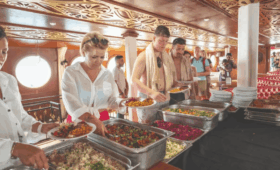
*Signature Menus* – The daily rotation includes a “Pacific Sunrise” breakfast featuring fresh‑caught mahi‑mahi ceviche, tropical fruit granola, and cold‑pressed guava‑lime juice. Lunches alternate between “Coastal Grill” (char‑seared local snapper with lemongrass‑infused beurre blanc, quinoa‑coconut pilaf, and grilled bok choy) and “Terrace Tasting” (artisan flatbreads topped with smoked duck breast, fig jam, and micro‑herb salad). Dinner service is a three‑course prix‑fixe with optional à la carte extensions; the flagship “Sierra Tasting Menu” showcases a progression from sea to forest: kelp‑marinated scallops, rainforest mushroom risotto, and a dessert of cacao‑infused panna cotta with Amazonian palm sugar crumble.
*Wine Pairings* – The onboard sommelier curates a 120‑bottle cellar focused on New World and boutique Old World producers. Pairings are pre‑selected for each menu: a crisp Albariño with the “Coastal Grill” starter, a medium‑bodied Pinot Noir from the Willamette Valley for the mushroom risotto, and a late‑harvest Riesling for the cacao dessert. A “Wine Flight” option allows guests to sample three regional selections alongside a tasting menu.
*Specialty Nights* – Every second Friday, the yacht hosts “Chef’s Table at Sunset,” an intimate 10‑seat experience on the aft deck. The chef prepares a seven‑course menu inspired by the itinerary’s upcoming port, accompanied by a curated wine pairing and a brief discussion of ingredient provenance. On the first Saturday of each month, “Global Fusion Night” invites guest chefs from nearby islands to collaborate, presenting dishes such as Peruvian‑style ceviche with Japanese yuzu and Caribbean rum‑glazed pork belly.
Jungle Lodge Restaurant
*Farm‑to‑Table Philosophy* – The lodge’s open‑kitchen restaurant sources 70 % of its produce from an on‑site organic garden and a cooperative of local indigenous farmers. Protein is supplied by sustainable game (white‑tailed deer, paca) and river fish (tambaqui, pirarucu) harvested under certified Amazonian stewardship programs.
*Menu Highlights* – Breakfast features a “Rainforest Bowl” of acai, cupuaçu, toasted cassava granola, and locally harvested honey. Lunches rotate between “Riverbank Grill” (grilled tambaqui with cassava mash and sautéed jungle spinach) and “Forest Forage” (wild mushroom and heart‑of‑palm soup, served with plantain crostini). Dinner offers a four‑course “Amazonian Journey”: starter of smoked piranha with lime‑pepper foam; intermezzo of fermented cassava sorbet; main of slow‑braised deer with guava‑molasses glaze, plantain purée, and roasted yucca; dessert of chocolate‑cacao mousse with toasted Brazil nut crumble.
*Wine and Spirits* – The lodge’s cellar emphasizes South American vintages, with a focus on Argentine Malbec, Chilean Carménère, and Brazilian sparkling wine. Pairings are selected to complement the bold, earthy flavors of the jungle fare: a full‑bodied Malbec for the deer entrée, and a slightly sweet Brazilian espumante for the cacao dessert. A curated selection of regional rums and craft cachaças is available for post‑dinner tasting.
*Specialty Nights* – “Moonlit Market” occurs on the third Thursday of each month. The restaurant transforms into an open‑air market where local artisans display handcrafted goods while the kitchen serves a tasting menu of street‑style dishes—plantain‑wrapped pork satay, yucca‑based empanadas, and tropical fruit sorbets—paired with micro‑cuvées of regional wine. “Cultural Exchange Evenings” invite neighboring villages to share traditional music and dance, accompanied by a multi‑course menu that integrates ceremonial ingredients such as guarana and camu‑camu.
Overall, the Sierra Splendor program delivers a seamless culinary narrative that moves from the refined elegance of the yacht’s oceanic vistas to the primal richness of the Amazon basin, each supported by expertly matched wines and immersive specialty events.
Safety & Security Protocols: Crew Credentials and Emergency Procedures
The Sierra Splendor expedition combines a high‑end motor yacht with guided jungle excursions, demanding a dual‑track safety framework. All personnel are vetted through a layered credentialing system that aligns with international maritime standards and terrestrial adventure‑tourism regulations.
Crew Credentials – Maritime Segment
*Captain and Navigation Officers* hold Master Mariner licenses issued by the flag state, with endorsements for vessels exceeding 24 m in length. Each officer possesses a valid STCW (Standards of Training, Certification, and Watchkeeping) 2020 certification, including Advanced Navigation, Radar, and Bridge Resource Management. Continuous proficiency is verified through quarterly simulator assessments.
*Engineering Team* members are certified Marine Engineers (Class 2 or higher) and have completed the International Convention on Standards of Training, Certification and Watchkeeping for Seafarers (STCW) Engine Room Operator course. All engineers undergo annual diesel‑engine and electrical‑system drills, with documented competency logs.
*Deck and Service Staff* are required to complete STCW Basic Safety Training, which covers Personal Survival Techniques, Fire Prevention and Fire Fighting, and First Aid/CPR. Additional training includes Crowd Management and Anti‑Piracy Awareness, reflecting the vessel’s route through high‑traffic coastal waters.
*Medical Personnel* onboard consist of a certified Maritime Medic with a Diploma in Maritime Medicine and a valid Seafarer’s Medical Certificate. The medic maintains a stocked medical locker that complies with the International Maritime Organization (IMO) Medical Store guidelines, including emergency drugs, wound‑care supplies, and a portable defibrillator.
Crew Credentials – Jungle Exploration Segment
*Field Guides* are licensed wildlife and ecotourism professionals, holding certifications from recognized national park authorities. Each guide has completed the International Mountain Leader (IML) or equivalent Jungle Guide qualification, with documented experience of at least three years in tropical rainforest navigation.
*Safety Specialists* accompanying the guides possess Wilderness First Responder (WFR) certification and are trained in rapid evacuation techniques for remote terrain. They also hold a valid National Park Permit for guiding within protected areas, ensuring compliance with local conservation statutes.
*Support Staff* such as boat operators for riverine transport are required to hold a Certified Small Craft Operator license and complete a Tropical River Safety course that includes flood‑risk assessment and swift‑water rescue.
Emergency Procedures – Integrated Response Plan
The expedition follows an Integrated Emergency Response Plan (IERP) that synchronizes maritime and jungle contingencies. The plan is reviewed annually by an external safety auditor and is rehearsed in full‑scale drills every six months.
*Maritime Emergency Protocols* include:
1. Man‑Over‑Board (MOB) Drill – Conducted weekly; crew deploys life‑ring, activates AIS MOB beacon, and executes a coordinated recovery within 90 seconds.
2. Fire Suppression – All fire‑extinguishing equipment is inspected daily; crew performs a simulated engine‑room fire drill monthly, employing CO₂ and foam systems as appropriate.
3. Abandon Ship – Quarterly drill involves donning life‑jackets, assembling at muster stations, and launching liferafts using the vessel’s SOLAS‑approved davits. Communication with coastal rescue coordination centers is maintained via VHF Channel 16 and satellite link.
*Jungle Emergency Protocols* include:
1. Medical Evacuation (MEDEVAC) – The guide team carries a GPS‑enabled satellite messenger that transmits real‑time coordinates to the nearest air‑strip. A pre‑arranged contract with a regional air‑ambulance provider guarantees dispatch within 45 minutes of a serious injury or illness.
2. Lost‑Person Search – Standard operating procedure mandates a 30‑minute headcount, followed by a grid‑search pattern led by the lead guide, with radio check‑ins every five minutes on the designated VHF frequency.
3. Wildlife Encounter – Guides are trained to employ non‑lethal deterrents and to initiate a “stop‑move‑listen” protocol, reducing stress for both guests and animals while preserving group cohesion.
Communication Infrastructure
Both yacht and jungle teams use a redundant communication suite: VHF radios, satellite phones, and a dedicated emergency frequency monitored 24 hours. All crew members carry personal locator beacons (PLBs) that automatically trigger a distress signal to the Global Maritime Distress and Safety System (GMDSS) network.
Documentation and Reporting
Every incident, drill, or safety observation is logged in the vessel’s Safety Management System (SMS) and the jungle camp’s Incident Report Register. Data are analyzed quarterly to identify trends and to update standard operating procedures accordingly.
Through rigorous credential verification, continuous training, and a comprehensive emergency response framework, the Sierra Splendor expedition maintains a safety standard that meets or exceeds international maritime and adventure‑tourism benchmarks.
Pricing Packages: Inclusions, Exclusions, and Upgrade Options
1. Core Packages
The Sierra Splendor itinerary is offered in two primary configurations: the *Yacht‑Only* package and the *Combined Yacht & Jungle* package. Both are priced per guest, based on double occupancy, with single‑occupancy surcharges of 25 % applied automatically.
- Yacht‑Only (7‑night) – $12,800
Includes a full‑week charter of a 120‑foot motor‑yacht, three double staterooms, a senior captain, two deckhands, and a private chef. Daily itineraries cover coastal cruising, sunset anchorage, and on‑board wellness sessions.
- Combined Yacht & Jungle (10‑night) – $18,500
Combines the 7‑night yacht charter with a 3‑night guided jungle immersion in the Sierra Madre foothills. The jungle segment features a luxury eco‑lodge, a bilingual naturalist guide, and all land‑based activities listed under “Inclusions.”
2. Standard Inclusions
All packages incorporate the following core elements, ensuring a seamless luxury experience:
- Accommodation – Premium double cabins on the yacht (king‑size berth, en‑suite bathroom, climate control) and, for the combined package, a deluxe eco‑lodge suite with private balcony and rain‑shower.
- Meals & Beverages – Gourmet breakfast, lunch, and dinner prepared by the onboard chef, featuring locally sourced seafood, organic produce, and a curated wine list (up to three bottles per night). All non‑alcoholic beverages, specialty coffees, and fresh fruit are included.
- Professional Crew & Guides – Certified captain, deckhands, and chef for the yacht; a senior naturalist, field assistant, and local liaison for the jungle leg.
- Transportation – All on‑water transfers, including fuel, anchorage fees, and dockage at designated ports; land transfers between the marina and the jungle lodge via a 4×4 vehicle with driver.
- Activity Program – Scheduled shore excursions (snorkel sites, coastal hikes, cultural visits) and jungle activities (guided treks, canopy walk, nocturnal wildlife watch, river kayaking). Equipment (snorkels, paddles, binoculars, rain gear) is provided.
- Safety & Insurance – Comprehensive travel insurance covering medical evacuation, vessel liability, and trip interruption; safety briefings, life‑vests, and first‑aid kits.
3. Standard Exclusions
Guests are responsible for the following items, which are not covered by the base price:
- International and domestic air travel to and from the departure port.
- Visa fees, entry taxes, and any required permits for protected areas.
- Personal expenses such as souvenirs, laundry, minibar beyond the allocated wine allowance, and off‑program excursions.
- Gratuities for crew and guides (recommended 10‑15 % of the package price).
- Travel insurance beyond the basic coverage provided; additional medical or cancellation coverage is optional.
- Any medical treatment not covered under the included insurance policy.
4. Upgrade Options
To tailor the experience, a menu of optional upgrades is available at the time of booking or during the cruise, each quoted per guest:
- Cabin Enhancements – Private suite upgrade on the yacht (king‑size bed, separate lounge, private deck) – $2,200 per guest.
- Extended Yacht Charter – Add‑on days at $1,800 per night, inclusive of crew and meals.
- Premium Culinary Experience – Chef’s tasting menu with wine pairings (six‑course) – $250 per person per dinner.
- Spa & Wellness – On‑board massage, facial, and yoga sessions – $180 per treatment; private wellness retreat on the jungle lodge – $420 per guest.
- Adventure Add‑Ons – Private scuba dive with certified instructor – $350 per dive; heli‑tour over the Sierra Madre – $1,150 per person; night‑time wildlife photography workshop – $300 per guest.
- Photography & Videography – Professional photographer for a full day of on‑board and jungle coverage – $2,600; edited highlight video – $1,200.
- Extended Jungle Stay – Additional night at the eco‑lodge – $650 per guest, inclusive of meals and guided night walk.
All upgrades are subject to availability and may require a minimum commitment period. Prices are quoted in US dollars and are exclusive of applicable taxes and service charges. The final invoice reflects the base package, selected upgrades, and any applicable surcharges, with a 30 % deposit required to secure the reservation.
Booking Process: Reservation Steps, Deposit Requirements, and Cancellation Policy
1. Reservation Steps
1. Select Travel Dates and Itinerary – Choose the desired sailing window for the Sierra Splendor cruise and the accompanying jungle excursion. Availability is displayed in the online calendar, which reflects the vessel’s eight‑night sailing cycles and the coordinated inland trek dates.
2. Choose Cabin Category – The yacht offers three cabin classes: Grand Suite, Deluxe Stateroom, and Premium Cabin. Each class includes a private balcony, en‑suite bathroom, and access to the yacht’s concierge lounge. Cabin selection determines the base rate and the level of personalized service during the jungle segment.
3. Complete Guest Information Form – Provide full legal names, passport numbers, dates of birth, and any special dietary or accessibility requirements for all travelers. The form also captures emergency contact details and preferred medical insurance provider.
4. Review and Confirm Pricing – The system generates a detailed cost breakdown, including:
- Base fare per cabin category
- Jungle exploration fee (guided trek, river transport, and eco‑lodge accommodations)
- Port‑of‑call taxes and government levies
- Optional add‑ons such as private shore excursions, spa treatments, and gourmet wine tastings
5. Submit Reservation Request – After reviewing the summary, the guest clicks “Submit.” The reservation is placed on a provisional hold pending receipt of the required deposit.
6. Receive Confirmation Email – A confirmation packet is automatically issued, containing the reservation reference number, itinerary outline, payment schedule, and a link to the secure payment portal.
2. Deposit Requirements
- Standard Deposit – A non‑refundable deposit equal to 30 % of the total package price is required to secure the cabin and jungle itinerary. The deposit must be paid within 48 hours of the confirmation email.
- Group Reservations – For parties of ten or more, the deposit is reduced to 20 % of the total value, provided the full payment schedule is adhered to.
- Payment Methods – Accepted methods include major credit cards (Visa, MasterCard, American Express), bank wire transfer, and select digital payment platforms. All transactions are processed through an encrypted gateway compliant with PCI DSS standards.
- Balance Due Dates – The remaining balance is divided into two installments: 50 % due 90 days before departure and the final 20 % due 30 days prior to embarkation. Late payments incur a 2 % administrative surcharge per week.
3. Cancellation Policy
- Standard Cancellation (More than 90 Days Before Departure) – Guests may cancel with a full refund of all payments except the non‑refundable deposit. The deposit is retained to cover administrative costs and inventory allocation.
- Cancellation Between 90 and 30 Days – A cancellation fee equal to 30 % of the total package price is applied. The remaining 70 % is refunded to the original payment method within 14 business days.
- Cancellation Within 30 Days – No refunds are issued. The full amount paid, including deposit, is retained. This policy reflects the high fixed costs of yacht provisioning, crew scheduling, and jungle guide commitments.
- Force Majeure – In the event of government travel bans, natural disasters, or other extraordinary circumstances beyond the guest’s control, the provider will offer a credit toward a future sailing of equal value, provided proof of the event is supplied. No cash refunds are issued under force‑majeure conditions.
- Rescheduling – Guests may request a date change up to 60 days before the original departure, subject to availability and a $500 administrative fee. The new itinerary must fall within the same calendar year; otherwise, the original cancellation terms apply.
- Refund Processing – All approved refunds are processed using the original payment method. Refunds for credit‑card transactions may take up to 10 business days to appear on the cardholder’s statement.
Adhering to these steps, deposit guidelines, and cancellation terms ensures a seamless booking experience for travelers seeking the combined luxury of a Sierra Splendor yacht cruise and an immersive jungle exploration.
Travel Documentation: Passport, Visa, and Health Requirements for All Destinations
Passport Validity
All travelers must carry a machine‑readable passport that remains valid for at least six months beyond the final departure date from the itinerary. Some countries (e.g., Brazil and Panama) enforce the six‑month rule strictly, while others (e.g., Costa Rica and Ecuador) accept a passport with a minimum of three months’ validity. Verify the expiration date before departure; renewal while abroad can cause significant delays.
Visa Requirements
| Destination | Visa‑free (U.S./EU/UK/Canada/AUS) | Visa on Arrival / e‑Visa | Required Documentation | Typical Stay Limit | ||
|---|---|---|---|---|---|---|
| Costa Rica | 90 days | No | Passport only | 90 days | ||
| Panama | 180 days | No (U.S./EU/UK/CA/AU) | Passport only | 180 days | ||
| Colombia | 90 days | No (U.S./EU/UK/CA/AU) | Passport only | 90 days | ||
| Ecuador (mainland) | 90 days | No | Passport only | 90 days | ||
| Galápagos Islands (Ecuador) | No separate visa | Tourist Transit Card (pre‑purchase) | Passport, flight/boat itinerary, proof of accommodation | 90 days | ||
| Peru | 183 days | No (U.S./EU/UK/CA/AU) | Passport only | 183 days | ||
| Brazil | 90 days | e‑Visa (U.S./EU/UK/CA/AU) | Passport, online application, proof of onward travel | 90 days | ||
| Bolivia | 90 days | Visa on Arrival (U.S./EU/UK) | Passport, $30 USD fee, proof of accommodation | 90 days | ||
| Paraguay | 90 days | Visa on Arrival (U.S./EU/UK) | Passport, $30 USD fee | 90 days | ||
| Guyana | 90 days | Visa on Arrival (U.S./EU/UK) | Passport, $100 USD fee | 90 days |
*Note:* Citizens of other nations should consult the nearest consular mission for specific requirements. All visas must be obtained before boarding the yacht; the vessel’s itinerary cannot be altered to accommodate last‑minute visa processing.
Health Documentation and Vaccinations
| Requirement | Destination(s) | Details | ||
|---|---|---|---|---|
| Yellow Fever Certificate | Brazil, Bolivia, Guyana, Colombia (Amazon region) | Valid certificate required if arriving from a yellow‑fever‑endemic country. For travelers coming directly from the United States, Canada, Europe, or Australia, a certificate is still required for entry into the listed nations. | ||
| Typhoid Vaccine | All Amazon‑jungle ports (Peru, Ecuador, Brazil, Colombia) | Single oral or injectable dose at least two weeks before departure. | ||
| Hepatitis A & B | All destinations | Recommended for all travelers; Hepatitis B series should be completed before travel if possible. | ||
| Rabies Pre‑Exposure | Remote jungle lodges (Peru, Ecuador, Brazil) | Recommended for travelers with prolonged exposure to wildlife or who will be in remote areas without immediate medical care. | ||
| Malaria Prophylaxis | Amazon basin of Brazil, Peru, Colombia, and parts of Bolivia | Atovaquone‑proguanil, doxycycline, or mefloquine prescribed according to local resistance patterns. Begin prophylaxis 1–2 days before entry and continue for 7 days after exit. | ||
| COVID‑19 | All countries (policy varies) | Proof of full vaccination (primary series + booster) accepted by most nations; some require a negative PCR test taken within 72 hours of arrival. Check each country’s latest entry portal for updates. | ||
| Influenza | All destinations | Seasonal flu vaccine recommended for all travelers, especially those over 65 or with chronic conditions. |
Additional Health Measures
- Travel Insurance – Mandatory for all guests. Policies must cover medical evacuation, repatriation, and treatment of tropical diseases.
- International Health Form – Completed prior to embarkation; includes vaccination records, current medications, and emergency contacts.
- Medical Clearance – Passengers with chronic illnesses, pregnancy, or immunosuppression should obtain a physician’s clearance and a copy of relevant prescriptions.
- Medication Regulations – Controlled substances (e.g., strong analgesics, certain antibiotics) must be accompanied by a doctor’s note and the original prescription label. Quantity should not exceed a 30‑day supply.
Customs and Entry Procedures
Upon arrival at each port, present the passport, visa (if applicable), and any required health certificates. Border officials may request proof of onward travel, accommodation reservations, and evidence of sufficient funds. The yacht’s crew will assist with documentation, but final discretion rests with the immigration officer.
Final Checklist
1. Passport with ≥ 6 months validity.
2. Visa or e‑Visa approved before departure (where required).
3. Valid Yellow Fever certificate (if applicable).
4. Up‑to‑date Hepatitis A/B, Typhoid, and COVID‑19 vaccinations.
5. Malaria prophylaxis regimen started as prescribed.
6. Comprehensive travel‑medical insurance covering evacuation.
7. Printed copies of all vaccination cards and prescriptions.
Adhering to these documentation and health protocols ensures seamless transitions between luxury yacht passages and jungle expeditions, allowing guests to focus on the splendor of the Sierra route without administrative interruptions.
Seasonal Weather Guide: Optimal Sailing Periods and Climate Considerations
The Sierra coastal basin and adjoining rainforest corridor experience a tropical‑maritime climate, with distinct wet and dry phases that shape both sea conditions and jungle accessibility. Understanding the annual rhythm of temperature, precipitation, wind, and oceanic currents is essential for planning a seamless luxury yacht itinerary that transitions smoothly into inland exploration.
Dry Season (December – April)
During the austral winter months, the region enjoys the most stable maritime environment. Trade winds from the southeast dominate the open water, averaging 12‑18 knots and producing consistent, moderate swell that is ideal for cruising a luxury yacht. Sea surface temperatures remain warm, ranging from 27 °C to 29 °C, while humidity stays below 70 %, reducing the risk of condensation on decks and interior cabins. Visibility for snorkeling and underwater excursions exceeds 20 m, and the likelihood of thunderstorms drops to under 10 % of days.
On land, rainfall diminishes to an average of 40 mm per month, and daily temperatures in the lowland jungle hover between 24 °C and 28 °C. River levels recede, creating clear, navigable channels for smaller craft and allowing easier foot access to primary trekking routes. This period is therefore regarded as the optimal window for combined yacht cruising and jungle treks, offering comfortable daytime conditions, limited mosquito activity, and minimal disruption from flash floods.
Transition Period (May – June)
The early onset of the wet season introduces a gradual increase in convective activity. Trade winds begin to shift toward the northwest, with occasional gusts reaching 22 knots. Swell height may rise to 1.5‑2 m, demanding attentive seamanship, especially when navigating narrow coastal passages or anchoring near mangrove inlets. Rainfall climbs to 120‑150 mm per month, often arriving as brief but intense afternoon showers that can cause rapid river swelling. Temperatures stay within the 26 °C‑30 °C range, and humidity climbs above 80 %.
For travelers seeking a balance between sailing and jungle immersion, early May offers still‑manageable sea states while the interior begins to reveal a richer mix of flora and fauna, as many species enter breeding cycles triggered by the forthcoming rains. However, contingency plans for delayed landings and flexible scheduling are advisable.
Wet Season (July – November)
The core wet season is characterized by a pronounced monsoonal flow from the southwest. Persistent winds of 20‑25 knots generate larger swells of 2‑3 m, and occasional storm systems can produce seas exceeding 4 m, especially in the open channel between the mainland and offshore islands. Heavy precipitation dominates, with monthly totals ranging from 250 mm (July) to 400 mm (October). Daily rainfalls often exceed 15 mm, and prolonged periods of cloud cover keep solar exposure low.
River discharge peaks in August and September, leading to flooded lowland trails and the temporary closure of several jungle lodges accessible only by footpaths. While the interior becomes a lush, verdant landscape, the risk of landslides on steep terrain and reduced visibility for aerial reconnaissance increase. Sea temperatures remain warm (28 °C‑30 °C), but the combination of high humidity (>85 %) and frequent rain can affect deck comfort and increase the likelihood of mold growth in interior spaces if ventilation is insufficient.
Micro‑climatic Variations
Coastal enclaves shielded by headlands experience calmer waters and reduced wind expo offering safe anchorages during the wet season. Conversely, the eastern fringe of the rainforest, bordering the highland plateau, receives less rainfall due to orographic rain shadow effects, providing drier trekking conditions even in peak monsoon months.
Strategic Planning Recommendations
- Schedule primary yacht passages between December and April to capitalize on steady winds, low swell, and minimal precipitation.
- Align inland excursions with the dry season to ensure trail accessibility and lower disease‑vector activity.
- Incorporate a buffer of 3‑5 days in the itinerary for potential weather‑related adjustments during May‑June.
- Monitor regional marine forecasts for tropical depressions, especially between July and November, and maintain communication with local meteorological stations.
- Equip the vessel with dehumidification systems and moisture‑resistant furnishings to mitigate high‑humidity impacts during the wet months.
By aligning sailing legs with the region’s climatic patterns, guests of the Sierra Splendor experience optimal comfort on the water and seamless transition into the vibrant jungle environment, regardless of the season.
Environmental Stewardship: Conservation Practices and Sustainable Partnerships
Sierra Splendor integrates a comprehensive environmental stewardship program that aligns luxury cruising with rigorous conservation standards. The vessel’s architecture incorporates a hybrid propulsion system that combines low‑emission diesel generators with battery‑powered electric motors, reducing fuel consumption by up to 30 % compared with conventional yachts of comparable size. Advanced hull coatings derived from non‑toxic, biocide‑free polymers minimize drag and inhibit the attachment of invasive marine organisms, further decreasing fuel use and eliminating the need for periodic antifouling treatments that release harmful chemicals into the water column.
Onboard waste management follows a closed‑loop protocol. Solid waste is sorted at source into recyclables, compostables, and non‑recyclables; recyclable streams are compacted and stored for transfer to certified shore‑based facilities at the next port of call. Organic waste from galley operations is processed through a high‑efficiency macerator and fed into a marine‑grade composting unit, producing nutrient‑rich material that is off‑loaded for use in coastal reforestation projects. Grey‑water is filtered through a multi‑stage membrane system that removes suspended solids, oils, and pathogens, allowing the reclaimed water to be safely discharged in accordance with International Maritime Organization (IMO) MARPOL Annex II limits. Black‑water is retained in sealed, double‑walled tanks and transferred to shore‑based treatment plants that meet or exceed local environmental regulations.
Energy consumption aboard is optimized through a smart‑grid management system that monitors real‑time power loads and prioritizes renewable sources. The yacht’s deck‑area solar array, rated at 120 kW, supplies a significant portion of auxiliary power, while LED lighting and occupancy‑sensing climate controls reduce electricity demand throughout the vessel. Battery storage capacity of 1 MWh enables peak‑shaving during high‑load periods and provides backup power without reliance on diesel generators.
Sierra Splendor’s commitment to sustainable partnerships extends to a network of regional conservation organizations, research institutions, and community groups. Formal agreements with the Caribbean Marine Conservation Association (CMCA) grant the yacht access to designated marine protected areas (MPAs) while supporting ongoing reef‑monitoring programs. Data collected during hydrographic surveys and underwater photography expeditions are shared with CMCA scientists, contributing to baseline assessments of coral health, fish population dynamics, and the impacts of climate change.
In the jungle corridors of Central America, the expedition itinerary incorporates collaborative projects with the Amazonian Biodiversity Initiative (ABI). Guests participate in guided canopy walks that double as citizen‑science surveys, recording phenological data on flowering and fruiting cycles of keystone tree species. ABI utilizes these observations to model habitat connectivity and to inform reforestation efforts that prioritize native, drought‑resistant species. Sierra Splendor sources all expedition provisions from certified organic farms operating under fair‑trade agreements, ensuring that agricultural inputs are cultivated without synthetic pesticides and that local economies receive equitable compensation.
Educational outreach is embedded in every voyage. Onboard naturalists deliver briefings on marine and terrestrial ecosystems, emphasizing the importance of low‑impact navigation, waste minimization, and respect for indigenous cultural sites. Interactive workshops teach guests how to identify invasive species, conduct water‑quality tests, and apply best‑practice guidelines for shoreline anchoring that avoid damage to seagrass beds and mangrove roots.
Carbon neutrality is pursued through a two‑pronged approach: operational emissions are reduced through the aforementioned efficiency measures, and residual carbon footprints are offset by investing in verified reforestation and renewable‑energy projects within the regions visited. Annual audits, conducted by an independent environmental consultancy, verify compliance with ISO 14001 environmental management standards and certify that Sierra Splendor’s stewardship initiatives meet or exceed industry benchmarks for luxury expedition vessels.
Frequently Asked Questions
What is the typical duration of the Sierra Splendor luxury yacht and jungle exploration itinerary?
The standard expedition lasts 12 days, combining 7 nights aboard the yacht with 5 nights in jungle lodges.
Which destinations are included in the route?
The journey visits the Pacific coast of Costa Rica, the remote islands of the Gulf of Nicoya, the rainforest of Corcovado National Park, and the inland cloud forest of Monteverde.
What types of accommodations are provided on the yacht and in the jungle?
Onboard guests stay in five en‑suite suites with private balconies, while jungle nights are spent in eco‑lodge cabins featuring king‑size beds, ensuite bathrooms, and solar‑powered amenities.
Are meals and beverages included in the price?
Yes. All meals are prepared by a gourmet chef using locally sourced ingredients; premium wines, spirits, and non‑alcoholic beverages are included throughout the voyage and lodge stays.
What wildlife can guests expect to see during the jungle portion?
Guided treks focus on spotting jaguars, tapirs, scarlet macaws, three‑toed sloths, and a variety of endemic amphibians and orchids.
What level of physical fitness is required for the jungle excursions?
Moderate fitness is recommended. Day hikes range from 2 to 6 miles on uneven terrain, with some sections requiring short climbs and river crossings.
Is a professional guide provided for both the yacht and jungle activities?
Yes. A certified marine captain leads the yacht, and a naturalist guide with a background in tropical ecology accompanies all jungle treks and wildlife observations.
What safety measures are in place for marine and jungle environments?
The yacht meets international safety standards, carries a full medical kit, and has satellite communications. Jungle guides are trained in first aid, and all excursions follow established safety protocols, including wildlife distance guidelines.
What is the cancellation policy for this expedition?
Cancellations made more than 60 days before departure receive a full refund; between 30‑60 days, 50 % of the deposit is retained; within 30 days, the deposit is non‑refundable.
Are travel insurance and vaccinations required?
Travel insurance covering medical evacuation is strongly recommended. Required vaccinations include routine immunizations, Hepatitis A, and Typhoid; a yellow‑fever certificate is not required for Costa Rica.
| Destination | Best Time to Visit | Approx. Cost * (USD per person) |
|---|---|---|
| Puerto Cortés, Honduras (Embarkation) | Late November – April (dry season, calmer seas) | $150 – $250 (transfer, marina fees, welcome cocktail) |
| Roatán, Bay Islands | December – May (warm water, peak snorkeling) | $200 – $350 (beach‑club access, guided reef tour, meals) |
| Utila, Bay Islands | January – June (mild humidity, excellent dive conditions) | $180 – $300 (dive certification, island transport, sunset cruise) |
| Caye Gorda, Honduras (Southern Bay) | February – April (least wind, ideal for sailing) | $120 – $200 (day‑trip guide, mangrove kayak, picnic) |
| Tegucigalpa (optional inland excursion) | October – December (cooler temps, vibrant festivals) | $250 – $400 (private transfer, cultural guide, museum tickets) |
| *Costs are indicative averages for a mid‑range traveler on a luxury‑yacht itinerary and may vary with cabin category, seasonality, and optional excursions. | ||
Travelers Insight: Navigating Honduras’ Caribbean Gems on a Luxury Yacht
The Honduran Caribbean is a mix of turquoise lagoons, coral‑rich reefs, and a cultural heritage that is as vibrant as the sunsets that blaze across the Bay of Honduras. For the discerning voyager aboard the Sierra Splendor, the journey is not merely a series of ports—it is an immersion into a rhythm that oscillates between the laid‑back cadence of island life and the pulse of ancient Garifuna traditions. Arriving in Puerto Cortés, you will notice the seamless blend of modern infrastructure with a historic port that once served as a gateway for banana exporters. The private dock, freshly resurfaced for the yacht season, offers a secure, low‑traffic arrival, allowing you to disembark without the usual hustle of commercial cruise terminals. Take advantage of the early‑morning registration window to meet the crew, review safety protocols, and enjoy a complimentary freshly brewed Honduran coffee—a subtle yet powerful introduction to the country’s agricultural roots.
First‑day orientation: While the onboard spa, gym, and helipad may feel like a floating resort, the real luxury begins when you step onto the sandy shoreline of Roatán. The island’s West End Marina is a hive of boutique dive shops, artisanal cafés, and eco‑conscious operators. Opt for a private beach club transfer rather than the communal shuttle; the exclusivity ensures you have ample time to set up a hammock, dip your toes in the warm water, and let the coral‑fringed horizon melt your travel fatigue. Early‑morning yoga on deck (07:00‑08:30) aligns your breath with the sea breeze, and the subsequent continental breakfast—featuring fresh tropical fruit, pan dulce, and a selection of locally sourced cheeses—provides the perfect fuel for the day’s adventures.
Snorkeling & diving: Roatán is globally renowned for its second‑largest barrier reef in the Caribbean. For first‑time snorkelers, the West Bay Marine Reserve offers shallow, crystal‑clear waters teeming with parrotfish, sergeant majors, and occasional sea turtles. Book a guided reef walk with a certified marine biologist; their insight into the symbiotic relationships among sponges, corals, and fish elevates a simple swim into an educational experience. If you are a certified diver, consider a night‑dive to witness the reef’s nocturnal inhabitants—bioluminescent plankton, shy moray eels, and the occasional reef shark patrolling the illuminated reef walls.
Culinary immersion: The gourmet dinner on night one, featuring Garifuna staples such as hudut (plantain mash with coconut‑milk fish stew) and freshly grilled lobster brushed with a citrus‑mint glaze, is a culinary highlight. Garifuna cuisine reflects a fusion of African, Caribbean, and Indigenous influences, and the chef’s dedication to sourcing ingredients from local fishermen ensures sustainability and freshness. For an authentic taste beyond the yacht, venture to the town of Coxen Hole for a “food‑trail” experience—sample tostones at a family‑run eatery, sip on a locally brewed rum punch, and end with a sweet plantain flan.
Island hopping strategy: While Roatán dominates the itinerary, the nearby islands of Utila and Caye Gorda offer contrasting experiences. Utila’s laid‑back vibe is perfect for budget‑friendly dive certifications; the island’s dive schools are renowned for their community approach and vibrant social scene. Caye Gorda, a less‑traveled sandbar, is ideal for a day of mangrove kayaking and bird‑watching. Its shallow lagoons are frequented by the West Indian whistling duck and the occasional heron. Schedule a sunrise kayak expedition here; the early light paints the mangroves in gold, and the calm waters allow for reflective moments far from the deck’s bustle.
Culture & heritage: The Garifuna community, designated a UNESCO Intangible Cultural Heritage, thrives along the northern coast of Honduras. Their drum‑driven music, known as paranda, tells stories of migration, resilience, and love. If your itinerary permits, arrange an evening at a Garifuna cultural center in La Ceiba (accessible via a short charter flight from Roatán). Witness a live performance, participate in a drum‑circle workshop, and learn the meaning behind the rhythmic chants. Such experiences deepen your connection to the islands beyond the postcard scenery.
Practical tips for the luxury sailor: 1) Currency & payments: While U.S. dollars are widely accepted, keep a modest amount of Honduran lempira for small vendors and market purchases. 2) Health & safety: Bring reef‑safe sunscreen (avoid oxybenzone) to protect both your skin and the fragile coral ecosystem. Pack a basic first‑aid kit, though the yacht’s medical officer is equipped for minor ailments. 3) Connectivity: The yacht’s satellite internet is reliable, but shore‑based Wi‑Fi can be spotty; download maps and language apps beforehand. 4) Environmental stewardship: Participate in the yacht’s “Leave No Trace” program—use refillable water bottles, avoid single‑use plastics, and join the scheduled beach clean‑up on day three.
In sum, the Honduras Caribbean sailing itinerary offers a balanced blend of indulgence and authenticity. From sunrise yoga on deck to night‑time reef explorations, from gourmet Garifuna cuisine to intimate cultural exchanges, each moment is curated to deepen your appreciation of this lesser‑known Caribbean jewel. By respecting local customs, embracing sustainable practices, and allowing time for unstructured discovery, you’ll return not only with stunning photographs but with a lasting narrative that intertwines personal rejuvenation with the heartbeat of Honduras’ coastal communities.