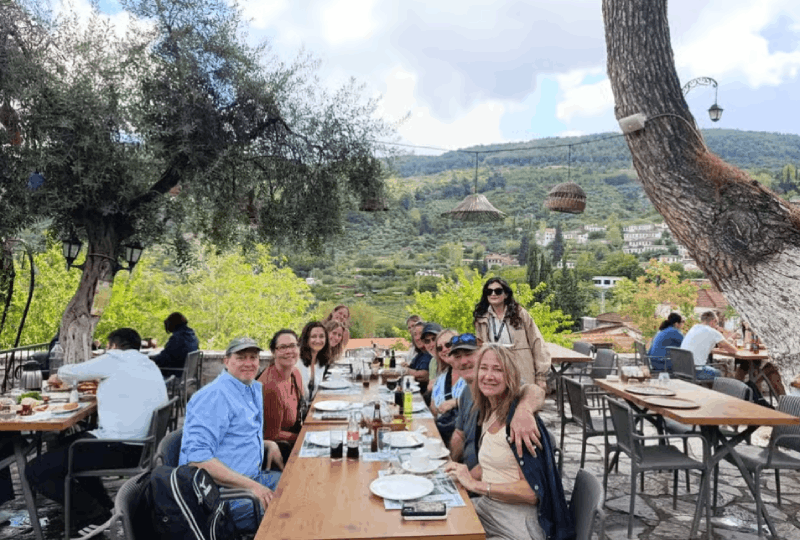
Accessible Transportation Services for Seniors in Cabo San Lucas
Cabo San Lucas has developed a range of transportation options that cater to the mobility needs of senior travelers, ensuring safe and comfortable movement between the airport, hotels, attractions, and medical facilities. The following overview outlines the most reliable services, vehicle features, and practical considerations for seniors seeking independent or assisted travel throughout the city and its surrounding areas.
Airport Transfers
The Los Cabos International Airport (SJD) is equipped with wheelchair‑friendly facilities, including curb‑side ramps, accessible restrooms, and dedicated assistance desks. Several licensed transfer companies operate shuttle vans with low‑floor entry and hydraulic lifts, allowing passengers to board with a manual or powered wheelchair. Reservations can be made online or through hotel concierge desks, and most providers accept credit‑card pre‑payment, eliminating the need for cash on arrival. Transfer times to downtown Cabo San Lucas average 30‑40 minutes, with drivers accustomed to assisting passengers with luggage and mobility devices.
Accessible Taxis and Ride‑Sharing
Ride‑sharing platforms operating in the region now include an “accessibility” filter, which matches riders with drivers of certified accessible vehicles. The filter ensures that the selected car has a working ramp, a secure wheelchair tie‑down system, and a driver trained in basic assistance techniques. Fares are calculated by distance and time, comparable to standard rates, and receipts are provided electronically.
Private Shuttle Services
Several locally owned shuttle operators specialize in senior‑friendly tours and daily excursions. Their fleets consist of low‑step minibusses (12‑15 seats) equipped with hydraulic lifts, non‑slip flooring, and handrails along the aisle. Vehicles are fitted with climate control, adjustable seating, and ample storage for walkers or canes. Drivers receive training on safe boarding procedures, communication with passengers who have hearing impairments, and emergency protocols. Group tours to popular sites such as Land’s End, Playa del Amor, and the historic San José del Cabo mission are offered with scheduled departure times, and participants can request additional stopovers for medical appointments or rest breaks.
Rental Cars with Adaptive Controls
For seniors who prefer self‑driving, a limited number of international rental agencies maintain a small inventory of vehicles modified for accessibility. Modifications include hand‑controlled accelerators and brakes, swivel seats, and wheelchair tie‑down anchors. Reservations must be placed at least 48 hours in advance, and the rental agreement outlines insurance coverage specific to adaptive equipment. Road conditions in Cabo San Lucas are generally well‑maintained; however, drivers should be aware that some coastal roads feature steep grades and narrow lanes, making adaptive‑control vehicles a safer choice for those with limited leg mobility.
Public Bus System
The municipal bus network (operated by Transportes del Pacífico) offers low‑floor buses on major routes connecting Cabo San Lucas, San José del Cabo, and the surrounding resorts. Buses are equipped with kneeling suspension, allowing the vehicle to lower at stops for easier boarding. While not all buses have wheelchair ramps, the newer models feature a retractable ramp at the rear door. Seniors can purchase a reloadable transit card at kiosks near bus terminals; the card provides discounted fares for senior citizens and eliminates the need for cash handling on board.
Medical Transport
Hospitals and clinics in the Cabo San Lucas area maintain partnerships with specialized medical transport providers. These services operate ambulatory vans that meet national accessibility standards, featuring secure wheelchair restraints, oxygen ports, and space for accompanying caregivers. Appointments can be scheduled through the medical facility’s patient services department, and transport is typically coordinated on the same day as the appointment.
Booking Tips and Considerations
- Confirm vehicle accessibility features (ramp, lift, tie‑downs) at the time of reservation.
- Request a driver who has completed senior‑assistance training, especially if the passenger uses a powered wheelchair.
- Allow an additional 10‑15 minutes for boarding and alighting, even with ramp‑equipped vehicles.
- Verify that the service provider complies with Mexican accessibility regulations (Norma Oficial Mexicana NOM‑012‑SSA3‑2012).
- When using public buses, travel during off‑peak hours to reduce crowding and facilitate easier boarding.
By leveraging these transportation options, senior visitors to Cabo San Lucas can enjoy a seamless travel experience, accessing the city’s natural beauty, cultural landmarks, and healthcare resources without compromising comfort or safety.
Senior‑Friendly Hotel Recommendations with Ground‑Floor Rooms in Ensenada
| Hotel | Ground‑Floor Room Options | Accessibility Features | Proximity to Senior‑Friendly Attractions | ||
|---|---|---|---|---|---|
| Hotel Coral & Marina | Ground‑floor “Garden View” rooms with direct patio access and roll‑away‑bed capability. | Wheelchair‑accessible entrance, elevator serving all floors, grab bars in bathrooms, low‑threshold showers, nightly housekeeping on a fixed schedule. | Walking distance to the Marina promenade, the Regional History Museum, and the waterfront market where benches and shaded seating are plentiful. | ||
| Casa del Mar Boutique Hotel | “Patio Suite” on the first level, featuring a private garden terrace and a single‑step entry. | Ramps at the main lobby, hand‑rail‑supported pathways, spacious corridors (minimum 1.2 m width), bathroom grab bars, and a 24‑hour front desk with staff trained in senior assistance. | Situated near the historic Plaza Constitución, a short stroll to the Whale‑Watching Dock and the Ensenada Cultural Center, both equipped with wheelchair‑friendly ramps. | ||
| Hotel Lomas de Misión | “Ground‑Level Deluxe” rooms with garden view, featuring a roll‑away‑bed and a bathroom equipped with a walk‑in shower and grab bars. | Ground‑level lobby with automatic doors, elevator to upper floors, wheelchair‑friendly parking spaces located directly opposite the entrance, and nightly assistance for medication reminders upon request. | Approximately 500 m to the La Bufadora blowhole viewing area, which provides level pathways and seated observation points; also close to the Ensenada Golf Club’s senior‑friendly tee times. | ||
| Hotel Villa del Mar | “Sea‑View Terrace” rooms on the first floor, offering a private patio and a single‑step threshold. | Ramps at the main entrance, wide doorways (minimum 90 cm), bathroom safety rails, low‑height countertops in the mini‑kitchenette, and a concierge desk that can arrange escorted tours. | Within walking distance of the Fisherman’s Wharf (Muelle de Pesca) where benches and shaded awnings are abundant; short shuttle ride to the Ensenada Botanical Garden, which features paved, level trails. | ||
| Hotel Casa del Puerto | “Ground‑Floor Junior Suite” with a private courtyard, equipped with a low‑step entry and a roll‑away‑bed. | Ground‑level reception, tactile signage, wheelchair‑friendly pathways throughout the property, bathroom equipped with a raised toilet seat and a hand‑held showerhead, nightly medication organization service available. | Directly adjacent to the Ensenada Port Authority’s visitor center, offering easy access to the Maritime Museum and a senior‑oriented ferry schedule to nearby coastal towns. | ||
| Hotel Punta San Antonio | “Garden Level” rooms with direct garden access, single‑step entry, and optional senior‑friendly bedding. | Ramps at the entrance, elevator service for upper‑floor guests, bathrooms with slip‑resistant flooring and grab bars, staff trained in senior mobility assistance, and daily wellness check‑ins. | Located near the San Antonio Riverwalk, which includes level walking paths, shaded benches, and frequent cultural performances geared toward older audiences. |
Key Considerations for Selecting a Ground‑Floor Room
1. Proximity to Elevators and Ramps – Ground‑floor rooms that are within a short, unobstructed distance to elevators or ramps reduce the need for stairs and minimize travel time within the hotel.
2. Bathroom Safety – Rooms equipped with walk‑in showers, non‑slip flooring, grab bars, and raised toilet seats enhance independence and reduce fall risk.
3. Room Layout – Single‑step entries, wide doorways, and low‑profile furniture facilitate the use of mobility aids such as walkers or rollators.
4. Staff Support – Hotels offering 24‑hour front‑desk service, nightly housekeeping, and the ability to arrange medication reminders or escorted outings provide added peace of mind for senior travelers.
5. Location Relative to Senior‑Friendly Attractions – Selecting accommodations within a 10‑minute walk of attractions that feature level pathways, ample seating, and shaded areas maximizes comfort and reduces reliance on transportation.
Practical Tips for Booking Ground‑Floor Rooms
- Request “ground‑floor” or “garden‑level” rooms explicitly at the time of reservation; many properties reserve these rooms for guests with mobility considerations.
- Confirm the presence of safety features (grab bars, roll‑away‑bed, low‑step entry) in the booking confirmation.
- Inquire about the availability of wheelchair‑friendly parking spaces and the distance from the parking area to the lobby.
- Verify that the hotel can accommodate any specific medical or dietary needs in advance, as many senior‑focused properties maintain a list of local providers for on‑call assistance.
These hotels combine ground‑floor accessibility with senior‑oriented services, ensuring a comfortable, safe, and enjoyable stay in Ensenada for travelers aged 60 and above.
Gentle‑Pace Itinerary Highlights: Scenic Coastal Drives and Rest Stops
The senior‑friendly Baja California loop from Los Cabos to Ensenada is designed around short, well‑maintained road segments, frequent shaded rest areas, and attractions that require minimal walking. The route follows the historic Highway 1 (Carretera Transpeninsular) for the majority of the journey, offering panoramic ocean views while keeping travel times comfortably under two hours between scheduled stops.
Day 1 – Los Cabos to San José del Cabo (≈ 20 km, 30 min)
A short, flat drive along the coastal boulevard connects the busy marina of Cabo San Lucas with the historic town of San José del Cabo. The first rest stop is the Plaza Mijares, a cobblestone square with benches, gentle fountains, and easy‑access cafés. Seniors can enjoy a leisurely coffee while watching local artisans at work. The next highlight, the San José del Cabo Art District, is reachable via a short, level sidewalk that leads to galleries and a modest museum with wheelchair‑friendly entrances.
Day 2 – San José del Cabo to La Paz (≈ 100 km, 1 h 30 min)
The stretch to La Paz follows a newly resurfaced segment of Highway 1 that includes wide shoulders and frequent pull‑over bays. The first scenic pause is at Playa Balandra, where a paved boardwalk provides unobstructed ocean vistas and shaded picnic tables. A second rest area at the Mirador del Mar offers a panoramic viewpoint with railings and benches positioned for easy seating. In La Paz, the Malecón promenade is fully paved, with benches every 200 m and gentle ramps leading to the Sea Museum, which offers audio guides for the visually impaired.
Day 3 – La Paz to Todos Santos (≈ 80 km, 1 h 15 min)
Leaving La Paz, the route skirts the Sierra de la Laguna foothills, delivering intermittent sea‑to‑mountain panoramas. The first stop is the Eco‑Park El Cañón, a shaded garden with wheelchair‑accessible pathways and a low‑impact observation tower. Continuing north, the coastal town of Pichilingue provides a well‑marked parking lot adjacent to a sheltered kiosk serving fresh fruit and water. The day concludes in Todos Santos, where the historic mission square features smooth stone paving, low‑step entry to the cultural center, and a modest art gallery with seated tours.
Day 4 – Todos Santos to Ensenada (≈ 250 km, 3 h 30 min)
The longest leg of the journey is broken into three comfortable segments, each with a designated rest stop. The first is the Punta Colorada viewpoint, a cliff‑side platform with railings and a bench sheltered by a pergola. The second pause occurs at the coastal town of Bahía de los Ángeles, where a small harbor offers shaded benches and a café with wheelchair‑accessible tables. The final stop before Ensenada is the Valle de Guadalupe wine region’s visitor center, which provides level flooring, ample seating, and guided tastings conducted while seated.
For seniors seeking the smoothest experience, schedule departure times between 9 am and 11 am to avoid midday heat and peak traffic. Opt for a vehicle equipped with cruise control and adjustable lumbar support; many local rental agencies offer models with automatic transmissions and low‑step entry. Carry a lightweight travel pillow and a refillable water bottle to stay comfortable during the short drives. When possible, request a guide who can arrange wheelchair‑friendly transport to any off‑road attractions, ensuring that every scenic vista remains accessible without compromising the relaxed pace of the tour.
Medical Facilities and Emergency Services Overview for Senior Travelers
Baja California’s health‑care network is anchored by several modern hospitals and a dense array of clinics that cater to the needs of senior visitors. The two most frequented tourist hubs—Cabo San Lucas and Ensenada—each have a primary medical center equipped with emergency departments, intensive‑care units, and specialists in cardiology, orthopedics, and geriatrics. These facilities adhere to international standards, offering diagnostic imaging, laboratory services, and surgical suites that can handle both routine and urgent procedures.
Cabo San Lucas
The principal hospital in the Los Cabos region is a private, fully accredited institution located a short drive from the downtown core. Its emergency department operates 24 hours a day, staffed by physicians fluent in English and Spanish. The hospital maintains a dedicated geriatric care team, providing medication management, fall‑risk assessment, and post‑operative monitoring. On‑site radiology includes digital X‑ray, CT, and MRI, allowing rapid diagnosis of fractures, strokes, or cardiac events. A pharmacy within the complex stocks a comprehensive range of prescription and over‑the‑counter medicines, including common senior‑specific drugs such as antihypertensives, anticoagulants, and diabetes supplies.
Complementing the main hospital are several satellite clinics situated in the tourist districts of Medano Beach and the Marina. These outpatient centers provide primary‑care visits, wound care, and routine blood work, often with shorter wait times. Many physicians in these clinics hold dual licenses in Mexico and the United States, facilitating smoother coordination with insurers that require documentation in English.
Ensenada
Ensenada’s flagship public hospital serves as a regional referral center and is equipped with a Level II trauma unit. The emergency department is staffed around the clock by board‑certified emergency physicians, many of whom have experience treating older adults with chronic conditions. The hospital’s internal medicine department includes geriatric specialists who oversee inpatient care, medication reconciliation, and discharge planning. Diagnostic capabilities mirror those of Cabo’s private hospital, with CT, MRI, and cardiac monitoring available on site.
A network of private clinics lines the waterfront and the historic downtown area. These clinics often focus on preventive health, offering vaccinations, health screenings, and chronic‑disease management. Several clinics maintain partnerships with U.S. hospitals, enabling tele‑consultations and the rapid transfer of medical records when needed.
Emergency Response and Transportation
Both Cabo and Ensenada operate centralized emergency dispatch centers that coordinate ambulance services, fire rescue, and police assistance. Ambulances are equipped with basic life‑support equipment and staffed by trained paramedics. Response times in densely populated tourist zones typically range from five to fifteen minutes, depending on traffic and distance. For seniors with limited mobility, many hotels and resorts maintain on‑site emergency response kits and have protocols for rapid activation of local services.
Air‑medical evacuation is available through regional airfields in Los Cabos and the Tijuana International Airport, which lies a short drive north of Ensenada. Several private charter companies specialize in medical transport, offering pressurized cabins, ventilators, and medical staff for long‑distance transfers to facilities in the United States when higher‑level care is required.
Insurance and Documentation
Travelers are advised to carry proof of health‑insurance coverage that includes international emergency care and medical evacuation. Many senior travelers opt for policies that reimburse expenses incurred at both private and public hospitals, as well as outpatient services. It is prudent to retain copies of prescriptions, a list of current medications, and any relevant medical histories in both Spanish and English to expedite treatment and billing processes.
Pharmacies and Medication Access
Retail pharmacies are abundant throughout both cities, with extended hours that often exceed 24 hours in tourist districts. Most pharmacists speak English and can dispense common prescription drugs, provided a valid prescription is presented. For seniors who require controlled substances or specialty medications, it is advisable to arrange a refill prior to departure or coordinate with a local clinic that can issue a short‑term prescription.
Practical Recommendations for Seniors
- Register with the nearest consular office upon arrival; consular officials can assist in locating medical facilities and liaising with local authorities during emergencies.
- Keep a concise medical summary—including allergies, chronic conditions, and emergency contacts—in a waterproof pouch.
- Familiarize oneself with the location of the nearest hospital and pharmacy relative to lodging.
- Consider traveling with a companion who can advocate during medical encounters and assist with transportation if mobility is limited.
Overall, the medical infrastructure in Cabo San Lucas and Ensenada provides comprehensive, senior‑friendly services. With well‑equipped hospitals, responsive emergency systems, and accessible pharmacies, older travelers can enjoy the region’s attractions with confidence in the availability of quality health care.
Dining Options with Soft‑Food Menus and Easy Seating Access
Cabo San Lucas and Ensenada both offer a growing selection of restaurants that cater to senior travelers who prefer soft‑texture meals and need convenient, barrier‑free seating. The following establishments have been identified for their menu flexibility, attentive service, and compliance with universal‑design standards.
—
Cabo San Lucas
1. Mariscos El Faro – Located on the marina promenade, this seafood house provides a dedicated “Gentle‑Bite” menu featuring poached fish, shrimp bisque, and pureed avocado salads. The dining room is on a single level, with wide aisles and removable chairs that accommodate wheelchairs and walkers. Staff are trained to slice dishes into bite‑size pieces on request.
2. La Casa del Sol – A family‑run Mexican restaurant that offers a “Suave” selection, including soft‑cooked chilaquiles, refried bean puree, and flan‑style desserts. The patio area is equipped with ramped entry, low‑height tables (28 cm), and sturdy arm‑rested benches. Reservations can be made for early‑day seating to avoid peak crowds.
3. The Bistro at The Resort at Pedregal – This upscale bistro presents a “Gentle Palate” tasting menu that rotates weekly. Options such as velvety pumpkin soup, braised short ribs shredded to a tender consistency, and whipped berry compote are available. The restaurant’s interior is fully wheelchair accessible, with automatic doors, height‑adjustable tables, and spacious restroom stalls featuring grab bars.
4. Café del Mar – Situated near the beach boardwalk, the café serves a “Soft‑Start” breakfast program that includes oatmeal with mashed banana, scrambled eggs folded to a creamy texture, and yogurt parfaits. Seating is arranged on a raised platform with level flooring and removable cushions for added comfort. Service staff are accustomed to providing extra napkins and gentle plating for easier handling.
5. El Mirador – Overlooking the Bay of Cabo, this panoramic venue offers a “Mild‑Taste” à la carte list, highlighting dishes such as steamed cod with lemon‑herb sauce, mashed sweet potatoes, and caramelized banana flan. The venue’s main dining hall is on the ground floor, with wheelchair‑friendly pathways, low‑rise chairs, and a quiet corner for those who prefer a less busy atmosphere.
—
Ensenada
1. La Guerrerense – Famous for its seafood tostadas, the stall now includes a “Soft‑Option” counter where fish are served in a lightly seasoned broth, accompanied by pureed avocado and soft corn puree. The service window is at a height suitable for seated patrons, and a nearby shaded bench area offers level ground and easy ingress.
2. Restaurante 1909 – Housed in a historic building, this restaurant provides a “Gentle Menu” with items such as silky chicken consomme, slow‑cooked pork shoulder shredded to a tender consistency, and custard‑style fruit desserts. The dining room has been retrofitted with a ramped entrance, hand‑rails along the walls, and tables that can be lowered to 68 cm for wheelchair users.
3. Mariscos El Toro – This harbor‑side eatery supplies a “Soft‑Seafood” selection, featuring poached shrimp, scallop purée, and a mild tomato‑cream sauce for fish fillets. Seating is arranged on a single‑level deck with non‑slip flooring, wide‑spaced chairs, and a dedicated “senior lounge” equipped with extra lumbar support and easy‑reach side tables.
4. Café Concha – Known for its breakfast and brunch, the café offers a “Mellow Morning” menu that includes creamy ricotta pancakes, soft‑boiled eggs, and fruit‑infused yogurt. The interior layout includes an automatic door, a low‑height bar that can be used as a seating surface, and ample space between tables for mobility aids.
5. Casa de la Tostada – A casual spot in the historic district that now lists a “Soft‑Choice” menu featuring mashed avocado toast, gentle‑spiced lentil stew, and flan with caramel drizzle. The establishment has a ground‑floor layout with a wide entrance, removable chairs, and a restroom equipped with a roll‑in shower and grab bars.
—
Practical Tips for Senior Travelers
- Advance Notification: When making reservations, request the soft‑food menu and specify any seating accommodations needed. Most venues respond positively to early notice.
- Timing: Early lunch (11:30 am–1:00 pm) and dinner (5:30 pm–7:00 pm) slots are less crowded, providing quieter environments and quicker service.
- Mobility Aids: Restaurants with ramped entries and level flooring generally have adjacent restrooms that meet accessibility standards; confirming this ahead of time can prevent unexpected obstacles.
- Portion Adjustments: Staff are accustomed to customizing portion sizes and textures, such as pureeing vegetables or separating sauces, to suit individual dietary preferences.
These dining locations combine culinary quality with thoughtful design, ensuring that senior visitors to Cabo and Ensenada can enjoy flavorful meals without compromising comfort or safety.
Low‑Impact Activities: Whale Watching, Whale‑Safe Boat Tours, and Beach Walks
Whale‑watching season
The migration of gray, humpback, and blue whales follows a predictable pattern along the Pacific coast of Baja California. In the waters off the southern tip of the peninsula, peak sightings occur from December through April, with a secondary window in July and August when gray whales travel northward. Ensenada’s coastal waters host the largest concentration of migrating gray whales, while the Sea of Cortez near Cabo San Lucas offers frequent encounters with humpback and blue whales during the winter months. Seniors who prefer minimal physical exertion can enjoy the spectacle from shore‑based observation points or from vessels equipped with stabilized platforms.
Shore‑based observation points
Ensenada’s “Mirador de la Ballena” on the western edge of the city provides a raised, wheelchair‑accessible deck with binocular stations and shaded seating. The site is open year‑round, and a simple interpretive panel indicates the expected direction of whale movement. In Cabo San Lucas, the “Punta del Padrón” viewpoint, reachable via a short paved path, offers unobstructed vistas of the Pacific where whales surface for air. Both locations include restrooms designed for senior accessibility and shaded benches spaced at regular intervals.
Whale‑safe boat tours
For those who wish to experience whales at closer range without compromising safety or the animals’ well‑being, a growing number of operators in both ports adhere to the International Whaling Commission’s “whale‑safe” guidelines. Vessels are limited to a maximum speed of 8 knots within a 500‑meter radius of any sighted whale, and they maintain a minimum lateral distance of 100 meters when whales are feeding. Boats are equipped with hydraulic stabilizers that reduce motion, making the ride comfortable for passengers with limited mobility or balance concerns.
Key features of senior‑friendly whale‑safe tours include:
- Boarding assistance – Low‑step gangways, handrails, and optional portable lifts facilitate safe entry for passengers using walkers or canes. Crew members receive training in assisting seniors with limited mobility.
- Seating design – Wide, cushioned seats with adjustable lumbar support, armrests, and easy‑to‑reach seat belts. Many vessels also provide padded cushions for additional comfort during longer excursions.
- Climate control – Enclosed cabins with air‑conditioning and large panoramic windows allow for optimal viewing while protecting passengers from sun, wind, and sea spray.
- Interpretive commentary – Multilingual natural‑history guides deliver concise, low‑volume narration, focusing on species identification, migratory patterns, and conservation status. Audio headsets with volume control accommodate hearing‑aid users.
Tours typically last 2–3 hours, with departure times scheduled for early morning (7:00–9:00 a.m.) or late afternoon (4:00–6:00 p.m.) to coincide with peak whale activity and favorable sea conditions. Reservations are recommended during the height of the migration, as limited‑capacity vessels prioritize senior groups and provide priority boarding.
Beach walks
Both Cabo and Ensenada boast extensive stretches of soft, fine‑sand beaches that are ideal for leisurely, low‑impact strolls. The 5‑kilometer shoreline of Playa El Médano in Cabo features a flat, paved promenade running parallel to the water, punctuated by shaded benches, water‑fountain stations, and gentle gradients suitable for walkers, mobility scooters, and wheelchair users. Restrooms and shaded kiosks are positioned at 500‑meter intervals, ensuring regular access to amenities.
Ensenada’s “Playa La Misión” offers a quieter alternative, with a natural sand corridor framed by native dunes and a boardwalk constructed of reclaimed wood. The boardwalk’s width of 1.5 meters accommodates two-way traffic, and tactile paving alerts visually impaired walkers to changes in surface. Low‑lying dunes are protected by signage that discourages trampling, preserving the fragile coastal ecosystem while allowing senior visitors to enjoy unobstructed ocean views.
Health and safety considerations
Sun protection is essential year‑round; seniors should apply broad‑spectrum sunscreen with SPF 30 or higher and wear wide‑brimmed hats. Hydration stations are strategically placed along both beach promenades and at boat terminals. For individuals with respiratory sensitivities, the sea breeze can be brisk; lightweight windbreakers are advisable, especially during early‑morning whale‑watching outings.
Environmental stewardship
All recommended activities adhere to the Baja California Sustainable Tourism Initiative, which emphasizes minimal disturbance to marine life and coastal habitats. Whale‑safe tours enforce distance regulations, and beach walks encourage the use of designated pathways to protect dune vegetation. Participants are encouraged to carry reusable water bottles and to dispose of waste in provided recycling bins, reinforcing a low‑impact travel ethic that aligns with the region’s conservation goals.
Climate Considerations: Best Months for Comfortable Temperatures and Low Humidity
The coastal climate of Baja California varies markedly between the southern resort of Cabo San Lucas and the northern port city of Ensenada. Both locations benefit from the Pacific’s moderating influence, yet the most senior‑friendly weather—characterized by mild daytime highs, cool evenings, and low relative humidity—occurs during the region’s late‑fall to early‑spring window.
Cabo San Lucas (Los Cabos Peninsula)
Average high temperatures in Cabo San Lucas range from 78 °F (26 °C) in early December to 88 °F (31 °C) in late May. Relative humidity typically stays between 55 % and 65 % during the dry season, dropping below 50 % on many clear days. The most comfortable period for seniors is mid‑November through early‑April.
- November (mid‑month onward): Daily highs of 78 °F–82 °F (26 °C–28 °C) and lows of 64 °F–68 °F (18 °C–20 °C). Humidity averages 55 %, with breezes from the Sea of Cortez providing natural cooling.
- December–January: Highs of 77 °F–80 °F (25 °C–27 °C); lows dip to 60 °F–63 °F (16 °C–17 °C). Humidity remains near 55 %, and rainfall is minimal (less than 0.2 in/ month).
- February–early March: Temperatures rise slightly to 80 °F–84 °F (27 °C–29 °C) while evenings stay pleasant at 62 °F–66 °F (17 °C–19 °C). Humidity stays under 60 %.
- Late March–early April: Highs reach 84 °F–86 °F (29 °C–30 °C); nighttime lows remain in the mid‑60s °F (≈18 °C). Humidity begins a gradual climb but remains below 65 % until May.
During these months, the risk of heat‑related discomfort is low, and the sea‑breeze‑driven humidity keeps the air feel comfortable for extended walking tours, boat excursions, and outdoor dining.
Ensenada (Northern Baja Coast)
Ensenada’s climate is cooler year‑round because of the California Current. Average highs range from 64 °F (18 °C) in January to 78 °F (26 °C) in August, while lows fall to the low 50s °F (≈10 °C) in winter. Relative humidity is generally lower than in Cabo, averaging 60 % in winter and rising to 70 %–75 % in summer. The optimal senior travel window is late October through early May.
- Late October–November: Daytime highs of 68 °F–72 °F (20 °C–22 °C); evenings cool to 55 °F–58 °F (13 °C–14 °C). Humidity hovers around 60 %, and marine fog is infrequent.
- December–February: Highs stay within 64 °F–68 °F (18 °C–20 °C); lows dip to 50 °F–53 °F (10 °C–12 °C). Relative humidity falls to 55 %–58 %, providing crisp, dry air ideal for walking the historic waterfront and sampling local vineyards.
- March–early May: Temperatures gradually climb to 72 °F–76 °F (22 °C–24 °C) during the day, with nighttime lows of 56 °F–60 °F (13 °C–16 °C). Humidity remains modest at 60 %–65 %, and rainfall stays below 0.1 in per month.
These months avoid the occasional winter rainstorms that can affect the northern coast in late January and early February, while also steering clear of the hot, humid conditions that develop in June through September.
Why These Months Matter for Seniors
- Temperature stability: Daytime highs stay below 85 °F (29 °C), reducing the likelihood of heat exhaustion during prolonged outdoor activities.
- Low humidity: Relative humidity under 65 % limits the perceived “stickiness” that can exacerbate respiratory discomfort and skin dehydration.
- Minimal precipitation: Rainfall averages less than 0.2 in per month, ensuring reliable access to walking paths, museum entrances, and waterfront promenades.
- Gentle sea breezes: Consistent onshore winds moderate temperature swings, creating a comfortable microclimate for seated tours, boat trips, and outdoor meals.
For senior travelers seeking smooth, enjoyable experiences in both Cabo San Lucas and Ensenada, planning visits between mid‑November and early April (Cabo) and late October through early May (Ensenada) offers the most favorable balance of mild temperatures, low humidity, and dry conditions. This window maximizes comfort while preserving the region’s iconic scenic and cultural attractions.
Travel Insurance Packages Tailored to Senior Health Needs in Baja California
Senior travelers exploring the coastal charms of Cabo San Lucas and Ensenada benefit from insurance plans that recognize the higher likelihood of medical events, the need for rapid access to quality care, and the importance of protecting against trip‑disrupting incidents. The most effective senior‑focused policies combine comprehensive medical coverage, robust emergency evacuation provisions, and flexible options for pre‑existing conditions—elements that align with the health profiles common among travelers over 60.
Core Medical Coverage
Standard senior packages provide in‑country medical expense limits ranging from US $250,000 to US $500,000. This range accommodates hospital stays, physician fees, diagnostic testing, and prescription medications at the private clinics of Cabo San Lucas (e.g., Hospital del Mar) and Ensenada (e.g., Hospital General de Ensenada). Policies also include coverage for outpatient services, such as physiotherapy or wound care, which are frequently required after activities like whale‑watching excursions or moderate hiking.
Pre‑Existing Condition Riders
Because many seniors travel with chronic ailments—cardiovascular disease, diabetes, arthritis, or respiratory conditions—insurers often offer a pre‑existing condition waiver. The rider typically requires a stable health status for 60 to 90 days before departure and a medical questionnaire signed by the traveler’s primary physician. When approved, the waiver lifts exclusions for the listed conditions, extending the same benefit limits and deductible structure that apply to new illnesses or injuries.
Emergency Medical Evacuation and Repatriation
Geographic distance from major tertiary centers makes rapid evacuation a critical component. Senior‑oriented plans guarantee air‑ambulance transport to the nearest accredited facility in the United States, with coverage limits of US $100,000 to US $250,000. The benefit includes coordination of medical escort services, flight costs, and ground transportation to the repatriation destination. Policies also cover the return of mortal remains, a service that eases the logistical burden on families.
Trip Cancellation, Interruption, and Delay
Health‑related cancellations are a leading cause of trip disruption for older travelers. Senior packages typically reimburse 100 % of non‑refundable prepaid expenses—airfare, resort deposits, and guided‑tour fees—if a covered medical event forces a cancellation before departure. Interruption coverage mirrors this protection for mid‑trip cancellations, while delay benefits compensate for additional accommodation and meal costs when a medical holdover exceeds 12 hours.
Prescription Medication and Health‑Aid Supplies
Policies often include a “personal effects” sub‑limit of US $2,000 to US $5,000 for prescription drugs, insulin, inhalers, and assistive devices such as walkers or compression stockings. Documentation of the medication list, dosage, and physician’s prescription is required at claim filing. Some insurers also reimburse the cost of shipping emergency supplies to the traveler’s temporary address in Baja California.
Claims Process and Documentation
Senior travelers benefit from streamlined claim procedures that minimize paperwork and reduce the need for in‑person visits. Most providers offer a 24‑hour multilingual helpline, electronic claim submission portals, and the option to forward medical invoices directly from the treating hospital. Prompt submission—ideally within 30 days of discharge—accelerates reimbursement and preserves the policy’s maximum benefit limits.
Recommended Providers and Policy Structures
Large multinational insurers with dedicated senior divisions—such as Allianz Global Assistance, Travel Guard, and AXA Assistance—offer tiered plans that can be customized by adding pre‑existing condition waivers, higher evacuation caps, or extended trip‑cancellation coverage. Regional specialists, including Mexican insurers partnered with U.S. carriers, provide policies that incorporate local provider networks, potentially lowering out‑of‑pocket costs for routine care.
Key Considerations for Senior Travelers
1. Verify that the policy’s medical expense limit exceeds the estimated cost of care at private hospitals in Cabo and Ensenada.
2. Confirm the inclusion of a pre‑existing condition waiver and understand the stability‑period requirement.
3. Ensure evacuation coverage reaches a U.S. medical center capable of managing the traveler’s chronic conditions.
4. Review the deductible amount; seniors often prefer lower deductibles to reduce immediate out‑of‑pocket expenses.
5. Keep a digital copy of the insurance card, policy number, and emergency contact list accessible throughout the trip.
By selecting a travel insurance package that integrates these senior‑specific elements, older visitors can explore the Pacific coastline of Baja California with confidence, knowing that medical, logistical, and financial safeguards are in place should health concerns arise.
Wheelchair‑Compatible Sightseeing Sites and Accessibility Ratings
| Site | City | Accessibility Rating* | Key Accessible Features | ||
|---|---|---|---|---|---|
| Cabo San Lucas Marina | Cabo San Lucas | 4.5 / 5 | Wide‑grade paved promenades, curb‑cut ramps at all entry points, tactile guide strips, wheelchair‑friendly seating areas, restrooms equipped with grab bars and lowered sinks. Accessible ferry terminal provides level‑boarding for water‑taxi excursions to Lover’s Beach. | ||
| Plaza de la Constitución (Main Square) | Cabo San Lucas | 4.0 / 5 | Smooth concrete surface, gentle slope ramps to surrounding cafés, wheelchair‑compatible sidewalks with automatic curb ramps, audible crossing signals at adjacent streets, accessible public restroom in the municipal building. | ||
| Cabo Pulmo National Marine Park Visitor Center | Cabo Pulmo (≈ 1 hr north of Cabo) | 4.2 / 5 | Ground‑level reception desk, wheelchair‑wide pathways (minimum 1.2 m), shaded rest areas with arm‑rested benches, accessible restroom with roll‑in shower for emergency use, guided boat tours equipped with wheelchair‑secure tie‑down points. | ||
| San José del Cabo Art Walk (Galería de la Casa del Arte) | San José del Cabo | 4.3 / 5 | Fully paved gallery floor, automatic doors, lowered display tables, audio‑descriptive guide devices, wheelchair‑friendly restroom with lowered urinals and handrails, nearby parking spots marked for disabled vehicles within 30 m of entrance. | ||
| Cultural Center of the Sea (Centro Cultural del Mar) | San José del Cabo | 4.1 / 5 | Elevators serving all three exhibition levels, tactile floor indicators, wheelchair‑adapted multimedia stations, accessible restroom with height‑adjusted fixtures, outdoor garden paths with firm, non‑slip surfaces and gentle gradients. | ||
| Museo de la Vid (Wine Museum) | Ensenada | 4.6 / 5 | Level entrance with automatic sliding doors, wide aisles (minimum 1.5 m), wheelchair‑compatible tasting bar at adjustable height, accessible restroom featuring grab bars and emergency pull cords, parking spaces reserved for disabled vehicles within 15 m of the entrance. | ||
| La Bufadora Blowhole Observation Deck | Ensenada | 3.8 / 5 | Recently resurfaced viewing platform with anti‑slip coating, ramped access (slope 1:12) from parking lot, wheelchair‑friendly binocular stations, accessible restroom located at visitor center, limited shade; assistance staff available during peak hours. | ||
| Ensenada Waterfront (Malecón) | Ensenada | 4.4 / 5 | Continuous smooth concrete promenade, curb‑cut ramps at every cross‑street, tactile paving for visually impaired, wheelchair‑adapted benches with backrests, public restrooms with lowered sinks and grab rails, designated wheelchair parking adjacent to main entry points. | ||
| Museo de Historia de Ensenada (History Museum) | Ensenada | 4.2 / 5 | Ground‑floor exhibition halls, automatic doors, exhibit cases at 90 cm height, wheelchair‑compatible audio guide, accessible restroom with emergency call button, elevator service to temporary exhibition spaces on upper levels. | ||
| Parque de la Revolución (Revolution Park) | Ensenada | 4.0 / 5 | Flat, well‑maintained walking trails (minimum 1.2 m width), wheelchair‑friendly drinking fountains, shaded rest areas with arm‑rested seating, accessible restroom equipped with height‑adjusted fixtures, nearby parking with clear signage. |
\*Ratings are based on a 5‑point scale (5 = fully accessible) and consider entrance access, interior circulation, restroom facilities, signage, and availability of staff assistance. All sites listed provide at least one designated disabled parking space within 30 meters of the main entrance and are regularly inspected by local tourism authorities for compliance with Mexican accessibility standards (NOM‑001).
Practical Tips for Senior Travelers
- Arrive early to secure the closest wheelchair‑friendly parking spot.
- Carry a compact travel‑size wheelchair cushion for added comfort on longer promenades.
- Request a printed map with tactile symbols at visitor centers; many locations also offer audio‑guide devices compatible with hearing‑aid accessories.
- When using water‑based tours (e.g., Cabo Pulmo boat trips), confirm that the operator provides a wheelchair‑secure tie‑down system and a level boarding ramp.
By prioritizing sites with high accessibility ratings, senior travelers can experience the cultural, natural, and culinary highlights of Baja California without compromising comfort or safety.
Relaxed Group Tour Sizes and Personalized Pace Adjustments for Seniors
Tour operators that specialize in senior‑friendly travel across Baja California deliberately limit group size to create a comfortable, low‑stress environment. Typical senior groups range from eight to twelve participants, a scale that balances social interaction with the ability to manage individual needs. Smaller groups allow guides to maintain clear sightlines, ensure that everyone can hear commentary without strain, and quickly respond to mobility or health concerns. In Cabo San Lucas and Ensenada, the reduced numbers also make it easier to secure priority seating on ferries, buses, and at popular attractions such as the historic San Antonio del Cabo mission or the Valle de Guadalupe wine region.
Personalized pacing is woven into every segment of the itinerary. Early‑morning departures are set at a leisurely hour—usually between 8:30 a.m. and 9:00 a.m.—to avoid the heat of the day while providing ample time for a relaxed breakfast. Stops are scheduled at regular intervals, typically every 60–90 minutes, allowing participants to stretch, hydrate, and use restroom facilities without feeling rushed. For longer excursions, such as the coastal drive from Ensenada to the La Bufadora blowhole, the route includes a designated rest break at a shaded overlook, where seniors can sit while the guide offers additional historical context.
Adjustments to the daily rhythm are made based on real‑time feedback. If a participant reports fatigue, the guide may shorten a walking segment, replace a steep hill climb with a scenic drive, or offer an optional seated activity, such as a boat cruise in the Sea of Cortez that provides stable footing and panoramic views. In Cabo, the popular “cabo hike” to the iconic El Arco is replaced with a wheelchair‑accessible shoreline walk and a short, guided boat tour that circles the rock formation, ensuring that all guests experience the landmark without excessive exertion.
Transportation is selected to support a gentle pace. Air‑conditioned minibusses feature low‑step entry, spacious aisles, and padded seats with lumbar support. Drivers are trained to accommodate mobility aids, including walkers and lightweight wheelchairs, and to park at the nearest accessible drop‑off points. In Ensenada, the historic “Ruta del Vino” wine‑tour routes are traversed on climate‑controlled vans that allow for easy entry and exit at each vineyard, with optional seated tastings that last no longer than 30 minutes per stop.
Health‑focused amenities further enhance the senior experience. Certified first‑aid personnel travel with each group, equipped with basic medical supplies and a clear protocol for managing common senior concerns such as blood‑pressure fluctuations or mild dehydration. Meal times are arranged at establishments that provide low‑sodium, low‑sugar options and seating that accommodates reduced mobility. In addition, most tours include a brief “well‑being check‑in” after each major activity, during which participants can voice any discomfort or request a slower tempo for the remainder of the day.
Overall, the combination of intimate group sizes and dynamic pacing strategies creates a travel environment that respects the physical limits and personal preferences of senior travelers while still delivering the cultural richness and natural beauty of Baja California. By prioritizing flexibility, accessibility, and attentive service, tours in Cabo and Ensenada enable seniors to explore the peninsula at a pace that feels both safe and enjoyable.
Frequently Asked Questions
What type of transportation is used on the senior‑friendly Baja California tours?
The tours employ air‑conditioned, low‑floor minibusses and wheelchair‑accessible vans with comfortable seating, handrails, and ample legroom to accommodate seniors and travelers with limited mobility.
Are the itineraries in Cabo and Ensenada designed for a relaxed pace?
Yes, each day includes a maximum of 3–4 hours of sightseeing with frequent rest breaks, optional optional activities, and short travel distances between attractions to prevent fatigue.
What accessibility features are available at the hotels included in the tour?
Partner hotels provide ground‑level rooms or elevators, grab bars in bathrooms, roll‑in showers, wheelchair‑friendly pathways, and staff trained to assist guests with mobility needs.
How are meals accommodated for seniors with dietary restrictions?
All meals are served at reputable restaurants offering menu options for low‑sodium, low‑sugar, gluten‑free, and vegetarian diets. Special dietary requests can be communicated in advance and are honored without extra charge.
Is travel insurance recommended for senior participants?
While not mandatory, it is strongly advised to obtain travel insurance that covers medical emergencies, trip cancellations, and evacuation, especially for travelers over 65 or with pre‑existing health conditions.
What medical facilities are accessible in Cabo San Lucas and Ensenada?
Both cities have modern hospitals and urgent‑care clinics with English‑speaking staff, equipped for emergency care, cardiac monitoring, and routine medical services. Tour guides carry a list of nearby facilities and contact numbers.
Can seniors bring mobility aids such as walkers or scooters?
Yes, walkers, canes, and portable scooters are welcome. The transport vehicles are equipped with secure storage and tie‑down points to keep equipment stable during travel.
How is the climate during the typical tour season, and what clothing is recommended?
The best months are October through May, with daytime temperatures ranging from 70°F to 85°F (21°C‑29°C) and low humidity. Light layers, a sun hat, comfortable walking shoes, and a light jacket for cooler evenings are advisable.
Are there options for reduced‑impact activities for seniors who prefer minimal walking?
The itinerary includes alternatives such as scenic boat cruises, wheelchair‑accessible viewpoint elevators, and guided vehicle tours that allow participants to experience highlights without extensive walking.
What language support is provided for non‑Spanish‑speaking seniors?
All tour guides are bilingual in English and Spanish, offering commentary, written materials, and assistance in both languages to ensure clear communication throughout the trip.
Accessible Transportation Services for Seniors in Cabo San Lucas
Cabo San Lucas has developed a range of transportation options that cater to the mobility needs of senior travelers, ensuring safe and comfortable movement between the airport, hotels, attractions, and medical facilities. The overview below highlights the most reliable services, vehicle features, and practical considerations for seniors seeking independent or assisted travel throughout the city and its surrounding areas.
Airport Transfers
Los Cabos International Airport (SJD) is equipped with wheelchair‑friendly facilities, including curb‑side ramps, accessible restrooms, and dedicated assistance desks. Licensed transfer companies operate shuttle vans with low‑floor entry and hydraulic lifts, allowing passengers to board with a manual or powered wheelchair. Reservations can be made online or through hotel concierge desks, and most providers accept credit‑card pre‑payment, eliminating the need for cash on arrival. Transfer times to downtown Cabo San Lucas average 30‑40 minutes, with drivers accustomed to assisting passengers with luggage and mobility devices.
Accessible Taxis and Ride‑Sharing
Several local taxi firms operate a fleet of wheelchair‑accessible vehicles fitted with ramp‑entry doors and reinforced suspension for a smoother ride on uneven streets. Ride‑sharing platforms such as Uber and DiDi have introduced an “Accessibility” option that filters drivers with suitable vehicles (typically minivans with hydraulic lifts). Both services accept digital payment and allow users to schedule pickups in advance, which is especially useful for seniors who prefer a predictable itinerary. It is advisable to confirm the vehicle’s accessibility features when booking, as availability can fluctuate during peak tourist seasons.
Hotel Shuttles & Private Charters
Many upscale resorts provide complimentary shuttle service from the airport to the property, featuring low‑step vans and staff trained in assisting passengers with mobility devices. For travelers venturing beyond the hotel zone, private charter companies offer customizable itineraries with wheelchair‑compatible SUVs and vans. These charters often include a dedicated driver‑assistant who can help with luggage, wheelchair placement, and navigation of local attractions.
Medical & Emergency Transport
In the event of a medical need, several providers specialize in non‑emergency medical transport (NEMT). Vehicles are equipped with stretcher‑compatible interiors, oxygen ports, and attendants certified in basic life support. Hospitals such as Hospital del Noroeste and Cuidado Hospital have direct lines with these services, ensuring a rapid and comfortable transfer for seniors requiring follow‑up care or routine appointments.
Practical Tips for Senior Travelers
- Book Early: Reserve wheelchair‑accessible transport at least two weeks in advance, especially during December–January and July–August peak periods.
- Confirm Vehicle Type: Ask for a low‑floor van or a vehicle with a hydraulic lift to avoid last‑minute surprises.
- Carry Documentation: Keep a copy of your wheelchair’s dimensions and any medical clearance handy; some providers request this information to match the appropriate vehicle.
- Use Hotel Concierge Services: They can coordinate airport pickups, daily shuttles, and on‑call assistance for any unexpected mobility challenges.
- Stay Hydrated & Sun‑Smart: Even short rides can become uncomfortable in Cabo’s sunny climate; request shaded seating or a vehicle with tinted windows when possible.
Best Time to Visit & Typical Costs
| Season / Month | Weather | Tourist Crowd | Average Daily Cost (USD) |
|---|---|---|---|
| December – February (High Season) | Mild 68‑78 °F, low humidity | Very busy; bookings fill quickly | $180 – $250 (incl. lodging, meals, transport) |
| March – May (Shoulder) | Warm 72‑85 °F, occasional rain | Moderate; more availability | $150 – $200 |
| June – August (Summer) | Hot 85‑95 °F, higher humidity | Lower crowds; occasional storms | $130 – $180 |
| September – November (Low Season) | Pleasant 75‑85 °F, occasional showers | Quiet; best deals on resorts | $110 – $150 |
Travelers Insight: Senior‑Friendly Exploration of Cabo San Lucas
Cabo San Lucas, perched at the southern tip of the Baja California peninsula, has long been celebrated for its dramatic sea‑cliffs, azure waters, and world‑class resorts. In recent years the destination has deliberately shifted its focus toward inclusive tourism, making it an increasingly attractive choice for senior visitors who value comfort, safety, and cultural depth without sacrificing the iconic coastal charm. The city’s compact layout, combined with a growing network of wheelchair‑accessible infrastructure, means that seniors can enjoy both leisurely relaxation and immersive experiences with minimal logistical friction.
One of the most rewarding ways to explore Cabo is via the famed Malecón promenade, a paved, level walkway that snakes along the waterfront from the marina to the iconic El Arco rock formation. The pathway is wide enough for wheelchair users and equipped with strategically placed benches shaded by pergolas—perfect for a restful pause to watch the sunset or sample a refreshing agua fresca from nearby kiosks. For seniors with limited stamina, a short electric‑assist bike rental (available at several beachfront vendors) offers a gentle boost while still providing the freedom to linger at points of interest such as the historic San José del Corazón Church or the contemporary art installations that pepper the promenade.
Cultural immersion extends beyond the shoreline. The nearby town of San José del Corazón hosts a weekly “Mercado de Artesanías” where local artisans display hand‑woven textiles, silver jewelry, and traditional pottery. Vendors are accustomed to assisting visitors with mobility devices, and many stalls are positioned at waist height to facilitate easy browsing. Seniors who enjoy culinary adventures will appreciate the town’s market stalls offering freshly‑caught fish tacos, tangy tamarind‑infused drinks, and locally sourced fruit—each bite a vivid expression of Baja’s gastronomic heritage. For those preferring a sit‑down experience, several restaurants in the Marina district have fully accessible dining rooms, wheelchair‑friendly restrooms, and staff trained in serving guests with special dietary needs.
Health and well‑being are paramount considerations for senior travelers, and Cabo delivers a robust support system. The region’s two major hospitals—Hospital del Noroeste and Cuidado Hospital—both maintain English‑speaking staff, accessible emergency rooms, and on‑call geriatric specialists. For routine check‑ups or prescription refills, private medical transport companies provide door‑to‑door service in climate‑controlled, wheelchair‑compatible vehicles. many upscale resorts operate on‑site wellness centers that offer low‑impact fitness classes (such as aqua‑aerobics and gentle yoga), massage therapy tailored to age‑related muscle tension, and nutrition counseling focused on the Mediterranean‑Mexican fusion cuisine that dominates the local menu.
Safety in Cabo has improved markedly through collaborative efforts between local authorities and tourism operators. Streets in the main tourist corridor are well‑lit, and the city’s police presence is visible yet unobtrusive. For seniors who prefer an added layer of reassurance, several concierge services now provide “personal escort” options—a trained guide who can accompany guests on excursions, assist with mobility equipment, and act as a liaison with local services in the unlikely event of an emergency. This level of personalized care allows older travelers to venture confidently to attractions such as the historic San José del Corazón mission, the glass‑bottom boat tours of the Sea of Cortez, or the tranquil desert‑oasis of the Sierra de La Ventana, knowing that help is just a phone call away.
In summary, Cabo San Lucas has evolved from a party‑centric hotspot into a nuanced, senior‑friendly destination that balances leisure with accessibility. Whether you are seeking a serene beachside retreat, a cultural stroll through artisan markets, or a gentle adventure across the rugged Baja landscape, the city’s comprehensive transportation network, inclusive accommodations, and attentive medical infrastructure create a supportive environment for seniors to travel with dignity and delight. By planning ahead—securing accessible transport, selecting hotels with proven mobility amenities, and tapping into local concierge expertise—senior visitors can unlock the full spectrum of Cabo’s natural beauty, vibrant heritage, and warm hospitality, all while enjoying the peace of mind that comes from traveling in a destination designed with their needs in mind.