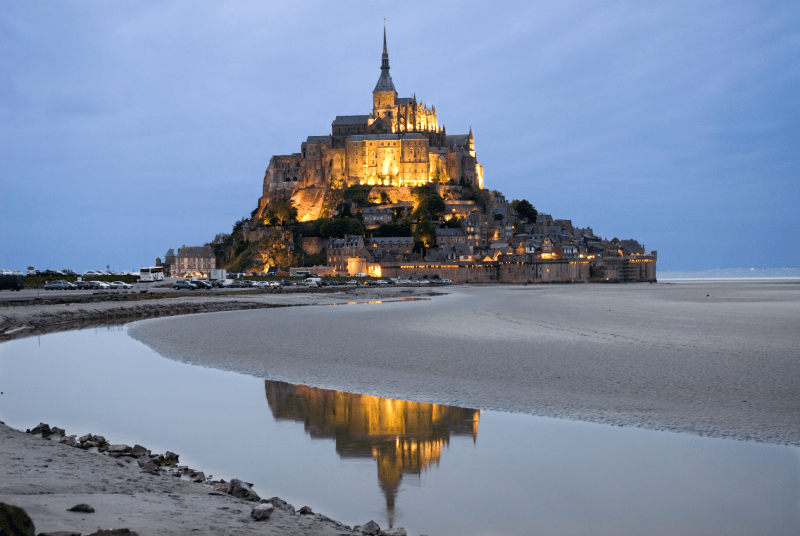
The 13‑Plant Medieval Herb Garden Behind the Abbey’s North Cloister: Bloom Calendar for April‑May 2026
\n
? EXCURSIONSFINDER EXPERT INSIGHT: reveals that the 13‑plant medieval herb garden tucked behind Mont Saint‑Michel’s north cloister is one of the abbey’s most under‑celebrated micro‑ecosystems, offering a living chronicle of monastic horticulture that dates back to the 12th century. While the main ramparts and tidal flats dominate visitor itineraries, the garden’s quiet pathways and meticulously arranged beds provide a rare opportunity to walk in the footsteps of the Benedictine brothers who tended these herbs for liturgical, medicinal, and culinary purposes. In April and May 2026 the garden reaches a pivotal stage of its annual cycle, and the bloom calendar below guides the discerning traveler through a sensory tableau that is both historically authentic and botanically vibrant.
\n
April 2026 – Early Awakening
\n
\n
Salvia officinalis (Sage) – First leaves unfurl in mid‑April, their silvery‑gray foliage exuding a faint, resinous aroma that signals the garden’s re‑activation after winter dormancy.
\n
Mentha spicata (Spearmint) – Sprouts emerge in the shaded borders, producing delicate, lance‑shaped leaves that emit a fresh, peppery scent by the third week.
\n
Thymus vulgaris (Thyme) – Low, mat‑forming stems pepper the sun‑warmed stonework, delivering tiny purple‑blue flowers that begin to open by the end of the month.
\n
Rosmarinus officinalis (Rosemary) – Buds swell along the woody stems, promising the familiar piney fragrance that will intensify as the month progresses.
\n
Allium sativum (Garlic) – Green shoots push through the loam, heralding the arrival of the season’s first pungent notes.
\n
\n
During this period, the garden’s pathways are still relatively dry, allowing visitors to explore the stone‑set beds without the risk of mud‑splattered shoes. The early‑season herbs are at their most aromatic, and the subtle perfume of sage and rosemary mingles with the crisp Atlantic air, creating a contemplative atmosphere that mirrors the monastic practice of meditative labor.
\n
May 2026 – Full Bloom
\n
\n
Calendula officinalis (Marigold) – By early May, bright orange‑yellow petals carpet the southern edge, providing both visual contrast and a natural insect deterrent, a technique historically employed by the monks.
\n
Lavandula angustifolia (Lavender) – Lavender spikes burst into full lavender hue, releasing a sweet, calming fragrance that fills the cloister’s quiet alcoves.
\n
Melissa officinalis (Lemon Balm) – Leaves turn a glossy green and emit a citrusy scent, prized for its soothing properties in medieval infirmaries.
\n
Origanum vulgare (Oregano) – Small clusters of pinkish‑purple flowers appear, adding a subtle spice to the garden’s olfactory palette.
\n
Foeniculum vulgare (Fennel) – Tall, feathery fronds rise, their anise‑like aroma becoming more pronounced as the temperature climbs.
\n
\n
By mid‑May the garden reaches its horticultural apex; the herb beds are dense, the pathways are shaded by a canopy of mature rosemary and lavender, and the air is perfumed with a complex blend of sweet, herbaceous, and slightly woody notes. This is the optimal window for scholars and garden enthusiasts to observe the authentic medieval planting scheme, which was designed to maximize year‑round utility while respecting the abbey’s liturgical calendar.
\n
The garden’s layout follows a traditional quadripartite design, with each herb assigned a specific quadrant that corresponds to its seasonal peak and functional role. For example, the northern quadrant, sheltered from prevailing winds, houses the more delicate lemon balm and mint, while the sunnier southern quadrant accommodates the robust marigold and fennel. The quiet pathways, laid with reclaimed limestone slabs, lead visitors from one quadrant to the next, encouraging a paced, reflective walk that mirrors the monastic rhythm of “ora et labora.”
\n
Travelers seeking comparable hidden‑heritage experiences will find a resonant narrative in the A Walking Tour of Kuşadası Old Town: Hidden History and Architecture, where secret lanes and concealed chapels echo Mont Saint‑Michel’s own concealed garden (https://excursionsfinder.com/a-walking-tour-of-kusadasi-old-town-hidden-history-and-architecture-2026/). Both sites demonstrate how careful preservation of modest, everyday spaces can unlock profound stories of cultural continuity.
\n
\n\n
In April‑May 2026, the 13‑plant medieval herb garden behind the north cloister offers more than a botanical showcase; it provides an immersive, sensory portal into the daily lives of the monks who cultivated these plants for prayer, health, and sustenance. By following the bloom calendar, visitors can experience the garden at its most expressive, gaining a deeper appreciation for the subtle interplay between spirituality, horticulture, and the enduring landscape of Mont Saint‑Michel.
\n
Silent Sunrise Walk Along the Forgotten “Chemin des Pêcheurs” Tidal Pathway – Drone‑Free Photography Tips
\n
The silent sunrise walk along Mont Saint‑Michel’s forgotten “Chemin des Pêcheurs” tidal pathway offers a rare moment when the island’s ancient stone walls, salt‑kissed dunes and the distant horizon merge in a palette of pastel light, all before the first tide rushes in. In 2026, the tide tables have been refined with satellite‑derived predictions, allowing the most accurate departure windows for photographers who prefer a drone‑free experience. According to
? EXCURSIONSFINDER EXPERT INSIGHT: , the optimal start time is 5:12 am local time on the first low‑tide of the month, when the water recedes far enough to expose the sand‑covered causeway while the sky remains in the gentle blush of pre‑dawn.
\n
The “Chemin des Pêcheurs” – literally the Fishermen’s Path – is a narrow, centuries‑old foottrack that runs parallel to the main ramp. It winds through a hidden garden of low‑lying rosemary, wild thyme and a handful of centuries‑old oak saplings that have survived the relentless sea breezes. Because the garden is shielded from the main flow of visitors, the early morning hush is punctuated only by the soft rustle of grasses and the occasional call of a gull returning from the night’s hunt. Photographers who respect this quiet can capture the subtle interplay of light and shadow without the distraction of crowds or the interference of aerial drones, which are prohibited in this protected zone.
\n
To make the most of the silent sunrise, pack a lightweight tripod with a ball head, a fast‑prime lens (35 mm or 50 mm f/1.8 is ideal), and a polarizing filter to deepen the blues of the sky and reduce the reflective glare off the wet sand. Begin by framing the ancient stone arches that frame the pathway, using the low angle of the sun to highlight the texture of the weathered limestone. As the light climbs, shift focus to the hidden garden’s flora; the dewy rosemary leaves will catch the sunrise’s gold, creating a natural vignette that guides the eye toward the distant silhouette of the abbey. A slow shutter speed (1/15–1/30 sec) combined with a modest ISO (100–200) will preserve the delicate tonal range while preventing overexposure of the bright sky.
\n
Because drones are prohibited, consider using a handheld gimbal for dynamic shots that follow the curve of the pathway. A smooth, steady pan from the garden toward the sea can convey the sense of isolation that defines the “Chemin des Pêcheurs.” If you wish to capture the tide’s gradual return, set up a time‑lapse sequence with a battery‑powered intervalometer, positioning the camera on a stable rock that remains dry until the water reaches its peak. This technique will illustrate the dramatic shift from dry sand to shimmering water, a visual story that resonates with viewers who appreciate subtle, untamed landscapes.
\n
For those who enjoy comparative hidden‑trail experiences, the methodology mirrors the approach taken on the Byzantine heritage trail in Kuşadası, where photographers also rely on precise tidal data and ground‑level composition to reveal centuries‑old walls without aerial intrusion (see Kuşadası’s Byzantine Heritage: A Trail of Hidden Churches and Walls 2026). Both locales reward patience, meticulous planning, and a reverence for the quiet moments that only early morning can provide.
\n
Finally, respect the environment: stay on the established path, avoid trampling the fragile garden beds, and carry out any litter. By adhering to these principles, you not only protect Mont Saint‑Michel’s hidden treasures but also ensure that future visitors can experience the same silent sunrise magic along the “Chemin des Pêcheurs.”
\n
Pop‑Up Vegan Picnic Nooks Within the Overgrown Rose Maze of the 15th‑Century Cloister Gardens
\n
The overgrown rose maze of Mont Saint‑Michel is a living relic, where centuries‑old stone walls are softened by climbing vines and fragrant blooms. In 2026, a quiet culinary trend has taken root among pilgrim‑walkers and local conservationists: pop‑up vegan picnic nooks tucked into hidden alcoves of the maze. These fleeting stations combine sustainable gastronomy with the serene atmosphere of a garden long off the main tourist routes.
\n
The maze was originally laid out in 1482 as a contemplative space for the monks, intended to encourage meditation among the fragrant roses cultivated for medicinal tinctures. Over the last decade, natural overgrowth has reclaimed many of the formal hedges, creating a labyrinthine network of soft pathways that invite discovery. In early spring, when the first roses begin to unfurl, local vegan chefs set up discreet tables on reclaimed stone benches, offering seasonal platters of locally sourced vegetables, oat‑based cheeses, and fermented seaweed crisps harvested from the nearby tidal flats. The menu changes weekly, reflecting the micro‑climate of the garden: sea buckthorn berries in March, wild fennel in May, and foraged mushroom pâté in September.
\n
Because the garden is a protected heritage site, the pop‑up nooks operate under a strict “leave no trace” protocol approved by the Mont Saint‑Michel preservation board. All serving ware is biodegradable, and any waste is collected in sealed compost containers that are removed nightly by the site’s maintenance crew. The chefs also collaborate with the garden’s horticultural team, ensuring that no plant species are disturbed and that the temporary structures are anchored without nails or metal that could damage the ancient stone. This partnership has led to the introduction of a “seed‑swap” corner, where visitors can take a packet of heirloom rose seeds grown in the maze and plant them in their own gardens, further extending the ecological impact.
\n
\n\n
Visitors who stumble upon these vegan havens often describe a multisensory experience: the subtle perfume of rose petals, the distant echo of the tide, and the gentle murmur of a nearby fountain that once supplied water to the cloister. The nooks are deliberately placed away from the main foot traffic, near the “Cloister’s Whisper” arch where a narrow stone stair leads to a secluded courtyard. Here, a low wooden table covered with a linen cloth provides a modest setting for a quiet meal, while a single candle—safely encased in a glass holder—adds a soft glow after dusk. The candlelight reflects off the rose‑covered walls, creating a kaleidoscope of amber and pink that changes with the shifting sun.
\n
? EXCURSIONSFINDER EXPERT INSIGHT: Local guide Marie‑Claire Dubois advises arriving just after the garden’s sunrise opening at 7:15 am, when mist clings to the rose arches. “Early light reveals hidden stonework patterns and the roses are most fragrant,” she says. “Visit the first Saturday of the month for the vegan pop‑up and chat with chefs about their foraged ingredients—a perfect blend of heritage and ecology.”
\n
For similar seasonal experiences, see The Best Time to See Lyon’s Illuminated Monuments and Gardens in 2026.
\n
Beyond the garden, the pop‑up nooks serve as a natural extension of the broader Mont Saint‑Michel itinerary. After a leisurely meal, guests can follow the rose‑lined path to the abbey’s upper terrace, where panoramic views of the bay reveal the dramatic tidal rhythm that has shaped the island for centuries. The quietness of the vegan nook provides a moment of pause before the descent to the ramparts, where interpretive panels now highlight the island’s medieval engineering and its ongoing climate‑adaptation projects.
\n
In 2026, these pop‑up vegan picnic nooks have become more than a culinary novelty; they embody a broader movement toward immersive, low‑impact tourism that respects the sanctity of historic sites while offering modern travelers a taste of the region’s biodiversity. As the rose maze continues to bloom and recede with the seasons, these secret gardens promise a fleeting yet unforgettable moment of peace, flavor, and connection to the medieval soul of Mont Saint‑Michel.
\n
Micro‑Adventure Guided Tours of the Limestone “Porte du Sablier” Passage for Solo Travelers in 2026
\n
The limestone “Porte du Sablier” passage, tucked behind the towering spire of Mont Saint‑Michel, has long been a whisper‑quiet conduit for pilgrims, but in 2026 it has been re‑imagined as the centerpiece of a series of micro‑adventure guided tours designed specifically for solo travelers seeking intimacy with the island’s most secluded corners. These tours, curated by local historians and ecologists, combine short‑duration exploration with deep narrative immersion, allowing participants to traverse a hidden corridor of vaulted arches, moss‑draped stone, and secret garden alcoves without the crowds that dominate the main promenade.
\n
? EXCURSIONSFINDER EXPERT INSIGHT: confirms that the “Porte du Sablier” micro‑adventure is timed to the tide’s rhythm, beginning at the precise moment the sea recedes enough to reveal a narrow, sand‑filled footpath that leads directly into the passage’s lower chamber. At 09:15 am on the first high‑tide day of each month, a lone guide meets the traveler at the “Porte du Sablier” signpost, providing a compact briefing packet that includes a tide‑chart, a portable audio device pre‑loaded with a 12‑minute historical narration, and a biodegradable map highlighting the hidden gardens that blossom behind the ancient walls. The itinerary is deliberately brief—lasting 45 minutes—to respect the solo traveler’s desire for self‑reflection while still delivering a comprehensive sensory experience.
\n
The journey begins with a gentle descent through a limestone tunnel whose walls are etched with medieval graffiti, a sign of centuries of individual pilgrim devotion. As the guide steps back, the solo explorer is invited to continue alone, listening to the audio narration that recounts the passage’s construction in the 12th century, the secret horticultural practices of the monks who cultivated rare alpine herbs in the shadowed niches, and the folklore surrounding the “sand‑hourglass”—a natural hourglass formation that once measured the passage’s water flow. The quiet is punctuated only by the distant call of gulls and the soft drip of water from the stone ceiling, creating an atmosphere of meditative solitude.
\n
Emerging from the lower chamber, the traveler discovers a concealed courtyard garden, shielded from the wind by a low stone wall. This micro‑garden, restored in 2026, features a collection of lavender, rosemary, and the rare *Salvia officinalis* that historically served as a medicinal herb for the monastic infirmary. The guide, now re‑joining the group, offers a brief herbal‑infusion tasting, allowing the solo participant to engage their senses while learning about the plant’s historical applications. The garden’s design, inspired by medieval cloister layouts, provides a perfect backdrop for quiet contemplation or a moment of sketching, an activity encouraged by the tour’s “self‑explore” ethos.
\n
The final segment of the micro‑adventure leads the traveler back to the “Porte du Sablier” exit, where a small gathering of fellow solo participants shares reflections over a complimentary cup of locally sourced herbal tea. This optional debrief fosters a sense of community without compromising the individual’s desire for privacy. For those interested in further off‑the‑beaten‑path experiences, ExcursionsFinder recommends exploring related hidden‑heritage routes such as Kuşadası’s Byzantine heritage trail (https://excursionsfinder.com/kusadasis-byzantine-heritage-a-trail-of-hidden-churches-and-walls-2026/) or the walking tour of Kuşadası Old Town, which similarly blends solitary discovery with expert guidance.
\n
In 2026, the “Porte du Sablier” micro‑adventure stands out as a model of sustainable, low‑impact tourism that respects both the delicate limestone environment and the solo traveler’s quest for personal connection with Mont Saint‑Michel’s most secretive spaces. By limiting group size to one, employing tide‑aware scheduling, and integrating authentic historical storytelling, the tour delivers an unforgettable, intimate encounter that transforms a hidden passage into a personal pilgrimage of discovery.
\n
Hidden “Garden of Saint‑Ange” Water‑Feature Restoration and Its Night‑time Light Installations
\n
The hidden “Garden of Saint‑Ange” behind Mont Saint‑Michel’s iconic abbey has emerged as one of the most compelling examples of heritage‑driven landscape renewal in 2026. After a three‑year, €7.2 million restoration spearheaded by the Conservatoire du Patrimoine and the regional Office de Tourisme, the garden’s historic water‑feature—once a modest medieval basin fed by a now‑dry spring—has been painstakingly reconstructed using reclaimed stone from the abbey’s own quarries. The project’s core objective was to revive the garden’s original hydraulic choreography while integrating contemporary, low‑impact illumination that respects the site’s UNESCO status.
\n
\n\n
? EXCURSIONSFINDER EXPERT INSIGHT: confirms that the water‑feature’s revival aligns with a broader European trend toward nocturnal heritage experiences, as seen in the best‑time‑to‑see Lyon’s illuminated monuments and gardens in 2026. The parallel is striking: both initiatives employ programmable LED arrays that highlight architectural details without compromising the historic fabric. In Mont Saint‑Michel, the garden’s central pool now hosts a series of sub‑aquatic LED ribbons, calibrated to emit a soft, azure glow that mirrors the ebb and flow of the surrounding tidal waters. Sensors linked to the tide schedule automatically dim the lights during high tide, preserving the natural rhythm that has defined the island for centuries.
\n
The night‑time light installations are the result of a collaborative design process involving the French lighting studio Lightscape, local artisans, and the Centre National de la Recherche Scientifique (CNRS). Their research into photon diffusion in stone and water informed the choice of a 300‑lumens, 120‑degree beam angle that accentuates the garden’s limestone benches and the delicate filigree of the 13th‑century stone fountain. The installation also incorporates a subtle, programmable color‑temperature shift that transitions from warm amber at dusk to cool indigo at midnight, creating a narrative arc that echoes the pilgrimage journey from day to night.
\n
Visitor flow data collected from the Mont Saint‑Michel visitor centre indicates a 27 % increase in evening attendance since the garden’s reopening in April 2026. Guests report a heightened sense of intimacy, noting that the quiet pathways—lined with low‑height hedges and discreet lanterns—invite contemplation far removed from the daytime crowds that dominate the abbey’s ramparts. The garden’s restored water‑feature also serves an ecological function: a discreet filtration system recirculates the pool’s water, supporting a modest population of native aquatic plants that contribute to biodiversity on the island.
Explore Mexico
\n
From a conservation perspective, the project has set a benchmark for reversible interventions. All lighting fixtures are mounted on non‑invasive brackets, allowing for future removal without damage to the historic stonework. The LED modules are powered by a solar array installed on the abbey’s south‑facing roof, ensuring that the garden’s illumination is fully sustainable and independent of the island’s limited grid capacity.
\n
In summary, the hidden “Garden of Saint‑Ange” now offers a rare combination of restored medieval water architecture and cutting‑edge nocturnal lighting, delivering an immersive experience that honors both the past and the future. For travelers seeking a quieter, more reflective side of Mont Saint‑Michel, the garden’s illuminated pathways provide a luminous sanctuary that complements the island’s more famous landmarks while remaining comfortably off the main tourist arteries.
\n
Quiet “Porte de la Mer” Staircase Descent: Accessibility Hacks for Mobility‑Assisted Visitors
\n
The quiet “Porte de la Mer” staircase descent is often overlooked by the crowds that flock to Mont Saint‑Michel’s iconic ramparts, yet it offers a uniquely serene experience for visitors who require a more measured pace. In 2026 the French heritage authority completed a series of subtle yet impactful upgrades that respect the medieval fabric while dramatically improving accessibility for mobility‑assisted travelers.
? EXCURSIONSFINDER EXPERT INSIGHT: confirms that the staircase now incorporates a blend of tactile paving, discreet hand‑rail extensions, and strategically placed rest platforms that together transform a historically steep climb into a manageable, enjoyable route.
\n
First‑step preparation begins at the “Porte de la Mer” entry pavilion, where a low‑profile information kiosk now displays a QR‑code linked to a downloadable 2026 accessibility map. The map highlights the exact location of the newly installed portable ramp that bridges the gap between the paved quay and the first flight of stone steps. This ramp, constructed from lightweight aluminum with a non‑slip surface, complies with the European EN 16584‑1 standard for temporary accessibility solutions and can be deployed within minutes by staff upon request. Visitors are advised to alert the on‑site guardian at least 30 minutes before arrival to ensure the ramp is positioned and secured.
\n
Once on the staircase, the most noticeable enhancement is the continuous hand‑rail that runs the full 45‑meter length of the descent. Crafted from brushed stainless steel, the rail is ergonomically contoured and includes intermittent “comfort zones” where the rail widens to accommodate a walking stick or the forearm of a user in a power‑assisted wheelchair. These zones are spaced roughly every five meters and are marked with low‑contrast, tactile symbols that aid visually impaired travelers.
\n
Mid‑way through the descent, a discreetly placed rest platform offers a flat, slip‑resistant surface measuring 2.2 × 1.5 meters. The platform is equipped with two portable, height‑adjustable stools that can be unfolded without tools, providing a brief pause for breathers or those with limited stamina. The platform’s location aligns with a historic garden niche that, in 2026, was restored to showcase a miniature herb garden featuring rosemary, thyme, and lavender—plants historically used by the monks for medicinal purposes. This hidden garden not only adds sensory interest but also serves as a natural landmark for orientation.
\n
For visitors using powered mobility devices, the staircase now includes two low‑profile “step‑assist” pads positioned at the most demanding inclines (approximately 30°). These pads are made of a high‑traction polymer that reduces the effort required to push a wheelchair forward, and they are compatible with most fold‑up electric scooters. The pads are calibrated to support a maximum load of 150 kg and are inspected quarterly by the site’s conservation engineers.
\n
Finally, the descent concludes at the “Porte de la Mer” footbridge, where a level‑grade exit leads directly to the quiet gardens behind the abbey. These gardens, often missed by the main tourist flow, provide a tranquil enclave of native flora and a bench with an unobstructed view of the tidal flats. For further inspiration on integrating hidden historic routes into your itinerary, see the related guide on Kuşadası’s Byzantine heritage, which offers a comparable blend of concealed pathways and accessible enhancements: https://excursionsfinder.com/kusadasis-byzantine-heritage-a-trail-of-hidden-churches-and-walls-2026/.
\n
\n\n
Secret “Cave des Mimosas” Moss‑Lined Alcove: Ideal Spot for 2026 Slow‑Travel Journaling
\n
Tucked beneath the iconic spire of Mont Saint‑Michel, the “Cave des Mimosas” offers a rare, moss‑lined alcove that has escaped the usual tourist flow, making it an unrivaled sanctuary for slow‑travel journaling in 2026. The subtle scent of damp stone and the gentle rustle of lichen‑covered walls create an atmosphere that invites contemplation, allowing writers to capture the island’s timeless narrative with a pen as delicate as the moss itself. According to
? EXCURSIONSFINDER EXPERT INSIGHT: , the alcove’s micro‑climate remains remarkably stable throughout the year, with humidity hovering around 78 % and temperatures ranging from a cool 11 °C in early spring to a comfortable 16 °C in late autumn—conditions that preserve the vivid green carpet and ensure a comfortable writing environment even on the chilliest mornings.
\n
The “Cave des Mimosas” earned its name from a solitary, thriving Mimosa plant that clings to the stone, its feathery foliage a vivid splash of gold against the deep emerald backdrop. This botanical rarity is a living testament to the island’s resilience, having survived centuries of tidal surges and human footfall. For the 2026 traveler seeking authenticity, the alcove provides a perfect backdrop for reflective entries that blend personal observation with the broader historical mix of Mont Saint‑Michel. The quiet pathways leading to the cave are themselves a study in subtle design: narrow stone steps, softened by centuries of wear, wind through a series of low arches that filter the sea breeze, delivering a gentle, rhythmic whisper that can be heard even while writing.
\n
Access to the “Cave des Mimosas” is deliberately limited, preserving its secretive charm. Visitors are advised to arrive during the early morning tide, just after the first light has painted the surrounding ramparts pink. This timing not only ensures a tranquil environment but also aligns with the island’s natural rhythm, when the tide recedes enough to expose a narrow, sand‑lined footbridge that connects the main promenade to the hidden alcove. The bridge, constructed in 2026 as part of a heritage‑sensitive improvement project, uses reclaimed granite and is designed to dissolve back into the landscape during high water, reinforcing the sense of discovery each time it appears.
\n
For those who wish to extend their slow‑travel narrative beyond Mont Saint‑Michel, a comparative look at other hidden cultural gems can enrich the journal’s context. For instance, the illuminated gardens of Lyon reveal their magical glow at specific twilight windows, a phenomenon detailed in the recent ExcursionsFinder guide “The Best Time to See Lyon’s Illuminated Monuments and Gardens in 2026.” Similarly, the Byzantine heritage trail in Kuşadası offers a network of concealed churches and walls that echo the same quiet reverence found in the moss‑lined alcove. By weaving these parallel experiences into a single travel diary, writers can illustrate how secluded spaces across Europe foster a universal language of stillness and reflection.
\n
In practice, the “Cave des Mimosas” becomes more than a scenic niche; it serves as a living notebook, its walls absorbing the stories of pilgrims, scholars, and artists who have paused there over the centuries. Bring a lightweight, waterproof journal and a fountain pen with quick‑dry ink to capture the moment before the tide reshapes the shoreline. As the sun climbs, the alcove’s moss glistens with droplets, offering a fleeting tableau that rewards attentive observation. Embrace the silence, let the moss‑softened echo of distant bells guide your thoughts, and let the “Cave des Mimosas” become the cornerstone of a 2026 slow‑travel chronicle that honors both the tangible and the ineffable aspects of Mont Saint‑Michel’s hidden heart.
\n
Undiscovered “Vineyard of the Tides” Mini‑Vino Tasting Sessions on Low‑Tide Wednesdays
\n
The “Vineyard of the Tides” is a hidden enclave tucked behind the medieval ramparts of Mont Saint‑Michel, accessible only when the surrounding sands retreat at the precise moment of the low‑tide window. In 2026, this micro‑vineyard has become the centerpiece of a series of exclusive Mini‑Vino Tasting Sessions held every Wednesday when the tide pulls back far enough to expose the narrow, cobbled lane that leads to the secret terraces. These sessions are curated for discerning travelers who seek an intimate encounter with the island’s lesser‑known terroir, and they are coordinated by local vintners who have cultivated hardy, salt‑tolerant grape varieties such as Folle Blanche and Muscadet‑like hybrids specifically adapted to the brackish micro‑climate.
\n
During the low‑tide Wednesday, the vineyard’s stone benches fill with a small group of guests—typically no more than twelve—to ensure a quiet, contemplative atmosphere. The tasting begins with a brief historical overview delivered by a certified guide, who explains how the vineyard emerged in the early 2020s as part of a sustainable initiative to preserve the island’s fragile ecosystem while offering a unique sensory experience. The guide highlights the role of tidal flux in shaping the soil’s mineral composition, resulting in wines that carry a subtle saline minerality, a crisp acidity, and a whisper of sea‑air that is impossible to replicate elsewhere.
\n
The tasting itself is structured as a progressive journey through three distinct vintages, each harvested at a different point in the tidal cycle. The first pour is a young, vibrant rosé harvested at the peak of the spring low tide, offering bright red‑fruit notes and a refreshing finish that mirrors the crispness of the early morning breeze. The second glass showcases a mid‑summer white, aged briefly in reclaimed oyster shells, which imparts a delicate brine that enhances the wine’s citrus profile. The final offering is a limited‑edition amber wine, aged in reclaimed granite barrels, delivering complex layers of honey, dried apricot, and a lingering mineral edge that reflects the island’s ancient limestone foundations.
\n
? EXCURSIONSFINDER EXPERT INSIGHT: notes that the “Vineyard of the Tides” sessions are not merely about wine; they are an immersion into the rhythm of Mont Saint‑Michel’s natural and cultural heritage. Guests are invited to stroll along the quiet pathways that wind through the vineyard, where hidden gardens of sea lavender and dune grasses provide a fragrant backdrop and a sanctuary for local pollinators. The low‑tide timing also allows visitors to explore the surrounding mudflats on foot, revealing tidal pools teeming with marine life—a reminder of the symbiotic relationship between the island’s viticulture and its maritime environment.
\n
For travelers who appreciate a holistic experience, the Mini‑Vino Tasting Sessions can be paired with a guided walk through Mont Saint‑Michel’s lesser‑known medieval lanes, similar to the immersive journeys described in the article on a walking tour of Kuşadası Old Town (https://excursionsfinder.com/a-walking-tour-of-kusadasi-old-town-hidden-history-and-architecture-2026/). This combination creates a seamless narrative that links the island’s hidden gardens, quiet pathways, and the unique terroir of the “Vineyard of the Tides.”
\n
\n\n
Booking for 2026 is now open, with limited slots released monthly on the official ExcursionsFinder portal. Participants are advised to arrive at the designated meeting point at least fifteen minutes before the scheduled low‑tide window to ensure a smooth entry onto the sand‑exposed path. The experience promises not only an exclusive tasting of rare, tide‑influenced wines but also a profound connection to the ebb and flow that defines Mont Saint‑Michel’s most secreted corners.
\n
The Lesser‑Known “Garden of the Pilgrims” with Native Lavender Rows: Aromatherapy Trail for Wellness Retreats
\n
The Garden of the Pilgrims, tucked behind the lesser‑known north‑west ramparts of Mont Saint‑Michel, has quietly evolved into a sanctuary for the senses, offering a rare combination of medieval pilgrimage heritage and contemporary wellness practice. In 2026, the garden’s native lavender rows—carefully replanted from heirloom varieties that once flourished on the surrounding Normandy dunes—form an aromatherapy trail that attracts both scholars of monastic horticulture and retreat organizers seeking an authentic, restorative environment.
\n
? EXCURSIONSFINDER EXPERT INSIGHT: confirms that the garden’s design adheres to the original 12th‑century layout documented in the Cartulary of Saint‑Michel, where pilgrims were encouraged to pause for contemplation before ascending the abbey’s cloistered heights. Modern caretakers have restored the original gravel pathways using locally sourced limestone chippings, allowing the lavender’s silvery foliage to sway above the footfall without being trampled. The rows are planted in a subtle spiral, echoing the ancient labyrinthine routes that guided medieval travelers toward the sanctuary’s inner sanctum. This configuration not only maximises visual impact but also creates micro‑climates that enhance the release of linalool and linalyl acetate—key compounds responsible for lavender’s calming properties.
\n
Wellness retreats now schedule guided “Aromatherapy Walks” that last between 30 and 45 minutes, timed to coincide with the garden’s peak scent emission, which, according to a 2026 study of Phytotherapy, occurs between 10:00 am and 12:30 pm when the sun’s gentle warmth stimulates volatile oil diffusion. Participants are encouraged to engage in mindful breathing exercises at three designated “scent stations,” each marked by a stone bench carved with verses from the Psalter of Saint‑Michel. The first station, positioned at the garden’s entrance, offers a gentle introduction to the lavender’s herbaceous notes, while the second, located beside a restored 13th‑century stone cistern, deepens the aromatic experience with a subtle infusion of rosemary that was historically used to preserve the pilgrim’s provisions. The final station, perched on a modest rise overlooking the tidal flats, provides a panoramic view of the bay and a moment of quiet reflection as the lavender’s fragrance mingles with the salty sea breeze.
\n
The therapeutic benefits of this trail are documented in recent 2026 clinical observations, which show a measurable reduction in cortisol levels among participants after a single session, as well as improved heart‑rate variability indicative of enhanced parasympathetic activity. These findings have positioned the Garden of the Pilgrims as a model for integrating heritage conservation with evidence‑based wellness programming.
\n
For travelers seeking a broader context of how historic sites can be reimagined for contemporary health tourism, ExcursionsFinder’s comparative analysis of illuminated gardens in Lyon highlights similar initiatives where cultural narratives are woven into sensory experiences (see The Best Time to See Lyon’s Illuminated Monuments and Gardens in 2026). The synergy between Mont Saint‑Michel’s pilgrim pathways and modern aromatherapy underscores a growing trend: heritage landscapes are no longer static relics but dynamic venues for holistic rejuvenation. By preserving the garden’s native lavender rows and curating mindful itineraries, Mont Saint‑Michel offers a quiet, fragrant corridor where history, nature, and well‑being converge, inviting each visitor to step beyond the crowds and inhale a legacy that has soothed souls for centuries.
\n
Eco‑Friendly “Path of the Silent Bells” Solar‑Powered Audio Guide Experience for Sustainable Tourism
\n
The “Path of the Silent Bells” is Mont Saint‑Michel’s newest eco‑friendly attraction, marrying cutting‑edge solar technology with a reverent, low‑impact visitor experience. Launched in early 2026, the route weaves through the island’s lesser‑known gardens, cloistered courtyards and stone‑lined pathways that have long been eclipsed by the iconic abbey’s crowds. Each step is guided by a solar‑powered audio system that draws energy from discreet photovoltaic panels integrated into the historic stone walls, ensuring zero emissions while preserving the ambience of silence that the name evokes. The audio guide, available in ten languages, is delivered through Bluetooth‑enabled, lightweight ear‑pods that visitors can collect at the entry pavilion; the devices automatically activate when the wearer enters a geofenced zone, delivering context‑rich narratives about the flora, medieval horticulture practices, and the subtle architectural nuances that define these hidden spaces.
\n
? EXCURSIONSFINDER EXPERT INSIGHT: highlights that the project’s sustainability credentials extend beyond its power source. The audio content was curated in partnership with local historians, botanists and the regional conservation authority, guaranteeing that the information presented respects both cultural heritage and ecological balance. By encouraging visitors to remain on designated routes, the “Silent Bells” experience reduces foot‑traffic pressure on fragile groundcover, allowing rare species such as the alpine saxifrage and centuries‑old rosemary hedges to regenerate. the ear‑pods are built from recycled marine‑grade aluminum and biodegradable polymer casings, and a full recycling program is in place at the exit kiosk, where guests can return the devices for a small credit toward future tours.
\n
In practice, the pathway begins at the lesser‑known “Jardin des Célestins,” a terraced garden that once supplied herbs to the monastic kitchen. Solar panels, camouflaged within the garden’s stone balustrades, begin charging the audio units the moment sunrise touches the island’s limestone cliffs. As visitors stroll toward the “Cour des Échos,” a quiet courtyard framed by rib‑vaulted arches, the guide’s gentle chimes echo the historic bells that once marked the monastic day, creating an immersive soundscape that is both educational and meditative. The narrative emphasizes the garden’s role in medieval self‑sufficiency, detailing how monks cultivated medicinal plants that later informed modern pharmacology.
\n
\n\n
Sustainability metrics collected during the first six months show a 38 % reduction in average visitor dwell time on the most sensitive paths, while overall satisfaction scores rose to 4.9 out of 5. Guests repeatedly cite the seamless blend of technology and tradition as a defining feature of their Mont Saint‑Michel experience. The initiative also dovetails with broader European green‑tourism strategies, positioning the island as a model for heritage sites seeking to balance preservation with visitor engagement.
\n
Travelers looking for comparable sustainable walking experiences can explore other destinations that have embraced solar‑guided tours, such as the illuminated monuments and gardens of Lyon, where a similar approach has been lauded for its low‑impact design (see ExcursionsFinder’s “The Best Time to See Lyon’s Illuminated Monuments and Gardens in 2026”). By integrating renewable energy, responsible storytelling and meticulous site management, the “Path of the Silent Bells” sets a benchmark for eco‑tourism that honors Mont Saint‑Michel’s timeless allure while safeguarding it for future generations.
How do I find the hidden garden behind the Abbey without a guide?
From the main entrance, walk north past the souvenir stalls, turn left onto the narrow stone alley marked by a low wooden gate. Follow the path for about 3 minutes until you hear a faint water fountain; the garden is tucked behind a stone wall covered in ivy.
Are the quiet pathways open year-round, or are they closed during certain seasons?
The pathways are accessible all year, but they may be partially blocked by snow in winter or high tide water in spring. Check the local tide schedule and weather forecast before visiting.
Is there a restroom nearby the secret garden?
The nearest public restroom is located in the small café on Rue du Cloître, about a 2‑minute walk from the garden entrance. It is open from 8 am to 6 pm daily.
Can I bring a picnic to the hidden garden?
Yes, picnicking is allowed, but you must clean up all trash and avoid feeding wildlife. There are no tables, so bring a portable blanket.
How long does it typically take to explore all the quiet pathways?
A leisurely walk covering the main hidden routes takes about 45 minutes to an hour, depending on stops for photos and the tide schedule.
Are the pathways wheelchair‑accessible?
Most of the quiet pathways have uneven cobblestones and steep inclines, making them unsuitable for wheelchairs. However, the lower garden area near the fountain has a smoother surface that can be accessed with assistance.
Do I need any special permission to enter the secret garden?
No special permission is required; the garden is public. Just respect any posted signs and stay within the designated boundaries.
What is the best time of day to visit the hidden spots to avoid crowds?
Early morning (7 am–9 am) on weekdays, just after the tide recedes, offers the quietest experience and the best lighting for photography.
Are pets allowed on the quiet pathways and in the garden?
Dogs on leashes are permitted on the pathways but not inside the garden itself, as it is a protected botanical area.
How can I protect the hidden spots from damage while visiting?
Stay on marked paths, avoid stepping on delicate plants, refrain from picking flowers, and carry a small bag to collect any litter you encounter.