
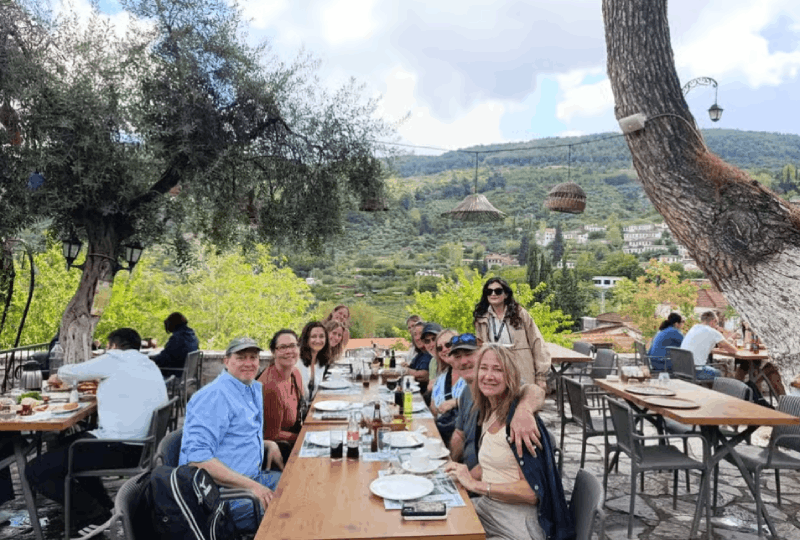
Itinerary Overview: 7-Day Yacht and Jungle Safari
Itinerary Overview: 7‑Day Yacht and Jungle Safari
Day 1 – Arrival in Cartagena, Colombia
Guests are met at Rafael Núñez International Airport and escorted to the private marina adjacent to the historic walled city. After a brief safety briefing aboard the 45‑meter sailing yacht, the crew prepares the vessel for departure. Evening time is allocated for a guided walking tour of Cartagena’s colonial centre, including the Plaza Santo Domingo and the Clock Tower, followed by a welcome dinner on deck featuring locally sourced seafood.
Day 2 – Cartagena to Rosario Islands (≈ 35 nm)
The yacht departs Cartagena at first light, navigating the Caribbean currents toward the Rosario Archipelago. The morning sail includes a brief stop at Isla del Pirata for snorkeling in coral reefs with sea turtles and colorful reef fish. Mid‑day the yacht anchors in the protected lagoon of Isla Grande, where guests disembark for a guided mangrove kayak tour. After lunch prepared on board, the afternoon consists of a leisurely sail back toward the mainland, with optional windsurfing lessons near the shallow shoals. Sunset is observed from the deck’s aft lounge.
Day 3 – Cartagena to Tayrona National Park (≈ 120 nm)
A longer passage takes the yacht northward along the Sierra Nevada de Santa Marta coastline. The crew monitors weather patterns to maintain a steady 7‑knots average speed, arriving in the late afternoon at the park’s marine entrance. Guests transfer by tender to the park’s eco‑lodge, where a brief orientation on park regulations is provided. The evening includes a rainforest walk to the “Pueblito” archaeological site, highlighting pre‑Columbian stone structures.
Day 4 – Jungle Trekking in Tayrona
A full‑day guided trek begins at dawn, following the Sendero Costero trail toward Cabo San Juan. The route covers 12 km of mixed terrain, passing through secondary forest, dry scrub, and coastal dunes. Along the way, naturalists point out endemic species such as the red‑eyed tree frog, the Andean cock-of-the-rock, and the spectacled bear’s occasional tracks. Lunch is a packed, insulated meal consumed at the beach cove of Playa Cristal, where guests may swim in the turquoise inlet. The return trek concludes in the late afternoon, with a brief debrief on conservation efforts in the park.
Day 5 – Tayrona to San Andrés Island (≈ 180 nm)
The yacht departs early, crossing the deeper Caribbean basin toward San Andrés. The navigation plan includes a night‑time passage under the star‑filled sky, with the crew providing a brief lecture on celestial navigation. Arrival occurs in the early evening; the vessel anchors in the natural harbor of San Luis. Guests are welcomed with a traditional island dinner featuring coconut rice and fried fish, followed by a cultural performance of Afro‑Caribbean drumming.
Day 6 – San Andrés Island Exploration
Morning activities consist of a shallow‑water dive at the West Bank coral wall, where divers encounter elkhorn and brain coral formations as well as occasional nurse sharks. After surfacing, a guided bicycle tour of the island’s historic town centre showcases colonial architecture and the “Ermita de San Antonio” chapel. Lunch is served on a beachfront pavilion, featuring tropical fruits and locally grown coffee. The afternoon includes a sail‑powered excursion to the nearby cays of Johnny Cay and Acuario, providing opportunities for snorkeling among sea turtles and manta rays.
Day 7 – Return to Cartagena (≈ 210 nm) and Disembarkation
The final leg of the voyage follows a northeasterly route back to Cartagena, with a scheduled stop at the fishing village of Barú for a brief cultural exchange and purchase of handcrafted souvenirs. The yacht arrives in Cartagena’s harbor by mid‑afternoon. Guests are transferred to the airport for onward travel, concluding the seven‑day private yacht and jungle safari.
Luxury Yacht Accommodations and Onboard Amenities
The private yacht that serves as the gateway to the Hidden Riviera is engineered to blend seamless oceanic elegance with the intimacy of a boutique hotel. Each vessel in the fleet is a purpose‑built, 120‑ to 150‑foot motor‑yacht, constructed from lightweight aluminum hulls and reinforced with carbon‑fiber superstructures. This combination delivers a smooth, low‑vibration ride while maintaining fuel efficiency for extended cruising along the Costa Rican and Panamanian coasts.
Cabin Portfolio
Accommodations are divided into three distinct categories, each offering a curated experience for discerning travelers:
1. Owner’s Suite – Occupying the forward main deck, the suite spans 80 sq ft and features a king‑size hydraulic bed, a private en‑suite bathroom with marble finishes, a walk‑in rain shower, and a separate vanity area. Floor‑to‑ceiling glass panels provide uninterrupted panoramas of the Pacific horizon, while motorized shades allow for privacy at any hour. An integrated sound‑masking system ensures restful sleep even when the yacht is underway.
2. Staterooms – Two mid‑deck staterooms accommodate up to four guests each. Each cabin includes a queen‑size bed, a spacious wardrobe, and an en‑suite bathroom equipped with a dual‑jet shower and eco‑friendly fixtures that recycle grey water for non‑potable use. Custom‑woven linens, Egyptian cotton towels, and organic bath amenities reinforce the commitment to sustainable luxury.
3. Guest Cabins – Located on the lower deck, these intimate cabins host up to two guests per room. They feature twin or double‑size beds with memory‑foam mattresses, a compact work desk, and an en‑suite bathroom with a low‑flow faucet and a rain‑shower head. Natural bamboo paneling and reclaimed teak flooring create a warm, island‑inspired ambiance.
All cabins are climate‑controlled via a zoned HVAC system, and each includes a 55‑inch OLED television with a curated library of international films, streaming services, and a selection of documentaries focused on Central American wildlife and marine ecosystems.
Living Spaces
The main salon, positioned amidships, offers a 120‑sq ft open‑plan lounge with plush, modular seating that can be rearranged for dining, movie nights, or board‑game sessions. A state‑of‑the‑art sound system, calibrated for the yacht’s acoustic profile, delivers crystal‑clear audio throughout the interior. Adjacent to the salon, a glass‑enclosed dining area seats up to twelve guests and features a chef‑crafted menu that blends locally sourced seafood, organic produce from the on‑board garden, and premium wines from the region’s top vineyards.
Wellness and Recreation
A dedicated wellness suite houses a full‑size massage table, a hydrotherapy bathtub, and a compact sauna built from sustainably harvested cedar. The yacht’s fitness center includes a multi‑functional trainer, free weights, and a yoga platform with a retractable ocean‑view canopy. For water‑based recreation, the vessel is equipped with a 25‑ft tender, jet‑skis, paddleboards, snorkeling gear, and a diving compressor capable of supporting up to four scuba divers per day. An inflatable dolphin‑shaped platform provides a playful setting for children and families.
Technology and Connectivity
High‑speed satellite internet (up to 50 Mbps) ensures reliable connectivity for remote work or virtual meetings. The bridge integrates a dual‑frequency navigation suite, AIS tracking, and an automated stabilizer system that reduces roll to less than two degrees, enhancing comfort in choppy seas. All onboard systems are monitored through a centralized smart‑control panel accessible via tablet, allowing the crew to adjust lighting, temperature, and entertainment settings with a single touch.
Crew Services
A professional crew of eight, including a captain, chief engineer, chef, stewardess, and two deckhands, operates on a 1:2 guest‑to‑crew ratio. Their responsibilities encompass personalized itinerary planning, daily briefings on marine wildlife sightings, and bespoke culinary experiences. The crew’s multilingual proficiency (English, Spanish, French, and Portuguese) ensures seamless communication with guests from diverse backgrounds.
Together, these accommodations and amenities create a floating sanctuary that balances indulgent comfort with the rugged allure of the Hidden Riviera, allowing travelers to transition easily from opulent interiors to the untamed jungle and crystal‑clear waters that lie just beyond the bow.
Expert Jungle Guides and Wildlife Spotting Highlights
The success of a private yacht‑based jungle safari hinges on the depth of knowledge and field experience possessed by the on‑board guides. Guides are recruited from local indigenous communities and certified wildlife specialists, each holding at least five years of continuous fieldwork in the coastal rainforest corridor that borders the hidden Riviera. Their credentials include certifications in tropical ecology, advanced navigation of riverine systems, and first‑aid training specific to remote environments. Seasonal fluency with the region’s phenology enables guides to anticipate peak activity periods for target species, ensuring that guests encounter the most compelling wildlife moments.
Guides employ a combination of silent paddling techniques, low‑profile observation platforms, and strategically placed blinds constructed from locally sourced bamboo and canvas. These methods minimize disturbance, allowing animals to behave naturally within the viewing zone. Night‑time excursions utilize infrared spotlights and passive acoustic monitoring to reveal nocturnal fauna such as the slender‑tailed mongoose, the elusive owl‑bush quail, and a variety of leaf‑cutter bat colonies. Daylight surveys focus on canopy‑level birdwatching, with guides equipped with high‑powered spotting scopes that can identify species by plumage pattern and call signature alone.
Key wildlife spotting highlights include:
- Harlequin Macaw (Ara macao) – Frequently observed feeding on ripe figs along the riverbanks during early morning hours. Guides identify feeding trees by their distinctive fruiting cycles, positioning the yacht to glide silently past feeding sites.
- Baird’s Tapir (Tapirus bairdii) – Best encountered at dusk near the lowland floodplain’s mudflats, where the animal’s trail is marked by fresh footprints and disturbed vegetation. Guides track these signs using waterproof field notebooks and GPS waypoints.
- Scarlet‑backed Poison‑frog (Dendrobates auratus) – Populations concentrate in the shaded understory of the tributary’s moss‑laden banks. Guides conduct short amphibian walks, employing headlamps with red filters to avoid startling the frogs.
- Great Green Macaw (Ara ambiguus) – A conservation‑critical species whose nesting sites are located in towering emergent trees. Guides coordinate with local conservation NGOs to access protected nesting zones, offering guests a rare glimpse of nesting behavior without compromising nest integrity.
- River Otter (Lontra longicaudis) – Frequently sighted playfully navigating the yacht’s wake in the early afternoon. Guides interpret otter vocalizations to predict subsequent surfacing events, allowing for extended observation periods.
Guides also integrate cultural storytelling, linking wildlife behavior to traditional folklore and historical land use. This contextual layer enriches the viewing experience, providing guests with an understanding of how indigenous stewardship has shaped current biodiversity patterns.
Optimal wildlife visibility occurs during the transition months of May‑June and September‑October, when the region experiences moderate rainfall and reduced river flow. During these windows, water levels recede enough to expose feeding grounds while maintaining sufficient depth for safe yacht navigation. Guides recommend scheduling at least two dawn and two dusk excursions per itinerary to maximize encounters with both diurnal and crepuscular species. For bird‑watchers, a supplemental early‑morning “song‑burst” sortie—lasting 30 minutes before sunrise—captures peak avian vocal activity, dramatically increasing the likelihood of detecting rare canopy specialists such as the orange‑browed antbird (Herpsilochmus sticturus).
Port of Call Details and Exclusive Shore Excursions
1. Bocas del Toro, Panama – The private yacht drops anchor in the protected lagoon of Bocas Town, where draft‑restricted vessels can safely berth behind a breakwater. The marina offers discreet docking, on‑board refueling, and a small customs office for expedited clearance. Guests disembark onto a paved promenade lined with colonial‑style cafés and artisan boutiques.
*Exclusive Excursion – Mangrove‑Crested Eco‑Kayak:* A marine biologist‑led paddle through the archipelago’s intricate mangrove channels reveals nesting sea turtles, juvenile tarpon, and the rare West Indian manatee. The itinerary includes a guided walk on Isla Solarte to a private beach where a chef prepares a fresh‑catch ceviche tasting menu.
2. Pearl Islands, Panama – The fleet anchors off Isla Contadora, a secluded cay known for its crystalline waters and low‑impact tourism. Docking is limited to a single berth, preserving privacy and minimizing wake. Shore facilities consist of a modest dock with a shaded lounge and a small boutique offering locally woven hammocks.
*Exclusive Excursion – Historical Hacienda Tour & Coffee Harvest:* Guests are chauffeured in a vintage Land Rover to a restored 19th‑century hacienda where a historian recounts the island’s pirate past and its role in the Panama Canal era. The visit culminates in a private coffee‑picking session on a nearby plantation, followed by a cupping demonstration of single‑origin beans.
3. Corcovado National Park, Costa Rica – The yacht slips into the remote inlet of Puerto Jiménez, where a discreet tender transfers guests to a private dock constructed by the park’s conservation team. The dock is equipped with solar‑powered lighting and a rain‑water collection system, aligning with the park’s sustainability standards.
*Exclusive Excursion – Night‑time Jaguar Tracking:* After a guided rainforest hike led by a certified naturalist, participants join a research team equipped with infrared cameras to observe the elusive jaguar’s nocturnal activity. The experience includes a briefing on the park’s ongoing wildlife corridors and a dinner of farm‑to‑table cuisine prepared on a portable, low‑impact kitchen.
4. Puerto Viejo, Honduras (Bay Islands) – The vessel anchors in the protected waters of Roatán’s West End, where a private marina offers discreet mooring and a small customs outpost for swift processing. The shoreline features a coral‑rich reef accessible via a short, shallow‑water launch.
*Exclusive Excursion – Private Reef Conservation Dive:* Certified dive masters guide guests through a low‑impact dive on a reef segment designated for scientific monitoring. Participants assist in coral health assessments, photograph tagged sea turtles, and receive a briefing on the region’s marine protected area policies. The excursion concludes with a beachside barbecue featuring sustainably sourced seafood.
5. Tulum, Mexico – The yacht approaches the Sian Ka’an Biosphere Reserve, anchoring in a designated eco‑zone where a floating pontoon provides a stable platform for tender transfer. The pontoon includes a shaded lounge, solar‑charged chargers, and a small interpretive kiosk detailing the reserve’s biodiversity.
*Exclusive Excursion – Maya Jungle Canopy Zipline & Cenote Swim:* A private guide transports guests to a secluded canopy platform where a custom zipline traverses the jungle canopy, offering panoramic views of the lagoon below. The adventure continues with a guided trek to a hidden cenote, where a naturalist explains the geological formation and the cenote’s role in ancient Maya water rituals. A gourmet picnic featuring locally sourced ingredients is served on a floating deck.
6. Cartagena, Colombia – The yacht enters the historic walled city’s inner harbor, where a discreet berth near the historic fort allows for a short walk to the UNESCO‑listed Old Town. The dock is equipped with a discreet security team and a small customs kiosk for expedited clearance.
*Exclusive Excursion – Private Fort Restoration Tour & Gourmet Evening:* Guests are escorted to the Castillo San Felipe de Barajas, where a conservation architect provides an insider’s view of ongoing restoration work. The tour ends with a private rooftop dinner overlooking the Caribbean Sea, featuring a tasting menu curated by a celebrated Colombian chef and paired with boutique wines from the region.
Each port combines secure, low‑impact anchorage with curated, expert‑led shore experiences that emphasize cultural immersion, ecological stewardship, and culinary excellence. The itinerary is designed to maximize privacy while delivering authentic, high‑value encounters with the hidden Riviera’s most remarkable destinations.
Gourmet Dining Experiences Onboard and At Local Villages
The private yacht that navigates the hidden Riviera is equipped with a state‑of‑the‑art galley staffed by a chef‑de‑cuisine trained in both classic Mediterranean techniques and contemporary tropical gastronomy. Each day begins with a sunrise buffet that blends freshly baked croissants, tropical fruit salads, and locally sourced smoked fish from the coastal villages. The breakfast menu rotates on a seven‑day cycle, incorporating seasonal produce such as papaya, dragon fruit, and heirloom tomatoes harvested from the yacht’s own hydroponic garden.
Lunches are served on the sun‑deck or in an intimate aft salon, where guests can choose from a selection of à‑la‑carte dishes and a chef‑curated tasting menu. Signature plates include grilled mahi‑mahi glazed with a lemongrass‑ginger reduction, accompanied by quinoa pilaf infused with coconut milk and toasted kaffir lime leaves. A separate vegetarian tasting showcases a slow‑roasted pumpkin risotto finished with smoked mozzarella and a drizzle of pomegranate molasses. All proteins are sourced from artisanal fisheries that practice pole‑and‑line capture, ensuring minimal by‑catch and supporting local economies.
Evening service transforms the yacht’s main saloon into a fine‑dining venue. A multi‑course degustation highlights the convergence of Mediterranean and Southeast Asian flavors: an amuse‑bouche of sea urchin mousse on a crisp plantain chip, followed by a lobster bisque scented with kaffir lime and lemongrass, and a main course of herb‑crusted lamb rack paired with a reduction of tamarind and pomegranate. The dessert program features a deconstructed mango sticky rice, with coconut‑infused panna cotta, toasted rice crisps, and a mango coulis. Each dinner is complemented by a curated wine list that includes boutique labels from the Riviera’s micro‑climates, as well as natural wines from the Yarra Valley and biodynamic selections from the Loire Valley. The sommelier offers optional pairings, explaining terroir and vintage characteristics in relation to the dishes.
Beyond the yacht, the itinerary includes immersive culinary stops in coastal villages and jungle hamlets, where guests experience authentic home‑cooked meals prepared by local families. In the fishing village of Pulau Selamat, a communal dinner is held on a bamboo platform overlooking the lagoon. The menu features freshly caught snapper steamed in banana leaves with turmeric, galangal, and lime leaves, served alongside cassava flatbreads and a side of sambal made from chilies harvested that morning. Guests participate in a traditional “piring” ceremony, where each dish is placed on a shared platter to emphasize communal hospitality.
Further inland, a jungle lodge hosts a night market where itinerant cooks showcase regional specialties such as bamboo shoot curry, wild fern salad, and grilled pork marinated in fermented rice paste. The meals are prepared over open‑fire pits, imparting a smoky depth that complements the earthy flavors of foraged mushrooms and indigenous herbs. Local women demonstrate the art of making “kuih” – bite‑size rice cakes flavored with pandan and palm sugar – while sharing stories of their culinary heritage. All ingredients are sourced within a 20‑kilometer radius, reinforcing the sustainability ethos of the expedition.
Throughout the voyage, the culinary program emphasizes traceability, seasonal variation, and cultural exchange. Detailed briefing sheets accompany each meal, outlining the provenance of key ingredients, the cooking methods employed, and the cultural significance of the dishes. Cooking workshops on the yacht allow guests to master techniques such as charcoal grilling, spice‑blending, and the preparation of tropical desserts, providing skills that can be replicated at home. The combined onboard and village dining experiences deliver a holistic gastronomic narrative that celebrates the hidden Riviera’s marine bounty, jungle produce, and the culinary traditions of its coastal and inland communities.
Safety Protocols, Crew Certifications, and Emergency Procedures
Vessel Safety Management
All private yachts operating on the Hidden Riviera adhere to an International Safety Management (ISM) Code that governs daily operations, maintenance, and emergency readiness. The vessel’s safety management system is audited annually by a recognized classification society, ensuring compliance with SOLAS (Safety of Life at Sea) standards. Life‑saving appliances include enclosed liferafts with a capacity of 150 % of the maximum passenger count, automatically inflatable life jackets for each guest, and strategically placed immersion suits for cold‑water protection. Fire detection and suppression systems comprise automatic CO₂ and water‑mist extinguishers in engine rooms, galley fire blankets, and handheld ABC extinguishers on deck. All fire doors are self‑closing, and escape routes are clearly marked with photoluminescent signage.
Navigation and Communication
The yacht is equipped with a dual‑redundant navigation suite: GPS/GLONASS, radar, AIS transponder, and electronic chart display and information system (ECDIS) updated weekly. VHF marine radio (Channel 16 monitoring) and satellite communication terminals provide constant contact with coastal rescue coordination centers (RCCs) and the company’s on‑shore operations hub. An EPIRB (Emergency Position‑Indicating Radio Beacon) with a 48‑hour battery life is installed on the bridge and programmed to activate automatically upon water immersion.
Crew Certifications and Training
The master holds a STCW‑95 “Master Unlimited” certificate, complemented by a valid Yachtmaster Offshore endorsement and a valid seafarer medical certificate. All deck officers possess STCW “Officer in Charge of a Navigational Watch” (OICNW) qualifications, with additional training in crowd management and passenger safety. Engineers are certified Marine Engineers (Class 2) and maintain current knowledge of the vessel’s propulsion and auxiliary systems. The hospitality staff receive a Basic Safety Training (BST) course covering fire fighting, personal survival techniques, and first aid. A dedicated medical officer, certified in Advanced Cardiac Life Support (ACLS) and Tropical Medicine, is on board for the duration of the charter.
Safety Drills and Guest Briefings
Prior to departure, every guest participates in a mandatory safety briefing covering muster stations, life‑jacket donning, and evacuation routes. The crew conducts a full muster drill within 30 minutes of departure and a fire drill every 48 hours. All drills are logged, reviewed, and any corrective actions are implemented immediately. The yacht’s safety manual, available in multiple languages, outlines step‑by‑step procedures for man overboard, fire, flooding, and medical emergencies.
Medical Preparedness
A fully stocked medical chest complies with IMO Model Form of Medical Stores, including emergency drugs, wound care supplies, and equipment for airway management. The medical officer maintains a digital health record for each passenger, noting allergies, chronic conditions, and medication schedules. Tele‑medicine links enable real‑time consultation with on‑shore physicians if advanced care is required.
Jungle Safari Safety Framework
The adjoining jungle safari operates under a separate but equally rigorous safety protocol. Guides are certified wildlife rangers holding a nationally recognized Wilderness First Responder (WFR) credential and possess a minimum of three years’ experience in tropical terrain navigation. All groups are limited to eight participants to ensure optimal supervision and rapid response capability.
Field Equipment and Tracking
Each guest receives a lightweight, waterproof GPS locator that transmits real‑time coordinates to the central command tent. Satellite phones and two‑way radios provide continuous communication between guide teams and the on‑shore emergency response center. Portable fire‑suppression kits, snake‑bite kits, and a compact trauma pack are carried on every trek. Guides conduct a pre‑trek briefing covering wildlife interaction policies, trail etiquette, and emergency signals.
Emergency Evacuation and Medical Response
In the event of a medical incident, the guide initiates a “Code Red” protocol, alerting the on‑site medical team and activating the GPS beacon for rapid location identification. A certified helicopter landing zone is pre‑designated at the safari’s base camp, permitting air evacuation to the nearest tertiary hospital within a 45‑minute flight radius. For minor injuries, the guide administers first aid, documents the incident, and reports to the central command for follow‑up.
Continuous Improvement
Both the yacht and jungle safari undergo quarterly safety audits conducted by independent maritime and ecotourism safety consultants. Findings are incorporated into updated standard operating procedures, ensuring that safety standards evolve alongside regulatory changes and emerging best practices. This integrated approach guarantees that guests experience the Hidden Riviera’s pristine waters and lush interiors with the highest level of protection and professional oversight.
Customizable Add‑Ons: Scuba Diving, Fishing, and Cultural Tours
The private‑yacht itinerary along the Hidden Riviera can be enriched with three distinct add‑on experiences—scuba diving, sport fishing, and curated cultural tours. Each module is designed to integrate with the yacht’s navigation schedule, allowing guests to select one, two, or all three options without compromising the rhythm of the jungle‑safari leg.
Scuba Diving
The diving program targets six premier sites within a 30‑nautical‑mile radius of the yacht’s anchorage points.
1. Coral Arch Reef (12 m – 28 m) – A fringing reef characterized by branching *Acropora* and massive *Porites* formations. Typical sightings include schooling snappers, lionfish, and occasional reef sharks.
2. Blue‑Lagoon Wall (18 m – 35 m) – A vertical drop-off with overhangs that host pelagic mantas during the October‑December migration. Night dives reveal bioluminescent plankton and nocturnal reef fish.
3. Shipwreck Graveyard (22 m – 40 m) – Two early‑20th‑century cargo vessels, now colonized by soft corals and sea cucumbers. The wrecks provide penetration routes for advanced divers holding an Open Water certification plus a minimum of 12 logged dives.
4. Seagrass Meadow (5 m – 12 m) – Shallow beds of *Thalassia* that attract dugongs, sea turtles, and a variety of pipefish. Ideal for families and novice divers.
5. Cave of Echoes (8 m – 20 m) – A limestone cavern with stalactite formations and a resident population of moray eels. Requires a basic cave‑diving briefing.
6. Drift Channel (15 m – 30 m) – A current‑driven channel where sardine runs create spectacular feeding frenzies for larger predators.
All dives are conducted with twin‑set, nitrogen‑free air or enriched‑nitrox (32 % O₂) tanks, depending on depth and guest preference. Certified dive masters from the regional marine institute accompany each group, providing pre‑dive briefings, equipment checks, and post‑dive debriefs. Rental gear includes full‑face masks, dry‑suits, and underwater communication devices for those lacking personal equipment. Certification verification (PADI, NAUI, SSI) is required for dives beyond 18 m.
Sport Fishing
The fishing add‑on offers both coastal and offshore experiences, tailored to seasonal target species and guest skill level.
*Coastal Light Tackle* – Conducted from the yacht’s bow platform, this option focuses on snook, tarpon, and bonefish. Sessions run during early morning or late afternoon to coincide with tidal movements that concentrate baitfish. Fly‑casting instruction is available for novices, with rods and weighted lines supplied by a local outfitter.
*Offshore Big‑Game* – For guests seeking larger pelagic species, the yacht can deploy a 30‑ft outrigged fishing boat equipped with a 400‑lb‑test line, trolling motors, and live‑bait rigs. Prime targets include yellowfin tuna, wahoo, and dorado, most abundant between May and September. A licensed charter captain familiar with the Riviera’s migratory patterns handles navigation, while an on‑board fisheries biologist ensures compliance with regional catch‑and‑release protocols and size limits.
All fishing activities observe the national marine conservation regulations: barbless hooks are mandatory for protected species, and a logbook records each catch for scientific monitoring. Processed fillets can be prepared on the yacht’s galley, offering a “catch‑to‑plate” experience that highlights local culinary techniques.
Cultural Tours
Cultural immersion is structured around three thematic routes, each synchronized with the yacht’s anchorage schedule to minimize transit time.
*Heritage Villages* – Guided walks through two centuries‑old coastal hamlets reveal traditional stilt‑house architecture, salt‑pan heritage, and artisanal weaving workshops. Local historians provide context on the Riviera’s role in historic trade routes, while interpreters facilitate dialogue in the native dialect and English.
*Archaeological Sites* – A short motor‑boat transfer delivers guests to a pre‑colonial settlement perched on a limestone outcrop. The site includes petroglyph panels, ceremonial plazas, and a small museum housing artifacts dated to 800 BCE. A certified archaeologist leads a 90‑minute briefing on excavation methods and cultural significance.
*Gastronomic Market Tours* – Visits to busy fish markets and spice bazaars allow participants to sample regional produce, from fresh conch to native chilies. A culinary specialist demonstrates traditional preparation methods, culminating in a communal tasting of dishes such as “Riviera ceviche” and smoked banana leaf‑wrapped fish.
Each cultural tour incorporates a sustainable tourism charter: groups are limited to ten participants, waste is minimized, and a portion of the fee supports local heritage preservation funds. Transportation is provided by low‑emission electric boats or hand‑drawn barges where waterways are shallow.
By selecting any combination of these add‑ons, guests can tailor the Hidden Riviera journey to emphasize underwater adventure, sport fishing excellence, or authentic cultural discovery, all while maintaining the seamless flow of the private‑yacht and jungle‑safari experience.
Pricing Packages, Deposit Requirements, and Payment Options
Pricing Packages
The “Sail the Hidden Riviera: Private Yacht & Jungle Safari” itinerary is offered in three distinct packages, each calibrated to the level of exclusivity, onboard amenities, and land‑based experiences desired.
1. Coastal Explorer – US $7,800 per guest
• 5‑night charter of a 45‑foot sailing yacht with a professional captain and crew.
• Two overnight stays in a boutique eco‑lodge within the rainforest, shared twin rooms.
• Daily gourmet meals prepared on board, plus three beachside lunches on the jungle side.
• Guided half‑day jungle trek, wildlife spotting, and a river‑bank dinner.
2. Riviera Deluxe – US $11,200 per guest
• 7‑night charter of a 55‑foot luxury yacht featuring a master suite, spa cabin, and a private deck lounge.
• Three nights in a premium rainforest lodge with en‑suite villas and private verandas.
• All‑inclusive fine‑dining menu, premium wines, and a private chef’s tasting menu on the final night.
• Two full‑day guided jungle safaris, night‑time wildlife excursion, and a private helicopter transfer to a remote waterfall for a sunrise ceremony.
3. Hidden Paradise – US $15,600 per guest
• 9‑night charter of a 70‑foot super‑yacht equipped with a helipad, on‑board gym, and a dedicated concierge.
• Four nights in ultra‑luxury rainforest villas with private plunge pools and personal butler service.
• Bespoke culinary program featuring a Michelin‑trained chef, wine pairings, and a private cooking class with local chefs.
• Unlimited guided jungle excursions, including a multi‑day trek to an undisclosed indigenous village, and a private yacht‑to‑shore seaplane experience for a secluded island picnic.
All packages include fuel, marina fees, park entrance permits, and a comprehensive travel insurance policy covering medical emergencies, trip cancellation, and evacuation. Optional add‑ons—such as scuba diving, private photography sessions, or additional shore excursions—are priced separately.
Deposit Requirements
A refundable security deposit of 15 % of the total package price is required at the time of booking to secure the yacht charter and lodge reservations. The remaining balance is divided into two installments:
- First installment – 40 % due 60 days prior to departure.
- Final installment – 45 % due 14 days prior to departure.
If the booking is made less than 60 days before departure, the full remaining balance becomes payable at the time of the deposit. Deposits are non‑refundable after the 30‑day cancellation deadline; however, they may be transferred to a future sailing date within the same calendar year, subject to availability.
Payment Options
Payments can be processed through the following channels, each supporting secure encryption and receipt generation:
- Major credit cards – Visa, MasterCard, American Express, and Discover. A 2.5 % processing surcharge applies to card transactions.
- Bank wire transfer – Direct international SWIFT transfer to the designated banking institution; a flat US $75 processing fee is applied.
- Digital payment platforms – Accepted platforms include PayPal and Stripe, with standard transaction fees incorporated into the total cost.
- Travel agency settlement – Authorized travel partners may invoice the client directly, provided a signed agency agreement is on file.
All payments are recorded in U.S. dollars; currency conversion rates are applied at the date of transaction for non‑USD payments. A detailed invoice outlining each payment milestone, applicable taxes, and any ancillary fees is issued upon receipt of the initial deposit.
Clients are encouraged to review the cancellation and refund policy accompanying each package, as it outlines the specific conditions under which deposits and subsequent payments may be retained, refunded, or re‑allocated.
Travel Documentation: Visas, Vaccinations, and Packing Essentials
Visas
- Schengen Area (Croatia, Montenegro, Albania) – Most travelers from the United States, Canada, Australia, the United Kingdom, and the European Union can enter visa‑free for up to 90 days within a 180‑day period. Citizens of Brazil, South Africa, India, and several Asian nations must obtain a Schengen short‑stay visa before arrival. Applications are submitted to the consulate of the first Schengen country of entry; required documents include a completed form, recent passport‑style photo, proof of onward travel, travel insurance covering at least €30 000, and evidence of sufficient funds (≈ €50 per day).
- East Africa (Kenya, Tanzania) – A tourist e‑visa is mandatory for most nationalities. The e‑visa is processed online, with a typical fee of US $50 for Kenya and US $70 for Tanzania. The visa is valid for 90 days and allows multiple entries. Applicants must upload a copy of their passport (minimum six months validity), a recent photograph, and a confirmed itinerary.
- Transit Through the United Arab Emirates (if routing via Dubai) – Most nationalities receive a free 48‑hour transit visa on arrival; longer stays require a pre‑approved visa.
Vaccinations
- Routine Immunizations – Verify that tetanus‑diphtheria‑pertussis (Tdap), measles‑mumps‑rubella (MMR), varicella, and annual influenza shots are up to date.
- Hepatitis A & B – Recommended for all travelers; Hepatitis A is transmitted through food and water, while Hepatitis B is spread by blood and sexual contact. Two‑dose series completed at least two weeks before departure.
- Typhoid – Oral or injectable vaccine is advised for those who will eat street food or dine in rural establishments along the Adriatic coast and in East African jungle lodges.
- Yellow Fever – Required for entry into Tanzania if arriving from a yellow‑fever‑endemic country; a valid International Certificate of Vaccination (ICV) must be presented. No yellow‑fever risk exists in the Mediterranean segment, but the certificate may be requested for transit through certain African airports.
- Rabies – Pre‑exposure prophylaxis is recommended for travelers who will have extensive contact with wildlife or domestic animals during jungle excursions.
- COVID‑19 – Proof of full vaccination (primary series plus any authorized booster) is required for entry into most European ports and East African airports. A negative PCR test taken within 72 hours of departure may be requested, depending on the airline.
Packing Essentials
| Category | Items | Rationale | ||
|---|---|---|---|---|
| Documentation | Passport (minimum six months validity), printed visa approvals/e‑visa confirmations, International Certificate of Vaccination, travel insurance policy, yacht charter contract, jungle‑safari itinerary, emergency contact list | Enables smooth border processing and proof of coverage for medical evacuation. | ||
| Clothing | Lightweight, breathable shirts; quick‑dry trousers; swimwear; UV‑protective rash guard; lightweight rain jacket; fleece or soft‑shell jacket for evenings; sturdy hiking boots (break‑in before departure); waterproof sandals; sun hat and a wide‑brimmed safari hat | Provides comfort for hot Mediterranean days, sea breezes, and humid jungle evenings. | ||
| Health & Hygiene | Personal first‑aid kit (band‑aids, antiseptic wipes, pain relievers, antihistamines), prescription medications with copies of prescriptions, oral rehydration salts, insect repellent (DEET ≥ 30 %), sunscreen SPF 30+, lip balm with SPF, antibacterial hand gel, water purification tablets or portable filter | Addresses common travel ailments, vector‑borne disease risk, and sun exposure. | ||
| Electronics | Universal travel adapter (Type C, G, and M), portable power bank (≥ 20 000 mAh), waterproof phone case, compact digital camera, e‑reader or tablet, noise‑cancelling headphones, USB‑C charging cable, external SSD (encrypted) for photos and documents | Ensures connectivity, data backup, and entertainment during long sea passages and remote jungle nights. | ||
| Navigation & Safety | Small waterproof dry‑bag for valuables, multi‑tool, headlamp with extra batteries, compact binoculars, waterproof dry‑sack for electronics, personal locator beacon (PLB) or satellite messenger | Provides redundancy for equipment protection and emergency signaling in remote locations. | ||
| Miscellaneous | Reusable water bottle, travel‑size laundry detergent, zip‑lock bags, lightweight travel pillow, compact travel journal, multilingual phrasebook (Italian, Croatian, Swahili) | Enhances comfort, hygiene, and cultural interaction. |
Additional Tips
- Store copies of all critical documents (passport, visas, vaccination records) in a secure cloud folder and a separate physical envelope kept in a different piece of luggage.
- Register travel plans with your home‑country embassy’s online portal for consular assistance in case of political unrest or natural disasters.
- Confirm that the private yacht’s medical kit meets International Maritime Organization (IMO) standards and that the jungle lodge provides basic first‑aid facilities.
Adhering to these visa, vaccination, and packing guidelines will minimize bureaucratic delays, safeguard health, and ensure a seamless transition from the tranquil waters of the hidden Riviera to the vibrant pulse of an African jungle safari.
Sustainability Initiatives and Conservation Partnerships
The “Sail the Hidden Riviera” itinerary integrates a suite of sustainability measures designed to minimize environmental impact while supporting local ecosystems. The private yacht employed for the maritime segment conforms to the International Maritime Organization’s Energy Efficiency Design Index (EEDI) standards, achieving a 30 % reduction in fuel consumption compared to conventional motor yachts of similar size. The propulsion system utilizes a hybrid diesel‑electric configuration, allowing the vessel to operate on battery power during low‑speed maneuvers in protected bays and marine reserves. On‑board waste management follows a closed‑loop protocol: organic waste is processed through a marine‑grade composter, while recyclables are sorted and stored in sealed compartments for off‑load at certified port facilities. All single‑use plastics are eliminated; biodegradable alternatives are provided for toiletries, food service, and housekeeping supplies.
Water conservation is addressed through a low‑flow plumbing network and a grey‑water treatment plant that meets ISO 14001 criteria. Treated grey‑water is discharged only after rigorous testing for biochemical oxygen demand, suspended solids, and pathogens, ensuring compliance with local marine protection ordinances. The yacht’s hull coating incorporates a non‑toxic, anti‑fouling paint that reduces drag and eliminates the release of biocidal compounds into the surrounding waters.
The jungle safari component operates from a low‑impact eco‑lodge constructed with locally sourced, certified sustainable timber and reclaimed stone. The lodge’s energy demand is met primarily by a 150 kW solar array supplemented by a micro‑hydro turbine installed on an adjacent perennial stream, providing a renewable energy mix that supplies 85 % of total consumption. Energy storage is managed through lithium‑iron‑phosphate batteries, which are recycled at the end of their service life in accordance with the Basel Convention. Water is harvested from rainwater catchments and filtered through a multi‑stage purification system; the lodge’s wastewater undergoes aerobic treatment before being released into the forest floor, where it supports native flora.
Community engagement and biodiversity preservation are reinforced through formal partnerships with regional conservation NGOs and governmental wildlife agencies. The program collaborates with the Riviera Marine Conservation Trust to conduct quarterly reef health assessments, employing diver‑operated transect surveys and photogrammetric mapping to track coral cover, fish biomass, and incidence of bleaching. Data collected are contributed to the Global Coral Reef Monitoring Network, enhancing longitudinal studies across the Mediterranean basin.
On land, the safari segment supports the Amazonian Jungle Preservation Initiative, a joint venture between the host country’s Ministry of Environment and the International Union for Conservation of Nature (IUCN). Guests participate in guided canopy walks that follow established low‑impact trails, reducing soil compaction and protecting understory vegetation. The itinerary includes a citizen‑science component in which travelers record sightings of keystone species—such as jaguar, harpy eagle, and giant otter—using a standardized mobile app. These observations are uploaded to the Global Biodiversity Information Facility, augmenting distribution maps used for habitat modeling and threat assessment.
Economic benefits are directed toward local stakeholders through a procurement policy that sources 70 % of food, fuel, and craft supplies from certified sustainable producers within a 150‑kilometer radius. Employment contracts for guides, chefs, and maintenance staff prioritize fair‑wage agreements and provide ongoing training in eco‑friendly practices. A portion of the tour’s revenue—estimated at 5 % of total sales—is allocated to a community trust fund that finances reforestation projects, marine protected area enforcement, and environmental education programs in nearby schools.
Collectively, these initiatives create a closed‑loop operational model that aligns luxury travel with measurable environmental stewardship. By integrating advanced green technologies, rigorous waste and water management, and strategic conservation partnerships, the “Sail the Hidden Riviera” experience delivers a low‑impact, high‑value product that contributes directly to the preservation of marine and jungle ecosystems for future generations.
Frequently Asked Questions
What is the typical duration of the Sail the Hidden Riviera private yacht and jungle safari itinerary?
The standard itinerary spans 10 days, combining 5 nights aboard a private yacht cruising the Riviera’s secluded coves and 5 nights in a jungle lodge for guided safari excursions.
Which destinations are covered during the yacht portion of the trip?
The yacht itinerary includes the Bay of Kotor (Montenegro), the Albanian Riviera (Saranda, Himara), the Ionian Islands (Corfu, Paxos, Lefkada), and the southern coast of Italy (Bari, Brindisi) before returning to the departure port.
What wildlife can be expected during the jungle safari segment?
Guided treks focus on spotting endemic species such as the Balkan chamois, golden eagles, European otters, fire salamanders, and a variety of orchids and alpine flora typical of the Dinaric Alps and northern Albanian forests.
Are meals provided throughout the entire 10‑day experience?
Yes. All meals are included: gourmet Mediterranean cuisine prepared on the yacht, and locally sourced, farm‑to‑table dishes served at the jungle lodge, with options for vegetarian, vegan, gluten‑free, and halal diets upon request.
What level of physical fitness is required for participants?
The yacht portion involves minimal physical effort, primarily boarding and disembarking. The jungle safari includes daily hikes ranging from 3 to 8 kilometers with moderate elevation gain; participants should be comfortable walking on uneven terrain and be able to manage short climbs.
Is travel insurance mandatory for this trip?
While not mandatory, travel insurance covering medical evacuation, trip cancellation, and personal liability is strongly recommended due to the remote nature of the jungle excursions and the maritime component.
What is the best time of year to experience both sailing and jungle wildlife?
The optimal window is late May through early October, when sea conditions are calm, temperatures are mild (20‑28 °C), and wildlife activity in the forests is at its peak.
Are there any age restrictions for guests?
Participants must be at least 12 years old. Children aged 12‑17 must be accompanied by a parent or legal guardian, and all guests must sign a liability waiver prior to embarkation.
What safety measures are in place during the yacht and jungle portions?
The yacht complies with international maritime safety standards, including life‑raft capacity, fire suppression systems, and a certified captain. Jungle activities are led by licensed guides trained in first aid and equipped with GPS trackers, satellite communication devices, and emergency evacuation protocols.
What is the cancellation policy for this combined itinerary?
Cancellations made more than 60 days before departure receive a full refund minus a processing fee. Cancellations between 30‑60 days incur a 50 % charge. Cancellations within 30 days are non‑refundable, though a credit may be issued for future travel at the operator’s discretion.
“`html
Best Time to Visit & Estimated Costs
| Destination | Best Time to Visit | Approx. Cost per Person (USD) |
|---|---|---|
| Cartagena (Historic Walled City) | December – April (dry season, pleasant breezes) | $1,200 – $1,600 (incl. airport transfer, 1‑night boutique hotel, welcome dinner) |
| Rosario Islands (Isla del Pirata, Isla Grande) | January – May (calm seas, peak snorkeling visibility) | $2,300 – $2,900 (yacht charter day‑trip, guided kayak, lunch on board) |
| Sierra Nevada de Santa Marta (Jungle & Indigenous Village) | June – September (lush rainforest, fewer tourists) | $3,200 – $3,800 (overland transfer, 2‑night eco‑lodge, guided trek) |
| Amazon Basin (Leticia & River Expedition) | July – October (high water levels, optimal river navigation) | $4,500 – $5,300 (river catamaran, wildlife guides, meals & camp) |
Travelers Insight – 7‑Day Yacht & Jungle Safari
Why this itinerary stands out. Combining the glamour of a 45‑meter sailing yacht with the raw, untamed beauty of Colombia’s tropical jungles creates a dual‑experience rarely matched by conventional tours. On day 1, you land in Cartagena, a UNESCO World Heritage city whose pastel façades, cobblestone alleys, and humming plazas feel like stepping into a living museum. The immediate transition from airport to private marina eliminates the usual hustle of taxis and tour‑bus queues, allowing you to settle into a rhythm of luxury and adventure from the moment you step ashore.
Day 2’s marine playground. The early‑morning departure leverages the Caribbean’s gentle trade winds, giving the crew a perfect window to showcase the yacht’s handling while you enjoy a sunrise cocktail on deck. The brief stop at Isla del Pirata is more than a photo‑op; its protected coral gardens host sea turtles, moray eels, and a kaleidoscope of reef fish. Snorkelers will find the water astonishingly clear—visibility often exceeds 15 metres in the dry season. After lunch, the guided mangrove kayak tour at Isla Grande offers a rare glimpse into a biome that filters the ocean’s salinity, providing a quiet counterpoint to the earlier splash of colors.
Transition to the jungle. While the yacht anchors near the mainland, a short helicopter transfer (optional, but highly recommended) whisks you to the foothills of the Sierra Nevada. The contrast is immediate: from the salty tang of sea air to the earthy perfume of orchids and wet leaf litter. The region is home to the Kogui, Arhuaco and Wiwa peoples, whose cultural practices are intimately linked to the mountains. Staying in an eco‑lodge run by an indigenous cooperative not only supports local economies but also guarantees an authentic immersion—think sunrise chants, hand‑woven hammocks, and storytelling sessions under a canopy of stars.
Practical tips for the seasoned traveler. 1) Pack light, pack smart. The yacht’s storage is generous, but the jungle portion calls for breathable, quick‑dry clothing, sturdy hiking boots, and a waterproof backpack. 2) Hydration is key. Even though the yacht provides filtered water, the high altitude and humidity in the mountains increase fluid loss; a reusable insulated bottle is indispensable. 3) Respect local customs. When visiting indigenous villages, ask permission before photographing people or sacred sites. A small token—often a handmade bracelet or a donation toward community projects—is appreciated. 4) Sun protection. The Caribbean sun is relentless; reef‑safe sunscreen, a wide‑brimmed hat, and UV‑blocking sunglasses protect both you and the marine environment.
Health & safety considerations. The itinerary has been designed with a seamless medical protocol. A certified crew medic is onboard the yacht, equipped with a fully stocked first‑aid kit and telemedicine capabilities for remote consultations. In the jungle, the eco‑lodge maintains a partnership with a regional clinic in Santa Marta; a basic health check is performed upon arrival, and any required vaccinations (e.g., yellow fever) are documented in advance. Mosquito‑borne illnesses are mitigated by providing guests with EPA‑approved repellent and screened sleeping quarters.
Environmental stewardship. This safari follows a strict “Leave No Trace” philosophy. All meals on the yacht feature locally sourced, sustainably harvested seafood and produce, minimizing carbon footprints while supporting Colombian fishermen and farmers. The yacht utilizes a hybrid propulsion system—wind power supplemented by low‑emission diesel generators—reducing fuel consumption by up to 30 %. In the jungle, waste is packed out and recycled at the lodge; compostable toiletries are used whenever possible. Guests are encouraged to join a beach‑clean‑up on day 3, turning leisure into a tangible contribution to marine conservation.
What you’ll carry home. Beyond the postcard‑perfect photos, the real souvenirs are the stories you’ll recount for years: the taste of freshly grilled grouper under a Caribbean sunset, the sound of a Kogui shaman’s flute echoing through mist‑clad valleys, and the exhilaration of hoisting the yacht’s main‑sail as the wind catches it. This itinerary is a curated symphony of opulence, nature, and culture—designed for travelers who crave depth without sacrificing comfort.
“`
