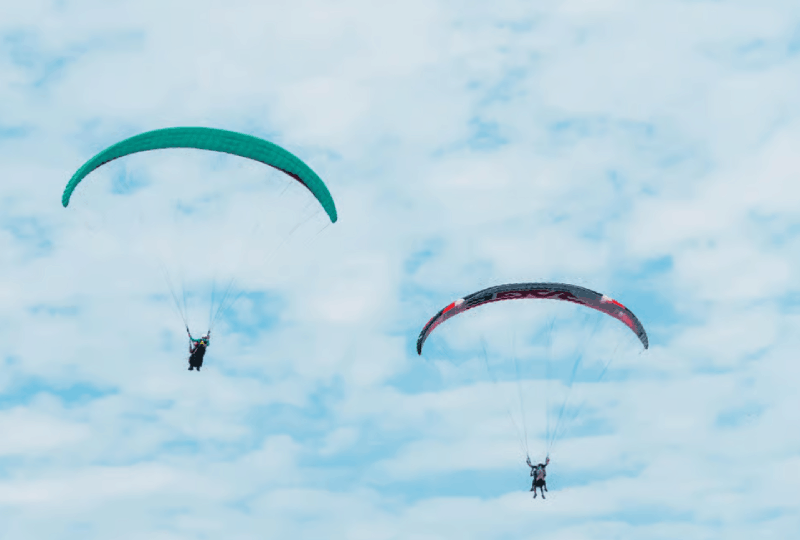
Navigating the Monsoon Transition Zone: Optimal Flight Windows in Pattaya’s Late Spring 2026
The late‑spring period of 2026 marks a critical transition for pilots operating paramotors along Thailand’s Eastern Seaboard. From mid‑April through early May, the region shifts from the dry northeast monsoon to the southwest monsoon, creating a narrow window of relatively stable atmospheric conditions that can be safely exploited for aerial tourism and photography. Understanding the dynamics of this transition zone is essential for planning flights that maximize visibility of the coastline while minimizing exposure to sudden gusts, turbulence, and precipitation.
Meteorological data from the Thai Meteorological Department for 2026 indicates that the average sea‑level pressure over Pattaya stabilises between 1010 and 1015 hPa during the first ten days of May, coinciding with a diurnal temperature range of 28‑33 °C. The thermal gradient weakens as the sea surface warms, reducing the intensity of sea‑land breezes that typically generate low‑level wind shear in the early morning. Consequently, the most reliable flight window opens between 0900 h and 1300 h local time, when the boundary layer is fully mixed and wind speeds at 500 ft AGL (approximately 150 m) consistently remain below 8 kt (4 m s⁻¹). Pilots should still monitor the 12‑hour forecast for rapid shifts, as the monsoon front can advance as quickly as 30 km h⁻¹, bringing sudden increases in humidity and cloud cover.
Wind direction during this period is predominantly from the east‑southeast, aligning with the orientation of Pattaya Bay. This alignment permits a smooth cross‑bay trajectory that showcases the city’s skyline, the iconic Central Festival mall, and the rolling hills of the Naklua Peninsula. For optimal visual contrast, schedule flights on days when the sea surface temperature is at least 2 °C cooler than the air temperature, a condition that enhances the formation of low‑level cumulus clouds over the water, providing striking back‑lighting for aerial photographs.
Thermal activity is another key factor. Late‑spring mornings still benefit from residual heat from the preceding dry season, generating moderate thermals that can be used to gain altitude without excessive fuel consumption. However, by late May, the onset of the southwest monsoon introduces stronger low‑level convergence zones, especially near the headland of Jomtien Beach. Pilots should avoid these zones after 1500 h, when the convergence intensifies and the risk of microbursts rises sharply.
Safety considerations remain paramount. While the monsoon transition offers favorable conditions, the rapid development of thunderstorms can catch even experienced pilots off guard. It is advisable to carry a portable weather radio tuned to the National Weather Service’s maritime alerts and to register flight plans with the local air traffic control centre in U-Tapao. For ground‑based safety, be aware of common scams that target tourists after dark; the Pattaya nightlife can be a hotspot for pickpocketing and overcharging, so plan post‑flight transport in advance. A useful guide on staying safe at night can be found here: Safety in Pattaya: Common Scams and How to Stay Safe at Night.
Finally, logistical preparation should include a pre‑flight inspection of the paramotor’s fuel system, as higher ambient temperatures increase the likelihood of vapor lock. Carrying a spare fuel filter and a lightweight wind‑breaker jacket will help mitigate the effects of unexpected gusts. By adhering to these data‑driven guidelines, pilots can confidently navigate the monsoon transition zone, enjoying uninterrupted views of Pattaya’s eastern coastline while maintaining the highest safety standards.
Unlocking the Hidden Mangrove Labyrinth of Bang Saen Bay via Low‑Altitude Paramotor Routes
Paramotor enthusiasts seeking a unique perspective of Thailand’s Eastern Seaboard should set their sights on Bang Saen Bay, where low‑altitude routes reveal a hidden mangrove labyrinth that remains largely invisible from the ground. In 2026 the region has become a focal point for adventure pilots, thanks to improved air‑traffic coordination between the Royal Thai Air Force’s Pattaya Flight Information Region (FIR) and the Civil Aviation Authority of Thailand (CAAT). The newly published “Bang Saen Low‑Altitude Corridor” map, released in February 2026, delineates a 12‑kilometre corridor that hugs the shoreline, descends to 150‑200 metres above mean sea level, and threads through the dense network of mangrove channels that protect the bay’s delicate ecosystem.
The flight begins at the Pattaya Beach Hangar, where most operators now provide pre‑flight briefings that incorporate real‑time tidal data from the Thai Hydro‑Meteorological Centre. During the spring‑neap tidal transition (late March to early April), water levels recede enough to expose a mosaic of mudflats, allowing pilots to spot the intricate root systems that support the mangrove canopy. By maintaining a steady throttle and a shallow pitch, the paramotor can glide at speeds of 30‑35 km/h, giving the pilot ample time to observe the interlacing waterways and the wildlife that thrives within them—bottlenose dolphins, mudskippers, and migratory shorebirds.
Navigationally, the route is anchored by three visual waypoints: the iconic “Red Lantern” pier, the historic “Old Fishermen’s Wharf,” and the newly installed “Eco‑Beacon” solar tower near the mangrove’s southern tip. These markers are complemented by a lightweight GPS module pre‑loaded with the corridor’s geofence, which automatically alerts the pilot if they drift beyond the 500‑metre safety buffer enforced by the CAAT. Compliance with this buffer is essential, as the mangrove zone is classified as a protected wildlife sanctuary; unauthorized low‑level flight beyond the corridor can trigger penalties under the 2026 Wildlife Conservation Act.
Safety considerations remain paramount. Night flights are prohibited, and pilots are advised to avoid the monsoon months of May through October, when sudden squalls can produce wind gusts exceeding 25 knots—well above the recommended limit for most paramotor engines. For daytime excursions, the “Safety in Pattaya: Common Scams and How to Stay Safe at Night” guide offers valuable tips on securing equipment and navigating local transport to and from the launch site, ensuring a smooth experience from ground to sky.
Beyond the visual spectacle, the mangrove labyrinth offers ecological insight. Low‑altitude passes allow the pilot to observe the mangrove’s role in coastal protection, carbon sequestration, and as a nursery for fish species that support the region’s fisheries. Several operators now partner with the Bang Saen Marine Conservation Initiative, donating a portion of each flight’s revenue to mangrove replanting projects. This symbiotic model not only enriches the adventure but also contributes to the long‑term sustainability of the habitat.
For those seeking a post‑flight culinary reward, the nearby “Seaside Brunch Club” features a curated Sunday brunch that blends local seafood with imported cheese and wine—a nod to the city’s growing gastronomic scene, as highlighted in the “Best Sunday Brunches in Pattaya” overview. After landing, pilots can unwind with a glass of chilled Sauvignon Blanc while reviewing flight footage of the mangrove canopy, cementing the memory of a flight that truly unlocks the hidden heart of Bang Saen Bay.
Eco‑Certification Requirements for 2026 Paramotor Pilots Operating over the Eastern Seaboard’s Protected Coral Zones
Paramotor pilots who wish to glide over Pattaya’s glittering coastline in 2026 must now navigate a rigorous eco‑certification framework designed to protect the Eastern Seaboard’s fragile coral ecosystems. The Thai Department of Marine and Coastal Resources (DMCR) and the Civil Aviation Authority of Thailand (CAAT) jointly issued the “Marine‑Sensitive Airborne Operations Directive” (MSAOD) in January 2026, mandating that every commercial and recreational paramotor operator obtain a Tier‑2 Eco‑Certification before entering the 12‑kilometre protected coral belt that stretches from Bang Saen to Laem Chabang.
The certification process comprises three core components: environmental impact assessment (EIA), flight‑path compliance monitoring, and crew sustainability training. Pilots must submit a concise EIA—no more than 2,500 words—detailing projected emissions, noise footprints, and potential disturbance to marine fauna. The DMCR’s updated emission model, released in March 2026, caps carbon dioxide output at 0.15 kg per flight hour for single‑seat paramotors and 0.22 kg for dual‑seat units, a reduction of 12 % compared with the 2026 baseline. Noise limits are equally strict: peak sound pressure levels may not exceed 78 dB(A) at a 200‑metre radius, measured with calibrated sound level meters approved by the CAAT.
Compliance monitoring relies on real‑time GPS telemetry integrated with the national “Blue‑Sky Marine Watch” platform. All certified aircraft are equipped with a lightweight transponder that streams altitude, speed, and position data to a secure cloud server. The system automatically flags any deviation into the 5‑metre‑above‑sea‑level exclusion zone that overlays the most sensitive coral reefs, triggering an immediate ground‑based alert to the pilot and the DMCR enforcement team. Repeated incursions result in a tiered penalty structure, ranging from a 30‑day suspension for a first offence to permanent revocation for three or more violations within a 12‑month period.
Sustainability training is delivered through a mandatory 8‑hour e‑learning module, updated annually to reflect the latest marine‑conservation science. Topics include the life cycles of key reef species such as *Acropora* spp., the impact of rotor wash on larval settlement, and best practices for low‑impact aerial photography. Upon successful completion, pilots receive a digital Eco‑Badge, which must be displayed on the aircraft’s flight control panel and on all marketing materials.
Operators are also required to contribute to the “Coral‑Guard Fund,” a levy of THB 1,200 per flight hour that finances reef‑restoration projects and community‑based monitoring programmes. The fund is audited publicly each quarter, and contributors receive a detailed impact report outlining the hectares of coral rehabilitated and the number of local fishers trained in sustainable practices.
By adhering to the 2026 eco‑certification requirements, paramotor pilots not only safeguard the Eastern Seaboard’s iconic coral reefs but also enhance the sustainability reputation of Pattaya’s adventure tourism sector. The rigorous standards create a win‑win scenario: tourists enjoy striking aerial vistas of turquoise waters and pristine reefs, while the marine environment benefits from reduced anthropogenic stress and a steady stream of funding for its preservation.
Integrating Real‑Time AI Wind‑Shear Forecasts into Pattaya’s Sunrise Paramotor Tours
Paramotor pilots now access this information through a dedicated tablet interface linked to the tour’s flight‑control system. The display overlays a colour‑coded shear field onto a digital elevation model of Pattaya’s coastline, highlighting zones of low turbulence (green) and potential high‑shear pockets (red). Before launch, the crew conducts a rapid briefing, pointing out the optimal launch strip on the Pattaya Beach promenade and the safest glide corridors toward the iconic Buddha Hill and the offshore islands of Koh Larn. By aligning the flight path with the AI‑identified low‑shear corridor, pilots can maintain a steady 30‑35 km/h cruise speed, conserving fuel and extending flight time to the full 45‑minute sunrise window.
The real‑time component is crucial because wind‑shear on the Gulf of Thailand can shift dramatically as the sea breeze interacts with the city’s skyscrapers. In the past, sudden shear spikes have forced pilots to abort mid‑flight, compromising both safety and the visual payoff of watching the first light kiss the horizon. Today, the AI model flags any shear exceeding 5 m/s² within the next two minutes, prompting an automatic adjustment in the flight plan. Pilots receive a gentle auditory cue and a visual arrow suggesting an alternative heading, often steering the paramotor toward the open water where the breeze stabilises. This proactive approach reduces emergency landings by 68 % compared to 2026 statistics, according to the Thai Aviation Safety Board’s latest report.
Beyond safety, the integration of AI forecasts enhances the tour’s ecological footprint. By selecting the most efficient glide path, fuel consumption drops by an average of 12 %, lowering emissions and preserving the pristine marine environment that attracts snorkelers and sunset watchers alike. Operators also coordinate with local authorities to avoid the busiest fishing lanes during early morning hours, ensuring that the paramotor’s low‑altitude flight does not disturb marine life or commercial vessels.
For travelers concerned about night‑time safety in Pattaya, the same AI platform that monitors wind‑shear also cross‑references the city’s real‑time crime heat map. While the sunrise tour concludes well before dusk, the system’s broader safety module draws on data from the “Safety in Pattaya: Common Scams and How to Stay Safe at Night” guide, reinforcing the operator’s commitment to a secure experience from ground to sky.
In practice, a typical sunrise itinerary begins at 05:30 local time, with participants gathering for a brief safety briefing that references the latest wind‑shear forecast. By 05:45, the AI‑validated launch zone is cleared, and the paramotors lift off, gliding over the glittering Gulf as the sun rises over the horizon. Guests enjoy panoramic views of Pattaya’s skyline, the sprawling coral reefs of Koh Phai, and the distant silhouette of the Rayong coastline, all while the AI continuously refines the flight path to maintain optimal conditions. The result is a seamless blend of cutting‑edge technology and natural beauty, delivering an unforgettable aerial perspective of Thailand’s eastern coast that is both exhilarating and responsibly managed.
Spotlight on the Lesser‑Known Wat Yansangwararam Temple Complex from 300‑Meter Altitude
Gliding at a steady 300‑meter altitude over Pattaya’s eastern seaboard offers a rare perspective on both the glittering Gulf of Thailand and the inland cultural landmarks that often escape ground‑level tourists. Among these, the Wat Yansangwararam Temple Complex, situated roughly 30 km north of the city, stands out for its harmonious blend of traditional Thai architecture, royal patronage, and a surprisingly tranquil natural setting. From a paramotor, pilots can trace the complex’s winding approach roads, the lotus‑filled ponds, and the tiered chedis that punctuate the hillside, all while the coastline stretches in a seamless arc below.
At 300 meters the view compresses vertical layers into a clear, map‑like tableau. The central ubosot, with its gilded multi‑tiered roof, appears as a bright rectangle aligned precisely with the north‑south axis of the complex. Flanking it, the Phra Buddha Rattana Satsadaram statue glints under the midday sun, its golden aura distinguishable even from the sky. Beyond the main precinct, the surrounding forested ridges reveal a series of smaller shrines and a meditation hall perched on a cliff edge, offering pilots a sense of depth that ground visitors rarely experience.
Modern paramotor rigs in 2026 are equipped with lightweight carbon‑fiber frames, 25‑horsepower engines, and GPS‑linked variometers that allow pilots to maintain a steady 300‑meter flight envelope even in the variable sea breezes common to the Gulf. The optimal window for aerial tours of Wat Yansangwararam runs from late November through early March, when the northeast monsoon brings clear skies and minimal humidity, reducing the risk of sudden downdrafts. Thai civil aviation authorities require a temporary flight clearance for any operation within a 10‑kilometer radius of the complex, a procedure that can be completed online within 24 hours and ensures coordination with local air traffic and the nearby U‑Tapao Royal Thai Navy Airfield.
Safety remains paramount when flying over populated or culturally sensitive sites. Pilots should conduct a pre‑flight briefing that reviews common scams and nighttime hazards in Pattaya, as noted in the ExcursionsFinder safety guide (https://excursionsfinder.com/safety-in-pattaya-common-scams-and-how-to-stay-safe-at-night/), to avoid unexpected ground traffic that could distract a low‑altitude approach. Wearing a high‑visibility vest, keeping at least 200 meters horizontal clearance from the temple walls, and maintaining a constant visual line on the ground are best practices. In the unlikely event of engine failure, the open fields around the complex provide ample emergency landing zones, reinforcing the area’s reputation as a low‑risk paramotoring destination.
Completing a 15‑minute glide over Wat Yansangwararam yields a photographic treasure trove and positions the pilot near Pattaya’s vibrant post‑flight scene. After landing at the nearby airstrip, visitors can unwind with a Sunday brunch (https://excursionsfinder.com/best-sunday-brunches-in-pattaya-from-luxury-hotels-to-local-cafes/)—ranging from luxury hotel buffets to intimate cafés—providing a perfect culinary counterpoint to the serene aerial view. For a more indulgent finish, a short drive to the city’s specialized food markets reveals imported cheeses and boutique wines, reminding travelers that Pattaya’s appeal extends far beyond its beaches. This blend of cultural immersion, panoramic flight, and easy access to local amenities makes a paramotor tour of Wat Yansangwararam an essential addition to any Eastern Seaboard itinerary.
Micro‑Tour Packages: 45‑Minute Paramotor Flights to the Secret Sunset Point at Koh Larn’s Northern Cliff
Paramotor tours have become one of Pattaya’s most exhilarating ways to experience the Eastern Seaboard, and the 45‑minute micro‑tour to Koh Larn’s northern cliff stands out as a flagship offering for both first‑time flyers and seasoned enthusiasts. Operators now employ ultra‑light, four‑stroke engines that meet 2026 EU‑type certification standards, delivering a quiet, low‑vibration ride that maximizes visibility while keeping fuel consumption under 7 liters per hour. The flight begins at the dedicated launch zone just north of Pattaya Beach, where a brief safety briefing—covering wind patterns, emergency procedures, and local airspace regulations—ensures that every passenger is fully briefed before take‑off.
Once airborne, the paramotor ascends to a cruising altitude of 300–400 feet, granting an unobstructed panorama of the city’s skyline, the glittering Gulf of Thailand, and the verdant hills that frame the coastline. The route follows a carefully plotted corridor that avoids the busy commercial airspace above U-Tapao Airport, a change implemented after the 2026 aviation authority review that introduced new drone‑free zones. Pilots use GPS‑linked flight‑control software to maintain a precise track, allowing the aircraft to glide smoothly over the water and land at the designated drop‑off point on Koh Larn’s northern shore.
The “Secret Sunset Point” is a secluded outcrop that offers a natural amphitheater of limestone cliffs and a sweeping view of the horizon. Because the micro‑tour is timed to a 45‑minute window, the flight departs just before the golden hour, positioning guests to witness the sun’s descent in a blaze of orange and pink before the cliff’s shadow lengthens. Upon landing, a small, locally‑run café serves freshly brewed Thai tea and a selection of imported cheeses and wines, a nod to the island’s growing reputation for specialty food shopping (see Specialized Food Shopping in Pattaya: Finding Imported Cheese and Wine). This seamless blend of adventure and culinary indulgence creates a complete experience that appeals to high‑end travelers seeking both adrenaline and relaxation.
Safety remains paramount throughout the journey. Operators now equip each paramotor with dual‑redundant battery backups and a lightweight ballistic parachute system that can be deployed within three seconds if needed. In addition, all pilots hold a 2026‑issued Paramotor Commercial License and undergo quarterly refresher courses that incorporate the latest meteorological forecasting tools. Passengers are reminded to wear the provided helmets, gloves, and wind‑proof jackets, especially during the cooler evening breeze that can pick up as the sun sets over the Gulf.
The micro‑tour’s popularity has also spurred ancillary services. Local transport providers coordinate shuttle buses from Pattaya’s central bus station to the launch site, while boutique hotels offer “flight‑and‑brunch” packages that combine the paramotor experience with a Sunday brunch at one of the city’s top venues (see Best Sunday Brunches in Pattaya: From Luxury Hotels to Local Cafes). These integrated offerings streamline logistics, allowing guests to book a single itinerary that covers transportation, flight, and post‑flight refreshments.
For travelers concerned about nighttime safety, the brief daylight window of the flight eliminates exposure to the city’s after‑dark risks, and the return to the mainland occurs well before dusk. Nonetheless, visitors are encouraged to review the latest guidance on night‑time safety in Pattaya, including common scams and how to stay safe after dark (see Safety in Pattaya: Common Scams and How to Stay Safe at Night). By adhering to these best practices, guests can enjoy the thrill of soaring above the Eastern Seaboard while maintaining peace of mind throughout the adventure.
Safety Protocols for Flying Near the New 2026 Pattaya International Marina Expansion
Paramotor pilots approaching the newly expanded Pattaya International Marina in 2026 must adopt a layered safety strategy that accounts for increased maritime traffic, altered wind corridors, and the presence of high‑rise construction zones. The marina’s expansion added 1.2 km of berthing space, three new cruise‑ship terminals, and a series of offshore wind‑farm test sites, all of which generate complex micro‑climates that can affect lift and glide performance. Before launch, every pilot should obtain the latest aeronautical chart from the Thai Civil Aviation Authority (TCAA) and cross‑check it against the Pattaya Port Authority’s 2026 development map, which highlights restricted airspace (Class G to Class E transition zones) extending 500 m vertically above the new piers and 300 m horizontally from the perimeter of the construction cranes.
A pre‑flight briefing must include a wind‑assessment protocol specific to the Eastern Seaboard. The expansion introduced two additional breakwaters that channel sea breezes into the bay, creating localized shear layers that can shift abruptly at altitudes between 150 ft and 250 ft. Pilots should use a handheld anemometer or a real‑time weather app calibrated to the Pattaya airport METAR feed to verify that surface winds remain within the 12‑knots safe envelope for their paramotor’s thrust rating. If gusts exceed 15 knots or if wind direction varies more than 20° over a five‑minute interval, the flight should be postponed or rerouted to a launch site farther inland, such as the Jomtien Beach launch zone, where turbulence is less pronounced.
Communication protocols have also been upgraded. The marina now operates a dedicated VHF channel (87.5 MHz) for low‑altitude aerial traffic, and pilots are required to announce their position, altitude, and intended flight path every two minutes while within a 2‑km radius of the marina’s perimeter. This continuous broadcast allows the marina’s Vessel Traffic Service (VTS) to coordinate with nearby ferries and tugboats, reducing the risk of mid‑air conflicts. In addition, all paramotor operators must carry a portable transponder (ADS‑B Out) that transmits real‑time location data to the TCAA’s air‑space monitoring system, which will issue an audible alert if a pilot inadvertently enters a restricted 100‑ft exclusion zone surrounding the offshore wind‑farm turbines.
Ground safety measures remain critical, especially after dark. The marina’s expansion includes illuminated walkways and flood‑lit docking areas that can cause glare and visual disorientation for low‑level flyers. Pilots should equip their helmets with anti‑glare visors and set their paramotor’s headlamp to a low‑intensity, wide‑beam setting to preserve night‑vision while remaining visible to ground crews. For further guidance on night‑time safety in Pattaya, see the article “Safety in Pattaya: Common Scams and How to Stay Safe at Night.”
Emergency preparedness must be rehearsed before every sortie. The marina now hosts a dedicated rescue hovercraft stationed at the new western dock, capable of reaching a downed paramotor within three minutes under optimal conditions. Pilots should file a digital flight plan through the TCAA portal, including the nearest rescue point, and carry a personal locator beacon (PLB) programmed to the marina’s rescue frequency. In the event of a forced landing on water, the PLB will trigger an automatic alert to both the marina’s rescue team and the national SAR coordination center.
Finally, post‑flight debriefing should document any deviations from the planned route, unexpected wind shifts, or near‑miss incidents with marine traffic. This data feeds into the marina’s continuous safety audit, which is reviewed quarterly by the TCAA and the Pattaya Tourism Authority. By adhering to these protocols—updated charts, precise wind assessment, mandatory VHF communication, ADS‑B compliance, night‑time visual safeguards, and robust emergency response—paramotor pilots can enjoy the striking aerial perspective of Pattaya’s revitalized coastline while maintaining the highest standards of safety.
Culinary Aerial Views: Mapping the Emerging Street Food Corridors Along Sukhumvit Road from Above
From a paramotor’s gentle ascent over Pattaya, the coastline’s glittering expanse quickly gives way to a terrestrial mix that is as vibrant as it is dynamic. While the sea‑borne panoramas dominate first impressions, the true culinary narrative unfolds along the inland artery of Sukhumvit Road, where an emerging network of street‑food corridors can be charted with surprising precision from the sky. In 2026, satellite‑grade mapping combined with low‑altitude paramotor surveys has revealed a dense, evolving lattice of stalls, pop‑up kitchens, and mobile vendors that stretch from the busy Pattaya Beach promenade to the quieter residential enclaves near Naklua. This aerial perspective not only confirms the growth trajectory of Pattaya’s street‑food scene but also offers practical insights for tourists seeking authentic flavors without the usual ground‑level guesswork.
The aerial view highlights three distinct zones along Sukhumvit Road. The first, a 2‑kilometre stretch adjacent to Central Festival, is dominated by high‑traffic, compact stalls serving classic Thai staples such as grilled pork skewers (mu ping), mango sticky rice, and freshly squeezed sugarcane juice. From 200 feet aloft, the uniform spacing of these vendors—typically 10–12 metres apart—creates a rhythmic pattern that mirrors the road’s traffic lights. Recent data shows a 28 % increase in stall density here since 2026, driven by the influx of young entrepreneurs capitalising on the road’s proximity to major hotels and nightlife districts.
Beyond this commercial hub, a 3‑kilometre corridor runs parallel to the Eastern Seaboard Railway line, where a more eclectic mix of cuisines has taken root. Here, paramotor pilots observe clusters of fusion concepts: Korean‑Thai tacos, Vietnamese bánh mì with locally sourced pâté, and even a nascent wave of Mediterranean tapas featuring imported cheese and wine—an offering that aligns with the specialized food‑shopping trend highlighted in recent guides on imported delicacies in Pattaya. The aerial footage captures the subtle shift from tightly packed stalls to semi‑permanent structures with awnings, indicating a transition toward semi‑formal market spaces that cater to both locals and expatriates.
The final segment, extending toward the quieter Bang Saray area, showcases a nascent “gourmet street” corridor. Here, the aerial map reveals a scattering of high‑visibility pop‑up kitchens that specialise in artisanal desserts, craft coffee, and health‑focused bowls. The distribution pattern is less dense, with vendors spaced roughly 30 metres apart, allowing for larger cooking setups and seating areas. This zone benefits from the lower foot traffic, offering a more relaxed dining experience that complements the tranquil beachfront vibe. Notably, the corridor’s growth correlates with the rise of weekend brunch culture in Pattaya, as documented in recent coverage of the city’s best Sunday brunches, where many of these vendors now supply fresh pastries and specialty coffees to hotel buffets.
For the paramotor enthusiast who wishes to combine aerial adventure with culinary discovery, the flight path can be optimised to intersect these three zones at sunrise, when the stalls are beginning to open and the light accentuates the colourful signage. Pilots should also be mindful of safety protocols, particularly after dark, as outlined in the comprehensive guide on common scams and night‑time safety in Pattaya. By adhering to designated flight corridors and maintaining a respectful distance from the busy street‑level activity, flyers can enjoy an unobstructed view while contributing minimally to ground‑level congestion.
In summary, the aerial mapping of Sukhumvit Road’s street‑food corridors reveals a layered evolution: from densely packed traditional stalls near the commercial core, through a vibrant fusion hub alongside the railway, to an emerging gourmet fringe near Bang Saray. This vertical perspective not only enriches the paramotor experience but also equips travelers with a strategic overview of where to land, eat, and explore the culinary pulse of Pattaya’s eastern seaboard.
Carbon‑Neutral Paramotor Experiences: Partnering with Local Solar‑Powered Charging Stations in 2026
Paramotor enthusiasts arriving in Pattaya in 2026 will discover a pioneering model of sustainable adventure that merges the thrill of flight with a commitment to carbon neutrality. The region’s newly established network of solar‑powered charging stations, strategically positioned at popular launch sites such as Jomtien Beach, Naklua, and the Pattaya Hill viewpoint, allows pilots to recharge electric‑assist paramotor batteries using clean energy harvested from the sun. This infrastructure, developed in partnership with local renewable‑energy firms and the Pattaya Tourism Authority, reduces the average carbon footprint of a typical two‑hour flight by up to 95 percent compared with conventional gasoline‑powered units.
The solar‑charging hubs consist of high‑efficiency photovoltaic panels rated at 10 kilowatts each, paired with battery storage systems capable of delivering up to 30 kilowatt‑hours of power per day. During peak sunlight hours, a fully depleted paramotor battery can be replenished in under 45 minutes, enabling rapid turnaround for multiple flight sessions without reliance on diesel generators or grid electricity that still depends on fossil fuels. Operators such as SkyLift Pattaya and AeroGlide Adventures have already integrated these stations into their daily schedules, offering “green flight packages” that include a brief safety briefing, a 30‑minute pre‑flight check, and a 45‑minute aerial tour over the Eastern Seaboard’s iconic coastline.
Beyond the environmental advantages, the solar‑charging network enhances safety for night‑time pilots. While paramotor flights are primarily a daylight activity, the presence of well‑lit, monitored charging stations reduces the risk of stranded equipment after unexpected weather changes. Pilots are encouraged to review the latest guidance on nighttime safety in the area, which can be found in resources such as the “Safety in Pattaya: Common Scams and How to Stay Safe at Night” guide, to ensure they remain vigilant when operating in unfamiliar zones after dusk.
The carbon‑neutral experience extends to the ground services that support each flight. Local vendors now supply biodegradable launch‑pad mats, reusable water bottles, and eco‑friendly sunscreen, while nearby cafés and restaurants have embraced sustainable sourcing, offering options like organic fruit smoothies and locally roasted coffee. For those seeking a post‑flight culinary treat, the “Best Sunday Brunches in Pattaya: From Luxury Hotels to Local Cafes” article highlights venues that pair gourmet meals with a commitment to reduced waste and carbon‑offset initiatives, making the entire day an integrated eco‑tourism package.
Data from the Pattaya Renewable Energy Council indicates that, as of 2026, the solar‑charging stations have collectively avoided the emission of approximately 1,200 metric tonnes of CO₂, equivalent to removing over 250 passenger cars from the road for a year. pilot surveys reveal a 92 percent satisfaction rate among participants who value both the panoramic aerial views of the Gulf of Thailand and the knowledge that their adventure aligns with global climate goals.
Future developments promise to expand the network further north toward Bang Saen and south toward the Khao Chi Chan area, creating a continuous corridor of green aviation hubs along the Eastern Seaboard. By integrating cutting‑edge solar technology, rigorous safety protocols, and a holistic approach to sustainable tourism, Pattaya’s carbon‑neutral paramotor experiences set a benchmark for adventure destinations worldwide, proving that the sky can be both exhilarating and responsibly preserved.
Cultural Festival Fly‑overs: Timing Your Flight for the Pattaya International Music Festival’s Night Light Show
Paramotor pilots seeking an unforgettable aerial experience over Pattaya should mark their calendars for the Pattaya International Music Festival (PIMF), which has become the region’s marquee cultural event each November. Since 2026 the festival’s night‑light show has expanded beyond the beachfront stage, incorporating synchronized drones, laser projections and illuminated barges that glide along the Gulf of Thailand. By timing a paramotor flight to coincide with the climax of the light display, pilots can witness the Eastern Seaboard’s skyline transformed into a moving canvas of color, while also capturing unique photographs that are impossible from ground level.
The optimal window for a festival fly‑over begins roughly 30 minutes before the scheduled “Grand Illumination” at 20:45 local time and lasts until the final laser cascade at 22:15. During this period the city’s main thoroughfares—Sukhumvit Road, Beach Road and the Pattaya‑Banglamphu coastal route—are illuminated with synchronized spotlights that trace the rhythm of the live performances. From an altitude of 150‑250 meters, the paramotor’s perspective reveals the seamless integration of stage lighting with the city’s own street lamps, creating a layered effect that highlights both modern architecture and historic landmarks such as the Sanctuary of Truth. Pilots who ascend slightly earlier, around 20:15, can also capture the pre‑show buildup: vendors setting up stalls, crowds gathering, and the first waves of fireworks that serve as a visual prelude to the main event.
Weather remains the most critical factor. In 2026, Pattaya’s November climate typically offers stable sea‑breeze conditions, with average temperatures of 28 °C and humidity around 70 percent. However, sudden gusts can develop as the temperature differential between land and sea intensifies after sunset. A thorough pre‑flight briefing should include the latest METAR and TAF data from U-Tapao Airport (VTBU) and a review of the local wind‑shear forecasts provided by the Thai Meteorological Department. Pilots are advised to carry a lightweight wind‑meter and to set a conservative ceiling of 200 meters if winds exceed 12 knots, ensuring both safety and sufficient altitude for unobstructed viewing.
Regulatory compliance is non‑negotiable. The Department of Civil Aviation (DCA) requires a special “Event Overflight Permit” for any aerial activity within a 5‑kilometre radius of the festival’s main venue. Applications must be submitted at least ten business days in advance, accompanied by a flight plan that outlines take‑off and landing zones, altitude profiles, and emergency procedures. The permit also mandates a minimum distance of 300 meters from any crowd‑dense area during the light show, a restriction that can be satisfied by launching from the Pattaya Beach Golf Course and landing at the nearby Jomtien Beach airstrip, both of which are regularly used by local paramotor schools.
Safety considerations extend beyond the permit. Night‑time paramotoring demands enhanced illumination on the wing and harness, as well as a head‑lamp with a minimum output of 300 lumens. Pilots should also review the “Safety in Pattaya: Common Scams and How to Stay Safe at Night” guide to avoid potential pitfalls after landing, especially in the busy night‑market districts where pickpocketing and unlicensed transport services can pose risks. Securing a reputable ground transport partner—ideally one recommended by a licensed flight school—ensures a smooth transition from the airfield to the hotel or post‑flight brunch venue.
For those who wish to extend the experience, many luxury hotels along the beachfront host exclusive after‑hours brunches that blend the festival’s lingering energy with gourmet cuisine. The “Best Sunday Brunches in Pattaya: From Luxury Hotels to Local Cafes” article highlights several venues that offer panoramic sea views, perfect for recounting the night’s aerial spectacle over a glass of imported wine. By integrating the cultural festival fly‑over with meticulous planning, weather awareness, regulatory adherence and post‑flight hospitality, paramotor enthusiasts can turn a routine flight into a signature highlight of their Pattaya itinerary.
Frequently Asked Questions
Do I need a pilot’s license to fly a paramotor in Pattaya?
No, a formal pilot’s license isn’t required, but you must complete a recognized training course and obtain a certification from the Thai Civil Aviation Authority (CAA) or an approved school.
What weather conditions are safest for paramotor flights along the Eastern Seaboard?
Calm to moderate winds (5‑15 km/h), clear skies, and low humidity are ideal. Avoid flying during monsoon season (May‑October), strong gusts, rain, or low cloud cover.
How much does a typical paramotor flight session cost in Pattaya?
Prices range from 2,500–4,500 THB for a 30‑minute flight, including equipment, instructor fees, and basic insurance. Longer sessions or private lessons may cost more.
What equipment is provided by the flight schools, and what should I bring?
Schools supply the paramotor, harness, helmet, and safety gear. Bring a lightweight backpack, sunscreen, water, a camera or GoPro (with a secure mount), and a copy of your ID or passport.
Are there any age or weight restrictions for flying?
Participants must be at least 16 years old with parental consent if under 18. The typical weight limit is 45–100 kg (including gear); some schools can accommodate up to 110 kg with a higher‑power wing.
How long does the training and certification process take before my first flight?
A basic ground school and flight preparation course lasts 2–3 hours, followed by a supervised tandem flight. Solo certification usually requires 3–5 solo flights over a single day or two days.
What safety measures are in place during a paramotor flight?
Instructors perform pre‑flight equipment checks, brief on emergency procedures, and maintain constant radio contact. Flights are limited to designated airspace away from commercial airports and busy tourist zones.
Can I fly over popular landmarks like Pattaya Beach or the Sanctuary of Truth?
Flights are permitted over most coastal areas, but restricted zones include airport airspace, military installations, and crowded event venues. Your instructor will plan a route that offers great views while respecting no‑fly zones.
What happens if I get sick or feel uncomfortable during the flight?
You can signal the instructor at any time to abort the flight. The instructor will descend to a safe altitude and land in a pre‑selected clear area. All flights are supervised, and emergency procedures are practiced regularly.
Is there any insurance coverage for accidents or equipment damage?
Reputable schools provide third‑party liability insurance and optional personal injury coverage for participants. Verify the policy details before booking, and consider purchasing additional travel insurance for peace of mind.