
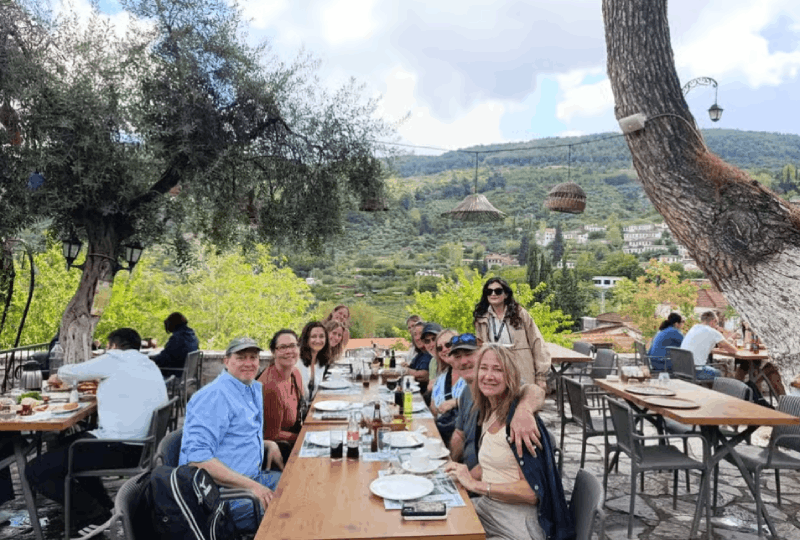
Senior‑Friendly Accessible Transportation in Veracruz
Veracruz’s transportation network has evolved to accommodate travelers with reduced mobility, making it possible for seniors to explore the region’s historic sites without excessive walking or reliance on private vehicles. The following overview outlines the most reliable options, highlighting accessibility features, senior‑friendly policies, and practical tips for seamless travel.
1. Public Buses – Low‑Floor and Wheelchair‑Ready Fleet
These buses feature kneeling suspension that lowers the entrance by up to 10 cm, a wide ramp that deploys automatically, and secured wheelchair tie‑down points. Seats are arranged with extra legroom in the front rows, and priority signage indicates the designated senior and disability zone. Senior passengers aged 60 and above receive a 20 percent fare reduction upon presenting a government‑issued senior identification card. Buses run on a regular timetable, with peak‑hour frequencies of 15‑20 minutes and reduced intervals of 30‑45 minutes during off‑peak periods.
2. Accessible Taxis – Certified Vehicles and Trained Drivers
Certified Accessible Taxis feature a hydraulic lift, a reinforced floor, and removable seats to create a clear 90 cm by 150 cm space for a standard wheelchair. Drivers undergo a brief training program covering safe loading procedures, communication with senior passengers, and basic first‑aid. The taxis can be flagged on the street or requested via the official municipal app, which allows users to filter for “accessible” vehicles. Fares are metered, and seniors benefit from a flat 15 percent discount on all trips within the municipal boundary.
3. Private Shuttle Services – Door‑to‑Door Comfort
A number of reputable tour operators and hotel concierge desks offer private shuttle services tailored to senior travelers. These shuttles are typically mid‑size vans with low‑step entry, automatic ramps, and padded seating. Reservations can be made at least 24 hours in advance, allowing operators to allocate a vehicle equipped with a wheelchair tie‑down system and a staff member familiar with senior assistance. The shuttles operate on a fixed schedule for popular routes such as the historic center of Veracruz City to the San Juan de Ulúa fortress, the port of Veracruz to the coastal town of Costa Esmeralda, and the inland journey to the colonial town of Orizaba. Group rates are available, and many operators apply a senior discount of 10‑12 percent on the total fare.
4. Rail – Regional Train Service with Accessible Carriages
The Ferrocarril del Istmo line, connecting Veracruz City with the inland city of Córdoba, has introduced a modern carriage equipped with a wheelchair‑accessible restroom, wide aisles, and a ramp at each door. Boarding platforms have been raised to align with the carriage floor, eliminating the need for portable steps. Ticket counters provide senior discount tickets, and the service runs twice daily, with a travel time of approximately 2 hours and 15 minutes. Onboard staff are instructed to assist with luggage and wheelchair positioning, ensuring a comfortable journey for older passengers.
5. Water Transport – Accessible Ferries and Boat Tours
Coastal excursions along the Gulf of Mexico are available via ferries that link Veracruz City with the historic port town of Alvarado. The newer ferries incorporate a hydraulic ramp and a spacious deck area that accommodates wheelchairs and walkers. Senior travelers can enjoy a scenic 45‑minute crossing with priority seating and an on‑board announcement system that provides clear, bilingual information about arrival times and safety procedures. several charter companies operate small‑boat tours of the San Juan River, offering vessels with removable seats and handrails for easy boarding. Prior reservation is recommended to guarantee the availability of an accessible boat.
6. Rental Vehicles – Adaptive Cars and Mobility Packages
Car‑rental agencies in Veracruz now list adaptive vehicles equipped with hand‑controls, lowered floor heights, and automatic transmission. These cars can be reserved online or at agency counters, with the option to add a portable wheelchair ramp for loading. Rental agreements for seniors often include extended insurance coverage and a reduced daily rate for drivers over 60, provided a valid driver’s license and a medical clearance are presented.
Practical Tips for Senior Travelers
- Carry a copy of senior identification and any mobility‑assist device documentation; staff may request proof for discounts.
- Confirm accessibility features when booking, especially for private shuttles and boat tours, as fleet composition can vary.
- Allow extra time for boarding and alighting, particularly during peak tourist seasons when demand for accessible vehicles rises.
- Request assistance at major transit hubs; most stations have a dedicated “Customer Service” desk staffed with personnel trained to guide seniors to accessible platforms and vehicles.
By leveraging these transportation options, seniors can navigate Veracruz’s historic landscape with confidence, enjoying cultural landmarks, culinary experiences, and natural scenery without the strain of excessive walking or inaccessible transit.
Wheelchair‑Compatible Historic Site Entrances and Facilities
San Juan de Ulúa Fortress (Veracruz City)
The main entrance to the 16th‑century fortress has been retrofitted with a low‑gradient ramp that meets the 1:12 slope standard, allowing smooth access for manual and powered wheelchairs. The ramp is constructed of non‑slip concrete and includes tactile paving at the beginning and end to aid travelers with visual impairments. Inside, the first two courtyards are level and feature wide doorways (minimum 85 cm clearance). An elevator, installed in 2026, services the upper battlements, museum galleries, and the historic chapel. Restrooms on the ground floor are wheelchair‑accessible, equipped with grab bars, height‑adjusted sinks, and enough turning space for a 150 cm turning radius. Audio‑descriptive tours are offered via handheld devices that synchronize with exhibit plaques, and printed large‑print guides are available at the visitor center. Designated parking spots are located a short, paved, curb‑cut path from the main gate.
El Tajín (Papantla)
El Tajín’s visitor complex includes a modern entrance pavilion that provides a 1.2‑meter‑wide ramp leading to the ticketing hall. The pavilion’s interior corridors are free of thresholds and feature smooth, anti‑glare flooring. An automatic door system opens at the push of a button, eliminating the need for manual force. The site’s main plaza, where the iconic Pyramid of the Niches stands, has been leveled and paved with a low‑profile, slip‑resistant surface. While the pyramid’s summit remains inaccessible, a wheelchair‑friendly viewing platform has been installed on the western terrace, offering panoramic sightlines. Restroom facilities adjacent to the plaza are fully accessible, with height‑adjusted fixtures, lowered urinals, and emergency pull cords. For travelers requiring additional assistance, a “mobility‑aid” desk provides on‑site wheelchair loan (battery‑operated, up to 8 km range) and staff‑assisted shuttle service to the remote ballgame arena, which is reachable via a paved, 500‑meter loop road.
Cempoala Archaeological Zone (Alvarado)
The entrance gate to Cempoala incorporates a gently sloping ramp (5 % grade) that connects the parking lot to the ticket pavilion. The pavilion’s ticket counters are positioned at a height of 75 cm, suitable for wheelchair users. A single‑story visitor center houses an exhibition hall with wide aisles (minimum 1 m) and adjustable‑height display tables. The site’s main ceremonial platform has been partially restored with a concrete walkway that runs parallel to the original stone surface, allowing close observation without stepping onto uneven terrain. Accessible restrooms are located near the center’s north wing, featuring automatic flush toilets and sensor‑activated soap dispensers. Braille signage marks all major pathways, and a tactile model of the site layout is displayed near the entrance for orientation.
Historic Center of Veracruz (Zócalo and Surroundings)
The central plaza has undergone a comprehensive accessibility upgrade. Sidewalks are resurfaced with a smooth, low‑contrast material, and curb cuts are present at every street crossing, accompanied by audible pedestrian signals. The municipal museum, situated on the east side of the Zócalo, offers a ramp that meets the 8 % maximum slope, with handrails on both sides. Inside, the museum’s galleries are equipped with an automatic lift that transports wheelchairs between the ground floor and the mezzanine exhibition level. Restroom facilities on each floor are wheelchair‑compatible, featuring roll‑under sinks and lever‑style faucets. For visitors needing temporary mobility support, a “mobility‑rental kiosk” operates during museum hours, providing power‑assist wheelchairs and a staffed attendant to guide users through the historic streets.
General Accessibility Tips for Veracruz Historic Sites
- All major sites provide free wheelchair rentals; reservations can be made at the on‑site information desks.
- Elevators and lifts are inspected weekly; backup generators ensure operation during power outages.
- Signage throughout the historic zones includes high‑contrast colors, large‑print fonts, and Braille panels.
- Designated drop‑off zones are located within 5 meters of each entrance, with smooth paving and clear markings.
- Staff members are trained in basic mobility assistance and can arrange escorted tours upon request.
These adaptations enable senior travelers and visitors with reduced mobility to experience Veracruz’s rich heritage without compromising safety or comfort.
Comfortable Low‑Impact Walking Routes Through Veracruz’s Colonial Centers
Veracruz’s historic towns offer a wealth of architectural charm, vibrant plazas, and cultural landmarks that can be explored without the strain of steep climbs or uneven cobblestones. The routes below have been selected for gentle gradients, smooth surfaces, frequent benches, and easy access to cafés and restrooms, making them ideal for senior travelers who prefer a relaxed pace.
—
1. Xalapa – Central Plaza Loop (≈ 0.9 km)
- Start: Plaza del Carmen, in front of the Cathedral of Xalapa. The square is paved with compacted stone and features shaded benches every 80 m.
- Route: Walk clockwise along the perimeter, passing the Museo de Antropología, the historic Teatro del Estado, and the 19th‑century Casa de los Mosaicos. All sidewalks are level and wide enough for a walking stick or mobility aid.
- Highlights: View the cathedral’s baroque façade, the neoclassical theater’s ornate cornice, and the museum’s outdoor sculpture garden.
- Rest Points: Two shaded cafés on the south side of the plaza offer water and light refreshments. Public restrooms are located near the municipal building.
- Duration: 20–30 minutes at a leisurely pace, with optional 5‑minute coffee break.
2. Papantla – El Tajín Heritage Trail (≈ 1.2 km)
- Start: Entrance to the El Tajín archaeological site’s visitor center, where a paved promenade leads into the historic core.
- Route: Follow the gently graded pathway that circles the main pyramid complex, then continue along the smooth, sand‑finished road that borders the town’s colonial church, San Juan Bautista. The surface is compacted gravel, regularly maintained.
- Highlights: The temple’s carved stone reliefs, the 16th‑century church’s façade, and the nearby market square where artisans sell traditional papel picado.
- Rest Points: A shaded pergola with seating is situated halfway, adjacent to a kiosk selling fresh fruit juices. Restroom facilities are adjacent to the visitor center.
- Duration: Approximately 35 minutes, allowing for a brief stop to view the temple’s bas-reliefs.
3. Coatepec – Coffee‑Town Stroll (≈ 1.0 km)
- Start: Plaza de la Independencia, directly opposite the municipal palace. The plaza is paved with smooth, non‑slippery tiles.
- Route: Proceed north along Avenida del Café, a wide, level boulevard lined with coffee‑plantation museums and small boutiques. The route includes a gentle incline of less than 2 %, well‑marked with tactile paving for the visually impaired.
- Highlights: The historic Casa del Café, where visitors can sample locally roasted beans, and the 19th‑century San Juan Bautista Church with its white‑washed façade.
- Rest Points: Benches every 100 m, a shaded gazebo near the museum, and a small park with a fountain at the route’s end.
- Duration: 25 minutes, with optional coffee tasting (10 minutes) at the Casa del Café.
4. Veracruz City – Fort San Juan de Ulúa Perimeter Walk (≈ 1.5 km)
- Start: Main entrance of the historic district, Plaza de Armas. The plaza’s surface is smooth stone with ample seating.
- Route: Follow the low‑rise, paved walkway that encircles the outer walls of Fort San Juan de Ulúa. The path is flat, with occasional gentle ramps leading to observation points.
- Highlights: Panoramic views of the Gulf, the fort’s bastions, and the colonial-era customs house. Interpretive panels are placed at regular intervals, written in large print.
- Rest Points: Two shaded benches near the fort’s western wall and a small café offering water and light snacks near the eastern gate. Public restrooms are located at the plaza.
- Duration: 30–40 minutes, allowing for a leisurely stop at each interpretive panel.
—
When planning low‑impact walks for senior groups, prioritize routes that combine smooth, level surfaces with frequent rest opportunities. In Veracruz, the colonial centers are naturally suited to this approach; however, always verify the latest maintenance status of sidewalks and benches, as seasonal rains can temporarily affect surface conditions. Carry a lightweight, foldable stool for extra comfort during longer pauses, and encourage participants to stay hydrated by stopping at the designated cafés or water fountains. Adjust the walking pace to the slowest member of the group, and consider scheduling the strolls early in the morning (7:30 – 9:00 am) to avoid midday heat while still enjoying the towns’ vibrant atmosphere.
Guided Audio Tours Tailored for Seniors with Mobility Limits
Veracruz’s historic corridor offers a wealth of colonial architecture, maritime heritage, and indigenous landmarks that can be explored without extensive walking. Specialized audio tours, designed for senior travelers who use wheelchairs, walkers, or who simply prefer minimal exertion, provide a hands‑free narrative that synchronizes with each site’s layout, allowing visitors to absorb history while remaining comfortably seated or gently moving along accessible pathways.
Key Features of Senior‑Focused Audio Guides
1. Paced Narration – Scripts are recorded at a slower cadence (approximately 120 words per minute) with clear enunciation, giving listeners ample time to process information and follow visual cues. Optional “pause points” are embedded at natural intervals, enabling users to rest or adjust their position without losing the storyline.
2. Segmented Content – Each tour is divided into concise modules ranging from 5 to 12 minutes. Modules correspond to distinct zones within a venue (e.g., the outer bastion, the central courtyard, the museum wing of San Juan de Ulúa). Travelers can select individual modules that match the distance they are able to travel, ensuring the experience remains within personal stamina limits.
3. Multi‑Language Options – Recordings are available in Spanish, English, and French, with subtitles provided in the companion app for those who prefer reading along. The language selection can be altered at any point, eliminating the need to restart the tour.
4. Adjustable Volume and Speech Clarity – The app includes a “senior mode” that boosts mid‑range frequencies, enhancing intelligibility for users with mild hearing loss. A simple slider controls volume without navigating complex menus.
5. Visual Aid Integration – While the primary medium is audio, each module offers optional high‑contrast image galleries that can be viewed on a tablet or smartphone. Images are captioned with large, legible fonts and can be toggled on or off, allowing seniors to focus on auditory content if preferred.
Device Compatibility and Access
Audio tours are delivered through a dedicated, offline‑capable mobile application compatible with iOS and Android devices. For travelers without a personal smartphone, rental tablets equipped with the app are available at the main visitor centers of Veracruz’s historic sites, including the Veracruz City Museum, the San Juan de Ulúa fortress, and the Casa del Marqués de la Torre. Rental units come pre‑loaded with the senior‑friendly audio library, a portable charger, and a lightweight wheelchair‑compatible holder that attaches to the armrest of most mobility chairs.
Site‑Specific Adaptations
- San Juan de Ulúa – The fortress features wheelchair‑accessible ramps leading to the main gate, the artillery courtyard, and the museum level. The audio tour guides listeners to designated “rest stations” equipped with shaded seating every 150 meters. Each station’s module includes a brief recap of the preceding segment, ensuring continuity even if the visitor pauses for an extended break.
- Veracruz City Historic Center – Cobblestone streets have been overlaid with smooth, low‑profile paving in the main pedestrian corridor. The audio guide highlights landmarks such as the Plaza de Armas, the Cathedral of Our Lady of the Assumption, and the Mercado de Artesanías, offering optional “short‑walk” versions that limit movement to the central plaza and adjacent museum entrances.
- Casa del Marqués de la Torre – This 18th‑century mansion provides an elevator to the upper gallery, where the audio tour discusses the Marqués’ role in the port’s commercial expansion. The narration includes tactile descriptions of decorative plasterwork, catering to visitors who may rely on touch as well as hearing.
Booking and Customization
Reservations for senior‑tailored audio tours can be made up to 48 hours in advance through the visitor‑center kiosks or the on‑site assistance desk. When booking, travelers may indicate preferred module lengths, language, and any additional accessibility requirements (e.g., hearing‑aid compatible headphones). The staff will prepare a personalized itinerary that aligns the selected modules with the visitor’s mobility plan, ensuring a seamless, low‑impact exploration of Veracruz’s historic treasures.
By combining paced storytelling, modular design, and adaptive technology, these guided audio tours empower seniors with mobility limits to experience Veracruz’s cultural legacy without compromising comfort or safety.
Senior Discount Packages for Museums, Forts, and Archaeological Parks
Veracruz’s cultural attractions have embraced senior travelers by offering structured discount programs that combine reduced admission, priority access, and mobility‑friendly services. The three main categories—municipal museums, historic forts, and pre‑Hispanic archaeological parks—each present a distinct package designed to minimize walking distances, simplify ticketing, and provide guided interpretation at a comfortable pace.
1. Municipal Museums
*Key venues:* Museo de la Ciudad de Veracruz, Museo de la Cultura Afro‑Mexicana, and the Casa del Arte Popular.
*Discount structure:* Seniors (60 years and older) receive a 30 % reduction on the standard adult tariff when presenting a government‑issued identification card. The discount applies to individual tickets and to group rates for parties of five or more, where the senior rate is automatically extended to all members of the group if at least one senior is present.
*Package components:*
- Combined Museum Pass – A single ticket valid for a 48‑hour period grants entry to all three municipal museums. The pass includes a complimentary audio guide with volume‑controlled headphones, eliminating the need for lengthy group explanations.
- Mobility Support – Each museum provides wheelchair‑friendly routes, hand‑rail‑equipped ramps, and seating every 30 meters. Staff are trained to assist with luggage or walking aids.
- Guided Senior Tours – Twice daily, at 10:00 h and 15:00 h, senior‑focused tours run for a maximum of 12 participants. The itinerary emphasizes short, thematic stops (e.g., “Colonial Trade” at the City Museum) and allows a 5‑minute rest interval after every 15‑minute segment.
- Refreshment Voucher – A modest voucher for a cold beverage or light snack is included, redeemable at the on‑site café, which offers low‑sugar and low‑sodium options.
2. Historic Forts
*Key venue:* Castillo de San Juan de Ulúa, a UNESCO World Heritage site that dominates the Veracruz harbor.
*Discount structure:* A flat 25 % senior discount is applied to the combined entry and guided‑tour fee. For senior groups of ten or more, the discount rises to 35 % and includes a private guide.
*Package components:*
- All‑Inclusive Fort Experience – The ticket covers entrance to the main citadel, the dungeons, the chapel, and the naval museum. A short, motorized cart service operates along the perimeter wall, reducing the need to climb the steep steps that lead to the main gate.
- Priority Access – Seniors receive a dedicated entry lane, cutting wait times to under five minutes even during peak tourist periods.
- Interpretive Sessions – Two daily sessions (09:30 h and 14:30 h) are tailored for senior audiences, featuring slower narration, enlarged visual aids, and a Q&A segment limited to ten questions per group.
- Health‑Friendly Amenities – Rest areas equipped with shaded benches are positioned every 50 meters. Portable hydration stations dispense filtered water at no extra cost.
3. Archaeological Parks
*Key venues:* El Tajín (UNESCO World Heritage), Cempoala, and the lesser‑known Quila el Grande.
*Discount structure:* Senior visitors (60 +) receive a 40 % discount on the base admission fee. For combined‑park tickets that include two or more sites, the discount is applied to the total cost, and an additional 10 % reduction is granted for senior groups of eight or more.
*Package components:*
- Tri‑Park Senior Pass – Valid for 72 hours, this pass allows entry to any two of the three parks, with the third available at a reduced “day‑use” rate. The pass includes a complimentary shuttle service that links the three sites, operating on a 30‑minute schedule and equipped with low‑step boarding.
- Guided Exploration – Certified archaeologists conduct senior‑focused tours at a measured pace (approximately 10 minutes of walking followed by a 5‑minute pause). The tours incorporate tactile replicas of stone carvings for participants with visual impairments.
- Accessible Pathways – All three parks have been retrofitted with compact, non‑invasive boardwalks that bypass uneven terrain while preserving the integrity of the sites. The boardwalks are limited to a maximum slope of 5 %, complying with international accessibility standards.
- Cultural Workshops – Optional workshops (e.g., “Traditional Veracruz Pottery” and “Mayan Calendar Basics”) are offered twice daily, each lasting 45 minutes and designed for seated participation. Senior participants receive a complimentary souvenir booklet that includes enlarged photographs and simplified explanatory text.
Overall Benefits for Senior Travelers
The discount packages across museums, forts, and archaeological parks are unified by three core principles: reduced financial barriers, minimized physical strain, and enriched cultural immersion. By bundling admission, transportation, and tailored interpretation, Veracruz ensures that senior visitors can experience the region’s historic wealth without the fatigue commonly associated with extensive sightseeing. The coordinated scheduling of tours, priority access lanes, and on‑site assistance further streamline the visitor experience, allowing seniors to allocate more time to reflection and enjoyment rather than logistics.
Air‑Conditioned Private Shuttles with Assisted Boarding Services
The historic corridor of Veracruz—spanning the colonial streets of Veracruz City, the sugar‑cane heritage of Xalapa, and the archaeological sites of El Tajín—can be explored comfortably through air‑conditioned private shuttles equipped with assisted boarding services. These vehicles are purpose‑built for senior travelers who require a smooth, climate‑controlled ride and support when entering or exiting the shuttle.
Vehicle specifications
All shuttles in the senior‑friendly fleet meet a minimum interior width of 2.2 meters, providing ample aisle space for walkers, canes, and lightweight mobility aids. Seats are ergonomically contoured, feature adjustable lumbar support, and are upholstered in breathable fabric to reduce heat retention. Each shuttle is equipped with a compact, roof‑mounted air‑conditioning unit capable of maintaining a stable interior temperature between 22 °C and 24 °C, even during Veracruz’s humid summer months when outdoor temperatures regularly exceed 35 °C.
Assisted boarding technology
Boarding platforms are integrated with hydraulic lifts that lower the vehicle entrance to curb level, eliminating the need for seniors to navigate steps. The lift’s load capacity of 200 kg accommodates a single passenger with a wheelchair or a walking frame, plus any accompanying luggage. Controls are positioned at both the driver’s console and the passenger side, allowing the shuttle operator to activate the lift with a single button press. Safety sensors automatically halt lift movement if an obstruction is detected, and audible cues confirm successful deployment.
Driver training and customer service
Operators undergo a certified senior‑mobility training program that includes instruction on safe handling of mobility devices, assistance with personal items, and protocols for managing medical needs that may arise during transit. Drivers are also trained to recognize signs of heat‑related discomfort and to adjust ventilation settings accordingly. In addition, each shuttle carries a basic first‑aid kit, a portable oxygen concentrator, and a supply of bottled water.
Route coverage and scheduling
The private shuttle service offers three primary circuits that encompass Veracruz’s most visited historic attractions while limiting walking distance to under 200 meters per stop:
1. Coastal Heritage Loop – Departs daily at 08:00 h from the historic port of Veracruz. Stops include the San Juan de Ulúa fortress, the Naval Museum, and the Malecón promenade. Each stop provides a sheltered waiting area with seating and shade structures.
2. Highland Culture Circuit – Begins at 09:30 h from Xalapa’s central plaza. Highlights include the Museum of Anthropology, the historic railway station, and the nearby botanical garden. The shuttle follows a gentle ascent, with the air‑conditioning system automatically adjusting to maintain comfort at higher elevations.
3. Archaeological Day Tour – Leaves at 07:00 h from the Veracruz International Airport terminal. The shuttle transports passengers directly to El Tajín, where a pre‑arranged guide meets the group at the main entrance. The shuttle remains on standby for return travel, allowing seniors to explore the site at a leisurely pace without time pressure.
All circuits operate on a fixed‑interval timetable, with departures every two hours on weekdays and a single daily departure on weekends. Reservations are required at least 48 hours in advance to ensure vehicle availability and to coordinate any specialized assistance, such as the provision of a portable ramp for larger wheelchairs.
Booking considerations
When securing a shuttle, travelers should specify the type of mobility aid to be used, any medication that requires refrigeration, and any dietary restrictions that may affect onboard refreshments. The service accepts credit‑card pre‑authorizations and provides a written itinerary that lists exact pick‑up and drop‑off times, contact details for the assigned driver, and a brief overview of the accessibility features available at each attraction.
Safety and compliance
All shuttles comply with Mexico’s Federal Transit Safety Regulations and are subject to quarterly inspections by the Secretaría de Movilidad. Vehicles carry a visible certification label indicating compliance with the “Accesibilidad para Adultos Mayores” (Senior Accessibility) standard, which guarantees that the assisted boarding system, seat ergonomics, and climate control meet the specific needs of older passengers.
By integrating climate‑controlled interiors with reliable assisted boarding mechanisms, the air‑conditioned private shuttles provide a seamless, low‑impact travel experience across Veracruz’s historic sites. Seniors can enjoy the region’s cultural richness without the physical strain of navigating stairs, enduring extreme heat, or coping with cramped public transport, making these shuttles an essential component of any senior‑focused itinerary in the state.
Gentle River Cruise Options Featuring Veracruz’s Cultural Landmarks
Veracruz’s coastal plains are intersected by a network of calm waterways that provide senior travelers with low‑impact, scenic access to the region’s most celebrated historic sites. The following river‑cruise selections combine smooth navigation, wheelchair‑friendly boarding, and concise itineraries that keep walking to a minimum while showcasing the cultural heart of the state.
| Cruise | Vessel Type | Boarding Accessibility | Duration | Main Landmarks | Approx. Price (USD) | ||
|---|---|---|---|---|---|---|---|
| Río Papaloapan Heritage Loop | Modern catamaran (20‑25 m) with hydraulic ramps and spacious deck chairs | Level gangway, handrails, wheelchair‑secured spaces | 3 hours (round‑trip) | Papaloapan Museum, historic sugar‑cane plantation ruins, traditional “jarana” music pavilion | 70‑90 | ||
| Golfo de México Sunset Sail | Low‑draft motor yacht (15 m) equipped with anti‑sway stabilizers and audible safety announcements | Ramp‑entry, non‑slip deck, senior‑friendly restrooms | 2 hours (evening) | Fort San Juan de Ulúa view from water, illuminated Zócalo of Veracruz City, waterfront art installations | 55‑75 | ||
| Rio Pantepec Cultural Cruise | Open‑air barge (30 m) with covered cabins, wheelchair‑compatible seating | Side‑board with pneumatic lift, wide aisles | 4 hours (including lunch) | Casa de los Azulejos replica, Museo de la Ciudad, riverbank colonial churches | 85‑110 | ||
| Coastal Lagoon Eco‑Cruise | Eco‑friendly pontoon (12 m) with solar‑powered lighting and low‑step entry | Ramp + handrail, tactile floor markings | 2.5 hours | Laguna de Alvarado bird sanctuary, Mérida market‑style floating stalls, small‑scale cacao processing demo | 45‑60 |
Key Features for Senior Comfort
1. Boarding and Mobility – All listed vessels use hydraulic or pneumatic lifts that accommodate standard wheelchairs and walkers. Decks are paved with non‑slip surfaces and feature handrails at regular intervals. Seating is arranged in clusters with armrests and optional cushions for additional support.
2. Climate Control – Cabins and covered deck areas are equipped with adjustable ventilation or air‑conditioning, essential for the humid tropical climate that dominates Veracruz from May through October.
3. Audio‑Visual Guides – Multilingual commentary is delivered through personal headsets that include volume control and hearing‑aid compatibility. Visual displays on the deck illustrate historic maps and archival photographs of each landmark.
4. Restroom Accessibility – Restroom facilities on board meet universal design standards, offering grab bars, lowered sinks, and sufficient turning space for wheelchair users.
5. On‑Board Assistance – Trained crew members are briefed on senior‑friendly service, including assistance with boarding, securing mobility devices, and providing extra water or medication storage upon request.
Seasonal Considerations
The optimal cruising window spans November to April, when the dry season yields calmer river conditions and clearer visibility of shoreline architecture. During the rainy months (June‑October), occasional short‑duration squalls may cause minor itinerary adjustments; operators typically offer alternative inland tours or extended onboard cultural programs to maintain a comfortable experience.
Suggested Preparations
- Hydration – Carry a refillable water bottle; most cruises provide complimentary chilled water.
- Sun Protection – Light, breathable clothing, a wide‑brimmed hat, and sunscreen are advisable even on overcast days, as reflections off the water intensify UV exposure.
- Medication – Keep essential medicines in a carry‑on bag; onboard storage is limited.
- Travel Insurance – Verify coverage includes water‑based excursions and any pre‑existing conditions.
Integration with Land‑Based Tours
Gentle river cruises complement senior‑focused land itineraries that include short, paved walks to nearby museums or plazas. For example, the Río Papaloapan Heritage Loop can be paired with a half‑day visit to the Veracruz Archaeological Zone, where shuttle‑accessible pathways link the main exhibition hall to the outdoor ruins. Similarly, the Golfo de México Sunset Sail aligns with an early‑evening stroll along the historic Malecon, a promenade featuring smooth concrete surfaces and ample seating.
By selecting one of these low‑impact river experiences, senior travelers gain immersive exposure to Veracruz’s colonial legacy, Afro‑Caribbean influences, and natural splendor without the strain of extensive walking. The combination of accessible vessels, thoughtfully curated landmarks, and attentive service ensures a memorable, comfortable journey through the state’s cultural heartland.
Rest‑Stop Locations with Senior‑Friendly Seating and Amenities
Along the historic corridor of Veracruz, a series of purpose‑designed rest‑stop locations provide comfortable, safe, and accessible pause points for senior travelers. Each site incorporates ergonomic seating, climate‑controlled shelters, and a suite of amenities that reduce walking distance while maintaining proximity to cultural attractions.
1. Xalapa Central Plaza (Plaza del Río) – Route 180
Located at the heart of Xalapa’s historic center, the plaza features low‑height concrete benches with molded armrests and a 10‑centimeter back‑rest angle, ideal for easing the transition from seated to standing positions. All seating clusters are spaced at least 1.2 meters apart to accommodate mobility‑aid users. The surrounding pergola offers filtered shade and a misting system that maintains ambient temperatures between 22 °C and 25 °C during the warm season. Accessible restrooms equipped with grab bars, sensor‑activated faucets, and low‑flow toilets are situated adjacent to the information kiosk. A water‑dispensing fountain with a height‑adjustable spout supplies chilled filtered water, and a nearby café offers senior‑friendly menu options, including low‑sodium soups and soft‑texture desserts, served on low tables with a 75 cm clearance height.
2. Coatepec Coffee Heritage Stop – Ruta 180 km 12
This rest‑stop is positioned beside the historic “Casa del Café” museum. Seating consists of ergonomically contoured wooden chairs with reinforced lumbar support and removable armrests that can be positioned at a 90‑degree angle for ease of use. All chairs are mounted on anti‑slip rubber pads to prevent movement on wet surfaces. The shelter incorporates transparent polycarbonate panels that block UV rays while preserving natural light. An accessible restroom block includes a wheelchair‑friendly turning radius of 1.5 meters, tactile floor indicators, and a height‑adjustable handrail. Complimentary coffee, decaffeinated options, and herbal teas are served in lightweight, insulated cups to prevent spills. The site also provides a small shaded garden with paved pathways of 0.6 meters width, suitable for walkers using canes or walkers.
3. Poza Rica Service Plaza – Highway 180 km 45
Designed for long‑distance travelers, the Poza Rica plaza offers a series of “senior pods” – modular seating units with backrests at 100 mm height, integrated footrests, and swivel seats that rotate 45 degrees to face the entrance. Each pod is equipped with a USB charging port and a small side table for personal items. Climate control is maintained through a ceiling‑mounted air‑circulation system that keeps the interior at a steady 23 °C. Restroom facilities include low‑sink countertops (80 cm) and automatic doors with infrared sensors. A vending area supplies low‑sugar snacks, fresh fruit cups, and electrolyte‑rich beverages. The plaza’s parking lot provides 12 designated handicap spaces marked with high‑contrast signage and a 2.5‑meter width for easy vehicle exit.
4. Veracruz City Historic Port Stop – Plaza del Mar
Overlooking the Gulf, this waterfront rest‑stop combines cultural immersion with senior‑focused comfort. Seating comprises reinforced steel benches with integrated armrests and a 12 cm cushion thickness to reduce pressure points. The benches are arranged in semi‑circular formations, encouraging social interaction while preserving clear egress routes. A shaded canopy of woven bamboo provides natural ventilation, complemented by ceiling fans that circulate breezes. Restroom blocks are fully compliant with the Mexican Accessibility Standards (NOM‑001‑SSA3‑2012), featuring tactile Braille signs, emergency pull cords, and low‑flush toilets. A nearby souvenir shop offers lightweight, easy‑to‑carry items and a seating alcove with high‑back chairs for brief rests. Free Wi‑Fi coverage extends across the plaza, allowing seniors to stay connected without the need to move far from their seat.
5. Boca del Río Eco‑Rest Area – Highway 180 km 78
The eco‑rest area emphasizes sustainability while delivering senior‑centric amenities. Seating consists of recycled‑plastic loungers with adjustable recline angles and removable side trays for medication or reading material. Each lounger includes a built‑in lumbar support pad that can be swapped for a firmer cushion. The shelter’s roof is fitted with solar panels that power LED lighting and a low‑noise air‑purification system, maintaining indoor air quality at a particulate matter concentration below 12 µg/m³. Accessible restrooms incorporate water‑saving dual‑flush mechanisms and sensor‑activated hand dryers. A hydration station offers chilled mineral water in 500 ml bottles, and a small kiosk serves soft‑texture meals such as pureed vegetable soups and oatmeal, prepared on low‑heat stoves to preserve nutrient content. Paved walkways with non‑slip surfaces extend 30 meters from the seating area to a shaded garden featuring aromatic herbs, allowing seniors to enjoy a brief stroll without excessive exertion.
Collectively, these rest‑stop locations create a network of senior‑friendly havens that support comfortable, low‑impact travel through Veracruz’s historic landscape. By integrating ergonomic seating, climate‑controlled shelters, accessible sanitation facilities, and thoughtfully curated refreshment options, the stops enable seniors to explore cultural sites with confidence and minimal physical strain.
Medical Assistance and Emergency Services Overview for Senior Travelers
Veracruz’s health‑care infrastructure combines public hospitals, private clinics, and a network of pharmacies that are generally equipped to address the needs of senior visitors. The state capital, Xalapa, hosts the most comprehensive facilities, while smaller historic towns such as San Juan de Ulúa, Tlacotalpan, and Boca del Río maintain emergency rooms and urgent‑care centers that adhere to national standards.
Primary Care and Hospital Services
- Public Hospitals: The Instituto Mexicano del Seguro Social (IMSS) operates regional hospitals in Xalapa and Veracruz City. These institutions provide 24‑hour emergency rooms, intensive‑care units, and specialist services including cardiology, orthopedics, and geriatrics. Admission for non‑insured travelers is permitted; fees are modest compared to private facilities.
- Private Hospitals and Clinics: Private options such as Hospital Ángeles Veracruz and Hospital San José in Xalapa offer English‑speaking staff, private rooms, and shorter wait times. These centers are accredited by national health authorities and possess modern imaging equipment, laboratory services, and rehabilitation units. Senior travelers who prefer private care should confirm acceptance of international health‑insurance plans before arrival.
Emergency Response
- The national emergency number 911 connects callers to ambulance, fire, and police services throughout Veracruz. Dispatch centers coordinate with the state’s Servicio de Urgencias Médicas, which operates a fleet of ambulances equipped with basic life‑support tools. In major cities, advanced‑life‑support units are available and can transport patients directly to the nearest hospital with appropriate specialty care.
- For seniors with chronic conditions, it is advisable to carry a concise medical summary that includes current medications, dosages, allergies, and physician contact information. Presenting this document to emergency personnel can expedite appropriate treatment.
Pharmacies and Medication Access
- Chain pharmacies such as Farmacias del Ahorro and Farmacias Similares are widespread in urban centers and carry a broad range of prescription and over‑the‑counter medicines. Many locations feature a “consultorio” where a licensed pharmacist can provide basic health advice and refill prescriptions for chronic conditions, provided a valid prescription is presented.
- In smaller historic towns, independent pharmacies may have limited stock of specialized drugs. Senior travelers should bring an ample supply of essential medications, along with a copy of the prescription, to avoid interruptions.
Health‑Insurance Considerations
- International travel insurance that includes medical evacuation is strongly recommended for seniors, as it ensures coverage for transport to facilities outside Veracruz should advanced care be required.
- Some private hospitals accept direct billing with major insurers; however, pre‑authorization is often necessary. Travelers should verify network participation and any required co‑pay structures before treatment.
Language and Communication
- While medical staff in larger hospitals and private clinics frequently speak English, proficiency may be limited in rural clinics. Carrying a card with key medical terms translated into Spanish—such as “presión arterial alta” (high blood pressure) and “dolor en el pecho” (chest pain)—facilitates clear communication.
- Many pharmacies provide printed medication labels in both Spanish and English, reducing the risk of dosing errors.
Accessibility and Mobility Support
- Public hospitals are mandated to comply with accessibility standards, offering wheelchair ramps, handrails, and designated waiting areas. Private facilities often exceed these requirements, providing motorized stretchers and staff trained in senior mobility assistance.
- Ambulances in Veracruz are equipped with wheelchair‑compatible stretchers, allowing seniors who use mobility devices to be transferred without the need for a separate lift.
Preventive Health Tips
- Stay hydrated, especially during the humid summer months, and schedule regular rest periods to avoid fatigue.
- Apply sun protection consistently; ultraviolet exposure can exacerbate cardiovascular and dermatological conditions common among older adults.
- Monitor blood pressure and blood glucose levels daily if you have hypertension or diabetes; local pharmacies sell portable monitors and test strips.
By understanding the structure of Veracruz’s medical network, senior travelers can confidently navigate health‑related situations, ensuring a safe and enjoyable exploration of the region’s historic treasures.
Customizable Day‑Trip Itineraries Minimizing Walking Distances in Historic Veracruz
Historic Veracruz offers a compact network of cultural landmarks that can be experienced comfortably with minimal walking. The following itineraries are built around wheelchair‑accessible transport, short‑distance transfers, and sit‑down attractions, allowing seniors to enjoy the city’s colonial charm without strain.
—
1. “Port‑City Highlights” – 6 hours (≈ 2 km of walking)
Morning pick‑up (8:30 a.m.) – Private, air‑conditioned vehicle equipped with a low‑step entry. The driver follows a pre‑programmed route that avoids steep gradients.
1. Castillo de San Juan de Ulúa – 15‑minute drive from the hotel. The fortress provides a motor‑assisted shuttle that drops visitors at the main courtyard. Elevators serve the museum level, and audio‑guided tours are available in Spanish and English. Total walking distance: 200 m on smooth, paved surfaces.
2. Plaza de la Independencia – 5‑minute drive. The square is fully paved and level. A short, 3‑minute stroll brings visitors to the historic municipal palace, whose ground‑floor exhibition rooms are wheelchair‑accessible. Restrooms equipped with grab bars are located on the east side of the plaza.
Lunch break (12:30 p.m.) – Reserved table at a historic restaurant on the waterfront. The dining room features ramp access and adjustable‑height tables. A 10‑minute, flat‑surface walk from the plaza to the restaurant is all that is required.
3. Museo de la Ciudad – 7‑minute drive. The museum’s entrance is at street level; interior elevators connect all exhibition floors. Guided audio devices are provided, and seating is placed every 10 m along the main gallery. Walking distance inside the museum: 150 m.
Return (3:00 p.m.) – Vehicle departs for the hotel, completing the itinerary with a total walking distance of less than 400 m and no steep inclines.
—
2. “Cultural Corridor” – 7 hours (≈ 1.5 km of walking)
Morning pick‑up (9:00 a.m.) – Accessible minibus with hydraulic lift.
1. Iglesia de San Juan de Dios – 10‑minute drive. The church’s main nave is level; a ramp leads to the side chapel where the organ concert is held. Seating is available on the ground floor. Walking distance: 120 m.
2. Mercado de Artesanías – 3‑minute walk on a flat, cobblestone‑treated path. The market’s central aisle is widened for wheelchair passage. Vendors are positioned along the aisle, allowing visitors to browse without leaving the main thoroughfare. Walking distance: 200 m.
3. Parque de la Bomba – 5‑minute drive. The park features a circular, paved promenade with benches every 20 m. A shaded gazebo provides a resting point. Walking distance around the promenade: 250 m, all on level ground.
Lunch (1:30 p.m.) – Pre‑booked table at a historic café adjacent to the park. The café’s entrance is ramped, and interior seating includes high‑adjustable chairs.
4. Casa del Almirante – 6‑minute drive. This colonial mansion offers a guided, seated tour of its ground‑floor galleries. Elevators connect to the upper exhibition hall, where a rotating exhibit on Veracruz maritime history is displayed. Walking distance inside: 180 m.
Return (4:30 p.m.) – Vehicle departs for the hotel. Total walking distance for the day remains under 300 m, with all routes designed to avoid stairs and uneven surfaces.
—
3. “River‑Side Relaxation” – 5 hours (≈ 1 km of walking)
Morning pick‑up (10:00 a.m.) – Wheelchair‑friendly sedan with rear‑door ramp.
1. Malecón de Veracruz – 12‑minute drive. The boardwalk is fully paved, with periodic benches and low‑step access to nearby cafés. A leisurely 400‑m stroll along the sea provides panoramic views without elevation changes.
2. Museo del Café – 8‑minute drive. The museum’s entrance is at street level; interior ramps and an elevator serve the tasting room and exhibition spaces. Seating is provided in the tasting area after each coffee‑sampling session. Walking distance inside: 120 m.
Lunch (12:30 p.m.) – Reserved table at a seaside restaurant featuring a ramped patio. The menu includes locally sourced seafood, and the dining area is equipped with adjustable‑height tables.
3. Torre del Reloj – 5‑minute walk on a smooth, level path. The clock tower’s base houses an exhibit with a seating area and a low‑step entrance. Visitors can view the historic mechanism from a seated platform. Walking distance: 80 m.
Return (2:30 p.m.) – Vehicle returns to the hotel. Total walking distance for the itinerary is approximately 600 m, all on even, paved surfaces.
—
Key Customization Options
- Transport mode – Choose between wheelchair‑accessible sedan, minibus, or private car based on group size and mobility equipment.
- Pacing – Adjust departure times in 30‑minute increments to accommodate slower transitions between sites.
- Rest stops – Insert additional seated pauses at any plaza, park, or café along the route; all suggested locations are level and equipped with grab bars.
- Assistive devices – Portable ramps and wheelchair batteries can be supplied on request for longer distances between attractions.
These itineraries demonstrate that historic Veracruz can be explored comfortably, with walking distances limited to under 1 km per day and all major sites offering level access, elevators, and ample seating. Senior travelers can thus experience the city’s colonial architecture, maritime heritage, and vibrant culinary scene without compromising mobility or comfort.
Frequently Asked Questions
What makes the “No‑Walking Mexico” tours in historic Veracruz suitable for seniors?
The itineraries are designed with minimal walking, wheelchair‑accessible transportation, frequent rest stops, and accommodations that provide ground‑floor rooms or elevators. Guided commentary is delivered from comfortable seating areas, and activities focus on cultural sites reachable by short shuttles or boat rides.
Which historic sites in Veracruz are included in the senior‑friendly itinerary?
The tour covers the UNESCO‑listed port city of Veracruz, the historic Fort San Juan de Ulúa, the colonial‑style Plaza de Armas, the Museum of the City, the archaeological zone of El Tajín (accessible via guided bus transfer), and the scenic coastal town of Boca del Río with its promenade and museum of marine life.
How is mobility accommodated for guests who use wheelchairs or have limited walking ability?
All vehicles are low‑floor vans with wheelchair ramps, and each site visited has confirmed wheelchair‑friendly entrances or alternative viewing platforms. Portable seating is provided at outdoor locations, and staff are trained to assist with transfers and positioning.
What type of transportation is used during the tour?
The program utilizes air‑conditioned, low‑step minibusses equipped with wheelchair lifts, private boat excursions on the Gulf of Mexico with stable decks, and, when necessary, short‑distance taxi services that meet accessibility standards.
Are meals included, and are they adapted to senior dietary needs?
Breakfast, lunch, and dinner are provided each day, featuring traditional Veracruz cuisine prepared with options for low‑sodium, low‑sugar, and soft‑food diets. Vegetarian and gluten‑free alternatives are available upon request, and meals are served in seated dining rooms with easy access.
What is the typical daily schedule like for senior participants?
Days begin with a relaxed breakfast at 8:00 am, followed by a 2‑hour cultural activity, a mid‑day break for lunch and rest, an afternoon excursion lasting 1‑2 hours, and a leisurely dinner with optional evening entertainment. No single activity exceeds 2 hours without a rest period.
How is health and safety managed during the tour?
A certified travel nurse travels with the group, carrying basic medical supplies and emergency medication. All sites are pre‑screened for safety hazards, and the itinerary includes contingency plans for inclement weather, with indoor alternatives ready at each stop.
What language support is provided for non‑Spanish‑speaking seniors?
All guides are bilingual in English and Spanish and provide printed materials in both languages. Audio translation devices are available for those who prefer to listen to commentary in their native language.
How large are the tour groups, and does that affect comfort?
Groups are limited to 12 participants to ensure personalized attention, easy mobility, and ample space for seating and equipment. Small group size also allows flexible pacing and prompt assistance when needed.
What should seniors pack for a comfortable experience in Veracruz?
Recommended items include lightweight, breathable clothing, a wide‑brimmed hat, sunscreen, comfortable closed‑toe shoes for any brief walking, any personal medication, a copy of medical records, and a portable mobility aid if needed. A reusable water bottle is also advised to stay hydrated in the warm coastal climate.
| Season | Best Time to Visit | Average Temp (°C) | Rainfall | Typical Daily Costs (USD) |
|---|---|---|---|---|
| Winter (Dec‑Feb) | Ideal for cultural tours; comfortable humidity | 22‑26 | Low (≈30 mm) | $55‑$80 (mid‑range hotel, meals, local transport) |
| Spring (Mar‑May) | Flowering festivals; river excursions | 24‑28 | Moderate (≈70 mm) | $60‑$90 (incl. guided tours) |
| Summer (Jun‑Aug) | Beach‑focused vacations; higher humidity | 27‑31 | High (≈200 mm) | $65‑$100 (air‑conditioned lodging, occasional rain gear) |
| Autumn (Sep‑Nov) | Pleasant weather; fewer crowds | 23‑27 | Moderate‑Low (≈50 mm) | $55‑$85 (discounted off‑season rates) |
Travelers Insight: Senior‑Friendly Exploration of Veracruz
Veracruz, with its blend of Caribbean coastline, colonial architecture, and lush inland valleys, has become a showcase for inclusive tourism in Mexico. For seniors who value cultural immersion but prefer to avoid strenuous walking or complex logistics, the state now offers a suite of services that marry comfort with authenticity. This insight unpacks the practicalities, highlights lesser-known spots, and provides a roadmap for a worry‑free journey that respects both health considerations and the desire for discovery.
Accessible Transportation: From Doorstep to Destination
The Veracruz Transportation Authority (VTA) has invested heavily in a low‑floor bus fleet that serves the metropolitan corridor of Veracruz City, Boca del Río, Xalapa, and the UNESCO‑listed town of Tlacotalpan. Each vehicle lowers its entrance by up to 10 cm via a kneeling suspension system, deploys a motorized ramp, and features tie‑down straps that secure a wheelchair or mobility scooter. Seats in the front rows are spaced for extra legroom, and bright signage marks a “Senior & Disability” zone where priority boarding is enforced by drivers. Seniors presenting a government‑issued ID receive a 20 percent fare discount, making inter‑city hops both affordable and dignified.
For those who prefer a more private experience, the VTA partners with several local taxi cooperatives that operate wheelchair‑accessible vans. These vans are equipped with hydraulic lifts and have been vetted for driver training in assisting passengers with limited mobility. An app, VeracruzMovil, lets travelers pre‑book rides, view vehicle accessibility specs, and receive real‑time arrival notifications. The average fare for a 30‑kilometre trip is roughly $12‑$15, with a 10 percent senior discount applied automatically.
Senior‑Friendly Attractions: Comfort Meets Culture
Historic Centre of Veracruz City – The waterfront promenade, known as the Malecón, has been resurfaced with smooth, non‑slip tiles and benches placed every 200 metres. The iconic San Juan de Ulúa fortress offers wheelchair‑compatible elevators to its upper terraces, and audio guides are available in Spanish and English at a reduced senior rate. Guided walking tours are limited to 2‑hour blocks, allowing ample rest periods.
Tlacotalpan – This river town’s narrow cobblestone streets are largely inaccessible, but the municipality has introduced a “River Shuttle”—a flat‑bottomed, wheelchair‑friendly boat that glides along the Papaloapan River, stopping at key landmarks such as the Church of San Juan Bautista and the colourful market square. The shuttle runs every 45 minutes from 9 am to 5 pm and costs $5 per round‑trip.
Xalapa’s Anthropology Museum – One of Mexico’s premier cultural institutions, the museum features wide aisles, automatic doors, and complimentary wheelchairs on request. Exhibits are displayed at a comfortable viewing height, and staff members are trained to assist seniors with visual impairments, offering tactile models of pre‑Columbian artifacts.
Accommodations Tailored for Seniors
A growing number of hotels in Veracruz have earned the “Accesibilidad Senior” certification from the state tourism board. Certified properties guarantee ground‑floor rooms or elevators, roll‑in showers with grab bars, and nightly housekeeping that includes a quick check‑in on mobility‑related needs. For budget‑conscious travelers, hostels in the city centre now offer “accessible dorms” where beds are spaced to allow easy transfer from a wheelchair. Prices for a certified mid‑range hotel average $70‑$95 per night, inclusive of breakfast and a senior‑discounted Wi‑Fi package.
Health, Safety, and Practical Tips
- Medical Services: Major hospitals in Veracruz City and Xalapa have English‑speaking staff and dedicated geriatric wards. It is advisable to carry a copy of any prescription and a list of known allergies.
- Hydration: The coastal climate can be humid even in winter; seniors should sip water regularly and avoid excessive caffeine.
- Sun Protection: Broad‑brimmed hats, high‑SPF sunscreen, and UV‑protective clothing are essential for midday excursions.
- Travel Insurance: Choose a plan that covers emergency evacuation, as some remote attractions (e.g., the Sierra de Zongolica mountain villages) are reachable only by chartered vans.
- Currency: While most urban merchants accept credit cards, carrying a modest amount of pesos ($30‑$50) eases transactions at smaller market stalls where card terminals may be absent.
Sample 5‑Day Itinerary for Senior Travelers
- Day 1 – Arrival & Acclimatization: Check‑in at a certified hotel in Veracruz City, enjoy a gentle stroll along the Malecón, and dine at a waterfront restaurant with wheelchair‑accessible terraces.
- Day 2 – Cultural Immersion: Morning visit to the San Juan de Ulúa fortress (elevator access), afternoon tea at the historic Café de la Parroquia, and an evening light‑show cruise (accessible boat).
- Day 3 – River Shuttle to Tlacotalpan: Board the River Shuttle at 9 am, explore the market and church via the shuttle’s ramp, lunch on the riverbank, and return by 4 pm.
- Day 4 – Xalapa Museum Day: Take the low‑floor intercity bus to Xalapa (30 minutes), spend the day at the Anthropology Museum, and enjoy a quiet dinner in the city’s Plaza de los Tres Portales, which is fully paved and wheelchair‑friendly.
- Day 5 – Leisure & Departure: Relax at the hotel’s rooftop garden (elevators available), pack, and take a senior‑discounted taxi to the airport.
Veracruz’s commitment to inclusive travel is evident in every layer of its tourism infrastructure—from the kneeling buses that glide through historic avenues to the river shuttles that open the town of Tlacotalpan to all visitors. By planning ahead, leveraging the senior discounts that are generously offered, and selecting certified accessible accommodations, older travelers can enjoy a rich mix of sights, sounds, and flavors without compromising comfort or safety. The result is a journey that feels both adventurous and reassuring—a perfect balance for those who wish to explore the soul of Veracruz at a pace that honors their own rhythm.
