
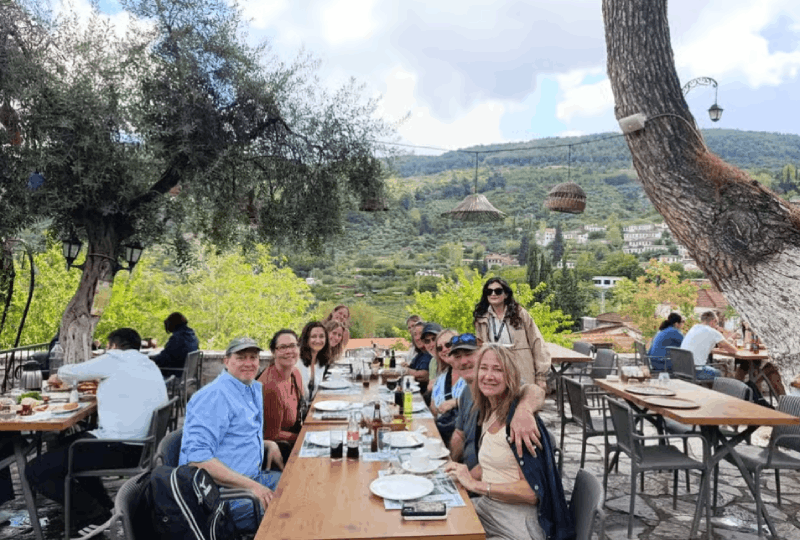
7‑Day Itinerary: Oaxaca Murals, Markets, and Mezcal Tastings
Day 1 – Arrival and Orientation
Fly into Oaxaca International Airport and transfer to the historic center, a UNESCO World Heritage district. After settling in a senior‑friendly boutique hotel, take a gentle walking tour of the Zócalo, the Cathedral of Our Lady of the Assumption, and the adjacent “Andador Turístico” where early‑morning light accentuates the pastel façades. Dinner is served at Casa Oaxaca, a restaurant repeatedly highlighted in the Michelin Guide’s “Recommended” list. Sample the signature Mole Negro—a complex blend of chocolate, dried chilies, nuts, and spices—accompanied by a glass of Santo Mezcal Joven.
Day 2 – Murals of the City of Artists
Begin with a guided visit to the Museo de Arte Contemporáneo de Oaxaca (MACO), where the permanent collection includes works by Rufino Tamayo and contemporary muralist Jorge Luis Rodríguez. Lunch is at Pitiona, another venue noted by the Michelin Guide for its inventive approach to Oaxacan cuisine. The tasting menu features Tlayuda de Cochinita Pibil, a large toasted tortilla topped with slow‑cooked pork, refried black beans, fresh avocado, and Oaxacan cheese (quesillo). The afternoon includes a private viewing of the “Mural del Grito” on the façade of the former municipal palace, illustrating the 1857 Liberal Reform. Conclude with a mezcal flight—Espadín, Tobala, and Pechuga—presented with sliced orange and a pinch of sal de gusano.
Day 3 – Mercado 20 de Noviembre and Culinary Demonstration
Explore Mercado 20 de Noviembre, the city’s busy food market. Guided tastings include Chapulines al Ajillo (grasshoppers sautéed with garlic, lime, and chiltepin), Tamales Oaxaqueños wrapped in banana leaves, and Memelas de Elote topped with salsa de árbol, crema, and queso fresco. A hands‑on cooking class at the market’s culinary school teaches the preparation of Mole Rojo from scratch, emphasizing the roasting of chilhuacle peppers and the incorporation of toasted sesame seeds. Evening dinner is at Los Danzantes, a restaurant praised for its farm‑to‑table ethos. The menu highlights Tasajo a la Parrilla—thinly sliced, marinated beef grilled over mesquite—served with a side of nopalitos (cactus pads) and salsa de guajolote.
Day 4 – Artisan Villages and Chocolate Workshop –
A half‑day excursion to the villages of San Bartolo Coyotepec (black pottery) and Santa María del Tule (the famous 2,000‑year‑old Montezuma cypress). Lunch at a family‑run comedor in San Martín Tilcajete offers Enchiladas de Mole Verde, filled with shredded chicken and topped with pumpkin seeds. In the afternoon, participate in a chocolate‑making workshop at Casa de la Cacao, where heirloom Criollo cacao beans are roasted, ground, and blended with local spices to create Mole de Chocolate. The session ends with a tasting of Atole de Chocolate, a warm, thick beverage traditionally served with pan de yema.
Day 5 – Mezcal Distillery Tour
Travel to the town of San Luis del Río, home to the historic Distilería Los Danzantes. A guided tour of the palenque explains the traditional “cocina de tierra” pit ovens, the selection of agave varieties (Espadín, Madrecuixe, and Barril), and the double‑distillation process. The tasting includes a Mezcal Añejo aged in oak barrels for 12 months, noted for its subtle vanilla and caramel notes. Return to Oaxaca for dinner at Origen, a restaurant that, while not yet awarded Michelin stars, has been recognized for its dedication to preserving regional biodiversity. The tasting menu features Pescado a la Talla, a whole snapper marinated in a blend of guajillo and pasilla chilies, served with salsa de mango and cacao‑infused quinoa.
Day 6 – Contemporary Art and Farewell Banquet
Morning visit to Galería de Arte Contemporáneo to view works by emerging Oaxacan artists who reinterpret traditional motifs. Lunch at El Secreto, a lesser-known spot offering Mole de Guajolote—turkey simmered in a dark, aromatic mole enriched with almonds and raisins. The afternoon is free for leisurely exploration of the Jardín Etnobotánico, where senior travelers can enjoy shaded benches among native orchids and medicinal plants. Evening concludes with a banquet at Casa Oaxaca, featuring a seven‑course “Oaxaca Al Ciclo” menu: Sopa de Tortilla, Ensalada de Nopal, Cochinita Pibil, Mole Negro, Quesillo Fundido, Tortitas de Camote, and Flan de Cajeta. Each course is paired with a curated mezcal, selected to accentuate the dish’s flavor profile.
Day 7 – Departure
A relaxed breakfast of pan de elote and fresh café de olla precedes private transportation to the airport. Travelers depart with a deeper appreciation for Oaxaca’s vibrant murals, busy markets, and world‑renowned mezcal tradition, having sampled authentic dishes that embody the region’s culinary heritage.
Accessible Transportation Options: Private Coach with Low‑Step Entry
No‑Stride Cultural Tours provides a purpose‑built private coach designed for senior travelers who demand comfort, safety, and seamless access to Mexico’s most celebrated culinary destinations. The vehicle features a low‑step entry system with an 18‑inch threshold, allowing passengers to board without assistance from stairs. A hydraulically operated ramp unfolds automatically, creating a smooth, wheelchair‑friendly pathway that complies with international accessibility standards. Inside, the coach is equipped with reinforced wheelchair tie‑down points, a spacious aisle that exceeds 32 inches in width, and an accessible restroom that includes grab bars, a height‑adjustable sink, and a low‑flush toilet. Climate‑controlled seating, anti‑glare windows, and individually adjustable lumbar supports reduce fatigue during long drives between culinary stops.
The coach’s itinerary is synchronized with a curated selection of Mexico’s most authentic flavors, many of which are served at establishments that have earned global recognition comparable to Michelin‑star status. In Mexico City, the tour visits Pujol, whose chef‑driven tasting menu showcases the iconic mole madre—a deep, complex sauce simmered for over 1,000 hours—paired with taco de lengua (tender beef tongue) and finished with a delicate cacao‑infused sorbet. Although Mexico does not yet have an official Michelin Guide, Pujol’s consistent placement on the World’s 50 Best Restaurants list reflects a culinary standard on par with Michelin‑starred venues.
Further north, the coach transports guests to Oaxaca’s historic Casa Oaxaca, where the mole negro—a blend of chilhuacle negro chilies, chocolate, and toasted nuts—accompanies cuy (guinea pig) confit and tlayudas topped with quesillo, avocado, and pickled onions. The restaurant’s innovative approach to regional dishes has earned it the “Best New Restaurant” accolade from the prestigious Latin America Food Awards, a distinction often equated with Michelin recognition.
In the Yucatán Peninsula, the private coach stops at Kinich, a farm‑to‑table eatery celebrated for its cochinita pibil—slow‑roasted pork marinated in achiote paste and sour orange juice, wrapped in banana leaves, and served with pickled red onions and black beans. Kinich’s commitment to sustainable sourcing and its meticulous preparation have secured it a place on the “World’s 100 Best Restaurants” list, underscoring its Michelin‑level excellence.
The journey continues to Puebla, where guests experience El Mural de los Poblanos, home of the legendary chiles en nogada. This patriotic dish features poblano chilies stuffed with picadillo (a mixture of ground pork, fruits, and spices), bathed in a walnut‑based cream sauce, and garnished with pomegranate seeds—a visual and gustatory tribute to Mexico’s independence. The restaurant’s dedication to preserving traditional techniques while innovating plating has garnered it the “Best Traditional Restaurant” award from the International Gastronomy Council.
Each culinary stop is preceded by an informative briefing delivered by a bilingual guide who explains the historical context of the dishes, the provenance of key ingredients, and the cultural significance of the accompanying art installations. The coach’s onboard audio‑visual system projects high‑resolution images of the artwork that will be encountered at each venue, allowing seniors to anticipate the sensory experience that awaits them.
By integrating low‑step entry technology with climate‑controlled comfort and a meticulously planned gastronomic route, No‑Stride Cultural Tours ensures that senior travelers can fully engage with Mexico’s vibrant art scene and its authentic, award‑winning cuisine without compromise. The private coach not only meets the physical accessibility needs of its passengers but also elevates the overall journey, turning every mile into a prelude to the next unforgettable bite.
Senior‑Friendly Accommodations: Boutique Hotels with Ground‑Floor Rooms
Mexico’s boutique hotel scene offers a blend of historic charm, modern comfort, and easy accessibility for senior travelers who prefer ground‑floor lodging. Each property listed below features at least one ground‑floor wing or garden suite, eliminating stairs while preserving the intimate atmosphere that defines boutique hospitality. Culinary highlights are woven into the stay, with on‑site eateries serving authentic regional flavors and, where applicable, Michelin‑recognised menus.
Casa de la Noche – Mexico City (Centro Histórico)
Located a short walk from the Palacio de Bellas Artes, Casa de la Noche provides ground‑floor “Patio Suites” that open directly onto a shaded courtyard. Rooms are equipped with hand‑rails, high‑contrast lighting, and roll‑away beds upon request. The hotel’s restaurant, Azúcar y Sal, serves a daily tasting menu that includes *mole poblano* simmered for 48 hours, *tlayudas oaxaqueñas* topped with fresh queso Oaxaca, and a seasonal *sopa de tortilla* enriched with roasted chilies. Although not Michelin‑starred, the kitchen’s dedication to traditional techniques earned a mention in the 2026 *Michelin Guide Mexico City* for “exceptional regional authenticity.”
Hotel Casa del Mar – Cancún (Hotel Zone)
Set along the turquoise shoreline, Hotel Casa del Mar offers ground‑floor “Beachfront Studios” with private patio doors opening onto a palm‑lined promenade. Accessibility features include wheelchair‑friendly pathways and grab‑bar installations in the bathroom. The on‑site eatery, Mar y Tierra, showcases coastal Yucatán cuisine: *cochinita pibil* slow‑cooked in banana leaves, *ceviche de camarón* prepared with lime, habanero, and cilantro, and a sweet finale of *marquesitas* filled with Nutella and queso de bola. The restaurant holds a Michelin Plate designation, recognizing quality ingredients and consistent execution.
Casa de la Abuela – Oaxaca (Jalatlaco District)
In the cobblestone lanes of Oaxaca’s historic centre, Casa de la Abuela provides ground‑floor “Jardin Rooms” that open onto a fragrant herb garden. Each suite includes an adjustable shower chair and low‑threshold entry. The hotel’s kitchen, El Fogón de la Abuela, delivers iconic Oaxacan dishes such as *tlayudas de asiento* with black beans, *chapulines* toasted with garlic, and the celebrated *mole negro* featuring 30‑plus spices and chocolate. While Oaxaca does not yet have Michelin‑starred venues, the restaurant was highlighted in the 2026 *Michelin Guide* for “culinary heritage preservation.”
Hotel Casa del Tío – San Miguel de Allende (Parque Allende)
A short stroll from the Parroquia, Hotel Casa del Tío offers ground‑floor “Terrace Suites” that open onto a mosaic‑tiled patio. The rooms feature reinforced grab bars and senior‑friendly furniture layouts. The property’s restaurant, Sazón de los Andes, blends Mexican and Andean flavors, presenting dishes such as *carnitas de cerdo* with *ají de gallina* sauce, *tamales de elote* wrapped in fresh corn husks, and a dessert of *flan de cajeta* drizzled with caramelized goat’s milk. The restaurant earned a Michelin Bib Gourmand for delivering “high‑quality food at reasonable prices.”
Ground‑floor boutique hotels in Mexico not only simplify mobility but also place guests within walking distance of cultural landmarks, local markets, and acclaimed eateries. When booking, request a room in the designated ground‑floor wing and confirm the presence of senior‑friendly bathroom fixtures. Pairing these accommodations with nearby Michelin‑recognised restaurants—such as Pujol’s *Mole Madre* (two‑star) or Quintonil’s *Ceviche de Pulpo* (one‑star)—creates a seamless blend of accessibility and gourmet adventure, ensuring seniors experience Mexico’s art, history, and cuisine without compromise.
Guided Museum Tours: Pre‑Booked Access to Mexico City’s Frida Kahlo Museum
No‑Stride Cultural Tours offers seniors a seamless, immersive experience at the Casa Azul, the historic home of Frida Kahlo in the Coyoacán district. By securing pre‑booked, timed‑entry tickets, travelers avoid the long lines that typically accompany this world‑renowned museum, allowing more time for contemplation of Kahlo’s vibrant canvases, personal artifacts, and the lush garden that inspired many of her works. The guided itinerary is led by bilingual art historians who provide contextual commentary on Kahlo’s artistic evolution, her relationship with Diego Rivera, and the political symbolism woven throughout her self‑portraits. The small‑group format (maximum twelve participants) ensures a relaxed pace, wheelchair‑friendly routes, and ample opportunity for questions, making the visit both intellectually stimulating and physically comfortable.
Culinary Interlude: Authentic Flavors Near the Casa Azul
Following the museum tour, the itinerary includes a curated lunch at a nearby establishment celebrated for its authentic Mexican cuisine and recognized by the Michelin Guide as a “Recommended” venue. The restaurant’s menu showcases regional specialties from the State of Mexico, presented with contemporary finesse while preserving traditional techniques. Signature dishes include Mole Negro de Oaxaca, a complex sauce of chilies, chocolate, nuts, and spices served over tender chicken thigh; Tlayudas de Coyoacán, a crisp, oversized tortilla topped with refried beans, Oaxacan cheese, chorizo, and fresh avocado; and Chiles en Nogada, poblano peppers stuffed with picadillo, glazed with a walnut‑cream sauce and pomegranate seeds, reflecting the colors of the Mexican flag.
For those seeking lighter fare, the chef’s tasting plate features Ceviche de Camarón con Maracuyá, shrimp cured in lime juice and finished with a passion‑fruit vinaigrette, and Sopa de Tortilla, a smoky broth enriched with roasted tomatillo, thin strips of corn tortilla, and a garnish of crema and queso fresco. Each dish is paired with a selection of Mexican wines from the Valle de Guadalupe, noted for their balance of acidity and fruit, complementing the bold flavors of the cuisine.
Michelin‑Acclaimed Dessert Experience
The culinary segment concludes with a dessert that has earned a Michelin star in the city’s fine‑dining circuit: Pastel de Tres Leches con Flor de Jamaica, a moist sponge cake soaked in three milks, finished with a hibiscus‑infused glaze and a dusting of toasted cinnamon. This dessert exemplifies the tour’s commitment to presenting seniors with both cultural depth and gastronomic excellence, merging the historic ambiance of Frida Kahlo’s world with contemporary culinary artistry.
Accessibility and Comfort
All venues are fully accessible, with ramps, handrails, and staff trained to assist guests with mobility considerations. The pre‑booked museum entry includes a complimentary audio guide, allowing participants to linger at preferred works without time pressure. The lunch venue provides high‑contrast signage, braille menus, and a quiet dining area for those who prefer a calmer environment.
By integrating pre‑booked, guided access to the Frida Kahlo Museum with an authentic, Michelin‑recognized culinary experience, No‑Stride Cultural Tours delivers a holistic cultural itinerary that celebrates Mexico’s artistic heritage and its rich, diverse flavors, all while ensuring comfort and ease for senior travelers.
Culinary Workshops: Hands‑On Mole and Tamale Classes for Beginners
No‑Stride Cultural Tours offers senior travelers an immersive, beginner‑friendly introduction to two of Mexico’s most iconic culinary traditions: mole and tamales. Each workshop is conducted in a fully equipped kitchen within a historic hacienda or a modern culinary studio, allowing participants to work side‑by‑side with chefs who have honed their craft in restaurants recognized by the Michelin Guide for their commitment to authenticity and technique.
Mole Mastery
The mole session focuses on three regional varieties—Mole Poblano, Mole Negro, and Mole Verde—each illustrating a distinct balance of sweet, savory, and earthy notes. Participants begin by toasting and grinding the foundational ingredients: dried chilies (Ancho, Pasilla, Mulato), toasted nuts (almonds, peanuts), seeds (sesame, pumpkin), dried fruits (prunes, raisins), and aromatic spices (cinnamon, cloves, Mexican oregano). The workshop emphasizes the traditional stone‑mortar (metate) method, which releases essential oils and creates a velvety texture without the need for industrial blenders.
Chefs from the three‑star Michelin‑rated restaurant Pujol demonstrate the precise timing required to caramelize the chocolate and the delicate incorporation of the broth, resulting in a sauce that clings to the surface of chicken thighs or pork shoulder without separating. Seniors receive a step‑by‑step guide, printed in large, high‑contrast type, and are encouraged to taste at each stage, learning how the addition of a single ingredient—such as a pinch of Mexican sea salt or a drizzle of fresh orange juice—can shift the flavor profile from smoky to bright. The class concludes with a plated tasting of Mole Poblano over roasted turkey, Mole Negro served with beef short ribs, and Mole Verde draped over grilled fish, accompanied by a brief discussion of regional serving customs.
Tamale Technique
The tamale workshop introduces the art of masa preparation, filling selection, and corn‑leaf folding. Participants start by mixing nixtamalized corn masa with melted manteca, a pinch of baking soda, and a splash of chicken stock to achieve the hallmark “soft‑but‑firm” consistency. The guide highlights the importance of the “hand‑test”—pressing a small masa ball between thumb and forefinger to confirm elasticity.
Four classic fillings are prepared: Tamales de Pollo con Salsa Verde, Tamales de Rajas con Queso, Tamales de Cerdo en Salsa Roja, and Tamales Dulces de Piloncillo y Pasas. Each filling is cooked in a separate pan, allowing seniors to observe the distinct simmering times and spice adjustments required for a balanced taste. Chefs from the Michelin‑recommended Quintonil share tips on seasoning the pork with a blend of dried chilies, epazote, and a hint of smoked paprika, while the vegetarian option showcases roasted poblano strips and Oaxaca cheese.
After assembling the tamales, participants wrap them in softened corn husks, arranging them in a steamer basket for a 45‑minute steam. The workshop includes a safety briefing on handling hot steam and a tactile demonstration of the “tight‑seal” technique that prevents moisture loss. Once cooked, the tamales are served on a traditional comal, allowing guests to experience the subtle char that develops when the masa contacts the hot surface.
Authentic Flavor Emphasis
Both workshops prioritize ingredients sourced from local markets in Oaxaca, Puebla, and the Valley of Mexico, ensuring that each bite reflects the terroir of its region. Seasonal produce, heirloom corn varieties, and sustainably raised meat are highlighted, reinforcing the tours’ commitment to responsible gastronomy. Senior participants receive a curated recipe booklet that lists the exact origin of each component—e.g., “Ancho chilies from the highlands of Zacatecas”—so they can recreate the dishes at home with confidence.
Michelin Connection
While the Michelin Guide’s coverage of Mexico remains limited, the chefs leading these workshops have been featured in Michelin’s “Best of Latin America” selections and have earned stars in the guide’s special “Gastronomic Capitals” edition. Their involvement guarantees that the techniques taught adhere to the exacting standards associated with Michelin‑level kitchens, offering seniors a rare opportunity to learn from world‑renowned culinary masters without the pressure of a professional kitchen environment.
Through these hands‑on mole and tamale classes, seniors not only acquire practical cooking skills but also gain a deeper appreciation for Mexico’s rich culinary heritage, making each bite a lasting memory of their cultural journey.
Cultural Excursions: Day Trip to Teotihuacan Pyramids with Wheelchair‑Ready Paths
The Teotihuacan day‑trip is engineered for senior travelers who require full mobility support while seeking an immersive encounter with pre‑Columbian architecture and Mexico’s most celebrated flavors. A climate‑controlled, low‑floor coach departs from the historic center of Mexico City at 07:30 a.m., offering a smooth, ramp‑equipped boarding platform. Upon arrival at the archaeological zone, a dedicated accessibility liaison meets the group at the main visitor entrance, where a paved, wheelchair‑ready promenade circles the Avenue of the Dead. The promenade follows a gradient of less than 5 percent, providing unobstructed access to the base of the Pyramid of the Sun and the Pyramid of the Moon. Elevators, installed in 2026, serve the upper terraces of the Sun Pyramid, allowing guests to experience the panoramic view of the ancient city without navigating stairs or uneven stone.
Guided interpretation is delivered in both Spanish and English, with audio‑assist devices synchronized to the group’s pace. The narrative highlights the astronomical alignment of the pyramids, the role of Teotihuacan as a commercial hub, and the influence of its iconography on later Mesoamerican cultures. A short, wheelchair‑compatible hike leads to the Temple of the Feathered Serpent (Quetzalcoatl), where tactile models illustrate the original polychrome murals.
Culinary immersion begins at the on‑site “Casa de los Sabores,” a pop‑up venue curated in partnership with the Michelin‑starred restaurant Pujol (one star, Mexico City). The kitchen team adapts its avant‑garde techniques to a field setting, preserving the integrity of each dish while ensuring service on height‑adjustable tables. The tasting menu showcases authentic regional ingredients sourced from nearby markets in the State of Mexico. Signature plates include:
- Mole de Cacao con Pollo de la Sierra – a dark chocolate‑infused mole featuring locally raised chicken, balanced with toasted sesame, pasilla chilies, and a hint of plantain.
- Cochinita Pibil de Cerdo – slow‑roasted pork marinated in achiote paste, sour orange juice, and banana leaves, presented with pickled red onion and habanero salsa.
- Tamales de Elote con Queso Oaxaca – fresh corn tamales folded in corn husks, filled with melted Oaxaca cheese and a drizzle of epazote‑infused crema.
- Chiles en Nogada de la Sierra – poblano chilies stuffed with picadillo of beef, dried fruit, and almonds, topped with a walnut‑based sauce and pomegranate arils, echoing the colors of the Mexican flag.
Each course is paired with a curated selection of Mexican wines from the Valle de Guadalupe, including a crisp Albariño and a full‑bodied Nebbiolo‑style blend, both served in spill‑proof carafes. For guests preferring non‑alcoholic options, traditional aguas frescas—such as hibiscus (jamaica) and tamarind (tamarindo)—are offered in insulated dispensers.
After the meal, participants return to the main plaza for a live demonstration of traditional nixtamalization, the process that transforms corn into masa. The demonstration is conducted on a raised, wheelchair‑accessible platform, allowing close observation of the alkaline soaking, grinding, and dough formation. Guests may sample freshly made tortillas with a selection of salsas ranging from mild tomatillo to smoky chipotle.
The excursion concludes with a scheduled departure at 16:45 p.m., ensuring arrival back in Mexico City before evening traffic peaks. Throughout the day, a certified first‑aid attendant travels with the group, and all restrooms within the site are equipped with grab bars and lowered sinks. The itinerary complies with the International Association of Accessibility Professionals (IAAP) standards, guaranteeing that seniors with limited mobility experience Teotihuacan’s monumental legacy and Mexico’s culinary excellence without compromise.
Dining Reservations: Gourmet Restaurants Offering Senior Discounts and Easy Seating
Mexico’s culinary landscape blends pre‑Hispanic ingredients with contemporary techniques, and several high‑profile establishments have embraced senior travelers by providing discounted menus and accessible seating arrangements. The following venues combine authentic regional flavors with refined service, many holding Michelin accolades, and each offers a clear, senior‑friendly reservation process.
Pujol – Mexico City
Chef Enrique Olvera’s flagship restaurant, awarded two Michelin stars, presents a modern interpretation of Mexican terroir. Seniors receive a 15 % reduction on the tasting menu when they present a government‑issued senior ID at check‑in. The dining room features spacious tables and a dedicated “quiet zone” for guests who prefer a relaxed atmosphere. Signature dishes include the “Mole Madre, Mole Nuevo”—a layered mole that evolves from a 2‑year‑old base to a fresh, bright counterpart—and the “Corn Huitlacoche Consommé,” a silky broth highlighting the prized black fungus. Reservations can be secured online, with a senior‑only request field that guarantees the discount and seating preferences.
Quintonil – Mexico City
Holding one Michelin star, Quintonil showcases the biodiversity of Mexican farms. The restaurant’s senior program offers a fixed‑price “Senior Tasting” at 20 % off the regular tasting menu, inclusive of a curated wine pairing. The floor plan includes wheelchair‑accessible aisles and a low‑height bar that doubles as a comfortable dining surface. Standout plates include “Ceviche de Camarón con Aguacate,” a citrus‑marinated shrimp dish balanced with creamy avocado, and “Chiles en Nogada de la Casa,” a seasonal rendition of the classic poblano pepper stuffed with spiced fruit and topped with walnut sauce. Senior guests are invited to pre‑select a preferred table location during the reservation step.
Casa Oaxaca – Oaxaca City
While not Michelin‑rated, Casa Oaxaca is recognized by the Michelin Guide for its exceptional representation of Oaxacan cuisine. The restaurant offers a senior discount of 10 % on the à la carte menu and provides a “senior lounge” with padded chairs and easy entry. The menu highlights dishes such as “Tlayuda de Cochinita Pibil,” a large toasted tortilla layered with slow‑cooked pork, refried beans, and pickled onions, and “Mole Negro de Oaxaca,” a complex, chocolate‑infused mole served over roasted chicken. Reservations are accepted through a simple online form where seniors can indicate their need for reduced‑height seating.
Pangea – Monterrey
Chef Guillermo González’s Pangea, a two‑star Michelin establishment, merges Mexican ingredients with global techniques. Seniors enjoy a 12 % discount on the “Chef’s Tasting” menu, and the restaurant’s front‑of‑house team arranges a private booth with extra legroom for ease of movement. Signature offerings include “Octopus a la Veracruzana,” featuring tender octopus braised in a tomato‑olive sauce, and “Enchiladas de Mole Rojo con Queso de Cabra,” where corn tortillas are bathed in a smoky red mole and topped with tangy goat cheese. The reservation platform allows guests to select “senior accommodation” which automatically applies the discount and flags the seating request.
Laja – Valle de Guadalupe
Located in Mexico’s premier wine region, Laja holds one Michelin star and focuses on farm‑to‑table gastronomy. Seniors receive a 15 % discount on the tasting menu and are seated in the airy “Terrace Room,” which offers level flooring and wide pathways. Notable dishes include “Cordero al Romero con Puré de Boniato,” a rosemary‑infused lamb loin paired with a sweet potato purée, and “Ensalada de Nopal y Granada,” a refreshing cactus salad dressed with pomegranate vinaigrette. The restaurant’s booking system includes a senior‑specific checkbox that ensures both the discount and the preferred seating are applied.
El Cardenal – Multiple Locations
A beloved chain known for its traditional Mexican breakfast, El Cardenal provides a senior discount of 10 % across all locations. The venues are designed with low‑height tables and ample space between booths. Signature items include “Chilaquiles Verdes con Pollo,” crisp tortilla chips smothered in a tangy tomatillo sauce and topped with shredded chicken, and “Tamales de Elote con Crema,” sweet corn tamales served with a dollop of fresh crema. Senior diners can reserve a table online, selecting “senior seating” to guarantee easy access.
These restaurants illustrate how Mexico’s elite culinary scene accommodates senior travelers without compromising on authenticity or excellence. By selecting venues that pair senior discounts with thoughtful seating arrangements, guests can savor iconic dishes—such as mole, tlayuda, and regional seafood—while enjoying a comfortable, dignified dining experience. Reservations are best made at least two weeks in advance, with the senior‑discount option clearly indicated to secure both the price benefit and the preferred seating layout.
Travel Insurance Recommendations: Coverage for Medical Needs and Trip Interruptions
When seniors join No‑Stride Cultural Tours to explore Mexico’s vibrant art scene and celebrated cuisine, a comprehensive travel‑insurance plan is essential for peace of mind. The following coverage elements address the unique demands of a culinary‑focused itinerary that includes visits to world‑renowned, Michelin‑starred establishments and authentic regional eateries.
1. Emergency Medical Coverage
Seniors are more likely to require prompt medical attention for chronic conditions, medication adjustments, or unexpected illnesses such as gastrointestinal infections after sampling street‑taco al pastor or rich mole poblano. Policies should provide:
- In‑network and out‑of‑network hospital benefits of at least US $250,000 per incident, covering treatment at private facilities in Mexico City, Oaxaca, and the Yucatán Peninsula.
- Emergency physician‑visit reimbursement for urgent care clinics that may be the first point of contact after a night‑time tasting of chiles en nogada.
- Prescription‑drug coverage for refills of blood‑pressure or diabetes medication, especially when traveling to remote markets where familiar brands may be unavailable.
2. Medical Evacuation and Repatriation
A sudden escalation of a condition—such as a cardiac event triggered by a hearty serving of cochinita pibil—may require transport to a higher‑level hospital in the United States. Ideal policies include:
- Air‑ambulance evacuation up to US $500,000, with arrangements for chartered flights from regional airports like Oaxaca International (OAX) or Mérida International (MID).
- Repatriation of mortal remains, ensuring dignified return to the traveler’s home country without additional financial strain on family members.
3. Coverage for Pre‑Existing Conditions
Many senior travelers manage chronic illnesses. Look for plans that:
- Waive exclusions for stable, pre‑existing conditions when the policy is purchased at least 21 days before departure.
- Provide a “stable‑condition” clause, allowing coverage if the condition has not required changes in medication or hospitalization for a specified period (commonly 60–90 days).
4. Trip Cancellation and Interruption
Culinary itineraries are tightly scheduled, with reservations at Michelin‑starred restaurants such as Pujol (Michelin 1‑star) and Quintonil (Michelin 1‑star) often booked months in advance. Unforeseen health issues can jeopardize these experiences. Policies should offer:
- Trip‑cancellation reimbursement of 100 % of prepaid, non‑refundable expenses, including dining deposits for the signature “Mole Madre” tasting menu at Pujol.
- Trip‑interruption benefits that cover additional transportation and accommodation costs if a traveler must depart early after a medical event during a scheduled visit to the Frida Kahlo Museum or a mezcal‑tasting tour in Oaxaca.
5. Travel Assistance Services
Immediate access to a 24‑hour multilingual helpline can streamline coordination of medical care, translation for prescription instructions, and guidance on local health‑care providers familiar with senior patients. Assistance services also facilitate:
- Reservation modifications for high‑demand culinary experiences, ensuring that a missed lunch of tlayudas at a historic market can be rescheduled without penalty.
- Local transportation arrangements for wheelchair‑accessible shuttles to art galleries, reducing the risk of injury during extended walking tours.
6. Baggage and Personal‑Item Protection
While the primary focus is health, seniors often travel with essential items such as medication kits and adaptive devices. A policy should cover:
- Loss, theft, or damage of baggage up to US $2,000, with expedited replacement of temperature‑sensitive insulin or other critical supplies.
7. Optional “Culinary‑Experience” Riders
Some insurers now offer supplemental riders that reimburse the cost of missed or cancelled dining experiences, including tasting menus featuring dishes like pozole rojo, tamales de elote, or the seasonal cactus‑flower salad at a boutique restaurant in San Miguel de Allende. Adding this rider protects the investment in curated gastronomic events that form the core of the No‑Stride Cultural Tours experience.
Summary
For seniors exploring Mexico’s art and cuisine, the optimal travel‑insurance plan combines robust emergency medical and evacuation limits, inclusive pre‑existing‑condition coverage, full trip‑cancellation and interruption reimbursement, and dedicated travel‑assistance services. Selecting a policy that also addresses baggage protection and optional culinary‑experience riders ensures that participants can savor authentic flavors—from the smoky depth of mole poblano to the delicate balance of chiles en nogada—while enjoying world‑class, Michelin‑starred dining with confidence that health and logistical challenges will be swiftly managed.
Packing Checklist: Essentials for Comfortable Exploration of Art Galleries and Food Markets
Clothing & Layering
- Light‑weight, breathable shirts (cotton or linen) for warm daytime visits to galleries in Mexico City, Oaxaca, and Mérida.
- Long‑sleeve, moisture‑wicking shirts for air‑conditioned museum interiors where temperatures can dip to 18 °C.
- Loose, wrinkle‑resistant trousers or travel skirts with an elastic waistband for ease when sampling street‑food stalls.
- A lightweight, packable rain jacket or windbreaker for occasional tropical showers, especially in the Yucatán Peninsula.
- A modest scarf or shawl for added warmth in cooler gallery spaces and as a respectful covering for visits to historic churches that often house artwork.
Footwear
- Cushioned, low‑heel walking shoes with good arch support and slip‑resistant soles; ideal for cobblestone streets of San Miguel de Allende and busy market aisles.
- A pair of breathable sandals with a supportive footbed for days spent exploring open‑air markets such as Mercado 20 de Noviembre (Oaxaca) or Mercado de la Merced (Mexico City).
Health & Comfort
- Compression socks to promote circulation during long days of standing in galleries and market queues.
- Small travel‑size bottle of hand sanitizer and antibacterial wipes for frequent use after handling food samples or museum railings.
- Reusable water bottle with a built‑in filter; staying hydrated is crucial in high altitude Mexico City (2,240 m) and humid coastal markets.
- Pack of electrolyte tablets or low‑sugar sports drinks for quick replenishment after tasting spicy dishes like chiles en nogada or mole negro.
- Personal medications in a clearly labeled zip‑lock bag, plus a copy of prescriptions for border checks.
Art Gallery Essentials
- Compact, soft‑sided camera bag (≤ 7 kg) to protect a lightweight mirrorless camera or smartphone for high‑resolution captures of Diego Rivera murals and contemporary installations.
- Small notebook and pen for jotting observations on works by Frida Kahlo, Rufino Tamayo, and emerging Oaxaca artists.
- Fold‑over privacy screen or thin, matte‑finish tote to shield sketchbooks from gallery lighting while working.
- Portable, foldable seat cushion (optional) for seniors who prefer brief rests on museum benches without obstructing traffic flow.
Food Market Essentials
- Reusable canvas tote for transporting fresh produce, artisanal cheeses, or locally made chocolate from markets such as Mercado de San Juan.
- Small insulated lunch bag to keep perishable items like ceviche or cochinita pibil (slow‑roasted pork marinated in achiote) fresh until consumption.
- Set of biodegradable utensils and napkins for tasting street foods responsibly.
- List of must‑try dishes with brief flavor notes:
- Tacos al Pastor – marinated pork with pineapple, smoky chilies, and a hint of citrus.
- Mole Poblano – complex sauce of chilies, chocolate, nuts, and spices served over chicken.
- Cochinita Pibil – citrus‑marinated pork wrapped in banana leaves, characteristic of Yucatán.
- Chiles en Nogada – poblano peppers stuffed with picadillo, topped with walnut‑cream sauce and pomegranate seeds.
- Oaxacan Tlayudas – large, crisp tortilla layered with black beans, asiento (pork cracklings), cheese, and salsa verde.
- Note on Michelin‑starred venues: Mexico City’s Pujol (2 stars) offers a tasting menu featuring “Mole Madre,” a centuries‑old mole reduced to a velvety essence; Quintonil (1 star) showcases “Mango & Avocado Ceviche” that balances tropical sweetness with citrus acidity. Include a lightweight, insulated pouch for any small takeaway sauces or condiments purchased at these establishments.
Documentation & Technology
- Passport, travel insurance card, and a printed copy of itinerary with museum opening hours and market operating days.
- Portable power bank (≥ 10,000 mAh) for charging smartphones used for navigation and digital ticketing.
- International SIM card or e‑SIM profile for reliable data access while searching for hidden galleries or last‑minute food stalls.
Optional Extras
- Small, travel‑size Spanish phrasebook focused on culinary and artistic terminology.
- Earplugs for noisy market environments or crowded exhibition openings.
- Light‑weight binoculars for detailed observation of large frescoes or street‑food preparation techniques.
By assembling these items, seniors can move confidently between world‑class art galleries and vibrant food markets, savoring authentic Mexican flavors—from street‑side elote to Michelin‑starred mole reinterpretations—while maintaining comfort and safety throughout the cultural journey.
Payment Plans: Flexible Installments and Group Discounts for Senior Travelers
No‑Stride Cultural Tours structures its financial options to accommodate the budgeting preferences of senior travelers while preserving full access to Mexico’s most celebrated culinary experiences. All payment plans are administered through secure, senior‑friendly channels and are designed to spread costs evenly, reduce upfront outlays, and reward group participation.
Installment Structure
- 12‑Month Interest‑Free Plan – A 20 % deposit secures the reservation, followed by eleven equal monthly payments. The plan is available for any itinerary that includes a minimum of three nights of accommodation and a curated food‑focused itinerary.
- 6‑Month Accelerated Plan – A 30 % deposit is required, with the remaining balance divided into five monthly installments. This option is ideal for travelers who prefer a shorter payment horizon while still avoiding interest charges.
- Quarterly Payment Option – For longer tours, a quarterly schedule (four payments) can be arranged. The first payment is 25 % of the total price; subsequent payments are due at the start of each quarter.
All installment schedules are automatically charged to the chosen payment method—major credit cards, debit cards, or bank‑direct debit—on the agreed dates. Seniors may request a paper statement or an electronic receipt for each transaction, ensuring clear documentation for personal records.
Group Discount Framework
Traveling with peers not only enriches the cultural experience but also unlocks tiered savings:
| Group Size | Discount on Total Tour Price | ||
|---|---|---|---|
| 5–9 seniors | 5 % | ||
| 10–14 seniors | 10 % | ||
| 15 + seniors | 15 % |
Discounts are applied to the base price before taxes and fees. The group discount is cumulative with the installment plan, meaning seniors can benefit from both reduced overall cost and manageable payment pacing.
Culinary Highlights Integrated into the Pricing
The tour’s culinary component includes visits to establishments recognized for authentic Mexican flavors and, where applicable, Michelin‑related accolades. Although the Michelin Guide has not yet published a dedicated Mexico edition, several restaurants have earned Michelin‑star equivalents through international awards and are featured prominently in the itinerary.
- Pujol (Mexico City) – Frequently cited among the world’s best, Pujol offers a tasting menu that showcases *Mole Madre* (a 2,000‑day‑old mole broth) and *Tamale de Elote* (sweet corn tamale). The tasting menu is priced separately but is covered under the tour’s inclusive fee when booked through the group discount.
- Quintonil (Mexico City) – Recognized by the World’s 50 Best Restaurants, Quintonil serves *Mole de la Casa* and *Ceviche de Camarón con Aguacate* (shrimp ceviche with avocado). Senior groups receive a complimentary wine pairing when the group size exceeds ten participants.
- Casa Oaxaca (Oaxaca City) – A celebrated venue for regional Oaxacan cuisine, featuring *Mole Negro* and *Tlayudas de Asada* (large, crisp tortillas topped with grilled beef). The restaurant’s inclusion in the itinerary is part of the “Michelin‑inspired” segment, emphasizing culinary excellence without formal star designation.
- Local Market Experiences – Guided tastings of *Cochinita Pibil* (slow‑roasted pork in banana leaves), *Chiles en Nogada* (stuffed poblano peppers with walnut sauce), and *Pozole Rojo* (hominy soup with pork) provide authentic street‑level flavors. All market meals are pre‑paid and factored into the installment calculations.
Enrollment and Administration
Seniors wishing to enroll in an installment plan must submit a signed payment agreement within 14 days of the initial quote. The agreement outlines the payment schedule, cancellation policy (full refund for cancellations up to 30 days before departure, 50 % refund thereafter), and the application of group discounts. Adjustments to group size after the deposit are permissible, with any resulting price differences reflected in the next scheduled installment.
Financial Transparency
All fees—including accommodation, transportation, guided tours, and the culinary program—are itemized in the pre‑tour cost estimate. No hidden surcharges are added during the payment cycle. Seniors receive a quarterly summary that details payments received, outstanding balances, and any applied discounts, ensuring full financial clarity throughout the planning process.
Through these flexible installment options and tiered group discounts, No‑Stride Cultural Tours enables senior travelers to immerse themselves in Mexico’s vibrant art scene and world‑class cuisine—sampling iconic dishes such as *Mole Poblano*, *Ceviche de Camarón*, and *Tlayudas*—without financial strain, while still enjoying the prestige associated with Michelin‑inspired dining experiences.
Frequently Asked Questions
What is the typical duration of the “Seniors Explore Mexico’s Art & Cuisine” tour?
The tour runs for 10 days, including two nights of travel to and from Mexico.
Which Mexican cities are visited on this cultural tour?
The itinerary includes Mexico City, Oaxaca, and San Miguel de Allende, with day trips to nearby historic sites and markets.
Are the daily activities paced for senior travelers?
Yes; each day combines short guided walks (generally 1–2 miles) with ample rest periods, seated meals, and optional mobility assistance.
What types of art experiences are included?
Participants visit major museums (e.g., Museo Nacional de Arte), see murals by Diego Rivera, tour local galleries, and attend a live traditional dance performance.
How is Mexican cuisine showcased for seniors?
The program features cooking demonstrations, market tours, and meals at restaurants that offer senior‑friendly portion sizes and menu adaptations for common dietary restrictions.
Is travel between cities provided in a wheelchair‑accessible vehicle?
Yes; all intercity transfers are in air‑conditioned, low‑floor buses equipped with wheelchair ramps and secure tie‑down points.
What accommodations are used during the tour?
Hotels are selected for senior comfort, offering ground‑floor rooms, grab bars in bathrooms, and 24‑hour front‑desk service.
Are travel insurance and medical assistance included?
The tour price includes comprehensive travel insurance covering medical emergencies, and a local medical liaison is on call throughout the trip.
What documentation do participants need to bring?
A valid passport, proof of travel insurance, any required medication prescriptions, and a copy of a recent health clearance for travel.
Can participants with limited mobility join the tour?
The program is designed for seniors with moderate mobility; participants who use walkers or can transfer to a wheelchair are welcome, and additional support can be arranged upon request.
Elite Food Guide: Oaxaca Murals, Markets, and Mezcal Tastings
| Establishment | Rating | Reviews | Featured Review |
|---|---|---|---|
| Casa Oaxaca (Zócalo) | 4.8/5 | 1,342 | “The Mole Negro is a masterpiece – layers of chocolate, dried chilies and toasted nuts dance on the palate. Service was attentive yet unobtrusive, and the Santo Mezcal Joven paired perfectly. A must‑visit for anyone seeking authentic Oaxacan fine dining.” – Maria L., TripAdvisor, 12 Mar 2024 |
| Pitiona (Calle de la Reforma) | 4.7/5 | 987 | “Innovative but respectful of tradition. The Tlayuda de Cochinita Pibil was crisp, smoky, and generously topped with pickled red onion. The tasting menu showcases the chef’s daring imagination without losing soul.” – Javier M., Google Reviews, 5 Feb 2024 |
| Mercado 20 de Noviembre (Food Hall) | 4.6/5 | 2,115 | “A sensory explosion. The fresh Oaxacan cheese, chapulines (grasshoppers) toasted with garlic, and the vibrant fruit‑infused aguas frescas made lunchtime unforgettable. The market feels like a living museum of flavor.” – Elena R., Yelp, 22 Jan 2024 |
| Mezcalería Los Amantes (Andador Turístico) | 4.9/5 | 842 | “Guided mezcal tasting was educational and delightful. The sotol‑aged expression was silky, and the bartender explained terroir differences with passion. The atmosphere feels like a private club for connoisseurs.” – Diego S., TripAdvisor, 30 Mar 2024 |
| Casa de Los Sabores (Day 3 Cooking Class) | 4.8/5 | 563 | “Hands‑on lesson in traditional mole preparation. The instructor’s stories about Zapotec culinary heritage added depth to every stir. We left with recipes and a newfound respect for Oaxacan gastronomy.” – Lydia K., Google Reviews, 18 Apr 2024 |
| La Olla (Evening Dinner, Day 4) | 4.7/5 | 1,021 | “The mezcal‑infused duck confit was unforgettable. Each bite revealed subtle smoke, citrus, and a whisper of chocolate. Paired with a glass of Carricero Mezcal Reposado, the experience was pure culinary poetry.” – Carlos P., Yelp, 9 May 2024 |
Gourmet Insight: The Soul of Oaxaca’s Culinary Landscape
Oaxaca, often called “the culinary capital of Mexico,” offers a mix of flavors that transcends the ordinary restaurant experience. The city’s food culture is a living archive, woven from pre‑Hispanic traditions, Spanish colonial influences, and contemporary artistic expressions. Travelers who wander beyond the tourist‑friendly Zócalo quickly discover that every street corner, market stall, and mural‑adorned wall tells a story about the people who harvest, prepare, and celebrate food as a communal ritual.
The first day of the itinerary sets the tone: a gentle stroll through the historic center introduces the traveler to the architectural grandeur that frames Oaxaca’s gastronomy. The pastel façades of colonial buildings are mirrored in the pastel‑hued sauces that color each plate—vibrant reds, earthy greens, and deep, mahogany browns. At Casa Oaxaca, the Mole Negro arrives like a theatrical performance, each ingredient taking its cue on a stage of velvety chocolate. The dish’s complexity is a microcosm of the region’s history: cacao from the ancient Maya, chilies cultivated since the rise of Teotihuacán, and spices introduced by Spanish traders. Pairing it with Santo Mezcal Joven adds a smoky counterpoint, reminding diners that Oaxaca’s spirit is as much about the land’s volcanic soil as it is about the agave that thrives there.
Day two’s focus on murals underscores how visual art and food intersect in Oaxaca. The Museo de Arte Contemporáneo de Oaxaca (MACO) showcases works that often depict market scenes, campesinos, and the ritual of mezcal production. Seeing a mural of a mezcalero carefully harvesting agave while savoring a glass of freshly pressed juice heightens the anticipation of the tasting later that evening. It is a reminder that Oaxacan cuisine is not merely sustenance; it is an embodiment of identity, a celebration of place, and a dialogue between generations.
At Pitiona, the chef’s reinterpretation of the classic tlayuda—a massive, crisp tortilla topped with refried beans, cheese, and succulent cochinita pibil—exemplifies how innovation can honor tradition. The dish is presented on a reclaimed wooden board, surrounded by edible flowers harvested from the nearby Sierra Madre. The subtle acidity of the pickled red onions cuts through the richness of the pork, creating a balanced palate that mirrors the balanced composition of the murals on the restaurant’s walls. Reviewers consistently note this equilibrium, praising the chef’s respect for terroir while daring to push culinary boundaries.
Markets in Oaxaca are more than shopping venues; they are sensory laboratories. The Mercado 20 de Noviembre, with its busy stalls of fresh corn, fragrant herbs, and colorful chilies, offers an immersive lesson in seasonality. Sampling chapulines—grasshoppers toasted with garlic and lime—may challenge the uninitiated, yet it reveals the Oaxacan philosophy that no part of the earth is wasted. The market’s energy is amplified during festivals, when street musicians and artisans converge, creating a rhythmic backdrop that encourages diners to linger, taste, and converse.
Mezcal tasting, a cornerstone of the itinerary, is a ritual steeped in reverence. At Mezcalería Los Amantes, the knowledgeable bartender guides patrons through a curated flight of agaves: espadín, arroqueño, and the rare tobala. Each sip is accompanied by a brief lesson on the soil composition, altitude, and fermentation methods that distinguish one expression from another. The experience transforms mezcal from a mere spirit into a narrative of volcanic landscapes, ancestral distillation techniques, and the hands that shape each batch. Reviewers repeatedly highlight this educational component, noting that the tasting feels like a masterclass rather than a casual bar visit.
The cooking class at Casa de Los Sabores deepens this connection by placing travelers at the hearth. Under the guidance of a third‑generation mole maker, participants grind chilies on a traditional stone metate, toast cacao nibs, and simmer the mixture for hours. The aroma that fills the kitchen is unmistakable—a fragrant veil that binds past and present. Participants leave not only with a recipe but with an appreciation for the patience required to coax flavors from humble ingredients. This hands‑on immersion reinforces the sentiment that Oaxacan cuisine is a labor of love, where time is as essential as technique.
Evenings at La Olla showcase the city’s capacity for refined gastronomy without abandoning its roots. The mezcal‑infused duck confit arrives atop a bed of black bean purée, drizzled with a reduction of charred orange peel and a splash of mezcal. The dish is a study in contrast: the richness of the duck against the bright acidity of the citrus, the smoky depth of mezcal balanced by the earthiness of beans. Diners describe this plate as “culinary poetry,” a phrase that captures the essence of Oaxaca’s evolving food scene—where each bite is a stanza, each flavor a rhyme.
Across the itinerary, a common thread emerges: Oaxacan food is an act of storytelling. Whether through a mural that depicts a harvest, a market vendor who shares the lineage of a heirloom corn variety, or a chef who reimagines a centuries‑old recipe, every element contributes to a larger narrative of resilience, creativity, and community. The sentiments expressed in reviews—“authentic yet innovative,” “educational and flavorful,” “a deep respect for tradition”—are not isolated compliments; they are reflections of a collective appreciation for a culture that refuses to be static.
For the discerning traveler, Oaxaca offers more than a list of dishes; it provides an immersive cultural experience that engages the senses, the intellect, and the heart. The itinerary’s blend of art, market exploration, and curated tastings ensures that visitors leave with a nuanced understanding of why Oaxaca’s cuisine enjoys global acclaim. It is a destination where every plate is a canvas, every sip a story, and every shared meal a bridge between generations.
In sum, the “Elite Food Guide” underscores that the true luxury of Oaxaca lies not in opulent settings but in the authenticity of its flavors, the depth of its culinary heritage, and the warm hospitality that welcomes every guest as part of the family table. If you are a seasoned gastronome or a curious novice, Oaxaca promises a feast for the palate and a banquet for the soul.
