
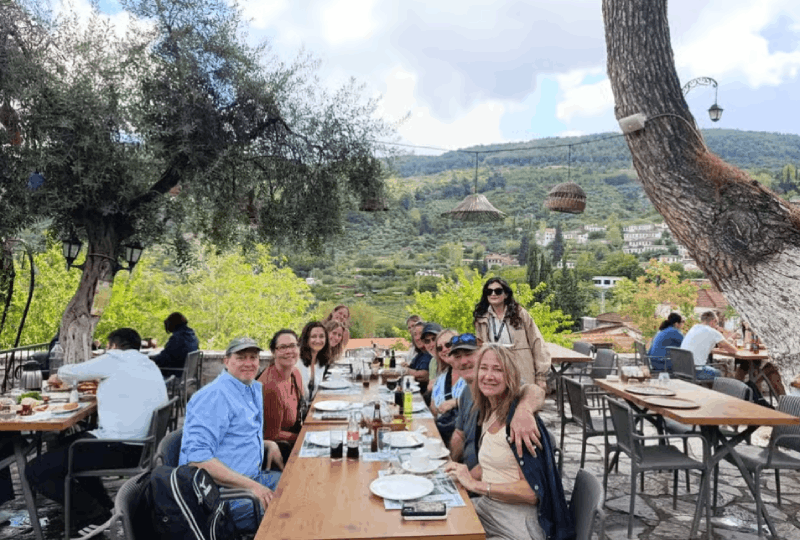
Top Family‑Friendly Shallow Cenotes Near Playa del Carmen
Top Family‑Friendly Shallow Cenotes Near Playa del Carmen
| Cenote | Approx. Distance from Playa del Carmen | Max Depth (m) | Water Temperature (°C) | Key Features for Families | ||
|---|---|---|---|---|---|---|
| Cenote Azul | 12 km (≈15 min drive) | 5 | 24‑26 | Wide, open surface; gentle slope; sandy‑mud floor; changing rooms and restrooms; shallow side ideal for toddlers | ||
| Cenote Cristalino | 16 km (≈20 min drive) | 4.5 | 25‑27 | Crystal‑clear water; flat limestone platform; shallow “play zone” 1‑2 m deep; picnic tables and shaded pergola | ||
| Cenote Jardín del Edén | 18 km (≈25 min drive) | 4 | 24‑26 | Lush vegetation framing a shallow lagoon; natural sand beach; low‑step entrance; lifeguard on‑call during peak hours | ||
| Cenote Chaak Tun | 22 km (≈30 min drive) | 5 | 23‑25 | Underground chamber with illuminated walkways; shallow central pool 1‑2 m deep; guided tours include safety briefing; lockers and dry‑changing area | ||
| Cenote X’Canche | 25 km (≈35 min drive) | 4.8 | 25‑27 | Semi‑open roof allowing daylight; gradual ramp into water; shallow “kid zone” with floating toys; on‑site café serving kid‑friendly snacks | ||
| Cenote Verde Lucero | 28 km (≈40 min drive) | 5 | 24‑26 | Surrounded by tropical garden; shallow lagoon 1.5 m deep; rope‑guarded entry; shaded hammocks and restroom facilities |
Detailed Highlights
Cenote Azul
The most visited shallow cenote in the Riviera Maya, Cenote Azul offers a broad, sun‑lit basin with a natural sand‑mud bottom that reduces the risk of scrapes. The water depth gradually increases from the shoreline, allowing children as young as 2 years to wade safely. Facilities include clean restrooms, a changing area, and a small kiosk selling fresh fruit and bottled water. Parking is free and a short, level path leads from the lot to the water’s edge.
Cenote Cristalino
Renamed for its exceptionally clear water, Cristalino features a flat limestone platform that remains under 2 m deep across most of its surface. The platform is edged by a low wooden rail, providing a clear visual boundary for parents. A shaded pergola houses a picnic table set, making it convenient for families to enjoy a snack break. The site is wheelchair‑accessible via a gently sloping ramp.
Cenote Jardín del Edén
Set within a dense canopy, this cenote resembles a natural swimming pool surrounded by tropical foliage. The entry point consists of a series of low steps that lead directly onto a shallow lagoon. Lifeguard services are available on weekends and holidays, and a small first‑aid station is positioned near the entrance. The surrounding garden includes a sandbox and a swing set, extending the play area beyond the water.
Cenote Chaak Tun
An underground cenote, Chaak Tun offers a unique experience while maintaining safety. The central pool is capped at 5 m, but a designated “kid zone” is marked with bright buoys and stays under 1.5 m. Guided tours begin with a safety briefing and provide life‑vests for children who are not confident swimmers. The cavern’s illuminated pathways make navigation easy for strollers, and a secure locker system allows families to store belongings.
Cenote X’Canche
The semi‑open roof design creates a bright, airy environment. A gradual ramp leads into a shallow lagoon where floating toys are positioned for children’s entertainment. On‑site staff monitor the water and can assist with basic rescue techniques. A café offers smoothies, fresh fruit, and gluten‑free pastries, catering to diverse dietary needs.
Cenote Verde Lucero
Surrounded by a manicured garden, Verde Lucero’s lagoon remains under 2 m deep for most of its area. Rope‑guarded entry points guide families to the safest swimming zones. Hammocks strung between palm trees provide a resting spot for parents while children play. The cenote’s restroom facilities include diaper‑changing stations and a baby‑friendly shower.
Practical Tips for Visiting
1. Timing: Arrive early (7 – 9 am) to avoid crowds and secure parking. Mid‑week visits generally experience lower occupancy.
2. Safety Gear: Even in shallow water, children benefit from flotation devices. Many cenotes rent life‑vests; bring your own if preferred.
3. Sun Protection: Most sites lack extensive shade; pack reef‑safe sunscreen, hats, and UV‑blocking swimwear.
4. Hydration: Bring refillable water bottles; most cenotes have filtered water stations.
5. Transportation: Rental cars, taxis, and organized shuttle services are available. Most cenotes have paved access roads and clearly marked signage from the main highway (Carretera Federal 307).
These six shallow cenotes combine easy access, gentle water conditions, and family‑oriented amenities, making them ideal day‑trip destinations for parents seeking safe, enjoyable swimming experiences near Playa del Carmen.
Essential Safety Tips for Kids Swimming in Shallow Cenotes
1. Pre‑Visit Research
Verify that the cenote is officially classified as “shallow” (depth ≤ 1.2 m) and listed as family‑friendly by local tourism boards or reputable guidebooks. Check recent visitor reviews for reports of sudden depth changes, slippery limestone surfaces, or water quality concerns such as algae blooms.
2. Age‑Appropriate Assessment
Children under five should only enter under direct adult hand‑hold; toddlers benefit from a small flotation aid that fits snugly around the torso. For ages five to twelve, ensure the child can independently keep their head above water while still being within arm’s reach of a supervising adult.
3. Constant Adult Supervision
One adult must remain physically present at the water’s edge at all times, positioned where they can see every child without obstruction. A second adult or responsible teen should be designated as a “safety backup” to intervene immediately if the primary supervisor is momentarily distracted.
4. Use of Certified Floatation Devices
Only U.S. Coast Guard‑approved or Mexican‑certified life vests, swim belts, or inflatable arm‑float devices should be used. The device must be appropriately sized for the child’s weight and should be tested in shallow water before the child begins to play.
5. Footwear for Slippery Surfaces
Water‑resistant sandals with non‑slip soles protect against the often‑wet limestone and moss that line cenote edges. Shoes should be free of loose straps that could catch on rock crevices.
6. Sun Protection and Hydration
Even in shaded cenotes, reflected UV rays can cause sunburn. Apply broad‑spectrum sunscreen (SPF 30 or higher) 15 minutes before entry and reapply every two hours. Encourage regular water intake to prevent dehydration, especially after vigorous splashing.
7. Health Screening
Children with recent ear infections, open cuts, or respiratory conditions (e.g., asthma) should avoid submerging their heads. A quick visual check for cuts or abrasions is advisable; apply waterproof bandages if necessary to reduce infection risk.
8. Understanding Water Conditions
Shallow cenotes can experience sudden temperature shifts. Teach children to enter slowly, allowing the body to acclimate. If the water feels unusually cold, limit exposure time to prevent hypothermia, even in tropical climates.
9. Emergency Preparedness
Locate the nearest first‑aid kit and any on‑site rescue equipment (e.g., life rings) before entering the water. Memorize the cenote’s emergency exit routes and ensure at least one adult knows basic CPR and water‑rescue techniques.
10. Clear Communication Rules
Establish simple hand signals for “stop,” “come back,” and “danger” before the swim begins. Reinforce the rule that children must never jump from any ledge, even if the water appears shallow; hidden rock formations can cause serious injury.
11. Respect for the Environment
Prohibit the use of inflatable toys or large floatation devices that can damage delicate stalactite formations or disturb resident wildlife such as fish and turtles. Encourage children to avoid touching the limestone, which can be sharp and may harbor bacteria.
12. Post‑Swim Checks
After exiting, dry the child’s ears with a soft towel and gently tilt the head to allow any trapped water to drain, reducing the risk of swimmer’s ear. Inspect for any new scratches, bruises, or signs of fatigue, and provide a snack and rest period before resuming activities.
By integrating these safety measures—rigorous supervision, proper equipment, health awareness, and environmental respect—families can enjoy the crystal‑clear allure of shallow cenotes while keeping children safe and confident in the water.
How to Reserve Guided Child‑Safe Cenote Tours in the Riviera Maya
Securing a guided cenote experience that prioritizes safety for young swimmers involves a few strategic steps. Families should begin by defining the desired level of supervision, the depth of the water, and the length of the outing. Most reputable operators categorize their tours as “family‑friendly” or “child‑safe,” indicating shallow entry points (typically 3‑4 feet), lifeguard‑qualified guides, and the availability of life‑vests sized for children.
1. Identify Certified Operators
- Look for companies that display certifications from the Mexican Ministry of Tourism (SECTUR) or affiliations with international safety bodies such as the International Association of Tour Operators (IATO).
- Verify that guides hold first‑aid and CPR training specific to aquatic environments.
- Confirm that the operator provides child‑appropriate equipment, including flotation devices and non‑slip mats at entry points.
2. Use Trusted Booking Channels
- Hotel concierge services: Many resorts in Playa del Carmen, Tulum, and Puerto Aventuras maintain a vetted list of local guides. Request a written confirmation that the selected tour meets the family‑friendly criteria.
- Reputable online travel platforms: Filter results by “family‑friendly” or “children’s safety” tags. Read recent guest reviews that mention the experience of younger travelers.
- Official tourism portals: The Quintana Roo tourism website offers a directory of licensed operators. Selecting a provider from this list adds an extra layer of governmental oversight.
3. Check Tour Details Before Booking
- Depth and terrain: Ensure the cenote’s maximum depth for the group is no more than 4‑5 feet in the designated swimming area.
- Group size: Smaller groups (maximum 8‑10 participants) allow guides to monitor each child closely.
- Duration: For children under 10, tours lasting 2‑3 hours—including a short educational segment—are optimal.
- Facilities: Confirm the presence of changing rooms, shaded rest areas, and clean restroom facilities.
4. Secure Reservations Early
- Peak travel months (December‑April and July‑August) see high demand for family tours. Book at least 2‑3 weeks in advance to guarantee a spot on a child‑safe itinerary.
- When reserving, provide the ages of all children; some operators adjust equipment and guide‑to‑child ratios accordingly.
5. Understand Payment and Cancellation Policies
- Most operators require a 30 % deposit via credit card to hold the reservation.
- Look for flexible cancellation terms (full refund up to 48 hours before the scheduled start) in case of weather changes or unexpected itinerary shifts.
- Keep a copy of the booking confirmation and any safety certifications provided by the guide.
6. Prepare for the Day of the Tour
- Pack biodegradable sunscreen, water‑resistant towels, and a change of clothes for each child.
- Arrive at the meeting point 15 minutes early to allow the guide to conduct a brief safety briefing and fit life‑vests.
- Encourage children to stay within the shaded, shallow zone unless a guide explicitly clears them for deeper sections.
7. Post‑Tour Follow‑Up
- After the experience, request a short written report from the guide noting any observations about the children’s comfort level and swimming ability. This feedback can inform future water‑based activities.
When selecting a child‑safe cenote tour, prioritize operators that integrate educational storytelling about the geological formation and Mayan cultural significance of the cenote. Guides who combine safety protocols with engaging narratives not only keep children secure but also spark lasting interest in the natural heritage of the Riviera Maya. This dual‑focus approach enhances the overall value of the excursion and encourages repeat visits to other family‑friendly water sites.
Best Time of Year to Visit Low‑Depth Cenotes with Young Children
The Yucatán Peninsula’s shallow cenotes—those with entry points no deeper than 1.2 m (4 ft)—are safe for toddlers and preschoolers year‑round, but climate, water temperature, and visitor density shift noticeably across the calendar. Understanding these patterns helps families choose dates that maximize comfort, minimize rain‑related interruptions, and avoid the busiest tourist peaks.
Dry Season (Late November – April)
During the dry season, daytime highs hover between 24 °C and 28 °C (75 °F‑82 °F), while night‑time lows rarely drop below 18 °C (64 °F). Rainfall averages less than 20 mm per month, and humidity stays in the comfortable 60‑70 % range. Shallow cenotes retain a pleasant water temperature of 22 °C‑24 °C (72 °F‑75 °F), warm enough for children to splash without thick wetsuits. Because the region experiences minimal thunderstorms, families can plan uninterrupted morning or late‑afternoon swims, and the clear skies provide excellent natural lighting for safe footing on limestone ledges. The trade‑off is higher visitor numbers, especially during the December holidays, Easter (Semana Santa), and spring break (mid‑March to early April). Booking weekday slots and arriving at opening (often 8:00 a.m.) helps avoid peak crowds.
Early Transition (May – June)
May marks the onset of the rainy season, yet precipitation remains moderate (≈50 mm/month) and typically occurs as brief afternoon showers rather than prolonged downpours. Temperatures climb to 30 °C‑32 °C (86 °F‑90 °F), and humidity rises toward 80 %. Water in low‑depth cenotes warms to 26 °C‑28 °C (79 °F‑82 °F), which is ideal for young children who prefer lukewarm water. Because the rains are sporadic, many families find early mornings still dry and sun‑lit, while later in the day the occasional shower can provide a natural cooling break. Tourist traffic begins to thin after Easter, offering more space for kids to explore without crowd pressure.
Peak Rainy Season (July – September)
July through September brings the highest monthly rainfall (150 mm‑200 mm) and the greatest humidity (85‑90 %). Daily thunderstorms are common, often developing in the early afternoon and lasting 30‑60 minutes. Water temperature peaks at 28 °C‑30 °C (82 °F‑86 °F), which can feel hot for small children if the air is also sweltering. However, the cenotes themselves stay remarkably clear because the limestone filters runoff efficiently. The main drawback is the increased likelihood of temporary closures for safety during heavy rain, as water levels can rise quickly even in shallow basins. On the upside, this period coincides with the lowest overall tourist volume, so families who can be flexible with timing—arriving early, swimming before afternoon storms, and packing rain gear—enjoy virtually private experiences.
Hurricane Window (Late August – October)
The Atlantic hurricane season peaks in late August and September. While direct hits on the Yucatán are infrequent, tropical storms can bring intense rain, strong winds, and temporary power outages. Most cenote operators suspend operations during advisory periods for safety, and road access may be limited. For families prioritizing certainty, it is advisable to schedule visits before mid‑August or after early October, when storm activity declines and the region transitions back to drier conditions.
Optimal Window for Families (Mid‑May – Early July)
Balancing warm water, manageable humidity, limited rain, and reduced crowds, the period from mid‑May to early July offers the most family‑friendly conditions for low‑depth cenotes. Temperatures are comfortably warm, water is at its most inviting, and the likelihood of disruptive storms remains low. school calendars in North America and Europe often include a short “summer break” in late May, allowing families to travel before the peak vacation rush of July and August.
Practical Tips for All Seasons
- Timing: Aim for the first two hours after opening; water is freshest, and sunlight reduces glare on the limestone floor.
- Weekdays: Monday‑Thursday visits see 30‑45 % fewer guests than weekends.
- Sun Protection: Even on cloudy days, UV levels stay high; use reef‑safe sunscreen and hats.
- Footwear: Water‑resistant sandals with good grip prevent slips on wet limestone, especially when algae growth is more pronounced during humid months.
- Hydration: Carry refillable water bottles; temperatures above 30 °C increase the risk of dehydration in young children.
By aligning travel dates with these seasonal patterns, families can enjoy safe, comfortable, and memorable swims in Mexico’s shallow cenotes, turning each dip into a low‑effort adventure that highlights the region’s unique karst beauty without the stress of crowds or inclement weather.
Transportation Options from Cancun to Kid‑Safe Cenote Sites
Travelers departing from the Cancun Hotel Zone have several practical ways to reach the shallow, family‑friendly cenotes that surround the Riviera Maya. The choice of transport influences cost, travel time, flexibility, and the level of comfort required for young children. Below is a concise guide to the most common options, including distance, typical duration, price range, and considerations for families with kids.
—
1. Rental Cars
Distance & Time – Most shallow cenotes are located 45 – 120 km south of Cancun. For example, Cenote Azul (near Playa del Carmen) is about 70 km and takes roughly 1 hour, while Cenote Ik Kil (near Chichén Itzá) is 180 km and requires 2 hours 15 minutes.
Cost – Daily rates for a compact vehicle range from US $30‑$45, while an SUV suitable for unpaved access roads costs US $55‑$80. Fuel adds approximately US $8‑$15 per round‑trip, depending on distance.
Family Benefits – A personal vehicle allows stops for bathroom breaks, snack breaks, and unscheduled detours to nearby attractions. Child‑seat rentals are widely available; most agencies provide them for an additional US $5‑$10 per day.
Considerations – Road conditions to some cenotes include gravel or shallow sand; an SUV with higher clearance reduces the risk of getting stuck. Parking is free at most cenote entrances, but some popular sites may charge a modest lot fee (US $2‑$5).
—
2. Private Transfer Services
Structure – Companies based in Cancun offer door‑to‑door pick‑up from hotels or the airport, with a driver familiar with cenote routes. Transfers can be booked for a single site or a multi‑stop itinerary.
Pricing – A private van (up to 8 passengers) to a single cenote averages US $70‑$100 round‑trip. Multi‑site packages (2‑3 cenotes) are typically US $150‑$200, inclusive of fuel and driver’s time.
Family Benefits – Drivers often assist with luggage, strollers, and can recommend the safest entry points for children. The vehicle is usually air‑conditioned and equipped with a child‑seat upon request.
Considerations – Advance reservation (24‑48 hours) secures the best rates. Cancellation policies vary; some operators offer a full refund up to 12 hours before the scheduled pick‑up.
—
3. Hotel‑Run Shuttles & Tour Packages
Format – Many all‑inclusive resorts operate daily or twice‑daily shuttles to popular cenotes such as Cenote X‑Canche (near Tulum) and Cenote Jardín del Eden (near Valladolid). Tour operators also provide half‑day or full‑day excursions that include transportation, entry fees, and a guide.
Cost – Shuttle services are often complimentary for resort guests. Guided tours range from US $55‑$85 per person, covering transport, a bilingual guide, and sometimes a light snack.
Family Benefits – Guides are trained to point out shallow entry zones and provide safety tips for children. The group size is usually limited to 12‑15 participants, ensuring manageable supervision.
Considerations – Tour itineraries are fixed; flexibility to linger at a particular cenote is limited. Early booking is advisable during peak season (December‑April) to guarantee a spot.
—
4. Public Buses (ADO) & Colectivos
Routes – ADO operates regular bus lines from Cancun’s downtown terminal to Playa del Carmen, Tulum, and Valladolid. From these hubs, colectivos (shared minibuses) run to nearby cenotes. For instance, a bus to Playa del Carmen (70 km) costs US $7‑$9, followed by a colectivo to Cenote Azul for US $2‑$3.
Travel Time – The bus portion to Playa del Carmen takes about 1 hour 15 minutes; the colectivo adds 15‑20 minutes. To Valladolid (160 km), the bus ride is roughly 2 hours, with a subsequent colectivo of 30 minutes to Cenote Ik Kil.
Family Benefits – This is the most economical option, with total round‑trip costs under US $25 per person. Buses are air‑conditioned and have luggage compartments.
Considerations – Buses lack dedicated child‑seat provisions; families should use a portable booster seat if required. Colectivos may not accommodate strollers comfortably, and schedules can be irregular, especially on weekends. Travel with children may be less comfortable during peak hours due to crowding.
—
5. Ride‑Sharing (Uber, DiDi)
Availability – Ride‑sharing apps operate within the Cancun metropolitan area and to nearby towns such as Playa del Carmen. For longer distances (e.g., to Cenote Ik Kil), a driver may accept a pre‑arranged longer trip, though surge pricing can increase costs significantly.
Cost – A one‑way trip to Cenote Azul typically costs US $45‑$55; to Cenote Ik Kil, the fare can exceed US $120.
Family Benefits – The app provides an estimated arrival time, driver rating, and the ability to request a child‑seat (where available).
Considerations – Coverage diminishes outside the main tourist corridor; drivers may prefer to return to the city after dropping passengers, requiring a separate arrangement for the return leg.
—
Choosing the Best Option
- Maximum Flexibility & Comfort – Rental car (SUV) or private transfer.
- Budget‑Conscious Families – Public bus + colectivo or ride‑share for short distances.
- All‑Inclusive Convenience – Hotel shuttle or guided tour.
Regardless of the chosen mode, families should verify that the vehicle can accommodate a car seat, bring sun protection, and pack extra water and snacks. Early departure (before 10 am) helps avoid midday heat and ensures that shallow, kid‑safe swimming areas are less crowded.
What to Pack for a Day Trip to Shallow Cenotes with Toddlers
Clothing and Swimwear
- Quick‑dry, UV‑protective rash guard or long‑sleeve swim shirt for each child. The fabric shields delicate skin from sun and abrasive limestone.
- Swim diapers (disposable or reusable) for toddlers who are not yet toilet trained. Standard diapers can dissolve in water and create a mess.
- Lightweight, breathable shorts or swim leggings. Choose materials that retain warmth when water is cool but dry quickly after exiting the cenote.
- Light cotton T‑shirts for the journey and for use after swimming.
- A soft, hooded towel or microfiber travel towel. Microfiber absorbs water rapidly and folds into a compact size for backpacks.
Footwear
- Water‑friendly sandals with a secure strap and non‑slip sole. Closed‑toe water shoes protect toddlers’ feet from sharp limestone edges and provide better traction on wet rock.
- A pair of sturdy, breathable sneakers for the drive to the cenote and any short hikes on surrounding trails.
Sun Protection
- Broad‑spectrum sunscreen SPF 30 or higher, mineral‑based (zinc oxide or titanium dioxide) to avoid eye irritation. Pack a travel‑size tube for re‑application every two hours.
- Wide‑brimmed, UPF‑rated hat for each child. A chin strap keeps the hat in place during water play.
- UV‑blocking sunglasses with flexible frames and secure straps. Children’s eyes are especially vulnerable to glare off the water’s surface.
Hydration and Snacks
- Insulated water bottles or a child‑friendly hydration pack with a spill‑proof straw. Refill at the cenote’s water source if safe, or bring enough bottled water for the entire day.
- Easy‑to‑eat, non‑messy snacks such as sliced fruit, cheese sticks, whole‑grain crackers, and small granola bars. Pack in airtight, reusable snack bags to keep insects out.
- A small cooler bag with a reusable ice pack for perishable items and to keep drinks cool under the Yucatán sun.
Safety Gear
- Compact, waterproof first‑aid kit containing adhesive bandages, antiseptic wipes, child‑size antihistamine, and sterile gauze. Include a small pair of scissors for cutting tape or clothing.
- Child‑size life vest or flotation aid, even in shallow water. Some cenotes have gentle slopes, but a vest adds an extra layer of security for toddlers who may slip or become fatigued.
- Waterproof diaper bag or dry sack to keep wet clothing separate from dry items. The bag should have a roll‑top closure to prevent leaks.
Toiletries and Hygiene
- Biodegradable soap for rinsing off after swimming. Choose a formula free of harsh chemicals to protect the cenote’s delicate ecosystem.
- Hand sanitizer (alcohol‑free) for quick clean‑ups before eating.
- Pack a small, foldable changing mat for diaper changes on the cenote’s designated area or a nearby shaded spot.
Comfort Items
- A lightweight, packable blanket or picnic mat for rest periods on the shore.
- Favorite soft toy or security blanket to help toddlers feel at ease in an unfamiliar environment.
- Noise‑reducing earplugs if the cenote’s water features create loud echoes that may startle young children.
Miscellaneous Essentials
- Waterproof dry‑bag or zip‑lock pouches for electronics, wallets, and any important documents.
- Small, collapsible binoculars for spotting wildlife or interesting rock formations from the rim.
- A portable, battery‑operated fan or misting device for additional cooling during hot afternoons.
- A printed map of the cenote complex and any nearby facilities, as cellular service can be spotty in remote areas.
By assembling these items in a well‑balanced day‑pack, families ensure a smooth, safe, and enjoyable experience exploring Mexico’s shallow cenotes with toddlers. The combination of protective clothing, reliable safety gear, and thoughtful comfort supplies minimizes stress and maximizes the wonder of swimming in crystal‑clear limestone pools.
Age‑Appropriate Water Activities Available at Each Featured Cenote
| Cenote | Typical Shallow Depth (ft) | Toddler‑Friendly (0‑3 yr) | Early‑Child (4‑7 yr) | Pre‑Teen (8‑12 yr) | ||
|---|---|---|---|---|---|---|
| Cenote Azul – Riviera Maya | 3‑6 | Gentle wading zone with sand‑covered floor; shallow “splash ledge” protected by a low‑rise stone barrier; soft‑rubber mats placed at entry points for slip resistance. | Low‑current swim lane (4‑5 ft) ideal for practicing basic strokes; floating wooden platforms for seated play; guided “fish‑spotting” walk along the rim with binoculars. | Open‑water snorkeling in the 5‑ft central basin; small inflatable paddle boards with tethered leashes; supervised “mini‑trek” to the nearby limestone tunnel (depth stays under 6 ft). | ||
| Cenote Cristalino – Near Playa del Carmen | 2‑5 | Shallow lagoon on the east side (max 2 ft) with a smooth, non‑slippery limestone floor; shallow water toys (foam rings, floating turtles) stored in a shaded kiosk. | “Splash trail” consisting of a series of low‑height stepping stones leading to a 4‑ft deep clear pool; child‑size life‑vests provided; interactive water‑color stations on the rim for artistic exploration. | Snorkel‑ready zone (4‑5 ft) with abundant freshwater fish; guided “cave‑light” walk where children learn about stalactite formation; optional low‑impact scuba trial for certified 10‑year‑olds in a designated 5‑ft chamber. | ||
| Cenote X’Canche – Valladolid area | 3‑7 | Sand‑filled entry pool (2‑ft) with a built‑in water‑play area featuring a mini‑waterfall that creates a gentle mist; shaded seating for caregivers. | “River run” – a shallow, slow‑moving stream that circles the central platform, allowing kids to practice paddling with hand‑held wooden paddles; educational signposts about cenote ecology. | Open‑water zone (6‑7 ft) suitable for beginner snorkeling; “rock‑hop” challenge across stable limestone ledges (max 2‑ft drop) supervised by staff; family‑oriented kayaking on a narrow, calm channel (kayaks equipped with child‑size seats). | ||
| Cenote Jardín del Edén – Near Tulum | 3‑6 | Calm, glass‑smooth basin (average 3 ft) surrounded by tropical foliage; low‑height rope bridge leading to a shaded hammock zone where toddlers can rest while staying within sight of the water. | “Floating lily pads” – buoyant, child‑safe platforms anchored to the bottom, allowing kids to sit, splash, and practice balance; shallow diving board (2‑ft) for safe “hop‑in‑the‑water” jumps. | Snorkeling trail (4‑5 ft) marked with colored buoys; guided “bioluminescence” night swim (seasonal) for older children, with safety lanterns on the surface; optional stand‑up paddle board (SUP) lessons for 9‑year‑olds using a tethered board. | ||
| Cenote Dos Ojos – Shallow Sector – Riviera Maya | 4‑8 (restricted shallow area) | Designated “Kids Cove” with a gradual slope from 2‑ft to 4‑ft; soft‑gel flooring around the entry; water‑play toys stored in a waterproof locker. | “Mini‑cave crawl” – a low‑ceiling tunnel (max 5‑ft high) where children can explore with headlamps; shallow pool for practicing breath‑control drills under instructor supervision. | Full‑depth snorkeling (up to 8 ft) along the twin‑cave system; guided “rock‑formation” tour explaining stalagmite growth; optional junior scuba certification dive in a protected 7‑ft chamber for children 11 + with parental consent. |
Key Safety Features Across All Sites
- Non‑slip stone pathways and rubberized entry mats.
- Life‑vests sized for children under 130 lb, stored at each entrance.
- Certified lifeguard on duty during peak hours (9 am‑4 pm).
- Regular water‑quality testing; pH and temperature monitored hourly.
Activity Recommendations by Age Group
- 0‑3 yr: Focus on shallow wading, sensory play (water toys, mist sprays), and constant adult supervision.
- 4‑7 yr: Introduce basic swimming strokes, low‑impact paddling, and guided nature walks that combine water exposure with educational content.
- 8‑12 yr: Expand to snorkeling, beginner scuba experiences, and paddle‑board or kayak rentals, always with tethered equipment and a qualified instructor present.
These curated activity sets ensure that each cenote offers a safe, engaging, and age‑appropriate water experience, allowing families to enjoy Mexico’s unique karst landscapes while keeping children protected and entertained.
Entrance Fees and Group Discounts for Families at Shallow Cenotes
Entrance fees at shallow cenotes vary by state, ownership, and the amenities offered, but most sites follow a clear, family‑oriented pricing model that keeps a day of safe swimming affordable. In the Yucatán Peninsula, adult tickets typically range from MXN 80 to MXN 150, while children between 5 and 12 years old pay half that amount. Infants under five usually enter free when accompanied by a paying adult. Many cenotes also honor senior citizens with a 10‑15 % reduction on the adult rate. These baseline prices apply to popular shallow sites such as Cenote Azul near Playa del Carmen (MXN 100 adult, MXN 50 child) and Cenote Cristalino close to Tulum (MXN 120 adult, MXN 60 child).
Family packages simplify budgeting for groups of four to six. A common structure bundles two adults and two children for a flat rate of MXN 300‑350, saving roughly 15‑20 % versus individual tickets. Cenote X’batun on the road to Valladolid advertises a “family pass” of MXN 340 covering two adults and up to three children under 13. In Quintana Roo, the state‑run Cenote Dos Ojos shallow zone offers a “family day” ticket of MXN 380 for two adults and two children, with an additional MXN 30 per extra child up to eight participants. Many sites also provide complimentary life‑vests for children and basic snorkeling gear, reducing the need for families to rent equipment separately during your visit.
Group discounts become more attractive for larger parties, school outings, or extended family reunions. Most cenote operators apply a 10 % discount once ten or more tickets are purchased in a single transaction. For example, the management of Cenote San Lorenzo Oxman in the Riviera Maya reduces the per‑person price to MXN 108 for adults and MXN 54 for children when the group size reaches ten. Some sites further lower the cost for groups of fifteen or more, offering a flat MXN 90 per adult and MXN 45 per child. In Campeche, Cenote Kaan Luum provides a “tourist group” rate of MXN 80 adult and MXN 40 child for parties of twenty or more, with the added benefit of a complimentary life‑vest rental for each child.
Discounts are also available through national and regional tourism cards. Holders of the INAH (Instituto Nacional de Antropología e Historia) membership card receive a 5 % reduction at most privately owned cenotes, while the “Yucatán Explorer” pass, sold by the state tourism board, grants a 10 % discount on entrance fees at over thirty shallow cenotes, plus free parking at designated lots. The pass is valid for a calendar year and can be used by multiple family members, making it a cost‑effective option for families planning a multi‑day cenote itinerary.
To secure the best price, families should consider purchasing tickets in advance when the cenote offers an online reservation system. Early‑bird sales often lock in a 5‑10 % discount and guarantee entry during peak holiday weeks, when on‑site capacity may be limited. Finally, confirming whether the entrance fee includes equipment rentals, guided tours, or insurance coverage can prevent unexpected add‑on costs and ensure a smooth, budget‑friendly experience for the whole family.
Nearby Picnic Areas and Restroom Facilities for Parents
The shallow cenotes that cater to families often include dedicated spaces where parents can relax, feed children, and refresh after a swim. These support areas are typically positioned within a short walking distance of the main entrance, allowing easy access without crossing the water zone.
Cenote Azul (Playa del Carmen) – A fenced meadow lies directly beside the cenote’s entry platform. The meadow contains three shaded picnic tables equipped with built‑in benches, a charcoal grill, and a covered pergola that protects against midday sun. Adjacent to the tables, a waste‑segregation station separates recyclables from general refuse. Restroom facilities consist of a two‑stall building with separate male and female sections, each containing a toilet, a sink with running water, and a baby‑changing station. A cold‑water faucet supplies fresh drinking water, and a small hand‑drying unit reduces the need for paper towels. Parking is a paved lot with two rows of spaces; the first row is level and accommodates strollers and wheelchair users.
Cenote Cristal (Tulum) – The cenote’s visitor center includes a 30‑square‑meter shaded pavilion that doubles as a picnic area. The pavilion holds four picnic tables, each with a built‑in umbrella and a set of reusable plates and cups for on‑site snack service. Nearby, a stone‑capped kiosk offers bottled water and fruit snacks for purchase. Restroom amenities are housed in a single‑story structure featuring four toilets, two sinks, and a family restroom equipped with a low‑height sink and a diaper‑changing bench. The facility is supplied with a hot‑water tap for washing hands, and a low‑flow faucet helps conserve water. An accessible pathway, surfaced with compacted sand and bordered by low‑lying palms, leads from the pavilion to the swimming area, allowing parents to supervise children without navigating steep steps.
Cenote X’keken / Cenote Samula (Valladolid) – Both cenotes share a common entrance plaza that includes a modest picnic zone. The plaza offers two wooden picnic tables under a thatched roof, each with a built‑in bench and a small trash can. A shaded bench runs along the perimeter, providing additional seating for caregivers. Restroom provisions consist of a separate building for each cenote; each building contains two standard toilets, a sink with a foot‑operated faucet, and a changing table positioned at child height. An outdoor shower is available for rinsing off sand and sunscreen before re‑entering the cenote. The restrooms are maintained with regular cleaning schedules, and a sign indicates the next scheduled service time. Gravel‑covered parking spaces are arranged in a circular layout, with the first five spots marked for wheelchair access and stroller placement.
Cenote Dzonbacal (Río Lagartos) – A natural clearing adjacent to the cenote serves as a picnic area. The clearing is bordered by mahogany trees that provide dappled shade throughout the day. Three rustic picnic tables, each with a built‑in bench, are spaced to allow privacy between families. A portable hand‑washing station, powered by a solar‑heated water tank, supplies soap and paper towels. Restroom facilities consist of a modest cabin containing two toilets, a sink with a foot‑pedal faucet, and a diaper‑changing platform. The cabin is ventilated with a small solar‑powered fan to reduce humidity. An unpaved parking area with a compacted earth surface accommodates up to twelve vehicles; two designated spots are level and marked for families with young children.
Cenote San Lorenzo Oxman (Mérida) – The cenote’s visitor complex includes a landscaped garden with a paved picnic terrace. The terrace holds five stainless‑steel picnic tables, each equipped with a built‑in umbrella and a recessed power outlet for portable coolers. A nearby water fountain provides filtered drinking water, and a recycling bin collects plastic bottles and aluminum cans. Restroom facilities comprise a two‑story building: the ground floor houses four toilets, three sinks, and a family restroom with a low‑shelf sink and a changing table; the upper floor offers a shower area with individual stalls and a bench for seated changing. The building is fitted with motion‑sensor lighting and an automatic hand‑drying system. Parking is a concrete lot with clear markings for disabled parking and stroller‑friendly zones.
Across these family‑oriented cenotes, the combination of shaded picnic spaces, well‑maintained restroom complexes, and accessible pathways creates a supportive environment for parents. The amenities reduce the logistical burden of day‑tripping with children, allowing families to focus on safe, enjoyable swimming experiences in Mexico’s shallow cenotes.
Recommended Accommodation Near Family‑Focused Cenote Attractions
| Cenote (Region) | Hotel / Resort | Distance to Cenote (approx.) | Family‑Friendly Amenities | Typical Room Type for Families | Approx. Nightly Rate (USD) | Highlights for Kids | ||
|---|---|---|---|---|---|---|---|---|
| Cenote Cristal, Puerto Morelos (Quintana Roo) | Hotel Puerto Morelos | 2 km (5‑minute drive) | Kids’ pool with shallow splash zone, supervised beach club, free breakfast, on‑site playground | Two‑bedroom junior suite (queen bed + twin beds) | $120‑$150 | Daily activity schedule includes nature walks and sandcastle workshops | ||
| Cenote Azul, Playa del Carmen (Quintana Roo) | Playa Palms Resort | 3 km (7‑minute drive) | Family lounge, shallow lagoon pool, children’s menu, babysitting services (upon request) | Family garden view room (king bed + sofa‑bed) | $140‑$180 | Complimentary snorkeling gear for kids, guided cenote tours from the concierge | ||
| Cenote X‑Can, Tulum (Quintana Roo) | Casa del Sol Tulum | 1.5 km (3‑minute drive) | Eco‑friendly pool with shallow edge, kid‑friendly yoga classes, on‑site farm-to-table restaurant, bike rentals | Two‑bedroom villa (king + two twin beds) | $200‑$250 | Interactive turtle‑hatching viewing area and nightly storytelling around the pool | ||
| Cenote Dos Ojos, Akumal (Quintana Roo) | Akumal Bay Resort | 4 km (10‑minute drive) | Kids’ water park, shallow lagoon, kids’ club (ages 4‑12), free Wi‑Fi, all‑inclusive meals | Family ocean view suite (king + bunk beds) | $180‑$220 | Daily marine‑life talks and supervised snorkeling in the cenote’s entrance | ||
| Cenote Sagrado, Valladolid (Yucatán) | Hotel Casa de los Frailes | 2 km (5‑minute drive) | Small heated pool with child‑depth area, garden playground, cultural workshops, continental breakfast | Two‑bedroom colonial suite (queen + two twin beds) | $110‑$130 | Guided visits to the cenote with safety briefings and life‑vest provision | ||
| Cenote San Lorenzo, Homún (Yucatán) | Homún Eco Lodge | 1 km (2‑minute walk) | Natural spring pool with shallow steps, family hammocks, organic garden, cooking classes for kids | Family cabin (king + two twin beds) | $95‑$115 | Night‑time firefly walks and lantern‑lit cenote swims for children | ||
| Cenote Suytun, Valladolid (Yucatán) | Hotel & Spa Casa de los Venados | 3 km (6‑minute drive) | Kids’ pool with water slide, children’s library, spa services with family packages, free breakfast | Two‑bedroom suite (king + twin) | $150‑$180 | Daily art workshops inspired by the cenote’s limestone formations | ||
| Cenote X‑keken, Valladolid (Yucatán) | Mansión del Mar | 2.5 km (5‑minute drive) | Shallow splash pool, kids’ cooking school, bicycle rentals, complimentary airport shuttle | Family deluxe room (king + sofa‑bed) | $130‑$160 | Interactive geology lessons and safe swimming gear provided for each child | ||
| Cenote Chankanaab, Puerto Vallarta (Jalisco) | Hotel Marina Vallarta | 4 km (8‑minute drive) | Kids’ pool with zero‑depth entry, beachfront access, children’s entertainment program, all‑inclusive dining | Family ocean‑front suite (king + twin) | $170‑$210 | Supervised cenote excursions with life‑vests and a marine‑life discovery zone |
Key Selection Criteria
1. Proximity to Shallow Cenotes – All listed properties are within a 10‑minute drive (or walking distance) of cenotes that feature gentle entry points, sand or smooth limestone bottoms, and depth limits suitable for children under 12. Short travel times reduce exposure to heat and allow families to maximize water play.
2. Safety‑Focused Amenities – Each accommodation offers at least one shallow‑water pool or splash zone, on‑site lifeguards, and readily available life‑vests for cenote excursions. Many provide child‑size snorkeling gear and pre‑tour safety briefings.
3. Family‑Oriented Services – Options include kids’ clubs, supervised activities, babysitting, and family‑size dining menus. Rooms are configured with multiple beds or sofa‑beds to avoid the need for extra cribs, and many provide in‑room mini‑fridges for snacks and drinks.
4. Eco‑Conscious Practices – Several properties (e.g., Homún Eco Lodge, Casa del Sol Tulum) incorporate sustainable water use, solar heating for pools, and locally sourced food, aligning with the environmental sensitivity of cenote ecosystems.
5. Value for Money – Nightly rates reflect a balance between comfort and affordability for families, with most properties offering inclusive breakfast or all‑inclusive packages that reduce ancillary costs for meals and activities.
Practical Tips for Booking
- Reserve Early in Peak Season (December‑April) – Family‑focused cenote tours and the most popular hotels fill quickly; early reservations secure preferred room configurations and guarantee access to the shallow‑water pools.
- Request Child Safety Gear in Advance – Specify the need for life‑vests, child‑size snorkels, and flotation devices when confirming the reservation; many resorts include these in the room rate, while others provide them at a nominal charge.
- Confirm Transportation Options – Some hotels offer complimentary shuttle service to the nearest cenote; others arrange private transfers. Verify pick‑up times to coordinate with guided tours that often start early to avoid midday heat.
- Check Cancellation Policies – Family travel plans can change; select accommodations with flexible cancellation terms, especially during the rainy season (June‑October) when weather may affect cenote access.
By selecting any of the accommodations above, families can enjoy safe, shallow‑water cenote experiences while staying in comfortable, child‑friendly environments that cater to both adventure and relaxation.
Frequently Asked Questions
Which shallow cenotes in the Yucatán Peninsula are recommended for families with children under 10?
The most family‑friendly shallow cenotes are Cenote Azul (≈3 m max depth, near Playa del Carmen), Cenote Cristal (≈2.5 m, near Valladolid), Cenote X‑Balam (≈3 m, near Tulum), Cenote X‑Canche (≈2 m, near Coba), and Cenote La Noria (≈2.5 m, near Merida). All have gentle entry slopes, clear water, and minimal currents.
What safety features should parents look for when choosing a cenote for kids?
Look for cenotes with non‑slippery stone or sand entry points, clearly marked depth signs, lifeguard presence or on‑site staff, fenced or rope‑bounded swimming areas, and shallow platforms (≤3 m). Facilities such as changing rooms and shaded rest areas also enhance safety.
Are there any cenotes that provide life‑vest rentals for children?
Yes. Cenote Azul, Cenote Cristal, and Cenote X‑Canche offer life‑vests sized for children aged 3–12. Rentals are typically included in the entrance fee or available for a small additional charge (≈USD 2–3 per vest).
What is the best time of year to visit shallow cenotes with kids to avoid crowds and heat?
The optimal months are November through early March. During this period, daytime temperatures average 24‑28 °C, humidity is lower, and visitor numbers are reduced compared to the peak winter holiday weeks of late December and early January.
How deep are the shallow sections of the recommended cenotes, and are they suitable for toddlers who can’t swim?
All listed cenotes have designated shallow zones ranging from 0.8 m to 3 m. Toddlers can safely sit on the flat stone ledges or on shallow sand patches under adult supervision. Parents should keep children within arm’s reach at all times.
What amenities are typically available at family‑friendly cenotes?
Common amenities include clean restrooms, changing facilities, shaded picnic areas, snack kiosks offering bottled water and light meals, and on‑site staff who can provide safety briefings. Some cenotes (e.g., Cenote La Noria) also have playground equipment nearby.
Are there any entrance fee discounts for children?
Most cenotes charge reduced rates for children under 12, ranging from 30 % to 50 % of the adult price. For example, Cenote Cristal charges MXN 45 for children versus MXN 90 for adults.
How can families access these cenotes using public transportation?
All five cenotes are reachable by regular bus routes from major tourist hubs:
– Cenote Azul: Bus line 101 from Playa del Carmen to Puerto Aventuras, then a 15‑minute taxi ride.
– Cenote Cristal: Direct bus from Valladolid to the cenote entrance (≈10 km).
– Cenote X‑Balam: Colectivo from Tulum to the road turn‑off, followed by a 5‑minute walk.
– Cenote X‑Canche: Shuttle service from Coba town center (≈3 km).
– Cenote La Noria: City bus from Merida to the outskirts, then a short walk.
What precautionary measures should parents take regarding water temperature?
Shallow cenote water typically stays between 24 °C and 27 °C year‑round, which is comfortable for children. However, parents should monitor for sudden temperature changes after heavy rain and avoid prolonged exposure to keep children from becoming chilled.
Are there any restrictions on equipment (e.g., snorkels, tubes) for children in shallow cenotes?
Most shallow cenotes prohibit the use of large inflatable tubes and high‑speed water toys to maintain a calm environment. Simple snorkeling gear is allowed for children who can swim, but parents must ensure masks and fins are appropriately sized and that children remain within the shallow zone.
Best Time to Visit & Typical Entrance Costs
| Cenote | Best Time to Visit | Adult Entrance (USD) | Child Entrance (USD) |
|---|---|---|---|
| Cenote Azul | Late November – Early March (dry season, cooler water) | $12 | $6 |
| Cenote Cristalino | December – April (clear skies, low humidity) | $10 | $5 |
| Cenote Jardín del Edén | January – March (pleasant temps, less crowd) | $14 | $7 |
| Cenote Xunaan‑Ha | Late November – Mid‑May (low rain, vibrant limestone) | $13 | $6.5 |
| Cenote Chaak Tun | December – April (cool water, excellent visibility) | $15 | $7.5 |
Travelers’ Insight: A Deep‑Dive Guide for Families Exploring Shallow Cenotes Near Playa del Carmen
The Yucatán Peninsula is a playground of crystal‑clear sinkholes, and the stretch of coastline around Playa del Carmen offers some of the most approachable, family‑friendly cenotes on the entire Riviera Maya. While the allure of turquoise Caribbean waters is undeniable, the true lesser-known spots lie just a short drive inland—natural aquifers that have been polished by millennia of rain into sparkling basins perfect for curious children and cautious swimmers alike. The key to a successful day trip is preparation: pack plenty of sunscreen (the open‑air exposure can be intense even on overcast days), bring water‑resistant sandals or aqua shoes (the limestone floor can be slick), and remember that many cenotes provide life‑vests or floatation devices for the little ones. A simple snack bar, reusable water bottles, and a dry bag for valuables will keep the experience hassle‑free and allow you to focus on the awe‑inspiring sight of sunlight slicing through the water’s surface.
Timing and crowd management are essential. The dry season (late November through April) not only brings cooler air temperatures but also guarantees the most stable water levels—crucial for families with young children who may be nervous about sudden depth changes. Arriving early, preferably before 10 a.m., often means the cenote is less crowded, the lighting is softer, and the water is still at its most inviting temperature (usually hovering between 24 °C and 26 °C). If you’re traveling during the shoulder months of May or early June, keep an eye on the local weather forecast: brief afternoon showers can cause a temporary surge in water depth, making some platforms a bit more slippery. In those cases, a quick check of the water’s clarity and a gentle test dip can prevent any unexpected slips.
Each cenote on this list has been selected for its shallow profile (maximum depths ranging from 4 m to 7 m) and family‑centric amenities. For example, Cenote Azul boasts a broad, sandy‑bottomed lagoon with a gradual slope that lets toddlers paddle safely while older kids explore hidden grottos. Cenote Cristalino offers a series of wooden walkways and shaded picnic tables—perfect for a mid‑day break or a quick lunch. Meanwhile, Cenote Jardín del Edén is surrounded by lush tropical foliage, providing natural shade and a serene backdrop for a family photo session. Don’t forget to bring a waterproof camera or a GoPro; the underwater visibility in these cenotes is often superior to that of the ocean, allowing you to capture the striking play of light on the limestone walls.
Safety first: although the water is shallow, it can be deceptively cool at the edges where the limestone absorbs heat. Encourage children to wear neoprene booties if they are particularly sensitive to cold. Many cenotes also have life‑guards on duty during peak hours—take advantage of their presence and ask any lingering questions about water conditions. If your family includes a mix of swimmers, consider renting a small inflatable raft or floating mat (available at most sites for a modest fee). This not only provides a stable platform for non‑swimmers but also doubles as a playful “island” where kids can relax while you keep an eye on them from the shore.
Finally, think beyond the cenote itself. Each location sits within a short drive of other attractions that complement a family day out. After a splash at Cenote Xunaan‑Ha, a quick detour to the nearby Mayan ruins of Tulum offers a cultural interlude, while the town of Puerto Morelos provides a laid‑back beachfront lunch with kid‑friendly menus. If your itinerary allows, combine a cenote visit with a guided eco‑tour that explains the geological formation of these natural wonders and the delicate ecosystem they support. Kids love learning why the water is so clear (the limestone acts as a natural filter) and how the ancient Maya considered cenotes sacred portals to the underworld. Leaving the day with a story—rather than just a set of photos—turns a simple swim into an unforgettable adventure that will spark curiosity for years to come.
