
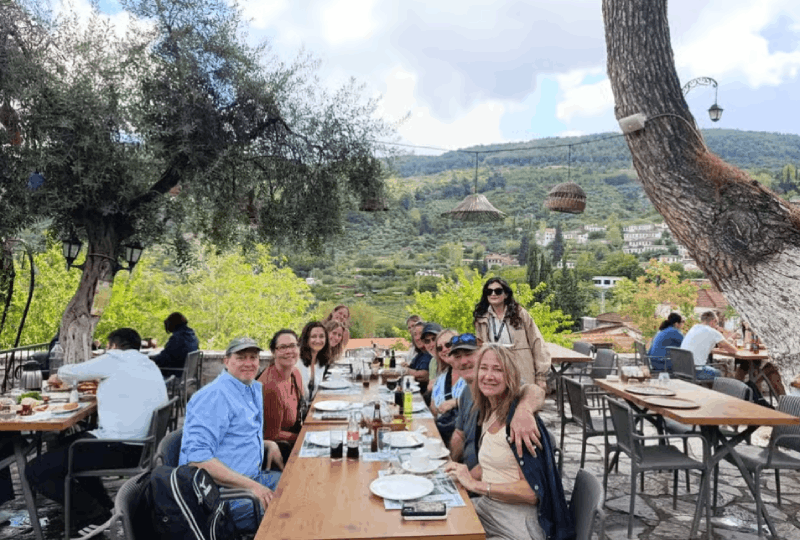
Day‑Trip Itinerary Comparison: Mexico City vs Puebla Culinary Highlights 2026
Day‑Trip Itinerary Comparison: Mexico City vs. Puebla Culinary Highlights 2026
| Element | Mexico City → Puebla (7‑hour round‑trip) | Puebla → Mexico City (7‑hour round‑trip) | ||
|---|---|---|---|---|
| Departure point | Central Bus Terminal (Terminal de Autobuses de Pasajeros de Oriente) or Uber/Lyft pick‑up in Condesa/Roma | Puebla Central Bus Terminal (Terminal de Autobuses de Puebla) or private car hire | ||
| Transport mode | ADO “Platinum” bus (comfort seats, Wi‑Fi) – 2 h 15 m; or private shuttle – 2 h 00 m | ADO “Platinum” bus – 2 h 15 m; or shared van – 2 h 10 m | ||
| Transport cost (per adult) | Bus $22 USD; private shuttle $45 USD | Bus $22 USD; shared van $30 USD | ||
| Morning stop | Mercado de Sabores de Puebla – 10 am. Guided tasting of chalupas, cemitas, and mole verde. Approx. 3‑piece sampler $8 USD. | Mercado de San Juan – 10 am. Street‑taco crawl featuring al pastor, suadero, and huitlacoche quesadilla. 5‑taco tasting $7 USD. | ||
| Mid‑day culinary experience | Casa de los Muñecos (historic restaurant) – 12:30 pm. Three‑course tasting menu focusing on Mole Poblano (traditional, rojo, and negro). Menu $45 USD, includes wine pairing. | Pujol‑inspired pop‑up in the Bosque de la China – 12:30 pm. Chef‑curated tasting of contemporary Mexican dishes using Puebla‑sourced ingredients (corn‑based amuse, avocado‑lime sorbet, chocolate‑chili mousse). Menu $38 USD, includes craft‑beer flight. | ||
| Afternoon activity | Casa de los Frailes – 2:30 pm. Workshop on tortilla‑making and salsa fermentation (hands‑on, 1 h). Fee $15 USD, includes lunch‑size tortillas and salsa to take home. | Museo Amparo Café – 2:30 pm. Light bite of “chiles en nogada” mini‑tapas (seasonal) with museum tour. Tapas $12 USD, museum entry $5 USD. | ||
| Late‑afternoon sweet stop | La Casa de los Tacos – 4 pm. Sampling of “tortas de camote” and “café de olla” with cinnamon‑clove infusion. Small plate $6 USD. | Casa de los Mosaicos – 4 pm. Traditional “cemita de mole” with a side of “tres leches” cake. Plate $9 USD. | ||
| Return departure | 5 pm bus/shuttle back to Mexico City; arrival ~7 pm. | 5 pm bus/van back to Puebla; arrival ~7 pm. | ||
| Total estimated cost | Transport $22‑$45 + Food & activities $95‑$115 = $117‑$160 USD | Transport $22‑$30 + Food & activities $86‑$103 = $108‑$133 USD | ||
| Key culinary highlights | – Authentic Mole Poblano in its birthplace. – Freshly made chalupas and cemitas at market stalls. – Hands‑on tortilla workshop with local corn varieties. | – Al pastor tacos with Puebla‑grown pineapple. – Contemporary dishes that reinterpret Puebla ingredients (e.g., huitlacoche‑infused sauces). – Seasonal chiles en nogada served in a museum setting. | ||
| Logistics notes (2026) | – ADO Platinum tickets can be booked online up to 30 days in advance; seat reservation recommended during holidays. – Private shuttles include a bilingual guide familiar with culinary stops. – Weather in Puebla in spring is mild (15‑28 °C), ideal for walking tours. | – Mexico City traffic peaks between 7‑9 am and 5‑7 pm; departing at 10 am avoids major congestion. – Shared vans provide a “door‑to‑door” service from historic centre hotels. – Summer humidity may affect outdoor market comfort; bring a light rain jacket. |
Comparative Summary
Both itineraries deliver a full‑day immersion in regional flavors, yet the Mexico City → Puebla route leans toward classic, heritage dishes—most notably the three‑variant Mole Poblano and hands‑on tortilla making—while the Puebla → Mexico City trip emphasizes a modern reinterpretation of Puebla’s ingredients within Mexico City’s vibrant gastronomic scene. Cost differentials are modest; the Puebla‑origin trip is slightly cheaper due to lower private‑transport fees and a smaller number of premium‑priced tasting menus. Travelers seeking depth in tradition may favor the Mexico City‑to‑Puebla day trip, whereas those interested in contemporary culinary experimentation and a blend of museum culture with food may prefer the Puebla‑to‑Mexico City itinerary. Both options fit comfortably within a standard budget of $120 USD per person and require no overnight accommodation, making them ideal for a single‑day culinary escape in 2026.
Average Transportation Costs for a One‑Day Food Tour from Mexico City to Puebla
Overview of Options
Travelers can reach Puebla from Mexico City in under two hours using several modes of transport. The most common choices for a single‑day culinary excursion are intercity bus, private‑hire car, rideshare (Uber/DiDi), and the emerging high‑speed rail service that began operation in early 2026. Each option has a distinct cost structure, ticketing method, and ancillary expenses such as parking or fuel surcharges. The figures below reflect average prices in March 2026, expressed in Mexican pesos (MXN) and United States dollars (USD) using an exchange rate of 1 USD = 18.0 MXN.
—
1. Intercity Bus (Premium & Standard)
| Service | Departure Point | Arrival Point | Travel Time | Ticket Price (Round‑Trip) | ||
|---|---|---|---|---|---|---|
| ADO GL (Premium) | Terminal de Autobuses de Pasajeros de Oriente (TAPO) | Central Bus Station, Puebla | 1 h 45 min | MXN 420 ≈ USD 23 | ||
| ADO Classic (Standard) | TAPO | Central Bus Station, Puebla | 2 h 00 min | MXN 280 ≈ USD 16 |
Additional Costs
- Metro/Metrobús to TAPO: MXN 5–7 (USD 0.30) per ride.
- Local bus or taxi from Puebla station to downtown culinary districts (e.g., Barrio del Artista, Calle de los Dulces): MXN 30–50 (USD 2–3).
Total Estimated Bus‑Based Cost: MXN 460–500 (USD 26–28).
—
2. Rideshare (Uber / DiDi)
A direct rideshare from Mexico City’s historic centre to Puebla’s central plaza averages 1 h 30 min, depending on traffic. Prices are calculated by distance (≈ 130 km) and dynamic demand.
| Service | Base Fare | Per‑km Rate | Estimated Total (Round‑Trip) | ||
|---|---|---|---|---|---|
| UberX | MXN 50 | MXN 3.20/km | MXN 860 ≈ USD 48 | ||
| Uber Black (premium) | MXN 120 | MXN 5.50/km | MXN 1 250 ≈ USD 69 |
Additional Costs
- Airport‑style surge during peak hours (7 am–9 am, 5 pm–7 pm): +15 % on base fare.
- Toll fees (Mexico‑Puebla highway): MXN 90 ≈ USD 5 (charged automatically by the driver).
Total Estimated Rideshare Cost (mid‑range UberX, off‑peak): MXN 950 ≈ USD 53.
—
3. Private‑Hire Car with Driver
Chartering a compact sedan with a professional driver is popular among small groups (2–4 people). Rates include fuel, tolls, and driver’s allowance.
| Vehicle Type | Daily Rate (8 h) | Included Mileage | Fuel & Toll | Total (Round‑Trip) | ||
|---|---|---|---|---|---|---|
| Compact Sedan (e.g., Nissan Versa) | MXN 1 200 | Unlimited | MXN 120 | MXN 1 320 ≈ USD 73 | ||
| Mid‑size SUV (e.g., Toyota RAV4) | MXN 1 600 | Unlimited | MXN 150 | MXN 1 750 ≈ USD 97 |
Notes
- Driver tip: customary 10 % of the daily rate (optional).
- Parking in Puebla historic centre: MXN 30 ≈ USD 2 per hour; most culinary venues offer free valet for the first hour.
Total Estimated Private‑Hire Cost (compact sedan, tip included): MXN 1 452 ≈ USD 81.
—
4. High‑Speed Rail (Mexico City‑Puebla Line)
The 2026‑launched high‑speed rail connects Mexico City’s Observatorio station to Puebla’s Central Station in 45 minutes. Trains run every hour from 6 am to 10 pm.
| Ticket Type | One‑Way Price | Round‑Trip Discount | Travel Time | ||
|---|---|---|---|---|---|
| Standard (2nd class) | MXN 420 | 10 % off second ticket | 45 min | ||
| Business (1st class) | MXN 720 | 15 % off second ticket | 45 min |
Additional Costs
- Metro to Observatorio: MXN 5 (USD 0.30).
- Taxi from Puebla station to culinary zones: MXN 40–60 (USD 2–3).
Total Estimated Rail Cost (Standard, round‑trip): MXN 805 ≈ USD 45.
—
Cost Comparison Summary (per person, average)
| Mode | Average Total Cost | Typical Travel Time | Best for | ||
|---|---|---|---|---|---|
| Premium Bus | MXN 460 ≈ USD 26 | 2 h (including transfers) | Budget‑conscious solo travelers | ||
| Rideshare (UberX) | MXN 950 ≈ USD 53 | 1 h 30 min | Flexibility, door‑to‑door | ||
| Private Hire (Sedan) | MXN 1 452 ≈ USD 81 | 1 h 30 min | Small groups, comfort | ||
| High‑Speed Rail | MXN 805 ≈ USD 45 | 45 min (plus station access) | Speed, minimal traffic risk |
Inflation Adjustment
The 2026 figures incorporate a 4.2 % annual inflation adjustment applied to 2026 baseline fares, as reported by the National Institute of Statistics and Geography (INEGI). Fuel price volatility is reflected in the rideshare and private‑hire categories; a 10 % increase in gasoline (≈ MXN 24 per litre) would raise private‑hire totals by roughly MXN 30 (USD 2).
Recommendations for Cost Optimization
1. Book bus tickets online 48 hours in advance to secure the MXN 280 standard fare and avoid last‑minute price spikes.
2. Travel off‑peak on rideshare platforms to bypass the 15 % surge, reducing the UberX estimate to MXN 810 (USD 45).
3. Combine rail tickets with a group discount: groups of five or more receive an additional 5 % off the standard round‑trip fare, lowering the per‑person cost to MXN 765 (USD 43).
4. Utilize free valet parking offered by many downtown restaurants to eliminate hourly parking fees when using a private‑hire vehicle.
By selecting the transportation mode that aligns with budget, group size, and time constraints, travelers can allocate a larger portion of their day‑trip budget to the culinary experiences that define Puebla’s renowned gastronomy.
Must‑Try Street Foods in Mexico City and Puebla with Approximate Prices (2026)
Must‑Try Street Foods in Mexico City and Puebla – Approximate Prices (2026)
*Mexico City*
1. Tacos al Pastor – Thin‑sliced pork marinated in achiote, pineapple, and chilies, served on a soft corn tortilla with cilantro, onion, and a squeeze of lime. 2‑3 tacos per cart, MXN 35‑45 (≈ USD 1.80‑2.30).
2. Tlayudas (Coyoacán style) – A 30‑cm crisp tortilla brushed with refried beans, topped with Oaxacan cheese, asiento (pork cracklings), avocado, and salsa verde. Whole, MXN 80‑110 (≈ USD 4.00‑5.50).
3. Quesadillas de Flor de Calabaza – Fresh squash blossom, Oaxaca cheese, and epazote folded in a corn tortilla, lightly toasted on a comal. 2‑3 pieces, MXN 30‑45 (≈ USD 1.50‑2.30).
4. Elote en Vaso – Grilled corn kernels mixed with mayo, cotija, chili powder, and lime, served in a cup. One cup, MXN 25‑35 (≈ USD 1.30‑1.80).
5. Tamales de Elote – Sweet corn tamales wrapped in corn husk, often with a drizzle of crema. One tamal, MXN 20‑30 (≈ USD 1.00‑1.60).
6. Gorditas de Chicharrón – Thick corn pockets stuffed with crunchy pork rind, salsa roja, and lettuce. One gordita, MXN 30‑40 (≈ USD 1.50‑2.10).
7. Churros Rellenos – Fried dough sticks rolled in cinnamon sugar, filled with cajeta or chocolate. Two pieces, MXN 45‑60 (≈ USD 2.30‑3.10).
8. Sopa de Lima (street‑style) – Light chicken broth with shredded lime, tortilla strips, and shredded chicken, served in a small bowl. One bowl, MXN 40‑55 (≈ USD 2.00‑2.80).
9. Camotes (sweet potatoes) – Roasted sweet potato wedges tossed in chili‑lime seasoning, sold from a cart. Small portion, MXN 20‑30 (≈ USD 1.00‑1.60).
10. Tortas Ahogadas (Mini‑version) – Mini bolillo rolls filled with shredded pork, drowned in a spicy tomato‑chipotle broth. One mini, MXN 45‑60 (≈ USD 2.30‑3.10).
*Puebla*
1. Mole Poblano Tacos – Soft corn tortillas filled with shredded chicken smothered in rich mole sauce, garnished with sesame seeds. Two tacos, MXN 50‑70 (≈ USD 2.50‑3.50).
2. Chalupas – Small, fried corn tortillas topped with salsa verde, shredded chicken or pork, lettuce, queso fresco, and crema. One chalupa, MXN 30‑45 (≈ USD 1.50‑2.30).
3. Tacos de Camarón al Ajillo – Shrimp sautéed in garlic‑chili oil, served on corn tortillas with cilantro and onion. Two tacos, MXN 55‑75 (≈ USD 2.80‑3.80).
4. Cemitas – Sesame‑seed roll filled with milanesa, avocado, white cheese, onions, and chipotle mayo. One cemita, MXN 70‑95 (≈ USD 3.50‑4.80).
5. Chiles en Nogada (street‑fair version) – Poblano chiles stuffed with picadillo, topped with walnut‑cream sauce and pomegranate seeds. One serving, MXN 85‑110 (≈ USD 4.30‑5.60).
6. Tortas de Tamal – A tamal sliced and placed inside a bolillo, often with salsa and lettuce. One sandwich, MXN 35‑50 (≈ USD 1.80‑2.50).
7. Pambazos – Soft white bread dipped in guajillo sauce, filled with potatoes, chorizo, lettuce, cheese, and crema; served with a side of salsa. One pambazo, MXN 45‑65 (≈ USD 2.30‑3.30).
8. Empanadas de Frijol – Fried pastry pockets stuffed with refried black beans, cheese, and sometimes picadillo. Two empanadas, MXN 30‑45 (≈ USD 1.50‑2.30).
9. Mole de Cacahuate (street‑style tacos) – Tacos filled with shredded pork drenched in a peanut‑based mole, topped with sliced onion and cilantro. Two tacos, MXN 55‑75 (≈ USD 2.80‑3.80).
10. Atole de Guayaba – Warm corn‑based drink infused with guava purée, lightly sweetened. One cup, MXN 25‑35 (≈ USD 1.30‑1.80).
When planning a culinary day trip, prioritize vendors that serve fresh‑made tortillas on‑the‑spot; this is the hallmark of authentic flavor in both cities. In Mexico City, the neighborhoods of Roma Norte, Condesa, and the historic center host the highest concentration of quality street stalls, while Puebla’s Centro Histórico and the market around Mercado de Sabores are the best spots for traditional mole‑centric fare. Allocate a modest snack budget of MXN 150‑200 (≈ USD 7.50‑10) per person to sample a balanced selection of the items above without compromising on the experience.
—
All prices reflect average street‑vendor rates for 2026 and may vary slightly by location, season, and inflation. Adjust your daily food budget accordingly to accommodate additional drinks, desserts, or larger portions.
Recommended Guided Tasting Tours: Schedule, Inclusions, and Fees
| Destination | Tour Name | Typical Day‑time Schedule | Core Inclusions | 2026 Per‑Person Fee* | ||
|---|---|---|---|---|---|---|
| Mexico City | Historic Center Food Walk | 09:30 – 13:30 (pick‑up from central hotels) 09:30 – 10:00 – Brief market orientation 10:00 – 11:30 – Street‑food tasting circuit (tacos al pastor, tlacoyos, churros) 11:30 – 12:30 – Guided visit to a traditional cantina for mezcal tasting 12:30 – 13:30 – Light lunch at a heritage restaurant (sopa de lima, aguas frescas) | • Certified English‑speaking guide • Small‑group transport in a climate‑controlled van • All food and beverage samples listed above • Printed tasting notes and a QR code for recipe PDFs • Complimentary souvenir spice blend | MXN 1,350 (≈ US$70) | ||
| Mexico City | Culinary Workshop & Market Tour | 08:00 – 15:00 (pick‑up from major airport terminals) 08:00 – 09:00 – Transfer to La Merced market 09:00 – 11:00 – Guided market exploration with tasting of fresh produce, cheeses, and local sweets 11:00 – 12:30 – Hands‑on cooking class (pre‑heat the kitchen, prepare mole poblano) 12:30 – 13:30 – Lunch featuring the prepared dishes 13:30 – 14:30 – Visit to a chocolate workshop for cacao‑origin storytelling 14:30 – 15:00 – Return to drop‑off point | • Professional chef‑instructor • Market guide with sourcing tips • All ingredients, cooking equipment, and aprons • Full‑course lunch (starter, main, dessert, beverages) • Take‑home recipe booklet and a small bag of artisanal chocolate | MXN 2,200 (≈ US$115) | ||
| Mexico City | Modern Mexican Gastronomy Tour | 12:00 – 18:00 (pick‑up from upscale neighborhoods) 12:00 – 13:00 – Lunch at a Michelin‑starred restaurant (tasting menu of 7 courses) 13:00 – 14:30 – Walk through a boutique food market with micro‑tasting stations (insect chips, hibiscus sorbet) 14:30 – 16:00 – Private cocktail workshop focusing on mezcal and local herbs 16:00 – 17:30 – Dessert tasting at a patisserie specializing in reinterpretations of classic sweets 17:30 – 18:00 – Return | • Expert food‑culture guide • All meals, drinks, and cocktail ingredients • Transportation in a premium vehicle • Detailed tasting journal with pairing suggestions • Optional wine or mezcal bottle for purchase at a discounted rate | MXN 3,800 (≈ US$200) | ||
| Puebla | Puebla Historic Center Culinary Walk | 09:00 – 13:00 (pick‑up from Puebla central bus terminal) 09:00 – 09:30 – Intro at the Zócalo 09:30 – 11:00 – Sampling of chalupas, cemitas, and mole negro at three historic eateries 11:00 – 12:00 – Visit to a traditional pottery workshop with a brief tasting of locally produced cheese 12:00 – 13:00 – Light lunch featuring pipián rojo and aguas de jamaica | • Bilingual guide with culinary background • All food samples listed above • Walking map and QR‑linked audio commentary • Small‑group transport for the pottery stop | MXN 1,050 (≈ US$55) | ||
| Puebla | Mole Masterclass & Market Excursion | 07:30 – 14:30 (pick‑up from major hotels) 07:30 – 08:30 – Transfer to Mercado de Sabores 08:30 – 10:00 – Guided market tasting of chilies, chocolate, and nuts used in mole 10:00 – 12:30 – Hands‑on mole preparation with a local chef (three mole varieties) 12:30 – 13:30 – Lunch featuring the prepared moles, rice, and tortillas 13:30 – 14:30 – Visit to a historic convent for a post‑lunch coffee and sweet bread tasting | • Professional mole chef instructor • All ingredients, cookware, and aprons • Full‑course lunch (three mole sauces, sides, beverage) • Printed recipe cards and a video link to the cooking process • Small‑group transport throughout the day | MXN 2,400 (≈ US 125) | ||
| Puebla | Gourmet Day Trip from Mexico City | 07:00 – 20:00 (pick‑up at Mexico City hotel) 07:00 – 09:30 – Highway transfer to Puebla (scenic route) 09:30 – 11:30 – Guided tour of the Amparo Museum followed by a tasting of traditional sweets (camotes, toronjil) 11:30 – 13:00 – Lunch at a celebrated restaurant featuring a tasting menu of mole poblano, chiles en nogada (seasonal), and mezcal pairing 13:00 – 15:00 – Free time to explore the historic centre 15:00 – 16:30 – Visit to a local chocolate factory with a guided tasting 16:30 – 20:00 – Return to Mexico City, drop‑off at original hotel | • English‑speaking guide with expertise in both cities’ cuisines • Private coach with air‑conditioning • All meals, drinks, and tastings listed above • Complimentary souvenir chocolate bar • Detailed itinerary booklet with suggested follow‑up experiences | MXN 3,200 (≈ US 165) |
\*Fees are based on 2026 published rates for a standard group size of 12 participants. Prices may vary for private bookings, corporate groups, or special holiday schedules. Discounts of 10 % are commonly offered for groups of 20 or more, and children under 12 are typically charged half price on most tours. All tours include a mandatory tip for the guide (approximately 10 % of the total fee) unless otherwise specified.
Key Considerations for Selecting a Tour
1. Time of Day – Early‑morning market tours capture peak freshness, while midday lunches showcase signature dishes in their optimal context. Evening cocktail or dessert‑focused tours are ideal for travelers seeking a relaxed, upscale experience.
2. Culinary Focus – Choose a “street‑food” walk for rapid exposure to iconic snacks, a “mole masterclass” for in‑depth cooking technique, or a “modern gastronomy” itinerary for innovative reinterpretations.
3. Group Size – Tours limited to 10‑12 participants provide a more intimate setting, especially during hands‑on cooking sessions where space is at a premium. Larger groups (up to 20) are available for market walks but may reduce interaction with the chef.
4. Transportation – All listed tours include climate‑controlled vehicles; the Mexico City‑to‑Puebla day trip utilizes a premium coach for the 2‑hour highway segment, ensuring comfort on longer journeys.
5. Inclusions vs. Extras – Most tours cover all food and beverage samples, but premium wine or mezcal bottles, additional souvenirs, or optional upgrades (e.g., private cooking stations) are billed separately.
By aligning the schedule, inclusions, and fee structure with personal interests—whether it is a quick bite‑tour of iconic street fare or an immersive cooking workshop—travelers can maximize the culinary value of a day‑trip from either Mexico City or Puebla.
Budget Breakdown: Meals, Transport, and Entry Fees for a Culinary Day Trip
| Category | Mexico City (2026) | Puebla (2026) | ||
|---|---|---|---|---|
| Breakfast | 120–180 MXN (≈ US$6–9) – street‑taco stall or market café, includes a fresh‑pressed juice or café de olla. | 100–150 MXN (≈ US$5–7) – traditional “pancita” or chalupas at a local fonda, often paired with atole. | ||
| Mid‑day Snack / Street Food | 80–130 MXN (≈ US$4–6) – one‑piece tasting of tacos al pastor, quesadillas, or a small serving of elote. | 70–120 MXN (≈ US$3.5–6) – mole‑topped tostada, cemitas mini, or a sweet empanada. | ||
| Lunch (Full Meal) | 250–380 MXN (≈ US$12–19) – three‑course set at a mid‑range restaurant (e.g., a tasting menu featuring chiles en nogada, chapulines, and a mezcal cocktail). | 210–340 MXN (≈ US$10–16) – set menu at a historic hacienda or market hall, typically includes sopa de tortilla, mole poblano, and a glass of local wine or pulque. | ||
| Beverage Add‑ons | 30–60 MXN per soft drink; 80–150 MXN for a craft mezcal or microbrew. | 25–55 MXN per soft drink; 70–130 MXN for a regional wine or tejate. | ||
| Transport – Public | Metro + RTP bus combo: 10 MXN per ride (≈ US$0.50). Day‑pass for unlimited rides: 30 MXN (≈ US$1.50). | City bus fare: 8 MXN (≈ US$0.40). Day‑pass: 24 MXN (≈ US$1.20). | ||
| Transport – Private / Ride‑share | Average 180–250 MXN (≈ US$9–13) for a round‑trip 30‑km journey to a culinary market outside the historic centre (e.g., Mercado de San Juan). | Average 150–210 MXN (≈ US$7.5–10.5) for a round‑trip 20‑km ride to Cholula or the Amparo market. | ||
| Transport – Rental Car (Fuel + Insurance) | Daily rate 850–1,050 MXN (≈ US$42–52); fuel for 60 km ≈ 140 MXN (≈ US$7). | Daily rate 750–950 MXN (≈ US$37–47); fuel for 45 km ≈ 110 MXN (≈ US$5.5). | ||
| Entry Fees – Museums / Cultural Sites | Museo del Tamal: 70 MXN (≈ US$3.5). Museo de la Gastronomía Mexicana: 120 MXN (≈ US$6). | Museo del Mole: 60 MXN (≈ US$3). Casa de los Muñecos (culinary‑history exhibit): 80 MXN (≈ US$4). | ||
| Entry Fees – Cooking Classes / Tasting Tours | 2‑hour market tour + tasting: 350 MXN (≈ US$17). 3‑hour hands‑on mole workshop: 620 MXN (≈ US$30). | 2‑hour “Mole & Talavera” tour: 300 MXN (≈ US$15). 3‑hour “Chiles & Chocolate” workshop: 580 MXN (≈ US$28). | ||
| Total Estimated Daily Cost | Mid‑range: 1,150–1,460 MXN (≈ US$57–73). Budget (public transport, street‑food focus): 720–950 MXN (≈ US$36–47). | Mid‑range: 1,030–1,300 MXN (≈ US$51–65). Budget: 660–880 MXN (≈ US$33–44). |
Key Considerations for 2026 Travelers
1. Inflation Adjustment – Prices reflect a 4 % annual increase over 2026 averages, driven by higher fuel costs and a modest rise in food‑service wages. Budget travelers should allocate an extra 5 % buffer for unexpected price spikes at popular tourist eateries.
2. Transport Efficiency – Mexico City’s extensive metro network reduces per‑kilometre costs, but traffic congestion can add 15–20 minutes to travel time during peak hours. Puebla’s smaller urban footprint makes ride‑share or rental‑car options more time‑efficient for reaching out‑of‑centre culinary sites such as the Cholula market or the Amparo chocolate workshop.
3. Entry‑Fee Bundles – Several museums offer combined tickets (e.g., Museo del Tamal + Museo de la Gastronomía Mexicana) at a 10 % discount. Puebla’s cultural circuit similarly provides a “Mole Trail” pass covering three venues for 200 MXN (≈ US$10).
4. Meal Timing Flexibility – Early‑morning street‑food breakfasts are typically 10–15 % cheaper than café‑style options. Aligning lunch with market‑day specials (e.g., “martes de mole” in Puebla) can reduce the lunch price bracket by up to 20 %.
5. Currency Fluctuations – The MXN/USD exchange rate has stabilized around 18.5 MXN per US$1 in 2026. Travelers using foreign currency should verify real‑time conversion at ATMs to avoid the 2–3 % surcharge common at airport kiosks.
By applying these figures, a culinary day‑trip planner can construct a realistic budget that accommodates both the vibrant street‑food scene of Mexico City and the historic, mole‑centric flavors of Puebla. The outlined cost structure enables precise allocation for meals, transport, and cultural entry fees, ensuring a flavorful experience without financial surprise.
Best Markets and Food Halls in Mexico City and Puebla for Authentic Flavors
*Mexico City*
Mercado de San Juan – Located in the historic center, this market is a haven for gourmets seeking premium ingredients and rare regional specialties. Stalls offer fresh Oaxacan cheese, huitlacoche (corn fungus), and exotic mushrooms at roughly MXN 30‑50 per 100 g. Small counters serve prepared dishes; a tasting plate of escamoles (ant larvae) with fresh tortillas runs MXN 120‑150, while a taco de suadero with salsa de chile de árbol costs MXN 45. The market opens at 7 a.m. and closes at 7 p.m.; most food vendors stay open until 10 p.m.
Mercado de la Merced – One of the city’s largest traditional markets, Merced is essential for street‑food immersion. The taco al pastor line on the second floor sells three‑tortilla portions for MXN 30‑35, accompanied by pineapple, cilantro, and onion. Freshly squeezed agua de jamaica (hibiscus water) is MXN 20 per cup. For a sweet treat, try churros dusted with cinnamon sugar, priced at MXN 25 each. Expect busy crowds; early morning visits (8‑10 a.m.) provide the freshest produce, while late‑afternoon crowds (4‑6 p.m.) offer the best taco lines.
Centro Cultural del Bosque (Food Hall) – Housed in a refurbished train station near Chapultepec, this modern food hall blends traditional stalls with contemporary concepts. The “Taco Lab” booth serves a rotating menu of experimental tacos; a tasting flight of four mini‑tacos (carnitas, lengua, chicharrón, and huitlacoche) is MXN 140. A dedicated mezcal bar offers 30 ml pours at MXN 80, perfect for pairing. The hall operates from 12 p.m. to midnight; a late‑night snack of elote (grilled corn) with mayo, queso fresco, and chili powder is MXN 45.
Tianguis Cultural del Chopo – This weekend market (Saturday mornings) focuses on alternative cuisine and artisanal products. Small vendors sell tamales de elote with epazote for MXN 25 each and hand‑crafted aguas frescas flavored with hibiscus, tamarind, or cucumber at MXN 35. The atmosphere is lively, with live music adding to the tasting experience.
*Puebla*
Mercado el Carmen – Situated a few blocks from the cathedral, El Carmen is Puebla’s premier market for classic poblano dishes. The mole poblano tasting station offers a 50‑gram sample for MXN 70, allowing visitors to compare mole rojo, verde, and negro. A plate of chalupas (small corn tortillas topped with shredded chicken, salsa, and cheese) costs MXN 45. Freshly made cemitas (sesame‑seed rolls) with avocado, queso blanco, and pork rind are MXN 55 each. The market opens at 7 a.m.; the best mole samples are available between 11 a.m. and 2 p.m.
Mercado de Sabores – A newer, upscale food hall located near the Angelópolis shopping district. Stalls specialize in regional reinterpretations: a taco de cabeza de cerdo with pickled radish sells for MXN 55, while a small plate of escamoles with epazote and corn tortillas is MXN 130. A craft soda bar offers 350 ml bottles of hibiscus, tamarind, and guava at MXN 40. The hall operates from 10 a.m. to 10 p.m.; late‑night visitors can enjoy churros rellenos de cajeta (caramel) for MXN 50.
Tianguis de la Luz – Held every Sunday morning in the Barrio del Artista, this open‑air market emphasizes organic and farm‑direct products. Stalls feature quesillo (stretchy cheese) grilled on a comal, served with fresh tomatillo salsa for MXN 30. A tasting of chapulines (grasshoppers) seasoned with lime and chili is MXN 45 per handful. The market also offers freshly pressed jugo de guanábana (soursop juice) at MXN 35. Arriving early (8‑9 a.m.) ensures the freshest insects and the most vibrant fruit juices.
Casa de los Sabores (Food Hall) – Located in the historic district, this hall curates a rotating roster of pop‑up chefs focusing on Puebla’s culinary heritage. A sampler of three mini‑cemitas (poblano ham, mole, and chicharrón) is priced at MXN 150, while a single serving of chiles en nogada (seasonal, available November‑February) costs MXN 200. A selection of artesanal mezcal from nearby villages is offered in 30 ml pours for MXN 85. The hall opens at 12 p.m.; reservations are recommended for the chiles en nogada experience.
These markets and food halls provide a spectrum of price points, from budget‑friendly street tacos at MXN 30 to premium mole tastings at MXN 200. Visiting early in the day secures the freshest ingredients, while late‑afternoon and evening visits reveal busy atmospheres and the best‑priced street fare. Sampling multiple stalls within each venue maximizes exposure to regional flavors, making both Mexico City and Puebla indispensable stops on any culinary day‑trip itinerary.
Seasonal Specialty Dishes to Sample in Each City During 2026
Mexico City
*Winter (December‑February)* – The capital’s cooler months bring heartier fare. In the historic centre, the pavo de Borrego (turkey stuffed with pork, raisins, and almonds) appears on many festive menus, priced between MXN 150‑250 per plate. Street vendors in Mercado de la Merced serve tamales de mole negro, wrapped in banana leaves and simmered in a thick, chocolate‑laden mole; a serving costs MXN 30‑45. For a lighter option, sopa de lima—a citrus‑bright chicken broth with shredded lime, tortilla strips, and avocado—can be found at cafés in Condesa for MXN 70‑110.
*Spring (March‑May)* – The onset of the rainy season revives fresh produce. Ensalada de nopal (cactus paddles with queso fresco, orange segments, and toasted pepitas) is a staple at market stalls in Coyoacán, typically MXN 45‑65 per portion. In the upscale district of Polanco, chefs reinterpret camarón al ajillo using locally sourced shrimp, garlic, and a splash of mezcal; tasting menus list this dish at MXN 180‑260. Seasonal fruit appears in agua de guanábana (soursop agua fresca), sold for MXN 25‑35 at juice bars throughout the city.
*Summer (June‑August)* – Heat drives diners toward cooling, vibrant dishes. Tostadas de ceviche de huachinango—fresh red snapper marinated in lime, chilies, and cilantro—are a street‑food highlight in La Roma, priced MXN 80‑120. In the busy Mercado de San Juan, elote preparado (grilled corn slathered with mayo, cotija, chili powder, and lime) costs MXN 35‑55. For a sweet finish, helado de chapulines (ice cream infused with toasted grasshoppers) appears in experimental gelaterias in Juárez, with a scoop ranging MXN 50‑75.
*Autumn (September‑November)* – The harvest season introduces earthier flavors. Mole poblano—a complex sauce of chilies, nuts, spices, and chocolate—served over chicken at traditional cantinas in the Centro Histórico, averages MXN 130‑200. Chiles en nogada (Poblano chilies stuffed with picadillo, topped with walnut sauce and pomegranate seeds) is a national celebration dish available at upscale restaurants in Polanco for MXN 250‑350. Autumn markets such as Mercado de Medellín showcase tamales de elote (sweet corn tamales) at MXN 30‑45 per piece.
Puebla
*Winter* – Puebla’s cooler climate highlights its iconic mole poblano in its most authentic form: a slow‑cooked sauce with over twenty ingredients, served over turkey or pork. In the historic Zócalo, a full plate ranges MXN 180‑260. Chalupas—small corn tortillas topped with salsa, shredded chicken, and crumbled queso de cabra—are a winter street staple, priced MXN 25‑40 each. For a warming beverage, café de olla (coffee brewed with cinnamon and piloncillo) costs MXN 20‑35 at cafés in the Barrio del Artista.
*Spring* – Fresh vegetables dominate menus. Enchiladas de flor de calabaza (tortillas filled with squash blossoms, bathed in a light green sauce) appear in family‑run eateries in the Analco district, priced MXN 70‑110. Tacos de sesos (brain tacos) are served in the Mercado de Sabores for MXN 30‑45, reflecting a seasonal surge in organ‑meat consumption. Aguachile de camarón—shrimp cured in lime, chiltepin, and cucumber—can be sampled at riverside cantinas for MXN 120‑180.
*Summer* – The heat encourages cooling preparations. Escamoles (ant larvae) sautéed with epazote and butter are featured on summer tasting menus at restaurants near the Cerro de la Luz, costing MXN 250‑340 per portion. Sopa de lima, adapted with local lime varieties, is a popular lunch option in the city’s plazas, priced MXN 55‑85. Gelatina de jamaica (hibiscus gelatin) appears as a dessert in bakeries across the Centro, sold for MXN 20‑30 per slice.
*Autumn* – Harvest time brings heartier fare. Chiles en nogada are prepared with locally sourced walnuts and pomegranate arils, offered at high‑end venues in the Casa de los Muñecos area for MXN 300‑420. Tamales de rajas con queso (corn husk‑wrapped tamales stuffed with roasted poblano strips and cheese) are sold at the Mercado de la Luz for MXN 35‑55 each. Ponche de frutas (spiced fruit punch) is a festive beverage in the historic district, costing MXN 30‑45 per cup.
Across both cities, seasonal dishes reflect regional agricultural cycles, traditional techniques, and contemporary reinterpretations. Prices listed represent typical 2026 rates for single servings at street stalls, market stalls, and mid‑range restaurants; fine‑dining establishments may charge higher rates for tasting‑menu presentations. Sampling these specialties provides a concise culinary snapshot of each city’s seasonal identity during a day‑trip excursion.
How to Book a Private Chef‑Led Food Experience in Puebla from Mexico City
1. Identify a Reputable Provider
- Specialized culinary platforms: Search the “food experiences” or “chef‑led tours” sections of major experience marketplaces. Filter results by “Puebla” and “private” to isolate offerings that include a dedicated chef, a market visit, and a hands‑on cooking session.
- Local culinary schools and boutique agencies: Many institutions in Puebla (e.g., the Universidad del Claustro de Sor Juana culinary program) list private workshops on their reservation portals. Boutique agencies that focus on gastronomic tourism often curate experiences with chefs who have been featured in national cooking competitions.
2. Compare Core Elements and Pricing
- Group size: Most private experiences cap participants at 6–8 people to ensure individualized instruction. Larger groups may be split into multiple stations, raising the per‑person cost.
Typical price range (2026):
• 2‑hour market tour + cooking demo: US $120–$150 per person.
• Full‑day market tour, ingredient sourcing, cooking class, and multi‑course lunch: US $220–$280 per person.
- Inclusions: Verify whether the fee covers transportation from Mexico City, market entry fees, all ingredients, kitchen rental, and the final meal. Some providers add a modest “experience fee” for the chef’s travel time; others incorporate it into the base price.
3. Select a Transportation Option
- High‑speed bus (ADO, Primera Plus): Departures from Terminal de Autobuses de Pasajeros de Oriente (TAPO) run every 30 minutes; travel time to Puebla’s central bus terminal is 2 hours. Reserve a seat in the “premium” class for extra legroom and onboard Wi‑Fi.
- Private shuttle or car service: Many culinary agencies partner with local drivers who pick up guests at Mexico City’s Condesa, Roma, or Polanco neighborhoods. Rates for a round‑trip private vehicle (up to 4 passengers) range from US $130–$170, inclusive of fuel and driver’s allowance.
- Rail (El Tren Maya extension): The new high‑speed line connecting Mexico City to Puebla is expected to be fully operational by mid‑2026, with travel times under 1 hour and tickets priced at US $55–$70 per passenger. Check the official rail reservation portal for availability.
4. Secure Your Date and Deposit
- Advance booking window: Private chef experiences in Puebla fill quickly during culinary festivals (e.g., the “Festival del Mole” in October). Reserve at least 3 weeks in advance for peak periods; 1 week is often sufficient for off‑season dates.
- Deposit: Most providers require a 30 % non‑refundable deposit to lock the chef’s schedule. Payments are accepted via major credit cards and secure online gateways. The remaining balance is typically due 48 hours before the experience.
5. Confirm Logistics and Dietary Requirements
- Chef’s profile: Review the chef’s background, signature dishes, and any language preferences. Many chefs offer bilingual instruction (Spanish/English) upon request.
- Allergies and restrictions: Submit a detailed list of allergies, intolerances, or dietary preferences (vegan, kosher, halal) when completing the booking form. Chefs usually accommodate modifications by sourcing alternative ingredients at the market.
- Timing: Most experiences start mid‑morning (9:30–10:00 am) to align with market opening hours. Confirm the pick‑up time in Mexico City, the expected arrival at the market, and the projected end time (usually 2–3 hours later).
6. Finalize Payment and Receive Confirmation
- After the deposit, the provider will issue a digital receipt and a PDF itinerary that includes:
• Date, start time, and meeting point in Mexico City.
• Transportation details (bus ticket, shuttle confirmation, or rail reservation number).
• Chef’s name, brief bio, and contact method for day‑of coordination.
• List of included items (ingredients, kitchen use, final meal).
7. Prepare for the Experience
- Attire: Wear comfortable clothing and closed‑toe shoes; some chefs provide aprons, but a clean, casual outfit is recommended.
- Cash for market purchases: While the experience fee covers ingredients, a small amount of pesos is useful for optional market souvenirs (e.g., local chilies, handmade pottery).
- Punctuality: Arrive at the designated pick‑up location at least 10 minutes early to avoid delays that could shorten the cooking portion.
By following these steps—selecting a vetted provider, comparing pricing, arranging transportation, securing a deposit, and confirming dietary needs—travelers can book a private chef‑led food experience in Puebla while staying based in Mexico City. The result is a curated immersion in Puebla’s culinary heritage, from busy mercados to a hands‑on workshop that culminates in a multi‑course tasting of regional specialties.
Time‑Saving Tips: Early‑Morning Departures and Late‑Afternoon Returns
1. Beat the Capital’s Rush Hour
Mexico City’s commuter traffic peaks between 7:00 – 10:00 a.m. and 5:00 – 9:00 p.m. Leaving before 6:00 a.m. cuts travel time to Puebla by 30 %‑40 % on average. Buses that depart at 5:30 a.m. and 6:00 a.m. from Terminal Central de Autobuses del Sur (TAPO) or Terminal de Autobuses de Pasajeros de Oriente (CAPU) typically arrive in Puebla’s central terminal between 7:45 a.m. and 8:30 a.m., depending on the route. The same pattern holds for private‑car hires: a departure at 5:45 a.m. usually avoids the city’s western arterial congestion and reaches Puebla in roughly 2 hours 15 minutes.
2. Choose Express Bus Services
Two major operators—ADO and OCC—run “express” services that skip intermediate stops. The ADO “Turbo” line departs at 5:45 a.m. (ticket price MXN 260) and promises a 2‑hour‑10‑minute journey. The OCC “Directo” leaves at 6:15 a.m. (MXN 240) with a similar schedule. Booking seats online 24 hours in advance guarantees a spot and eliminates queuing at the terminal.
3. Leverage the High‑Speed Rail (if operational in 2026)
The anticipated high‑speed rail corridor between Mexico City and Puebla is projected to cut travel time to 45 minutes. Early‑morning departures (first train at 5:30 a.m.) will depart from the Mexico City Central Station and arrive at Puebla’s new intermodal hub by 6:15 a.m. Ticket prices are expected to range from MXN 350 – MXN 500, with discounts for advance purchase (up to 15 %). Check the rail operator’s timetable a week before departure to confirm the exact departure window.
4. Optimize the Culinary Schedule
Most iconic Puebla eateries open their doors for breakfast at 7:30 a.m. By arriving before 8:00 a.m., travelers can sample early‑morning specialties such as chalupas, picadillo, and fresh‑pressed fruit juices before crowds form. Reserve a table at the historic “Casa de los Muñecos” (breakfast menu MXN 120‑180) for 8:15 a.m. to guarantee seating without a wait. Follow with a mid‑morning market tour of Mercado El Carmen, where stalls begin serving at 9:00 a.m. This sequencing allows a full tasting itinerary while keeping the afternoon free for the return leg.
5. Pack Light, Pack Smart
Carry a small insulated bag for any perishable snacks purchased en route (e.g., tamales, empanadas). A reusable water bottle reduces the need for extra stops. A portable charger ensures navigation apps remain functional for real‑time traffic updates, especially when returning to Mexico City.
6. Late‑Afternoon Return to Dodge Evening Congestion
Puebla’s streets remain relatively calm until after 4:00 p.m. Departing the city at 4:30 p.m. positions travelers to beat the capital’s evening surge, which typically begins around 5:30 p.m. Express buses leaving Puebla at 4:45 p.m. (ADO “Turbo”) arrive back in Mexico City’s southern terminal by 7:00 p.m., well before the 8:00 p.m. peak. For rail users, the 5:00 p.m. train is expected to reach Mexico City Central Station by 5:45 p.m., offering a swift return.
7. Use Real‑Time Traffic Apps
Apps such as Waze and Google Maps provide live congestion data. Setting a departure alert for “avoid traffic” can automatically suggest alternative routes (e.g., via the Autopista México‑Puebla toll road) that shave 10‑15 minutes off the journey during unexpected delays.
8. Combine Return with a Quick City Stop
If the schedule allows, a brief stop at the historic district of San Pedro Cholula (arriving around 3:30 p.m.) adds a cultural layer without extending the day. The site’s main plaza is easily explored in 30 minutes, after which travelers can resume the 4:30 p.m. departure from Puebla.
By aligning departure times with the city’s traffic patterns, selecting express transport options, and front‑loading the culinary itinerary, day‑trippers can maximize tasting experiences while minimizing travel fatigue. Early‑morning departures and late‑afternoon returns together shave up to two hours from the round‑trip, ensuring a full‑flavored Puebla adventure without sacrificing comfort or punctuality.
Currency and Payment Options for Food Purchases on Day Trips
When traveling from Mexico City to Puebla for a culinary day trip, the Mexican peso (MXN) is the sole legal tender. In 2026 the average exchange rate hovers around 18‑19 MXN to 1 USD, though rates fluctuate daily. For budgeting purposes, most travelers allocate 1,200–1,500 MXN per person for a full‑day food itinerary that includes breakfast, a street‑food lunch, a market snack, and a dinner tasting. This amount covers typical costs: a café‑style breakfast (120–180 MXN), a taco‑stand lunch (150–250 MXN), a market‑hall snack such as chalupas or empanadas (80–130 MXN), and a sit‑down dinner with a tasting menu (350–600 MXN). Adding a modest tip of 10 % raises the total to roughly 1,350–1,650 MXN.
Cash vs. Card
*Cash* remains the most reliable payment method for small vendors, street stalls, and traditional markets in both cities. Many taco carts, mole stands, and local bakeries display “Efectivo” signs and may refuse cards, especially for low‑value transactions under 150 MXN. Carrying a mix of small denominations (20, 50, 100 MXN) and a few larger bills (200, 500 MXN) facilitates exact change and reduces the need for frequent ATM visits.
*Credit and debit cards* are widely accepted at mid‑range restaurants, hotel cafés, and larger market stalls that have point‑of‑sale (POS) terminals. Visa and Mastercard dominate the market; American Express acceptance is limited to upscale venues. In 2026, contactless NFC (tap‑to‑pay) has become standard on most POS devices in Mexico City and Puebla, allowing Visa, Mastercard, and Discover cards to process transactions without a PIN for purchases up to 1,000 MXN. For amounts exceeding that threshold, a PIN entry is required.
ATMs and Currency Exchange
ATMs (cajeros automáticos) are abundant in both cities, with a concentration near tourist corridors, major bus terminals, and shopping districts. Using a bank‑issued debit card that participates in the global “PLUS” or “Cirrus” networks typically yields the most favorable conversion rates and lower fees. Domestic banks often charge a flat 30 MXN surcharge per withdrawal; foreign‑issued cards may incur an additional 2–3 % foreign‑transaction fee imposed by the issuing bank. To minimize costs, withdraw the full daily cash allotment in a single transaction whenever possible.
Currency‑exchange kiosks (casas de cambio) operate inside airport terminals, major hotels, and the historic centers of both cities. Exchange rates at these venues are usually 2–4 % less favorable than ATM withdrawals, but they provide a convenient option for travelers who prefer to avoid bank fees. For the best rates, consider exchanging a small amount upon arrival and then using ATMs for the remainder of the day.
Digital Wallets and QR Payments
Mobile payment platforms have expanded rapidly across Mexico. QR‑code‑based payments are now accepted at many chain restaurants, food courts, and an increasing number of independent eateries in Puebla’s historic center. Popular digital wallets such as Mercado Pago, Clip, and PayPal’s Mexican integration allow users to link a debit or credit card and settle purchases by scanning a merchant‑displayed QR code. While convenient, these services may apply a 2 % surcharge on transactions processed through a foreign‑issued card, so travelers should verify the fee structure before use.
Prepaid Travel Cards
Travel‑specific prepaid cards (e.g., the “Travel Card MXN” issued by major Mexican banks) can be loaded with pesos before departure and used like a debit card at any POS terminal. These cards typically charge a one‑time activation fee (≈120 MXN) and a modest reload fee (≈30 MXN). The advantage lies in predictable budgeting and the avoidance of foreign‑transaction fees, making them a practical choice for day‑trip itineraries that involve multiple small purchases.
Tips for Seamless Payments
1. Notify your bank of travel dates to prevent card blocks due to perceived fraud.
2. Carry a backup card and a modest cash reserve (≈300 MXN) for emergencies.
3. Check ATM limits; many machines dispense a maximum of 1,000 MXN per transaction.
4. Prefer chip‑and‑PIN over magnetic stripe for added security; most Mexican terminals support both.
5. Confirm tip expectations—in restaurants a 10 % service charge is often added automatically; for street food, rounding up the total is customary.
By combining cash for informal vendors, a contactless credit/debit card for larger establishments, and strategic ATM withdrawals, travelers can navigate the culinary landscapes of Mexico City and Puebla efficiently while keeping transaction costs within the planned budget.
Frequently Asked Questions
What is the average total cost for a culinary day trip from Mexico City to Puebla in 2026?
The average total cost ranges from USD 70 to USD 120 per person, covering round‑trip transportation (bus or private car), guided tasting tour, entrance fees to markets or food venues, and a modest tip for the guide.
How much should I budget for meals and tastings in Puebla compared to Mexico City on a day‑trip itinerary?
In Puebla, expect to spend USD 25‑40 for a curated tasting menu (including mole, chalupas, and local sweets). In Mexico City, a similar tasting experience typically costs USD 30‑50 due to higher restaurant prices.
Which transportation option is most cost‑effective for a culinary day trip from Mexico City to Puebla?
The ADO bus service offers the best cost‑effectiveness, with round‑trip tickets around USD 12‑18 and a travel time of 2–2.5 hours. Private car hires start at USD 80‑100 for the day, including fuel and driver.
What are the signature dishes I must try in Puebla during a culinary day trip?
Key Puebla specialties include Mole Poblano, Chiles en Nogada (seasonal), Tacos Árabes, Chalupas, Cemitas, and sweet treats such as Camotes en Miel and Torta de Jamón.
What are the must‑try foods in Mexico City for a one‑day culinary excursion?
Highlights are Tacos al Pastor, Tortas Ahogadas, Chilaquiles, Tamales de Cazuela, Street‑side Quesadillas, and desserts like Churros with chocolate and Pastel de Elote.
Are group discounts available for culinary tours in either city?
Yes. Many tour operators provide a 10‑15 % discount for groups of 8 + people, applied to the per‑person cost of the tasting itinerary and guide fee.
How early should I book a culinary day‑trip guide for 2026?
Reservations are recommended at least 4‑6 weeks in advance, especially for peak travel periods (December‑January, Holy Week, and summer holidays) to secure preferred tasting venues and guide availability.
Can dietary restrictions (vegetarian, gluten‑free, halal) be accommodated on these culinary tours?
Most reputable guides can arrange alternative dishes upon advance notice (minimum 48 hours). Puebla’s markets offer vegetarian mole and roasted vegetables, while Mexico City has a growing number of gluten‑free taco stalls and halal‑certified eateries.
What is the best season for a culinary day trip to Puebla versus Mexico City?
A
Puebla’s culinary calendar peaks in late summer (July‑August) for mole festivals and in early autumn (September‑October) for Chiles en Nogada. Mexico City enjoys year‑round street‑food vibrancy, with a slight dip in heavy rain months (June‑July).
How much walking is involved in typical culinary day‑trip itineraries for each city?
Puebla’s historic center tour involves moderate walking (≈2 km) on cobblestone streets, often requiring comfortable shoes. Mexico City’s itinerary can be adjusted between walking and short metro rides; typical walking distance is 1.5‑2.5 km, depending on the selected food markets.
