Krabi Tonsai Beach: Rock Climbing, Beach Life & Budget Accommodation
Tonsai Beach, set within the dramatic limestone cliffs of Krabi province, isn’t just a destination; it’s an immersion. By 2026, it’s evolved beyond a backpacker’s secret, retaining its raw energy while embracing a more sophisticated, yet still budget-conscious, traveller. This is a place where the thrill of challenging climbs meets the serenity of a crescent-shaped beach, all wrapped in the warmth of Thai hospitality and remarkably affordable prices. This guide will equip you with everything you need to experience the core of Tonsai’s allure – a truly unforgettable rock climbing adventure combined with genuine beach life.
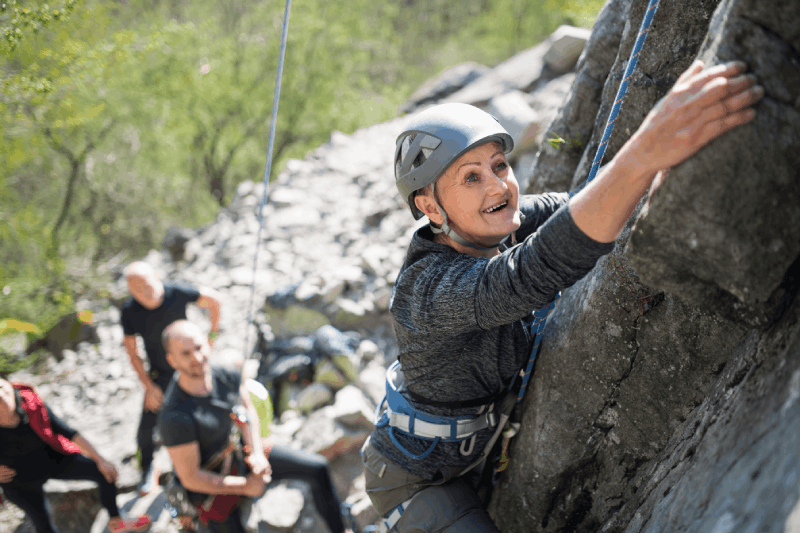
The heart of Tonsai’s appeal lies in its top climbing. The sheer cliffs of the Railay Peninsula, accessible only by boat, offer routes for climbers of all levels, from complete beginners to seasoned veterans. Tonsai itself is a hub for climbing tours, primarily focusing on the West Wall and the East Wall. Most operators run half-day or full-day trips, typically starting around 8:00 AM. Expect to pay approximately 1,800 – 2,500 Baht (roughly $55 – $75 USD) for a full-day trip, which includes equipment rental (harness, shoes, belay device), instruction from qualified guides, and transport to the climbing sites.
Several reputable companies operate from Tonsai, including Krabi Climbing School and Tonsai Rock Climbing. Krabi Climbing School, known for its experienced instructors and meticulous safety standards, is often recommended for first-timers. They offer a particularly detailed introductory course covering essential climbing techniques and safety protocols. Don’t be intimidated; the guides will patiently walk you through everything.
The West Wall, with its iconic, towering limestone face, is a particularly popular choice. Routes here range from 5a to 7a, offering a rewarding challenge for intermediate climbers. The East Wall, slightly further afield, provides longer, more sustained climbs, often favored by those seeking a full-day adventure. For those particularly interested in multi-pitch climbing, several longer routes are available, requiring advanced planning and experience.
Beyond the adrenaline rush, Tonsai Beach itself is a stunning asset. The sand is soft and white, the water is crystal clear, and the atmosphere is relaxed. Spend your days swimming, sunbathing, or simply relaxing in a hammock strung between palm trees. You can easily purchase fresh fruit shakes from the numerous vendors lining the beach – a refreshing treat after a morning of climbing.
Evening brings a different energy. The beach transforms into a vibrant hub of activity, with numerous restaurants and bars offering a range of cuisines and drinks. For a truly authentic experience, head to one of the smaller, family-run restaurants tucked away along the shore. Expect to pay around 300-500 Baht (approximately $9 – $15 USD) for a delicious meal of fresh seafood – grilled prawns, fish curry, or Tom Yum soup are all excellent choices.
Accommodation in Tonsai is remarkably affordable, particularly when compared to other Thai beach destinations. You’ll find a mix of basic bungalows and more comfortable guesthouses. Prices typically range from 600 – 1,200 Baht (roughly $18 – $36 USD) per night for a basic room, depending on the season and proximity to the beach. Booking in advance, especially during peak season (November – April), is highly recommended.
Here’s a breakdown of practical considerations for your Tonsai Beach adventure:
- Getting There: The easiest way to reach Tonsai is by longtail boat from Ao Nang. The journey takes approximately 15-20 minutes and costs around 80-120 Baht (approximately $2.3 – $3.4 USD) each way.
- Food & Drink: Budget approximately 500-800 Baht (around $15 – $24 USD) per day for food and drinks, depending on your eating habits.
- Currency: The Thai Baht (THB) is the local currency. ATMs are available in Ao Nang, but it’s advisable to bring some cash with you.
- Safety: Climbing is inherently risky. Always listen to your guide’s instructions and use proper safety equipment. The tide can also be a factor, particularly when climbing near the base of the cliffs.
To truly maximize your experience, consider incorporating these elements into your trip:
- Kayaking: Explore the coastline and hidden lagoons by kayak. Rentals are readily available for around 300-500 Baht (approximately $9 – $15 USD) for a half-day.
- Thai Cooking Class: Learn to prepare authentic Thai dishes – a fantastic way to spend time in the local culture.
- Island Hopping: Take a day trip to nearby islands like Phra Nang Cave Beach or Chicken Island for snorkeling and swimming.
As of 2026, Tonsai Beach has become increasingly conscious of sustainability. Many operators are now implementing eco-friendly practices, such as using biodegradable ropes and minimizing waste. Supporting these responsible businesses helps to preserve the beauty of this incredible destination for years to come. Don’t forget to pack reef-safe sunscreen to protect the delicate marine ecosystem.
Ultimately, a trip to Tonsai Beach is about more than just climbing; it’s about connecting with nature, experiencing a vibrant culture, and creating memories that will last a lifetime. Embrace the challenge, soak up the sun, and allow yourself to be captivated by the raw beauty of Krabi’s limestone cliffs.
Introduction
# Krabi Tonsai Beach: Rock Climbing, Beach Life & Budget Accommodation
Tonsai Beach, set within the dramatic limestone karsts of Krabi, isn’t just a destination; it’s an immersion. By 2026, it’s evolved beyond a backpacker’s secret, retaining its raw energy while embracing a more considered approach to tourism. This isn’t a polished resort experience; it’s a deliberate choice to connect with the heart of Thailand’s climbing scene, a genuinely beautiful beach, and a community fiercely proud of its heritage. The essence of Tonsai is adventure, simplicity, and a deep respect for the natural environment.
The journey to Tonsai begins with a boat ride from Ao Nang, a short 30-45 minute journey that immediately sets the scene. As you approach, the towering cliffs of the Railay Peninsula rise from the turquoise Andaman Sea, a striking spectacle that has captivated climbers and travelers for decades. The beach itself is a crescent of golden sand, backed by a dense jungle – a vibrant green contrast to the stark white of the limestone. It’s a scene that instantly stills the mind and prepares you for the challenges and rewards that lie ahead.
Rock Climbing: The Soul of Tonsai
Tonsai Beach is globally renowned as a premier sport climbing destination. The sheer scale and variety of routes, ranging from accessible slab climbs to technically demanding multi-pitch adventures, are truly exceptional. Most climbing routes are concentrated around the West Face, offering a dizzying array of options for all skill levels.
Local guiding companies, like ‘Tonsai Climbing’ and ‘Krabi Climbing Adventures’, offer comprehensive packages. Expect to pay around ฿1,800 – ฿2,500 (approximately $55 – $80 USD) for a half-day climbing trip, including equipment rental and instruction for beginners. More experienced climbers can book full-day trips for around ฿3,000 – ฿4,000 (approximately $85 – $115 USD). It’s vital to book in advance, particularly during peak season (November – April), to secure your spot.
Climbing typically starts around 8:00 AM, allowing ample time for equipment setup and safety briefings. Most routes are graded from 5a to 7b+, providing a diverse range of challenges. Don’t underestimate the heat – hydration is crucial.
Beach Life: Beyond the Climbing
While climbing dominates the landscape, Tonsai Beach offers a surprisingly relaxed beach lifestyle. The small beach area is perfect for sunbathing, swimming, and simply unwinding with a good book.
- Beach Shacks: Several beach shacks, like ‘The Rock’ and ‘Tonsai Beach Bar’, serve delicious and affordable Thai food. Expect to pay around ฿150 – ฿300 (approximately $4 – $8 USD) for a plate of Pad Thai or Green Curry.
- Sunset Cocktails: Enjoy a sunset cocktail at ‘Tonsai Beach Bar’ – a classic experience. Prices typically range from ฿200 – ฿400 (approximately $6 – $12 USD).
- Kayaking & Paddleboarding: Rent a kayak or paddleboard for a few hours and explore the coastline at your own pace. Rentals are readily available for around ฿300 – ฿500 (approximately $8 – $14 USD).
Budget Accommodation: Embracing Simplicity
Tonsai offers a range of budget-friendly accommodation options, primarily guesthouses and bungalows. Expect to pay between ฿500 – ฿1,200 (approximately $15 – $38 USD) per night for a basic room.
- Tonsai View Bungalows: Offers stunning views and a comfortable, affordable option.
- The Rock Tonsai: A popular choice with a lively atmosphere.
- Tonsai Beach Resort (Budget Rooms): Provides access to the beach and amenities at a slightly higher price point (around ฿800 – 1,500).
Practical Considerations for 2026:
- Cash is King: ATMs are scarce on Tonsai Beach. Bring sufficient cash to cover your expenses.
- Mosquitoes: Mosquitoes are prevalent, especially in the evenings. Bring insect repellent.
- Respect the Environment: Tonsai is a fragile ecosystem. Pack out all your trash and minimize your impact.
- Transportation: Boats back to Ao Nang run frequently throughout the day, typically departing around 4:00 PM.
Ultimately, Tonsai Beach is an experience that stays with you long after you’ve left. It’s a place where you can challenge yourself physically, connect with nature, and spend time in a vibrant and authentic Thai culture. The continued success of the Tonsai Beach rock climbing experience relies on responsible tourism and a commitment to preserving this remarkable corner of the world.
What to Expect
Krabi Tonsai Beach, as of 2026, isn’t a place you simply *visit*; it’s an experience that seeps into your bones. It’s a raw, visceral encounter with the heart of limestone karst climbing, a surprisingly vibrant beach life scene, and a remarkably affordable way to spend a week – or a lifetime – pursuing your passion for the vertical. Expect a shift in perspective, a test of your limits, and a connection to a community unlike any other.
The first thing that strikes you is the sheer scale of the cliffs. These aren’t gently sloping rocks; they’re colossal, jagged walls rising hundreds of meters from the turquoise Andaman Sea. The limestone, sculpted by millennia of erosion, offers a staggering array of routes, from beginner-friendly slabs to incredibly challenging multi-pitch climbs. The Tonsai Beach rock climbing experience is centered around Railay West, but the true adventure lies in exploring the myriad routes branching out towards East and North Tonsai.
The Climbing Scene: A Unique Ecosystem
Tonsai operates on a distinct, almost anarchic, system. There are no formal climbing schools in the traditional sense. Instead, you’ll find a network of experienced, independent guides, many of whom have been operating here for decades. Most guides operate from small, informal camps along the beach – typically offering a basic tent, mattress, and shared cooking facilities.
- Guide Pricing (2026): Expect to pay between 350 – 600 Baht (approximately $10 – $18 USD) per day for a guide, depending on their experience, the route’s difficulty, and the length of the day. Negotiate respectfully, and always confirm the price upfront.
- Route Difficulty: Tonsai caters to all levels, though advanced climbers will find the most rewarding challenges. Routes range from 5a (beginner) to 9a+ (elite).
- Equipment Rental: Rental equipment is readily available at the beach – harnesses, ropes, shoes, and belay devices. Expect to pay around 200-400 Baht per day for a full set.
- Half-Day vs. Full-Day Trips: Half-day climbs, focusing on a single, well-established route, can be booked for around 250-400 Baht. Full-day trips, incorporating lunch and a more extensive route, will typically cost 400-600 Baht.
Beyond the Rock: Beach Life & Community
Tonsai isn’t just about climbing. The beach itself is a beautiful crescent of white sand, fringed with leaning palm trees. It’s surprisingly lively, particularly during the evenings. Expect to hear the strumming of guitars, the laughter of fellow climbers, and the sizzle of freshly grilled seafood.
- Seafood Shacks: Several small seafood shacks line the beach, offering incredibly fresh and affordable grilled fish, prawns, and squid. Prices average around 300-500 Baht per person for a substantial meal.
- Sunset Sessions: Most evenings, climbers and locals gather on the beach to watch the spectacular sunsets. It’s a perfect opportunity to relax, share stories, and soak up the atmosphere.
- The Tonsai Bar: This popular bar, located just above the beach, serves cold beers, cocktails, and a selection of snacks. It’s a great place to unwind after a day of climbing.
Budget Accommodation & Logistics
Tonsai’s charm extends to its affordability. Basic bungalows and guesthouses are plentiful, offering comfortable accommodation for around 500-1000 Baht per night. Many of these are family-run and offer a truly authentic Thai experience.
- Camp Life: Most climbers opt to camp on the beach, which is permitted (with a small fee). Bring your own tent or rent one from a local vendor.
- Food & Drink: Eating and drinking on Tonsai is significantly cheaper than in Krabi Town. Groceries can be purchased at the small local shop.
- Getting There: The easiest way to reach Tonsai is by longtail boat from Ao Nang. Boats typically cost around 300-500 Baht per person each way, departing regularly throughout the day.
Important Considerations for 2026:
- Sustainability: Tonsai is facing increasing pressure due to its popularity. Be a responsible climber: pack out all your trash, respect the local community, and consider supporting conservation efforts.
- Weather: The monsoon season (May – October) brings heavy rain and strong winds, making climbing difficult or impossible. The best climbing weather is typically from November to April.
- Safety: Climbing is inherently risky. Always climb with a qualified guide and follow their instructions.
Ultimately, a trip to Krabi Tonsai Beach is about embracing the challenge, connecting with a passionate community, and experiencing a unique corner of the world. It’s a place that will stay with you long after you’ve descended from the cliffs.
Best Time to Visit & Seasonal Considerations
Tonsai Beach in Krabi, Thailand, isn’t just a destination; it’s an immersion. By 2026, the allure of this raw, authentic corner of the Andaman Sea remains powerfully strong, drawing climbers, beach lovers, and budget travelers alike. Understanding the seasonal nuances is absolutely critical to maximizing your experience, particularly when planning your rock climbing excursions and beach time. Let’s explore when to visit Tonsai Beach to truly unlock its potential.
The High Season (November – April): The Peak of Tonsai’s Thrill
This is undeniably Tonsai’s busiest, and consequently, most expensive, period. From November through April, the weather is at its most predictable: consistently warm and dry, with average temperatures hovering around 28-32°C (82-90°F). This makes it ideal for serious rock climbing, offering optimal conditions for the ‘Tonsai Beach Rock Climbing’ experience.
- Climbing Conditions: The limestone cliffs are dry, firm, and generally free of the heavy rain that plagues other parts of Thailand during this time. You’ll find the most reliable routes and guide availability.
- Prices: Expect to pay a premium for accommodation, tours, and even food. A standard half-day climbing trip with equipment rental can range from 800 – 1200 Baht (approximately $24 – $36 USD) in November.
- Crowds: Tonsai is noticeably busier. The beach is more crowded, and the atmosphere is energetic, reflecting the influx of climbers from around the globe. Consider booking accommodation and climbing sessions well in advance.
The Shoulder Seasons (May – June & September – October): Balanced Adventure
These months represent a sweet spot, offering a blend of favorable conditions and fewer crowds. May and June bring slightly higher humidity (around 80% with temperatures reaching 30°C/86°F) and the occasional brief shower, but the climbing remains excellent. September and October typically see a return of drier weather, with temperatures around 27-31°C (81-88°F).
- Climbing Value: You can often secure better deals on climbing packages during these months. A full-day ‘Tonsai Beach Rock Climbing’ tour with equipment, instruction, and lunch might cost around 600-900 Baht ($18 – $27 USD).
- Beach Comfort: While the humidity is higher, the beaches are less packed, allowing for more relaxed enjoyment of Tonsai’s beautiful sands.
- Wildlife Spotting: The monsoon season hasn’t fully arrived, increasing your chances of spotting wildlife – particularly monitor lizards – basking on the rocks.
The Low Season (July – August): Embrace the Monsoon (and the Budget)
This is when Tonsai Beach experiences its heaviest rainfall, typically during the monsoon season. Expect daily downpours, often intense and prolonged. While climbing is possible, it’s significantly more challenging due to slippery conditions and reduced visibility.
- Climbing Challenges: Many routes become inaccessible due to rain-induced rockfalls. Guide availability diminishes, and you’ll need to be extra cautious.
- Budget Traveler’s Paradise: Accommodation and tour prices plummet dramatically, offering incredible savings. You might find a beachfront bungalow for as little as 400 Baht ($12 USD) per night during this period.
- Authentic Experience: Despite the weather, the low season offers a glimpse into Tonsai’s more local side. The beach is almost deserted, and you’ll encounter fewer tourists. It’s the perfect time for a slower, more reflective ‘Tonsai Beach Rock Climbing’ experience, focusing on building your skills and enjoying the solitude.
Specific Considerations for Climbing:
- Guide Availability: Always book your ‘Tonsai Beach Rock Climbing’ experience with a reputable guide. They possess invaluable local knowledge and ensure your safety.
- Equipment Rental: Ensure your rental equipment is in good condition before starting your climb. Most operators provide comprehensive briefings on equipment usage.
- Weather Monitoring: Check the weather forecast regularly, especially during the shoulder seasons. Be prepared to adjust your plans if conditions deteriorate.
Planning Your Trip to Tonsai Beach:
- Transportation: Getting to Tonsai involves a boat trip from Ao Nang. Ferries operate frequently, with journeys lasting approximately 30-45 minutes.
- Accommodation: Options range from basic bungalows to more comfortable guesthouses. Booking in advance is highly recommended, particularly during the high season.
- Food & Drink: Tonsai offers a variety of restaurants and bars, catering to different budgets.
Ultimately, the best time to visit Tonsai Beach is a matter of personal preference. Whether you’re a seasoned climber seeking optimal conditions, a budget traveler looking for deals, or simply someone wanting to experience the raw beauty of this incredible coastline, Tonsai Beach delivers an unforgettable adventure. Remember to respect the environment and the local culture as you start your ‘Tonsai Beach Rock Climbing’ journey.
Step-by-Step Guide / Itinerary
Tonsai Beach in Krabi isn’t just a destination; it’s an immersion. It’s a place where the raw power of limestone cliffs meets the gentle rhythm of the Andaman Sea, a crucible for adventurous climbers and a surprisingly relaxed haven for those seeking a genuine beach experience. This detailed itinerary, designed for the 2026 traveler, will guide you through a week of unparalleled exploration, focusing on the core experience: Krabi Tonsai Beach – Rock Climbing, Beach Life & Budget Accommodation.
Day 1: Arrival & Settling into the Vibe (Budget: ฿800 – ฿1200)
Your journey begins with a pre-booked minivan transfer from Krabi Airport (KBV) – approximately 2.5 hours, costing around ฿600. Alternatively, a shared taxi will cost around ฿400. Upon arrival, head straight to Tonsai Beach. Accommodation options range dramatically, but for a truly budget-friendly experience, consider the various bamboo bungalows clustered just back from the sand. Expect to pay between ฿200-฿400 per night.
After settling in, spend the afternoon simply absorbing the atmosphere. The beach is a vibrant mix of climbers, backpackers, and local families. Enjoy a fresh seafood BBQ – a grilled portion of prawns and fish can be found for around ฿300-฿500 at one of the beachside stalls. Early evening is best for this, as the sun casts a golden glow on the limestone walls.
Day 2-4: Conquering the Cliffs – Climbing Tours
This is where Tonsai Beach truly shines. The majority of your time should be dedicated to organized climbing tours. Several reputable companies operate from the beach, offering a range of options. Krabi Tonsai Beach – Rock Climbing, Beach Life & Budget Accommodation truly hinges on this activity.
Most tours last around 6-8 hours and include all necessary equipment – harnesses, ropes, carabiners, and a qualified instructor. Prices typically range from ฿800-฿1200 per day, depending on the route and the experience level. Beginners should opt for the “Easy Slab” or “Intro Climb” routes, located near the western end of the beach. More experienced climbers can tackle the challenging “West Face” or “Dragon’s Tail” routes.
- Morning (8:00 AM – 12:00 PM): Warm-up and instruction with your guide. Focus on basic climbing techniques and safety procedures.
- Lunch (12:00 PM – 1:00 PM): A simple packed lunch provided by the tour operator.
- Afternoon (1:00 PM – 5:00 PM): Climbing session on your chosen route. Your guide will provide constant support and feedback.
Day 5: Beach Relaxation & Exploration (Budget: ฿300 – 500)
After days of intense climbing, reward yourself with a day of relaxation. Spend the morning swimming in the crystal-clear waters. Rent a paddleboard for around ฿200-฿300 for a couple of hours.
Explore the small caves and rock formations that dot the coastline. A short hike up to the viewpoint offers stunning panoramic views of Tonsai Beach and the surrounding islands. You can hire a local boat for around ฿600-800 for a half-day trip to nearby islands like Koh Poda or Chicken Island – perfect for snorkeling.
Day 6: Advanced Climbing & Sunset Views (Budget: ฿1000 – 1500)
Today, push your limits with an advanced climbing tour. Several routes offer challenging multi-pitch climbs, requiring a higher level of skill and experience. Prices for these tours start at ฿1200 and can exceed ฿1500 depending on the complexity.
- Evening (6:00 PM onwards): Find a prime spot on the beach to witness a spectacular Tonsai sunset. Enjoy a final seafood dinner, perhaps trying the local specialty – grilled squid.
Day 7: Departure
Enjoy one last breakfast overlooking the beach before taking a pre-booked minivan back to Krabi Airport (KBV). Allow approximately 2.5 hours for the journey.
Important Considerations for 2026:
- Booking in Advance: Especially during peak season (November – April), booking climbing tours and accommodation in advance is *highly* recommended.
- Weather: The monsoon season (May – October) can bring heavy rain and rough seas, significantly impacting climbing conditions. The dry season offers the best weather for climbing.
- Respect the Environment: Tonsai Beach is a fragile ecosystem. Always pack out your trash, avoid disturbing the wildlife, and follow the instructions of your guide.
- Safety First: Rock climbing is inherently risky. Listen carefully to your guide’s instructions and always prioritize safety.
Ultimately, your experience at Krabi Tonsai Beach – Rock Climbing, Beach Life & Budget Accommodation will be defined by your willingness to embrace the challenge, respect the environment, and soak in the incredible beauty of this unique corner of Thailand. Prepare for an unforgettable adventure!
Insider Tips & Local Secrets
Tonsai Beach, 2026, isn’t just a destination; it’s an immersion. It’s a place where the raw energy of limestone cliffs meets the languid rhythm of the Andaman Sea. Many visitors arrive with a primary focus on the top rock climbing, and rightly so. However, to truly experience Tonsai, you need to delve deeper than just the routes and the chalk dust. This section will reveal the secrets to unlocking the full potential of your adventure – and your Krabi experience.
Understanding the Climbing Landscape:
The heart of Tonsai Beach’s appeal is, its climbing. But it’s not a monolithic experience. The climbing is divided into zones, each offering a distinct challenge and vibe. The “Old Tonsai” area, closest to the main beach, is renowned for its long, technical routes – perfect for experienced climbers seeking a multi-day project. Expect to pay around ฿800-฿1200 (approximately $25-38 USD) for a full-day guided climb with gear included.
For those newer to the sport, or looking for something more accessible, the “New Tonsai” area offers a wider variety of routes graded for beginners and intermediate climbers. Prices here tend to be slightly lower, around ฿600-฿900 ($20-29 USD). It’s crucial to book a reputable guide; climbing these cliffs without experience is incredibly dangerous. Local guides, often found near the beach restaurants, can be hired directly – negotiate a rate of around ฿500-700 ($16-23 USD) for a half-day.
Beyond the Rock: Beach Life and Local Culture
Tonsai isn’t solely about adrenaline. The beach itself is a stunning crescent of white sand, backed by towering limestone karsts. Spend a morning simply relaxing, soaking up the sun, and enjoying the turquoise water. You can rent a paddleboard for around ฿300-400 ($10-14 USD) for a few hours.
- Sunset at the Banyan Tree: Every evening, locals and tourists alike gather beneath the iconic Banyan Tree for a spectacular sunset viewing. It’s a truly magical experience.
- Explore the Tide Pools: At low tide, explore the fascinating tide pools teeming with marine life. Keep an eye out for colorful starfish and tiny crabs.
- Support Local Businesses: Instead of relying solely on the tourist-oriented restaurants, venture towards the quieter side of Tonsai. You’ll find smaller, family-run establishments offering authentic Thai cuisine at significantly lower prices – typically around ฿200-350 ($7-12 USD) for a delicious meal. Try the Pad See Ew – a local favorite.
Accommodation Options – Budget Bliss:
Forget the luxury resorts. Tonsai’s charm lies in its budget-friendly accommodation. Basic bungalows and guesthouses line the beach, offering stunning views and a laid-back atmosphere. Expect to pay between ฿500-800 ($16-26 USD) per night for a decent room with a fan. Air-conditioned rooms will cost around ฿800-1200 ($26-38 USD). Booking in advance, especially during peak season (November – April), is highly recommended. Consider “Tonsai View Bungalows” or “The Rock Climbing Bungalows” for a good balance of location and price.
Essential Logistics & Planning:
- Getting There: The easiest way to reach Tonsai Beach is via Krabi Airport (KBV). From there, a shared taxi or songthaew (local shared taxi) will take you to Ao Nang (approximately 45 minutes) and then a longtail boat to Tonsai (around 20 minutes). The total cost is roughly ฿300-400 ($10-14 USD).
- Cash is King: Tonsai is largely a cash-based economy. ATMs are scarce, so bring enough Thai Baht.
- Respect the Environment: Tonsai Beach is a fragile ecosystem. Pack out all your trash and avoid using single-use plastics.
Seasonal Considerations – Timing Your Trip:
- High Season (November – April): This is the busiest time of year, with perfect weather and plenty of climbers. Expect higher prices and more crowds.
- Shoulder Season (May – June & September – October): The weather is still good, but there may be occasional rain. Prices are lower, and the crowds are smaller.
- Low Season (July – August): This is the rainy season, with higher humidity and the possibility of heavy downpours. However, the beaches are deserted, and prices are at their lowest.
A Final Note: The true magic of Tonsai Beach lies in its ability to surprise and delight. Embrace the unexpected, chat with the locals, and allow yourself to get lost in the beauty of this incredible place. Whether you’re scaling challenging limestone faces or simply relaxing on the beach, a journey to Tonsai Beach in 2026 is an experience you won’t soon forget. Remember to book your rock climbing experience in advance to ensure you secure a skilled guide and the best possible adventure.
Practical Information (Transport, Budget, Booking)
Tonsai Beach, a pocket of raw, untamed beauty set within the limestone karst landscape of Krabi, isn’t about luxury. It’s about connection – connection to the ocean, to the rock, and to a community fiercely dedicated to the art of sport climbing. This section will equip you with the information you need to plan your unforgettable experience, focusing on getting here, understanding the costs, and securing your place amongst the top climbing routes.
Getting to Tonsai Beach – Your Gateway to Adventure
Reaching Tonsai is part of the adventure itself. The journey begins with a flight to Krabi International Airport (KBV), a remarkably efficient gateway serving the region. From the airport, you have several options:
- Shared Minivan: The most common and affordable route. Shared minivans depart regularly (approximately every 30-60 minutes) from the airport terminal. The journey to Ao Nang takes roughly 45-60 minutes, and from there, a local songthaew (shared taxi) will whisk you to Tonsai Beach in about 15-20 minutes. Expect to pay around 80-120 Thai Baht per person for the entire journey.
- Private Taxi: This offers the most direct route, taking approximately 30-45 minutes. A private taxi will cost around 600-800 Thai Baht, depending on negotiation.
- Songthaew Direct: You can arrange a direct songthaew pickup at the airport for around 800-1000 Thai Baht. This is a good option if you’re travelling with a group.
Understanding the Budget – Climbing on a Shoestring
Tonsai Beach caters primarily to budget-conscious travelers, but “budget” here means embracing a simple lifestyle. Accommodation and food are significantly cheaper than in more developed tourist areas.
- Accommodation: Expect to pay anywhere from 300-800 Thai Baht per night for a basic bungalow or dorm room. Prices increase dramatically during peak season (November – April). Booking in advance, particularly during the high season, is strongly advised.
- Food: Street food and local restaurants are your best bets. A filling meal of Pad Thai or Green Curry will cost around 80-150 Thai Baht. Western food is considerably more expensive, typically costing 200-400 Thai Baht.
- Climbing Costs: This is where Tonsai truly shines. Guided climbs, which are highly recommended for beginners, typically cost 800-1500 Thai Baht per day, including equipment. Self-guided climbs are free, but you’ll need to rent equipment (around 300-500 Thai Baht per day) and factor in the cost of a guide if you require assistance with belaying or route finding.
- Transportation within Tonsai: Walking is the primary mode of transport. Motorbike rentals are available for around 300-500 Thai Baht per day, but be aware that roads are unpaved and conditions can be challenging.
Booking Your Climb – Securing Your Ascent
Several options exist for booking your climbing experience:
- Local Guiding Agencies: Numerous reputable agencies operate directly from Tonsai Beach. Agencies like ‘Tonsai Climbing’ and ‘Krabi Climbing Adventures’ offer a range of climbs, from introductory courses to multi-day expeditions. Expect to pay around 1000-2000 Thai Baht for a half-day guided climb with equipment included.
- Individual Guides: You can often find experienced climbers willing to guide you for a slightly lower rate – around 800-1200 Thai Baht per day. This requires more negotiation and a degree of trust.
- Pre-Booking (Limited): While fully pre-booking isn’t common, you can secure a spot on a guided climb for the following day by speaking to a guide on the beach. This is particularly useful during peak times.
Essential Considerations for 2026:
- Permits: Climbing on the limestone cliffs requires a permit, which is usually handled by your guiding agency. Ensure your chosen agency has all necessary permits before commencing your climb.
- Safety: Tonsai is renowned for its safety standards, but it’s crucial to listen to your guide’s instructions and prioritize safety. Always use a helmet and double-check your harness and belay setup.
- Respect the Environment: Tonsai Beach is a fragile ecosystem. Pack out all your trash, avoid disturbing the wildlife, and be mindful of your impact on the environment.
- Weather: The monsoon season (May – October) brings heavy rain and strong winds, significantly impacting climbing conditions. November to April offers the best weather for climbing.
Beyond the Climb:
Don’t just come for the climbing – spend time in the Tonsai Beach experience. Spend your evenings relaxing on the beach, enjoying fresh seafood, and soaking up the vibrant atmosphere. Consider a kayaking trip along the coastline or a jungle trek to explore the surrounding landscapes. Tonsai Beach truly offers a unique blend of adventure and tranquility, making it an unforgettable destination for the 2026 traveler.
What to Bring & Preparation
Tonsai Beach, as of 2026, is a vibrant ecosystem of rock climbing, laid-back beach life, and surprisingly affordable accommodation. It’s a place where seasoned climbers and first-time adventurers can find their footing, but preparation is key to unlocking the full magic of this Krabi hotspot. This isn’t a luxury resort destination; it’s raw, it’s challenging, and it demands respect. Let’s break down what you need to bring and how to prepare yourself for an unforgettable experience on the limestone cliffs.
Gear – The Climbing Essentials
Your climbing gear is, without question, the most important investment you’ll make. Don’t skimp; this is your safety and enjoyment. Most climbers arrive with their own equipment, but if you’re a complete beginner, consider renting. Several local operators offer comprehensive packages, typically around ฿1800 – ฿2500 (approximately $55 – $78 USD) for a 3-day rental including harness, shoes, and belay device.
- Climbing Shoes: Fit is *everything*. Get professionally fitted – a poorly fitting shoe can ruin your climb. Expect to pay around ฿800 – ฿1500 ($24 – $45 USD) for a decent pair.
- Harness & Belay Device: Crucial for safe belaying. Ensure your belay device is certified and regularly inspected.
- Quickdraws & Slings: You’ll need a selection of these for clipping into anchors. Rental packages usually include a sufficient quantity.
- Personal Protection: A helmet is absolutely essential, especially for top-roping. Consider a belay master device for added security.
Beyond the Climb: Beach & Daily Life
While climbing dominates the conversation, Tonsai Beach offers a wonderful alternative. Don’t underestimate the need for comfort and practicality.
- Sun Protection: The sun here is relentless. Pack high SPF sunscreen (minimum 30), a wide-brimmed hat, and sunglasses. Reef-safe sunscreen is *mandatory* – protecting the delicate coral reefs is a crucial part of the Tonsai experience.
- Clothing: Lightweight, breathable clothing is key. Bring quick-drying shirts and shorts. A light fleece or jacket is recommended for cooler evenings.
- Footwear: Climbing shoes are for the crags; sandals or flip-flops are essential for the beach. Water shoes are a good investment for navigating the rocky shoreline.
- Toiletries: Bring biodegradable soap and shampoo. There are limited facilities, and environmental awareness is paramount.
- First-Aid Kit: A small, well-stocked first-aid kit is non-negotiable. Include antiseptic wipes, bandages, pain relievers, and any personal medications.
Food & Water – Fueling Your Adventure
Tonsai offers a surprisingly diverse range of dining options, from beachfront shacks to slightly more upscale restaurants. However, self-catering can save you significant money.
- Water: Bottled water is readily available, but consider a reusable water bottle to reduce plastic waste. You can refill at the local 7-Eleven.
- Food: Expect to pay around ฿200 – ฿500 (approximately $6 – $15 USD) for a basic meal. Fresh seafood is abundant and delicious – look for the grilled fish stalls along the beach. Cooking facilities are limited, but many guesthouses offer communal kitchens.
Logistics & Timing – Planning Your Days
- Climbing Tours: Several reputable climbing schools offer guided climbs. A half-day guided climb typically costs around ฿800 – ฿1200 ($24 – $36 USD) per person, including equipment and instruction. Consider booking in advance, particularly during peak season (November – March).
- Tide Times: *Absolutely critical*. Tonsai Beach is significantly reduced during high tide. Climbing is best done during low tide, which typically occurs between 11:00 AM and 3:00 PM. Check the tide charts before you go!
- Arrival & Transport: The easiest way to reach Tonsai is by longtail boat from Ao Nang. The journey takes approximately 30-45 minutes and costs around ฿300 – ฿500 (approximately $9 – $15 USD) per person. Negotiate the price beforehand.
- Accommodation: Budget guesthouses and bungalows range from ฿600 – ฿1200 ($18 – $36 USD) per night, depending on the season and location. Book well in advance, especially if traveling during the high season.
Essential Skills & Knowledge
- Basic Climbing Techniques: If you’re new to climbing, take a beginner’s course. Learn about belaying, clipping, and rappelling.
- Sea Awareness: Tonsai Beach is exposed to the ocean. Be aware of currents and waves.
- Respect the Environment: Pack out everything you pack in. Avoid touching the coral reefs. Support sustainable tourism practices.
A Note on Safety: Climbing inherently involves risk. Always climb within your abilities and with a competent belayer. Listen to your guide and follow their instructions. Your safety is your responsibility.
With careful preparation and a spirit of adventure, you’ll be well-equipped to experience the thrill of rock climbing, the beauty of Tonsai Beach, and the vibrant culture of Krabi in 2026. Don’t just visit – spend time in this incredible corner of Thailand.
Common Mistakes to Avoid
Tonsai Beach, a pocket of raw beauty set within the limestone karsts of Krabi, Thailand, offers an unparalleled experience for the adventurous traveler. The core draw is the top rock climbing, but a truly fulfilling trip requires more than just a harness and shoes. Many visitors stumble into pitfalls that diminish the magic of this coastal paradise. Let’s address these common mistakes and ensure you’re maximizing your time exploring Krabi Tonsai Beach rock climbing and beyond.
1. Underestimating the Logistics – Arrival and First Impressions
The initial arrival at Tonsai Beach can be overwhelming. The village is a vibrant, chaotic mix of climbers, backpackers, and local vendors. A major mistake is arriving without a pre-booked transfer from Krabi Town. While longtail boats are readily available, they’re often crowded, unreliable, and can significantly inflate the cost – typically around 800-1200 Baht (approximately $24-$36 USD) for a shared boat. Pre-booking through your accommodation (most offer this service) or a reputable agency guarantees a smoother arrival and a fixed price, usually around 600-800 Baht.
2. Ignoring the Climbing Area Divisions & Route Difficulty
Tonsai Beach isn’t a single climbing area; it’s a collection of sectors, each with varying levels of difficulty and style. Many beginners immediately head to the main Tonsai sector, assuming it’s the best. However, the ‘West Wall’ area, just a short walk north, offers significantly more accessible routes, particularly for those new to sport climbing. Routes on the West Wall are graded 5a-6a, perfect for building confidence. Don’t be afraid to ask your guide for route recommendations tailored to your skill level.
3. Not Utilizing a Qualified Climbing Guide – A Critical Safety Issue
This is the biggest mistake visitors make. Rock climbing in Krabi’s limestone cliffs is inherently dangerous. The rock is often crumbly, routes are exposed, and weather conditions can change rapidly. Climbing without a certified guide is not only irresponsible but also potentially fatal. Most climbing schools offer half-day or full-day introductory packages starting at 1200 Baht (approximately $36 USD) which include instruction, equipment rental, and guide fees. Invest in this – your safety and enjoyment depend on it.
4. Overpacking – Minimalism is Key
Tonsai Beach isn’t a luxury destination. The village is rustic, and carrying heavy bags up and down the steep paths is a significant challenge. Focus on packing light. Essentials include quick-drying clothing, sunscreen, a hat, and a reusable water bottle. Most importantly, prioritize climbing gear – your climbing school will provide the ropes, harnesses, and belay devices.
5. Neglecting Beach Life and Village Exploration
Tonsai Beach isn’t solely about climbing. The beach itself is beautiful, with calm waters perfect for swimming and sunbathing. Allocate time to simply relax and soak in the atmosphere. Explore the small village – sample the local food at the beachfront restaurants, chat with the friendly locals, and perhaps even take a Thai cooking class (approximately 800-1200 Baht).
6. Misunderstanding the Meal Costs and Local Currency
Restaurant prices on Tonsai Beach are higher than in Krabi Town. Expect to pay around 200-400 Baht (approximately $6-$12 USD) for a decent meal. Always negotiate prices – particularly when ordering multiple dishes. Baht is the local currency, and while some establishments accept credit cards, it’s advisable to have cash on hand. Exchange rates fluctuate, so check before exchanging large sums.
7. Ignoring Weather Conditions and Route Assessments
The monsoon season in Krabi runs from May to October. During this time, rain is frequent, and the limestone can become slick and unstable. Always check the weather forecast before heading out for a climb. Even on seemingly clear days, the limestone can be affected by humidity. Your guide will assess the route conditions and make adjustments as needed.
8. Not Respecting the Environment and Local Culture
Tonsai Beach is a fragile ecosystem. Pack out all your trash, avoid disturbing the wildlife, and be mindful of the local culture. Dress modestly when visiting the village, and always ask permission before taking photos of people.
Typical Climbing Day Schedule (Approximate):
- 8:00 AM: Breakfast at your accommodation or a beachfront cafe (approx. 200-300 Baht).
- 9:00 AM – 1:00 PM: Guided climbing session on the West Wall or Tonsai sector (1200-1800 Baht).
- 1:00 PM – 2:00 PM: Lunch – enjoy fresh seafood or Thai classics (approx. 300-500 Baht).
- 2:00 PM – 5:00 PM: Free time – beach relaxation, exploring the village, or optional activities like kayaking (approx. 500-800 Baht).
By avoiding these common pitfalls, you’ll be well-prepared to embrace the incredible experience offered by Krabi Tonsai Beach rock climbing and create lasting memories of this stunning corner of Thailand. Remember, preparation is key to unlocking the full potential of your adventure.
Alternative Options & Comparisons
Krabi Tonsai Beach, with its dramatic limestone cliffs and burgeoning rock climbing scene, has rapidly established itself as a worth visiting destination for adventurous travelers. However, understanding its nuances – and comparing it to other Krabi experiences – is crucial for maximizing your trip in 2026. This section delves into alternatives, offering a richer picture of what Tonsai has to offer, alongside considerations for budget travelers seeking an authentic Thai adventure.
Beyond the Vertical: Expanding Your Krabi Horizons
While Tonsai is renowned for its top sport and trad climbing, it’s vital to recognize that Krabi offers a far broader spectrum of experiences. Many travelers arrive solely focused on the rock, but the surrounding area boasts incredible beaches, stunning national parks, and vibrant local culture. Consider these options alongside your Tonsai climbing plans:
- Railay Beach: Just a short longtail boat ride (approximately 15-20 minutes) from Tonsai, Railay offers a more polished, developed beach experience. While still attracting climbers, Railay caters to a wider demographic with upscale resorts, restaurants, and a busy market. Expect to pay upwards of ฿1,500 – ฿3,000 per night for accommodation here, a significant jump from Tonsai’s budget options.
- Ao Nang: The main gateway to Krabi province, Ao Nang provides a fantastic base for exploring the surrounding area. It’s a lively town with a long beach, numerous restaurants, and easy access to boat trips to nearby islands. Transportation to Tonsai is readily available via longtail boat, costing around ฿300 – ฿500 return.
- Koh Lanta: For a more relaxed pace, Koh Lanta is a 2-3 hour ferry ride away. This island offers pristine beaches, mangrove forests, and a more laid-back atmosphere than Tonsai. It’s ideal for families and those seeking a quieter escape.
Rock Climbing Options: Tailored Adventures
Tonsai’s appeal lies heavily in its climbing. However, the ‘rock climbing’ experience isn’t a monolithic thing. Several companies offer distinct approaches:
- Tonsai Rock Climbing School (TRCS): This is the most established operator. They offer comprehensive courses for all levels, from complete beginners to advanced climbers. Courses typically run 7 days/6 nights, costing around ฿12,000 – ฿18,000 including accommodation, meals, and equipment. This is the recommended starting point for first-time climbers.
- Peak Performance Climbing: A newer arrival, Peak Performance focuses on smaller group sizes and a more personalized experience. They offer shorter courses (3-5 days) and day trips, often at slightly lower prices – around ฿8,000 – ฿12,000.
- Independent Guiding: For experienced climbers, hiring a local guide offers the ultimate flexibility and access to harder routes. This can cost around ฿2,000 – ฿4,000 per day, depending on the guide’s experience and the difficulty of the climbs. Negotiate a clear agreement beforehand, outlining route selection and safety protocols.
Budget Accommodation & Daily Life on Tonsai
Tonsai’s charm is largely rooted in its affordability. Expect to find basic bungalows and guesthouses for as little as ฿600 – ฿1,200 per night. The ‘Beach Shack’ and ‘Tonsai View Bungalows’ are consistently recommended for their location and value.
- Food: Eating on Tonsai is incredibly affordable. Street food stalls offer delicious and authentic Thai cuisine for just ฿50 – ฿150 per meal. Pad Thai, green curry, and grilled seafood are staples.
- Daily Expenses: Budget approximately ฿1,500 – ฿3,000 per day, depending on your activity level and spending habits. This covers food, drinks, transportation, and any additional excursions.
- Longtail Boat Transfers: Remember, as mentioned earlier, longtail boat transfers are the primary mode of transport. Bargain respectfully – a fair price is around ฿300 – ฿500 return.
Seasonal Considerations for 2026
The monsoon season in Krabi typically runs from May to October. While rain is common, it often occurs in short bursts, and climbing is still possible. November to April is the dry season, offering the best weather for climbing and beach activities. Book accommodation and climbing courses well in advance, particularly if traveling during peak season (December – February).
A Note on Sustainability
Tonsai is experiencing rapid growth. It’s crucial to be a responsible traveler. Support local businesses, minimize your environmental impact, and respect the local culture. Consider bringing a reusable water bottle and avoiding single-use plastics.
Ultimately, a trip to Krabi Tonsai Beach in 2026 offers a unique blend of adrenaline-fueled adventure, tranquil beach relaxation, and genuine Thai hospitality. By considering these alternative options and planning carefully, you can craft an unforgettable experience that perfectly aligns with your budget and interests. Don’t just climb – spend time in this extraordinary destination.
Frequently Asked Questions (FAQ)
How much does it typically cost to climb at Tonsai Beach per day?
Climbing costs at Tonsai Beach vary greatly depending on your experience and whether you hire a guide. A beginner might pay around 800-1200 THB per day for a half-day guided session, including equipment, while experienced climbers can often self-guide for around 500-800 THB per day, excluding equipment rental which can add another 300-500 THB.
What’s the best time of year to visit Krabi for rock climbing?
The dry season, from November to April, is by far the best time to visit Tonsai Beach for climbing. During this period, the weather is consistently sunny, with low humidity and minimal rain, providing ideal conditions for outdoor climbing and beach activities. Monsoon season (May-October) brings heavy rain and strong winds, significantly impacting climbing conditions.
How far in advance should I book my accommodation at Tonsai Beach?
It’s highly recommended to book your accommodation at least 2-3 months in advance, especially if you’re traveling during peak season (November to March). Tonsai Beach is a very popular destination and the budget accommodation fills up quickly, and booking early ensures you get the best choice of rooms and prices.
What kind of equipment do I need to bring for climbing, and can I rent it?
While you can rent equipment like harnesses, ropes, and shoes, it’s still wise to bring your own climbing shoes for comfort and fit. You’ll need a harness, belay device, quickdraws, and a helmet – renting these is common, but bringing your own can save you money in the long run, typically around 400-600 THB per week for rental.
Is Tonsai Beach safe for swimming, and are there any currents to be aware of?
Tonsai Beach is generally safe for swimming, but it’s important to be aware of the currents, particularly on the eastern side of the beach. The currents can be strong, especially after rainfall, so always swim with a buddy and be cautious, and heed any warnings from local lifeguards.
What’s the typical cost of a guided climbing day, including equipment?
A full-day guided climbing experience with all equipment included typically costs between 1200-1800 THB. This price usually covers a qualified guide, equipment rental (harness, shoes, rope, belay device), and instruction for beginners. Prices can fluctuate based on the specific route and the operator.
How easy is it to get from Krabi Airport to Tonsai Beach?
Getting from Krabi Airport to Tonsai Beach involves a combination of transportation options. The most common route is a shared minivan (songthaew) to Ao Nang (around 150-200 THB per person) followed by a longtail boat ride to Tonsai (around 100-150 THB). Alternatively, pre-booked private transfers are available for around 1500-2000 THB.
What kind of budget accommodation can I expect to find on Tonsai Beach?
You can find a range of budget-friendly accommodation options on Tonsai Beach, mostly consisting of basic bungalows and guesthouses. Expect to pay around 500-1000 THB per night for a dorm bed or a simple private room, though prices can increase during peak season.
Are there any climbing routes suitable for beginners at Tonsai Beach?
Yes, Tonsai Beach has a good selection of beginner-friendly routes, particularly on the West Wall and the East Wall. Routes like “The Mushroom” and “Coconut” are popular choices for those new to climbing, with grades typically ranging from 5.8 to 5.11.
What should I do if I get injured while climbing?
If you sustain an injury while climbing, the first step is to inform your guide immediately. They will assess the situation and, if necessary, contact local medical services. It’s crucial to have travel insurance that covers medical expenses and evacuation.
Are there any alternative beaches near Tonsai Beach with good climbing opportunities?
While Tonsai is the most popular, Railay Beach (accessible by boat) offers several climbing routes and a more developed infrastructure. Ao Nang also has some smaller climbing areas accessible via day trips, offering a wider variety of challenges.
What’s the best way to get around Tonsai Beach once I’m there?
The most common way to get around Tonsai Beach is by foot, as it’s a small island. Longtail boats are readily available for trips to nearby beaches and Railay. Motorbike rentals are also an option, but roads are often steep and winding.
Do I need a Thai visa to visit Krabi for climbing?
Visa requirements depend on your nationality. Many nationalities, including those from the US, Canada, and EU countries, can enter Thailand for tourism purposes without a visa for a limited period (typically 30 days). However, it’s essential to check the latest visa requirements for your specific country before traveling.
What is the local currency, and is credit card accepted?
The local currency is the Thai Baht (THB). Credit card acceptance is limited, especially outside of the larger guesthouses and restaurants; it’s highly recommended to bring cash. ATMs are available in Ao Nang, but can sometimes be unreliable.
Are there any water activities available besides climbing at Tonsai Beach?
Yes, Tonsai Beach offers a variety of water activities, including snorkeling, scuba diving, kayaking, and paddleboarding. Several operators offer excursions and equipment rental for these activities, providing a great complement to your climbing adventure.
What’s the etiquette for climbing in Thailand?
Climbing etiquette in Thailand is generally respectful of the local culture. Always ask for permission before taking photos of locals, be mindful of noise levels, and dispose of your trash properly. Showing respect for the environment and the community is highly appreciated.
How much sunscreen should I bring, and what SPF should I choose?
The sun is incredibly strong in Krabi, so bring plenty of high-SPF sunscreen (30 or higher). Choose a broad-spectrum sunscreen that protects against both UVA and UVB rays, and reapply frequently, especially after swimming or sweating.
What safety precautions should I take when climbing in a tropical environment?
Climbing in a tropical environment requires extra vigilance. Stay hydrated, wear appropriate clothing to protect yourself from the sun, and be aware of potential hazards like insects and wildlife. Check weather conditions before each climb and listen to your guide’s instructions.
What are the common illnesses I should be aware of when visiting Tonsai Beach?
Travelers to Thailand should be aware of potential illnesses like traveler’s diarrhea, dengue fever, and Zika virus. Take precautions such as drinking bottled water, eating at reputable restaurants, and using insect repellent to minimize your risk. Consult your doctor about necessary vaccinations.