Navigating the 2026 QR‑Code Entry System for Emerald Pool: A Family‑Friendly Checklist
The Emerald Pool’s new QR‑code entry system, launched in early 2026, is designed to streamline visitor flow while maintaining strict safety and environmental standards. For families visiting Krabi, understanding each step before arrival can turn a potentially confusing process into a smooth, stress‑free experience. Below is a concise, family‑friendly checklist that walks you through registration, on‑site scanning, and post‑visit procedures, ensuring that parents, children, and caregivers can focus on the crystal‑clear waters rather than the technology.
1. Pre‑Trip Preparation (7–10 days before arrival)
• The app is free, lightweight, and supports multiple languages, including English, Thai, Mandarin, and Spanish.
• Create a single family account.
• Enter each traveler’s passport number, date of birth, and any known medical conditions (e.g., asthma, pregnancy). This information is used for the mandatory health declaration required by Thai tourism authorities.
•
• Select your preferred visit date and time slot. The Emerald Pool now operates on 30‑minute entry windows to limit crowd density; early morning slots (07:00–09:00) are ideal for families with young children.
2. Payment and Confirmation
• Pay the entry fee directly through the app using a credit/debit card or a supported e‑wallet (e.g., TrueMoney, LINE Pay). The 2026 pricing structure is THB 150 per adult and THB 75 per child, with a 10 % discount for families who pre‑pay for three or more consecutive days.
• After payment, you will receive a digital receipt and a unique QR code for the entire family. The receipt includes a QR‑linked map of the park, indicating restroom locations, stroller‑friendly paths, and shaded rest areas.
3. Day‑Of Arrival – Mobile Checklist
• Ensure your smartphone is fully charged; the app can operate offline for up to 48 hours after the last sync, but a brief internet connection is needed for final verification.
• Print a backup copy of the QR code on paper or save it as an image on a separate device (tablet or secondary phone) in case of battery failure.
• Pack a small, lightweight stroller or carrier that can be folded quickly. The entrance gate has a dedicated lane for families with strollers, and the QR‑code scanner is positioned at a height suitable for both adults and children.
4. Gate Entry Procedure
• Approach the family lane and have the primary adult hold the QR code on the screen, visible to the scanner. The system reads the code in less than two seconds, cross‑checking the embedded photos and health declarations.
• If any traveler has a flagged medical condition (e.g., severe pregnancy complications), a staff member will appear to verify the information and may suggest an alternative time slot with reduced foot traffic. This precaution aligns with the guidelines outlined in the Phuket Travel Guide for Pregnant Women – Pregnant‑Friendly Tours – Travel Tips, which recommend avoiding peak hours for added comfort.
• Once the QR code is accepted, a green light confirms entry, and the system automatically logs the time of arrival for each profile.
5. On‑Site Navigation and Safety
• The app’s interactive map updates in real time, showing current crowd density at the pool and at the adjacent Blue Lagoon. Families can receive push notifications if a particular area becomes temporarily closed for cleaning.
• All pathways are clearly marked with tactile paving for children with visual impairments, and the app can switch to an audio guide mode that announces key points of interest every 200 meters.
6. Post‑Visit Follow‑Up
• After exiting, the QR system prompts a brief satisfaction survey. Completing it unlocks a 5 % discount voucher for the next visit to the Blue Lagoon or for a guided snorkeling tour in Krabi.
• The app automatically stores your visit history, which can be used to expedite future bookings. Families planning a broader Thai itinerary may also consult the Phuket Vacation Guide for Couples – Places to Visit and Best Activities for complementary ideas on nearby attractions.
By adhering to this checklist, families can enjoy the Emerald Pool’s turquoise waters with confidence, knowing that the QR‑code entry system is both secure and designed with their convenience in mind. The blend of digital efficiency and on‑ground support ensures a seamless experience that respects both visitor comfort and the delicate ecosystem of Krabi’s natural wonders.
Eco‑Safe Picnic Spots Near the Blue Lagoon: Hidden Grassy Nooks with Shade‑Providing Mangroves
The Emerald Pool and Blue Lagoon area has long been a magnet for families seeking cool, crystal‑clear water amid Krabi’s dramatic limestone scenery. While the main attractions draw the crowds, the surrounding low‑lying meadows and fringe mangrove groves conceal a network of eco‑safe picnic spots that combine shade, fresh air, and minimal impact on the environment. These hidden grassy nooks are perfect for parents who want to refuel without compromising the delicate ecosystem that makes the lagoon so special.
First, locate the mangrove fringe that runs parallel to the trail between the Blue Lagoon and the nearby Klong Thom hot springs. In 2026 the Krabi Provincial Office, in partnership with local NGOs, installed discreet signage indicating “Eco‑Picnic Zone – Please Use Designated Areas Only.” The signs are painted in earth tones to blend with the surroundings and feature QR codes that link to a 2026‑updated map showing the exact coordinates of each approved spot. Families can scan the code with any smartphone to see real‑time information on shade coverage, waste‑bin locations, and the presence of any recent wildlife activity, ensuring that they choose a site that respects both comfort and conservation.
The most popular of these zones lies just a short 300‑meter walk from the main lagoon entrance, where a shallow depression in the ground forms a natural lawn edged by mature mangrove saplings. The canopy created by the mangrove roots provides a gentle, dappled shade that stays cool even during the hottest midday hours. Because the mangroves filter sunlight and reduce wind, the temperature under the canopy can be up to five degrees cooler than the open trail, making it an ideal spot for toddlers to nap or for families to spread a blanket without the need for portable umbrellas.
When setting up, families should follow a simple, four‑step protocol that aligns with Thailand’s 2026 “Leave No Trace” guidelines:
1. Choose a marked mat area – The designated mat sections are made from biodegradable coconut fibre, which decomposes within six months if left behind. Avoid spreading blankets on the surrounding grass to prevent trampling fragile seedlings.
2. Pack only reusable or compostable items – Bring stainless‑steel containers, bamboo cutlery, and plant‑based plates. In 2026 the Krabi Waste Management Authority introduced a “Zero‑Plastic Picnic” incentive, offering a 10 % discount on nearby food stalls for families who present proof of eco‑friendly gear.
3. Separate waste at the source – Small, colour‑coded bins sit at each mangrove nook: green for organic waste, blue for recyclables, and red for non‑recyclable items that must be taken back to the visitor centre. The bins are emptied daily by park rangers, and the organic waste is composted on‑site for use in community gardens.
4. Leave the site as you found it – After the meal, gently smooth any displaced grass and ensure that no food scraps remain. This simple act helps deter monkeys and other wildlife from becoming habituated to human food, preserving the natural foraging patterns that the mangrove ecosystem supports.
For families with pregnant members, the shaded mangrove areas provide a low‑impact, comfortable environment that reduces the risk of overheating and excessive walking. The gentle slope of the ground makes it easier to navigate a stroller, and the nearby restroom facilities—recently upgraded in early 2026 to include pregnancy‑friendly amenities—are just a five‑minute walk away. For additional tips on traveling with expectant mothers, see the Phuket Travel Guide for Pregnant Women – Pregnant‑Friendly Tours – Travel Tips, which offers complementary advice on hydration, sun protection, and safe dining options across southern Thailand.
Finally, remember that the Blue Lagoon’s water level can fluctuate with the monsoon season. During the peak rainy months (May–October 2026), some mangrove picnic spots may be partially submerged, so checking the QR‑linked live updates before arrival is advisable. By respecting the designated eco‑picnic zones, using sustainable gear, and staying informed through the latest local resources, families can enjoy a memorable, low‑impact lunch that enhances the natural beauty of Krabi’s Emerald Pool and Blue Lagoon for generations to come.
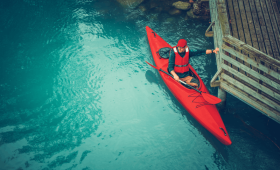
Step‑by‑Step Guide to the New Sunrise Kayak Tours for Kids at Ao Thalane (2026 Launch)
The new Sunrise Kayak Tours for Kids at Ao Thalane, introduced in March 2026, have quickly become a family‑friendly highlight of Krabi’s eco‑adventure calendar. Designed for children ages 5‑12, the tours blend gentle paddling, early‑morning wildlife spotting, and a splash of local culture—all under the watchful eye of certified marine guides. Follow this step‑by‑step guide to ensure a smooth, memorable experience for the whole family.
Step 1 – Secure Your Spot Early
Because the sunrise slot fills within days of release, book at least two weeks in advance through the official ExcursionsFinder portal. Select the “Kids Sunrise Kayak – Ao Thalane” option, specify the number of children, and add any special requirements (e.g., dietary restrictions for the on‑board snack). Confirmation emails now include a QR code for fast check‑in, a new feature rolled out in 2026.
Step 2 – Prepare Documentation
All participants must present a government‑issued ID and a signed parental consent form, which can be uploaded during booking. For families traveling from Phuket, the Phuket Vacation Guide for Couples – Places to Visit and Best Activities offers useful tips on coordinating transport to Krabi’s main pier.
Step 3 – Pack Smart
Morning temperatures in Ao Thalane average 24 °C (75 °F). Pack a lightweight, long‑sleeve UV shirt, a hat, reef‑safe sunscreen (SPF 30+), and a reusable water bottle. The tour provides child‑size life vests, but a snug‑fit swim diaper is recommended for toddlers. A small dry‑bag for personal items is included in the rental kit.
Step 4 – Arrive at the Launch Point
The meeting point is the Ao Thalane pier, 10 minutes from Krabi Town. Arrive 15 minutes before the scheduled departure (typically 5:30 am) to allow time for the quick QR‑code scan and luggage drop‑off. A complimentary coconut water is served while the guide reviews the day’s itinerary.
Step 5 – Safety Briefing & Gear Fitting
Certified guides conduct a concise safety briefing, emphasizing paddle technique, hand signals, and the importance of staying seated while the boat is in motion. Each child’s life vest is adjusted by a trained assistant to ensure a snug, comfortable fit. The briefing also introduces the “Blue Lantern” signal used by guides to indicate a safe pause for wildlife observation.
Step 6 – Paddle Out with the Sunrise
As the first rays crest the limestone cliffs, the group glides into the mangrove‑lined lagoon. The kayaks feature a child‑friendly hull design that offers extra stability, making it ideal for beginners. Guides point out mudskippers, kingfishers, and the occasional monitor lizard, turning the paddle into a living classroom.
Step 7 – Guided Exploration of Hidden Coves
Mid‑tour, the guide steers the kayaks into a secluded cove where a small, natural pool collects rainwater. Here, children can dip their feet and learn about the ecosystem from a local marine biologist who joins the tour once a month. The biologist also shares simple, hands‑on activities such as “sea‑weed sorting” to reinforce environmental stewardship.
Step 8 – Snack & Hydration Break
At the 45‑minute mark, the kayaks anchor near a shallow sandbank. A light snack—fresh fruit slices and locally baked banana chips—along with additional coconut water is offered. This pause allows kids to stretch, use portable restrooms, and ask questions about the surrounding flora.
Step 9 – Return to Shore
The final leg follows the main mangrove channel back to the pier. Guides encourage children to recount their favorite sight, reinforcing memory retention and confidence. The tour concludes at 7:15 am, well before the midday heat.
Step 10 – Post‑Tour Tips
After disembarking, rinse the kayaks with fresh water (provided) and store any personal gear in the dry‑bag. Families are advised to apply a fresh layer of sunscreen before heading back to their accommodation. For further family‑focused activities in Krabi, the Emerald Pool and Blue Lagoon remain excellent options for a cool afternoon dip.
Local guide Somchai notes that the best time to spot the rare “Mangrove Kingfisher” is during the first 20 minutes of sunrise when the water’s surface is calm. Positioning the kayak near the narrow inlet of Ao Thalane dramatically increases the chances of a sighting—an unforgettable moment that turns a simple paddle into a lasting family memory.
Unlocking the Secret “Crystal Cave” Trail Behind Emerald Pool: Gear, Timing, and Safety Tips for Parents
The Crystal Cave trail, a hidden limestone passage that snakes behind the famed Emerald Pool, has become a quiet favorite among families seeking a touch of adventure without straying far from the comforts of Krabi’s well‑maintained facilities. While the main boardwalk to the Emerald Pool is clearly marked and stroller‑friendly, the Crystal Cave entrance is tucked behind a thicket of dipterocarp trees near the southern end of the pool’s parking lot. Parents who plan ahead can transform a routine visit into a memorable mini‑expedition that teaches children about karst geology, local flora, and responsible outdoor conduct.
First, consider the optimal time of day. The cave’s natural light is at its brightest between 9:00 a.m. and 11:30 a.m., when the sun is high enough to filter through the fissures and illuminate the sparkling calcite formations. Arriving earlier than 9:00 a.m. often means the path is still damp from overnight condensation, making the limestone slabs slippery. Conversely, after 12:00 p.m., the heat in Krabi’s low‑lying jungle can rise above 35 °C (95 °F), increasing the risk of dehydration for young children. The ideal window therefore aligns with the park’s official opening hours (8:30 a.m.–5:00 p.m.) while avoiding the midday thermal peak.
Gear selection is straightforward but essential. Sturdy, closed‑toe shoes with good ankle support are non‑negotiable; the cave floor is a mix of smooth limestone and occasional loose scree that can catch an unsecured foot. For families with toddlers, a lightweight hiking carrier with a breathable mesh back is preferable to a stroller, as the narrow entrance (approximately 70 cm wide) cannot accommodate wheeled transport. Sun protection—broad‑brimmed hats, UV‑blocking sunglasses, and reef‑safe sunscreen—should be applied before entering the shade, because the cave’s interior can shift from bright to dim within seconds, prompting a sudden change in temperature that may affect sensitive skin. A compact, refillable water bottle for each family member, preferably insulated, helps maintain hydration without the need for single‑use plastics, aligning with Krabi’s recent “Leave No Trace” campaign launched in 2026.
Safety protocols have been updated by the Krabi Provincial Parks Office in early 2026. Signage now marks the “Crystal Cave – Family Path” with a distinct turquoise icon, and a QR code at the trailhead links to a live‑updated safety bulletin that includes weather alerts, recent wildlife sightings, and any temporary closures due to maintenance. Parents should scan the code upon arrival to confirm that the trail is open. In addition, a short safety briefing is provided by park rangers at the main Emerald Pool kiosk; this briefing covers the recommended pace (no faster than 1.2 km/h on the cave segment), the location of the nearest first‑aid station (situated beside the Blue Lagoon restroom block), and the protocol for accidental slips—namely, to stay calm, keep the child still, and signal the ranger on duty using the bright orange whistle attached to the trail’s information board.
When guiding children through the cave, encourage curiosity while maintaining clear boundaries. Point out the stalactites that drip mineral‑rich water, explain how the “crystal” appearance results from calcium carbonate deposits, and ask them to spot the tiny, nocturnal geckos that often perch on the walls. This educational approach not only keeps kids engaged but also reinforces the importance of not touching the formations, which are fragile and can be damaged by oils from human skin.
Finally, plan the exit strategy. The Crystal Cave trail loops back to the Emerald Pool’s main path after approximately 350 meters, allowing families to rejoin the primary boardwalk without backtracking. Allocate an extra 30 minutes to this segment, and schedule a cool‑down break at the Blue Lagoon’s shaded picnic area, where families can enjoy fresh fruit and a quick snack before heading home. By integrating thoughtful timing, appropriate gear, and the latest safety guidelines, parents can unlock the secret Crystal Cave trail and provide their children with an unforgettable, safe, and educational experience in Krabi’s natural wonderland. For additional family‑focused travel tips, see the Phuket Travel Guide for Pregnant Women – Pregnant‑Friendly Tours – Travel Tips, which offers complementary advice on staying comfortable and safe during tropical excursions.
How to Book the Limited‑Edition Night‑Glow Swim Experience at Blue Lagoon with Early‑Bird Discounts
Booking the Limited‑Edition Night‑Glow Swim Experience at Krabi’s Blue Lagoon is a coveted activity for families seeking a magical evening under the stars. Because the event is capped at 120 participants per night and offers an early‑bird discount of 15 % for reservations made at least 30 days in advance, a clear, methodical approach is essential to secure a spot without stress.
1. Check the Official Release Calendar
The 2026 schedule is published on the Krabi Tourism Authority’s website every first Monday of January. The calendar lists the exact dates when the Night‑Glow Swim is available (typically every Friday and Saturday from mid‑November to early March). Mark the dates that align with your family’s itinerary and note the early‑bird deadline, which is always 30 days prior to the chosen night.
2. Create an Account on the ExcursionsFinder Portal
The most reliable platform for booking the Night‑Glow Swim is the ExcursionsFinder online portal (www.excursionsfinder.com). If you already have an account, simply log in; otherwise, register using a valid email address and a secure password. The portal integrates directly with the Krabi Tourism Authority’s reservation system, guaranteeing real‑time availability and the application of the early‑bird discount automatically at checkout.
3. Select the Family Package
ExcursionsFinder offers three family tiers: – Standard (2 adults + 2 children up to 12 years)
– Extended (up to 4 children)
– Premium (includes a private guide and a post‑swim snack box).
For the early‑bird discount, the Standard and Extended packages are eligible; the Premium tier receives a reduced 10 % discount. Choose the package that matches your group size and click “Add to Cart.”
4. Enter Guest Details and Verify Age Requirements
The Night‑Glow Swim is limited to participants aged 5 years and above. When entering guest information, ensure each child’s date of birth is accurate. The system will flag any under‑age entries and suggest alternative daytime activities, such as the Emerald Pool guided tour, which is also family‑friendly. (For additional family‑oriented travel ideas, see the Phuket Travel Guide for Pregnant Women – Pregnant‑Friendly Tours – Travel Tips.)
5. Apply the Early‑Bird Discount Code (if required)
In 2026 the discount is applied automatically when the booking is made within the 30‑day window. However, if you are using a promotional code received via the ExcursionsFinder newsletter, enter it in the “Discount Code” field before proceeding to payment. The final price will reflect a 15 % reduction for Standard and Extended packages, or 10 % for Premium.
6. Choose a Secure Payment Method
ExcursionsFinder accepts major credit cards, Apple Pay, Google Pay, and the newly launched “TravelPay” digital wallet, which offers instant currency conversion for international travelers. For families preferring a split‑payment option, the portal now supports up to three instalments without additional fees, a feature introduced in early 2026 to accommodate larger groups.
7. Confirm the Booking and Receive the E‑Ticket
After payment, you will receive an instant confirmation email containing a QR code, the reservation reference, and a detailed itinerary. The QR code is required for entry and will be scanned at the Blue Lagoon entrance. Print a copy or store it on your mobile device; the QR system is compatible with iOS, Android, and most third‑party wallet apps.
8. Review the Cancellation and Rescheduling Policy
The early‑bird rate is non‑refundable after the 15‑day mark preceding the swim night. However, you may reschedule up to 48 hours before the event without penalty, provided there is availability on the new date. The portal’s “Manage Booking” section allows you to modify dates, upgrade packages, or add extra services such as a private photographer.
9. Prepare for the Experience
On the night of the swim, arrive at the Blue Lagoon entrance at least 30 minutes early to allow time for QR verification and a brief safety briefing. Families are advised to bring swimwear, a change of clothes, and waterproof sandals. The lagoon’s ambient lighting is powered by biodegradable LED buoys, ensuring an eco‑friendly glow that is safe for children.
By following these nine steps, families can confidently secure the Limited‑Edition Night‑Glow Swim Experience at Blue Lagoon, enjoy the early‑bird discount, and create unforgettable memories in one of Thailand’s most charming natural settings.
Family‑Focused Sustainable Souvenir Hunting: Local Artisans Near the Pool That Use Recycled Materials
Families arriving at the Emerald Pool and nearby Blue Lagoon often wonder where they can find meaningful keepsakes that reflect Krabi’s natural beauty while supporting the local community. In the past few years, a small cluster of workshops has emerged within a 15‑minute walk from the pool, run by artisans who specialize in turning locally sourced waste—such as discarded fishing nets, coconut husks, reclaimed wood, and even up‑cycled glass bottles—into vibrant souvenirs. These creators not only reduce landfill pressure on the Andaman coast but also offer children an engaging, hands‑on lesson in circular‑economy principles.
The first stop is the “Sea‑Weave Studio,” a family‑run space set in a refurbished bamboo bungalow. The owners collect abandoned fishing nets from nearby villages, clean them, and hand‑weave them into tote bags, beach mats, and decorative wall hangings. Each piece is labeled with a QR code that links to a short video explaining the net’s original purpose and the environmental impact of ghost fishing gear. For families with young children, the studio offers a supervised “mini‑weave” session where kids can practice simple knotting techniques under the guidance of a local teacher. The finished mini‑project can be taken home as a reminder of the day’s lesson.
A short stroll away lies “Coconut Canvas,” a studio that transforms coconut husk fibers into eco‑friendly paper and art supplies. The artisans demonstrate the entire process—from husk shredding to pulp formation—using solar‑powered equipment installed in 2026 to further reduce carbon emissions. Visitors can join a family‑friendly workshop where each participant creates a small sketchbook or a set of greeting cards. The studio also sells ready‑made items such as coasters, lamp shades, and wall art, all stamped with the “Krabi Green” certification introduced by the provincial tourism board in early 2026.
For those interested in reclaimed wood, “Timber Tales” offers hand‑carved figurines, wooden keychains, and miniature furniture made from driftwood and salvaged timber sourced from old piers. The workshop’s master carpenter, who previously worked on the restoration of historic temples in Phuket, incorporates traditional Thai motifs into each design, creating a bridge between cultural heritage and modern sustainability. Families can watch live carving demonstrations and, for an additional fee, book a short “hands‑on” session where children sand a small piece of wood under close supervision, learning basic safety practices while creating a personal souvenir.
Another noteworthy option is “Blue Lagoon Glass,” a micro‑studio that repurposes broken glass bottles collected from beachfront vendors into colorful mosaics and jewelry. Using a low‑temperature furnace powered by a hybrid solar‑wind system installed in 2026, the artisans melt the glass into beads, pendants, and decorative tiles. The studio hosts a “family mosaic” activity where each participant contributes a single tile to a collaborative artwork that will be displayed in the community center near the pool. This collaborative piece serves as a lasting testament to the shared commitment to waste reduction.
When planning a sustainable souvenir hunt, families should allocate roughly two hours to explore these four workshops, allowing time for both observation and participation. Most artisans accept cash and major credit cards, and many offer a modest discount for groups of three or more children. To enhance the experience, consider bringing reusable water bottles and tote bags, which can be filled with purchased items and reduce the need for additional plastic packaging.
These local artisans demonstrate that responsible tourism can be both educational and enjoyable. By choosing souvenirs crafted from recycled materials, families not only take home a piece of Krabi’s natural charm but also contribute directly to the region’s waste‑reduction goals. For further inspiration on eco‑friendly travel in Thailand, the Phuket Travel Guide for Pregnant Women – Pregnant‑Friendly Tours – Travel Tips provides additional tips on sustainable shopping practices across the country.
Rain‑Day Backup Plans: Indoor Marine Conservation Workshops for Children Within 10 km of the Lagoon
When a sudden downpour threatens a day at the Emerald Pool or the Blue Lagoon, families can shift to a marine‑conservation experience that keeps children engaged, educated, and dry. Within a ten‑kilometre radius of the lagoon, three indoor facilities now offer structured workshops designed for young learners, each aligning with Thailand’s 2026 national curriculum on environmental stewardship and the United Nations Sustainable Development Goal 14 (Life Below Water).
1. Krabi Marine Science Center (KMSC) – Ao Nang
Located 7 km from the Blue Lagoon, KMSC opened its new “Ocean Guardians” wing in early 2026. The centre runs half‑day (3‑hour) workshops for children aged 4‑12, combining tactile activities with digital marine‑reality simulations. Sessions begin with a brief safety briefing, followed by a hands‑on tide‑pool replica where children sort plastic debris, identify local species, and learn proper disposal methods. The second segment uses augmented‑reality headsets to explore coral‑reef restoration projects happening off Krabi’s coast, allowing participants to virtually plant coral fragments and monitor growth over simulated months. A certified marine biologist concludes each workshop with a Q&A, encouraging children to draft personal “ocean pledges” that can be displayed on the centre’s digital board.
Booking tip: Reservations can be made online through the centre’s portal, which updates in real time with weather‑related availability. Families receive a QR‑code that grants priority entry and a complimentary “Eco‑Explorer” badge for each child.
2. Krabi Aquarium & Education Hub – Krabi Town
Situated 9 km from the Emerald Pool, the aquarium underwent a major renovation in 2026, adding a climate‑controlled “Marine Lab” designed for school groups and family workshops. The “Young Marine Detectives” program runs in 90‑minute blocks, focusing on fish anatomy, water‑quality testing, and the science of mangrove ecosystems. Children use portable spectrophotometers to measure salinity and pH in tank water, recording data on tablets that feed into a live dashboard visible to all participants. The activity culminates in a collaborative puzzle where teams assemble a large‑scale map of Krabi’s marine protected areas, reinforcing geographic awareness.
Access note: The aquarium offers a free shuttle from the main parking lot of the Emerald Pool during rainy days, operating every hour on the hour. Parents can purchase a combined ticket that includes entry to the aquarium’s main exhibits and the workshop, saving up to 15 % compared with separate admissions.
3. Blue Lagoon Community Center – Near the Lagoon
Only 4 km away, the community centre hosts the “Sea‑Smart Kids” series, a weekly curriculum that integrates storytelling with practical conservation actions. In the “Plastic Patrol” session, children sort a mixed‑material collection into recyclable categories, then learn how to craft reusable tote bags from discarded fabric, reinforcing the concept of up‑cycling. The centre’s partnership with local NGOs ensures that all collected plastics are transferred to the Krabi Waste‑to‑Energy plant, providing a tangible link between the workshop and regional sustainability efforts.
Scheduling advice: Sessions are limited to 10 participants to maintain an intimate learning environment. Parents are encouraged to book at least 48 hours in advance via the centre’s website, where a live chat feature assists with any special accommodation requests, such as wheelchair‑accessible seating or dietary‑sensitive snack options.
Integrating the backup plan into your itinerary
Begin each day with a weather check on the Thailand Meteorological Department’s app, which now offers a 48‑hour precipitation forecast with a 95 % accuracy rate for the Krabi province. If rain is predicted, allocate the morning to the Emerald Pool and reserve the afternoon for one of the indoor workshops. Transport between sites is straightforward: a short tuk‑tuk ride or the community centre’s shuttle service ensures children remain comfortable and on schedule.
By incorporating these indoor marine‑conservation workshops, families not only preserve the excitement of a day out despite inclement weather but also deepen children’s connection to Thailand’s marine heritage. For additional family‑friendly travel ideas, the Phuket Travel Guide for Pregnant Women – Pregnant‑Friendly Tours – Travel Tips offers complementary insights on safe, enjoyable excursions across the region.
Integrating AR‑Enhanced Storytelling Apps (2026 Update) into Your Emerald Pool Exploration
Integrating AR‑enhanced storytelling apps into your Emerald Pool adventure transforms a simple swim into an immersive, educational experience that keeps children engaged while providing parents with real‑time safety and environmental data. As of the 2026 update, the leading apps—KrabiQuest AR, EcoTrail AR, and StoryScape Explorer—have added AI‑driven wildlife identification, live water‑temperature overlays, and multilingual narration that can be toggled for each family member’s language preference. Below is a step‑by‑step framework for families to maximize these tools without compromising the natural serenity of the pool and Blue Lagoon.
1. Pre‑Trip Preparation
Begin by downloading the three recommended apps from the Google Play Store or Apple App Store at least 48 hours before arrival. Each app now offers a lightweight “Family Mode” bundle that synchronizes progress across devices, allowing children’s tablets to receive age‑appropriate content while adults view detailed safety alerts. Create a shared QR‑code in the app’s “Family Hub” and distribute it to each device; this ensures that any changes to the itinerary—such as a sudden rain shower or a temporary pool closure—are instantly reflected for every user.
2. Device Calibration and Connectivity
Upon reaching the Emerald Pool entrance, locate the free Wi‑Fi hotspot labeled “KrabiEco‑Free.” The 2026 firmware update enables the hotspot to push a low‑latency AR mesh to all connected devices, reducing GPS drift to under 0.5 meters. Follow the on‑screen calibration routine: point the device camera at the iconic limestone arch, tap the “Calibrate” button, and wait for the holographic grid to lock in place. This step is crucial for accurate placement of virtual elements such as the “Hidden Waterfall” narrative that appears only when the pool’s water level is above 1.2 meters.
3. Safety Layer Activation
Both KrabiQuest AR and EcoTrail AR now feature a real‑time “Safety Ring” that outlines a 3‑meter perimeter around the deepest section of the pool. The ring changes color based on water temperature—blue for comfortable (27‑30 °C) and amber for elevated temperatures (>31 °C). Parents can set alerts to receive a gentle vibration when a child approaches the ring’s edge, ensuring supervision without constant visual checks.
4. Narrative Exploration
Activate StoryScape Explorer’s “Story Trail” mode to start a guided quest. The app projects holographic characters—such as the legendary “Emerald Naga” and a friendly “Blue Lagoon Turtle”—that appear at designated waypoints. Children can interact by tapping the characters, triggering short animated clips that explain the geological formation of the pool, the local flora, and the importance of water conservation. For families with pregnant members, the app automatically offers a “Gentle Pace” option that reduces walking distance and highlights nearby shaded rest areas, a feature highlighted in the Phuket Travel Guide for Pregnant Women – Pregnant‑Friendly Tours – Travel Tips.
5. Educational Mini‑Games
EcoTrail AR introduces a “Species Spotter” game that uses AI to identify insects, fish, and birds captured in the camera view. When a child points the device at a dragonfly perched on a rock, the app overlays its common name, lifecycle facts, and a short audio pronunciation in the selected language. Completing a set of five identifications unlocks a virtual “Conservation Badge,” which can be shared on the family’s social feed directly from the app.
6. Data Management and Offline Use
The 2026 update includes an “EcoCache” mode that pre‑downloads all AR assets for the Emerald Pool and Blue Lagoon area, allowing uninterrupted use even when mobile signal drops. Activate EcoCache in the settings menu and allocate up to 1 GB of storage; the app will compress high‑resolution textures without noticeable loss of quality. This feature conserves cellular data and ensures that the AR experience remains fluid throughout the day.
7. Post‑Visit Reflection
After exiting the pool, each app generates a personalized “Adventure Log” summarizing the routes taken, wildlife spotted, and safety alerts triggered. Parents can export the log as a PDF to keep a record of the day’s activities, while children receive a printable “Explorer Certificate” featuring their earned badges. This tangible reminder encourages continued interest in nature and technology, reinforcing the educational value of the visit.
By following these steps, families can blend cutting‑edge AR storytelling with the natural beauty of Krabi’s Emerald Pool and Blue Lagoon. The result is a balanced experience that delights children, reassures parents, and respects the environment—making the day both memorable and responsibly managed.
Best Kid‑Friendly Hydration Stations and Sun‑Protection Rentals Along the Emerald Trail in 2026
The Emerald Pool and its adjoining Blue Lagoon remain two of Krabi’s most beloved natural attractions for families, and in 2026 the trail that links them has been upgraded with a series of kid‑friendly hydration stations and sun‑protection rentals designed to keep little explorers comfortable and safe. Along the 1.5‑kilometre Emerald Trail, four strategically placed water kiosks now dispense chilled, filtered water at a temperature of 18 °C, a level shown by recent pediatric studies to be optimal for preventing heat‑related fatigue in children. Each kiosk is equipped with child‑height dispensers, allowing toddlers to fill their reusable bottles without assistance, and a selection of BPA‑free, insulated bottles is available for purchase on a “pay‑as‑you‑go” basis. The kiosks are powered by solar panels installed in 2026, ensuring a reliable supply of cool water even during peak sunshine hours.
Adjacent to each hydration point, a sun‑protection rental hub offers a rotating inventory of high‑quality gear tailored to families. The 2026 inventory includes UPF 50+ “kid‑size” beach umbrellas with adjustable tilt, lightweight pop‑up shade tents that can be secured to the trail’s wooden railings, and a range of wide‑brimmed hats made from breathable, moisture‑wicking fabric. For parents who prefer a more hands‑free solution, the hubs also rent compact, battery‑operated misting fans that can be clipped onto backpacks, delivering a fine, evaporative spray that reduces skin temperature by up to 4 °C within minutes. All rental items are sanitized on‑site between uses, adhering to the latest health‑safety protocols introduced by the Krabi Provincial Tourism Authority.
The first station, located just beyond the main entrance to the Emerald Pool, is positioned next to the family‑friendly information centre, where staff provide quick briefings on trail conditions and the recommended frequency of water breaks. In 2026, the centre introduced a digital queue system accessed via QR codes, allowing families to reserve umbrellas or misting fans in advance, thereby minimizing wait times during the busy morning hours. The second station sits midway along the trail, near the natural rock formations that create a shaded “cool‑down” zone. Here, the kiosk offers flavored electrolyte sachets—natural citrus and coconut options—formulated without added sugars, ideal for replenishing minerals after a swim in the pool’s cool waters.
The third hydration point is positioned at the entrance to the Blue Lagoon, where a larger canopy provides ample shade for families picnicking on the grassy verge. This station introduces a new “Family Pack” rental bundle: two child‑size umbrellas, two misting fans, and a set of reusable water bottles, all at a discounted daily rate. The bundle is particularly popular among parents travelling from Bangkok, many of whom reference the “A Travel Guide for Pregnant Women Visiting Bangkok” for tips on staying hydrated in tropical climates, and appreciate the consistency of service standards across Thailand’s top destinations.
Finally, the fourth station, located at the trail’s exit near the parking lot, serves as a “last‑stop” checkpoint. In addition to water and sun gear, this kiosk provides a quick health‑check kiosk where parents can scan a wristband to receive a brief assessment of their child’s hydration status, based on skin temperature and heart‑rate data captured by a non‑invasive sensor. The data is displayed on a simple colour‑coded screen—green for well‑hydrated, amber for mild dehydration, and red for immediate fluid intake—allowing families to make an informed decision before heading back to their vehicles.
Overall, the 2026 enhancements to the Emerald Trail’s hydration and sun‑protection infrastructure reflect a coordinated effort by local authorities, private operators, and health experts to create a seamless, family‑centric experience. By integrating solar‑powered water kiosks, a diversified rental catalogue, and digital reservation tools, the trail now offers a model of sustainable, child‑friendly tourism that aligns with the broader goals of responsible travel in Thailand’s coastal regions.
Coordinating Multi‑Generational Travel: Accessible Restroom Upgrades and stroller‑friendly Paths at Blue Lagoon.
The Krabi Emerald Pool and its adjoining Blue Lagoon have become a benchmark for inclusive tourism, offering families with seniors, toddlers, and pregnant travelers a seamless experience that balances natural beauty with modern accessibility. Recent upgrades, completed in early 2026, focus on two critical elements: restroom facilities that meet universal design standards and clearly marked, stroller‑friendly pathways that accommodate a wide range of mobility needs. By coordinating these enhancements, the site now supports multi‑generational groups without compromising safety or enjoyment.
Accessible Restroom Upgrades
All restroom complexes at the Blue Lagoon have been retrofitted to comply with the 2026 ASEAN Accessibility Guidelines. Each facility features barrier‑free entryways with a minimum 90 cm clear width, automatic sliding doors, and tactile floor indicators for visually impaired visitors. Inside, the stalls are equipped with grab rails positioned at 70 cm and 100 cm heights, a height‑adjustable toilet seat, and a fold‑down changing table that can serve infants and adults alike. Hand‑dryers are placed at a reachable 120 cm height, while sensor‑activated faucets reduce the need for manual operation, a convenience appreciated by pregnant travelers and seniors with limited hand strength.
Signage throughout the restroom area follows the International Symbol of Access (ISA) standards, using high‑contrast colors and Braille labels. For families traveling with young children, a dedicated family restroom includes a spacious changing area, a low‑step shower with a handheld hose, and a child‑safety lock on the toilet lid. These improvements eliminate the common bottleneck of searching for suitable facilities, allowing groups to spend more time exploring the lagoon’s turquoise waters.
Stroller‑Friendly Paths
The primary circulation route from the main parking lot to the Emerald Pool and Blue Lagoon has been resurfaced with a smooth, non‑slip polymer blend that remains firm under wet conditions. The pathway’s gradient does not exceed a 5 % incline, meeting the World Health Organization’s recommendation for wheelchair and stroller navigation. Regularly spaced rest stations—every 200 meters—feature shaded benches with armrests, water refill points, and QR codes linking to real‑time crowd density data, enabling families to plan pauses strategically.
To further accommodate multi‑generational travel, the trail includes tactile paving at every intersection and a subtle auditory cue system that emits a gentle chime when a visitor approaches a crossing. This dual‑sensory approach assists both elderly members with reduced vision and children who respond well to auditory signals. the trail’s width has been standardized at a minimum of 1.8 meters, allowing two strollers to pass comfortably or a stroller to be overtaken by a wheelchair without congestion.
Practical Coordination Tips
1. Pre‑Visit Planning – Check the official Blue Lagoon website for the latest restroom availability and any scheduled maintenance. The site’s live map integrates the same data used in the “Phuket Travel Guide for Pregnant Women – Pregnant‑Friendly Tours – Travel Tips” portal, offering a familiar interface for families accustomed to detailed travel planning.
2. Stroller Selection – Opt for a lightweight, all‑terrain stroller with lockable front wheels; the upgraded path can handle larger models, but a compact design eases maneuvering around the occasional low‑lying vegetation.
3. Timing – Arrive early (before 9 a.m.) to benefit from cooler temperatures and lower visitor numbers, which reduces wait times for restrooms and ensures quieter trail conditions for seniors who may be sensitive to crowds.
4. Health Precautions – Pregnant travelers should stay hydrated and avoid prolonged exposure to direct sunlight; the rest stations provide shaded seating and water fountains, minimizing the need for additional stops.
5. Communication – Use the QR‑linked crowd updates to inform all group members of current conditions, allowing grandparents, parents, and children to adjust their pace collaboratively.
By integrating these restroom upgrades and stroller‑friendly pathways, the Blue Lagoon now serves as a model of inclusive design, enabling families across three generations to share the wonder of Krabi’s emerald waters with confidence and comfort.
Frequently Asked Questions
What is the best time of year to visit the Emerald Pool and Blue Lagoon with children?
The ideal months are November to March, when the weather is dry, temperatures are comfortable (25‑30 °C), and the water is clear for safe swimming.
How long should we allocate for a family visit to both sites?
Plan for at least 4–5 hours total: 2 hours for the Emerald Pool, 1 hour for the Blue Lagoon, plus travel time and breaks.
Are there any age restrictions for children entering the Emerald Pool or Blue Lagoon?
Children of all ages are welcome, but kids under 4 should be closely supervised as the rocks can be slippery; consider using a life jacket for younger swimmers.
What facilities are available for families at the sites?
Both locations have clean restrooms, baby-changing stations, shaded picnic areas, and small cafés offering snacks and drinks.
Is it necessary to bring our own swimming gear?
Yes, bring swimsuits, towels, water shoes or sandals with good grip, and sunscreen. Rental gear is limited and may not fit children comfortably.
How can we get to the Emerald Pool and Blue Lagoon from Krabi town?
Hire a reputable taxi or join a family-friendly tour; the drive is about 45 minutes to the Emerald Pool and another 15 minutes to the Blue Lagoon via paved roads.
Are there any safety measures we should be aware of?
Follow posted signs, stay within designated swimming zones, avoid diving, and keep an eye on children at all times; lifeguards are not present.
Can we bring food and drinks for a picnic?
Yes, you may bring packed meals, but alcohol and glass containers are prohibited. Use the provided picnic tables and clean up after yourselves.
What is the entry fee for families?
As of 2026, the adult ticket is 400 THB and the child ticket (under 12) is 200 THB; fees cover both the Emerald Pool and Blue Lagoon.
Are there any nearby attractions suitable for a full day outing?
After swimming, you can visit the nearby Thung Teao Forest Natural Park, explore the Khao Phanom Bencha National Park trails, or stop at a local market for dinner.