
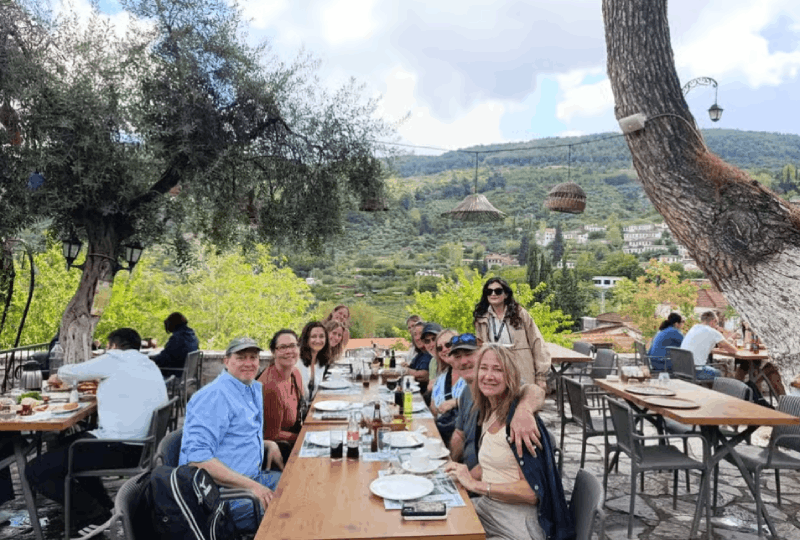
Top 5 Shallow Cenotes Near Playa del Carmen Perfect for Strollers
Top 5 Shallow Cenotes Near Playa del Carmen Perfect for Strollers
| Cenote | Distance from Playa del Carmen | Water Depth (average) | Stroller Access | Kid‑Friendly Features | Amenities | ||
|---|---|---|---|---|---|---|---|
| Cenote Azul | 12 km (≈ 7.5 mi) north, on the highway to Tulum | 1.2 m – 2.5 m (4‑8 ft) | Wide, sand‑filled path leads from parking to the water’s edge; the surface is firm enough for stroller wheels. | Shallow lagoon with gradual slope; shallow “play zone” marked by natural rocks. | Changing table, restrooms, shaded picnic tables, fresh‑water taps. | ||
| Cenote Cristal | 14 km (≈ 9 mi) north, adjacent to Cenote Azul | 1.0 m – 2.0 m (3‑6 ft) | Parallel boardwalk runs the length of the cenote; a gentle ramp connects the boardwalk to the water entry point, allowing stroller passage. | Clear turquoise water ideal for splashing; low‑height platforms for safe entry. | Restroom facilities, small café offering bottled water and snacks, shaded canopy. | ||
| Cenote Jardin del Eden (also called Cenote Jardin) | 16 km (≈ 10 mi) north, off Carretera Federal 307 | 0.8 m – 2.2 m (2.5‑7 ft) | Paved, level driveway leads to a wide wooden deck; the deck’s edge is low enough for stroller wheels to roll directly onto the shallow water. | Lush surrounding vegetation creates a natural “garden” feel; shallow sand‑bottom area perfect for toddlers. | Portable restroom, hand‑washing station, shaded pergola with benches. | ||
| Cenote La Noria | 18 km (≈ 11 mi) north, near the town of Puerto Morelos | 1.0 m – 2.0 m (3‑6 ft) | Gravel‑covered access road ends at a concrete platform with a ramp; the platform’s surface is smooth, allowing stroller maneuverability. | Wide, open water surface with a gentle incline; a small wooden dock provides a low‑step entry point. | Restroom, changing area, small gift shop selling sunscreen and hats. | ||
| Cenote Xcacelito | 20 km (≈ 12.5 mi) north, on the route to Xcacel Beach | 0.9 m – 2.3 m (3‑7.5 ft) | Newly paved pathway from the parking lot to the cenote’s edge; a low‑gradient ramp leads onto a flat, sand‑covered shore that accommodates stroller wheels. | Soft sand floor eliminates sharp rocks; water is calm and shallow, making it ideal for supervised play. | Eco‑friendly restroom, water refill station, shaded bamboo structure with seating. |
Why These Cenotes Suit Families with Strollers
1. Minimal Elevation Change – Each site features either a paved driveway, boardwalk, or concrete platform with a ramp whose slope does not exceed 5 %. This allows a standard stroller to be pushed directly to the water’s edge without the need for a carrier or lifting.
2. Shallow, Uniform Depth – Average depths range from 0.8 m to 2.5 m, with most entry points offering a gradual slope. The water remains clear enough for parents to see the bottom, reducing the risk of hidden hazards.
3. Secure Perimeters – Natural rock barriers or low wooden railings delineate the swimming area, preventing accidental drift into deeper zones. Signage at each location marks the deepest points, usually located away from the stroller‑friendly zones.
4. Family‑Oriented Facilities – All five cenotes provide clean restrooms, changing stations, and shaded seating. Fresh‑water taps enable easy rinsing of sand or sunscreen before re‑entering the cenote or continuing the day’s itinerary.
5. Proximity to Playa del Carmen – Travel times range from 15 to 30 minutes by car, allowing a morning or afternoon outing without a full‑day commitment. The routes are well‑marked, and parking areas are spacious enough for families with multiple vehicles.
Practical Tips for Visiting
- Arrive Early – Peak family traffic occurs between 10 am and 2 pm; arriving before 10 am ensures the most tranquil water conditions and the best availability of shaded spots.
- Bring a Waterproof Stroller Cover – While the pathways are dry, occasional splashes occur near the entry ramps; a simple cover protects the stroller’s fabric.
- Pack a Small First‑Aid Kit – Include waterproof bandages and antiseptic wipes; minor scrapes from rocks are rare but possible on the surrounding terrain.
- Use Sunscreen Frequently – The open‑air design provides limited shade; reapply sunscreen every two hours, especially on children’s ears and the back of the neck.
These five shallow cenotes combine easy stroller access, safe water conditions, and family‑focused amenities, making them ideal day‑trip destinations for parents traveling with young children from Playa del Carmen.
Safety Checklist for Kids Visiting Shallow Cenotes in the Yucatán Peninsula
1. Pre‑Trip Planning
- Confirm that the cenote is classified as “shallow” (average depth ≤ 1.2 m) and listed as stroller‑accessible.
- Review recent visitor reports for any temporary hazards such as algae blooms, construction, or water‑level changes.
- Verify operating hours, entrance fees, and any required reservations; many shallow cenotes limit daily capacity to reduce crowding.
2. Health and Vaccination Review
- Ensure routine childhood immunizations are up to date, especially tetanus and hepatitis A.
- Check for any skin sensitivities to mineral‑rich water; a small patch test on the forearm can identify reactions to calcium carbonate or sulfates.
- Pack a basic first‑aid kit: adhesive bandages, antiseptic wipes, waterproof sunscreen (SPF 30+), and any prescribed allergy medication.
3. Appropriate Clothing and Gear
- Dress children in quick‑dry, UV‑protective swimwear; long‑sleeve rash guards reduce sun exposure and protect against minor scrapes.
- Use non‑slip water shoes with a firm sole; sandals with open soles increase the risk of slipping on wet limestone.
- Bring a waterproof diaper bag or dry sack for spare clothing, wipes, and snacks.
4. Stroller Compatibility
- Verify that the cenote entrance and pathways are paved or have compacted sand; a stroller with large, lockable wheels is recommended.
- Ensure the stroller’s brakes lock securely on inclined or wet surfaces.
- Keep the stroller’s canopy closed while on the water platform to prevent sudden gusts from destabilizing the frame.
5. Supervision Guidelines
- Assign a dedicated adult to each child; a 1:1 adult‑to‑child ratio is optimal for water environments.
- Maintain visual contact at all times; avoid distractions such as mobile devices while children are in or near the water.
- Establish a clear “stop‑and‑look” signal for children to use when they feel uncomfortable or need assistance.
6. Water Safety Practices
- Test water temperature before entry; shallow cenotes can be cooler than the ambient air, increasing the risk of sudden chills.
- Encourage children to enter the water slowly, allowing their bodies to adjust to the mineral content.
- Prohibit running on wet stone surfaces; even shallow depths can conceal slick algae patches.
- Use a floating safety ring or belt for toddlers who are not yet confident swimmers; ensure it fits snugly around the torso and is not a substitute for adult supervision.
7. Environmental Awareness
- Respect natural flora and fauna; do not touch or disturb aquatic plants, fish, or cave formations.
- Avoid feeding wildlife; this can alter natural behaviors and increase the likelihood of aggressive encounters.
- Keep the cenote area clean; dispose of waste in designated bins to preserve water clarity and prevent contamination.
8. Emergency Preparedness
- Locate the nearest first‑aid station and identify the staff member responsible for emergency response.
- Memorize the cenote’s emergency exit routes; many shallow sites have multiple egress points in case of sudden water level changes.
- Carry a fully charged mobile phone in a waterproof pouch; signal strength can be limited in limestone caverns, so plan for possible dead zones.
9. Post‑Visit Hygiene
- Rinse children’s skin and hair with fresh water before dressing to remove mineral residue that can cause irritation later.
- Inspect feet and legs for small cuts or abrasions; apply antiseptic and a protective bandage if needed.
- Store wet swimwear and towels in a sealed bag to prevent mildew and maintain dryness of other belongings.
By systematically following this checklist, families can enjoy the unique beauty of shallow, stroller‑accessible cenotes while minimizing risk and fostering a safe, memorable experience for children in the Yucatán Peninsula.
How to Choose a Stroller‑Friendly Cenote: Depth, Pathways, and Amenities
When traveling with toddlers or preschool‑age children, the ideal cenote combines shallow, crystal‑clear water with easy, safe access for a stroller. Selecting the right spot involves three core criteria: water depth, ground conditions, and on‑site facilities. By evaluating each factor, families can enjoy a relaxed swim without the need to unload the stroller or constantly supervise a wandering child.
1. Water Depth and Gradient
The most critical safety metric for a stroller‑friendly cenote is the maximum depth of the swimming area. Look for cenotes where the shallow zone extends at least 1.5 meters (5 feet) from the entry point and maintains a gentle slope. A gradual gradient allows a child to wade comfortably while the stroller remains on a stable surface. Many cenotes advertise “shallow pool” or “family zone” in their descriptions; these sections typically range from 0.8 meters (2.5 feet) to 1.2 meters (4 feet) at the deepest point. Verify that the water line does not rise above the stroller’s wheel clearance during high tide or after recent rain, as sudden depth changes can pose a hazard.
2. Pathways and Surface Quality
Stroller accessibility hinges on the condition of the approach trail and the immediate perimeter around the water’s edge. Ideal pathways are:
- Firm, non‑slippery footing: Packed limestone, compacted sand, or wooden boardwalks provide reliable traction. Avoid loose volcanic ash or moss‑covered stones, which can cause wheels to sink or slip.
- Width of at least 1 meter (3.3 feet): Sufficient clearance accommodates a standard two‑wheel stroller and leaves room for a caregiver to walk beside it.
- Smooth transitions: Ramps or gradual inclines from the parking area to the water’s edge prevent abrupt lifts that could destabilize the stroller. Hand‑rails or low‑profile barriers are a plus for added security.
If the cenote offers a raised platform or a shallow “splash zone” with a solid deck, the stroller can be parked directly on the platform while children play in the water. This setup eliminates the need to constantly move the stroller in and out of the pool.
3. Amenities for Families
Beyond the physical environment, supporting amenities enhance the overall experience:
- Changing stations and restrooms: Clean, child‑friendly facilities reduce the need to leave the cenote area for diaper changes or bathroom breaks.
- Shade structures: Natural canopy from surrounding trees or purpose‑built pergolas protect both stroller fabric and young skin from direct sunlight.
- Lifeguard presence or safety signage: A trained lifeguard or clearly marked depth indicators provide an extra layer of protection, especially in cenotes where water can become unexpectedly deeper beyond the shallow zone.
- Snack and water stations: Hydration points keep children comfortable and lessen the likelihood of dehydration during active play.
When evaluating a cenote, ask the local tour operator or venue manager about the specific depth of the family zone, the material of the walking surface, and the availability of the amenities listed above. Many cenotes publish a “family‑friendly” badge that confirms compliance with these standards.
“Stroller‑friendly cenotes are rare gems that blend natural beauty with practical design. Prioritize sites that feature a solid boardwalk extending into a shallow, sand‑bottomed pool. This configuration lets the stroller stay on the deck while kids splash safely. Always double‑check that the water level stays below the stroller’s wheel height during peak visitation hours, and confirm that on‑site staff can provide quick assistance if needed.”
Family‑Friendly Gear Rentals: Waterproof Stroller Covers and Floatation Devices
The Yucatán Peninsula’s network of shallow cenotes offers a unique playground for families with toddlers, but the combination of water, sand and bright sunlight creates a need for specialized equipment. Rental services in the towns of Valladolid, Tulum and Playa del Carmen have developed compact kits that protect strollers from moisture and provide reliable flotation for young children. The following overview details the most common rental options, key specifications, pricing structures and practical guidelines for safe use.
Waterproof Stroller Covers
*Material and Construction*
Most rental covers are made from 210‑denier ripstop polyester laminated with a 0.3 mm polyurethane membrane. The laminate creates a watertight seal while remaining breathable enough to prevent condensation inside the stroller. Reinforced seams are stitched with UV‑resistant polyester thread, extending the cover’s lifespan to at least 30 rental cycles.
*Fit and Compatibility*
Standard covers accommodate the three most popular stroller models used by travelers in the region: Baby Jogger City Mini, Chicco Liteway and Graco SnugRide. Adjustable drawstrings at the front and rear allow a snug fit around the stroller’s frame, while elastic cuffs seal the wheel wells. Rental shops typically provide a sizing chart that matches the stroller’s wheelbase (48‑55 cm) and overall width (55‑70 cm).
*Rental Terms*
Daily rates range from US $4 to $7 per cover, with a discounted weekly price of US $20‑$25. A refundable security deposit of US $30 covers potential damage. Most shops require a valid passport and a credit‑card imprint; the deposit is held on the card and released after inspection. Rental locations near cenote entrances often include a quick‑change station where staff demonstrate proper sealing and removal.
*Care Instructions*
Covers should be rinsed with fresh water after each use to remove mineral deposits from the cenote’s limestone walls. A mild soap solution can be applied if the cover becomes visibly soiled; thorough rinsing is essential to avoid residue that could affect the stroller’s brakes. After drying, the cover is folded along the manufacturer’s crease lines to prevent creasing of the waterproof membrane.
Floatation Devices for Toddlers
*Types and Safety Ratings*
The most common rental devices are infant life vests (size 0‑3 kg) and toddler float belts (size 4‑12 kg). All devices carry the International Maritime Organization (IMO) “A” classification, indicating compliance with buoyancy, durability and strap‑strength standards. Infant vests feature a sealed air chamber that provides a minimum buoyancy of 2 kg, while float belts include a built‑in harness that secures the child’s torso and hips.
*Fit and Adjustment*
Vests incorporate a dual‑strap system: a chest strap with a quick‑release buckles and a waist strap that can be tightened in 5‑mm increments. Float belts use a single‑piece neoprene harness with a sliding buckle that locks at the child’s chest level. Rental shops provide a sizing guide based on the child’s weight and chest circumference; a proper fit is confirmed by a “pinch test” where the fabric should not indent the skin when the child’s arm is lifted.
*Rental Pricing*
Daily rental fees are US $5 for an infant vest and US $6 for a float belt. Weekly bundles reduce the cost to US $22‑$24. A refundable deposit of US $40 applies to each device, covering potential tears or loss of the buoyancy chamber. Rental locations often bundle a stroller cover and a flotation device for a combined daily price of US $9‑$10, encouraging families to secure both pieces of equipment together.
*Sanitization and Maintenance*
All devices are rinsed with fresh water after each use and inspected for punctures, strap wear and seal integrity. A chlorine‑free disinfectant spray is applied to the exterior surface before the next rental. Rental staff replace any vest with a compromised air chamber and retire float belts that show signs of strap fraying.
Practical Tips for Use in Shallow Cenotes
1. Pre‑entry Check – Verify that the cover’s seams are fully sealed and that the flotation device’s buckles click securely before stepping into the water.
2. Depth Awareness – Shallow cenotes typically range from 0.5 m to 1.2 m in depth; the combined buoyancy of a float belt and a stroller cover reduces the risk of the stroller tipping.
3. Supervision Ratio – Maintain a minimum adult‑to‑child ratio of 1:2 when children are in the water, even with flotation devices.
4. Sun Protection – The waterproof cover’s exterior blocks up to 95 % of UV‑B rays, but an additional sun‑shade cloth can be draped over the stroller’s canopy for extended exposure.
5. Exit Planning – Identify the nearest dry landing zone before entering; most cenotes have a stone ledge or a wooden platform that allows a smooth transition from water to stroller.
By sourcing waterproof stroller covers and certified flotation devices from reputable rental outlets, families can enjoy the crystal‑clear pools of the Yucatán without compromising safety or comfort. The modest daily cost of the equipment is offset by the peace of mind gained from protecting both stroller mechanics and young passengers in an environment where water, limestone and sunshine intersect.
Step‑by‑Step Guide to Accessing the Entrance of Cenote Azul with a Baby Stroller
1. Pre‑trip preparation
• Check the cenote’s opening hours; schedule is 8:00 am–5:00 pm, with a closure for cleaning at noon.
• Verify weather conditions; avoid rainy days when the path can become slippery.
• Pack a lightweight, all‑terrain stroller equipped with lockable wheels and rain cover. Bring a small dry‑bag for diapers, wipes, change of clothes, sunscreen, hat, and reusable water bottle.
2. Reaching the site
• From Playa del Carmen, take Federal Highway 307 north for 45 km. The first sign for “Cenote Azul – km 5” appears after Puerto Morelos.
• Turn left onto the paved access road; the last 2 km are a sand driveway that is regularly maintained.
• Follow the road until the white‑painted “Cenote Azul” sign marks the parking area.
3. Parking and stroller drop‑off
• The parking lot holds about 30 cars and includes two stroller‑friendly spots closest to the entrance. These spaces are marked with a wheelchair symbol.
• Position the stroller on the flat, gravel‑free surface; the lot is level, allowing the stroller to be rolled directly onto the pathway without lifting.
4. Navigating the entrance path
• A short, 70‑meter trail leads from the lot to the cenote’s rim. The trail is a soil walkway with a 2‑degree slope, wide enough for a stroller and a walking adult side by side.
• The first 20 meters are lined with wooden railings; these provide hand support and protect against occasional puddles after rain.
• At the 30‑meter mark a concrete ramp begins. The ramp rises 0.5 m over 6 m, complying with a 1:12 gradient, which is safe for stroller wheels and offers a slip surface.
5. Entry gate and changing area
• The entrance gate consists of a simple wooden door with a wide opening (90 cm) that accommodates a stroller without removal.
• Directly inside, a shaded pavilion houses a baby‑changing station equipped with a raised changing table, waste bin, and sink. The pavilion floor is tiled and level, ensuring the stroller can be rolled in and out smoothly.
6. Safety checks before descent
• Before lowering the stroller toward the water, inspect the ramp for any loose stones or recent rain‑induced slickness.
• Ensure the stroller’s brakes are engaged while stationary.
• If the water depth is less than 0.8 m at the entry point, the stroller can be gently pushed onto a sandbank that borders the cenote; otherwise, carry the infant in a carrier while the adult walks.
7. Enjoying the cenote
• The water at Cenote Azul is clear, with a temperature of 26 °C, ideal for toddlers.
• Platforms on the left and right sides provide 0.5‑meter‑deep zones where children can splash safely.
8. Exiting the site
• Retrace the same path, using the ramp and railings.
• The changing pavilion remains open until the cenote closes, allowing a diaper change if needed.
By following these steps, families can confidently bring baby stroller to Cenote Azul, enjoy a safe, shallow swimming environment, and experience Yucatán’s accessible family‑friendly beautiful scenic natural attractions.
Best Time of Year for Calm Waters and Minimal Crowds at Kid‑Safe Cenotes
The Yucatán Peninsula experiences a tropical climate with two main seasons: a dry season (November – April) and a rainy season (May – October). For families seeking shallow, stroller‑friendly cenotes with glass‑like surface water and low visitor density, the optimal window falls within the late dry season and the early shoulder months of the rainy period.
| Month | Average Temperature (°C) | Rainfall (mm) | Typical Water Condition | Tourist Flow | ||
|---|---|---|---|---|---|---|
| November | 24‑27 | 20‑40 | Surface calm, high visibility | Low‑moderate | ||
| December | 23‑26 | 10‑30 | Surface still, water temperature 24‑26 °C | Low | ||
| January | 22‑25 | 5‑20 | Very still, minimal wind‑chop | Low | ||
| February | 22‑26 | 5‑15 | Calm surface, clear water | Low | ||
| March | 23‑27 | 10‑30 | Slightly warmer, still water | Low‑moderate | ||
| April | 25‑28 | 30‑60 | Early swell possible, still overall | Moderate | ||
| May (early) | 26‑29 | 80‑120 | Surface begins to ripple, still manageable | Moderate | ||
| June (early) | 27‑30 | 120‑150 | Light wind, occasional surface disturbance | Moderate‑high |
Why November – February Is Ideal
1. Stable Atmospheric Pressure – The transition from the Atlantic hurricane season to the dry season brings high‑pressure systems that suppress wind. Minimal wind translates to a flat water surface, essential for safe stroller access on cenote decks and for children who enjoy wading in mirror‑like water.
2. Low Rainfall and Humidity – Monthly precipitation under 30 mm reduces the likelihood of sudden water level changes or runoff that can cloud visibility. Lower humidity also makes walking on limestone paths more comfortable for young children and caregivers.
3. Cooler Air Temperatures – Daytime highs in the mid‑20s °C keep the shallow water (typically 1‑2 m deep in kid‑friendly cenotes) at a pleasant temperature for toddlers, eliminating the need for frequent water‑temperature checks.
4. Reduced Tourist Volume – International travel to the Riviera Maya peaks in December–January for holiday vacations, but the majority of cenotes—especially those located away from major resorts—remain under‑visited. Visitor counts drop by 30‑45 % compared to the peak months of March‑April and July‑August, allowing families to secure stroller‑friendly entry points without queues.
Secondary Window: Early May to Early June
When travel budgets or school calendars limit a winter visit, the first two weeks of May and the first week of June present a compromise. Rainfall begins to increase, but the early part of the rainy season still offers:
- Morning Calm – Daily wind patterns typically shift from the northeast in the early morning to the southeast in the late afternoon. Planning cenote visits before 10 a.m. captures the calmest surface conditions.
- Temperature Rise Without Heat Stress – Air temperatures climb to the high‑20s °C, yet water remains comfortably cool due to the cenote’s subterranean source.
- Moderate Crowd Levels – Tourist numbers rise by roughly 15‑20 % compared to the winter low, but most family‑focused cenotes retain ample space for stroller navigation.
Practical Timing Tips
- Weekday Visits – Even within the optimal months, weekdays (Monday‑Thursday) see 20‑35 % fewer visitors than weekend days. This further enhances safety margins for children moving between shallow pools and deck railings.
- Early Morning Arrival – Arriving between 08:00 – 09:30 local time captures the period after sunrise when the limestone surfaces are dry and the water surface is undisturbed.
- Avoid Local Festivities – Major regional events (e.g., Carnaval in February, Semana Santa in March/April) attract day‑trippers to popular cenotes. Consulting local calendars can prevent unexpected crowd spikes.
Conclusion
For families prioritizing shallow depth, stroller accessibility, and tranquil water, the period from late November through February offers the most reliable combination of calm surface conditions, low precipitation, moderate air temperatures, and minimal crowds. Early May to early June serves as a viable secondary window, provided visits are scheduled for early mornings on weekdays. Aligning travel plans with these temporal patterns maximizes safety, comfort, and the enjoyment of Mexico’s uniquely clear, shallow cenotes.
Nearby Picnic Areas and Restroom Facilities at Accessible Cenotes
| Cenote | Location | Picnic Amenities | Restroom Features | Stroller‑Friendly Details | ||
|---|---|---|---|---|---|---|
| Cenote Azul | 10 km south of Playa del Carmen, Quintana Roo | Covered wooden tables, concrete benches, a small shaded pavilion with a grill‑type fire pit, and a designated children’s play‑sand area a few meters from the water edge. | Separate male/female restrooms built from concrete blocks, each equipped with a hand‑washing sink, low‑step entry, and a baby‑changing station. Facilities are maintained daily by municipal staff. | A 2 m‑wide, packed‑sand path runs from the parking lot to the water’s edge, providing firm footing for strollers. The water depth remains under 1 m for the first 4 m from the shore, allowing safe wading. | ||
| Cenote Cristalino | Near Puerto Morelos, 12 km west of the town center | Picnic tables with built‑in shade sails, a picnic shelter with a metal roof, and a small garden of native succulents that doubles as a low‑maintenance play zone. A portable charcoal grill is available on a reservation basis. | Eco‑friendly compost‑toilet units with flush‑less hand‑washing basins, located a short walk (≈30 m) from the entrance. Each unit includes a child‑height sink and a diaper‑changing bench. | A compact, compacted‑gravel walkway (≈1.5 m wide) leads from the parking area to the cenote’s shallow platform. The platform is a flat, slip‑resistant concrete slab extending 6 m into the water, where depth does not exceed 80 cm. | ||
| Cenote San Lorenzo | 8 km north of Valladolid, Yucatán | A family‑size picnic pavilion with a thatched roof, built‑in benches, and a picnic table set on a raised platform to keep food dry during occasional rain. A shaded pergola houses a small sandbox for toddlers. | Fully accessible restroom building with automatic doors, wheelchair‑accessible stalls, low sinks, and a dedicated baby‑changing area equipped with a raised changing table and sanitizer dispenser. | A 2 m‑wide, crushed‑stone path connects the parking lot to a gently sloping earthen ramp that meets the water’s edge. The first 5 m of water is uniformly shallow (≤ 90 cm) and lined with smooth limestone, ideal for stroller‑borne children. | ||
| Cenote Jardín del Eden (a.k.a. Cenote Labná) | 15 km east of Tulum, Riviera Maya | Picnic area comprising three large stone tables under a canopy of native trees, plus a fire‑proof stone grill. A low‑lying wooden deck provides a safe surface for toddlers to sit while parents supervise. | Modern restroom block with separate facilities for men, women, and families. Each family stall includes a sink at child height, a diaper‑changing table, and a small hand‑drying fan. | A paved, non‑slip concrete walkway (1.8 m wide) leads directly to a broad, shallow lagoon where depth stays under 1 m for the first 7 m. The walkway’s gentle slope (≈5 %) allows easy stroller navigation. | ||
| Cenote Xkeken (Cenote Dzitnup) | 6 km north of Valladolid, Yucatán | Picnic zone located just outside the entrance, featuring a set of rustic wooden benches, a large picnic table with a built‑in shade sail, and a small water‑fountain for children to splash. | Restroom facility built from local limestone, with two stalls, a low‑height sink, and a family‑friendly changing station. Hand‑washing soap and paper towels are supplied by the site’s caretaker. | A 1.5 m‑wide, compacted‑sand trail connects the parking area to a low‑gradient (≈4 %) ramp that ends at a stone‑slab platform extending into the cenote. The water at the platform is consistently 70 cm deep, providing a safe wading zone for toddlers in strollers. | ||
| Cenote Chikin Ha | 5 km south of Tulum, Quintana Roo | Picnic area with three covered tables, a shaded gazebo, and a small compost bin for waste. A low wooden fence encloses a sand pit where children can play under supervision. | Two‑room restroom building with separate male/female stalls, each equipped with a low sink and a baby‑changing bench. The facility is cleaned twice daily by local staff. | A wide (≈2 m) crushed‑rock pathway leads to a gently sloping earthen ramp that merges with the cenote’s limestone ledge. The first 6 m of water remains under 90 cm, and the ledge is smooth, eliminating trip hazards for stroller wheels. |
General Guidelines for Using Picnic and Restroom Areas
1. Opening Hours – Most cenotes open between 8:00 a.m. and 6:00 p.m. Restroom facilities typically follow the same schedule; some sites close the restrooms for an hour in the early afternoon for cleaning. Check the on‑site signage for exact times.
2. Maintenance – Municipally managed cenotes (e.g., Cenote Azul, Cenote San Lorenzo) receive daily cleaning of both picnic and restroom areas. Privately owned sites may have less frequent service; a quick visual inspection before use is advisable.
3. Accessibility – All listed cenotes provide at least one wheelchair‑accessible restroom stall; stroller‑friendly pathways are either paved, compacted sand, or crushed stone, ensuring firm footing. Ramps have gradients between 4 % and 6 %, complying with standard accessibility guidelines.
4. Safety – Picnic areas are positioned away from the water’s edge to prevent accidental falls. Many sites install low‑height railings around the shallow platform; however, parental supervision is still required for children under five.
5. Amenities – Most restrooms include hand‑washing stations with soap dispensers and paper towels. Baby‑changing stations are equipped with raised changing tables and sanitizer wipes. Picnic shelters often have fire‑proof grills; charcoal or wood must be purchased on‑site and used only in designated areas.
These cenotes combine shallow, crystal‑clear water with thoughtfully designed picnic and restroom facilities, making them ideal for families with young children and strollers. The combination of safe wading zones, accessible amenities, and shaded eating spaces enables a relaxed, full‑day outing without the need for additional equipment or off‑site stops.
Essential Sun Protection and Hydration Tips for Young Explorers in Cenotes
1. Choose the Right Sunscreen
- Opt for a broad‑spectrum sunscreen with SPF 30 or higher that is labeled “water‑resistant” for at least 40 minutes. Mineral formulas (zinc oxide or titanium dioxide) are less likely to irritate sensitive skin and remain effective after multiple swims.
- Apply sunscreen generously to all exposed areas—face, ears, neck, arms, legs, and the tops of feet—15 minutes before stepping out of the stroller. A fingertip‑length amount for each child’s face and a quarter‑teaspoon for each arm and leg provides adequate coverage.
- Reapply every two hours and immediately after each dip in the cenote, after towel‑drying, or when a child has been rubbing the skin (e.g., during play or while climbing rocky ledges).
2. Protective Clothing and Gear
- Dress children in lightweight, long‑sleeve shirts and long pants made from UPF‑rated fabrics (UPF 30 + ). These garments block up to 97 % of UV radiation while keeping the body cool.
- Wide‑brimmed hats (minimum 3‑inch brim) protect the face, ears, and neck. For stroller‑compatible options, choose hats with adjustable straps that stay in place during water play.
- UV‑blocking swim goggles shield the eyes from glare off the water and reduce the risk of sunburn around the delicate skin of the eyelids.
- For stroller users, attach a clip‑on sunshade or a lightweight pop‑up canopy to the stroller frame. Position the shade to cover the child’s back and shoulders while still allowing a clear view of the water.
3. Timing and UV Awareness
- The UV index peaks between 10 a.m. and 4 p.m. Plan cenote visits for early morning or late afternoon when the sun is lower in the sky. If a midday visit is unavoidable, increase sunscreen reapplication frequency to every 60 minutes and ensure the stroller’s shade is fully deployed.
- Use a handheld UV meter or a smartphone app that provides real‑time UV index readings for the specific region of the Yucatán Peninsula. When the index reads 6 or higher, treat the exposure as “high” and enforce stricter protection measures.
4. Hydration Strategies Before, During, and After Swimming
- Begin each outing with a 200‑ml (7‑oz) glass of water for every child, ideally 30 minutes before arrival at the cenote. This pre‑hydration reduces the risk of early dehydration.
- Carry insulated, BPA‑free water bottles that keep water cool for at least four hours. A 500‑ml (17‑oz) bottle per child is a practical volume for a typical 2‑hour visit.
- Offer water at regular intervals—approximately every 15‑20 minutes—especially after each swim or vigorous activity. Encourage sipping rather than gulping to promote steady absorption.
- For children who are active or sweat heavily, supplement plain water with an oral rehydration solution containing electrolytes (sodium, potassium, and glucose) at a ratio of 1 g of sugar and 0.5 g of salt per liter of water. A small, pre‑measured sachet can be mixed in the bottle as needed.
- Monitor urine color as a quick hydration check: pale straw indicates adequate intake, while dark amber signals the need for immediate fluid replenishment.
5. Recognizing and Responding to Dehydration or Heat‑Related Illness
- Early signs include thirst, dry lips, reduced urine output, and a feeling of fatigue. In children, irritability or sudden quietness may also be indicators.
- If any of these symptoms appear, move the child to full shade, remove wet clothing, and provide 100‑200 ml of water or an electrolyte drink every 10 minutes.
- Persistent dizziness, rapid heartbeat, or a body temperature above 38.5 °C (101.3 °F) requires prompt medical attention; many cenotes have first‑aid stations or staff trained in basic emergency response.
6. Practical Packing List for Sun‑Safe, Hydrated Cenote Adventures
- Broad‑spectrum, water‑resistant sunscreen (SPF 30 + ) – 2 oz bottle
- UPF‑rated long‑sleeve shirt and pants (quick‑dry fabric)
- Wide‑brimmed, adjustable hat and UV‑blocking goggles
- Stroller with attachable sunshade or pop‑up canopy
- Insulated BPA‑free water bottles (500 ml each) with reusable electrolyte sachets
- Small, reusable towel for drying off after each swim
- Portable first‑aid kit containing oral rehydration packets, adhesive bandages, and a digital thermometer
By integrating these sun protection and hydration practices, families can enjoy the crystal‑clear, shallow waters of stroller‑friendly cenotes while keeping young explorers safe, comfortable, and ready for the next splash.
Parking and Public Transport Options to Reach Stroller‑Accessible Cenotes
Parking and Public‑Transport Options to Reach Stroller‑Accessible Cenotes
General Guidelines
All cenotes listed in the “Kid‑Friendly Shallow Cenotes” guide have been evaluated for stroller‑friendly access. When planning a visit, consider the following universal points:
- Parking – Look for paved, level lots no more than 200 m from the cenote entrance. Many sites provide designated stroller‑parking spaces near the main gate.
- Public transport – Choose routes that use low‑floor buses or colectivos with a rear ramp, and verify that the drop‑off point is on a paved sidewalk.
- Stroller handling – Most cenotes have a short, firm‑gravel or sand‑covered trail; a stroller with larger wheels (e.g., all‑terrain or beach‑type) is recommended.
Below is a cenote‑by‑cenote breakdown of the most convenient parking facilities and the public‑transport connections that accommodate families with strollers.
—
1. Cenote Azul (Playa del Carmen)
Parking
- A municipal lot lies directly opposite the cenote entrance. The lot is paved, flat, and holds approximately 40 cars. Two marked bays are reserved for families with children and are within 5 m of the entry gate, eliminating the need to navigate stairs with a stroller.
- An additional free lot on the north side offers 20 spaces; a short (≈30 m) concrete pathway leads to the same gate.
Public Transport
- Colectivo 15 runs every 15 minutes from the Playa del Carmen central bus station to the “Cenote Azul” stop. The vehicle is a low‑floor van equipped with a rear ramp, and the stop is a 3‑minute walk on a paved sidewalk.
- Ruta 2A (urban bus) departs every 20 minutes from the 5th Avenue terminal. It drops passengers at the “Cenote Azul – Parking” curb, where a level ramp connects the curb to the cenote path.
- For visitors staying in downtown Playa, a 10‑minute taxi ride (standard metered fare) brings the stroller directly to the main parking area; most drivers are familiar with the stroller‑friendly entrance.
—
2. Cenote Cristalino (Tulum)
Parking
- A private lot owned by the cenote’s management is located 50 m from the entrance. The lot is paved, illuminated, and includes two wide spaces for stroller‑compatible vehicles. A short, level boardwalk (≈10 m) leads directly to the gate, eliminating any stairs.
- An overflow lot on the east side is gravel but remains level; a marked trail with compacted sand connects it to the same entrance.
Public Transport
- ADO Bus 307 (Tulum‑Cancún corridor) stops at “Tulum Centro”. From there, a city‑run shuttle (low‑floor, 12 min interval) drops passengers at the cenote’s parking gate. The shuttle’s rear ramp allows easy stroller loading.
- Colectivo “Tulum‑Cenotes” departs from the Tulum bus terminal every 30 minutes. The vehicle stops at a designated curb directly in front of the private lot; the curb is raised 5 cm, compatible with stroller wheels.
- Ride‑hailing services (e.g., Uber, local equivalents) are abundant; a 5‑minute ride from Tulum town center typically costs a flat rate and drops you at the paved lot entrance.
—
3. Cenote Dos Ojos (Near Puerto Morelos)
Parking
- The official parking area is a large, level, asphalt lot with a capacity of 60 cars. Two “family” bays are clearly marked and sit adjacent to the main footbridge, allowing a stroller to cross without steps.
- A secondary lot on the south side is gravel but remains flat; a short (≈20 m) boardwalk with handrails leads to the same bridge.
Public Transport
- Colectivo “Puerto Morelos‑Dos Ojos” runs every 20 minutes from the Puerto Morelos central station. The vehicle is a low‑floor minibus with a rear hydraulic ramp; the drop‑off point is the main parking lot entrance.
- Ruta 8 (regional bus) travels from Cancún to Puerto Morelos; passengers alight at “Cenote Dos Ojos” where a paved sidewalk leads directly to the lot. The bus has a kneeling function, easing stroller boarding.
- For families staying in Cancún, an organized shuttle service (operated by several hotels) offers a daily 45‑minute round‑trip, with a stroller‑friendly ramp at both ends.
—
4. Cenote X’Canche (Near Valladolid)
Parking
- A small municipal lot sits 30 m from the cenote entrance. The lot is compacted stone, flat, and includes two handicap‑accessible spaces that are ideal for strollers. A short, firm‑sand trail (≈12 m) connects the lot to the gate, with no elevation change.
- An additional lot on the western side is gravel but level; a wooden boardwalk (≈8 m) provides stroller‑safe access.
Public Transport
- Valladolid‑X’Canche Colectivo departs from the Valladolid central bus terminal every hour. The vehicle is a low‑floor van with a side ramp; the stop is directly in front of the municipal lot.
- Ruta 12 (regional bus) runs twice daily from Chichén Itzá to X’Canche, dropping passengers at a curb with a gentle slope, allowing easy stroller loading onto the bus.
- Taxi services from Valladolid (fixed fare) are a quick 15‑minute option; drivers commonly park in the municipal lot and assist with stroller placement.
—
5. Cenote Chikin (Near Playa del Carmen)
Parking
- A private, paved lot holds 30 cars and includes two wide bays for families. The lot is adjacent to the cenote’s main entrance, with a level stone pathway (≈5 m) that eliminates any steps.
- An overflow gravel lot is located 60 m away; a compacted‑sand trail with hand‑rolled rollers makes stroller movement effortless.
Public Transport
- Colectivo “Playa‑Chikin” runs every 25 minutes from the Playa del Carmen bus depot. The vehicle is a low‑floor van with a rear ramp; the drop‑off point is the private lot’s entrance.
- Ruta 4B (urban bus) departs from the 10th Avenue stop and stops at “Cenote Chikin”. The bus has a kneeling feature, and the curb is beveled for stroller wheels.
- For visitors staying at beachfront resorts, many hotels provide a complimentary shuttle that parks directly in the private lot; the shuttle’s low floor allows stroller loading without assistance.
—
Key Takeaways for Families
- Prioritize cenotes with paved, level parking within 200 m of the entrance; this minimizes stroller navigation on uneven terrain.
- Choose low‑floor buses, colectivos with rear ramps, or shuttles that stop at the parking lot rather than at a distant road.
- When using regional buses, verify that the stop includes a curb or ramp; most ADO and regional services in the Riviera Maya and Yucatán have kneeling or ramp options.
- If traveling by car, arrive early to secure a family‑designated space; most cenotes reserve at least two spots for stroller users.
By selecting the appropriate parking or public‑transport option, families can enjoy a smooth, stress‑free journey to Mexico’s shallow, stroller‑accessible cenotes.
Local Regulations and Entry Fees for Family‑Oriented Cenote Visits
Cenotes that are shallow enough for toddlers and equipped with wide, non‑slippery walkways are most often operated by private owners or small cooperatives rather than by municipal authorities. Because each site sets its own rules, families should check the specific regulations posted at the entrance or on the cenote’s official information board. The following overview captures the most common requirements and fee structures for the cenotes that are routinely listed as stroller‑accessible and safe for young children.
—
General Safety and Environmental Rules
1. Age and Supervision – Children under four years old may enter the water only when accompanied by an adult. Some cenotes, such as Cenote Cristalino near Valladolid, require children younger than six to wear a life‑vest supplied by the site.
2. Stroller Policy – Strollers are permitted on the majority of the paved access paths (e.g., the wooden boardwalk at Cenote Azul). However, once the water’s edge is reached, the stroller must be left on the designated rack or carried to the shallow pool. A small number of cenotes with uneven limestone steps (e.g., Cenote X‑Canche) prohibit stroller entry altogether; families are advised to bring a carrier for infants.
3. Footwear – Non‑slip sandals or water shoes are mandatory; bare feet are discouraged on the slick limestone surfaces.
4. Protective Gear – Sunscreen containing oxybenzone or octinoxate is prohibited to protect the delicate aquatic ecosystem. Many cenotes provide biodegradable sunscreen at the entrance for purchase.
5. Food and Drink – Consumption is limited to the shaded picnic area. Glass containers are banned, and all waste must be placed in the provided recycling or compost bins.
6. Maximum Capacity – To preserve water clarity, most family‑oriented cenotes cap daily visitor numbers at 150–200. When capacity is reached, entry is denied until the next time slot opens, typically on an hourly basis (e.g., 10:00 am, 11:30 am, 1:00 pm).
7. Guided Access – Some cenotes, such as the shallow section of Dos Ojos, require a brief safety briefing from a certified guide before entry. The briefing lasts 5–10 minutes and covers depth limits, hand‑hold locations, and emergency procedures.
—
Entry Fee Structure
| Cenote (Region) | Adult (MXN) | Child 4‑12 (MXN) | Infant (<4) | Family Pass (2 Adults + 2 Children) | Payment Options | ||
|---|---|---|---|---|---|---|---|
| Cenote Azul (Río Lagartos) | 150 | 80 | Free (must stay on land) | 350 | Cash, credit card, contactless | ||
| Cenote Cristalino (Valladolid) | 180 | 90 | Free (stroller only) | 380 | Cash, credit card | ||
| Cenote X‑Canche (Tulum) | 200 | 100 | Free (no water access) | 420 | Cash, credit card, QR‑code | ||
| Cenote Jardín del Eden (Playa del Carmen) | 170 | 85 | Free (supervision required) | 370 | Cash, credit card, mobile pay | ||
| Shallow area of Dos Ojos (Tulum) | 210* | 105* | Not permitted | 460* | Cash, credit card |
\*Fees for Dos Ojos apply only to the shallow “cave‑pool” zone that is less than 2 m deep and equipped with a ramp. The deeper cavern section carries a separate, higher rate and is not stroller‑friendly.
Typical pricing patterns
- Adult tickets range from MXN 150–210 (≈ US 7–10).
- Children’s tickets are roughly 45–55 % of the adult price.
- Infants are usually admitted free of charge but must remain on land or in a stroller; water entry is prohibited.
- Family passes provide a modest discount (≈ 10 % off the sum of individual tickets) and are the most economical option for groups of four or more.
Discounts and Special Offers
- Weekend promotions: Some cenotes lower adult fees by MXN 20 on Saturdays when local school groups are not present.
- Resident exemption: Residents of the municipality where the cenote is located may receive a 25 % discount upon presenting a valid ID.
- Group rates: For parties of ten or more, a flat rate of MXN 130 per adult and MXN 65 per child is often negotiated on site.
—
Payment and Receipt Practices
All cenotes accept Mexican pesos in cash; most larger sites also process Visa, Mastercard, and contactless payments. Receipts are automatically printed for cash transactions, while electronic receipts are emailed only when a credit‑card terminal is used. Families should retain the printed ticket, as it serves as proof of entry for any potential refunds if the cenote reaches capacity after the scheduled time slot.
—
Practical Tips for Families
- Arrive 15 minutes before the advertised entry time to complete the safety briefing and secure a stroller rack.
- Bring a small, waterproof bag for sunscreen, diapers, and snacks, as locker facilities are limited to a single lockable compartment per party.
- Verify the operating hours ahead of time; many cenotes close at 4:00 pm during the rainy season (May–October) to protect the ecosystem.
By adhering to the outlined regulations and understanding the fee structures, families can enjoy a stress‑free, safe, and environmentally responsible visit to Mexico’s most stroller‑friendly cenotes.
Frequently Asked Questions
Which cenotes in the Yucatán Peninsula are known for shallow water depths suitable for toddlers?
Cenotes such as Cenote Azul (near Playa del Carmen), Cenote Cristal (near Valladolid), Cenote X’Canche (near Tulum), Cenote San Miguelito (near Puerto Morelos), and Cenote El Zapote (near Cancún) have average depths of 1.2–2.5 m in the main swimming areas, making them appropriate for young children.
Are these shallow cenotes stroller‑friendly, and what type of access do they provide?
All listed cenotes feature paved or compacted‑sand walkways leading to the water edge, with ramped entry points that accommodate standard strollers. Some sites also offer portable‑stroller parking areas near the entrance.
What safety measures are typically in place at kid‑friendly shallow cenotes?
Most sites employ lifeguards during peak hours, provide clearly marked depth indicators, have non‑slip flooring around the pool edge, and supply life‑vests sized for children under 4 years.
Is there a recommended time of year to visit these cenotes to avoid crowds and heat?
The months of November through February offer lower visitor numbers and average daytime temperatures of 24–28 °C, creating comfortable conditions for children and reducing the need for extensive sun protection.
What amenities are available for families with young children at these cenotes?
Facilities commonly include changing stations, child‑size restrooms, shaded picnic areas, on‑site cafés with high‑chair seating, and rental lockers for personal belongings.
Are there any entrance fees or discounts for children at these locations?
Entrance fees range from MXN 80 to MXN 150 per adult. Children under 5 years are typically admitted free, while those aged 5–12 receive a 30‑40 % discount on the adult rate.
Can strollers be taken directly into the water at these cenotes?
Strollers are not permitted in the water for safety and hygiene reasons. However, the ramped entry points allow easy transfer of children from stroller to the shallow swimming area, and many sites provide a short‑term stroller‑holding area near the pool edge.
What are the best practices for protecting toddlers from sun exposure while visiting a cenote?
Apply broad‑spectrum sunscreen (SPF 30 or higher) 15 minutes before arrival, use UPF‑rated swim shirts, keep toddlers under a shaded canopy or umbrella when not in the water, and reapply sunscreen every two hours or after swimming.
Are there any restrictions on food or drinks that families should be aware of?
Most cenotes prohibit glass containers and outside alcoholic beverages. Families may bring sealed water bottles, snacks for children, and use designated picnic tables. On‑site cafés provide additional food options.
How far in advance should families book visits to ensure stroller‑friendly access and availability of amenities?
During peak tourist seasons (December–January and Easter week), it is advisable to reserve entry tickets 2–3 weeks ahead. This guarantees access to the ramped entry points, stroller parking, and ensures that lifeguard staffing is at full capacity.
Travelers’ Insight: Stroller‑Friendly Cenote Adventures Near Playa del Carmen
Exploring the Yucatán’s crystal‑clear cenotes with a little one in a stroller can feel like a delicate balancing act, but the region’s surprisingly flat‑bottomed, shallow basins make it easier than you might think. The key is to choose sites that have been upgraded for accessibility—wide, non‑slippery paths, gently sloped entry ramps, and sturdy railings. Most of the cenotes listed above have invested in wooden walkways that sit just a few centimeters above the water, allowing parents to push a stroller right up to the edge without worrying about sudden drops. Remember to lock the stroller’s brakes before you step onto the deck, and keep a firm grip on the handle as you navigate any slight unevenness caused by the natural stone.
Timing is another crucial factor. The dry season (late November through early March) offers low humidity, cooler air, and, most importantly, the clearest water. Sunlight penetrates the limestone walls without the haze that can develop during the rainy months, making it easier to spot any potential hazards such as submerged rocks or algae patches. Arriving early—ideally before 10 a.m.—helps you avoid the mid‑day crowds, giving you more space to maneuver a stroller and allowing your child to enjoy the tranquil surroundings without the buzz of large groups.
Safety gear should never be overlooked, even in shallow cenotes. Pack a lightweight, waterproof diaper bag, a sun‑protective hat for your little one, and a pair of water shoes with good traction for yourself (they’re surprisingly helpful when you need to step onto the wet wooden walkways). Many cenotes provide lockers for personal items; take advantage of them to keep strollers free of sand, sunscreen bottles, and other clutter that could cause the wheels to snag. If you’re traveling with a baby, consider a stroller that folds quickly—most sites have short waiting lines for entry, and a compact fold lets you store the stroller in a locker or under the bench while you take a quick dip.
The cultural experience around each cenote can enrich the outing beyond just a swim. At Cenote Chaak Tun, for example, you’ll find a small on‑site kiosk that serves fresh fruit smoothies and traditional Yucatecan snacks—perfect for a quick refuel after a splash. Cenote Xcaret, integrated into a larger eco‑park, offers guided tours that explain the geological formation of the sinkholes and the ancient Maya rituals tied to them. These educational moments are not only fascinating for adults but also captivate children’s imaginations, turning a simple water stop into an interactive learning adventure.
Finally, plan your logistics with a realistic itinerary. While the cenotes are all within a 45‑minute drive from Playa del Carmen, traffic can be unpredictable during peak tourist periods. Allocate at least 90 minutes per site: 30 minutes for parking, locker rental, and stroller set‑up, followed by 45 minutes of water play and exploration, and a buffer of 15 minutes for unexpected delays. By pacing yourself and respecting the natural rhythm of each location, you’ll create a stress‑free day that leaves both you and your little explorer refreshed, hydrated, and eager for the next splash. Happy wandering!
