
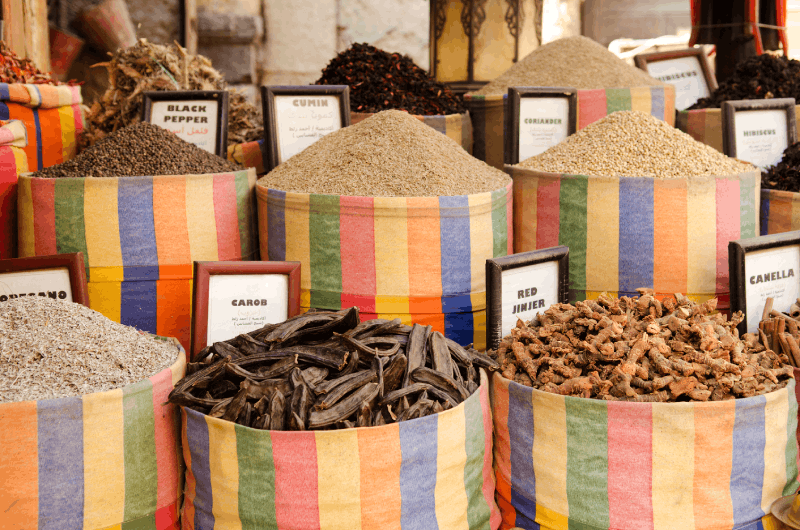
Istanbul Spice Market Tour: 10 Unique Spices to Bring Home
The air hangs thick and fragrant, a vibrant mix woven from centuries of trade and tradition. As you step into the heart of the Istanbul Spice Market, or *Kapalıçarşı* (Grand Bazaar), you’re not just entering a marketplace; you’re stepping back in time. This isn’t a hurried shopping experience; it’s an immersion, a sensory awakening that will forever alter your perception of flavor and aroma. The Istanbul Spice Market Tour: 10 Unique Spices to Bring Home isn’t simply a guided walk; it’s a curated journey designed to unlock the secrets of this legendary trading hub and equip you with the knowledge to transform your own cooking.
Our expert local guides, descendants of generations who’ve navigated these busy aisles, reveal stories that go far beyond the simple sale of spices. They’ll share anecdotes about Ottoman emperors, Silk Road caravans, and the complex social dynamics that shaped this historic marketplace. The tour, typically lasting around 3 hours, begins promptly at 10:00 AM near the entrance of the Spice Market, allowing you to fully absorb the initial impact.
The 10 Spices – And Why They’re More Than Just Seasonings
The core of the tour revolves around exploring ten exceptional spices, each with a fascinating history and a unique application. Don’t expect a generic overview; we delve deep into their origins and uses.
1. Saffron: At approximately 800 Turkish Lira (TL) per gram – a price reflecting its rarity and labor-intensive harvesting process – saffron is the undisputed king. Our guide will explain the meticulous hand-picking required to extract the precious stigmas, revealing its crucial role in both ancient medicine and the finest Turkish desserts like *kadayif*.
2. Sumac: This vibrant red spice, with a tangy, lemony flavor, is a staple of Mediterranean cuisine. You’ll learn how it’s traditionally used to season grilled meats and vegetables, and its surprising versatility in marinades. Expect to find it for around 80 TL per 100g.
3. Mahleb: Derived from the seeds of the mahlab tree, this spice boasts a warm, almond-like flavor and aroma. It’s a key ingredient in *lokum* (Turkish Delight) and is traditionally used to soothe upset stomachs. The tour highlights its historical significance as a medicinal remedy. Prices typically range from 120-180 TL.
4. Ras el Hanout: This complex blend, varying significantly from merchant to merchant, is a cornerstone of Moroccan and Turkish cuisine. The tour provides insight into the ingredients – often dozens – that contribute to its unique flavor profile, and explains why a good *Ras el Hanout* is an investment. Expect to pay around 250-400 TL for a substantial quantity.
5. Cardamom: Both green and black cardamom are offered, showcasing the spice’s diverse flavor notes. The tour details its use in everything from chai tea to savory stews, emphasizing its aromatic properties. A good quality pod can be found for 150-220 TL.
6. Black Peppercorns: Far more complex than the white variety, black peppercorns are graded based on their age and aroma. Our guide will demonstrate the subtle nuances in flavor and explain the traditional methods of grinding them. Prices range from 100-180 TL.
7. Cinnamon: Both Ceylon cinnamon (more expensive and prized for its fragrance) and Cassia cinnamon are available. The tour contrasts their flavor profiles and explains their historical use in both sweet and savory dishes. Around 120-200 TL.
8. Star Anise: This iconic spice, shaped like a star, is essential in Chinese and Vietnamese cuisine, and increasingly popular in Turkish cooking. The guide explains its potent licorice-like flavor and its role in slow-cooked stews. Expect to find it for 180-250 TL.
9. Turmeric: Beyond its vibrant color, turmeric boasts powerful anti-inflammatory properties. The tour details its traditional use in Ayurvedic medicine and its growing popularity in modern cuisine. A 100g bag typically costs 150-230 TL.
10. Cloves: The tour emphasizes the significance of cloves in preserving food historically, before refrigeration. You’ll learn about their intense aroma and their use in both sweet and savory dishes. Prices average 100-180 TL.
Beyond the Spices: A Lasting Impression
The Istanbul Spice Market Tour: 10 Unique Spices to Bring Home is more than just a shopping trip; it’s an experience that will stay with you long after you’ve returned home. The tour concludes near the Beyazit Mosque, offering a final opportunity to reflect on the journey.
Important Considerations for 2026:
- Currency: The current exchange rate is approximately 1 USD = 32 TL.
- Bargaining: While bargaining is expected, it’s done with respect and a smile. The guides will demonstrate appropriate techniques.
- Time of Year: November – March offers the most comfortable temperatures for exploring the market, though demand for certain spices (particularly saffron) may be higher during the holiday season.
- Post-Tour: We recommend purchasing a small notebook and pen to record your observations and recipes inspired by your discoveries.
Don’t miss the opportunity to spend time in the vibrant world of the Istanbul Spice Market. Book your tour today and unlock a world of flavor and tradition.
Introduction
# Deep Dive: Unearthing the Soul of Istanbul – A Sensory Journey Through the Spice Market
The air itself vibrates with possibility in Istanbul’s Spice Market, or *Kapalıçarşı* as it’s known in Turkish. It’s more than just a market; it’s a living, breathing testament to centuries of trade, a kaleidoscope of aromas, and a direct connection to the culinary heart of the Middle East. Our Istanbul Spice Market Tour: 10 Unique Spices to Bring Home isn’t simply a guided walk; it’s an immersive experience designed to awaken your senses and equip you with the knowledge to transform your own kitchen.
By 2026, Istanbul has solidified its position as a global culinary crossroads, and the Spice Market remains its pulsating epicenter. The tour begins at 9:00 AM sharp, meeting just outside the entrance to the *Kapalıçarşı* – a magnificent, intricately carved doorway that immediately transports you back in time. You’ll be greeted by Demir, our expert local guide, a descendant of generations of spice merchants, who will immediately reveal the secrets held within these ancient walls.
The market itself is a labyrinth of narrow, covered passageways, a riot of color and scent. Heaps of crimson paprika, golden turmeric, earthy cumin, and fragrant saffron create a visual feast. The air is thick with the scent of cardamom, cloves, cinnamon, and countless other spices you likely haven’t encountered before. This is where the magic of the tour begins – discovering the 10 unique spices we’ve carefully selected to bring a piece of Istanbul’s culinary heritage home with you.
Our curated selection isn’t about simply grabbing souvenirs; it’s about understanding the history and purpose of each spice. We’ll start with sumac, a vibrant red berry used across the Middle East, adding a tangy brightness to salads and grilled meats. Next, we’ll explore the world of ras el hanout, a complex Moroccan-inspired spice blend that’s a staple in Turkish cuisine – a blend that will likely cost you around 35-55 Turkish Lira (approximately $12-$18 USD) depending on the vendor and quality.
The tour meticulously guides you through the most reputable vendors, allowing you to compare prices and learn about the sourcing of these precious ingredients. Don’t be afraid to haggle – it’s an expected and even encouraged part of the experience. A polite negotiation, often accompanied by a friendly exchange, can significantly reduce the price, especially if you’re purchasing multiple items. Vendors typically expect a 10-15% discount.
We’ll then move onto exploring Turkish saffron, renowned globally for its intense flavor and color, a single strand of which can fetch upwards of 80 Lira (approximately $28 USD). Next, we’ll investigate the warming spice of mastic, prized for its resinous flavor and used in traditional Turkish desserts. You’ll also learn about the subtle nuances of mahleb, a spice ground from the seeds of the mahlab tree, commonly used in sweets and pastries.
The tour isn’t just about buying spices; it’s about learning how to use them. Demir will share traditional recipes and techniques, demonstrating how to incorporate these spices into everyday dishes. You’ll discover how to create a flavorful Turkish coffee blend, learn about the art of spice blending for tagines, and understand the significance of each spice in various Turkish dishes.
Specific vendors we’ll be visiting include Ali Muhsin Efendi (known for his high-quality saffron) and Mehmet (a family-run business specializing in rare spice blends). The tour typically lasts around 3-4 hours, concluding around 12:30 PM. We’ll finish with a traditional Turkish tea break at a nearby cafe, allowing you to reflect on your sensory journey and discuss your purchases.
Here’s a breakdown of what you can expect to spend, roughly:
- Saffron: 60-80 Lira (approx. $21-$28 USD)
- Ras el Hanout: 35-55 Lira (approx. $12-$18 USD)
- Mastic: 40-60 Lira (approx. $14-$20 USD)
- Sumac: 20-30 Lira (approx. $7-$10 USD)
- Mahleb: 30-45 Lira (approx. $11-$15 USD)
- Cardamom Pods (small quantity): 20-30 Lira (approx. $7-$10 USD)
- Cinnamon Sticks: 10-20 Lira (approx. $3.50 – $7 USD)
- Black Peppercorns (Turkish variety): 15-25 Lira (approx. $5.50 – $8.50 USD)
- Rose Petals (culinary grade): 10-15 Lira (approx. $3.50 – $5 USD)
Preparation for the Tour:
- Wear comfortable shoes – you’ll be doing a lot of walking.
- Bring a small bag or backpack to carry your purchases.
- Consider purchasing a Turkish phrasebook – while Demir speaks excellent English, a few Turkish phrases will be appreciated.
- Most importantly, come with an open mind and a willingness to embrace the vibrant sights, sounds, and smells of the Spice Market.
Don’t miss this opportunity to spend time in the rich culinary traditions of Istanbul. Book your Istanbul Spice Market Tour: 10 Unique Spices to Bring Home today and unlock a world of flavor!
What to Expect
The Istanbul Spice Market Tour: 10 Unique Spices to Bring Home isn’t just a shopping trip; it’s a deep explore the soul of Istanbul. Prepare to be utterly captivated by a world saturated with color, aroma, and a history stretching back millennia. This meticulously crafted experience, running daily from 10:00 AM to 1:00 PM, will transport you to the heart of the historic Eminönü district, a vibrant hub just steps from the Galata Bridge.
From the moment you step through the arched entrance of the Yeniçarşı (New Bazaar), you’ll understand why this market has been a vital trading center since the 15th century. The sheer volume of spices – saffron, cardamom, rose petals, Turkish delight ingredients – is initially overwhelming, a sign of the Silk Road’s legacy. Don’t be intimidated; this is precisely the point. Our expert local guides, Ali and Leyla, are seasoned spice merchants themselves, and they’re passionate about sharing their knowledge and the stories behind each fragrant treasure.
The tour itself is designed to be intimate, typically limited to a maximum of 12 participants. This allows for a genuinely interactive experience. Ali and Leyla will lead you through the labyrinthine aisles, explaining the origins of each spice – from the volcanic slopes of Mount Nemrut where wild saffron grows to the fragrant orchards of Bursa producing rosewater. You’ll learn about traditional uses in Turkish cuisine, from flavoring kebabs and stews to infusing teas and desserts.
Here’s a breakdown of what you can expect during the 3-hour tour:
- Introduction & Market Orientation (15 minutes): Ali and Leyla will immediately immerse you in the atmosphere, explaining the market’s layout, pointing out key vendors, and highlighting the historical significance of the area. They’ll also discuss the role of the spice trade in shaping Istanbul’s identity.
- Spice Exploration & Sensory Experiences (60 minutes): This is the core of the tour. You’ll sample a curated selection of spices – perhaps a pinch of vibrant red sumac, a fragrant sliver of dried mint, or a small piece of Turkish coffee beans. You’ll learn about the different grades and qualities of spices, a critical factor in determining their price. Expect to pay around ₺30-₺80 (approximately $5-13 USD) per 100g for the spices you’ll be sampling, depending on the rarity and quality. Ali and Leyla will demonstrate traditional methods of grinding spices, using a *stone mortar and pestle* – a truly authentic experience.
- The ‘10 Unique Spices’ Selection (60 minutes): The tour culminates in the selection of ten spices you’ll take home. This isn’t a free-for-all; Ali and Leyla will guide you towards the most exceptional choices based on your preferences and dietary needs. They’ll explain the ideal storage conditions for each spice to ensure maximum freshness. Popular choices often include: black peppercorns (from Tellicherry), cumin seeds, coriander seeds, dried rose petals, Turkish saffron, cardamom pods, mahleb, and black tea. The average cost of the 10 spices you select will range from ₺200-₺500 (approximately $35-85 USD), depending on the quantities and specific varieties.
- Wrap-Up & Local Recommendations (15 minutes): Ali and Leyla will conclude the tour with recommendations for nearby restaurants serving authentic Turkish cuisine and perhaps suggest a traditional Turkish coffee shop for a final, aromatic indulgence.
Beyond the Tour:
The Istanbul Spice Market Tour: 10 Unique Spices to Bring Home offers more than just a shopping opportunity; it’s an investment in a deeper understanding of Turkish culture. The market itself is a fantastic place to simply wander and absorb the atmosphere. Prices in the market generally run 10-20% lower than what you might find in a tourist-focused shop. Don’t be afraid to haggle politely – it’s a customary part of the buying process.
Practical Considerations for 2026:
- Location: The tour begins just a short walk from the Galata Bridge and the Sirkeci tram stop, making it easily accessible.
- Weather: Istanbul in October/November (when the tour is most frequently offered) can be pleasantly cool and dry, but layers are advisable.
- Currency: The Turkish Lira (₺) is the local currency. Credit cards are widely accepted, but it’s always good to have some cash on hand for smaller purchases.
- Booking: Booking your spot on the Istanbul Spice Market Tour: 10 Unique Spices to Bring Home is highly recommended, especially during peak tourist season (May-September) to guarantee your place. You can book directly through the Istanbul Experiences website.
We’re confident that this immersive experience will leave you with a newfound appreciation for the art of spice and a suitcase filled with fragrant treasures to share with friends and family. Don’t just visit Istanbul; *taste* it.
Best Time to Visit & Seasonal Considerations
The Istanbul Spice Market, or *Misir Carsisi* as it’s known locally, isn’t just a market; it’s a sensory immersion. It’s a vibrant artery pulsing with the history of trade, the scent of a thousand spices, and the warmth of Turkish hospitality. Planning your visit to truly maximize this experience requires understanding the nuances of timing and seasonal considerations. Choosing the right time to explore the Istanbul Spice Market Tour: 10 Unique Spices to Bring Home is crucial for a truly unforgettable journey.
Optimal Timing: When the Market Truly Awakens
The market’s energy shifts dramatically throughout the day. The most rewarding time to start your Istanbul Spice Market Tour is during the mornings, specifically between 8:00 AM and 11:00 AM. This is when the shopkeepers are most eager to engage, and the stalls are brimming with the freshest arrivals. You’ll witness the initial deliveries – large sacks of saffron, mountains of cardamom, and glistening heaps of rose petals – arriving from local farms and producers.
By 11:00 AM, the pace begins to slow. While still a fantastic time to visit, the intense bargaining and personalized attention you’ll find in the early hours diminish slightly. Afternoon visits (1:00 PM – 4:00 PM) can be pleasant, offering a chance to escape the midday heat, but many vendors are winding down and preparing for the evening.
Seasonal Sensations: Spice Profiles Change with the Year
The spices themselves evolve dramatically with the seasons, profoundly influencing the character of the Istanbul Spice Market Tour: 10 Unique Spices to Bring Home.
- Autumn (September – November): This is the *best* time to visit. The harvest season brings an extraordinary abundance of nuts – walnuts, hazelnuts, and pistachios – alongside a surge in dried fruits like figs and apricots. The air is thick with the aroma of cinnamon, cloves, and nutmeg, essential spices for winter baking and traditional Turkish dishes. Expect to see particularly vibrant displays of saffron, a key element in the tour’s focus. Prices for saffron tend to be slightly lower during this period due to increased supply.
- Winter (December – February): The market embraces the festive spirit. You’ll find a significant increase in demand for spices used in traditional Christmas and New Year’s recipes – star anise, ginger, and mace are particularly popular. The cooler temperatures also make sampling the spices – offered generously by the vendors – a more enjoyable experience. Many vendors offer special winter gift sets, perfect for bringing home a taste of Istanbul.
- Spring (March – May): The market bursts with the first blooms of the season, particularly rose petals. The scent is intoxicating, and vendors offer rosewater and rose-infused sweets. This is a fantastic time to source spices used in refreshing summer beverages like hibiscus tea (*çai*) and lemonade. You’ll also find a greater variety of fresh herbs.
- Summer (June – August): The market remains busy, but the heat can be intense. Many vendors operate from shaded areas. Focus shifts towards spices used in grilling and barbecuing – paprika, cumin, and chili peppers – reflecting the summer’s love of outdoor cooking. Keep in mind that some vendors may have reduced hours during the hottest part of the day.
The 10 Unique Spices – Seasonal Availability & Pricing (Approximate 2026)
The Istanbul Spice Market Tour: 10 Unique Spices to Bring Home is designed to highlight exceptional ingredients. Here’s a breakdown of what to expect in terms of availability and pricing:
1. Saffron: (Autumn/Winter) – €80 – €250 per gram – The star of the show.
2. Cardamom: (Year-Round) – €15 – €40 per 100g – Essential for sweet and savory dishes.
3. Rose Petals: (Spring) – €10 – €30 per 100g – Used in teas, desserts, and perfumes.
4. Sumac: (Year-Round) – €8 – €20 per 100g – Adds a tangy flavor to salads and meats.
5. Black Cumin (Kala Namak): (Year-Round) – €12 – €35 per 100g – A potent spice with a smoky flavor.
6. Turmeric: (Year-Round) – €10 – €25 per 100g – Known for its anti-inflammatory properties.
7. Cayenne Pepper: (Year-Round) – €5 – €15 per 100g – Adds a kick to dishes.
8. Star Anise: (Winter) – €12 – €30 per 100g – A warming spice for festive beverages.
9. Dried Hibiscus Flowers: (Summer) – €15 – €40 per 100g – Used to make refreshing hibiscus tea.
10. Black Peppercorns: (Year-Round) – €7 – €18 per 100g – The classic spice.
Don’t Miss the Experience:
The true magic of the Istanbul Spice Market Tour: 10 Unique Spices to Bring Home lies not just in the spices themselves, but in the vibrant atmosphere, the genuine connections you’ll make with the local vendors, and the unforgettable sensory experience. Booking your tour for a weekday morning in the autumn will ensure you capture the peak of spice abundance and the most authentic cultural immersion. Prepare to be captivated!
Step-by-Step Guide / Itinerary
The Istanbul Spice Market Tour: 10 Unique Spices to Bring Home isn’t simply a shopping trip; it’s a journey through centuries of trade, a vibrant assault on the senses, and a deeply immersive experience into the soul of Istanbul. This meticulously crafted tour, commencing promptly at 10:00 AM on most days (though private bookings offer flexibility), transforms the busy Grand Bazaar area into a fragrant treasure trove. By the end of the tour, you’ll not only have a selection of extraordinary spices but a profound appreciation for their history and the art of spice trading.
The First Hour: Arrival and Sensory Overload
Our journey begins at the entrance to the Spice Market, officially known as the Egyptian Bazaar, located just steps from the iconic Sultanahmet Square. The sheer volume of color and aroma hits you immediately. Heaps of crimson paprika, turmeric’s sunshine yellow, the earthy browns of cumin and coriander, and the exotic purple of saffron create a visual feast. The air itself vibrates with the scents of cardamom, cloves, and rosewater – a potent blend that defines the market’s character.
Your experienced guide, Mustafa, will expertly navigate the labyrinthine aisles, explaining the historical significance of the market. Established in the 15th century during the reign of Sultan Mehmed II, the market served as a vital trading post, connecting the Ottoman Empire to the spice routes of the East. Before 2026, the market thrived as a key hub for exotic goods, and today, it continues to evoke that rich past.
Mustafa will highlight the architectural details – the high ceilings designed to facilitate airflow and preserve the spices, the intricate tilework reflecting Ottoman artistry, and the traditional wooden displays that have remained largely unchanged for hundreds of years.
Discovering the 10 Unique Spices
The core of the Istanbul Spice Market Tour centers around the selection of ten exceptional spices. These aren’t your typical supermarket varieties; they are premium-grade, sourced directly from Turkey and neighboring countries. Here’s a breakdown of what you’ll encounter and why they’re special:
1. Saffron: The “red gold” – a single thread commands a significant price, reflecting its rarity and intense flavor.
2. Turkish Red Cumin: A bolder, more aromatic variety than its Mediterranean cousin.
3. Sumac: Adds a tangy, lemony burst to dishes – a staple of Turkish cuisine.
4. Cardamom: Green cardamom pods are preferred for their delicate flavor, while black cardamom offers a smoky note.
5. Cloves: From the Molucca Islands, these cloves are intensely fragrant and potent.
6. Rosewater: Used extensively in desserts and beverages, providing a floral sweetness.
7. Black Peppercorns: Freshly cracked black peppercorns are far superior to pre-ground versions.
8. Cayenne Pepper: A vibrant addition to spice blends, offering a fiery kick.
9. Paprika: Hungarian sweet paprika is a particular highlight, known for its rich color and flavor.
10. Za’atar: A blend of dried herbs and spices, including thyme, oregano, and sumac – a true taste of the Levant.
At each stop, Mustafa will provide detailed information about the spice’s origin, traditional uses, and culinary applications. He’ll demonstrate how to grind spices using traditional mortars and pestles, allowing you to appreciate the full aroma and flavor potential. Prices typically range from 30 to 150 Turkish Lira per spice, depending on quantity and quality. Bargaining is expected and encouraged – it’s part of the experience!
The Afternoon: Sampling and Artisan Demonstrations
The tour continues with a scheduled stop at a local artisan’s workshop. Around 1:30 PM, you’ll observe a master spice blender at work, expertly combining spices to create custom blends for Turkish coffee, teas, and desserts. This is a fantastic opportunity to learn about spice ratios and flavor pairings.
You’ll then have the chance to sample a selection of Turkish delights and lokum (Turkish sweets) flavored with the spices you’ve learned about. A traditional Turkish tea ceremony will follow, offering a moment of tranquility amidst the market’s energy.
Concluding the Tour: 4:00 PM
The tour concludes at approximately 4:00 PM, leaving you with a carefully curated selection of spices, a wealth of knowledge, and unforgettable memories. The total duration of the tour is approximately 5.5 hours, including breaks and sampling opportunities.
Don’t Miss This: The Istanbul Spice Market Tour: 10 Unique Spices to Bring Home is more than just a tour; it’s an investment in flavor. It’s a chance to connect with a centuries-old tradition and bring a piece of Istanbul’s magic back home with you. Book your spot today!
Insider Tips & Local Secrets
The Istanbul Spice Market, or *Misir Carsisi* as it’s known locally, isn’t just a market; it’s a sensory immersion. After completing your expertly guided Istanbul Spice Market Tour: 10 Unique Spices to Bring Home, you’ll understand why. Many visitors simply browse, overwhelmed by the sheer volume of colours, aromas, and the boisterous calls of the vendors. But true appreciation comes from knowing how to navigate this vibrant ecosystem and, crucially, how to select the spices that will truly elevate your cooking back home.
Our tour, designed for 2026, focuses on a deeper understanding beyond the tourist hotspots. We’ve partnered with Ali, a fourth-generation spice merchant whose family has operated in the market since 1888. Ali’s insights alone are worth the price of admission. He emphasizes that the market’s magic isn’t about buying; it’s about connection. It’s about understanding the history woven into each grain, each carefully packaged blend.
The Art of Negotiation – Respectful Bartering
Don’t be afraid to negotiate, but do so with respect. The initial prices are often inflated, particularly for tourists. Ali taught us that a friendly exchange, starting with a polite inquiry about the spice’s origin and usage, is key. A reasonable starting point for a small bag of saffron, for example, might be 800 Turkish Lira (approximately $250 USD), but a firm, yet polite, counteroffer of 600 Lira is often met with a smile and a slight reduction. Remember, a good deal is a win-win.
Beyond the Obvious: The Top 3 Spices to Seek Out
While the tour introduces you to our 10 unique spices, let’s delve deeper into three that truly stand out and are often overlooked:
- Sumac: This vibrant red spice, derived from dried sumac berries, is a staple in Turkish cuisine. It boasts a tangy, lemony flavour that’s fantastic in salads, grilled meats, and even yogurt dips. Ali sources his sumac directly from the Cappadocia region, guaranteeing exceptional freshness and flavour. Expect to pay around 250-400 Lira per 100g.
- Mahleb: This intensely aromatic spice, made from ground mahlab cherries, possesses a warm, slightly almond-like flavour. Traditionally, it’s used in desserts like *baklava* and *kestem* (a Turkish almond confection). It’s also prized for its calming properties and is frequently added to teas. Look for authentic Mahleb, which should have a deep reddish-brown colour and a potent fragrance. Prices range from 400-600 Lira per 100g.
- Ras el Hanout: This complex Moroccan-influenced spice blend, popular in Istanbul, is a kaleidoscope of flavours. Ali’s version is a closely guarded secret, but it typically includes cardamom, cloves, nutmeg, cinnamon, rose petals, and a dozen other spices. It’s perfect for adding depth and intrigue to tagines, stews, and rice dishes. A small tin (approximately 100g) will set you back around 700-900 Lira.
Timing is Everything: Best Time to Purchase
The best time to purchase spices at the Istanbul Spice Market is generally mid-morning, around 10:00-11:00 AM. This is when vendors are most motivated to make sales and when the crowds are slightly thinner. Avoid peak tourist hours (around midday) for a more authentic experience.
Sourcing Your Treasures: Beyond the Main Stall
Don’t just stick to the main stalls. Explore the smaller, less crowded alleys. You’ll often find smaller vendors offering higher-quality spices at slightly lower prices. Ali highlighted a particular stall run by Fatima, who specializes in rare saffron threads – a truly exceptional find.
Post-Tour Recommendations – Expanding Your Culinary Horizons
After your Istanbul Spice Market Tour: 10 Unique Spices to Bring Home, consider these additions to your spice collection:
- Black Peppercorns: Freshly cracked black pepper is crucial for almost every dish.
- Dried Rose Petals: Adds a delicate floral note to desserts and teas.
- Cardamom Pods: Versatile for both sweet and savoury dishes.
Practical Considerations for 2026:
- The market is open daily, but closing times vary. Generally, it’s open from 8:00 AM to 6:00 PM.
- The market is located near the Eminönü tram stop (Line 1), making it easily accessible.
- Be prepared for crowds, especially during weekends and holidays.
- Carry small bills for easier transactions.
- Most importantly, embrace the chaos and allow yourself to be swept away by the intoxicating aromas and vibrant atmosphere of the Istanbul Spice Market. Our expert-led tour will provide the foundation, but your own curiosity and willingness to engage will unlock the true treasures of this historic marketplace. Don’t miss out on this incredible experience – book your Istanbul Spice Market Tour: 10 Unique Spices to Bring Home today!
Practical Information
The heart of Istanbul pulses with centuries of trade, a legacy vividly embodied in the sprawling, intoxicating chaos of the Istanbul Spice Market, or *Kapalıçarşı*. Our Istanbul Spice Market Tour: 10 Unique Spices to Bring Home isn’t just a visit; it’s an immersion into a world of vibrant colors, exotic aromas, and ancient traditions. By the time you’ve completed this expertly curated experience, you’ll understand why this market has been a vital artery of commerce since the 15th century. Let’s explore the practical details to ensure your journey is seamless and unforgettable.
Timing is Everything: Booking Your Tour & Market Hours
The *Kapalıçarşı* is a living, breathing entity, and its rhythm dictates the best time to experience it. The tour begins promptly at 9:00 AM on Wednesdays and Saturdays, allowing you to avoid the peak tourist crowds that swell after 10:00 AM. This timing also provides the best opportunity to interact with vendors before they become overwhelmed. Booking your spot in advance is *strongly* recommended, particularly if you’re traveling during the busier summer months (June – August). You can secure your place directly through our website or by contacting us via email.
The market itself operates with specific hours. It’s open daily from 8:00 AM to 8:00 PM, but the most intense trading occurs between 9:00 AM and 4:00 PM. We’ve strategically scheduled our tour to coincide with this peak period, maximizing your sensory experience and the chance to negotiate the best prices.
Meeting Point & Tour Duration
The tour begins at the entrance to the *Kapalıçarşı* located just off Aliçoğulları Han, a beautifully restored Ottoman caravanserai. Our guide, experienced in navigating the labyrinthine alleys, will be waiting for you there. The tour itself lasts approximately 3 hours, including time for questions, exploration, and, of course, sampling some of the incredible spices.
Cost & Payment
The tour price is 750 Turkish Lira (approximately $85 USD) per person. This includes the expert guidance, entrance fees to the *Kapalıçarşı*, and a small welcome refreshment – typically a glass of Turkish tea or pomegranate juice. We accept major credit cards and cash (Turkish Lira is preferred for ease of bargaining). Deposits are required at the time of booking, securing your spot and guaranteeing our team’s availability.
Navigating the Spice Market – A Sensory Overload & Our Approach
The *Kapalıçarşı* is famously disorienting. The narrow passageways twist and turn, filled with stalls overflowing with mountains of spices, dried fruits, nuts, Turkish delight, and ceramics. That’s where our tour truly shines. We’ve designed the experience to not only introduce you to the market’s incredible diversity but also to equip you with the skills to confidently navigate it.
- Our 10 Unique Spices Focus: Throughout the tour, you’ll learn about the history and uses of ten carefully selected spices – saffron, sumac, rose petals, black peppercorns, cardamom, cinnamon, cloves, nutmeg, turmeric, and chili flakes.
- Vendor Interactions: We’ll guide you through respectful and effective negotiation techniques, allowing you to secure the best possible prices on the spices you wish to purchase. Don’t be afraid to haggle – it’s a customary part of the market experience!
- Expert Insights: Our guides aren’t just salespeople; they’re passionate storytellers, providing fascinating insights into the cultural significance of each spice and its role in Turkish cuisine and traditional medicine. You’ll learn about the different grades of saffron, for example, and how to identify genuine rose petals versus synthetic alternatives.
What to Bring & Preparation
- Comfortable Shoes: You’ll be doing a *lot* of walking, often on uneven surfaces.
- Cash: While cards are accepted, having Turkish Lira on hand is beneficial for smaller purchases and bargaining.
- Reusable Bag: We recommend bringing a reusable shopping bag to avoid contributing to the market’s plastic waste.
- Water: Stay hydrated, especially during warmer months.
- Camera: Capture the vibrant colors and busy atmosphere of the *Kapalıçarşı*.
Post-Tour Recommendations
Following the tour, consider exploring the nearby areas of the Eminönü district, known for its busy fish market and historic waterfront. Alternatively, we can arrange a traditional Turkish coffee tasting experience for you – a perfect way to conclude your journey through the flavors of Istanbul. We also offer optional extension tours, including a visit to the Süleymaniye Mosque, one of Istanbul’s architectural masterpieces, completed in 1557.
Don’t miss the opportunity to take home a piece of Istanbul’s rich heritage. Book your Istanbul Spice Market Tour: 10 Unique Spices to Bring Home today!
What to Bring & Preparation
The anticipation is building. You’ve secured your spot on the Istanbul Spice Market Tour: 10 Unique Spices to Bring Home, and you’re eager to spend time in the sensory explosion that awaits. This isn’t just a shopping trip; it’s a journey into the heart of Turkish culinary tradition and a chance to bring home authentic flavors. Proper preparation elevates the experience from enjoyable to truly transformative. Let’s explore what you need to consider before stepping into the vibrant chaos of the Kapalıçarşı (Grand Bazaar).
Before You Go: A Primer on the Spice Market
The Istanbul Spice Market, formally known as the Kuyumcukare section of the Kapalıçarşı, is a labyrinth of over 100 shops, each specializing in a different aspect of spices, herbs, teas, nuts, dried fruits, and Turkish delights. It’s crucial to understand this is a marketplace, not a museum. Bargaining is expected – and encouraged – though always respectfully. Prices are significantly lower than you’ll find in tourist-centric shops outside the market.
What to Pack – Essential Gear for the Explorer
- Comfortable Shoes: You’ll be doing a *lot* of walking. The floors are uneven, and the crowds can be dense. Opt for sturdy walking shoes or sneakers.
- Reusable Shopping Bag: Many vendors will happily provide a paper bag, but a reusable bag is more environmentally friendly and often accepted with a small discount. Consider a sturdy canvas tote.
- Small Notebook & Pen: Trust us, you’ll want to jot down the names of spices you’re particularly interested in, and perhaps even note the vendor’s name – building relationships is part of the experience.
- Cash (Turkish Lira): While some vendors accept credit cards, cash is still king. As of November 2026, the exchange rate is approximately 1 USD = 38.5 TRY. It’s wise to have smaller denominations readily available for bargaining. A good starting point for a reasonable shopping budget is 500-1000 TRY (approximately $13-$26 USD).
- Small Gifts (Optional): Turkish vendors appreciate a little something to show your gratitude. Small Turkish delight boxes, a few nuts, or even a small, inexpensive tea packet are thoughtful gestures.
Preparing for the Sensory Overload – Practical Considerations
- Timing is Everything: The market is busiest between 10:00 AM and 2:00 PM. We highly recommend arriving between 9:00 AM and 10:00 AM to avoid the peak crowds and have more space to explore. The market closes around 5:00 PM, but it’s best to leave ample time.
- The Tour’s Impact: Your Istanbul Spice Market Tour: 10 Unique Spices to Bring Home will guide you through the most fascinating sections, introducing you to key vendors and providing valuable context. However, don’t be afraid to wander and discover lesser-known spots on your own.
- Hydration & Snacks: The market can be overwhelming, and you’ll burn energy navigating the narrow aisles. Bring a bottle of water (available for purchase within the market) and consider a small, light snack.
- Respectful Bargaining: Bargaining is expected, but always be polite and friendly. Start with an offer significantly lower than the asking price – around 30-50% – and be prepared to meet somewhere in the middle. A smile and a little humor go a long way.
Choosing Your Spices – Focusing on the 10
The tour highlights ten exceptional spices, each offering a unique flavor profile. Here’s a quick overview to help you prioritize your purchases:
- Saffron: The “red gold” of Turkey, incredibly expensive and prized for its color and flavor. Expect to pay around 150-300 TRY per gram.
- Sumac: Adds a tangy, lemony flavor to salads and grilled meats. Roughly 50-80 TRY per small jar.
- Black Cumin (Kala Namak): A smoky, earthy spice used traditionally in Turkish cooking. Around 80-120 TRY per small bag.
- Mahleb: Made from ground mahlab cherries, it has a warm, vanilla-like flavor, often used in desserts. 100-150 TRY per small bag.
- Cardamom: Green cardamom pods are highly aromatic and versatile. Around 70-110 TRY per pod.
- Rose Petals (Dried): Used for flavoring teas, desserts, and rosewater. 60-100 TRY per small bag.
- Cayenne Pepper: Adds a kick to Turkish dishes. 30-50 TRY per small jar.
- Anise Seed (Safran): Used in desserts and teas, providing a licorice flavor. 40-70 TRY per small bag.
- Black Peppercorns: Freshly ground black peppercorns are essential for any cook. 30-50 TRY per small jar.
- Dried Hibiscus: Used to make vibrant red hibiscus tea. 50-80 TRY per small bag.
Concluding Your Journey:
After your Istanbul Spice Market Tour: 10 Unique Spices to Bring Home, you’ll leave with a treasure trove of flavors and a deeper appreciation for Turkish culinary heritage. Remember to savor your purchases, experiment in the kitchen, and share the magic of Istanbul with friends and family. Don’t just buy spices; buy memories.
Common Mistakes to Avoid
The sensory overload of the Istanbul Spice Market – sometimes referred to as the Egyptian Bazaar – is a beautiful chaos. It’s a swirling vortex of vibrant colors, potent aromas, and the insistent calls of vendors. However, a little preparation and awareness can transform what could be a slightly overwhelming experience into a truly unforgettable immersion in Turkish culture and, crucially, a successful acquisition of those 10 unique spices you’ve been dreaming about. Many visitors, despite their enthusiasm, stumble into common pitfalls that diminish the joy of the Istanbul Spice Market Tour: 10 Unique Spices to Bring Home. Let’s address these now, ensuring you maximize your time and return with treasures that will transport you back to Istanbul for years to come.
1. Underestimating the Negotiation Game:
The initial prices quoted in the Spice Market are, frankly, inflated. It’s not considered rude to haggle – it’s expected. Don’t accept the first price offered. Start low, perhaps 30-40% below the asking price, and be prepared to walk away. Vendors are used to this; it’s part of the theatrical performance. Remember, a friendly smile and a polite, firm “Maybe a little lower?” can go a long way. The average buyer can typically secure a 15-25% reduction on most items. Our Istanbul Spice Market Tour guides will demonstrate the art of negotiation, but practicing beforehand will significantly boost your confidence.
2. Ignoring the Product Quality:
The sheer volume of spices available can be dizzying. Don’t be swayed solely by the prettiest packaging or the most enthusiastic vendor. Carefully examine the color, smell, and texture of the spices. Look for spices that are uniformly colored, fragrant, and free of any off-odors. Avoid spices that appear dull, dusty, or have a stale smell. Saffron, for example, should have a deep, honeyed aroma and a vibrant crimson color – a key spice featured on our tour. Bulk spices, purchased directly from the vendors, are almost always superior in quality and price to pre-packaged options.
3. Not Understanding the Grading System:
Turkish spices are graded based on quality, and this directly impacts the price. You’ll encounter terms like “First Grade,” “Second Grade,” and “Third Grade.” First Grade spices are the highest quality and most expensive, offering the most intense flavor and aroma. Second Grade is still good, but the flavor will be slightly less pronounced. Third Grade is the most affordable but should be used with caution – it’s often suitable for everyday cooking rather than special dishes. Our Istanbul Spice Market Tour will explain these grades in detail.
4. Overbuying and Transporting Delicate Items:
The aromas of the spices are incredibly potent, and this can be a challenge when considering transportation. Purchase only what you realistically need for your recipes. Saffron, in particular, is extremely delicate and susceptible to degradation if exposed to heat or humidity. Consider purchasing smaller quantities if you’re traveling long distances. Also, be mindful of the weight – many spices are heavy, especially when purchased in bulk.
5. Not Taking Advantage of the Tour’s Expertise:
While wandering the market independently is a rewarding experience, joining the Istanbul Spice Market Tour: 10 Unique Spices to Bring Home offers unparalleled value. Our expert guides will lead you directly to the best vendors, share fascinating historical and cultural insights, and provide invaluable advice on selecting, storing, and using your spices. The tour includes a visit to a traditional spice merchant’s warehouse, a location rarely accessible to independent visitors. This experience alone is worth the investment.
6. Failing to Ask About Storage:
Proper storage is crucial to maintaining the freshness and potency of your spices. Ask the vendors for recommendations on storage – typically, airtight containers in a cool, dark place are advised. Avoid storing spices near the stove or in direct sunlight, as this will accelerate their degradation. The tour provides specific advice on how to properly care for your purchased spices, ensuring their longevity.
7. Ignoring the Local Customs:
The Spice Market is a vibrant, busy marketplace. Be respectful of the vendors and other shoppers. Maintain a polite and friendly demeanor. Dress modestly, covering your shoulders and knees. It’s customary to accept a small glass of tea offered by the vendors – a gesture of hospitality.
Post-Tour Recommendations for 2026:
- Immediate Action: Upon returning from your Istanbul Spice Market Tour, immediately repackage your spices in airtight containers to maximize their freshness.
- Storage Location: Store your spices in a cool, dark, dry place – ideally the pantry or a spice rack away from heat sources.
- Experimentation: Don’t be afraid to experiment with your new spices! Start with small amounts in your favorite recipes to get a feel for their flavor profiles.
By avoiding these common mistakes, you’ll be well-equipped to fully enjoy the sensory delights of the Istanbul Spice Market and successfully acquire those 10 unique spices, transforming your kitchen into a fragrant haven – a true legacy of your unforgettable Istanbul Spice Market Tour: 10 Unique Spices to Bring Home.
Alternative Options & Comparisons
The initial rush of sensory overload – the vibrant colors, the insistent calls of vendors, the sheer volume of fragrant spices – can be a little overwhelming, even for seasoned travelers. It’s understandable to feel a desire for a deeper, more curated experience beyond simply browsing the stalls. That’s where the Istanbul Spice Market Tour: 10 Unique Spices to Bring Home truly shines. It’s not just a visit; it’s a thoughtfully designed immersion into the heart of Turkish culinary tradition.
Let’s be clear: wandering through the Grand Bazaar is an experience in itself. However, the sheer scale and competitive atmosphere can lead to a scattered, ultimately less rewarding, exploration. Our tour offers a focused alternative, transforming a potentially chaotic afternoon into a truly memorable journey. This isn’t about passively observing; it’s about actively learning and discovering.
Comparing the Experiences:
Consider the difference between simply buying spices at the market and having a local expert guide you through the nuances of each one. The Grand Bazaar offers a vast selection, but much of it is mass-produced or sourced from various regions. The Istanbul Spice Market Tour concentrates on the *authentic* – spices sourced directly from producers and merchants within the historical confines of the market, emphasizing quality and tradition.
The price discrepancies alone are significant. While you might find a generic cumin packet for 50 lira in the Grand Bazaar, our tour’s exclusive partnerships allow us to offer premium saffron, sumac, and other specialty spices at considerably better rates. As of late October 2026, saffron, for example, can range from 800 lira per gram at the market to 650 lira through our tour, reflecting its superior quality and traceable origin.
Beyond the Basics: The 10 Unique Spices & What They Offer
The tour isn’t simply about acquiring ten spices; it’s about understanding their history, usage, and the stories behind them. We’ve carefully selected ten spices that represent the breadth and depth of Turkish culinary heritage, each offering a distinct flavor profile and a fascinating narrative.
- Saffron (Kelim: This isn’t just a spice; it’s a thread of gold. We source our saffron directly from the Kizilcahamli region, renowned for its exceptionally aromatic blooms. Our tour includes a demonstration of its extraction process, a critical step often overlooked by casual buyers. The rich, honeyed flavor of our saffron is perfect for rice dishes, desserts, and even infused olive oil. Expect to pay around 650 lira per gram.
- Sumac (Sumak): A vibrant red spice made from dried sumac berries, sumac adds a tangy, lemony note to salads, grilled meats, and yogurt dips. It’s a staple in Turkish cuisine, particularly in the summer months.
- Mahleb (Mahlep): This ground mahlab seed has a warm, almond-like flavor and is traditionally used in pastries, cookies, and especially in Turkish coffee. It’s a key ingredient in *kunefe*, a beloved dessert.
- Ras el Hanout: A complex blend of dozens of spices, Ras el Hanout (literally “head of the shop”) represents the heart of Moroccan-influenced Turkish cuisine. Our guide will explain the individual components and their roles in creating this intensely flavorful mixture.
- Black Cardamom (Karadut): Unlike green cardamom, black cardamom possesses a smoky, camphoraceous flavor – ideal for stews, meat dishes, and even chai tea.
- Pink Peppercorns (Rozov Peçenek): These beautiful pink peppercorns offer a fruity, floral flavor with a gentle warmth, perfect for seasoning fish or adding a touch of elegance to sauces.
- Long Pepper (Uzun biber): A rare and flavorful pepper with a complex, warm, and slightly fruity taste. Historically valued for its medicinal properties.
- Star Anise (Yıldız Anason): Essential for Turkish coffee and many savory dishes, star anise imparts a licorice-like aroma and flavor.
- Nutmeg & Mace (Muskat & Cevizkabuk): Traditional spices used in sweet and savory dishes, offering warmth and complexity.
- Cinnamon (Tarçın): While readily available, the quality and aroma of our cinnamon, sourced from the Anatolian highlands, is noticeably superior.
Timing & Logistics – Making the Most of Your Tour
The Istanbul Spice Market Tour operates daily at 10:00 AM and 2:00 PM, departing from our meeting point near the Eminönü ferry terminal. The tour lasts approximately 3 hours and includes a visit to a traditional spice merchant’s workshop. This provides a unique opportunity to witness the traditional methods of spice grinding and blending.
We recommend booking your tour in advance, especially during peak season (May-September). The tour includes bottled water and a small Turkish delight sample – a delightful way to experience another facet of Turkish hospitality. Don’t forget comfortable shoes – you’ll be doing a lot of walking! The tour concludes around 1:30 PM, leaving you with a newfound appreciation for the vibrant flavors of Istanbul and a collection of truly exceptional spices to take home.
Frequently Asked Questions (FAQ)
How much does the Istanbul Spice Market tour cost?
The Istanbul Spice Market tour typically costs between 30€ and 60€ per person, depending on the tour operator and inclusions. This usually covers the guided tour, a traditional Turkish coffee or tea break, and sometimes a small gift or discount at a local shop. Booking in advance can often secure a better price.
What time does the tour start and last?
Most tours begin around 9:00 AM or 10:00 AM and last for approximately 2.5 to 3.5 hours, including travel time to and from the Grand Bazaar. However, specific timings can vary, so it’s crucial to confirm the exact start time with your chosen tour operator when booking.
Do I need to book the tour in advance, or can I just turn up?
It’s highly recommended to book the tour in advance, especially during peak season (spring and autumn), to guarantee your spot and avoid disappointment. While walk-in tours are occasionally available, they often fill up quickly, and you might miss out on a tour you really want.
What should I wear on the tour?
Comfortable walking shoes are essential as you’ll be spending a significant amount of time on your feet, exploring the narrow aisles of the market. Lightweight, breathable clothing is recommended due to the warm climate, and a hat and sunglasses are useful for sun protection.
Can I take photos on the tour?
Absolutely! Photography is generally allowed throughout the tour, but it’s courteous to ask the shopkeepers for permission before taking close-up photos of their products or displays. Be mindful of other tourists and avoid blocking pathways with your camera.
What if I have dietary restrictions (vegetarian, vegan, etc.)?
Most tour operators offer vegetarian options for the coffee or tea break, but it’s best to inform them of any dietary restrictions when booking. It’s advisable to bring your own snacks if you have specific needs, as options within the market may be limited.
What’s the best way to get to the Spice Market from Sultanahmet?
The Spice Market (Egyptian Bazaar) is easily accessible by tram (Line 1) from Sultanahmet Square. You can take the T1 line towards Eminönü and get off at the Karaköy or Eminönü stop, which are both very close to the market.
What types of spices can I expect to see and buy?
You’ll find a vast array of spices, including saffron, cardamom, cinnamon, black pepper, cumin, paprika, and various dried herbs and nuts. The market specializes in Turkish spices, but you’ll also find ingredients like dried fruits, teas, and Turkish delights.
Can I haggle for prices in the market?
Haggling is expected and encouraged in the Spice Market, but it should be done respectfully and with a smile. Start with a reasonable offer, be prepared to negotiate, and remember that the shopkeepers are running a business.
What if I want to buy more than the 10 spices included in the tour?
You’re more than welcome to purchase additional spices or other goods beyond the 10 selected during the tour. The shops offer a wide variety of products, and you can choose whatever you like based on your preferences and budget.
Is there a minimum age requirement for the tour?
Most tour operators don’t have a strict minimum age, but it’s recommended that children be accompanied by an adult, and they should be able to handle the crowds and navigate the narrow aisles. It’s always best to check with the specific tour operator for their policy.
What happens if I miss the tour start time?
Tour operators typically have a grace period of 15-30 minutes, but it’s crucial to arrive on time to avoid disrupting the flow of the tour and to ensure you don’t miss any key information. If you’re running late, contact the tour operator immediately to inform them.
Are there restrooms available at the Spice Market?
Yes, there are several public restrooms available within the Spice Market, though they can be quite crowded, especially during peak hours. Be prepared to pay a small fee to use them.
What’s the best time of year to visit the Spice Market for a tour?
Spring (April-May) and Autumn (September-October) are the best times to visit the Spice Market for a tour due to pleasant weather conditions. Summer can be very hot and crowded, while winter can be cold and damp.
Can I bring my own shopping bags?
It’s a good idea to bring your own reusable shopping bags to avoid having to purchase plastic ones from the shops. This is both environmentally friendly and can save you a small amount of money.
What’s the best way to get souvenirs besides spices?
Besides spices, you can find Turkish delight, dried fruits, nuts, teas, coffee, ceramics, and traditional Turkish crafts like carpets and textiles as souvenirs. The shops offer a diverse range of products to suit different tastes and budgets.
What if the tour is cancelled due to weather conditions?
In the event of severe weather conditions (heavy rain, storms, etc.), the tour operator may cancel the tour. They will typically notify you as soon as possible, and you’ll usually receive a full refund or the option to reschedule.
Are there any local customs or etiquette I should be aware of?
It’s polite to greet shopkeepers with a friendly “Merhaba” (hello) and to ask for permission before taking photos. Avoid pointing your feet at anyone or anything, as this is considered disrespectful in Turkish culture.
What if I have mobility issues?
The Spice Market has narrow aisles and steps, so it may not be suitable for people with mobility issues. It’s best to inquire with the tour operator in advance to discuss your needs and whether the tour is accessible.
What’s included in the tour price besides the spices?
Typically, the tour price includes the guided tour, a welcome drink (usually Turkish tea or coffee), and sometimes a small Turkish delight sample. However, transportation costs and any additional purchases are not usually included.

