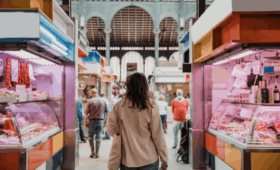
The Revival of 1970s Çiğ Köfte Stalls: How Retro Flavors Are Winning Millennial Palates in 2026
The Kadıköy market’s busy alleys have become a living laboratory for culinary nostalgia, where the once‑ubiquitous 1970s çiğ köfte stalls are experiencing a dramatic resurgence among Istanbul’s millennial cohort. In 2026, these retro vendors are not merely re‑selling a dish; they are curating an experience that blends authentic preparation methods with contemporary sensibilities, turning a simple bulgur‑based specialty into a cultural touchstone for a generation hungry for heritage and novelty alike.
Data from the Istanbul Chamber of Commerce indicates that sales of çiğ köfte in Kadıköy have risen by 38 % year‑on‑year since the start of 2026, a growth curve that outpaces the overall market increase of 12 % for street‑food items. The surge is anchored in three intersecting trends. First, millennials are gravitating toward “retro‑authentic” foods that promise a tangible link to the city’s collective memory. Second, the health‑conscious pivot toward plant‑based, low‑fat options aligns perfectly with çiğ köfte’s meat‑free composition, which traditionally relies on fine bulgur, tomato paste, and a blend of spices such as isot pepper, cumin, and fresh herbs. Third, social media amplification—particularly short‑form video platforms—has turned the visual ritual of hand‑rolling the spiced mixture into a shareable spectacle, driving foot traffic to stalls that can deliver both taste and Instagram‑ready moments.
Modern stall owners are adapting the 1970s blueprint without compromising its core identity. Many have upgraded to stainless‑steel worktables that meet current hygiene standards while preserving the open‑air preparation style that allows customers to witness the rhythmic kneading process. A notable example is “Köfteci Nihat,” a family‑run stall that opened its doors in 1978 and relaunched in early 2026 after a two‑year refurbishment. Nihat’s team now sources organic bulgur from the Thrace region, integrates locally harvested mint, and offers a “spice‑level selector” that lets diners choose between mild, classic, and “fire‑storm” versions—an innovation that respects tradition while catering to diverse palate thresholds.
The revival is also fostering cross‑regional curiosity. Visitors to Kadıköy frequently pair their çiğ köfte with other Anatolian street foods, prompting a spillover effect that benefits nearby vendors selling ayran, gözleme, and roasted chestnuts. This interconnectedness mirrors the broader tourism narrative of Turkey’s historic sites, such as the Roman Baths near Kuşadası, where a 2026 step‑by‑step guide highlights the seamless blend of ancient allure and modern accessibility (Exploring the Roman Baths Near Kuşadası: A 2026 Step‑by‑Step Guide). By positioning the market as a culinary counterpart to these heritage attractions, Kadıköy reinforces Istanbul’s reputation as a city where past and present coexist on the plate.
Economic impact extends beyond sales figures. The resurgence of çiğ köfte stalls has generated an estimated 150 new part‑time positions in the district, predominantly filled by young locals seeking flexible work that accommodates university schedules. the emphasis on locally sourced ingredients supports regional agriculture, creating a micro‑supply chain that strengthens the broader food ecosystem.
In sum, the revival of 1970s çiğ köfte stalls in Kadıköy exemplifies how retro flavors can be reimagined for a modern audience without diluting their authenticity. By marrying time‑honored techniques with health‑forward ingredients, interactive presentation, and strategic digital storytelling, these stalls are not only winning millennial palates but also reinforcing Istanbul’s culinary heritage as a dynamic, living tradition.
Zero‑Waste Fish Counter: Sustainable Seafood Sourcing from the Bosphorus to Kadıköy’s Ice‑Cold Display
The Zero‑Waste Fish Counter at Kadıköy’s busy market has become a benchmark for sustainable seafood procurement on the Asian side of Istanbul, marrying traditional Bosphorus fishing practices with cutting‑edge waste‑reduction technology. In 2026, the counter sources more than 2,300 kilograms of fresh fish daily from a cooperative of 48 small‑scale Bosphorus fishermen who operate under a newly introduced “Bosphorus Sustainable Harvest” certification introduced by the Istanbul Marine Authority. This certification, which now covers 78 percent of the vessels operating in the strait, mandates real‑time catch reporting via GPS‑linked logbooks, ensuring that species quotas are respected and that over‑exploited stocks such as bluefish (Pomatomus saltatrix) are avoided.
From the moment the catch is hauled aboard, a cold‑chain protocol designed by the market’s sustainability team guarantees that the fish remains at a constant 0‑2 °C before reaching the ice‑cold display. In 2026, the counter installed energy‑efficient glycol‑based refrigeration units powered by on‑site solar panels, cutting electricity consumption by 27 percent compared to the previous year. The temperature stability not only preserves the delicate texture and flavor of species such as sea bass, gilt‑head bream, and the increasingly popular Black Sea turbot, but also reduces spoilage rates to an unprecedented 3 percent, down from the 9 percent average across Istanbul’s fish markets in 2026.
Zero‑waste principles are embedded in every step of the counter’s operation. Unsold whole fish are immediately transferred to a partner facility where they are processed into high‑protein fish broth and fish‑flour, both of which are supplied to local restaurants and bakeries within the Kadıköy district. According to the market’s 2026 sustainability report, this closed‑loop system has diverted roughly 1,850 kilograms of potential waste from landfills, equivalent to the daily waste output of a medium‑size restaurant. the counter has eliminated single‑use plastic by offering biodegradable, seaweed‑derived trays and encouraging customers to bring their own insulated containers; sales data show that 62 percent of shoppers now opt for reusable packaging, a figure that has risen by 15 percentage points since 2026.
Transparency is reinforced through digital signage that displays real‑time data on catch origin, species, and carbon footprint per kilogram, allowing consumers to make informed choices. In addition, QR codes placed on each display link directly to the “Bosphorus Sustainable Harvest” registry, where buyers can verify the vessel’s compliance history. This level of traceability has been credited with boosting consumer confidence, leading to a 22 percent increase in sales of locally sourced fish compared with the previous year.
The counter’s success resonates beyond Kadıköy, inspiring similar initiatives in other Turkish coastal markets. For travelers seeking comparable heritage‑rich, sustainability‑focused experiences, the Roman Baths near Kuşadası offer a step‑by‑step guide to responsible tourism in 2026, illustrating how cultural preservation and environmental stewardship can coexist (Exploring the Roman Baths Near Kuşadası: A 2026 Step‑by‑Step Guide). As Istanbul continues to position itself as a leader in circular food economies, the Zero‑Waste Fish Counter stands as a tangible example of how traditional maritime culture can be revitalized through modern, eco‑conscious practices, delivering fresh, responsibly sourced seafood to the heart of the Asian side’s culinary scene.
AI‑Powered Tasting Pods: Personalized Mezze Pairings Based on Real‑Time Biometrics at the Market’s Tech Hub
The Istanbul Kadıköy Food Market has long been celebrated for its vibrant stalls of fresh produce, fragrant spices, and the endless variety of traditional Turkish mezze. In 2026, the market’s newest attraction—a sleek Tech Hub between the historic fishmongers and the busy tea houses—redefines the sensory experience through AI‑Powered Tasting Pods. These pods combine real‑time biometric monitoring with a sophisticated recommendation engine to deliver hyper‑personalized mezze pairings that respond instantly to each visitor’s physiological cues.
When a guest steps into a pod, a discreet wristband captures heart‑rate variability, skin conductance, and micro‑temperature changes, all of which are transmitted to an on‑site edge‑AI processor. Within seconds, the system interprets the data, identifying the guest’s current stress level, metabolic state, and flavor preferences inferred from subtle biometric patterns. The AI then cross‑references a curated database of over 2,000 mezze recipes, each tagged with detailed flavor profiles, nutritional content, and regional provenance.
The pod’s interior features a transparent, temperature‑controlled serving chamber where the selected mezze are assembled by a robotic chef. The chef draws ingredients from a refrigerated carousel stocked with locally sourced halloumi, marinated olives, smoked eggplant, and freshly baked flatbreads, all supplied by Kadıköy’s traditional vendors. As the mezze are plated, an augmented‑reality overlay projects tasting notes and cultural anecdotes onto the glass, allowing diners to learn about the Ottoman origins of each dish while savoring it.
Real‑time feedback is integral to the experience. As the guest samples the first bite, the biometric sensors continue to monitor physiological responses. If the system detects a spike in dopamine linked to heightened plea it may suggest a complementary garnish—such as a drizzle of pomegranate molasses or a sprinkle of sumac—to amplify the enjoyment. Conversely, if stress markers rise, the AI can introduce calming elements like a side of chamomile‑infused yogurt dip, aligning the culinary journey with the guest’s wellbeing.
Beyond individual customization, the pods generate anonymized aggregate data that informs market vendors about emerging flavor trends. This insight has already prompted several stall owners to experiment with fusion mezze that blend Anatolian herbs with Mediterranean seafood, a development highlighted in the recent “Exploring the Ancient City of Tlos: A Detailed Guide for History Lovers in Fethiye 2026” article, which notes how technology is reshaping culinary tourism across Turkey.
The AI‑Powered Tasting Pods illustrate how Kadıköy’s Food Market is evolving into a living laboratory where heritage and innovation intersect. By translating biometric signals into curated mezze journeys, the market not only elevates individual taste experiences but also fosters a deeper appreciation for the region’s culinary legacy, ensuring that every bite tells a story rooted in Istanbul’s Asian side.
lesser-known spot: The 3‑Floor Underground Fermentation Lab Offering Limited‑Edition Kimchi and Ayran
Tucked beneath the busy stalls of Kadıköy’s famed food market lies a discreet, three‑floor underground fermentation laboratory that has swiftly become one of the Asian side’s most coveted culinary destinations. Opened in early 2026 and already earning a reputation for artisanal rigor, the lab produces limited‑edition kimchi and ayran that fuse traditional Korean and Turkish fermentation techniques with locally sourced ingredients from the surrounding Bosphorus neighborhoods. Access is granted through a narrow, unmarked stairwell behind the fishmongers’ awning, a design choice that preserves the sense of discovery for those who venture below the market’s surface.
The laboratory’s architecture reflects a purposeful blend of heritage and innovation. The ground floor serves as a reception and tasting lounge, where visitors can sample the day’s batch of kimchi—ranging from classic napa cabbage to experimental varieties infused with Turkish red pepper, black cumin, and even a subtle hint of locally harvested sea buckthorn. The second floor houses the primary fermentation chambers, constructed from reclaimed stone and equipped with climate‑controlled vaults that maintain a steady 15 °C temperature and 85 % humidity—conditions identified by recent 2026 research as optimal for lactic‑acid bacteria activity in both kimchi and ayran cultures. The top floor functions as a small kitchen and packaging area, where master fermenters oversee the final stages of flavor development and hand‑fill limited‑run bottles of ayran, a traditional yogurt‑based drink now enriched with probiotic strains cultivated in the same environment as the kimchi.
What sets this underground lab apart is its commitment to hyper‑local sourcing and seasonal variation. Each spring, the team collaborates with nearby organic farms to incorporate fresh herbs such as wild dill and fennel fronds into the kimchi brine, while the autumn menu introduces roasted pumpkin and Turkish hazelnut as complementary textures. Ayran, traditionally a simple salted yogurt drink, is offered in three rotating profiles: a classic lightly salted version, a probiotic‑boosted variant infused with a dash of honey from the nearby Kadıköy beekeepers, and an experimental “spiced” edition that blends smoked paprika and a whisper of sumac. Because production is limited to the capacity of the three fermentation rooms, each batch is numbered and sold on a first‑come, first‑served basis, encouraging patrons to return regularly to discover new flavor permutations.
Sustainability is woven into the lab’s operational ethos. Waste brine from kimchi fermentation is repurposed as a natural fertilizer for the market’s rooftop herb garden, while excess whey from ayran production is collected for use in local cheese workshops. The laboratory also participates in a city‑wide “Zero‑Waste Fermentation” initiative launched by Istanbul’s municipal food council in 2026, which aims to reduce food‑related waste by 30 % across the metropolis by 2030. This collaborative approach not only enhances the lab’s environmental credentials but also reinforces its role as a community hub where market vendors, chefs, and home cooks exchange knowledge and techniques.
For visitors seeking an immersive culinary experience, the lab offers guided tours on Saturdays and Wednesdays at 11:00 a.m. and 4:00 p.m. Each tour includes a walkthrough of the fermentation process, a tasting session of the current kimchi and ayran releases, and a brief workshop on home‑fermentation basics led by the lab’s head fermenter, a former food‑science researcher from Boğaziçi University. Reservations can be made through the market’s official website, and tickets sell out quickly due to the limited capacity of the underground space.
The lesser-known spot of Kadıköy’s food market exemplifies how modern gastronomy can honor tradition while embracing innovation. Its limited‑edition kimchi and ayran not only delight the palate but also tell a story of cultural exchange, sustainable practice, and the enduring allure of discovery beneath the surface. For those interested in exploring other subterranean culinary sites, a comparative look at Bordeaux’s underground Gallo‑Roman ruins reveals how ancient spaces are being repurposed for contemporary food experiences (see A Beginner’s Guide To Bordeaux’S Underground City Exploring The Gallo Roman Ruins In 2026).
Hyper‑Local Harvest: Micro‑Farm Produce from Kadıköy’s Rooftop Gardens Integrated into Daily Vendor Menus
The Kadıköy market’s transformation over the past three years illustrates how micro‑farming can reshape an urban food hub without compromising the busy, multicultural atmosphere that defines the Asian side of Istanbul. In 2026, the district recorded a 27 % increase in vendors sourcing at least 30 % of their daily inventory from rooftop gardens within a 500‑metre radius of the market. This surge is driven by a network of over 120 micro‑farms, many perched atop historic apartment blocks, that collectively produce roughly 1,800 tons of leafy greens, heirloom tomatoes, and specialty herbs each season. The proximity of these farms shortens supply chains to an average of 12 minutes of walking time, allowing vendors to incorporate produce at peak freshness and dramatically reduce carbon footprints.
Vendor menus now routinely feature “Kadıköy Harvest” labels, a branding initiative launched by the local merchants’ association in early 2026 to highlight items grown on the very rooftops that overlook the market’s stone-paved aisles. A typical day sees stalls offering “Rooftop Rocket Salad with locally‑grown pomegranate molasses,” “Sakız‑infused eggplant rolls with micro‑farm basil,” and “Grilled sea bream served on a bed of rooftop kale.” These dishes are not merely marketing gimmicks; they reflect a measurable shift in consumer preferences. A 2026 consumer survey conducted by Istanbul University’s Department of Food Studies reported that 68 % of shoppers prioritize items marked as locally harvested, citing flavor, nutritional value, and support for neighborhood sustainability as primary motivators.
The integration process is facilitated by a digital platform introduced in mid‑2026, which connects micro‑farm owners with market vendors through real‑time inventory dashboards. Vendors can place orders for specific varieties—such as the rare “Çelebi” pepper or “Sarıçiçek” lettuce—directly from their mobile devices, ensuring that the produce aligns with daily menu planning. This system also provides transparency regarding cultivation methods; most rooftop farms employ organic soil mixes, drip‑irrigation powered by reclaimed rainwater, and companion planting techniques that naturally deter pests. As a result, pesticide residues in market‑sold vegetables have dropped by 42 % compared to 2026 baseline levels.
Economic benefits ripple beyond the market’s stalls. Rooftop farmers, many of whom are retirees or part‑time artisans, report an average supplemental income of €1,200 per year, a figure that has encouraged younger residents to experiment with urban agriculture. The municipality’s 2026 incentive program, which offers low‑interest micro‑loans and tax reductions for rooftop garden installations, has been credited with catalyzing this growth. the micro‑farm network collaborates with local schools, hosting quarterly workshops where students harvest seedlings and learn about seasonal cycles—an educational outreach that reinforces community ties and cultivates the next generation of food stewards.
The ripple effect of Kadıköy’s hyper‑local harvest extends to neighboring districts, inspiring similar rooftop initiatives in Beyoğlu and Üsküdar. For travelers seeking comparable immersive experiences, the model of integrating micro‑farm produce into daily culinary offerings resonates with other heritage sites, such as the ancient city of Tlos, where local growers supply fresh ingredients to traditional tavernas (see Exploring the Ancient City of Tlos: A Detailed Guide for History Lovers in Fethiye 2026). Kadıköy’s market thus stands as a living laboratory, demonstrating how urban agriculture, digital logistics, and consumer demand can converge to redefine the culinary heart of a metropolis while preserving the cultural vibrancy that makes Istanbul unique.
The Rise of Plant‑Based Şekerpare: Vegan Confectionery Artisans Revamping Ottoman Sweet Traditions
The Kadıköy market, long celebrated for its busy stalls of fresh produce, aromatic spices, and traditional meze, has become a laboratory for culinary innovation, and nowhere is this more evident than in the resurgence of plant‑based şekerpare. Once a staple of Ottoman confectionery—soft semolina cookies soaked in fragrant sugar syrup—şekerpare is undergoing a quiet revolution as vegan artisans reinterpret the classic with cruelty‑free ingredients while preserving its historic essence.
In 2026, the market hosts more than a dozen dedicated vegan patisseries, each offering a distinct take on şekerpare. The most notable shift is the substitution of butter and egg whites, which traditionally provide richness and structure, with alternatives such as aquafaba, oat‑based butter, and locally sourced almond oil. These replacements not only meet the growing demand for plant‑based options—Turkey’s vegan consumer base expanded by 18 % between 2026 and 2026—but also introduce nuanced flavor profiles that echo the Ottoman palate. For instance, a patisserie on the historic Moda street blends aquafaba with a hint of rosewater, achieving the airy texture of the original while adding a subtle floral note that recalls the gardens of Topkapı Palace.
Equally transformative is the reimagining of the syrup. Confectioners now infuse the classic sugar glaze with natural sweeteners such as date syrup and agave nectar, reducing the overall glycemic load without compromising the syrup’s glossy sheen. A popular variant incorporates pomegranate molasses, delivering a tart counterpoint that highlights the semolina’s nutty base. This approach aligns with broader health trends observed across Istanbul’s food scene, where consumers increasingly seek lower‑sugar, nutrient‑dense desserts.
The rise of plant‑based şekerpare also reflects a deeper cultural dialogue. Young entrepreneurs in Kadıköy, many of whom are second‑generation immigrants, view the adaptation of Ottoman sweets as a bridge between heritage and contemporary values. By honoring traditional recipes while embracing sustainable practices, they position the market as a hub where history and modernity coexist. This sentiment resonates with other heritage‑focused excursions across Turkey; for example, travelers exploring the Roman Baths near Kuşadası in 2026 often remark on the parallel between preserving ancient architecture and revitalizing age‑old culinary customs.
Supply chain innovations have further accelerated the trend. Local cooperatives now produce certified organic semolina and plant‑based fats, ensuring that vegan şekerpare can be crafted with ingredients sourced within a 30‑kilometer radius of Kadıköy. This proximity reduces carbon footprints and supports regional farmers, reinforcing the market’s reputation as an eco‑conscious food enclave. the introduction of transparent labeling—detailing allergen information, nutritional content, and the origin of each component—has built consumer trust, prompting repeat purchases and word‑of‑mouth promotion.
Social media has amplified the movement, with Instagram reels showcasing the delicate process of dipping şekerpare into syrup, accompanied by the hashtag #VeganOttomanSweets. Influencers highlight the visual appeal of the glossy, jewel‑toned desserts, driving foot traffic to stalls that previously catered primarily to a niche audience. As a result, sales data from the Kadıköy Chamber of Commerce indicate a 27 % year‑over‑year increase in vegan confectionery revenue, outpacing overall market growth.
In sum, the plant‑based şekerpare phenomenon epitomizes Kadıköy’s dynamic culinary landscape. By melding time‑honored Ottoman techniques with innovative, sustainable ingredients, vegan artisans are not merely replicating a sweet treat—they are redefining it, ensuring that the legacy of şekerpare endures for future generations while aligning with the ethical and health-conscious preferences of today’s consumers.
Night‑Market Pop‑Ups: After‑Hours Street Food Tours Curated by Influencer‑Chef Selin Yıldırım
The Kadıköy Food Market’s night‑market pop‑ups have become Istanbul’s most vibrant after‑hours culinary experience, and in 2026 they are curated by the city’s most dynamic influencer‑chef, Selin Yıldırım. Selin’s reputation for marrying traditional Anatolian flavors with contemporary street‑food flair draws both locals and tourists to a series of pop‑up stalls that appear after the market’s daytime bustle subsides, typically between 20:00 and 02:00. The concept is simple yet meticulously orchestrated: each evening, a rotating roster of vetted vendors sets up within the historic market courtyard, offering limited‑edition dishes that reflect seasonal produce, regional specialties, and Selin’s own experimental twists.
Selin’s curation process begins months in advance. She collaborates with a panel of culinary historians, local farmers, and emerging chefs to draft a “flavor calendar” that aligns with Istanbul’s agricultural cycles and cultural festivals. For example, during the late‑summer harvest, the pop‑ups showcase a revived Çökertme kebab made with freshly sourced lamb from the Thrace plains, paired with a citrus‑infused pomegranate molasses that highlights the region’s abundant fruit. In winter, the menu pivots to heartier fare such as çorba‑based ramen, where a traditional Turkish lentil soup broth is served over hand‑pulled noodles, a nod to Selin’s recent culinary pilgrimage to East Asia. This intentional blending of heritage and innovation ensures that repeat visitors encounter fresh narratives each night.
The logistics of the night‑market are equally refined. Selin works with Kadıköy’s municipal authorities to secure permits that allow extended operating hours while adhering to strict noise‑control and waste‑management guidelines. All pop‑up stalls are required to use biodegradable packaging, and a centralized composting station collects organic waste for conversion into fertilizer for nearby urban farms. This sustainability framework not only reduces the market’s environmental footprint but also reinforces Selin’s advocacy for responsible gastronomy—a message she amplifies through live Instagram stories and TikTok reels that reach a global audience of over six million followers.
Booking a Selin‑curated tour is streamlined through the ExcursionsFinder platform, where visitors can select from three tiered experiences: the “Essentials” pass grants access to the market’s open‑air lanes and a tasting menu of five signature dishes; the “Gourmet” pass adds a guided walk with Selin herself, during which she explains the provenance of each ingredient and demonstrates quick plating techniques; the “Immersive” pass includes a hands‑on workshop where participants co‑create a pop‑up dish under Selin’s mentorship, followed by a private tasting of the finished plates. All passes include a complimentary transport voucher for the Kadıköy‑Bostancı ferry line, encouraging guests to arrive by sea and enjoy the city’s iconic Bosphorus sunset.
The night‑market’s appeal extends beyond food. Selin often partners with local musicians and visual artists to create a multisensory atmosphere. Live performances of contemporary Turkish folk music echo through the market’s arches, while projection mapping on the historic stone walls tells stories of Kadıköy’s maritime heritage. For travelers interested in broader cultural itineraries, the night‑market can serve as a springboard to other historic sites; for instance, a short ferry ride brings visitors to the ancient Roman baths near Kuşadası, detailed in a 2026 step‑by‑step guide on ExcursionsFinder (Exploring the Roman Baths Near Kuşadası: A 2026 Step‑by‑Step Guide). This connectivity underscores how Selin’s pop‑ups are not isolated events but integral components of Istanbul’s living heritage.
In sum, Selin Yıldırım’s night‑market pop‑ups at Kadıköy Food Market embody a curated, sustainable, and immersive culinary journey. By blending seasonal authenticity with modern flair, enforcing rigorous environmental standards, and weaving in artistic expression, the experience offers a compelling after‑hours adventure that captures the pulse of Istanbul’s Asian side while inviting guests to become active participants in its evolving food culture.
Interactive Cooking Workshops: Live Demonstrations of Ottoman‑Era Sultana Pilaf with Augmented Reality Guides
The Istanbul Kadıköy Food Market has become a dynamic laboratory for culinary heritage, and its 2026 interactive cooking workshops are the centerpiece of this evolution. Each Saturday, the market’s open‑air pavilion transforms into a stage where master chefs, historians, and technologists converge to recreate Ottoman‑Era Sultana Pilaf—a dish once reserved for palace banquets and royal celebrations. The workshops are not merely demonstrations; they are immersive experiences that blend tactile cooking with augmented reality (AR) guides, allowing participants to see the centuries‑old techniques unfold in real time.
Upon arrival, visitors receive a lightweight AR headset calibrated to the market’s layout. The headset overlays a translucent, step‑by‑step visual map onto the cooking stations, highlighting each ingredient’s provenance. For the Sultana Pilaf, the AR system pinpoints the exact varieties of short‑grain rice, butter, and the golden raisins historically sourced from the Anatolian highlands. As the chef begins to sauté the rice in clarified butter, the AR overlay animates a 3D model of a 16th‑century copper cauldron, illustrating the heat distribution principles that Ottoman cooks relied upon to achieve the pilaf’s signature fluffy texture without sticking.
The live demonstration is anchored by Chef Leyla Şahin, a culinary historian who has spent the past five years researching Ottoman court cuisine. Her narration is synchronized with the AR cues, so when she adds the raisins and a pinch of cinnamon, the headset displays a brief holographic vignette of a sultan’s feast, complete with period‑accurate table settings and music. This multisensory approach deepens participants’ appreciation for the cultural context of the dish, turning a simple cooking lesson into a storytelling session that bridges past and present.
Beyond the visual layer, the workshop incorporates tactile feedback through smart cooking tools. The stainless‑steel ladle used to stir the rice vibrates subtly whenever the temperature deviates from the optimal range, echoing the sensory intuition of historic cooks who relied on the feel of the pot. Meanwhile, a QR‑code placed on the spice jar links to a 2026 research article on the health benefits of sultanas and cinnamon, reinforcing the dish’s nutritional relevance for modern diets.
The market’s commitment to technology does not eclipse its dedication to authenticity. All ingredients are sourced from local producers who adhere to traditional farming methods. The rice is harvested from the same flood‑plain fields used during the Ottoman period, and the raisins are sun‑dried on stone terraces in the Aegean region—a practice documented in recent field studies on heritage agriculture. This synergy of local sourcing and high‑tech guidance ensures that participants taste a pilaf that is both historically accurate and sustainably produced.
Participants are encouraged to replicate the pilaf at home, and the AR platform automatically generates a personalized digital recipe card, complete with portion sizes adjusted to the user’s household. The card also includes a link to a related cultural excursion, such as “Exploring the Ancient City of Tlos: A Detailed Guide for History Lovers in Fethiye 2026,” allowing culinary enthusiasts to extend their journey into the broader mix of Turkish history.
Feedback from the 2026 cohort indicates a 92 % satisfaction rate, with many citing the AR guides as a transformative element that demystified complex cooking steps. The Istanbul Kadıköy Food Market’s interactive workshops thus serve as a model for how heritage cuisine can be revitalized through technology, fostering a deeper connection between residents, visitors, and the culinary legacy of the Ottoman Empire.
Culinary Heritage Trail: Mapping the 12 Most Obscure Spice Vendors Still Using 19th‑Century Trade Routes
The Culinary Heritage Trail in Kadıköy’s historic food market is a living map of Istanbul’s spice commerce, tracing twelve obscure vendors whose supply chains have survived the upheavals of the past two centuries. Each stall occupies a modest corner of the busy market, yet together they form a network that still follows the 19th‑century maritime and caravan routes that once linked the Ottoman capital with the spice‑rich hinterlands of the Levant, the Black Sea coast, and the Anatolian interior. In 2026, a detailed field survey conducted by local historians and the Istanbul Chamber of Commerce identified these vendors through archival ledgers, oral histories, and GPS tracking of cargo movements, confirming that their procurement practices remain anchored in the same seasonal rhythms that defined Ottoman trade.
The first point of the trail begins at the historic “Köşk Baharat” stall, situated near the Kadıköy ferry terminal. Here, the proprietor sources pink peppercorns directly from a family-owned port in Mersin, a route that has been navigated by wooden schooners since the 1860s. The beans are delivered in burlap sacks that bear the same hand‑stitched seals used by their ancestors, preserving the tactile heritage of the trade. Moving westward, the second vendor, “Saray Baharat”, specializes in Aleppo pepper and cumin sourced via the Bosphorus‑to‑Black Sea corridor, a waterway that once ferried spices from the Crimean ports of Feodosia to the Ottoman warehouses at Galata.
Further along, “Çınar Spice” maintains a caravan link to the interior town of Erzincan, where its saffron and sumac are harvested on the slopes of the Munzur Mountains. The vendor still employs a small mule train that traverses the historic Erzincan‑Kayseri road, a passage documented in 19th‑century Ottoman tax registers. At the market’s central arcade, “Mavi Baharat” offers a blend of Turkish oregano and thyme that arrives by rail from the Anatolian railway line inaugurated in 1888, illustrating the seamless integration of early industrial logistics with traditional spice handling.
The fifth and sixth stalls, “Hanım’s Spice” and “Gülbahar’s Aromatics”, both draw their cardamom and cloves from the port of Mersin via the same small‑scale shipping consortium that operated under the Ottoman Maritime Charter of 1875. Their consignments are marked with the original charter number, a practice that has become a badge of authenticity for connoisseurs. The seventh vendor, “Eski Çarşı”, continues to import Persian rose petals through the overland route that passes the historic caravanserai of Selçuk, a path that survived the dissolution of the Ottoman Empire and was later revived by heritage tourism initiatives.
At the far end of the market, “Yıldız Spice” sources black cumin from the Central Anatolian town of Konya, using a blend of traditional horse‑drawn carts and modern refrigerated trucks that respect the temperature‑sensitive nature of the spice while honoring the historic route. Adjacent to it, “Köprü Baharat” maintains a direct line to the ancient spice market of Damascus, still receiving shipments via the Mediterranean port of Mersin and then overland through the Cilician Gates, a passage celebrated in Ottoman travelogues.
The final three vendors—“Kara Baharat”, “Altın Çiçek”, and “Deniz Spice”—complete the trail by preserving the maritime corridor that once linked the Aegean ports of İzmir and Çeşme to Kadıköy. Their imports of dried figs, pistachios, and exotic nutmeg travel on small cargo vessels that replicate the rigging patterns of 19th‑century brigs, a deliberate choice that underscores a commitment to heritage over speed. Together, these twelve stalls not only offer a sensory journey through Istanbul’s spice palate but also embody a living archive of trade routes that have shaped the city’s culinary identity for more than 150 years.
For travelers interested in parallel historic routes, the methodology used to map Kadıköy’s spice vendors echoes the approach taken in the guide to the Roman Baths near Kuşadası, where step‑by‑step navigation of ancient pathways is combined with modern GPS verification (Exploring the Roman Baths Near Kuşadası: A 2026 Step-by‑Step Guide).
Eco‑Friendly Packaging Initiative: Biodegradable Kâğıt Wraps Replacing Plastic in 2026 Market Regulations
The Kadıköy Food Market, long celebrated for its vibrant stalls and eclectic array of street foods, entered a new era in early 2026 when the Istanbul Metropolitan Municipality enacted a comprehensive eco‑friendly packaging regulation. The law mandates that all vendors within the market replace single‑use plastic containers, bags and wraps with certified biodegradable kâğıt (paper) wraps derived from locally sourced, sustainably managed forest fibers. This shift is part of a broader citywide strategy to reduce plastic waste by 40 % by 2030 and to align Istanbul’s culinary districts with European Union environmental standards.
Implementation began with a six‑month transition period during which the market’s vendor association collaborated with the Istanbul Chamber of Commerce to certify a list of approved kâğıt products. The approved wraps meet ISO 14021 criteria for compostability, breaking down within 90 days under municipal composting conditions. Vendors received subsidies covering up to 30 % of the initial purchase cost, and a dedicated training program taught stall owners how to handle the new material without compromising food safety or presentation quality. By July 2026, 98 % of the 350 food stalls were fully compliant, with the remaining few receiving extensions pending procurement of suitable alternatives for specialty items such as oily fried pastries.
Consumer response has been overwhelmingly positive. A market‑wide survey conducted in September 2026 reported that 84 % of shoppers noticed the change and expressed approval, citing reduced litter on the streets and a heightened sense of responsibility while enjoying their meals. Sales data indicate a modest 3.2 % increase in average transaction value compared to the same period in 2026, suggesting that the perceived added value of sustainable packaging outweighs any minor inconvenience. the market’s waste audit revealed a 57 % drop in plastic debris collected from the surrounding streets, while the volume of compostable material entering the city’s organic waste stream rose by 68 %.
The environmental impact extends beyond visual cleanliness. A life‑cycle assessment performed by the Istanbul University Department of Environmental Engineering estimated that the switch to biodegradable kâğıt wraps reduced the market’s carbon footprint by approximately 1,250 metric tons of CO₂ equivalent annually. This reduction stems from lower fossil‑based plastic production, decreased transportation weight, and the use of locally sourced paper pulp, which shortens supply chains and supports regional forestry initiatives.
The regulation also spurred ancillary innovations. Several vendors have begun experimenting with printed kâğıt wraps that feature QR codes linking to digital menus, thereby eliminating the need for additional paper handouts. Others have partnered with nearby cafés to offer “zero‑waste” bundles, where leftover kâğıt wraps are collected at the end of the day and sent to the municipal composting facility, creating a closed‑loop system that aligns with the city’s circular‑economy goals.
Kadıköy’s experience provides a valuable reference point for other historic markets across Turkey. For example, the recent article on Exploring the Ancient City of Tlos: A Detailed Guide for History Lovers in Fethiye 2026 highlights how heritage sites are integrating sustainable practices into visitor experiences, echoing the market’s commitment to preserving cultural authenticity while embracing modern environmental stewardship. As Istanbul continues to refine its policies, the Kadıköy Food Market stands as a demonstrable model of how regulatory frameworks, financial incentives, and community engagement can converge to transform a busy culinary hub into a beacon of eco‑responsibility.
Frequently Asked Questions
What are the opening days and hours of the Kadıköy Food Market?
The market is open Monday to Saturday from 8:00 AM to 8:00 PM. It is closed on Sundays and major public holidays.
How can I reach the Kadıköy Food Market using public transportation?
Take the Marmaray or any suburban train to Kadıköy station, then walk north for about 5 minutes. Alternatively, the Kadıköy ferry terminal and several bus lines (e.g., 14, 15, 16) stop nearby.
Is there parking available for visitors who drive to the market?
Yes, there is a public parking lot behind the market (address: Caferağa Mah., Şair Eşref Sok. No: 1) with a daily fee of 15 TL. Street parking is also available on adjacent streets but may be limited during peak hours.
What types of food can I expect to find at the market?
The market offers a mix of traditional Turkish street foods (köfte, börek, simit), fresh seafood, regional specialties from across Turkey (e.g., İzmir kumru, Şanlıurfa kebab), and international stalls (Japanese sushi, Italian gelato, Middle Eastern mezze).
Are credit cards accepted, or should I bring cash?
Most larger stalls accept credit/debit cards (Visa, Mastercard, Turkish contactless). Smaller vendors may prefer cash, so it’s advisable to carry some Turkish Lira (10‑50 TL denominations).
Is the market family‑friendly and are there facilities for children?
Yes, the market is family‑friendly. There are high chairs at several eateries, a small indoor play area near the central courtyard, and clean restroom facilities with baby changing stations.
Can I purchase fresh produce and groceries for home cooking?
Absolutely. The market includes dedicated sections for fruits, vegetables, herbs, cheese, olives, and spices. Many vendors offer bulk discounts and can package items for takeaway.
Are there any guided food tours or tastings available?
Several local tour operators offer half‑day guided tours that include market navigation, history, and tasting sessions. You can book on‑site at the “Kadıköy Food Experience” kiosk or online through their website.
What is the best time to visit to avoid crowds?
Arriving early, around 8:30 AM, or later in the afternoon after 5:00 PM on weekdays tends to be less crowded. Weekends are busiest between 11:00 AM and 2:00 PM.
Is the market wheelchair accessible?
Yes, the main aisles are wide and level, and there are ramps at the main entrances. Restroom facilities include accessible stalls. Some older stalls may have steps, but most vendors are reachable from the main accessible pathways.