
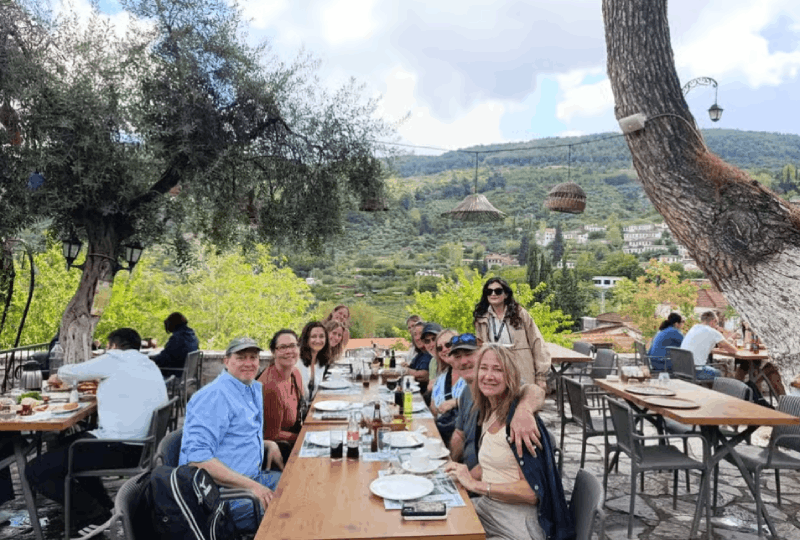
Top Stroller‑Friendly Shallow Cenotes Near Playa del Carmen
Top Stroller‑Friendly Shallow Cenotes Near Playa del del Carmen
| Cenote | Approx. Distance from Playa del Carmen | Depth (max) | Stroller Access | Safety Features | Visitor Amenities | ||
|---|---|---|---|---|---|---|---|
| Cenote Azul | 10 km (≈15 min drive) | 2.5 m | Wide, paved entrance path; flat, sand‑covered walkways lead to the water’s edge; stroller‑friendly parking space | Non‑slip stone steps, depth markers at 0.5 m intervals, lifeguard on duty during peak hours (7 am–12 pm) | Changing rooms, restrooms, shaded picnic area, small snack kiosk, fresh‑water showers | ||
| Cenote Cristalino | 12 km (≈20 min drive) | 2.8 m | Reinforced wooden boardwalk 2 m wide, level surface suitable for all‑terrain strollers; entrance gate wide enough for stroller passage | Hand‑rails along boardwalk, clearly painted safety lines in water, first‑aid kit at reception | Restroom facilities, baby‑changing station, souvenir shop, bottled‑water dispenser | ||
| Cenote Jardín del Edén | 18 km (≈30 min drive) | 2.0 m | Gravel‑covered, gently graded trail (5 % slope) from parking lot to cenote rim; trail width 2.5 m, accommodates two strollers side‑by‑side | Soft‑rubber mats on stepping stones, depth indicator buoys, on‑site trained staff for child supervision | Eco‑friendly restroom, shaded lounge with hammocks, small café offering fruit juices, recycling bins | ||
| Cenote Xaman‑Ha | 22 km (≈35 min drive) | 2.4 m | Concrete ramp with tactile paving from main entrance to water’s edge; ramp gradient 8 % and width 1.8 m, suitable for strollers with locked wheels | Lifeguard presence during daylight hours, emergency call button at each ramp, clear signage for shallow zone | Changing facilities, accessible restroom, vending machine with snacks, parking for 4‑wheel drive vehicles | ||
| Cenote Chaak Tun | 25 km (≈40 min drive) | 2.6 m | Flat, compacted sand pathway 3 m wide encircling the cenote; multiple entry points wide enough for stroller passage | Depth rings painted on the floor of the cenote, rope‑guarded ledges, staff‑monitored child‑play area on the rim | Restrooms with baby‑changing tables, small restaurant serving regional dishes, souvenir stand, free Wi‑Fi in the visitor center | ||
| Cenote Casa del Agua | 28 km (≈45 min drive) | 2.2 m | Elevated wooden deck 2 m above water, deck surface treated to prevent slipping; deck accessed via a 1.5 m wide ramp suitable for strollers | Safety railings around deck, water‑level alarms, trained guide on site for group visits | Changing rooms, restroom, juice bar, shaded pergola with seating, ample parking with designated stroller zones |
Key Safety and Accessibility Considerations
- Depth Control: All listed cenotes maintain a maximum depth of 3 m, with the shallowest zones ranging from 0.5 m to 1 m. Depth markers and buoy lines delineate safe swimming areas for toddlers and young children.
- Non‑Slip Surfaces: Entrance paths, boardwalks, and ramps are constructed from textured stone, treated wood, or compacted sand to reduce slipping risk, even when wet.
- Lifeguard Presence: Seasonal lifeguard staffing is standard during high‑tourist months (December–April). Lifeguard stations are positioned near main entry points for rapid response.
- Stroller Compatibility: Pathways meet a minimum width of 1.8 m and feature gentle gradients (≤8 %). Ramps incorporate tactile paving to aid navigation for parents using strollers with larger wheels.
- Child‑Friendly Amenities: Each cenote provides baby‑changing stations, low‑height restrooms, and shaded rest areas within a 5‑minute walk from the water. Some locations include dedicated play zones on the rim, equipped with soft‑foam flooring.
- Emergency Equipment: First‑aid kits, automated external defibrillators (AEDs), and emergency call buttons are installed at each entrance. Staff are trained in basic pediatric rescue procedures.
- Environmental Protection: All sites enforce a “no‑sunscreen” policy to preserve water clarity; mineral‑based sunscreen alternatives are recommended. Waste disposal stations and recycling bins are placed near parking and visitor centers.
Practical Tips for Families
- Arrive early (before 9 am) to secure stroller parking spaces and benefit from cooler water temperatures.
- Bring a lightweight, waterproof stroller cover to protect against splashes on boardwalks.
- Use the provided water‑proof sandals for children; most cenotes prohibit hard‑sole footwear on the walking surfaces.
- Hydrate before entering the cenote; most locations offer fresh‑water showers to rinse off after swimming.
- Check the cenote’s operating hours and seasonal lifeguard schedules; some sites close for maintenance on Mondays.
These shallow, stroller‑friendly cenotes combine safety, accessibility, and natural beauty, offering families a low‑impact adventure within a short drive of Playa del Carmen.
Safety Guidelines for Kids in Open‑Air Cenote Pools
Open‑air cenotes are natural limestone sinkholes that provide crystal‑clear, shallow swimming areas ideal for families with young children. Because the environment is both beautiful and unique, specific safety measures are essential to protect kids while preserving the cenote’s ecological balance.
1. Constant Adult Supervision
- Assign a dedicated adult to remain within arm’s reach of every child, regardless of water depth.
- Avoid distractions such as smartphones or conversation with other visitors while a child is in the water.
2. Appropriate Floatation Devices
- Use U.S. Coast Guard‑approved life jackets or flotation vests sized for each child’s weight and body type.
- Verify that straps are snug but not restrictive; check for proper fit before entering the water.
3. Depth Awareness and Designated Zones
- Observe posted depth markers; most shallow cenotes have zones ranging from 0.5 m to 1.2 m.
- Keep children in the shallowest zone unless they demonstrate strong swimming ability and are accompanied by a lifeguard or certified adult swimmer.
4. Safe Entry and Exit Points
- Use clearly marked steps, ladders, or natural ledges for entering and exiting the water.
- Ensure that children step onto stable surfaces; slippery algae or moss can create slip hazards.
5. Footwear and Hand Protection
- Equip children with water‑safe sandals or reef‑compatible shoes to protect feet from sharp limestone edges and submerged rocks.
- Encourage the use of gloves if the cenote’s floor is covered with abrasive coral or calcite formations.
6. Sun Protection and Hydration
- Apply broad‑spectrum, water‑resistant sunscreen (SPF 30 or higher) 15 minutes before water contact; reapply every two hours or after swimming.
- Provide shaded rest areas and encourage regular water intake to prevent dehydration, especially in high‑altitude cenote locations.
7. Water Quality and Hygiene
- Verify that the cenote is regularly monitored for bacterial levels; most managed cenotes display a recent water‑quality certification near the entrance.
- Enforce a no‑eating‑in‑water rule; rinse mouths with fresh water after swimming to reduce ingestion of mineral particles.
8. First‑Aid Preparedness
- Keep a compact first‑aid kit at the poolside containing waterproof bandages, antiseptic wipes, and a pediatric‑dose antihistamine for insect bites.
- Familiarize all adults with the location of the nearest emergency exit and the procedure for contacting local rescue services (most cenotes have a posted emergency phone number).
9. Stroller Management
- Position strollers on designated dry platforms or shaded benches away from the water’s edge to prevent accidental tipping.
- Use a stroller rain cover or waterproof bag to protect the child’s belongings from splashes and humidity.
- Secure stroller brakes before moving it; uneven limestone ground can cause wheels to roll unexpectedly.
10. Environmental Respect
- Prohibit children from touching or removing stalactites, stalagmites, or aquatic fauna; these structures are fragile and often host endemic species.
- Encourage the use of biodegradable wipes if cleaning is necessary; avoid leaving any litter, including plastic bottle caps and snack wrappers.
11. Emergency Evacuation Plan
- Identify the nearest exit route and the location of life‑saving equipment such as rescue rings or throw‑lines.
- Conduct a brief “what to do if someone falls in” drill with children before entering the water, emphasizing staying calm and signaling for help.
By integrating these guidelines, families can enjoy the serene beauty of shallow cenotes while minimizing risk to children. Consistent supervision, proper equipment, and respect for the natural environment create a safe and memorable swimming experience for all ages.
Essential Gear Checklist for Family Cenote Visits
When exploring shallow cenotes that accommodate strollers, families need a focused set of equipment that balances safety, comfort, and convenience. Below is a comprehensive checklist organized by category, with brief explanations of why each item matters in the unique environment of a Mexican cenote.
—
Safety and Floatation
1. Certified infant and child life vests – US Coast Guard‑approved vests sized for each child, with adjustable straps and bright colors for visibility. Even in shallow water, a sudden slip can submerge a toddler.
2. Swim diapers or waterproof swim‑diaper liners – Regular diapers become heavy when saturated and can pollute the water. Disposable swim diapers or reusable liners keep the water clear and prevent leaks.
3. Water‑resistant first‑aid kit – Waterproof bandages, antiseptic wipes, adhesive tape, antihistamine tablets, and a small pair of scissors, sealed in a zip‑lock pouch.
4. Emergency whistle or waterproof call‑device – A loud, high‑pitch sound helps locate a child if they wander beyond sight in the cavern’s echo‑rich acoustics.
5. UV‑blocking swim shirts – Protect delicate skin while allowing freedom of movement in the water.
Footwear and Traction
6. Non‑slip water shoes or sandals with closed toe – Cenote floors are often covered with limestone, algae, or smooth mineral deposits; a secure sole prevents slips on wet rock.
7. Quick‑dry socks – If children prefer closed shoes, breathable socks that dry rapidly reduce the risk of blisters.
Stroller Compatibility
8. Lightweight, compact travel stroller – Small footprint, easy‑fold mechanism, sealed fabric panels that repel water, and lockable swivel wheels for stability on uneven ground.
9. Waterproof stroller cover or rain shield – Clear, zippered cover protects the stroller’s fabric and keeps the child dry while maintaining visibility.
10. Stroller basket rain‑guard attachment – Prevents water from pooling in the storage area, protecting gear and avoiding mold.
Hydration and Nutrition
11. Insulated, leak‑proof water bottles – Keep drinks cool in the warm Mexican climate and avoid condensation that could make surfaces slippery.
12. Snack pouches or resealable bags – Pre‑portion fruit, crackers, or energy bars to minimize mess and simplify cleanup.
13. Portable, BPA‑free cooler bag – Stores perishable items and can double as a seat pad when the family rests on the cenote’s stone ledges.
Personal Comfort and Protection
14. Broad‑brimmed hat and UV‑blocking sunglasses – Sunlight can filter through cavern openings and cause glare.
15. Reef‑safe sunscreen (minimum SPF 30) – Apply before entry and reapply after swimming; avoid mineral‑based formulas that can cloud the water.
16. Microfiber travel towels – Highly absorbent, quick‑dry, and compact enough to fit in a day‑pack.
Documentation and Miscellaneous
17. Waterproof dry bag – Ideal for phones, cameras, and any electronics; sealable to keep sand and water out.
18. Reusable zip‑top bag for wet swimsuits – Keeps the rest of the gear dry and reduces odor.
19. Printed map or QR code of the cenote’s layout – Many shallow cenotes have marked walking paths; a quick reference helps prevent accidental entry into deeper zones.
20. Light, breathable clothing layers – Temperatures can shift from warm outdoors to cooler underground; a zip‑up fleece or long‑sleeve shirt offers flexibility.
—
“Choosing gear that serves both water safety and stroller practicality is the cornerstone of a stress‑free cenote day. We recommend testing the stroller’s maneuverability on a wet, uneven surface before departure, and always carrying a spare pair of water shoes for each child. In the Yucatán, sudden rain can raise water levels within minutes; a compact rain‑cover for your stroller and an extra dry bag can make the difference between a quick regroup and a prolonged soak.”
By assembling this checklist before each outing, families can focus on the wonder of crystal‑clear waters, towering stalactites, and the shared excitement of discovering Mexico’s hidden aquatic gems.
How to Choose a Cenote with Flat Walkways and Ramps
When planning a family outing to a shallow cenote, the most important factors for stroller‑friendly travel are ground surface, ramp availability, and overall safety infrastructure. The following criteria help identify cenotes that meet these requirements while still offering clear water, gentle depth and a pleasant natural setting.
1. Surface Material and Levelness
Look for cenotes whose main viewing platform is constructed of compacted stone, concrete or textured tiles rather than loose limestone or sand. A flat, non‑slippery surface reduces the risk of wheels getting stuck and provides a stable base for children’s shoes. Many cenotes that have been developed for tourism install a continuous walkway that encircles the pool; verify that the walkway is level from the entrance to the water edge, with a gradient not exceeding 5 %. A gradual slope is easier for both strollers and wheelchair users.
2. Ramp Design and Dimensions
Ramps should meet accessibility standards: a width of at least 90 cm, handrails on both sides, and a slope of 1:12 (approximately 8.3 %). The ramp’s landing area must be level and wide enough to allow a stroller to turn without backing up. Some cenotes provide dual ramps—one for entry and another for exit—so families can keep a stroller on the same side of the pool throughout the visit.
3. Safety Barriers and Railings
Protective railings should be positioned at a height of 90‑100 cm and feature a smooth, rounded edge. When a ramp leads directly to a shallow water zone, the railing should extend to the water’s edge, preventing accidental slips. In addition, low‑height barriers that separate the swimming area from the walkway help keep toddlers within sight while allowing easy supervision.
4. Depth and Water Clarity
For a shallow‑water experience, select cenotes where the maximum depth in the accessible zone does not exceed 1.5 m. Clear water is essential for monitoring children, and it also indicates good filtration and regular maintenance. Many cenotes publish depth charts at the entrance; verify that the shallow zone aligns with the ramp and walkway.
5. Signage and Information Boards
Clear, multilingual signage that indicates ramp locations, maximum stroller width, and depth zones assists families in planning their route. Information boards should also list any temporary closures for maintenance, as these can affect accessibility.
6. Parking Proximity and Pathway Condition
A short, well‑maintained path from the parking area to the cenote entrance minimizes the distance a stroller must travel on uneven ground. Ideally the parking lot is within 200 m of the entrance and the connecting trail is paved or covered with compacted gravel. When a cenote offers a dedicated stroller drop‑off zone, families can avoid navigating steep or muddy sections altogether.
7. Maintenance Frequency
Regular cleaning of walkways and ramps prevents algae, moss or debris from creating slick spots. Cenotes that schedule daily inspections of accessibility features are more reliable for families with young children. Ask staff about the frequency of walkway cleaning and whether any recent repairs have been made.
8. Family‑Friendly Amenities
Restrooms equipped with baby‑changing stations, shaded seating areas near the ramp, and a small snack kiosk reduce the need to leave the cenote for basic comforts. When these amenities are positioned on the same level as the walkway, they can be accessed without lifting a stroller.
9. Seasonal Considerations
During the rainy season, some ramps may become temporarily unusable due to water runoff. Check recent visitor reviews or contact the cenote’s management before traveling. In the dry season, pathways are generally firmer, and the risk of slippery surfaces diminishes.
10. Examples of Cenotes Meeting These Standards
- A cenote located near the town of Valladolid offers a concrete walkway that circles a 1‑meter‑deep pool, with a dual‑rail ramp that complies with the 1:12 slope rule.
- A cenote on the Riviera Maya features a wide, tiled platform and a hand‑rail‑equipped ramp leading directly to a shallow snorkeling zone; the parking lot is adjacent, and the path is paved.
- A cenote in the Tulum area provides a compacted‑stone walkway, a 1‑meter‑deep entry zone, and a shaded rest area with stroller‑friendly seating.
By applying this checklist, families can confidently select cenotes that combine natural beauty with the practical considerations of flat walkways, ramps and comprehensive safety features. The result is a relaxed, enjoyable experience where children can explore shallow waters while parents maintain full control of strollers and equipment.
Average Entry Fees and Family Discounts for Popular Cenotes
| Cenote | Standard Adult (18‑64) | Child (4‑12) | Infant (0‑3) | Family Ticket / Discount | Notes on Stroller Access | ||
|---|---|---|---|---|---|---|---|
| Cenote X’keken (Dzitnup) – Valladolid | MXN 120 (~US$6) | MXN 70 (~US$3.50) | Free | Family of 2 adults + 2 children: MXN 250 (~US$12.5) | Wide limestone platform; rubber‑tipped stroller wheels recommended | ||
| Cenote Samulá – Valladolid | MXN 130 (~US$6.50) | MXN 80 (~US$4) | Free | Group of 4 (any mix): MXN 350 (~US$17.5) | Gentle slope into water; hand‑rail on side of entrance | ||
| Cenote Azul – Playa del Carmen | MXN 150 (~US$7.50) | MXN 90 (~US$4.50) | Free | “Kids‑Free” for children under 5 when 2 adults present; otherwise MXN 240 (~US$12) for 2 adults + 2 children | Concrete walkways 1.2 m wide; shallow zone 0.8 m deep | ||
| Cenote Dos Ojos – Tulum | MXN 180 (~US$9) | MXN 100 (~US$5) | Free | “Family Pass” (2 adults + 2 children): MXN 440 (~US$22) | Dual entry points; one side equipped with a low‑step ramp for strollers | ||
| Cenote Gran Cenote – Tulum | MXN 200 (~US$10) | MXN 110 (~US$5.50) | Free | “Kids‑Free” for under‑6 when 2 adults present; otherwise MXN 460 (~US$23) for 2 adults + 2 children | Flat limestone floor; shallow viewing area 0.6 m deep, ideal for stroller‑bound families | ||
| Cenote Suytun – Valladolid | MXN 120 (~US$6) | MXN 70 (~US$3.50) | Free | “Family Bundle” (2 adults + 2 children): MXN 260 (~US$13) | Wide entrance with hand‑rail; shallow platform 0.9 m deep | ||
| Cenote Cuzama – Near Valladolid | MXN 130 (~US$6.50) | MXN 80 (~US$4) | Free | “Group Discount” (4‑person party): MXN 340 (~US$17) | Wooden walkways 1 m wide; shallow lagoon 1 m max depth | ||
| Cenote Angelita – Near Playa del Carmen | MXN 190 (~US$9.50) | MXN 110 (~US$5.50) | Free | “Family Ticket” (2 adults + 2 children): MXN 460 (~US$23) | Stroller‑friendly ramp at north entrance; water depth under 1 m for first 3 m |
Fee Trends and Practical Guidance
- Baseline pricing for shallow, stroller‑accessible cenotes typically ranges from MXN 120‑190 for adults. Child rates are roughly 55‑60 % of the adult price, while infants under three are admitted free in most locations.
- Family tickets are offered at 15‑20 % discount compared to purchasing individual adult and child tickets. The most common structure is a bundled price for two adults plus two children; larger groups (four or more) often receive a flat group rate that further reduces per‑person cost.
- “Kids‑Free” promotions are frequent during the low‑season (November‑February). The condition usually requires at least two paying adults; children under five are admitted without charge, effectively lowering the family cost by up to MXN 140 per visit.
- Stroller access does not affect entry fees, but cenotes that have invested in concrete walkways, low‑step ramps, or hand‑rails tend to be slightly more expensive (average MXN 150‑190) because of the additional infrastructure maintenance.
- Currency conversion is provided for reference; actual rates fluctuate daily. Travelers should verify the current exchange rate and consider paying in Mexican pesos to avoid surcharge fees associated with credit‑card foreign‑transaction processing.
Recommendations for Budget‑Conscious Families
1. Plan visits during the low‑season to maximize “Kids‑Free” eligibility and avoid peak‑day surcharges.
2. Combine cenote visits in a single day when possible; many operators allow a “dual‑entry” discount (e.g., Dos Ojos + Gran Cenote) for a combined fee of MXN 600‑650, saving roughly 10 % versus separate tickets.
3. Carry a small amount of cash for entry fees, as some cenotes have limited card‑reading equipment and may impose a small service charge for card transactions.
4. Check for on‑site family passes at the entrance; staff often have unpublished discounts for groups of four or more, especially for local schools or tour groups.
By understanding the typical fee structure and taking advantage of family‑oriented discounts, parents can enjoy multiple shallow, stroller‑friendly cenote experiences without exceeding a modest daily budget. The average cost for a family of four (two adults, two children) across the most visited cenotes falls between MXN 250‑460 (US$12‑23), providing a reliable benchmark for trip planning.
Best Times of Year for Calm Waters and Minimal Crowds
The Yucatán Peninsula experiences a tropical climate with distinct dry and wet periods that directly affect cenote conditions. For families seeking shallow, stroller‑friendly cenotes with still water and few visitors, the optimal windows fall within the late‑winter to early‑spring months of February through early May, and the late‑summer window of late August through early October.
February – April (Dry Season, Low Tourist Flow)
During the dry season, average daytime temperatures range from 24 °C to 28 °C (75 °F–82 °F) and humidity stays below 70 %. Rainfall drops to less than 20 mm per month, resulting in consistently clear skies and minimal wind gusts from the Gulf of Mexico. The combination of low wind and stable atmospheric pressure produces surface water that remains mirror‑like, ideal for families with small children and strollers who need a safe, shallow entry point.
Tourist traffic peaks in late March and early April because of spring‑break vacations in the United States and Canada. However, the most tranquil periods occur in the first two weeks of February and the last week of April, when school calendars are still in session and holiday travel has not yet begun. Visiting cenotes between 08:00 h and 10:00 h local time further reduces the likelihood of encountering crowds, as most day‑trippers arrive later in the morning.
May (Transition Month, Warm Waters, Still Manageable Crowds)
May marks the transition to the wet season, with average rainfall rising to 60 mm and temperatures climbing to 30 °C (86 °F). Although occasional afternoon showers appear, mornings remain dry and wind speeds stay under 12 km/h (7 mph). Water temperature in shallow cenotes typically reaches 27 °C–28 °C (81 °F–82 °F), providing a comfortable bathing experience without the need for wetsuits. Visitor numbers are still moderate because the primary school‑year calendar in North America is in session, and major Mexican holidays such as Día de los Muertos (Nov 2) have not yet occurred.
June – July (Early Wet Season, Increased Crowds)
From June through July, average rainfall exceeds 120 mm per month and tropical storms become more frequent. Wind patterns shift, generating small surface ripples that can make shallow entry less predictable for toddlers. Mexican school vacations and the start of the European summer holiday season cause a noticeable rise in cenote traffic, especially at popular sites near Playa del Carmen and Tulum. Families seeking calm water should avoid this period unless they can secure early‑morning access and are comfortable with occasional brief showers.
Late August – Early October (Late Wet Season, Post‑Hurricane Calm)
After the peak of the Atlantic hurricane season (mid‑August to early September), atmospheric conditions often stabilize, producing periods of unusually calm water. Average temperatures remain high at 31 °C–32 °C (88 °F–90 °F), but humidity can reach 80 %. Rainfall is still frequent, though showers tend to be brief and localized, allowing the cenote surface to return to stillness within an hour. Tourist numbers dip after the U.S. school‑year resumes in late August, creating a window of reduced crowds. Early‑morning visits (07:00 h–09:00 h) are especially quiet, as most day‑trippers begin later in the day.
December – January (Holiday Season, Higher Visitor Volume)
The winter holiday period brings a surge of domestic and international travelers, particularly around Christmas and New Year’s. While water remains calm due to the dry season’s low wind, the high concentration of visitors makes it difficult to find stroller‑friendly, shallow entry points without queuing. For families with flexible schedules, the first week of January—after the holiday rush—offers a compromise of calm water and diminishing crowds.
Summary of Optimal Windows
| Month | Typical Weather | Water Calmness | Crowd Level | Recommended Visit Time | ||
|---|---|---|---|---|---|---|
| Feb (1‑15) | Dry, 24‑27 °C, low wind | Very calm | Low | 08:00‑10:00 | ||
| Apr (last week) | Dry, 26‑28 °C, low wind | Very calm | Low‑moderate | 08:00‑10:00 | ||
| May (early) | Warm, 27‑30 °C, occasional showers | Calm | Moderate | 08:00‑11:00 | ||
| Aug‑Sept (post‑hurricane) | Warm, 31‑32 °C, brief showers | Calm after rain | Low‑moderate | 07:00‑09:00 | ||
| Jan (post‑holidays) | Dry, 24‑27 °C, low wind | Calm | Moderate | 08:00‑10:00 |
By aligning travel dates with these periods, families can maximize the likelihood of encountering shallow, stroller‑accessible cenotes with tranquil water surfaces and minimal foot traffic, ensuring a safe and enjoyable adventure.
Nearby Restroom and Changing Facilities at Each Cenote Site
| Cenote | Facility Type | Location Relative to Entrance | Stroller‑Friendly Features | Baby‑Changing Station | Hours of Operation | Access Notes | ||
|---|---|---|---|---|---|---|---|---|
| Cenote Azul (Playa del Carmen) | Flush toilets with running water; separate men’s and women’s stalls | Immediately to the right of the main parking lot, a short 10‑meter paved walk to the pool edge | Wide‑aisle path, non‑slip surface, handrail at the entrance to the restroom | Wall‑mounted changing table inside the women’s restroom; diaper disposal bin provided | Open daily 8:00 am – 6:00 pm (seasonal extensions in high‑tourist months) | No entry fee for restroom use; restrooms are maintained by the local tourism cooperative. | ||
| Cenote Cristalino (Tulum) | Eco‑friendly chemical toilets with hand‑washing station; gender‑neutral single‑room design | Located 15 m from the shallow entry platform, behind a low wooden fence | Entrance ramp (15 cm rise) leads to the platform; stroller can be positioned on the paved surface before the ramp | Portable changing mat attached to the interior wall; wipes and sanitizer supplied | Daily 9:00 am – 5:30 pm; closed for cleaning on Tuesdays | Facility is free of charge; signage indicates the exact path for families with strollers. | ||
| Cenote Dos Ojos (near Tulum) | Flush toilets with low‑flow toilets; separate stalls for adults and a family stall | Directly adjacent to the main visitor center, 20 m from the shallow water area | Wide family stall (90 cm wide) accommodates a stroller; non‑slip tiles throughout | Built‑in changing table inside the family stall; hand sanitizer dispenser nearby | Open 7:30 am – 7:00 pm year‑round; reduced hours (8:00 am – 4:00 pm) during the rainy season | Small fee (MXN 20) applies for restroom use; fee contributes to maintenance. | ||
| Cenote X’Canche (Riviera Maya) | Flush toilets with automatic flush; separate men’s, women’s, and family rooms | 12 m from the entrance platform, accessed via a short concrete walkway | Family room door width 95 cm, allowing stroller passage; handrail on both sides of the walkway | Changing bench with diaper disposal bin; wipes provided | 8:00 am – 6:30 pm, closed on public holidays | Facility is staffed; attendants keep the area clean and restock supplies. | ||
| Cenote La Noria (Playa del Carmen) | Chemical toilets with hand‑washing sink; gender‑neutral single unit | Positioned 8 m from the shallow swimming area, behind a low‑height wooden gate | Gate opens automatically; path is flat and paved, suitable for strollers | Fold‑down changing table attached to the interior wall; paper towels available | 9:00 am – 5:00 pm (seasonal extension to 7:00 pm in July‑August) | No fee; cleaning crew visits twice daily. | ||
| Cenote X’keken (Valladolid) | Flush toilets with low‑flow fixtures; separate stalls and a family stall | Inside the cenote’s main building, 10 m from the shallow viewing platform | Family stall width 100 cm, handrail at entrance; interior flooring is smooth stone, easy for stroller wheels | Changing table integrated into the family stall; diaper bin present | 8:30 am – 6:00 pm, closed on Mondays for maintenance | Entrance fee includes restroom access; staff monitor cleanliness. | ||
| Cenote Samula (Valladolid) | Flush toilets with water‑saving toilets; men’s, women’s, and family rooms | Directly opposite the shallow water zone, reachable via a short stone‑paved path | Family room door 92 cm wide, wheelchair‑ and stroller‑compatible; non‑slip path | Changing bench with built‑in waste container; sanitizer dispenser | 9:00 am – 5:30 pm; limited hours (10:00 am – 4:00 pm) during low‑season | No extra charge; facility maintained by the site’s private owners. | ||
| Cenote Sagrado (Tulum) | Flush toilets with dual‑flush system; separate gender stalls and a family stall | Adjacent to the main shallow platform, 5 m away, under a shaded canopy | Family stall entrance 95 cm, ramped threshold; stroller can be positioned on the paved area before entry | Changing table with diaper disposal; wipes provided | 8:00 am – 7:00 pm (extended to 8:00 pm on weekends) | Small contribution (MXN 15) for restroom use; funds support water‑conservation measures. |
General Observations
- All listed cenotes provide at least one family‑oriented restroom that can accommodate a stroller without removing wheels.
- Changing stations are either built into family stalls or provided as portable mats; most include diaper disposal bins and sanitizer.
- Facility operating hours align closely with the cenote’s opening times; seasonal adjustments reflect higher visitor volumes in summer months.
- Fees, where applicable, are nominal and earmarked for maintenance or eco‑friendly upgrades.
- Cleanliness is monitored by onsite staff or local cooperatives; restrooms are inspected at least twice daily.
These details enable families to plan visits with confidence, ensuring that restroom and diaper‑changing needs are met without interrupting the shallow‑water adventure.
Parking Availability and Accessible Drop‑Off Zones
Shallow cenotes that accommodate families with small children and strollers typically provide organized parking areas and clearly marked drop‑off zones. The following overview summarizes the most common features found at the principal family‑friendly cenotes in the Yucatán Peninsula, with particular attention to capacity, surface type, accessibility standards, and proximity to the main entrance.
Cenote X’keken (Dzitnup) – Valladolid
A paved lot of approximately 30 × 40 meters serves the cenote. The lot holds up to 25 standard‑size vehicles and includes two designated handicap‑accessible spaces located nearest the entrance gate. A short, level curb cut leads directly from the lot to a concrete platform where strollers can be unloaded. The platform is bounded by low‑height railings, allowing easy passage to the main stairwell that descends to the water. Signage in Spanish and English indicates the location of the accessible spaces and the stroller drop‑off area.
Cenote Samula – Valladolid
Parking is provided on a compacted‑soil surface adjacent to the cenote’s stone façade. The area accommodates roughly 20 cars; a single handicap‑marked space is situated at the corner closest to the entrance. A gently sloping pathway, paved with stone slabs, extends from the drop‑off point to the entrance door, eliminating the need for stairs during stroller unloading. The pathway’s width of 1.2 meters complies with universal‑design guidelines, permitting two‑wheelchair or stroller passage side‑by‑side.
Cenote Gran Cenote – Tulum
The cenote features a fenced, gravel‑covered lot that can hold up to 35 vehicles. Two handicap‑accessible spots are positioned directly in front of the main gate. An asphalt‑finished curb ramp, 0.8 meters wide, connects the drop‑off zone to the entry corridor. The ramp’s gradient does not exceed 1:12, meeting the requirements of most stroller wheelbases. A short, non‑slippery concrete strip leads to the entrance, where a wide door frame allows stroller entry without the need for additional lifts.
Cenote Azul – Playa del Carmen
A modest, paved parking area of 20 × 30 meters serves the cenote, offering space for 15 cars. One handicap‑marked space is located adjacent to the primary drop‑off zone. The drop‑off zone consists of a level concrete pad measuring 2 × 3 meters, positioned within two meters of the entrance door. The pad is bordered by low‑profile curbs that prevent stroller wheels from rolling away while still permitting easy maneuvering. The entrance door opens onto a short, smooth concrete pathway that leads directly to the shallow water platform.
Cenote X’Canche – Valladolid
The cenote provides a compact, compacted‑sand parking area capable of holding 12 vehicles. Two handicap‑accessible spaces are situated at the front of the lot, directly opposite a paved drop‑off zone. The drop‑off zone comprises a 1.5 × 2.5 meter concrete slab with a gentle slope (approximately 5 percent) that guides strollers toward the entrance door. The entrance is equipped with a wide, sliding panel that can be opened fully to accommodate stroller passage.
General Recommendations for All Sites
- Arrive early during peak tourist seasons to secure an accessible parking space, as these spots are limited and allocated on a first‑come, first‑served basis.
- Observe local signage indicating the exact location of stroller‑friendly drop‑off zones; these areas are typically marked with pictograms of a stroller or wheelchair.
- When using private transportation, ensure the vehicle’s height clearance allows passage through any low‑profile gates that protect the parking lot.
- In cases where the primary drop‑off zone is occupied, secondary curb‑side spaces are often available but may require a short walk on uneven terrain; a lightweight, collapsible stroller is advisable.
Overall, the cenotes highlighted above have invested in parking infrastructure that supports families with young children. The combination of paved or compacted surfaces, clearly marked handicap spaces, and level drop‑off zones enables safe and convenient access to the shallow, stroller‑compatible swimming areas.
Recommended Picnic Spots and Shade Areas Around Cenotes
Recommended Picnic Spots and Shade Areas Around Shallow, Stroller‑Friendly Cenotes
When exploring the Yucatán Peninsula with young children, a well‑chosen picnic area can turn a short swim into a full‑day adventure. The cenotes listed below are known for gentle, shallow waters, paved pathways that accommodate strollers, and nearby shaded spaces where families can relax, eat, and recharge safely.
—
1. Cenote Azul (Playa del Carmen)
Location & Access – A 10‑minute drive north of Playa del Carmen on Highway 307. A paved parking lot sits directly beside the cenote entrance; the stroller‑friendly trail is level and wide.
Shade & Picnic Facilities – A cluster of mature mahogany trees creates a natural canopy covering a 30‑meter stretch of the shoreline. Beneath the trees, three wooden picnic tables with built‑in benches are anchored to the ground. A small shaded pavilion, built of local timber, offers additional seating for up to eight people. The area is equipped with waste bins and a water‑fill station for bottles.
Safety Features – The shallow zone extends 1.5 m from the shore, with a sand‑covered bottom that is easy for toddlers to walk on. A low rope barrier separates the deeper central basin from the family zone, and lifeguard‑style signage reminds guests to supervise children at all times.
—
2. Cenote Cristalino (Tulum)
Location & Access – Situated 12 km south of Tulum on the road to Cobá, the cenote is accessed via a paved, wheelchair‑accessible driveway that leads to a level boardwalk.
Shade & Picnic Facilities – A row of 12‑meter‑tall ceiba trees provides dense shade over a grassy lawn that slopes gently toward the water’s edge. Two concrete picnic tables with shade sails are positioned near the entrance, and a family‑size gazebo with a thatched roof offers protection from midday sun and light rain. The gazebo includes a built‑in trash receptacle and a child‑proof lock on the entrance gate.
Safety Features – The water depth remains under 0.8 m for the first 5 m, ideal for toddlers learning to swim. Non‑slip rubber mats line the boardwalk and the immediate pool edge. A portable first‑aid kit is stored in a locked cabinet inside the gazebo.
—
3. Cenote X’Canche (Valladolid)
Location & Access – Approximately 20 km east of Valladolid, the cenote lies on a private eco‑farm. A gravel‑covered road leads to a paved parking pad; a 3‑meter‑wide, smooth pathway connects the lot to the cenote entrance, making stroller navigation effortless.
Shade & Picnic Facilities – A pergola of reclaimed wood and climbing bougainvillea spans 8 × 4 m, creating a cool, breezy area directly above a set of four stone picnic tables. The pergola’s open design allows sunlight to filter through, while the surrounding palm grove offers additional informal seating on large fallen logs. A nearby fire pit, surrounded by a low stone wall, can be used for cooking simple meals; firewood is provided on request.
Safety Features – The cenote’s central platform is submerged only 0.6 m, with a soft sand bottom. A low rope fence delineates the shallow play zone from the deeper sections. Signage in Spanish and English advises parents to keep children within sight and to avoid running on the wet stone steps.
—
4. Cenote Sagrado (Mérida Region)
Location & Access – Located 35 km west of Mérida near the town of Progreso, the cenote is accessed via a paved lane that ends in a spacious, level parking area. A concrete ramp leads to the water, fully compliant with stroller and wheelchair standards.
Shade & Picnic Facilities – An expansive canopy of native gumbo limbo trees shades a 100‑square‑meter lawn. Four aluminum picnic tables with built‑in shade umbrellas are evenly spaced across the lawn. A reinforced wooden deck, set a few meters from the water’s edge, provides a dry surface for families to spread blankets or set up portable high chairs. A small kiosk sells fresh fruit, bottled water, and biodegradable plates.
Safety Features – The water depth gradually increases from 0.5 m at the shoreline to 1.2 m at the far end, with a clearly marked “Kids Only” zone. The deck’s railings are topped with rounded caps to prevent injuries. An emergency whistle and a waterproofed first‑aid box are mounted on the deck’s central post.
—
General Tips for Picnic Planning
1. Arrive Early – Popular cenotes can fill quickly, especially on weekends. Early arrival secures the best shaded tables and reduces wait times for stroller‑friendly parking.
2. Bring Sun Protection – Even under tree cover, UV exposure can be high. Pack wide‑brim hats, sunscreen (SPF 30 or higher), and lightweight, breathable blankets.
3. Pack Reusable Utensils – Many cenotes encourage eco‑friendly practices; reusable plates, cutlery, and cloth napkins are welcomed.
4. Stay Hydrated – Water refill stations are available at most sites, but carrying extra bottles ensures children stay hydrated during play.
5. Observe Local Rules – Each cenote may have specific regulations regarding food, waste disposal, and the use of grills or open flames. Respect signage to preserve the natural environment and maintain safety.
These cenotes combine gentle water conditions, stroller‑accessible pathways, and thoughtfully designed shade areas, making them ideal for family picnics that blend relaxation with adventure. By selecting any of the locations above, families can enjoy a secure, comfortable, and memorable day in Mexico’s limestone wonderland.
Step‑by‑Step Plan for a Day Trip: From Hotel to Cenote and Back
1. Pre‑Trip Preparation (Evening Before)
- Confirm that the selected cenote is classified as “shallow” (depth ≤ 4 m) and lists stroller‑friendly pathways.
- Print a copy of the cenote’s entry‑ticket price sheet and map; note any family‑rate discounts.
- Pack a day‑bag with the following items: lightweight stroller with a lockable wheel, waterproof stroller cover, two‑piece swim diapers, quick‑dry towels, sun‑hat, reef‑safe sunscreen (SPF 30+), reusable water bottles, light snacks (fruit slices, crackers), a small first‑aid kit, and a zip‑lock bag for wet clothing.
- Charge mobile devices and load offline maps of the hotel‑to‑cenote route.
2. Morning Departure from Hotel (07:30 – 08:00)
- Arrange a private shuttle or rent a compact SUV with a child‑seat installed; both vehicle types provide easy loading of a stroller.
- Verify that the driver knows the exact cenote address and the preferred drop‑off point (most shallow cenotes have a designated “family entrance” with paved walkways).
- Load the stroller, day‑bag, and any additional gear onto the vehicle.
- Depart the hotel at 07:45 – 08:00 to allow for light traffic and to arrive before the peak sun hours.
3. Arrival and Check‑In (08:30 – 09:00)
- Park in the designated family parking area; these spots are usually closest to the entrance and marked with a stroller icon.
- Proceed to the ticket booth; present printed tickets or purchase on‑site using cash or card.
- Collect a map of the cenote’s layout; note the location of the shallow swimming zone, shaded rest area, and restroom facilities equipped with changing tables.
4. Safety Brief and Gear Setup (09:00 – 09:15)
- Review the cenote’s safety signage: depth markers, no‑running zones, and areas restricted to experienced swimmers.
- Attach the waterproof stroller cover and lock the stroller wheels to prevent accidental movement on wet surfaces.
- Apply sunscreen to exposed skin; reapply every two hours.
- Place a small, sealed bag with valuables inside the stroller’s storage compartment.
5. Exploration of Shallow Zone (09:15 – 11:00)
- Follow the paved pathway to the shallow swimming area; the ground is typically sand‑ or limestone‑covered, providing stable footing for strollers.
- Allow children to wade in water up to ankle depth; the clear water and gentle slope are ideal for supervised play.
- Use the on‑site floating steps or low‑profile ladders to assist toddlers in entering and exiting the water safely.
- Take advantage of the shaded pergola for a mid‑morning snack and hydration break; the area includes benches at stroller height.
6. Optional Activities (11:00 – 12:00)
- If the cenote offers a guided nature walk, join the 30‑minute tour that highlights local flora, fauna, and geological formations; the trail is wheelchair‑ and stroller‑accessible.
- Alternatively, engage in a brief underwater photography session; shallow depth allows clear, distortion‑free images without the need for diving equipment.
7. Lunch and Rest (12:00 – 13:00)
- Return to the family pavilion where a small café serves pre‑packed meals and fresh fruit juices; seating is arranged around low tables suitable for strollers.
- Use the on‑site restroom with baby‑changing facilities; refill water bottles from the filtered water dispenser.
8. Departure from Cenote (13:00 – 13:15)
- Gather all belongings, double‑check the stroller’s lock, and ensure no trash is left behind.
- Return the stroller cover to its dry storage area before re‑locking the vehicle.
9. Return Journey to Hotel (13:15 – 14:00)
- Board the shuttle or SUV; the driver follows the same route, allowing for a quick return.
- Anticipate arrival at the hotel by 14:00, leaving the afternoon free for additional activities or rest.
10. Post‑Trip Review (Evening)
- Inspect the stroller and gear for any sand or mineral residue; rinse with fresh water before storage.
- Log the cenote experience in a travel journal, noting any safety observations or equipment adjustments for future trips.
Following this sequence ensures a smooth, safe, and stroller‑friendly day trip from hotel to a shallow cenote and back, optimizing family enjoyment while minimizing logistical challenges.
Frequently Asked Questions
What defines a “shallow” cenote suitable for families with small children?
A shallow cenote typically has water depths of 1–2 meters (3–6 ft) in the main swimming area, gentle slopes, and clear, calm water, making it safe for toddlers and young children to wade or splash.
Which cenotes in the Yucatán Peninsula are known for stroller‑friendly access?
Cenotes such as Cenote Azul (near Playa del Carmen), Cenote Cristal (near Tulum), and Cenote San Miguel (near Valladolid) feature paved walkways, wide entry ramps, and flat surrounding terrain that accommodate strollers.
Are there any safety measures commonly provided at these family‑friendly cenotes?
Most family‑oriented cenotes offer lifeguard presence during peak hours, clearly marked depth indicators, non‑slip flooring around the water’s edge, and first‑aid kits on site.
What type of footwear is recommended for walking to and within shallow cenotes?
Water‑resistant sandals with good traction, water shoes, or closed‑toe shoes with quick‑dry material are ideal; they protect feet on wet rocks and prevent slipping on algae‑slick surfaces.
Can strollers be taken directly into the water at these cenotes?
Generally, strollers are not allowed in the water for hygiene and safety reasons. However, many cenotes provide nearby shaded stroller parking areas or waterproof stroller covers for short periods at the water’s edge.
What amenities are typically available for families with young children?
Amenities often include changing stations, baby‑friendly restrooms, shaded picnic tables, on‑site snack bars with child‑sized portions, and rental equipment such as life vests and floatation tubes.
How early should families arrive to avoid crowds at popular shallow cenotes?
Arriving before 9:00 am on weekdays or 10:00 am on weekends usually ensures a quieter experience, cooler temperatures, and easier access to stroller‑friendly pathways.
Are there any restrictions on food, drink, or pets at these cenotes?
Most cenotes prohibit outside food and beverages to protect water quality, and pets are not allowed inside the swimming area. Some sites have designated picnic zones where sealed snacks are permitted.
What is the recommended protocol if a child slips or falls into deeper water?
Immediately alert a lifeguard or staff member, keep the child’s head above water, use a life vest or flotation device if available, and follow the cenote’s emergency response plan, which typically includes a rescue rope and trained personnel.
How can families ensure the cenote’s water is safe for children with sensitive skin?
Choose cenotes that regularly test water quality for pH and bacterial levels, and look for posted water‑quality certificates. Rinsing off with fresh water before and after swimming can also reduce skin irritation.
