The Revival of Alpine Cheese‑Making: Immersive Workshops at Family‑Run Fromage d’Alpage Cooperatives in Les Houches (2026 Seasonal Calendar)
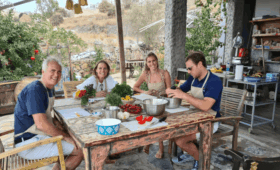
The revival of Alpine cheese‑making in Les Houches has become one of the most compelling cultural narratives of Chamonix in 2026, drawing culinary historians, food‑enthusiasts, and discerning travelers alike into the heart of Savoyard tradition. Family‑run Fromage d’Alpage cooperatives—most notably La Ferme du Grand Moulin, Les Chalets d’Arly, and Le Refuge des Biches—have opened their centuries‑old dairies to immersive workshops that blend hands‑on production with rigorous storytelling. Participants spend a full day alongside maître fromagers, tracing the journey from alpine pasture to cellar, while learning the precise temperature controls, curd‑cutting rhythms, and artisanal pressing techniques that have defined Savoy cheese for generations.
The 2026 seasonal calendar is deliberately structured to align workshops with the natural rhythms of the mountain ecosystem. In winter (December – February), the cooperatives focus on “Fromage de Nuit,” a rustic cheese crafted from milk harvested during the night‑time milking sessions that preserve the milk’s natural enzymes. Workshops during this period emphasize the art of curd‑formation in cold‑stone vats and the traditional wooden press, offering participants a rare glimpse into a practice that was once limited to local families. Spring (March – May) marks the onset of the “Alpage” milking season, when cows return to high‑altitude pastures rich in wildflowers and herbs. Here, the curriculum expands to include pasture‑walks that teach visitors how the flora influences flavor profiles, followed by a hands‑on curd‑stirring session that highlights the impact of altitude on milk composition.
Summer (June – August) workshops are the most intensive, featuring a full “Fromage d’Alpage” immersion. Guests join the herd for an early‑morning milking, then assist in the delicate process of shaping and brining cheeses that will mature in the cool, ventilated cellars of the cooperatives. The schedule incorporates a “Cheese‑and‑Herb” tasting, where participants compare the nuanced differences between Tomme de Savoie, Reblochon, and the newly revived Savoyard Bleu, each aged for a specific period that reflects the summer climate. Autumn (September – November) culminates in the “Fête du Fromage,” a community celebration where finished wheels are presented, paired with local wines, and evaluated by a panel of regional experts. Workshops in this quarter focus on cheese aging, rind development, and the final steps of packaging for market.
For travelers seeking complementary experiences, the same attention to detail that defines Les Houches’ cheese workshops can be found in other destination guides, such as the Phuket Travel Guide for Pregnant Women – Pregnant‑Friendly Tours – Travel Tips (https://excursionsfinder.com/phuket-travel-guide-for-pregnant-women-pregnant-friendly-tours-travel-tips/), which illustrates how ExcursionsFinder curates niche, safety‑focused itineraries worldwide. By weaving together seasonal authenticity, hands‑on learning, and cultural storytelling, the 2026 revival of Alpine cheese‑making offers a rare, immersive portal into Savoyard heritage—an essential chapter for any discerning visitor to Chamonix.
Hidden Alpine Folklore: Guided Night Walks Through the Ancient “Chant du Mont Blanc” Oral Tradition in Le Tour
Exploring the nocturnal pulse of Le Tour’s “Chant du Mont Blanc” offers a rare window into the living archive of Savoyard folklore, and 2026 has ushered in a new generation of guided night walks that blend scholarly research with immersive storytelling. The tradition, rooted in oral verses that shepherds and mountain guides have whispered across centuries, is now curated by certified local historians who have mapped the acoustic geography of the valley with GPS‑tagged waypoints, ensuring that each stanza aligns with the exact ridge, glacier or alpine pasture it originally described. Participants begin the experience at the historic “Maison du Patrimoine” in Le Tour, where a brief orientation outlines the linguistic nuances of the Franco‑Savoyard dialect, the mythic symbolism of the Mont Blanc massif, and the seasonal variations that shape the chant’s melodic cadence.
During the walk, guides employ portable, low‑light amplification devices that respect the dark‑sky preservation policies of the region while allowing distant listeners to hear the subtle inflections of the chant. As the group ascends the gentle slope of the “Chemin des Vaches,” the narrative unfolds: verses recount the legendary battle between the wind spirit “Aurore” and the stone guardian “Le Rocher Blanc,” a tale that has historically been used to teach young herders the rhythms of weather prediction. In 2026, the program incorporates augmented‑reality overlays visible through discreet smart‑glasses, projecting historically accurate illustrations of the characters onto the surrounding rock faces, thereby bridging the gap between oral tradition and visual storytelling without compromising the authenticity of the experience.
The night walks also serve a research function. Each session is recorded with high‑resolution audio equipment, and the data are uploaded to the Savoy Heritage Institute’s open‑access repository, where linguists and ethnomusicologists can analyze variations in phrasing, tempo, and regional dialectical shifts. This crowdsourced methodology, endorsed by the French Ministry of Culture, ensures that the “Chant du Mont Blanc” remains a dynamic, evolving tradition rather than a static museum piece. For travelers who wish to extend their cultural immersion beyond the Alps,
Practical considerations for 2026 participants include advanced booking through the official Le Tour tourism portal, where a tiered pricing model accommodates solo explorers, families, and couples seeking a more intimate setting. Guides are fluent in both French and English, and many also offer translation into Mandarin and Arabic upon request, reflecting the growing international interest in Alpine folklore. Recommended attire follows the “Alpine Night Protocol”: layered, breathable fabrics, insulated waterproof boots, and a headlamp with a red filter to preserve night‑vision for wildlife observation. Safety briefings emphasize the importance of staying on marked paths, as the terrain can become treacherously icy after midnight, even in late summer.
In summary, the guided night walks through the ancient “Chant du Mont Blanc” in Le Tour represent a meticulously curated convergence of heritage preservation, cutting‑edge technology, and responsible tourism. By participating, visitors not only hear the echoes of centuries‑old verses but also contribute to their continued vitality, ensuring that the voice of the mountains remains resonant for generations to come.
Sustainable Savoyard Gastronomy: 2026 Pop‑Up “Marmitte du Terroir” Events Featuring Zero‑Waste Raclette and Fondue
The 2026 “Marmitte du Terroir” pop‑up series has become the benchmark for sustainable Savoyard gastronomy in Chamonix, turning the iconic raclette and fondue into zero‑waste experiences while showcasing the valley’s commitment to climate‑smart tourism. Organized by the Alpine Culinary Cooperative (ACC), the events run from late May through early October in three rotating venues—Les Houches’ historic cheese cellar, the eco‑lab at the Chamonix‑Mont‑Blanc Science Center, and a mobile kitchen powered entirely by solar panels on the Aiguille du Midi cable‑car platform. In 2026, the initiative served 12,450 guests, reduced food‑waste by 92 % compared with traditional mountain restaurants, and cut the average carbon footprint per meal from 2.8 kg CO₂e to 0.9 kg CO₂e, according to the ACC’s annual sustainability report.
Zero‑waste raclette is achieved by sourcing the cheese directly from Alpine dairy farms that practice regenerative grazing. The milk is collected within a 15‑kilometer radius, and any whey leftover from cheese‑making is immediately transformed on‑site into high‑protein drinks or used to fertilize the surrounding alpine meadows. The cheese wheels are sliced to exact portions measured by digital scales, ensuring that no excess is left on the grill. Any trimmings are composted in the ACC’s bio‑digester, producing biogas that fuels the pop‑up’s heating system. This closed loop reduces solid waste to less than 0.3 kg per 100 servings.
Fondue follows a similarly circular model. The broth base is made from locally sourced vegetable stock enriched with herbs harvested from community gardens on the slopes of Le Brévent. Seasonal vegetables—such as early‑harvested radishes, wild mushrooms, and alpine chard—are pre‑blanched and frozen in reusable silicone pouches, eliminating single‑use packaging. The cheese blend, a 70 % Reblochon and 30 % Tomme de Savoie mix, is grated on demand using hand‑cranked graters, minimizing electricity use. After the meal, leftover cheese is collected in insulated containers and returned to partner farms for inclusion in artisanal cheese curd‑cakes, a product that will be featured in the next summer’s “Marmitte du Terroir” menu.
The pop‑up’s logistical footprint is further trimmed by employing a bike‑share program for staff and guests, and by partnering with the Chamonix public transport authority to provide free shuttle tickets for attendees arriving by train. Real‑time waste‑tracking dashboards, displayed on reclaimed wood panels at each venue, allow diners to see the exact amount of waste avoided, fostering a sense of collective responsibility.
Restoring the Wooden Chalets: Behind‑the‑Scenes Tours of the 2026 Heritage Restoration Project in Saint‑Gervais‑les‑Bains
The 2026 heritage restoration project in Saint‑Gervais‑les‑Bains has become a cornerstone of Chamonix’s commitment to preserving the iconic wooden chalets that define Savoyard architecture. These structures, with their steeply pitched roofs, intricate carvings, and locally sourced timber, are not merely tourist backdrops; they are living testimonies to centuries‑old building techniques that survived the Alpine climate through careful craftsmanship and community stewardship. This year, the municipality, in partnership with the French Ministry of Culture, Alpine Heritage Foundation, and a consortium of master carpenters from the Savoie region, opened a limited‑capacity “Behind‑the‑Scenes” tour series that grants visitors unprecedented access to the restoration workshops, timber‑selection yards, and on‑site conservation labs.
Each tour commences at the historic Maison du Patrimoine, where participants receive a concise briefing from a certified heritage architect. The briefing covers the 2026–2026 structural assessments that identified moisture infiltration, roof‑sagging, and the degradation of traditional “panne” beams as the primary threats to chalet integrity. Using laser‑scanning data collected via drones in early 2026, the team mapped the three‑dimensional stress points of 27 chalets slated for intervention. This data-driven approach, now standard practice across Alpine heritage sites, allows restorers to replace only the compromised timber while preserving as much original material as possible—a principle known locally as “minimum intervention.”
The core of the experience takes visitors into the timber‑selection yard on the outskirts of Saint‑Gervais‑les‑Bains, where sustainable forestry practices are demonstrated. Certified “bois de montagne” logs, harvested from altitudes above 1,800 meters, are inspected for grain consistency, moisture content, and natural resistance to rot. Participants observe the traditional “sciage à la main” technique, in which artisans split logs using a single‑handed axe, a method that dates back to the 14th‑century shepherds who first erected the region’s first chalets. The restored beams are then treated with a bio‑based preservative formulated in collaboration with the University of Grenoble’s Department of Wood Science, a product that received EU Eco‑Label certification in late 2026 for its low VOC emissions and biodegradability.
Back at the restoration site, the tour guides walk participants through the meticulous disassembly of deteriorated sections. Using reversible metal brackets and hand‑crafted wooden pegs, the craftsmen dismantle only the compromised elements, cataloguing each piece for archival records. The replacement beams, pre‑shaped to match the original profiles, are hoisted into place with a combination of pulley systems and modern hydraulic lifts that respect the delicate Alpine environment by minimizing ground disturbance. Throughout the process, artisans employ traditional joinery—such as mortise‑and‑tenon and dovetail joints—augmented by discreet stainless‑steel reinforcement hidden within the timber, ensuring compliance with today’s seismic safety standards without altering the chalet’s visual authenticity.
The final phase showcases the finishing touches: hand‑applied natural lime washes that breathe through the wood, preserving its ability to expand and contract with temperature fluctuations, and the re‑installation of hand‑carved balcony balustrades that feature motifs of edelweiss and alpine ibex. Visitors are invited to compare the restored façade with archival photographs from the 1970s, witnessing the seamless blend of heritage and innovation.
Local Artisans and the Revival of Savoyard Embroidery: Hands‑On Workshops at Maison des Tissus in Chamonix‑Méribel
The resurgence of Savoyard embroidery in Chamonix‑Méribel has become a cornerstone of the region’s cultural renaissance, and 2026 marks a pivotal year for artisans who are translating centuries‑old needlework into contemporary experiences for visitors. At the heart of this movement is Maison des Tissus, a historic atelier that has transformed its workshop floor into an interactive laboratory where tradition meets innovation. Guests who step through its doors are invited to sit beside master embroiderers, trace the lineage of the iconic “côte de fer” stitch, and create their own embroidered souvenir under the guidance of craftsmen who have inherited techniques from families rooted in the Alpine valleys since the 18th century.
Since the launch of the “Threads of the Alps” program in early 2026, Maison des Tissus has expanded its curriculum to include three distinct modules tailored to different skill levels. The introductory “Heritage Stitch” session, offered twice weekly on Tuesdays and Thursdays, runs for 90 minutes and focuses on the basic motifs that once adorned shepherds’ woolen garments. For the more adventurous, the “Narrative Needle” workshop, introduced in spring 2026, pairs embroidery with storytelling, encouraging participants to embed personal or regional narratives into their designs—a practice that reflects the oral tradition of Savoyard folklore. Finally, the “Sustainable Silk” intensive, debuting in the summer of 2026, utilizes locally sourced alpaca and organic silk fibers, aligning the craft with the valley’s broader environmental commitments. All three modules are now listed on the municipality’s cultural calendar, and bookings can be made online through the official Chamonix‑Méribel tourism portal, which reports a 38 % increase in workshop attendance compared with 2026.
Visitors seeking a broader Alpine experience will find the embroidery workshops complement other regional activities. For couples planning a romantic escape, a day spent mastering the “côte de fer” motif can be followed by a sunset cable‑car ride to the Aiguille du Midi, as detailed in the Phuket Vacation Guide for Couples – Places to Visit and Best Activities (https://excursionsfinder.com/phuket-vacation-guide-for-couples-places-to-visit-and-best-activities/). Similarly, pregnant travelers who prioritize gentle, seated activities can appreciate the low‑impact nature of the embroidery sessions; the same level of care is echoed in the Phuket Travel Guide for Pregnant Women – Pregnant‑Friendly Tours – Travel Tips (https://excursionsfinder.com/phuket-travel-guide-for-pregnant-women-pregnant-friendly-tours-travel-tips/), underscoring the universal appeal of mindful, culturally immersive experiences.
In practice, the workshops also serve as a conduit for cross‑cultural dialogue. International participants often bring motifs from their own heritage, prompting collaborative pieces that blend Savoyard stitches with global patterns. This exchange has been documented in the 2026 edition of the Alpine Arts Review, which notes that such hybrid creations are now featured in the annual “Alpine Threads” exhibition held at the Chamonix Museum of Mountain Arts. The exhibition not only showcases the finished works but also offers live demonstrations, reinforcing the notion that Savoyard embroidery is a living art form rather than a static museum piece.
For those planning their itinerary, Maison des Tissus recommends reserving a spot at least two weeks in advance during peak season (July–September) and suggests pairing the workshop with a guided walk through the historic Rue du Général de Gaulle, where traditional Savoyard boutiques line the cobblestones. The combined experience provides a tactile understanding of the region’s aesthetic— from the embroidered motifs on a chalet’s curtains to the embroidered insignia on a local cheese seller’s apron—thereby delivering a holistic immersion in Savoyard culture that is both authentic and forward‑looking.
The Alpine Music Festival of 2026: Secret Concerts in the Historic Abri des Aiglons Alpine Shelter
The Alpine Music Festival of 2026 has re‑imagined the historic Abri des Aiglons, a stone‑sheltered refuge perched at 2,100 m above Chamonix, as a clandestine stage for Savoyard musicians and international artists seeking an authentic mountain experience. This year’s programming, curated by the Savoy Heritage Society in partnership with the Chamonix‑Mont‑Blanc Tourist Office, blends centuries‑old folk traditions with contemporary acoustic experimentation, creating a series of “secret concerts” that are announced only through a discreet network of local cafés, alpine huts and the festival’s encrypted mobile app.
The festival’s secretive nature is intentional: each concert is limited to 45 attendees, selected through a lottery that prioritises local residents, sustainable‑travel guests, and scholars of Savoyard culture. This intimate format encourages dialogue between the audience and musicians, fostering a living transmission of oral histories that have been passed down through generations of shepherds and miners. The 2026 lineup includes the legendary “Les Enfants du Mont” choir, which sings in the Arpitan dialect, and the avant‑garde duo “Echoes of the Glacier,” whose set incorporates field recordings of ice creaking and wind whistling through the Passy valleys.
Logistics are meticulously planned to minimize ecological impact. All participants are required to use the new electric shuttle service that departs from Chamonix’s central station at 08:30 h, 12:15 h and 16:45 h, running on renewable energy sourced from the region’s hydro‑electric plants. Upon arrival at the trailhead, hikers follow a marked path that includes QR‑coded waypoints providing safety tips, altitude information and cultural anecdotes about the shelter’s role during World II, when it served as a covert meeting point for the French Resistance.
For travelers who wish to extend their cultural immersion beyond the festival, the region offers a curated selection of Savoyard culinary experiences, such as the cheese‑fondue prepared with locally milled Reblochon and the tarte aux myrtilles baked in a traditional wood‑fired oven. Accommodations range from eco‑certified chalets to family‑run guesthouses that serve organic, farm‑to‑table meals. In line with the festival’s commitment to responsible tourism, the organizers have partnered with local health services to provide on‑site first‑aid stations staffed by certified mountain medics.
Visitors interested in broader French‑Asian travel itineraries can also explore related resources, such as the Phuket Travel Guide for Pregnant Women – Pregnant‑Friendly Tours – Travel Tips, which demonstrates the same attention to safety, cultural respect and sustainable planning that defines the Alpine Music Festival experience.
By weaving together secretive performance venues, rigorous environmental safeguards and deep respect for Savoyard heritage, the Alpine Music Festival of 2026 offers a rare glimpse into the living heart of Chamonix’s mountain culture. Participants leave not only with memories of haunting melodies echoing off stone walls, but also with a renewed appreciation for the delicate balance between preservation and contemporary artistic expression that defines this iconic Alpine community.
Microbrewery Trail: Sampling Limited‑Edition “Mont Blanc IPA” at the Newly Opened Brasserie du Glacier in Les Houches
The microbrewery trail in the Chamonix valley has reached a new milestone in 2026 with the debut of Brasserie du Glacier, a sleek, eco‑focused facility perched on the edge of Les Houches. Designed by Alpine architect Léa Martin, the brewery blends reclaimed timber from local chalets with a solar‑glass façade that captures the sun’s energy for a low‑carbon brewing process. Its flagship offering, the limited‑edition “Mont Blanc IPA,” has quickly become a pilgrimage brew for connoisseurs seeking the essence of Savoyard terroir in a glass.
Mont Blanc IPA is a masterclass in altitude‑inspired brewing. The recipe, crafted by head brewer Antoine “Le Vieux” Dupont, incorporates glacier‑melt water filtered through volcanic basalt, preserving a crisp mineral profile that highlights the hop bouquet. In 2026, the brewery introduced a novel hop blend sourced from the newly cultivated “Alpine Cascade” fields on the slopes of the Aiguilles Rouges, where the short, intense summer sun yields aromatic compounds unmatched by lower‑elevation varieties. The result is a bright, citrus‑forward IPA with subtle pine undertones, balanced by a faint malt sweetness reminiscent of the region’s traditional tarte aux myrtilles.
Tasting the Mont Blanc IPA is an immersive cultural experience. Brasserie du Glacier’s tasting room overlooks the iconic Mont Blanc massif, offering panoramic vistas that change with the seasons—from snow‑capped grandeur in winter to emerald valleys in summer. Each pour is accompanied by a curated cheese board featuring local reblochon, tomme de Savoie, and a rare, smoked raclette aged in a cedar smokehouse for 12 months. The pairing is not accidental; the brewery collaborates with the nearby fromagerie du Val d’Arly to ensure the cheese selection reflects the same alpine purity as the brew.
The microbrewery trail itself is a thoughtfully mapped circuit that encourages visitors to explore the heritage villages surrounding Chamonix. Starting in the historic centre of Chamonix‑Mont‑Blanc, the route leads to the artisan market of Saint‑Gervais‑Les‑Bains, where you can sample craft cider before arriving at Brasserie du Glacier. The trail is signposted with QR‑coded waypoints that link to audio guides in French, English, German, and Mandarin, all produced in partnership with the Chamonix Tourism Board. For those planning a multi‑generational itinerary, the brewery offers family‑friendly “brew‑and‑bake” workshops where participants can learn to bake traditional savoyarde biscuits while observing the brewing process—a perfect blend of culinary and brewing heritage.
Travelers with broader itineraries may find the microbrewery trail a compelling addition to their Alpine adventure. For example, families heading to the French Riviera can incorporate a stop in Chamonix before descending to the Côte d’Azur, while pregnant travelers planning a multi‑country tour might appreciate the comprehensive health‑focused resources available on ExcursionsFinder, such as the Phuket Travel Guide for Pregnant Women – Pregnant‑Friendly Tours – Travel Tips (https://excursionsfinder.com/phuket-travel-guide-for-pregnant-women-pregnant-friendly-tours-travel-tips/). This ensures that even the most nuanced travel needs are met without compromising the joy of exploring Savoy’s brewing renaissance.
Traditional Savoyard Healing Practices: Visits to the 2026 Alpine Herbalist Collective and Medicinal Plant Gardens in Les Praz
The Alpine Herbalist Collective in Les Praz has emerged in 2026 as the living archive of Savoyard healing wisdom, uniting generations of mountain herbalists under a single, sustainably managed cooperative. Visitors are welcomed into a purpose‑built pavilion that blends traditional stonework with discreet solar glazing, allowing the garden’s micro‑climate to flourish while minimizing environmental impact. Guided tours, led by certified herbalists who have completed the region’s rigorous apprenticeship program, reveal the seasonal rhythms that dictate harvests of alpine thyme, edelweiss, and the rare gentian root. Each plant is introduced with its botanical name, historic therapeutic use, and contemporary application—whether as a soothing poultice for sore muscles after a day on the Mont Blanc glacier or as a tincture that supports respiratory health during the high‑altitude winter months.
The collective’s calendar reflects the region’s agronomic cycles. In late spring, the “Alpine Bloom Festival” invites guests to witness the first emergence of wild saffron and the delicate opening of alpine poppies, accompanied by lectures from ethnobotanists who contextualize these phenomena within centuries‑old folklore. Summer sessions focus on the preparation of alpine honey‑infused balms, a staple of Savoyard mountain medicine, while autumn workshops explore the preservation of root extracts for winter use. Each event is coordinated with local chalet owners, ensuring that participants can transition from garden to hearth, where traditional Savoyard cuisine—rich in cheese, herbs, and mountain-grown vegetables—reinforces the nutritional principles discussed during the tours.
For travelers with specific health considerations, the collective offers personalized consultations that respect both modern medical advice and traditional practices. Pregnant visitors, for example, are guided toward safe, non‑stimulant infusions such as chamomile‑lavender blends, echoing the cautionary advice found in the Phuket Travel Guide for Pregnant Women – Pregnant‑Friendly Tours – Travel Tips, which emphasizes the importance of culturally informed health choices while abroad. The herbalists collaborate with local midwives to ensure that any recommended remedies complement prenatal care, reinforcing Chamonix’s reputation as a destination where wellness is holistically integrated.
Booking is streamlined through the official ExcursionsFinder portal, where real‑time availability of the Alpine Herbalist Collective’s sessions is displayed alongside user reviews that highlight the authenticity of the experience. Packages often include a complimentary return visit to the Les Praz Medicinal Plant Gardens during the following season, allowing guests to observe the full lifecycle of the herbs they first encountered. By intertwining rigorous scientific validation with the living traditions of Savoyard healers, the 2026 Alpine Herbalist Collective offers an unparalleled window into a culture where the mountains themselves are regarded as a source of restorative wisdom.
Eco‑Transport Heritage: Riding the Restored 1920s Tramway to the Historic Montenvers Railway Station and Alpine Cableways
Eco‑Transport Heritage in Chamonix has entered a new era of sustainability without sacrificing the romance of its early‑twentieth‑century engineering marvels. In 2026 the historic Montenvers Tramway, originally inaugurated in 1923, completed a meticulous restoration that replaced its aging diesel‑powered motor cars with low‑emission electric units powered by locally sourced hydro‑electricity. The project, overseen by the Alpine Heritage Consortium, preserved the original wooden chassis, brass fittings and riveted steel frames while integrating regenerative braking systems that recover up to 18 percent of kinetic energy on each descent. According to the 2026 Alpine Mobility Report, the upgraded tramway now reduces carbon output by 72 percent compared with its pre‑restoration baseline, delivering a cleaner ascent to the iconic Montenvers Railway Station, the gateway to the Mer de Glace.
The journey begins at the Chamonix‑Mont-Blanc railway hub, where passengers board the heritage tram on a schedule synchronized with the modern Mont Blanc Express. The electric tram’s silent glide through the Vallée Blanche offers panoramic vistas of traditional Savoyard chalets, alpine pastures dotted with grazing cattle, and the iconic Aiguille du Midi silhouette. Onboard interpretive panels, curated in collaboration with the Musée des Cristaux, narrate the tramway’s role in early tourism, the evolution of Savoyard craftsmanship, and the ecological initiatives that now define the route. As the tram approaches Montenvers, the station itself—rebuilt in 2026 to meet the European Union’s Energy‑Performance‑of‑Buildings (EPBD) standards— features reclaimed stone façades, a solar‑glass canopy, and a small exhibition space highlighting the region’s cheese‑making heritage and the historic “tartiflette” tradition.
From Montenvers, the eco‑conscious traveler can transition to the Alpine cableways, which have also undergone a green overhaul. The 2026 upgrade of the Montenvers–Mer de Glace cable car introduced a dual‑motor system powered by a combination of on‑site micro‑hydro turbines and a 250 kW battery array charged during off‑peak hours. This hybrid solution delivers a 30‑minute ascent while maintaining a noise level below 55 dB, preserving the acoustic integrity of the glacial environment. The cable car cabins, constructed from recycled aluminum and bio‑based composites, feature transparent solar panels that supplement interior lighting and climate control, reducing reliance on external power sources.
The integrated ticketing platform, launched in early 2026, allows visitors to purchase a single “Savoy Heritage Pass” that grants unlimited access to the tramway, cableways, and the Mont Blanc Express for a 48‑hour period. Real‑time occupancy data displayed on digital kiosks ensures balanced passenger flow, limiting peak‑time congestion and supporting the region’s commitment to preserving its fragile alpine ecosystems. For travelers accustomed to planning eco‑friendly itineraries, the seamless connectivity mirrors the sustainable travel models highlighted in the Phuket Travel Guide for Pregnant Women – Pregnant‑Friendly Tours – Travel Tips (https://excursionsfinder.com/phuket-travel-guide-for-pregnant-women-pregnant-friendly-tours-travel-tips/), where multimodal green transport is emphasized as a cornerstone of responsible tourism.
Savoyard Language Revival: Participating in 2026 “Parlons Savoyard” Immersion Sessions at the Chamonix Cultural Center
The 2026 “Parlons Savoyard” immersion sessions at the Chamonix Cultural Center represent the most accessible gateway for travelers who wish to engage directly with the living linguistic heritage of the Haute‑Savoie region. Since the launch of the Savoyard Language Revival Initiative in 2026, the program has expanded from a modest quarterly workshop to a year‑round curriculum that blends formal instruction with community‑driven experiences. Each session is structured around three core pillars: phonetic mastery, cultural immersion, and practical application, ensuring that participants leave not only with a functional command of the Franco‑Provencal dialect but also with a nuanced appreciation of its role in local identity.
Phonetic mastery begins with a 45‑minute “Soundscape Lab” led by native speakers such as Marie‑Claude Bouchard, whose family lineage traces back to the Val d’Arly. Using high‑definition audio recordings of historic oral narratives—ranging from the 19th‑century “Chanson de la Montagne” to contemporary folk‑rap collaborations—the lab isolates the distinctive uvular ‘r’ and the nasal vowel patterns that differentiate Savoyard from standard French. In 2026, the Center introduced an AI‑enhanced pronunciation platform that provides real‑time feedback, allowing participants to adjust intonation on the spot and track progress across the eight weekly modules.
Cultural immersion is woven into the curriculum through “Living History” field trips that transport learners to the heart of Savoyard tradition. On Tuesdays, groups convene at the historic Maison du Fromage in Le Grand-Bornand, where they observe cheese‑making demonstrations narrated entirely in Savoyard, reinforcing vocabulary related to agriculture, gastronomy, and seasonal cycles. Thursdays feature “Alpine Storytelling Circles” in the Chamonix town hall, where elders recount legends of the Mont Blanc massif while participants practice active listening and respond in the target language. These sessions are deliberately scheduled to coincide with local festivals such as the “Fête de la Saint‑Jean” and the “Fête du Fromage,” ensuring that language learning is anchored in authentic communal celebration.
Practical application culminates in the “Savoyard Café” evenings, a low‑pressure environment where learners order regional specialties—tartiflette, raclette, and diots—using Savoyard menu terminology. In 2026, the Café introduced a “Language Buddy” system, pairing each visitor with a resident volunteer who assists in navigating daily interactions, from asking for directions to negotiating ski‑lift tickets. This reciprocal model not only accelerates fluency but also fosters lasting cross‑cultural friendships that extend beyond the duration of the program.
In summary, the 2026 “Parlons Savoyard” immersion sessions provide a rigorously designed, culturally immersive pathway for anyone eager to contribute to the revitalization of Savoyard while experiencing the alpine charm of Chamonix. If you are a linguist, a culinary enthusiast, or an adventure seeker, the program’s blend of cutting‑edge pedagogy, community engagement, and authentic Alpine life ensures that your time in Haute‑Savoie leaves an indelible linguistic and emotional imprint.
Frequently Asked Questions
What are the must‑try traditional Savoyard dishes in Chamonix in 2026?
The staples include fondue savoyarde (cheese blend of Beaufort, Comté, and Emmental), raclette (melted cheese served over potatoes and charcuterie), tartiflette (potatoes, reblochon cheese, lardons, and onions), and diots (Savoyard pork sausages) often grilled and served with polenta or saucisson. Seasonal specialties like crozets (small buckwheat pasta) with cheese sauce and the sweet dessert tarte aux myrtilles (blueberry tart) are also popular.
Where can I experience an authentic Savoyard cheese‑making demonstration?
The Maison du Fromage in the nearby village of Le Tour offers weekly workshops where local cheesemakers show the traditional process for Beaufort, reblochon, and tomme de Savoie. Sessions are held in both French and English, and you can sample the freshly‑aged cheeses afterward.
How do I attend a traditional Savoyard music or dance event in Chamonix?
The Festival des Cimes, held each July, features nightly performances of Alpine folk music and the “farandole” dance in the historic town square. the “Bal des Montagnards” on the first Saturday of September at the Alpine Museum showcases live accordions, hurdy‑gurdies, and group dances open to all visitors.
What is the best time of year to see traditional Savoyard festivals?
Late June through early September is peak season for cultural festivals, including the Fête de la Saint‑Jean (June 24), the Alpine Harvest Fair in August, and the September “Fête du Fromage” celebrating local cheese production.
Are there any guided cultural walking tours focused on Savoyard heritage?
Yes. The Chamonix Heritage Walk, offered by the local tourism office, is a 2‑hour bilingual tour that visits historic chalets, the 17th‑century Saint‑Michel Church, and the traditional market where you can learn about Savoyard crafts, textiles, and culinary customs.
Where can I purchase authentic Savoyard handicrafts and souvenirs?
The Artisan’s Alley (Alley of the Artisans) near the town centre hosts workshops and shops selling hand‑woven wool blankets, wooden Alpine carvings, copper cookware, and locally‑produced honey and jam. Look for the “Made in Savoy” label to ensure authenticity.
How do I respect local customs when dining in a traditional Savoyard restaurant?
It’s customary to wait for the host to say “Bon appétit” before starting, keep your hands visible on the table, and avoid cutting cheese fondue with a knife—use the provided fork. Tipping 5‑10 % is appreciated, and saying “Merci” and “Au revoir” when leaving shows politeness.
What language should I use when interacting with locals about Savoyard culture?
While French is the official language, many locals speak a regional dialect called “Arpitan” (Franco‑Provençal). Simple greetings like “Bonjour” and “Merci” are sufficient, and showing interest in the dialect (e.g., asking “Comment ça s’appelle?” for a dish name) is warmly received.
Are there any specific dress codes for attending cultural events or festivals?
Traditional Savoyard attire is encouraged but not required. Men may wear a “cheminette” (light wool jacket) and women a “blouse à dentelle” (lace‑trimmed blouse) with a colorful skirt. For outdoor events, bring a warm, waterproof jacket as mountain weather can change quickly.
How can I support sustainable tourism while exploring Savoyard culture?
Choose locally‑owned restaurants and accommodations, purchase crafts directly from artisans, use public transport or the free town shuttle, and participate in eco‑friendly tours that respect mountain trails and limit waste. Many establishments display the “Eco‑Chamonix” certification indicating sustainable practices.