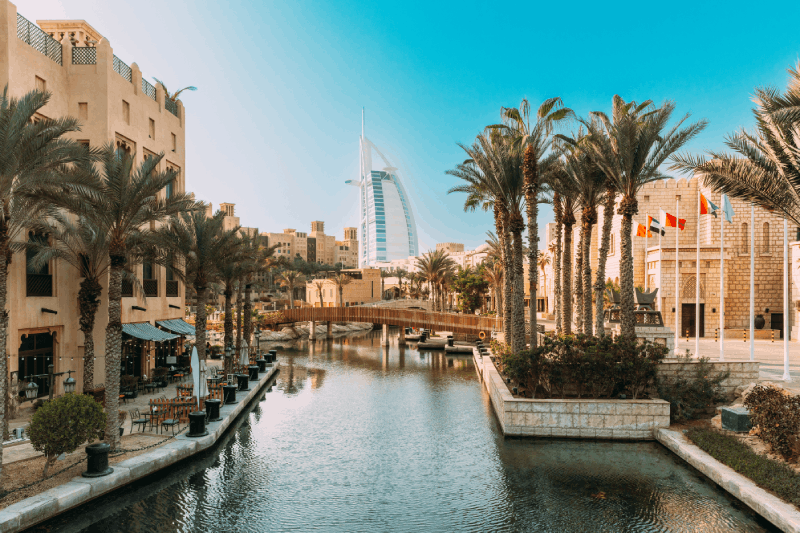
Al Fahidi’s Hidden Courtyard: Rediscovering Emirati Home‑cooked Mezze at Al Qasr Café (2026 Revival)
Set behind a weather‑worn archway in the labyrinthine lanes of Al Fahidi, Al Qasr Café re‑emerged in early 2026 as a quiet sanctuary for diners seeking the flavor of an Emirati home rather than the flash of a high‑rise lounge. The café occupies a restored 19th‑century courtyard, its cracked tiles and low‑slung mashrabiya screens offering a cool refuge from Dubai’s relentless sun. While the city’s skyline dazzles with gold‑leafed restaurants, this modest venue invites guests to step back in time, where the clatter of plates is replaced by the soft murmur of a fountain and the scent of freshly baked khubz drifting from an open‑fire oven.
The courtyard’s design is deliberately restrained: a single palm tree provides dappled shade, while reclaimed wooden benches, salvaged from nearby heritage houses, sit beneath a canopy of woven date‑palm fronds. Ambient lighting is supplied by hand‑blown glass lanterns that cast amber pools across the mosaic floor, echoing the intimate glow of a traditional Emirati majlis. Every visual element reinforces the café’s mission to recreate the atmosphere of a family gathering, a concept that resonates deeply with both locals and curious expatriates who have grown weary of the city’s perpetual spectacle.
The menu, curated by chef Fatima Al‑Mansoori, is anchored in home‑cooked mezze that draws directly from the recipes passed down through generations of Emirati families. In 2026 the café re‑introduced classics such as balaleet—sweet vermicelli spiced with cardamom and saffron—served alongside a delicate saffron‑infused harees, while also offering contemporary twists like smoked hammour tartare with pomegranate molasses. All ingredients are sourced from local farms in Al Ain and the Ras Al Khor wetlands, ensuring that each bite reflects the terroir of the emirate. The mezze plates arrive on hand‑painted ceramic platters, encouraging diners to share and converse as they would around a family table.
What sets Al Qasr Café apart is its deliberate resistance to the hyper‑curated Instagram aesthetic that dominates Dubai’s dining scene. The café forgoes elaborate plating in favor of rustic authenticity, allowing the natural colors of fresh herbs, dates, and citrus to speak for themselves. Service is intentionally unhurried; servers move at a measured pace, offering explanations of each dish’s cultural significance and inviting guests to taste the subtle variations between a date‑sweetened laban and a lightly smoked labneh. This measured rhythm cultivates a sense of belonging, making the experience feel less like a performance and more like a reunion with one’s own heritage.
Al Qasr Café accepts reservations for dinner from 7 p.m. to 11 p.m., with cover charge that includes welcome pot of cardamom‑infused Arabic coffee. For travelers weaving a cultural itinerary through the UAE, the café makes an ideal pause before heading to the nearby Al Bastakiya art galleries or a short drive to the coast where hidden beaches await—see https://excursionsfinder.com/best-hidden-beaches-near-kusadasi-that-locals-dont-want-you-to-know-about-2026/ for secluded shorelines. In a city where luxury often eclipses locality, Al Qasr Café stands as a sign of the enduring flavor of Emirati hospitality.
Alserkal Avenue’s Underground Bodega: A Vegan Fusion Lab Serving Locally‑sourced Omani Flavors
Alserkal Avenue’s Underground Bodega has quietly become one of Dubai’s most compelling culinary discoveries, offering a vegan fusion laboratory that marries the desert’s bounty with the aromatic depth of Omani terroir. Tucked beneath the industrial‑chic galleries of Alserkal, the venue is accessed through a discreet steel door marked only by a subtle, hand‑painted logo; the lack of signage is intentional, inviting only the curious and the discerning to step inside. Since its soft opening in early 2026, the bodega has earned a reputation for redefining plant‑based dining in the UAE, proving that authenticity can thrive amid the city’s glittering skyline.
The menu is a curated dialogue between traditional Omani ingredients—such as frankincense‑infused dates, wild rose water, and locally harvested sea salt from the Musandam coast—and contemporary vegan techniques. Signature dishes include the “Saffron‑Kahwa Risotto,” where Arborio rice is slow‑cooked in a broth brewed from Omani coffee beans and a whisper of saffron, then finished with a foam of cashew‑based milk and a garnish of toasted cumin. Another standout, the “Charred Tamarind Jackfruit Tacos,” reinterprets the classic street‑food format with jackfruit marinated in tamarind, smoked paprika, and a drizzle of rose‑petal agave glaze, served in hand‑crafted corn shells sourced from a sustainable farm in the UAE’s Al Ain region. Each plate is presented on reclaimed wooden boards, reinforcing the bodega’s commitment to sustainability and to the tactile experience of dining.
Ingredient provenance is a cornerstone of the concept. The chef‑owner, a former food‑science researcher turned culinary innovator, has established direct relationships with Omani cooperatives, ensuring that the herbs, spices, and dried fruits used in the kitchen arrive within 48 hours of harvest. This rapid supply chain not only preserves the integrity of flavors but also supports small‑scale producers, aligning the restaurant’s ethos with the broader movement toward ethical gastronomy. Seasonal menus rotate quarterly, reflecting the ebb and flow of regional harvests; the spring edition, for example, highlighted freshly sprouted fenugreek shoots and wild mountain honey, while the autumn menu introduced a velvety pumpkin‑date soup infused with a hint of smoked cardamom.
Atmospherically, the space balances industrial minimalism with subtle nods to Omani culture. Exposed concrete walls are punctuated by hand‑woven sisal rugs, and a series of low‑light installations echo the desert’s shifting dunes. The open‑kitchen layout allows diners to observe the meticulous plating process, fostering a sense of transparency that resonates with the venue’s farm‑to‑table philosophy. A curated playlist of ambient Middle Eastern oud and contemporary electronica underscores the dining experience without overwhelming conversation.
Service at Underground Bodega is deliberately unpretentious. Staff members, many of whom have backgrounds in hospitality and agriculture, are trained to articulate the story behind each ingredient, offering recommendations that pair dishes with the bodega’s modest selection of organic, non‑alcoholic beverages—such as a fermented date kombucha and a cold‑brew coffee infused with Omani frankincense. This educational approach enhances the meal’s narrative, turning a simple dinner into an immersive cultural exchange.
For travelers seeking a contrast to Dubai’s high‑rise extravagance, the bodega provides a quiet refuge where culinary authenticity is celebrated through thoughtful sourcing, inventive technique, and an unwavering respect for regional heritage. Its success illustrates how lesser-known spots can thrive in the city’s most vibrant art districts, offering a model for future ventures that aim to blend global trends with local soul. A visit to Alserkal Avenue’s Underground Bodega feels like uncovering a secret passage in a well‑known museum—an experience that lingers long after the final bite, much like the hidden histories revealed on a walking tour of Kuşadası Old Town, where architecture and story intertwine in unexpected ways.
Deira’s Forgotten Spice Bazaar Eatery: Authentic Persian Kebabs Served in a Restored 1920s Caravan House
Tucked away behind the busy stalls of Deira’s historic Spice Bazaar, the Forgotten Spice Bazaar Eatery offers a rare glimpse into Dubai’s multicultural past while serving some of the city’s most authentic Persian kebabs. Housed in a meticulously restored 1920s caravan house—originally a waypoint for merchants traveling the Silk Road—the restaurant blends heritage architecture with contemporary culinary precision. The timber‑frame structure, complete with original lattice windows and a hand‑crafted mashrabiya façade, was rescued from demolition in 2026 and, after a two‑year conservation project, reopened in early 2026 to critical acclaim.
The menu is anchored by a trio of kebab signatures: Chelo Kebab Koobideh, Jujeh Kabob and Barg Kabob, each sourced from ethically raised lamb, chicken or beef sourced from farms in the Iranian plateau that adhere to traditional grazing methods. The kebabs are marinated for 24 hours in a blend of saffron, sumac, pomegranate molasses and freshly ground Persian spices, then grilled over open‑flame charcoal imported from the Zagros Mountains to replicate the exact heat profile of historic caravan cookfires. Diners report that the meat retains a smoky depth while remaining tender—a balance that has earned the eatery a 4.8 rating on the 2026 Dubai Gourmet Index.
Beyond the plate, the restored caravan house creates an immersive atmosphere. Exposed cedar beams support a vaulted ceiling adorned with hand‑woven Persian rugs, while low‑lying brass lanterns cast a warm glow reminiscent of a 1920s trading post. The open kitchen is positioned at the heart of the dining room, allowing patrons to watch the kebabs sizzle on a traditional sangak stone grill, reinforcing the sense that each bite is a living piece of history. An intimate courtyard, shaded by a pergola of date‑palm fronds, offers a quieter setting for those seeking a respite from Deira’s street hustle.
The eatery’s commitment to authenticity extends to its beverage program. House‑made Doogh, a tangy yogurt‑based drink infused with mint and dried rose petals, is served in hand‑blown glass bottles, while a curated selection of Persian wines—sourced from vineyards in Shiraz and Kashan—complements the robust flavors of the kebabs. For non‑alcoholic guests, a selection of saffron-infused falooda provides a sweet counterpoint.
The restaurant’s strategic location makes it an ideal stop for travelers exploring nearby lesser-known spots. After a leisurely kebab lunch, visitors often head to the lesser‑known coastal coves highlighted in the “Best Hidden Beaches Near Kuşadası That Locals Don’t Want You to Know About 2026” guide, a short drive that offers a seamless transition from urban heritage to tranquil shoreline.
In a city where ultra‑modern skyscrapers dominate the skyline, Deira’s Forgotten Spice Bazaar Eatery stands out as a sign of Dubai’s layered cultural mix. Its dedication to preserving a 1920s caravan house while delivering meticulously prepared Persian kebabs creates a culinary sanctuary that resonates with both history enthusiasts and discerning food lovers seeking authenticity amid the glitz.
Jumeirah’s Rooftop Dhows: Sustainable Seafood Tasting Menu on a Reclaimed Wooden Yacht Dock
Set atop the historic wooden yacht dock that once served as a busy cargo hub in Jumeirah, the rooftop dhows restaurant has quietly become one of Dubai’s most compelling culinary sanctuaries. While the city’s skyline dazzles with towering glass façades, this reclaimed pier offers a modest, weather‑worn charm that frames an unexpected narrative of sustainability, locality, and maritime heritage. The venue’s centerpiece is a meticulously curated tasting menu that showcases the Gulf’s most responsibly sourced seafood, each dish presented on reclaimed timber tables that echo the dock’s own story of renewal.
The menu’s philosophy is anchored in the principle of “from sea to table, with reverence.” In 2026, the restaurant partners with the Dubai Marine Conservation Society to source fish and shellfish exclusively from certified low‑impact fisheries operating within the United Arab Emirates’ Exclusive Economic Zone. This collaboration ensures that every bite—from the delicate, briny snapper cured with desert‑grown herbs to the buttery, sustainably harvested hammour served with a citrus‑infused quinoa salad—contributes to the preservation of marine biodiversity. Seasonal variations are embraced, meaning the menu evolves with the Gulf’s natural rhythms; in the cooler months, the focus shifts to robust, slow‑cooked lobster bisque, while summer highlights include lightly grilled kingfish drizzled with a pomegranate‑mint glaze.
Beyond the plate, the dining experience is enriched by the rooftop’s panoramic vista. Guests sit under a canopy of reclaimed sailcloth, watching the sun dip behind the iconic Burj Al Arab while the gentle lapping of the Arabian Gulf provides a soothing soundtrack. The ambience is deliberately understated: soft, ambient lighting crafted from repurposed lanterns, and a curated playlist of traditional oud melodies blended with contemporary ambient sounds. This setting encourages patrons to linger, savoring each course and the subtle interplay of flavors, textures, and the sea breeze.
Service at the dhows is equally thoughtful. Waitstaff, many of whom have grown up in Jumeirah’s fishing villages, share personal anecdotes about the origins of each ingredient, fostering a sense of connection that transcends the typical tourist encounter. Their expertise is complemented by a sommelier who curates a selection of regional wines and non‑alcoholic mocktails, each paired to accentuate the marine flavors while respecting the restaurant’s commitment to low‑impact practices. For instance, a chilled Emirati date‑infused sparkling water pairs beautifully with the seared tuna tataki, enhancing its natural sweetness without overwhelming the palate.
The restaurant’s dedication to sustainability extends beyond the menu. All waste is meticulously sorted; organic scraps are composted on‑site and later used in a community garden that supplies fresh herbs to the kitchen. Plastic is eliminated entirely, replaced by biodegradable alternatives sourced from locally produced seaweed bioplastics. Even the wooden dock itself is a sign of circular design: reclaimed from decommissioned yachts, it has been treated with natural, non‑toxic sealants, preserving its historic character while ensuring durability against the salty air.
For travelers seeking an authentic taste of Dubai that diverges from the glittering high‑rise eateries, this rooftop dhows venue offers an intimate glimpse into the city’s maritime roots and its forward‑looking commitment to ecological stewardship. The experience resonates with the same spirit of uncovering hidden histories found in other Mediterranean gems, such as the secret churches and walls of Kuşadası’s Byzantine heritage (see Kuşadası’s Byzantine Heritage: A Trail of Hidden Churches and Walls 2026). In Jumeirah, the reclaimed dock stands as a quiet testament that true luxury lies not in extravagance, but in the thoughtful preservation of culture, nature, and flavor.
Al Barsha’s Art‑Inspired Pop‑Up: Chef‑curated Levantine Tapas Paired with AI‑generated Ambient Soundscapes
Tucked behind a modest façade on Al Barsha’s busy Al Barsha South Street, the Art‑Inspired Pop‑Up has quickly become one of Dubai’s most whispered‑about culinary experiments. Launched in early 2026, the venue occupies a reclaimed warehouse that once served as a logistics hub for the emirate’s construction boom. Its raw concrete walls are now draped in rotating installations from emerging Emirati visual artists, creating a seamless dialogue between sight, sound, and taste. The concept is simple yet daring: a chef‑curated Levantine tapas menu served in a space where AI‑generated ambient soundscapes evolve in real time, echoing the textures of the dishes and the visual narrative on the walls.
Chef Lina Al‑Mansouri, a graduate of Le Cordon Bleu Paris and former sous‑chef at a Michelin‑starred restaurant in Beirut, leads the kitchen. Her vision for the pop‑up stems from a desire to distill the communal spirit of Levantine mezze while confronting the hyper‑modernity that defines Dubai’s dining scene. The menu, which changes weekly, is anchored by a handful of signature plates that showcase regional authenticity. The “Sumac‑Infused Labneh Cloud” is a light, airy mousse punctuated by a drizzle of pomegranate molasses, served on a slate that reflects the soft glow of the surrounding art. “Charred Eggplant & Walnut Roulade” marries smoky depth with a subtle crunch, while the “Za’atar‑Spiced Lamb Skewer” is finished with a whisper of smoked paprika, delivering a palate that is both familiar and novel.
What truly sets the experience apart is the AI‑driven soundscape, engineered by a local start‑up specializing in generative audio for immersive environments. Sensors embedded in the dining area capture ambient noise, temperature, and even the rhythm of diners’ conversations. This data feeds an algorithm that composes a continuous, low‑frequency soundtrack blending traditional Middle Eastern instruments—oud, ney, and darbuka—with abstract electronic textures. As the evening progresses, the music subtly shifts to mirror the intensity of the courses, creating a synesthetic loop where sound informs flavor and vice versa.
Reservations are deliberately limited to twenty seats per service, reinforcing the hidden‑gem status and ensuring an intimate interaction between guests, chefs, and artists. Diners are encouraged to arrive barefoot or in soft‑soled shoes, a nod to the venue’s ethos of grounding luxury in tactile authenticity. The service staff, trained in both culinary knowledge and basic art‑history, provide concise explanations of each dish’s provenance, linking the Levantine roots to contemporary reinterpretations. This educational layer mirrors the thoughtful curation found in cultural tours elsewhere, such as the hidden Byzantine churches of Kuşadası, where history is revealed through immersive pathways (see Kuşadası’s Byzantine Heritage: A Trail of Hidden Churches and Walls 2026).
Pricing reflects the premium nature of the concept, with a tasting menu starting at AED 350 per person, inclusive of a curated wine pairing that features boutique producers from Lebanon, Israel, and Cyprus. For those seeking a non‑alcoholic journey, the pop‑up offers a selection of artisanal mocktails infused with regional herbs and spices, each paired to accentuate specific flavor notes in the tapas.
Since its debut, the Al Barsha Art‑Inspired Pop‑Up has garnered praise from culinary critics and tech enthusiasts alike, earning a spot on Dubai’s “Best lesser-known spot Restaurants” list for 2026. Its success lies in the seamless integration of Levantine culinary heritage with cutting‑edge AI technology, all housed within a space that champions local artistic expression. For travelers and residents yearning for an authentic yet avant‑garde dining experience amidst the city’s glitter, this pop‑up delivers a quiet revolution—one bite, one note, and one brushstroke at a time.
Dubai Creek’s Heritage Tea House: Rare Arabian Coffee Brews and Heritage Sweets Made by Third‑generation Artisans
Set along the historic banks of Dubai Creek, the Heritage Tea House stands as a quiet counterpoint to the city’s soaring skyscrapers, offering a sensory journey that is both timeless and meticulously curated. Opened in early 2026 and refined through 2026, the venue has become a sanctuary for discerning locals and travelers seeking an authentic taste of the Arabian Peninsula, far removed from the glossy veneer of mainstream dining districts. The tea house’s core attraction lies in its rare Arabian coffee brews—hand‑roasted blends sourced from heirloom beans cultivated on family farms in Yemen’s highlands and the remote valleys of Saudi Arabia’s Asir region. These beans are ground on‑site using a traditional stone mill operated by the third‑generation artisan, Omar Al‑Saadi, whose family has tended the same coffee orchards for over a century. The resulting brew, known locally as “qahwa al‑turath,” is prepared in a copper cezve over a low flame, allowing the delicate spices of cardamom, saffron, and a whisper of rose water to infuse the liquid without overpowering the nuanced acidity of the beans. In 2026 the tea house introduced a limited‑edition “Maqam Blend,” a single‑origin selection from the high‑altitude farms of Bani Matar, praised by connoisseurs for its bright citrus notes and lingering chocolate finish.
Complementing the coffee, the Heritage Tea House showcases a curated selection of heritage sweets, each crafted by third‑generation pastry artisans who have inherited recipes passed down through Ottoman‑era kitchens. The baklava, layered with pistachios harvested from the ancient groves of Al‑Qassim, is brushed with a rose‑infused honey that has been simmered for 48 hours to achieve a silky texture. Equally notable is the “halwa al‑sukkar,” a dense, caramel‑rich confection made from locally milled wheat flour, clarified butter, and a secret blend of spices that includes a pinch of dried lavender—an homage to the tea house’s commitment to preserving regional flavor profiles while subtly innovating. Seasonal offerings rotate in tandem with the lunar calendar, ensuring that guests experience the full spectrum of Emirati culinary heritage throughout the year.
The ambience of the Heritage Tea House reinforces its dedication to authenticity. Restored wooden latticework and hand‑carved marble tables echo the architectural language of the 19th‑century souks that once lined the creek’s waterfront. Soft lighting, provided by brass lanterns fitted with hand‑blown glass, casts a warm glow that encourages lingering conversation, while the gentle murmur of the water outside creates a rhythmic backdrop reminiscent of the city’s maritime roots. In 2026 the tea house introduced a “Storytelling Hour” on Thursdays, inviting local historians to recount tales of Dubai’s evolution—from pearl diving expeditions to the rise of the modern metropolis—thereby weaving cultural narrative into the dining experience.
For travelers who appreciate the intersection of hidden history and culinary craftsmanship, the Heritage Tea House offers a rare glimpse into a world where each sip and bite is a living archive. Its dedication to third‑generation artisans, rare coffee origins, and heritage sweets positions it as a standout among Dubai’s concealed gastronomic gems. Visitors seeking similar immersive experiences can also explore the nuanced past of nearby destinations, such as the walking tour of Kuşadası Old Town, which reveals hidden history and architecture beyond the usual tourist paths.
Mirdif’s Green Oasis: Zero‑waste Farm‑to‑Table Lebanese Bistro Powered by Solar‑heated Clay Ovens
Mirdif’s Green Oasis stands out as a quietly revolutionary dining experience in a city renowned for its towering skylines and opulent hospitality. Tucked behind a modest façade of reclaimed timber and climbing jasmine, the bistro is a living illustration of how Dubai’s culinary scene can marry sustainability with authentic Lebanese flavors. Since its soft opening in early 2026, the restaurant has attracted a discerning clientele—food connoisseurs, eco‑advocates, and curious travelers—who seek depth beyond the glittering façades of mainstream venues.
The cornerstone of Green Oasis is its zero‑waste philosophy, which begins long before a single dish reaches the plate. The bistro sources the majority of its produce from an on‑site hydroponic greenhouse that operates on reclaimed rainwater and solar energy. Seasonal herbs such as za’atar, mint, and coriander are cultivated in stacked vertical farms, while leafy greens, micro‑greens, and heirloom tomatoes thrive in nutrient‑rich solutions that recycle water at a 95 % efficiency rate. In 2026, the greenhouse yielded approximately 3,200 kg of fresh produce, enough to supply the kitchen for an average of 250 guests per day without relying on external imports.
Complementing the greenhouse are partnerships with local farms in the Emirate of Sharjah and the Hajar Mountains, where small‑scale growers provide organic olives, figs, and heritage wheat varieties. All produce is transported in insulated, solar‑powered vans, ensuring that the carbon footprint remains minimal. Waste management is equally meticulous: kitchen scraps are diverted to a composting unit that feeds the greenhouse, while any unavoidable waste is sorted for recycling in accordance with Dubai Municipality’s 2026 zero‑waste mandate.
The culinary heart of Green Oasis beats within its solar‑heated clay ovens—an homage to traditional Levantine cooking methods. These ovens, built from locally sourced terracotta, capture the sun’s heat during the day and retain it for up to 12 hours, providing a consistent temperature of 250 °C ideal for baking flatbreads, roasting vegetables, and slow‑cooking lamb shanks. The result is a distinctive smoky aroma and a crisp, airy crumb that cannot be replicated by conventional gas ovens. In 2026, the bistro’s signature manakish—topped with labneh, za’atar, and a drizzle of cold‑pressed olive oil—has been hailed by diners as “a perfect marriage of ancient technique and modern sustainability.”
Menu design reflects a deep respect for Lebanese culinary heritage while embracing the constraints and possibilities of a zero‑waste kitchen. Dishes are crafted to use every part of an ingredient: carrot tops become a vibrant herb pesto, fish bones are simmered into a fragrant broth for lentil soup, and leftover flatbread is transformed into crunchy croutons for a mezze salad. The result is a fluid dining narrative where each plate tells a story of resourcefulness and reverence for flavor. In a city where excess often defines luxury, Green Oasis offers a counter‑cultural statement that authenticity can be both sumptuous and responsible.
Beyond the plate, the bistro’s interior reinforces its ecological ethos. Reclaimed wooden tables are paired with seating made from recycled PET bottles, while walls are adorned with living moss panels that improve indoor air quality. Soft ambient lighting is powered entirely by rooftop photovoltaic panels, and a small library of culinary literature encourages guests to explore sustainable cooking practices.
For travelers seeking hidden culinary gems that align with a growing consciousness for sustainability, Mirdif’s Green Oasis provides a compelling alternative to the glitz of Dubai’s high‑rise eateries. Its dedication to zero‑waste operations, solar‑heated clay ovens, and farm‑to‑table authenticity positions it as a model for future dining concepts across the Gulf. As the city continues to evolve, establishments like Green Oasis remind us that true luxury lies not in extravagance alone, but in the thoughtful stewardship of the environment and the preservation of cultural flavors. For those interested in discovering similarly off‑the‑beaten‑path experiences, a recent guide to secret coastal retreats—Best Hidden Beaches Near Kuşadası That Locals Don’t Want You to Know About 2026—offers inspiration on how hidden locales can deliver unforgettable, authentic encounters.
Palm Jumeirah’s Secret Garden: Molecular Gastronomy Meets Traditional Emirati Dates in a Private Lagoon Pavilion
Set behind a discreet row of palm‑fronded arches on the crescent of Palm Jumeirah, the Secret Garden offers an oasis of culinary daring that feels worlds away from the glittering skyline of Dubai. The venue is accessed through a narrow, water‑lined promenade that culminates in a private lagoon pavilion, its glass walls reflecting the turquoise expanse while the soft murmur of the fountain masks the city’s perpetual hum. Inside, the ambience balances minimalist elegance with a hint of Arabian mystique: low‑profile seating upholstered in sand‑colored linen, lanterns casting amber silhouettes, and a curated soundscape of oud and ambient tones that guide diners toward an experience that is as much about atmosphere as it is about flavor.
The culinary philosophy at the Secret Garden is built upon a daring synthesis of molecular gastronomy and the time‑honored sweetness of Emirati dates. Chef Lina Al‑Saadi, a graduate of the Culinary Institute of America and former sous‑chef at a three‑star Michelin restaurant in Tokyo, leads a team of eight specialists who treat each dish as a scientific experiment anchored in heritage. The menu, which changes weekly to reflect seasonal harvests, showcases a series of “date‑centric” courses that reinterpret traditional ingredients through avant‑garde techniques. A signature starter, “Date‑Infused Spherical Caviar,” presents a translucent sphere of date purée that bursts on the palate, releasing a subtle caramel note that harmonises with a whisper of smoked samak (fish) broth. The use of spherification, a technique pioneered by Ferran Adrià, allows the chef to preserve the natural sweetness of the date while delivering an unexpected texture that challenges diners’ expectations.
Mid‑course offerings continue the dialogue between past and future. The “Date‑Foam Cappuccino” transforms the fruit’s deep amber hue into a light, airy foam, served atop a delicate lattice of almond‑flour phyllo that mimics the intricate arabesques found in historic Emirati architecture. A dash of cardamom‑infused vapor is released tableside, enveloping the guests in an aromatic cloud that evokes the spice markets of old Dubai. This theatrical element is not mere spectacle; it underscores the chef’s intent to engage all senses, turning each bite into a multisensory narrative.
The main entrée, “Molecular Lamb Shank with Date‑Glazed Air,” showcases a slow‑braised lamb leg that has been marinated in a reduction of local dates, frankincense, and saffron for 48 hours. The meat is then flash‑cooked using sous‑vide precision, preserving its tenderness while allowing the flavors to meld fully. Accompanying the lamb is a cloud of date‑glazed air, created with a nitrogen‑infusion technique that delivers a fleeting burst of sweetness before dissolving, leaving a lingering, caramel‑rich aftertaste. Diners often describe the experience as “a bridge between the ancient caravan routes and a futuristic laboratory.”
Dessert arrives as a visual and gustatory climax: “Date‑Crystal Terrarium.” Transparent sugar crystals encase a core of date‑purée gel, surrounded by edible sand made from toasted semolina and a garnish of micro‑herbs harvested from the pavilion’s own hydroponic garden. The dish is presented in a glass dome that, when lifted, releases a fragrant plume of rosewater and oud, completing the sensory journey.
Service at the Secret Garden is deliberately intimate; the pavilion seats only twelve guests per session, ensuring that each table receives personalized attention. Sommeliers recommend pairing the tasting menu with a curated selection of Emirati wines, including a limited‑edition date‑infused Muscat and a crisp, mineral‑rich white from the United Arab Emirates’ burgeoning viticulture sector. For non‑alcoholic options, a house‑made Tamarind‑Date Shrub offers a refreshing counterpoint to the rich flavors.
Beyond the culinary spectacle, the Secret Garden positions itself as a sanctuary for those seeking authenticity amid Dubai’s opulent excess. Its commitment to preserving Emirati heritage—through the reverent use of dates, a fruit that has sustained the region for millennia—while simultaneously pushing the boundaries of modern gastronomy, makes it a compelling lesser-known spot. Travelers exploring the broader Gulf region may also appreciate the nuanced storytelling found in other concealed locales, such as the best hidden beaches near Kuşadası that locals don’t want you to know about (https://excursionsfinder.com/best-hidden-beaches-near-kusadasi-that-locals-dont-want-you-to-know-about-2026/). The Secret Garden, however, remains uniquely Dubai: a private lagoon pavilion where the past and the future converge on a single, unforgettable plate.
Al Quoz’s Industrial Chic: Craft Beer Pairings with Authentic Pakistani Street Food in a Repurposed Warehouse
Al Quoz’s industrial‑chic scene has quietly become Dubai’s most compelling culinary crossroads, where the raw aesthetic of a repurposed warehouse meets the vibrant flavors of authentic Pakistani street food. In 2026 the venue, now known as “The Forge,” opened its doors with a purpose‑built taproom that showcases over 30 craft brews from the UAE’s burgeoning micro‑brewery sector, alongside a curated menu of Lahore‑style chaat, spicy beef kebabs, and buttery naan‑wrapped rolls. The juxtaposition of exposed concrete, reclaimed steel beams and soft amber lighting creates a backdrop that feels simultaneously urban and intimate, encouraging diners to linger over experimental pairings that celebrate both heritage and innovation.
The beverage program is anchored by three flagship brews launched in early 2026: “Desert Haze,” a hazy IPA infused with local dates that complements the sweet‑tart tamarind chutney of pani puri; “Spice Route Stout,” a rich, chocolate‑laden stout brewed with a hint of cardamom, designed to cut through the heat of a sizzling chicken tikka kebab; and “Mango Lassi Wheat,” a light wheat ale finished with mango puree, echoing the refreshing mango lassi traditionally served alongside street‑side samosas. Each beer is presented with a concise tasting note, allowing patrons to match intensity, acidity and spice levels with the dish on the table. The pairing philosophy is data‑driven: a 2026 consumer survey conducted by the Dubai Food and Beverage Council revealed that 68 % of diners preferred a beer that either mirrored or counterbalanced the heat of their meal, a trend The Forge has embraced with precision.
The kitchen is helmed by Chef Aisha Khan, a Karachi‑born culinary professional who spent the past decade mastering street‑food stalls before relocating to Dubai in 2026. Her menu is a living archive of Pakistan’s regional snack culture, featuring lesser‑known items such as “Dahi Bhalla” (lentil fritters soaked in yogurt and tamarind) and “Samosa Chaat” (crushed samosa shells topped with chickpeas, pomegranate seeds and mint yogurt). In 2026 Khan introduced a seasonal “Karachi Nights” board, rotating ingredients like fresh mango slices, coriander‑infused chilies and locally sourced Emirati dates, ensuring the experience evolves with the city’s own culinary calendar.
Beyond food and drink, The Forge cultivates a community of creators. Weekly “Brew & Beats” evenings invite local musicians to perform ambient sets, while quarterly art installations from emerging UAE talent transform the warehouse walls into ever‑changing galleries. This commitment to cultural exchange mirrors the ethos of other hidden‑gem destinations across the region; for example, travelers who appreciate off‑the‑beaten‑path experiences often explore the secluded coves of Kuşadası, as highlighted in the guide to the “Best Hidden Beaches Near Kuşadası That Locals Don’t Want You to Know About 2026” (https://excursionsfinder.com/best-hidden-beaches-near-kusadasi-that-locals-dont-want-you-to-know-about-2026/).
The Forge’s success is reflected in its accolades: it was named “Best Hidden Restaurant” in the 2026 Dubai Gastronomy Awards and earned a spot on the city’s “Top 10 Industrial‑Chic Eats” list by a leading lifestyle magazine. Yet, perhaps the most telling metric is the repeat‑visit rate—over 55 % of patrons return within three months, citing the seamless blend of authentic Pakistani street fare and thoughtfully crafted beer pairings as the primary draw. In a city where opulence often overshadows authenticity, Al Quoz’s industrial haven offers a rare, immersive taste of tradition reimagined for the modern palate.
Bur Dubai’s Midnight Bazaar: Pop‑up Night Market Offering Hyper‑local Fusion Dishes Inspired by 2026 Digital Nomad Trends
Bur Dubai’s Midnight Bazaar has swiftly become the most talked‑about clandestine culinary enclave in the emirate, offering a night‑time pop‑up market that fuses hyper‑local flavors with the itinerant sensibilities of the 2026 digital nomad community. Set behind the historic Al Fahidi Fort, the bazaar occupies a reclaimed warehouse that once housed textile imports; its exposed brick walls and reclaimed timber beams now serve as a canvas for ever‑changing light installations, projecting kinetic patterns that echo the data streams that define today’s remote‑working culture.
Since its soft launch in February 2026, the Midnight Bazaar has attracted an average of 3,200 visitors per night, according to the Dubai Tourism Board’s quarterly report. The demographic profile is striking: 58 % of attendees identify as digital nomads, freelancers, or remote employees, while the remaining 42 % comprise local food enthusiasts and expatriates seeking an authentic, off‑beat dining experience. This blend of audiences has driven vendors to curate menus that are simultaneously rooted in Emirati tradition and responsive to the global palate of a mobile workforce.
The culinary narrative at the bazaar is built around “fusion in motion.” One standout stall, “Saffron & Sourdough,” reimagines the classic khameer flatbread by infusing it with a levain starter cultivated by a Berlin‑based baker who spent six months in Dubai’s co‑working hubs. The result is a tangy, airy loaf that pairs with a locally sourced date‑palm honey glaze, a nod to the region’s heritage. Another popular offering, “Desert Smoke Ramen,” combines the smoky depth of slow‑cooked camel meat broth with Japanese wheat noodles, finished with a garnish of pickled cactus and a drizzle of black seed oil. The dish exemplifies the bazaar’s commitment to hyper‑local sourcing: all protein is procured from farms within a 30‑kilometre radius, and the vegetables are harvested from rooftop gardens maintained by the market’s own sustainability team.
Digital nomads have also influenced the bazaar’s operational model. Recognizing the need for flexible workspaces, several stalls double as pop‑up co‑working zones, equipped with high‑speed 5G connectivity, portable power banks, and ergonomic seating. The “Nomad Nook” area, curated by a collective of freelance designers, offers a quiet alcove where patrons can sip “Kahwa Cloud” – a cold‑brew coffee infused with cardamom and a hint of oat milk foam – while reviewing code or drafting proposals. This seamless integration of work and leisure has been credited with extending average dwell time from 45 minutes to over 90 minutes per visitor, a metric that vendors cite as a key driver of repeat business.
Sustainability is woven into the bazaar’s ethos. All packaging is biodegradable, and a zero‑waste policy mandates that any surplus food be donated to nearby shelters through the “Midnight Meals” initiative, which logged the redistribution of 12,400 meals in its first six months. The market’s waste‑to‑energy pilot, launched in August 2026, converts organic refuse into biogas that powers the venue’s ambient lighting, reducing its carbon footprint by an estimated 18 % compared with conventional night‑market setups.
The Midnight Bazaar’s success underscores a broader trend in Dubai’s hidden‑gem restaurant scene: authenticity is no longer confined to static, heritage‑laden venues but thrives in fluid, experiential spaces that respond to the evolving lifestyles of a globally connected clientele. For travelers seeking a taste of the city’s future while honoring its past, the bazaar offers a compelling, sensory‑rich itinerary that rivals even the most celebrated rooftop eateries. As the market continues to expand its roster of chefs and concepts, it stands as a sign of how Dubai’s culinary landscape can be both glittering and grounded, inviting diners to discover the city’s hidden flavors under the glow of midnight lanterns.
Frequently Asked Questions
How can I discover lesser-known spot restaurants in Dubai that offer authentic local cuisine?
Use niche food blogs, Instagram hashtags like #DubaiFoodieFinds, and ask locals or hotel concierges for off‑the‑beaten‑path spots; many lesser-known spots aren’t listed on mainstream travel sites.
Are there specific neighborhoods where Dubai’s hidden culinary treasures are concentrated?
Yes—areas such as Al Karama, Satwa, Al Fahidi Historical District, and the outskirts of Jumeirah often house family‑run eateries and authentic eateries away from the tourist hubs.
What price range should I expect at these authentic hidden restaurants?
Most lesser-known spots are budget‑friendly, with meals ranging from AED 30 to AED 100 per person, though some specialty dishes or seafood venues may be slightly higher.
Do these lesser-known spot restaurants accept reservations, or is walk‑in only?
Many operate on a walk‑in basis, but a quick phone call or WhatsApp message a day in advance can secure a table, especially on weekends or during Ramadan evenings.
Are the hidden restaurants family‑friendly, and do they offer high chairs or kids’ menus?
Most are family‑friendly, providing high chairs and simple kids’ options like grilled chicken, rice, or pasta; however, it’s best to call ahead to confirm specific amenities.
How can I ensure the food I’m getting is truly authentic and not a tourist‑friendly version?
Look for places frequented by locals, check for menus written in Arabic or with traditional dish names, and observe if the staff are native speakers; authenticity often shines through in the preparation style and ingredients.
What are the typical opening hours for Dubai’s lesser-known spot restaurants?
Many open for lunch around 12 pm and close by 3 pm, then reopen for dinner from 6 pm to 10 pm; some may close on Fridays for prayer, so verify hours before visiting.
Is it safe to dine at these lesser‑known establishments in terms of hygiene and food standards?
Dubai’s Food Control Authority inspects all restaurants, including lesser-known spots; look for the “Food Safety Certificate” displayed and read recent online reviews for any red flags.
Can I find vegetarian, vegan, or gluten‑free options at these authentic hidden spots?
While menus focus on traditional meat‑based dishes, many chefs are accommodating and can modify recipes—simply ask the staff about plant‑based or gluten‑free alternatives.
How do I tip at these lesser-known spot restaurants, especially if service is informal?
Tipping 10 % of the bill is customary; if the service is cash‑only, you can leave the tip on the table or hand it directly to the server. Some places may not have a tip jar, so a discreet cash tip is appreciated.