Introduction: A Culinary Journey to the Heart of Chiang Mai
Chiang Mai. The name itself evokes images of mist-shrouded mountains, ancient temples, and a vibrant culture steeped in tradition. But beyond the striking scenery and spiritual heritage lies a culinary landscape as rich and complex as the Lanna kingdom itself. In 2026, travelers are increasingly seeking authentic experiences, and there’s no better way to connect with the soul of Northern Thailand than through its food. This isn’t simply about *eating* Thai food; it’s about *understanding* it, creating it, and carrying a piece of Chiang Mai home with you.
Our Chiang Mai Cooking Class: Learn 5 Northern Thai Dishes from Scratch isn’t just a lesson – it’s an immersion. It’s a chance to step away from the tourist trail and explore the heart of Lanna cuisine, guided by passionate local chefs. Forget pre-prepared ingredients and rushed instructions. We believe in a hands-on approach, starting with the freshest produce and ending with a feast you’ve crafted yourself.
Why choose to learn Northern Thai cooking specifically? While central and southern Thai cuisine are well-known globally, the flavors of the North are unique. They reflect the cooler climate, the influence of neighboring countries like Myanmar and Laos, and a history of resourceful cooking techniques. Expect subtle nuances, fragrant herbs, and a gentle heat that differentiates it from the fiery dishes often associated with Thailand.
This journey begins long before you reach the stove. A key component of our Chiang Mai Cooking Class is a guided visit to a local market, typically held in the morning. Here, you’ll encounter a kaleidoscope of sights, sounds, and smells. We’ll navigate the busy aisles, identifying essential ingredients like galangal, lemongrass, kaffir lime leaves, and the various types of chili peppers that define Northern Thai cuisine. You’ll learn to discern quality, understand seasonal availability, and even practice a little Thai bargaining – a skill that will serve you well beyond the kitchen!
The market visit, included in the price of the class (approximately 1800-2200 Thai Baht per person, depending on group size – as of late 2026), typically lasts around 45-60 minutes. It’s followed by a short ride to our purpose-built cooking school, located just outside the old city walls, offering a tranquil escape from the urban bustle. The school boasts individual cooking stations, ensuring personalized attention from our expert chefs.
What can you expect to learn in our 5-dish Northern Thai cooking class?
- Khao Soi: The iconic Northern Thai curry noodle soup, a creamy coconut curry with tender meat and crispy noodles. We’ll cover the intricacies of the curry paste and the perfect balance of flavors.
- Gaeng Hung Lay: A slow-cooked pork belly curry with ginger, garlic, and tamarind – a dish traditionally served during special occasions.
- Sai Oua: Northern Thai sausage, bursting with aromatic herbs and spices. You’ll learn the art of casing and seasoning this flavorful staple.
- Nam Prik Ong/Noom: A selection of Northern Thai chili dips, served with fresh vegetables and sticky rice. We’ll explore the different variations and techniques for achieving the perfect consistency.
- Sticky Rice with Mango (Khao Niao Mamuang): A classic Thai dessert, but prepared with a Northern Thai touch. You’ll learn the proper way to steam sticky rice and create a luscious coconut sauce.
The class structure is meticulously designed to take you from culinary novice to confident cook in just a few hours. The session, generally running from 9:00 AM to 2:30 PM, unfolds as follows:
- 9:00 AM – 9:30 AM: Market visit and ingredient introduction.
- 9:30 AM – 10:00 AM: Welcome drink, school orientation, and explanation of the day’s menu.
- 10:00 AM – 12:30 PM: Hands-on cooking session – preparing each of the 5 dishes.
- 12:30 PM – 1:30 PM: Enjoy the fruits of your labor – a delicious lunch featuring the dishes you’ve created.
- 1:30 PM – 2:30 PM: Q&A session, recipe sharing, and closing remarks.
Throughout the Chiang Mai Cooking Class, our experienced chef will guide you every step of the way. They’ll not only demonstrate the techniques but also explain the *why* behind them, sharing generations of culinary wisdom. They’ll demystify Thai ingredients, explaining their origins, uses, and health benefits. This isn’t just about following a recipe; it’s about understanding the principles of Thai cooking.
Learning to balance the four fundamental Thai flavors – sweet, sour, salty, and spicy – is paramount. Our chef will teach you how to adjust these elements to create harmonious dishes that tantalize the taste buds. It’s a skill that will empower you to experiment with Thai cooking long after you leave Chiang Mai.
To make the most of your culinary adventure, consider the best time to visit Chiang Mai for a cooking class. The cool, dry season (November to February) offers pleasant weather and an abundance of fresh produce. Seasonal produce plays a vital role in Northern Thai cuisine. In the spring, you’ll find an array of fragrant herbs and delicate vegetables. During the rainy season (June to October), expect an abundance of mushrooms and leafy greens.
Weather considerations are also important. Chiang Mai can get quite hot in March and April. Be sure to stay hydrated and wear comfortable clothing. The cooking school is air-conditioned, providing a welcome respite from the heat.
Don’t just visit Chiang Mai – *taste* it, *feel* it, *create* it. Join us for the Chiang Mai Cooking Class: Learn 5 Northern Thai Dishes from Scratch and start a culinary journey you’ll never forget.
Why Learn Northern Thai Cooking?
Chiang Mai isn’t merely a destination; it’s an immersion into a culture deeply interwoven with food. Beyond the stunning temples and lush landscapes, lies a culinary heritage unlike any other in Thailand – Lanna cuisine. In 2026, travelers are increasingly seeking *authentic* experiences, moving beyond simply *eating* local food to *understanding* and *creating* it. That’s precisely what the Chiang Mai Cooking Class: Learn 5 Northern Thai Dishes from Scratch offers.
Forget the tourist traps and pre-packaged experiences. This isn’t about replicating dishes from a cookbook; it’s about connecting with the soul of Northern Thailand through its flavors. We’re talking about unlocking the secrets passed down through generations, techniques honed over centuries, and ingredients sourced directly from the region’s vibrant ecosystem.
But why specifically learn *Northern* Thai cooking? The answer lies in its distinct character. While Central Thai cuisine often emphasizes sweetness and coconut milk, Lanna cuisine leans towards savory, herbal, and slightly fermented flavors. Influenced by its mountainous geography and proximity to neighboring countries like Myanmar and Laos, it’s a world apart. Think sticky rice served in woven baskets, fragrant herbal curries, and dishes featuring unique ingredients like *jamon* (a type of local fermented pork).
Imagine returning home in late 2026, not just with photographs, but with the ability to recreate the magic of Chiang Mai in your own kitchen. This isn’t just about acquiring a new skill; it’s about building a lasting connection to a place and its people. The Chiang Mai Cooking Class isn’t simply a lesson; it’s a cultural exchange.
What sets this experience apart is its focus on truly understanding the foundations of Lanna gastronomy. Many classes offer a rapid-fire instruction on a multitude of dishes. We, however, concentrate on five carefully selected recipes, allowing you to deeply grasp the techniques and nuances of each. These aren’t just random choices. They represent the core flavors and cooking styles of the region.
Here’s a glimpse of what you’ll learn in the Chiang Mai Cooking Class: Learn 5 Northern Thai Dishes from Scratch:
- Khao Soi: The iconic Northern Thai curry noodle soup – a creamy, coconut-based broth with crispy fried noodles and your choice of protein. You’ll learn how to make the curry paste *from scratch*, ensuring an authentic flavor profile.
- Gaeng Hung Lay: A slow-cooked pork curry with ginger, garlic, turmeric, and tamarind. This dish exemplifies the savory depth of Lanna cuisine.
- Nam Prik Ong/Noom: Two distinct Northern Thai chili dips, each offering a unique blend of flavors. We’ll cover the art of balancing chili heat with other ingredients.
- Sai Oua (Northern Thai Sausage): A fragrant and flavorful sausage infused with herbs and spices. You’ll master the technique of casing and seasoning this regional specialty.
- Sticky Rice with Mango (Khao Niao Mamuang): While popular throughout Thailand, the preparation and presentation of sticky rice are particularly refined in the North.
The cost for the Chiang Mai Cooking Class in 2026 is approximately 1,500 – 2,000 Thai Baht (roughly $40-$55 USD), depending on the specific provider and inclusions. Classes typically run from 9:00 AM to 2:00 PM, often including a market visit. Many schools offer morning and afternoon sessions, providing flexibility for your schedule.
The Market Visit: A Crucial Component
Before even stepping into the kitchen, the Chiang Mai Cooking Class begins with an immersive market tour. This isn’t just a sightseeing trip; it’s a hands-on lesson in ingredient identification. Your chef will guide you through the stalls, explaining the unique properties of each herb, spice, and vegetable. You’ll learn to differentiate between various types of chilies, understand the importance of fresh produce, and even learn a few basic Thai phrases for bargaining (though this is usually handled by your chef!).
This market visit, typically held at Warorot Market (Kad Luang) or a smaller local market, is a key differentiator. It’s where you’ll witness the sheer abundance and vibrancy of Northern Thai ingredients. You’ll see how locals source their food, and you’ll begin to understand the connection between the land, the ingredients, and the final dish.
Beyond the Recipe: Developing Your Palate
Learning to cook Northern Thai food is about more than just following a recipe. It’s about developing your palate and understanding the delicate balance of flavors that define Lanna cuisine. Our expert chefs will guide you through the art of adjusting seasonings, recognizing subtle nuances, and creating dishes that are both authentic and tailored to your preferences.
The Chiang Mai Cooking Class: Learn 5 Northern Thai Dishes from Scratch isn’t simply a cooking class; it’s a journey into the heart of Northern Thai culture. It’s an opportunity to connect with the local community, learn a new skill, and create memories that will last a lifetime. Don’t just visit Chiang Mai – *taste* it, *feel* it, and *create* it.
Unveiling the Flavors of Lanna Cuisine
Chiang Mai, cradled in the northern hills of Thailand, isn’t just a visually stunning destination. It’s a culinary haven, a place where ancient traditions and vibrant flavors converge. The food of Lanna – the historical kingdom encompassing much of northern Thailand – is distinct from the central and southern Thai cuisines, characterized by its subtle complexities and reliance on fresh, local ingredients. This isn’t about fiery heat for heat’s sake; it’s about a harmonious balance of sweet, sour, salty, and spicy, creating dishes that are both comforting and exhilarating. And there’s no better way to truly understand this than by participating in a hands-on Chiang Mai Cooking Class: Learn 5 Northern Thai Dishes from Scratch.
For centuries, Lanna cuisine was largely a royal and temple-based tradition. Recipes were passed down through generations, often held secret within families and monastic communities. While modern influences are present, many dishes retain their authentic roots. The unique geography of the region plays a crucial role. Cool mountain air fosters an abundance of herbs and vegetables not commonly found elsewhere in Thailand, such as ginger flower, galangal, and a variety of locally grown chilies.
What sets northern Thai food apart? It’s the emphasis on ‘gaeng hung lay’ – a rich, slow-cooked pork curry with ginger, garlic, and tamarind. It’s the fragrant ‘khao soi’, a creamy coconut curry noodle soup that is *the* signature dish of Chiang Mai. And it’s the delicate use of fermented ingredients, adding layers of umami to even the simplest plates. The Chiang Mai Cooking Class isn’t just about replicating recipes; it’s about understanding *why* these flavors work so beautifully together.
A Taste of What You’ll Create
Our Learn 5 Northern Thai Dishes from Scratch class focuses on bringing these authentic flavors to life. You won’t just be following a recipe; you’ll be learning the foundational techniques that underpin Lanna cooking. Here’s a glimpse of the dishes you’ll master:
- Gaeng Hung Lay (Burmese-style Pork Curry): Learn the art of slow-cooking pork to tender perfection, infused with aromatic spices and a tangy tamarind kick. This is a dish traditionally served during special occasions and a cornerstone of northern Thai celebrations.
- Khao Soi (Northern Thai Curry Noodle Soup): The iconic Chiang Mai dish! You’ll create the creamy coconut curry broth, learn to make the crispy fried noodles, and understand the balance of flavors that make this soup so addictive.
- Nam Prik Ong/Noom (Tomato & Chili Relish): A versatile dip served with fresh vegetables and sticky rice. We’ll explore the nuances between the red (Ong) and green (Noom) variations, tailoring the spice level to your preference.
- Pad Pak Ruam Mit (Stir-fried Mixed Vegetables): A vibrant and healthy dish showcasing the freshest seasonal vegetables. You’ll learn proper wok hei technique to achieve that perfect smoky char.
- Sticky Rice with Mango (Khao Niao Mamuang): The perfect sweet ending! We’ll show you how to prepare perfectly cooked sticky rice and pair it with ripe, seasonal mangoes.
Beyond the Plate: Understanding the Lanna Food Culture
The Chiang Mai Cooking Class isn’t solely about culinary skills. It’s about immersing yourself in the Lanna lifestyle. We begin each class with a guided tour of a local market (typically Warorot Market, known locally as Kad Luang). Here, you’ll encounter a kaleidoscope of sights, sounds, and smells. You’ll learn to identify key ingredients – from fragrant herbs and exotic fruits to essential pastes and spices.
In 2026, expect to see a growing emphasis on organic and sustainably sourced produce at these markets. Many farmers are embracing eco-friendly practices, and the quality of ingredients is truly exceptional. The market visit isn’t just about shopping; it’s about understanding the connection between the land, the people, and the food. We’ll discuss approximate prices as of 2026 – expect to pay around 30-50 baht per bunch of fresh herbs, and 80-120 baht per kilogram of fresh pork.
Practical Details & What to Expect
Our Chiang Mai Cooking Class is held daily, with sessions starting at 9:00 AM and 2:00 PM. The entire experience, from market visit to enjoying your creations, lasts approximately 5-6 hours. The class takes place in a traditional Lanna-style cooking school located just outside the old city walls – a serene environment designed to foster creativity and learning.
The cost for the class is 1,500 Thai Baht per person (approximately $42 USD as of late 2026 exchange rates). This includes:
- All ingredients
- Expert instruction from our experienced chef
- Market tour
- Recipe booklet to take home
- Unlimited water and herbal tea throughout the class
- The satisfaction of creating and enjoying authentic Lanna cuisine!
We cater to all dietary requirements – vegetarian, vegan, gluten-free – just let us know when you book. Don’t hesitate to ask questions throughout the class. Our chefs are passionate about sharing their knowledge and ensuring you leave with the confidence to recreate these dishes at home. The Chiang Mai Cooking Class: Learn 5 Northern Thai Dishes from Scratch is more than just a cooking lesson; it’s a cultural immersion, a sensory adventure, and a delicious journey into the heart of Lanna cuisine.
What to Expect: From Market to Table
The journey of the Chiang Mai Cooking Class: Learn 5 Northern Thai Dishes from Scratch isn’t merely about replicating recipes. It’s an immersive experience that begins *before* you even touch a wok. We believe true understanding of Lanna cuisine starts at its source – the vibrant, busy local markets. This isn’t a pre-packaged tourist stop; it’s a genuine foray into the daily life of Chiang Mai’s culinary heart.
Our class, commencing consistently at 9:00 AM sharp, begins with a guided exploration of the Warorot Market (Kad Luang). This isn’t a quick stroll; we dedicate a full hour to navigating its labyrinthine aisles. Expect a sensory overload – the fragrant piles of galangal and lemongrass, the kaleidoscopic array of chilies, and the chatter of vendors hawking their fresh produce.
This market visit, integral to the Chiang Mai Cooking Class, is far more than a shopping trip. Your chef will act as a culinary translator, identifying essential ingredients, explaining their unique properties, and showcasing regional variations. You’ll learn to distinguish between the different types of rice – sticky rice, jasmine rice, and the lesser-known but equally delicious black sticky rice.
We’ll explore the world of Thai herbs and spices. Forget the pre-ground powders you find at home. Here, you’ll witness the vibrant color and intense aroma of freshly pounded curry pastes, the delicate fragrance of kaffir lime leaves, and the subtle heat of *prik haeng* (dried chilies). Understanding these building blocks is crucial to mastering the art of Northern Thai cooking.
Expect to encounter ingredients you might not recognize. Perhaps *miang kham* ingredients – a delightful snack of betel leaves filled with roasted coconut, ginger, lime, shallots, peanuts, and a sweet-savory sauce. Or *sakhan*, a local climbing plant whose shoots are a unique vegetable. Your chef will explain how these are used, offering insights into their nutritional benefits and cultural significance.
Following the market visit (typically concluding around 10:00 AM), we’ll return to our purpose-built cooking school, a serene oasis just outside the city center. The location, set amidst rice paddies, provides a tranquil escape and a genuine taste of rural Thailand. Transportation to and from the market, and to the school, is included in the 2,800 THB (approximately $80 USD as of 2026) class fee.
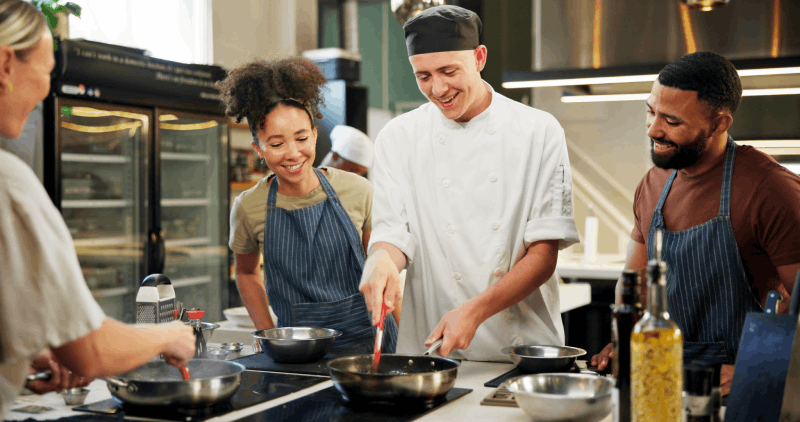
The school itself is designed for hands-on learning. Each participant has their own dedicated cooking station, complete with a wok, mortar and pestle, knives, and all necessary equipment. This isn’t a demonstration class; you’ll be actively involved in every step of the process.
Before we begin cooking, there’s a brief orientation. We’ll cover essential knife skills, proper wok handling techniques, and fundamental Thai cooking principles. This ensures everyone, regardless of their culinary experience, feels comfortable and confident.
Here’s a glimpse of what you’ll be preparing during the Chiang Mai Cooking Class: Learn 5 Northern Thai Dishes from Scratch:
- Khao Soi: The iconic Northern Thai curry noodle soup – a creamy, coconut-based broth with tender chicken or beef, crispy noodles, and a vibrant array of toppings.
- Gaeng Hung Lay: A rich and flavorful pork curry, slow-cooked with ginger, garlic, turmeric, and tamarind. This dish is a staple at festive occasions.
- Tam Khanun (Banana Flower Salad): A refreshing and tangy salad featuring shredded banana flower, peanuts, dried shrimp, and a zesty lime dressing.
- Sai Oua (Northern Thai Sausage): A fragrant and herbaceous sausage, bursting with lemongrass, kaffir lime leaves, and galangal.
- Mango Sticky Rice (Khao Niao Mamuang): The classic Thai dessert – sweet sticky rice served with ripe mango and a drizzle of coconut milk.
Throughout the class, which typically runs from 10:00 AM to 3:00 PM, your chef will provide personalized guidance and feedback. We encourage questions and experimentation, fostering a supportive and encouraging learning environment.
Lunch, of course, is the culmination of your efforts. You’ll savor the fruits of your labor, enjoying the dishes you’ve prepared alongside your fellow classmates. We also provide detailed recipe cards, allowing you to recreate these authentic Northern Thai flavors back home.
as of 2026, we’ve implemented a digital recipe library accessible via a QR code on your recipe card. This includes video tutorials for each dish, providing ongoing support long after the Chiang Mai Cooking Class concludes.
Don’t simply *taste* Thailand. *Create* it. This isn’t just a cooking class; it’s a cultural immersion, a culinary adventure, and a lasting memory of your time in Chiang Mai. We are confident that the Chiang Mai Cooking Class: Learn 5 Northern Thai Dishes from Scratch will be a highlight of your 2026 travels.
The Class Structure – A Detailed Breakdown
Embarking on a Chiang Mai Cooking Class isn’t just about learning recipes; it’s about immersing yourself in a cultural experience, understanding the soul of Lanna cuisine, and creating memories that will tantalize your taste buds long after you return home. In 2026, we’ve refined our approach to ensure this class remains the most comprehensive and rewarding culinary adventure in Northern Thailand. This detailed breakdown will walk you through exactly what to expect, from the moment you join us to the moment you savor the fruits of your labor.
Our “Learn 5 Northern Thai Dishes from Scratch” class is carefully structured to build your skills progressively. We believe in a hands-on approach, moving beyond mere demonstration to genuine participation, allowing you to truly *feel* the food come alive under your guidance. The entire experience spans approximately 5-6 hours, generally running from 9:00 AM to 2:30 PM, though slight variations may occur depending on seasonal market availability.
Phase 1: The Vibrant Market Visit (9:00 AM – 10:00 AM)
The journey begins not in a kitchen, but in a local market – a sensory explosion of colors, aromas, and unfamiliar ingredients. This isn’t a rushed tour; it’s an integral part of the Chiang Mai Cooking Class. We’ll visit a busy *Kad* (market) frequented by locals, where your chef will guide you through identifying essential herbs, spices, and fresh produce.
- Ingredient Spotlight: Learn to differentiate between various types of galangal, lemongrass, chilies, and the often-overlooked but crucial *kapi* (shrimp paste).
- Seasonal Focus: The market visit in 2026 will highlight ingredients currently in peak season, influencing the dishes we prepare. Expect to see vibrant displays of mangoes in the spring, or fragrant pumpkins in the autumn.
- Interactive Q&A: This is your chance to ask questions about Thai ingredients, their uses, and their cultural significance.
Phase 2: The Kitchen Immersion – Foundations & Preparation (10:00 AM – 12:00 PM)
Returning to our dedicated cooking school – a beautifully appointed, open-air space designed for optimal learning – we begin the practical work. We emphasize fundamental techniques that underpin all Thai cooking.
- Knife Skills 101: Mastering basic cuts like slicing, dicing, and mincing is essential. Your chef will provide personalized instruction to ensure proper technique and safety.
- Pestle & Mortar Power: Discover the art of using this traditional tool to create authentic curry pastes, unlocking layers of flavor unavailable with modern appliances. We’ll focus on making a *nam prik* paste, a cornerstone of Northern Thai cuisine.
- Coconut Milk Mastery: Learn the nuances of extracting and using coconut milk, understanding the differences between thick and thin coconut cream, and their impact on texture and flavor.
Phase 3: Dish Creation – From Concept to Plate (12:00 PM – 1:30 PM)
This is where the magic happens. You will personally prepare five authentic Northern Thai dishes, guided step-by-step by your chef. The menu is thoughtfully curated to showcase the region’s diversity and complexity. In 2026, the standard menu includes:
- Khao Soi: The iconic Chiang Mai noodle curry, a rich and creamy coconut-based soup with crispy noodles.
- Gaeng Hung Lay: A slow-cooked pork curry with ginger, garlic, and tamarind – a Burmese-influenced specialty.
- Pad Thai: While originating in central Thailand, we’ll show you a Northern Thai variation, emphasizing local ingredients.
- Yam Pla Duk Foo: Crispy catfish salad with green mango, peanuts, and a tangy lime dressing.
- Sticky Rice with Mango (Khao Niao Mamuang): The perfect sweet ending, showcasing the art of perfectly cooked sticky rice.
Each participant has their own dedicated cooking station, ensuring a personalized learning experience. You’ll be responsible for all stages of the process – from ingredient preparation to final plating. This Chiang Mai Cooking Class isn’t about following a recipe blindly; it’s about understanding the *why* behind each step.
Phase 4: The Feast & Flavor Reflection (1:30 PM – 2:30 PM)
The culmination of your efforts! Enjoy the delicious meal you’ve created, sharing it with your fellow classmates in a convivial atmosphere.
- Flavor Analysis: Your chef will lead a discussion on the balance of sweet, sour, salty, spicy, and umami in each dish, helping you refine your palate and understand the principles of Thai flavor profiles.
- Recipe Booklet: You’ll receive a comprehensive recipe booklet containing detailed instructions for all five dishes, allowing you to recreate the magic at home.
- Q&A & Farewell: A final opportunity to ask any lingering questions and receive personalized advice for your culinary journey.
We believe this “Learn 5 Northern Thai Dishes from Scratch” class offers unparalleled value. It’s more than just a cooking lesson; it’s a cultural immersion, a sensory adventure, and a chance to connect with the heart of Northern Thailand through its vibrant cuisine. Prepare to be inspired, challenged, and utterly delighted. The cost for the entire experience is approximately 1,800 – 2,500 THB per person (as of late 2026, prices are subject to minor adjustments based on ingredient costs).
Meeting Your Chef & Understanding Thai Ingredients
The heart of any truly immersive culinary experience lies not just in *how* to cook, but *with whom* and *what*. In our Chiang Mai Cooking Class: Learn 5 Northern Thai Dishes from Scratch, we believe that understanding the provenance of your ingredients and connecting with a passionate local chef is paramount. This isn’t simply a demonstration; it’s a cultural exchange, a story told through flavor, and a skill you’ll carry long after leaving the Lanna region.
Your journey begins at 9:00 AM on the day of your class, with convenient pickup from most centrally located hotels in Chiang Mai. We’ll transport you to our dedicated cooking school, set just outside the busy city center – a tranquil setting surrounded by organic gardens and fragrant herbs. This isn’t a sterile, commercial kitchen; it’s a vibrant space reflecting the warmth and hospitality of Northern Thailand.
Upon arrival, you’ll be greeted by Chef Apinya, our resident culinary expert. Chef Apinya isn’t just a teacher; she’s a guardian of Lanna culinary traditions, a fourth-generation cook who learned at the side of her grandmother. She’ll share not only recipes but also the stories behind them – the history, the cultural significance, and the family secrets that make each dish unique. Expect a warm welcome, a genuine smile, and a patient demeanor as she guides you through the intricacies of Thai cuisine.
Before we even begin to chop or stir, we’ll start a guided exploration of the essential Thai ingredients. This isn’t a quick overview; it’s a deep explore the building blocks of flavor. You’ll learn to identify key herbs and spices, understand their unique properties, and appreciate the nuances that differentiate them. We’ll focus on those crucial to the five dishes you’ll master in the Chiang Mai Cooking Class.
- Galangal: Often mistaken for ginger, galangal offers a citrusy, pine-like aroma, vital for Tom Yum soup and many curries. We’ll demonstrate how to properly peel and prepare it, unlocking its full potential.
- Lemongrass: This fragrant stalk is a cornerstone of Thai cooking. You’ll discover the best way to bruise it to release its essential oils – a technique that significantly impacts the final flavor.
- Kaffir Lime Leaves: Their distinctive citrus scent is irreplaceable in many Northern Thai dishes. We’ll discuss how to use both the leaves and the rind for maximum aromatic impact.
- Thai Chilies: From the mild *prik chee fah* to the fiery *prik kee noo*, Thai chilies come in a dazzling array of varieties. Chef Apinya will help you gauge your spice tolerance and select the appropriate chili for your palate.
- Fish Sauce (Nam Pla): The umami powerhouse of Thai cuisine. We’ll explore different grades and discuss how to balance its saltiness with other flavors. In 2026, sourcing high-quality, traditionally fermented fish sauce is more important than ever, and we prioritize ethical and sustainable suppliers.
- Palm Sugar (Nam Tan Tanot): Unlike refined sugar, palm sugar offers a complex, caramel-like sweetness. You’ll learn how to melt and incorporate it into dishes, adding depth and richness.
We’ll also cover less familiar ingredients, like dried shrimp (used extensively in Northern Thai cuisine for a savory depth), tamarind paste (providing a signature sourness), and various types of Thai eggplants. Understanding these ingredients – their seasonality, their preparation, and their flavor profiles – is the foundation for successful Thai cooking.
Crucially, we emphasize ingredient quality. We source many of our ingredients directly from the Warorot Market (Kad Luang) – Chiang Mai’s oldest and most vibrant market. While the market visit isn’t directly included in the base price of the Chiang Mai Cooking Class (it’s an optional add-on for 350 THB per person), we strongly recommend it. It’s an incredible sensory experience and offers a fascinating glimpse into local life. If you opt for the market tour, it will take place *before* the cooking class, around 8:00 AM, allowing you to witness the freshest produce being delivered and learn about regional specialties.
The cost of all ingredients is, of course, included in the price of the Chiang Mai Cooking Class. You’ll have your own dedicated workstation, equipped with all the necessary tools and pre-portioned ingredients, ensuring a smooth and enjoyable learning experience. Chef Apinya and our assistant chefs will be on hand throughout the class to provide individual guidance and answer any questions you may have. We maintain a small class size – a maximum of 12 participants – to ensure personalized attention and a truly hands-on experience. This isn’t about watching someone cook; it’s about *you* confidently creating authentic Northern Thai dishes.
The Art of Balancing Flavors: Sweet, Sour, Salty, Spicy
Northern Thai cuisine, and the dishes you’ll master in our Chiang Mai Cooking Class: Learn 5 Northern Thai Dishes from Scratch, isn’t simply about *what* goes into a meal, but *how* those ingredients interact. It’s a culinary philosophy built on achieving harmony – a delicate dance between sweet, sour, salty, and spicy. This isn’t just about taste; it’s about creating a holistic sensory experience. Understanding this balance is the key to unlocking the true essence of Lanna cuisine.
For centuries, Thai cooks have intuitively understood this principle. It’s far more nuanced than simply adding a bit of sugar here, a squeeze of lime there. It’s about layering flavors, considering how they evolve as they cook, and how they complement each other on the palate. This is what we explore during the crucial flavor-building stage of our Chiang Mai Cooking Class.
The Four Pillars of Thai Taste
Let’s break down each element, and how it manifests in the dishes you’ll create:
- Sweet (Wan): Palm sugar is the cornerstone of sweetness in Northern Thai cooking. Unlike refined sugar, palm sugar offers a complex, caramel-like flavor. We’ll use it not just to sweeten, but to round out other flavors and create depth. You’ll see how a touch of *wan* can tame the heat of chilies or enhance the savory notes of fish sauce.
- Sour (Khwam Phet): Lime juice is the most common source of sourness, but tamarind paste, vinegar, and even certain fruits play a role. Sourness provides brightness and cuts through richness. In dishes like *Gaeng Hung Lay* (Burmese Pork Curry) – one of the five dishes featured in our Chiang Mai Cooking Class – the sourness balances the slow-cooked pork and fragrant spices.
- Salty (Keun): Fish sauce (*nam pla*) is the umami bomb of Thai cuisine. It provides saltiness, but also a savory depth that’s hard to replicate. We’ll explore different types of fish sauce, their origins, and how to use them judiciously. A little goes a long way, and too much can easily overpower a dish. You’ll learn to identify high-quality fish sauce, a skill you can use long after your Chiang Mai cooking experience.
- Spicy (Phet): Chilies are the fiery heart of Thai food. But it’s not just about heat; different chilies offer different flavor profiles. From the mild *prik haeng* to the potent *prik kee noo*, we’ll cover a range of chilies and how to use them to achieve the desired level of spice. During the class, you’ll have complete control over the heat level, tailoring each dish to your preference.
Putting It All Together: The Art of Adjustment
The true skill lies in adjusting these elements to create a balanced flavor profile. It’s not a rigid formula, but a fluid process. A good cook constantly tastes and adjusts, adding a pinch of sugar to balance the sourness, a dash of fish sauce to enhance the umami, or a touch of lime juice to brighten the flavors.
In our Chiang Mai Cooking Class: Learn 5 Northern Thai Dishes from Scratch, we’ll dedicate a significant portion of the session to this crucial skill. You’ll learn to:
- Taste critically: Developing your palate to identify each flavor component.
- Recognize imbalances: Identifying when a dish is too sweet, too sour, too salty, or too spicy.
- Make precise adjustments: Knowing *how much* of each ingredient to add to restore balance.
- Adapt recipes: Understanding how to adjust recipes based on ingredient quality and personal preferences.
Beyond the Recipe: A Culinary Intuition
We’ll be preparing five authentic Northern Thai dishes during the class, including *Khao Soi* (Curry Noodle Soup), *Gaeng Hung Lay*, *Nam Prik Ong* (Tomato Relish), *Pad Pak Ruam Mit* (Stir-fried Mixed Vegetables), and a refreshing Mango Sticky Rice for dessert. Each dish provides a unique opportunity to practice balancing flavors.
But the goal isn’t just to teach you *how* to make these dishes; it’s to instill a deeper understanding of Thai culinary principles. By the end of the day, you’ll not only be able to recreate these five dishes at home, but you’ll also have the confidence to experiment with other Thai recipes and develop your own culinary intuition.
The 2026 Flavor Landscape
In 2026, we’re seeing a growing appreciation for regional Thai cuisines. The emphasis on fresh, local ingredients and the subtle nuances of Northern Thai flavors are particularly appealing. Our class reflects this trend, prioritizing authenticity and utilizing the best seasonal produce available.
The Chiang Mai Cooking Class isn’t just a cooking lesson; it’s a cultural immersion. It’s a chance to connect with the heart and soul of Lanna cuisine, and to take a piece of that magic home with you. The class runs daily at 9:00 AM, lasting approximately 5-6 hours. The cost is 1,800 Thai Baht per person (approximately $50 USD as of November 2026). We provide all ingredients, equipment, and a detailed recipe booklet to take home.
Best Time to Visit Chiang Mai for a Cooking Class
Chiang Mai, the “Rose of the North,” welcomes culinary adventurers year-round. However, maximizing your enjoyment of a Chiang Mai Cooking Class: Learn 5 Northern Thai Dishes from Scratch hinges on understanding the subtle shifts in weather, produce availability, and local festivals. Choosing the right time to visit will not only enhance your cooking experience but also immerse you in the vibrant culture that defines Lanna cuisine.
For the truly dedicated foodie, the dry season (November to February) represents the sweet spot. This period boasts pleasant temperatures averaging 20-25°C (68-77°F) and minimal rainfall. The air is crisp and clean, ideal for exploring the busy Warorot Market (Kad Luang) with your chef before the class, sourcing the freshest ingredients. Imagine selecting fragrant galangal, vibrant chilies, and plump tomatoes under clear blue skies – a sensory experience that directly translates to the flavors you’ll create in your Northern Thai cooking class. This is peak season, so expect higher prices for accommodation and potentially a slightly larger class size, averaging around 10-12 participants. Booking your Chiang Mai Cooking Class well in advance – ideally 2-3 months before your 2026 travel dates – is strongly recommended.
March and April usher in the hot season. Temperatures can soar to 30-35°C (86-95°F), and the air becomes noticeably drier. While the heat might be intense, it coincides with the Songkran festival, the Thai New Year, typically held from April 13th-15th in 2026. Participating in Songkran adds an unforgettable dimension to your trip, though be prepared to get soaked! The heat *can* affect the availability of certain delicate herbs, but skilled chefs are adept at adapting recipes. The Chiang Mai Cooking Class will still be a fantastic experience, and you might find smaller class sizes due to the heat. Consider a morning class to avoid the peak afternoon temperatures.
The rainy season (May to October) often deters travelers, but it shouldn’t. While daily showers are common, they are usually brief and intense, often occurring in the late afternoon. This period offers a unique charm – lush landscapes, fewer tourists, and significantly lower prices. The rainfall actually benefits the produce, resulting in an abundance of fresh herbs and vegetables. The Chiang Mai Cooking Class during the rainy season provides a different perspective on Lanna cuisine, showcasing how seasonal ingredients are utilized. Expect to pay around 20-30% less for accommodation and potentially receive discounts on the cooking class itself.
Here’s a month-by-month breakdown to help you plan your culinary adventure:
- November – February (Dry & Cool): Ideal. Perfect weather, abundant produce, lively atmosphere. Expect prices around ฿1,800 – ฿2,500 (approximately $50-$70 USD) for the Chiang Mai Cooking Class.
- March – April (Hot & Dry): Good, but hot. Songkran adds cultural excitement. Class prices similar to November-February.
- May – June (Transition): Moderate rainfall, increasing humidity. Excellent value for money. Chiang Mai Cooking Class prices may drop to ฿1,500 – ฿2,000.
- July – August (Rainy Season): Heavy rainfall, lush scenery. Best for budget travelers. Expect the most significant discounts on both accommodation and the cooking class, potentially below ฿1,200.
- September – October (Rainy Season): Similar to July-August, with decreasing rainfall towards October. Great for experiencing a quieter side of Chiang Mai and a more intimate cooking class experience.
Seasonal Produce & Its Impact:
Understanding the seasonality of ingredients is key to appreciating Lanna cuisine.
- November – February: Abundance of cool-season vegetables like cabbage, carrots, and various leafy greens. This is also prime time for strawberries and passionfruit.
- March – May: Mangoes begin to appear, along with other tropical fruits like longan and lychee. Herbs are still plentiful.
- June – October: Rainy season brings a bounty of mushrooms, bamboo shoots, and a wider variety of leafy greens. Certain fruits, like durian, are at their peak.
Your chef during the Chiang Mai Cooking Class will expertly incorporate these seasonal ingredients into the dishes, explaining how they contribute to the unique flavors of Northern Thailand. For example, a *Gaeng Hung Lay* (Burmese-influenced pork curry) made with fresh ginger and turmeric in November will taste noticeably different – and equally delicious – from one prepared with rainy-season mushrooms in September.
Weather Considerations & How to Prepare:
- Dry Season: Pack light clothing, sunglasses, sunscreen, and a hat. A light jacket or sweater might be needed for cooler evenings.
- Hot Season: Loose-fitting, breathable clothing is essential. Stay hydrated by drinking plenty of water.
- Rainy Season: Bring a lightweight raincoat or umbrella. Quick-drying clothing is recommended. Comfortable, waterproof shoes are also a good idea.
No matter when you choose to visit, a Chiang Mai Cooking Class: Learn 5 Northern Thai Dishes from Scratch is an unforgettable experience. It’s a chance to connect with the heart of Lanna culture, master authentic techniques, and savor the incredible flavors of Northern Thailand. Don’t just *taste* Thailand – *create* it.
Seasonal Produce & Its Impact on Dishes
Northern Thailand’s culinary landscape is intrinsically linked to the rhythms of the seasons. The vibrant, fresh ingredients that define Lanna cuisine aren’t simply *available* year-round; they *thrive* at specific times, deeply influencing the flavors and textures you’ll experience in our Chiang Mai Cooking Class: Learn 5 Northern Thai Dishes from Scratch. Understanding this connection elevates your cooking beyond simply following a recipe – it’s about embracing the spirit of the land.
In 2026, as with every year, the seasonal shifts dictate what appears on market stalls and, consequently, what we’ll be using in our hands-on workshop. We don’t just *teach* you to cook; we immerse you in a truly authentic experience, starting with understanding the source of the flavors. This isn’t about using pre-prepared ingredients; it’s about selecting the best of what’s currently in season *with* our chef, learning to identify peak ripeness, and appreciating the unique characteristics each season brings to the table.
The Hot Season (March – May): A Burst of Sweetness
The hottest months bring an abundance of sweet fruits. Mangoes, both the fragrant *nam dok mai* and the smaller, tart varieties, are at their peak. Expect to see them incorporated not just as desserts, but also in savory salads like *yam mamuang*, a green mango salad with peanuts and chili. During this time in our Chiang Mai Cooking Class, we’ll likely feature mango in a refreshing dipping sauce for grilled pork, showcasing its ability to balance spicy flavors.
Other seasonal highlights include:
- Tamarind: The tart pods are harvested, becoming essential for *gaeng hung lay* (Burmese-influenced pork curry) – a dish we frequently prepare.
- Long Beans: Plentiful and crisp, they add texture to stir-fries and salads.
- Lemongrass: Flourishing in the heat, lemongrass provides a bright, citrusy aroma to many Northern Thai dishes.
The Rainy Season (June – October): Earthy Aromas & Abundant Greens
The monsoon season transforms the landscape into a lush, verdant paradise. This is a time for earthy flavors and an explosion of leafy greens. Bamboo shoots, a staple of Lanna cuisine, are particularly abundant. We often use them in *kaeng pa* (jungle curry), a spicy and aromatic soup that exemplifies the flavors of the season.
Expect to find:
- Wild Mushrooms: A forager’s delight, these add a unique umami depth to curries and stir-fries. Our chef will explain how to safely identify edible varieties.
- Eggplant: Various types, from small, round Thai eggplants to larger, green varieties, are readily available.
- Banana Blossom: A surprisingly versatile ingredient, used in salads and curries, offering a slightly bitter and floral note. The Chiang Mai Cooking Class often utilizes banana blossom in a unique larb variation.
The Cool Season (November – February): The Harvest & Complex Flavors
Considered the peak tourist season, the cool season also marks the harvest time. Temperatures are mild, and the air is crisp, creating ideal conditions for growing a wide variety of produce. This is when you’ll find the most complex and nuanced flavors.
Key ingredients during this period include:
- Strawberries: Grown in the surrounding hills, strawberries add a touch of sweetness to desserts and even savory salads.
- Cabbage & Broccoli: Cool-weather vegetables providing bulk and nutrients.
- Garlic & Shallots: Harvested and dried, these form the aromatic base of countless dishes.
How Seasonality Impacts Your Cooking Class Experience
The menu for our Chiang Mai Cooking Class: Learn 5 Northern Thai Dishes from Scratch is *dynamic*. While we guarantee you’ll learn five authentic Northern Thai recipes, the *specific* dishes will be adjusted based on the freshest available ingredients. For example, a dish featuring fresh bamboo shoots in the rainy season might be replaced with a strawberry-infused dessert during the cool season.
This isn’t a compromise; it’s an enhancement. It’s a demonstration of how traditional Thai cooks adapt to the natural world, creating dishes that are not only delicious but also deeply connected to the time of year.
Market Visit & Ingredient Selection (9:00 AM – 10:00 AM)
A crucial part of the experience is our guided visit to a local market. This isn’t just a sightseeing stop. You’ll actively participate in selecting the ingredients for our class, guided by our chef. You’ll learn to identify fresh herbs, spices, and produce, and understand how to choose the best quality items. The price of produce fluctuates, but expect to spend around 200-300 THB for a generous selection of ingredients during the market tour. This is all included in the class fee.
Beyond the Recipe: A Deeper Appreciation
Our goal is to provide more than just cooking instructions. We want you to leave our Chiang Mai Cooking Class with a deeper understanding of Northern Thai culture and cuisine. By learning about seasonal produce and its impact on dishes, you’ll gain a newfound appreciation for the artistry and ingenuity of Lanna cooks. This is an immersive culinary journey, not just a cooking lesson. Book your experience today and taste the difference!
Weather Considerations & How to Prepare
Chiang Mai’s climate is a defining characteristic of the region, and understanding it is key to maximizing your enjoyment of the Chiang Mai Cooking Class: Learn 5 Northern Thai Dishes from Scratch. While the “Rose of the North” enjoys pleasant weather for much of the year, being prepared for the nuances of each season will ensure a comfortable and immersive culinary experience. This isn’t just about avoiding discomfort; it’s about appreciating how the seasons influence the ingredients and flavors we’ll explore in our Lanna cuisine journey.
Understanding Chiang Mai’s Seasonal Rhythms
Chiang Mai experiences three primary seasons: the cool season, the hot season, and the rainy season. Each offers a unique ambiance and impacts the availability of fresh produce, subtly altering the dishes we’ll create during the Chiang Mai Cooking Class. Let’s break down what to expect.
- Cool Season (November – February): This is the most popular time to visit, with average temperatures ranging from 15°C to 25°C (59°F to 77°F). Expect clear skies and low humidity. The cool air enhances the fragrant herbs and spices we’ll use, making the entire cooking process even more enjoyable. This is peak tourist season, so booking your Chiang Mai Cooking Class well in advance (especially for dates in December and January) is highly recommended.
- Hot Season (March – May): Temperatures soar during these months, often exceeding 35°C (95°F). Humidity is also high, making it feel even warmer. While it might seem daunting, the hot season brings an abundance of mangoes, lychees, and other tropical fruits, which will feature prominently in some of our dessert preparations within the Chiang Mai Cooking Class. Staying hydrated is crucial – we’ll provide plenty of water during the class, but be sure to drink throughout the day.
- Rainy Season (June – October): The monsoon season brings afternoon showers, typically lasting for an hour or two. While rainfall can be heavy at times, it rarely disrupts the entire day. The landscape becomes lush and vibrant, and the rains are essential for rice cultivation – a cornerstone of Northern Thai cuisine. Interestingly, many consider this a beautiful time to visit, with fewer crowds and lower prices. Your Chiang Mai Cooking Class will proceed as scheduled indoors, offering a cozy retreat from the elements.
Preparing for the Climate – A Practical Guide
No matter when you choose to join the Chiang Mai Cooking Class, a little preparation can go a long way. Here’s a checklist to ensure your comfort:
- Clothing: Lightweight, breathable fabrics like cotton and linen are ideal for all seasons. During the hot season, opt for loose-fitting clothing to allow for airflow. The cool season may require a light jacket or sweater, especially in the evenings. Modest attire is appreciated when visiting temples, which we’ll briefly pass on our way to the market during the ‘From Market to Table’ segment of the Chiang Mai Cooking Class.
- Footwear: Comfortable walking shoes are essential. We’ll be navigating the local market, standing while cooking, and potentially doing a bit of walking around the area. Sandals are acceptable, but closed-toe shoes offer better protection.
- Sun Protection: The sun can be intense, especially during the hot season. Pack sunscreen with a high SPF, a wide-brimmed hat, and sunglasses.
- Rain Gear: If you’re traveling during the rainy season, a lightweight, waterproof jacket or umbrella is a must. Quick-drying clothing is also a good idea.
- Insect Repellent: Mosquitoes can be prevalent, particularly during the rainy season. Bring insect repellent to protect yourself from bites.
- Hydration: Staying hydrated is critical, regardless of the season. Carry a reusable water bottle and refill it throughout the day. We provide filtered water during the Chiang Mai Cooking Class, but it’s wise to have your own supply for before and after.
Specific Considerations for 2026
Meteorological forecasts for 2026 suggest a slightly warmer than average hot season and a potentially prolonged rainy season. This means you may experience higher temperatures in April and May, and increased rainfall throughout September and October. We are prepared for these conditions and have adapted our class schedule and facilities accordingly.
The local market, a vital part of the Chiang Mai Cooking Class experience, operates daily from 7:00 AM to 6:00 PM. We’ll visit around 9:00 AM to ensure the freshest ingredients are available and avoid the midday heat.
What if the Weather is Extreme?
Rest assured, your culinary adventure with the Chiang Mai Cooking Class won’t be cancelled due to inclement weather.
- Heavy Rain: The cooking class is held in a covered, open-air pavilion, providing shelter from the rain.
- Extreme Heat: We have fans and shaded areas to keep you cool. We also adjust the timing of outdoor activities to avoid the hottest part of the day.
- Air Quality Concerns: While Chiang Mai occasionally experiences seasonal haze, we monitor air quality levels closely. If conditions are poor, we’ll provide masks and ensure adequate ventilation.
Ultimately, the goal is to provide a safe, comfortable, and unforgettable experience learning the art of Northern Thai cooking. By understanding the climate and preparing accordingly, you can fully spend time in the flavors of Lanna cuisine and create lasting memories with our Chiang Mai Cooking Class: Learn 5 Northern Thai Dishes from Scratch.
Frequently Asked Questions (FAQ)
How much does the Chiang Mai cooking class cost, and what’s included in the price?
The class typically costs between 1200-1800 Thai Baht per person, depending on the provider. This price usually includes all ingredients, use of cooking equipment, instruction from a chef, and enjoying the 5 dishes you prepare – often with unlimited refills! Some classes may also include hotel pickup/drop-off.
What 5 Northern Thai dishes will I learn to make in the class?
Commonly taught dishes include Khao Soi (curry noodle soup), Pad Thai (stir-fried rice noodles – a national favorite often included), Spring Rolls, Green Curry, and a local Northern Thai salad like Larb or Yam Pla. The exact menu can vary slightly between schools, so check their website for specifics.
How long does the Chiang Mai cooking class last, from start to finish?
Most classes run for around 4-6 hours, including market visits (if offered), ingredient preparation, cooking, and enjoying your meal. Expect around 30-60 minutes for the market tour, 2-3 hours for cooking, and the remaining time for eating and socializing.
How do I book a Chiang Mai cooking class, and how far in advance should I book?
You can book directly through the cooking school’s website, through online travel agencies like GetYourGuide or Viator, or sometimes through your hotel. It’s best to book at least a few days in advance, especially during peak season (November-February), to secure your preferred date and time.
Is hotel pick-up and drop-off included, and if not, how do I get to the cooking school?
Some classes offer hotel pick-up and drop-off, usually for hotels within the Old City or nearby areas, but this often comes with an extra fee. If not included, you can take a red songthaew (shared taxi), a tuk-tuk, or a Grab taxi – be sure to confirm the location of the school with the driver.
What should I bring to the Chiang Mai cooking class?
Comfortable clothing and shoes are essential, as you’ll be standing and cooking for several hours. It’s also a good idea to bring a water bottle, your camera to capture the process, and a small notebook to jot down recipes or tips, although recipes are usually provided.
Are there vegetarian, vegan, or allergy-friendly options available?
Most cooking schools are very accommodating to dietary restrictions; just be sure to inform them of your needs when booking. They can usually adapt the dishes to be vegetarian, vegan, or cater to allergies like nuts, shellfish, or gluten – but advance notice is crucial.
Is the class suitable for beginners with no prior cooking experience?
Absolutely! The classes are designed for all skill levels, from complete beginners to experienced cooks. The chefs will guide you through each step, providing clear instructions and helpful tips, so you don’t need any prior cooking knowledge.
What kind of safety precautions are in place during the class?
Cooking schools prioritize safety, with chefs demonstrating proper knife skills and handling of hot stoves. They will also provide guidance on food hygiene and safe cooking practices, and generally have first-aid kits available in case of minor accidents.
Will I be cooking individually, in pairs, or in groups?
This varies by school, but most classes have you cooking in small groups of 2-4 people. This encourages teamwork and allows you to share the workload, but some schools offer individual stations for a more personalized experience.
What happens if I’m not able to eat all the food I cook?
Don’t worry! You’re encouraged to share with your classmates, and the schools are happy to provide takeaway containers for any leftovers. It’s common to have a generous amount of food, so bringing a friend or being prepared to pack some is a good idea.
Are there any other Northern Thai dishes I could request to learn, even if not on the standard menu?
Some schools might be flexible and accommodate requests for specific dishes if they have the ingredients available. It’s best to inquire when booking or before the class to see if they can add your preferred dish, though this isn’t always guaranteed.
What’s the best time of day to take a Chiang Mai cooking class?
Morning classes (starting around 9-10 am) are popular as they often include a market visit when the produce is freshest. Afternoon classes (starting around 1-2 pm) are also available, but you might miss the market tour.
What is the typical class size? How many students are there usually?
Class sizes vary, but typically range from 8 to 16 students. Smaller classes allow for more personalized attention from the chef, while larger classes can be more lively and social.
Are there any cooking classes that focus specifically on vegan Northern Thai cuisine?
While many schools can adapt dishes, there are a few schools that specialize in vegan or plant-based Thai cooking. Search specifically for “vegan Chiang Mai cooking class” to find options catering to this dietary preference.
What if the weather is bad on the day of my class (e.g., heavy rain)?
Most schools will still run the class even in rainy weather, as the cooking takes place indoors. If the market tour is cancelled due to rain, they will usually provide the ingredients directly at the school.
Are there any alternative cooking class options, like a shorter class or one focused on specific ingredients?
Yes, some schools offer shorter classes (e.g., 3-hour sessions) or specialized classes focusing on specific topics like fruit carving or Thai desserts. You can also find classes focusing on specific ingredients like coconut milk or chili pastes.
Can I bring my own ingredients, like a special spice I prefer?
Generally, schools prefer to provide all the ingredients to ensure consistency and quality. However, you can politely ask if you can bring a small, non-essential ingredient if you have a strong preference, but they may not be able to accommodate it.
What language are the classes taught in?
Most classes are taught in English, but some schools may offer classes in other languages like Thai or Mandarin. Confirm the language of instruction when booking to ensure it suits your needs.
What is the cancellation policy if I need to cancel my booking?
Cancellation policies vary between schools, but typically you need to cancel at least 24-48 hours in advance to receive a full or partial refund. Check the specific terms and conditions of the school you book with before confirming your reservation.