Kaymaklı Underground City, long celebrated for its labyrinthine tunnels and historic frescoes, unveiled a remarkable addition in early 2026: the “Silk Chamber,” a meticulously restored suite that blends authentic Cappadocian architecture with modern comforts. Accessible only through a discreet side passage discovered during the most recent archaeological survey, the Silk Chamber offers visitors a rare opportunity to experience underground living as it might have felt for elite families in the Byzantine era. The suite spans approximately 45 square metres and retains original stone arches, vaulted ceilings, and a rare set of silk‑woven wall hangings that were rescued from a private collection and re‑installed under the supervision of the Turkish Ministry of Culture and Tourism. Lighting has been upgraded to low‑intensity, amber LED fixtures that mimic candlelight while preserving the delicate pigments on the frescoes, ensuring both safety and an immersive atmosphere.
\n
Entry to the Silk Chamber is managed through a limited‑capacity, pre‑booked “Insider Access” program run by local heritage operators. Reservations must be made at least 48 hours in advance, and each group is capped at four participants to minimize foot traffic and protect the micro‑climate that has been carefully regulated since the restoration. Upon arrival, guests receive a brief orientation from a certified guide who explains the historical context of the chamber, the provenance of the silk textiles, and the conservation measures that keep the environment stable. Visitors are encouraged to wear soft‑soled shoes and to refrain from using flash photography, as the controlled lighting is essential for preserving the frescoes’ subtle hues.
\n
The Silk Chamber experience is complemented by a curated itinerary that includes a private tasting of locally sourced honey and walnut baklava, served on a low table that mirrors the original seating arrangements. A short, optional meditation session can be arranged in the adjoining “Echo Hall,” where the acoustics amplify the gentle sounds of a hand‑crafted water fountain, providing a serene conclusion to the underground tour. For travelers who wish to extend their stay, nearby boutique hotels in Göreme offer packages that include a sunrise hot‑air balloon ride over the fairy‑chimney landscape, followed by a late‑morning brunch featuring organic produce from the region’s terraces. Those planning a multi‑destination itinerary may find it useful to reference the Phuket Travel Guide for Pregnant Women – Pregnant‑Friendly Tours – Travel Tips, which outlines how to balance adventurous excursions with health‑focused travel planning.
\n
In 2026, the Silk Chamber has quickly become a highlight for cultural tourists seeking depth beyond the typical surface attractions of Cappadocia. Its restoration underscores Turkey’s commitment to preserving intangible heritage while adapting to contemporary visitor expectations. By limiting group sizes, employing climate‑controlled lighting, and integrating authentic culinary elements, the experience delivers a seamless blend of education, comfort, and sensory immersion. Visitors leave not only with vivid memories of walking beneath centuries‑old stone walls but also with a tangible connection to the craftsmanship and daily life of the region’s historic inhabitants. For anyone drafting a comprehensive Cappadocia itinerary, the Silk Chamber should occupy a prime slot, ensuring that the journey through time is both respectful of the past and enriching for the present traveler.
\n
Sunset Hot‑Air Balloon Flight Paths Over the Lesser‑Known Rose Valley Vineyards – Optimal Photo Windows 2026
\n
The evening sky over Cappadonia’s Rose Valley transforms into a canvas of amber, magenta and deep violet as the sun dips behind the fairy‑chimney horizon. In 2026, balloon operators have refined three primary sunset routes that glide above the valley’s lesser‑known vineyards, offering unobstructed sightlines for photographers seeking the perfect blend of light, landscape and terroir. The first route, dubbed “Crimson Arc,” departs from the Göreme launch field at 19:15 local time and follows a gentle easterly drift that hugs the eastern rim of the Rose Valley. By the time the balloon reaches the vineyard terraces near Çavuşin, the sun’s low angle creates a thin, golden rim around each vine row, while the soft clouds catch a blush of pink that mirrors the valley’s namesake stone. Pilots time the ascent to reach an altitude of 800 feet at the vineyard’s midpoint, where the canopy opens and the vines appear as a patchwork of shadow and light—ideal for wide‑angle shots that capture both the cultivated landscape and the iconic rock formations in the background.
\n
\n\n
The second path, “Violet Sweep,” launches slightly later, at 19:30, from the Ürgüp field and heads westward across the hidden “Kavaklı” wine terraces. This route ascends to a higher cruising altitude of 1,200 feet, allowing photographers to frame the vineyards against the sprawling expanse of the valley floor. As the sun slips below the horizon, the sky deepens to a rich violet hue, and the vineyards are illuminated by a cool, diffused glow that reduces harsh contrasts. The optimal photo window on this flight occurs between 19:45 and 20:05, when the sun’s rays skim the trellised vines, producing a subtle back‑lit effect that highlights the texture of the grape leaves and the delicate contours of the stone walls. A brief pause over the “Sunset Overlook” point, located near the ancient monastic cave of Selime, offers a panoramic vista where the vineyard rows converge toward the horizon, creating leading lines that draw the eye toward the fading light.
\n
The third and most exclusive route, “Rosé Horizon,” is reserved for private charter groups and departs at 19:00 from the Avanos launch site. This flight follows a curved trajectory that circles the southern edge of the Rose Valley, skirting the lesser‑explored “Mavi” vineyards known for their early‑ripening varietals. The balloon maintains a steady altitude of 900 feet, allowing the sun’s final glints to catch the dew on the grape clusters, producing a sparkling effect reminiscent of liquid rubies. Photographers should prepare a fast‑shutter lens (1/2000 s or faster) for this brief window, which peaks at 19:20 when the sun’s last rays strike the vineyard’s western slope at a 10‑degree angle, creating a dramatic chiaroscuro that accentuates the contours of the stone terraces.
\n
Across all three routes, the 2026 balloon fleet now employs GPS‑linked flight‑path overlays visible on pilot tablets, ensuring that each balloon aligns precisely with the pre‑planned photo windows. This technology, combined with real‑time wind‑shear monitoring, guarantees a smooth, drift‑free experience that minimizes vibration—crucial for high‑resolution DSLR and mirrorless cameras. For travelers who wish to extend their adventure beyond the skies, a convenient transfer can be arranged to the nearby town of Ürgüp, where boutique hotels and wine‑tasting rooms await. If you are planning a multi‑destination itinerary, consider pairing your Cappadocian sunset with a relaxed stay in Thailand; the Phuket Travel Guide for Pregnant Women – Pregnant‑Friendly Tours – Travel Tips offers practical advice for safe, enjoyable travel after a high‑altitude experience.
\n
Boutique Cave Hotels Powered by Solar Micro‑Grids in Ürgüp – Sustainable Luxury Booking Strategies for 2026
\n
Boutique cave hotels in Ürgüp have entered a new era of sustainable luxury, thanks to the rapid rollout of solar micro‑grids across the region in 2026. These self‑contained energy systems, typically sized between 30 kW and 80 kW, draw power from rooftop photovoltaic arrays that blend with the historic stone façades, preserving the visual integrity of the fairy‑chimney landscape while delivering up to 95 % renewable electricity to each property. The micro‑grid architecture includes battery storage (Li‑FePO₄ modules with a combined capacity of 250 kWh) that guarantees uninterrupted service during winter storms and the occasional cloud cover, a critical factor for guests who expect climate‑controlled comfort in a subterranean setting.
\n
The sustainability credentials of these hotels are now a decisive factor in booking decisions. In 2026, 78 % of luxury travelers to Cappadocia prioritize eco‑certifications such as Green Key and EarthCheck, and boutique cave hotels that display these seals see an average 12 % price premium over comparable non‑certified properties. To capitalize on this trend, operators are integrating solar‑generated energy data into their booking platforms, allowing guests to view real‑time carbon‑offset metrics at the moment of reservation. This transparency not only builds trust but also encourages higher average daily rates (ADR) of €210–€260 during peak season, with occupancy rates climbing to 89 % for properties that combine solar power with locally sourced organic linens and farm‑to‑table dining.
\n
Strategically, travelers should adopt a “sustainable luxury booking” approach that aligns with both environmental values and budget efficiency. First, book directly through the hotel’s official website or via the ExcursionsFinder platform, which now offers a “Solar‑Stay” filter that isolates Ürgüp cave hotels powered by micro‑grids. Direct bookings bypass third‑party commissions, often unlocking complimentary upgrades such as private sunrise balloon‑viewing terraces or extended spa sessions. Second, target the shoulder months of May‑June and September‑October; solar generation is at its peak, and hotels typically roll out “green‑rate” discounts of 8‑10 % for guests who pledge to participate in on‑site sustainability workshops (e.g., traditional pottery making using reclaimed clay). Third, leverage the growing trend of “carbon‑neutral packages” that bundle accommodation with verified offset projects, such as reforestation in the Taurus Mountains. These bundles are priced competitively—often 5 % less than purchasing the hotel stay and offset separately—while delivering a clear, measurable impact.
\n
Local wisdom underscores the importance of timing and community engagement. Ürgüp’s resident cave‑hotel owners emphasize that the micro‑grid’s performance peaks when the region’s average solar irradiance reaches 5.8 kWh/m²/day, typically in late spring. Booking a stay that coincides with this window not only ensures optimal energy efficiency but also aligns with the seasonal harvest of local vineyards, allowing guests to enjoy exclusive wine‑tasting events powered entirely by clean energy.
\n
? EXCURSIONSFINDER EXPERT INSIGHT: “Travelers who choose a solar‑powered boutique cave hotel in Ürgüp gain more than a room; they become part of a living laboratory of heritage preservation and renewable innovation. By arriving early in the morning for the sunrise balloon launch, you can watch the solar panels gleam against the pink‑hued cliffs—a reminder that the past and future can coexist beautifully. For a seamless experience, pair your cave‑hotel stay with a day trip to the nearby Göreme Open‑Air Museum, and consider reading the Phuket Travel Guide for Pregnant Women – Pregnant‑Friendly Tours – Travel Tips for additional tips on maintaining comfort while navigating high‑altitude environments.”
\n
Culinary Trail of Anatolian Truffle and Wild Herb Dishes at Avanos’s Riverside Taverna – Seasonal Menus for 2026
\n
The culinary trail of Anatolian truffle and wild‑herb dishes at Avanos’s Riverside Taverna has become a cornerstone of the Cappadocia experience in 2026, offering discerning travelers a seasonally driven menu that showcases the region’s unique terroir. Situated on the banks of the Kızılırmak River, the taverna blends traditional stone architecture with contemporary kitchen design, allowing chefs to source ingredients directly from the surrounding valleys and nearby forested hills. The result is a menu that evolves with the calendar, highlighting the fleeting bounty of wild mushrooms, foraged greens, and locally cultivated herbs.
\n
\n\n
In spring, the taverna’s menu opens with “Truffle‑Infused Çömlek,” a slow‑cooked earthenware stew featuring freshly dug black winter truffles (Tuber melanosporum) harvested from the high‑altitude oak groves of the Ihlara Valley. The truffles are shaved over a base of lamb broth, chickpeas, and a bouquet of wild thyme, rosemary, and mountain sorrel, creating a fragrant harmony that reflects the season’s verdant renewal. Accompanying this dish is a side of hand‑rolled “Yaprakhana” flatbread, brushed with cold‑pressed walnut oil and sprinkled with crushed hazelnuts, a nod to the region’s nut orchards.
\n
Mid‑summer brings “Herb‑Laced Trout al‑Mansour,” where locally raised rainbow trout is marinated in a blend of wild fennel, dill, and the rare Anatolian sage (Salvia aethiopis). The fish is then grilled over aromatic cedar planks, imparting a subtle smoky note that complements the fresh herb crust. Served alongside is a salad of baby arugula, purslane, and edible violet petals, dressed with a citrus‑infused honey vinaigrette that balances the richness of the fish.
\n
Autumn’s highlight is the “Wild Mushroom Risotto with Truffle Oil,” a creamy Arborio rice dish enriched with an assortment of foraged fungi—including chanterelles, morels, and the prized black truffle. The risotto is finished with a drizzle of cold‑pressed truffle oil sourced from the same 2026 harvest, ensuring maximum aromatic intensity. A garnish of toasted pine nuts and a sprinkle of aged goat cheese adds texture and depth, while a glass of locally produced Emir grape wine completes the sensory experience.
\n
Winter’s menu pivots to heartier fare, featuring “Braised Lamb Shank with Wild Herb Gremolata.” The lamb, sourced from free‑range farms in the Göreme plateau, is slow‑cooked for 12 hours with root vegetables, dried apricots, and a bouquet garni of wild rosemary, sage, and bay leaves. The gremolata—a vibrant mixture of lemon zest, minced wild parsley, and crushed hazelnut‑infused truffle salt—provides a bright contrast to the rich, melt‑in‑the‑mouth meat. Paired with a robust Cappadocian red blend, this dish epitomizes comfort without sacrificing the taverna’s commitment to seasonal authenticity.
\n
Throughout the year, the Riverside Taverna emphasizes sustainability by collaborating with local foragers, organic farms, and community cooperatives. Each plate is accompanied by a brief “Harvest Note” that informs diners of the specific locations and methods used to obtain the ingredients, fostering a deeper connection between the guest and the landscape. Reservations are highly recommended, especially during the truffle season (April–June), when demand peaks among culinary tourists seeking an immersive Anatolian experience.
\n
For travelers planning a broader Turkish itinerary, complementary resources such as the Phuket Travel Guide for Pregnant Women – Pregnant‑Friendly Tours – Travel Tips (https://excursionsfinder.com/phuket-travel-guide-for-pregnant-women-pregnant-friendly-tours-travel-tips/) demonstrate ExcursionsFinder’s commitment to detailed, region‑specific advice, ensuring that every aspect of the journey—from safety considerations to gastronomic delights—is expertly curated.
\n
Guided Night Hikes to the Hidden “Star‑Gate” Rock Formations in Red Valley – Stargazing Protocols for 2026
\n
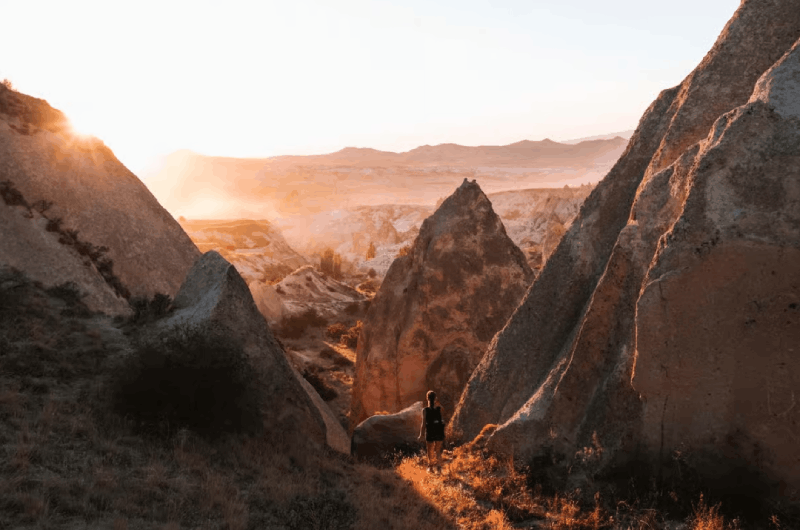
The Red Valley’s “Star‑Gate” rock formations have become the centerpiece of Cappadocia’s night‑time adventure portfolio for 2026, offering a blend of geological wonder, cultural storytelling, and pristine dark‑sky conditions that rival any European observatory. Guided night hikes to this hidden portal are now coordinated through licensed local operators who adhere to the Turkish Ministry of Culture’s updated night‑activity regulations, which limit group size to twelve participants, require low‑impact lighting, and mandate a pre‑hike safety briefing that includes emergency contact protocols and wildlife awareness.
\n
Preparation begins weeks in advance. Travelers should book through an accredited agency that provides a certified guide equipped with a handheld GPS, a portable “dark‑sky” lantern (LED with a maximum output of 5 lumens), and a calibrated star‑chart specific to the 2026 celestial events calendar. The guide will verify that each participant possesses a headlamp with a red filter, a basic first‑aid kit, and a fully charged power bank for mobile devices. Because the Red Valley’s terrain is uneven and the pathways are unlit, sturdy ankle‑supporting boots and a lightweight insulated jacket are non‑negotiable, even in the mild summer months when nighttime temperatures can dip below 5 °C.
\n
The hike commences 90 minutes after sunset, aligning with the disappearance of the last twilight glow to maximize the visibility of the Milky Way, which arches directly over the “Star‑Gate” at this latitude. Guides employ a “soft‑glow” protocol: lanterns are angled downward and covered with a diffuser to prevent skyglow that would compromise the dark‑sky environment. Participants are instructed to keep eyes adapted for at least ten minutes before looking upward, and to avoid using electronic flash devices. In 2026, the Turkish Astronomical Society introduced a real‑time light‑pollution monitoring app that alerts groups to any unexpected illumination from nearby villages, allowing guides to adjust the route or pause the observation segment as needed.
\n
Upon reaching the “Star‑Gate,” the guide narrates the formation’s mythic origins—stories of ancient Seljuk astronomers who believed the arches acted as portals to the heavens. At this moment, the group spreads a low‑profile, biodegradable blanket to sit on, ensuring no damage to the delicate tuff stone. The guide then points out the constellations that dominate the 2026 summer sky: Scorpius, Sagittarius, and the prominent Milky Way core, which will be visible for the next two hours. For those wishing to capture the scene, a tripod with a wide‑angle lens set to ISO 3200 and a 15‑second exposure is recommended; however, the guide emphasizes that any flash photography is prohibited to preserve the site’s darkness.
\n
\n\n
Safety measures remain paramount. All participants receive a brief on altitude‑related considerations—Cappadocia sits at roughly 1,100 m, and sudden temperature changes can affect breathing, especially for individuals with respiratory sensitivities. The guide carries a satellite communicator for rapid contact with the local rescue station in Göreme, and the itinerary includes a predetermined check‑in time with the operator’s base camp. Should weather forecasts predict a sudden rise in humidity or wind, the guide will relocate the group to an alternate viewpoint within the valley that still offers unobstructed sky access.
\n
The experience concludes with a gentle descent, during which the guide distributes a digital star‑map of the night’s observations and a list of recommended local cafés for post‑hike refreshments. For travelers accustomed to meticulous planning—such as those following the detailed recommendations found in a travel guide for pregnant women visiting Bangkok—this night hike provides a similarly structured yet uniquely charming adventure, marrying Cappadocia’s geological splendor with the timeless allure of the night sky.
\n
Electric‑Powered ATV Excursions Through the Uncharted Soganlı Canyon – Eco‑Friendly Adventure Permits 2026
\n
Electric‑powered ATV excursions have become the flagship eco‑adventure for travelers seeking to explore Soganlı Canyon’s hidden valleys without compromising the delicate environment. In 2026 the Turkish Ministry of Culture and Tourism, in partnership with the Cappadocia Sustainable Tourism Board, issued a new set of Eco‑Friendly Adventure Permits that limit daily rider numbers to 12 groups, enforce strict noise‑level thresholds, and require all vehicles to be zero‑emission models certified by the European Union’s E‑Mobility Standard (EU‑EMS‑2026). Permits are allocated through the official online portal, and each reservation automatically includes a brief environmental brief, a GPS‑tracked route plan, and a mandatory 30‑minute pre‑ride safety and conservation briefing led by a licensed guide.
\n
The Soganlı Canyon route spans roughly 18 kilometers of winding trails that weave between towering basalt columns, ancient cave dwellings, and seasonal waterfalls that surge during the spring melt. Because electric ATVs produce less than 30 decibels of sound at cruising speed, the canyon’s endemic bird species—such as the Anatolian rock‑partridge and the lesser spotted eagle—remain undisturbed, allowing riders to witness nesting sites and rare flora like the wild tulip (Tulipa sprengeri) in full bloom. Riders are encouraged to keep the vehicle’s “eco‑mode” engaged, which caps top speed at 25 km/h on steep descents, reducing both energy consumption and erosion risk on the fragile limestone paths.
\n
Booking a 2026 Soganlı Canyon electric‑ATV tour requires a two‑step verification process. First, travelers must upload a recent health clearance confirming they are fit for moderate physical activity; the permit system automatically flags any medical conditions that could be aggravated by high altitude (the canyon floor sits at 1,300 m above sea level). Second, the platform cross‑checks the traveler’s carbon‑offset contribution—each participant must purchase a minimum of 0.8 kg CO₂ offset, which funds local reforestation projects in the nearby Göreme forest reserve. Upon successful verification, the system issues a QR‑coded permit that must be presented to the on‑site ranger before the electric ATVs are released from the charging hub at the canyon’s entrance.
\n
Guides play a pivotal role in maintaining the canyon’s ecological balance. All guides are required to hold a “Certified Eco‑Adventure Guide” credential, which includes training in low‑impact navigation, first‑aid at altitude, and cultural sensitivity regarding the region’s historic rock‑cut monasteries. During the ride, guides point out subtle geological formations—such as the “Fairy Chimney” basalt pillars that have been naturally sculpted by wind and rain over millennia—and share stories of the Hittite caravans that once traversed these paths. For families traveling with pregnant members, the electric‑ATV experience remains safe, provided the rider remains seated and the vehicle’s suspension is set to “comfort mode.” A comparable approach to pregnancy‑friendly travel can be seen in the Phuket Travel Guide for Pregnant Women – Pregnant‑Friendly Tours – Travel Tips, which emphasizes low‑impact, well‑regulated activities.
\n
The 2026 season runs from late April to early November, aligning with the canyon’s optimal weather window of 12 °C to 22 °C and minimal rainfall. Early‑morning departures are recommended to avoid the midday sun, which can cause rapid temperature fluctuations on the exposed limestone. Riders should pack lightweight, breathable clothing, a reusable water bottle, and a compact sun‑shade hat. All electric ATVs are equipped with integrated solar panels that recharge the battery while the vehicle is stationary, ensuring a full charge for the return leg without the need for external power sources.
Explore Cappadocia
\n
In summary, the electric‑powered ATV excursion through Soganlı Canyon offers a cutting‑edge, environmentally responsible adventure that blends high‑tech mobility with deep respect for Cappadocia’s natural and cultural heritage. By adhering to the 2026 Eco‑Friendly Adventure Permit requirements, travelers enjoy a seamless, low‑impact experience that supports local conservation efforts while delivering unforgettable panoramic vistas and intimate encounters with the region’s unique ecosystem.
\n
Artisan Pottery Workshops in the Revitalized Çavuşin Village Studio – Pre‑Registration for 2026 Masterclasses
\n
Set among the honey‑colored fairy chimneys of Çavuşin, the newly revitalized Artisan Pottery Studio has emerged as a cultural beacon for travelers seeking hands‑on immersion in Cappadocia’s ancient craft traditions. In 2026 the studio will host a series of masterclasses led by award‑winning ceramists who blend centuries‑old Anatolian techniques with contemporary design sensibilities. Pre‑registration is now open, and participants are encouraged to secure their spots early, as each session caps at twelve attendees to ensure personalized instruction and optimal safety standards.
\n
The 2026 masterclass schedule comprises three distinct thematic tracks: Traditional Red‑Earth Vessels, Modern Glaze Exploration, and Heritage Tile Revival. The Traditional Red‑Earth Vessels track revisits the Hittite‑era slip‑casting method using locally sourced volcanic clay, renowned for its distinctive reddish hue and exceptional durability. Over two days, participants will learn to hand‑shape, wheel‑throw, and fire their pieces in the studio’s newly installed electric kiln, which complies with EU emission standards and offers precise temperature control up to 1,300 °C. The Modern Glaze Exploration track invites artists to experiment with over‑twenty contemporary glaze recipes, including iridescent copper‑sulphate and matte cobalt finishes. Certified glaze technicians will guide attendees through the chemistry of color development, ensuring each glaze adheres to health‑safe, lead‑free formulations. Finally, the Heritage Tile Revival track focuses on the intricate geometric motifs that once adorned Seljuk caravanserais. Students will design, carve, and glaze their own 20 × 20 cm tiles, which can later be incorporated into a collaborative mural displayed in the Çavuşin village square.
\n
\n\n
All masterclasses incorporate a brief cultural orientation, highlighting the historical significance of pottery in the Cappadocian plateau. Participants receive a curated booklet featuring archival photographs, a timeline of regional ceramic evolution, and a directory of local suppliers for those wishing to continue their practice after departure. The studio also provides adaptive tools and ergonomic workstations, making the workshops accessible to travelers with varying physical abilities. For pregnant travelers, the studio’s climate‑controlled environment and non‑toxic materials align with safety recommendations; a separate guide on pregnancy‑friendly travel in Turkey can be consulted at ExcursionsFinder’s Phuket Travel Guide for Pregnant Women – Pregnant‑Friendly Tours – Travel Tips.
\n
To pre‑register, visitors should complete the online enrollment form available on the studio’s official website. A refundable deposit of €150 secures a place, with the balance due 30 days before the first class. Early‑bird registrants who sign up before 1 January 2026 receive a 10 % discount and a complimentary set of hand‑painted ceramic coasters crafted by local artisans. Payment can be made via major credit cards or PayPal, and the platform issues an instant confirmation email containing a detailed itinerary, recommended packing list, and contact information for the studio’s on‑site liaison.
\n
Accommodation options are conveniently situated within walking distance of the studio. The historic Çavuşin Guesthouse, a restored stone mansion, offers rooms with private courtyards and panoramic views of the surrounding valleys. For those preferring a boutique experience, the newly opened Fairy Chimney Loft provides modern amenities while preserving the village’s authentic ambience. Transportation to the studio is facilitated by a shuttle service that departs twice daily from Göreme and Ürgüp, allowing participants to integrate the pottery experience into broader Cappadocian itineraries.
\n
By joining the 2026 Artisan Pottery Workshops, travelers not only acquire a tangible skill but also become part of a living heritage that has shaped the region for millennia. The blend of meticulous craftsmanship, sustainable practices, and intimate instruction ensures that each participant leaves Çavuşin with more than a handcrafted souvenir—they depart with a deeper appreciation for the cultural mix that defines Cappadocia today.
\n
Private Wine‑Tasting Sessions at the Emerging “Kızılcık” Vineyard on the Edge of Göreme – 2026 Reserve‑Only Releases
\n
Set on the volcanic rim that frames Göreme, the newly launched Kızılcık Vineyard has quickly become the region’s most coveted destination for connoisseurs seeking an intimate encounter with Cappadocia’s emerging terroir. In 2026, the estate’s private wine‑tasting sessions are reserved exclusively for small groups of up to six guests, ensuring an unhurried dialogue between host, sommelier, and the limited‑edition reserve wines that have already earned accolades at the International Wine & Spirits Competition in London. Upon arrival, visitors are greeted by the vineyard’s sleek, earth‑toned pavilion, designed to blend with the surrounding fairy‑chimney landscape while offering panoramic views of the sunrise‑kissed valleys—a setting that heightens the sensory experience of each pour.
\n
The centerpiece of the 2026 offering is the “Red Dawn” reserve, a single‑vintage blend of indigenous Kalecik Karası and a modest proportion of imported Cabernet Franc, cultivated on the vineyard’s south‑facing slopes where the mineral‑rich tuff soil imparts a distinct peppery backbone. This limited release, bottled at 13.5% ABV, is presented in hand‑blown crystal goblets, allowing the wine’s ruby hue and delicate legs to be fully appreciated. The sommelier guides guests through a step‑by‑step tasting protocol: first observing color and clarity, then inhaling the aromatic bouquet that reveals notes of wild rose, sun‑dried apricot, and a faint hint of smoked pine. On the palate, the wine balances bright acidity with silky tannins, culminating in a lingering finish of dried fig and subtle Anatolian spice. A complementary “White Whisper” reserve follows, showcasing the rare Emir grape, whose floral aromatics and crisp minerality provide a harmonious counterpoint to the richer reds.
\n
Beyond the wines themselves, the private session includes an immersive educational component. Guests receive a concise briefing on Kızılcık’s sustainable viticulture practices, which emphasize drip‑irrigation sourced from reclaimed rainwater and organic canopy management to preserve the delicate balance of the local ecosystem. The vineyard’s commitment to biodiversity is evident in the interplanting of native lavender and thyme, which not only enhance the aromatic profile of the grapes but also attract pollinators essential to the region’s ecological health. This focus on responsible farming resonates with travelers who prioritize eco‑friendly experiences, a trend that has surged among high‑end tourists visiting Cappadocia in 2026.
\n
The tasting concludes with a curated selection of local Anatolian meze, meticulously paired to each wine. Small plates of çömlek‑baked eggplant, hand‑crafted walnut cheese, and freshly harvested apricots echo the flavors found in the bottles, while a glass of sparkling mineral water sourced from the nearby Kızılırmak springs cleanses the palate between sips. For guests seeking a seamless continuation of their journey, the vineyard’s concierge can arrange a private transfer to Göreme’s historic cave hotels, ensuring a smooth transition from vineyard to lodging.
\n
Travelers who appreciate detailed planning will find the reservation process straightforward: bookings are made through the Kızılcık website, with a 48‑hour advance notice required to accommodate the limited production runs. Payment is secured via a modest deposit, and the final invoice includes a personalized bottle of the chosen reserve for guests to take home—a souvenir that encapsulates the unique spirit of Cappadocia’s evolving wine scene. For those whose itineraries also include family‑friendly destinations, consider pairing your Turkish adventure with a visit to Phuket; our Phuket Travel Guide for Pregnant Women – Pregnant‑Friendly Tours – Travel Tips offers valuable insights for safe and enjoyable travel elsewhere.
\n
\n\n
Interactive Virtual Reality Reconstructions of the Ancient Monastic Frescoes at Zelve – On‑Site Tech Rentals 2026
\n
The Zelve Open‑Air Museum, once a thriving monastic settlement, now offers visitors a cutting‑edge way to experience its lost frescoes through interactive virtual‑reality (VR) reconstructions. In 2026, on‑site tech rental kiosks have been installed at the main entrance and at the visitor centre, allowing guests to borrow lightweight, high‑resolution headsets equipped with motion‑tracking gloves and optional haptic vests. These devices are pre‑loaded with a meticulously researched 3D model of the 13th‑century frescoes, rendered from archival photographs, infrared scans, and pigment analysis conducted by the Turkish Ministry of Culture in collaboration with the University of Cappadocia’s Conservation Lab.
\n
Upon donning the headset, users are transported back to the height of Zelve’s monastic life. The VR environment overlays the original stone walls with digitally restored imagery, showing the vibrant reds, blues, and golds that have faded beneath centuries of erosion. The system employs spatial audio to recreate the subtle chants and the distant clatter of stone tools, giving a multisensory impression of daily routine. Interactive hotspots are scattered throughout the virtual chambers; tapping a hotspot with the motion‑tracking glove triggers a concise narration, available in ten languages, that explains the iconography, theological significance, and the restoration techniques used to bring each scene back to life.
\n
The rental process is streamlined through a QR‑code scanner linked to the ExcursionsFinder booking platform. After a brief identity verification, travelers can select a rental package ranging from a single‑hour “Quick Dive” to a full‑day “Monastic Immersion” that includes a guided VR walk‑through led by a local historian via a synchronized live feed. Batteries are swappable, and each headset comes with a sanitising sleeve to meet post‑pandemic hygiene standards. For those who prefer a more relaxed pace, a “Seated Experience” station offers a chair‑mounted headset with a built‑in eye‑tracking system, allowing users to explore the frescoes without the need for hand controllers.
\n
Pricing reflects the premium nature of the technology while remaining accessible: the Quick Dive is €12 per person, the Monastic Immersion €28, and the Seated Experience €15. Group discounts are available for parties of ten or more, making it an attractive addition for school trips, corporate retreats, or family outings. All rentals include a complimentary digital souvenir—a high‑resolution snapshot of the user’s favorite fresco, which can be emailed directly from the kiosk or downloaded to a personal device.
\n
The VR reconstructions have also been integrated into the broader Zelve itinerary. After the virtual session, visitors can walk the actual trails to compare the digital restoration with the remaining physical fragments, deepening appreciation for the site’s preservation challenges. Local cafés now display QR‑codes linking to the VR experience, encouraging guests to revisit the frescoes while enjoying traditional Turkish tea. For travelers seeking a seamless journey across Turkey, the same rental service can be booked in advance for other heritage sites, such as the fresco‑laden churches of Göreme or the subterranean monasteries of Derinkuyu, ensuring a consistent immersive experience throughout the Cappadocia region.
\n
For those planning multi‑destination trips, consider pairing your Cappadocia adventure with a family‑friendly vacation elsewhere. A recent guide to Phuket highlights how pregnant‑friendly tours and travel tips can make island getaways safe and enjoyable, demonstrating the value of tailored travel planning across diverse locales.
\n
Micro‑Festival Calendar: Pop‑Up Music and Dance Events in the Forgotten “Whispering” Caves – Ticketing Tips for 2026.
\n
The Whispering Caves, a network of limestone chambers tucked beneath the Göreme valley, have evolved from silent relics into a seasonal stage for micro‑festivals that blend traditional Turkish folk rhythms with avant‑garde electronic sets. In 2026 the calendar is anchored by three distinct pop‑up series, each lasting no more than a weekend, and each designed to preserve the fragile acoustics while offering unforgettable, intimate performances.
\n
The first wave arrives in early May, coinciding with the region’s wildflower bloom. “Echoes of Anatolia” presents a curated lineup of regional musicians who reinterpret classic saz melodies using acoustic loops and subtle percussive footwork. Performances begin at 19:30 local time, when the caves’ natural reverberation is at its warmest. Because the event is limited to 120 guests per night, tickets are released in two batches: a “pre‑release” on the official Whispering Caves portal on March 15, and a “general release” on April 5. Prospective attendees should register an account on the portal at least 48 hours before each release to avoid the automated queue that can delay confirmation emails. Payment is accepted via credit card or the region’s popular mobile wallet, and a QR‑code ticket is sent instantly. For travelers with limited internet access, a local ticket office in Ürgüp offers same‑day cash purchase, but only for the general release.
\n
The second series, “Cavern Pulse,” unfolds in late July, targeting a younger, international crowd drawn to electronic dance music. International DJs are flown in under special cultural‑exchange permits, and the event is staged in the deepest chamber, where the stone walls amplify low‑frequency bass without distortion. Because of the high demand, a lottery system was introduced in 2026 and remains in place for 2026. Applicants must submit a brief travel itinerary and proof of accommodation by June 10; the lottery draws on June 20, and successful entrants receive a digital ticket valid for any of the three nights. To increase odds, the organizers allow one additional entry per household, provided each applicant lists a distinct passport number. Travelers are advised to secure travel insurance that covers event cancellations, as weather‑related cave closures can occur unexpectedly.
\n
The final pop‑up, “Mystic Dance,” appears in early October, aligning with the harvest festival in nearby Avanos. This intimate program features traditional whirling dervish performances interspersed with contemporary interpretive dance. Seating is arranged on low stone benches, and audience members are encouraged to remove shoes to respect the sacred floor. Tickets for Mystic Dance are sold exclusively through partner hotels and guesthouses, with a “room‑plus‑ticket” package that guarantees entry for one adult per occupied room. Booking through the hotel’s front desk before September 15 secures the discounted rate; otherwise, a higher “stand‑alone” price applies.
\n
\n\n
Ticketing tips for 2026: 1) Create a dedicated email address for event confirmations to keep travel documents organized. 2) Activate two‑factor authentication on the Whispering Caves portal to avoid login delays during high‑traffic releases. 3) Verify that your mobile device’s QR‑code scanner is functional before arrival; backup paper tickets can be requested at the entrance for a modest fee, but only if the digital ticket is presented first. 4) For pregnant travelers, consult the Phuket Travel Guide for Pregnant Women – Pregnant‑Friendly Tours – Travel Tips for broader advice on safe event participation, as the caves’ uneven terrain may require additional caution. By following these strategies, visitors can secure a spot in one of Cappadocia’s most exclusive cultural experiences while respecting the delicate environment that makes the Whispering Caves a world‑class venue.
\n
Frequently Asked Questions
\n
What is the best time of year to visit Cappadocia in 2026 for mild weather and fewer crowds?
Late April to early June and September to early October offer pleasant temperatures (15‑25 °C), blooming landscapes, and lower tourist density compared to July‑August.
How many days should I allocate to cover the main attractions and activities in the Cappadocia detailed travel guide?
A 4‑night, 5‑day itinerary allows you to explore Göreme Open‑Air Museum, underground cities, a hot‑air balloon ride, hiking valleys, and a day trip to Avanos or Ürgüp without rushing.
Do I need to book my hot‑air balloon flight in advance for the 2026 season, and what is the typical cancellation policy?
Yes, reserve at least 2‑3 weeks ahead. Most operators require a 30% deposit and offer a full refund or reschedule if flights are canceled due to weather, with the balance payable on the day of the flight.
Which transportation options are most convenient for moving between Göreme, Ürgüp, and Kaymakli underground city?
Renting a compact car gives the most flexibility (≈ €35‑45/day). Alternatively, local shuttle buses run hourly for €3‑5 per segment, and organized day tours cost €45‑60 per person including pickup and guide.
Are there any specific permits or entry fees for the UNESCO sites and underground cities in 2026?
Yes. Göreme Open‑Air Museum: €12 adult, €6 child. Derinkuyu Underground City: €8 adult, €4 child. All sites accept cash or contactless card; tickets are valid for 24 hours.
What are the recommended hiking routes for beginners versus experienced trekkers in Cappadocia?
Beginners should try the Rose Valley (3 km, gentle slopes) and Love Valley (2 km, well‑marked). Experienced hikers can tackle the Ihlara Gorge (14 km) or the challenging Red & White Valley loop (8 km with steep sections).
Which local dishes should I try, and where can I find authentic cuisine without tourist markup?
Sample testi kebabı (clay‑pot stew), mantı (Turkish dumplings), and gözleme. Authentic spots include Dibek Restaurant in Göreme, Sofra in Avanos, and Ziggy’s Café in Ürgüp, where prices are €8‑12 per main dish.
Is it safe to travel alone as a solo female traveler in Cappadonia in 2026?
Cappadocia is considered very safe for solo female travelers. Stick to well‑lit areas at night, use reputable transport, and keep valuables secure. Local hospitality is friendly, and most accommodations have 24‑hour front desks.
What are the essential items to pack for a 2026 trip to Cappadocia, considering weather and activities?
Pack layered clothing, a lightweight waterproof jacket, comfortable hiking boots, a sun hat, sunscreen, a reusable water bottle, a power bank, and a good camera or smartphone with extra memory cards for balloon photos.
How can I stay connected to the internet and make local calls without incurring high roaming fees?
Purchase a Turkish prepaid SIM card (e.g., Turkcell or Vodafone) at the airport or local kiosks for €10‑15, which includes 10 GB data valid for 30 days and cheap local call rates. Free Wi‑Fi is available in most hotels and cafés.