Introduction: Unraveling the Legend of Jim Thompson
Before the glittering skyscrapers and busy modernity of 2026 Bangkok, there existed a different Siam – a kingdom steeped in tradition, artistry, and a burgeoning silk industry. To truly understand the soul of Thailand, a journey back in time is essential. And there’s no better place to begin than at the Jim Thompson House, a captivating museum dedicated to the American businessman who single-handedly revitalized the Thai silk industry and, in doing so, preserved a vital piece of the nation’s cultural heritage.
This isn’t simply a house; it’s a portal. Stepping through its gates is like entering a bygone era, a meticulously reconstructed vision of old Siam. The Jim Thompson House offers more than just a glimpse – it’s a deep explore the life of an extraordinary man and the exquisite world of Thai silk. Prepare to be transported.
Jim Thompson arrived in Thailand during World War II, initially as an OSS operative. However, his post-war passion quickly shifted to the declining art of silk weaving. Recognizing the potential, he invested in struggling silk farms and, crucially, helped elevate the quality and marketing of Thai silk to international acclaim. He wasn’t just a businessman; he was a cultural ambassador.
But the story of Jim Thompson is also shrouded in mystery. His unexplained disappearance in 1967, while trekking in the Malaysian jungle, continues to fascinate and fuel speculation. Visiting the Jim Thompson House allows you to piece together the fragments of his life, examining the objects he cherished and the environment he created. It’s a compelling narrative woven into the very fabric of the place.
What makes this experience so unique is the house itself. Thompson wasn’t content to simply live *in* Siam; he wanted to live *as* a Siamese. Between 1959 and 1967, he painstakingly collected antique Thai houses – teak structures from across the country – and reassembled them on this single plot of land along the canals (khlongs) of Bangkok.
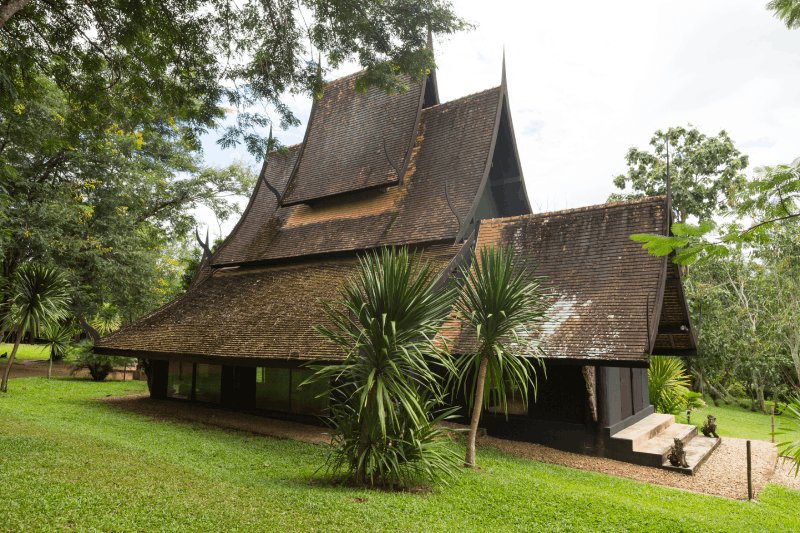
The result is a striking architectural marvel, a harmonious blend of six traditional Thai houses. It’s a stunning example of vernacular architecture, showcasing the ingenuity and artistry of Thai craftsmanship. This isn’t a sterile museum; it’s a lived-in space, imbued with personality and reflecting Thompson’s eclectic tastes.
A visit to the Jim Thompson House typically begins with a guided tour. These tours, offered in multiple languages including English, Japanese, Mandarin, and Thai, run approximately 30-45 minutes and cost around 200 THB per person as of 2026. Independent exploration is permitted after the tour, allowing you to linger over specific details or revisit rooms that particularly captured your interest.
Here’s what you can expect during your immersive experience:
- A Guided Exploration: Knowledgeable guides will lead you through the house, sharing fascinating anecdotes about Thompson’s life, the history of Thai silk, and the architectural features of the building.
- Insightful Commentary on the Collection: Discover the stories behind Thompson’s extensive collection of Southeast Asian art, antiques, and ceramics. Each piece offers a window into the cultural landscape of the region.
- A Journey Through Traditional Thai Architecture: Admire the intricate carvings, the soaring roofs, and the open-air design of the houses. Understand how these elements reflect the climate and lifestyle of old Siam.
- A Glimpse into Thompson’s Personal Life: See his study, his dining room, and his bedrooms, offering a personal glimpse into the life of this enigmatic figure.
- Access to the Lush Gardens: Wander through the tranquil gardens, a peaceful oasis in the city. Observe the native plants and flowers that Thompson cultivated.
Beyond the main house, don’t miss the opportunity to explore the Jim Thompson Tea Room. Situated amidst the serene gardens, it offers a delightful respite with traditional Thai snacks and refreshing beverages. It’s the perfect place to reflect on your experience and soak in the atmosphere.
The Jim Thompson House is open daily from 9:00 AM to 5:00 PM. It’s easily accessible by taxi, tuk-tuk, or the BTS Skytrain (National Stadium Station). Allow at least 2-3 hours to fully appreciate the experience.
To make the most of your visit, consider these tips:
- Dress respectfully: While there isn’t a strict dress code, it’s advisable to wear modest clothing.
- Photography is permitted: However, flash photography is not allowed inside the house.
- Book your tour in advance: Especially during peak season (November to February), pre-booking is recommended to secure your preferred time slot.
- Combine your visit with other nearby attractions: The house is located close to the Bangkok Art and Culture Centre (BACC) and the Erawan Shrine.
The Jim Thompson House isn’t just a museum; it’s a legacy. It’s a sign of the power of vision, the beauty of Thai artistry, and the enduring mystery of a man who left an indelible mark on the nation. This exploration of Jim Thompson’s life and the world of Thai silk is an essential experience for anyone seeking to understand the heart and soul of Bangkok. Prepare to be captivated.
A Glimpse into Old Siam: What to Expect at the Jim Thompson House
Stepping into the Jim Thompson House is more than just a visit to a museum; it’s a portal. A portal to a Bangkok that existed before the skyscrapers, before the relentless traffic, and before the city fully embraced modernity. It’s a beautifully preserved testament to traditional Thai architecture and the captivating story of an American businessman who revitalized the Thai silk industry. Prepare to be transported.
The experience begins even before you enter the main house. Located on Kasemsan 2 Soi, a quiet lane just off the busy Rama I Road, the approach immediately feels different. The air cools, the sounds of the city soften, and you’re greeted by a lush, tranquil garden – a precursor to the serenity within.
Upon arrival in 2026, you’ll find the Jim Thompson House operates daily from 9:00 AM to 5:00 PM. Guided tours are mandatory, and are offered in multiple languages including English, Thai, French, German, Japanese, and Mandarin. This isn’t a “wander at your leisure” kind of place. This deliberate choice enhances the experience, providing invaluable context and stories that bring the house and Jim Thompson’s life to vivid detail.
Tour prices currently stand at 200 Thai Baht per person (approximately $5.50 USD as of late 2026), and last around 30-45 minutes. While walk-ins are accepted, especially during the shoulder seasons (March-May and September-November), pre-booking your tour online is *highly* recommended, particularly during peak season (November – February) and around Thai holidays. This guarantees your spot and minimizes wait times.
What can you expect *during* the tour of the Jim Thompson House? A deep explore a world carefully curated by Thompson himself. The house isn’t a grand palace, but a collection of six traditional Thai houses, disassembled from their original locations along the Chao Phraya River and meticulously reconstructed on this single plot of land. Thompson, with an eye for authenticity and beauty, wanted to create a living, breathing example of traditional Thai domestic architecture.
The tour begins with an introduction to Thompson’s passion for silk and his journey to Thailand in 1941. You’ll then move through the various houses, each showcasing a different aspect of Thai life and artistry.
Here’s a glimpse of what awaits:
- The Reception House: The first house you encounter, originally used for welcoming guests. Observe the intricate wood carvings and the traditional Thai flooring.
- The Main House: The heart of the complex, showcasing Thompson’s living and dining areas. Pay close attention to the antique furniture, the exquisite silk fabrics, and the collection of Southeast Asian art.
- The Storage House: Demonstrating how goods were traditionally stored, raised on stilts to protect against floods and pests.
- The Guest House: Where Thompson entertained prominent figures, including artists, diplomats, and fellow silk enthusiasts.
- The Office House: A glimpse into Thompson’s business world, featuring his desk, correspondence, and early silk samples.
- The Garden House: Connecting the various structures, offering tranquil views and showcasing lush tropical plants.
The guides are exceptionally knowledgeable and passionate. They don’t simply recite facts; they weave narratives, sharing anecdotes about Thompson’s life, his eccentric personality, and his unwavering commitment to preserving Thai culture. They’ll explain the symbolism behind the architectural details – the sloping roofs, the raised floors, the intricate carvings – and how these elements reflect Thai beliefs and traditions.
Don’t miss the opportunity to examine the silk production process, demonstrated through displays of looms, spinning wheels, and finished fabrics. The Jim Thompson House isn’t just about admiring beautiful textiles; it’s about understanding the entire journey from silkworm to stunning garment. You’ll gain a newfound appreciation for the skill and artistry involved in creating Thai silk.
Beyond the house itself, the Jim Thompson House also boasts a beautiful garden and a charming tea room. The gardens provide a peaceful respite, offering a chance to reflect on your visit. The tea room serves light refreshments and, of course, features a selection of exquisite silk products for purchase.
Photography is permitted inside the house, but flash photography is prohibited to protect the delicate artifacts and fabrics. Respectful behavior is expected throughout the property. Remember, this is a historical site and a sign of a man who deeply loved Thailand.
A visit to the Jim Thompson House is a truly immersive experience. It’s a chance to step back in time, appreciate the beauty of traditional Thai architecture, and learn the inspiring story of a man who left an indelible mark on the world of silk. Make the Jim Thompson House a priority on your Bangkok itinerary in 2026 – you won’t be disappointed. It’s a cultural gem that offers a unique and unforgettable glimpse into Old Siam.
Architectural Harmony: A Detailed Overview of the House & Gardens
Stepping into the Jim Thompson House is akin to entering a beautifully preserved time capsule. More than just a museum, this is a meticulously reconstructed traditional Thai house, offering a profound understanding of 19th and early 20th-century Thai domestic architecture. The experience, a cornerstone of any Bangkok visit in 2026, is a captivating journey into a world of refined aesthetics and thoughtful design. This detailed overview will prepare you for the wonders awaiting within the walls of this iconic landmark.
Jim Thompson, an American businessman credited with revitalizing the Thai silk industry, wasn’t simply collecting art; he was building a *home*. He painstakingly sourced six traditional Thai houses from across the country – primarily from around Ayutthaya – and had them disassembled, transported to Bangkok, and reassembled on this single plot of land along the Saen Saep canal. The process, completed in 1967, wasn’t about replication, but rather a harmonious fusion of traditional elements.
The house itself isn’t a single structure, but a complex of pavilions connected by covered walkways and open terraces. This layout, typical of traditional Thai architecture, encourages natural ventilation – a crucial element in Bangkok’s humid climate. Notice how the raised foundations protect against flooding, a common occurrence even today. This ingenious design isn’t merely functional; it contributes to the overall sense of airy spaciousness.
The main house, the focal point of the Jim Thompson House tour, is constructed primarily of teak wood, renowned for its durability and beautiful grain. The steeply pitched roofs, adorned with intricate carvings, are not only aesthetically pleasing but also designed to quickly shed rainwater. Look closely at the *chofa*, the ornate roof finials, each representing a different mythical creature and offering protection to the inhabitants.
Inside, the house is divided into several distinct areas. The reception room showcases Thompson’s discerning taste in art and antiques, setting the tone for the rest of the house. The dining room, with its long teak table and collection of ceramics, hints at the lavish parties Thompson hosted. The living room, a cozy space filled with comfortable furniture and personal belongings, provides a glimpse into his private life.
Don’t miss the intricate details throughout the house. The windows, crafted from delicate latticework, allow for light and air to circulate while providing privacy. The doors, often adorned with mother-of-pearl inlay, are masterpieces of craftsmanship. The floors, made of polished teak, are cool and smooth underfoot. Every element, from the smallest carving to the largest beam, speaks to the skill and artistry of Thai artisans.
Beyond the main house, the gardens are an integral part of the Jim Thompson House experience. Originally a neglected plot of land, Thompson transformed it into a lush oasis of tropical plants and trees. He meticulously landscaped the grounds, creating a serene and peaceful environment.
The gardens feature:
- A tranquil fish pond: Filled with colorful koi and lotus flowers.
- A collection of antique stone sculptures: Reflecting Thompson’s passion for Southeast Asian art.
- A variety of tropical plants: Including orchids, bougainvillea, and frangipani, providing bursts of color and fragrance.
- Hidden pathways and shaded seating areas: Perfect for quiet contemplation.
Exploring the gardens after your house tour allows you to fully appreciate the harmony between the architecture and the natural surroundings. It’s a space designed for relaxation and reflection, a welcome respite from the busy city outside.
The Tea Room, located within the gardens, offers a delightful way to conclude your visit. Enjoy traditional Thai tea and light refreshments while overlooking the serene landscape. In 2026, expect a set menu of light bites and beverages priced around 350-500 Thai Baht per person. Reservations are recommended, especially during peak season (November to February).
Practical Information for your visit to the Jim Thompson House:
- Location: 6 Soi Kasemsan 2, Rama 1 Road, Pathumwan, Bangkok.
- Opening Hours: Daily from 9:00 AM to 5:00 PM.
- Tour Duration: Guided tours of the house last approximately 30-45 minutes. Allow at least 2-3 hours to fully explore the house and gardens.
- Admission Fees (2026): Approximately 200 Thai Baht for adults, 100 Thai Baht for students (with valid ID). Combination tickets including the Tea Room are also available.
- Photography: Photography is permitted inside the house and gardens, but flash photography is prohibited.
- Dress Code: While not strictly enforced, respectful attire is appreciated. Shoulders and knees should be covered.
- Getting There: The Jim Thompson House is easily accessible by taxi, tuk-tuk, or BTS Skytrain (National Stadium Station).
Before or after your exploration of the Jim Thompson House, consider delving deeper into the world of Thai silk. Understanding the intricate process, from silkworm cultivation to weaving, will enrich your appreciation for Thompson’s legacy. The Jim Thompson House tour isn’t just about admiring a beautiful home; it’s about understanding a man’s vision and the enduring beauty of Thai silk. This architectural gem remains a must-see destination for travelers seeking an authentic cultural experience in Bangkok in 2026.
The Man Behind the Silk: Jim Thompson’s Life & Legacy
Jim Thompson wasn’t merely a silk merchant; he was a visionary who resurrected an entire industry and, in doing so, helped define Thailand’s cultural identity on the global stage. Understanding his remarkable life story dramatically enhances the experience of visiting the Jim Thompson House, turning a simple tour into a poignant journey through passion, adventure, and artistic preservation. This section delves into the fascinating narrative of the man who transformed Thai silk from a dying craft into a coveted luxury, and how his legacy continues to thrive in 2026.
Born in Greenville, Pennsylvania in 1906, James H.W. Thompson was far from destined for a life steeped in Southeast Asian artistry. After graduating from Princeton University, he embarked on a career in architecture, but the outbreak of World War II dramatically altered his path. As an intelligence operative with the Office of Strategic Services (OSS), the precursor to the CIA, Thompson was deployed to Thailand (then Siam) in 1941.
He initially worked as a liaison with the Free Thai Movement, assisting in the fight against Japanese occupation. However, it was during his time in the Thai countryside that he first encountered the struggling silk industry. He observed the exquisite craftsmanship, but also the dwindling number of skilled weavers and the lack of a viable market. This sparked a realization – and an opportunity.
Following the war, instead of returning to a predictable life in the United States, Thompson made the bold decision to stay in Siam. In 1948, he began investing in the silk weaving villages, working directly with artisans to improve quality and introduce new designs. He wasn’t simply buying silk; he was *revitalizing* a tradition, providing sustainable livelihoods, and ensuring the preservation of ancient techniques. This dedication to ethical sourcing and artisan empowerment remains a core principle of the Jim Thompson brand today.
The success of his silk venture necessitated a home – and the Jim Thompson House itself is a sign of his discerning eye and unique aesthetic. Constructed between 1959 and 1961, the house wasn’t built in the traditional sense. Thompson meticulously salvaged and reassembled six traditional Thai houses, transported from various parts of Thailand, creating a unique architectural masterpiece. This act of preservation wasn’t merely about creating a beautiful residence; it was a symbolic gesture mirroring his work with the silk weavers – rescuing and celebrating a disappearing cultural heritage.
Tragically, Jim Thompson disappeared mysteriously in 1967 while traveling in Malaysia. His disappearance remains unsolved, adding another layer of intrigue to his already captivating story. However, his legacy continues to flourish. The Jim Thompson Foundation, established in his name, actively supports Thai arts, crafts, and design.
A visit to the Jim Thompson House in 2026 offers more than just a glimpse into a beautifully preserved home. It provides a tangible connection to Thompson’s life and work. The guided tours – available in multiple languages including English, Mandarin, and Japanese – are expertly curated, weaving together biographical details with insights into the art and artifacts collected within the house.
Here’s what you can expect when experiencing the Jim Thompson House:
- Tour Duration: Approximately 30-45 minutes. Tours depart regularly throughout the day, typically every 15-30 minutes, with increased frequency during peak season (November – February).
- Admission Fees (2026): 200 Thai Baht for adults, 100 Thai Baht for students (with valid ID). Combination tickets including access to the gardens and tea room are also available.
- Photography Policy: Photography is permitted in most areas of the house and gardens, but flash photography is prohibited to protect the delicate artifacts.
- Guided Tour Focus: Tours emphasize Thompson’s life, his role in the Thai silk industry, the architectural details of the house, and the stories behind the extensive collection of Southeast Asian art and antiques.
- Accessibility: While efforts have been made to improve accessibility, the house features uneven surfaces and steps, posing challenges for visitors with mobility issues.
Beyond the main house, the surrounding gardens offer a tranquil escape and a chance to reflect on Thompson’s impact. The Jim Thompson Tea Room provides a delightful opportunity to savor traditional Thai refreshments and further spend time in the atmosphere.
For those deeply interested in understanding the nuances of Thai silk production, consider attending one of the occasional workshops hosted by the Jim Thompson Foundation. These workshops, though not always available, offer hands-on experience with the silk weaving process, guided by skilled artisans. Check the Foundation’s website closer to your travel dates for schedules and booking information.
The Jim Thompson House is more than a museum; it’s a living tribute to a man who dared to follow his passion and, in doing so, left an indelible mark on Thailand. Exploring this remarkable landmark allows you to connect with the spirit of adventure, artistic vision, and cultural preservation that defined Jim Thompson’s extraordinary life. Don’t just see the house – experience the legacy. A visit to the Jim Thompson House is a journey through time, artistry, and the enduring power of a single man’s vision, and remains a must-do experience in Bangkok in 2026.
Decoding the Collection: Art, Artifacts & Their Stories
Stepping inside the Jim Thompson House is more than just touring a beautifully preserved traditional Thai home. It’s entering a meticulously curated museum, a sign of a man’s discerning eye and a deep love for Southeast Asian art and culture. The collection within the Jim Thompson House, amassed during his relatively short but impactful life, offers a fascinating window into a bygone era and the evolution of Thai silk itself. Preparing for your visit and truly *decoding* this collection will enrich your experience immeasurably.
Jim Thompson wasn’t simply a silk entrepreneur; he was a passionate collector. He scoured antique shops, rural villages, and auctions throughout Thailand and beyond, acquiring pieces that spoke to him – and to the aesthetic he was crafting for his home. The house itself serves as the perfect stage for these treasures. Each room tells a story, not just of the artifacts, but of Thompson’s life and his vision.
The collection isn’t presented chronologically or by type. Instead, it’s integrated into the living spaces, creating an atmosphere of lived-in elegance. This is intentional. Thompson wanted his home to *feel* authentic, not like a sterile museum. This approach allows for a more intimate and engaging experience during your Jim Thompson House exploration.
Khon Masks & Classical Dance: One of the most striking aspects of the collection is the assemblage of *khon* masks. These elaborate, gilded masks represent characters from the Ramakien, the Thai adaptation of the Ramayana epic. Thompson was a devoted patron of classical Thai dance and collected masks representing a range of characters – demons, monkeys, gods, and royalty. Pay close attention to the craftsmanship; each mask is a miniature work of art, showcasing incredible skill and detail. Guides on the standard tour will explain the significance of each character and the stories they represent.
Ceramics from Across Asia: Thompson had a particular fondness for ceramics. The collection includes pieces from Thailand, Cambodia, China, and Vietnam, spanning several centuries. Look for the intricate patterns and glazes on the Thai celadon wares, a sign of the country’s long tradition of pottery. He often used these pieces in everyday life, showcasing them on shelves and tables throughout the house. In 2026, conservation efforts are ongoing to preserve these delicate items, so you’ll notice some pieces are displayed behind protective glass.
Stone & Bronze Sculptures: Scattered throughout the house and gardens are stone and bronze sculptures, primarily depicting Buddhist deities and mythological creatures. These sculptures aren’t merely decorative; they reflect Thompson’s understanding of Thai religious beliefs and artistic traditions. The *naga* (serpent) figures, often found guarding entrances, are particularly noteworthy. They symbolize protection and good fortune.
Weaponry & Military Relics: A surprising element of the collection is the display of antique weaponry. Thompson, a former OSS operative during World War II, had a keen interest in military history. He collected swords, daggers, and other implements of war, showcasing their craftsmanship and historical significance. These pieces offer a glimpse into Thailand’s past conflicts and the evolution of its military technology.
Textiles Beyond Silk: While Thai silk is the star of the show, the Jim Thompson House also features a diverse collection of other textiles. You’ll find intricate embroideries, handwoven cotton fabrics, and traditional costumes from various ethnic groups. These textiles provide a broader understanding of the rich textile heritage of Thailand and the region.
Tips for Decoding the Collection:
- Take the Guided Tour: The standard guided tour (approximately 45 minutes, currently priced around 200 THB as of late 2026) is essential. Knowledgeable guides provide invaluable context and insights into the artifacts. Tours are offered in multiple languages, including English, Thai, Mandarin, and Japanese.
- Focus on the Details: Don’t just glance at the objects; really *look* at them. Notice the materials, the craftsmanship, and the symbolism.
- Ask Questions: Don’t hesitate to ask your guide questions. They are passionate about the collection and happy to share their knowledge.
- Consider a Private Tour: For a more personalized experience, consider booking a private tour. This allows you to focus on your specific interests and delve deeper into the collection. Expect to pay around 1,500-2,000 THB for a private tour lasting approximately 90 minutes.
- Explore the Library: The library, Thompson’s former study, houses a collection of books on Southeast Asian art, history, and culture. Browsing the shelves can provide further context for the artifacts on display.
- Look for the Unexpected: Thompson had a playful side, and he often incorporated unexpected elements into his décor. Keep an eye out for these quirky details – they reveal a lot about his personality.
- Remember the Context: The Jim Thompson House is a complete environment. Consider how the artifacts relate to the architecture, the gardens, and Thompson’s lifestyle.
The Jim Thompson House, and particularly its carefully curated collection, is a powerful reminder of the enduring beauty of Thai art and culture. By taking the time to decode the stories behind these artifacts, you’ll gain a deeper appreciation for Jim Thompson’s legacy and the vibrant history of Thailand. Your visit to the Jim Thompson House will be more than just sightseeing; it will be a journey of discovery. Don’t miss the opportunity to spend time in this extraordinary world.
Best Time to Visit: Navigating Bangkok’s Climate & Crowds
Planning your visit to the Jim Thompson House requires a little foresight, not just to appreciate the beauty of Thai silk and architecture, but also to ensure a comfortable and enriching experience. Bangkok’s tropical climate, while generally warm and inviting, presents distinct challenges throughout the year. Successfully navigating these, coupled with understanding peak visitor times, will allow you to fully spend time in the world Jim Thompson created. This guide will help you determine the best time to visit the Jim Thompson House, maximizing your enjoyment of this cultural gem.
Bangkok experiences three primary seasons: hot, rainy, and cool. The hot season, typically from March to May, sees temperatures soar, often exceeding 35°C (95°F) with high humidity. While the Jim Thompson House’s lush gardens offer some respite, prolonged exposure can be draining. Consider visiting first thing in the morning – the house opens at 9:00 AM – to beat the midday heat.
The rainy season, from June to October, brings daily showers, though rarely all-day downpours. These showers are often intense but short-lived, and can actually offer a refreshing break from the humidity. The gardens at their most vibrant during this time, and the Jim Thompson House itself provides excellent shelter. Don’t let the rain deter you from experiencing the Jim Thompson House; the indoor exhibits are perfectly protected. However, be mindful of potential flooding in surrounding areas when planning your transport.
Many consider the cool season, from November to February, the ideal time to visit Bangkok and the Jim Thompson House. Temperatures are milder, averaging around 25-30°C (77-86°F), and humidity is lower. This is also peak tourist season, so expect larger crowds, especially during December and January. Booking a guided tour of the Jim Thompson House in advance is *highly* recommended to avoid disappointment and secure your preferred time slot. Tours currently cost around 350 THB per person (as of late 2026).
Beyond the seasonal weather, understanding daily crowd patterns is crucial. Weekends, unsurprisingly, are the busiest times. Mid-week visits, particularly Tuesdays, Wednesdays, and Thursdays, generally offer a more relaxed experience. Arriving shortly after opening (9:00 AM) or later in the afternoon (after 3:00 PM) can also help you avoid the largest groups.
Here’s a breakdown to help you plan your Jim Thompson House visit:
- November – February (Cool & Dry): Peak season, pleasant weather, larger crowds. Book tours in advance. Expect prices for local transport to be slightly higher.
- March – May (Hot & Dry): High temperatures, fewer crowds. Visit early in the morning or late afternoon. Stay hydrated!
- June – October (Rainy): Refreshing showers, vibrant gardens, manageable crowds. Be prepared for potential transport disruptions.
Consider these specific timings for your visit to the Jim Thompson House in 2026:
- Songkran (Thai New Year – mid-April): Bangkok is incredibly lively during Songkran, but expect large crowds and potential disruptions. The Jim Thompson House remains open, but be prepared for water fights outside!
- Loy Krathong (November): This beautiful festival of lights sees intricate *krathongs* (floating offerings) released onto waterways. The area around the Jim Thompson House may be decorated, and local events are often held nearby.
- Christmas & New Year (December – January): These are the busiest weeks of the year. Advance booking for a Jim Thompson House tour is *essential*. Expect higher prices for accommodation and flights.
Don’t forget to factor in travel time. The Jim Thompson House is located in the Pathumwan district, easily accessible by:
- BTS Skytrain: National Stadium Station is the closest, just a short walk away.
- MRT Subway: Sam Yan Station (Blue Line) is approximately a 15-minute walk.
- Taxi/Grab: Readily available, but traffic can be heavy, especially during peak hours.
- River Taxi: A unique and scenic option, disembarking at a pier requiring a short walk.
Beyond the main house, the gardens and tea room offer a tranquil escape. Allow at least 2-3 hours to fully explore the entire complex. The Jim Thompson Tea Room provides a perfect opportunity to relax and reflect on your visit, enjoying traditional Thai refreshments. Combining your Jim Thompson House tour with a visit to nearby MBK Center or Siam Paragon offers a full day of cultural exploration and shopping.
Ultimately, the best time to visit the Jim Thompson House depends on your priorities. If you prioritize pleasant weather, November to February is ideal. If you prefer fewer crowds, consider the shoulder seasons (March-May or June-October) and plan your visit mid-week and during off-peak hours. Regardless of when you choose to visit, a little planning will ensure a memorable journey into the world of Jim Thompson and the captivating history of Thai silk. Remember to pre-book your Jim Thompson House tour to guarantee entry and enhance your experience.
Seasonal Highlights: Events & Experiences Near the House
While the Jim Thompson House remains a captivating destination year-round, the surrounding area of Bangkok pulses with a vibrant energy that shifts with the seasons. Enhancing your visit to this iconic landmark means embracing the local cultural calendar and exploring the enriching experiences available nearby. This section details the seasonal highlights you can integrate with your journey into Thai silk history, ensuring a truly immersive and unforgettable Bangkok experience in 2026.
Spring Awakening (March – May): Songkran & Floral Spectacles
Spring in Bangkok is characterized by rising temperatures and the electrifying celebration of Songkran, the Thai New Year, typically falling in mid-April. While the boisterous water fights are famous, consider a more refined experience. Several temples near the Jim Thompson House, such as Wat Pathum Wanaram, host traditional Songkran ceremonies involving gentle water blessings and merit-making.
Beyond Songkran, the city blooms. The nearby Lumphini Park often hosts floral displays and outdoor concerts, creating a vibrant atmosphere. Consider combining your visit to the Jim Thompson House with an afternoon stroll through the park, soaking in the fragrant blossoms and enjoying the local ambiance. A particularly special event is the annual orchid show, often held at the Queen Sirikit Park (a short taxi ride away) in March, showcasing the incredible diversity of Thailand’s national flower. Expect entry fees around 200-300 THB.
Monsoon Season Magic (June – October): Indoor Arts & Culinary Delights
Bangkok’s monsoon season, while bringing refreshing downpours, doesn’t dampen the spirit of the city. It’s a perfect time to delve deeper into indoor cultural experiences. The Jim Thompson Art Center, adjacent to the House, frequently hosts contemporary art exhibitions focusing on Southeast Asian artists. Check their schedule for 2026; entry is typically around 150-250 THB.
The monsoon also brings a focus on culinary experiences. Numerous cooking classes are available within walking distance of the House, teaching the art of Thai cuisine. Many offer specialized courses focusing on dishes utilizing silk worm protein – a nod to Jim Thompson’s legacy. Expect a class to cost between 1,500 – 3,000 THB, depending on duration and ingredients.
Don’t shy away from the rain! Embrace the atmosphere and enjoy a traditional Thai massage at one of the many reputable spas nearby. The rain creates a soothing backdrop for ultimate relaxation.
High Season Harmony (November – February): Festivals & River Cruises
The cooler, drier months of November to February represent Bangkok’s high season, and the city truly comes alive. This is when the largest and most spectacular festivals take place. Loy Krathong, typically in November, is a striking sight. Thousands of intricately decorated *krathongs* (floating lanterns) are released onto the Chao Phraya River and canals, creating a magical spectacle.
Several companies offer Loy Krathong river cruises departing from piers near the Jim Thompson House. These cruises often include dinner, traditional performances, and stunning views of the illuminated city. Prices range from 2,000 – 8,000 THB per person, depending on the cruise duration and inclusions. Book well in advance, as these are incredibly popular.
December is also a time for festive markets and celebrations. The ICONSIAM shopping mall, easily accessible by boat from a nearby pier, hosts elaborate Christmas and New Year’s displays. While a contrast to the traditional Thai setting, it offers a unique glimpse into modern Bangkok.
Year-Round Experiences – Beyond the Festivals
Beyond these seasonal events, several experiences remain consistently available and complement a visit to the Jim Thompson House:
- Canal Tours (Khlongs): Explore Bangkok’s intricate network of canals by longtail boat. Negotiate the price beforehand (expect around 1,500-2,000 THB for a 2-hour private tour). These boats offer a glimpse into traditional riverside life.
- MBK Center & Siam Paragon Shopping: Indulge in some retail therapy at these iconic shopping destinations, a short BTS Skytrain ride from the National Stadium station (near the Jim Thompson House).
- Erawan Shrine: Pay your respects at this revered Hindu shrine, known for its beautiful architecture and vibrant atmosphere. It’s a short walk from the Siam shopping district.
- Traditional Thai Dance Performances: Several venues near the House offer nightly performances of traditional Thai dance and music. Prices typically range from 800-1,500 THB.
Planning Your Seasonal Itinerary
To make the most of your visit, consider these tips:
- Book accommodations and tours in advance, especially during peak season (November-February).
- Check the official event calendars for specific dates and details of festivals and exhibitions.
- Be prepared for the heat and humidity, especially during the spring and summer months.
- Dress respectfully when visiting temples and religious sites.
- Learn a few basic Thai phrases to enhance your interactions with locals.
By integrating these seasonal highlights and year-round experiences into your itinerary, you can transform your visit to the Jim Thompson House into a truly unforgettable journey through the heart of Thai culture and history. The Jim Thompson House, combined with these surrounding adventures, offers a holistic exploration of Bangkok’s rich mix. Remember to check for specific event schedules closer to your travel dates in 2026 for the most up-to-date information.
A Perfect Afternoon: Step-by-Step Itinerary for First-Time Visitors
Planning your first visit to the Jim Thompson House can feel a little daunting. This isn’t just a museum; it’s a portal to a bygone era, a sign of artistic vision, and a celebration of Thai silk. To ensure you maximize your experience, we’ve crafted a perfect afternoon itinerary for first-time visitors, designed to immerse you in the world of Jim Thompson and the beauty of Old Siam. This carefully curated plan will guide you through the house, gardens, and surrounding atmosphere, making your 2026 visit truly unforgettable.
Phase 1: Arrival & Orientation (2:00 PM – 2:30 PM)
Begin your journey by arriving at the Jim Thompson House, located at 6 Soi Kasemsan 2, Rama 1 Road, Bangkok. Easily accessible by taxi or the BTS Skytrain (National Stadium Station is a short walk), the location itself offers a tranquil escape from the busy city. Upon arrival, head to the Visitor Center to purchase your admission ticket. In 2026, the standard entry fee is 250 Thai Baht per person, which includes access to the house and gardens.
Consider the guided tour option. Available in multiple languages (English tours run frequently throughout the afternoon), the guided tour, priced at an additional 150 Thai Baht, provides invaluable context and insights into the collection and Thompson’s life. Even if you’re an independent explorer, we strongly recommend this for your first visit – it truly enriches the experience. Pick up a detailed map of the grounds as well; it’s surprisingly expansive.
Phase 2: Immersive House Tour (2:30 PM – 4:00 PM)
The heart of the experience is, of course, the house itself. The guided tour (or your self-guided exploration, if you prefer) begins with a fascinating overview of Jim Thompson’s story. You’ll learn about his wartime service, his passion for Thai silk, and his remarkable vision for revitalizing the industry.
- The Main House: This is where the magic happens. Pay close attention to the architectural details – the house was constructed from six traditional Thai houses, carefully dismantled and reassembled on this site. Notice the intricate wood carvings, the raised floors (designed to protect against flooding), and the use of natural materials.
- Thompson’s Collection: Each room showcases a different aspect of Thompson’s artistic interests. From Khmer sculptures and Chinese porcelain to antique furniture and vibrant textiles, the collection is a sign of his discerning eye. The guides will share stories behind key pieces, offering a deeper understanding of their significance.
- The Living Room & Dining Room: Imagine Thompson entertaining guests in these spaces. The ambiance is incredibly evocative, transporting you back to the 1960s. Look for the subtle details, like the carefully chosen artwork and the elegant furnishings.
- Thompson’s Bedroom: A surprisingly modest space, reflecting his practical nature. It offers a personal glimpse into the life of this enigmatic figure.
Allow at least 90 minutes to fully appreciate the interior of the house. Don’t rush! Take your time to soak in the atmosphere and admire the craftsmanship.
Phase 3: Garden Serenity & Tea Room Delight (4:00 PM – 5:30 PM)
After exploring the house, step into the tranquil oasis of the Jim Thompson House gardens. These beautifully landscaped grounds provide a welcome respite from the city’s heat and noise.
- The Gardens: Wander through the lush foliage, admire the mature trees, and discover hidden pathways. The gardens feature a variety of tropical plants, creating a vibrant and peaceful atmosphere. Look out for the traditional Thai sculptures and water features.
- The Tea Room: Located overlooking the gardens, the Tea Room is the perfect place to relax and reflect on your visit. Enjoy a selection of Thai teas, coffees, and light refreshments. A pot of jasmine tea (approximately 180 Thai Baht) and a traditional Thai dessert are highly recommended.
- The Gift Shop: Before leaving, browse the on-site gift shop for authentic Thai silk products, souvenirs, and books about Jim Thompson. This is a great place to find a lasting memento of your visit.
Phase 4: Reflecting on the Legacy (5:30 PM onwards)
As you exit the Jim Thompson House, take a moment to appreciate the impact of this remarkable man. His dedication to preserving Thai culture and promoting the art of silk weaving continues to inspire generations. Consider a short walk to nearby Pathumwan Princess Hotel for panoramic city views, or explore the shops and restaurants along Rama 1 Road.
Practical Tips for Your Visit:
- Dress Code: While not overly strict, respectful attire is appreciated. Shoulders and knees should be covered.
- Photography: Photography is permitted inside the house and gardens, but flash photography is prohibited.
- Footwear: Comfortable shoes are essential, as you’ll be doing a lot of walking.
- Time Allocation: Allow at least 3-4 hours for a thorough visit. This perfect afternoon itinerary for first-time visitors is designed to be leisurely and immersive.
- Accessibility: The house and gardens are partially accessible for visitors with mobility impairments. Contact the Visitor Center in advance for specific assistance.
By following this detailed itinerary, you’ll be well-equipped to experience the magic of the Jim Thompson House and gain a deeper appreciation for the life and legacy of this extraordinary individual. Remember, this isn’t just a tour; it’s a journey into the heart of Thai art, culture, and history.
Beyond the Main House: Exploring the Gardens & Tea Room
While the exquisitely preserved main house of Jim Thompson is the undeniable heart of this Bangkok trea a truly immersive experience demands venturing beyond its walls. The gardens and tea room offer a tranquil counterpoint to the historical richness within, providing a space for reflection and a deeper connection to the aesthetic Jim Thompson so passionately cultivated. In 2026, the grounds have been lovingly maintained, evolving into a lush oasis that feels worlds away from the busy city just beyond the perimeter walls.
Don’t simply walk *through* the gardens – dedicate time to *experiencing* them. The landscaping isn’t a grand, formal display; it’s a carefully curated collection of tropical plants, trees, and sculptures mirroring Thompson’s penchant for blending traditional Thai elements with his own artistic vision. Look closely at the repurposed architectural components – fragments of old Thai houses, intricately carved wooden panels, and weathered stone Buddha images – integrated into the natural landscape. These aren’t merely decorative; they speak volumes about Thompson’s dedication to preserving and celebrating Thailand’s cultural heritage.
The garden’s design emphasizes creating intimate spaces. Winding pathways lead you past vibrant bougainvillea, fragrant jasmine, and towering banana trees. Small ponds, home to koi and water lilies, add to the serenity. Notice the deliberate placement of plants to provide shade and dappled sunlight, creating a cool and inviting atmosphere even during Bangkok’s warmer months.
Beyond the visual beauty, the gardens are a haven for local wildlife. Keep an eye out for colorful birds flitting between the trees and butterflies dancing among the flowers. This commitment to biodiversity adds another layer of authenticity to the overall experience.
A Step Back in Time with Garden Tours: Several guided tours specifically focus on the gardens. The “Botanical Beauty” tour (approximately 45 minutes, 350 THB as of late 2026) details the unique flora and their significance in Thai culture. A more specialized “Architectural Echoes” tour (60 minutes, 400 THB) explores the history behind the salvaged architectural elements incorporated into the garden design. Booking these tours in advance, especially during peak season (November-February), is highly recommended. You can inquire at the visitor center immediately after entering the Jim Thompson House.
But the tranquility doesn’t end with the garden paths. The Jim Thompson Tea Room provides the perfect finale to your visit. Situated overlooking the gardens, it offers a respite from the heat and a chance to savor traditional Thai refreshments.
The Tea Room isn’t just about the food and drink; it’s about the *ambiance*. The open-air pavilion, constructed in a traditional Thai style, exudes understated elegance. The menu features a selection of Thai teas, coffees, and light snacks, all prepared with fresh, local ingredients.
- Signature Thai Milk Tea: A classic, served hot or iced (approximately 120 THB).
- Coconut Cake: A moist and flavorful treat, perfect with a cup of tea (180 THB).
- Assorted Thai Desserts: Sample a variety of traditional sweets, including mango sticky rice (250 THB).
- Light Savory Options: Enjoy small sandwiches and salads featuring local flavors (150-200 THB).
Reservations are not typically required for the Tea Room, but during peak hours (11:00 AM – 3:00 PM), expect a short wait. The Tea Room operates daily from 10:00 AM to 5:00 PM, allowing ample opportunity to enjoy a peaceful moment before or after exploring the main house and gardens.
Consider the “Silk & Sip” package, a popular option available until December 31st, 2026. This package (850 THB) includes admission to the Jim Thompson House, a guided tour of the gardens, and a set menu at the Tea Room. It’s a convenient and cost-effective way to experience everything the site has to offer.
Photography Tip: The interplay of light and shadow in the gardens, especially during the golden hour (early morning or late afternoon), provides stunning photographic opportunities. Focus on capturing the textures of the plants, the architectural details, and the overall sense of tranquility. The Tea Room, with its traditional architecture and garden views, also offers excellent photo opportunities.
Don’t underestimate the power of simply *being* in this space. The gardens and tea room are more than just add-ons to the Jim Thompson House; they are integral to the overall experience. They offer a chance to connect with the spirit of Jim Thompson, his love of Thailand, and his dedication to preserving its beauty for generations to come. A visit to the Jim Thompson House is incomplete without dedicating time to these serene and captivating spaces. Make it a priority during your 2026 Bangkok itinerary.
Photography Focus: Capturing the Essence of Jim Thompson House
The Jim Thompson House isn’t merely a museum; it’s a masterclass in light, shadow, and composition. A visit focused on photography at Jim Thompson House offers a uniquely rewarding experience, allowing you to not just *see* the beauty, but to *create* it. In 2026, with advancements in mobile photography and digital SLRs, the possibilities for capturing the spirit of this architectural gem are more exciting than ever. This guide will equip you with the knowledge to elevate your photos from simple snapshots to evocative works of art, preserving the memory of this remarkable place.
Understanding the light is paramount. The house, constructed from six traditional Thai houses relocated from across Siam, is designed to maximize natural illumination. Early mornings (8:00 AM – 10:00 AM) and late afternoons (4:00 PM – 6:00 PM) offer the most flattering light, bathing the teakwood interiors in a warm, golden glow. Midday light, while bright, can be harsh and create unwanted shadows.
Consider your equipment. While professional photographers often favor wide-angle lenses to showcase the house’s architecture and standard zoom lenses for detail shots, modern smartphone cameras are surprisingly capable. Utilizing portrait mode can create a beautiful depth of field, emphasizing the intricate carvings and artwork. Don’t forget a portable power bank – you’ll want to capture plenty of images and videos!
Let’s break down key locations within the Jim Thompson House for optimal photographic opportunities.
- The Verandahs: These covered walkways are ideal for capturing the interplay of light and shadow. Focus on the textures of the teakwood flooring and the lush greenery of the surrounding gardens. Experiment with shooting through the screens, creating a layered effect.
- The Living Room: This space, filled with antique furniture and fascinating artifacts, presents a challenge – and a reward – for photographers. Utilize a slightly wider aperture to blur the background and draw attention to specific objects, such as the antique Chinese porcelain or the intricately carved furniture. Remember the low light; a tripod or image stabilization is highly recommended.
- The Canal-Side View: The house’s location beside a *klong* (canal) offers a unique perspective. Capture the reflections of the house in the water, particularly during golden hour. Consider incorporating a longtail boat passing by to add a sense of movement and local life to your shot.
- The Gardens: Beyond the main house, the gardens are a haven for photographers. Focus on the vibrant colors of the tropical plants and flowers. Macro photography can reveal the delicate details of orchids and other blooms. Look for interesting compositions using leading lines, such as pathways or hedges.
Photographing the collection requires sensitivity and respect. The artifacts at Jim Thompson House are not just decorative objects; they are pieces of Thai history and culture. Avoid using flash, which can damage delicate textiles and artworks. Instead, utilize the available natural light and consider increasing your ISO setting (but be mindful of noise).
For those seeking a deeper understanding of photographic techniques specific to this location, the Jim Thompson House occasionally hosts photography workshops throughout the year. Check their schedule upon arrival or during your planning for 2026. These workshops, typically lasting 2-3 hours and costing around 1,500-2,000 Thai Baht, are led by experienced local photographers and provide hands-on guidance.
Don’t overlook the details. The intricate carvings on the doors and window frames, the delicate patterns of the silk fabrics, and the unique shapes of the antique furniture all offer opportunities for compelling close-up shots. Experiment with different angles and perspectives to create visually interesting images.
Consider capturing the atmosphere of Jim Thompson House through video. Short, cinematic clips showcasing the house’s beauty and tranquility can be a powerful way to share your experience. Utilize slow motion and time-lapse techniques to add a touch of artistry.
Remember to be mindful of other visitors. Avoid obstructing their views or disrupting the peaceful atmosphere. Patience is key, especially during peak hours.
Post-processing can enhance your photos, but avoid overdoing it. Subtle adjustments to brightness, contrast, and color can bring out the best in your images, but aim for a natural look that preserves the authenticity of the scene. Popular editing apps like Adobe Lightroom Mobile or Snapseed offer a wide range of tools for refining your photos.
Finally, don’t be afraid to experiment and have fun. The most important thing is to capture the essence of Jim Thompson House in a way that is meaningful to you. A dedicated photography focus at Jim Thompson House isn’t just about taking pictures; it’s about connecting with the history, art, and beauty of this remarkable place. By applying these tips, you’ll return home with a collection of stunning images that will transport you back to Old Siam for years to come. Before you leave, be sure to browse the gift shop – they often have beautifully framed prints of the house, offering inspiration for future photographic adventures.
Frequently Asked Questions (FAQ)
How much does it cost to enter the Jim Thompson House?
As of late 2026, the entrance fee is 200 Thai Baht per person, which is roughly $6 USD. This includes access to the museum complex and a guided tour in various languages – English, French, German, Japanese and Thai are typically available.
How long does a visit to the Jim Thompson House usually take?
Most visitors spend around 1.5 to 2 hours at the Jim Thompson House, including the guided tour and time to explore the gardens. The guided tour itself is approximately 30-45 minutes, and you’ll want time afterwards to examine details and browse the shop.
Do I need to book tickets for the Jim Thompson House in advance?
While not always essential, booking tickets online in advance is highly recommended, especially during peak season (November to February) and weekends. This guarantees entry and avoids potential queues, and you can book through their official website or platforms like Klook or GetYourGuide.
What are the opening hours of the Jim Thompson House?
The Jim Thompson House is open daily from 9:00 AM to 5:00 PM, with the last entry at 4:30 PM. It’s closed on major public holidays, so it’s best to check their website for the most up-to-date schedule before your visit.
What kind of guided tours are offered at the Jim Thompson House?
Guided tours are offered in English, French, German, Japanese, and Thai, with tours departing regularly throughout the day. The tour focuses on Jim Thompson’s life, the history of Thai silk, and the architecture of the house itself, providing insightful context to your visit.
Is photography allowed inside the Jim Thompson House?
Photography is permitted inside the Jim Thompson House, but flash photography and video recording are prohibited as it can damage the delicate artifacts and silk fabrics. Respect the rules and be mindful of other visitors when taking photos.
What should I wear when visiting the Jim Thompson House?
The Jim Thompson House is a cultural site, so dress respectfully – shoulders and knees should be covered. While there isn’t a strict dress code, avoiding overly revealing clothing is recommended, and you’ll be walking, so comfortable shoes are a good idea.
Is there air conditioning inside the Jim Thompson House?
The Jim Thompson House is partially air-conditioned, primarily in the main exhibition areas. However, some parts of the house, like the outdoor walkways and gardens, are not, so dress accordingly, especially during Bangkok’s hot season.
Are there any restaurants or cafes near the Jim Thompson House?
Yes, there are several restaurants and cafes within walking distance of the Jim Thompson House, catering to various budgets and tastes. Many are located in the nearby Siam Square and Ratchadamri areas, offering a wide range of Thai and international cuisine.
Is the Jim Thompson House accessible for people with disabilities?
The Jim Thompson House has limited accessibility for visitors with disabilities due to the traditional Thai architecture and uneven surfaces. While efforts have been made to improve access, the site is not fully wheelchair-friendly, and it’s best to contact them in advance to discuss specific needs.
How can I get to the Jim Thompson House using public transportation?
The easiest way to reach the Jim Thompson House by public transport is by BTS Skytrain to National Stadium Station (Exit 3). From there, it’s a short 5-10 minute walk. You can also take a taxi or Grab, but traffic can be heavy.
Are there any shops at the Jim Thompson House?
Yes, the Jim Thompson House has a well-stocked shop selling high-quality Thai silk products, including scarves, fabrics, clothing, and home furnishings. It’s a great place to purchase authentic souvenirs and support the continuation of Jim Thompson’s legacy.
What is the story behind Jim Thompson and his disappearance?
Jim Thompson was an American businessman credited with revitalizing the Thai silk industry after World War II. He mysteriously disappeared in 1967 while traveling in Malaysia, and his fate remains unsolved, adding to the mystique surrounding his life and the house.
Are there any other similar attractions in Bangkok focusing on Thai culture?
If you enjoy the Jim Thompson House, you might also like the Vimanmek Mansion, the former royal residence, or the Bangkok National Museum. These offer further insights into Thai history, art, and culture, providing a broader understanding of the country.
Is there a fee to take photos of the exterior of the Jim Thompson House?
No, there is no fee to take photos of the exterior of the Jim Thompson House and its beautiful gardens. Feel free to capture the architecture and landscaping from the outside, but remember the restrictions apply to interior photography.
What language are the information plaques inside the Jim Thompson House in?
The information plaques inside the Jim Thompson House are primarily in English and Thai. Some information is also available in French and Japanese, but English is the most prevalent language for detailed descriptions.
Is it possible to have a private tour of the Jim Thompson House?
Yes, private tours can be arranged with advance notice, offering a more personalized experience. These are typically more expensive than the regular group tours and require contacting the Jim Thompson House directly to inquire about availability and pricing.
What safety precautions should I take when visiting the Jim Thompson House?
Bangkok can be crowded, so be aware of your belongings and watch out for pickpockets, particularly in transit. The Jim Thompson House itself is generally safe, but be mindful of uneven surfaces and stay with the guided tour group for a smooth experience.
Can I combine a visit to the Jim Thompson House with other nearby attractions?
Absolutely! The Jim Thompson House is conveniently located near Siam Paragon, CentralWorld, and Erawan Shrine, making it easy to combine your visit with shopping, dining, or exploring other cultural landmarks. It’s a great way to spend a full day in the area.
Is there a bag check or locker facility at the Jim Thompson House?
Yes, there is a complimentary bag check service available at the entrance of the Jim Thompson House. Large bags and backpacks are not allowed inside the house itself, so it’s recommended to utilize this service for a more comfortable visit.