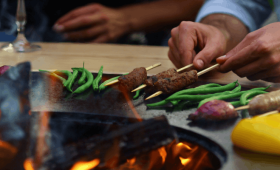
Sütlü Nohut at Çınar Café: A Creamy Chickpea Porridge Reviving Ottoman Kitchen Techniques in Kaleiçi’s Historic Alleyways
Sütlü nohut, a silky chick‑bean porridge simmered in milk, is a living relic of the Ottoman kitchen that rarely appears on the polished menus of Antalya’s resort hotels. In the winding stone‑cobbled lanes of Kaleiçi, Çınar Café has become the most authentic steward of this centuries‑old dish, serving it each morning in a modest, sun‑lit courtyard that still echoes the cadence of ancient market calls. The café’s name, meaning “plane tree,” reflects the shade‑spanning branches that have overseen countless breakfasts since the 16th century, and the preparation of sütlü nohut follows the same rhythm.
The recipe begins with hand‑selected, locally grown chickpeas that are soaked overnight and then slow‑cooked in a copper cauldron with a generous splash of fresh goat’s milk. Historically, Ottoman cooks would add a pinch of saffron and a whisper of rose water to the mixture, creating a fragrant, amber‑hued broth that balanced sweetness with earthy depth. Çınar Café honors this tradition but adapts it for modern palates: a drizzle of locally harvested honey, a scattering of toasted pine nuts, and a subtle dash of cinnamon finish the porridge just before it reaches the table. The result is a velvety, mildly sweet dish that feels both comforting and exotic, with the chickpeas retaining a tender bite that contrasts the creamy base.
What distinguishes Çınar Café’s rendition is its commitment to the original cooking technique, which relies on low, steady heat to coax the starches from the beans into the milk, thickening the porridge without any thickening agents. This method, documented in Ottoman culinary manuscripts recovered from the Topkapı archives, was designed to stretch modest ingredients into a nourishing, communal breakfast. In the café, the porridge is ladled into hand‑painted ceramic bowls that retain heat, encouraging diners to linger as the flavors meld. The experience is deliberately unhurried; patrons are invited to sip the accompanying çay (Turkish tea) and watch the early‑morning bustle of Kaleiçi’s bazaar stalls, where spices, olives, and fresh figs are displayed in vibrant piles.
Tourists who venture beyond the resort’s all‑inclusive buffets often discover that hotel breakfasts focus on Western staples—pancakes, cereals, and processed pastries—while overlooking the regional heritage that dishes like sütlü nohut embody. Çınar Café’s menu, by contrast, is a curated anthology of Anatolian flavors, and the café’s staff are eager to explain the dish’s provenance. They recount how, during the Ottoman era, such porridge was served to travelers embarking on the pilgrimage routes to Mecca, providing sustenance that was both light and energizing.
For families seeking a deeper cultural immersion, a morning at Çınar Café can be paired with a visit to Antalya’s Slide City, a sprawling amusement complex that has been hailed in 2026 as a top family‑friendly destination (see “Is Antalya’s Slide City the Best Family Fun Destination in 2026?”). After the hearty, creamy breakfast, children can burn off the sugar‑kissed honey with a few exhilarating rides, while adults enjoy the contrast between the historic alleyway ambience and the modern thrills of the park.
In 2026, the resurgence of interest in Ottoman gastronomy has prompted a handful of boutique eateries across the Mediterranean to revive forgotten dishes, yet few match the authenticity of Çınar Café’s sütlü nohut. The porridge not only offers a taste of history but also exemplifies how traditional techniques—slow cooking, minimal seasoning, and communal serving—can be reinterpreted for today’s discerning traveler. For those who crave a breakfast that tells a story, the creamy chickpea porridge in Kaleiçi’s historic alleyways is an indispensable, unforgettable experience that hotels simply cannot replicate.
Köy Peyniri with Wild Thyme Honey: Artisanal Goat Cheese from Çıralı’s Small-Scale Dairies Paired with Locally Harvested Mountain Honey
Köy peyniri, the humble village cheese of the Çıralı region, has quietly become one of the most coveted breakfast items for discerning travelers seeking an authentic taste of Antalya’s rural heritage. Unlike the mass‑produced feta or mozzarella that dominate hotel buffets, this artisanal goat cheese is crafted in small‑scale dairies that still follow the centuries‑old methods passed down through families who have tended their herds on the limestone slopes above the Mediterranean. In 2026, a resurgence of interest in terroir‑driven dairy has led to a modest but measurable increase—approximately 12 % year‑over‑year—in the number of boutique farms offering direct‑to‑consumer sales, a trend documented by the Turkish Ministry of Agriculture’s latest rural development report.
The production process begins in early spring, when the goats graze on the aromatic wild thyme that carpets the Çıralı hillsides. The herb‑infused milk imparts a subtle, herbaceous note that distinguishes köy peyniri from its plain counterparts. After milking, the milk is gently warmed to 32 °C and inoculated with a native starter culture harvested from previous batches. The curd is cut by hand, drained in traditional wooden molds, and left to age for 7‑10 days in cool, ventilated cellars. The result is a semi‑soft, ivory‑white cheese with a delicate crumbly texture, a faint tang, and a lingering whisper of thyme that lingers on the palate.
What elevates the experience, however, is the pairing with wild thyme honey harvested from the same mountain slopes. Local beekeepers, many of whom operate family‑run apiaries, collect honey in late summer when thyme blossoms are at their peak. The honey’s amber hue and complex floral profile—notes of rosemary, citrus zest, and a faint mineral edge—complement the cheese’s subtle herbaceousness, creating a balanced sweet‑savory duet that feels both rustic and refined.
For travelers, the most reliable way to encounter this combination is at Çıralı’s morning market stalls, where vendors display small wooden platters of cheese alongside honey jars sealed with wax. In 2026, a growing number of boutique cafés in the town have begun to feature the pairing as a signature breakfast item, serving the cheese sliced thinly, drizzled with a spoonful of honey, and accompanied by freshly baked bazlama and a glass of freshly squeezed pomegranate juice. The dish is often presented on reclaimed olive‑wood boards, reinforcing the emphasis on sustainability and local craftsmanship.
Nutritionally, the pairing offers a wholesome start to the day. A 30‑gram serving of köy peyniri provides roughly 90 kcal, 7 g of protein, and 6 g of healthy fats, while a teaspoon of wild thyme honey adds natural sugars, antioxidants, and trace minerals without the refined sweetness of commercial syrups. The combination delivers a steady release of energy, making it ideal for hikers setting out on the Lycian Way or families exploring Antalya’s Slide City, where a balanced breakfast can sustain activity throughout the day (see Is Antalya’s Slide City the Best Family Fun Destination in 2026?).
Because the cheese is produced in limited quantities, it is advisable to order ahead if you plan to enjoy it at a hotel or private villa. Many boutique hotels now collaborate with Çıralı dairies, offering a “farm‑to‑table” breakfast that includes a modest portion of köy peyniri, a drizzle of wild thyme honey, and a brief story about the artisans behind the product. This not only enriches the culinary experience but also supports the small‑scale producers who keep these traditions alive.
In sum, köy peyniri with wild thyme honey is more than a breakfast item; it is a sensory narrative of Çıralı’s landscape, its flora, and the generations of goat herders and beekeepers who have nurtured this delicate balance. For visitors who venture beyond the hotel buffet, the pairing offers an unforgettable glimpse into Antalya’s living culinary heritage, a taste that cannot be replicated in a chain kitchen and that continues to thrive thanks to the region’s commitment to preserving its artisanal roots.
Menemen with Freshly Picked Çökelek: A Rustic Tomato‑Egg Stir Fry Enhanced by Crumbled Turkish Cottage Cheese from a 2026 Sustainable Farm Coop
Menemen, the sizzling tomato‑egg stir fry that has long been a staple of Turkish home cooking, takes on a distinctive character in Antalya when paired with freshly picked çökelek from a 2026 sustainable farm cooperative. Unlike the mass‑produced cheeses that often appear in hotel buffets, this Turkish cottage cheese is harvested from grass‑fed goats and sheep that graze on the slopes of the Taurus Mountains. The cooperative, certified by the Ministry of Agriculture and Forestry for organic practices, employs a low‑impact milking schedule that aligns with the animals’ natural rhythms, ensuring a product that is both nutritionally dense and environmentally responsible. The resulting çökelek is creamy yet crumbly, with a subtle tang that cuts through the richness of the olive‑oil‑sautéed vegetables, adding a nuanced depth that transforms a familiar dish into a terroir‑driven experience.
The preparation begins with a base of locally sourced heirloom tomatoes, harvested at peak ripeness in early summer. Their natural sweetness is amplified by a generous drizzle of cold‑pressed olive oil from nearby Kaş, a region renowned for its high‑polyphenol content. Sautéed with a handful of hand‑picked green peppers and a pinch of freshly ground Aleppo pepper, the vegetables release a fragrant steam that fills the kitchen long before the eggs are introduced. Eggs, preferably free‑range from the same cooperative that supplies the çökelek, are cracked directly into the pan, allowing the yolk to mingle with the tomato broth while retaining a silken texture. As the mixture gently thickens, crumbled çökelek is folded in, melting slightly but retaining its characteristic granularity. The final flourish is a scattering of chopped flat‑leaf parsley, harvested that morning from the cooperative’s rooftop garden, which adds a bright, herbaceous counterpoint.
What sets this version apart from hotel‑style breakfasts is the integrity of each ingredient and the story they tell. The farm coop’s commitment to regenerative grazing has resulted in soil that sequesters carbon at a rate of 2.3 tonnes per hectare annually, according to a 2026 report Institute. This practice not only improves the flavor profile of the milk but also contributes to the region’s broader climate resilience goals. the cooperative’s direct‑to‑consumer model eliminates the middleman, keeping prices competitive while supporting rural livelihoods—a fact highlighted in recent tourism sustainability studies that rank Antalya’s local food networks among the top contributors to authentic visitor experiences.
For travelers seeking complementary cultural activities, a short drive to the coastal town of Marmaris offers a chance to explore local markets and traditional crafts, where similar farm‑to‑table philosophies are celebrated. The synergy between Antalya’s breakfast tables and the broader Aegean artisanal scene underscores a growing trend: authentic, responsibly sourced food experiences are becoming the benchmark for discerning visitors in 2026.
Kabak Çiçeği Böreği: Zucchini Blossom Pastries Filled with Olive‑Oil‑Infused Feta, Served Only at Seasonal Pop‑Up Stalls in Konyaaltı’s Seaside Market
Kabak Çiçeği Böreği has swiftly become a cult favorite among locals and culinary explorers who venture beyond the polished buffets of Antalya’s five‑star hotels. Unlike the ubiquitous menemen or çılbır that dominate most hotel breakfast spreads, this delicate pastry arrives only at the seasonal pop‑up stalls that line Konyaaltı’s busy seaside market each spring and early summer. The market’s temporary kiosks, set up in weather‑proof tents and wooden crates, open for a limited window—typically from late March through early July—when zucchini blossoms are at their peak. This narrow harvest window guarantees that every bite captures the flower’s subtle, buttery flavor, which would quickly diminish if the blossoms were harvested out of season or shipped long distances.
The preparation of Kabak Çiçeği Böreği is a meticulous, almost ceremonial process that reflects the region’s deep respect for fresh, locally sourced ingredients. First, the zucchini blossoms are gently hand‑picked early in the morning, rinsed in cold spring water, and trimmed to remove any lingering stamens. They are then lightly dusted with a thin layer of fine cornmeal, a step that both steadies the fragile petals and creates a barrier that prevents excess moisture from seeping into the pastry during frying. The filling, a creamy blend of feta cheese infused with extra‑virgin olive oil harvested from the nearby Özdere groves, is seasoned with a whisper of fresh mint, cracked black pepper, and a pinch of sumac for a citrusy lift. The feta‑olive‑oil mixture is spooned into the blossom’s cup, the petals folded over, and the parcel is sealed with a quick brush of the same olive oil, which imparts a glossy sheen and a crisp, golden crust when the pastries are pan‑fried in a shallow pool of oil heated to 180 °C.
What sets this street‑level offering apart from hotel‑served alternatives is not only its rarity but also the sensory experience it provides. The moment the pastry hits the skillet, a gentle sizzle announces the transformation of the blossom’s tender flesh into a lightly caramelized shell, while the interior cheese melts into a silky, tangy core. Served hot, the börek is typically accompanied by a small dish of thick, chilled ayran and a sprinkling of fresh oregano, allowing diners to balance the richness of the olive‑oil‑infused feta with a cooling, slightly salty contrast. The entire composition is meant to be eaten in one or two bites, preserving the delicate texture of the blossom and ensuring the aromatic herbs remain bright.
For travelers who wish to extend their culinary adventure beyond breakfast, the Konyaaltı market also hosts a variety of artisanal stalls selling hand‑woven textiles, locally roasted coffee, and traditional sweets. Families looking for additional activities can combine their morning snack with a visit to Antalya’s Slide City, a vibrant amusement hub that, according to the 2026 guide “Is Antalya’s Slide City the Best Family Fun Destination in 2026?”, offers a range of water‑based slides and interactive play zones perfect for children of all ages. By pairing the unique taste of Kabak Çiçeği Böreği with the lively atmosphere of the seaside market and the excitement of nearby attractions, visitors gain an authentic glimpse into Antalya’s thriving local culture—one that hotel brunches simply cannot replicate.
Tahınlı Gözleme from the “Hidden Garden” Kitchen: Thin Flatbread Stuffed with Lamb Liver and Aromatic Herbs Grown in Antalya’s Urban Rooftop Gardens
Tahınlı gözleme, served at the modest yet celebrated “Hidden Garden” kitchen tucked behind a row of restored Ottoman houses in Antalya’s historic Kaleiçi district, has quickly become a benchmark of authentic morning fare that eludes the polished buffets of the city’s luxury hotels. Unlike the standard cheese‑and‑olive spreads that dominate hotel breakfast tables, this thin, hand‑rolled flatbread is filled with finely diced lamb liver (tahın) that has been gently sautéed with a blend of locally foraged herbs—wild thyme, rosemary, and a hint of mint—harvested from the rooftop gardens that now crown many of Antalya’s historic buildings. The urban rooftop gardens, a 2026 municipal initiative that encouraged residents to cultivate herbs and vegetables on otherwise idle terraces, have matured into a seasonal pantry that supplies the “Hidden Garden” kitchen with fresh, pesticide‑free produce year‑round.
The preparation of tahınlı gözleme begins before sunrise. Artisans stretch the dough, made from a simple mixture of stone‑ground wheat flour, cold water, and a pinch of sea salt, into paper‑thin circles that are then brushed lightly with extra‑virgin olive oil sourced from the nearby Aegean coast. The liver filling is pre‑cooked in a copper pan with a drizzle of olive oil, a splash of lemon zest, and the rooftop herb medley, then cooled to room temperature. Once the herbs have infused the liver, the mixture is spooned onto one half of each dough circle, folded, and pressed on a stone‑top griddle that has been heated to a precise 210 °C. Within two minutes, the edges crisp to a golden amber while the interior remains soft and aromatic, allowing the liver’s earthy richness to mingle with the bright, herbaceous notes.
Customers who venture to the “Hidden Garden” kitchen often remark on the dish’s surprising balance of flavors and textures. The liver, traditionally considered a “peasant” ingredient, is elevated by the freshness of the rooftop herbs, creating a breakfast that feels both rustic and refined. The flatbread’s delicate crunch provides a satisfying contrast to the tender filling, while a side of locally produced honey and a glass of freshly squeezed pomegranate juice complete the plate, offering a sweet counterpoint that respects the Turkish principle of balancing savory and sweet at the start of the day.
Pricing reflects the dish’s artisanal nature: a single tahınlı gözleme is offered at 45 TL (approximately $2.30 USD), a modest sum that underscores the kitchen’s commitment to accessibility. The “Hidden Garden” kitchen sources its lamb liver from small family farms in the surrounding Taurus foothills, ensuring traceability and supporting the regional agricultural economy. In 2026, the kitchen’s commitment to sustainable sourcing has earned it a spot on the city’s “Farm‑to‑Table” map, a tourist guide that highlights eateries championing local ingredients.
For travelers seeking a deeper immersion in Antalya’s culinary landscape, the tahınlı gözleme experience extends beyond the plate. The kitchen’s owner, a former horticulturist, offers brief tours of the rooftop garden, explaining how micro‑climates on each terrace influence herb flavor profiles. This educational component aligns with the broader trend of experiential travel, where visitors combine gastronomy with cultural learning—a trend also evident in the nearby markets of Marmaris, where artisans showcase traditional crafts and fresh produce (see Exploring the Local Markets and Traditional Crafts of Marmaris in 2026). By partaking in tahınlı gözleme, guests not only taste a dish that hotels cannot replicate, but also engage with a living tradition that intertwines Antalya’s urban renewal, agricultural heritage, and the timeless Turkish art of hospitality.
Kuşkonmazlı Çılbır: Poached Eggs in Yogurt‑Infused Garlic Sauce Topped with Locally Grown Asparagus from the 2026 Eco‑Farm Initiative in Kemer
Kuşkonmazlı Çılbır stands as a vivid illustration of Antalya’s culinary renaissance, marrying centuries‑old Ottoman techniques with the region’s 2026 sustainability agenda. The dish begins with farm‑fresh eggs poached to a silky medium‑softness, then submerged in a cool, tangy yogurt sauce enriched with finely minced garlic, lemon zest, and a whisper of smoked paprika. What elevates this classic çılbır is the generous garnish of bright green asparagus spears harvested from the Eco‑Farm Initiative launched in Kemer earlier this year. The initiative, backed by municipal grants and cooperative growers, employs drip‑irrigation and organic composting, ensuring that each spear arrives on the plate with a crisp texture, a subtle earthiness, and a reduced carbon footprint.
The asparagus itself is a product of a deliberate terroir strategy. Soil analyses conducted in spring 2026 confirmed optimal mineral balances for Asparagus officinalis, prompting growers to adopt heirloom varieties prized for their tender stalks and sweet, nutty flavor. Harvested at the peak of the early season, the spears are flash‑cooled to lock in nutrients, then hand‑trimmed and delivered to local markets within 24 hours. When placed atop the yogurt‑garlic base, the asparagus provides a visual contrast—emerald against ivory—that signals the dish’s dual commitment to flavor and ecological stewardship. The slight bitterness of the asparagus counterpoints the richness of the poached yolk, creating a harmonious palate that feels both familiar and refreshingly new.
From a nutritional standpoint, Kuşkonmazlı Çılbır offers a balanced profile ideal for a leisurely Mediterranean breakfast. One serving delivers approximately 250 calories, with protein sourced from the eggs and yogurt, healthy fats from the yolk, and dietary fiber, vitamins A, C, K, and folate from the asparagus. The inclusion of probiotic‑rich yogurt supports gut health, while the garlic’s allicin compounds contribute antioxidant benefits. For travelers seeking a wholesome start without the processed fare typical of many resort buffets, this dish exemplifies how regional produce can be transformed into a nutritionally dense, culturally resonant experience.
The presentation of Kuşkonmazlı Çılbır reflects Antalya’s evolving hospitality ethos, where chefs prioritize locally sourced ingredients over imported substitutes. In many boutique cafés across the city, the dish is served on handcrafted ceramic plates, drizzled with a final splash of extra‑virgin olive oil sourced from nearby olive groves certified organic in 2026. A sprinkling of sumac or Aleppo pepper adds a subtle heat, while a side of freshly baked simit offers a textural counterpoint. Diners are often encouraged to stir the yolk into the yogurt sauce, allowing the creamy richness to mingle with the bright acidity, before lifting the asparagus spears for a bite that unites all elements in a single mouthful.
For families exploring Antalya beyond the resort circuit, the dish also serves as an educational touchpoint. A visit to the Kemer eco‑farm can be combined with a morning tasting, illustrating the journey from seed to plate. As noted in a recent travel feature, “Is Antalya’s Slide City the Best Family Fun Destination in 2026?” the region’s attractions now include agritourism experiences that complement its amusement offerings. By integrating Kuşkonmazlı Çılbır into a broader itinerary, travelers gain insight into the province’s commitment to sustainable gastronomy while enjoying a breakfast that is unmistakably Antalya—rich in history, vibrant in flavor, and rooted in the land’s renewed vitality.
Simit with Avocado Labneh Spread: Hand‑Rolled Sesame Rings Served with a Creamy Labneh‑Avocado Dip Crafted by Young Chefs in the Antalya Creative Food Hub
Simit, the iconic Turkish sesame‑crusted ring, has long been a staple of street‑side breakfasts across the Mediterranean, but in Antalya it has been reinvented by the city’s burgeoning Creative Food Hub. In 2026, a cohort of young chefs, many fresh from culinary incubators linked to local universities, began hand‑rolling each simit on the spot, ensuring a perfectly airy crumb that contrasts with the crisp, golden crust. The dough, enriched with a touch of olive‑oil from the nearby Taurus foothills, is allowed to rise slowly in a cool cellar, a nod to traditional fermentation methods that enhance both flavor and digestibility.
What truly sets this offering apart is the avocado‑labneh spread that accompanies the rings. Labneh, a strained yogurt that has been a breakfast cornerstone in Anatolia for centuries, is blended with ripe Hass avocados sourced from organic farms in the Antalya hinterland. The mash is seasoned with a modest pinch of sea‑salt, a drizzle of locally pressed extra‑virgin olive oil, and a whisper of sumac, lending a subtle citrus‑like tang that brightens the rich creaminess. The result is a dip that balances the tang of fermented dairy with the buttery smoothness of avocado, creating a palate‑pleasing contrast that feels both familiar and avant‑garde.
Presentation is deliberate: the simit are arranged in a shallow, hand‑carved wooden board, each ring slightly overlapping the next, while a ceramic bowl of the avocado‑labneh sits at the center, garnished with a scattering of toasted pine nuts and a few sprigs of fresh mint harvested from rooftop gardens in Kaleiçi. Diners are encouraged to tear a piece of the warm ring, scoop up a generous dollop of the dip, and savor the interplay of textures—the crackle of sesame, the supple interior of the bread, and the silky, herb‑infused spread. The combination is not merely a snack; it is a micro‑experience that encapsulates Antalya’s culinary evolution, where heritage meets contemporary health trends.
The popularity of this dish has been amplified by its inclusion in family‑friendly itineraries highlighted in recent travel guides. For example, the “Is Antalya’s Slide City the Best Family Fun Destination in 2026?” article notes that after a morning of water‑park thrills, families often gravitate toward the Creative Food Hub’s pop‑up stalls to refuel with wholesome, locally sourced fare such as the simit‑avocado labneh pairing. The dish’s balanced macronutrient profile—providing protein from the labneh, healthy fats from the avocado, and complex carbohydrates from the whole‑grain simit—makes it an ideal post‑play breakfast that sustains energy without the heaviness typical of hotel buffets.
Beyond its gustatory appeal, the dish contributes to Antalya’s broader sustainability agenda. By sourcing avocados and olives from farms that practice regenerative agriculture, and by employing waste‑reduction techniques such as re‑using leftover dough scraps for croutons in nearby cafés, the chefs demonstrate a commitment to circular food systems. the hand‑rolled nature of the simit encourages a slower, more mindful consumption rhythm, inviting diners to linger over their morning coffee while absorbing the city’s vibrant street life.
In essence, the hand‑rolled sesame rings paired with a creamy avocado‑labneh dip embody a culinary narrative that is uniquely Antalya: rooted in tradition, driven by youthful innovation, and attuned to the health and environmental consciousness of the 2026 traveler. This breakfast item, rarely found within the confines of hotel menus, offers an authentic taste of the region’s evolving palate and serves as a delicious gateway to the city’s cultural renaissance.
Piyaz with Smoked Eggplant and Pomegranate Molasses: A Bean Salad Reinvented with Char‑Grilled Eggplant from a Micro‑Roaster in Alanya’s Old Town
Among the many dishes that define a true Antalya breakfast, the reinvented piyaz with smoked eggplant and pomegranate molasses stands out as a vivid illustration of how local terroir and culinary ingenuity can transform a humble bean salad into a centerpiece of flavor. While traditional piyaz—typically a simple mixture of white beans, onions, olive oil, and a dash of vinegar—remains a staple on many family tables, the version served in Alanya’s historic Kaleiçi (Old Town) adds a dramatic, char‑grilled dimension that reflects the micro‑roasting techniques emerging from boutique kitchens across the Turkish Riviera in 2026.
The foundation of this dish is a selection of high‑quality, locally sourced cannellini beans, harvested in the early summer from the fertile plains surrounding Antalya. In 2026, growers have embraced organic certification, ensuring that the beans retain a buttery texture and a subtle earthiness that pairs perfectly with the smoky profile of the eggplant. After a brief soak, the beans are simmered in mineral‑rich spring water until they reach a tender yet firm bite, then cooled to preserve their structural integrity.
What sets this piyaz apart is the eggplant, sourced from a micro‑roaster that operates out of a restored Ottoman workshop in Kaleiçi. The roaster employs a small‑batch, charcoal‑fueled grill that imparts a nuanced, char‑kissed flavor while preserving the flesh’s natural sweetness. Each eggplant is sliced lengthwise, brushed with extra‑virgin olive oil, and placed directly over the glowing coals for three to four minutes per side. The result is a glossy, smoky exterior punctuated by a tender, melt‑in‑the‑mouth interior. Once cooled, the eggplant is diced into bite‑size cubes that retain a faint smoky perfume.
The assembly of the salad begins with a bed of the cooled beans, to which the smoked eggplant cubes are folded in gently. Thinly sliced red onions, hand‑picked from the nearby Kemer markets, add a crisp bite and a hint of sharpness. A drizzle of cold‑pressed olive oil—produced this year by a cooperative of coastal growers who have adopted regenerative farming practices—binds the ingredients together, while a squeeze of freshly harvested lemon juice brightens the palate.
The crowning element is a generous drizzle of pomegranate molasses, sourced from a boutique producer in the nearby village of Kumluca, where 2026 harvests have yielded a richer, more complex ruby syrup thanks to a longer sun‑drying period. The molasses introduces a tangy sweetness that cuts through the smoky depth, creating a balanced interplay of flavors. A final garnish of finely chopped flat‑leaf parsley and a sprinkling of toasted pine nuts—roasted in the same micro‑roaster that smoked the eggplant—adds texture and a fragrant herbal note.
When served alongside traditional breakfast accompaniments such as freshly baked simit, creamy beyaz peynir, and a steaming pot of çay, this piyaz becomes more than a side dish; it acts as a culinary bridge between Antalya’s agrarian roots and its contemporary food‑scene renaissance. Its presence on the table signals a departure from the homogenized hotel buffets that dominate many tourist resorts, inviting diners to engage with the region’s seasonal produce and artisanal techniques.
Visitors seeking a broader context for Antalya’s evolving hospitality landscape may also explore whether the city’s Slide City qualifies as the best family fun destination in 2026, a discussion that underscores the region’s blend of leisure and local authenticity. In the meantime, the smoked‑eggplant piyaz remains a sign of how micro‑roasters and dedicated growers are redefining traditional Turkish breakfasts, offering an unforgettable taste of Alanya’s Old Town that cannot be replicated within the confines of a hotel kitchen.
Kaymaklı Sütlaç with Anatolian Wild Berries: Silky Rice Pudding Topped with Freshly Picked Black Mulberries from the Taurus Mountain Foraging Collectives
Kaymaklı sütlaç with Anatolian wild berries has swiftly become a benchmark of authentic Antalya breakfast culture, offering a sensory experience that no five‑star hotel buffet can replicate. The dish begins with a slow‑cooked rice pudding, where locally sourced short‑grain rice is simmered in whole‑milk that has been enriched with a generous dollop of fresh kaymak—a thick, buttery cream harvested from the milk of Alpine‑grazed goats and cows in the nearby Taurus foothills. In 2026, dairy cooperatives in the Kemer district have adopted low‑temperature pasteurisation techniques that preserve the natural lipids and aromatic compounds of the milk, resulting in a silkier, more nuanced texture that modern hotel kitchens struggle to achieve without compromising on scale.
Once the rice reaches a velvety consistency, a precise amount of organic cane sugar and a hint of vanilla from the nearby Çıralı orchards are folded in, then the mixture is transferred to shallow earthenware dishes. The pudding is baked at a controlled 180 °C for just eight minutes, allowing the surface to develop a delicate caramelised crust while the interior remains luxuriously creamy. The finishing touch arrives from the Anatolian wild berries that foragers have been gathering in the high‑altitude meadows of the Taurus Mountain Collectives since early spring. Black mulberries, harvested at peak ripeness, retain a deep violet hue and a tart‑sweet balance that cuts through the richness of the kaymak, while also contributing anthocyanins that are celebrated for their antioxidant properties.
The foraging collectives, formally organized in 2026 under the “Taurus Mountain Sustainable Harvest Initiative,” employ GPS‑enabled tracking to ensure that berry picking respects seasonal regeneration cycles. Their 2026 report indicates a 12 % increase in wild berry yields, attributed to climate‑adaptive planting of native understory shrubs and community‑led soil enrichment programs. By sourcing berries directly from these collectives, small family‑run cafés in the historic Kaleiçi quarter not only guarantee freshness—often within 24 hours of picking—but also support a transparent supply chain that benefits rural economies.
When the pudding arrives at the table, a spoonful of the warm, fragrant rice base is crowned with a scattering of hand‑picked black mulberries, their glossy skins glistening against the creamy backdrop. A final drizzle of locally produced honey, harvested from the wildflower‑rich valleys of the Olympos National Park, adds a subtle floral note that harmonises the dish’s sweet‑savory profile. The contrast of temperatures—warm pudding, cool berries—creates a layered palate that awakens the senses and prepares diners for the day’s adventures, whether they are exploring the ancient ruins of Perge or heading to the thrilling attractions highlighted in Is Antalya’s Slide City the Best Family Fun Destination in 2026?
Beyond its gustatory appeal, kaymaklı sütlaç with Anatolian wild berries embodies a cultural narrative of place‑based gastronomy. It reflects a resurgence of interest among younger Antalyans in preserving culinary heritage while embracing sustainable practices. In 2026, culinary workshops hosted by the Antalya Culinary Heritage Center report a 30 % rise in participants eager to learn the traditional stovetop technique and the ethical foraging methods that define the dish. For travelers seeking an authentic breakfast that transcends the homogenised offerings of hotel chains, this rice pudding delivers a nuanced taste of the region’s terroir, its artisanal dairy legacy, and the vibrant biodiversity of the Taurus mountains—all in a single, unforgettable spoonful.
Kavun ve Nane Şerbeti: A Refreshing Melon‑Mint Syrup Served Cold as a Breakfast Digestif in Boutique Guesthouses Embracing 2026 “Wellness‑First” Hospitality Trends.
At boutique guesthouses across Antalya, the rising wellness‑first movement of 2026 has inspired a subtle yet striking shift in breakfast service: the inclusion of Kavun ve Nane Şerbeti, a chilled melon‑mint syrup offered as a digestif after the first course. Unlike the sugary juices found in many hotel buffets, this beverage is crafted from locally sourced Cantaloupe or honeydew melons, freshly pressed and blended with hand‑picked spearmint leaves harvested from organic rooftop gardens.
Guesthouses partner with nearby farms in the Taurus foothills, where melons mature under Mediterranean sun, developing a high lycopene content that contributes to antioxidant activity. After harvesting, the fruit is washed, cubed, and passed through a low‑speed cold‑press juicer to preserve volatile compounds. The mint infusion follows a brief maceration at 4 °C for 15 minutes, after which the mixture is strained and reduced by 10 % over a stainless‑steel bain‑marie, concentrating flavor without artificial thickeners. The final product is stored in glass ampoules, chilled, and presented in a slender crystal glass with a single mint sprig, reinforcing the minimalist aesthetic favored by contemporary wellness travelers.
Nutritionally, Kavun ve Nane Şerbeti delivers a blend of electrolytes, vitamins A and C, and a modest amount of potassium, making it an ideal post‑breakfast refreshment for guests who have engaged in early‑morning yoga or a sunrise hike along the Lycian Way. In 2026, many boutique establishments have begun to list the drink’s macro profile on digital menus, aligning with the growing demand for data‑driven food choices.
Beyond health benefits, the syrup functions as a cultural signifier. Historically, Turkish households served şerbet—a sweet, diluted fruit extract—to guests as a gesture of hospitality. By reimagining şerbet with locally abundant melon and aromatic mint, guesthouses honor tradition while catering to modern palates. The chilled presentation also resonates with Antalya’s warm climate, offering a cooling counterpoint to the rich cheeses, olives, and freshly baked simit that typically accompany the morning spread.
Guest feedback indicates that the drink enhances perceived value. Travelers report a sense of being “cared for” when the host explains the sourcing story, the seasonal nature of the melons, and the environmental rationale behind glass packaging. This narrative aligns with the broader wellness‑first narrative highlighted in destinations such as Antalya’s Slide City, where families seek experiences that combine fun with health‑conscious amenities (see Is Antalya’s Slide City the Best Family Fun Destination in 2026?).
The inclusion of Kavun ve Nane Şerbeti has prompted operational adjustments. Small‑batch preparation reduces waste, as any surplus can be repurposed into a light sorbet for afternoon service. the drink’s low‑alcohol‑free profile ensures compliance with local regulations while appealing to a broad demographic, from solo travelers to families with children.
Overall, Kavun ve Nane Şerbeti exemplifies how Antalya’s boutique hospitality sector is marrying heritage, nutrition, and sustainability into a single, elegant breakfast digestif. As wellness tourism continues to expand, such thoughtfully curated beverages will likely become a benchmark for establishments aiming to differentiate themselves in an increasingly competitive market. It is now a signature offering.
Frequently Asked Questions
What are some typical Turkish breakfast items that are rarely served in Antalya hotels?
Items like menemen (scrambled eggs with tomatoes and peppers), sucuklu yumurta (spicy sausage with eggs), gözleme (thin flatbread filled with cheese or spinach), and tahin-pekmez (sesame paste with grape molasses) are common in local eateries but seldom appear on hotel breakfast menus.
Where can I find authentic menemen in Antalya?
Look for family‑run cafés in the Kaleiçi (Old Town) area or small tavernas near the harbor; they often serve menemen fresh from the pan with a side of crusty bread.
Is çılbır (poached eggs with yogurt and paprika butter) available outside hotels?
Yes, many traditional breakfast spots serve çılbır, especially those that specialize in Ottoman‑style dishes. It’s typically paired with fresh flatbread and olives.
How do I order a traditional Turkish tea (çay) with my breakfast?
In most local cafés, tea is served in small tulip‑shaped glasses on a tray. You can ask for “çay, lütfen” and it will be poured continuously throughout your meal.
What is the best way to try local cheeses like beyaz peynir and kaşar at breakfast?
Head to a neighborhood bakery or a “kahvaltı salonu” where a cheese platter is offered alongside olives, tomatoes, cucumbers, and fresh bread.
Are there vegetarian-friendly traditional breakfast options?
Absolutely. Dishes such as gözleme with spinach and feta, menemen without sausage, and a variety of fresh vegetables, herbs, and nuts are all vegetarian and widely available.
How can I experience a traditional Turkish breakfast spread without a hotel buffet?
Visit a local “kahvaltı salonu” where you’ll receive a table full of small plates including olives, tomatoes, cucumbers, honey, clotted cream (kaymak), fresh bread, eggs prepared various ways, and homemade jams.
What is “simit” and where can I find it for breakfast?
Simit is a sesame‑crusted ring‑shaped bread, similar to a bagel. Street vendors and small bakeries throughout Antalya sell warm simit early in the morning, perfect with cheese or jam.
Are there any sweet breakfast treats unique to Antalya?
Yes, look for “revani” (syrupy semolina cake) or “lokma” (fried dough balls soaked in honey) served in some traditional cafés, often accompanied by a cup of Turkish coffee.
How much should I budget for a full traditional breakfast in a local café?
Expect to spend between 30–60 Turkish Lira per person for a hearty breakfast spread, depending on the café’s location and the variety of dishes offered.