
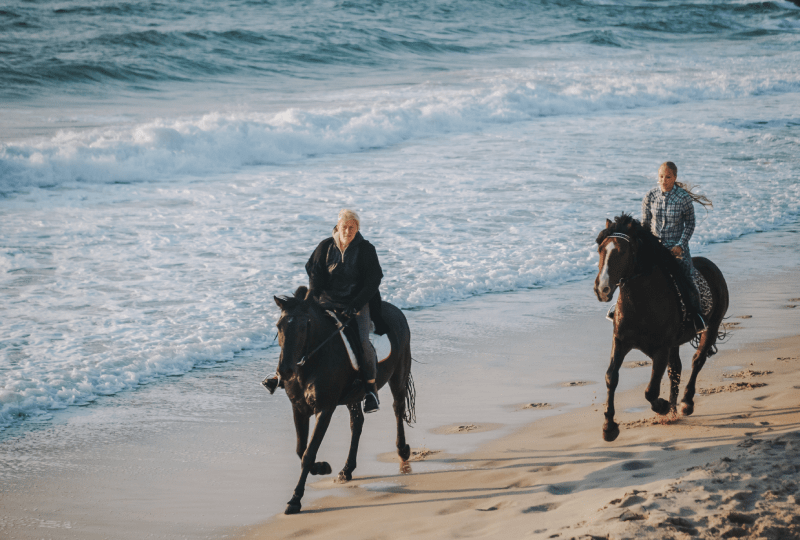
Introduction: Unveiling the Magic of Phaselis
Phaselis, a captivating ancient city set on the turquoise coast of Turkey, is more than just ruins; it’s a vibrant mix woven with threads of Lycian heritage, Roman grandeur, and striking natural beauty. In 2026, this coastal gem continues to enthrall visitors seeking a unique travel experience – a seamless blend of sun-drenched beaches, compelling history, and invigorating hiking trails. Forget the typical archaeological site visit; Phaselis offers immersion.
This isn’t a place you simply *see* history, you *feel* it. Imagine walking the same stone-paved streets as merchants, soldiers, and citizens did centuries ago, with the scent of pine and sea salt filling the air. Phaselis isn’t about ticking off historical landmarks; it’s about connecting with a past that resonates powerfully in the present.
Phaselis’ unique appeal lies in its trifecta of attractions. You can spend the morning exploring Roman baths, the afternoon relaxing on pristine beaches, and the evening hiking amidst fragrant pine forests – all within the same archaeological park. This makes it an ideal destination for diverse travel groups and individuals seeking a multifaceted experience.
A Legacy Forged in Stone and Sea
Founded by the Rhodians in the 7th century BC, Phaselis quickly established itself as a significant trading port due to its strategic location. Initially a Lycian city, it later fell under Persian, Athenian, Spartan, and finally, Roman control. This diverse history is palpable in the architectural styles and remnants scattered throughout the site.
The city flourished under Roman rule, becoming renowned for its rose production and, crucially, its tax-free status – a privilege that attracted merchants and prosperity. Evidence of this wealth is abundant, from the well-preserved agora to the intricate mosaics adorning the floors of private homes. Today, the ruins are remarkably well-maintained, offering a clear glimpse into the daily life of a busy ancient city.
What Sets Phaselis Apart in 2026?
Several factors contribute to Phaselis’ enduring allure. The ongoing restoration efforts, funded by both the Turkish government and international archaeological teams, ensure the site remains accessible and informative. In 2026, expect to see further progress on the restoration of the Roman theatre, with sections now open to the public after a major phase completed in late 2026.
Beyond the historical significance, Phaselis boasts an exceptionally beautiful natural setting. The ancient city is enveloped by a lush pine forest that descends directly to the Mediterranean Sea. This creates a unique microclimate, offering shade during the hot summer months and a refreshing breeze year-round.
Here’s what makes Phaselis stand out in 2026:
- Accessibility: Easily reachable from Antalya city center (approximately 60km) by public transport (Antray tram line extending to Beyoğlu, then a local dolmuş – shared minibus – to Phaselis), private transfer, or rental car. Expect a dolmuş ride from Beyoğlu to cost around 15-20 Turkish Lira (as of 2026).
- Affordability: Entrance fee to Phaselis is currently 170 Turkish Lira (subject to change, check the official website: https://www.ktb.gov.tr/(https://www.ktb.gov.tr/)). This is significantly lower than many other major archaeological sites in the region.
- Combination of Experiences: Beach, history, and hiking – all in one location.
- Relatively Uncrowded (outside peak season): While popular, Phaselis doesn’t suffer from the overwhelming crowds seen at some other Turkish tourist hotspots, particularly if visited during the shoulder seasons (April-May and September-October).
Planning Your Visit: Essential Information
To maximize your experience, consider the following:
- Opening Hours: Phaselis is open daily from 8:00 AM to 7:00 PM during the peak season (April-October). Hours are reduced to 8:00 AM – 5:00 PM during the winter months.
- What to Bring: Comfortable walking shoes are *essential* due to the uneven terrain. Sunscreen, a hat, and plenty of water are also crucial, especially during the summer. A swimsuit is a must if you plan to enjoy the beaches.
- Facilities: Basic facilities, including restrooms and a small café, are available near the entrance. However, options are limited within the ancient city itself. Consider packing your own snacks and drinks.
- Guided Tours: While exploring independently is rewarding, a guided tour can provide valuable insights into the history and significance of Phaselis. Several local tour operators offer guided tours, starting from around 500 Turkish Lira per person. Look for licensed guides displaying official credentials.
- Photography: Phaselis offers incredible photographic opportunities. The best light is typically in the early morning or late afternoon.
Phaselis isn’t just a destination; it’s a journey through time, a celebration of nature, and an invitation to discover the magic of the Turkish coast. Whether you’re a history buff, a beach lover, or an avid hiker, Phaselis promises an unforgettable experience in 2026 and beyond. Prepare to be captivated by its beauty, its history, and its enduring spirit.
A Unique Blend: Beach, History & Nature
Phaselis isn’t merely an archaeological site; it’s a compelling convergence of turquoise waters, ancient ruins, and the rugged beauty of the Taurus Mountains. This isn’t a place where you *choose* between history and relaxation – you experience them simultaneously. Unlike many ancient cities requiring a dedicated archaeological focus, Phaselis offers a uniquely holistic experience. Imagine strolling through Roman baths with the scent of pine and sea salt in the air, or pausing to admire crumbling temples while listening to the waves crash against the shore.
The magic of Phaselis lies in its accessibility. It’s remarkably easy to combine a morning of exploration with an afternoon of swimming and sunbathing, making it ideal for families, solo travellers, and those seeking a less conventional historical experience. The site’s location, between the mountains and the Mediterranean, creates a microclimate that’s generally pleasant even outside the peak summer months.
This isn’t a passive viewing experience; it’s an immersive one. You’ll be walking the same paths as Lycian sailors, Roman merchants, and Byzantine traders. The sheer proximity of nature to the ruins adds a layer of poignancy, a reminder of the relentless march of time and the enduring power of the natural world.
The Allure of the Landscape
The geography of Phaselis is integral to its appeal. The ancient city is spread across a narrow coastal strip, flanked by steep, forested hills. This natural amphitheatre provides stunning views from almost any point within the ruins. Hiking trails weave through the surrounding mountains, offering panoramic vistas of the coastline and the ancient city below. These trails aren’t just for experienced hikers; options exist for all levels, from gentle strolls to challenging climbs.
Consider the *Sefa Hill Trail* (approximately 3km, moderate difficulty). Starting near the North Beach entrance, this path ascends through pine forests, revealing striking views of the entire Phaselis bay. Allow around 2-3 hours for a round trip, and bring water – even in the shoulder seasons, the sun can be strong. Alternatively, the shorter *Roman Aqueduct Trail* (1km, easy) offers a glimpse of the sophisticated water management system of the ancient city, with rewarding coastal views.
Combining Activities: A Practical Guide
Successfully blending beach time, historical exploration, and hiking requires a bit of planning. Here’s how to maximize your visit:
- Morning History & Hiking: Arrive at Phaselis before 10:00 AM to avoid the midday heat and initial crowds. Focus on exploring the upper sections of the city – the theatre, agora, and temples – before the sun becomes too intense. Then, tackle one of the hiking trails.
- Lunch with a View: Several small cafes and kiosks are located near the central beach area. Expect to pay around ₺150-₺250 (approximately €4-€7 as of 2026) for a simple lunch and a drink. Alternatively, pack a picnic to enjoy on one of the quieter beaches.
- Afternoon Beach Relaxation: After lunch, dedicate the afternoon to swimming, sunbathing, and enjoying the crystal-clear waters. The South Beach is generally the calmest and most sheltered, ideal for families with young children.
- Sunset Exploration: As the sun begins to set, return to the upper city for a different perspective. The ruins are beautifully illuminated by the golden light, creating a magical atmosphere.
Entrance fees to Phaselis in 2026 are currently ₺600 (approximately €16). The site is open daily from 8:00 AM to 7:00 PM during the peak season (April-October), with reduced hours in the winter months. A Museum Pass Turkey is highly recommended if you plan to visit multiple historical sites throughout your trip.
Practical Considerations for 2026
- Footwear: Wear comfortable walking shoes, especially if you plan to do any hiking. The terrain within the ancient city is uneven and rocky. Sandals are fine for the beach, but not ideal for exploring the ruins.
- Sun Protection: The Mediterranean sun can be intense, even in the spring and autumn. Bring sunscreen, a hat, and sunglasses.
- Water: Stay hydrated by carrying plenty of water, especially if you’re hiking.
- Accessibility: Phaselis is not fully accessible to visitors with mobility issues. The terrain is uneven, and there are many steps and slopes.
- Facilities: While basic facilities (toilets, cafes) are available within the site, they can become crowded during peak season.
- Drones: Drone use is restricted within the ancient city and surrounding areas. Check current regulations before flying.
Phaselis in 2026 continues to be a captivating destination. It’s a place where you can truly disconnect from the modern world and reconnect with history and nature. It’s a reminder that the past isn’t just something to be studied; it’s something to be experienced, felt, and breathed in. This blend of experiences is what sets Phaselis apart, making it a worth visiting destination for any traveller seeking a unique and unforgettable journey.
What to Expect: A Detailed Overview of Phaselis
Phaselis, set within the striking landscapes of Antalya province, offers a unique travel experience. It’s a place where the echoes of ancient civilizations meet the turquoise embrace of the Mediterranean Sea, all interwoven with stunning natural beauty. Preparing for a visit in 2026 requires understanding the multifaceted nature of this archaeological site and coastal haven. This section provides a detailed overview of what you can anticipate, helping you plan a seamless and unforgettable journey.
The ancient city itself is expansive, covering a considerable area that necessitates comfortable footwear. Expect to walk extensively, traversing uneven terrain, stone pathways, and even sandy stretches. This isn’t a site you can quickly “tick off”; it demands time and a willingness to explore. The entire area, including the beaches and hiking trails, spans approximately 7 kilometers along the coastline.
Entry to Phaselis costs 200 Turkish Lira as of January 2026, payable at the entrance gate by card or cash. There are often queues during peak season (June-August), so arriving early – ideally before 9:00 AM – is highly recommended. The site is open daily from 8:00 AM to 7:00 PM, but these hours can be adjusted depending on the season, so checking the official Antalya Museums website (https://antalyamuzeleri.gov.tr/(https://antalyamuzeleri.gov.tr/)) before your visit is crucial.
Phaselis isn’t simply a collection of ruins; it’s a living, breathing ecosystem. Pine forests cascade down to the sea, providing shade and a fragrant aroma. Wildlife abounds – you might spot wild boars (maintain a safe distance!), various bird species, and even turtles nesting on the beaches. Be mindful of your surroundings and respect the natural environment.
Facilities within the ancient city are limited. There is a small café near the North Beach offering basic refreshments like water, soft drinks, and snacks (expect to pay around 80-120 TL for a bottle of water and a pastry). However, options are significantly more plentiful just outside the entrance/exit gates. Here you’ll find a larger selection of restaurants, souvenir shops, and convenience stores.
To truly appreciate Phaselis, allocate at least a full day. Rushing through the site will leave you feeling shortchanged. A more relaxed pace allows you to soak in the atmosphere, explore the various sections, and enjoy the beaches. Consider bringing a picnic to enjoy on one of the secluded coves.
Here’s a breakdown of what to expect regarding practicalities:
- Restrooms: Public restrooms are available near the entrance and at the Central Beach, but they can become crowded. Bring your own toilet paper and hand sanitizer.
- Shade: While the pine forests offer some respite, shade is limited within the archaeological areas. A hat, sunglasses, and sunscreen are essential, even on cloudy days.
- Water: Staying hydrated is vital, especially during the warmer months. Carry at least 2 liters of water per person. Refilling stations are not available within the site.
- Accessibility: Phaselis is not fully accessible for visitors with mobility issues. The terrain is uneven, with many steps and steep slopes.
- Guided Tours: Several local tour operators offer guided tours of Phaselis. A 3-hour guided tour typically costs around 500-800 TL per person. This can significantly enhance your understanding of the site’s history and significance. Bookings can be made online or through your hotel.
- Photography: Photography is permitted, but drone use is restricted. You’ll need to obtain prior permission from the Antalya Regional Directorate of Museums for drone operation.
Beyond the historical aspects, Phaselis is a haven for outdoor enthusiasts. The Lycian Way hiking trail passes directly through the ancient city, offering striking views of the coastline and surrounding mountains. Several trails cater to different fitness levels, ranging from easy strolls to challenging climbs.
The beaches, detailed in a separate section, are a major draw. North Beach is known for its tranquility, Central Beach for its amenities, and South Beach for its secluded beauty. Expect to pay around 50-100 TL for a sunbed and umbrella rental at Central Beach in 2026.
Be aware of potential jellyfish in the sea, particularly during the summer months. Lifeguards are present on Central Beach, but caution is advised when swimming in other areas.
Finally, remember that Phaselis is a fragile historical site. Please refrain from climbing on the ruins, removing any artifacts, or leaving any litter. Let’s all contribute to preserving this incredible treasure for future generations. By being prepared and respectful, you’ll unlock the full magic of Phaselis and create memories that will last a lifetime.
Layout of the Ancient City – Key Areas to Explore
Phaselis isn’t a single, neatly packaged ruin. It’s a sprawling archaeological site interwoven with lush Mediterranean vegetation and dramatically positioned along a stunning coastline. Understanding its layout is crucial to maximizing your visit in 2026. This section details the key areas, offering practical advice for exploration and ensuring you don’t miss any lesser-known spots. Remember the entrance fee as of late 2026 is ₺850 (approximately $25 USD), payable by card or Turkish Lira at the main gate.
The city can be broadly divided into three distinct zones, each reflecting a different stage of its development and offering a unique experience: the Old City (northern section), the Commercial Agora & Harbour area (central), and the Roman Baths & Acropolis (southern section). Allow at least 4-6 hours to explore thoroughly, and wear comfortable shoes – the terrain is uneven.
The Old City: Lycian Roots & Defensive Walls
Begin your journey in the Old City, the oldest part of Phaselis, dating back to the 7th century BC. This area, clinging to the northernmost headland, reveals the city’s Lycian origins. Expect steep climbs and narrow pathways, but the panoramic views are rewarding.
- The North Gate: This is the primary entrance to the Old City and once served as a crucial defensive point. Notice the well-preserved stonework and imagine the guards patrolling this very spot centuries ago.
- Lycian Tombs: Scattered amongst the trees are fascinating Lycian rock-cut tombs. These aren’t grand monuments, but rather simple, yet poignant, carvings in the rock face. Look closely for the distinctive saddle-shaped roofs.
- Old City Walls: Fragments of the original Lycian walls are still visible, providing a glimpse into the city’s early defensive strategies. Consider that these walls were constructed using locally sourced stone, a sign of the Lycians’ resourcefulness.
- The Upper Agora: A smaller, earlier agora predating the main Commercial Agora. This was likely a local marketplace and gathering point for residents of the Old City.
The Commercial Agora & Harbour: The Heart of Phaselis
Moving south, you’ll enter the busy heart of ancient Phaselis – the Commercial Agora and Harbour area. This is where the city thrived as a major trading port, connecting Anatolia with Greece and beyond. This is the most accessible part of the site, with relatively flat terrain.
- The Commercial Agora: A large, open space surrounded by shops, administrative buildings, and stoas (covered walkways). Imagine this area filled with merchants, sailors, and the sounds of bartering. Information panels (available in English and Turkish) detail the types of goods traded here – timber, beeswax, resin, and wool were particularly important.
- Harbour Remains: While the harbour is now silted up, you can still clearly see the remnants of the quays and breakwaters. Visualize the busy port filled with ships from all corners of the Mediterranean. Snorkeling in this area (with caution, currents can be present) reveals submerged ruins – a unique experience.
- The Theatre: One of the most impressive structures in Phaselis, the theatre could seat approximately 1,500 spectators. Check the Phaselis website (www.phaselis.gov.tr – updated in 2026) for scheduled performances during the summer months.
- The Monumental Fountain: Located near the harbour, this elaborate fountain was a gift to Phaselis from the Roman Emperor Hadrian in 130 AD. The intricate carvings and marble construction are a sign of Roman craftsmanship.
The Roman Baths & Acropolis: Luxury & Strategic Heights
Continuing south, the landscape rises towards the Acropolis, culminating in the well-preserved Roman Baths. This area represents Phaselis’s peak of Roman influence and offers striking views of the coastline. Be prepared for a more strenuous climb to reach the Acropolis.
- Roman Baths: A complex of bathhouses, including a *caldarium* (hot bath), *tepidarium* (warm bath), and *frigidarium* (cold bath). The intricate mosaic floors and sophisticated heating system demonstrate the Romans’ advanced engineering skills. Look for the remnants of the underfloor heating system (hypocaust).
- The Acropolis: The highest point in Phaselis, offering panoramic views of the entire site and the surrounding coastline. This was a strategically important location, providing a commanding view of approaching ships and potential invaders.
- Temple of Athena: Situated on the Acropolis, the remains of this temple dedicated to the goddess Athena provide evidence of the city’s religious beliefs. Fragments of sculptures and inscriptions can still be seen.
- The South Gate: The final gate offering access out of the city, or a pathway to the South Beach. This area offers spectacular sunset views.
Practical Tip: Download an offline map of Phaselis to your phone before your visit. Mobile reception can be spotty in certain areas. Water stations are available near the entrance and the Commercial Agora, but it’s advisable to bring your own supply, especially during the hotter months. Guided tours are available from local agencies (expect to pay around ₺1500-₺2000 for a 2-hour tour in 2026).
The Beaches of Phaselis: North, Central & South
Phaselis isn’t merely an ancient city *beside* the sea; it *is* a city *of* the sea. Its three distinct beaches – North, Central, and South – aren’t afterthoughts, but integral components of the Phaselis experience. Each offers a unique atmosphere, level of seclusion, and access to the ancient ruins, making choosing where to spend your day a delightful dilemma. In 2026, these beaches remain remarkably preserved, though increasingly popular, necessitating a little planning to maximize your enjoyment.
North Beach (Küçük Liman): The Secluded Sanctuary
Often considered the most beautiful, North Beach, or *Küçük Liman* (Small Harbour), is tucked away at the northernmost point of the ancient city. Reaching it requires a pleasant, albeit slightly challenging, 15-20 minute walk from the main entrance, traversing a wooded path and passing remnants of ancient walls. This relative inaccessibility is its greatest asset, ensuring a quieter, more intimate experience.
The water here is exceptionally clear, a shimmering turquoise inviting you for a swim. Expect a pebbly beach, so water shoes are highly recommended. There’s a single, family-run *beachside café* offering basic refreshments – expect to pay around ₺80-₺120 for a simple lunch and drink in 2026. Sunbeds and umbrellas are available for rent, typically costing ₺150-₺200 per day.
North Beach is also ideal for snorkeling. The rocky coastline provides a habitat for small fish and marine life. Look for the partially submerged Roman harbour walls just offshore – a fascinating sight while swimming. Be aware that shade is limited, so bring a hat and plenty of sunscreen.
Central Beach (Phaselis Beach): The Hub of Activity
As the name suggests, Central Beach is the most accessible and, consequently, the busiest. Located directly in front of the main entrance and flanked by impressive Roman ruins – including the agora and theatre – it’s the heart of Phaselis’ modern-day activity. This is where you’ll find the majority of facilities, including several restaurants, cafes, and sunbed/umbrella rentals.
In 2026, the Central Beach facilities have been upgraded with eco-friendly options. Expect to pay around ₺250-₺350 for a sunbed and umbrella combo. Several water sports operators are also present, offering activities like jet skiing and parasailing (prices vary, budget ₺600-₺1000 for a 15-minute jet ski ride).
The water is calm and shallow, making it perfect for families with young children. However, be prepared for crowds, especially during peak season (June-August). Arrive before 10:00 AM to secure a good spot, or consider visiting during the shoulder seasons (May or September) for a more relaxed experience. The proximity to the ruins means you can easily combine sunbathing with historical exploration.
South Beach (Phaselis Bay): The Longest Stretch
South Beach, or Phaselis Bay, extends for over a kilometer, offering the most expansive stretch of sand and pebbles. It’s a 20-30 minute walk from the main entrance, following a coastal path that provides stunning views. While still popular, it feels considerably more spacious than Central Beach.
South Beach boasts a more laid-back vibe. Several beach clubs have established themselves here, offering a range of services, from sunbeds and umbrellas to restaurants and bars. Expect to pay a higher price for these amenities – upwards of ₺400-₺600 for a day bed in a premium club.
The water is generally deeper here, making it suitable for swimming and more adventurous water sports. Look out for the underwater Roman columns visible in the shallows, remnants of a long-lost breakwater. Several smaller, more rustic cafes offer cheaper alternatives to the beach clubs, serving traditional Turkish snacks and drinks.
Practical Tips for Beachgoers:
- Footwear: Water shoes are *essential* for all three beaches due to the predominantly pebbly terrain.
- Sun Protection: The Mediterranean sun is strong, even on cloudy days. Pack high-SPF sunscreen, a hat, and sunglasses.
- Hydration: Bring plenty of water, especially if you plan on hiking or spending a full day at the beach.
- Cash: While some establishments accept credit cards, it’s always a good idea to have Turkish Lira (₺) on hand for smaller purchases.
- Towels: Beach towels are not always provided, so bring your own.
- Changing Facilities: Limited changing facilities are available, so consider wearing your swimsuit under your clothes.
- Accessibility: North and South Beaches require walking. Central Beach is directly accessible from the main entrance.
Combining Beach Time with Historical Exploration:
The true beauty of Phaselis lies in its ability to blend beach relaxation with historical discovery.
- Morning Ruins, Afternoon Beach: Explore the ancient city in the cooler morning hours, then head to your chosen beach for an afternoon of sun and swimming.
- Ruins-Side Lunch: Enjoy a delicious lunch at one of the cafes near the Central Beach, overlooking the ancient ruins.
- Sunset Views: South Beach offers spectacular sunset views over the Mediterranean Sea, providing a perfect end to your day.
By carefully considering your preferences and planning accordingly, you can experience the unique charm of each of Phaselis’ beaches and create an unforgettable 2026 vacation.
Historical Significance: From Lycian Origins to Roman Rule
Phaselis isn’t merely a scenic ruin overlooking turquoise waters; it’s a palimpsest of civilizations, each layer adding to its enduring allure. Understanding its history unlocks a deeper appreciation for the stones under your feet and the striking views surrounding you. While many associate Phaselis primarily with its Roman past, its story begins much earlier, rooted in the ancient world of the Lycians.
Lycian Foundations & Early Growth (circa 7th – 4th Century BCE): The earliest evidence of settlement dates back to the 7th century BCE, with the city initially established as a Lycian colony. While concrete archaeological finds from this period are limited, inscriptions and pottery shards suggest a modest trading post existed, leveraging Phaselis’s strategic location – a sheltered harbor and access to the interior’s rich resources. Unlike the rock-cut tombs and grand cities of other Lycian settlements, Phaselis’s early architecture was more practical, focused on facilitating commerce rather than monumental displays.
The city’s name itself is believed to derive from the Lycian word “Phaselis,” potentially meaning “smooth stone” or “place of seals,” hinting at the local geology and early trade practices. By the 4th century BCE, Phaselis had begun to assert its independence, becoming a relatively powerful city-state within the Lycian League, though it often navigated a precarious path between larger regional powers.
Hellenistic Period & Alexander the Great (4th – 2nd Century BCE): The arrival of Alexander the Great in 333 BCE dramatically altered the landscape. Phaselis, like many coastal cities, shrewdly submitted to Alexander’s authority, avoiding destruction and benefiting from increased trade opportunities. Following Alexander’s death and the subsequent Wars of the Diadochi, Phaselis found itself caught between the Seleucid and Ptolemaic empires.
This period saw a surge in Hellenistic influence, evident in the city’s evolving architecture and urban planning. The agora, partially visible today, likely began its development during this time, serving as the heart of commercial and civic life. The city’s wealth continued to grow, fuelled by timber exports (cedar forests were abundant in the surrounding mountains) and trade in agricultural products.
Roman Phaselis: Prosperity & Imperial Favor (2nd Century BCE – 7th Century CE): In 189 BCE, Phaselis allied itself with Pergamum, seeking protection against encroaching powers. However, the eventual Roman annexation of Pergamum in 133 BCE brought Phaselis under Roman control. Initially treated as a free city, Phaselis quickly proved to be a loyal and valuable asset to the Roman Empire.
The city flourished under Roman rule, becoming a significant port and trading center. Emperor Hadrian, famously visiting in 132 CE, bestowed considerable favor upon Phaselis, funding extensive building projects. The well-preserved theater, capable of seating approximately 1,500 spectators, and the impressive Roman baths are testaments to Hadrian’s patronage. Excavations in 2026 continue to reveal more of the Roman-era infrastructure, including sections of the aqueduct that supplied the city with fresh water.
- Hadrian’s Gate: This monumental archway, though partially ruined, still stands as a proud reminder of the emperor’s visit.
- The Agora: Explore the remnants of the marketplace, imagining the busy trade that once filled this space.
- Roman Baths: Marvel at the intricate mosaic floors and the sophisticated heating system. Entry to the archaeological site (including these features) currently costs 150 Turkish Lira as of July 2026.
Byzantine Era & Gradual Decline (7th – 13th Century CE): Following the division of the Roman Empire, Phaselis became part of the Byzantine Empire. While it remained a strategically important port for some time, the city gradually declined due to Arab raids and the shifting trade routes. Earthquakes in the 7th and 10th centuries further damaged the city’s infrastructure.
By the 13th century, Phaselis was largely abandoned, its harbor silting up and its population dispersing. The ruins were slowly reclaimed by nature, preserving a unique blend of historical layers for future generations to discover.
Modern Excavations & Ongoing Research (20th – 21st Century): Archaeological excavations began in the 20th century, revealing the city’s rich history. Ongoing research, including geophysical surveys and detailed analysis of artifacts, continues to shed light on the lives of those who once called Phaselis home. The Antalya Museum houses a significant collection of finds from Phaselis, providing further context to your visit.
Planning Your Historical Exploration:
- Allocate at least 3-4 hours to fully explore the historical areas of Phaselis.
- Wear comfortable walking shoes as the terrain is uneven.
- Bring water and sunscreen, as there is limited shade.
- Consider hiring a local guide (available near the entrance, approximately 800-1200 Turkish Lira for a 2-hour tour as of July 2026) to gain deeper insights into the city’s history.
- Download a digital map of the site beforehand to help navigate the ruins. Several apps are available offering detailed information and 3D reconstructions.
By appreciating Phaselis’s long and complex history, you’ll transform your visit from a simple sightseeing trip into a journey through time, connecting with the echoes of Lycian sailors, Roman emperors, and Byzantine traders.
Hiking Trails: Options for All Levels
Phaselis isn’t just a feast for the eyes with its turquoise waters and crumbling ruins; it’s a haven for hikers. The ancient city is set within a dramatic landscape of pine forests and rugged coastline, offering trails that cater to every fitness level, from gentle strolls to challenging climbs. In 2026, the trails are exceptionally well-maintained thanks to ongoing conservation efforts, making exploration safer and more rewarding than ever.
The beauty of hiking in Phaselis lies in the synergy between nature and history. Many trails weave directly through the ruins, offering unique perspectives on the ancient city and a tangible connection to the past. You’ll often find yourself walking alongside remnants of Roman roads or pausing to admire a weathered temple, all while breathing in the fragrant scent of pine.
For the Casual Walker: The North Beach Coastal Path
This is the most accessible option, perfect for families and those seeking a leisurely experience. The North Beach Coastal Path is essentially a flat, well-worn track that follows the shoreline north of the main archaeological site. It’s approximately 2 kilometers (1.2 miles) round trip and takes around 45-60 minutes at a relaxed pace.
Expect stunning views of the Mediterranean Sea, opportunities for birdwatching, and a chance to discover hidden coves. Entrance to the Phaselis Ancient City (€20 as of 2026) covers access to all trails within the archaeological area, including this coastal path. There are no facilities along the path itself, so bring water and snacks.
Moderate Challenge: The Temple Trail & South Beach Ascent
This trail offers a more substantial workout and rewards hikers with panoramic vistas. Starting near the Roman Baths, the Temple Trail winds uphill through the forest, eventually leading to the remains of a temple dedicated to a yet-unidentified deity. The climb is moderately steep in sections, taking approximately 1.5-2 hours round trip.
From the temple ruins, a continuation of the trail descends towards South Beach. This descent can be a little tricky due to loose stones, so sturdy footwear is essential. South Beach is significantly quieter than North and Central beaches, offering a secluded spot for swimming and sunbathing. Consider packing a picnic to enjoy on the beach before your return hike.
For Experienced Hikers: The Camii Tepesi (Mosque Hill) Summit Trail
This is the most demanding hike within Phaselis, but the views are absolutely striking. Camii Tepesi, or Mosque Hill, is the highest point overlooking the ancient city, offering a 360-degree panorama of the coastline, mountains, and forests. The trail is roughly 4 kilometers (2.5 miles) round trip and takes around 3-4 hours to complete.
The ascent is steep and rocky in places, requiring a good level of fitness and appropriate hiking boots. The trail is well-marked, but it’s always advisable to download an offline map on your phone (AllTrails is a good resource). Keep an eye out for ancient cisterns and stone walls along the way – remnants of Phaselis’s sophisticated water management system.
- Difficulty: Challenging
- Elevation Gain: Approximately 300 meters (984 feet)
- What to Bring: Plenty of water (at least 2 liters), high-energy snacks, sunscreen, a hat, a fully charged phone with offline maps, and a small first-aid kit.
- Starting Point: The trailhead is located near the northern end of the Central Beach. Look for the signpost marked “Camii Tepesi.”
Beyond the Ancient City: The Lycian Way Connection
Phaselis is a key point along the renowned Lycian Way, a long-distance hiking trail that stretches along the Turquoise Coast. In 2026, sections of the Lycian Way north and south of Phaselis are exceptionally well-maintained and clearly signposted.
- Northward to Beycik: A moderate 8km (5 mile) hike to Beycik, offering views of the surrounding mountains and pine forests. Expect around 3-4 hours.
- Southward to Goynuk Canyon: A challenging 12km (7.5 mile) hike to Goynuk Canyon, known for its dramatic waterfalls and lush vegetation. This is a full-day hike requiring a high level of fitness.
Practical Advice & Safety Considerations:
- Footwear: Sturdy hiking boots are essential, especially for the more challenging trails.
- Water: Carry plenty of water, particularly during the hotter months.
- Sun Protection: The Mediterranean sun can be intense. Wear sunscreen, a hat, and sunglasses.
- Trail Maps: Download offline maps on your phone or purchase a paper map from the visitor center.
- Inform Someone: Let someone know your hiking plans and expected return time.
- Emergency Contacts: The emergency number in Turkey is 112.
- Respect the Environment: Pack out all your trash and stay on marked trails.
Phaselis offers a unique hiking experience, blending historical exploration with natural beauty. Whether you’re a seasoned hiker or a casual walker, you’ll find a trail to suit your abilities and create lasting memories. Embrace the opportunity to explore this ancient landscape on foot – you won’t be disappointed.
Best Time to Visit: Optimizing Your Trip
Phaselis, with its captivating blend of ancient ruins, pristine beaches, and challenging hiking trails, is a destination that rewards careful planning. While technically accessible year-round, maximizing your experience requires understanding the subtle shifts in weather, crowd levels, and available facilities. This section will provide a detailed guide to help you pinpoint the perfect time to visit in 2026, ensuring a trip tailored to your preferences.
The Shoulder Seasons: April-May & September-October – The Sweet Spot
These months represent the golden period for visiting Phaselis. The Mediterranean climate is at its most agreeable: temperatures hover between a comfortable 20°C and 28°C (68°F – 82°F), ideal for both exploring the ruins and enjoying the beaches. The sea temperature begins to warm up sufficiently for swimming by late April, reaching a pleasant 22°C (72°F) by May, and remaining warm well into October.
Crowd levels are significantly lower than the peak summer months, allowing for a more intimate and immersive experience. You’ll be able to wander the ancient city streets and hike the trails without feeling overwhelmed. Entrance fees to Phaselis remain consistent at 150 Turkish Lira (approximately $5 USD as of late 2026) regardless of the season. However, some beachside cafes and sunbed rentals may operate on reduced hours or be closed entirely in early April and late October.
Hiking conditions are superb during these months. Trails are neither scorched by the summer heat nor muddy from winter rains. Wildflowers bloom in abundance from April to May, adding a vibrant splash of color to the landscape. September and October offer stunning autumnal hues as the surrounding pine forests transition.
Summer Months: June-August – Sun, Sea & Significant Crowds
Summer is the busiest time at Phaselis. Temperatures soar, often exceeding 35°C (95°F), and humidity levels are high. While the beaches are at their most inviting, with sea temperatures peaking around 26°C-28°C (79°F-82°F), the heat can make exploring the historical site strenuous.
Expect substantial crowds, particularly during July and August. Finding a quiet spot on the beach can be challenging, and the ancient city will be busy with visitors. Sunbed and umbrella rentals increase in price, averaging around 100-150 Turkish Lira ($3-$5 USD) per day.
If you choose to visit during the summer, plan accordingly:
- Start your exploration of the ruins early in the morning or late in the afternoon to avoid the midday heat.
- Bring plenty of water, sunscreen, and a hat.
- Consider hiring a guide to navigate the crowds and gain deeper insights into the site’s history. Licensed guides typically charge around 800-1200 Turkish Lira ($25-$40 USD) for a 2-3 hour tour.
- Book accommodations and transportation well in advance.
- Utilize the shuttle services operating from Antalya city center (approximately 60 km/37 miles away) – a return trip costs around 200-250 Turkish Lira ($6-$8 USD).
Winter Months: November-March – Tranquility & Limited Access
Winter in Phaselis offers a completely different experience. The crowds disappear, and the landscape takes on a rugged, dramatic beauty. However, the weather can be unpredictable, with temperatures dropping to around 10°C-15°C (50°F-59°F) and occasional rainfall.
The beach facilities are largely closed during the winter months, and some hiking trails may be impassable due to snow or mud. The Phaselis archaeological site remains open year-round, but operating hours are reduced (typically 9:00 AM – 5:00 PM).
While swimming is out of the question, winter is an excellent time for:
- Photography: The dramatic light and moody skies create stunning photographic opportunities.
- Hiking: If the weather permits, you can enjoy peaceful hikes with striking views. Check local conditions before setting out.
- Historical Exploration: Wander the ruins in solitude, imagining life in ancient Phaselis.
- Visiting nearby attractions: Utilize the quieter period to explore other historical sites and natural wonders in the Antalya region.
Specific Events & Considerations for 2026
- Antalya International Film Festival (October 2026): Expect increased accommodation prices and potential crowds in Antalya, which may spill over to Phaselis.
- National Holidays: Turkish national holidays, such as Republic Day (October 29th) and Victory Day (August 30th), will attract domestic tourists, increasing crowd levels.
- Local Festivals: Check local event listings for any festivals or events taking place in Antalya or nearby towns that might affect your visit to Phaselis. The Antalya Tourism Information Center website ([invalid URL removed]) is a valuable resource.
Packing Essentials – Tailored to the Season
- April-May & September-October: Layers of clothing, comfortable walking shoes, swimwear, sunscreen, hat, light jacket, insect repellent.
- June-August: Lightweight, breathable clothing, swimwear, sunscreen (high SPF), hat, sunglasses, water bottle, comfortable sandals.
- November-March: Warm clothing, waterproof jacket, sturdy hiking boots, hat, gloves, scarf, umbrella.
By carefully considering these factors, you can choose the best time to visit Phaselis and create an unforgettable experience that combines history, nature, and relaxation.
Seasonal Weather Patterns & What to Pack Accordingly
Phaselis, set on Turkey’s Turquoise Coast, enjoys a distinctly Mediterranean climate. Understanding its seasonal nuances is crucial for maximizing your experience, whether you’re exploring ancient ruins, lounging on the beach, or tackling the Lycian Way trails. This section provides a detailed breakdown of weather patterns throughout the year, alongside a comprehensive packing list tailored to each season. We’ll cover everything from scorching summers to mild winters, ensuring you’re prepared for anything Mother Nature throws your way in 2026.
Spring (March – May): Awakening & Wildflowers
Spring breathes life back into Phaselis after the cooler months. Temperatures begin to climb steadily, averaging between 15°C (59°F) in March to 25°C (77°F) in May. Rainfall is moderate, particularly in March and April, but usually takes the form of short, refreshing showers. This is an ideal time for hiking and exploring the archaeological site without the intense summer heat.
Wildflowers carpet the hillsides, creating a spectacular display of color, particularly along the coastal trails. The sea begins to warm up, though swimming may still feel chilly in early spring.
- What to Pack: Layered clothing is key. Include a light waterproof jacket, comfortable hiking shoes (broken-in is essential!), long-sleeved shirts, t-shirts, jeans or lightweight trousers, and a fleece or sweater for cooler evenings. Don’t forget a hat and sunglasses. A light scarf can be useful for sun protection and modesty when visiting local villages.
Summer (June – August): Sun, Sea & Scorching Heat
Summer in Phaselis is characterized by long, hot, and dry days. Average temperatures soar to 30°C (86°F) and can easily exceed 40°C (104°F), especially in July and August. Humidity is relatively low, but the sun is intense. The sea reaches its warmest temperatures – around 28°C (82°F) – making it perfect for swimming, snorkeling, and water sports.
Be aware that shade is limited within the ancient city itself. Early mornings and late afternoons are the best times to explore the ruins. Consider a guided tour (available from local operators for around €30-€50 per person) to learn more and avoid peak sun exposure.
- What to Pack: Lightweight, breathable clothing is a must. Think cotton, linen, and moisture-wicking fabrics. Pack plenty of swimwear, a wide-brimmed hat, high SPF sunscreen (factor 50+ recommended), sunglasses, and comfortable sandals or flip-flops for the beach. A reusable water bottle is crucial to stay hydrated – water fountains are available in some areas, but it’s best to be prepared.
Autumn (September – November): Golden Days & Pleasant Temperatures
Autumn offers a delightful balance of warm weather and fewer crowds. Temperatures gradually cool down, averaging between 25°C (77°F) in September to 18°C (64°F) in November. Rainfall increases slightly, but generally remains manageable. The sea remains warm enough for swimming well into October.
This is the best time to visit Phaselis for a combination of sightseeing, hiking, and beach relaxation. The landscape takes on a golden hue as the leaves change color, offering stunning photographic opportunities.
- What to Pack: Similar to spring, layering is advisable. Pack a light jacket, long-sleeved shirts, t-shirts, jeans or lightweight trousers, comfortable walking shoes, and swimwear. A waterproof jacket is a good idea, as occasional showers are possible. Consider bringing a light sweater or cardigan for cooler evenings.
Winter (December – February): Mild & Tranquil
Winters in Phaselis are mild compared to many other European destinations. Average temperatures range from 10°C (50°F) to 15°C (59°F). Rainfall is most frequent during these months, and occasional storms can occur. While swimming is generally not recommended, the beaches offer a peaceful escape from the crowds.
The ancient city takes on a different atmosphere in winter, with a sense of solitude and tranquility. Hiking trails can be muddy and slippery after rain, so appropriate footwear is essential. Many restaurants and shops in the surrounding area may have reduced hours or be closed during the off-season.
- What to Pack: Warm, waterproof clothing is essential. Pack a waterproof jacket, a warm sweater or fleece, long-sleeved shirts, jeans or waterproof trousers, warm socks, and sturdy waterproof hiking boots. An umbrella is also a good idea. Even in winter, the sun can be strong, so don’t forget sunglasses.
Essential Items – Regardless of Season:
- Comfortable walking shoes: Crucial for exploring the ruins and hiking trails.
- Sunscreen (high SPF): Protect your skin from the strong Mediterranean sun.
- Insect repellent: Mosquitoes can be present, especially near the forested areas.
- First-aid kit: Include essentials like bandages, antiseptic wipes, pain relievers, and any personal medications.
- Turkish Lira (TRY): While many establishments accept credit cards, having cash is useful for smaller purchases and tipping. As of late 2026, the exchange rate is approximately 1 EUR = 35 TRY.
- Power adapter: Turkey uses Type C and F plugs (220V).
By carefully considering the seasonal weather patterns and packing accordingly, you can ensure a comfortable and enjoyable trip to Phaselis in 2026. Remember to check the local weather forecast before you travel and adjust your packing list as needed. Embrace the beauty and history of this unique destination – and prepare to be captivated!
Crowd Levels & Peak Season Considerations
Phaselis, with its compelling fusion of ancient ruins, pristine beaches, and invigorating hiking trails, is rapidly gaining popularity. While its relative obscurity once afforded a sense of secluded discovery, visitor numbers have steadily increased over the past few years, and 2026 is anticipated to be a particularly busy season. Understanding peak times and implementing strategies to mitigate potential crowds will significantly enhance your experience.
The primary peak season runs from mid-June to late August. This coincides with European school holidays and the hottest weather, drawing both domestic and international tourists. Expect significantly higher prices for accommodation in Antalya and Kemer, and increased demand for sun loungers and refreshments within Phaselis itself. Daily entrance fee to Phaselis in 2026 is currently 250 Turkish Lira, a price that may see minor adjustments based on tourism revenue.
However, “peak” isn’t monolithic. Weekends, particularly Saturdays, are consistently the most crowded days. Turkish families often visit Phaselis for day trips, creating a lively – and sometimes overwhelming – atmosphere. Mid-week visits (Tuesday-Thursday) generally offer a more relaxed experience. Arriving shortly after the site opens at 8:00 AM is *highly* recommended, allowing you to explore key areas like the Roman Baths and the Agora before the bulk of the crowds arrive.
September and October present an excellent ‘shoulder season’ alternative. The weather remains warm and pleasant, ideal for hiking and swimming, while crowd levels diminish considerably. Prices for accommodation also drop noticeably. October is particularly appealing for history buffs, as the softer light enhances the visual impact of the ruins.
Here’s a breakdown of expected crowd levels throughout the year:
- November – March: Minimal crowds. The site is open daily, but some facilities (like beachside cafes) may have limited hours or be closed. Hiking trails are accessible, but be prepared for potentially wet and muddy conditions.
- April – May: Increasing numbers of visitors, primarily domestic tourists. Weather is mild and ideal for exploring. Expect moderate crowds, particularly on weekends.
- June: The beginning of the high season. Crowds start to build, but are still manageable, especially during the week.
- July – August: Peak season. Expect significant congestion at all popular areas, including the beaches, the main thoroughfare, and the Roman Baths. Patience is key!
- September: Shoulder season. Pleasant weather and reduced crowds. An excellent time for a balanced experience.
- October: Shoulder season. Mild temperatures, fewer tourists, and beautiful light for photography.
Specific areas within Phaselis experience different levels of congestion. The Central Beach is consistently the most crowded, particularly around the sun lounger rental area. North Beach, requiring a longer walk or a short boat ride (approximately 80-100 TL per person round trip from the main entrance as of 2026), remains a quieter option. South Beach, while beautiful, is the most remote and requires a considerable hike; this naturally limits the number of visitors.
To maximize your enjoyment and minimize frustration, consider these strategies:
- Pre-book your accommodation well in advance, especially if travelling during peak season. Kemer offers a wider range of options, from budget-friendly pensions to luxury resorts.
- Arrive early. Aim to be at the entrance gate before 8:00 AM to beat the rush.
- Explore beyond the main thoroughfare. Venture onto the less-traveled hiking trails or head to North or South Beach.
- Pack plenty of water and snacks, particularly if hiking. While there are a few cafes within the site, they can become overcrowded and run out of supplies during peak hours.
- Consider a guided tour. A knowledgeable guide can provide valuable insights into the history and archaeology of Phaselis, while also navigating you through the crowds. Tours typically cost between 500-1000 TL per person.
- Utilize the boat services. Short boat trips to North Beach offer a refreshing alternative to walking and provide stunning coastal views.
- Be mindful of the heat. Temperatures can soar above 35°C (95°F) in July and August. Wear a hat, sunscreen, and comfortable shoes, and stay hydrated.
- Embrace the atmosphere. Even with the crowds, Phaselis retains a magical quality. Accept that some congestion is inevitable and focus on appreciating the beauty of the site.
- Check for special events. Local festivals or events may temporarily increase crowd levels. Check the Antalya tourism website for updates before your visit: https://www.antalya-tourism.com/(https://www.antalya-tourism.com/) (example link – verify in 2026).
By planning ahead and adopting a flexible approach, you can navigate the crowds and experience the full wonder of Phaselis, regardless of the season. Don’t let the prospect of busy periods deter you from discovering this truly remarkable ancient city.
Frequently Asked Questions (FAQ)
How much does it cost to enter Phaselis Ancient City in 2026?
As of early 2026, the entrance fee to Phaselis Ancient City is 270 Turkish Lira. This price is subject to change, so it’s always best to check the official Museum of Antalya website for the most up-to-date information before your visit.
How long does it typically take to explore Phaselis, combining history, beach time and hiking?
Allow at least 4-6 hours to fully experience Phaselis, especially if you want to explore the ruins, relax on the beaches, and do some hiking. A shorter visit of 2-3 hours will focus on the main ruins near the south gate and a quick beach stop.
Is it possible to book tickets for Phaselis in advance, and where can I do so?
Unfortunately, advance online booking for Phaselis is currently not available. You purchase tickets directly at the entrance gate, using cash or credit card, but be prepared for potential queues during peak season.
What’s the best time of day to visit Phaselis to avoid crowds and heat?
The best time to visit Phaselis is early morning (before 9 am) or late afternoon (after 4 pm), especially during the summer months. This will help you avoid the midday heat and the largest crowds, making for a more enjoyable experience.
What should I wear and bring for a day at Phaselis, considering hiking and beach time?
Wear comfortable walking shoes suitable for uneven terrain, as you’ll be doing a lot of walking and potentially hiking. Bring swimwear, a towel, sunscreen, a hat, sunglasses, and plenty of water – there are limited facilities inside the ancient city.
Is there shade available within Phaselis, or should I bring my own?
Shade is limited within Phaselis, particularly on the beaches and along the hiking trails. It’s highly recommended to bring your own umbrella or parasol, especially if visiting during the summer months, to protect yourself from the strong sun.
Are there restaurants or cafes inside Phaselis Ancient City?
There are a few small cafes and vendors near the south entrance selling drinks, snacks, and ice cream. However, options are limited and can be expensive, so it’s advisable to bring your own food and drinks if you prefer.
Is Phaselis Ancient City stroller or wheelchair accessible?
Unfortunately, Phaselis Ancient City is not very accessible for strollers or wheelchairs due to the uneven terrain, steps, and narrow pathways. The archaeological site is largely preserved in its natural state, making it challenging for those with mobility issues.
Is swimming allowed at the beaches within Phaselis?
Yes, swimming is allowed at the beautiful beaches within Phaselis, including the main beach near the south gate and smaller coves. The water is generally clear and clean, offering a refreshing break from exploring the ruins.
Are there toilet facilities at Phaselis, and are they well-maintained?
There are public toilet facilities available at Phaselis, located near the main entrances. While they are generally available, their cleanliness can vary depending on the time of year and visitor volume.
How challenging are the hiking trails at Phaselis, and are they well-marked?
The hiking trails at Phaselis range in difficulty from easy walks to more challenging climbs. While some paths are well-marked, others can be overgrown or less clear, so it’s best to stick to the main trails and wear appropriate footwear.
Is there parking available at Phaselis, and is it free or paid?
There is a large parking area available at Phaselis, but it can fill up quickly during peak season. Parking is paid, with fees varying depending on the vehicle type and duration of stay – expect to pay around 50-100 TL.
What kind of historical significance does Phaselis hold?
Phaselis was an ancient Lycian city, later controlled by the Persians, Greeks, and Romans, and known for its strategic location and trade in timber and roses. It played a key role in ancient naval history and boasts well-preserved ruins including a theatre, agora, and necropolis.
Are there guided tours available for Phaselis, or should I explore on my own?
While you can explore Phaselis independently, guided tours are available from local tour operators in Antalya and Kemer. A guide can provide valuable insights into the history and significance of the site, enriching your experience.
What’s the sea like at Phaselis – is it suitable for snorkeling?
The sea at Phaselis is generally calm and clear, making it suitable for swimming and snorkeling. While not a renowned snorkeling spot, you can find some small fish and interesting rock formations near the shore.
Are there any other ancient cities or attractions nearby that I could visit in the same day?
Yes, the ancient city of Olympos and the Chimaera (Yanartaş) are located relatively close to Phaselis, around a 30-45 minute drive away. You could combine a visit to Phaselis with either of these attractions for a full day of historical exploration.
What is the terrain like – is it rocky or sandy?
Phaselis has a mix of terrain. The beaches are sandy, but the ancient city itself is largely rocky with uneven pathways and steps. The hiking trails are generally rocky and can be steep in places.
Is Phaselis dog-friendly?
Yes, dogs are generally allowed within Phaselis Ancient City, but they must be kept on a leash. Be mindful of other visitors and the fragile archaeological remains, and bring water for your pet.
What happens if it rains during my visit to Phaselis?
Phaselis can be slippery when wet, so exercise extra caution on the pathways and steps. The ruins are still interesting to explore in the rain, but the beaches may not be ideal for swimming.
Is there any accommodation available directly at Phaselis?
No, there is no accommodation directly at Phaselis Ancient City. The closest accommodation options are located in the nearby towns of Kemer and Antalya, offering a range of hotels, guesthouses, and resorts.
