
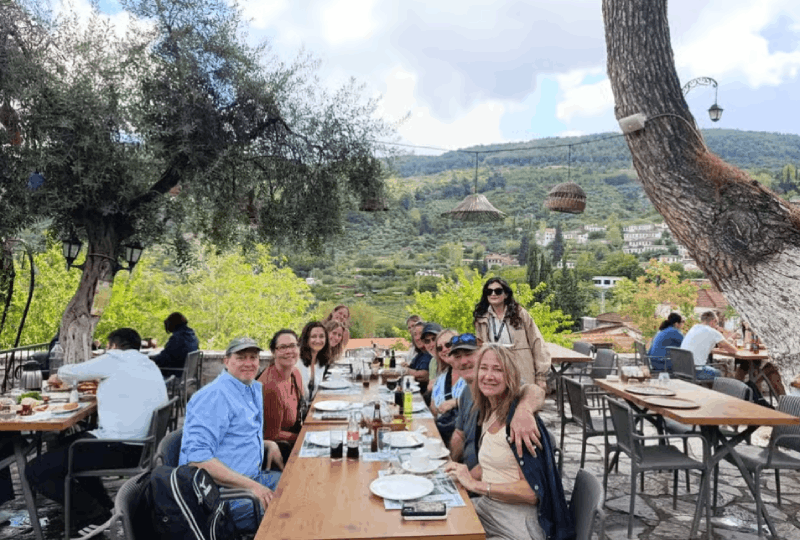
Senior-Friendly Transportation Options to Chichen Itza and Coba
Senior‑Friendly Transportation Options to Chichen Itza and Coba
Travel between the Yucatán Peninsula’s major airports, hotel zones, and the archaeological sites of Chichen Itza and Coba can be organized through several modes that prioritize comfort, accessibility, and ease of boarding for senior travelers. Each option is described with regard to vehicle type, level of assistance, wheelchair accommodation, and typical travel times.
1. Private Door‑to‑Door Transfers
A dedicated vehicle departs directly from the traveler’s accommodation or the nearest airport and proceeds to the chosen site. Vehicles are usually midsize vans or SUVs equipped with low‑step entry, hydraulic lifts, and ample interior space for a wheelchair or walking aid. Drivers are familiar with the route, allowing for a smooth ride of approximately 2 hours from Cancún International Airport to Chichen Itza and 2 ½ hours to Coba. The service includes assistance with luggage, help with boarding and disembarking, and optional commentary in English, Spanish, or other languages. Because the itinerary is fixed, stops for rest, hydration, or bathroom use can be scheduled at the traveler’s convenience.
2. Guided Tour Buses with Accessibility Features
Many tour operators run daily scheduled tours from popular hotel corridors in Cancún, Playa del Carmen, and Tulum. The buses are high‑deck coaches fitted with ramps or kneeling suspension to reduce the step height. Seats are padded and recline, and the interior climate is controlled. Most operators provide a staff member trained in assisting passengers with mobility limitations, ensuring safe entry and exit at the site’s designated accessible entrance. The typical itinerary includes a brief stop at a local restaurant for a seated lunch, a guided walk of the main plaza, and a return trip in the early afternoon, keeping total travel time under 5 hours.
3. Shuttle Services from Hotel Zones
Hotel‑run shuttle vans operate on a fixed timetable, usually departing every two to three hours. Vehicles are compact but feature wide doors, handrails, and non‑slip flooring. While not all shuttles have built‑in wheelchair lifts, many can accommodate a portable ramp supplied by the hotel. The shuttles stop at the main visitor parking area, where staff assist seniors in transferring to the site’s accessible pathways. Travel duration to Chichen Itza is roughly 2 hours, with a slightly longer 2 ½ hour journey to Coba due to its more remote location.
4. Rental Cars with Optional Driver
For seniors who prefer independence but desire assistance, renting a vehicle equipped with automatic transmission, power steering, and a spacious cabin is viable. Rental agencies on the Riviera Maya can provide a driver for an additional fee, turning the arrangement into a semi‑private transfer. Vehicles such as the Nissan X‑Trail or Toyota RAV4 have low‑floor designs and can accommodate a wheelchair without a ramp. The driver handles navigation, parking, and any required stops, while the senior traveler enjoys the flexibility of setting the departure time and duration of the site visit.
5. Public Bus (ADO) with Accessibility Accommodations
The state‑run ADO bus network connects major cities to the towns of Valladolid (nearest to Chichen Itza) and Tulum (nearest to Coba). Modern ADO units feature wheelchair‑accessible entrances, designated seating, and onboard staff trained to assist. Travel from Cancún to Valladolid takes about 2 hours, followed by a short local taxi ride to the site’s entrance. For Coba, a bus to Tulum is followed by a 45‑minute taxi transfer. While this option is the most economical, it requires coordination of multiple transfers and may involve longer waiting periods.
6. Accessible Taxi Services
Local taxi companies in the Yucatán offer vehicles modified with ramps and wheelchair‑securement systems. Reservations can be made through hotel concierges or online platforms, ensuring a vehicle is ready at the scheduled time. The taxi travels directly to the site’s accessible parking lot, allowing the senior traveler to remain seated throughout the journey. Travel times mirror those of private transfers, with the added benefit of on‑demand scheduling.
Key Considerations for All Modes
- Advance Booking: Reserve accessible vehicles at least 48 hours in advance to guarantee availability of ramps or lifts.
- Travel Comfort: Request climate‑controlled vehicles and padded seating to reduce fatigue on longer trips.
- Rest Stops: Inquire about scheduled breaks for hydration and bathroom use, especially during the hotter months (April–October).
- Site Accessibility: Both Chichen Itza and Coba provide wheelchair‑friendly pathways, ramps at the main entrance, and accessible restrooms; confirm that the chosen transportation drops off at these points.
By selecting a transportation mode that aligns with mobility needs, schedule preferences, and desired level of assistance, senior travelers can enjoy a relaxed and safe journey to the iconic ruins of Chichen Itza and Coba.
Wheelchair-Accessible Pathways and Ramps at Chichen Itza
Wheelchair‑Accessible Pathways and Ramps at Chichén Itzá
The archaeological zone of Chichén Itzá has been adapted to accommodate visitors who use wheelchairs, providing a network of paved routes, gently‑graded ramps, and designated rest points that connect the most frequently visited structures while preserving the integrity of the site.
Primary Circulation Loop
A 1.2‑kilometer circuit encircles the central complex and is surfaced with compacted, non‑slippery stone that meets international accessibility standards. The loop is level for the majority of its length, with a maximum gradient of 5 percent on the few inclined sections. All surfaces are free of loose cobblestones, allowing smooth passage for manual and power‑assist wheelchairs. The route is clearly marked with low‑contrast signage at each decision point, indicating the direction to the Temple of Kukulcán, the Great Ball Court, the Platform of the Skulls, and the Observatory.
Ramps to Key Monuments
- Temple of Kukulcán (El Castillo) – A permanent ramp, 2.5 meters wide, descends from the main pathway to the base of the pyramid. The ramp complies with a 1:12 slope ratio, incorporates tactile paving at the beginning and end, and includes handrails on both sides. The ramp terminates at a widened viewing platform that offers unobstructed sightlines of the staircase and the surrounding plaza.
- Great Ball Court – Access to the northern side of the court is provided by a 3‑meter‑wide ramp that follows the original approach road. The ramp’s surface is a fine‑grit concrete that remains stable after rain. A low‑height barrier at the court’s edge prevents accidental entry onto the playing surface while preserving the visual experience.
- Platform of the Skulls (Templo de los Guerreros) – A short, 1.8‑meter‑wide ramp leads from the main loop to the platform’s entrance. The ramp’s gradient does not exceed 4 percent, and the landing area includes a bench with back support, positioned under a shaded pergola.
- Observatory (El Caracol) – The circular tower’s interior remains inaccessible, but an external ramp provides wheelchair users a close view of the façade. The ramp is 2 meters wide and incorporates a series of gentle switchbacks to maintain a low slope.
Rest Areas and Amenities
Strategically placed every 200–300 meters, shaded benches with armrests are available for users to pause. Each rest point includes a wheelchair‑friendly drinking fountain positioned at 85 centimeters from the ground. Accessible restroom facilities are located near the main entrance and adjacent to the visitor center; both locations feature roll‑in doors, grab bars, and sufficient turning radius for a standard wheelchair.
Assistance Services
Trained site staff are stationed at the information pavilion and at the entrance to the primary loop. They can provide verbal directions, portable ramps for temporary obstacles, and assistance with navigating the more confined viewing platforms. Service is offered free of charge during opening hours, which run from 8:00 a.m. to 5:00 p.m. daily, except for official holidays.
Wheelchair Rental and Storage
A wheelchair‑rental desk operates within the visitor center, offering both manual and powered models. Rentals are billed per hour, with a maximum daily rate. Secure, lockable storage racks are positioned near the main entrance and at the far end of the loop, allowing visitors to leave personal mobility devices safely while exploring on foot.
Safety and Maintenance
All pathways undergo daily inspection for debris, water pooling, and surface wear. In the event of heavy rain, the site may temporarily close the ramp to the Temple of Kukulcán to prevent slip hazards; notifications are posted at the entrance and updated on the on‑site digital boards. Emergency call points are installed at each major intersection, linked directly to site security and medical responders.
Overall, the wheelchair‑accessible pathways and ramps at Chichén Itzá enable senior travelers and visitors with mobility challenges to experience the principal monuments with independence, comfort, and safety, while maintaining the archaeological site’s authenticity and preservation standards.
Elevator and Lift Availability at Coba’s Main Pyramid
Coba’s principal structure, the Nohoch Mul pyramid, rises approximately 42 meters (138 feet) and remains one of the few major Maya temples in the Yucatán Peninsula that has not been fitted with modern vertical‑transport systems. As of the most recent site assessments, there is no elevator, lift, or mechanized platform installed on or within the pyramid. All access to the summit is provided exclusively via a series of steep, uneven stone steps that wind around the exterior of the monument. The steps are unevenly spaced, feature occasional gaps, and lack handrails, making them challenging for visitors who rely on assisted mobility.
Because the pyramid was constructed centuries before contemporary accessibility standards, the archaeological authorities have prioritized preserving its original form over retrofitting it with elevators or lifts. The decision aligns with UNESCO guidelines for the conservation of world‑heritage sites, which discourage alterations that could compromise structural integrity or historical authenticity. Consequently, senior travelers seeking a fully barrier‑free ascent to the top of Nohoch Mul will find the experience physically demanding and not suited to limited stamina or balance issues.
For seniors who still wish to experience the panoramic view from the pyramid’s apex, several practical accommodations are available on the ground level. The site’s main visitor center includes a shaded waiting area equipped with benches and a low‑step ramp that complies with the Mexican accessibility standard NOM‑005‑SSA1‑1993. Trained staff members are on hand to provide assistance, such as offering a portable walking stick or a brief rest period at designated intermediate landings on the staircase. However, the assistance does not extend to carrying individuals up the stairs; the policy emphasizes personal safety and the preservation of the monument.
Alternative viewpoints are offered through a nearby observation platform situated at the base of the pyramid. This platform, constructed of concrete and equipped with a gentle ramp, grants an unobstructed line of sight toward the summit and surrounding jungle canopy. While the platform does not replicate the experience of standing atop the pyramid, it allows seniors to appreciate the scale of Nohoch Mul without navigating the steep ascent.
In addition to on‑site provisions, several local tour operators specialize in senior‑friendly itineraries that include Coba. These operators arrange transportation from the main entrance to a designated parking area closer to the observation platform, reducing the distance that must be covered on foot. Some operators also coordinate with the site’s management to schedule visits during cooler morning hours, thereby minimizing exposure to heat and humidity, which can exacerbate fatigue.
Visitors with mobility impairments are encouraged to bring a lightweight, foldable wheelchair or mobility scooter, as the surrounding pathways between the main entrance, the visitor center, and the observation platform are paved and level. The pathways are wide enough to accommodate two‑wheel devices, and signage indicating the nearest accessible facilities is posted at regular intervals.
While Nohoch Mul itself remains inaccessible to wheelchairs and lacks an elevator, the combination of a ground‑level observation platform, staff‑assisted stair support, and senior‑oriented tour packages creates a viable alternative for older travelers. Planning a visit during the early morning, when temperatures are lower and crowds are thinner, maximizes comfort and safety for seniors who wish to explore Coba’s archaeological wonders without compromising their physical well‑being.
Guided Tour Scheduling for Seniors with Mobility Needs
When planning a senior‑friendly visit to Chichen Itza and Coba, the timing and structure of guided tours are critical to ensuring comfort, safety, and full enjoyment of the archaeological sites. The following guidelines outline optimal scheduling practices, accessibility considerations, and logistical details that align with the needs of travelers who use wheelchairs, walkers, or have limited stamina.
1. Advance Reservation Window
Most reputable tour operators that specialize in accessible travel require reservations at least 14 days in advance for senior groups. This lead time secures wheelchair‑compatible transport, a guide trained in disability awareness, and any additional equipment such as portable ramps or battery‑powered scooters. During high‑season months (December through March) a 30‑day window is advisable, as demand for accessible tours increases sharply.
2. Preferred Time of Day
- Chichen Itza: The early‑morning slot, beginning at 7:30 a.m., offers the coolest temperatures and the smallest crowds. Accessible pathways are fully cleared by 8:00 a.m., allowing a smooth entry to the main plaza, the Temple of Kukulcán, and the Great Ball Court. A 2‑hour guided segment followed by a 30‑minute rest break at the on‑site café—where wheelchair‑friendly tables and ramps are available—provides a comfortable pacing schedule.
- Coba: The mid‑morning window, starting at 9:30 a.m., is optimal because the site opens its paved loops for wheelchair users at 9:00 a.m. The paved circuit encircles the central plaza, the Nohoch Mul platform (accessible via a portable lift on request), and the museum. A 2‑hour guided walk, with a scheduled 15‑minute hydration pause at the shaded rest area, minimizes exposure to midday heat.
3. Tour Duration and Break Structure
For seniors with mobility concerns, the total on‑site time should not exceed four hours per location. A recommended structure is:
- 2 hours of guided exploration (including commentary and photo opportunities).
- Two short rest intervals of 10–15 minutes each, placed after the first major monument and before the final segment.
- An optional 30‑minute lunch break at a certified accessible restaurant within the visitor center complex, where wheelchair‑friendly seating and accessible restrooms are guaranteed.
4. Group Size and Guide Ratio
Accessible tours for seniors are most effective when limited to 8–10 participants, with a maximum guide‑to‑senior ratio of 1:4. This configuration ensures that the guide can provide individualized assistance, monitor fatigue levels, and coordinate any medical needs promptly. Operators that meet this criterion typically assign a dedicated mobility coordinator who accompanies the group throughout the visit.
5. Transportation Logistics
- Vehicle Type: Air‑conditioned, low‑floor vans equipped with hydraulic lifts are the standard for senior‑focused tours. These vehicles accommodate both manual and powered wheelchairs without the need for additional loading equipment.
- Pick‑up Timing: Schedule pick‑up from the hotel or designated meeting point at least 45 minutes before the departure time to allow for boarding assistance and a brief orientation on safety procedures.
- Travel Time Buffers: Allocate a 30‑minute buffer between the two sites to account for traffic fluctuations on the highway connecting Chichen Itza and Coba. This buffer prevents rushed transitions and provides extra time for restroom use or medication administration.
6. Accessibility Amenities at the Sites
Both archaeological parks feature wheelchair‑accessible restrooms, tactile‑guided pathways, and shaded seating areas. At Chichen Itza, the visitor center houses an accessible information desk with printed maps in large print and braille. Coba’s museum offers an audio‑guide system with volume controls that can be paired with hearing‑assistive devices. Confirm with the tour operator that these amenities will be highlighted during the guided portion.
7. Seasonal Climate Adjustments
During the rainy season (June to October), afternoon thunderstorms are common. In this period, schedule tours for the earlier part of the day and include a contingency plan for indoor activities, such as a guided presentation in the on‑site museum, which is fully wheelchair‑compatible. Operators typically provide rain‑shelter options at no additional cost for senior groups.
8. Medical and Emergency Protocols
Prior to departure, submit a concise health summary for each participant, noting any medication schedules, mobility aids, and allergy information. The guide should carry a basic first‑aid kit and possess a clear understanding of the nearest medical facility, which is located within a 15‑minute drive from each site. Accessible tours customarily include a brief safety briefing that outlines evacuation routes and wheelchair‑friendly exit points.
By adhering to these scheduling recommendations, seniors with mobility needs can experience Chichen Itza and Coba with minimal physical strain, ample opportunities for rest, and full access to the cultural highlights of each UNESCO World Heritage site. The coordinated approach balances efficient site coverage with the comfort and safety standards essential for an enjoyable, senior‑focused exploration of the Yucatán Peninsula.
Rest Area Locations and Seating Comfort Near Major Sites
Chichen Itzá – Main Entrance Plaza
The primary visitor plaza immediately after the ticket‑check area contains a series of low‑profile concrete benches spaced at 1.5‑meter intervals. Each bench features a gently sloping backrest and integrated armrests, providing support for seniors who need to sit and rise frequently. The surface is smooth, non‑slip, and level with the surrounding pavement, allowing wheelchair users to approach without encountering steps. Shade is supplied by a wide pergola‑style canopy that extends 3 meters beyond the bench line, protecting occupants from direct sun and rain. Adjacent to the benches, a wheelchair‑accessible restroom with grab bars and a hand‑held shower is located 8 meters away, minimizing walking distance. A water‑fountain with a low‑flow dispenser and a bottle‑filling station is positioned directly beside the seating cluster, eliminating the need for seniors to travel far for hydration.
Chichen Itzá – Great Ball Court Corridor
A secondary rest zone runs parallel to the north side of the Great Ball Court. Here, a series of ergonomically contoured seats are mounted on raised platforms that are 30 centimeters above ground level, reducing the effort required to sit down. The platforms are equipped with tactile paving to guide visually‑impaired visitors. Each seat includes a 10‑centimeter lumbar support and a wide armrest that extends 15 centimeters beyond the seat edge, facilitating safe transfers. The corridor’s stone flooring has been treated with a slip‑resistant sealant, and the path is wide enough (minimum 1.5 meters) for two wheelchairs to pass side by side. Shade is provided by an overhead trellis of native foliage, and a nearby interpretive kiosk offers printed large‑print maps and audio‑guide headphones, allowing seniors to rest while reviewing site information.
Chichen Itzá – Temple of the Warriors Area
Near the base of the Temple of the Warriors, a small garden‑style rest spot offers round, back‑less benches with a 5‑centimeter curvature that encourages natural posture. The benches sit on a compacted sand‑gravel base that cushions foot impact and reduces vibration from passing traffic. A low‑height pergola, constructed of treated timber, provides shelter and includes built‑in side panels that can be adjusted to block wind or sun as needed. An accessible restroom with automatic doors and a height‑adjustable sink is located 12 meters away, reachable via a gently graded ramp (incline not exceeding 5 %). The area is illuminated by solar‑powered LED lights, ensuring visibility for early‑morning or late‑afternoon visits.
Coba – Main Entrance Parking Lot
The parking lot at Coba features a dedicated “senior rest zone” positioned 20 meters from the ticket booth. This zone includes a series of reinforced concrete benches with integrated footrests and backrests that are 45 centimeters high, matching the average seated height of older adults. The benches are spaced to allow wheelchair users to maneuver between them without obstruction. A shaded canopy made of recycled polycarbonate panels extends 4 meters over the seating area, providing protection from intense midday heat. Adjacent to the benches, a wheelchair‑accessible restroom with lowered sink heights and tactile signage is available. An insulated water‑cooler with easy‑grab handles is placed within arm’s reach of each seat.
Coba – Nohoch Mul Pyramid Approach
Along the paved trail leading to the Nohoch Mul pyramid, a rest stop appears at the 300‑meter mark. The stop consists of a low‑profile wooden bench set on a raised deck that is level with the trail surface, eliminating the need for steps. The bench includes a modest backrest (15 centimeters) and wide armrests (12 centimeters) to assist seniors in standing. The deck is surfaced with anti‑skid composite material, and the surrounding area is bordered by low‑height hedges that act as a natural windbreak. A portable, wheelchair‑friendly restroom unit is positioned 5 meters from the bench, equipped with a hand‑rail on the side and a raised toilet seat. Shade is provided by a retractable canvas awning that can be extended or folded depending on weather conditions.
Coba – Coba Museum Courtyard
The museum courtyard offers a tranquil seating arrangement comprising a series of circular stone benches with a 20‑centimeter backrest and a built‑in armrest on one side. The benches sit on a level flagstone surface that is smooth and free of cracks, ensuring safe wheelchair access. A shaded pergola supported by sturdy wooden columns covers the seating area, and integrated planters create a cooling microclimate. Restroom facilities with automatic doors and grab‑bars are located directly behind the bench cluster, reachable within a 3‑meter walk. Water dispensers with easy‑push levers are installed at each end of the bench line, allowing seniors to hydrate without straining.
Across all locations, seating is designed to accommodate prolonged periods of rest, with attention to back support, armrest placement, and surface stability. Shade structures, proximity to accessible restrooms, and the presence of hydration points collectively enhance comfort for senior travelers exploring Chichen Itzá and Coba.
Climate Considerations and Best Visiting Times for Older Travelers
The Yucatán Peninsula experiences a tropical climate marked by high temperatures, pronounced humidity, and a distinct wet season. Understanding these patterns is essential for seniors who wish to explore Chichén Itzá and Cobá comfortably and safely.
Temperature Range
Year‑round daytime highs typically sit between 28 °C (82 °F) and 33 °C (91 °F). Nighttime lows drop only modestly, ranging from 18 °C (64 °F) in the coolest months to 22 °C (72 °F) during the warmest period. Chichén Itzá, located on the northern plains near Valladolid, shares this temperature profile. Cobá, set deeper in the jungle near Tulum, feels slightly more humid, which can make identical temperatures feel warmer.
Humidity
Relative humidity averages 70 %–80 % throughout the year, climbing above 85 % during the rainy months of June through October. The combination of heat and moisture can intensify the perception of temperature, especially for travelers with cardiovascular or respiratory sensitivities. Early‑morning visits (before 9 a.m.) and late‑afternoon excursions (after 4 p.m.) reduce exposure to peak humidity and solar intensity.
Rainfall and Storm Patterns
The wet season runs from late May to early November, peaking in September. Monthly precipitation can exceed 200 mm (8 in.) during this period, often arriving as brief but heavy afternoon showers. While rain does not typically halt site access, wet stone pathways become slippery, and the jungle canopy at Cobá can become dense, limiting visibility. The dry season, from December through April, offers the most predictable conditions, with average monthly rainfall below 30 mm (1.2 in.) and clearer skies.
Best Visiting Months for Seniors
- December – February: Temperatures are milder (average high 28 °C/82 °F), humidity is at its lowest, and daylight hours are ample (≈11 h of sun). These months provide the most comfortable walking conditions and the least risk of heat‑related fatigue.
- March – May: Warmth rises (highs 30 °C–32 °C/86 °F–90 °F) but rain remains scarce. Early‑morning tours are advisable to avoid midday heat.
- Late October – Early November: The tail end of the rainy season brings occasional showers, yet temperatures begin to moderate. Travelers should be prepared for occasional downpours and bring waterproof footwear.
Practical Climate‑Adaptation Tips
1. Timing of Site Visits – Schedule entry to Chichén Itzá at sunrise (≈7:30 a.m.) when the temperature is near 22 °C (72 °F) and the crowds are thin. For Cobá, the early‑morning light filters through the canopy, offering cooler temperatures and better visibility of the ancient causeways.
2. Hydration – Carry at least 1.5 L (≈50 oz) of water per person per day. Refill stations are available at the visitor centers, but seniors should sip regularly to offset dehydration risk.
3. Sun Protection – Wear a wide‑brimmed hat, UV‑blocking sunglasses, and a lightweight, long‑sleeved shirt made of breathable fabric. Apply broad‑spectrum sunscreen (SPF 30 or higher) at least 15 minutes before exposure and reapply every two hours.
4. Footwear and Mobility – Choose supportive, slip‑resistant shoes with good arch support. Both sites provide shaded rest areas and benches at regular intervals; use these for brief rests, especially after climbing the steep steps of the Nohoch Mul pyramid at Cobá.
5. Medical Considerations – Keep any heat‑sensitive medication in a cool, insulated pouch. If traveling with a portable fan or cooling towel, these can provide additional comfort during extended outdoor periods.
6. Rain Gear – During the wet season, a compact, breathable rain jacket and quick‑dry trousers protect against sudden showers without adding bulk. Waterproof sandals or gaiters help maintain traction on slick stone surfaces.
Daylight Hours and Seasonal Light
From November to February, daylight lasts roughly 11 hours, providing ample time for a relaxed morning tour followed by a leisurely lunch break before the afternoon heat returns. In contrast, May and June offer up to 13 hours of daylight, extending the window of exposure to higher temperatures. Planning a midday indoor activity—such as a museum visit in Valladolid or a short rest at a shaded café—helps balance the day’s schedule.
Conclusion
For senior travelers, the optimal window to experience Chichén Itzá and Cobá combines mild temperatures, low humidity, and minimal precipitation—primarily the period from December through February. When travel outside this window is necessary, early‑morning site entry, diligent hydration, appropriate sun and rain protection, and frequent rest breaks mitigate climate‑related challenges. By aligning the itinerary with these climate considerations, older visitors can fully appreciate the archaeological grandeur while maintaining comfort and safety.
Accessible Restroom Facilities and Assistance Services
Both Chichén Itzá and Cobá have been upgraded to meet the needs of senior travelers who require reliable, accessible restroom options and on‑site assistance. The following details outline the location, design, and support services available at each archaeological zone.
Chichén Itzá
*Restroom Locations and Features*
- Two main restroom complexes serve the principal visitor areas: one situated near the entrance plaza and a second adjacent to the Great Ball Court. Both complexes are built to universal design standards.
- Doorways are at least 85 cm wide, allowing wheelchair passage. Inside, at least one stall per facility includes a reinforced grab‑bar, a height‑adjustable sink, and a sensor‑activated flush.
- Family‑type restrooms are provided on the same level, offering extra space for a caregiver and a portable changing station.
- Flooring is slip‑resistant ceramic tile with tactile paving leading from the main pathways to each restroom entrance.
- Restrooms are equipped with low‑level hand‑dryers and automatic lighting, reducing the need for manual operation.
*Assistance Services*
- Trained site staff are positioned at the visitor information desk near the main entrance. They can arrange wheelchair loans, provide directions to the nearest accessible restroom, and coordinate short‑term assistance for seniors who need help navigating uneven terrain.
- Wheelchair rentals are available on a first‑come, first‑served basis; each wheelchair includes a reinforced frame, adjustable footrests, and a lock‑in mechanism for safe transport.
- A shuttle service runs between the parking lot and the central plaza every ten minutes. The shuttle is low‑floor, equipped with a ramp and a secure wheelchair tie‑down.
- Guided tours designed for senior groups incorporate a “mobility‑friendly” route that avoids steep steps and uses the paved causeway that circles the main pyramid. Guides are briefed on how to assist travelers with limited stamina, offering frequent rest points near shaded benches.
- Audio‑visual interpretation stations are placed at key viewpoints. The stations feature volume‑adjustable headphones and large‑print text panels, reducing the need for prolonged standing while reading.
Cobá
*Restroom Locations and Features*
- Three accessible restroom blocks are distributed across the site: one near the main entrance, a second beside the Nohoch Mul pyramid trailhead, and a third close to the eco‑park exit. Each block follows the same universal design criteria as Chichén Itzá.
- Stall dimensions meet the 150 cm × 150 cm standard, providing ample turning radius. Grab‑bars are positioned at 85 cm and 120 cm heights to accommodate varying reach.
- Handrails run parallel to the corridor leading to each restroom, offering continuous support.
- Water‑saving dual‑flush toilets and low‑flow faucets are installed to maintain sustainability while ensuring functionality for seniors who may require a higher water pressure for easy flushing.
- Signage uses high‑contrast lettering and Braille, placed at eye level for wheelchair users.
*Assistance Services*
- A dedicated “Mobility Assistance Desk” operates from 8 am to 4 pm. Staff can schedule a personal escort for senior visitors, who will accompany them along the paved pathways and provide help with steps or uneven surfaces.
- Portable ramps are stored near the entrance and can be deployed on short, steep inclines, such as the access point to the Nohoch Mul pyramid. The ramps are lightweight aluminum, rated for up to 250 kg, and include non‑slip surfaces.
- For seniors preferring to avoid the climb to the pyramid’s summit, a motorized “eco‑cart” service is available. The carts travel on a designated track and feature padded seats, a safety harness, and a canopy for sun protection.
- A network of shaded benches is spaced every 200 meters along the main trail, allowing regular rest intervals. Each bench includes a nearby water fountain with a low‑height spout.
- Interpretation panels are printed in large font with high‑contrast colors, and QR codes link to audio descriptions that can be accessed via personal hearing‑assist devices.
Overall, both sites prioritize clear wayfinding, barrier‑free restroom design, and responsive assistance services, ensuring that senior travelers can explore the ancient wonders of the Yucatán with confidence and comfort.
Recommended Senior-Friendly Accommodation Near the Archaeological Zones
Recommended Senior‑Friendly Accommodation Near the Archaeological Zones
1. Hotel & Spa Casa del Sol – Chichén Itzá
Located a short 10‑minute drive from the entrance to Chichén Itzá, Casa del Sol blends historic charm with modern accessibility. All guest rooms feature step‑free entry, wide doorways (minimum 85 cm), and bathroom grab bars. The property offers a ground‑floor lounge with comfortable seating and low‑light reading areas, ideal for seniors who prefer a calm environment. A complimentary shuttle runs twice daily to the archaeological site, allowing passengers to board with minimal effort. On‑site amenities include a heated pool with handrails, a wellness centre offering gentle yoga classes, and a restaurant that serves a senior‑focused menu with low‑sodium and soft‑texture options. Staff are trained in basic first‑aid and can arrange physician visits if needed.
2. Hacienda Coba Resort – Near Coba
Set on a 15‑hectare estate 5 km from the Coba ruins, Hacienda Coba Resort provides spacious one‑ and two‑bedroom suites designed for mobility‑limited travelers. Each suite includes a roll‑in shower, adjustable-height sink, and a bedside call button that connects directly to the front desk. The resort’s main building is fully accessible, with an elevator serving all public floors and ramps that meet a 1:12 gradient. A dedicated senior concierge assists with arranging guided tours that include wheelchair‑friendly pathways and optional electric‑assist scooters. The dining hall offers early‑bird buffet service, a low‑sugar dessert bar, and a quiet dining room on the ground floor. For relaxation, the property features a shaded garden with paved walkways, hammocks at waist height, and a low‑impact aerobics studio.
3. Eco‑Lodge Yaxkin – Between Chichén Itzá and Coba
Positioned midway between the two sites, Eco‑Lodge Yaxkin caters to seniors seeking a tranquil, nature‑focused stay. The lodge comprises 12 eco‑cabins, each built on a raised platform with a single‑step threshold (maximum 6 cm). Cabins are equipped with hand‑rails, non‑slip flooring, and bathroom fixtures positioned for easy reach. A central reception area includes a senior lounge with large‑print brochures, a television with closed captioning, and a library of large‑print travel guides. Transportation to both archaeological zones is provided via a wheelchair‑compatible minibus that departs on a fixed schedule; the driver assists with luggage and boarding. Meals are prepared using locally sourced ingredients, with menu items labeled for allergen content and spice level. The lodge also offers daily gentle nature walks on level trails, bird‑watching stations at seated benches, and a small on‑site clinic staffed by a nurse practitioner for routine health checks.
4. Boutique Hotel Maya Serenity – Proximity to Chichén Itzá
Only 2 km from the main entrance, Maya Serenity offers a boutique experience with a strong emphasis on senior comfort. All 20 rooms are located on the ground floor, eliminating the need for stairs. Rooms feature adjustable beds, bedside lighting with dimmer controls, and a bathroom equipped with a walk‑in shower, anti‑slip tiles, and a fold‑down seat. The hotel’s front desk operates a 24‑hour assistance line for mobility or medical needs. A complimentary breakfast buffet includes low‑fat, high‑protein options and a selection of fresh fruit. For guests preferring a guided visit, the hotel partners with a local agency that provides wheelchair‑compatible tour buses and trained guides who can adjust pacing to suit slower walkers. A quiet garden courtyard with shaded seating and a water feature offers a restorative space for rest between excursions.
5. Villa Tranquila – Near Coba
Villa Tranquila is a small, family‑run property situated 3 km from Coba, offering a homelike atmosphere with senior‑centric services. The villa consists of four accessible apartments, each with a private entrance, ramped access, and a bathroom designed for easy transfer. A daily shuttle, equipped with a wheelchair lift, transports guests to the archaeological site and back, ensuring a stress‑free travel experience. The on‑site kitchen prepares meals upon request, accommodating dietary restrictions such as diabetic, low‑salt, or pureed diets. An on‑call caregiver is available for short‑term assistance, and the property maintains a stocked first‑aid kit and emergency contact list. The surrounding garden features smooth, level pathways and a covered patio with reclining chairs, providing a comfortable setting for relaxation after a day of exploration.
These accommodations prioritize barrier‑free design, proximity to the ruins, and services that address the physical and health‑related needs of senior travelers, ensuring a safe and enjoyable visit to Chichén Itzá and Coba.
Safety Tips and Emergency Assistance for Seniors on Site
Pre‑Visit Preparation
Before traveling, seniors should obtain a current copy of any prescribed medication list, including dosage instructions, and keep it in a waterproof pouch. A small travel‑size first‑aid kit containing band‑aids, antiseptic wipes, and any over‑the‑counter pain relievers is advisable. Packing a lightweight, wide‑brimmed hat, UV‑blocking sunglasses, and a high‑SPF sunscreen (minimum SPF 30) helps mitigate the intense Yucatán sun. A reusable water bottle with a built‑in filter encourages regular hydration; aim for at least 2 liters of fluid per day, more on hot days.
Mobility and Terrain
Both Chichen Itza and Coba feature uneven stone pathways, occasional steep steps, and sections of compacted earth. At Chichen Itza, the main ceremonial plaza and the Temple of the Warriors have paved walkways and handrails; portable wheelchair rentals are available near the main entrance. Coba’s central trail to the Nohoch Mul pyramid remains unpaved and includes a series of short, steep stairs; seniors who prefer to avoid stairs can use the designated viewing platform at the base of the pyramid, which provides clear sightlines without the climb. Sturdy walking shoes with good ankle support and non‑slip soles are essential. When using a mobility aid, keep the device’s brakes engaged on inclined sections to prevent unintended rolling.
Heat‑Related Risks
The Yucatán climate can exceed 35 °C (95 °F) during midday. Seniors should schedule site visits for early morning or late afternoon when temperatures are lower and crowds thinner. Shade structures are positioned near the main entrance of Chichen Itza and at the central plaza of Coba; taking regular breaks in these areas reduces the risk of heat exhaustion. If a senior feels dizzy, nauseated, or experiences rapid heartbeat, they should stop, sit in the shade, sip water slowly, and apply a cool compress to the neck or forehead.
Personal Safety and Security
Both archaeological parks are patrolled by uniformed security personnel who monitor visitor flow and respond to incidents. Seniors are encouraged to wear identification tags that include name, emergency contact, and any medical conditions such as diabetes or hypertension. In the event of a medical emergency, staff will escort the individual to the nearest first‑aid station. At Chichen Itza, the first‑aid point is located adjacent to the ticket booth; at Coba, it is positioned near the visitor center. These stations are equipped with basic emergency supplies and a direct line to local ambulance services.
Emergency Communication
Cellular coverage is generally reliable within the park boundaries, though signal strength may fluctuate near dense vegetation. Seniors should keep a fully charged mobile device in a secure, easily reachable pocket. In case of a serious injury or sudden illness, dialing the local emergency number (three digits) connects directly to regional medical responders. Park staff are trained to accompany seniors to the ambulance and provide a concise summary of the situation, including known allergies and medication details.
Guided Assistance Options
Both sites offer multilingual guides trained in senior‑friendly tour techniques. Guides can arrange for a pace‑adjusted itinerary, assist with navigating steps, and alert staff to any immediate health concerns. Seniors who prefer a more independent experience may still request a brief safety briefing at the entrance, where staff outline evacuation routes, locate nearest restrooms, and identify shaded rest areas.
Evacuation Procedures
If a severe weather event, such as a sudden thunderstorm, occurs, park authorities will activate the standard evacuation protocol. Designated assembly points are marked with large, high‑contrast signage and are located on level ground away from structures. Seniors should follow the guidance of staff and stay with their group until clearance is given. In the unlikely event of a fire, fire‑extinguishing equipment is positioned near the main entrance of each park, and staff are trained to assist individuals with limited mobility in exiting safely.
Post‑Visit Follow‑Up
After returning from the site, seniors should monitor for delayed symptoms of dehydration, sunburn, or minor injuries. If any unusual discomfort persists beyond 24 hours, consulting a healthcare provider is recommended. Maintaining a simple log of the day’s activities, water intake, and any incidents can aid medical professionals in assessing post‑trip health status.
Meal and Refreshment Options Catering to Dietary Restrictions in the Area
The visitor centers at both Chichén Itzá and Cobá feature climate‑controlled cafés that serve a range of quick‑service items. Menus are printed in Spanish and English and include clear icons for vegetarian, vegan, gluten‑free, dairy‑free, nut‑free, low‑sugar, and halal options. Counter staff are instructed to confirm ingredient details for guests with severe allergies or medical‑diet requirements. Packaged snacks such as fruit cups, pre‑sliced cheese, plain crackers, and bottled water are displayed in refrigerated cases with front‑facing labels, allowing seniors who need to monitor sodium or sugar intake to select safely. For those requiring a hot beverage, the cafés offer freshly brewed coffee, decaf, herbal teas, and low‑fat milk alternatives.
A short walk from the main entrance of Chichén Itzá lies Hacienda Chichén Itzá, a family‑run restaurant that blends traditional Yucatán cuisine with a flexible approach to dietary needs. The menu highlights include grilled fish with a citrus‑herb glaze (gluten‑free, low‑sodium), roasted vegetable enchiladas (vegan, dairy‑free), and a quinoa‑based salad with avocado and pumpkin seeds (nut‑free, high‑fiber). The kitchen can prepare dishes without added salt or sugar upon request, and the staff can separate sauces to accommodate gluten‑intolerant guests. All entrees are served with a side of fresh fruit, and the restaurant provides a complimentary water pitcher to encourage hydration during the midday heat.
Near the Cobá archaeological zone, the Eco Lodge Cobá operates a restaurant that emphasizes locally sourced, organic produce. The establishment offers a dedicated “Special Diet” menu that lists items such as:
- Grilled chicken breast with achiote rub – gluten‑free, low‑sodium, no added sugars.
- Vegetarian tamale made with masa, corn, and seasonal vegetables – vegan, dairy‑free, nut‑free.
- Chickpea and sweet‑potato stew – high‑protein, diabetic‑friendly, halal‑certified.
All dishes are prepared on separate cooking surfaces to prevent cross‑contamination. The restaurant also supplies bottled mineral water, fresh coconut water, and unsweetened hibiscus iced tea, which are popular low‑calorie refreshment choices for seniors.
For travelers staying at nearby hotels, many properties include room‑service menus that cater to common dietary restrictions. Typical options feature gluten‑free oatmeal with fresh berries, dairy‑free smoothies, and low‑sodium turkey or tofu wraps. Hotels often keep a small pantry of gluten‑free bread, almond‑milk yogurt, and sugar‑free jam, allowing guests to assemble quick snacks in their rooms. Staff are accustomed to preparing meals according to physician‑provided dietary sheets, and they can label each item for easy identification.
Mobile vendors positioned along the main pathways between the ruins and parking areas sell fresh fruit, sliced papaya, watermelon wedges, and chilled cucumber water—all naturally free of added sugars and sodium. Vendors typically display small signs indicating whether their offerings contain nuts or gluten, enabling seniors to make informed choices without extensive inquiry.
Finally, both archaeological sites maintain accessible restrooms equipped with water fountains that dispense filtered, chilled water. Adjacent to each restroom, a small kiosk offers individually wrapped, portion‑controlled snack packs that meet common dietary criteria: gluten‑free rice crackers, low‑sugar dried mango, and dairy‑free nut‑free bars. These kiosks are wheelchair‑friendly, with low counters and wide aisles, ensuring that seniors with limited mobility can obtain refreshments independently.
Overall, the dining landscape surrounding Chichén Itzá and Cobá provides a comprehensive array of senior‑friendly, diet‑specific options. Clear labeling, staff awareness, and the availability of both on‑site and nearby establishments enable travelers with gluten intolerance, vegetarian or vegan preferences, low‑sodium needs, diabetic considerations, or religious dietary requirements to enjoy nutritious meals and hydrating beverages without compromising comfort or accessibility.
Frequently Asked Questions
What accessibility accommodations are available at the main entrance of Chichen Itza for seniors with limited mobility?
A wheelchair‑accessible ramp leads to the ticket pavilion, and the entrance gate has automatic doors. Portable ramps are provided for uneven sections of the pathway.
Are the major monuments at Chichen Itza reachable by wheelchair or mobility scooter?
The Temple of Kukulcán, the Great Ball Court, and the Platform of the Warriors have paved, level routes with curb cuts. Some stone steps remain at the Temple of the Warriors; a shuttle‑style wheelchair is offered on request.
How many rest areas with seating are located along the Chichen Itza walking route?
Six shaded benches are spaced approximately every 200 meters, and two climate‑controlled visitor centers provide additional seating and restroom facilities.
What senior‑friendly transportation options connect Chichen Itza and Coba?
A climate‑controlled, wheelchair‑accessible shuttle runs twice daily between the two sites, with priority boarding for seniors. Private accessible taxis are also available on reservation.
Can seniors with hearing impairments use audio guides at Coba?
Yes. Multilingual audio guides include a Bluetooth‑enabled hearing‑aid compatible mode, and visual caption tablets are positioned at key points along the trail.
Are the main pathways at Coba suitable for walkers with reduced stamina?
The primary trail to the Nohoch Mul pyramid is a compacted, flat dirt path with regular rest stations every 150 meters. An optional guided walk limits the distance to 2 km per day.
What restroom facilities are provided for seniors at Coba?
Two accessible restrooms feature grab bars, lowered sinks, and hand‑dryers. Portable wheelchair‑friendly toilets are positioned near the main entrance during peak hours.
Is there on‑site medical assistance for seniors at either site?
First‑aid stations staffed by certified personnel are located at the visitor centers of both Chichen Itza and Coba. Emergency medical kits and AEDs are available, and staff are trained to assist seniors with chronic conditions.
What dietary options are offered for seniors with special nutritional needs?
Both sites host a café serving low‑sodium, low‑sugar, and gluten‑free meals. Menus are displayed with clear allergen icons, and staff can accommodate custom dietary requests.
How can seniors arrange a private, guided tour that emphasizes accessibility?
A pre‑booked senior‑focused tour can be arranged through the official visitor services desk. Tours include a bilingual guide trained in accessibility protocols, a portable wheelchair, and a paced itinerary limited to 4 hours total.
| Destination | Best Time to Visit | Average Temperature | Peak Crowd Level | Entrance Ticket (USD) | Private Transfer (Round‑Trip, USD) |
|---|---|---|---|---|---|
| Chichen Itza | Late November – early March | 22‑27 °C (72‑81 °F) | Medium | $25 (adult), $15 (senior) | $180 – $220 |
| Coba | December – February | 21‑26 °C (70‑79 °F) | Low‑Medium | $20 (adult), $12 (senior) | $190 – $240 |
Travelers Insight: Senior‑Centric Strategies for Exploring Chichen Itza and Coba
For many seniors, the allure of the Yucatán’s ancient ruins is matched only by the desire for a comfortable, stress‑free journey. The key to a rewarding day at Chichen Itza or Coba begins the night before: book a low‑step, climate‑controlled van equipped with a hydraulic lift, and confirm that the driver is briefed on any mobility devices you’ll be using. A well‑planned departure time—ideally before 9 a.m.—helps you avoid the midday heat, reduces the likelihood of crowds, and gives you ample daylight for a leisurely return.
Once on site, take advantage of the official wheelchair‑rental services offered at both parks. At Chichen Itza, the rental desk is located just outside the main entrance and provides a sturdy, breathable chair for a modest fee. The path between the entrance and the iconic Kukulkan Pyramid is paved and gently sloped, allowing smooth navigation. If you prefer to bring your own chair, most private transfer companies will secure it in the vehicle and assist with boarding, ensuring no extra hassle.
Guided tours are a game‑changer for senior travelers. Opt for a small‑group, English‑speaking guide who can adjust the pace, pause for rest breaks, and elaborate on the historical context without overwhelming you with jargon. Many operators also offer “senior‑friendly” audio guides that feature larger text, higher volume, and a slower narration speed. Remember to ask the guide to point out shaded resting spots—at Chichen Itza, the large stone platforms near the Ball Court provide natural shade, while Coba’s forested pathways offer occasional canopy cover.
Hydration and nutrition deserve special attention. The Yucatán climate can be deceptively dry, even during the cooler months. Pack a reusable water bottle, a few electrolyte tablets, and light snacks such as fresh fruit or nuts. Some private transfer services will include a cooler with bottled water and fruit on board, but it’s wise to have a personal supply as well. Take advantage of the designated rest areas to sip water, stretch your legs, and use the restroom—both sites have well‑maintained facilities that are wheelchair accessible.
When visiting Coba, be prepared for a bit more walking, as the site is spread over a larger area and the famous Nohoch Mul pyramid requires a short climb. Seniors who wish to summit can use the hand‑rail and take the climb at a comfortable pace; the ascent is not steep, but the steps are uneven. If climbing is not advisable, the surrounding jungle trails are still richly rewarding—guided walks can be tailored to focus on the impressive network of sacbeob (ancient causeways) and the on‑site museum, which houses artifacts displayed at eye level for easy viewing.
Sun protection is non‑negotiable. Apply a broad‑spectrum SPF 30+ sunscreen at least 20 minutes before leaving your hotel, and reapply every two hours. A wide‑brimmed hat, UV‑blocking sunglasses, and lightweight, long‑sleeve shirts made from breathable fabrics help keep you cool while shielding skin from the strong Caribbean sun. Many senior travelers find that a lightweight, packable rain poncho is useful during the brief, unpredictable showers that can occur even in the dry season.
Finally, consider the timing of your return. A midday departure from the ruins often coincides with the hottest part of the day, which can be uncomfortable after several hours of walking. Scheduling a post‑visit lunch at a restaurant with indoor air‑conditioning—such as the popular eateries in Valladolid on the way back from Coba—provides a pleasant culinary break and an opportunity to reflect on the day’s discoveries. Most private transfer companies will happily adjust the itinerary to accommodate a leisurely meal stop.
By combining thoughtful transportation choices, accessible amenities, and a flexible itinerary, seniors can experience the awe of Chichen Itza and Coba without compromising comfort or safety. The ancient stones may be centuries old, but the modern conveniences tailored for senior travelers ensure that the journey is as memorable as the destinations themselves.
