
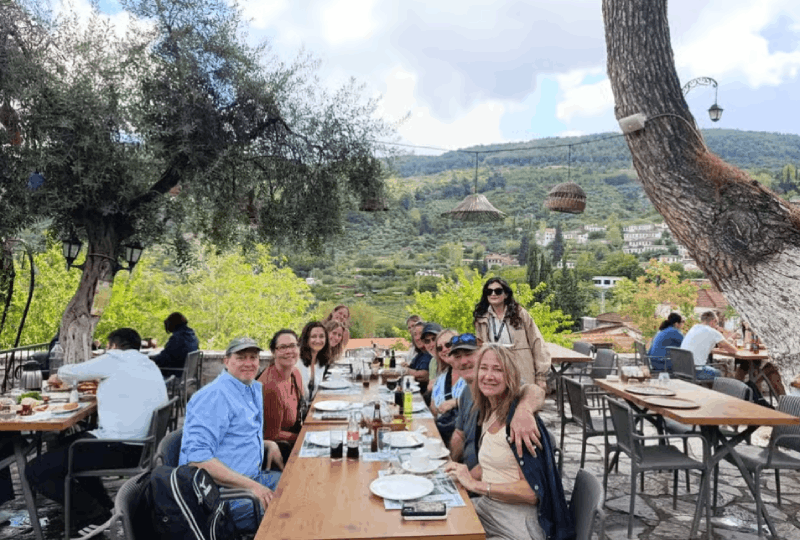
Top Senior‑Friendly Beachfront Hotels with Accessible Rooms in Puerto Vallarta
Puerto Vallarta’s coastline hosts a growing selection of resorts that combine oceanfront views with thoughtfully designed accessibility features. The properties below have been recognized for offering senior‑friendly rooms, barrier‑free public areas, and services that support mobility, visual, and hearing needs while maintaining the luxury and relaxed atmosphere expected of a beach destination.
1. Hyatt Ziva Puerto Vallarta – Zona Hotelera
The all‑inclusive resort provides a dedicated “Accessible Room” category that includes wider doorways (minimum 92 cm), roll‑in showers with grab bars, lowered bathroom sinks, and lever‑type faucets. Bedrooms are equipped with adjustable bedside lighting and television controls positioned within easy reach. Public spaces such as the main lobby, pool deck, and beachfront promenade feature tactile paving and curb‑cut ramps, allowing seamless movement between the sand and the resort’s dining venues. The hotel’s “Assistive Services” desk offers on‑call wheelchair assistance and can arrange visual‑aid devices for guests with low vision.
2. Marriott Puerto Vallarta Resort & Spa – Hotel Zone
Marriott’s “Accessible Guestroom” is designed to meet ADA‑equivalent standards. Rooms feature a roll‑in shower with a handheld showerhead, a wheelchair‑accessible vanity, and a bedside call button linked to the front desk. The resort’s beachfront walkway is paved with non‑slip material and includes handrails at regular intervals. Elevators serve all levels, and the main restaurant provides menus in Braille and large‑print formats. The concierge team can coordinate shuttle service to nearby accessible attractions such as the Malecón boardwalk, which is equipped with auditory crossing signals.
3. Sheraton Buganvilias Resort & Spa – Bucerias (30 km north)
Although situated slightly outside the city center, the Sheraton offers a tranquil beachfront setting that is popular with senior travelers. Its “Accessible Suite” includes a wheelchair‑friendly layout, a roll‑in shower with a built‑in bench, and a lowered television. The resort’s “Sunset Walk” along the beach is graded and features removable beach‑wheelchair rentals, allowing guests to navigate soft sand without assistance. On‑site medical staff are available 24 hours, and the spa provides chair‑massage options with adjustable tables.
4. Hilton Puerto Vallarta Resort – Marina Vallarta
Hilton’s “Accessible Deluxe Room” offers a spacious floor plan, a roll‑in shower equipped with a non‑slip mat, and grab‑bars positioned at the shower entry and beside the toilet. Public areas include a wheelchair‑accessible promenade that runs parallel to the marina, with ramps that connect directly to the main pool and beachfront bar. The resort’s “Hear‑Now” program supplies amplified hearing loops in the lobby lounge and the main dining room, enhancing auditory clarity for guests with hearing loss.
5. Casa Velas – Zona Romántica (adults‑only)
Casa Velas blends boutique elegance with a strong commitment to accessibility. Its “Accessible Villa” includes a barrier‑free entrance, a walk‑in shower with a fold‑down seat, and low‑height countertops. The property’s private beach is accessed via a gently sloping boardwalk with handrails, and beach‑wheelchair rentals are available upon request. The on‑site “Wellness Concierge” can arrange in‑room physical‑therapy equipment and coordinate transportation to the nearby accessible sections of the Malecón.
6. Villa del Palmar Flamingos – Playa de los Muertos
The resort’s “Accessible Ocean View Room” features a spacious layout, a roll‑in shower with a handheld hose, and a bedside call system linked to the front desk. The beachfront area is equipped with a continuous ramp that meets a minimum slope of 1:12, allowing easy transition from the lobby to the sand. Visual signage throughout the property includes high‑contrast lettering and tactile symbols for guests with visual impairments. Staff are trained in basic sign language and can provide written summaries of daily activities upon request.
These hotels illustrate Puerto Vallarta’s commitment to inclusive tourism. Each property not only complies with international accessibility guidelines but also integrates senior‑centric amenities—such as low‑impact fitness classes, on‑site medical support, and easy access to the city’s wheelchair‑friendly promenades—ensuring that senior travelers can enjoy the region’s sun, sea, and culture with confidence and comfort.
Step‑Free Beach Access: Detailed Maps of Wheelchair‑Ready Boardwalks
Puerto Vallarta’s coastal promenade system has been upgraded in recent years to meet universal‑design standards, creating uninterrupted, step‑free routes that connect senior‑friendly beachfront hotels with the city’s most popular beaches. The following map‑based guide outlines the three primary wheelchair‑ready boardwalk corridors, their surface specifications, distance markers, and on‑site accessibility amenities.
—
1. Malecón‑to‑Los Muertos Pier Corridor (≈ 1.2 km)
Route Overview
The historic Malecón stretches from the Cuale River delta eastward to Los Muertos Pier. The entire length is surfaced with a smooth, non‑slip polymer concrete (minimum 12 cm thickness) and conforms to a maximum 1:20 ramp gradient, well within the 5 % limit recommended for senior mobility devices.
Key Waypoints (with distance from the northern Malecón entrance)
| Marker | Distance | Feature | Accessibility Detail | ||
|---|---|---|---|---|---|
| A – Malecón North Entrance | 0 m | Main access point from Hotel Casa Velas and Villa del Palmar | Tactile paving and audible crossing signals | ||
| B – Cuale River Bridge | 180 m | Pedestrian bridge over the river | 1 m wide ramp on each side, handrails on both levels | ||
| C – Sculptural Plaza | 350 m | Open‑air gallery of bronze statues | Low‑step benches (30 cm height) and wheelchair‑height water fountain | ||
| D – Playa de los Muertos Access Ramp | 620 m | Direct descent to the sand | 2 m wide ramp, sand‑compacted transition strip, wheelchair‑friendly beach mat storage | ||
| E – Los Muertos Pier | 1,200 m | End of the corridor, ferry terminal and restaurant hub | Elevators to pier level, tactile guide rails, shaded rest shelters |
Map Highlights
The corridor is depicted on municipal GIS layers with a bold teal line. Elevation contours show a maximum rise of 3 m across the entire stretch, eliminating steep sections. Color‑coded icons indicate wheelchair‑ready restrooms (blue), shaded benches (green), and emergency call stations (red). The map’s inset includes a 1:10,000 scale grid for precise navigation with a handheld GPS or a paper printout.
—
2. Conchas Chinas Loop (≈ 800 m)
Route Overview
Located just south of the Hotel Boutique Los Arcos, the Conchas Chinas Loop encircles a sheltered bay renowned for calm waters. The boardwalk is built from marine‑grade composite decking with a slip‑resistant finish and a uniform width of 1.5 m.
Key Waypoints
| Marker | Distance | Feature | Accessibility Detail | ||
|---|---|---|---|---|---|
| F – Hotel Los Arcos Main Lobby | 0 m | Direct hotel access | Level entry, automatic doors | ||
| G – Beach Access Ramp | 120 m | Ramp onto sand with integrated wheelchair‑ready beach mat | 0.8 % grade, handrails on both sides | ||
| H – Accessible Restroom | 300 m | Facilities with grab bars, lowered sinks, and automatic flush | Signage in Braille | ||
| I – Seaside Café Terrace | 470 m | Outdoor seating area | Tables at 70 cm height, wheelchair‑clearance space | ||
| J – Return Ramp to Hotel | 800 m | Final ramp back to hotel lobby | Same specifications as entry ramp |
Map Highlights
The loop appears as a closed green polyline, with distance markers every 100 m. A small legend denotes “Beach Mat Storage” points (yellow squares) where hotels keep extra mats for guests. The map also shows the location of the nearby public parking lot, which includes 6 designated disabled spaces within 30 m of the boardwalk entrance.
—
3. Mismaloya Coastal Trail (≈ 2.4 km)
Route Overview
The Mismaloya trail connects the boutique Hotel Casa de Madera with the wider Playa Mismaloya stretch. The path follows the coastline on a raised, perforated aluminum deck that allows sand to fall through, preventing accumulation and ensuring a firm surface for wheels. The deck’s grade never exceeds 1:30, and all transitions are beveled to avoid tripping hazards.
Key Waypoints
| Marker | Distance | Feature | Accessibility Detail | ||
|---|---|---|---|---|---|
| K – Casa de Madera Lobby | 0 m | Direct lobby access via level doorway | Automatic sliding doors | ||
| L – Observation Deck | 250 m | Panoramic viewpoint with binoculars | Wheelchair‑height binocular mounts | ||
| M – Beach Mat Dispenser | 560 m | Self‑service kiosk for sand mats | Low‑height dispensing slot | ||
| N – Public Restroom (Accessible) | 1,100 m | Restroom with wide door (90 cm) and tactile floor indicators | Emergency pull cord | ||
| O – Playa Mismaloya Main Access | 1,800 m | Main beach entry point | 2 m wide ramp, handrail, shaded pergola | ||
| P – End of Trail (Parking) | 2,400 m | Disabled parking area with curb cuts | 12 m clear turning radius |
Map Highlights
The trail is illustrated with a dashed orange line. Elevation shading shows a gentle rise of 4 m from the hotel to the beach, confirming compliance with the 5 % maximum slope. Icons for “Beach Mat Dispenser” and “Observation Deck” are placed at the exact coordinates, enabling travelers to pre‑plan stops. A scale bar of 200 m assists in estimating walking times; the average senior traveler covers the full route in approximately 45 minutes at a comfortable pace.
—
Practical Tips for Using the Boardwalk Maps
1. Print or download the PDF version before departure; battery‑draining devices can limit on‑site map access.
2. Carry a lightweight folding wheelchair or a manual power chair with a 12 V battery; all ramps support a maximum load of 250 kg.
3. Plan restroom breaks using the blue restroom icons; facilities are spaced 300–500 m apart, minimizing long stretches without access.
4. Utilize shaded rest areas (green bench icons) during midday heat; most are equipped with USB charging ports for mobility‑device batteries.
5. Follow tactile guide rails where present; they run the full length of each boardwalk and provide directional cues for those with visual impairments.
By referencing these detailed, scale‑accurate maps, senior travelers can confidently explore Puerto Vallarta’s beachfront without encountering steps, steep grades, or inaccessible surfaces. The coordinated network of wheelchair‑ready boardwalks ensures that the city’s natural beauty and cultural attractions remain within easy reach for all visitors.
Hotel Amenities Designed for Mobility‑Limited Guests (elevators, grab bars, roll‑in showers)
Puerto Vallarta’s beachfront hotel market has responded to the growing demand for senior‑friendly accommodations by integrating a suite of accessibility features that go beyond basic compliance. The most common elements—elevator access, strategically placed grab bars, and roll‑in showers—are now standard in many upscale properties, while boutique resorts are adding bespoke solutions to ensure a seamless stay for guests with limited mobility.
Elevator Access and Floor Layout
All major beachfront chains in the Hotel Zone and Marina Vallarta provide multiple elevators that serve every guest‑room floor, including rooftop pools and executive lounges. Elevator cabins are sized to accommodate a standard wheelchair with a minimum interior width of 86 cm and a clear opening of 90 cm, allowing smooth entry and exit. Controls are positioned at a height of 115 cm to be reachable from a seated position, and tactile Braille markings are included for visually impaired travelers. In addition, many hotels have installed “express” elevators that stop only at key public areas—lobby, restaurant, and beach‑access deck—reducing wait times for guests who prefer to limit standing periods.
Grab Bars and Handrails
Within guest rooms, bathrooms, and corridors, stainless‑steel grab bars are installed at recommended heights (90 cm for side‑wall placement, 70 cm for near‑toilet positioning). Some boutique properties have taken the extra step of offering adjustable‑height bars that can be raised or lowered using a simple lock‑in mechanism, catering to a broader range of body types and personal comfort levels. Hallways feature continuous handrails on both sides, finished in a non‑slip polymer that remains cool to the touch even under direct sunlight. In pool areas, the same material is used for railings that run the length of the infinity‑edge deck, providing steady support for guests moving between lounge chairs and the water’s edge.
Roll‑In Showers and Accessible Bathrooms
Roll‑in showers have become a hallmark of senior‑friendly design in the region. These wet‑room configurations eliminate curbs, offering a level floor that meets the minimum 0.5 cm slope required for drainage. Showerheads are mounted on adjustable sliding bars, allowing guests to position the nozzle at a comfortable height while seated. Handheld shower units with long, flexible hoses are also standard, facilitating independent rinsing without the need to stand. Floor surfaces are finished with anti‑slip ceramic tiles that retain traction even when wet. In addition, many hotels provide built‑in bench seats or fold‑out stools within the shower space, offering a secure place to sit while bathing.
Additional Mobility‑Focused Amenities
Beyond the core features, several hotels incorporate complementary services that enhance independence. Motorized wheelchair‑friendly pathways connect the lobby to beachfront promenades, with a maximum gradient of 5 % and regular rest stations equipped with shaded seating. In-room technology includes voice‑activated lighting and climate controls, reducing the need for manual adjustments. Housekeeping staff are trained in disability etiquette, ensuring that equipment such as portable commodes or transfer cushions is delivered promptly upon request.
“Choosing a hotel that integrates universal design principles—particularly elevators that serve every public level, grab bars placed at ergonomic heights, and roll‑in showers with adjustable fixtures—can dramatically improve a senior traveler’s sense of autonomy in Puerto Vallarta. When evaluating options, verify that the property’s accessibility map is up‑to‑date and that staff are familiar with local mobility‑assistance services, such as wheelchair‑friendly taxi fleets and beach‑wheelchair rentals. This combination of built‑in amenities and knowledgeable service creates a truly barrier‑free vacation experience.”
Accessible Dining Options: Restaurants with Low‑Height Counters and Braille Menus
Puerto Vallarta’s culinary scene has evolved to meet the needs of travelers who require barrier‑free environments. Several beachfront and downtown establishments now combine locally inspired cuisine with design features that support seniors and guests with visual or mobility impairments. The following venues are distinguished for offering low‑height service counters, braille‑printed menus, and additional accommodations such as wheelchair‑friendly pathways, adjustable seating, and staff trained in inclusive service.
—
1. Marina del Sol Café – Zona Romántica
*Cuisine:* Contemporary Mexican, seafood tapas
*Price range:* Mid‑level (USD 15‑30 per entrée)
Located a short walk from the Malecon, Marina del Sol Café renovated its dining area in 2026 to meet universal‑design standards. The main counter stands at 34 cm (13 in) from the floor, allowing guests using wheelchairs or walkers to approach comfortably. Braille menus are available on request at the hostess station, and the printed menu includes high‑contrast lettering for guests with low vision. Tables are spaced at least 90 cm apart, and the floor is finished with non‑slip ceramic tiles. Service staff are trained to announce daily specials verbally and to describe dish ingredients for guests who rely on auditory cues. The patio overlooks the harbor, providing an accessible outdoor dining experience with ramp‑graded entry.
—
2. Casa de la Playa – Hotel Villa del Mar, Playa de los Muertos
*Cuisine:* International fusion, vegetarian‑friendly
*Price range:* Upscale (USD 30‑55 per entrée)
Casa de la Playa integrates its restaurant directly into the hotel’s ground‑level lobby, eliminating stairs between the lobby and dining area. The service bar is set at 36 cm (14 in) height, and the restaurant offers a rotating selection of braille menus in Spanish and English. In addition to braille, the menu is printed on tactile paper with raised symbols indicating spicy, gluten‑free, and vegan options. The dining room features wide aisles (minimum 120 cm) and automatic doors that open with a light‑touch sensor. For seniors who prefer seated service, high‑back chairs with adjustable lumbar support are positioned near the windows, and the staff can provide assistance with opening bottles or cutting food upon request.
—
3. El Faro de la Marina – Marina Vallarta
*Cuisine:* Traditional Jalisco fare, grilled fish, mole
*Price range:* Casual (USD 10‑20 per entrée)
El Faro’s beachfront terrace was upgraded in 2026 to include a low‑height counter (33 cm) that aligns with the height of the adjacent patio tables, ensuring seamless transition for wheelchair users. Braille menus are permanently displayed on a magnetic board beside the host stand, eliminating the need for special ordering. The restaurant also supplies large‑print menus with a 16‑point font for guests with limited vision. Pathways from the parking lot to the entrance are paved with smooth concrete and feature tactile paving strips that guide visually impaired visitors. Staff members are instructed to announce the location of the restroom and to describe the layout of the dining area for first‑time guests.
—
4. Sabor del Mar – Concha de la Palma
*Cuisine:* Seafood, ceviche, regional specialties
*Price range:* Mid‑range (USD 12‑25 per entrée)
Sabor del Mar’s open‑air dining hall incorporates a low‑height service counter (35 cm) that doubles as a grab‑and‑go station for pre‑packed meals, an option appreciated by seniors who prefer a quicker dining experience. Braille menus are printed on durable plastic sheets that can be sanitized between uses. The restaurant’s layout includes a dedicated “quiet corner” with acoustic panels, ideal for guests who may be sensitive to noise. Wheelchair‑accessible restrooms are located just beyond the kitchen, equipped with grab bars and a lowered sink. The staff provides a brief orientation of the menu’s layout, highlighting symbols that denote allergen information.
—
5. La Brisa Verde – Downtown (Plaza de Armas)
*Cuisine:* Farm‑to‑table, organic Mexican
*Price range:* Casual to mid‑level (USD 14‑28 per entrée)
In the historic center, La Brisa Verde emphasizes sustainability alongside accessibility. The restaurant’s counter is set at 32 cm, allowing easy approach for wheelchair users. Braille menus are printed on recycled paper and are available in both Spanish and English. The interior features tactile floor markers that guide patrons from the entrance to the dining area, restroom, and outdoor patio. Staff are trained to read menu items aloud and to describe the texture and flavor profile of dishes for guests with visual impairments. The patio is accessed via a ramp with a gentle 1:12 slope, ensuring smooth entry for mobility‑aid users.
—
Key Takeaways for Senior Travelers
- Low‑Height Counters: All listed venues maintain service counters between 32 cm and 36 cm, aligning with wheelchair‑friendly standards.
- Braille Menus: Permanent braille menus are either displayed on boards or provided on durable sheets, eliminating the need for prior arrangement.
- Spatial Design: Minimum aisle widths of 90 cm (most exceed 120 cm) and non‑slip flooring reduce navigation challenges.
- Staff Training: Employees are instructed to offer verbal menu descriptions, assist with food handling, and guide guests to accessible restrooms.
- Location Proximity: Each restaurant is situated within easy reach of senior‑friendly hotels and accessible walkways, allowing seamless transitions between dining and accommodation.
By selecting any of these establishments, senior travelers in Puerto Vallarta can enjoy the city’s vibrant flavors without compromising comfort or independence.
Transportation Guides: ADA‑Compliant Shuttles and Taxi Services to the Beachfront
Puerto Vallarta’s tourism infrastructure has expanded its accessibility offerings to accommodate senior travelers and guests with mobility challenges. The city’s primary entry points—Lic. Gustavo Díaz Ordaz International Airport (PVR) and the central bus terminal (Terminal de Autobuses de Puerto Vallarta)—provide direct connections to ADA‑compliant ground transportation that can deliver passengers safely and comfortably to beachfront hotels and the surrounding promenade.
1. Airport Shuttle Services
Several licensed shuttle operators run door‑to‑door service from the airport to the Hotel Zone (Zona Romántica, Marina Vallarta, and the Hotel Zone proper). These shuttles meet the following accessibility standards:
- Wheelchair‑Secure Boarding: Low‑floor vans equipped with hydraulic ramps or lift systems that can accommodate a standard wheelchair without the need for a caregiver to assist with loading.
- Secure Anchorage: Interior tie‑down points and non‑slip flooring to keep a wheelchair stable during transit.
- Priority Seating: Designated seats with extra legroom and grab bars for passengers who travel with mobility aids such as walkers or canes.
- Driver Training: Operators are required to complete a certification program covering safe wheelchair handling, communication with passengers who have hearing or visual impairments, and emergency evacuation procedures.
Reservations can be made online through the shuttle company’s booking platform, or directly at the airport’s ground‑transportation desk. Travelers should indicate the type of mobility device, the number of passengers, and any additional assistance needs at the time of reservation to ensure the appropriate vehicle is dispatched.
2. Hotel‑Provided Shuttle Programs
Most senior‑friendly beachfront hotels participate in a shared‑fleet program that adheres to the same ADA criteria outlined for airport shuttles. Key features include:
- Scheduled Runs: Fixed departure times from the airport and the bus terminal, with additional on‑call service during peak arrival periods.
- Multi‑Stop Routing: Ability to drop off guests at multiple properties along the beachfront corridor in a single trip, reducing wait times for individual travelers.
- Accessibility Concierge: A staff member stationed at the hotel’s front desk who can coordinate shuttle arrivals, assist with luggage, and arrange for a wheelchair‑friendly vehicle if a guest’s personal device requires a larger space.
Hotels typically require a minimum notice of 24 hours for wheelchair‑accessible shuttle requests, though many can accommodate same‑day needs if capacity permits.
3. Public Bus System (Ruta) – Accessible Options
The municipal bus network (operated by the Servicio de Transporte Público) includes a limited number of low‑floor buses that are equipped with kneeling functions and front‑door ramps. While these buses are not exclusively wheelchair‑only, they provide a cost‑effective alternative for senior travelers who are comfortable navigating a public‑transport environment. Important considerations:
- Route Coverage: Line 1 (Airport‑Centro) and Line 2 (Centro‑Hotel Zone) pass directly through the downtown area and stop at the main beachfront promenade (Paseo de la Marina).
- Boarding Assistance: Conductors are trained to deploy the ramp upon request and to secure a wheelchair using the built‑in tie‑down system.
- Frequency: Buses run every 15–20 minutes during daylight hours, with reduced service after 8 p.m.
Travelers should carry a small, portable ramp or wheelchair lock if they anticipate using multiple bus lines, as some older units may lack the latest tie‑down mechanisms.
4. Accessible Taxi Services
Regulated taxi operators in Puerto Vallarta now offer a fleet of ADA‑compliant vehicles that meet the following specifications:
- Vehicle Type: Modified sedans or minivans with a minimum interior width of 32 inches, a lowered floor height, and a rear‑door ramp capable of supporting a wheelchair weighing up to 300 lb.
- Driver Certification: Mandatory training in safe wheelchair loading, communication with passengers who have hearing loss, and proper use of assistive devices.
- On‑Demand Booking: Mobile applications and dedicated dispatch centers allow users to request an accessible taxi by selecting the “wheelchair” option. The system automatically matches the request with the nearest compliant vehicle.
- Fare Transparency: Rates are calculated using the same meter system as standard taxis, with no surcharge for the accessibility features.
For travelers who prefer a more personalized service, several private transportation companies operate wheelchair‑ready vans that can be pre‑booked for airport transfers, day trips to the Malecón, or excursions to nearby attractions such as the Marina Vallarta Golf Club. These services typically include a driver who can assist with boarding, secure the wheelchair, and provide door‑to‑door assistance at the hotel’s front entrance.
5. Practical Tips for Senior Travelers
- Advance Notification: Whenever possible, inform the hotel, shuttle provider, or taxi service of the specific mobility equipment (standard wheelchair, power chair, walker, or cane) at least 48 hours before arrival.
- Carry Documentation: A copy of the medical clearance or disability identification can expedite verification processes, especially at airport checkpoints.
- Plan for Contingencies: Identify at least two alternative transportation options (e.g., both a shuttle and an accessible taxi) in case of vehicle unavailability.
- Check Vehicle Condition: Upon boarding, verify that the ramp or lift is fully operational and that tie‑down straps are intact before the vehicle begins moving.
By utilizing these ADA‑compliant shuttles, public buses, and taxi services, senior visitors can navigate Puerto Vallarta’s beachfront corridor with confidence, ensuring a seamless transition from arrival point to their accessible hotel and onward to the city’s celebrated seaside promenade.
Nearby Attractions with Ramp Access: Marina Vallarta, Los Arcos, and the Malecón
Marina Vallarta
Just a short, paved promenade away from the senior‑friendly beachfront hotels of the Zona Romántica, Marina Vallarta offers a well‑planned, wheelchair‑accessible environment. The marina’s main boardwalk is level and equipped with gentle ramps at every entry point, allowing smooth transition from the parking decks to the waterfront. Elevators connect the multi‑level parking structures to the promenade, and tactile‑paving guides assist travelers with limited vision.
Key accessible features include:
- Ramp‑qualified docks where adaptive‑wheelchair users can board boats with the assistance of staff trained in mobility‑device handling.
- Accessible dining terraces at the majority of restaurants, each with lowered tables, clear floor space for turning, and wheelchair‑friendly restroom facilities.
- Shaded seating areas spaced at regular intervals, providing rest opportunities without navigating steep inclines.
The marina also serves as a hub for senior‑oriented tours. Guided boat trips to nearby islands and dolphin‑watching excursions can be arranged with pre‑notice, ensuring that boarding ramps and safety rails are prepared for wheelchair users. Public transportation from Marina Vallarta to the historic center runs on low‑floor buses equipped with kneeling functions and ramps, making the transition to the city’s other attractions seamless.
Los Arcos (The Arches)
Located on the northern edge of the Bay of Banderas, Los Arcos is a natural rock formation that has become an iconic viewpoint for both locals and visitors. The viewing platform has been upgraded to meet universal‑design standards, featuring a wide, non‑slip surface and a series of compliant ramps that meet the 1:12 slope ratio recommended for wheelchair travel.
Accessibility highlights:
- Ramp‑connected pathways from the parking lot to the observation deck eliminate the need for stairs.
- Handrails run along the edges of the ramps, providing additional support for seniors with limited balance.
- Accessible restrooms with grab bars and lowered sinks are situated near the main entrance.
From the platform, visitors can enjoy unobstructed panoramic views of the city skyline, the harbor, and the surrounding mountains. The site’s layout also includes designated seating zones with extra space for mobility devices, allowing seniors to pause and take in the scenery without crowding. For those interested in marine life, interpretive panels placed at reachable heights describe the local ecosystem, and audio‑guide options are available for guests with visual impairments.
The Malecón (Malecon Boardwalk)
Stretching along the Pacific coastline, the Malecón is Puerto Vallarta’s vibrant cultural artery. Recent renovations have focused on inclusive design, ensuring that the historic promenade is fully navigable for seniors and wheelchair users. The entire length of the boardwalk is surfaced with a smooth, slip‑resistant material, and all cross‑streets are equipped with curb cuts and tactile warning strips.
Key accessible amenities include:
- Continuous ramps at each intersection, complying with the 8.33% maximum slope and featuring handrails on both sides.
- Elevated viewing platforms at popular sculpture sites, each accessed via wide ramps and equipped with seating that accommodates wheelchairs.
- Accessible public restrooms located at regular intervals, offering spacious stalls, grab bars, and lower‑height fixtures.
- Audio‑visual information kiosks positioned at eye level, offering multilingual descriptions of the art installations and historical markers.
The Malecón’s beachfront cafés and restaurants have embraced universal‑design principles. Many establishments provide tables with adjustable heights, clear floor space for maneuvering, and staff trained to assist with menu navigation. Evening performances on the open‑air stage are broadcast with captioning and sign‑language interpretation upon request, ensuring that seniors with hearing challenges can fully enjoy the cultural offerings.
Connecting the Attractions
All three sites—Marina Vallarta, Los Arcos, and the Malecón—are linked by a network of accessible sidewalks and low‑floor public transit routes. Senior‑friendly shuttle services operate on a predictable schedule, featuring vehicles with wheelchair lifts and secure tie‑down points. For travelers staying in senior‑oriented beachfront hotels, the distances are walkable for those who prefer independent mobility, or a short, ramp‑accessible taxi ride is readily available.
Together, these attractions demonstrate Puerto Vallarta’s commitment to inclusive tourism, providing seniors and travelers with mobility challenges a comfortable, engaging, and barrier‑free experience of the city’s natural beauty and cultural vibrancy.
Safety Features for Seniors: Handrails, Non‑Slip Surfaces, and Emergency Call Systems
In Puerto Vallarta’s senior‑friendly beachfront resorts, safety is built into the architecture and daily operations so that older travelers can move confidently from their rooms to the shoreline and back again. The most common and effective safeguards are handrails, non‑slip flooring, and integrated emergency‑call technology. Each element is designed to meet or exceed Mexican accessibility regulations and, where possible, the standards of the U.S. Americans with Disabilities Act (ADA), creating a seamless experience for guests who require additional support.
Handrails
Handrails are installed along all vertical and horizontal transitions where a loss of balance is most likely. In guest rooms, sturdy grab bars flank the bathtub, shower stall, and toilet, with a load‑bearing capacity of at least 250 kg. Hallways and stairwells feature continuous stainless‑steel rails positioned at 86 cm–92 cm from the floor, the height recommended for senior users. Resorts such as the Hyatt Ziva Puerto Vallarta and Casa Velas provide additional side‑mounted rails on balcony steps that lead directly to the beach promenade, allowing guests to steady themselves while enjoying ocean views. Outdoor pathways that connect the main lobby to the pool deck are equipped with weather‑resistant aluminum rails that extend the full length of the route, ensuring uninterrupted support even during rain.
Non‑Slip Surfaces
Slip resistance is critical on wet sand, tiled pool decks, and bathroom floors. Hotels employ a combination of textured ceramic tiles, marine‑grade epoxy coatings, and rubberized walkways that achieve a minimum coefficient of friction of 0.6 when wet, as measured by the International Organization for Standardization (ISO) 13287 test. In the lobby and restaurant areas, the flooring transitions from polished stone to low‑profile, slip‑resistant vinyl at entry points, reducing the risk of sudden traction loss. Beachside promenades are paved with porous concrete blocks that allow water to drain quickly while providing a grippy surface for walkers and wheelchair users. In the guest‑room bathrooms, the shower floor is finished with a fine‑grain anti‑slip mosaic that remains effective after repeated exposure to chlorine and salt air.
Emergency Call Systems
Rapid communication with staff is essential for seniors who may need assistance at any hour. All senior‑oriented rooms are equipped with wall‑mounted, one‑touch emergency pull cords that connect directly to the hotel’s 24‑hour front‑desk monitoring station. The devices are positioned within arm’s reach of the bed, chair, and bathroom, and they emit a distinctive audible tone and a visual flash to alert nearby personnel. In public areas—such as the poolside cabanas, beach lounge, and accessible walkways—discreet call boxes are installed at regular 30‑meter intervals. These units feature large, illuminated buttons and a built‑in speaker that transmits the guest’s voice to a central console, enabling staff to locate and respond to the exact spot.
In addition to the hardware, many resorts integrate the call system with a mobile‑app notification platform that sends a silent alert to a designated staff tablet, reducing response time to under 90 seconds. Staff are trained to verify the guest’s condition, provide immediate assistance (e.g., a wheelchair, a medical kit, or a staff escort), and document the incident in accordance with local health‑safety protocols.
Combined Impact
When handrails, non‑slip surfaces, and emergency call systems are implemented together, they create a layered safety net that addresses the most common hazards faced by senior travelers—falls on wet or uneven terrain, loss of balance on stairs, and delayed assistance during medical or mobility emergencies. The result is a beachfront environment where seniors can enjoy the sun, sea, and cultural attractions of Puerto Vallarta with confidence, knowing that each step is supported by thoughtful design and responsive service.
Booking Tips: How to Request Specific Accessibility Features in Advance
When planning a stay in Puerto Vallarta, seniors and travelers with mobility concerns should secure accommodations that meet their exact needs before arrival. The following steps streamline the request process and help guarantee that beachfront hotels and their surrounding walkways are truly accessible.
1. Identify Required Features
Create a checklist of essential accommodations, such as:
- Roll‑in showers or grab‑bar‑equipped tubs
- Wheel‑chair‑friendly pathways from lobby to pool and beach
- Lowered countertops and bedside tables
- Accessible parking spaces within a short, level route to the entrance
- Elevator service to the guest‑room floor, with tactile floor markings
- Rooms on the ground floor or on a level with a ramp‑accessible entrance
- Availability of mobility‑aid equipment (e.g., shower chairs, raised toilet seats)
2. Use Specialized Filters on Booking Platforms
Major reservation sites now include accessibility filters. Select “wheelchair accessible,” “accessible bathroom,” or “senior‑friendly” to narrow results. Verify that the filtered properties list the specific amenities on the hotel’s own page; platform filters may not capture every detail.
3. Read Hotel Accessibility Statements Carefully
Hotels often publish an “Accessibility Overview” that outlines compliance with Mexican standards (NOM‑030) and any additional senior‑friendly services. Look for language indicating:
- “Roll‑in shower with grab bars”
- “Ramp access to beachfront promenade”
- “Elevator with Braille buttons”
If the description is vague, proceed to direct contact.
4. Contact the Property Directly
Email the hotel’s reservations or accessibility coordinator at least three weeks before arrival. Use a concise template that includes:
- Full name, travel dates, and reservation number (if already booked)
- Explicit list of required features from the checklist
- Request for written confirmation that each item will be ready upon check‑in
- Inquiry about the condition of nearby walkways, including slope percentages and surface material (e.g., non‑slippery tiles)
Request a copy of the hotel’s accessibility map or a photo of the room layout. Hotels that respond promptly and provide documentation demonstrate a higher commitment to accessibility.
5. Leverage Third‑Party Accessibility Reviews
Platforms such as Accessible Travel Reviews and senior‑focused forums often contain first‑hand accounts of room configurations and walkway conditions. Cross‑reference these reviews with the hotel’s own claims to identify any recurring issues, such as narrow doorways or uneven promenade sections.
6. Confirm Accessibility of Public Areas
Even if the guest room meets requirements, the overall experience depends on the surrounding environment. Ask the hotel about:
- Width of beach access ramps and presence of beach‑wheelchair rentals
- Availability of shaded, wheelchair‑friendly seating along the promenade
- Presence of tactile paving for visually impaired guests
- Frequency of maintenance for handrails and ramp surfaces
A hotel that can provide a schedule for beach‑wheelchair availability or a map of accessible dining venues demonstrates thorough planning.
7. Secure an Accessible Room Early
Accessible rooms are limited in most beachfront properties. Reserve the specific room type (e.g., “Accessible Deluxe Ocean View”) at the time of booking, rather than relying on a generic “accessible” label. Include the room code in the reservation notes and request a pre‑arrival confirmation.
8. Request a Pre‑Arrival Inspection (Optional)
For travelers with heightened mobility needs, some hotels offer a pre‑arrival virtual tour or a photo walkthrough of the assigned room and adjacent pathways. Request this service to verify that the layout aligns with the checklist.
9. Document All Agreements
Keep a digital copy of the hotel’s written confirmation of each requested feature. In the event of a discrepancy upon arrival, the documented agreement serves as a reference for immediate remediation or relocation.
10. Plan for Contingencies
Identify nearby alternative accommodations that meet the same accessibility standards. Having a backup option reduces stress if the primary hotel cannot fulfill a promised feature at check‑in.
By systematically identifying needs, using platform filters, confirming details through direct communication, and documenting all agreements, seniors and travelers with mobility considerations can secure beachfront hotels in Puerto Vallarta that provide safe, comfortable, and truly accessible experiences.
Seasonal Weather Considerations for Comfortable Mobility on the Beachfront
Puerto Vallarta’s Pacific coastline experiences two primary climatic periods that directly affect the ease of movement for senior travelers and those using mobility‑assistive devices. Understanding temperature fluctuations, precipitation patterns, wind intensity, and sand conditions across the dry (November – April) and rainy (May – October) seasons enables careful planning of beach‑side activities, selection of accessible walkways, and preparation of appropriate gear.
Dry Season (November – April)
Average daytime highs range from 24 °C (75 °F) in early November to 28 °C (82 °F) in March, while nighttime lows remain comfortably above 15 °C (59 °F). Low humidity (55 %–70 %) and minimal rainfall (typically fewer than five rainy days per month) create stable, firm sand that is less likely to shift under wheelchairs or walkers. Many beachfront hotels install permanent, non‑slip concrete or rubberized boardwalks that connect directly to the shoreline; these surfaces stay dry and provide reliable traction throughout the season.
Sun exposure is strongest between 10 a.m. and 4 p.m. Seniors should schedule outdoor mobility excursions during early morning or late afternoon when radiant heat is reduced. Portable shade structures, such as pop‑up canopies, are readily available for rent at most accessible resorts and can be positioned along the boardwalk to create cool rest points. Hydration stations equipped with chilled water dispensers are commonly placed at regular intervals (approximately every 200 m) along the promenade, minimizing the need for long walks to obtain fluids.
Rainy Season (May – October)
Temperatures rise modestly, with daytime averages of 30 °C (86 °F) and nighttime lows remaining near 22 °C (72 °F). Relative humidity climbs to 80 %–90 %, and the region receives 15 – 25 cm of rain per month, concentrated in afternoon thunderstorms. The combination of moisture and heat softens the sand, increasing the effort required to maneuver wheeled devices. In response, many senior‑friendly hotels extend their boardwalks with elevated, perforated decking that allows water to drain quickly, preserving a firm walking surface even after heavy showers.
Wind speeds increase during the rainy months, particularly from June through September, with gusts reaching 20 km/h (12 mph) on open beachfront sections. Elevated wind can cause loose sand to drift onto ramps and tactile paving, potentially creating slip hazards. Regular maintenance crews clear sand accumulations several times daily; travelers should verify that the most recent clearing has occurred before departing the hotel lobby.
Hurricane Considerations (June – November)
Although direct landfall is infrequent, the broader Pacific hurricane window can bring sudden, high‑intensity rain and strong winds. Accessible beachfront properties adopt proactive safety protocols: retractable awnings are secured, temporary barriers are erected along vulnerable walkways, and emergency signage is displayed in both visual and tactile formats. Senior guests are advised to monitor local weather alerts and to limit beach mobility to indoor, climate‑controlled common areas when advisories are issued.
Practical Mobility Tips by Season
| Season | Surface Management | Sun & Heat | Rain & Wind | Recommended Gear | ||
|---|---|---|---|---|---|---|
| Dry | Use permanent boardwalks; sand remains compact | Early‑morning or late‑afternoon outings; wide‑brimmed hat, SPF 30+ sunscreen | Minimal; light wind‑breaker optional | Non‑slip wheelchair tires, lightweight folding cane | ||
| Rainy | Elevated, perforated decking; frequent sand clearing | Schedule activities before 2 p.m. to avoid peak heat | Carry compact rain poncho; waterproof wheelchair cover | Anti‑corrosion wheel rims, quick‑dry clothing, UV‑protective sunglasses | ||
| Hurricane | Follow hotel safety directives; avoid exposed walkways | Remain indoors during alerts | Secure mobility device in sheltered area | Emergency contact bracelet, portable power bank for assistive devices |
By aligning travel dates with the dry season, seniors can enjoy the most stable beachfront terrain and the greatest availability of shaded rest points. When visiting during the rainy season, selecting hotels that feature elevated, well‑drained walkways and preparing for higher humidity will preserve comfort and safety. Continuous attention to local weather forecasts, combined with appropriate adaptive equipment, ensures that mobility remains fluid and enjoyable throughout Puerto Vallarta’s varied coastal climate.
Local Medical Services and Pharmacies Offering Assistance to Senior Travelers
Puerto Vallarta’s health‑care network is anchored by several hospitals, private clinics, and pharmacy chains that have invested in accessibility, multilingual support, and senior‑focused services. The facilities listed below are situated within easy reach of the city’s main beachfront districts—Zona Romántica, Hotel Zone, and Marina Vallarta—making them convenient for travelers staying at senior‑friendly hotels.
—
1. Hospital Universitario de Puerto Vallarta (HUPV)
Location: Avenida Lázaro Cárdenas, near the central market.
Accessibility: Ground‑level entrance equipped with automatic doors, wheelchair‑friendly elevators, and tactile floor markings. Patient rooms and examination areas are designed for reduced mobility, with adjustable-height examination tables and grab bars.
Senior Services: Geriatric medicine department staffed by physicians trained in age‑related health concerns, including cardiovascular monitoring, diabetes management, and medication review. The hospital also offers a “Senior Care Liaison” who assists with appointment coordination, translation, and discharge planning.
Emergency Care: 24‑hour emergency department with a dedicated triage line for non‑critical cases, allowing seniors to receive prompt attention without prolonged waiting times.
2. Hospital San Javier
Location: Avenida Vallarta, a short walk from the Hotel Zone.
Accessibility: Wheelchair‑accessible parking spaces, ramps at all entrances, and wide corridors. Signage includes both Spanish and English, with Braille labels on elevators.
Senior Services: Outpatient geriatric clinic operating three mornings per week, providing routine health checks, vision and hearing screenings, and physiotherapy referrals. The hospital’s pharmacy on‑site offers medication counseling in English and Spanish, with dosage assistance for seniors who may have visual impairments.
Emergency Care: 24‑hour emergency services with a fast‑track unit for minor injuries and illnesses, reducing wait times for non‑critical senior patients.
3. Clínica del Mar (Private Clinic)
Location: Calle Basilio Badillo, Zona Romántica.
Accessibility: Ground‑level reception with ramp access, wheelchair‑friendly examination rooms, and low‑height service counters.
Senior Services: Specialized geriatric consultations available by appointment, covering chronic disease management, nutritional advice, and fall‑prevention assessments. The clinic partners with local physiotherapists to provide on‑site mobility evaluations.
Urgent Care: Walk‑in urgent care operates weekdays from 8 a.m. to 6 p.m., offering prompt treatment for minor ailments, wound care, and prescription refills.
4. Pharmacies with Senior‑Friendly Services
| Pharmacy Chain | Typical Location | Accessibility Features | Senior Assistance | ||
|---|---|---|---|---|---|
| Farmacias Guadalajara | Multiple branches in Hotel Zone, Marina Vallarta, and downtown | Wheelchair‑accessible aisles, low‑height checkout counters, clear signage in Spanish and English | Staff trained to locate over‑the‑counter products for seniors, offer dosage counseling, and provide translation assistance. | ||
| Farmacias del Ahorro | Near the central market and in Zona Romántica | Ramps at entrances, wide doorways, and seating areas for those who need to rest. | “Senior Desk” service where pharmacists review medication regimens, flag potential drug interactions, and arrange home‑delivery for large prescriptions. | ||
| Farmacia San Juan (independent) | Close to Hospital San Javier | Ground‑level entry, handrails, and spacious shelving. | Personalized assistance, including help with reading labels, measuring liquid doses, and arranging refill reminders via printed calendars. |
5. Mobile Pharmacy Services
Several local pharmacies operate mobile units that travel to beachfront hotels and senior‑friendly resorts on a scheduled basis. These units provide medication delivery, blood pressure checks, and basic health counseling directly on the hotel premises, eliminating the need for seniors to navigate busy streets.
6. Language and Communication Support
All the major hospitals and most pharmacies employ bilingual staff fluent in English and Spanish. many facilities have “translation kiosks”—tablet‑based devices that provide real‑time interpretation for medical terminology, ensuring seniors fully understand diagnoses, treatment plans, and medication instructions.
7. Emergency Medical Transport
Puerto Vallarta’s municipal ambulance service (SAMU) offers wheelchair‑compatible stretchers and trained paramedics experienced in geriatric care. Hotels with senior‑focused programs often have pre‑arranged agreements with SAMU, guaranteeing rapid dispatch to the nearest accessible hospital.
8. Preventive Health Resources for Seniors
- Health Workshops: Hospital Universitario and Hospital San Javier host monthly free workshops on topics such as fall prevention, nutrition for older adults, and managing chronic conditions.
- Walking Groups: Several beachfront hotels collaborate with local physiotherapists to organize gentle, guided beach walks that include health monitoring stations for blood pressure and glucose levels.
- Medication Management Clinics: Farmacias del Ahorro runs quarterly “Medication Review” days where seniors can bring all prescriptions for a comprehensive evaluation by a pharmacist.
—
Collectively, these medical facilities and pharmacy services create a robust safety net for senior travelers in Puerto Vallarta. Their emphasis on physical accessibility, senior‑specific clinical expertise, and multilingual communication ensures that older visitors can enjoy the city’s beachfront attractions with confidence in the availability of prompt, competent health care.
Frequently Asked Questions
Which beachfront hotels in Puerto Vallarta are certified as senior‑friendly and fully accessible?
Hotels such as the Hyatt Ziva Puerto Vallarta, Grand Velas Riviera Nayarit, and the Marriott Puerto Vallarta Resort & Spa offer wheelchair‑accessible rooms, roll‑in showers, grab bars, and ground‑level entry to beach areas. Each property is listed on major accessibility certification programs and provides staff trained in assisting guests with mobility needs.
What types of accessible rooms are available at senior‑friendly beachfront hotels?
Accessible rooms typically feature wider doorways (minimum 32 inches), lowered countertops, roll‑in showers with grab bars, height‑adjustable beds, visual fire alarms, and accessible closets. Some hotels also provide roll‑away beds and bathroom safety kits upon request.
Are beach wheelchairs or beach‑friendly mobility devices provided by hotels?
Many senior‑friendly beachfront hotels provide complimentary beach wheelchairs with sand‑friendly wheels, as well as wheelchair‑friendly beach mats that create a stable surface on sand. Availability should be confirmed at check‑in, and some properties require advance notice to ensure sufficient inventory.
How are the walkways and promenades around the beachfront designed for accessibility?
The main Malecón promenade and hotel‑adjacent boardwalks feature smooth, non‑slip surfaces, curb cuts, and tactile paving for visually impaired guests. Ramps are installed at regular intervals, and the gradient does not exceed 5% to comply with universal design standards.
What transportation options exist for seniors with mobility limitations to reach beachfront hotels?
Accessible taxis equipped with ramps or lifts, wheelchair‑friendly shuttle services offered by many hotels, and public buses with low‑floor designs operate throughout Puerto Vallarta. several private companies provide door‑to‑door wheelchair‑accessible transfers from the airport to beachfront properties.
Are there accessible dining options within senior‑friendly beachfront hotels?
Yes. Most hotels feature at least one restaurant with wheelchair‑accessible entrances, adjustable tables, and menu options in large print or Braille. Staff are trained to assist with seating and can provide wheelchair‑friendly table arrangements upon request.
What medical and emergency services are available near accessible beachfront hotels?
Puerto Vallarta has several hospitals and urgent‑care centers equipped with wheelchair‑accessible facilities, including Hospital San José de los Ángeles and Hospital Universitario de Puerto Vallarta. Hotels maintain emergency response plans and can coordinate with local EMS to ensure prompt assistance.
How do hotels accommodate guests with visual or hearing impairments?
Hotels provide tactile signage, Braille room numbers, and high‑contrast visual cues throughout public areas. For hearing‑impaired guests, visual fire alarm indicators, captioned television, and staff trained in basic sign language are commonly available.
Are there accessible recreational activities on the beachfront for seniors?
Yes. Options include wheelchair‑accessible boat tours with ramps, adaptive snorkeling equipment, guided nature walks on paved trails, and beach yoga classes held on stable mats. Many hotels coordinate with local operators to ensure equipment and staff meet accessibility standards.
What should seniors bring to ensure a comfortable stay in an accessible beachfront hotel?
It is advisable to bring personal mobility aids (wheelchair, walker, or cane), any required medication, a copy of any medical device prescriptions, and a list of specific accessibility needs (e.g., extra grab bars, wheelchair‑friendly beach mats). Confirming these requirements with the hotel prior to arrival helps guarantee that accommodations are prepared.
| Restaurant | Cuisine | TripAdvisor Rating | Google Rating | Avg. Price (USD) | Review Highlights |
|---|---|---|---|---|---|
| La Palapa | Mexican/Seafood | 4.5/5 (2,387 reviews) | 4.6/5 (1,112 reviews) | $30‑$55 | “Fresh catch, spectacular sunset, staff anticipates every need.” |
| Café des Artistes | French‑Mexican Fusion | 4.7/5 (1,742 reviews) | 4.8/5 (842 reviews) | $60‑$120 | “Elegant ambiance, flawless service, the foie gras taco is unforgettable.” |
| El Barracuda | Casual Seafood | 4.3/5 (1,109 reviews) | 4.4/5 (523 reviews) | $15‑$35 | “Best fish tacos in town, lively patio, great for families.” |
| Tintoque | Contemporary Mexican | 4.6/5 (1,532 reviews) | 4.7/5 (761 reviews) | $45‑$80 | “Inventive dishes, seasonal ingredients, attentive sommelier.” |
| Barcelona Tapas | Spanish Tapas | 4.4/5 (978 reviews) | 4.5/5 (462 reviews) | $25‑$50 | “Vibrant atmosphere, perfect paella, friendly bilingual staff.” |
| Joe Jack’s Fish Shack | Seafood‑Bar | 4.2/5 (1,215 reviews) | 4.3/5 (589 reviews) | $20‑$45 | “Relaxed vibe, ceviche that sings, great for sunset drinks.” |
Gourmet Insight: The Culinary Pulse of Puerto Vallarta
Puerto Vallarta has quietly evolved from a tranquil fishing village into a culinary crossroads where traditional Mexican flavors intersect with global techniques. The city’s shoreline, framed by the Sierra Madre and the Pacific, supplies an endless bounty of fresh fish, shrimp, and tropical produce. Yet the true magic lies in how chefs translate that bounty into narratives that speak to both locals and the increasingly discerning international visitor. From the upscale tables of Café des Artistes, where a classic coq au vin meets the subtle heat of poblano pepper, to the humble taco stand of El Barracuda, where a single squeeze of lime can elevate a perfectly grilled snapper, each bite tells a story of place, season, and the people who harvest the ingredients.
A defining trend this year is the resurgence of “farm‑to‑shore” dining, a clever twist on the well‑known farm‑to‑table concept. Restaurants such as Tintoque partner directly with local growers in the surrounding Valleys, sourcing heirloom corn, organic chiles, and even avocados cultivated on terraced hillsides. The result is a menu that shifts weekly, reflecting the rhythm of the harvest calendar rather than the static expectations of a tourist‑driven market. Diners are rewarded with dishes like smoked huitlacoche risotto—an earthy, corn‑fungus that only appears after a specific rain pattern—and grilled mahi‑mahi finished with a salsa verde made from freshly plucked cilantro and jalapeño.
Accessibility and inclusivity have also entered the gastronomic conversation. Several top‑rated venues now feature wheelchair‑friendly entrances, braille menus, and staff trained in basic sign language. This shift is not merely a compliance checkbox; it enhances the overall dining experience by fostering a sense of belonging. At Barcelona Tapas, for example, the open‑plan dining room allows seamless movement for guests with mobility aids, while the chef personally greets tables and offers tasting notes in clear, descriptive language for patrons with visual impairments. Such thoughtful touches have translated into higher repeat‑visit rates and glowing reviews that repeatedly cite “feeling truly welcomed.”
The beverage landscape mirrors the food evolution. Local mezcal producers are gaining prominence, and many restaurants now feature curated mezcal flights that educate guests on the nuanced differences between agave species, altitude, and distillation methods. Meanwhile, the rise of craft cocktail bars—like the rooftop lounge at La Palapa—has introduced a new generation of mixologists who blend tropical fruits, regional herbs, and premium spirits to create drinks that are as much about aroma as taste. A standout is the “Pacific Breeze,” a cocktail that layers cucumber‑infused gin, yuzu juice, and a hint of smoked sea salt, echoing the salty air just beyond the patio.
Finally, the social fabric of Puerto Vallarta’s food scene is deeply woven with community festivals and night markets. The weekly “Mercado Orgánico” in the Romantic Zone showcases micro‑producers, artisanal cheese makers, and small‑batch chocolatiers, providing an informal tasting ground for chefs to scout new flavors. Seasonal events such as the “Dia del Mar” celebration bring together fishermen, restaurateurs, and tourists for a day of shared plates, storytelling, and live music, reinforcing the idea that good food is communal. For travelers seeking authenticity, participating in these gatherings offers a richer, more immersive palate than any menu can provide.
In summary, Puerto Vallarta’s culinary identity is a vibrant mix of fresh seafood, innovative farm‑sourced produce, and a growing commitment to inclusive hospitality. Whether you’re seated at a fine‑dining table admiring a panoramic ocean view or perched on a sand‑stained stool at a beachfront taco shack, the city invites you to taste its evolution—one thoughtfully prepared dish at a time.
