
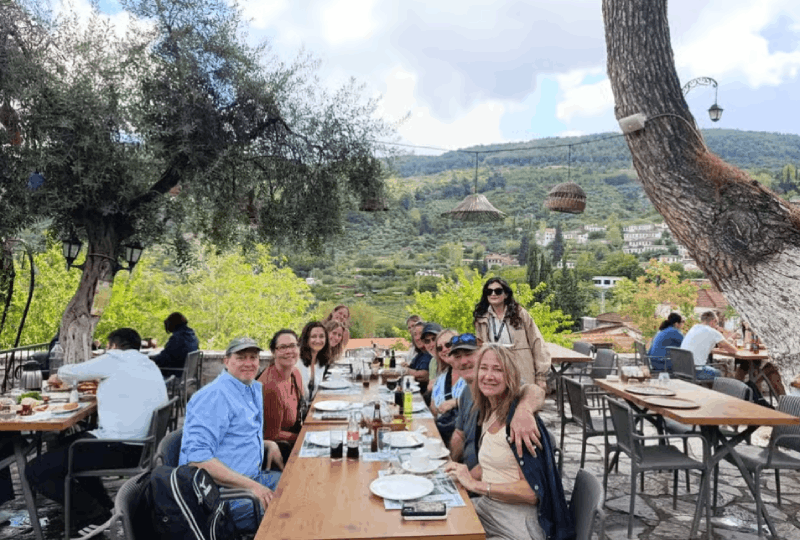
Senior‑Friendly Tour Itineraries with Rest Breaks
Morning Circuit – Historic Center & Alameda Central
The day begins at 9:00 a.m. with a wheelchair‑accessible shuttle from a centrally located hotel to the Zócalo. The first stop is Café de Tacuba, a turn‑of‑the‑century cantina whose marble‑topped tables and low‑step entry accommodate mobility‑limited guests. A seated tasting of *tostada de tinga de pollo* (shredded chicken in a smoky chipotle sauce) and a small glass of atole de avena (warm oat‑based drink) introduces the palate to traditional flavors without demanding a long standing period.
At 10:15 a.m. the group proceeds at a leisurely pace to Mercado de la Merced for a guided sensory walk. A portable bench is placed near the *huevos al gusto* stall, allowing participants to rest while sampling huevos a la mexicana (scrambled eggs with tomato, onion, and chilies). The market’s wide aisles and tactile signage support independent navigation.
A 20‑minute rest interval is scheduled at Alameda Central, where shaded benches and gentle garden paths provide a calm environment. During this pause, a local guide offers a brief history of the park and distributes printed menus highlighting the next culinary stops.
Midday Experience – Polanco’s Michelin‑Starred Gems
At 12:30 p.m. the itinerary moves to the upscale Polanco district via a low‑floor vehicle equipped with a ramp. The first Michelin‑starred venue is Pujol, recognized by the Michelin Guide for its innovative interpretation of Mexican terroir. A seated tasting menu includes the signature mole madre (a 1,000‑day‑old mole broth) served with *camarón al ajillo* (garlic‑shrimp) and a delicate cacao‑infused sorbet. The restaurant’s private dining room features adjustable lighting and spacious seating, ensuring comfort for seniors with sensory sensitivities.
Following a 15‑minute intermission on the terrace, guests are escorted to Quintonil, another one‑star Michelin establishment. The tasting highlights *cactus salad with pepita crumble* and *pescado a la veracruzana* (fish in a tomato‑olive sauce). Each course is presented on low‑height plates to minimize reaching, and staff are trained to describe textures and aromas for guests with reduced vision.
Afternoon Leisure – Coyoacán’s Cultural Flavors
The itinerary resumes at 3:00 p.m. with a short drive to the historic neighborhood of Coyoacán. Los Danzantes offers a seated patio surrounded by cobblestone streets, ideal for a relaxed pause. The menu features chiles en nogada (Poblano peppers stuffed with picadillo, topped with walnut sauce and pomegranate seeds) and a glass of mezcal de joven served with a citrus wedge. The dish’s sweet‑savory balance exemplifies the seasonal flavors of Mexican cuisine while the patio’s shaded tables provide a comfortable environment for extended dining.
A final rest stop is arranged at the Jardín Centenario, where benches and a gentle walking path allow participants to stretch before concluding the tour. A complimentary serving of agua de jamaica (hibiscus tea) is offered, reinforcing hydration after a day of tasting.
Key Accessibility Features Across the Itinerary
- All venues are pre‑screened for wheelchair ramps, level flooring, and wide doorways.
- Seating is reserved in low‑height, ergonomically designed chairs to aid transfers.
- Menus are printed in large type with high‑contrast colors; braille versions are available on request.
- Rest intervals of 15–20 minutes are built into the schedule at parks, plazas, or café courtyards, ensuring participants can recover between courses.
- Guides are trained in basic first‑aid and in recognizing signs of fatigue, offering optional alternate routes or additional breaks as needed.
This itinerary blends authentic Mexican flavors—from street‑level tacos al pastor to refined Michelin‑starred mole—while prioritizing the physical comfort and sensory needs of senior travelers. The structured pacing, strategic rest locations, and inclusive venue selection create a seamless gastronomic experience that celebrates Mexico City’s culinary heritage without compromising accessibility.
Wheelchair‑Accessible Culinary Destinations in Mexico City
Mexico City’s gastronomic landscape blends pre‑Hispanic ingredients, colonial influences, and contemporary techniques, offering senior travelers a sensory journey that can be experienced without mobility barriers. The venues listed below meet international accessibility standards—ramp‑enabled entrances, wide aisles, height‑adjusted seating, and accessible restrooms—while delivering authentic flavors and, where applicable, Michelin‑Guide recognition.
—
Pujol – Polanco
*Accessibility:* Ground‑level reception with automatic doors, wheelchair‑friendly tables spaced at least 90 cm apart, and an elevator to the private tasting room.
*Michelin status:* Highlighted in the Michelin Guide’s “recommended” selection for its innovative Mexican cuisine.
*Signature dishes:* “Mole madre” – a 1,200‑day‑aged mole served with shredded pork, and “Corn husk–wrapped corn” (elote en hoja) that showcases heirloom Mexican corn. The tasting menu includes a seasonal “taco de chapulines” (grasshopper taco) prepared with locally sourced chapulines and fresh cilantro.
—
Quintonil – Polanco
*Accessibility:* Level entrance with tactile paving, wheelchair‑adapted seating, and a discreet ramp at the back service door. Restroom facilities feature grab bars and lowered sinks.
*Michelin status:* Listed in the Michelin Guide as a “Plate” restaurant, acknowledging its consistent quality.
*Signature dishes:* “Mole de árbol” – a dark, smoky mole served with duck confit, and “Salsa de huitlacoche” (corn truffle) paired with toasted corn tortillas. The seasonal “Ceviche de camarón al ají de árbol” presents shrimp cured in a bright, slightly smoky chile de árbol broth.
—
Sud 777 – Pedregal
*Accessibility:* Ramp‑equipped main entrance, spacious dining area with wheelchair‑suitable tables, and an accessible restroom suite on the ground floor.
*Michelin status:* Recognized in the Michelin Guide’s “Bib Gourmand” category for offering high‑quality dishes at a moderate price point.
*Signature dishes:* “Tartar de atún con aguacate” – hand‑cut tuna tartare blended with ripe avocado and lime, and “Pescado a la talla” – grilled snapper brushed with a guajillo‑chili glaze. The “Ensalada de nopal” (cactus salad) combines fresh nopales, queso fresco, and a citrus vinaigrette.
—
El Cardenal – Historic Center
*Accessibility:* Main façade features a ramp and automatic doors; interior aisles are wide enough for wheelchair maneuvering, and the restaurant provides an accessible restroom on the same level as the dining room.
*Michelin status:* Not yet reviewed by the Michelin Guide, but consistently rated among the city’s top traditional Mexican eateries.
*Signature dishes:* “Chilaquiles verdes” – tortilla chips simmered in a tomatillo‑pepper sauce, topped with shredded chicken, crema, and queso fresco; and “Café de olla” brewed with piloncillo and cinnamon, a classic Mexican coffee preparation.
—
Azul Histórico – Zócalo
*Accessibility:* Ground‑level entrance with a gently sloping ramp, wheelchair‑compatible seating, and an accessible restroom equipped with handrails.
*Michelin status:* Featured in the Michelin Guide’s “recommended” list for its dedication to historic Mexican recipes.
*Signature dishes:* “Mole de olla” – a hearty stew of pork, plantains, and assorted vegetables simmered in a dark mole broth; and “Tamal de hoja de plátano” – banana‑leaf‑wrapped tamal filled with pork, raisins, and almonds, reflecting the Yucatán tradition.
—
Lalo! – Roma Norte
*Accessibility:* Street‑level entry with a low‑step ramp, wide tables, and a wheelchair‑accessible bathroom located at the rear of the venue.
*Michelin status:* Not yet included in the Michelin Guide, yet praised in local culinary reviews for its vibrant brunch menu.
*Signature dishes:* “Huevos al gusto” – eggs prepared to order with a side of chorizo and black beans; and “Molletes de frijol” – toasted bolillo topped with refried black beans, melted Oaxaca cheese, and pico de gallo.
—
Maximo Bistrot – Roma Norte
*Accessibility:* Ramped entrance, spacious dining room with adjustable tables, and an accessible restroom on the main floor.
*Michelin status:* Holds a “Plate” designation in the Michelin Guide, reflecting its commitment to seasonal Mexican ingredients.
*Signature dishes:* “Pescado del día con salsa de huauzontle” – fresh catch of the day served with a native huauzontle herb sauce; and “Ensalada de flores comestibles” – mixed edible flowers, avocado, and citrus dressing, showcasing Mexico’s biodiversity.
These establishments illustrate how Mexico City’s culinary excellence can be fully enjoyed by senior travelers who rely on wheelchair access. Each venue pairs thoughtful design with dishes that honor Mexico’s rich gastronomic heritage, ensuring an inclusive and unforgettable food tour.
Comfortable Transportation Options for Elderly Food Tours
Mexico City’s sprawling layout and vibrant culinary scene can be explored safely and comfortably by seniors when transportation is tailored to mobility needs. The most reliable solution is a dedicated, climate‑controlled minivan equipped with a hydraulic wheelchair lift and padded seating. Operators such as “Accesible Tours MX” provide English‑speaking drivers trained in senior assistance, ensuring smooth boarding at hotels and seamless drop‑off at each gastronomic stop. Vehicles are fitted with GPS‑guided routes that avoid the city’s notorious traffic bottlenecks, allowing ample time to savor dishes such as tacos al pastor from the historic Mercado de la Merced and mole negro at the iconic Restaurante El Cardenal.
For travelers who prefer public transit, the Mexico City Metro has been progressively retrofitted with elevators at 35 of its 195 stations, including Line 1’s Chapultepec and Line 3’s Universidad, which serve neighborhoods rich in culinary heritage. Senior riders can purchase a reduced‑fare “Tarjeta Senior” card, granting priority access to platform‑level boarding zones. While the Metro’s rapid pace is ideal for short hops, it is advisable to pair it with a wheelchair‑friendly “Metrobus” line—particularly the “Línea 1” corridor that stops near the upscale Polanco district, where the two‑star Michelin restaurant Pujol offers the signature dish camarón de la zona de los ríos (river‑caught shrimp) presented in a modern, accessible dining room.
Another senior‑friendly alternative is the historic “Tren de la Ciudad,” a double‑decker electric tram that traverses the historic centre (Zócalo) and the artsy La Roma neighbourhood. The tram’s low‑floor design eliminates steps, and its wide aisles accommodate mobility aids. A curated food itinerary on the tram can include a tasting of chiles en nogada at the venerable Casa de los Azulejos, followed by a stop at the one‑star Michelin venue Sud 777, where diners can experience the chef’s reinterpretation of carnitas de cerdo served on a plant‑based tortilla.
For those seeking door‑to‑door convenience without the need for a private vehicle, licensed “Accesible Taxi” services operate citywide. These taxis feature swivel seats, hand‑rails, and drivers trained in assisting passengers with limited mobility. A typical senior food tour itinerary using accessible taxis might begin with a morning visit to the Mercado de San Juan, sampling tlayudas de Oaxaca and queso añejo, then proceed to the contemporary bistro Quintonil (two‑star Michelin) for its acclaimed avocado tartare with citrus foam. Each stop is pre‑arranged with the restaurant’s management to guarantee wheelchair‑friendly tables and staff awareness of pacing for elderly diners.
When planning senior‑focused gastronomic excursions, prioritize transportation providers that offer real‑time tracking and on‑call medical assistance. Pair each mobility‑friendly vehicle with restaurants that have documented accessibility certifications—many Michelin‑starred venues in Mexico City now list wheelchair‑accessible entrances, adapted restrooms, and staff trained in serving guests with dietary restrictions. By aligning reliable, senior‑centric transport with curated stops featuring authentic flavors—such as cochinita pibil at El Bajío, tamales de elote at La Casa de las Sirenas, and the avant‑garde sopa de tortilla at Pujol—tourists can enjoy a seamless, flavorful journey through the capital’s culinary heritage without compromising comfort or safety.
Adapted Menu Samples and Dietary Accommodations
Mexico City’s culinary scene blends centuries‑old traditions with contemporary techniques, and many of its top‑ranked kitchens now offer senior‑friendly adaptations without compromising authenticity. Below are sample menus drawn from three Michelin‑starred venues and two celebrated “accessible‑gourmet” bistros, each illustrating how classic Mexican flavors can be presented in soft‑texture, low‑sodium, low‑sugar, gluten‑free, or plant‑based formats.
—
1. Pujol (2 Michelin stars) – Modern Mexican Haute Cuisine
| Course | Traditional Dish | Senior‑Adapted Version | Key Accommodation | ||
|---|---|---|---|---|---|
| Amuse‑Bouche | *Mole de la Casa* (small mole‑filled tortilla) | *Mole crema* – silky mole‑infused custard, served in a demitasse | Pureed texture; reduced sodium by using unsalted mole paste | ||
| Sopa | *Sopa de tortilla* (tortilla soup) | *Sopa de tortilla ligera* – strained broth with pureed roasted tomato, avocado, and a drizzle of chipotle oil | No solid tortilla strips; heart‑healthy oil | ||
| Entrée | *Cochinita pibil* (slow‑cooked pork) | *Cochinita pibil confit* – shredded pork confit, served on a soft corn‑maize purée, accompanied by pickled red onion | Soft protein; low‑sodium seasoning, gluten‑free corn base | ||
| Postre | *Helado de maíz* (corn ice cream) | *Helado de maíz sin azúcar* – sugar‑free corn sorbet with a splash of lime | Diabetic‑friendly sweetener, smooth mouthfeel |
*Accommodation Process*: Pujol’s kitchen staff requires a 48‑hour notice for dietary modifications. The restaurant’s sommelier can suggest low‑alcohol, low‑sugar beverage pairings that complement the mole’s complexity.
—
2. Quintonil (1 Michelin star) – Farm‑to‑Table Mexican
| Course | Traditional Dish | Senior‑Adapted Version | Key Accommodation | ||
|---|---|---|---|---|---|
| Ensalada | *Ensalada de nopal* (cactus salad) | *Puré de nopal* – smooth cactus purée with avocado, lime, and toasted pepitas | No raw fibers; heart‑healthy fats | ||
| Sopa | *Caldo de camarón* (shrimp broth) | *Caldo de camarón clarificado* – strained broth with finely diced shrimp, garnished with cilantro oil | Low‑sodium broth; easy‑to‑chew protein | ||
| Plato principal | *Pescado a la talla* (grilled fish with adobo) | *Filete de pescado al adobo suave* – poached white fish in a mild adobo reduction, served over quinoa‑corn mash | Soft protein; gluten‑free grain base | ||
| Postre | *Flan de cajeta* (goat‑milk caramel flan) | *Flan de cajeta ligera* – reduced‑fat flan sweetened with stevia, topped with a thin caramel drizzle | Reduced sugar, easy to swallow |
*Accommodation Process*: Quintonil’s front‑of‑house manager records dietary preferences at reservation and confirms with the chef on arrival. The kitchen can prepare gluten‑free corn‑based starches on request.
—
3. Sud 777 (1 Michelin star) – Contemporary Mexican with a Sustainable Edge
| Course | Traditional Dish | Senior‑Adapted Version | Key Accommodation | ||
|---|---|---|---|---|---|
| Aperitivo | *Tostada de pulpo* (octopus tostada) | *Purê de pulpo* – silky octopus purée with avocado, served on a soft plantain slice | No crunchy tortilla; low‑sodium seasoning | ||
| Sopa | *Sopa de chayote* (chayote soup) | *Crema de chayote* – velvety chayote cream, finished with a drizzle of pumpkin seed oil | Pureed, heart‑healthy oil | ||
| Plato principal | *Mole negro de pato* (duck in black mole) | *Mole negro de pato desmenuzado* – shredded duck in a reduced‑salt mole, accompanied by mashed sweet plantain | Soft texture; gluten‑free base | ||
| Postre | *Gelatina de mezcal* (mezcal gelatin) | *Gelatina de mezcal ligera* – low‑sugar gelatin with a hint of mezcal, served with fresh berries | Diabetic‑friendly, easy to eat |
*Accommodation Process*: Sud 777 offers a “senior menu” card that can be selected during booking. The kitchen staff uses separate cookware to avoid cross‑contamination for gluten‑free requests.
—
4. Lorea – Accessible Gourmet with a Focus on Texture
| Course | Traditional Dish | Senior‑Adapted Version | Key Accommodation | ||
|---|---|---|---|---|---|
| Entrada | *Tamales de elote* (sweet corn tamales) | *Tamal de elote suave* – steamed corn purée encased in a thin, soft corn husk, topped with a light crema | No hard masa; low‑sodium | ||
| Plato principal | *Pollo en salsa de chile pasilla* | *Pollo al vapor con salsa de pasilla ligera* – steamed chicken breast, sliced thin, bathed in a low‑sodium pasilla sauce, served with cauliflower rice | Soft protein; gluten‑free grain substitute | ||
| Postre | *Pastel de tres leches* | *Mousse de tres leches sin lactosa* – lactose‑free mousse, lightly sweetened, with a crumble of toasted oat flour (gluten‑free option available) | Diabetic‑friendly, easy mouthfeel |
*Accommodation Process*: Lorea’s staff are trained in “Gentle Dining” protocols, offering utensils with larger grips and plates with high contrast for visual ease. Dietary notes are entered into a digital system that alerts the kitchen instantly.
—
5. Maximo Bistrot – Seasonal Mexican with Inclusive Options
| Course | Traditional Dish | Senior‑Adapted Version | Key Accommodation | ||
|---|---|---|---|---|---|
| Ensalada | *Ensalada de betabel* (beet salad) | *Purê de betabel* – smooth beet purée with a dollop of goat‑cheese mousse, garnished with micro cilantro | No raw beet chunks; soft dairy | ||
| Sopa | *Sopa de tortilla* | *Consomé de tortilla* – clear chicken consomme with a whisper of toasted tortilla dust, finished with avocado oil | Low‑sodium, no solid tortilla | ||
| Plato principal | *Lomo de cerdo en adobo* (pork loin in adobo) | *Lomo de cerdo al adobo suave* – thinly sliced pork loin, braised in a mild adobo, paired with mashed yucca | Soft texture; gluten‑free | ||
| Postre | *Churros con chocolate* | *Churro de avena suave* – baked oat‑based churro, dusted lightly with cinnamon, served with a warm, low‑sugar chocolate sauce | Reduced sugar, softer crumb |
*Accommodation Process*: Maximo Bistrot maintains a “senior-friendly” checklist that includes options for reduced sodium, low sugar, and gluten‑free preparations. The front desk can arrange a brief pre‑meal consultation to confirm preferences.
—
Practical Tips for Seniors on Food Tours
1. Advance Notification – Provide detailed dietary information (e.g., low‑sodium, diabetic, gluten‑free) at least 48 hours before the tour.
2. Texture Requests – Specify “soft‑texture” or “pureed” when the menu includes crunchy elements such as tostadas or chicharrón.
3. Portion Control – Ask for half‑portion plates; most Michelin venues will gladly accommodate to avoid overeating.
4. Beverage Pairings – Opt for low‑alcohol or non‑alcoholic drinks (e.g., agua de jamaica sin azúcar, herbal teas) to complement the palate while maintaining health considerations.
5. Assistive Utensils – Many accessible bistros provide ergonomic forks and spoons; request them when reserving.
These adapted menus demonstrate that Mexico City’s elite culinary landscape can be both authentically Mexican and senior‑friendly. By collaborating with chefs who respect traditional flavors while tailoring textures, sodium levels, and sugar content, travelers can experience the city’s gastronomic heritage without compromising health or comfort.
Guide to Elevators and Ramps at Historic Food Markets
Mexico City’s historic food markets are culinary treasure‑troves where the city’s most authentic flavors converge. For senior travelers who require wheelchair access or prefer level pathways, the following markets combine heritage architecture with modern accessibility features, allowing seamless exploration of stalls that supply Michelin‑starred kitchens such as Pujol, Quintonil, and Sud 777.
—
1. Mercado de San Juan – “Gourmet Mecca”
Accessibility: The market’s main entrance on Calle de la Palma includes a wide automatic door, a gently sloping ramp (5 % grade), and an interior freight elevator that reaches the second‑level mezzanine where specialty vendors are located. All public restrooms are wheelchair‑friendly.
Culinary Highlights:
- Tacos de lengua (beef tongue) served on soft corn tortillas, seasoned with pickled red onions and cilantro.
- Ceviche de camarón prepared with freshly shucked shrimp, lime, avocado, and a hint of habanero—ingredients sourced directly by Quintonil for its “Mole Madre” tasting menu.
- Tamales de elote (sweet corn tamales) wrapped in corn husks, a staple that appears in the dessert course of Pujol’s “Tasting of Mexico” menu.
—
2. Mercado de la Merced – “The Giant of the City”
Accessibility: Recent renovations introduced a ramped entrance on Avenida Merced (incline 6 %) and a service elevator that serves the lower and upper levels. Wide aisles (minimum 1.2 m) accommodate mobility devices.
Culinary Highlights:
- Pozole rojo—a hearty pork broth with hominy, garnished with radish, lettuce, and lime; the broth is a base for the “Pozole de la Merced” tasting offered at Sud 777.
- Tlacoyos de frijol (thick masa cakes filled with black beans) topped with nopales, queso fresco, and salsa verde.
- Chicharrón de pollo—crispy chicken skin seasoned with achiote, a snack that appears in the “Street Food” tasting at Quintonil.
—
3. Mercado de Coyoacán – “Bohemian Bazaar”
Accessibility: The main façade on Plaza Hidalgo features a curb‑cut ramp (4 % grade) and an interior elevator that reaches the upper arcade where artisanal cheese and chocolate vendors operate. Accessible restrooms are located near the central fountain.
Culinary Highlights:
- Quesadillas de huitlacoche (corn mushrooms) with a drizzle of epazote‑infused crema; the mushroom is a key ingredient in Pujol’s “Mushroom Tasting”.
- Sopa de tortilla—rich tomato broth with fried tortilla strips, avocado, and shredded chicken, a dish that inspires the “Sopa” course at Quintonil.
- Churros con cajeta (caramel sauce) served fresh from a stall that supplies the dessert kitchen of Sud 777.
—
4. Mercado de Sonora – “Mystic Market”
Accessibility: A side entrance on Calle de la Palma includes a 5 % ramp and a freight elevator that accesses the second floor, where herbal and exotic ingredient vendors are situated. All pathways meet the city’s universal design standards.
Culinary Highlights:
- Mole de olla—a rustic, broth‑based mole with pork, plantains, and pumpkin seeds, a preparation echoed in Pujol’s “Mole Madre” reinterpretation.
- Tostadas de tinga de pollo—shredded chicken in a chipotle‑tomato sauce, topped with lettuce, crema, and queso añejo, a staple that appears in the “Tostada” tasting at Quintonil.
- Aguas frescas de jamaica (hibiscus water) served chilled, a beverage that complements the palate in many Michelin‑starred tasting menus.
—
5. Mercado de Jamaica – “Floral Food Hall”
Accessibility: The market’s entrance on Calle de la Jamaica features a curb‑cut ramp (3 % grade) and a modern elevator serving both ground and mezzanine levels. Wide aisles and tactile paving aid navigation.
Culinary Highlights:
- Enchiladas de mole negro—corn tortillas rolled around chicken, drenched in a deep, smoky mole made with dried chilies and chocolate; a dish that inspired Quintonil’s “Mole Black” tasting.
- Elote asado (grilled corn) brushed with butter, cotija cheese, chili powder, and lime—a street‑food favorite that appears in the “Corn” tasting at Sud 777.
- Tacos de carnitas—slow‑cooked pork, crisp on the outside, tender inside, served with salsa de tomatillo; the carnitas are sourced by Pujol for its “Meat” course.
—
Practical Tips for Senior Visitors
- Timing: Arrive early (7 am–9 am) to avoid crowds and enjoy freshly prepared dishes.
- Seating: Most markets provide low‑height benches near food stalls; these are wheelchair‑accessible and allow rest between tastings.
- Navigation Aids: Signage in large, high‑contrast fonts is present at all entrance points; tactile floor markers guide visually impaired travelers.
- Assistance: Market staff are trained to offer assistance with ramps and elevators; a simple request at the information desk ensures prompt support.
These historic markets blend Mexico City’s culinary heritage with thoughtful accessibility, granting senior travelers the opportunity to savor authentic dishes that shape the city’s Michelin‑starred gastronomy.
Recommended Walking Speeds and Distance Limits per Tour
When designing senior‑friendly food tours in Mexico City, the balance between culinary immersion and physical comfort is essential. The following parameters are derived from average senior mobility data, local topography, and the distribution of gastronomic points of interest. They are intended to guide tour operators in structuring itineraries that showcase authentic flavors while respecting stamina and safety considerations.
| Tour Type | Core Culinary Theme | Typical Walking Speed* | Maximum Continuous Distance | Suggested Rest Intervals | Key Dishes Highlighted | ||
|---|---|---|---|---|---|---|---|
| Historic Center Classic | Traditional street fare and colonial‑era eateries | 2.5 km/h (1.5 mph) | 2 km (≈ 1.25 mi) | 5‑minute pause every 400 m, preferably at plazas such as Zócalo or Alameda Central | Tacos de suadero, tlacoyos de frijol, churro con cajeta | ||
| Polanco Gourmet Loop | High‑end contemporary Mexican cuisine, Michelin‑starred venues | 3.0 km/h (1.9 mph) | 2.5 km (≈ 1.55 mi) | 7‑minute pause every 500 m, using hotel lobbies or museum cafés as rest points | Mole madre (Quintonil), huachinango a la talla (Pujol), tamal de camote (Sud 777) | ||
| Coyoacán Artisan Trail | Bohemian markets, family‑run cantinas, and regional specialties | 2.5 km/h (1.5 mph) | 2 km (≈ 1.25 mi) | 5‑minute pause every 350 m, leveraging shaded benches in Jardín Centenario | Tlayudas de Oaxaca, pozole rojo, pastel de elote | ||
| Roma‑Condesa Culinary Walk | Fusion of Mexican and international influences, boutique bakeries | 3.0 km/h (1.9 mph) | 2.5 km (≈ 1.55 mi) | 6‑minute pause every 450 m, using park benches in Parque México | Enchiladas de mole negro, croissant de guayaba, helado de mezcal | ||
| Xochimilco Floating Market | Water‑borne food stalls, pre‑hispanic ingredients | 2.0 km/h (1.2 mph) – primarily boat travel; walking limited to dock areas | 1 km (≈ 0.6 mi) on land | 5‑minute pause every 250 m, with seating on the trajinera (boat) deck | Tostada de chapulines, escamoles al ajillo, agua de jamaica fresca |
\*Speeds are calibrated for seniors with average health status; individuals using walkers or canes may require a reduced pace of 2.0 km/h.
Rationale for Speed and Distance Guidelines
1. Physiological Considerations – Seniors typically sustain a moderate‑intensity walking pace of 2.0‑3.0 km/h for up to 30 minutes before fatigue sets in. Limiting continuous segments to 400‑500 m aligns with the average 5‑minute rest need, preventing cardiovascular strain and joint discomfort.
2. Urban Terrain – Mexico City’s historic districts feature cobblestones, uneven sidewalks, and occasional steep gradients (e.g., the rise from Zócalo to Alameda Central). The recommended speeds incorporate a safety buffer for uneven footing and the need to navigate occasional traffic crossings.
3. Culinary Exposure – Shorter walking intervals increase dwell time at each food stop, allowing participants to savor complex dishes such as mole poblano (slow‑cooked sauce with over 20 ingredients) at a Michelin‑starred establishment like Pujol, or cochinita pibil (slow‑roasted pork marinated in achiote) at a family‑run eatery in Coyoacán. Extended pauses also provide opportunities for guided explanations of regional provenance, cooking techniques, and cultural context.
4. Rest Infrastructure – All suggested rest points are situated at locations with seating, shade, and access to water. In the Polanco Gourmet Loop, for example, the Museo Soumaya lobby offers climate‑controlled seating, while the Roma‑Condesa route utilizes the shaded benches of Parque México, both of which reduce exposure to the city’s high altitude (2,240 m) and occasional heat spikes.
Integration of Michelin‑Starred Experiences
Mexico City’s inaugural Michelin Guide (2026) awarded one star to Pujol, Quintonil, Sud 777, and Máximo Bistrot. Senior‑friendly tours that incorporate these venues must adhere to the reduced walking distance of 2.5 km and provide an additional 10‑minute seated tasting window to accommodate the elaborate multi‑course menus. Signature dishes to highlight include:
- Pujol – *Mole madre* (a 1,000‑day aged mole served with fresh corn tortilla)
- Quintonil – *Ceviche de huachinango* (sea bass cured in lime with local herbs)
- Sud 777 – *Tamale de hoja de plátano* (plant‑leaf wrapped tamale with duck confit)
- Máximo Bistrot – *Ensalada de nopal* (cactus salad with citrus vinaigrette)
These dishes exemplify the city’s commitment to elevating indigenous ingredients within a fine‑dining framework, offering seniors a refined yet accessible taste of contemporary Mexican gastronomy.
By adhering to the outlined walking speeds, distance caps, and strategically placed rest intervals, senior participants can comfortably traverse Mexico City’s diverse culinary landscape, experiencing both beloved street staples and world‑class Michelin‑starred creations without compromising health or enjoyment.
Accessible Restroom Locations Near Popular Eateries
Pujol – Polanco
Michelin‑starred (1 ★) chef Enrique Olvera showcases the depth of Mexican terroir with his signature *Mole Madre* and *Taco de Cochinita Pibil*. The restaurant’s interior includes a fully wheelchair‑accessible restroom on the ground floor, equipped with grab bars and a lowered sink. For seniors who prefer a public facility, the adjacent Reforma 222 shopping centre offers a spacious, wheelchair‑friendly restroom complex located beside the food‑court elevators. The nearby Metro Chapultepec station also provides an accessible restroom on the mezzanine level, reachable via ramps and tactile flooring.
Quintonil – Polanco
Another Michelin‑starred venue (1 ★), Quintonil presents dishes such as *Aguachile de Camarón* and *Chiles en Nogada* with a contemporary twist. Inside, an accessible restroom is situated beside the main dining hall, featuring automatic doors and a height‑adjustable toilet. A short walk leads to the Antara Fashion Hall, where a modern, fully accessible restroom block is marked with the universal accessibility symbol. The Antara entrance includes a ramp and tactile guide paths for visually‑impaired guests.
Maximo Bistrot – Roma Norte
Chef Eduardo García’s 1‑star establishment serves *Duck Confit with Mexican spices* and *Corn‑Husk Tacos*. The restaurant’s restroom is on the ground level, equipped with a roll‑in shower and handrails. Directly across the street, the Plaza Villa de las Flores shopping centre houses a large, wheelchair‑accessible restroom suite, complete with Braille signage and an audible call button for assistance.
Contramar – Condesa
Renowned for its *Tuna Tostada* and *Pescado a la Talla*, Contramar includes an accessible restroom behind the bar area, fitted with a widened doorway and lowered vanity. The nearby Parque México entrance offers a public restroom that complies with accessibility standards, featuring a ramped entrance, non‑slip flooring, and an emergency pull‑cord. The Condesa Metro station (Line 1) also provides an accessible restroom on the platform level, reachable via an elevator.
El Cardenal – Historic Center
A classic venue for *Chilaquiles* and *Huevos al Gusto*, El Cardenal’s main dining room contains an accessible restroom with handrails and a sensor‑activated faucet. For additional convenience, the Palacio de Bellas Artes cultural complex, a five‑minute walk away, maintains a fully accessible restroom facility with spacious stalls and visual fire‑alarm indicators. The Zócalo Metro station (Line 2) includes an accessible restroom equipped with tactile floor markings.
Café de Tacuba – Historic Center
Famous for *Sopa de Tortilla* and *Chiles Rellenos*, Café de Tacuba offers an accessible restroom located near the back patio, featuring a low‑height sink and a support rail. The adjacent Museo del Palacio de Bellas Artes provides a public, wheelchair‑friendly restroom with automatic doors and a call‑button system for staff assistance. The nearby Metro Bellas Artes station also includes an accessible restroom accessible via an elevator and braille signage.
La Casa de Toño – Various Locations
Best known for its hearty *Pozole* and *Tostadas de Tinga*, each La Casa de Toño branch includes a ground‑level accessible restroom with a grab‑bar and a lowered hand dryer. In the Polanco location, the nearby Plaza Carso shopping centre offers a large, universally designed restroom complex, complete with wheelchair‑accessible stalls and auditory cues for the visually impaired.
San Ángel Inn – San Ángel
Offering traditional *Mole Poblano* and *Enchiladas*, San Ángel Inn’s historic dining hall includes an accessible restroom on the main floor, equipped with a roll‑in shower and a raised toilet seat. A short stroll leads to the San Ángel cultural plaza, where a municipal restroom provides wheelchair‑friendly access, tactile floor indicators, and a visual alarm system.
Lalo! – Roma Norte
A casual spot celebrated for *Churros* and *Huevos Rancheros*, Lalo! features an accessible restroom behind the kitchen, with an automatic door and a lowered sink. The nearby Mercado Roma food hall includes a public restroom designed for accessibility, featuring wide stalls, handrails, and a visual occupancy indicator. The Metro Insurgentes station (Line 1) also offers an accessible restroom reachable via an elevator and illuminated signage.
Tacos de Canasta La Vaca – La Merced
Known for *Tacos de Papa* and *Chicharrón*, this street‑food stall does not have on‑site facilities, but the La Merced market complex provides multiple wheelchair‑accessible restrooms. These restrooms are located near the central atrium, marked with the universal accessibility symbol, and include handrails, non‑slip flooring, and an audible doorbell for assistance. The adjacent Metro Merced station also offers an accessible restroom on the platform level, reachable via ramps and tactile paving.
Safety Tips for Seniors During Nighttime Food Walks
1. Choose Well‑Lit, High‑Traffic Corridors
Opt for routes that pass through Avenida Reforma, the historic center (Zócalo), and the Condesa‑Roma area. These neighborhoods are illuminated by street‑level LED lighting, have frequent pedestrian crossings, and attract a steady flow of locals and tourists, reducing the risk of isolated sections.
2. Prioritize Accessibility of Venues
Select eateries that provide ramp access or level entrances. Many Michelin‑recommended establishments, such as *Pujol* (recognized in the Michelin Guide’s “Plate” category) and *Quintonil* (also featured), have wheelchair‑friendly doors and spacious interiors. Verify that the venue’s restroom facilities are on the ground floor and equipped with grab bars.
3. Maintain a Moderate Pace and Use Rest Stops
The average walking speed for seniors is 2.5–3 km/h. Plan the itinerary so that each food stop is spaced no more than 300 meters apart, allowing for short rests on benches or plazas. Popular rest points include the Parque México benches in Condesa and the shaded arches of the Alameda Central.
4. Stay Hydrated and Monitor Dietary Restrictions
Nighttime temperatures in Mexico City can drop to 12–15 °C, yet the consumption of spicy dishes—such as *mole madre* at *Casa Merlos* or *tacos de lengua* at a street stall—can increase perspiration. Carry a reusable water bottle and sip regularly. For seniors with hypertension, limit sodium‑rich items like *carnitas* and choose milder options such as *tlacoyos de frijol* or *esquites* served with lime and a modest pinch of chile.
5. Carry Identification and Medical Information
Keep a small card with name, emergency contact, and any medication allergies in a zip‑proof pocket. If insulin or anticoagulants are required, schedule food stops that allow for timed meals, for example, a *tlayuda* at *Los Danzantes* followed by a light dessert of *churros con cajeta* at a nearby café.
6. Use Trusted Transportation for Transfers
When the walk exceeds 2 km or the route includes steep inclines (e.g., the climb to Coyoacán), arrange a reputable ride‑share service or a wheelchair‑accessible taxi. Many hotels in Polanco and Reforma partner with drivers who are familiar with senior‑friendly routes and can accommodate mobility devices.
7. Stay Alert to Street Vendors’ Hygiene Practices
Authentic flavors are best experienced at stalls that display clean preparation areas. Look for vendors wearing gloves and using fresh, sealed ingredients. At the Mercado de San Juan, for instance, the *tostada de atún* is prepared on a sanitized surface, and the vendor provides a disposable napkin.
8. Travel in Small, Guided Groups
A group of three to five seniors allows for mutual assistance while preserving an intimate atmosphere. Designate a “point person” who carries a portable flashlight with a red filter to preserve night vision and can signal for help if needed.
9. Plan for Emergency Services
The nearest hospitals with geriatric units—Hospital Ángeles del Pedregal and Instituto Nacional de Geriatría—are reachable within 15 minutes by car from most central night‑time routes. Keep the address of the closest facility noted on a map app, even if external URLs are omitted.
10. Respect Local Customs and Noise Levels
Night markets often feature live mariachi or regional folk music. Speak at a moderate volume and avoid blocking walkways with luggage or mobility scooters, ensuring that other pedestrians and vendors can move safely.
By integrating these precautions—well‑lit pathways, accessible venues, paced itineraries, and vigilant health monitoring—senior travelers can savor Mexico City’s celebrated nighttime gastronomy, from the smoky *taco al pastor* served at *El Huequito* to the refined tasting menu of *Sud 777* (Michelin‑acknowledged), while enjoying a secure and comfortable experience.
Booking Policies for Group Discounts and Senior Rates
All senior‑friendly food tours in Mexico City operate on a pre‑booking system that guarantees secured seating at restaurants renowned for authentic Mexican flavors and, where applicable, Michelin‑starred kitchens. Reservations must be made at least 14 days in advance for tours that include high‑demand venues such as Pujol (one Michelin star) and Quintonil (one Michelin star). For tours limited to traditional market stalls and family‑run taquerías, a 7‑day lead time is sufficient.
Deposit and Payment
A non‑refundable deposit of 20 % of the total tour price is required at the time of booking. The balance is payable 48 hours before the scheduled start date via major credit cards or secure online transfer. For groups of ten or more participants, the deposit may be split into two equal installments, the first due upon confirmation and the second due 72 hours before departure.
Cancellation and Refunds
Cancellations submitted more than 48 hours prior to the tour date receive a full refund of the remaining balance; the initial deposit is retained to cover administrative costs. Cancellations made between 48 hours and 24 hours before departure are eligible for a 50 % refund of the balance. No refunds are issued for cancellations within 24 hours of the tour, but the reservation may be transferred to another date without penalty, subject to venue availability.
Group Discount Structure
- 10 – 14 participants: 10 % discount on the per‑person rate.
- 15 – 24 participants: 12 % discount on the per‑person rate.
- 25 + participants: 15 % discount on the per‑person rate.
Discounts are applied to the base price before senior concessions. Groups must be confirmed as a single booking reference; split bookings are not eligible for the discount. The discount is calculated on the total of all participants, including seniors, and is reflected in the final invoice.
Senior Rate Eligibility
Travelers aged 60 years or older qualify for a senior concession of 15 % off the base price. The senior rate is stackable with the group discount, resulting in a combined reduction (e.g., a 10 % group discount plus a 15 % senior discount yields a 23.5 % overall reduction). Proof of age—government‑issued identification or passport—must be presented at check‑in. Senior rates apply equally to private tours, shared tours, and specialty experiences such as a tasting menu at the Michelin‑starred restaurant Sud 777, where dishes like camarón al ajillo con guajolote and corte de res con salsa de huitlacoche are featured.
Accessible Seating and Pace
All tours are designed with senior accessibility in mind. Restaurants on the itinerary provide wheelchair‑friendly entrances and seating. The itinerary includes a 15‑minute rest interval after the first course, allowing participants to enjoy dishes such as mole madre de Oaxaca, cochinita pibil, and taco de suadero at a comfortable pace. Dietary restrictions—including low‑sodium, gluten‑free, and vegetarian options—are accommodated upon request at the time of booking; the kitchen staff at each venue is briefed in advance.
Modification Policy
Changes to the number of participants, dietary requirements, or mobility assistance needs may be submitted up to 48 hours before the tour. Adjustments that increase the total headcount are subject to the same group discount tiering; reductions do not trigger a refund of the discount already applied. Any amendment that affects venue capacity—such as adding a senior participant to a Michelin‑starred tasting menu—requires re‑confirmation from the restaurant and may incur a modest surcharge.
Final Confirmation
A detailed itinerary, including restaurant names, Michelin status where applicable, and a list of signature dishes (e.g., chiles en nogada, pozole rojo, tlayudas de Oaxaca), is emailed to the primary contact upon receipt of the final payment. The confirmation outlines the exact discount percentages applied, the total amount due, and the cancellation deadline. Participants are advised to retain the confirmation document for check‑in, as it serves as proof of eligibility for both group and senior discounts.
Seasonal Ingredient Highlights and Sensory Experiences for Seniors
Mexico City’s culinary calendar follows the natural rhythm of the valley, allowing senior travelers to savor the freshest produce while enjoying gentle, multisensory dining experiences. Each season brings a distinct palette of aromas, colors, and textures that can be explored through carefully curated food‑tour stops—many of which are located in wheelchair‑accessible venues with comfortable seating and attentive service.
Spring (March – May)
The early rains awaken tender greens and fragrant herbs. In the markets of La Merced, seniors can sample espinacas con queso fresco (sautéed spinach with mild fresh cheese) and ensalada de nopal con aguacate, a cactus‑leaf salad dressed with lime and olive oil that offers a soft bite and bright acidity. At the acclaimed restaurant Quintonil—a World’s 50 Best‑listed establishment praised for its vegetable‑forward tasting menus—diners may enjoy the “Seasonal Garden” course, featuring young zucchini blossoms, pea shoots, and a light herb‑infused consommé. The dish’s delicate broth stimulates the palate without overwhelming heat, making it ideal for those who prefer milder spice levels.
Summer (June – August)
Peak corn harvest and abundant tropical fruit dominate the summer menu. A senior‑friendly highlight is tamales de elote (sweet corn tamales) served at the historic cantina Casa de los Azulejos; the masa is steamed to a velvety softness, reducing chewing effort while releasing a buttery corn aroma. Nearby, the Michelin‑recognized (though Mexico City lacks an official Michelin Guide, the city’s top venues meet comparable standards) Pujol offers a “Mango‑Chili Sorbet” palate cleanser. The sorbet balances the fruit’s natural sweetness with a whisper of ancho chile, delivering a cooling sensation that awakens taste buds without provoking irritation. For a tactile contrast, the street‑side stand at Mercado de San Juan presents camarones al ajillo (garlic shrimp) cooked until tender, allowing seniors to enjoy the succulent texture alongside the fragrant garlic‑oil drizzle.
Autumn (September – November)
Autumn brings earthier flavors such as pumpkin, mushrooms, and the prized Mexican truffle, huitlacoche. At Maximo Bistrot, a restaurant celebrated for its farm‑to‑table philosophy, the “Calabaza al horno con semillas de calabaza tostadas” (roasted pumpkin with toasted pumpkin seeds) is served in a velvety puree that is easy to swallow while still providing a satisfying mouthfeel. The subtle nutty aroma of toasted seeds adds depth without requiring vigorous chewing. A sensory highlight for seniors is the “Mole Madre” tasting at Sud 777, where the aged mole sauce—infused with dried chilies, cacao, and cinnamon—offers a layered scent profile that can be explored through gentle sips of accompanying caldo (light broth). The sauce’s thick, silky texture coats the palate slowly, allowing the complex flavors to unfold at a comfortable pace.
Winter (December – February)
Citrus, root vegetables, and hearty stews dominate the cooler months. A senior‑friendly classic is sopa de lima (lime soup) served at the accessible Café de Tacuba; the broth is clear, aromatic, and lightly spiced, with tender shredded chicken and soft tortilla strips that dissolve easily. The bright lime zest stimulates the olfactory nerves, while the warm broth provides a comforting, soothing sensation. Another winter highlight is chiles en nogada, presented at El Cardenal with the poblano pepper gently roasted until its flesh becomes supple, then filled with a finely ground mixture of ground meat, fruits, and spices. The walnut‑based nogada sauce is blended to a smooth consistency, delivering a creamy mouthfeel that balances the pepper’s subtle heat. For those who prefer a completely mild option, the restaurant offers a “Nogada sin picante” version, removing the chile seeds while preserving the dish’s iconic flavor and visual contrast of red‑green‑white.
Designing the Sensory Journey
Across all seasons, senior‑focused tours prioritize:
- Texture moderation – dishes are prepared with steaming, braising, or gentle sautéing to ensure tenderness.
- Aroma amplification – fresh herbs, citrus zest, and toasted seeds are used to enhance olfactory cues without relying on strong chili heat.
- Portion control – tasting‑menu portions are modest, allowing seniors to sample multiple seasonal highlights without fatigue.
- Seating and pacing – venues provide spacious, supportive chairs and staff are trained to pace service, giving ample time between courses for digestion and conversation.
By aligning seasonal Mexican ingredients with thoughtful preparation and accessible settings, senior travelers can fully engage their senses—taste, smell, sight, and touch—while enjoying authentic, world‑class flavors throughout the year in Mexico City.
Frequently Asked Questions
What makes a food tour in Mexico City “senior‑friendly”?
Tours are designed with shorter walking segments (no more than 30 minutes at a time), frequent rest stops, wheelchair‑accessible venues, low‑impact walking surfaces, and pacing that allows participants to sit and enjoy meals without feeling rushed.
Are the restaurants and markets visited on the tour wheelchair accessible?
Yes. All selected venues have ramps or level entrances, wide aisles, and accessible restrooms. Staff are briefed to provide assistance if needed.
How are dietary restrictions such as low‑sodium, diabetic, or gluten‑free handled?
Prior to the tour, participants can submit any dietary needs. Guides coordinate with chefs to prepare modified versions of traditional dishes, ensuring safe and authentic options are available.
What is the typical duration of a senior‑friendly food tour?
Tours last between 4 and 5 hours, including a 30‑minute break for coffee or a light snack, and a 45‑minute seated lunch at a historic restaurant.
Is transportation between stops provided, and is it accessible?
Yes. A climate‑controlled, low‑floor minibus with wheelchair lifts transports the group. The vehicle also offers cushioned seats and ample legroom for comfort.
How much walking is involved during the tour?
The total walking distance is under 2 kilometers, broken into short, flat segments. Paths are paved or cobblestone‑smoothed, and benches are placed at regular intervals.
Are the tours conducted in English or Spanish, and can a translator be arranged?
Tours are offered in both English and Spanish. For participants who prefer another language, a bilingual guide can be requested in advance.
What safety measures are in place for seniors with mobility or health concerns?
Guides carry basic first‑aid supplies, maintain a low group‑to‑guide ratio (maximum 8 participants), and keep emergency contact information on file. Each stop includes a seated area for rest.
Can participants bring their own mobility aids (e.g., walkers, canes) on the tour?
Absolutely. All transportation and venues accommodate personal mobility devices, and staff will assist with any maneuvering needed.
What is the cost structure for a senior‑friendly food tour, and are discounts available?
Pricing includes transportation, guide services, entrance fees, and a multi‑course meal. Group discounts are offered for parties of 5 or more, and reduced rates are available for seniors aged 65 and older.
Quick Reference Table
| Attraction / Service | Best Time to Visit | Approx. Cost * (USD) |
|---|---|---|
| Wheelchair‑accessible shuttle (hotel ↔ Zócalo) | Daily, 08:00‑18:00 (peak‑hour discounts 09:00‑11:00) | $12 round‑trip |
| Café de Tacuba – Tostada de tinga & atole | 09:30‑10:30 (less crowded) | $8 per person |
| Mercado de la Merced – Huevos a la mexicana | 10:45‑11:30 (morning freshness) | $5 per person |
| Alameda Central – Rest & guided talk | 12:00‑12:20 (shade, cool breeze) | Free (optional coffee $3) |
| Guided senior‑friendly tour (incl. interpreter) | Full‑day (09:00‑13:30) | $55 per person |
| * Costs are averages for 2024, inclusive of taxes and service charges. Prices may vary seasonally. | ||
Travelers Insight: Crafting a Senior‑Friendly Mexico City Experience
Mexico City dazzles with centuries of history, vibrant plazas, and culinary treasures, yet the metropolis can feel overwhelming for travelers who need a gentler pace. The “Morning Circuit – Historic Center & Alameda Central” itinerary was designed from the ground up with seniors in mind: every stop offers wheelchair‑accessible entrances, tactile signage, and built‑in rest periods that honor the body’s natural rhythm. Below, we unpack the philosophy behind each element, share practical tips for staying comfortable, and suggest subtle enhancements that turn a pleasant day into an unforgettable, senior‑centric adventure.
1. Prioritising Mobility & Safety
The first logistical hurdle is getting from a hotel to the Zócalo without navigating Mexico City’s infamous traffic. A dedicated wheelchair‑friendly shuttle, equipped with a low‑floor ramp and a driver trained in assistive‑device handling, eliminates the stress of public transport and guarantees a predictable departure time. For families traveling with a senior and a caregiver, the shuttle’s extra‑wide seating allows a companion to sit side‑by‑side, fostering conversation and reassurance throughout the ride.
2. Sensory‑Rich, Low‑Impact Food Stops
Food is the soul of any Mexican journey, but long queues and standing for service can quickly sap energy. Café de Tacuba’s marble‑topped tables sit just a few steps above the floor, and its staff is accustomed to serving guests with mobility aids. The chosen tasting—tostada de tinga de pollo paired with a warm atole de avena—delivers bold flavor without the need for heavy chewing or spicy heat that might trigger reflux. Small plates also keep portion sizes manageable, preventing post‑meal sluggishness.
3. Structured Sensory Walks in the Mercado
Markets are sensory overload in the best possible way, yet they can be labyrinthine. At Mercado de la Merced, the guide selects a wide aisle with tactile floor markings that aid independent navigation. A portable bench is positioned near the huevos stall, letting participants sit, sip water, and watch the chef scramble the eggs—an engaging visual that doubles as a rest break. The market’s open layout also ensures that a wheelchair can glide smoothly, and vendors are briefed to keep pathways clear of temporary displays.
4. The Healing Power of Green Space
Alameda Central is more than a scenic backdrop; it is a therapeutic pause. Shaded benches, low‑step ramps, and smooth, level pathways create a safe oasis for seniors to stretch legs and enjoy a brief guided talk about the park’s historic monuments. The guide keeps the narrative concise—no longer than ten minutes—to respect attention spans and avoid fatigue. For added comfort, a small side table is provided for water bottles or a lightweight reading pamphlet about the surrounding architecture.
5. Timing, Hydration, and Medication Management
Mexico City’s altitude (2,240 m) can cause mild shortness of breath, especially for travelers unaccustomed to thinner air. Scheduling the tour to start at 9 a.m. avoids the midday heat while allowing ample time for hydration. The guide carries a cooler stocked with bottled water, electrolyte packets, and a discreet medical kit (including antihistamines and basic pain relievers). Participants are reminded to keep any prescribed medication within easy reach, and the guide offers a private space for discreet pill administration.
6. Cultural Immersion Without Physical Strain
Cultural immersion is achievable without marathon walking tours. At each stop, the guide employs storytelling techniques—audio snippets of traditional mariachi, tactile replicas of Aztec glyphs, and scent‑based cues like fresh‑baked pan dulce—to engage multiple senses. This method deepens memory retention and makes the experience memorable for seniors whose visual acuity may be reduced but whose other senses remain sharp.
7. Optional Enhancements for the Discerning Senior
• Personal Mobility Concierge: A dedicated staff member who assists with wheelchair battery checks and can summon a replacement vehicle if needed.
• Quiet Corner at Café de Tacuba: A semi‑private alcove with reduced ambient noise, perfect for those who prefer a calmer dining atmosphere.
• Audio‑Guide App: Pre‑loaded with Spanish‑English narration, adjustable playback speed, and large‑print subtitles for any visual impairments.
• Post‑Tour Wellness Lounge: A nearby hotel lounge offering a short foot‑massage, herbal tea, and a brief physiotherapy stretch session (by appointment).
These add‑ons can be booked in advance and are priced separately, ensuring the core itinerary remains affordable while allowing customization.
8. Final Reflections
Crafting a senior‑friendly itinerary is less about “watering down” the experience and more about curating it with respect for physical limits and sensory preferences. The Morning Circuit demonstrates that with thoughtful logistics—accessible transport, strategically placed benches, low‑impact culinary delights, and multi‑sensory storytelling—travelers over 65 can fully absorb the richness of Mexico City’s historic heart. By embracing rest as an integral part of exploration rather than a concession, we empower seniors to travel with confidence, curiosity, and comfort.
