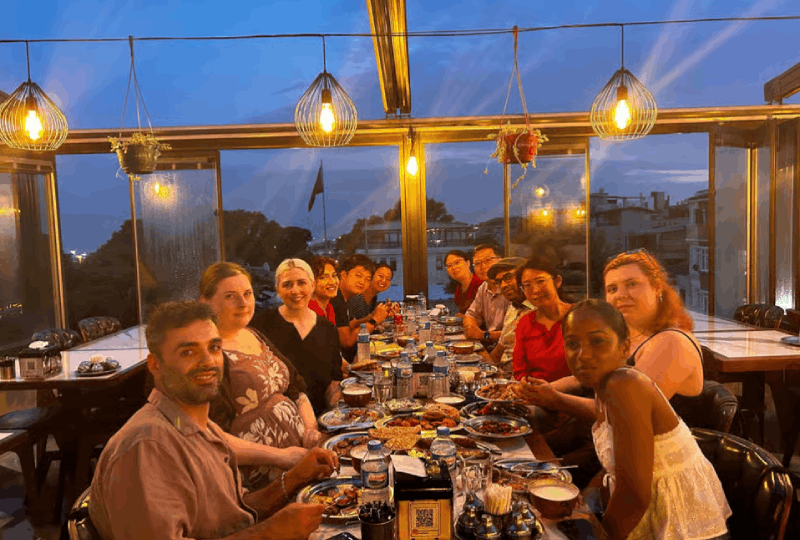
Lyon: An Amorous Escape – Setting the Scene for Wine & Views
Lyon. Even the name whispers of silk, gastronomy, and a certain *je ne sais quoi*. In 2026, this city on the confluence of the Rhône and Saône rivers isn’t merely a destination; it’s an immersion. It’s a place where centuries of history brush shoulders with a vibrant, modern energy, creating an atmosphere perfectly calibrated for romance. Forget fleeting trends. Lyon offers enduring charm.
Imagine arriving as the late afternoon sun casts a golden hue over the terracotta rooftops of Vieux Lyon. The air, even in warmer months, carries a delicate coolness rising from the rivers. It’s a scent of stone and water, subtly laced with the promise of good wine and even better company. This isn’t a city to *see*; it’s a city to *feel*.
The historical heart, a UNESCO World Heritage site, is a labyrinth of *traboules* – secret passageways once used by silk workers. Exploring these hidden routes hand-in-hand feels like sharing a secret, a private world within the busy city. These aren’t just architectural curiosities; they are echoes of Lyon’s industrious past, a reminder of the creativity and resilience woven into the fabric of the city.
But Lyon’s allure extends far beyond its history. It’s a city of contrasts. The elegant Presqu’île district, with its grand boulevards and luxury boutiques, offers a distinctly Parisian vibe. Meanwhile, the slopes of Fourvière hill provide panoramic views that stretch for miles, a striking vista best enjoyed with a glass of local Beaujolais.
The city’s culinary reputation precedes it. Lyon is widely regarded as France’s gastronomic capital, and this legacy is powerfully present in its wine bar culture. Forget sterile, minimalist spaces. Lyon’s *bistrots à vins* are warm, inviting, and often family-run. They are places where conversation flows as freely as the wine, where plates of *charcuterie* and *fromage* are meant to be shared, and where the atmosphere is easily convivial.
As we detail in “Decoding the Lyon Wine Bar Scene: A Couple’s Overview”, the emphasis is on discovering smaller, independent establishments. Look for bars specializing in wines from the Côtes du Rhône and Beaujolais regions – the heartland of Lyonnaise wine. Many now feature extensive natural wine lists, reflecting a growing trend towards sustainable and biodynamic practices.
And the views? They aren’t limited to Fourvière. Increasingly, rooftop bars are appearing across the city, offering stunning perspectives on the historic architecture and the shimmering rivers. These spaces, detailed in “A Four-Day Lyon Itinerary: Wine, Views & Couple’s Moments”, provide the perfect backdrop for a romantic evening, a toast to your escape, and a memory to cherish long after you’ve left. In 2026, Lyon isn’t just a place to visit; it’s a feeling to be savored, a connection to be forged.
Decoding the Lyon Wine Bar Scene: A Couple’s Overview
Lyon’s wine bar scene isn’t merely about tasting *vin*; it’s a deep explore a culture, a conversation with centuries of tradition, and a surprisingly modern expression of *le goût* – taste. Forget the sterile, minimalist wine bars popping up in other cities. Here, intimacy and authenticity reign. In 2026, the city continues to embrace both its historic *bouchons* – the traditional Lyonnaise eateries – and a new wave of sophisticated wine bars, often blending the two.
What distinguishes Lyon is the focus on Beaujolais, Côtes du Rhône, and wines from the Ardèche. While you’ll find selections from Burgundy and Bordeaux, seeking out the regional specialties is key. Don’t be afraid to ask the *caviste* (wine merchant) for recommendations based on your preferences – they genuinely want to share their passion. Many bars offer tasting flights, a fantastic way to explore the diversity of the region without committing to a full bottle. Expect to pay around €15-€30 for a thoughtfully curated flight in 2026.
The Vieux Lyon (Old Town) is a natural starting point. While touristy in parts, it holds lesser-known spots. Look beyond the main thoroughfares, venturing into the *traboules* (covered passageways) – some have been cleverly incorporated into bar designs. These offer a unique, atmospheric setting for an *apéro*. Expect a more traditional, rustic experience here.
The Presqu’île, the peninsula between the Rhône and Saône rivers, presents a more contemporary scene. Here, you’ll find bars experimenting with natural wines, small-producer bottles, and innovative pairings. This is where the city’s younger generation of *cavistes* are making their mark. Many also serve excellent *charcuterie* and cheeses, elevating the experience beyond just wine.
But Lyon’s romance isn’t confined to ground level. Rooftop bars are increasingly popular, offering striking panoramic views of the city’s terracotta rooftops and historic landmarks. While dedicated rooftop bars are still relatively rare compared to other major European capitals, several hotels and restaurants have embraced the concept. In 2026, expect more establishments to offer elevated outdoor spaces, particularly during the warmer months.
Pairing wine with a view is a uniquely Lyonnaise experience. Imagine sipping a crisp Beaujolais while overlooking the Basilica of Notre-Dame de Fourvière, or enjoying a Côtes du Rhône as the sun sets over the Saône. These moments are what transform a simple drink into a lasting memory.
Consider the time of day. Lyon embraces the *apéro* culture – the pre-dinner drinks and snacks. Between 6 pm and 8 pm, wine bars buzz with locals and visitors alike. Later in the evening, the atmosphere becomes more lively, with many bars staying open well past midnight.
Finally, remember that Lyon is a city to be savored, not rushed. Take your time, engage with the *cavistes*, and allow yourself to be swept away by the city’s charm. The best wine bars aren’t just places to drink; they’re portals to a richer, more authentic Lyonnaise experience. Don’t be surprised to find live jazz or acoustic music adding to the ambiance – it’s common, especially on weekends.
When Romance is Best Served: Lyon’s Seasonal Appeal
Lyon breathes differently with each season, and for a couple seeking romance, understanding this rhythm unlocks a deeper connection to the city – and to each other. Forget simply *visiting*; Lyon invites you to *feel* its pulse, and that feeling changes dramatically throughout the year.
Spring (April-May): Blossoms & Beaujolais Nouveau’s Last Sip
Spring arrives gently in Lyon, painting the slopes of Fourvière Hill with cherry blossoms and awakening the riverside parks. It’s a time for lighter wines. Seek out bars with terraces overlooking the Saône. The last vestiges of the previous year’s Beaujolais Nouveau will still be available in some spots – a playful, fruity wine to share as you watch the city awaken. Consider a late afternoon *apéro* at a bar in the Vieux Lyon, letting the warm sun kiss your skin. The floral notes in a crisp white Côtes du Rhône will perfectly complement the blooming landscape. Expect a lively atmosphere as locals emerge from winter hibernation.
Summer (June-August): Rooftop Revelations & Rosé Romance
Summer in Lyon is vibrant and energetic. This is when the rooftop bars truly come alive. Reservations are *essential*, particularly in late July and August. Many offer stunning panoramic views of the city, the Rhône, and the surrounding hills. Imagine sharing a chilled bottle of rosé from the Côtes du Jura as the sun dips below the horizon, casting a golden glow over the terracotta rooftops. Summer also sees an increase in outdoor events; look for wine festivals and concerts held in parks along the rivers. Don’t miss opportunities for evening strolls along the quays, pausing at bars for a glass of wine and enjoying the warm air.
Autumn (September-November): Harvest Hues & Full-Bodied Reds
Autumn is Lyon’s most romantic season. The vineyards surrounding the city explode in shades of gold and crimson, and the air is crisp and clean. This is harvest season, and the wine bars will be showcasing the new vintages. Beaujolais takes center stage, but also explore the richer, more complex Côte-Rôtie and Hermitage wines. Look for bars offering wine tasting flights, allowing you to sample a variety of regional wines together. Indoor bars become more appealing as the evenings cool, offering cozy atmospheres and intimate settings. The atmosphere is more reflective, perfect for deeper conversations and shared moments. In November, the first *Beaujolais Nouveau* of the year arrives, offering a festive start to the holiday season.
Winter (December-March): Cozy Caves & Vin Chaud Delights
Lyon in winter possesses a unique charm. While the weather can be chilly, the city’s *bouchons* (traditional Lyonnaise restaurants) and wine bars offer warm refuge. Seek out wine bars with fireplaces or intimate cellars. Vin Chaud (mulled wine) becomes a popular choice, perfect for warming up after a walk through the illuminated Christmas markets. Explore the wines of the Northern Rhône, known for their full-bodied character and aging potential. Consider a wine tasting experience focused on older vintages—a sophisticated way to spend a winter evening. The quieter pace of winter allows for a more intimate exploration of Lyon’s hidden wine bars, often tucked away in charming, historic corners. This is the time for lingering conversations and shared indulgence.
Seasonal Wine Pairings to Enhance Your Experience:
Throughout the year, don’t hesitate to ask the *caviste* (wine merchant) for recommendations. They are passionate about their wines and eager to share their knowledge. Remember, Lyon’s culinary scene is renowned, so pair your wines with local cheeses, *charcuterie*, and other regional specialties for a truly unforgettable experience. In 2026, expect increased focus on organic and biodynamic wines, reflecting a growing commitment to sustainable viticulture in the region.
A Four-Day Lyon Itinerary: Wine, Views & Couple’s Moments
Day One: Vieux Lyon Charm & Beaujolais Beginnings
Begin your Lyonnaise adventure immersed in the medieval heart of Vieux Lyon. Wander the *traboules* – the secret passageways that once connected buildings – hand-in-hand, imagining the silk workers who hurried through them centuries ago. The atmosphere is undeniably romantic. This afternoon, transition from history to hedonism. Start at a wine bar in the Saint-Jean district, known for its focus on Beaujolais wines. Look for establishments offering *goûters* – small tasting plates of local cheeses and charcuterie paired with the light, fruity reds of the region. In 2026, expect to see more bars emphasizing organic and biodynamic Beaujolais producers, reflecting a growing trend. As evening descends, seek out a rooftop bar near the Cathédrale Saint-Jean-Baptiste. Many offer stunning views, particularly at sunset. Consider pre-booking a spot, as these become popular, especially during the warmer months.
Day Two: Croix-Rousse Exploration & Côtes du Rhône Delights
Today, explore the Croix-Rousse, the historic silk-weaving district. Its sloping streets and vibrant murals offer a different, more bohemian vibe than Vieux Lyon. After soaking up the artistic atmosphere, it’s time to explore the Côtes du Rhône wine region. Several wine bars in Croix-Rousse specialize in these bolder, more structured wines. Look for bars offering vertical tastings – a chance to sample different vintages of the same wine – a truly memorable experience for wine-loving couples. In the late afternoon, ascend to the Fourvière Basilica. While the basilica itself is striking, the real reward is the panoramic view of Lyon stretching out before you. There are several cafes and small bars with outdoor seating near the basilica where you can enjoy a glass of wine *with* that view.
Day Three: Presqu’île Elegance & Northern Rhône Exploration
The Presqu’île, the peninsula between the Rhône and Saône rivers, offers a more elegant and sophisticated atmosphere. Spend the morning browsing the boutiques and admiring the architecture. For lunch, find a *bouchon* – a traditional Lyonnaise restaurant – and share a hearty meal. This afternoon, shift your wine focus to the Northern Rhône. This region produces powerful, aromatic Syrah wines. Wine bars near Place Bellecour are increasingly showcasing these wines, often with knowledgeable sommeliers who can guide your selections. As evening approaches, consider a rooftop experience offering views of the illuminated Presqu’île. Many hotels now boast stylish rooftop bars open to non-guests. Check availability and dress code in advance. Expect increased prices for prime rooftop locations in 2026.
Day Four: Saône River Views & Farewell Flavors
Begin your final day with a leisurely stroll along the banks of the Saône River. This offers a different perspective on the city, away from the busy crowds. In the afternoon, dedicate time to exploring a wine bar specializing in wines from the Ardèche region – an often-overlooked gem. These wines, often made from indigenous grapes, offer a unique taste of the Lyonnaise countryside. For a final, unforgettable experience, seek out a rooftop restaurant offering a tasting menu paired with local wines. Reservations are essential, particularly for dinner services in 2026. Consider a restaurant overlooking the confluence of the Rhône and Saône for a truly spectacular farewell view. Don’t forget to leave room for a final *pâtisserie* – Lyon is, after all, the gastronomic capital of France.
Beyond the Guidebooks: Uncovering Lyon’s lesser-known spots
Beyond the Guidebooks: Uncovering Lyon’s lesser-known spots
Lyon, even in 2026, rewards those who venture just a little further. Forget the perfectly curated Instagram shots for a moment. True Lyon reveals itself in the *traboules* – the secret passageways weaving through Vieux Lyon – and in the whispers of conversations shared over a glass of Beaujolais in a bar barely wider than your shoulders. It’s about stumbling upon authenticity, not ticking off a list.
Consider the area around Rue Saint-Jean. While the street itself bustles, duck into the side streets. You’ll find artisan workshops still practicing centuries-old crafts. More importantly, look *up*. Many of the buildings have hidden courtyards, and occasionally, a tiny wine bar will open directly onto one. These aren’t advertised; they’re discovered. Ask a local baker or cheesemonger – they’re the keepers of these secrets.
For rooftop views that aren’t dominated by tourists, abandon the Presqu’île for a bit. Head towards the Fourvière hill, but *before* reaching the Basilica, explore the residential streets climbing the slopes. Several apartment buildings have opened small, exclusive rooftop bars offering panoramic vistas. These usually require a reservation (ask your hotel concierge – connections matter!), and often specialize in Côtes du Rhône wines. Expect a more intimate, local atmosphere than the larger, more publicized spots. In 2026, these spaces are increasingly popular, so planning ahead is crucial.
Don’t limit your wine exploration to the bars. The Halles Paul Bocuse remains a vibrant hub, but in 2026, it’s become even more focused on smaller, independent producers. Skip the larger stands and seek out the winemakers pouring their own vintages. Engage in conversation – they are passionate about their craft and eager to share their knowledge. You can often purchase a bottle to enjoy with a picnic overlooking the Rhône, a truly romantic experience.
Venture into the Guillotière district. Once considered a bit rough around the edges, it’s now a thriving multicultural area with a burgeoning natural wine scene. Bars here are less polished, more experimental, and often feature live music. This isn’t about luxury; it’s about experiencing Lyon’s raw energy and embracing its diverse spirit.
For a unique experience, consider a *peniche* (barge) wine bar. Several have permanently moored along the Saône, offering a different perspective on the city. These tend to be seasonal, opening fully in the warmer months, but some now operate with enclosed, heated spaces throughout the year. Check local listings closer to your travel dates in late spring or early autumn 2026 for current openings.
Finally, remember that the best experiences aren’t always planned. Allow yourselves to get lost. Wander aimlessly. Say “bonjour” to everyone you meet. Lyon, especially its hidden corners, responds to curiosity and a willingness to embrace the unexpected. The most memorable wine bar might be the one you stumble upon entirely by chance, a cozy haven where you share a bottle and a moment with the soul of the city.
Navigating Lyon: Transport, Costs & Reservations
Lyon in 2026 feels easily connected, yet retains a charming intimacy. Getting around is surprisingly easy, allowing you to maximize your time seeking out those perfect wine bars and panoramic vistas detailed throughout this guide.
Public Transportation: The TCL Network. The *Transports en Commun Lyonnais* (TCL) network is your best friend. A sophisticated blend of metro, tram, and bus lines covers the entire city and extends into surrounding areas. In 2026, the TCL has fully integrated a streamlined mobile ticketing system – downloadable apps make single tickets, day passes, or multi-day passes easily accessible. Expect a single ticket to cost around a few euros, with day passes offering significant savings if you plan on extensive travel. The metro is particularly efficient for reaching destinations in Vieux Lyon and Presqu’île.
Walking: Lyon’s Best Foot Forward. Don’t underestimate the joy of exploring on foot. Lyon is a remarkably walkable city, especially within the historic districts. Cobblestone streets and hidden *traboules* (covered passageways – see “Beyond the Guidebooks”) demand a slower pace, encouraging serendipitous discoveries. Comfortable shoes are *essential*.
Taxis & Ride-Sharing. Taxis are readily available at designated stands and can be hailed, though less common than in some capitals. Ride-sharing services are also operational, offering a convenient alternative, particularly for late-night returns from wine bars. Expect fares to be comparable to other major European cities.
Costs: Budgeting for Romance. Lyon offers a range of options to suit different budgets. While it’s not the cheapest city in France, it’s significantly more affordable than Paris. Expect to spend roughly €100-€200 per day as a couple, covering meals, wine, transport, and activities. This is, of course, a broad estimate; indulging in Michelin-starred dining or exclusive wine tastings will naturally increase costs. Wine prices in bars vary considerably – a glass of Côtes du Rhône can start around €8, while a premium Beaujolais Cru might reach €15 or more.
Reservations: Essential for Peak Experiences. In 2026, Lyon’s popularity continues to surge, particularly during peak season (May-September). Reservations are *highly* recommended for popular wine bars, especially those with rooftop views. Many establishments, especially smaller, boutique venues, operate with limited seating.
- Wine Bars: Booking a week or two in advance is advisable, particularly for weekend evenings. Some of the most sought-after spots now utilize online reservation platforms, but calling directly remains a reliable option.
- Rooftop Bars/Restaurants: Securing a table with a view requires even more foresight. Book at least two weeks in advance, and consider making reservations for early evening to catch the sunset.
- Restaurants: As detailed in the “Four-Day Lyon Itinerary”, reserving restaurants, even for lunch, is a wise precaution.
- Special Events: Check local listings for festivals or events happening during your visit. These often require pre-booked tickets.
Tourist Information. The Lyon Tourism Office, located in Place Bellecour, provides helpful maps, brochures, and local advice. Staff can assist with reservations in some cases, but it’s best to book directly with the establishment whenever possible.
Consider a Lyon City Card. The Lyon City Card offers free access to many museums, unlimited use of public transport, and discounts on attractions and tours. Evaluate whether the card aligns with your planned activities to determine if it represents good value.
Packing for Parisian Chic & Lyonnaise Nights
Packing for Parisian Chic & Lyonnaise Nights
Forget the rigid “capsule wardrobe” advice. Lyon in 2026 isn’t about minimalist efficiency; it’s about *effortless* style, a subtle blend of Parisian polish and the city’s own workwear heritage. Think considered comfort, ready for cobblestone streets by day and intimate wine bars by night.
Layers are your allies. The Saône and Rhône rivers create a microclimate, meaning evenings can cool quickly even in summer. A lightweight cashmere sweater or a beautifully draped silk scarf is essential. Consider a trench coat – a classic for a reason – or a stylish, water-resistant jacket for potential showers.
Footwear demands attention. You’ll be doing *a lot* of walking. Ditch the heels (unless for a truly special occasion) and opt for comfortable, chic flats or low-block heeled boots. Broken-in leather is a gift to your feet. Stylish sneakers are also perfectly acceptable, especially when exploring the Presqu’île.
Color palettes should echo the city. Lyon’s architecture leans towards warm ochres, greys, and terracotta. Neutrals with pops of burgundy (a nod to the Beaujolais wines you’ll be enjoying!), deep greens, or muted blues will blend with the surroundings.
Accessorize thoughtfully. In 2026, understated elegance is key. Delicate gold jewelry, a quality leather handbag, and sunglasses are sufficient. A small crossbody bag is practical for navigating crowded bouchons and keeping valuables secure.
For those rooftop moments… Think beyond practicality. A pashmina or light wrap isn’t just for warmth, it’s a romantic touch as the sun sets over the Fourvière Basilica. A subtly scented perfume or cologne can linger in the air, creating a memorable impression.
Evening attire leans towards relaxed sophistication. Lyon’s wine bars, while stylish, aren’t overly formal. Dark wash jeans or tailored trousers paired with a silk blouse or a well-fitting sweater are ideal. A smart blazer adds polish. Don’t be afraid to embrace a little French *je ne sais quoi* – a bold lip color or a statement earring can elevate any look.
Don’t forget a reusable water bottle. Staying hydrated while exploring is crucial, and Lyon now boasts numerous public water fountains.
Consider a small, elegant notebook and pen. Jotting down wine notes, sketching a beautiful view, or simply recording a shared memory adds a personal touch to your experience. It’s a lovely keepsake from your amorous escape in 2026.
Avoiding the Tourist Traps: Common Mistakes & How to Sidestep Them
Lyon, in 2026, is experiencing a delightful surge in popularity. While this means more options for visitors, it also unfortunately means a thickening of the tourist crowds – and the emergence of establishments catering to the lowest common denominator. Don’t let a generic experience dim the romantic glow of your Lyon escape.
The Vieux Lyon Vortex: The old town is undeniably charming, but it’s become a magnet for predictable “French experience” bars. Often, these prioritize volume over quality, serving mass-produced wines and offering a rushed, impersonal service. The biggest mistake couples make is settling for the first appealing doorway they see in Vieux Lyon, believing authenticity is guaranteed by the location.
Instead, venture *slightly* beyond the main tourist arteries. Rue Saint-Jean is unavoidable, but turn onto the smaller, connecting streets. Look for bars with handwritten chalkboards detailing their *selection du jour* – a good sign they focus on evolving their offerings. Prioritize establishments where locals are clearly present, engaged in conversation, not just passively observing tourists.
Rooftop View Red Flags: Lyon’s rooftop bars are, understandably, coveted. However, many newer establishments have prioritized capacity over ambiance. Expect long queues, inflated prices, and a feeling of being packed in like sardines, diminishing the romantic potential. In 2026, several “pop-up” rooftop bars have appeared, offering visually appealing photos for social media but lacking substance in terms of wine quality or comfortable seating.
The Solution? Seek out rooftop terraces attached to established hotels or restaurants, even if they aren’t explicitly advertised as “bars.” These tend to be more curated, with better service and a more relaxed atmosphere. Consider the rooftops in the Presqu’île district, offering views of both the Rhône and Saône rivers. Don’t be afraid to call ahead (if possible) to inquire about reservations or quieter times – particularly during peak season (see “When Romance is Best Served: Lyon’s Seasonal Appeal” for timing).
Wine List Deception: Be wary of wine lists that are excessively long. A truly exceptional wine bar doesn’t need hundreds of bottles. It needs a carefully curated selection that reflects the region, the *terroir*, and the expertise of the sommelier. A list packed with well-known, globally available wines suggests a lack of dedication to Lyon’s unique wine culture – the Beaujolais, Côtes du Rhône, and the increasingly impressive local wines from the Ardèche region.
How to Spot a Genuine Wine Bar: Look for a focus on natural wines (*vins naturels*) and smaller, independent producers. A bar that prominently features wines by the glass – and changes those selections frequently – is a strong indicator of passion and expertise. Don’t hesitate to ask the staff for recommendations, explaining your preferences. A knowledgeable sommelier will happily guide you towards a discovery that suits your palate.
The “Set Menu” Syndrome: Many bars, particularly those geared towards tourists, offer pre-set wine tasting menus. While convenient, these often lack flexibility and don’t allow for genuine exploration. Embrace the *à la carte* approach. Ordering individual glasses or half-bottles allows you to sample a wider range of wines and tailor the experience to your shared tastes.
Ignoring the Bouchons: While not strictly “wine bars,” Lyon’s traditional *bouchons* offer an unparalleled wine-drinking experience. These bistros, deeply rooted in Lyonnaise culture, pair hearty, local cuisine with robust regional wines. They offer a more authentic and convivial atmosphere than many of the newer, trendier establishments. (Refer to “Beyond the Guidebooks: Uncovering Lyon’s lesser-known spots” for bouchon recommendations.)
By being mindful of these common pitfalls and actively seeking out authenticity, you can ensure your 2026 Lyon adventure is filled with truly memorable wine and view experiences – moments of connection and discovery shared between the two of you.
Beyond Lyon’s Best: Exploring Alternative Wine Regions & Viewpoints
Lyon, the gastronomic heart of France, seduces with its *bouchons* and riverside romance. But to truly deepen your connection – to each other and the terroir – venture beyond the well-trodden paths. In 2026, Lyon offers more than just Beaujolais and the Fourvière Basilica. It’s about discovering nuanced flavors and perspectives.
The Ardèche: Volcanic Vistas & Untamed Wines
Forget the day-trip crowds heading north. This year, consider a slightly longer excursion – approximately two and a half hours by car – south to the Ardèche. This region, increasingly celebrated for its biodynamic viticulture, offers a dramatically different landscape. Think rugged gorges carved by the Ardèche River, punctuated by vineyards clinging to volcanic slopes.
The wines here are bolder, earthier, often showcasing the Grenache, Syrah, and Marsanne varietals. Seek out smaller, family-run *domaines* near the villages of Saint-Montan or Antraigues-sur-Volane. Many offer intimate tastings with the winemakers themselves. Imagine sharing a bottle overlooking the Pont d’Arc, a natural arch sculpted by the river, as the sun dips below the horizon. It’s a level of secluded beauty rarely found closer to Lyon. Pack a picnic to enhance the experience.
Côtes du Forez: A lesser-known spot in the Massif Central
For a shorter, yet equally rewarding escape – around an hour and fifteen minutes drive – explore the Côtes du Forez. This often-overlooked appellation, set within the Massif Central, produces surprisingly elegant Gamay wines. It’s a world away from the fruit-forward Beaujolais, offering a more structured, mineral-driven profile.
The scenery is equally compelling: rolling hills covered in forests and vineyards, punctuated by medieval chateaux. Several *domaines* now offer guided tours and tastings, frequently coupled with opportunities to hike or cycle through the vineyards. The village of Boën-sur-Lignon serves as a good central point for exploration. Expect a more rustic, authentic experience – fewer polished tasting rooms, more genuine hospitality.
Rooftop Revelations: Beyond Fourvière
While the views from Fourvière Basilica are undeniably iconic (and best enjoyed during golden hour, as outlined in our four-day itinerary), Lyon’s rooftop scene has blossomed in 2026. Look beyond the obvious.
The Confluence district now boasts several modern bars with panoramic terraces. These offer a strikingly different perspective – a juxtaposition of historical Lyon and the sleek, contemporary architecture of the new district. Several hotels in the Presqu’île now offer access to their rooftop bars, even for non-guests, with a minimum spend.
For a unique experience, consider the rooftop garden at the Hôtel des Celestins (expect premium pricing). It’s a tranquil oasis, offering stunning views of the Saône River and a refined atmosphere perfect for a romantic *apéritif*. Don’t overlook smaller, independent bars in the Croix-Rousse district; many have cleverly utilized their rooftops, creating intimate and surprising vantage points.
Pairing Views with Varietals: A Couple’s Exercise
Enhance your wine journey by consciously pairing the view with the wine. A light, fruity Beaujolais Villages enjoyed overlooking the vineyards of the Beaujolais hills? Perfect. A robust Côtes du Rhône savored while gazing at the industrial chic of the Confluence district? Intriguing. A mineral-driven Côtes du Forez enjoyed amidst the rolling hills of the Massif Central? Sublime.
This mindful approach transforms a simple wine tasting into a shared sensory experience, deepening your connection to both the landscape and each other. It’s a way to create lasting memories, far beyond the typical tourist trail. Remember to check for seasonal events – many *domaines* and rooftop bars host special tastings and concerts throughout 2026.
Savoring the Moment: Final Thoughts & Romantic Recommendations
…As your Lyon adventure nears its close, allow yourselves a final indulgence – not merely of wine and vistas, but of the *feeling* of Lyon itself. This city doesn’t simply offer beauty; it wraps you in an atmosphere, a certain *je ne sais quoi* that lingers long after you’ve departed. We hope this guide has equipped you not just with addresses, but with the keys to unlock that feeling, to truly savor the moments shared amidst the ochre rooftops and flowing Rhône.
Consider this: Lyon in 2026 feels both ancient and utterly modern. The echoes of silk weavers and Roman legions blend with a vibrant, contemporary energy. It’s a city where tradition isn’t preserved *in* amber, but *lived* daily.
For a truly unforgettable last evening, bypass the obvious tourist hotspots and seek out a *bouchon* in the Vieux Lyon. Not for a full meal – you’ve likely indulged wonderfully throughout your four-day itinerary – but for a final *kir* and a shared plate of *charcuterie*. The warmth of the wood paneling, the chatter of locals, the unpretentious joy of simple pleasures… it’s a distillation of Lyon’s soul.
Then, as dusk settles – perhaps in late October when the leaves are turning a fiery red, or during a balmy June evening – ascend to one of Lyon’s rooftop bars. While new options emerge each year, focus on those offering panoramic views encompassing Fourvière Basilica and the Rhône River. Many establishments, particularly those near Place Bellecour, now feature innovative cocktail programs alongside their wine lists, offering something for every palate. Expect to spend around €15-€25 per drink, depending on your choice and the venue’s prestige.
Don’t rush this moment. Share a bottle of Côtes du Rhône – a classic pairing with the Lyonnaise spirit. Talk not about what you *did*, but how you *felt*. Discuss your favorite discoveries from the past few days. The rooftop views aren’t just about seeing Lyon; they’re about seeing *each other* reflected in the city’s glow.
If the weather isn’t cooperating, seek out a wine bar with a cozy, intimate atmosphere. Several establishments in the Saint-Jean district, known for their curated selections of natural and organic wines, provide a perfect refuge. Ask the sommelier for a recommendation – a lesser-known Beaujolais perhaps, or a crisp white from the Ardèche region.
Remember the advice from “Decoding the Lyon Wine Bar Scene”? Don’t be afraid to engage with the staff. Lyon’s wine professionals are passionate about their craft and delighted to share their knowledge.
Before leaving Lyon in 2026, take one final stroll along the quays of the Rhône or Saône. The riverbanks, illuminated by the city lights, offer a different perspective – a quiet, reflective beauty. Promise each other you’ll return. Because Lyon isn’t a city you simply visit; it’s a city you carry with you. It’s a promise of shared moments, exquisite tastes, and a love that deepens with every sip and every view.
Frequently Asked Questions (FAQ)
What’s the best time of year for a couple to visit Lyon for wine bars and rooftop views?
Spring (April-May) and fall (September-October) offer pleasant weather ideal for enjoying outdoor seating and views, avoiding peak summer crowds and heat. Expect slightly higher prices during these shoulder seasons compared to winter.
How much should we budget for wine tasting at several bars in one evening?
Budget approximately €30-€60 per person, per bar, depending on the wines selected and whether you order food pairings. Tasting flights are often available at lower price points, while bottle purchases will be more expensive.
Are reservations necessary for popular wine bars, especially for rooftop seating?
Yes, reservations are highly recommended, particularly for rooftop bars and during peak hours (evenings and weekends). Many popular spots fill up quickly, and walk-ins may face long waits or be turned away.
What’s the typical dress code for wine bars and rooftop locations in Lyon?
Generally, smart casual is appropriate – think neat jeans or trousers with a nice top or shirt. Rooftop bars might lean slightly more upscale, but overly formal attire isn’t usually necessary.
Are most wine bars within walking distance of each other in Lyon, or will we need to use public transport?
The Vieux Lyon (Old Town) area has a high concentration of wine bars within walking distance, but Lyon is a large city. Utilizing the metro, tram, or taxis will be necessary to reach bars in different arrondissements.
What is the average cost of a taxi or ride-sharing service for a short trip within the city center?
Expect to pay around €10-€20 for a short taxi or ride-sharing trip within the central districts, depending on distance and time of day. Surge pricing may apply during peak hours or events.
Are there any wine bars that specialize in wines from the Beaujolais region near Lyon?
Yes, several wine bars focus on Beaujolais wines, reflecting the region’s proximity to Lyon. Look for bars advertising “vins du Beaujolais” or those with extensive selections from the Crus Beaujolais.
What about natural or organic wine bars – are these common in Lyon?
Lyon has a growing number of wine bars specializing in natural and organic wines. These establishments often highlight smaller producers and sustainable practices.
Are rooftop bars generally open year-round, or are they seasonal?
Many rooftop bars are seasonal, typically opening in the spring and closing in the fall or winter. Some may offer heated areas or enclosed spaces during colder months, but availability varies.
What is the typical serving size for a “glass” of wine in a Lyon wine bar?
A standard glass of wine is usually around 125ml-150ml. Larger glasses (around 200ml) are also available, often at a slightly higher price.
Are there any wine bars that offer food pairings or small plates to accompany the wine?
Many wine bars offer charcuterie boards, cheeses, or other small plates designed to complement the wines. Some establishments have full menus, offering more substantial dining options.
What is the general level of English spoken in wine bars frequented by tourists?
English is commonly spoken in wine bars in tourist areas, but it’s always polite to attempt a few basic French phrases. Learning greetings and “please/thank you” will be appreciated.
What safety precautions should we take when walking around Lyon at night?
Lyon is generally a safe city, but be aware of your surroundings, especially in crowded areas and at night. Avoid poorly lit streets and keep valuables secure to prevent pickpocketing.
Are there any wine bars that offer wine flights to sample different varieties?
Yes, many wine bars offer tasting flights, allowing you to sample several wines in smaller portions. This is a great way to explore different regions and grape varietals.
What is the best way to find wine bars with rooftop views?
Online searches focusing on “rooftop bars Lyon” or “wine bars with views” will yield results. Checking local tourism websites and travel blogs can also provide recommendations.
What’s the tipping etiquette in wine bars in Lyon?
Tipping is not expected in France, as service is typically included in the bill. However, you can leave a small tip (a few euros) for exceptional service if you wish.
Are there any wine bars that offer outdoor seating even in the winter?
Some wine bars offer heated terraces or covered outdoor seating areas during the winter months. Availability is limited and can be weather-dependent.
What’s the best arrondissement to stay in if we want to be close to many wine bars?
The 2nd arrondissement (Vieux Lyon) and the 1st arrondissement (Presqu’île) are both excellent choices, offering a high concentration of wine bars and restaurants.
Are there any specific local wine regions near Lyon that we should be aware of when choosing wines?
Besides Beaujolais, Côtes du Rhône, and Côtes du Jura are relatively close and well-represented on wine lists. The wines of the Loire Valley are also frequently available.
How late do wine bars typically stay open in Lyon?
Most wine bars stay open until around 11 PM or midnight on weeknights, and until 1 AM or 2 AM on weekends. Some may have later closing times, particularly on Fridays and Saturdays.